🇫🇷 Cet article est également disponible en français : Lire en français
The 2026 Formula 1 season hasn’t even begun, and the paddock is already buzzing over a key engine regulation. Article C5.4.3, which sets the compression ratio limit at 16:1, is at the heart of a growing debate following the interpretation adopted by Mercedes and Red Bull Powertrains — an interpretation now confirmed as legal by the FIA.
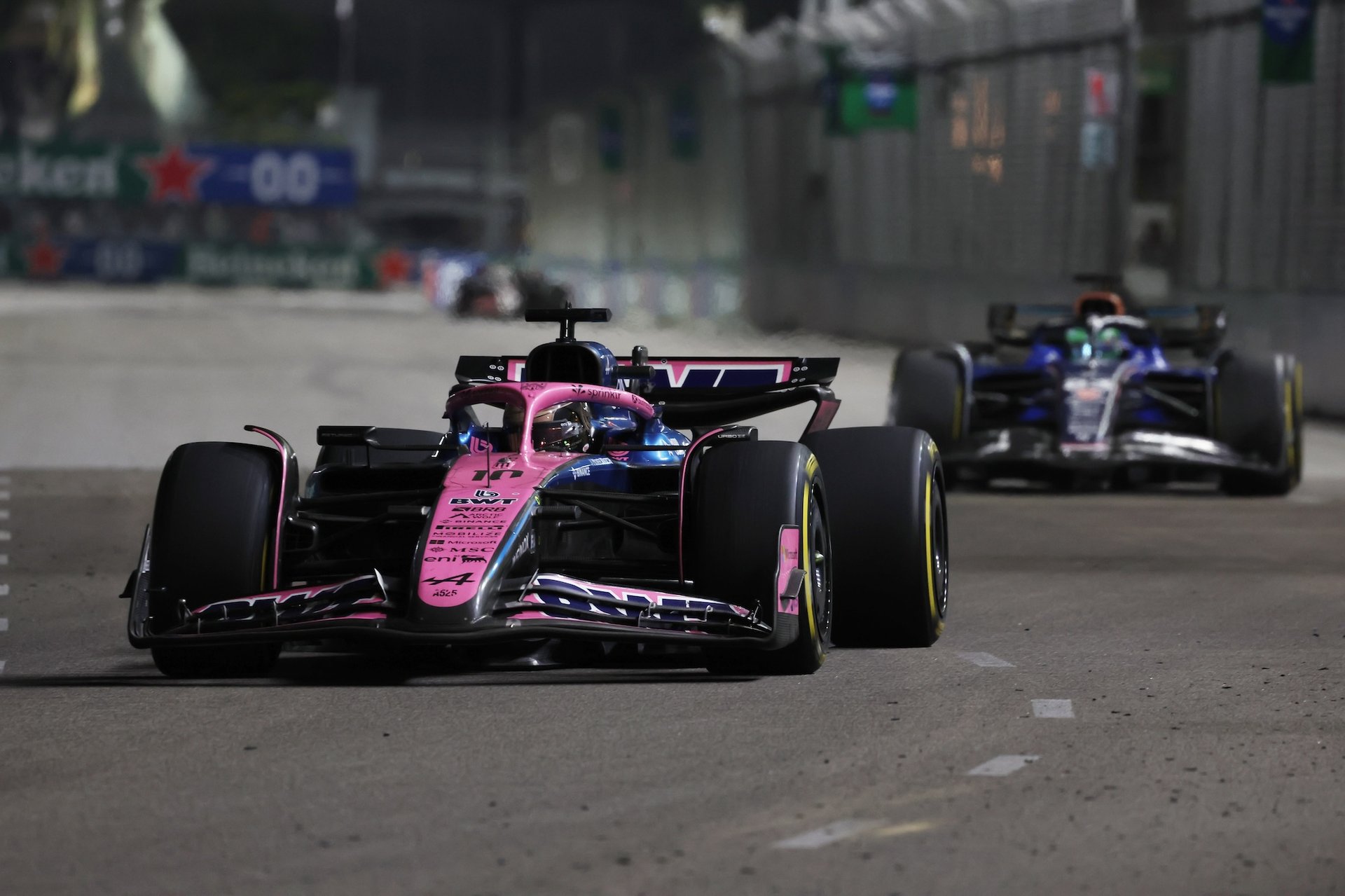
For BWT Alpine Formula One Team, set to run a Mercedes engine for the first time after shutting down its Renault power unit program, the ruling could prove significant.
With no in-house engine of its own, the Enstone-based outfit must now contend with a power unit at the centre of a technical controversy — one that could shape the entire 2026 campaign.
BWT Alpine Formula One Team: high hopes built on an already controversial engine
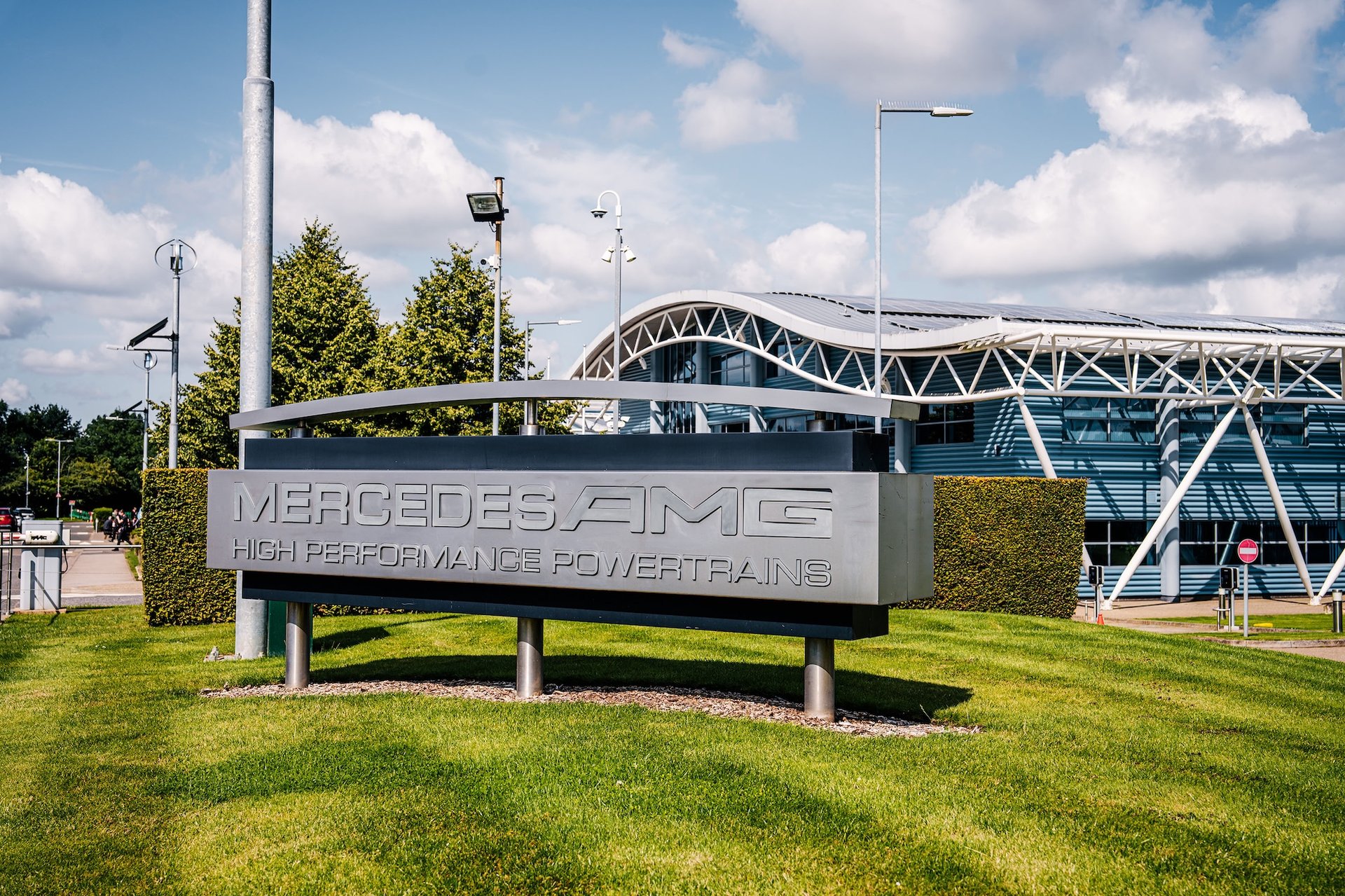
In 2025, BWT Alpine Formula One Team officially ended its internal engine program and committed to Mercedes power units for the new 2026 regulations.
This marked a major shift for the team, directly descended from Renault F1 Team, as Formula 1 enters a new hybrid era balancing combustion and electric power.
The decision allowed Alpine to redirect its full attention to chassis and aerodynamic development. But as pre-season testing approaches, the engine meant to support this transition is already under scrutiny.
The controversy stems from a rule change reducing the allowable geometric compression ratio from 18:1 to 16:1. This adjustment is part of the 2026 regulatory framework, designed to attract new engine manufacturers, reduce costs, and rebalance power between internal combustion and electric systems.
Article C5.4.3 states that no cylinder may exceed this ratio. But the measurement must be taken with the engine off, at ambient temperature — and that’s where the controversy begins.
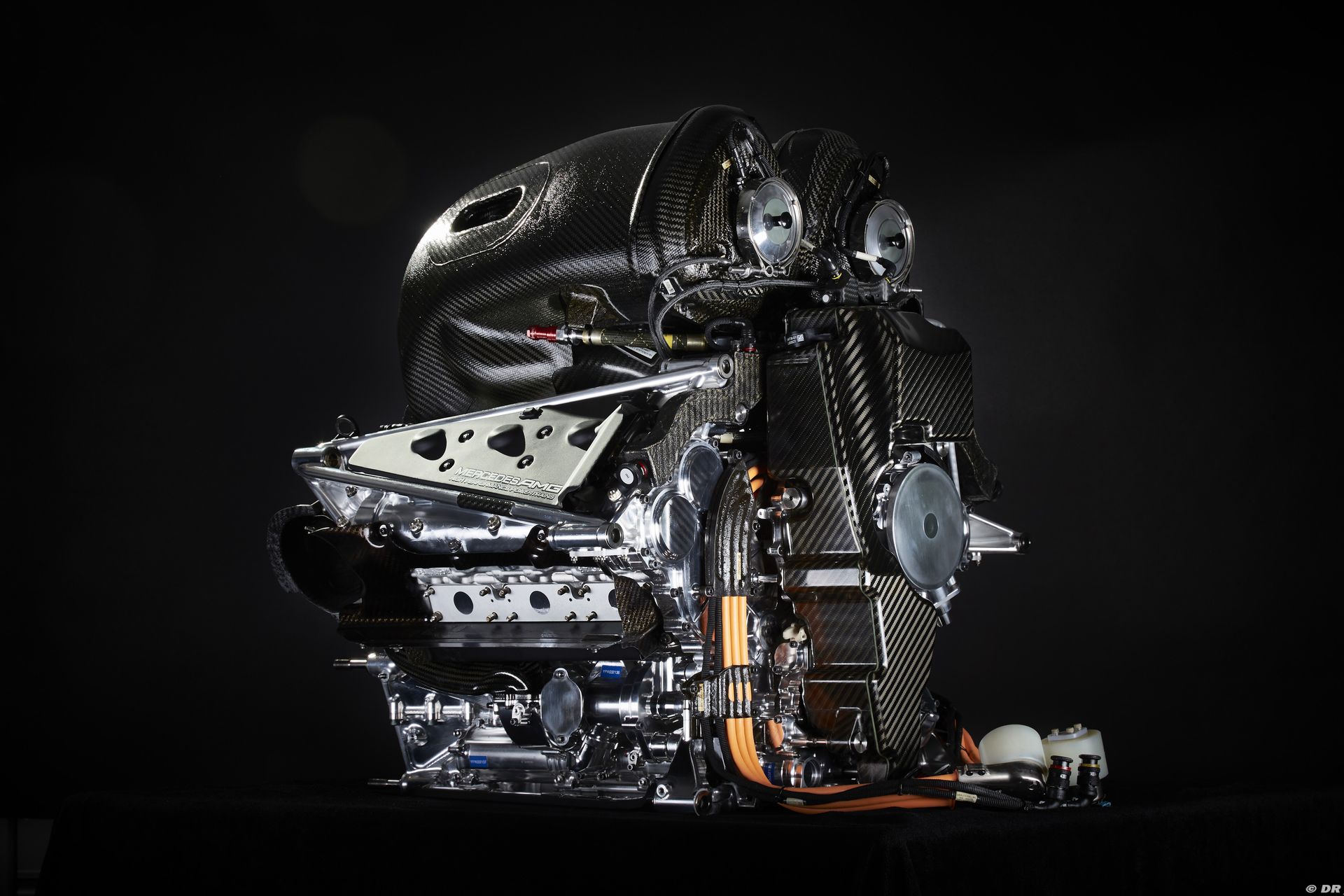
Mercedes has taken advantage of this loophole in a clear and direct way: at ambient temperature, the engine complies with the 16:1 limit. But once running, thermal expansion of internal components alters the geometry, effectively raising the compression ratio and, with it, the engine’s power output. Red Bull, reportedly through former Brixworth engineers, is believed to have implemented a similar system.
A costly ruling from the FIA
Rival engine manufacturers had pushed for a stricter interpretation. But following its review, the FIA confirmed that only the cold measurement is valid. The decision echoes previous controversies — from flexible wings to Ferrari’s fuel flow meter in 2019.
This interpretation could have a direct impact on the 2026 pecking order. Early estimates suggest the gain from this setup could range from 10 to 13 horsepower, or roughly 0.3 to 0.4 seconds per lap depending on the circuit — a substantial margin in an era of cost caps and limited engine development.
To make matters more complicated, adapting rival engines to replicate this solution would require deep structural redesigns — changes that couldn’t realistically be implemented before 2027.
BWT Alpine Formula One Team
Alpine’s position is anything but straightforward. On paper, the team gains access to a potentially top-tier engine that exploits the compression rule to its advantage. But as a customer, Alpine does not benefit from the same level of integration as Mercedes’ works team.
This is where performance gaps may emerge. Making full use of this technical setup demands tight coordination between the engine and chassis — from the survival cell’s architecture to thermal management, energy recovery systems (MGU-K, MGU-H), and power electronics.
These are areas that require advanced planning and close collaboration — something typically reserved for factory teams.
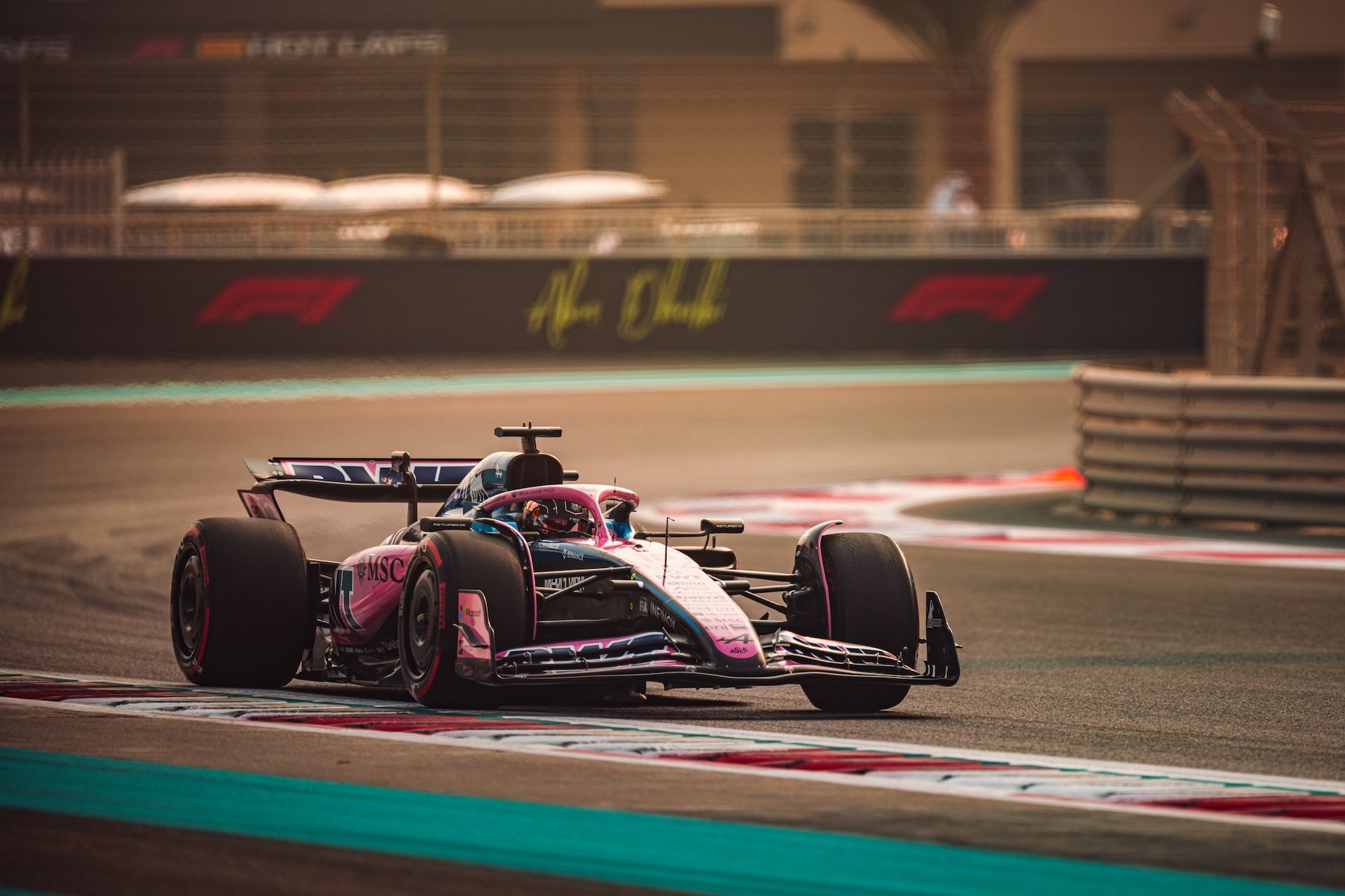
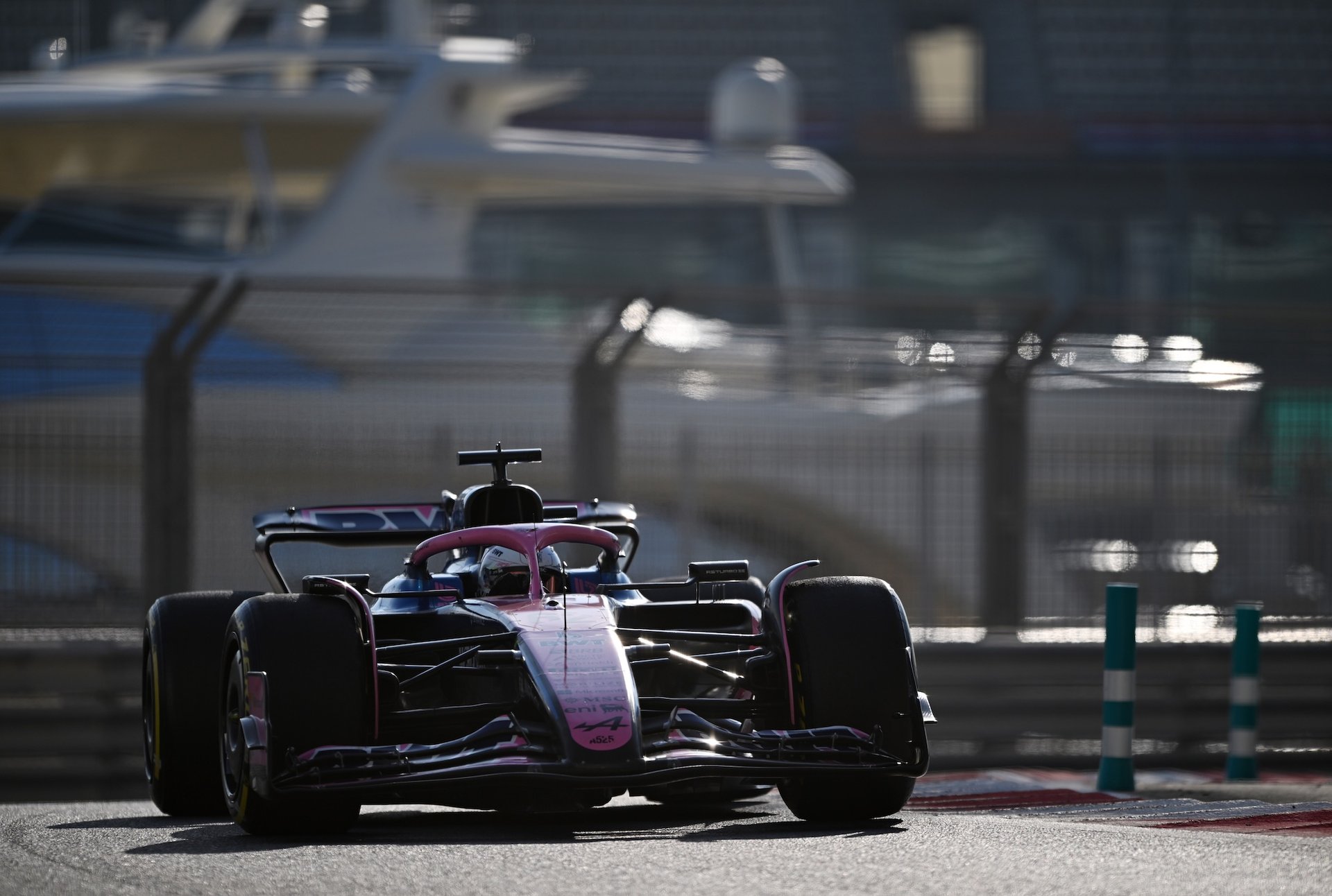
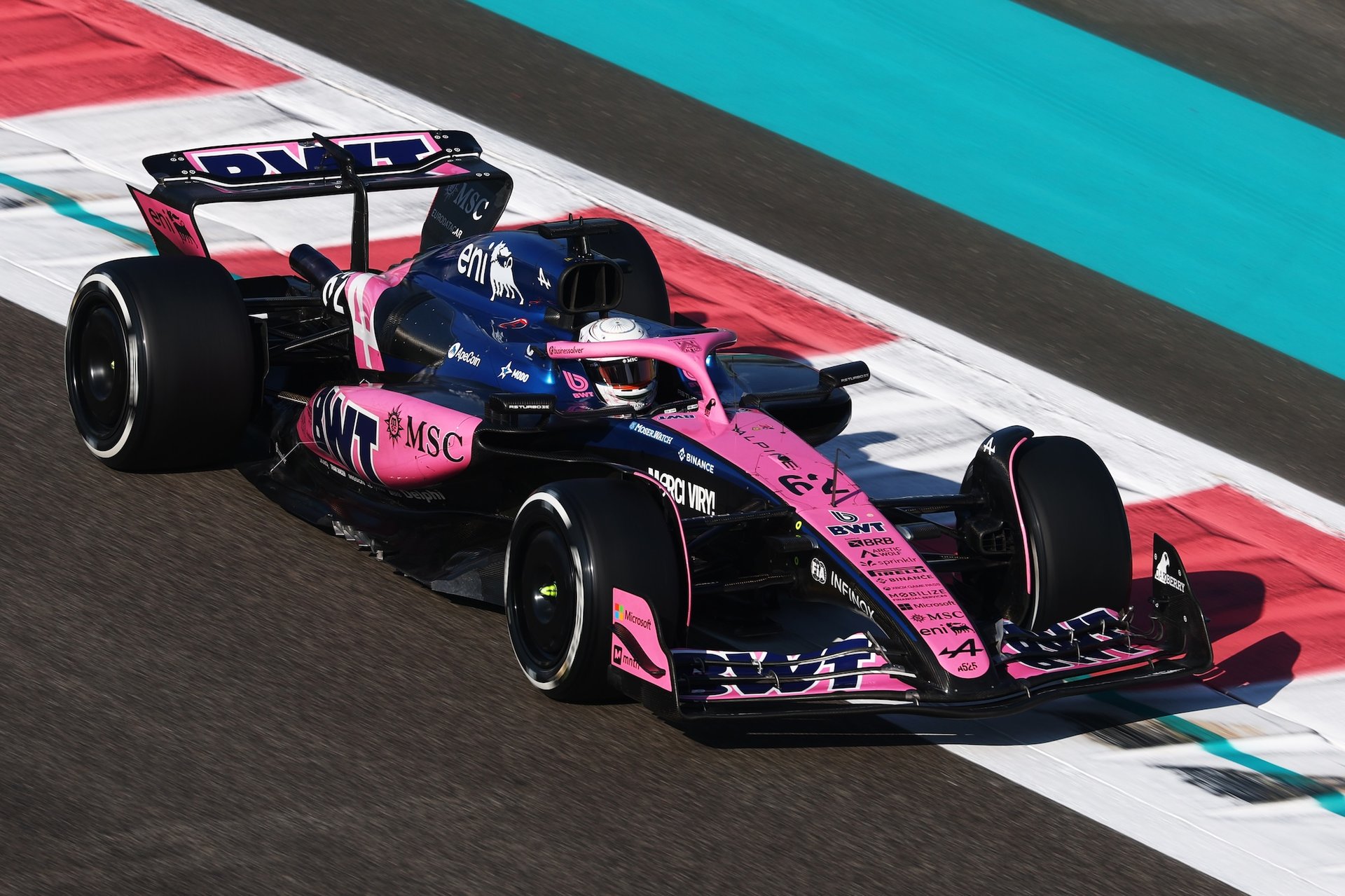
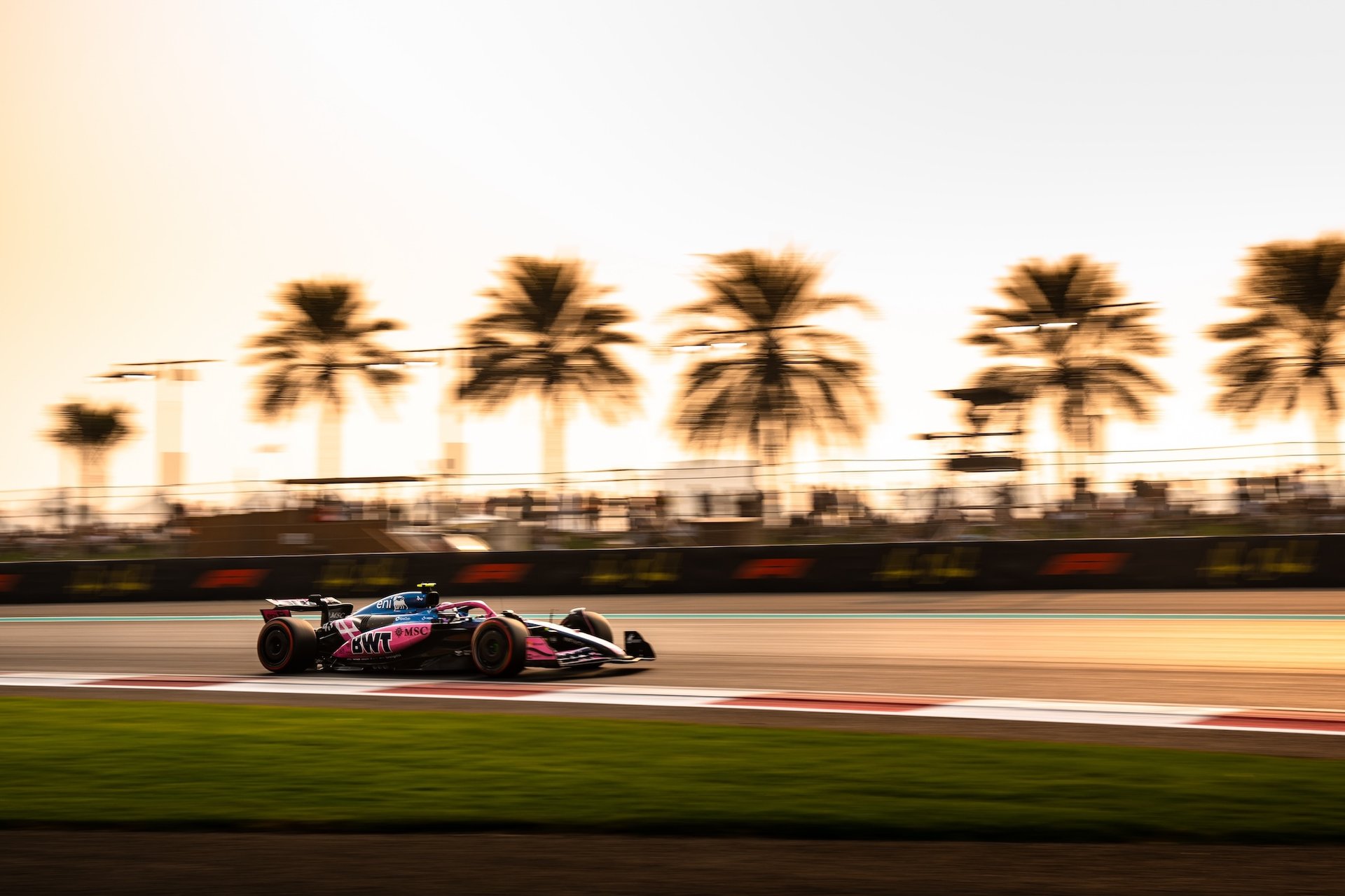
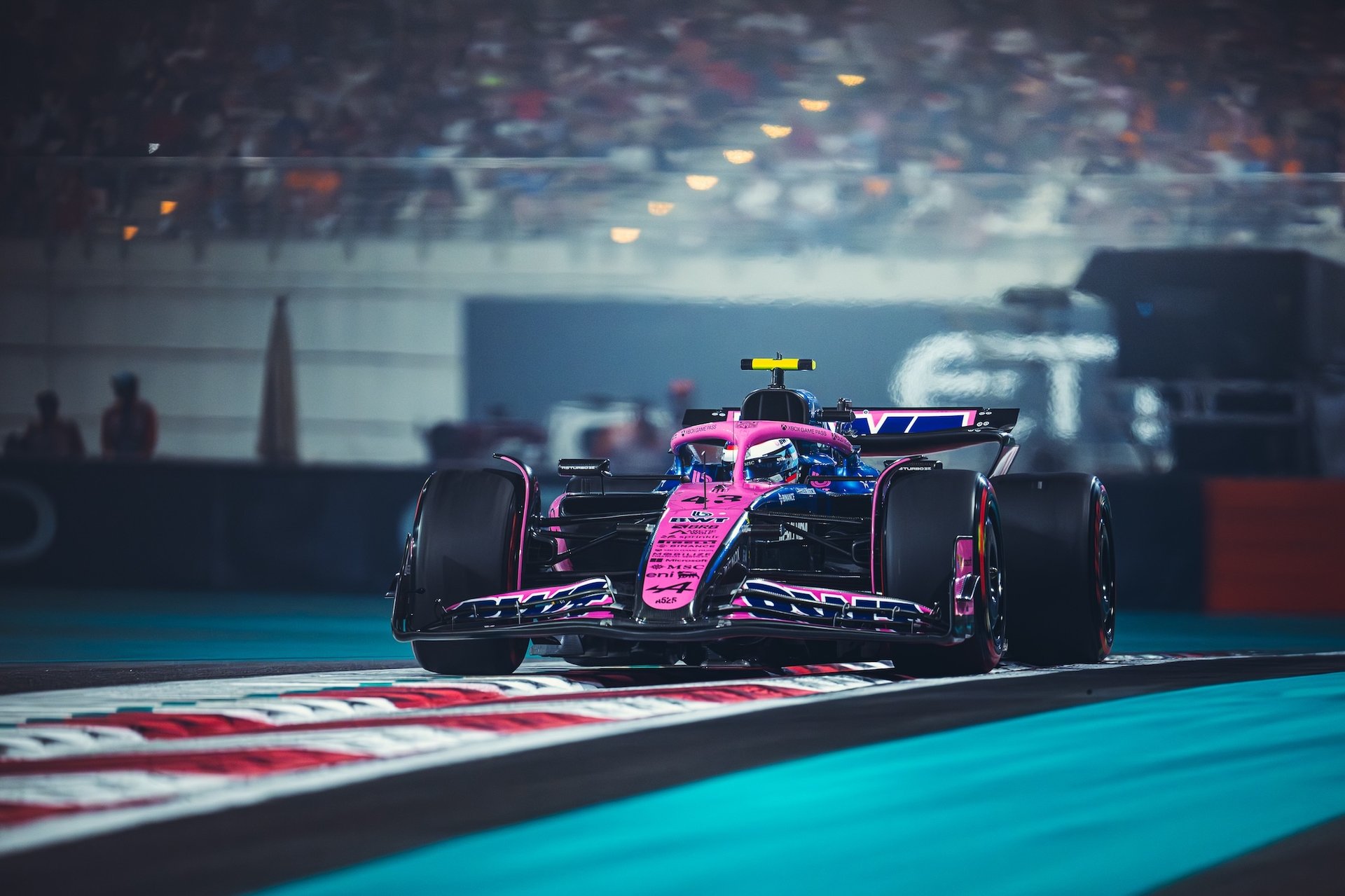
Engineers at Enstone are now working against the clock to ensure the upcoming Alpine A526 can fully accommodate this complex and demanding power unit. Theoretical gains may exist, but there’s no guarantee they will translate to the stopwatch. Being a customer doesn’t ensure factory-level performance — a pattern already visible with other Mercedes-powered teams.
Another unknown lies in the ADUO system (Additional Development and Upgrade Opportunity), meant to allow underperforming engine suppliers to introduce updates. However, this provision won’t be available until after round six of the season — and only if thermal power output falls more than 2% behind the benchmark.
Until then, the entire grid may be forced to deal with an imbalance built into the opening races.
A new engine war already underway
Ferrari, Honda, and Audi had hoped to intervene earlier, sending a joint letter to the FIA. But with the governing body’s verdict now final, teams face a binary choice: protest — as early as Melbourne — or adapt.
Legal recourse remains an option, especially if the performance gap becomes visible from the opening Grand Prix. But practically speaking, few technical solutions can be implemented on such short notice.
Tension is mounting — all the more so given the scale of the regulatory overhaul for 2026: 50/50 hybrid engines, 100% sustainable fuels, a dramatic drop in combustion power (from 850 to around 540 hp), and a sharp rise in electric power (from 120 kW to 350 kW). In this tightly controlled environment, any regulatory grey area becomes a potential game-changer.
For BWT Alpine Formula One Team, the 2026 season is filled with uncertainty. The Mercedes engine brings promise, but integrating it effectively is far from simple. Success will hinge on the team’s ability to fine-tune the chassis, ensure reliability, manage energy recovery, and fully optimise engine mapping.
With the Renault era behind them, excuses tied to the former power unit no longer apply. The partnership with Mercedes raises expectations — and demands total command of a very specific piece of machinery.
A season compromised before it begins?
With the countdown to Melbourne underway, the 2026 storyline is already taking shape — in the footnotes of the rulebook. Winter testing may answer some questions, but others will linger until the cars hit the track.
In Formula 1, interpretation matters as much as innovation. And when something as precise as a measurement temperature can yield multiple tenths per lap, grey areas stop being loopholes — they become weapons.
Source : Motorsport Magazin