🇫🇷 Cet article est également disponible en français : Lire en français
Renault has abandoned its F1 engine, the A424 is nearing the end of its works programme, and the proposed Geely takeover has fallen through. Now the group is preparing to sell Alpine Racing SAS to Dumarey. At Viry-Châtillon, the promised transformation is ending in a departure from Renault. Meanwhile, Formula 1, now Alpine’s overriding priority, is delivering more Sundays without points despite the switch to Mercedes power. This hardly looks like a strategy paying off.
In February, we wrote about our anger at the announced withdrawal from endurance racing. We called for a proper ambition for Viry-Châtillon, firm industrial commitments and a motorsport strategy that amounted to more than putting a logo in front of an audience. Eight months later, Renault is preparing to sell Alpine Racing SAS to Belgium’s Dumarey Group.
What is happening deserves plainer language than the press release provides. Renault decided to end its Formula 1 engine programme. It then announced the closure of the Alpine A424 works programme. Now it is preparing to sell the company responsible for Viry’s motorsport activities. This succession of retreats looks less and less like a transformation, and increasingly like a withdrawal in instalments.
The expertise is always described as exceptional when the time comes to sell it. Apparently, it was no longer exceptional enough to justify continued investment in racing.
A proposed sale of Viry, not the F1 team
The scope of the deal needs to be clear. It covers Alpine Racing SAS, its workforce and the assets needed to operate the site. Completion remains subject to the employee information and consultation process and the required regulatory approvals. If the transaction goes ahead, the company will operate under Dumarey’s name, ownership and management.
Alpine Racing SAS in Viry-Châtillon is a separate company from Alpine Racing Limited in Enstone. The latter houses Alpine’s Formula 1 team. The proposed transaction is therefore not a sale of the F1 operation.
The deal is said to safeguard 150 jobs, while its financial terms remain undisclosed. For those employees, a takeover may be preferable to a future with no work in sight. But discussing the jobs being transferred without explaining the programmes that have been cut and the teams that have scattered would mean starting this story at its final chapter.
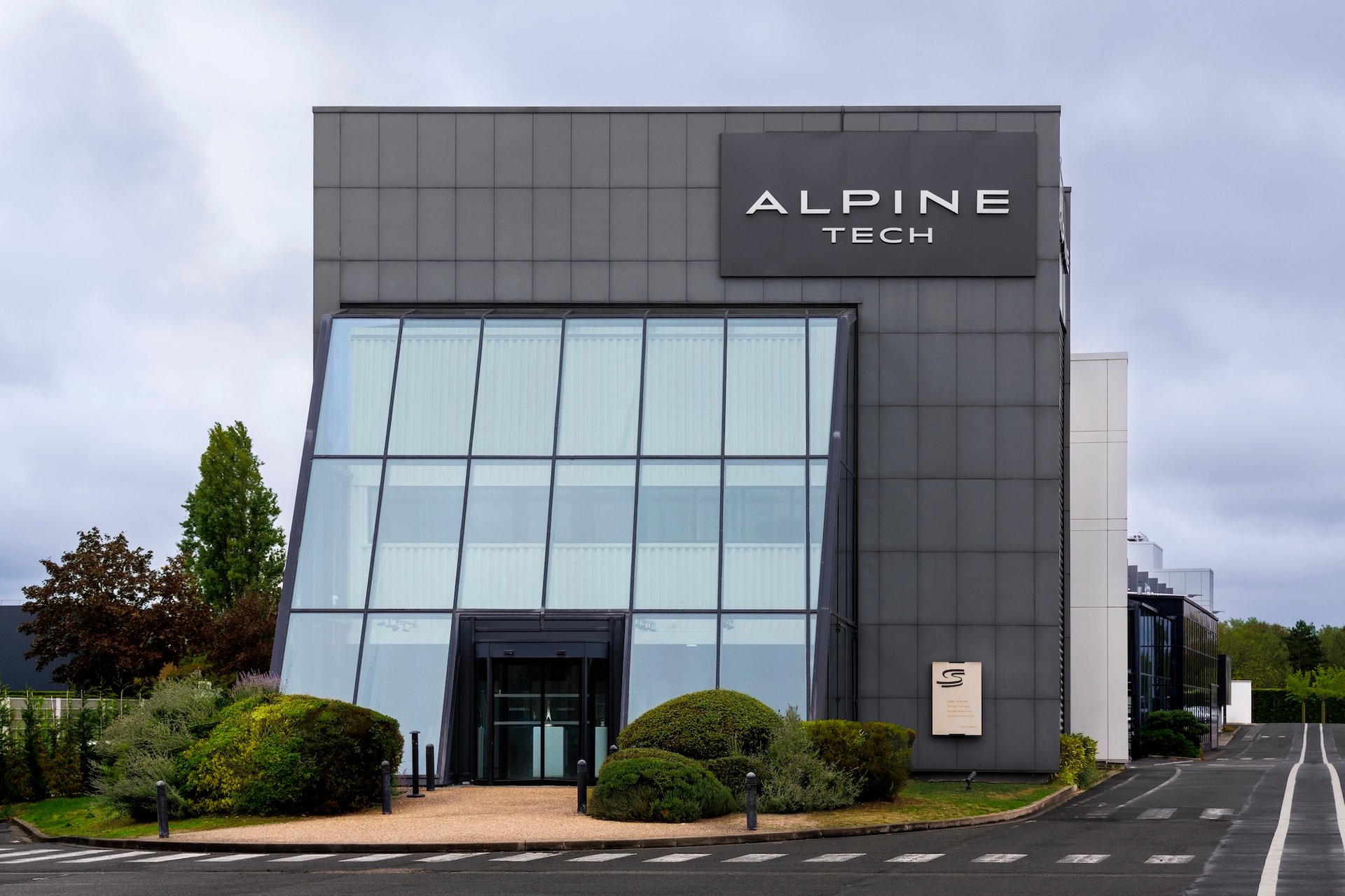
Viry is far more than a box on an organisational chart
The site’s history began long before the Alpine name appeared on today’s Formula 1 cars. Amédée Gordini chose Viry-Châtillon as the base for his activities in 1969. To reduce that history to a single marque would miss the point: Viry belongs to a lineage spanning Gordini, Renault and Alpine, shaped by industrial alliances and sporting challenges.
Renault’s archives provide a tangible milestone: on 23 July 1975, an early 1.5-litre turbocharged V6 ran on a test bed at Viry. Two years later, Renault made its Formula 1 debut with the RS01. In 1979, Jean-Pierre Jabouille won the French Grand Prix, delivering the first victory for a turbocharged engine in the championship.
That engineering gamble eventually produced a formidable record. In our tribute to Viry and Mecachrome ahead of Abu Dhabi 2025, we recalled the achievements of Renault engines: 178 wins, twelve Constructors’ World Championships and eleven Drivers’ titles. Williams, Benetton, Renault, Red Bull: the success spanned several teams and several eras.
An engine manufacturer’s tally should not be confused with that of its own works team. What matters is understanding what was built here: the ability to design an engine, push it to its limits, put its faults right and win with it. The results are the record. The expertise of the people working together is what made them possible.
Hypertech Alpine: remember the promises of September 2024
To grasp what the proposed Dumarey deal means, revisit the commitments Alpine published on 30 September 2024. We examined them in our analysis of Hypertech Alpine’s creation and the abandonment of the Renault V6.
Alpine was announcing Hypertech Alpine, an engineering centre intended to contribute to its future supercar, next-generation batteries and electric motors. The WEC, customer racing and programmes for partner brands were meant to preserve its motorsport foundations. An F1 monitoring unit would retain the knowledge acquired in the championship. Every employee affected was to be offered a role within the new organisation.
Management presented the transformation as a long-term undertaking that would retain expertise and safeguard the group’s intellectual property. Existing motorsport programmes, it said, would also be strengthened.
The appointment of Axel Plasse to lead Hypertech Alpine in 2025 still fitted that vision of a new role for the site. Those commitments deserve to be remembered. In September 2024, Viry was supposed to help shape Alpine and Renault’s technological future. By February 2026, the WEC had been dropped from the roadmap beyond the current season. In October, the sale of the company was announced.
The stated ambition was to keep Viry at the heart of Renault. The proposed outcome is to remove it from the group. That promise has failed.
The question is no longer whether Hypertech was an appealing name. It is why the promised activities failed to offer a strong enough future for Renault to retain the operation. As early as March 2026, reports were carrying CGT union warnings about halted investment and workforce reductions. There were concrete industrial reasons for the unease, well before Dumarey entered the picture.
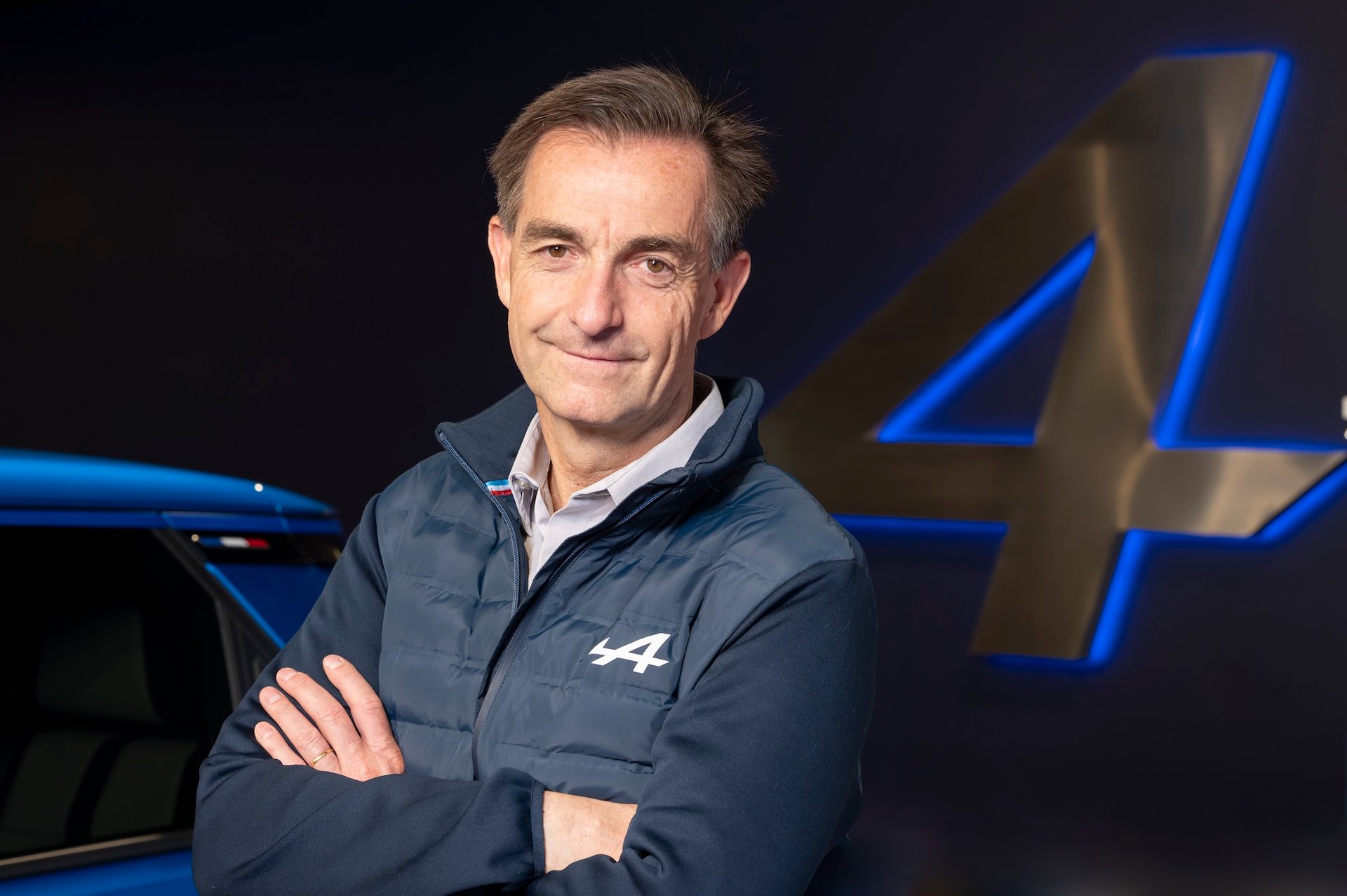
The abandoned 2026 engine was more than an idea on paper
Renault’s hybrid engine had its limitations. We never pretended otherwise. But the shortcomings of one generation did not make developing the next pointless. The 2026 regulations were changing the engineering challenge itself. Renault chose to walk away before seeing what its own work could deliver.
Viry was already working on that next generation. According to information released by the works council in September 2024, the first version of the engine intended for 2026 had fired up on the test bed on 26 June 2024. Employee representatives reported encouraging results, including efficiency above 48 per cent.
Those figures came from employees defending the programme. They do not establish that the engine would have beaten Mercedes, Ferrari or Honda. Nobody can know where an engine that never raced would have finished.
They do, however, show that Renault walked away from a development programme already under way, with teams committed to it and hardware running on test beds. The engine was dropped before it could prove itself on track. The decision went beyond changing suppliers: it ended the engineering contest that had sustained Renault’s capabilities as an engine manufacturer.
Employees had warned that expertise would be lost
The day after the Hypertech announcement, employee representatives issued an unfavourable opinion on the plan. Their response, published on 1 October 2024, stressed how underdeveloped the replacement projects were and warned that people with critical skills could leave. They also distinguished between permanent employees and contractors whose assignments were coming to an end.
We returned to those concerns in our 10 February 2026 article on the future of Viry-Châtillon and the WEC, before the withdrawal from endurance racing was officially announced. That warning helps explain where things stand today. Taking on every employee still at a company in October 2026 does not mean retaining the entire team that worked at Viry before the reorganisation.
In October, employee representatives reported departures to other teams. The dispersal of expertise is no longer merely the risk identified in 2024. It has begun.
The damage is serious enough already: a diminished site, expertise gone elsewhere and one final top-level engine programme that Renault has decided to end. Keeping the machinery after allowing the team around it to break apart is not enough to preserve an industrial capability.
Mercedes: a different engine, the same difficult Sundays
The sporting justification for the sacrifice deserves the same scrutiny. Alpine chose to focus on Formula 1 and buy its power units from Mercedes. Early in the season, there were grounds for optimism: at the 2026 Chinese Grand Prix, Pierre Gasly finished sixth and Franco Colapinto tenth. Nine points on a Sunday and a car that looked more convincing over a race distance: we welcomed that progress.
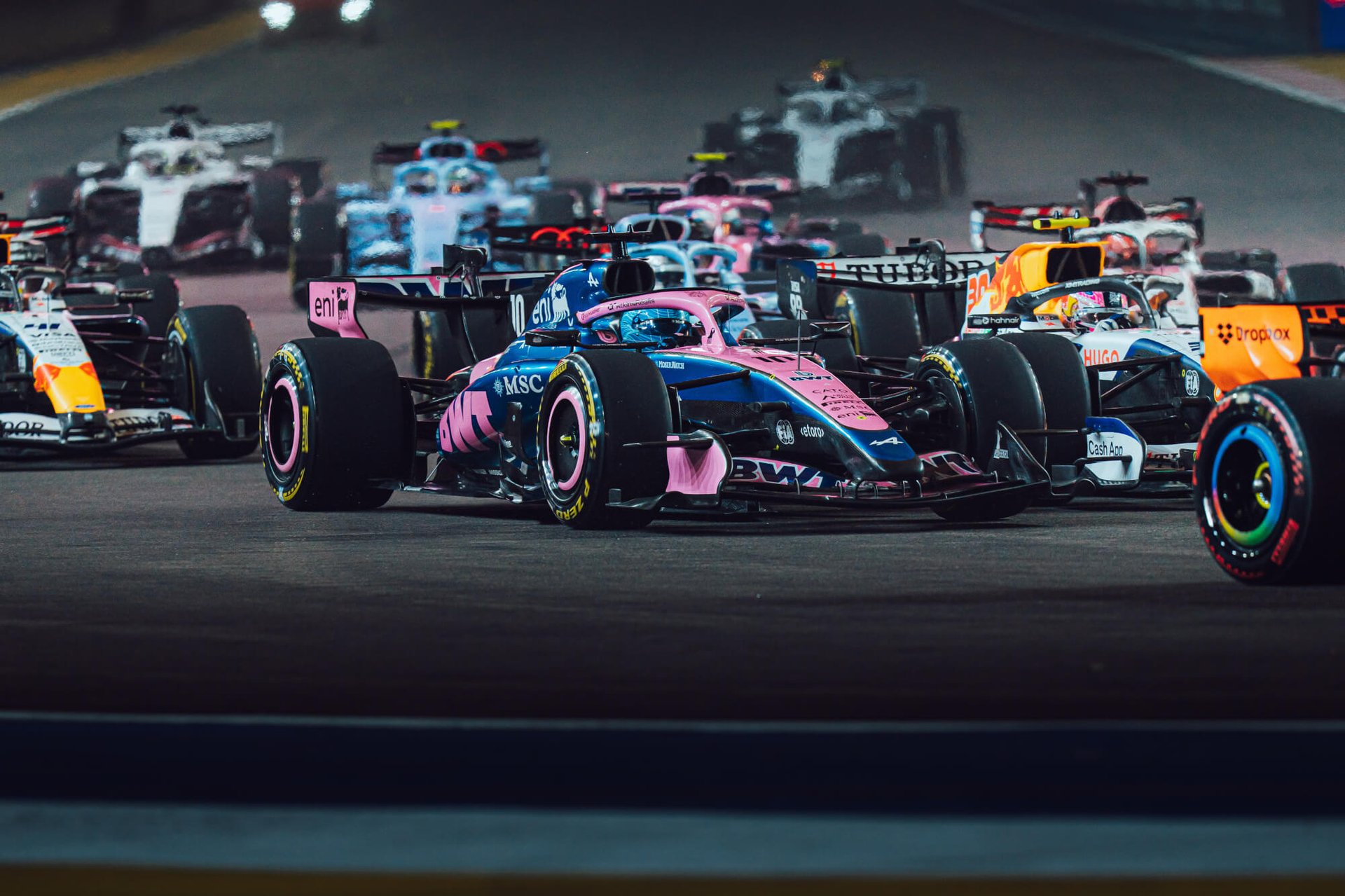
But the revival did not bring lasting consistency. Our Singapore race report tells a different story: Pierre Gasly finished eleventh after starting seventh, Franco Colapinto retired, and the team went a third consecutive Grand Prix without scoring. Q3 appearances are not in short supply; turning them into results is another matter. Poor traction, worn-out rear tyres and technical trouble point to problems that extend well beyond the choice of engine supplier.
At Austin, the qualifying results published by Alpine as of 25 October put Gasly eleventh and Colapinto fourteenth on pace. The Frenchman moves up one place on the grid following a penalty for another driver. At this stage of the weekend, Alpine is still fighting simply to get into the points.
It would be dishonest to blame Mercedes for every difficulty. The conclusion is more awkward for management: Renault’s engine has been removed, but Alpine’s problems have not. The team is still searching for sustained performance, having surrendered part of its technical independence.
When we wrote about the Mercedes-powered A526, we said the old excuse would no longer wash. That standard still applies. Having made Viry the operation that could be sacrificed, Enstone must answer for its own results. Focusing on Formula 1 cannot be declared a success merely because the other programmes have been shut down.
Leaving the WEC narrowed the horizon further
On 12 February 2026, Alpine announced that its World Endurance Championship participation would end after the 2026 season. The marque cited slower-than-expected growth in the electric car market and the need to keep investing in its model range. Viry, by then called Alpine Tech, was supposed to develop innovation projects and engineering services for outside companies. The announcement also outlined support for employees, including redeployment and departure options.
The decision came after the A424’s first victory at Fuji on 28 September 2025. That win did not prove the programme was profitable. It did prove that it could win. Walking away afterwards was a strategic choice, not the unavoidable consequence of a car that could not compete.
The irony became crueller in 2026. At Fuji in September, the A424 finished second, just 0.591 seconds behind the winning Toyota, with both cars in the top four. The programme Renault had condemned was still proving its worth on track.
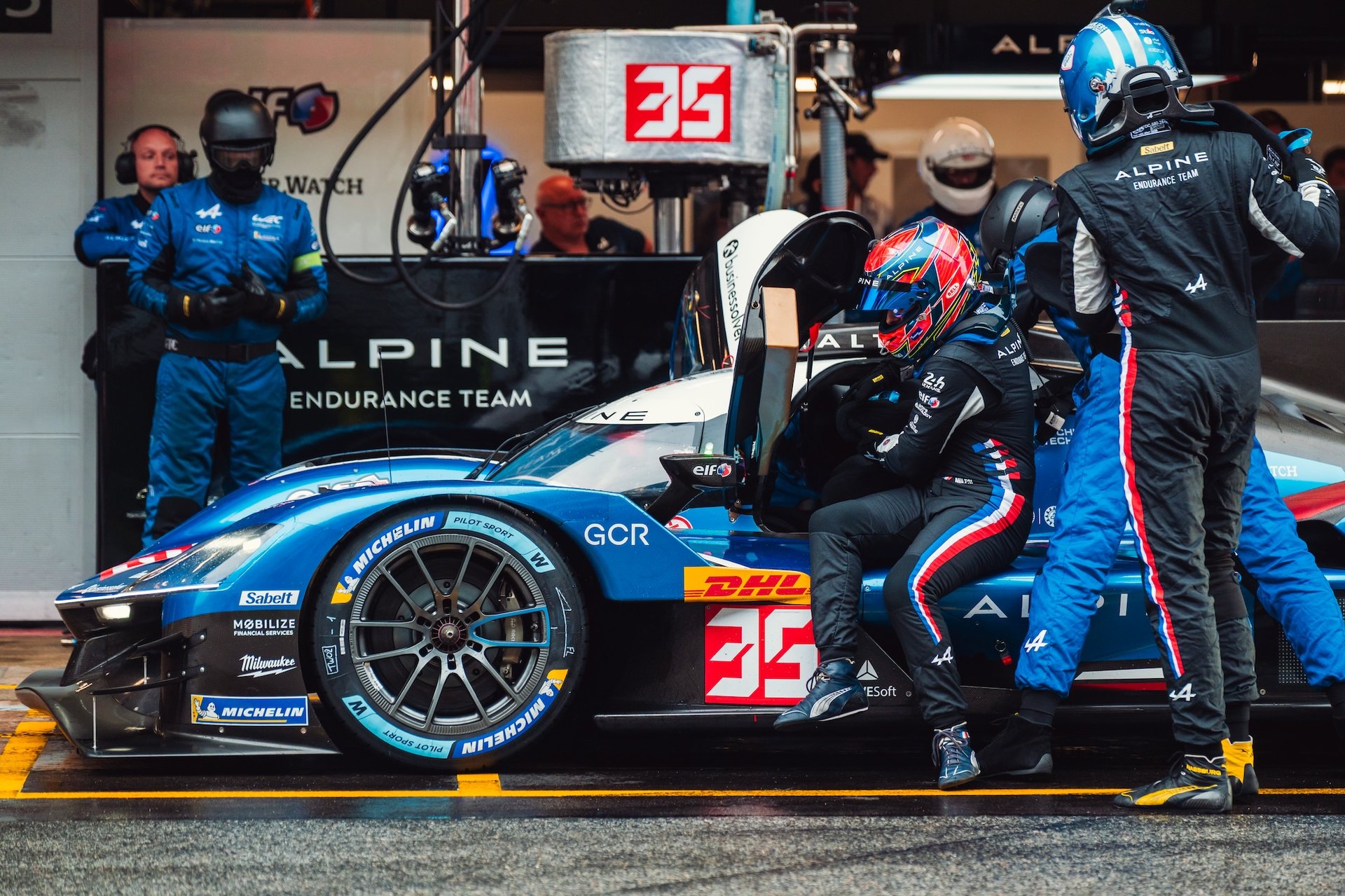
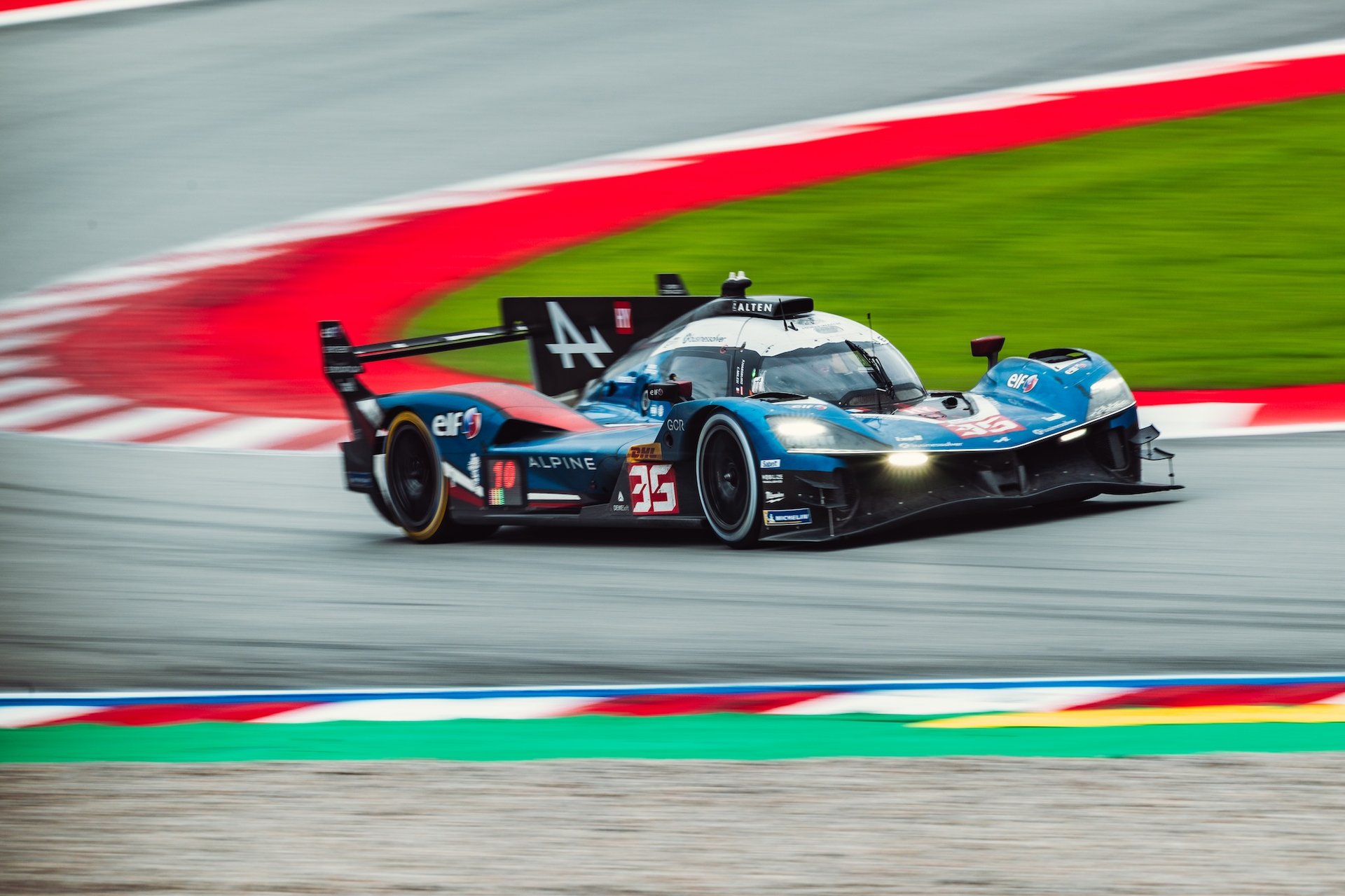
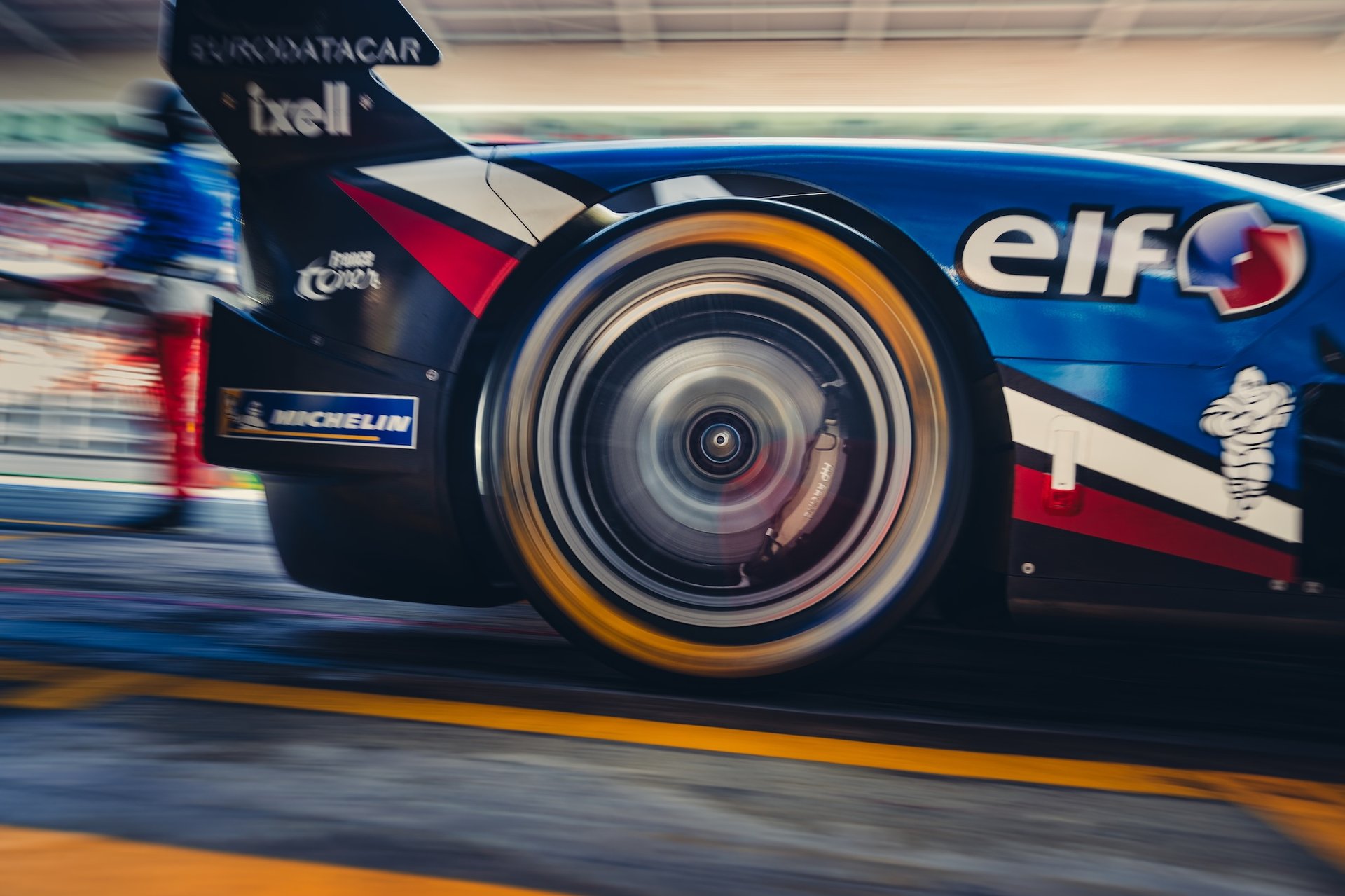
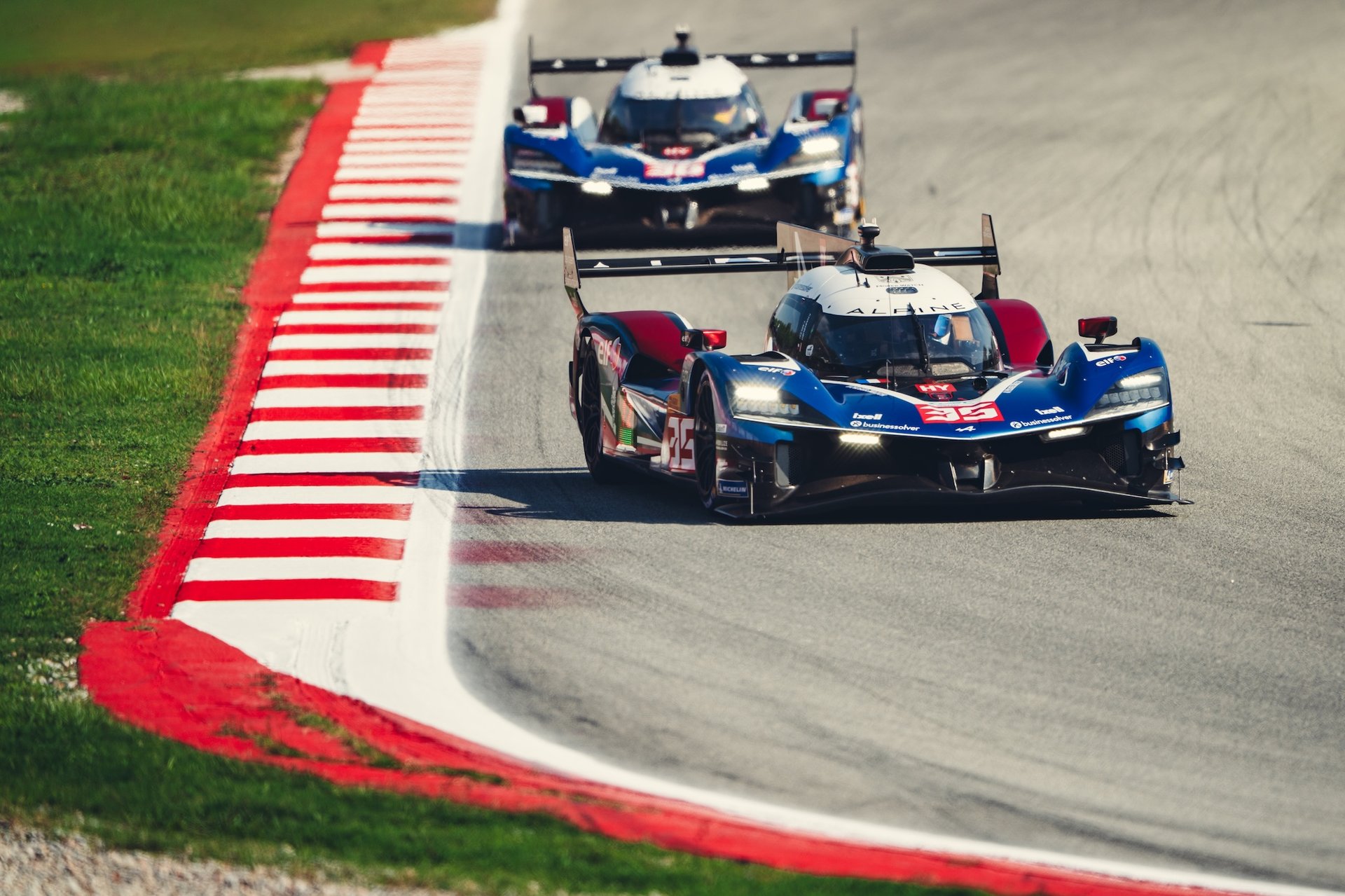
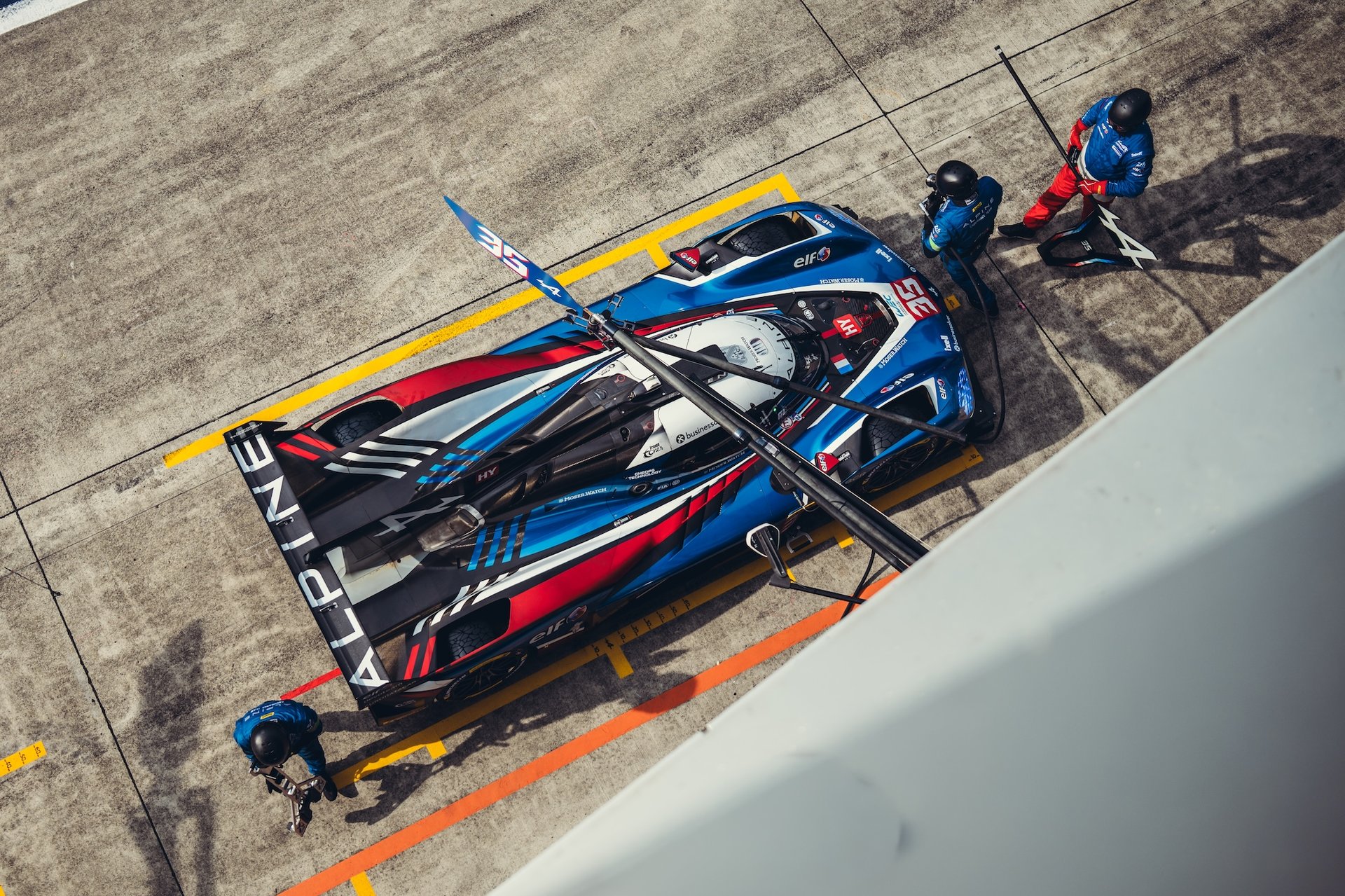
After the F1 engine programme ended, the A424’s V6 was the last remaining outlet for Viry’s engine expertise in world championship competition. In 2025, Alpine had brought engine assembly in-house at Viry, taking over work previously handled by Mecachrome. Test-bed running and development work, particularly on reliability, were also carried out there.
That work could not replace a Formula 1 engine department: the engine had already been designed and homologated, and the demands were on a different scale. But it still gave Viry’s facilities a tangible racing purpose. By ending the works Hypercar programme, Renault is cutting off that last outlet too, with no replacement racing engine programme announced in the documents reviewed.
We examined the possible ways to extend the A424’s racing career. That account now needs updating: the leading takeover prospect has fallen through.
BYD was approached; it was the Geely deal that fell through
The names are not interchangeable. In June, Philippe Sinault confirmed contact with BYD as one of several possibilities. That was neither a signed contract nor a secured takeover.
The advanced discussions in the autumn involved Geely. On 12 October, The Stint reported that the Chinese manufacturer would not take over the programme. According to its reporting, Geely was the only serious candidate, leaving Signatech without a concrete solution for 2027. By 23 October, specialist coverage was also reporting that the talks had fallen through.
RACER’s sources cited intellectual property difficulties involving electronics and control systems, alongside a disagreement over the programme’s valuation, which was considered too high on the Geely side. These are explanations reported by the specialist press, rather than reasons officially acknowledged by the parties. They nevertheless raise a question that is hard to avoid:
Did Renault really give the programme it was abandoning every chance of survival?
As of 25 October, no buyer for the A424 programme has been confirmed in the sources reviewed. Selling the Viry company to Dumarey does not change that: acquiring an engineering operation is not the same as taking over Alpine Endurance Team’s racing programme. Continuing to portray the Hypercar’s future as an open menu of possibilities would obscure the central fact: the most advanced solution has collapsed, and time to put another together is running out.
Dumarey: an industrial future that needs more than promises
An industrial buyer’s interest in Viry confirms that the site still has value. But talk of “securing its future” is no guarantee, especially after two years of successive promises.
Dumarey’s recent record in France needs examining. In January 2026, Dumarey Powerglide announced the closure of its Strasbourg plant, affecting the 320 remaining jobs. The group subsequently announced the closure of Andrézieux-Bouthéon, which employed around 260 people. Viry’s engineering business is different from those transmission plants. Even so, that record rules out treating the announcement of a buyer as a guarantee of long-term security.
What investment will Viry receive? Which programmes are funded? Who are the customers? What commitments protect jobs, and for how long? What happens to the projects once presented as essential to Alpine?
The 22 October press release provides no details on any of this.
The racing continues; the strategy unravels
Alpine remains in Formula 1. Customer racing continues too. It would be wrong to say the marque no longer races. What is disappearing is part of its engineering depth and the breadth of its commitment at the highest level: the ability to build its own F1 engine, its works endurance programme, and now Viry’s place within the group.
We are invited to consider each decision in isolation: an engine bought to improve competitiveness, a championship abandoned to concentrate resources, a company sold to protect jobs. Look at them together. Renault removed Viry’s principal purpose, failed to establish the promised replacement activities on a sufficient scale, and is now preparing to transfer what remains. Meanwhile, its priority F1 programme is enduring more fruitless weekends, while the competitive A424 still has no confirmed future.
Words such as “opportunity” and “continuity” must not be allowed to obscure that record.
In February, we asked for action. We are now seeing the consequences of the decisions that were taken. A new company name does not reassemble a scattered team. Finding a buyer for a site does not automatically save the car that was still giving its engine specialists work. And a Mercedes engine cannot restore the coherence Alpine loses by dismantling its own engineering operation.
For the employees who remain, we hope there will be funded projects, contracts and a secure working future. That is essential. It must not become a means of absolving Renault.
If Dumarey gives Viry a future in racing again, it will be sustaining something Renault no longer wanted to carry. Any success achieved by the buyer will not turn the seller’s abandonment into industrial foresight.
Source: Alpine Cars