🇫🇷 Cet article est également disponible en français : Lire en français
Rarely has a racing tire sparked so much fascination… and so many questions. With the Pilot Sport Endurance 2026, Michelin is introducing to the FIA World Endurance Championship a radically new approach to the endurance slick tire.
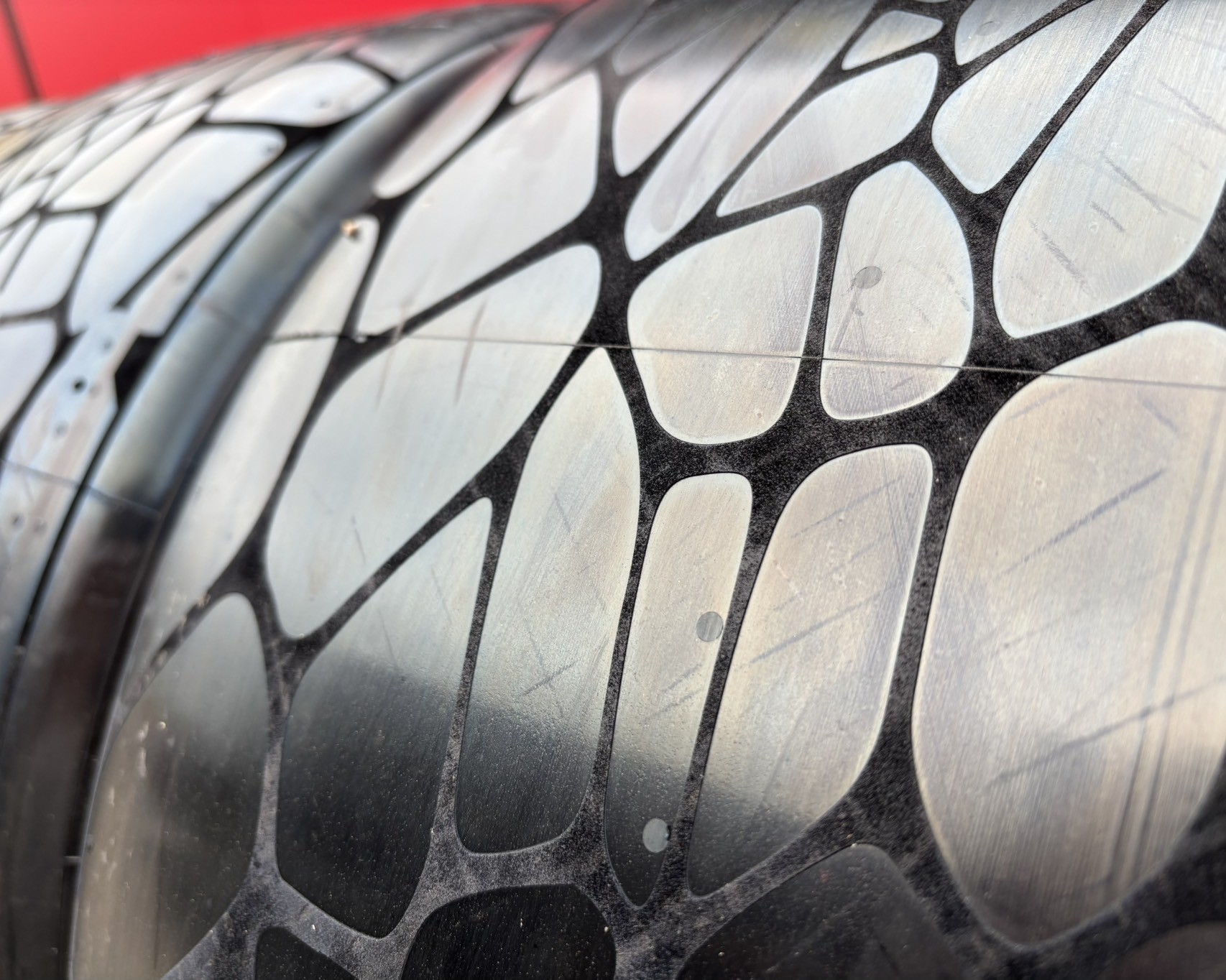
Behind this striking new organic design lies a more complex reality: an object engineered not only for performance, but also to be understood.
Quick answer
Does the Michelin 2026 Vision pattern improve performance?
No. It disappears after 1 to 2 laps and has no effect on grip or wear. It serves as a visual indicator and a technological showcase.
Michelin Pilot Sport Endurance 2026: quick technical overview
- Type: endurance slick tire
- Category: Hypercar / GTP (WEC & IMSA)
- Compounds: Soft / Medium / Hard + Wet
- Materials: ~50% renewable and recycled
- Special feature: temporary “Vision” pattern
- Warm-up: optimized without tire warmers
- Goal: consistency, durability, and race-readiness
👉 A tire designed around thermal management, controlled degradation, and modern WEC tire strategy.
A design that isn’t really design
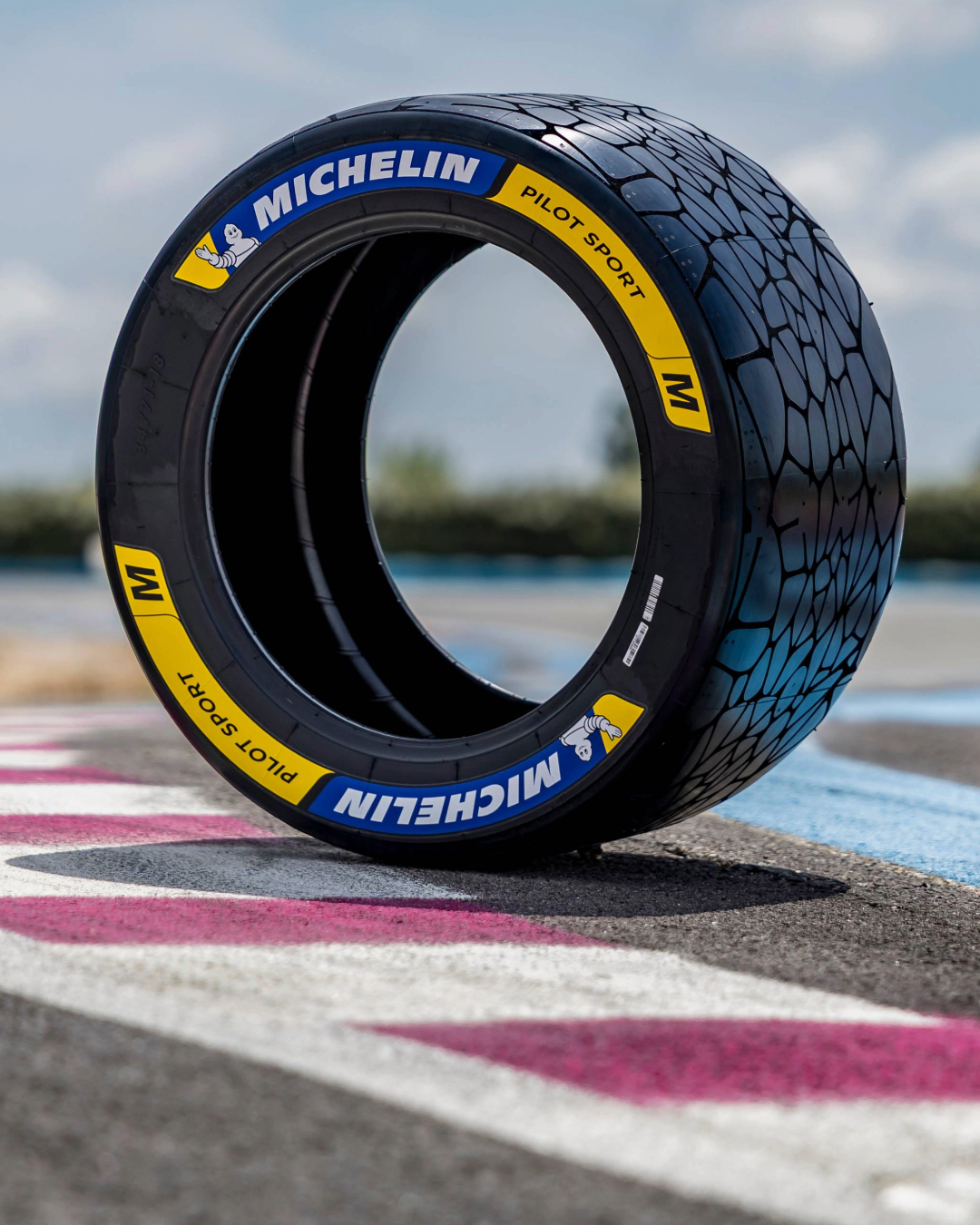
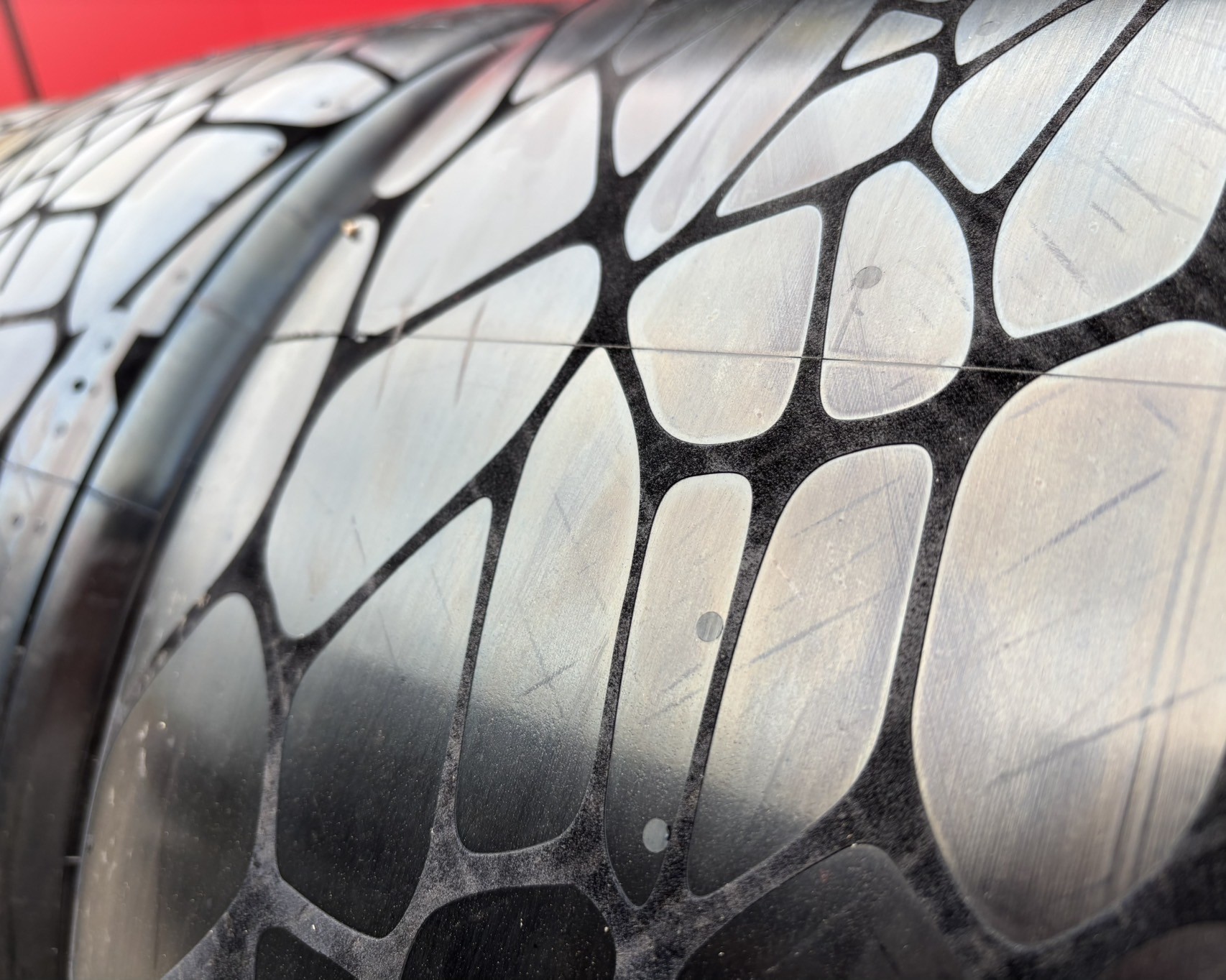
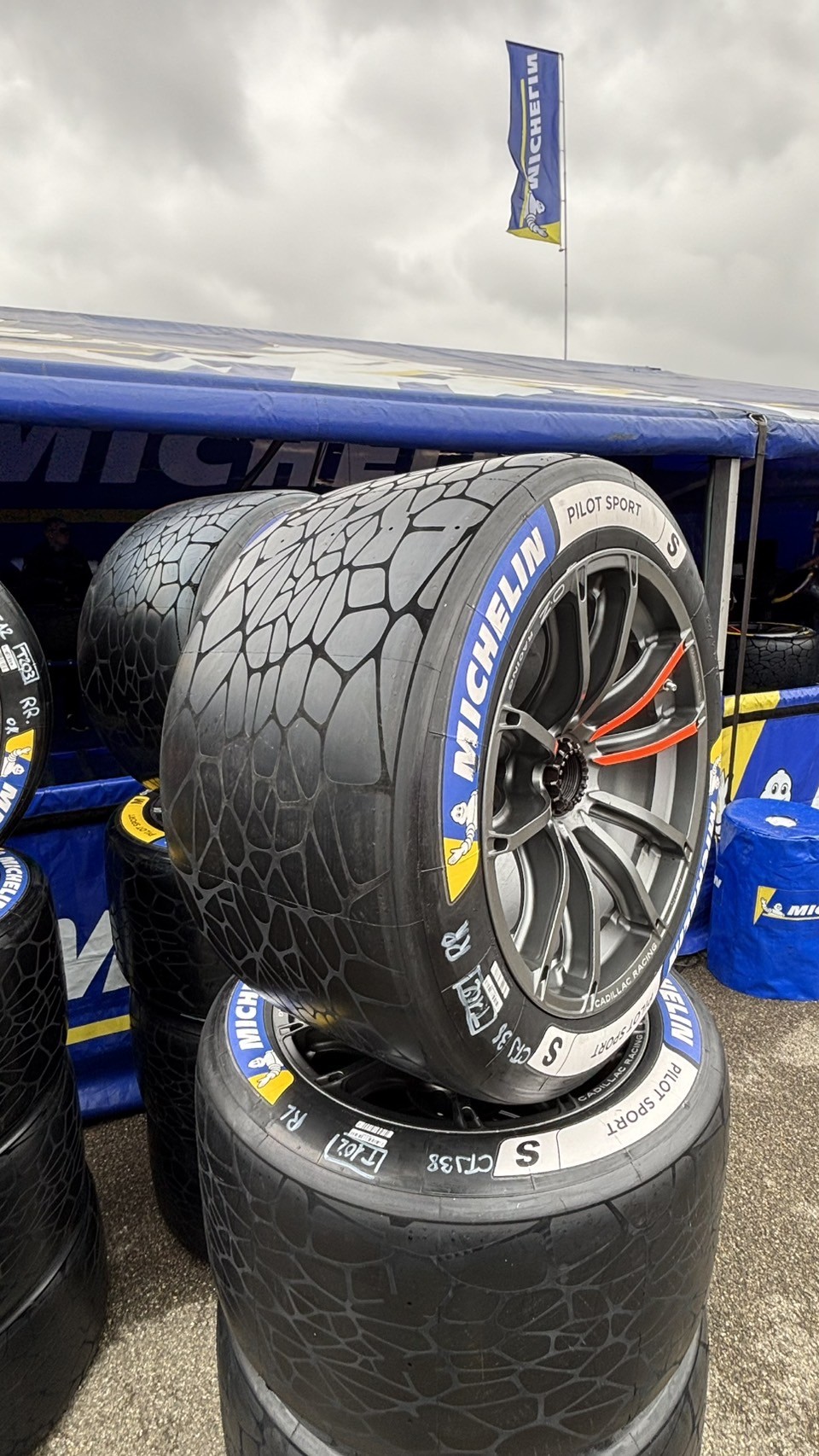
The Vision pattern is unsettling because it breaks a fundamental code: a slick tire is supposed to be smooth.
Here, Michelin deliberately introduces a texture that is:
- non-functional
- temporary
- yet highly meaningful
It is not a graphic. It is a signal.
A signal that says: this tire is new, different, and above all more complex than it looks.
Michelin’s 2026 tire vs. the previous WEC slick: what really changes
| Element | 2023–2025 generation | 2026 generation |
|---|---|---|
| Visual appearance | Conventional slick | Temporary Vision pattern |
| Materials | 30–45% sustainable | ~50% sustainable |
| Warm-up | More progressive | Faster (without warmers) |
| Degradation | Controlled | More linear |
| Readability | Limited | Immediate (new/used) |
👉 The real breakthrough is not visual.
It lies in the tire’s consistency and race exploitation.
The legacy of the Vision concept: from 2050 to today
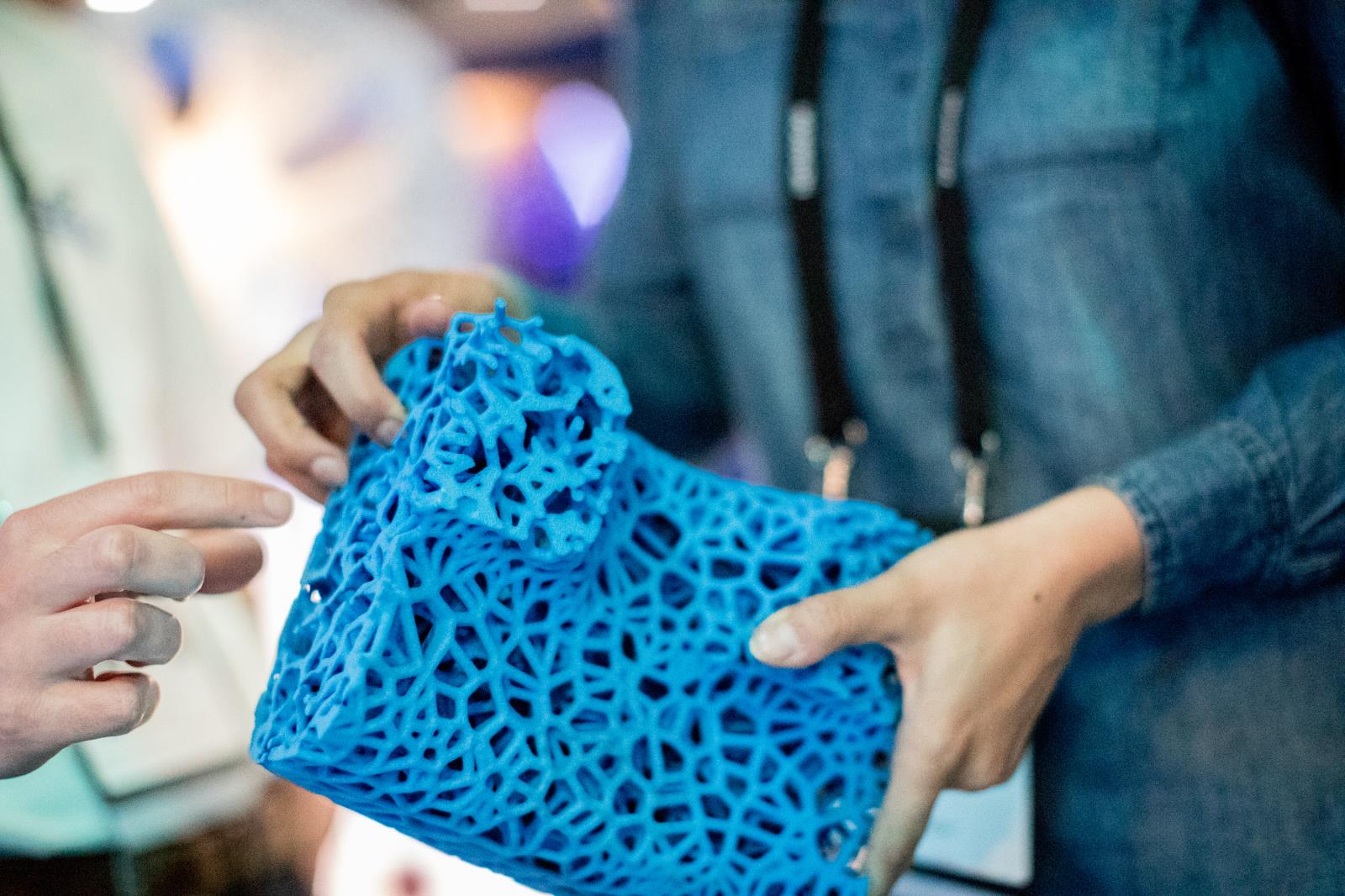
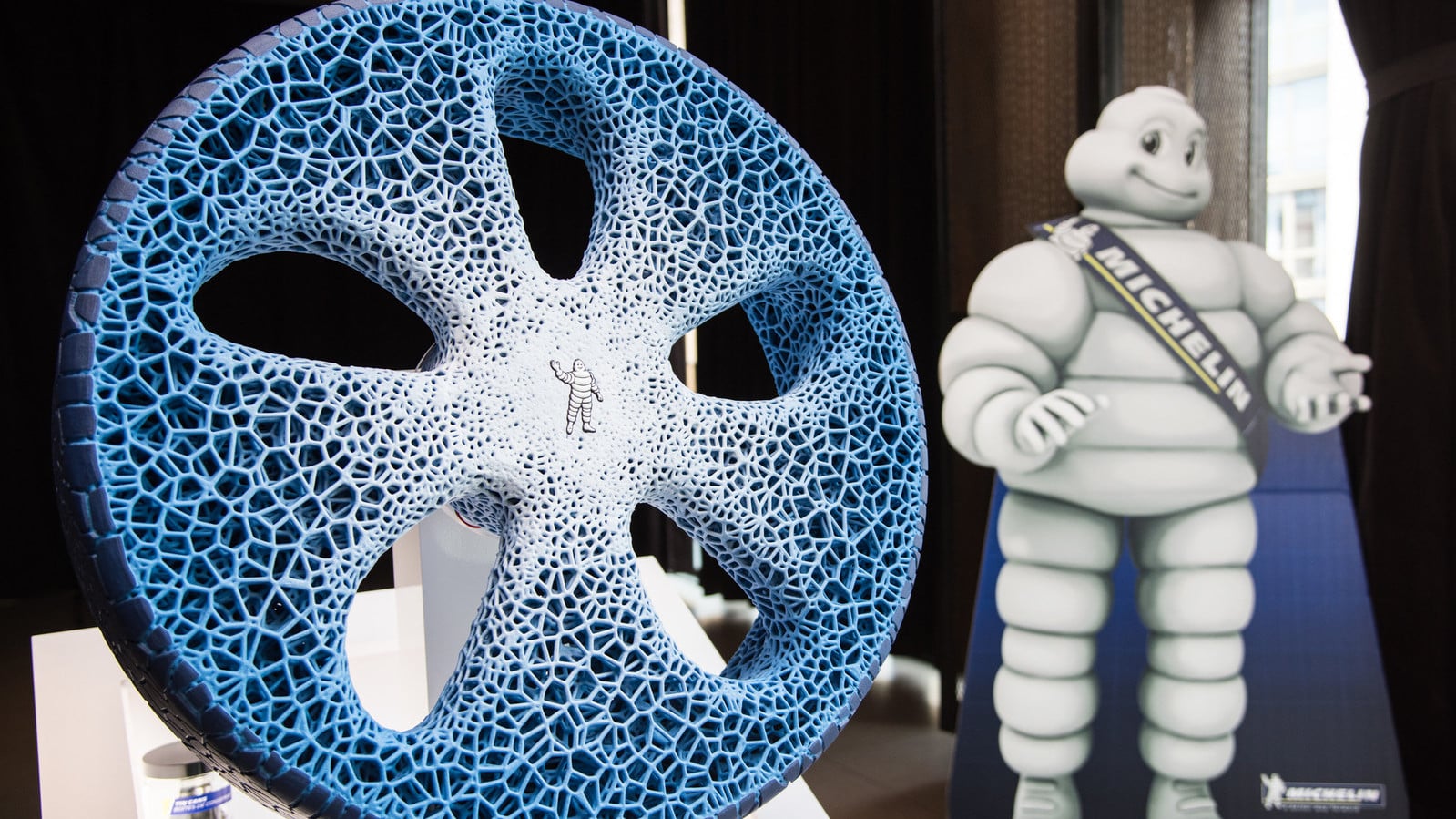
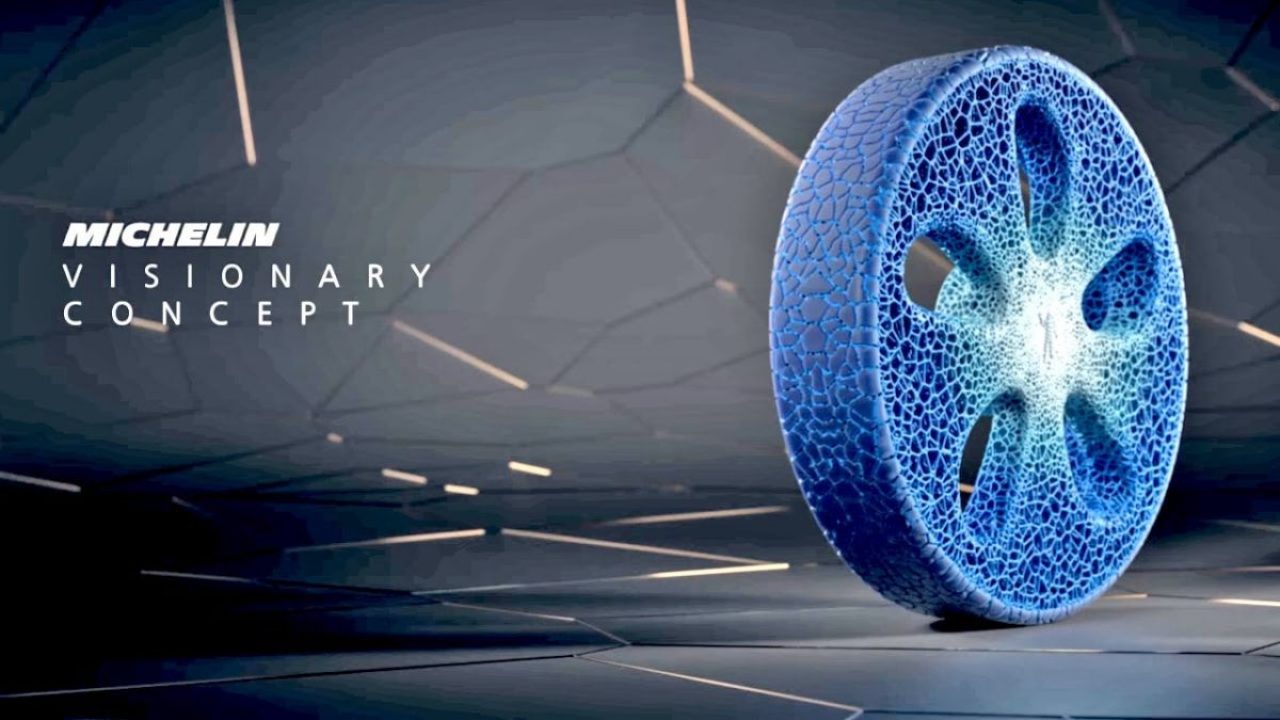
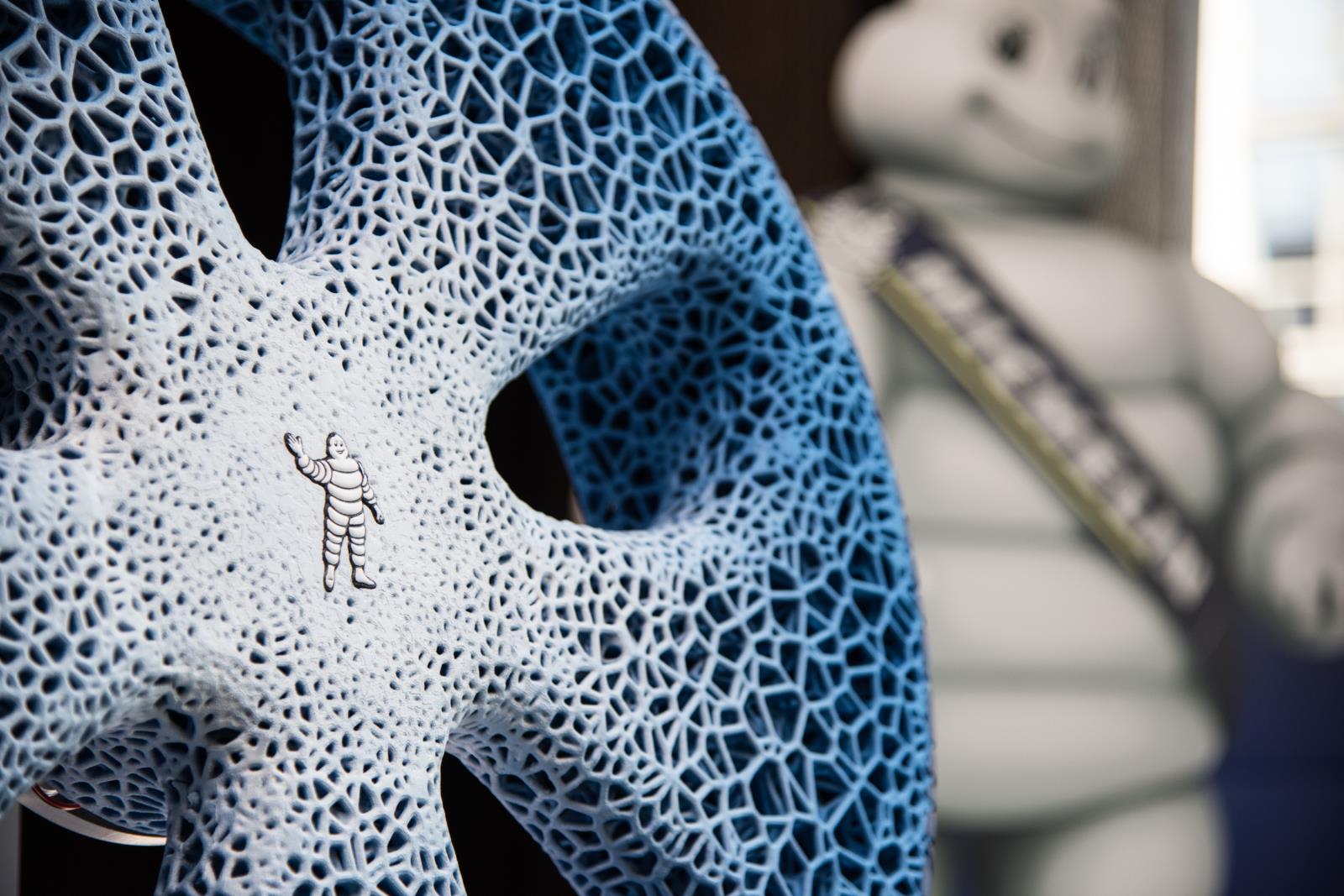
The design comes directly from the Vision concept unveiled in 2017.
A radical project built around three ideas:
- a sustainable tire
- a bio-inspired structure
- a circular lifecycle
By 2026, that vision becomes partially real:
- materials evolve
- the internal structure changes
- and above all, the message becomes visible
An invisible industrial feat
The Vision pattern is built on extremely advanced technology:
- Micron-scale laser engraving of the molds
- Perfect reproduction in every curing cycle
- A light-absorbing texture with a velvety effect
Result:
👉 a surface that looks alive, organic, almost unreal
And yet it is made from the exact same rubber compound as the slick itself.
An aesthetic between nature and engineering
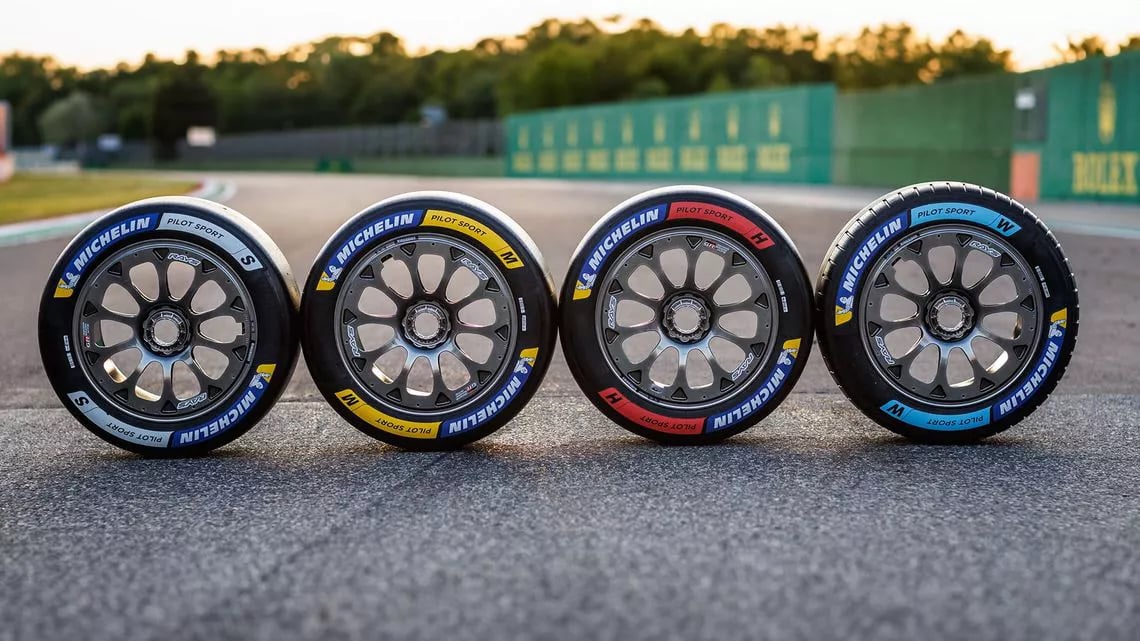
The pattern evokes:
- coral
- cells
- biological networks
But in reality it is:
- simulation-generated
- optimized for molding
- controlled down to the finest detail
It is a hybrid object:
👉 natural in appearance, entirely artificial in conception
What Michelin doesn’t officially say
There is also a more strategic reading of it.
This design allows Michelin to:
- make the tire visible in media coverage
- create a strong signature in the paddock
- differentiate Michelin in competition
Against other manufacturers, the tire becomes:
👉 an image-building tool, not just a performance component
What it changes in endurance racing (and for Alpine)
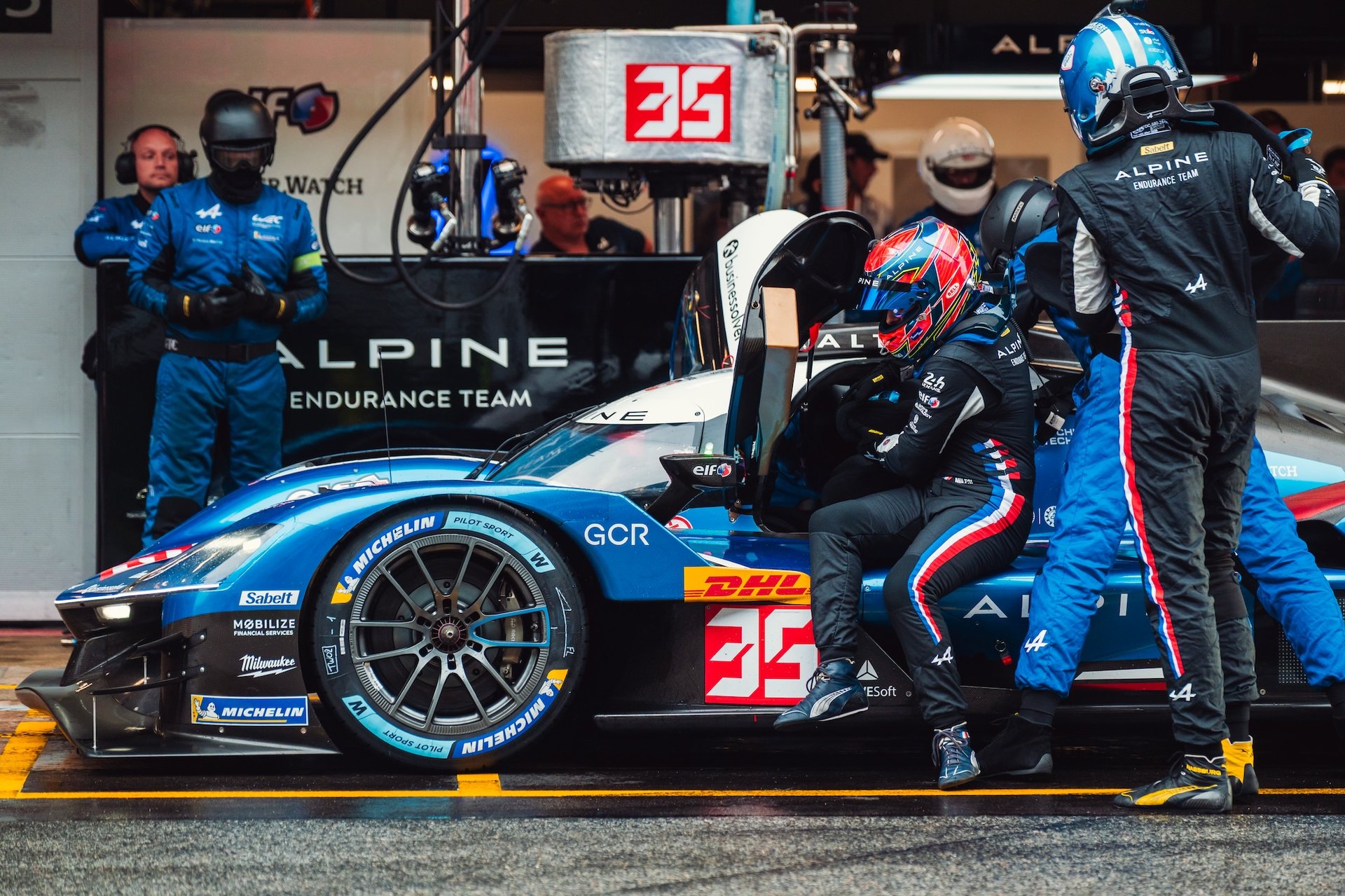
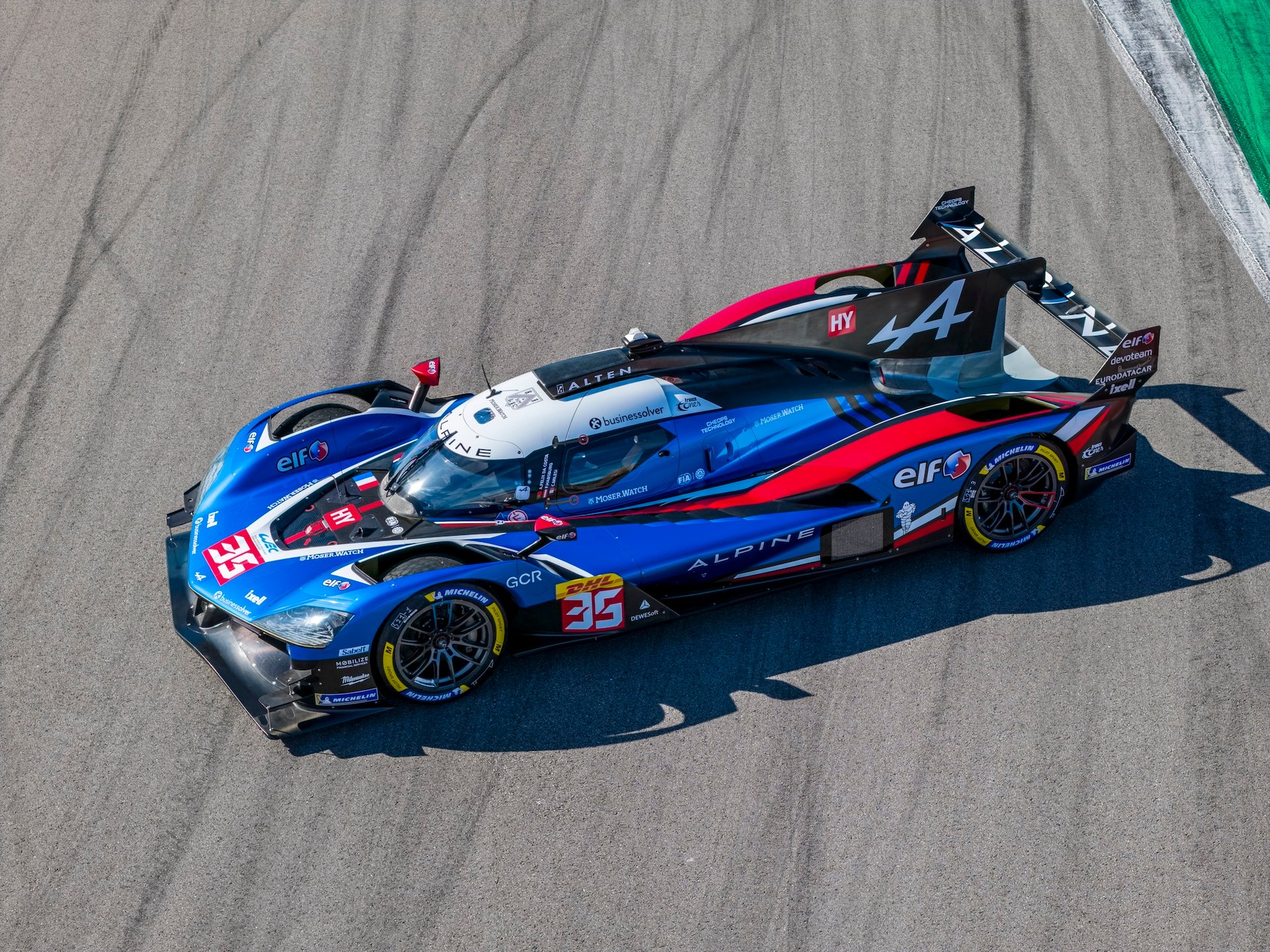
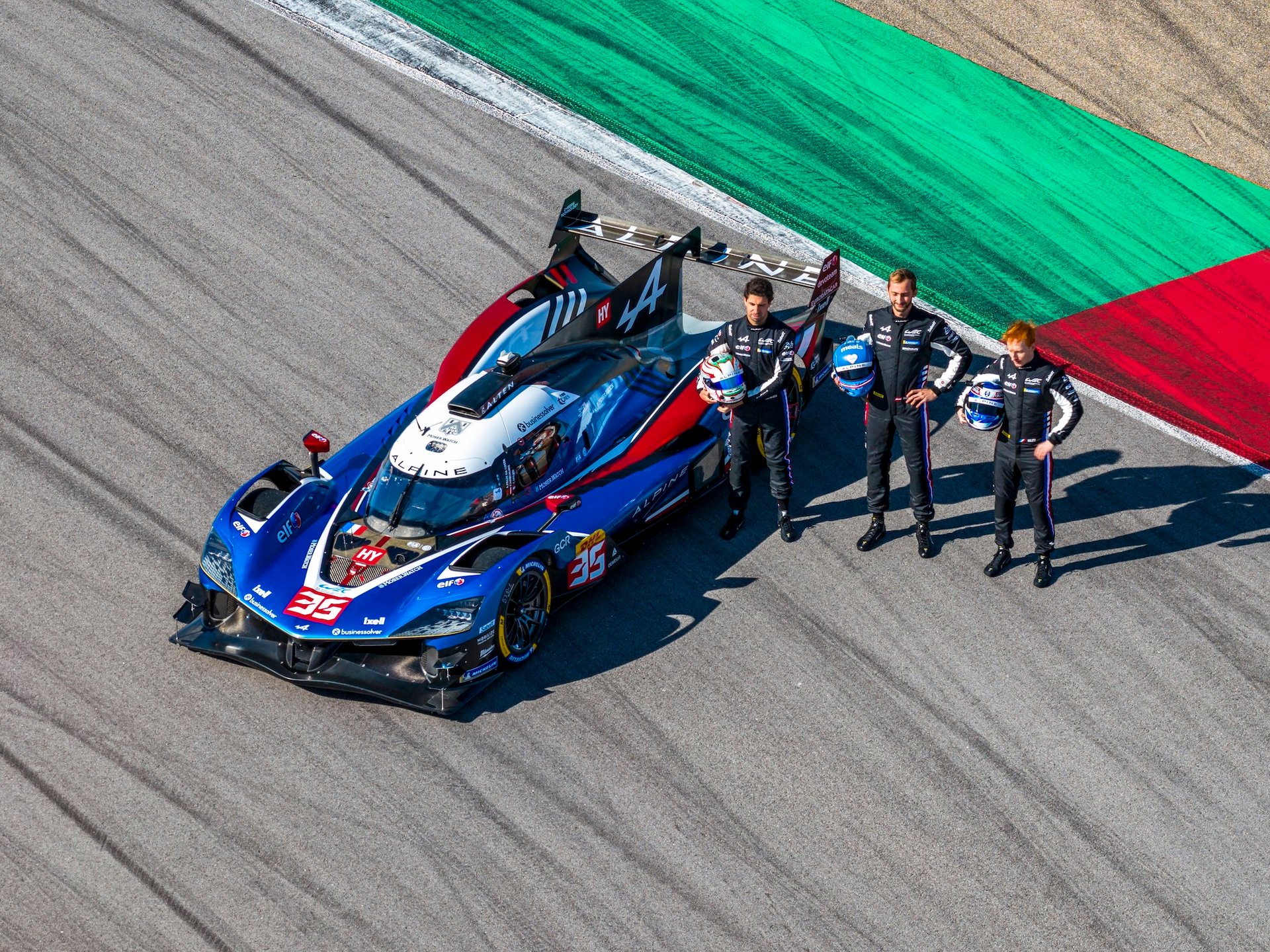
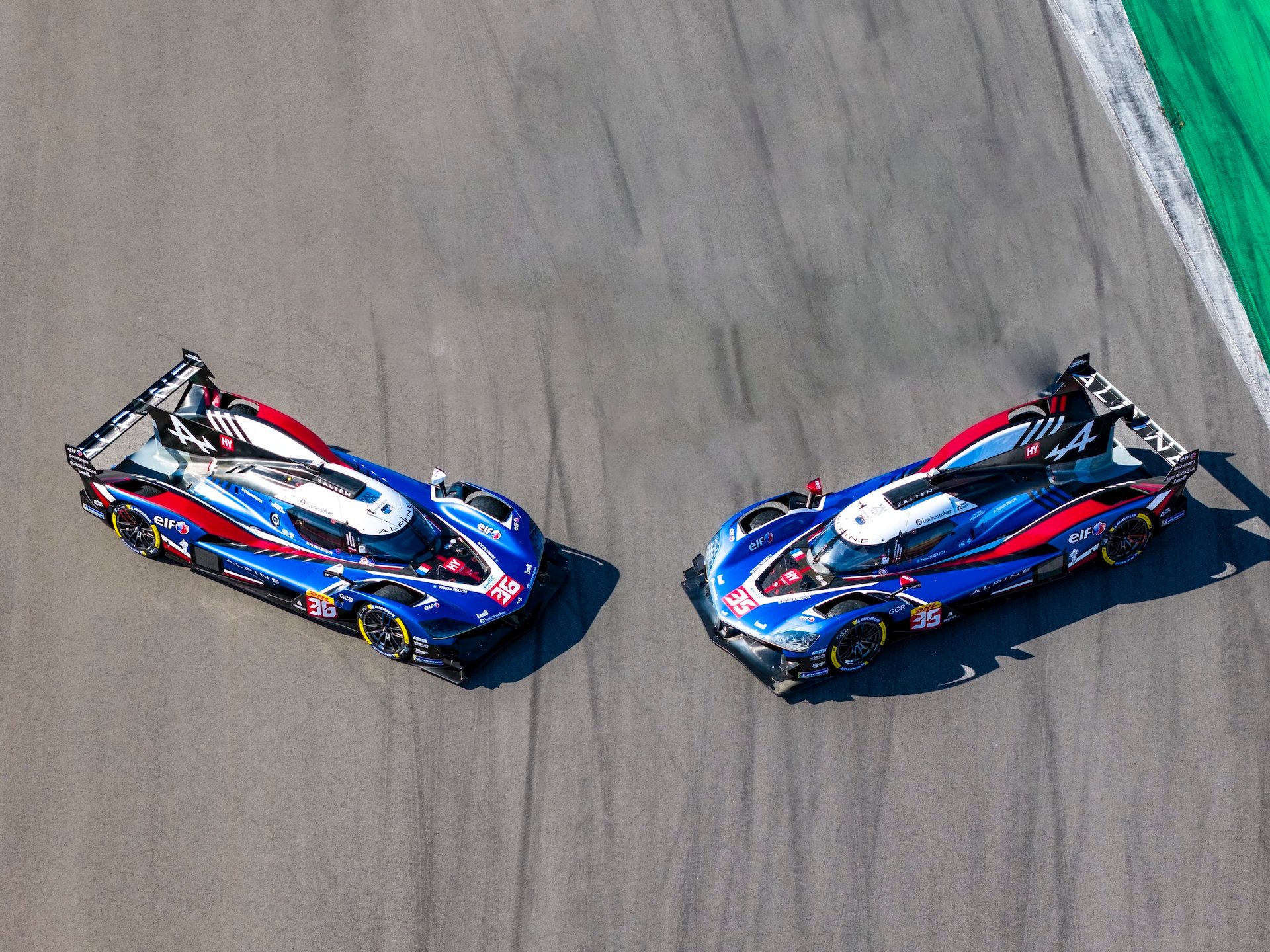
For Alpine and its Hypercar program:
- better tire reading on pit exit
- greater confidence thanks to faster warm-up
- a broader usable performance window
In the FIA World Endurance Championship:
👉 it directly affects strategy, stint management, and consistency.
Why this tire fascinates so much
Because it reverses the usual logic:
Before:
👉 a high-performance tire that remained invisible
Today:
👉 a high-performance tire that is also visible
It becomes:
- technical
- sensory
- cultural
What impact could it have on road tires?
The pattern itself will not be carried over as-is.
But its implications will:
- high-performance sustainable materials
- advanced textures
- greater emotional appeal
Future performance tires will likely become more expressive and more identifiable.
Key takeaways
- The Vision pattern is cosmetic, but strategic
- It does not affect outright performance
- It makes a major advance in materials visible
- It turns the tire into a communication object
- It marks a cultural shift in motorsport
FAQ
Is the Michelin Vision tire actually used in racing?
Yes, in the 2026 WEC season, with a temporary surface pattern.
How long does the pattern last?
1 to 2 laps depending on conditions.
Why did Michelin create this design?
To make the technology visible and highlight its sustainable materials.
Is the tire more performant?
Yes, thanks to its compounds and carcass, not because of the pattern.
🔗 Also worth reading on Les Alpinistes
Source: Michelin