🇫🇷 Cet article est également disponible en français : Lire en français
R5 Alpine Groupe 2. As climate change forces us to rethink our habits, the world of rallying — much like the automotive industry itself — is evolving.
This summer, Alpine unveiled its A290 Rally (read here: Alpine A290 Rally – customer competition enters the electric age). But before looking forward, it’s worth glancing back at its ancestor: the Renault 5 Alpine Groupe 2.
Renault 5 Alpine Groupe 2: the little firecracker that made rally history
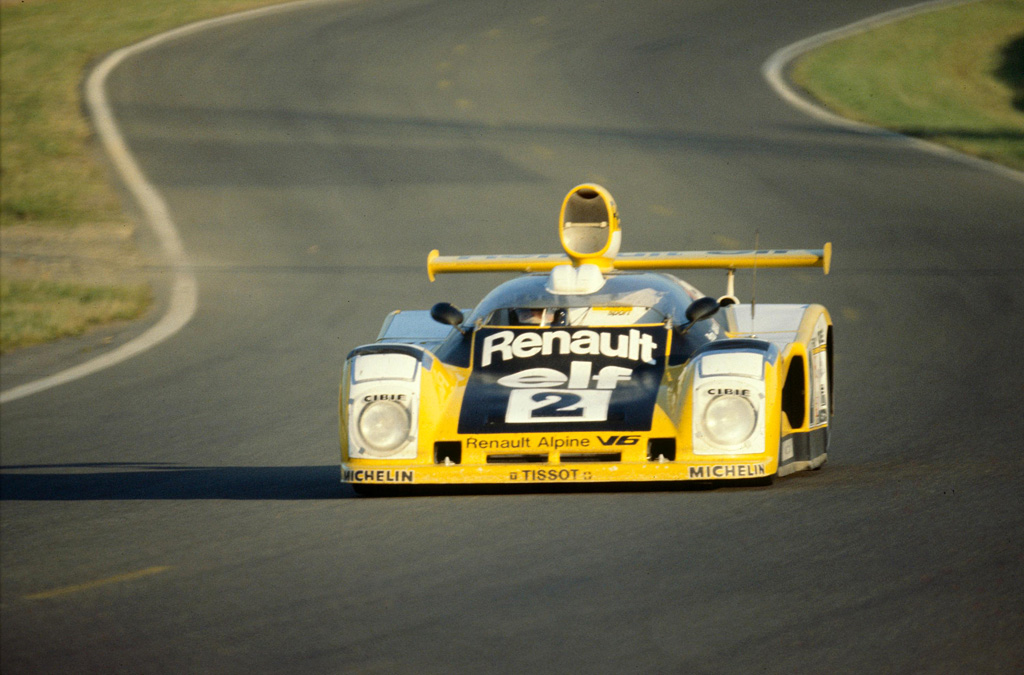
At the end of the 1970s, Renault was at a turning point. The brand was fighting on all fronts: in Formula 1, it was rewriting the rules with turbocharging; in endurance, it had just claimed victory at the 1978 24 Hours of Le Mans with the A442B; and in rallying, it needed a worthy successor to the Alpine A110 — the queen of special stages earlier in the decade. The promising A310 had failed to hold its own against the Fiat 131 Abarth, Lancia Stratos, and Porsche 911.


In that context, Renault took an unexpected path: turning a humble city car into a pure rally weapon.
The Renault 5 Alpine Groupe 2 was born from this bold idea — simple yet brilliant: rely on agility, lightness, and front-wheel drive to make up for a lack of brute power.
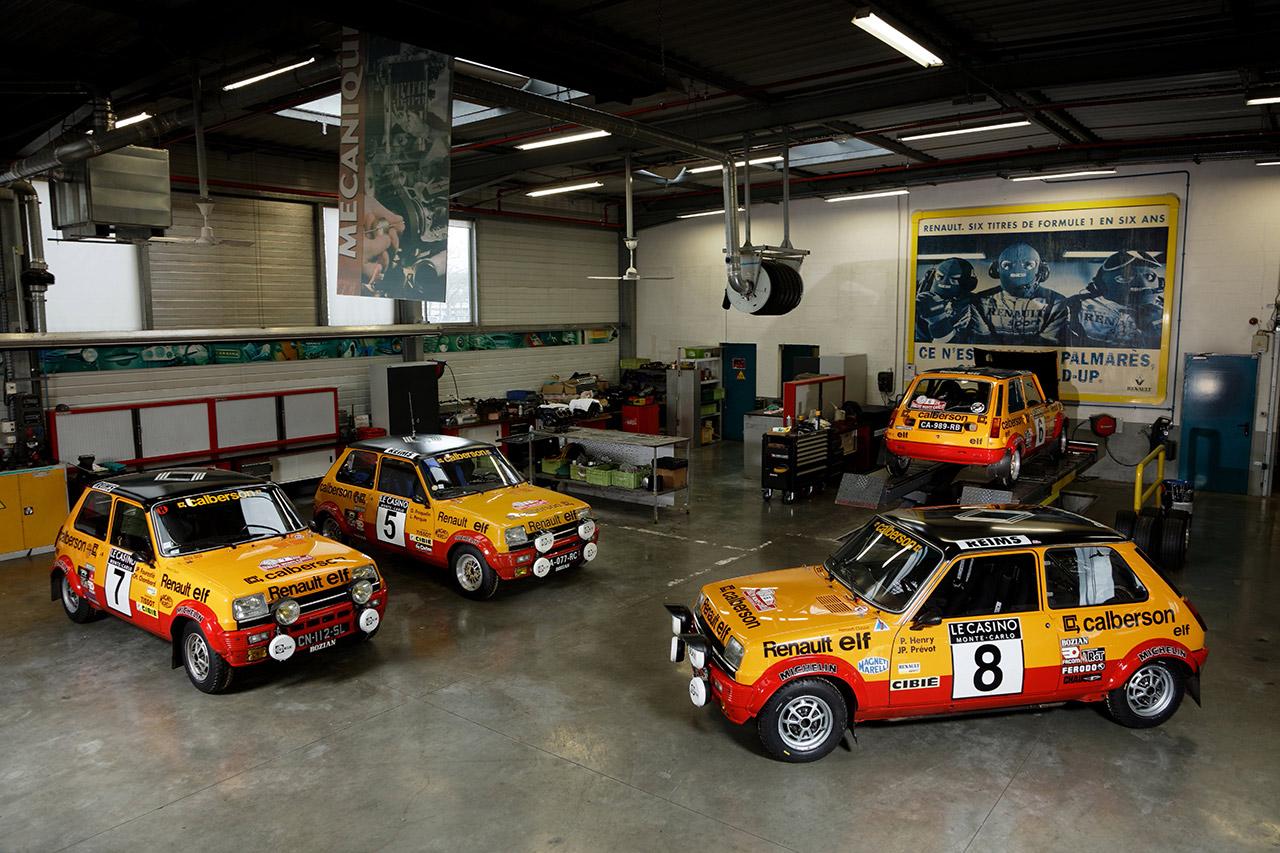
The gamble paid off immediately. At the 1978 Monte Carlo Rally, in harsh winter conditions, the little Alpine danced its way through the giants. Jean Ragnotti — the tightrope walker of special stages — finished second overall behind Nicolas’s Porsche, while Guy Fréquelin completed the podium. Renault achieved a Group 2 one-two and made headlines across Europe.
The success was so great that Renault launched a limited “Monte-Carlo” series in March 1978, with 2,400 units built. It was a clever way to link the public to the brand’s racing success. The R5 Alpine Groupe 2 became a symbol: a car that was affordable, relatable, yet capable of taking on the titans.

Engineering: a city car turned rally weapon
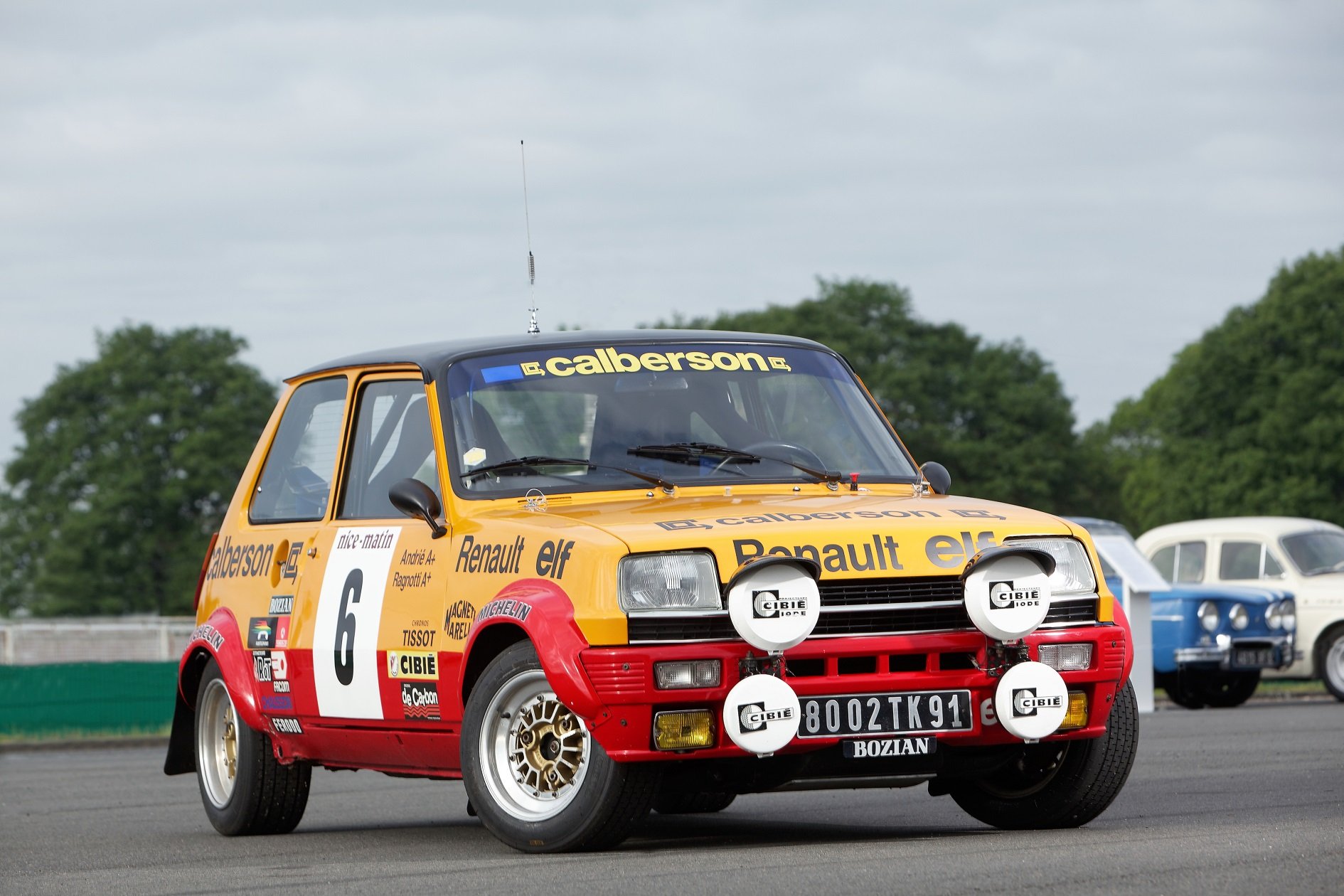
Under the bonnet sat the familiar 1,397 cc Cléon-Fonte engine, already used in several Renault models. But in its Group 2 guise, it was deeply reworked: a specific cylinder head, twin Weber 45 DCOE carburetors, a freer exhaust, and a close-ratio gearbox. The result was between 137 and 145 horsepower, depending on the evolution, for just 800–820 kg.

The car featured ventilated front discs, solid rear discs, reinforced suspension (thicker torsion bars, adjustable shocks), and a 90-liter fuel tank for long events. With 185 mm-wide tires and a low center of gravity, handling was razor-sharp. Top speed hovered around 190 km/h, but that wasn’t its real talent — its magic happened in tight corners, hairpins, and twisty mountain roads.
The R5 Alpine’s behavior was playful, even mischievous. The steering was lively, the brakes bit hard, and the engine happily revved to 7,600 rpm. Drivers loved its forgiving nature and the way it turned every stage into a playground.
And, of course, there was the unforgettable Calberson livery — bright orange and red — now legendary. It embodied a form of racing that was close to the people, visually striking, and instantly recognizable through snow, mud, or dust.
Achievements: the little one that fought the giants
Its career may have been short, but the Renault 5 Alpine Groupe 2 left a lasting mark.
- Monte Carlo 1978: Ragnotti 2nd, Fréquelin 3rd. Renault takes a Group 2 double and worldwide attention.
- Bandama Rally 1978: Ragnotti finishes 3rd in one of the toughest African events.
- Tour de Corse 1979: another 3rd place, confirming the R5’s mastery of technical, twisty roads.
- French Rally Championship 1980: Ragnotti and Andrié take the national title after multiple wins (Charbonnières, Lorraine, Mont-Blanc) and consistent performances.

Beyond official results, the R5 Alpine Groupe 2 became a darling of privateers. Accessible, reliable, and competitive, it allowed countless amateur drivers to taste real rallying with a car that could shine.


It was also a launchpad for Jean Ragnotti, who would go on to become one of Renault’s most beloved rally faces. His bond with the little Alpine, his flamboyant driving style, and his ever-present grin became part of rally folklore.
Legacy and heritage
The Renault 5 Alpine Groupe 2 didn’t just win rallies — it embodied a philosophy. It proved that clever engineering and agility could rival raw power.
It also paved the way for the legendary R5 Turbo, which would dominate the early 1980s in Group 4 and Group B. Yet, for many enthusiasts, the Alpine Groupe 2 holds a special place — the cunning underdog, the lively city car that dared bite at the heels of giants.

Even today, it remains an icon of historic rallying. Each appearance at the Monte-Carlo Historique or vintage events reminds fans of its foundational role in Renault’s motorsport legacy.
The R5 Alpine Groupe 2 was far more than a sporty derivative of a city car. It was the emblem of an era when audacity and creativity could turn an everyday vehicle into a stage legend. It restored Renault’s sporting credibility, opened the road for the R5 Turbo, and etched its place in the hearts of enthusiasts.
A shining reminder that sometimes, David really can take on Goliath.
Credits : Bernard Canonne