🇫🇷 Cet article est également disponible en français : Lire en français
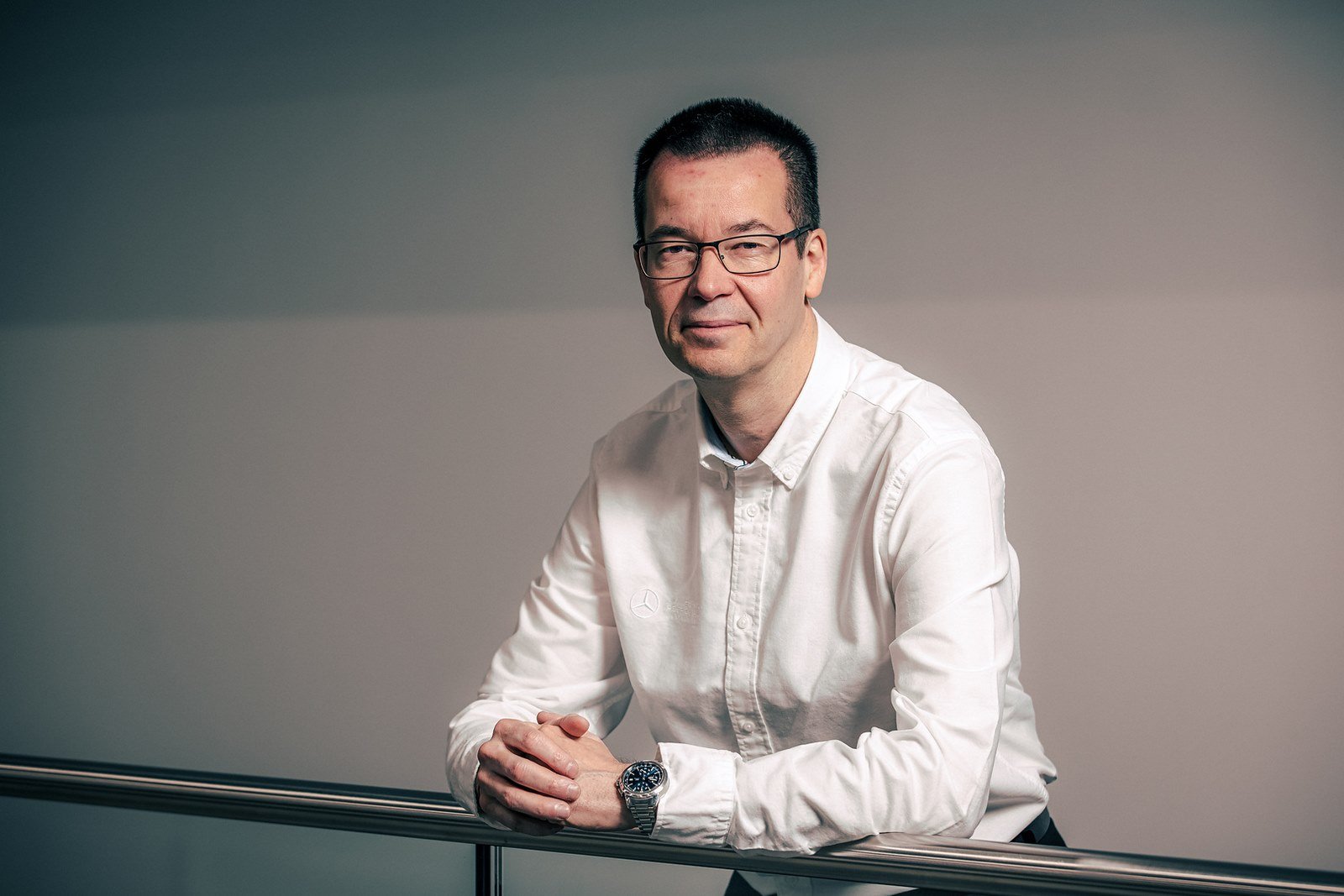
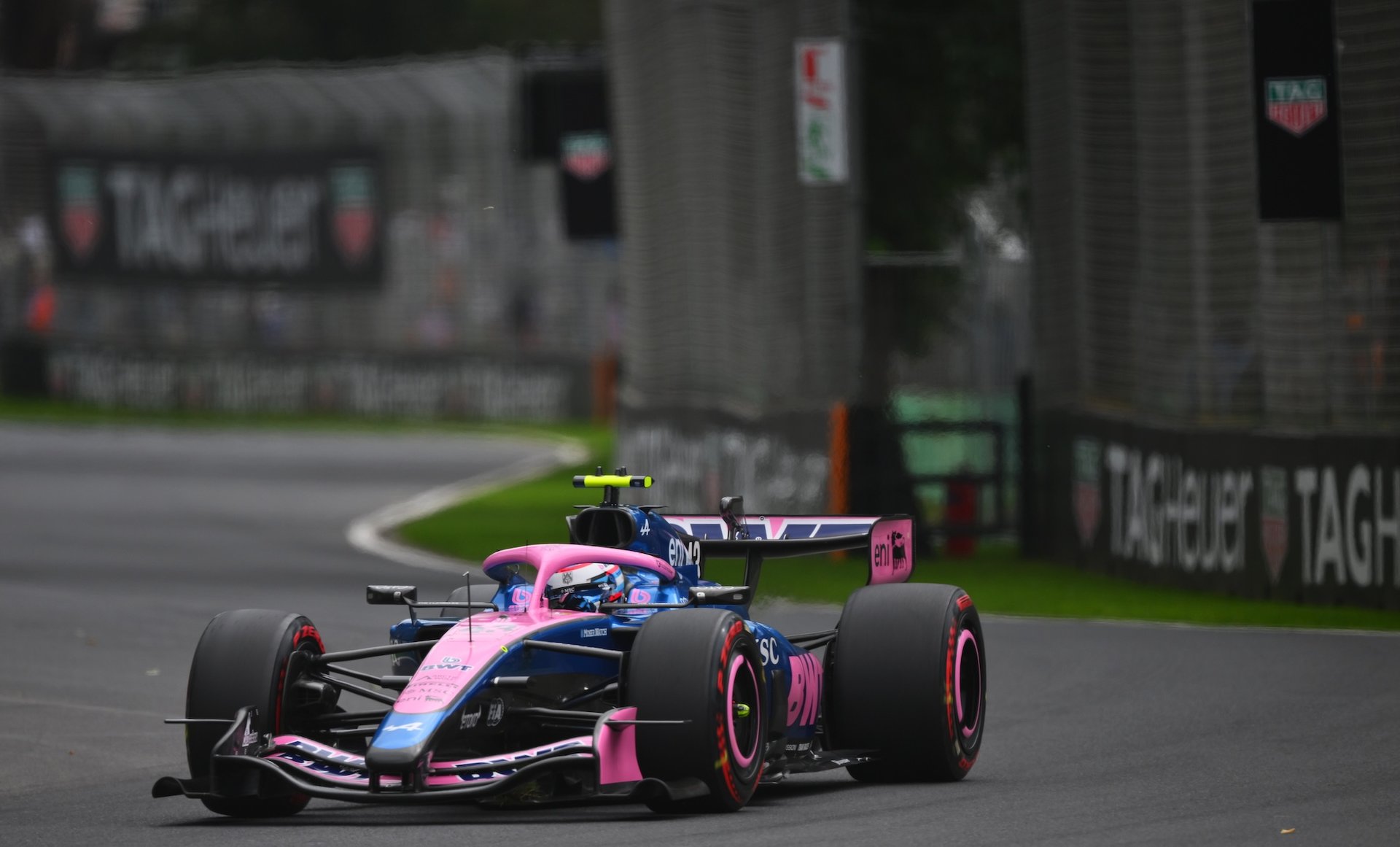
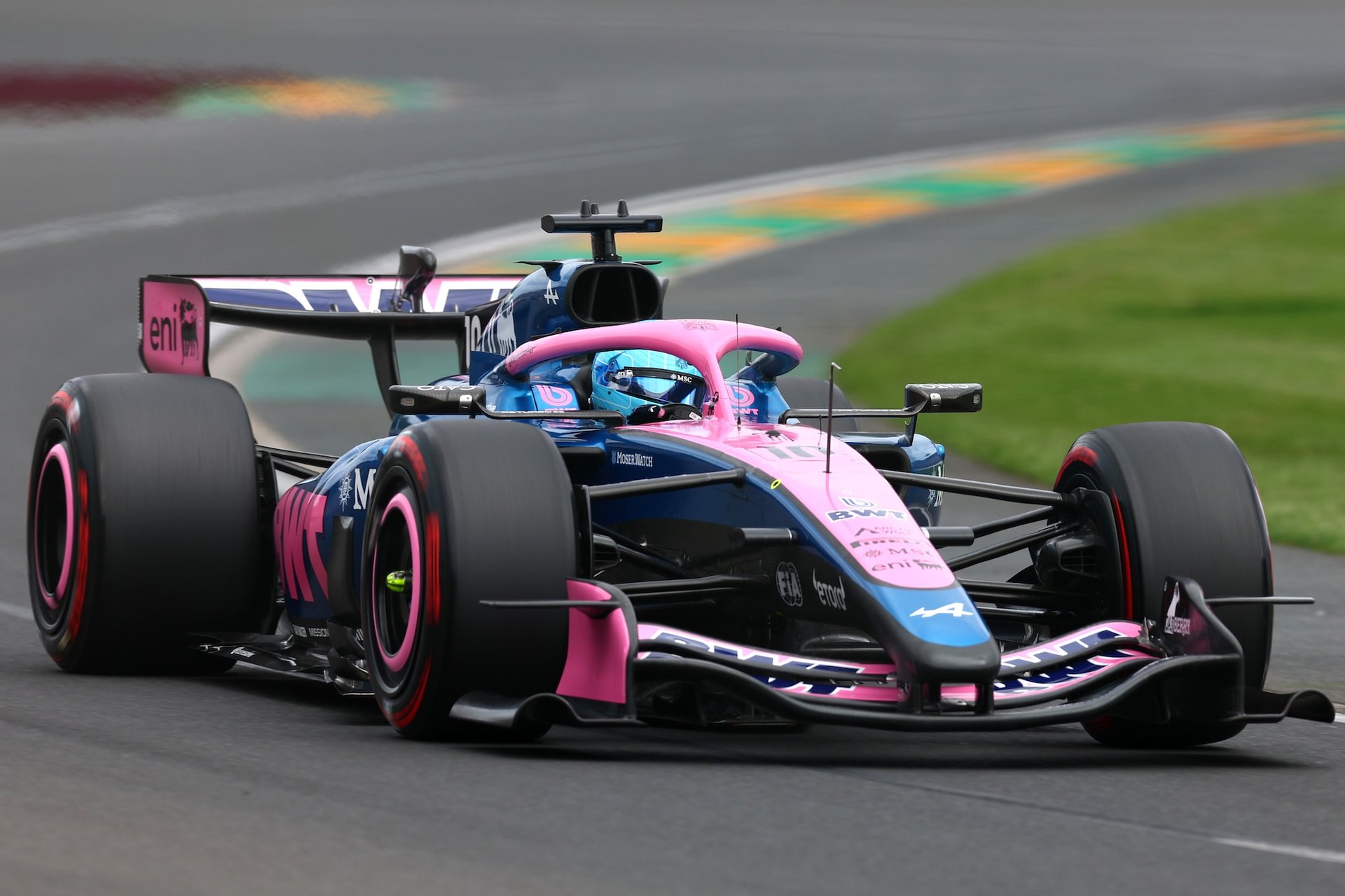
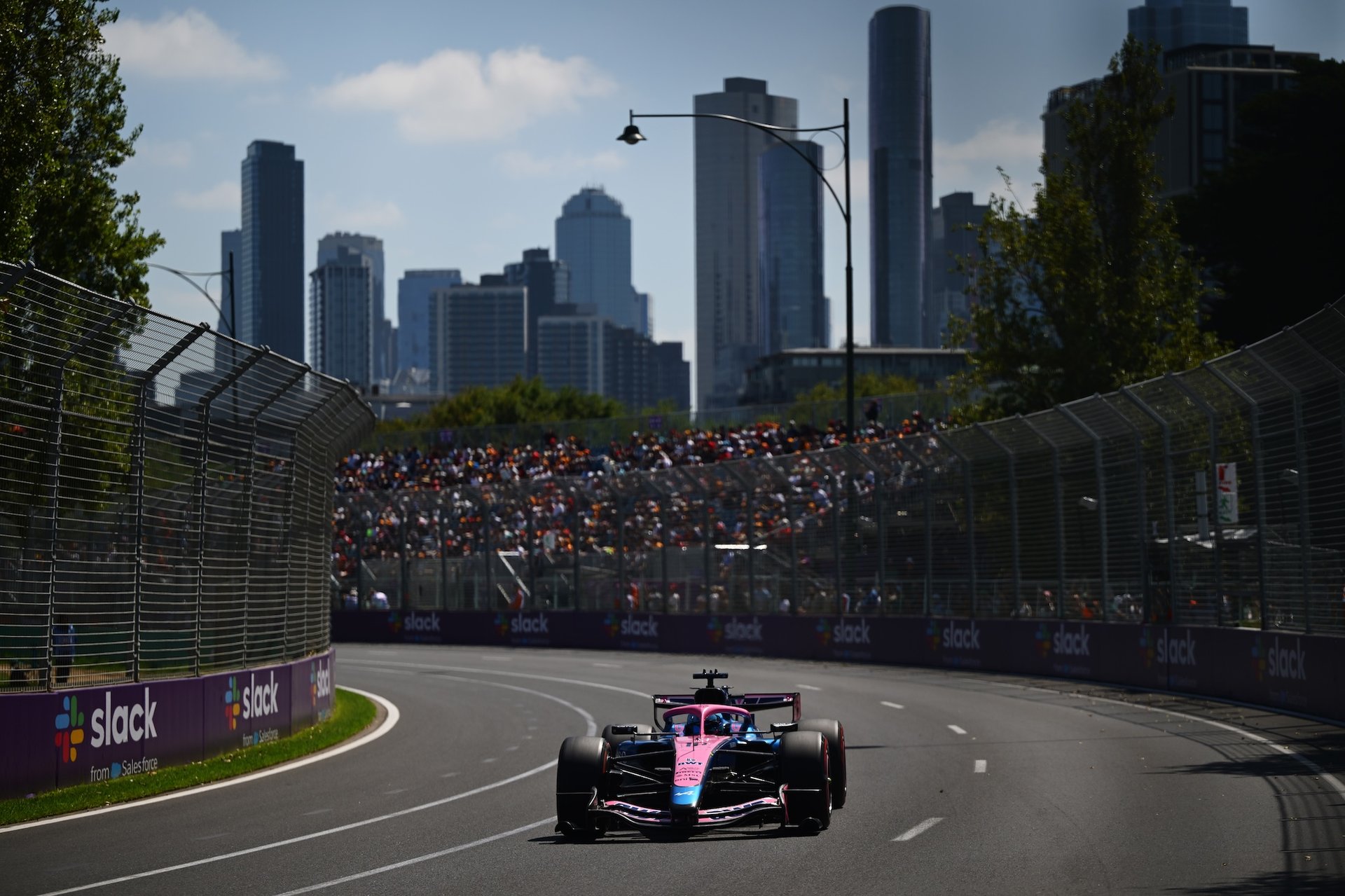
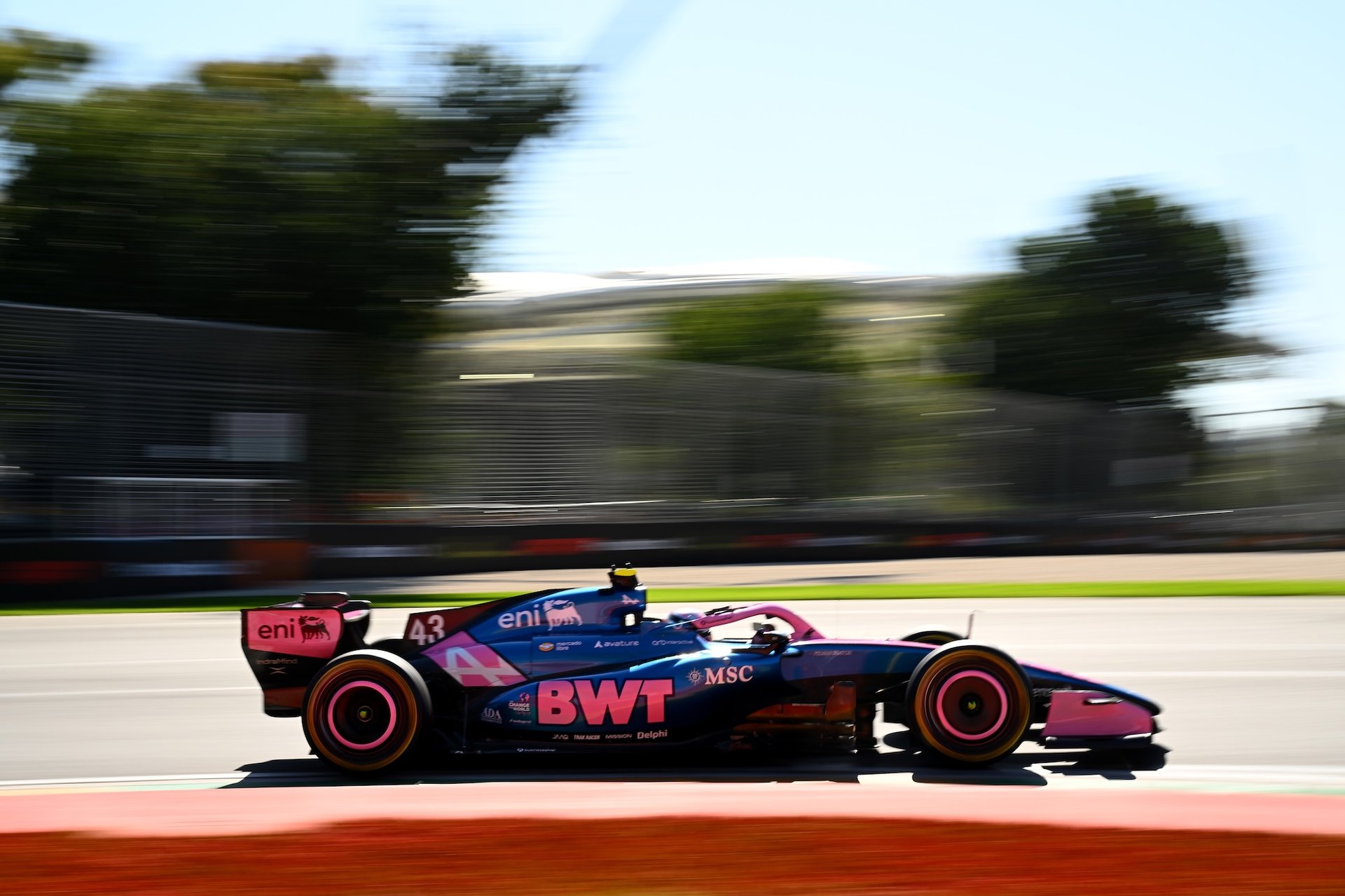
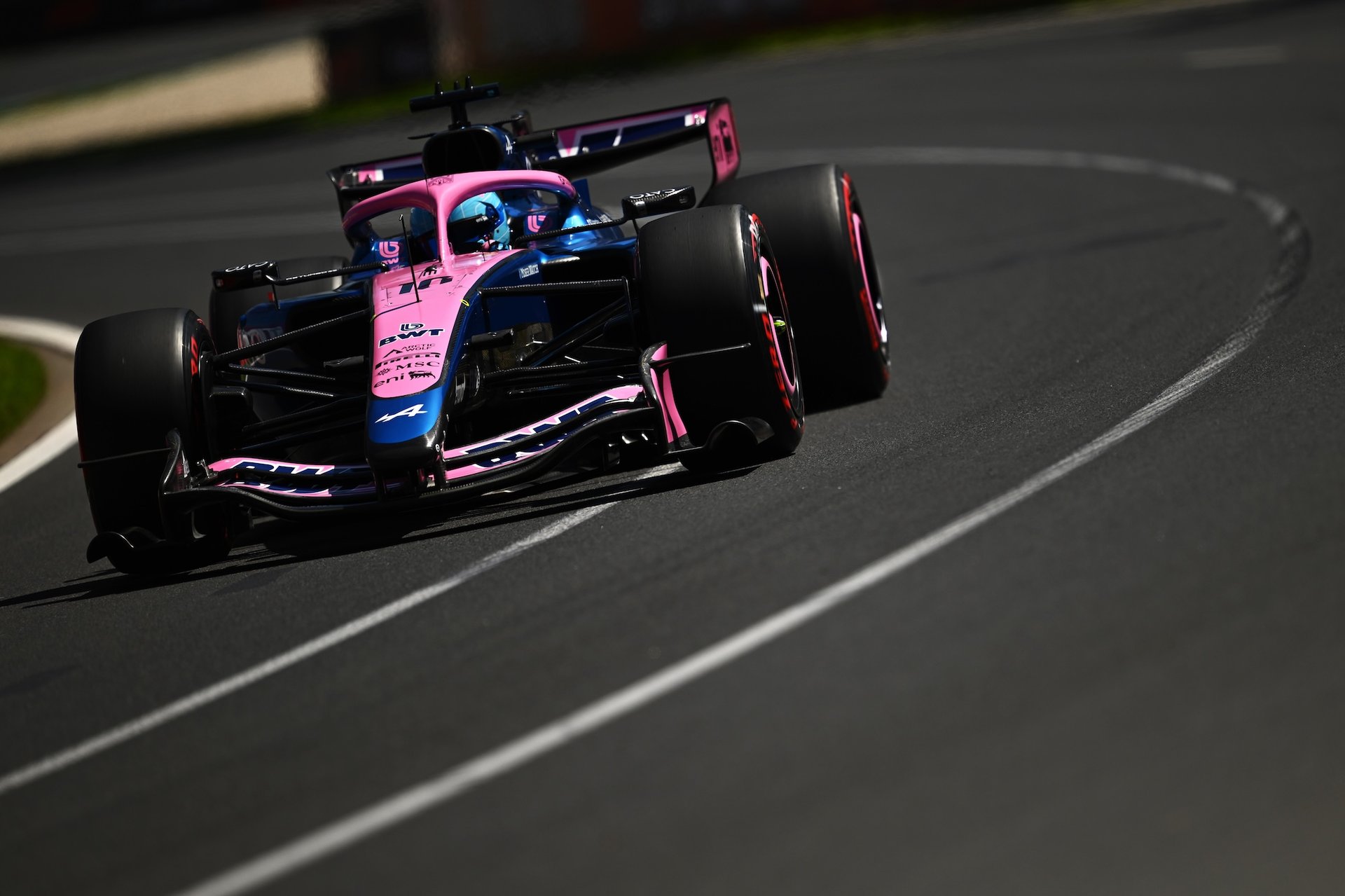
BWT Alpine Formula One Team is now at the centre of a story that goes far beyond a simple financial move. According to several converging sources, including the British press and multiple specialist outlets, Toto Wolff is leading an offer to acquire the 24% stake held by Otro Capital in Alpine F1 Team.
This shareholding is already attracting several bidders, including a consortium linked to Christian Horner, confirming that the Enstone-based team has become a highly sought-after asset in the paddock.
At first glance, this looks like a standard investment in a team whose valuation has surged since the budget cap era began. But behind the scenes in Formula 1, the reading is far more strategic: Mercedes entering Alpine’s capital could create a two-team ecosystem comparable to Red Bull’s.
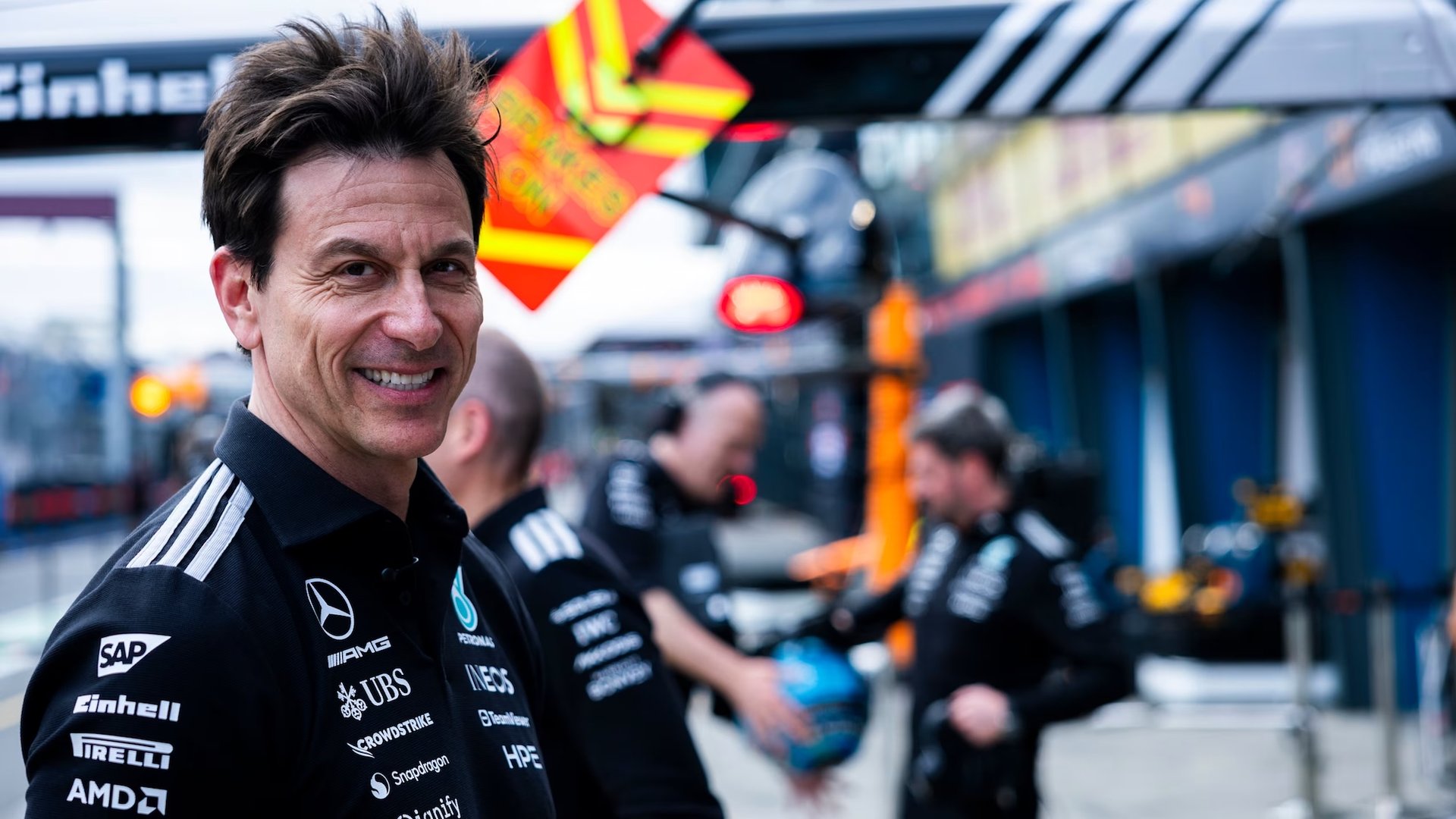
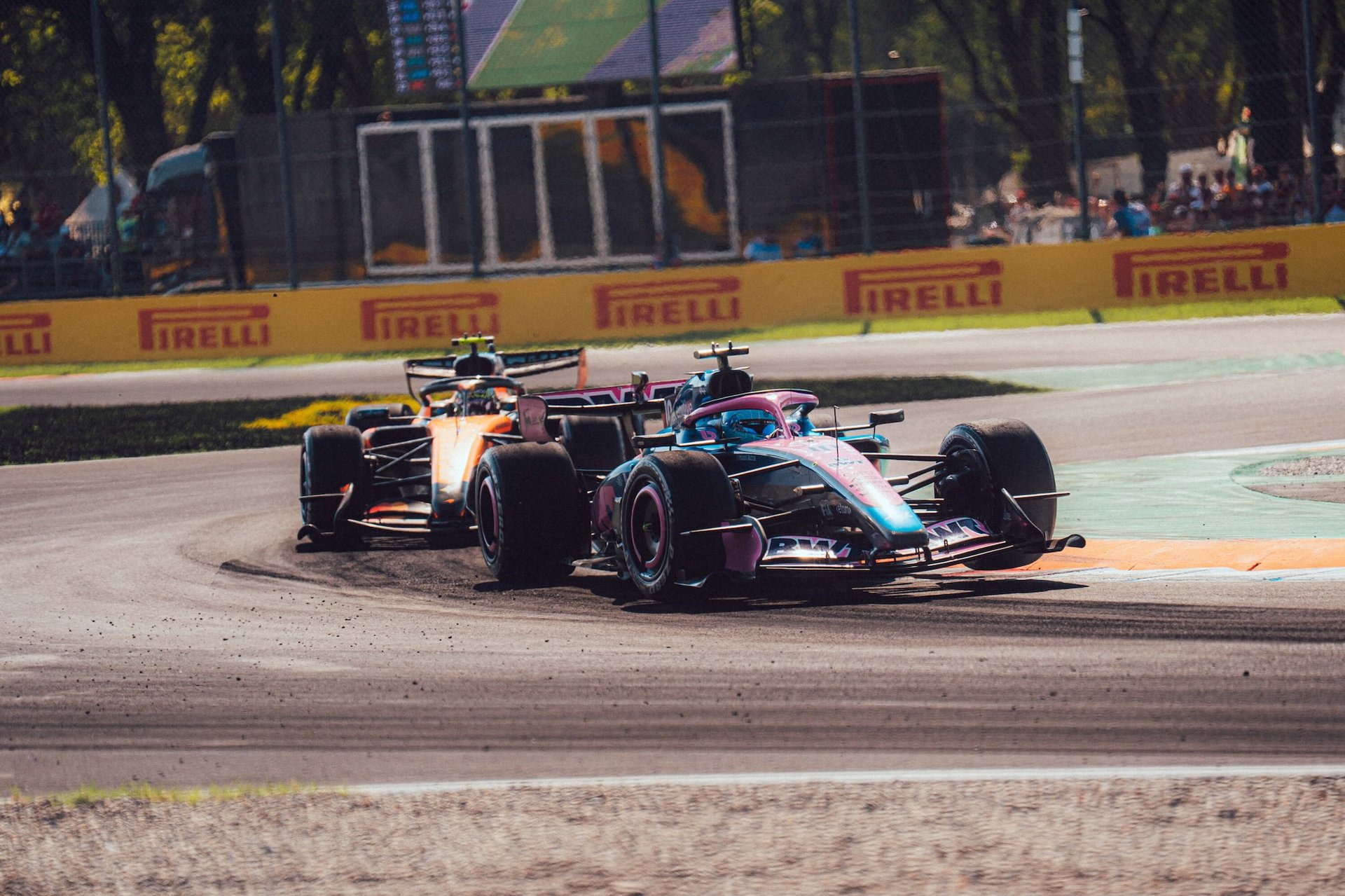
Toto Wolff’s interest comes at a pivotal moment for Alpine. Since 2026, the Enstone team has been using Mercedes power units and gearboxes, following the end of Renault’s engine programme at Viry-Châtillon. That evolution has already strengthened the technical link between the two structures.
In that context, the arrival of a shareholder linked to Mercedes inside Alpine takes on obvious strategic significance. The stake in question dates back to 2023, when Otro Capital and its partners — including several American investors — bought 24% of the team for around €200 million.
Three years later, the value of that participation is believed to have more than doubled, with estimates exceeding €500 million, putting BWT Alpine Formula One Team’s total valuation between €1.7 and €2 billion.
The spectacular rise in Formula 1 team valuations explains investor interest… but it does not explain everything.
BWT Alpine Formula One Team: Mercedes Eyes the Red Bull Model
The most discussed scenario in the paddock now revolves around creating an equivalent to the Red Bull Racing model. For nearly twenty years, Red Bull has relied on a two-tier organisation: one main team permanently fighting for titles, and a sister structure, Visa Cash App Racing Bulls, used as a development platform.
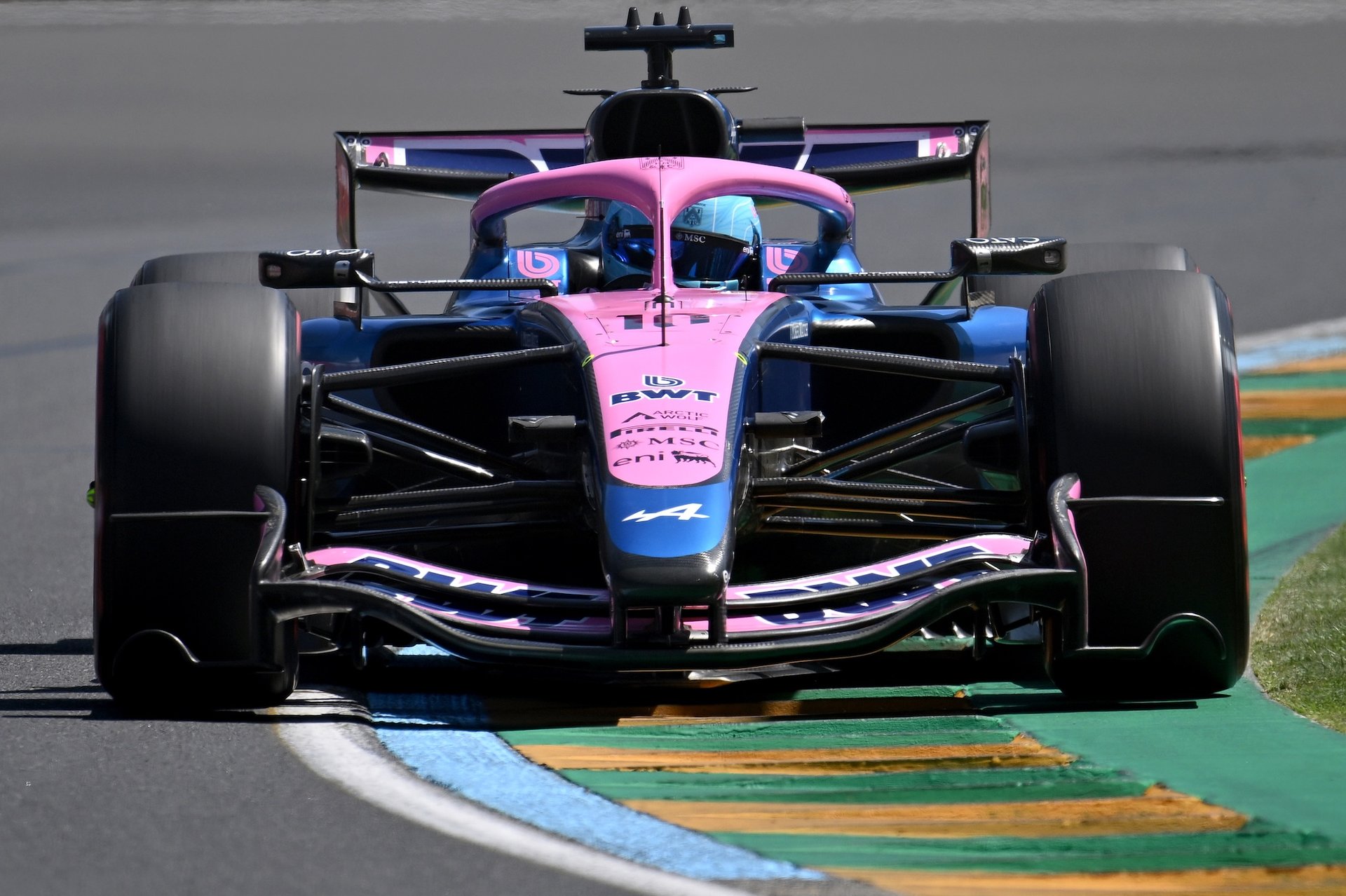
This model first allows teams to multiply technical data. With two teams running closely related mechanical packages, a manufacturer can analyse a much larger volume of data. In the budget-cap era, every kilometre completed and every solution tested becomes a valuable development tool.
The second advantage concerns drivers. Red Bull has long used this system to test young talent before promoting them to its main team. Four seats allow profiles to be evaluated under real racing conditions — something Mercedes currently has neither through McLaren Formula 1 Team nor Williams Racing.
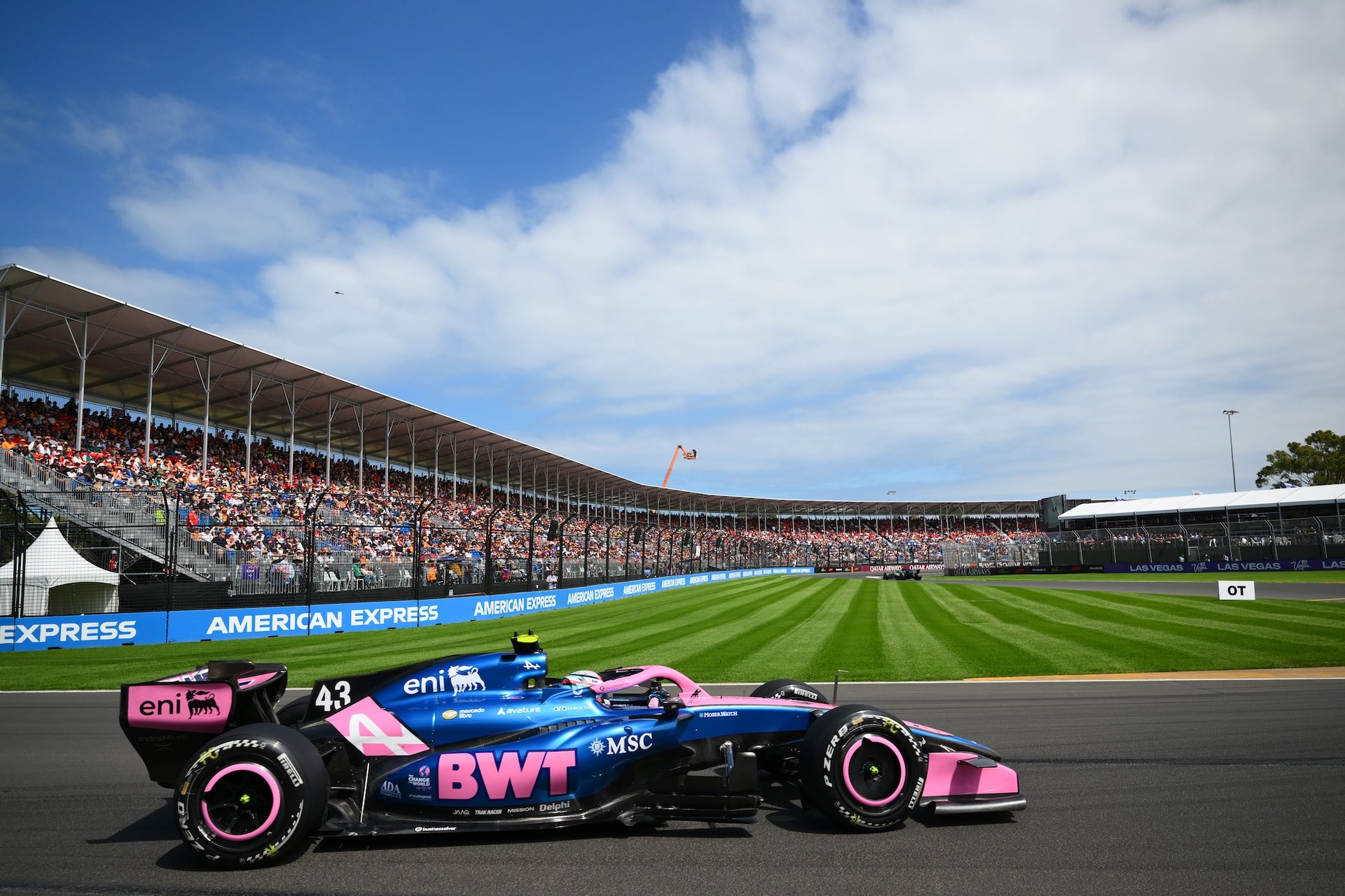
An Alpine closely linked to Mercedes could therefore become a development ground for the German manufacturer’s driver pathway, while also providing an additional lever in regulatory discussions. Formula 1 remains a political sport: having allies on the grid always strengthens a constructor in votes and strategic power balances.
The idea of a “B-team” must nevertheless be put into perspective. Renault Group still holds 76% of Alpine’s capital, and any transaction would require approval from the French manufacturer. Even with Toto Wolff entering the capital, Alpine would not become a Mercedes subsidiary.
Why Alpine and not McLaren or Williams?
The question naturally arises: Mercedes already supplies several customer teams — McLaren Formula 1 Team, Williams Racing, and Alpine from 2026 onward — but none currently offers the same strategic opening.
McLaren remains a direct rival for wins, podiums and now for the front end of the championship. Any capital link between Mercedes and the British team would be politically explosive and fundamentally incompatible with the line defended for years by Zak Brown: preserving McLaren’s full sporting and industrial independence.
The commercial balance between the two brands also makes such a scenario unrealistic. McLaren protects its premium manufacturer identity and has no interest in appearing as a strategic extension of another constructor on the grid.
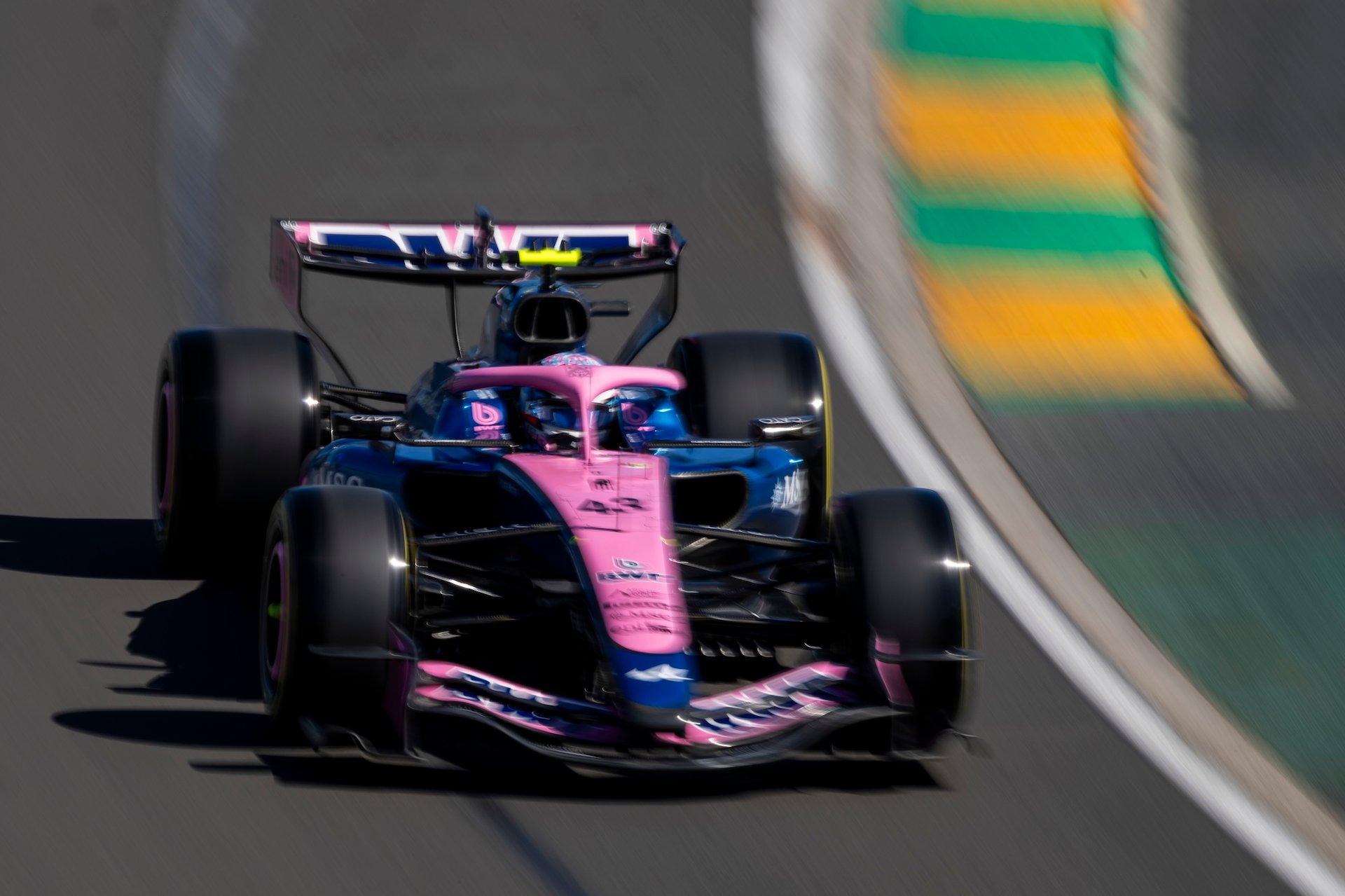
Williams presents an even clearer barrier. Since 2020, Dorilton Capital has owned 100% of Williams Racing and has repeatedly stated that no opening of the capital is being considered, despite several approaches in recent seasons.
That position has again been reinforced in several recent business and sports publications: Dorilton sees Williams as a long-term value project, with no intention of selling even a minority stake.
At Grove, the sporting line follows the same logic. James Vowles, a former senior Mercedes figure, has consistently rejected the idea of turning Williams into a “B-team”, insisting on the team’s own historical identity and the need to rebuild a fully independent project.
Alpine sits in a very different position. Renault Group retains 76% of the capital, but the sale of Otro Capital’s 24% stake creates an immediate opening for entry.
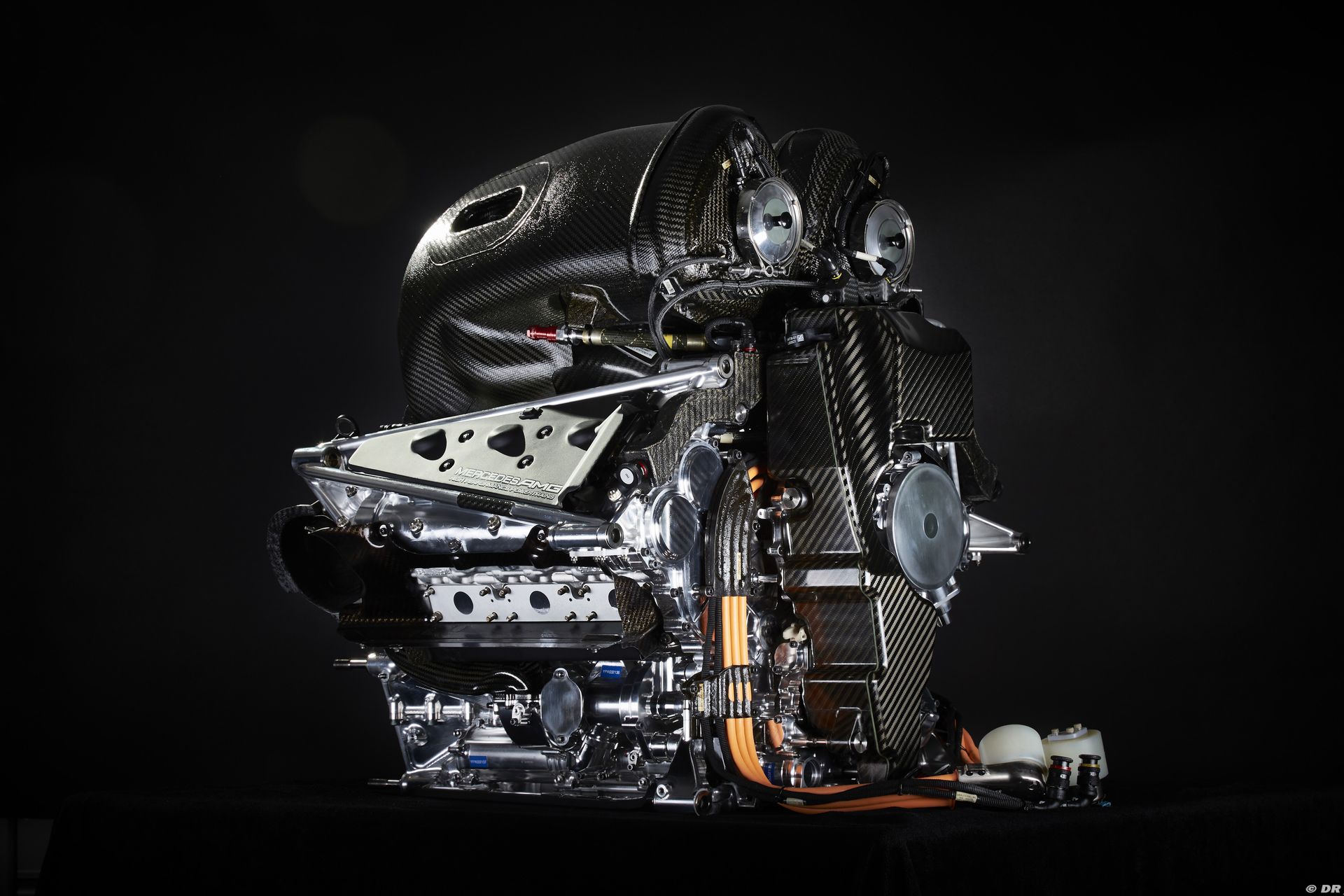
The technical transition to Mercedes reinforces that singularity: Mercedes power units and gearboxes through 2030 already establish a durable industrial link between Enstone and Brackley.
In that scenario, Mercedes would not seek to control Alpine, but to secure a long-term strategic partner, while Renault would remain firmly in charge overall.
Mercedes also stated:
“Mercedes is a key strategic partner for Alpine and we are kept informed of the latest developments.”
This story above all reflects how power is evolving in Formula 1. For a long time, the two-team model remained Red Bull’s exception. Today, some manufacturers may be tempted to reproduce that structure to strengthen technical and political influence.
If Toto Wolff were to enter Alpine’s capital, Mercedes would finally gain a second point of leverage on the grid — even if Renault would retain overall control of the project.
In a Formula 1 where battles are fought as much in meeting rooms as on track, that minority stake could weigh far more heavily than it appears.
Even as a minority move, a Mercedes presence in the capital would drive another nail into the coffin of the French project historically carried by Renault in Formula 1.
Between the abandonment of the Renault engine, the end of Viry-Châtillon’s central role and the coming technical dependence on Mercedes, Alpine is no longer viewed as a fully French industrial programme.
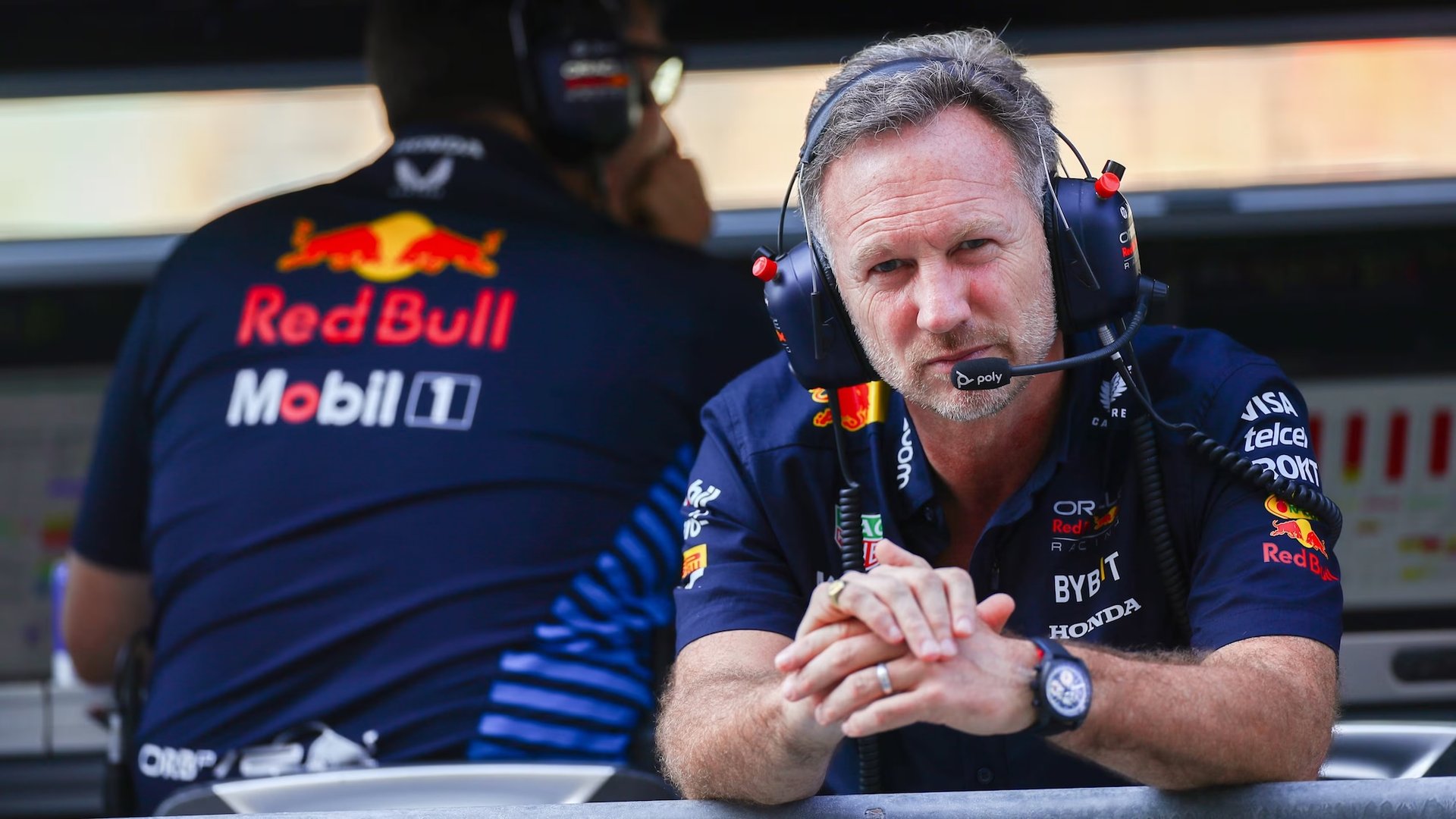
The simultaneous interest of Toto Wolff and Christian Horner reinforces that perception: many now see Alpine as a weakened structure, surrounded by external actors ready to take advantage of a moment of vulnerability.
Financial and Capital Structure Overview
| Item | Current Details | Main Sources (March 2026) |
|---|---|---|
| Stake for sale | 24% of BWT Alpine Formula One Team | Official Alpine / Renault Group structure |
| Selling shareholder | Otro Capital (consortium including RedBird Capital Partners, Ryan Reynolds, Rory McIlroy, Anthony Joshua, Trent Alexander-Arnold) | Official Alpine statement (June 2023), The Telegraph |
| Majority shareholder | Renault Group retains 76% and full strategic control | Renault Group / Alpine Racing Ltd |
| 2023 acquisition price | Approx. €200M for 24%, team valuation estimated between $830M and $900M | Reuters, SportsPro Media, News.GP |
| Estimated 2026 valuation | Team valued between £1.8bn and £2.5bn; 24% stake valued between £448M and £600M | The Telegraph (9 March 2026) |
| Identified bid | Toto Wolff leading the offer in the interest of Mercedes | The Telegraph, Auto Hebdo, PlanetF1 |
| Competing bid | Consortium linked to Christian Horner | Flavio Briatore comments, Motorsport.com |
| Approval required | Renault Group retains approval rights until September 2026 | Official Alpine position |
| Timeline | Discussions ongoing, no accepted offer, no official schedule | – |
| Technical context | Mercedes power unit + gearbox deal from 2026 to 2030 | Official Alpine / Mercedes agreements |
Sources: The Telegraph (Tom Cary, 9 March 2026), Motorsport.com (March 2026), Auto Hebdo (March 2026), official Alpine and Mercedes statements, Renault Group / Alpine Racing Ltd capital data.