🇫🇷 Cet article est également disponible en français : Lire en français
Some circuits become part of a manufacturer’s identity the way a mother tongue does — effortlessly, irrevocably. For Alpine Endurance Team, Le Mans is not simply a race. It is a mental landscape, almost a generational obsession.
When Jean Rédélé entered the first M63 in the Sarthe in 1963, the small Dieppe outfit had yet to prove anything at this level. And yet it would build a defining chapter of its mythology there — through stubborn accumulation, through category victories beginning in 1964, and ultimately through the absolute crowning that the entire world remembers: on 10 June 1978, as a Norman Sunday dawned, the Renault-Alpine A442B of Didier Pironi and Jean-Pierre Jaussaud crossed the line in outright victory. A result that still echoes.
The return in 2013 rewove that thread, which the years had slackened, with three LMP2 victories that confirmed the structure’s ability to go the distance at the highest level. But ambition does not sit comfortably in an anteroom for long. The arrival of the A424 in the Hypercar class in 2024 sent an unambiguous message: the constructor with the stylised A was done with supporting roles. It had come to contend — against Toyota, Ferrari, Porsche, Peugeot.
Three years on, the 94th edition of the 24 Hours of Le Mans will be the A424’s last appearance at this circuit. A final dance. And final dances sometimes carry a weight that opening nights never do.
Three seasons to understand what Le Mans really demands
It is easy to underestimate what learning truly means in top-level endurance racing. Le Mans resembles nothing else: its straights that pin speeds beyond 340 km/h, its slow and technical corners, its night session that reshuffles the order, its safety car periods that rewrite strategies assembled over months. Arriving there with a new car and a team still finding its feet means exposing yourself deliberately to the circuit’s pedagogical brutality.
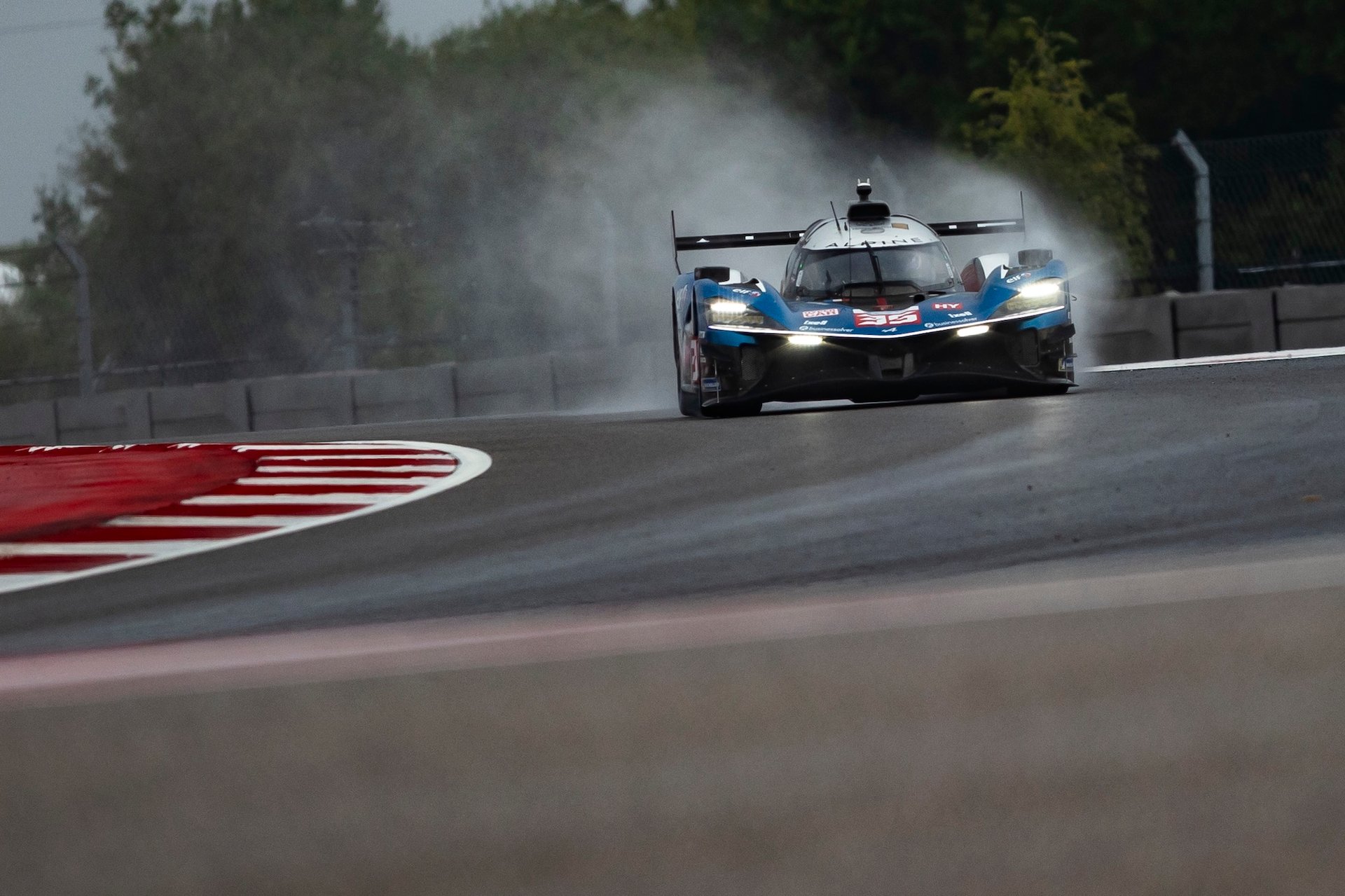

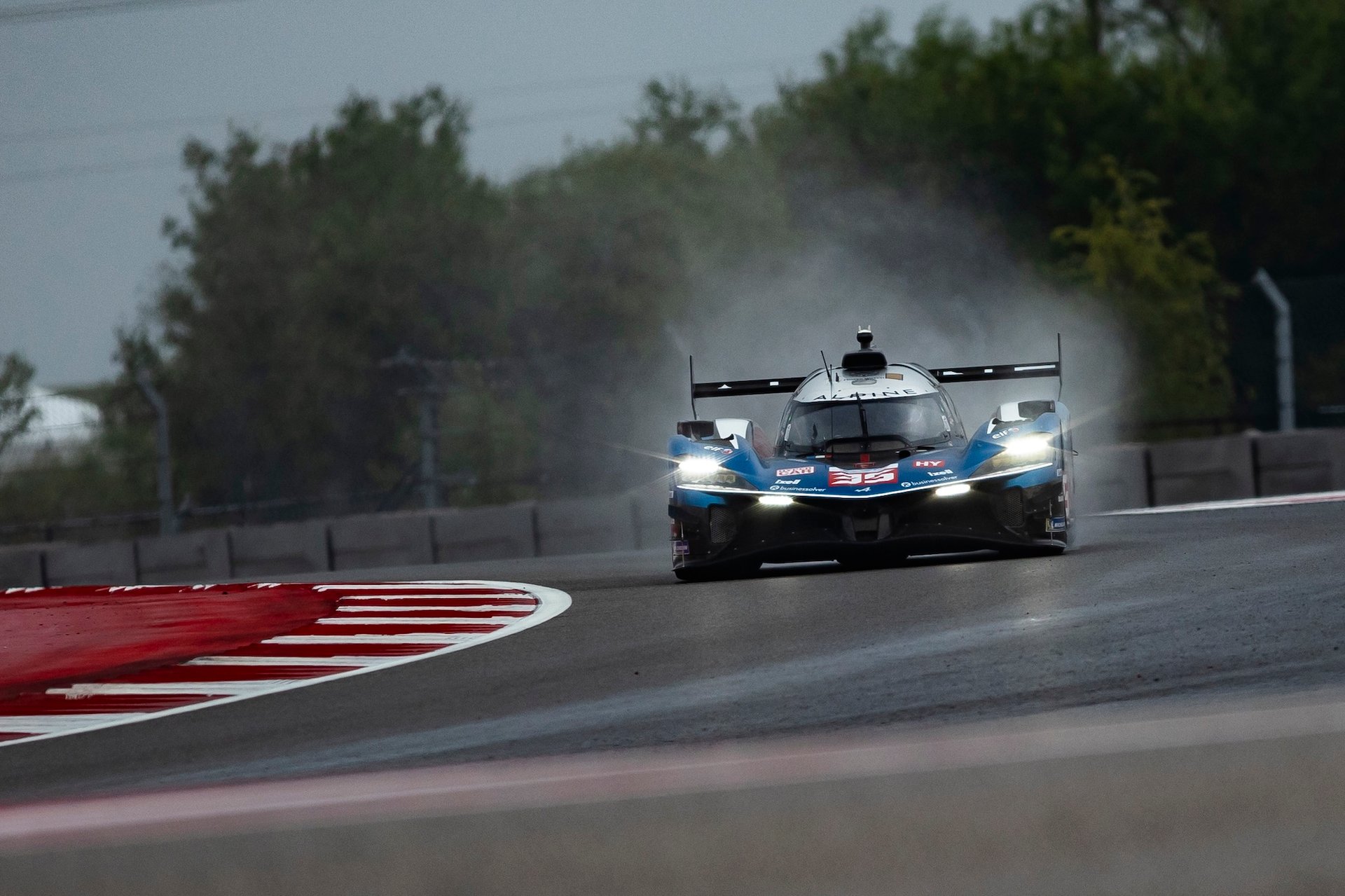
The first Hypercar season was exactly that: a lesson. Harsh, but necessary. The following year brought a first significant milestone — a double Top 10 that demonstrated the A424 was developing rapidly, that the mechanicals were holding, that the engineers were beginning to read the car’s demands with real fluency. Then Fuji 2025 shifted something fundamental in the nature of the project. By winning the 6 Hours of Japan, Alpine Endurance Team was no longer simply showing potential — it was writing its name on the WEC winners’ board. That distinction carries enormous psychological weight, for the team as much as for the rest of the field.
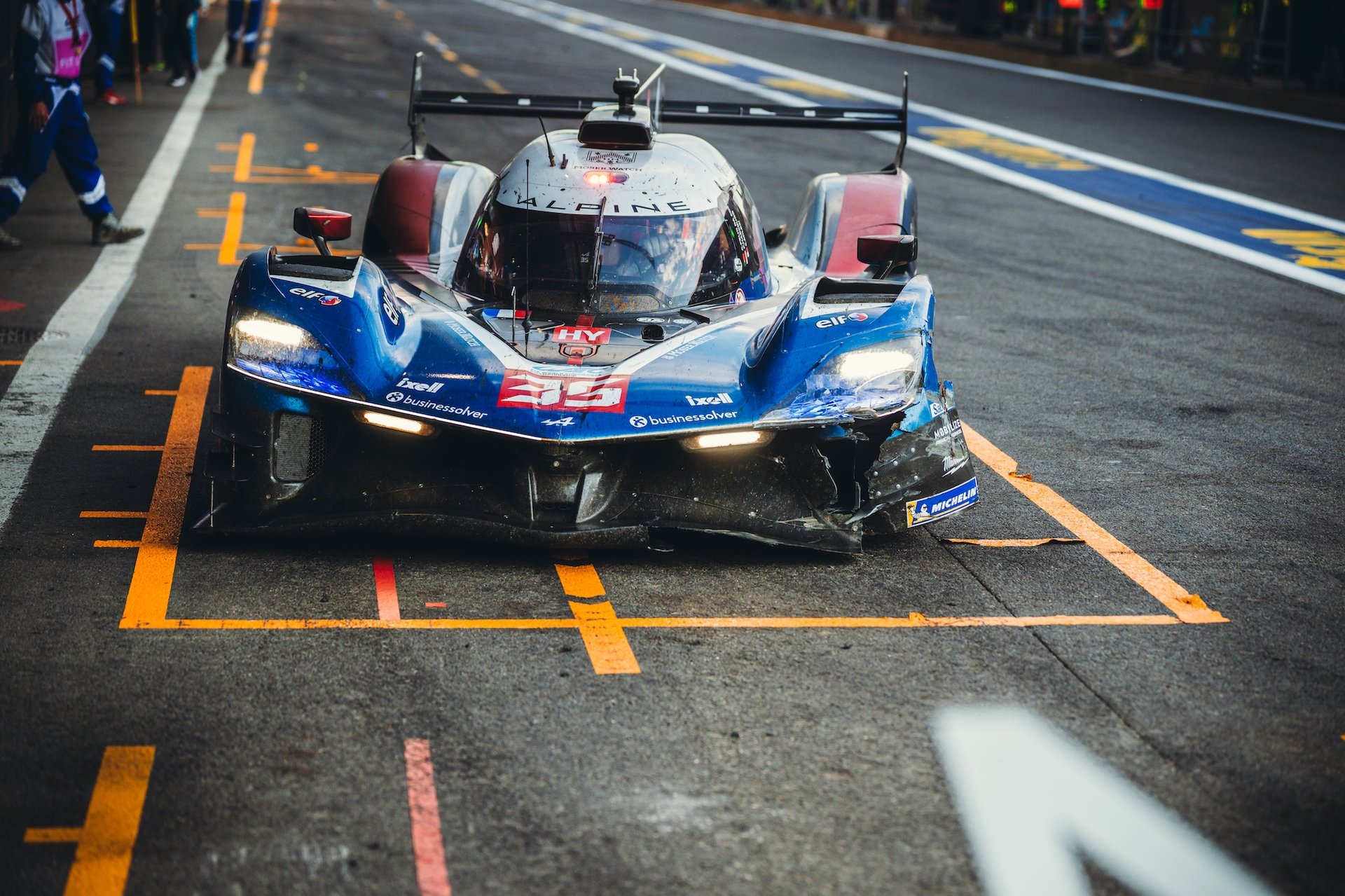
Spa, the dress rehearsal in May, served as a reminder that nothing in this championship is ever settled. A strategy can unravel on a badly timed safety car, a tyre that refuses to come up to temperature, a pit stop that slips by twenty seconds. Those moments forge teams as surely as victories do. Alpine heads back to the Sarthe carrying three years of that raw material.
A preparation that left nothing to chance
Between Spa and Le Mans, Alpine did not ease off. Both A424s were stripped completely, inspected component by component, then rebuilt to the specifications locked in for this final Sarthe campaign. Simulator work ran at full intensity — aerodynamic mapping, tyre degradation scenarios, extended safety car simulations deep into the night hours. Everything that could be anticipated was anticipated.
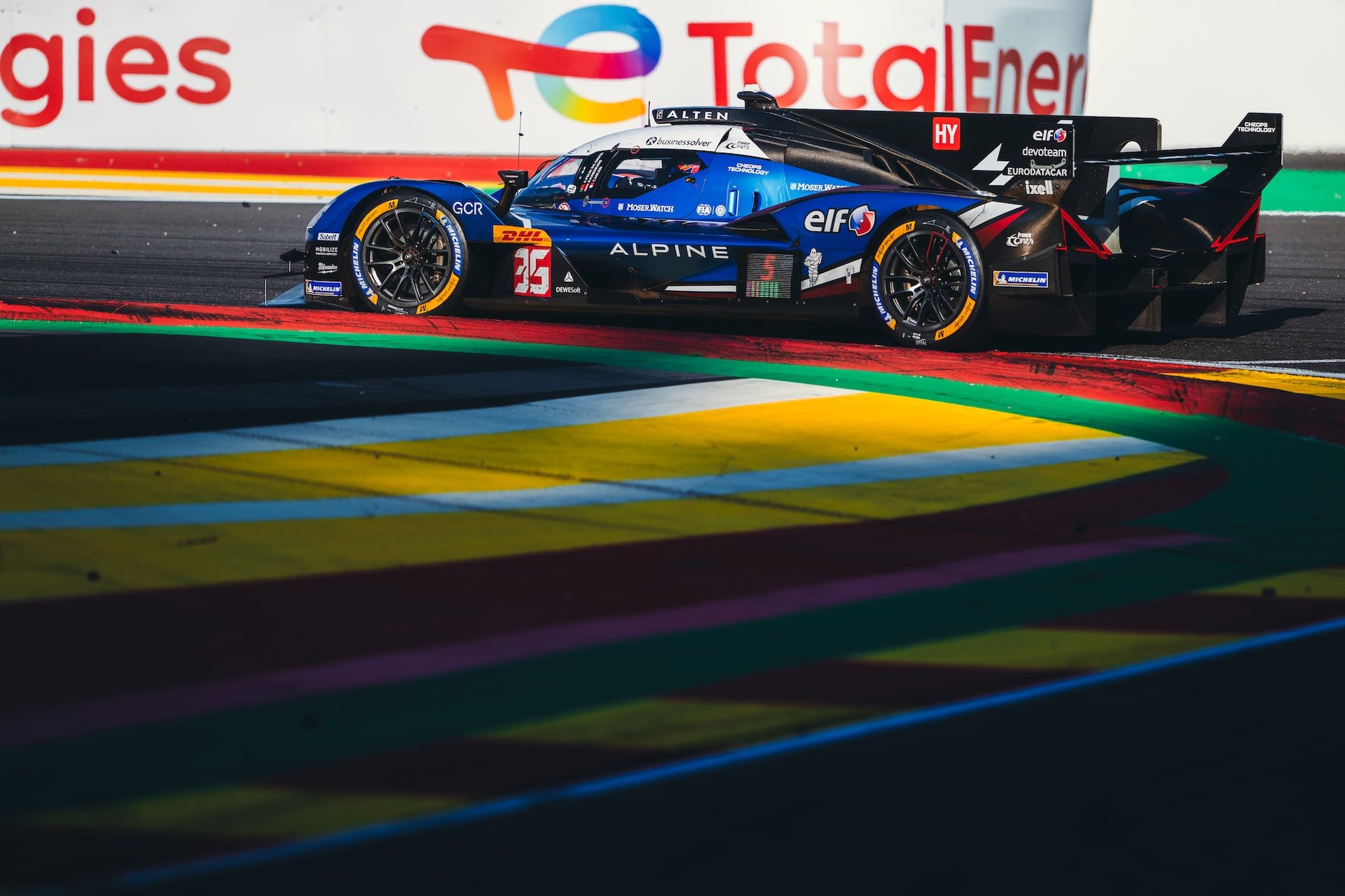
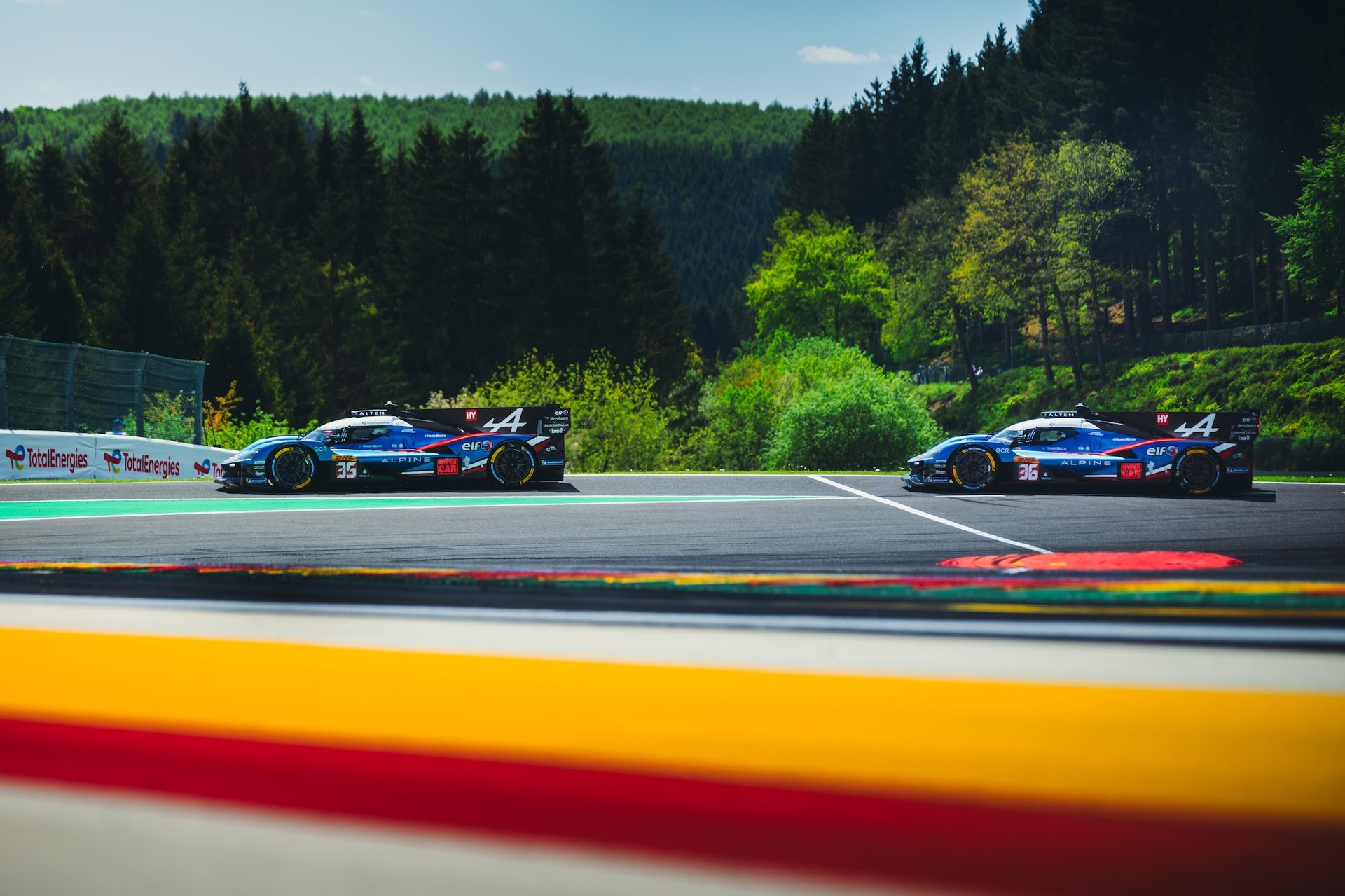
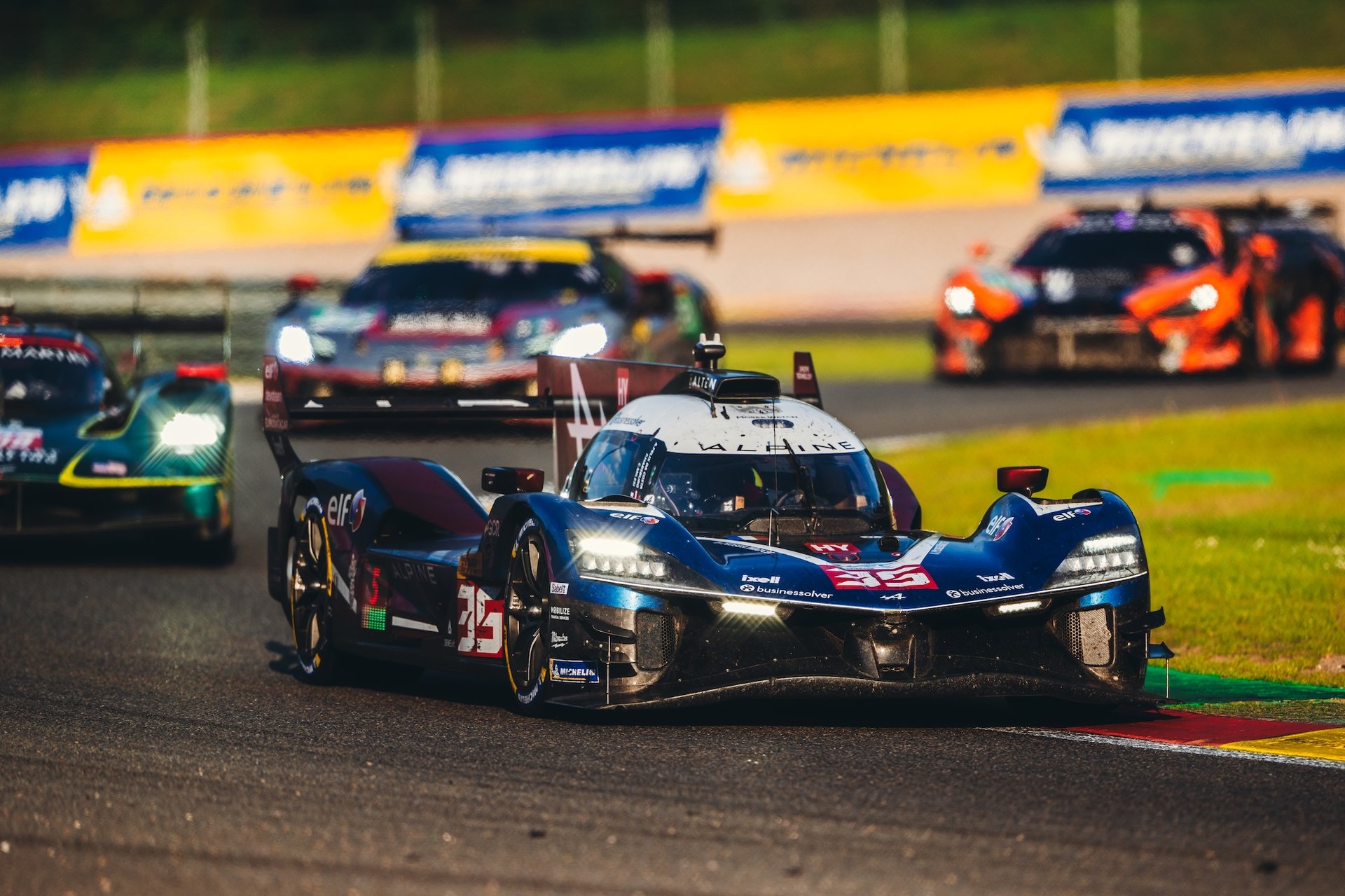
Private test sessions followed at Paul Ricard to validate the aerodynamic and mechanical developments refined throughout the winter with Le Mans as their sole reference point. A final shakedown at Magny-Cours allowed the team to verify the coherence of the whole package before shipping to the Sarthe. That kind of meticulous protocol guarantees nothing — Le Mans always finds a way to invent problems nobody foresaw — but it drastically narrows the zone of uncertainty the team carries onto the grid.
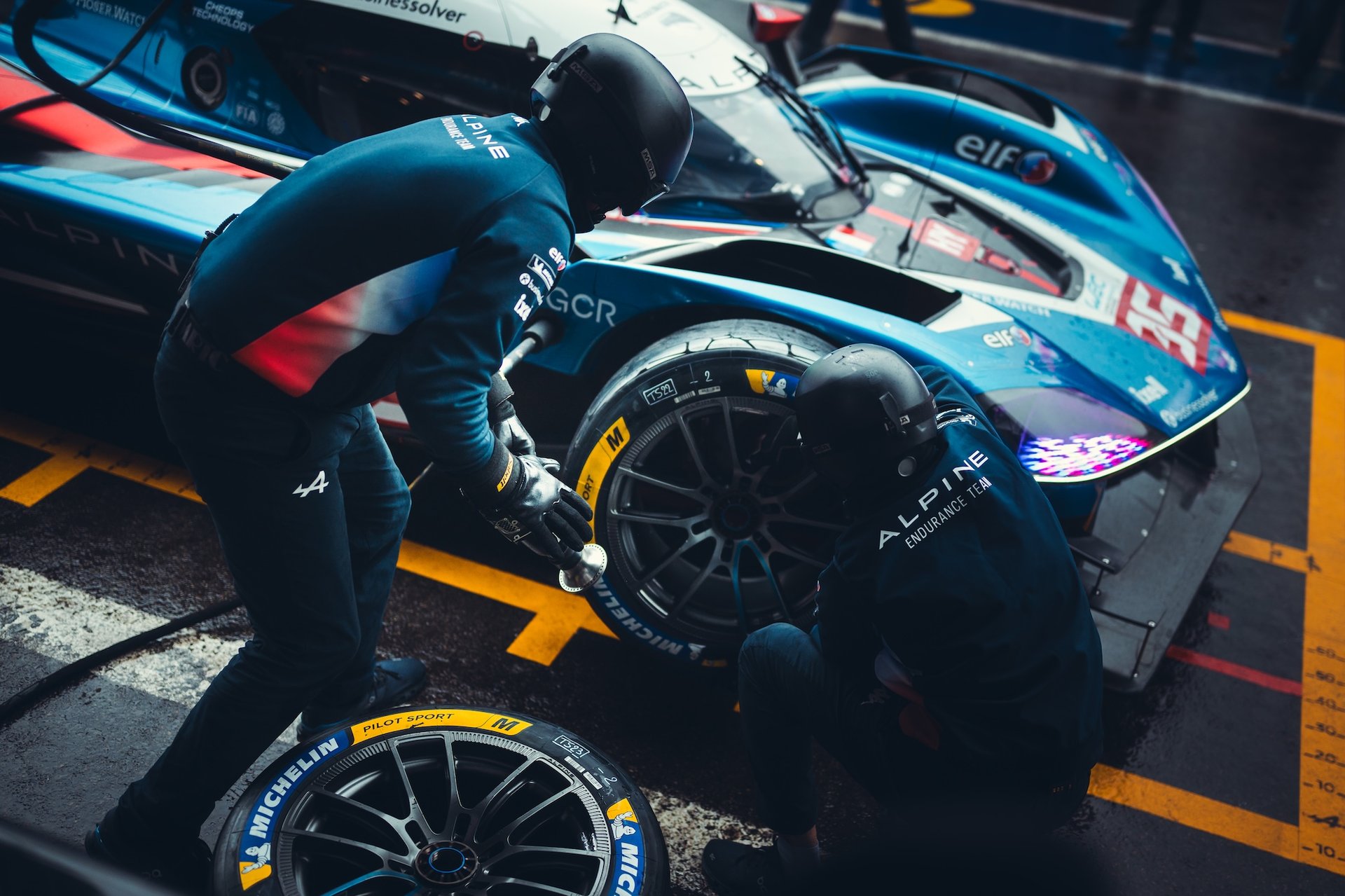
Michelin tyre management, pit stop procedures timed to the tenth of a second, night stints, the reliability of the hybrid systems under sustained peak load: everything was simulated, replayed and refined. Because at the 24 Hours of Le Mans, races are frequently decided in the silence of the garages, weeks before a single engine fires.
Two complementary line-ups, thirty-xix Le Mans starts combined
Alpine A424 No. 35 — Da Costa, Milesi, Habsburg
António Félix da Costa, Charles Milesi and Ferdinand Habsburg bring a combined depth of Le Mans experience that is difficult to overstate. Milesi and Habsburg took LMP2 victory together in 2021 — a win built on discipline and race management — before da Costa added his own success in the same category the following year. Three drivers who understand the true cost of a 24-hour race: the concentration it demands, the emotional management required under nocturnal pressure, and the composure needed when strategy forces decisions that feel deeply counter-intuitive.
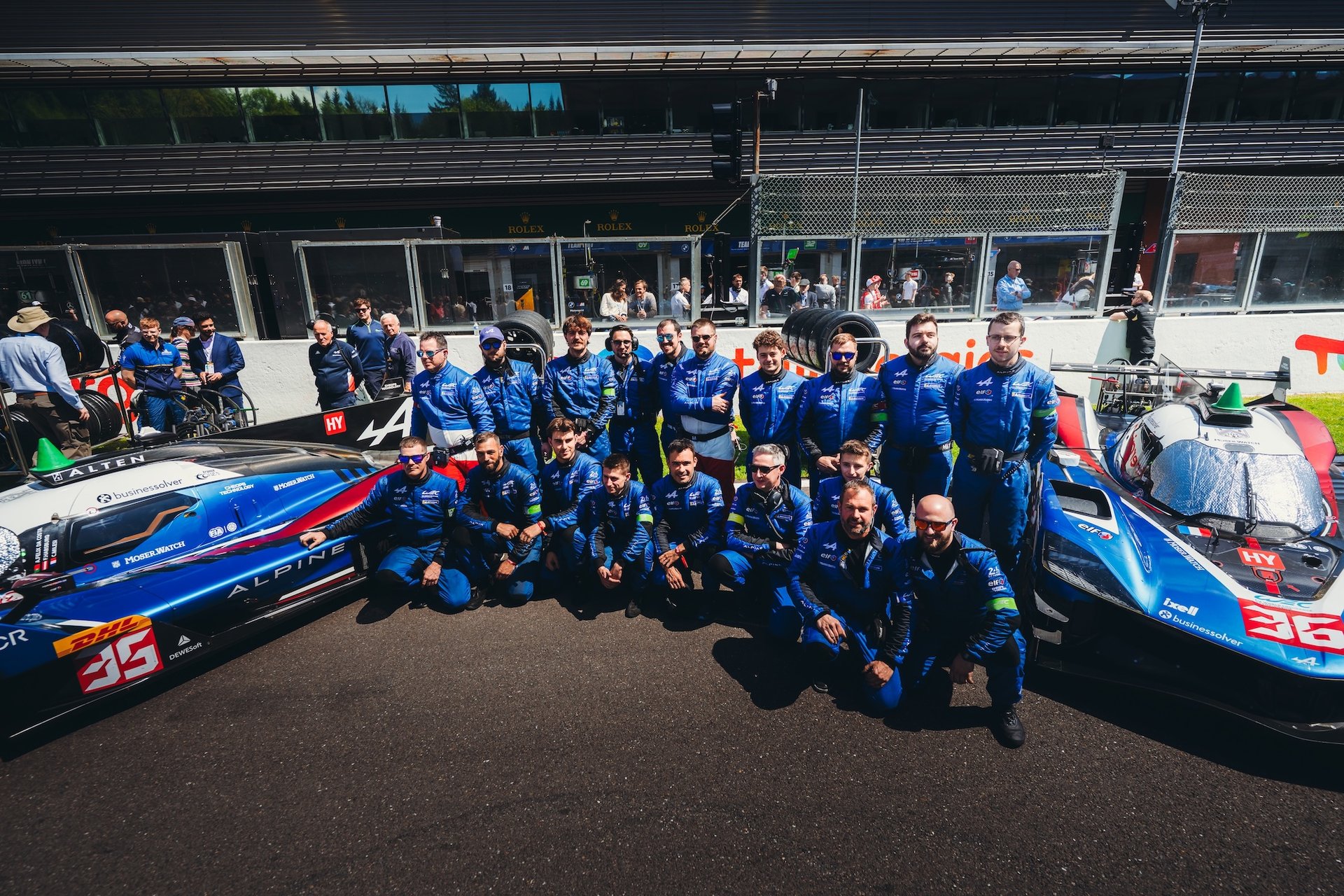
Alpine A424 No. 36 — Makowiecki, Gounon, Martins
Frédéric Makowiecki, GTE Pro winner in 2022, knows the Circuit de la Sarthe in its finest detail — every grip variation, every shadow the asphalt casts differently at 2 a.m. Jules Gounon brings a density of international endurance experience that few drivers of his generation can match. And then there is Victor Martins — a rookie in this format, but by no means a novice at high-level competition. The Frenchman will follow the ACO’s dedicated rookie programme throughout the week, designed so that knowledge of the circuit is built in careful, successive layers rather than forced all at once. Makowiecki and Gounon are there to guide, transmit and stabilise when needed.
Across both cars, the six drivers have accumulated thirty-six starts at the 24 Hours of Le Mans. That number is not incidental in a discipline where a crew’s collective experience often proves decisive when the night stretches on and the standings shift.
Scrutineering, Test Day and the new hyperpole format: the full week explained
Scrutineering — Friday 5 June
Le Mans always begins in the city before it begins on the circuit. Scrutineering is that popular ritual in which the cars are submitted to FIA and ACO technical inspection under the eyes of a crowd packed along the pavements of the city centre. For the teams, it is the official confirmation that the machine is ready. For spectators, it is the first physical encounter with prototypes they will otherwise only glimpse at over 300 km/h. That proximity is part of the event’s irreplaceable identity. Both Alpine cars will pass through scrutineering on Friday 5 June — No. 35 at 17:10 and No. 36 at 17:20, following a joint presentation at 16:15.
Test Day — Sunday 7 June
Two three-hour sessions — 10:00–13:00 and 15:30–18:30 — will represent the A424’s first contact with the circuit in its 2026 specification. The objective is not to set a time. The objective is to validate: the winter’s technical choices, the three available Michelin compounds, the baseline set-up that will serve as the reference point for the entire week. Victor Martins will occupy a central role in that programme — every kilometre turned on this circuit is information that simply cannot be gathered anywhere else.
The new Hyperpole format — Thursday 11 June
The 2026 edition introduces a significant change to the qualifying format. The top fifteen from the initial qualifying session progress to Hyperpole 1, run with one designated driver per car. The ten fastest then advance to Hyperpole 2, where a second driver may take the wheel in pursuit of pole position. This two-stage structure fundamentally alters preparation logic: up to three drivers per car may run across the separate sessions, demanding finer management of tyre allocation and physical freshness than before. At Alpine, pole position is not the stated priority. Grid position matters, but not as much as the mechanical and human condition of the team when the tricolour drops on Saturday at 16:00.
Full 2026 24 Hours of Le Mans schedule
| Date | Time | Event |
|---|---|---|
| Friday 5 June | 16:15 | Scrutineering Alpine #35 & #36 |
| 17:10 | Technical checks #35 | |
| 17:20 | Technical checks #36 | |
| Saturday 6 June | 15:00 – 16:00 | City centre parade |
| Sunday 7 June | 10:00 – 13:00 | Test Day |
| 15:30 – 18:30 | Test Day | |
| Tuesday 9 June | 14:00 – 15:15 | Pit Stop Challenge |
| 15:30 – 17:30 | Autograph session | |
| Wednesday 10 June | 14:00 – 17:00 | Free Practice 1 |
| 19:30 – 20:00 | Hypercar Qualifying | |
| 22:00 – 00:00 | Free Practice 2 | |
| Thursday 11 June | 14:45 – 17:45 | Free Practice 3 |
| 21:05 – 21:25 | Hyperpole 1 | |
| 21:40 – 21:55 | Hyperpole 2 | |
| 23:00 – 00:00 | Free Practice 4 | |
| Friday 12 June | 16:00 – 19:00 | Driver parade |
| Saturday 13 June | 12:00 – 12:15 | Warm-up |
| 16:00 | Start of the 94th 24 Hours of Le Mans | |
| Sunday 14 June | 16:00 | Finish of the 94th 24 Hours of Le Mans |
What this edition really says about Alpine
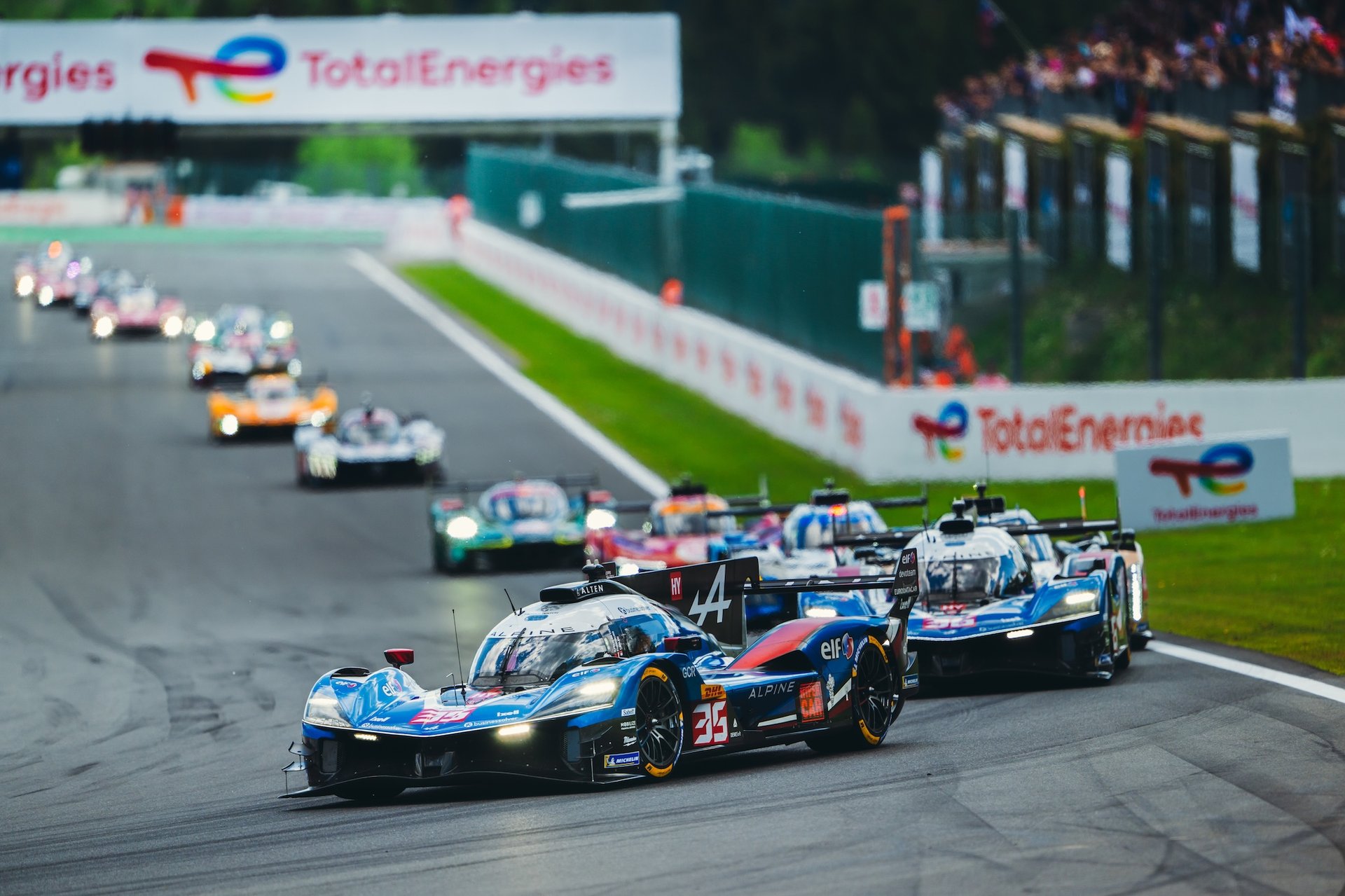
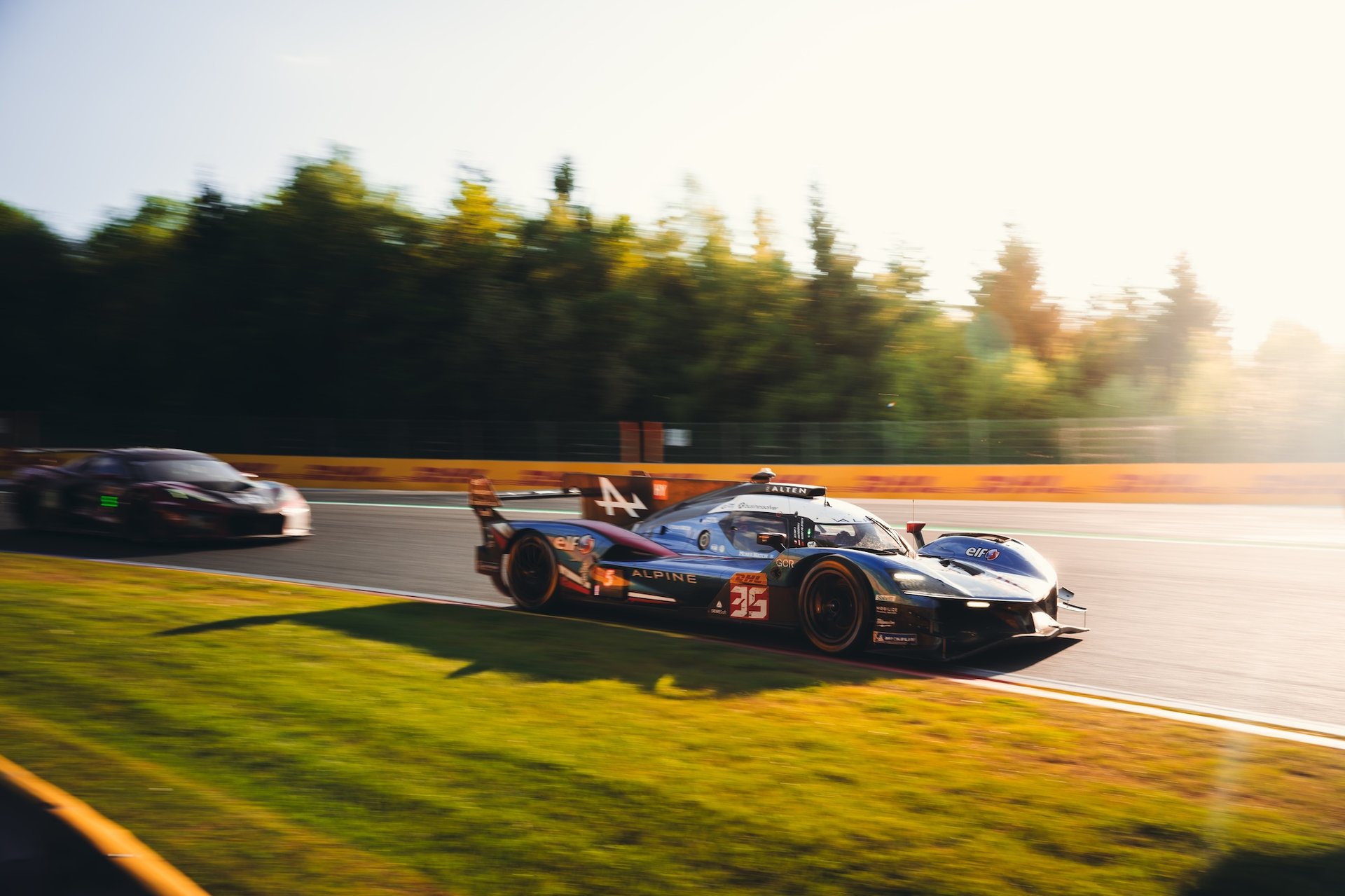
Eighteen Hypercar prototypes on the grid in 2026. The competitive density in the premier class has probably never been this high in the race’s recent history. Toyota, Ferrari, Porsche, Cadillac, BMW, Peugeot — manufacturers that arrive with vast resources and years of experience in this format. Against that backdrop, Alpine Endurance Team does not step forward as a contented underdog. Three years of steady progression, one WEC victory on the board, a team that has grown together and now understands in its bones what the race truly requires — that is what the Alpine A424 Hypercar brings to the Sarthe.
What is at stake here runs well beyond the points table. This edition is a reckoning — not an accountant’s reckoning, but a reckoning of coherence. Has the project, as conceived and conducted since 2024, delivered on its promises? Has the team learned quickly enough, invested in the right places, adapted when it needed to? The result at 16:00 on Sunday 14 June will be part of the answer. Not all of it — Le Mans distributes its verdicts with occasional and terrible unfairness — but a meaningful part.
They Said
Philippe Sinault, Team Principal, Alpine Endurance Team
“It is always a source of pride to represent Alpine, a French manufacturer, at an event as iconic as the 24 Hours of Le Mans. We are all eager and enthusiastic to be there, but we will also need to manage our energy and efforts carefully across what is a genuine ten-day marathon. Scrutineering will be the first step — a moment of connection with the public before the Test Day.
That first day on track will be particularly important because it will allow us to discover the A424 in its 2026 specification on this circuit, following all the work carried out over recent months around this race. We have done a great deal of development and introduced numerous evolutions with Le Mans firmly in our sights, and these two three-hour sessions will be essential for validating our technical choices, accumulating as many kilometres as possible and evaluating the three tyre compounds made available to us by Michelin.
Victor Martins will also use that time to continue learning the category and to familiarise himself with all the specific characteristics of this uniquely configured circuit. Our programme is therefore extremely packed. The trap would be to chase outright performance. The goal is to arrive on Sunday evening with maximum confidence in our baseline set-up, while having allowed our crews to rediscover their reference points or acquire the experience they need to approach the rest of the week with composure.
That process will continue in free practice from Wednesday onwards. The new qualifying format adds an additional strategic dimension, since all three drivers in a car may be called upon to run during the various sessions leading up to Hyperpole 2. That inevitably changes the approach, but we must not lose sight of what actually matters. Our priority remains race preparation. From our very first metres on Sunday morning to the start itself the following Saturday, every lap must above all serve our primary objective: being ready for the 24 Hours of Le Mans.”
The A424 at the close of its Le Mans life
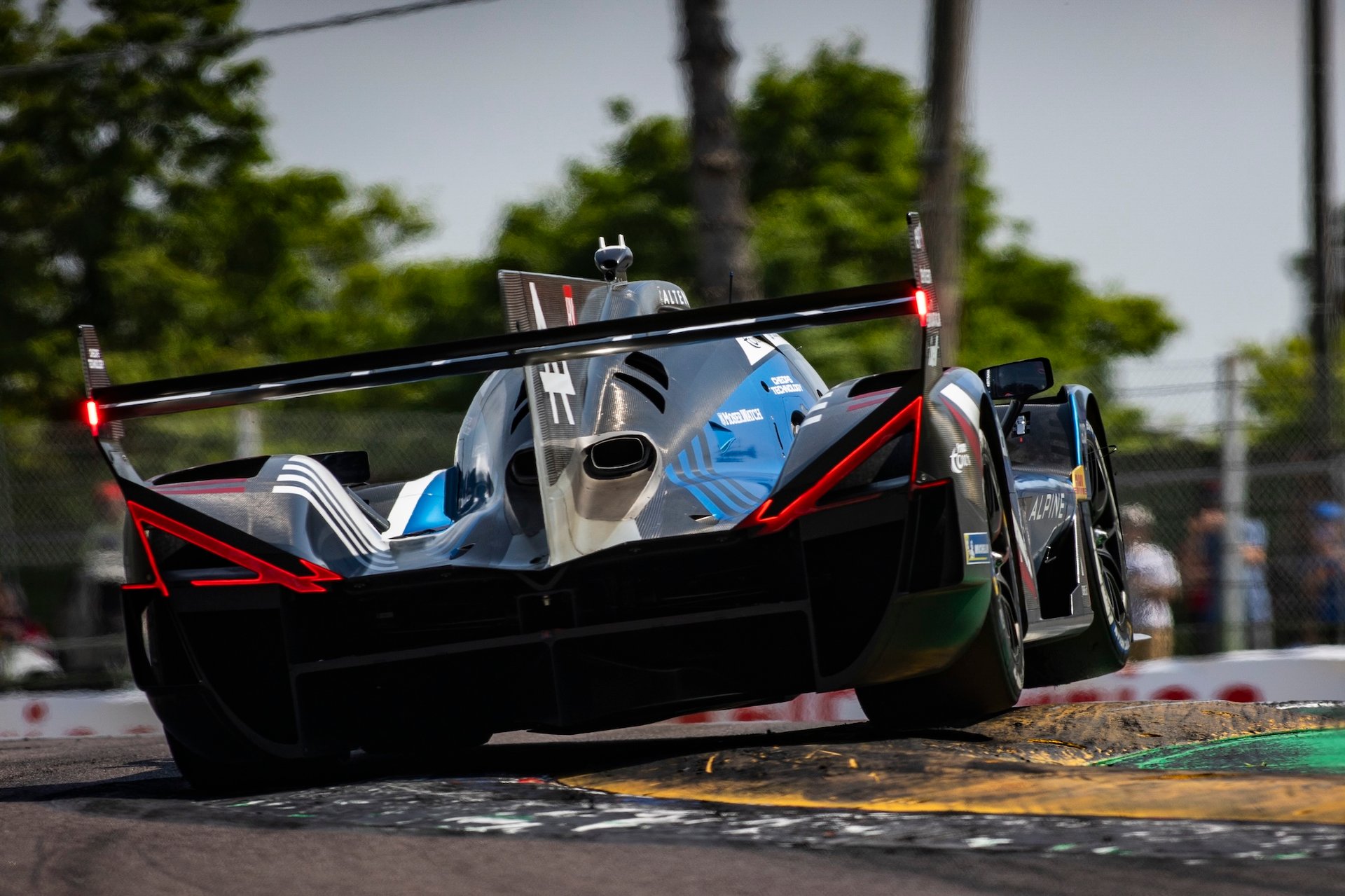
In a few days, when the tricolour flag drops before the sixty-two cars lined up on the Fonderie straight, Alpine will begin what motorsport produces at its most singular: twenty-four hours in which technology, human resolve and chance fight a constant, unresolved battle for the final word. The A424 arrives carrying what its early outings could not give it — the maturity of a prototype that has been fully understood, drivers who have memorised every surface variation on this circuit, engineers who can read a race before it turns against them.
For the brand born from one man’s obstinacy in Dieppe, this 94th edition is more than a date on the calendar. It is the hyphen between a story that began in 1963 and whatever Alpine chooses to become next. The finest Le Mans chapters have rarely been written by those the paddock expected. Alpine knows that better than anyone.
Source: Alpine Endurance Team