🇫🇷 Cet article est également disponible en français : Lire en français
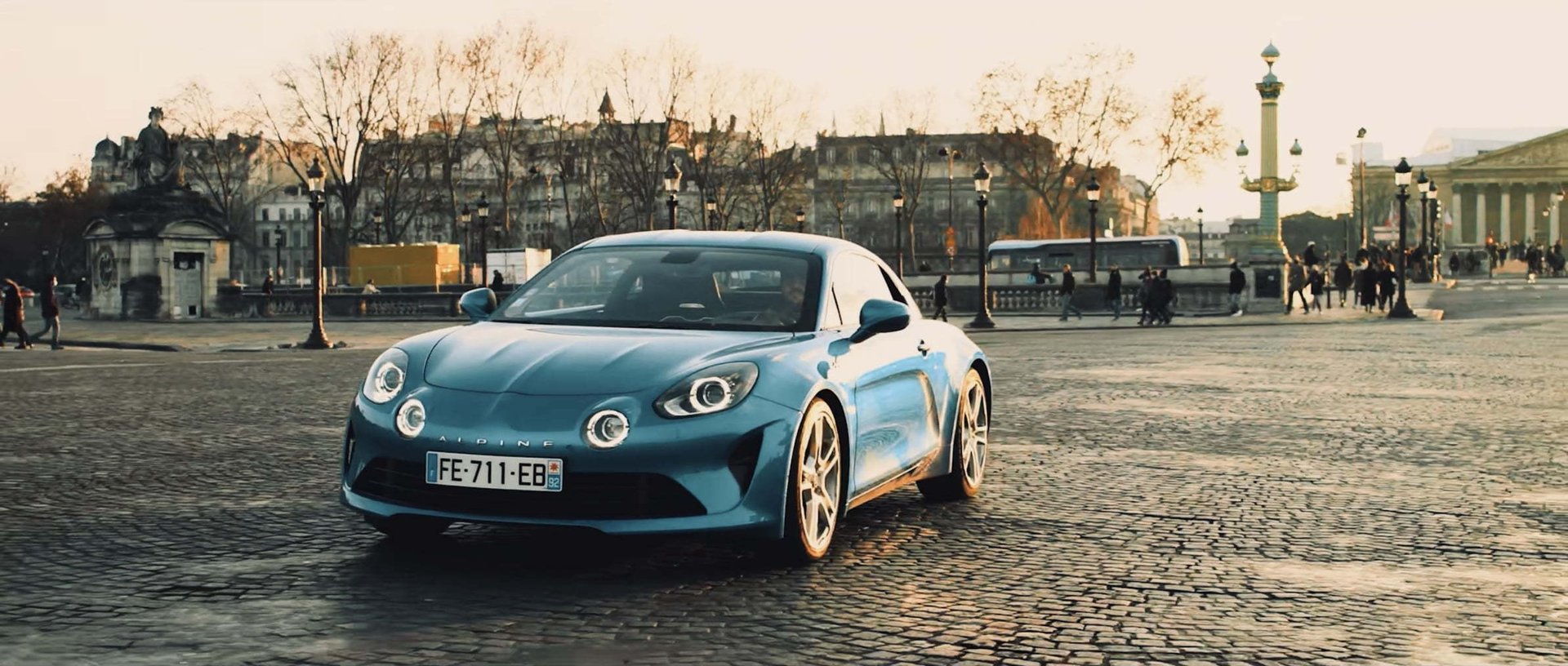
There are cars that never truly disappear. They leave the stage the way one closes a book that has long remained open, leaving behind a light that does not fade. The Alpine A110 is in that moment now.
The brand has launched production of the final 1,750 examples, the cars that will carry the modern berlinette to its last combustion-powered breath in June 2026.
By then, it will have surpassed 30,000 units produced, a figure few would have dared promise when it was reborn.
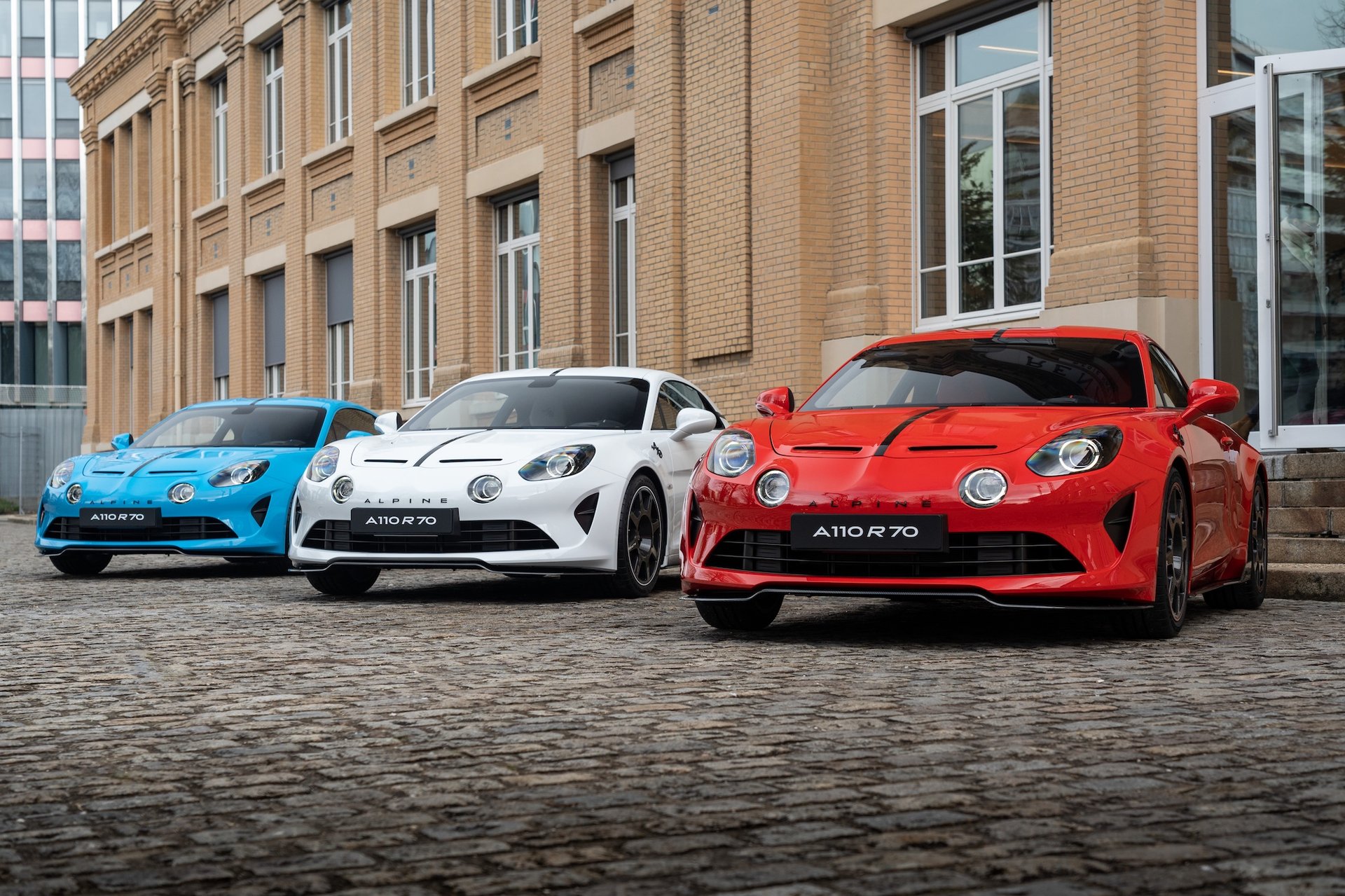
Alpine A110 2017-2026: a decade that redefined the French sports car
What stands out is not the ending itself, but the way it arrives. Without rupture, without fatigue, without distortion. Having never left the summit, the A110 ends its career the way it began it: following its own line, without allowing itself to be diverted by trends, fashions, or expectations.
For nearly ten years it remained faithful to a simple idea: a light, precise car that speaks to the driver before speaking to the market. A car that does not seek to impress, but to convince. A car that does not impose itself, but quietly establishes itself.
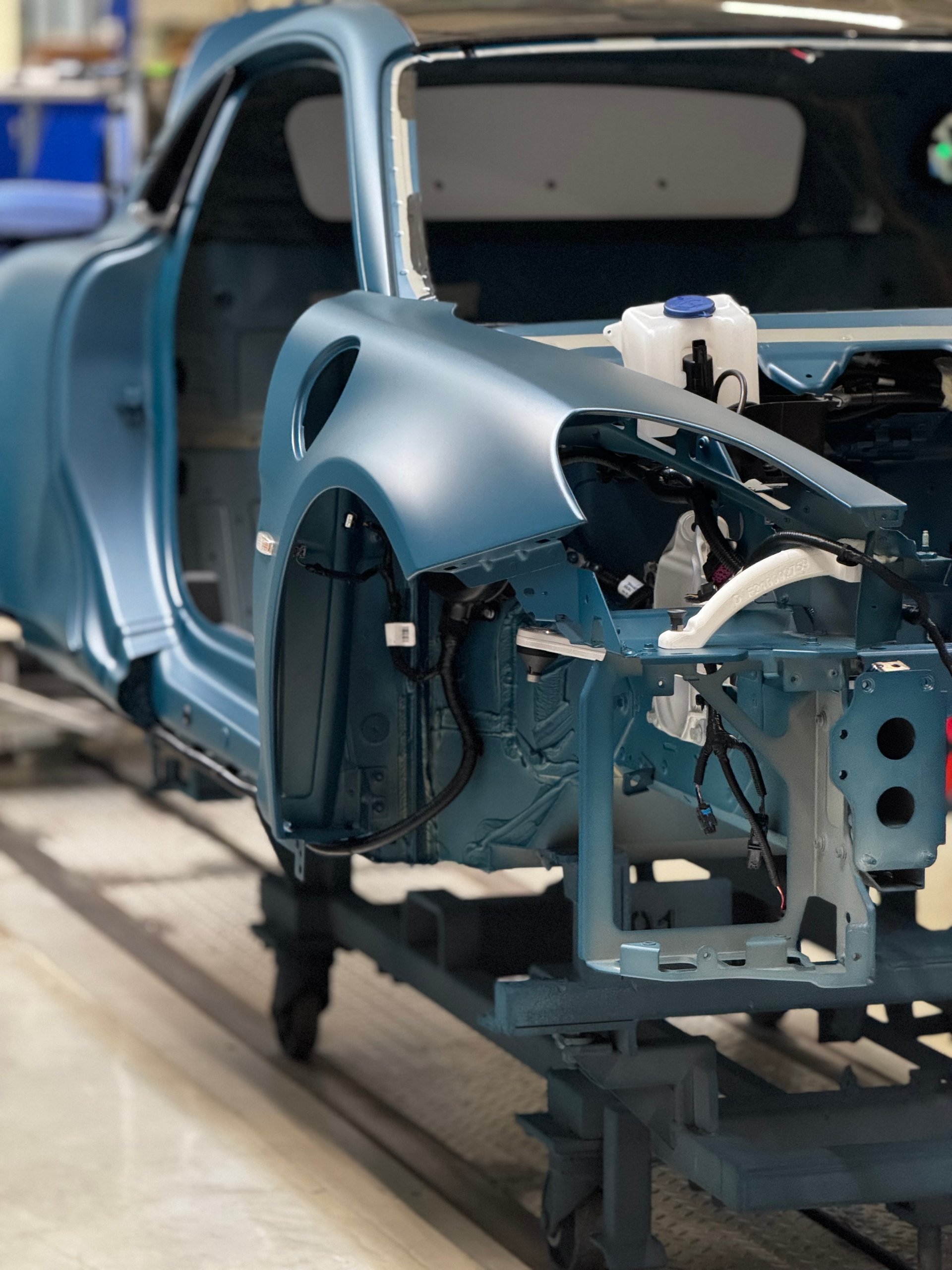
Since 2017, it has evolved without ever betraying itself. The Première Edition set the tone. Pure and Légende revealed two ways of inhabiting the same philosophy. The A110S sharpened the line, Phase 2 clarified the range, and the most radical versions — R, R Le Mans, R Fernando Alonso, Ultime — pushed the concept to its limits without ever distorting it. This decade was not a sequence of ruptures, but a maturation. An intensification, not an inflation.
A car that learned how to become more fully itself.
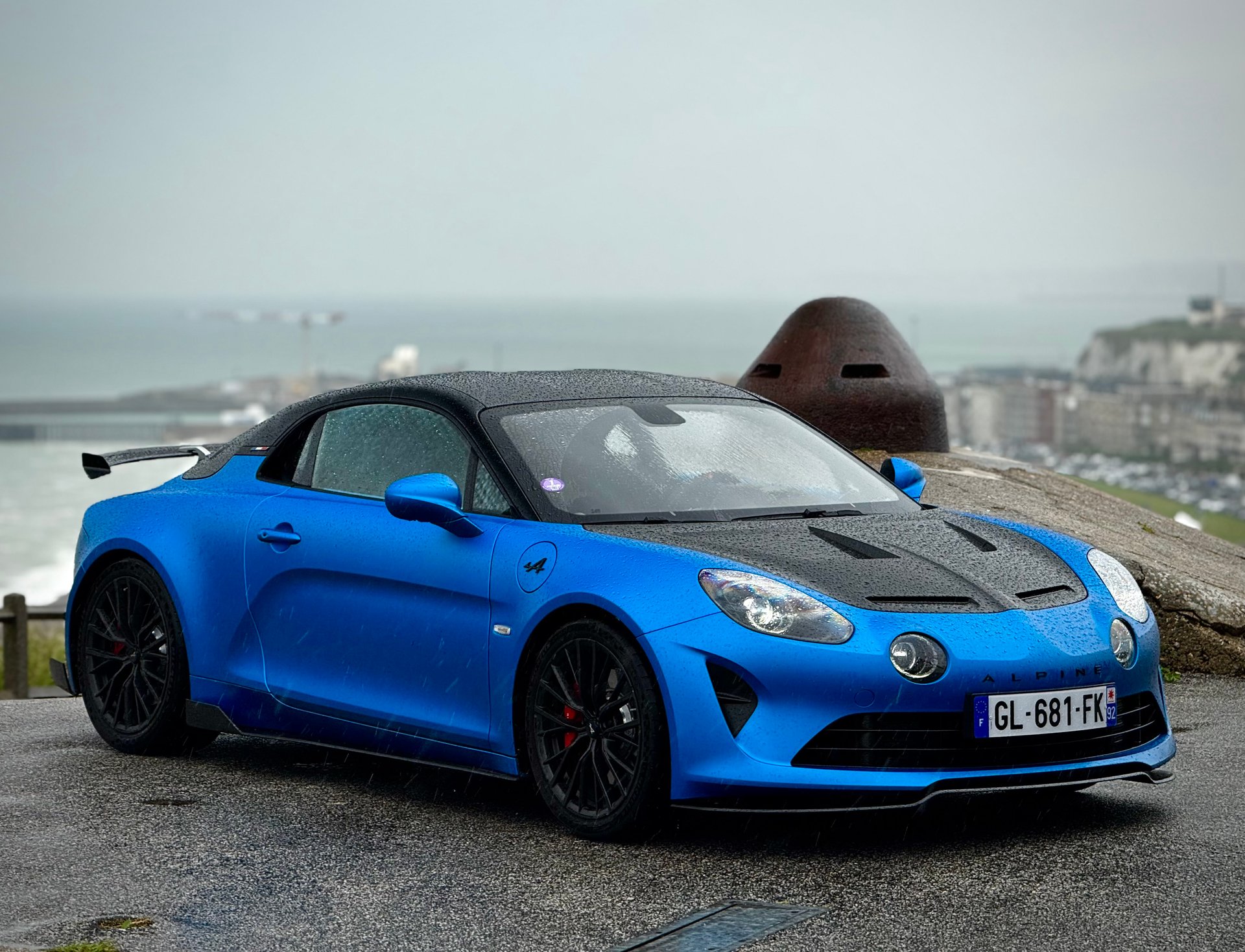
This revival did more than succeed — it surprised. The Alpine A110 won awards across Europe, often against cars twice as powerful and three times heavier. It was named sports car of the year by several editorial teams, dominated comparison tests, convinced both drivers and journalists, and reminded the world that France could still build cars that speak to the body. It even achieved the rare feat of remaining relevant for nearly a decade in a segment where novelty is often the only currency. That kind of longevity cannot be bought. It must be earned.
The Alpine A110, a philosophy of driving
To understand what the future A110 must carry forward, we must return to what the combustion version truly invented. Not a style. Not a silhouette. Not an engine. But a way of moving.
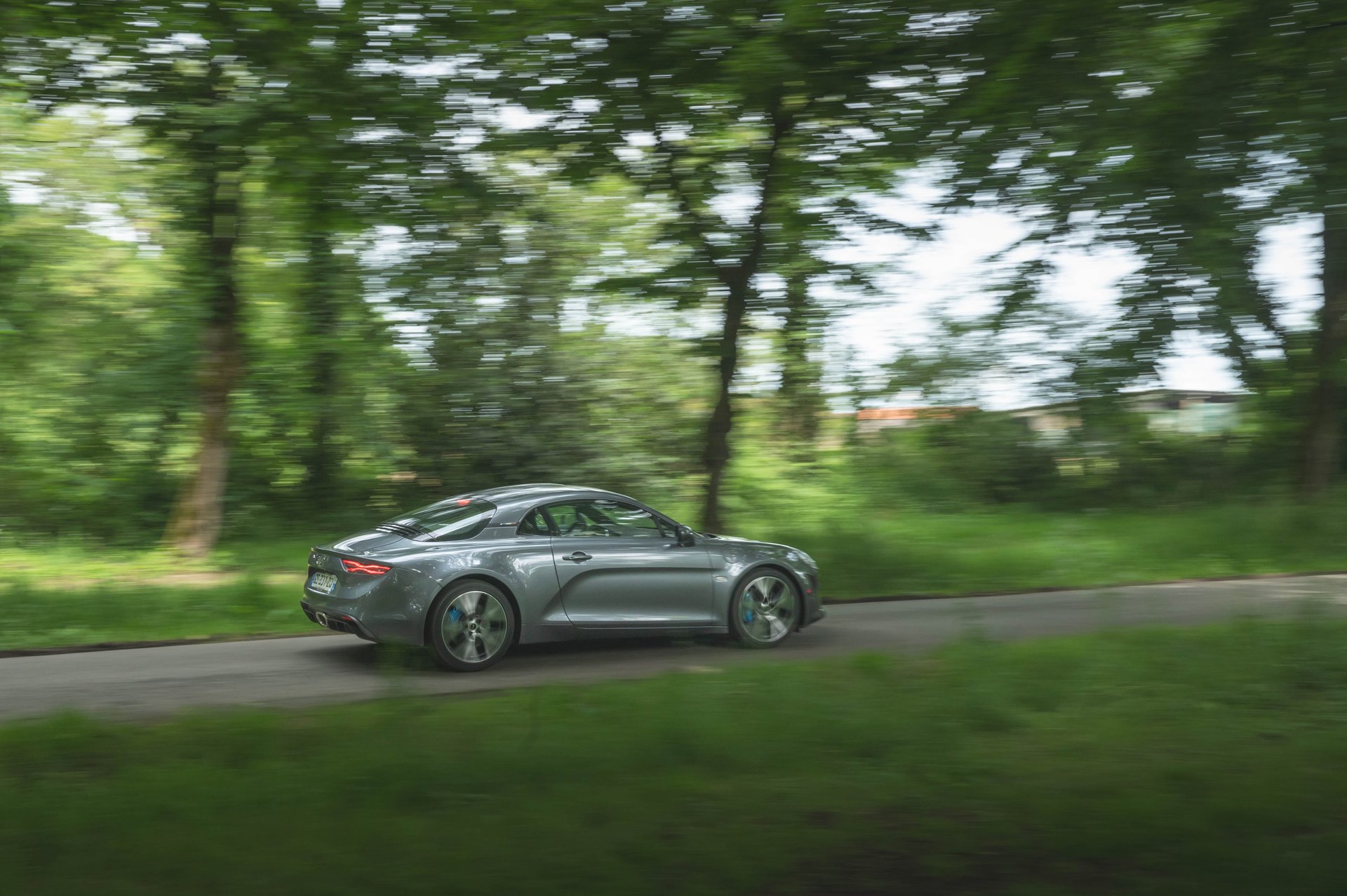
The A110 is a car that speaks before it even begins to move. From the very first meters, it gives the rare sensation of already being in dialogue with the road. The steering comes alive with natural precision, without heaviness or nervousness. The suspension works with a suppleness that does not erase imperfections but makes them readable. The car pivots around you with almost disconcerting ease, as if it already knew the trajectory.
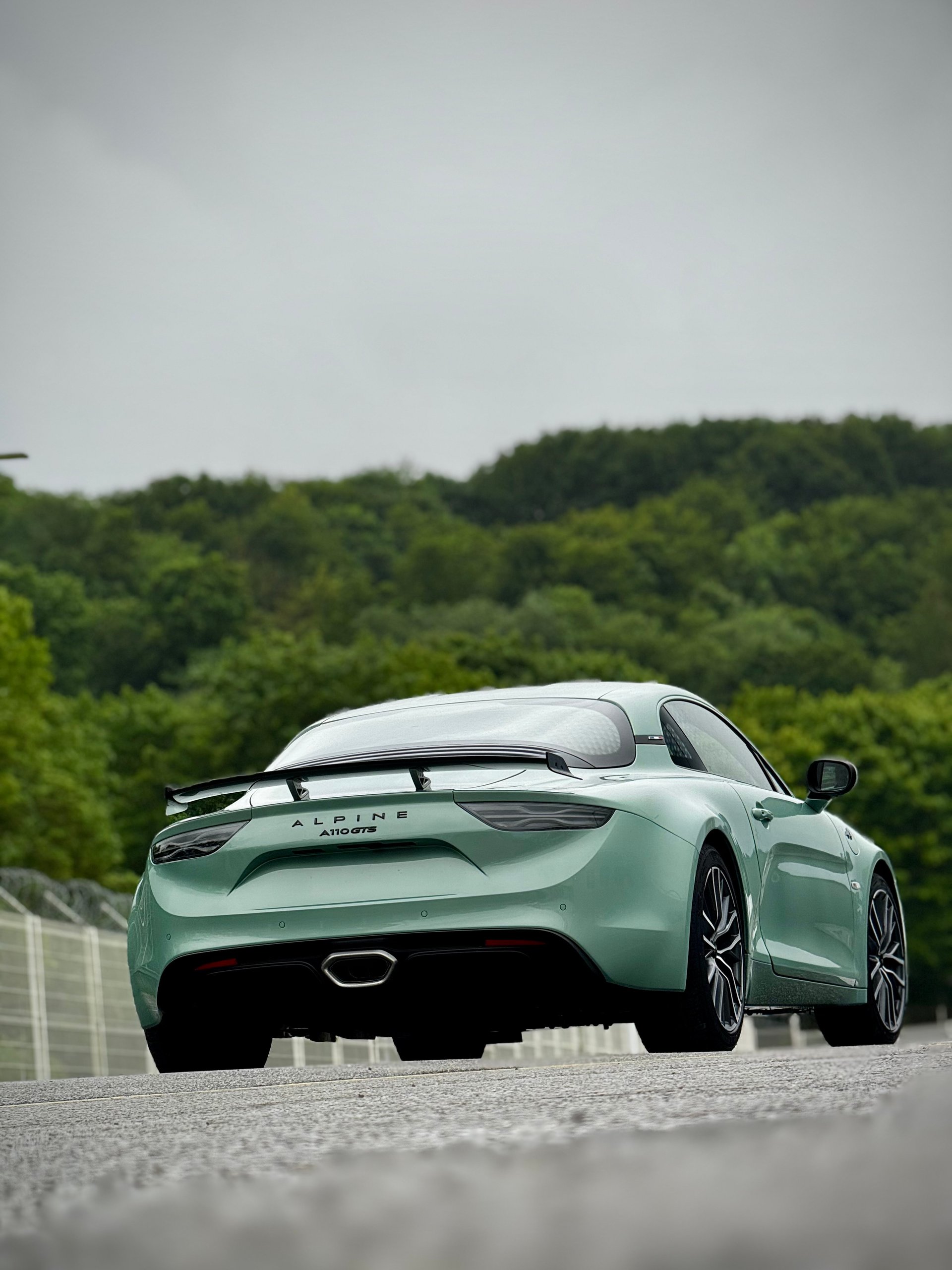
This is not a sports car that tries to impress. It is a sports car that tries to accompany. It does not ask you to force it. It does not ask you to dominate it. It leaves you space. It follows you. It listens. You can drive it fast, very fast, but you can also let it flow, almost weightlessly, letting the road come to you. It does not judge you. It welcomes you.
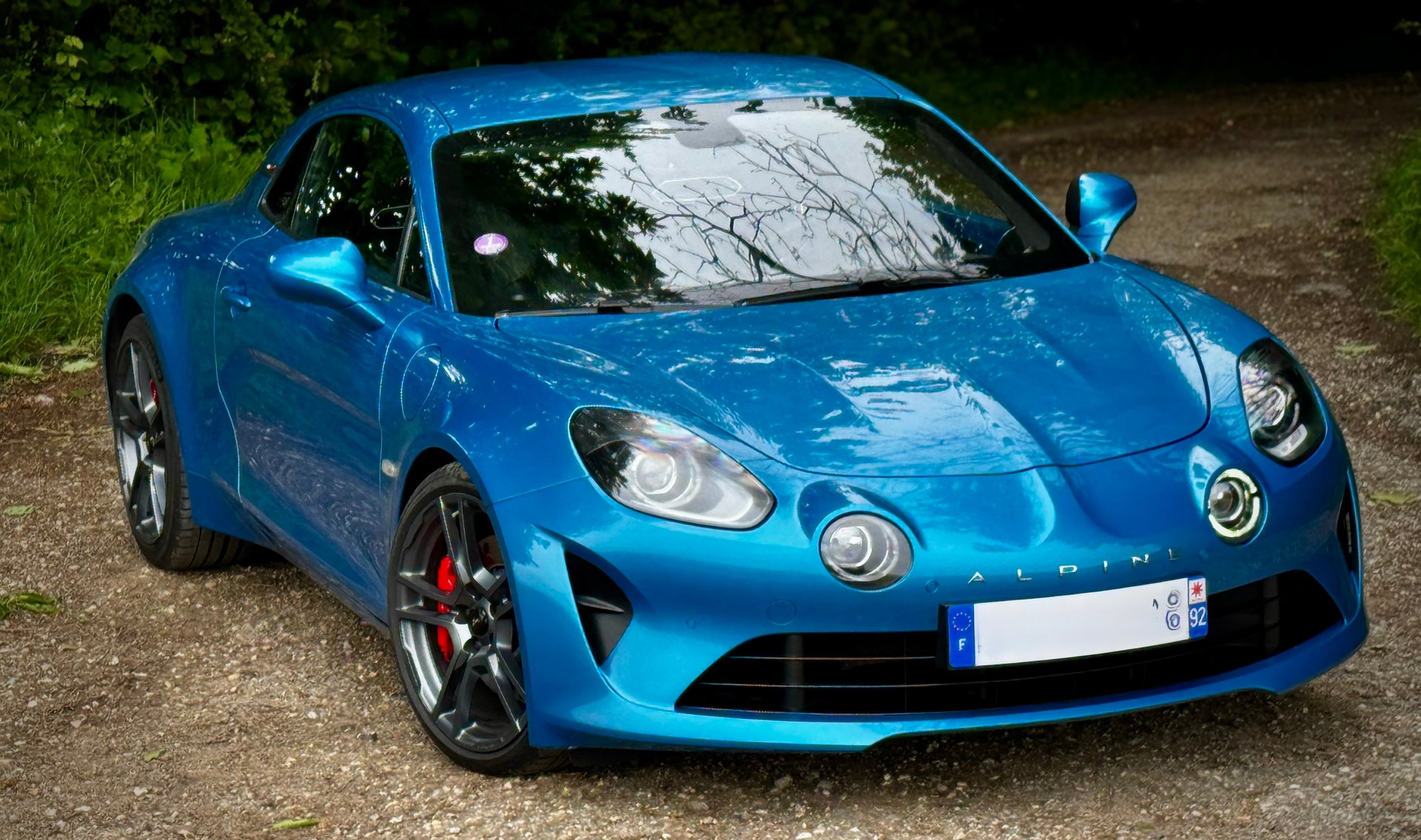
This way of being does not depend on a fuel. It depends on an intention. It depends on a relationship to movement. It depends on a philosophy that places the driver at the center — not as a pilot who must master a machine, but as a partner who shares a rhythm.
This philosophy is what allowed the A110 to endure. It is what made it a sports car apart. It is this philosophy that the future A110 must translate into another language. And if this philosophy resonates so strongly, it is also because the A110 occupies a particular place in the French imagination.
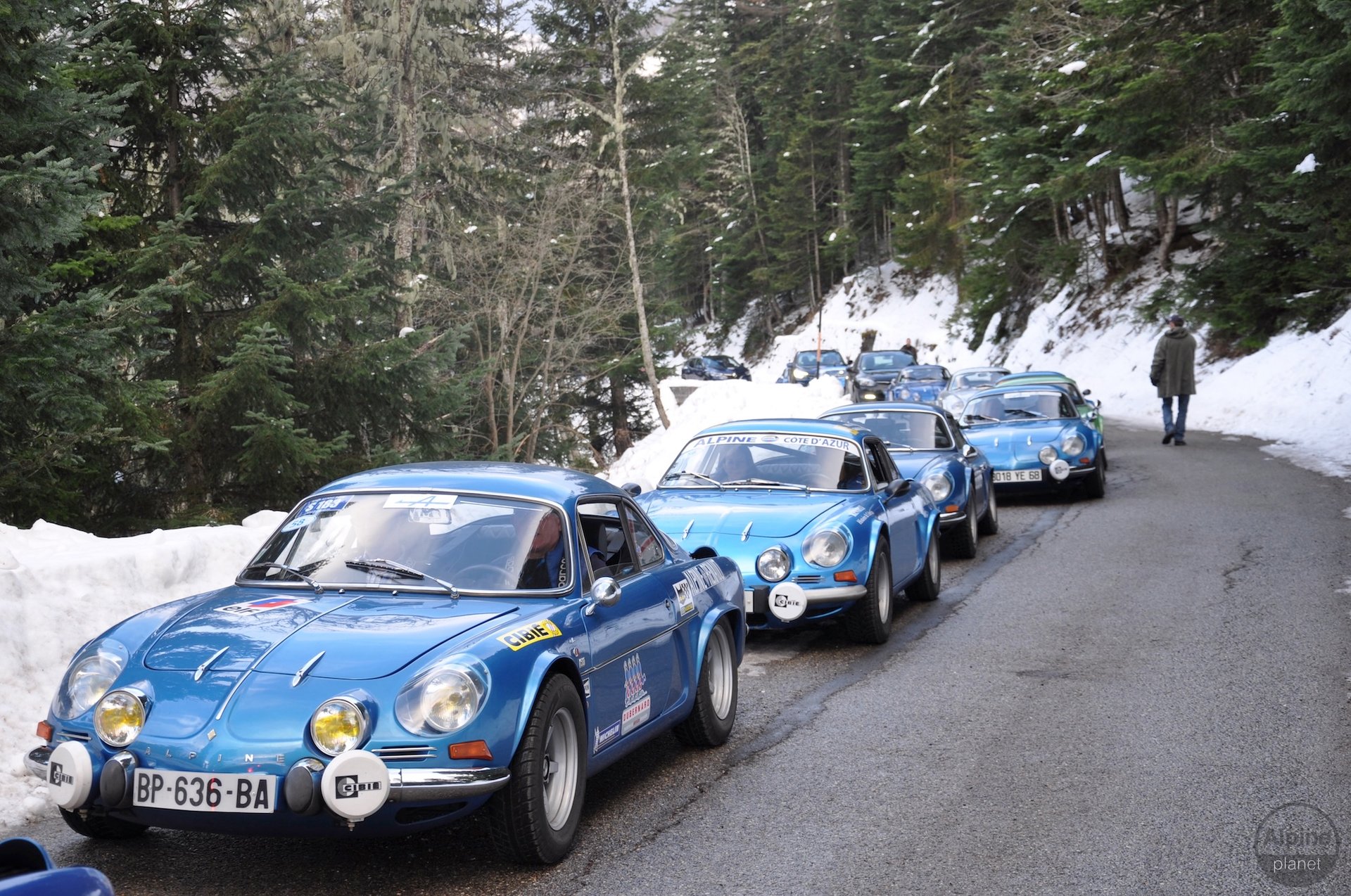
The first berlinette, in the 1960s and 70s, was never a mass-market car. It never flooded the roads. It never sought to become a national symbol. And yet it did. Because it won where nobody expected it to. Because it challenged manufacturers that were richer, more powerful, and more established.
Because it won the first World Rally Championship in 1973, defeating giants with a car that was light, agile, almost fragile. That victory forged an image: a France that wins with intelligence rather than force, with finesse rather than brute power. A France that dares, invents, and surprises.
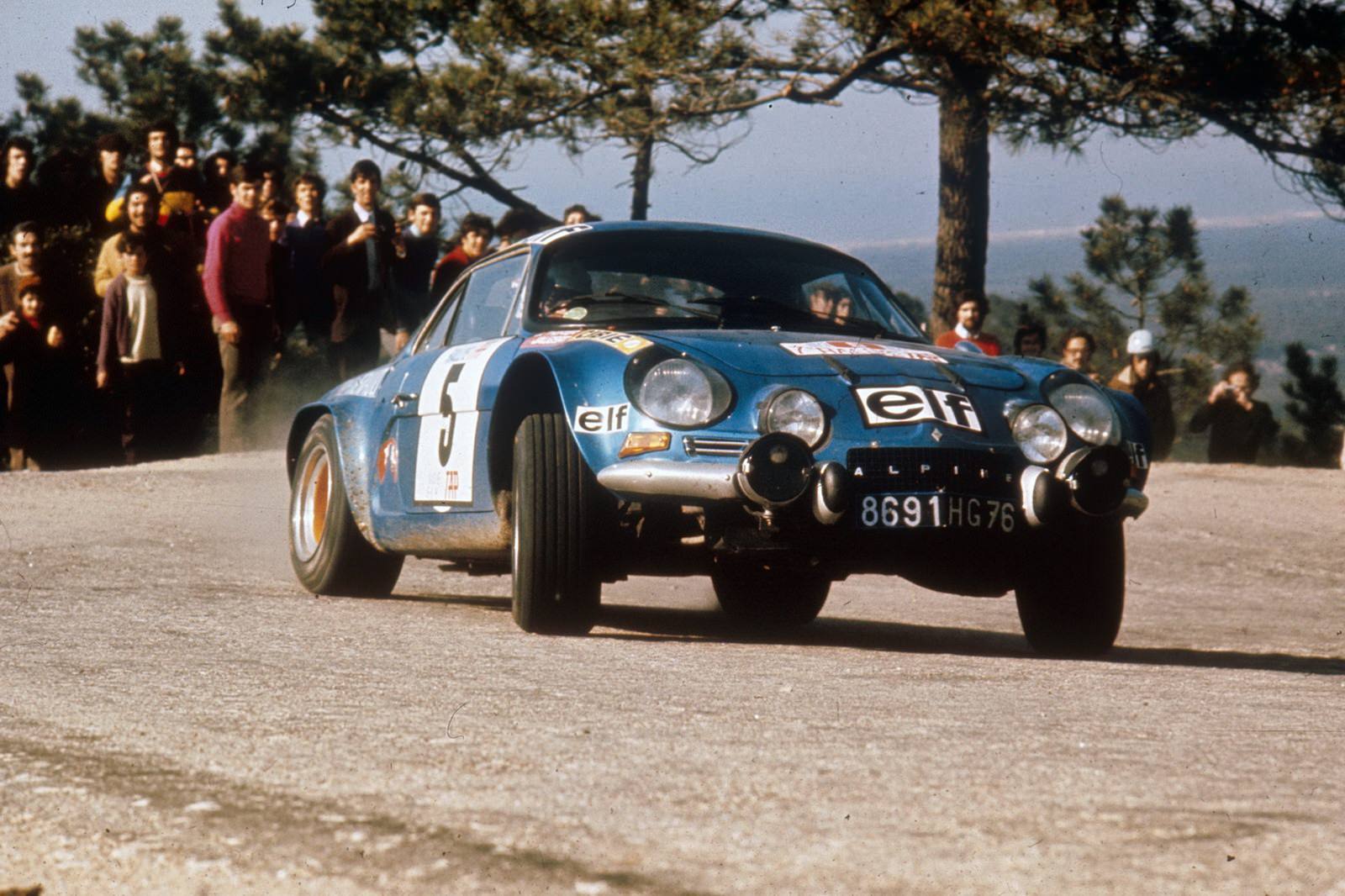
That image never disappeared. Even when the brand faded in the 1990s, the silhouette of the berlinette remained in people’s minds. It continued to circulate in conversations, garages, gatherings, and in the stories of those who had seen it pass by. It had become a quiet myth, a persistent memory, a symbol of French ingenuity.
That is why the 2017 revival worked. Because it was not about resurrecting a car, but about awakening an idea. Alpine did not try to create a modern replica. It sought to rediscover a spirit. And that spirit was immediately recognized by the public. The new A110 was welcomed as something obvious. It reminded everyone that France could still build cars that speak to the body, to the road, and to the desire to drive. It reinstalled Alpine in the landscape — not as a brand of the past, but as one capable of saying something meaningful in the present.
The electric A110: a new grammar for the same sentence
The third generation A110 will be presented this year. It will be 100% electric. And this change should not be seen as a betrayal. It should rather feel like a translation. The sentence will remain the same. Only the words will change.
May Alpine understand this — and the only question that remains is whether customers are ready.
Source: Alpine Cars