🇫🇷 Cet article est également disponible en français : Lire en français
The 2026 Canadian Grand Prix looked like the perfect opportunity for BWT Alpine Formula One Team. On a Circuit Gilles-Villeneuve built for powerful engines, the French outfit arrived in Montreal with its most ambitious upgrades of the season and a Mercedes Power Unit finally competitive at top speed. Friday turned that promise into a damage-limitation exercise before it had even begun.
BWT Alpine Formula One Team 2026: context and weekend stakes
The 2026 Canadian GP is a sprint weekend: a single free practice session on Friday morning, immediately followed by sprint qualifying in the afternoon. Saturday brings the sprint race. Sunday features qualifying and the main grand prix over 70 laps.
Alpine arrives in Montreal fifth in the constructors’ championship with 23 points, comfortably clear of Haas (18 pts) and Racing Bulls (14 pts). A positive dynamic since the start of the season, driven by the switch to a Mercedes power unit in 2026 after a very difficult 2025.
For this weekend, the team has introduced two major upgrades: a new floor and a revised rear wing, both designed to exploit the long straights of the Montreal circuit.
FP1: Colapinto stranded, the programme reduced to nothing
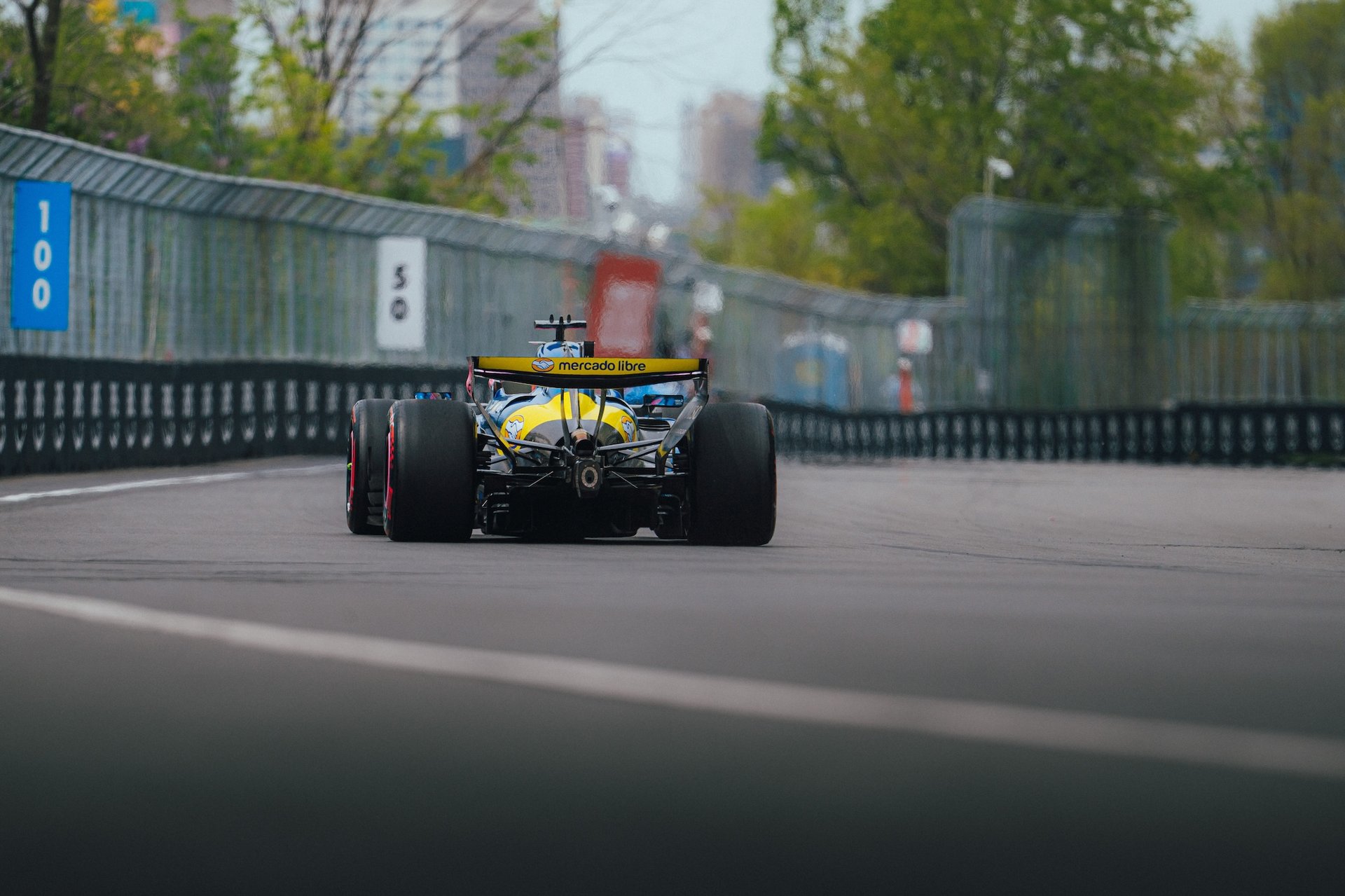
Within the opening minutes of free practice, Franco Colapinto reported over the radio: “my throttle is not working.” An electrical fault on the power unit left the car stranded in the garage. One installation lap from a possible 29. The new parts — floor and rear wing — went entirely unevaluated.
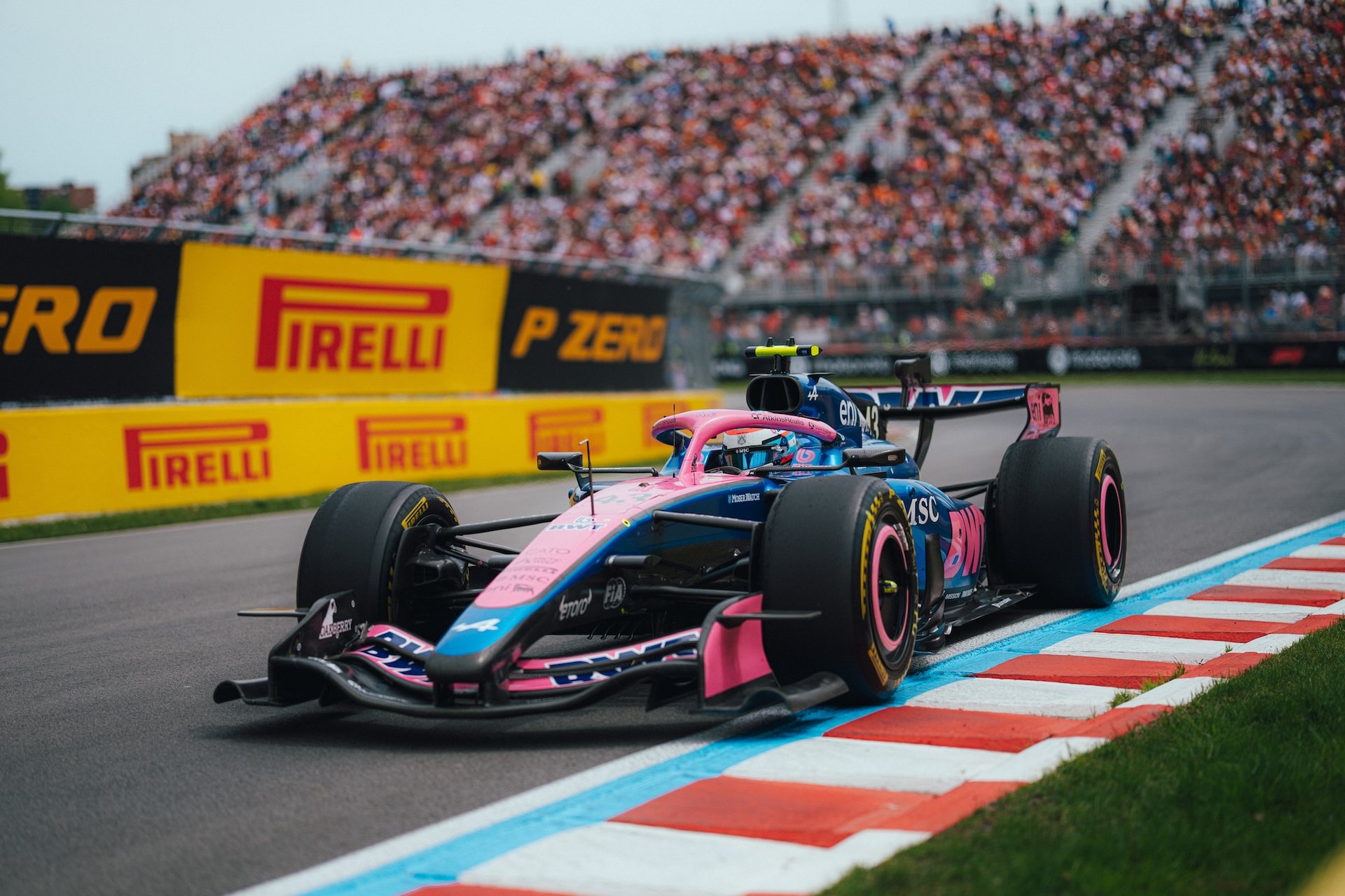
Pierre Gasly completed 29 laps on hard tyres and finished sixteenth in 1’16”809, but a session repeatedly broken up by red flags prevented Alpine from completing its aerodynamic comparisons. At the front, Kimi Antonelli edged George Russell — Mercedes reinforcing its grip on the 2026 season.
| Session | Pierre Gasly | Franco Colapinto |
|---|---|---|
| Free practice | 16th – 1’16”809 | 22nd – no time |
| Sprint qualifying | 19th – 1’16”642 | 13th – 1’14”702 |
Sprint qualifying: Colapinto impresses, Gasly caught in traffic
Between the two sessions, the team replaced the energy store on Colapinto’s car — the second of the season, still without penalty — and sent the Argentine back out with no track reference whatsoever on this circuit.
His P13 in SQ2 with a time of 1’14”702, close to his recent best in Miami, needs to be read in that context. A flying lap in SQ1 at 1’15”484, then an improvement in SQ2: Colapinto built his performance from scratch, on a track still low on grip, with no free practice to lean on.
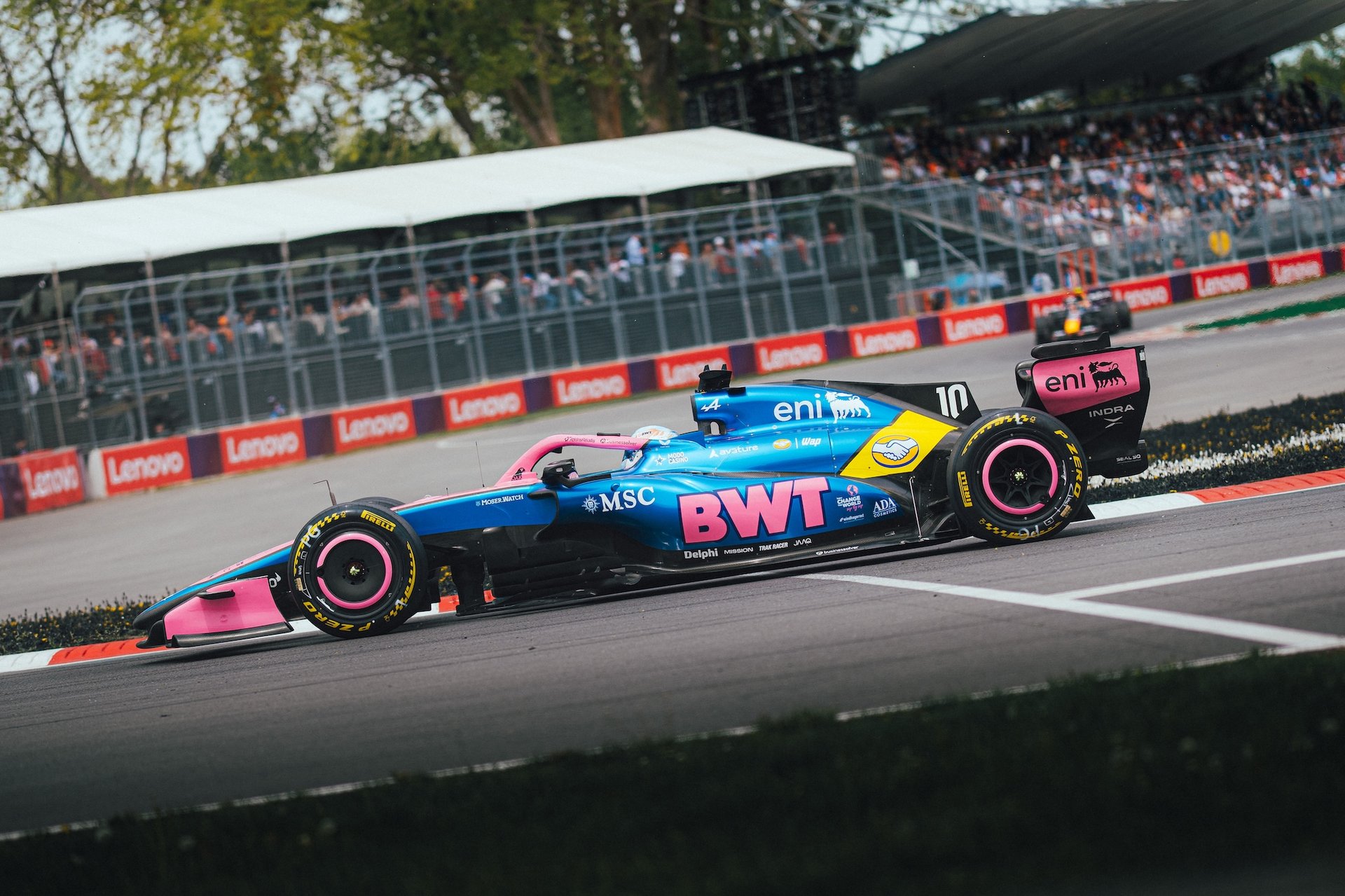
For Gasly, the story ran the other way. A late red flag in SQ1 killed his final fast lap. His 1’16”642 condemns him to nineteenth on the sprint grid — a position that makes Saturday’s race a very steep climb.
Analysis: promising upgrades, reliability letting the team down
The gap to the top four remains the backdrop. Mercedes is dominating the season (180 constructors’ points), Ferrari and McLaren are extracting more from soft tyres in qualifying. Alpine knows exactly where it is struggling: electrical reliability first, single-lap tyre exploitation second.
The Mercedes package’s potential under acceleration and at top speed is genuine, and Montreal should in theory suit the Alpine A526. But without usable data from the new parts, there is little to act on before Sunday.
Saturday’s sprint will be as much a test session as a race. Every lap feeds a dataset that is critically thin — and Sunday’s grand prix qualifying, on a circuit where safety cars regularly reshuffle the pack, remains the primary target.
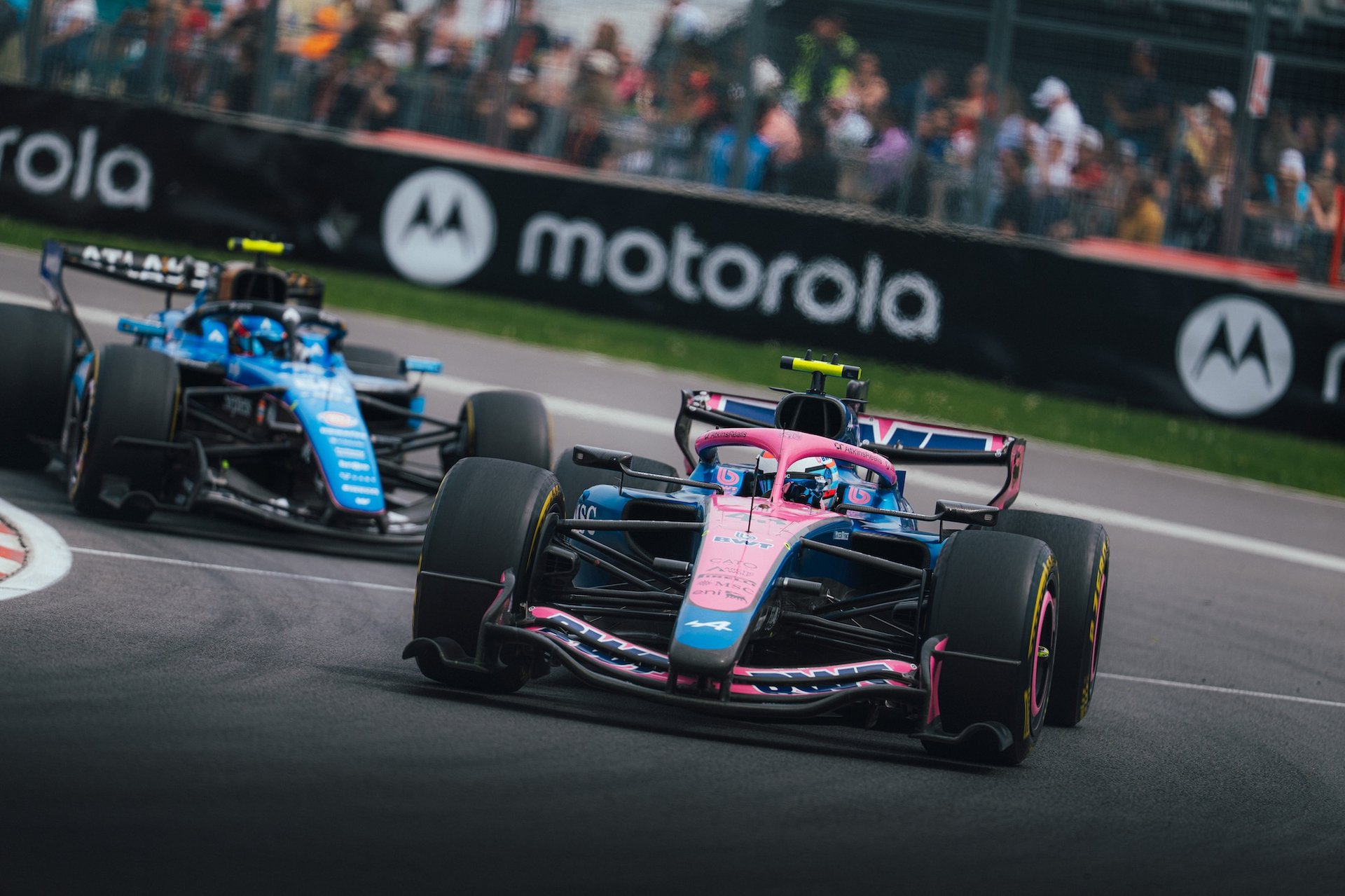
What Alpine needs from the rest of the weekend
- Sprint (Saturday): accumulate mileage, validate the aerodynamic upgrades, limit the championship damage
- GP qualifying (Sunday morning): finally exploit the new parts on a rubbered-in, stable track
- Race (Sunday, 70 laps): take advantage of Montreal’s frequent safety cars to score constructors’ points and close the gap on Haas
They said
Pierre Gasly:
“Our weekend in Canada isn’t starting the way we hoped with this elimination in SQ1. It’s been a difficult day overall. Free practice was far from smooth with several red flags and we weren’t able to do everything we wanted during that session.
We’re quite a way off in certain areas and we’ll need to make progress on those points ahead of qualifying tomorrow. The sprint is going to be tough starting from so far back, but we’ll give everything, try to learn as much as possible and put things right.”
Franco Colapinto:
“Given how our day had started, with almost no running in free practice, I think we did a good job in sprint qualifying. The track is very dirty and offers little grip, so you just need time in the car and laps to keep learning.
I learned a lot throughout sprint qualifying, which was very tough, so we adapted pretty well. Credit to the team for managing to prepare the car after what happened in practice. We can clearly do better tomorrow once we’ve had more running after the sprint. There are things to improve and I think we can find a bit more before qualifying.”
Steve Nielsen, CEO:
“We have a lot to analyse after a very difficult Friday for the team in Montreal. We encountered a problem on Franco’s car which prevented him from running throughout the entire free practice session. It’s a shame because we had planned a wide programme of work on both cars to run tests and comparisons.
Pierre also didn’t benefit from a clean session and that put us in a difficult position heading into sprint qualifying. We know the fundamental areas where we are lacking and I’m confident we can address that ahead of qualifying tomorrow.
The sprint won’t be straightforward given our starting positions, but it will give us more time on track and more opportunities to understand where we can improve and get the most out of our package for the rest of the weekend.”
Source: BWT Alpine Formula One Team