🇫🇷 Cet article est également disponible en français : Lire en français
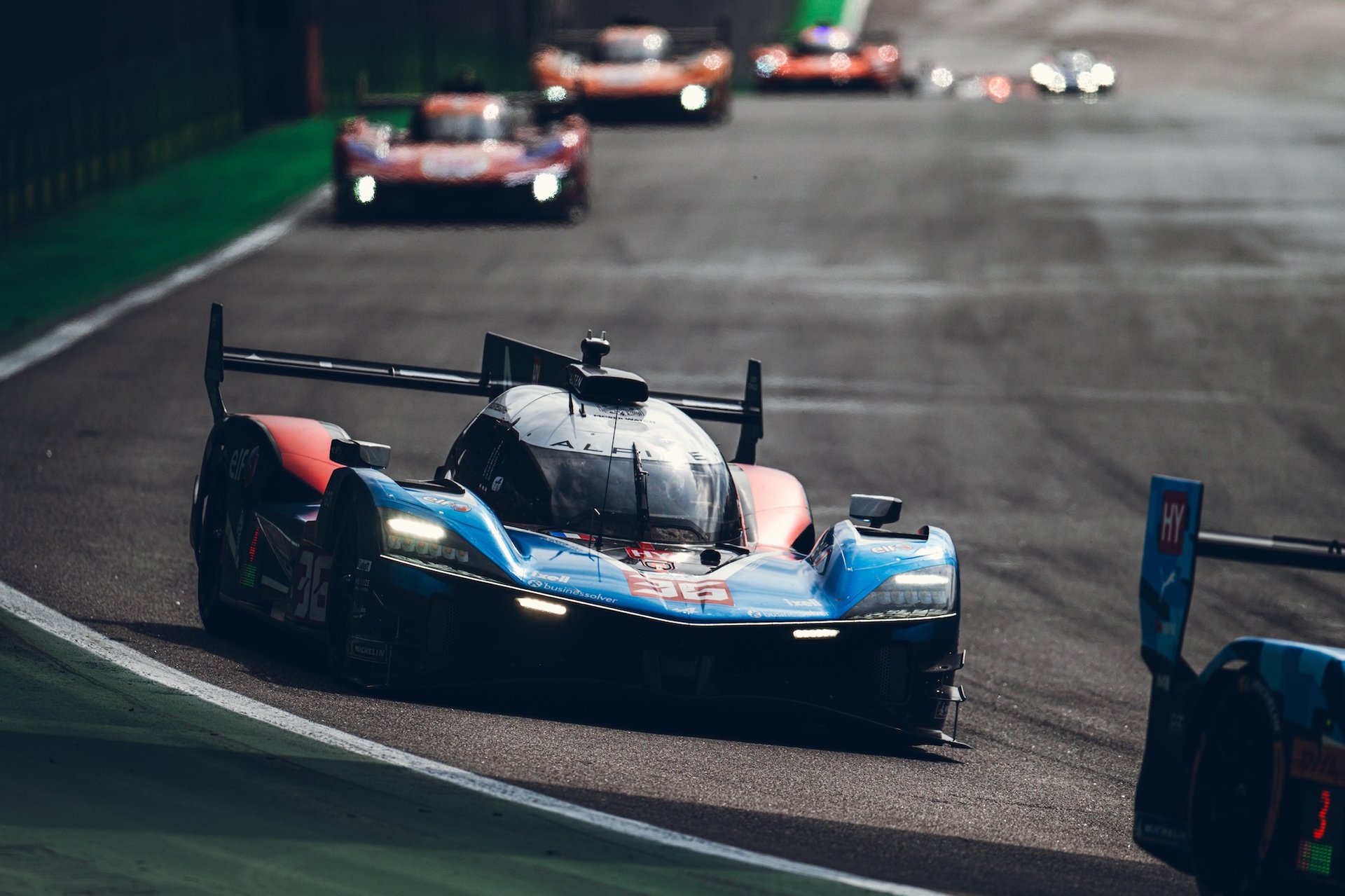
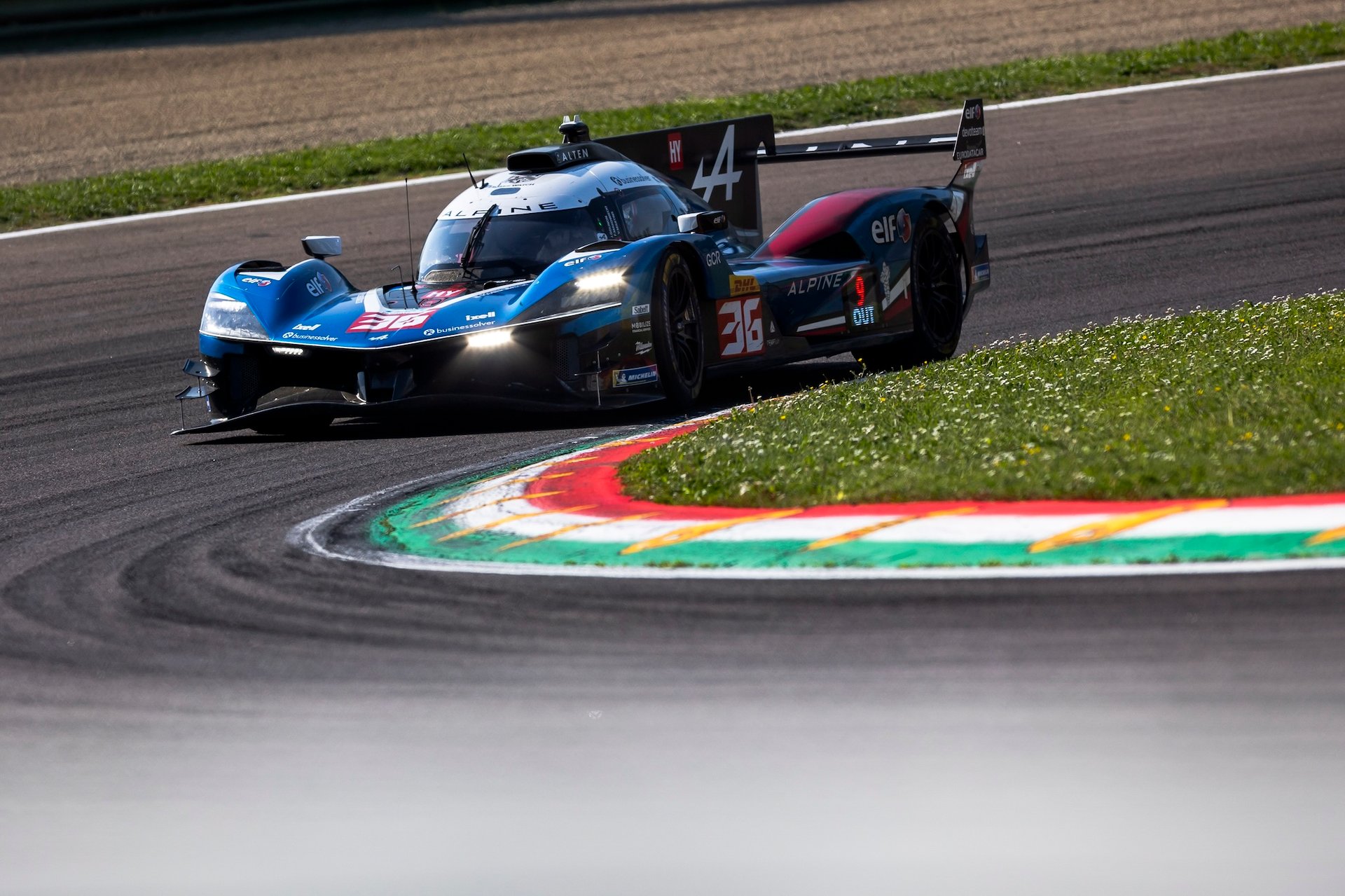
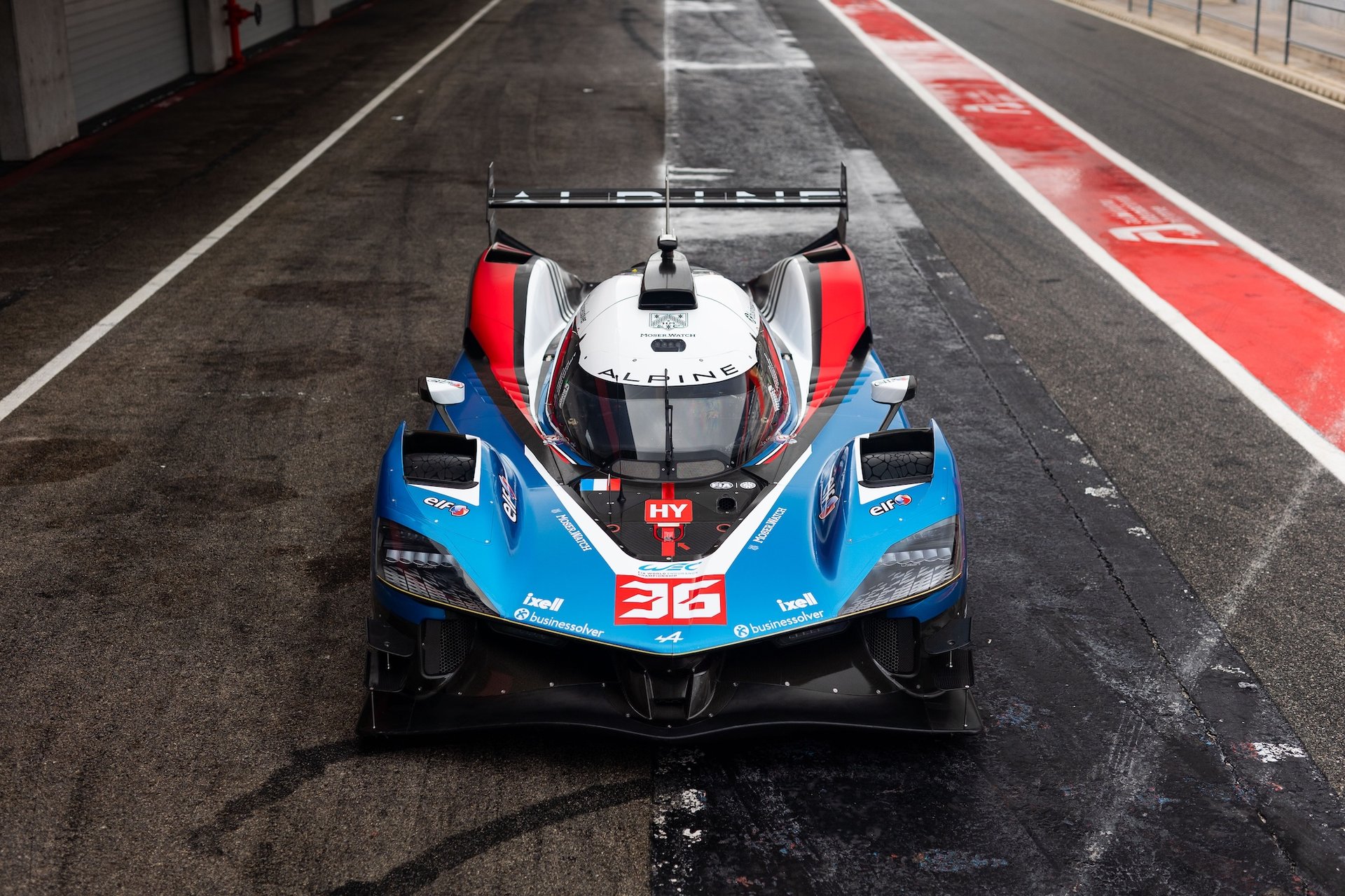
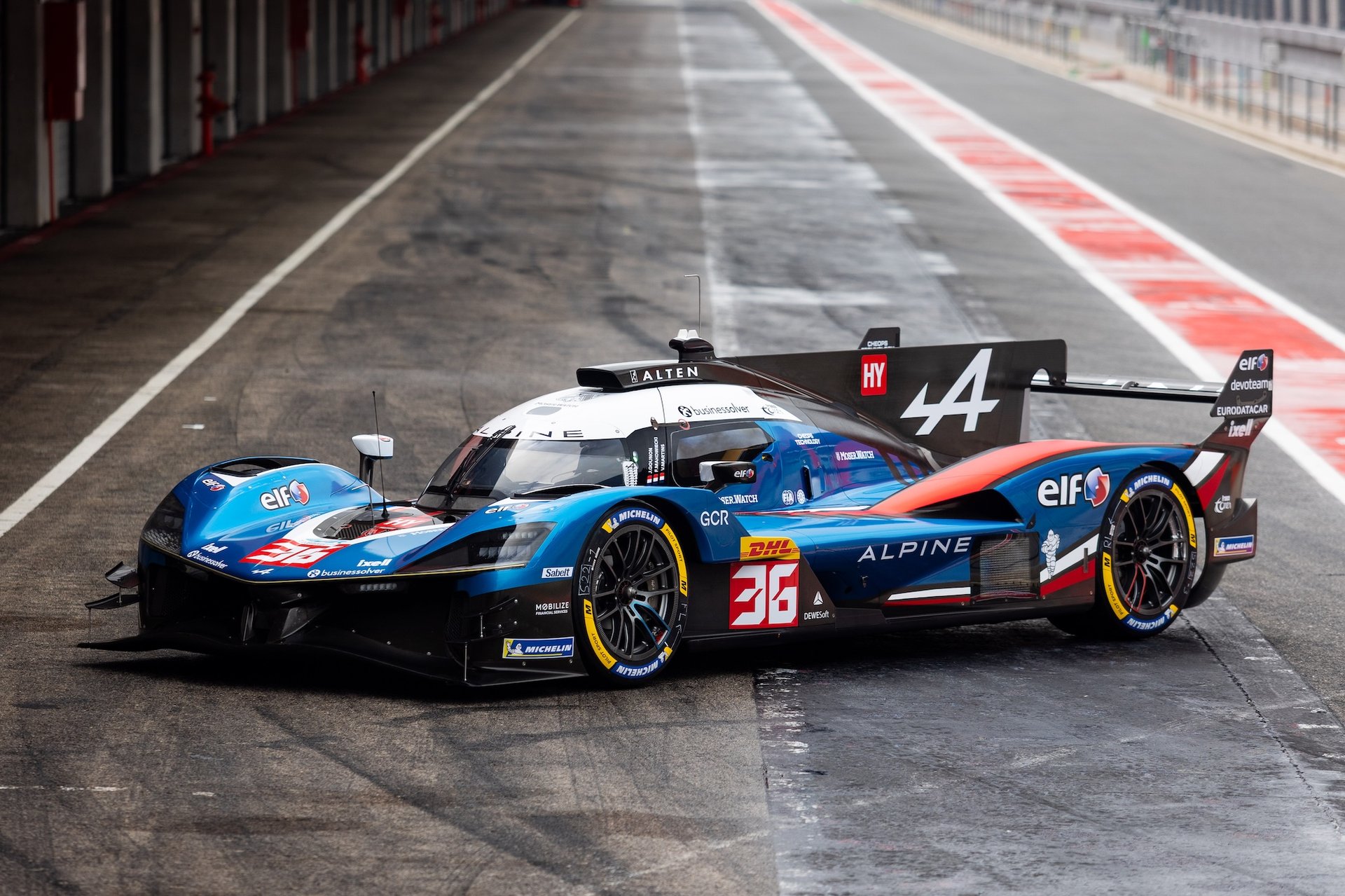
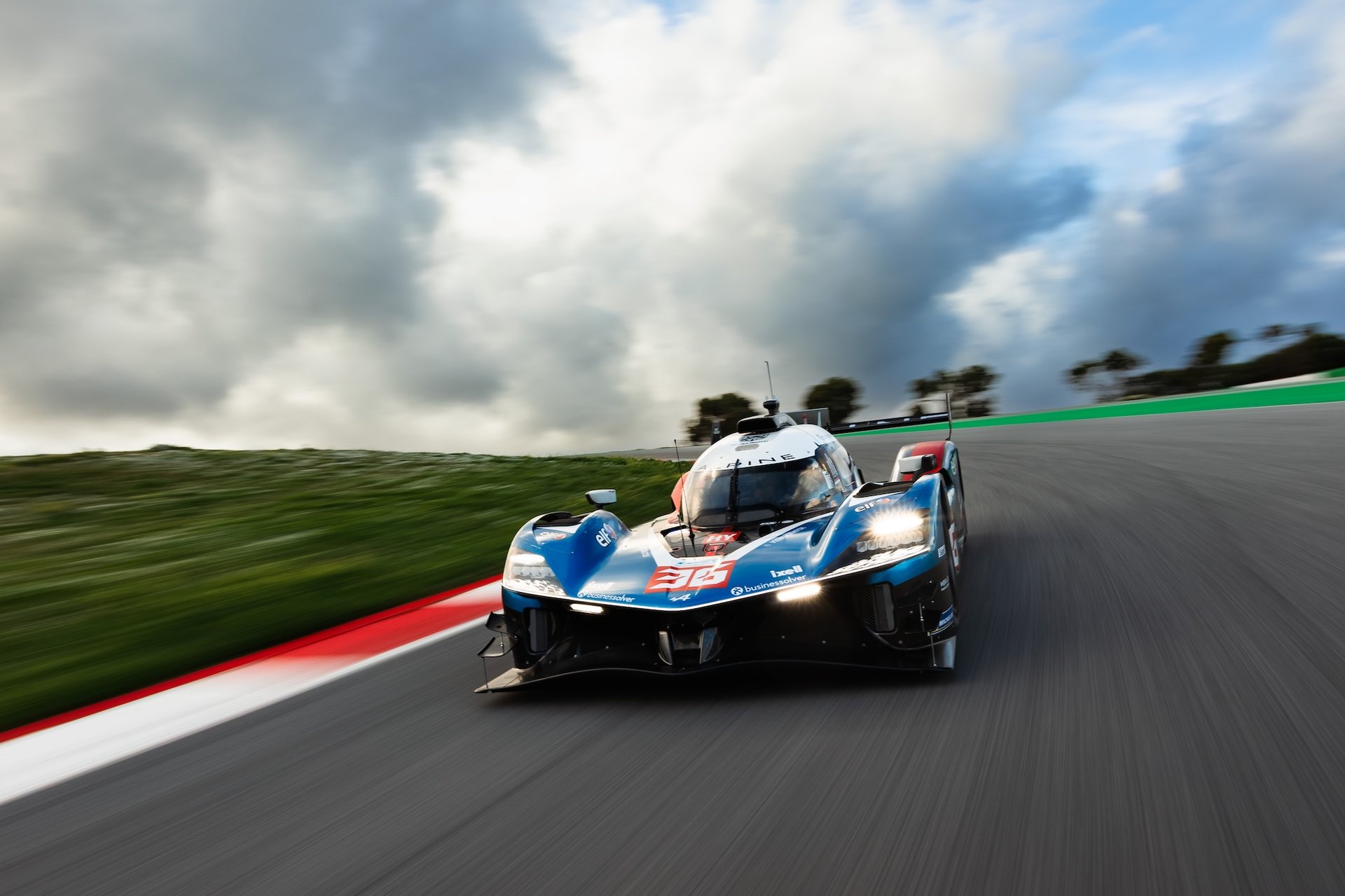
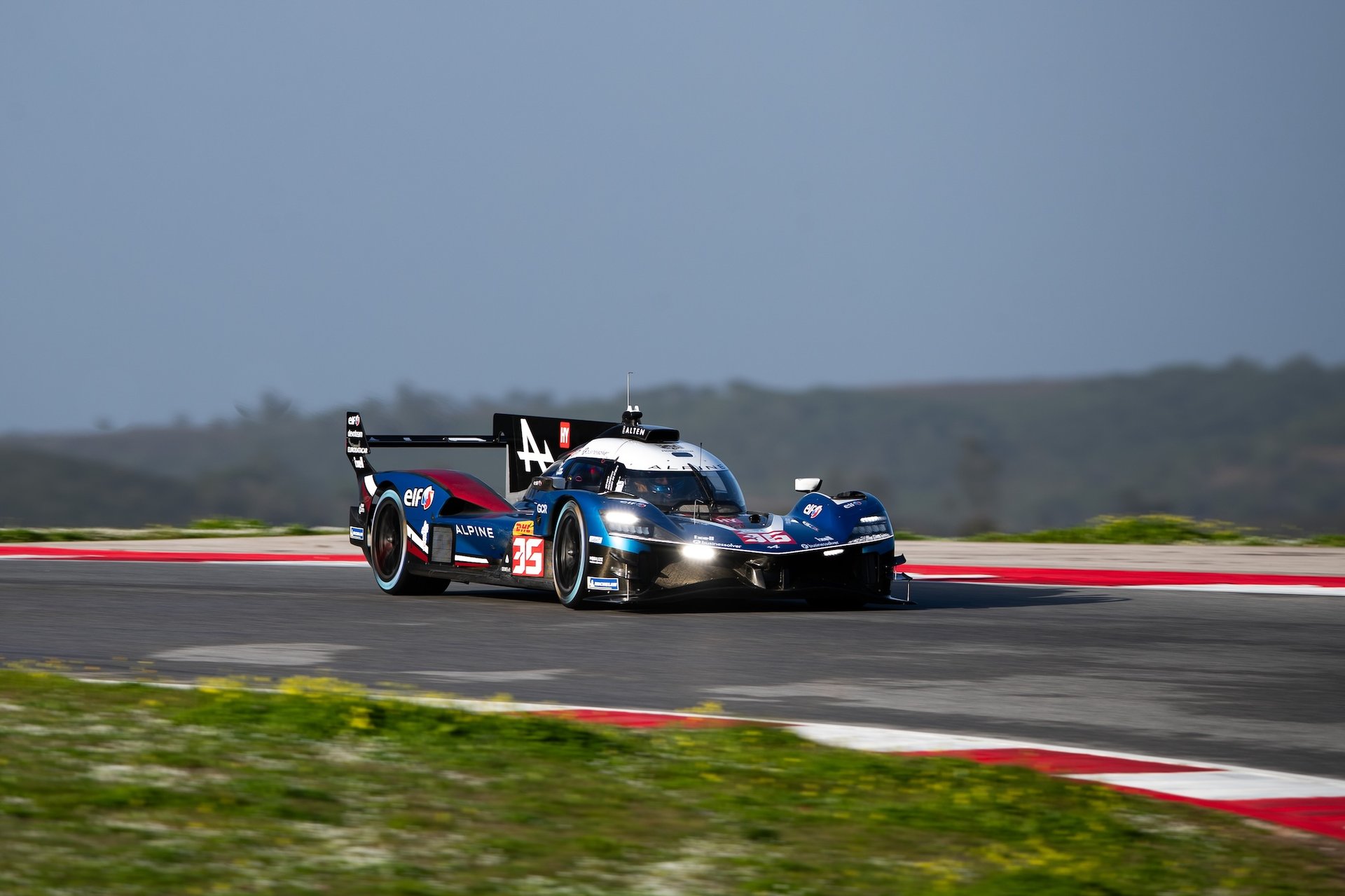
The announcement came in February 2026 with little ambiguity: Alpine will end its official Hypercar programme at the conclusion of the 2026 FIA World Endurance Championship season. Three campaigns will therefore have been enough to write the entire factory chapter of the Alpine A424, an Oreca-based LMDh prototype powered by a hybrid V6 developed in Viry-Châtillon.
The decision is far from trivial. Within Renault Group, it reflects a strategic realignment that runs deeper than a simple budgetary trade-off. Alpine now intends to focus its sporting resources on Formula 1, which has become the brand’s ultimate global showcase.
As for Viry-Châtillon — now rebranded as Alpine Tech — its role has changed: less centred on pure competition, and increasingly focused on advanced engineering, electrification and internal technology transfer.
Even so, the disappearance of the official programme does not automatically mean the end of the Alpine A424.
Quite the opposite.
A Hypercar far from the end of its story
Just days before the 2026 6 Hours of Imola, a series of interviews with Axel Plasse, Vice President of Alpine Tech and the new figure overseeing the endurance programme, opened up an unexpected perspective.
The message is measured, but unmistakably clear: Alpine is actively looking for ways to keep the Alpine A424 in competition after the factory effort comes to an end.
Plasse openly refers to several ongoing discussions with stakeholders and potential customers, without naming names. The wording is telling: this is not a theoretical idea, but a set of options already being explored.
That kind of statement carries weight. In the discreet world of endurance racing, manufacturers rarely communicate in such terms when no concrete avenue exists.
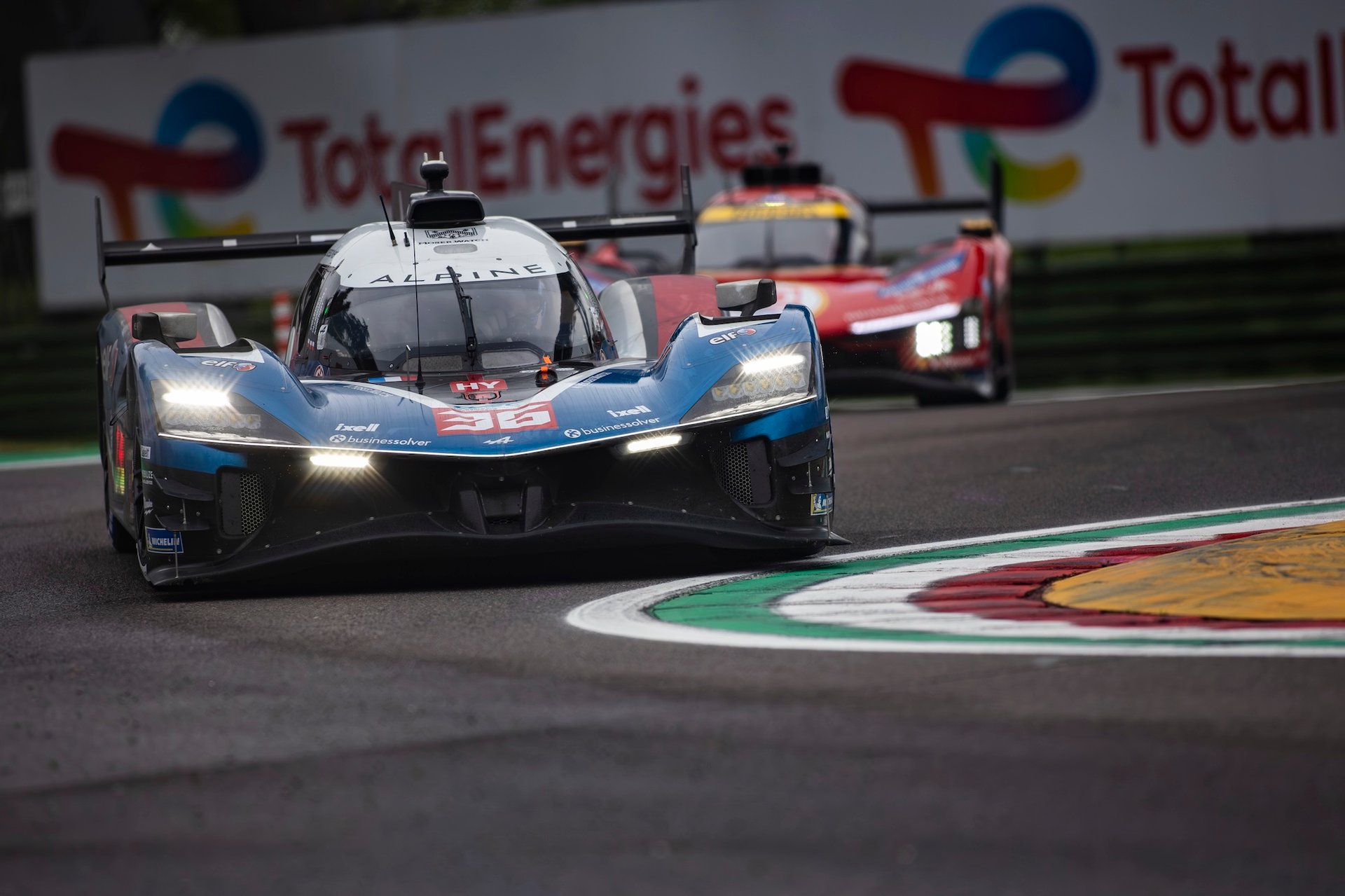
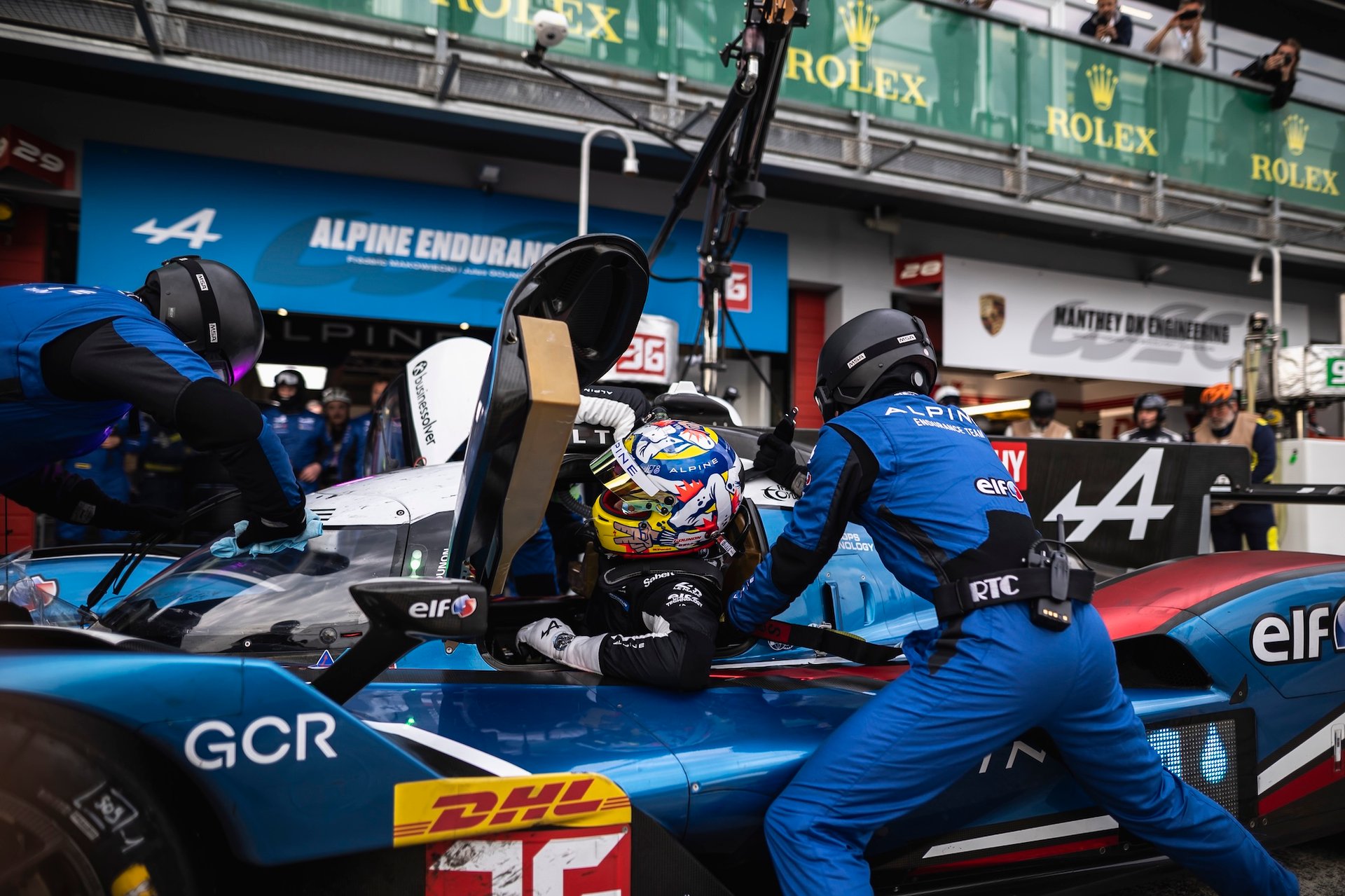
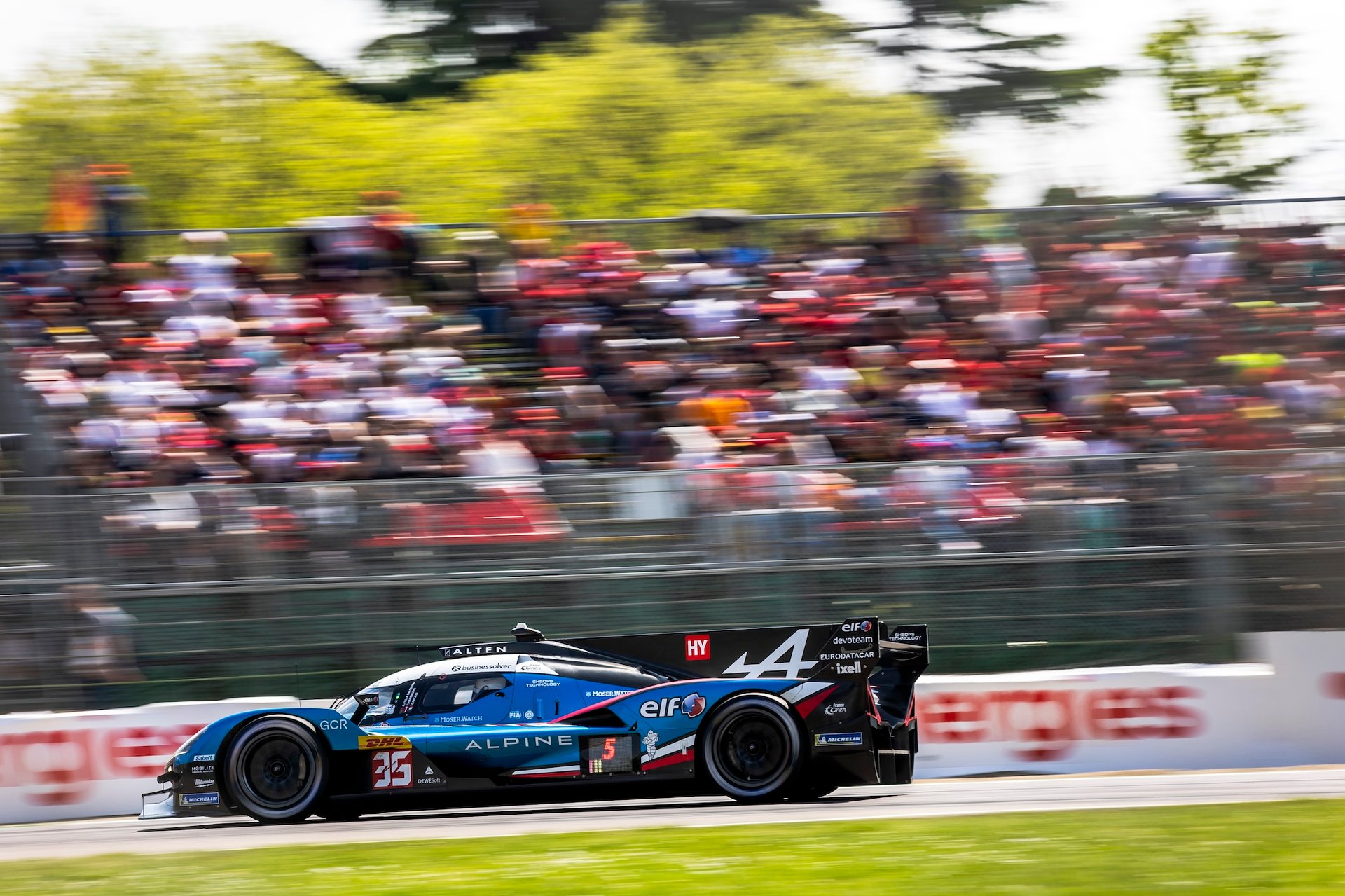
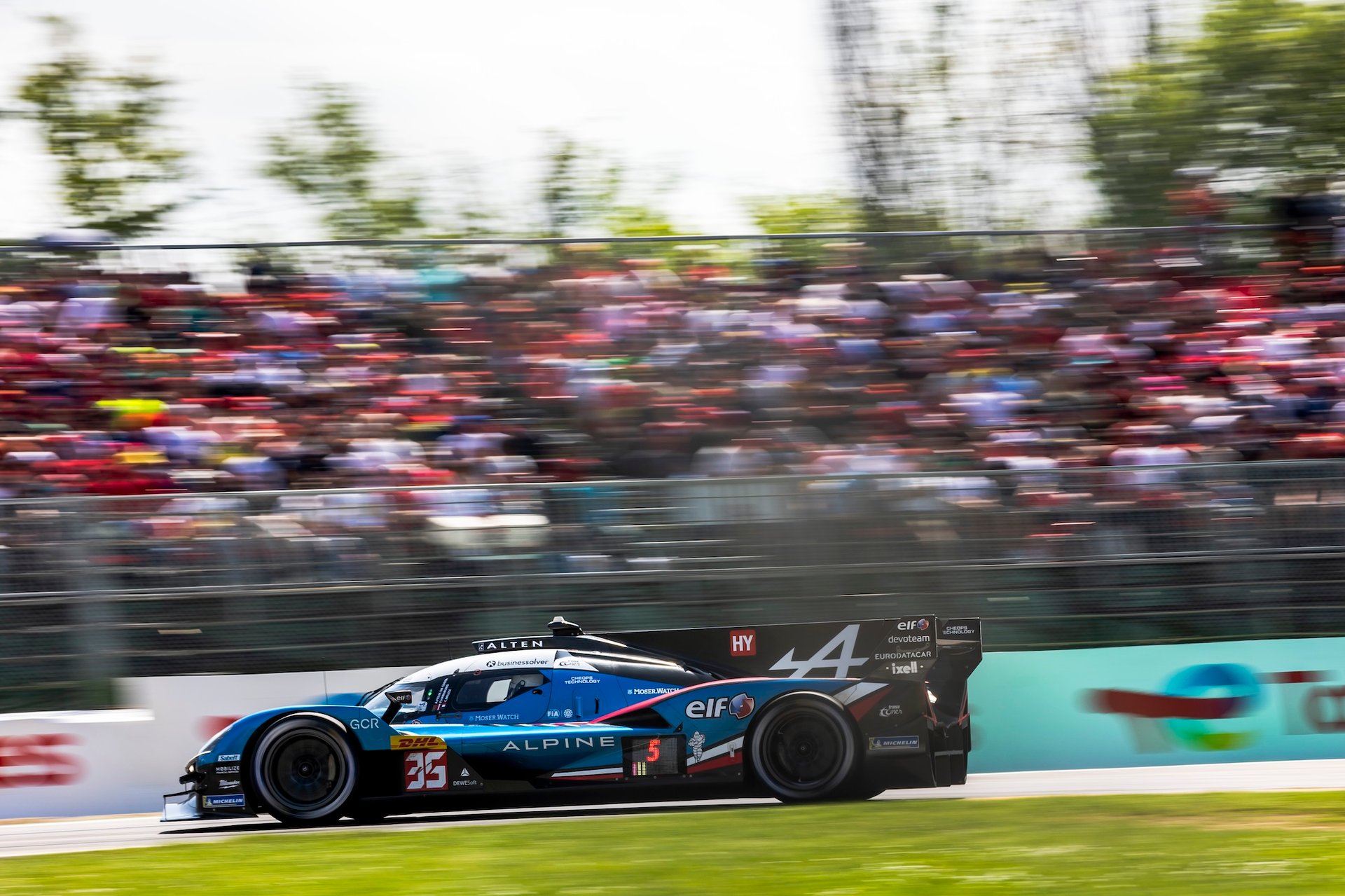
A “BYD-type” manufacturer hypothesis: increasingly one of the most credible scenarios
Among the discussions currently being explored by Alpine, one possibility is gaining significant momentum: a partnership with an international manufacturer sharing a profile similar to BYD.
Recent comments from Axel Plasse ahead of the 2026 Imola round reinforce this interpretation. The Vice President of Alpine Tech openly highlighted the company’s expertise in internal combustion engines and advanced electrified powertrains, while confirming ongoing discussions with multiple “stakeholders” and potential “customers.”
The wording is important. It suggests something broader than a traditional private team solution and opens the door to industrial partners seeking a fast and efficient entry into top-level endurance racing.
In that context, a company like BYD appears particularly relevant.
As one of the world’s largest EV and plug-in hybrid manufacturers, BYD has been increasingly linked to global motorsport ambitions, including potential interest in FIA WEC Hypercar competition. Launching a fully independent Hypercar program would normally require years of development and major investment.
Using the Alpine A424 as a ready-made platform would offer several advantages:
- Immediate access to a homologated LMDh chassis
- Reduced development time and costs
- A technically mature endurance platform
- Global exposure for hybrid technology expertise
- Direct association with the engineering capabilities of Viry-Châtillon
While still speculative — no manufacturer has been officially named — this scenario is increasingly viewed as one of the strongest long-term possibilities for the A424 beyond Alpine’s factory withdrawal.
Rather than a simple customer-car program, it could transform the A424 into a strategic gateway for a new global manufacturer entering endurance racing.
It would also reflect a broader shift: the Alpine A424 would no longer survive solely through privateer support, but through its value as an industrial and technological platform.
Other credible scenario: a private A424 in FIA WEC
The customer-racing route is already built into the Hypercar model
Since the arrival of the Hypercar regulations, the WEC has gradually encouraged customer programmes. The most visible example remains the Ferrari 499P run outside the official factory structure, while Porsche has already built a solid business case around its privateer 963s.
In that context, the A424 has several arguments in its favour.
- A fully validated LMDh homologation
- An Oreca base widely respected in the paddock
- A hybrid architecture compliant with IMSA/WEC standards
- A development curve already well advanced after three seasons
For Alpine, selling or leasing a chassis would be an elegant solution: maintaining sporting visibility without carrying the full cost of a factory manufacturer programme.
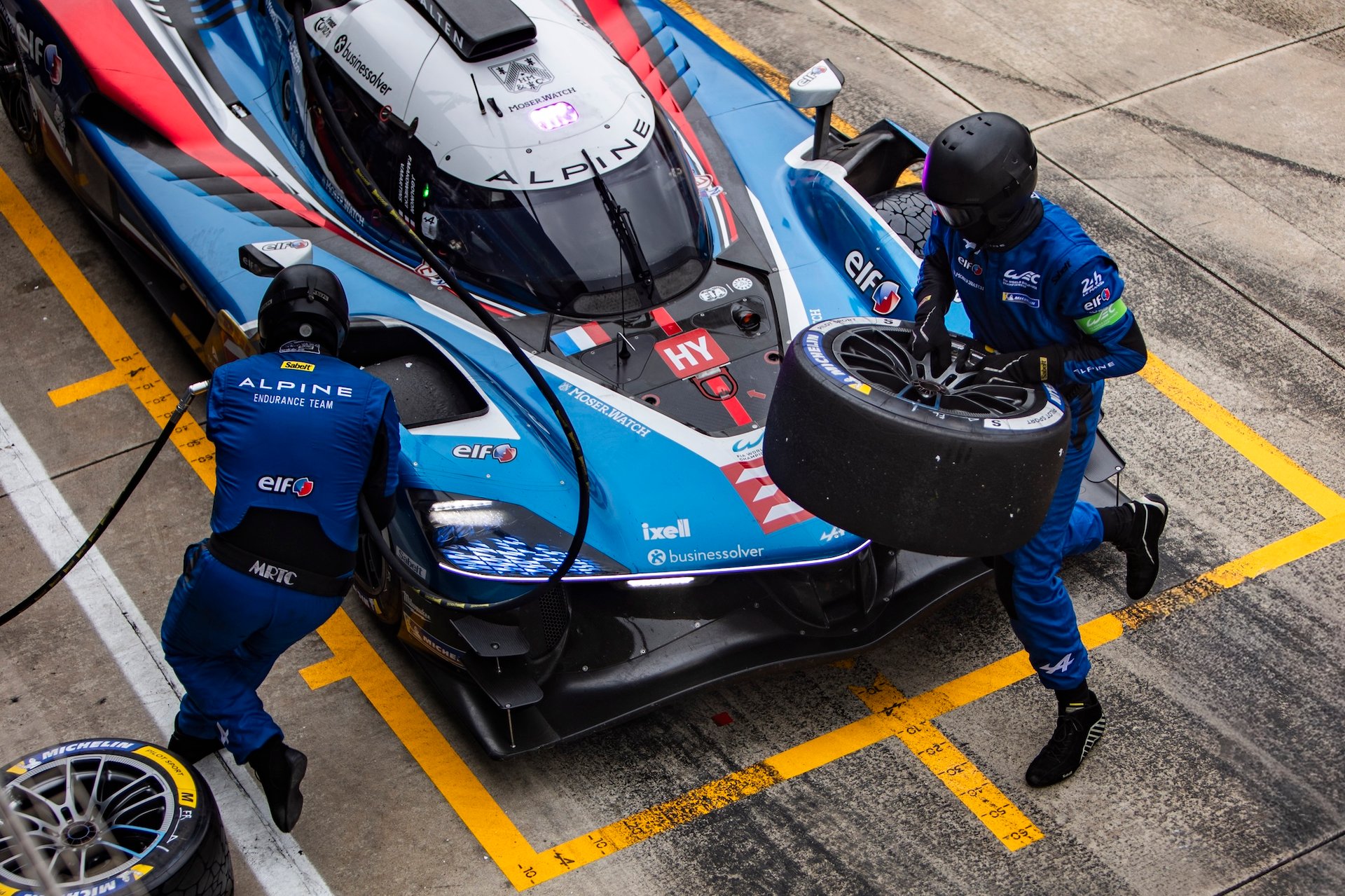
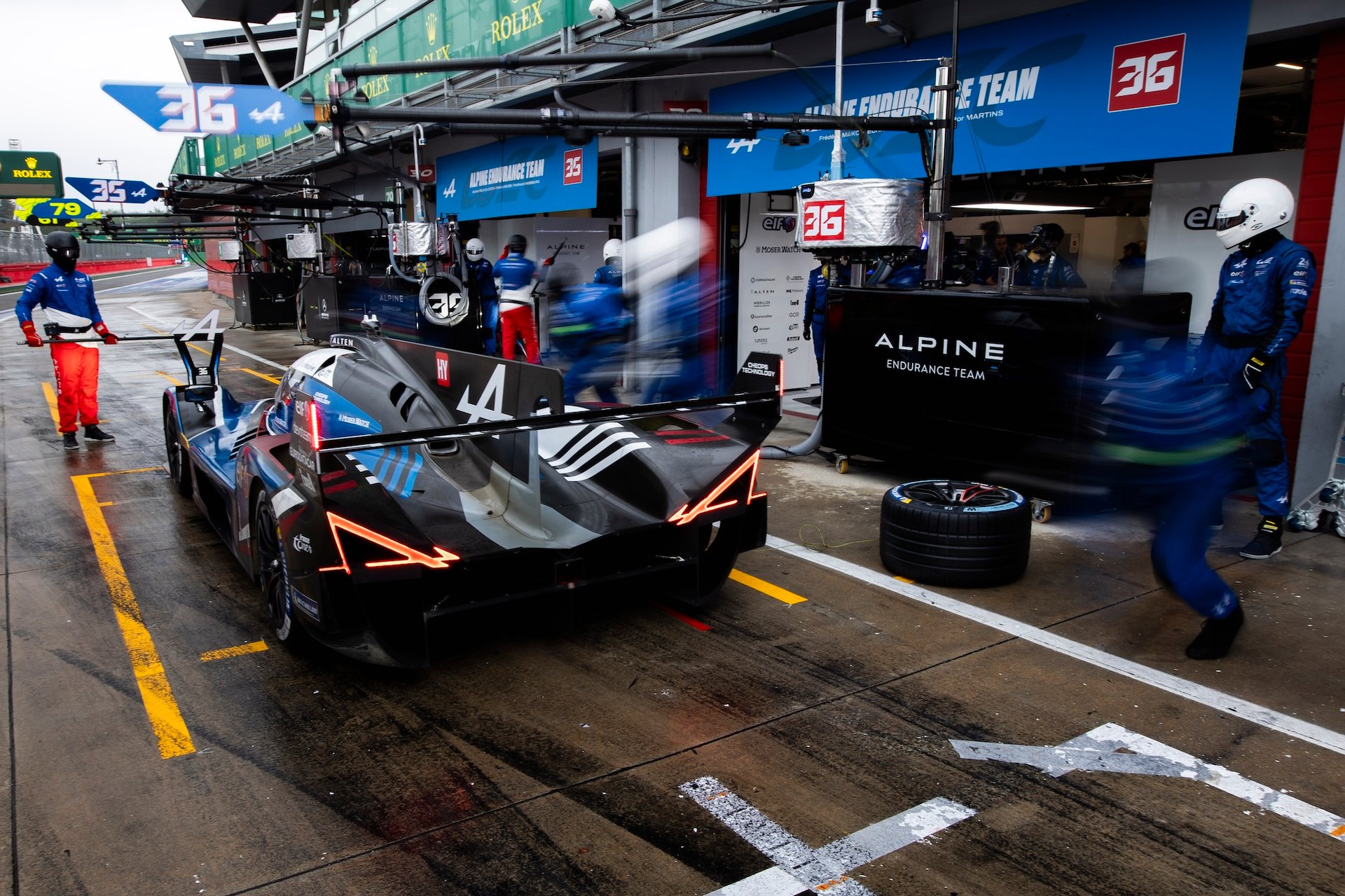
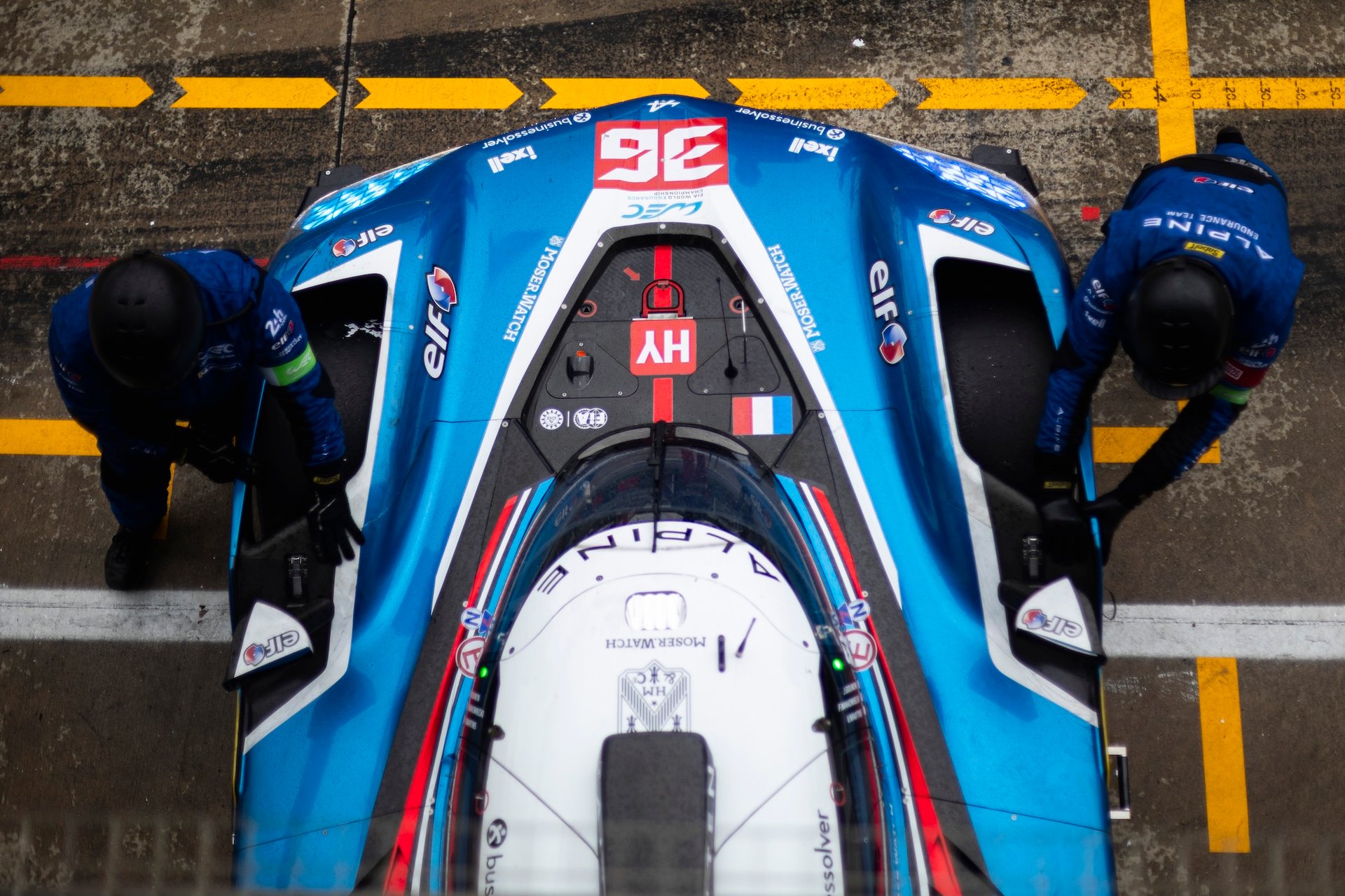
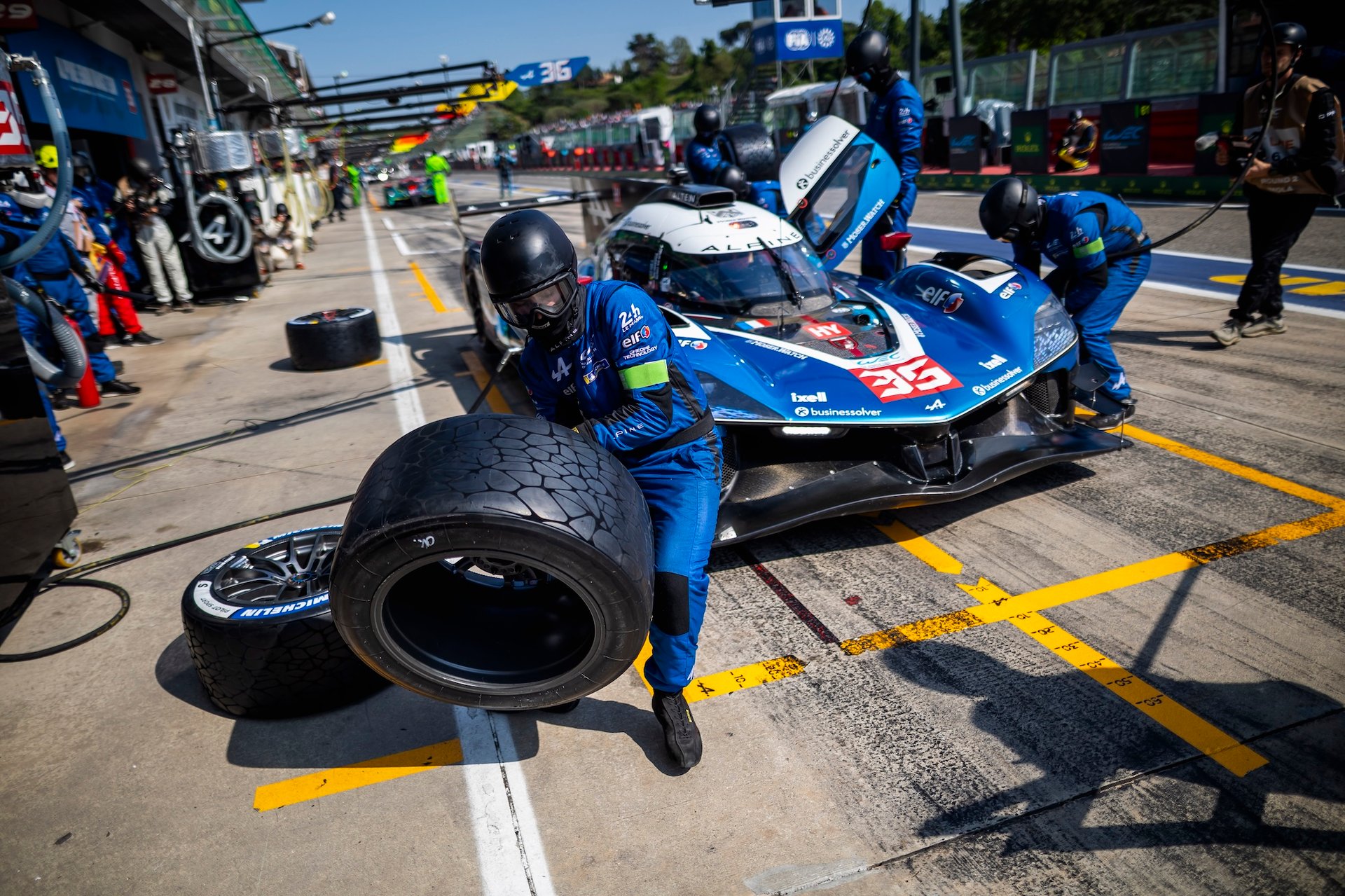
For an independent team, the appeal is also real. The French Hypercar is still relatively young, with credible room for technical development.
The central issue remains economic: a customer programme only makes sense if maintenance, support and technical assistance costs remain competitive against Porsche, Cadillac or Ferrari.
Signatech could play a key role in continuity
A team that knows Alpine’s DNA inside out
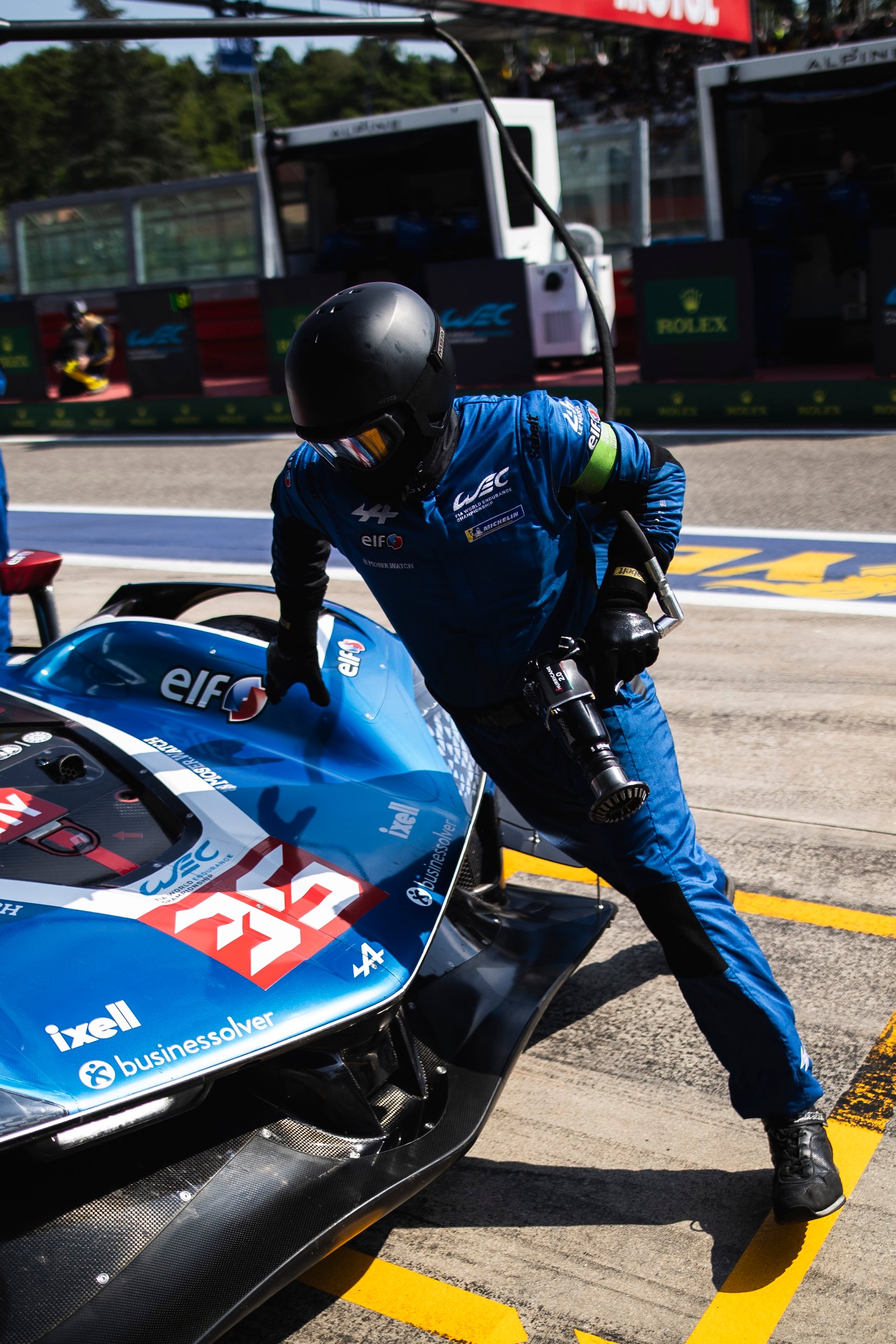
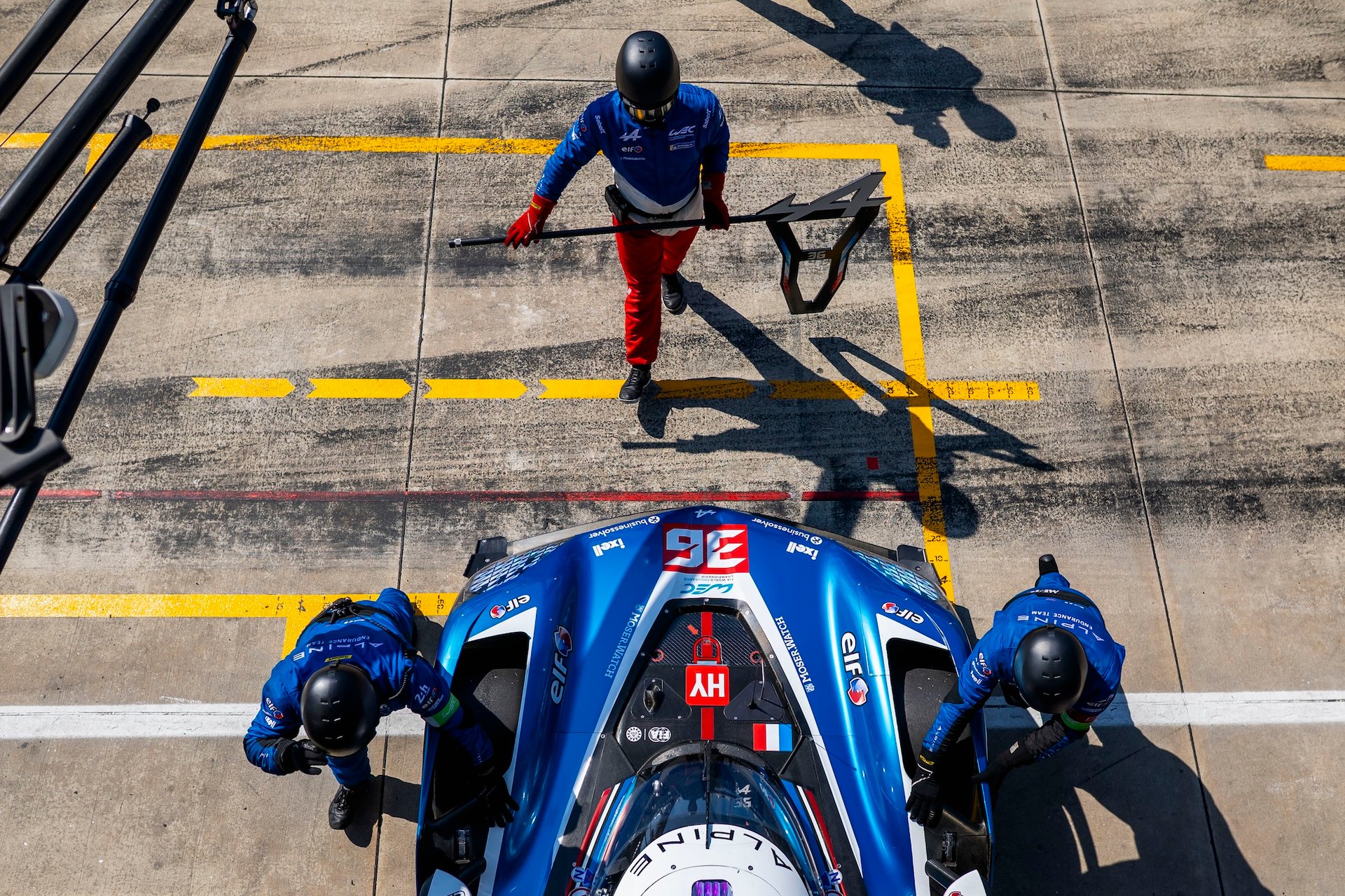
From the LMP2 years to the Hypercar era, Signatech has been the backbone of Alpine’s endurance programme.
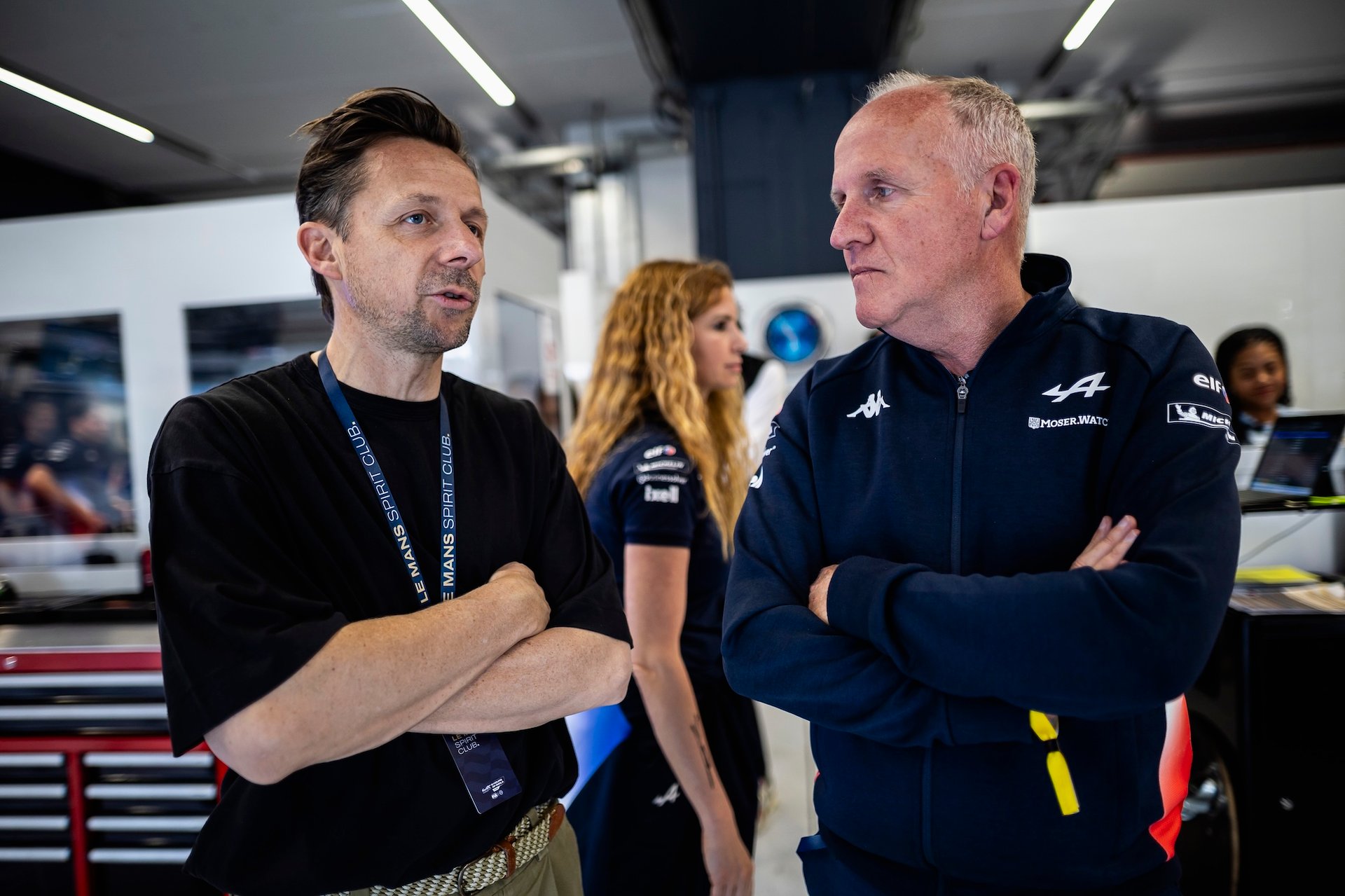
Philippe Sinault’s team makes no secret of its desire to extend the adventure.
Philippe Sinault has raised the possibility of an independently funded private programme capable of keeping the A424s running after the manufacturer’s official withdrawal.
This option offers several advantages:
- Preserving expertise built up over more than a decade
- Keeping engineers and mechanics in a competitive environment
- Providing a smoother bridge towards a new partnership or a future programme
Few teams in the paddock possess such a detailed understanding of how an Alpine prototype operates.
The industrial logic would therefore be coherent: Alpine withdraws its direct support, while allowing a partner structure to keep the car alive.
Asian Le Mans Series: a credible destination for the A424
The Hypercar Pro-Am category changes the equation
The Asian Le Mans Series is preparing for a major shift with the introduction of a Hypercar Pro-Am category.
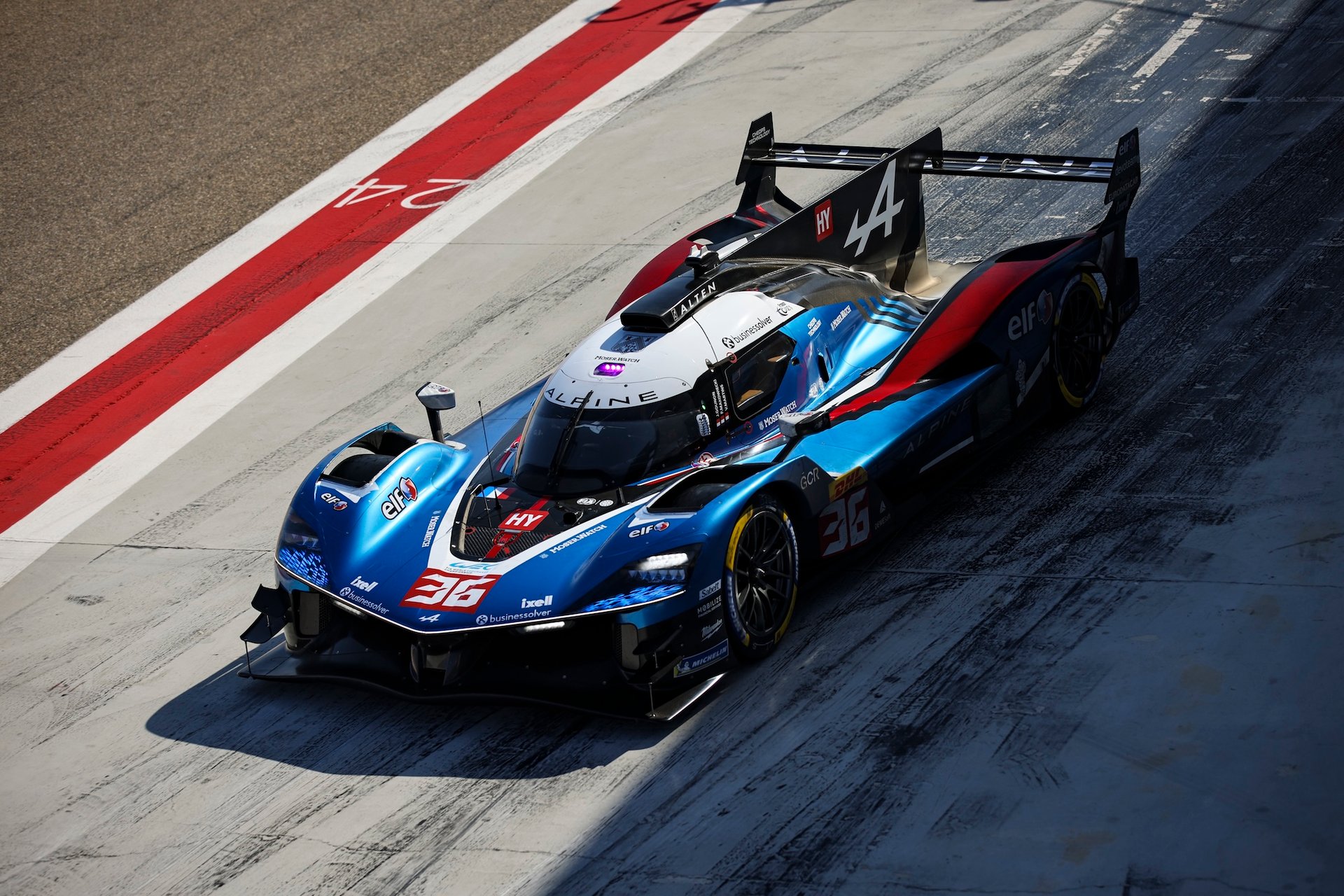
That regulatory decision could offer the A424 a second career particularly well suited to its profile.
Why?
Because the Asian championship has several favourable characteristics:
- Operating costs lower than in WEC
- Grids still in a development phase
- Sufficient international visibility
- A potentially receptive gentleman-driver market
A French Hypercar entered in that environment could appeal to a private team looking for a competitive car without taking on the investment required for a full global championship programme.
The idea has not yet been formalised, but it fits neatly with Alpine’s cautious public statements.
Alpine Tech could capitalise on its hybrid know-how
Expertise more valuable than the programme itself
The repositioning of Viry-Châtillon does not mean its expertise is disappearing.
The site retains rare know-how in combining internal combustion with high-performance hybridisation. The turbocharged V6 developed for the A424, paired with the standardised hybrid system, represents a technical laboratory that Renault Group could continue to leverage.
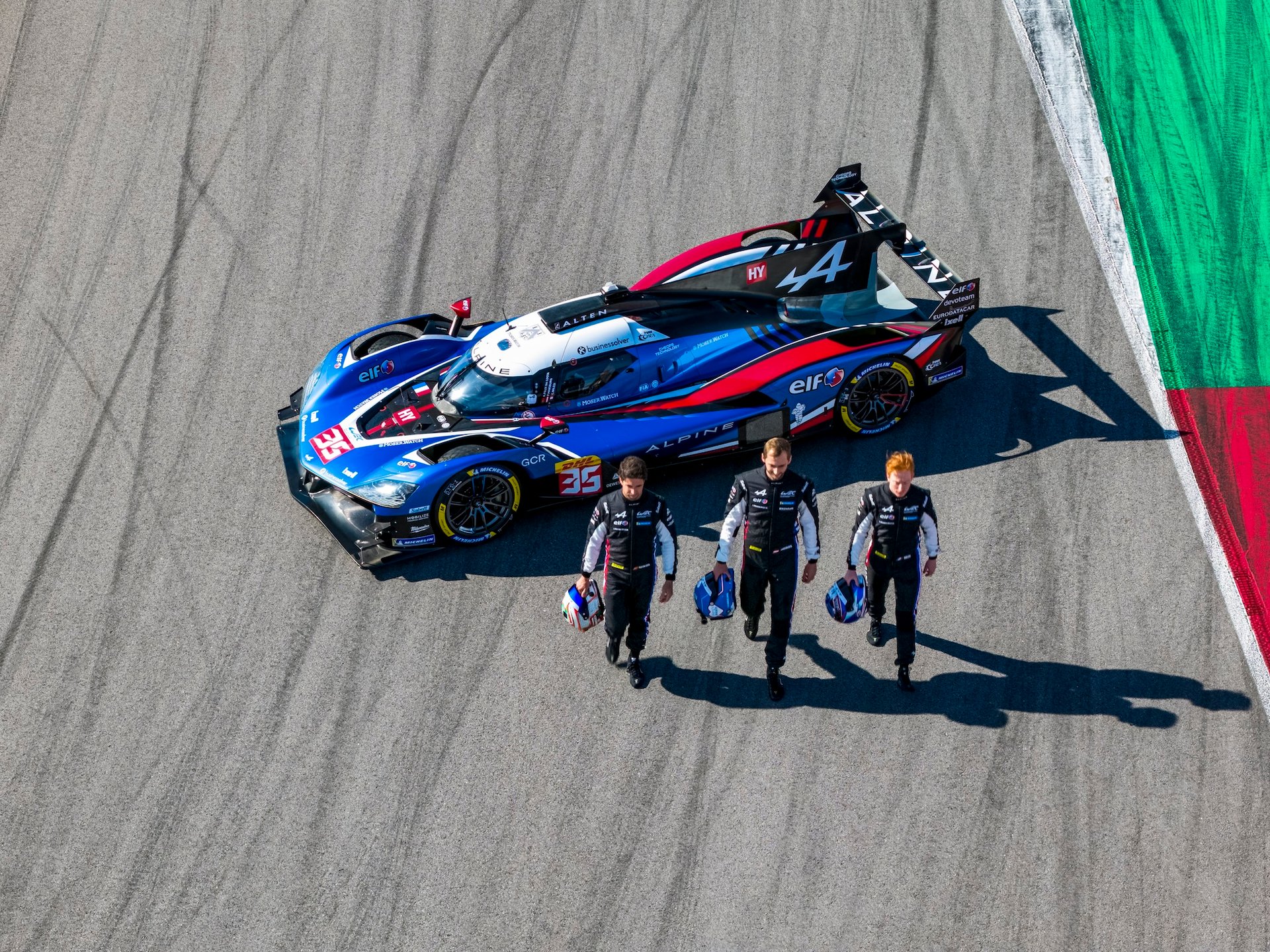
This opens several possibilities:
- Engineering supply to other racing programmes
- Technical support for private endurance projects
- Valorisation of components or methodologies
- Development of technologies transferable to production cars
In a context where manufacturers are increasingly expected to extract value from their racing investments, this approach feels almost unavoidable.
IMSA remains a door ajar, but a secondary one
On paper, the A424 is compatible with the GTP class of the IMSA WeatherTech SportsCar Championship.
The LMDh regulations were specifically designed to allow this dual eligibility between Europe and North America.
Several obstacles remain, however.
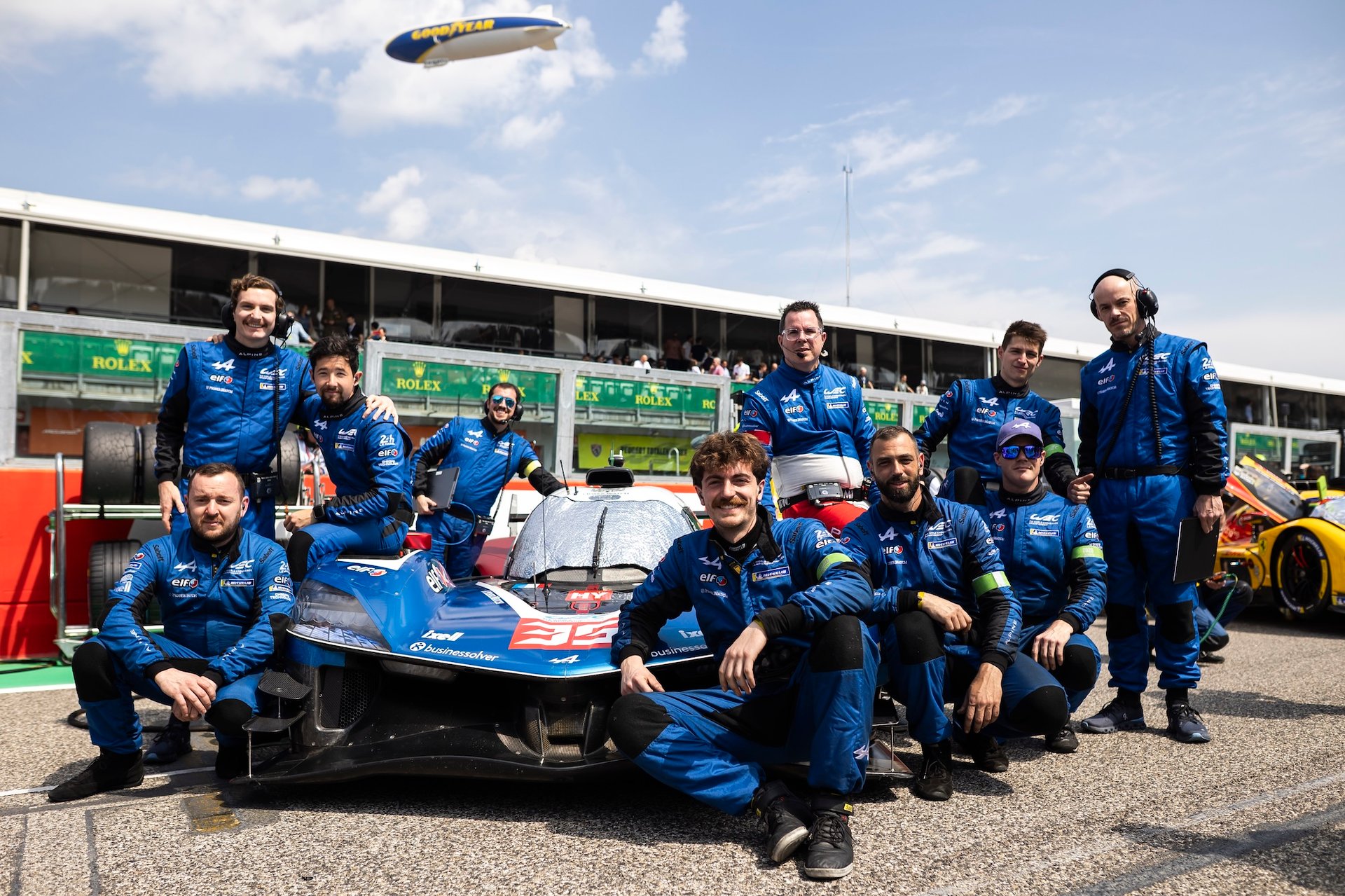
Alpine’s commercial launch in the United States has been delayed, which limits the marketing relevance of an American programme. Historically, Alpine had studied that possibility under Bruno Famin, but no recent development suggests it is currently among the priorities.
The IMSA option is therefore not completely off the table, but it appears less likely in the short term.
A complete disappearance now appears unlikely
One of the key takeaways from the most recent statements is precisely this: Alpine is not preparing a sudden shutdown of the A424. If no solution were being considered, the official line would generally be more cautious — if not entirely silent.
Instead, Axel Plasse’s comments point to active momentum. Discussions exist. Potential interlocutors have been identified.
Above all, Alpine still considers the A424 to have sufficient sporting and technological value to justify pursuing continuity.
The decisive factor: performance in 2026
In this kind of situation, market interest is rarely built on image alone.
A car has to prove its competitiveness.
The performances seen in the opening rounds of 2026 — particularly at Imola — therefore become strategically important.
A Hypercar capable of regularly fighting inside the top five instantly becomes more attractive to a customer programme.
Conversely, a car that remains too inconsistent risks discouraging private investors.
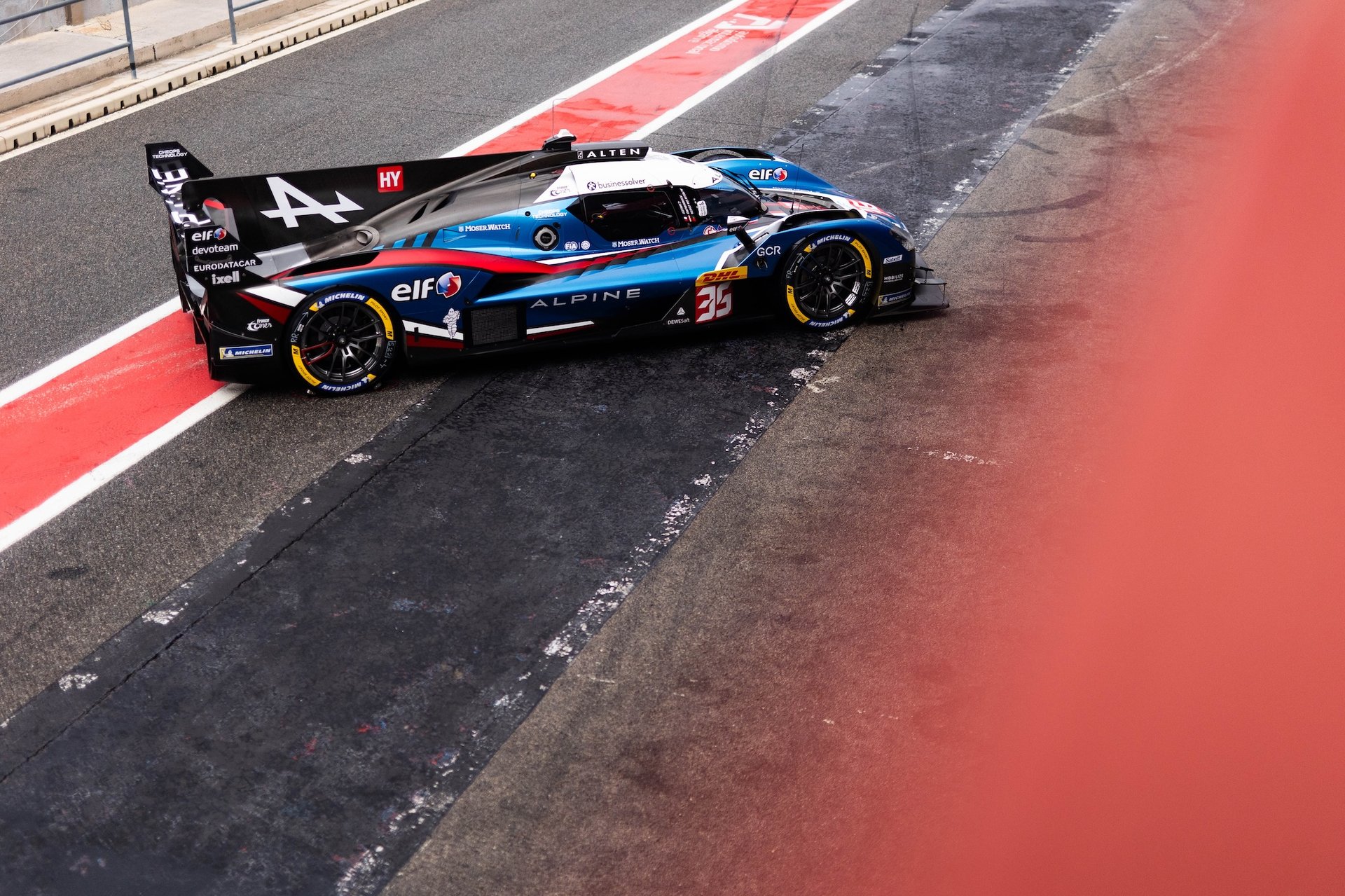
Philippe Sinault understands this perfectly: performing on track now means securing the future of the team, the drivers and the technical staff.
What matters most
As things stand, no official announcement has confirmed the A424’s future beyond 2026.
But several factors profoundly alter the reading of the situation:
- Alpine is actively exploring continuity solutions
- Discussions with customers and partners are underway
- Signatech could play a transitional role
- The privateer model appears realistic
- The Asian Le Mans Series offers a credible alternative
- Alpine Tech’s hybrid expertise remains a strategic asset
Endurance racing is losing one of France’s most ambitious projects of recent years, carried by a manufacturer that, with the A424, had regained genuine technical and sporting visibility at the highest level.
What comes next remains uncertain.
The discussions mentioned by Axel Plasse show that Alpine is refusing to close the door completely, but no solution has yet moved beyond the stage of intent. In a Hypercar environment where costs remain high and customer programmes require a solid structure, the survival of a car without official backing is anything but automatic.
Still, the A424 retains several strengths.
It benefits from a proven technical base, a strong identity and a body of know-how built around Viry-Châtillon and Signatech. That industrial heritage gives the car a value that extends beyond its sporting commitment alone.
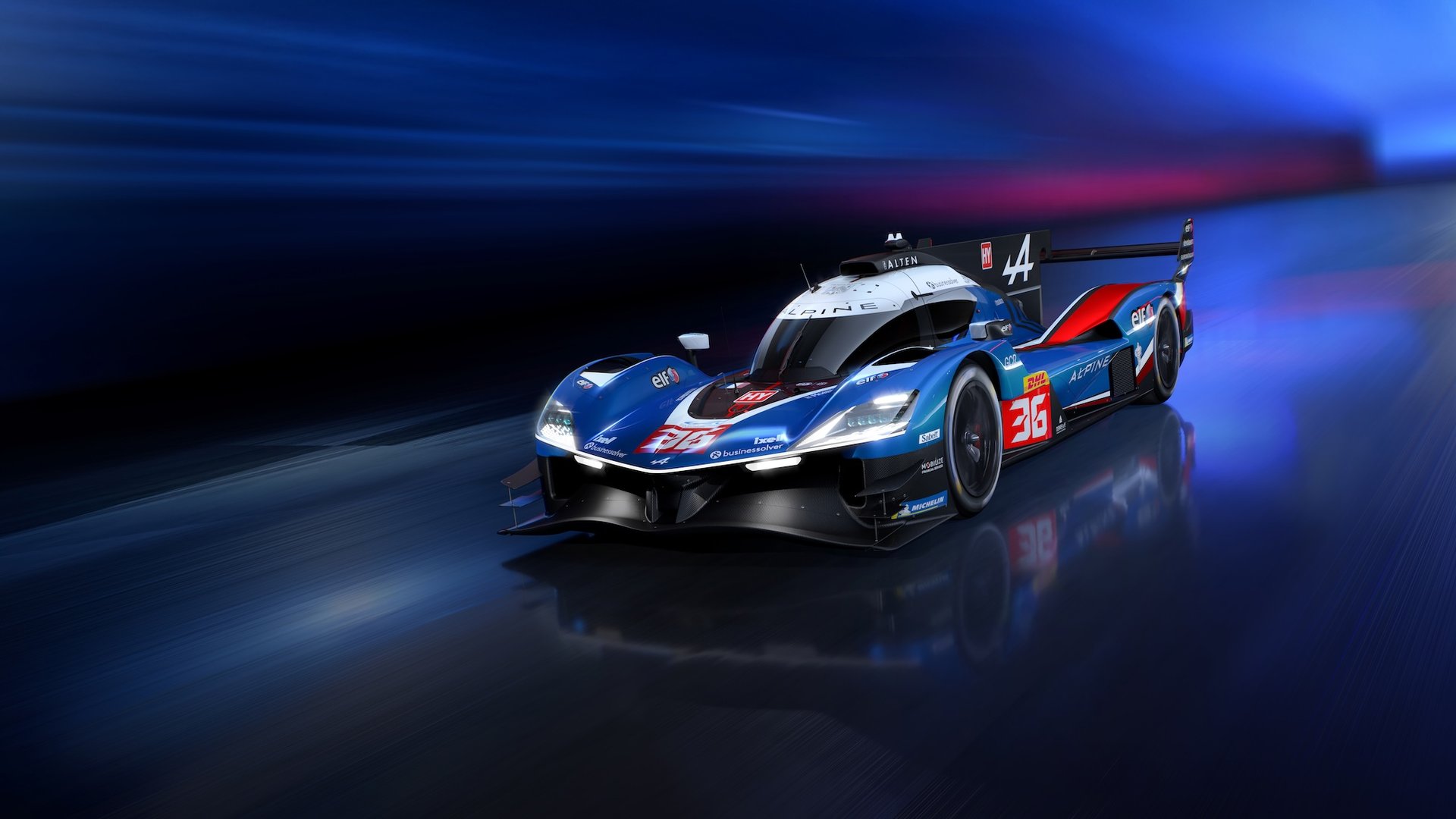
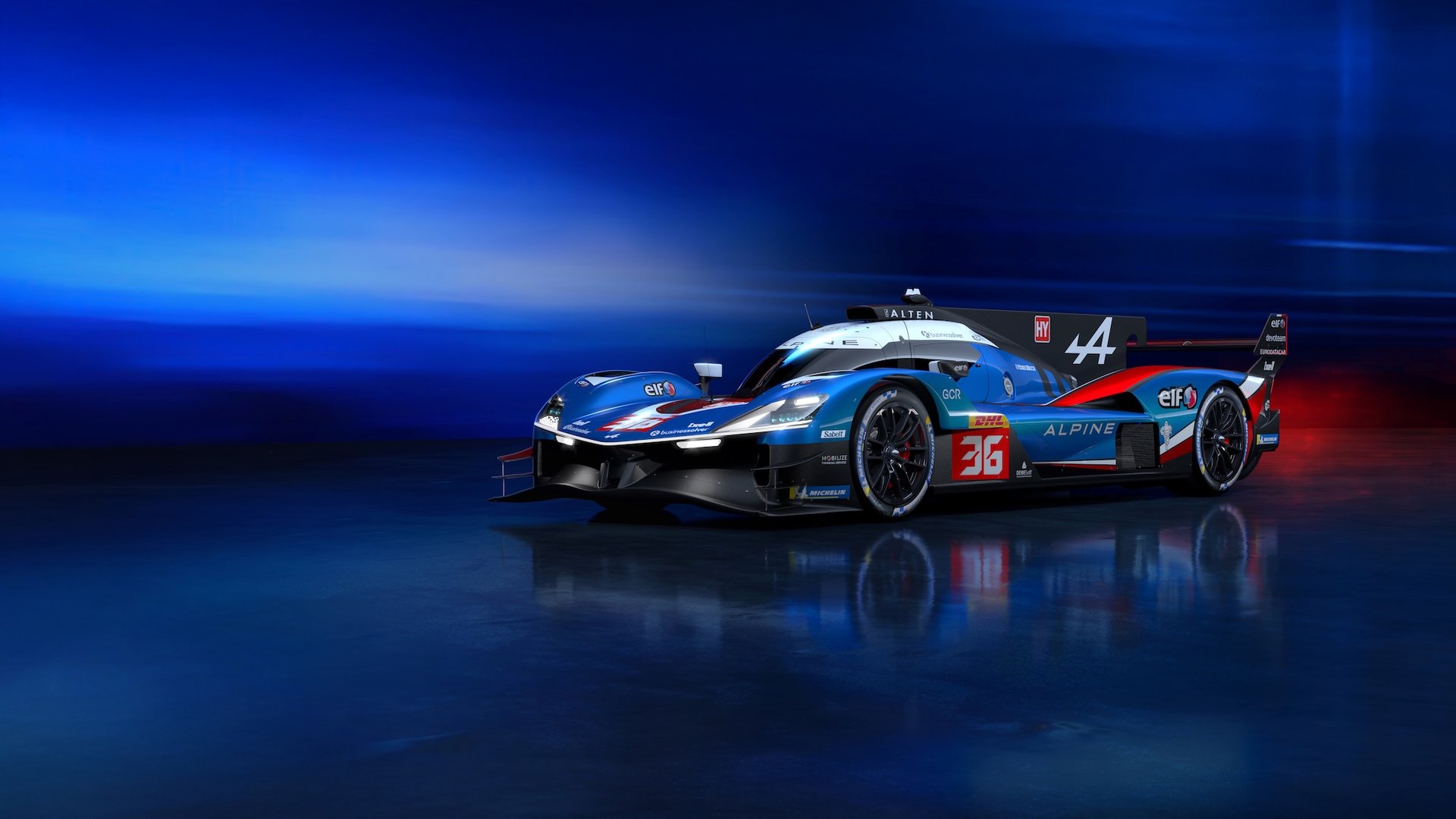
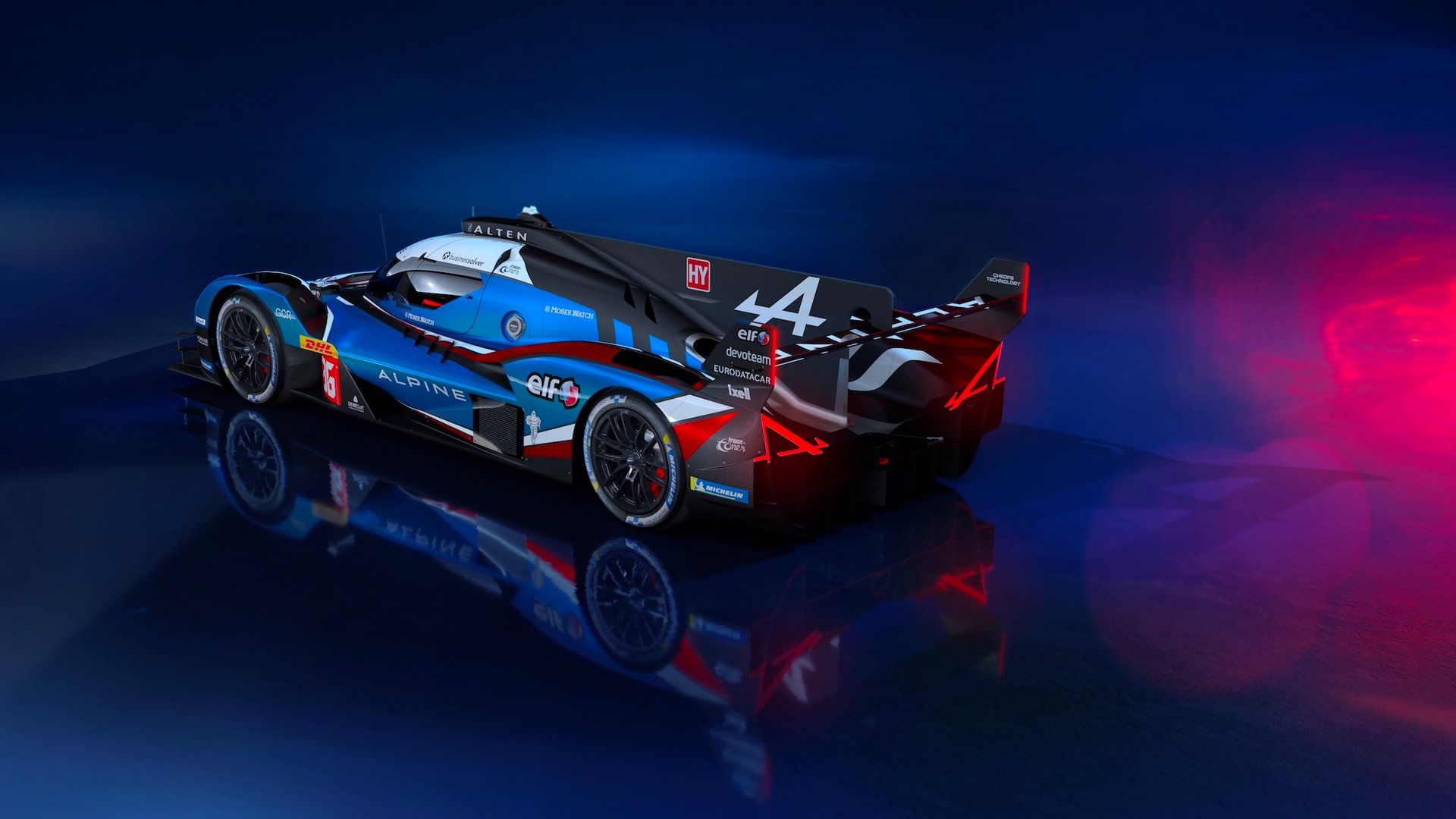
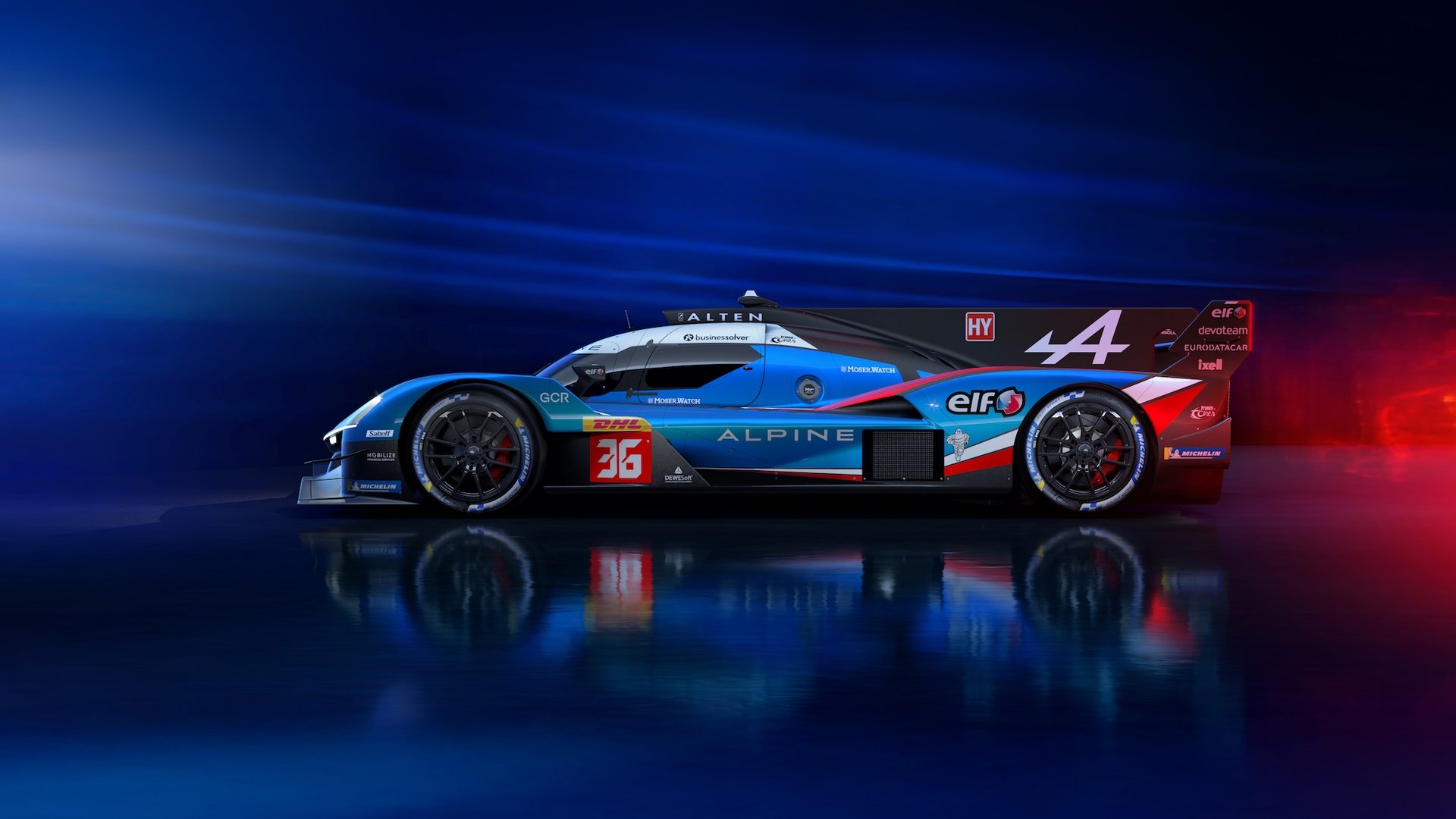
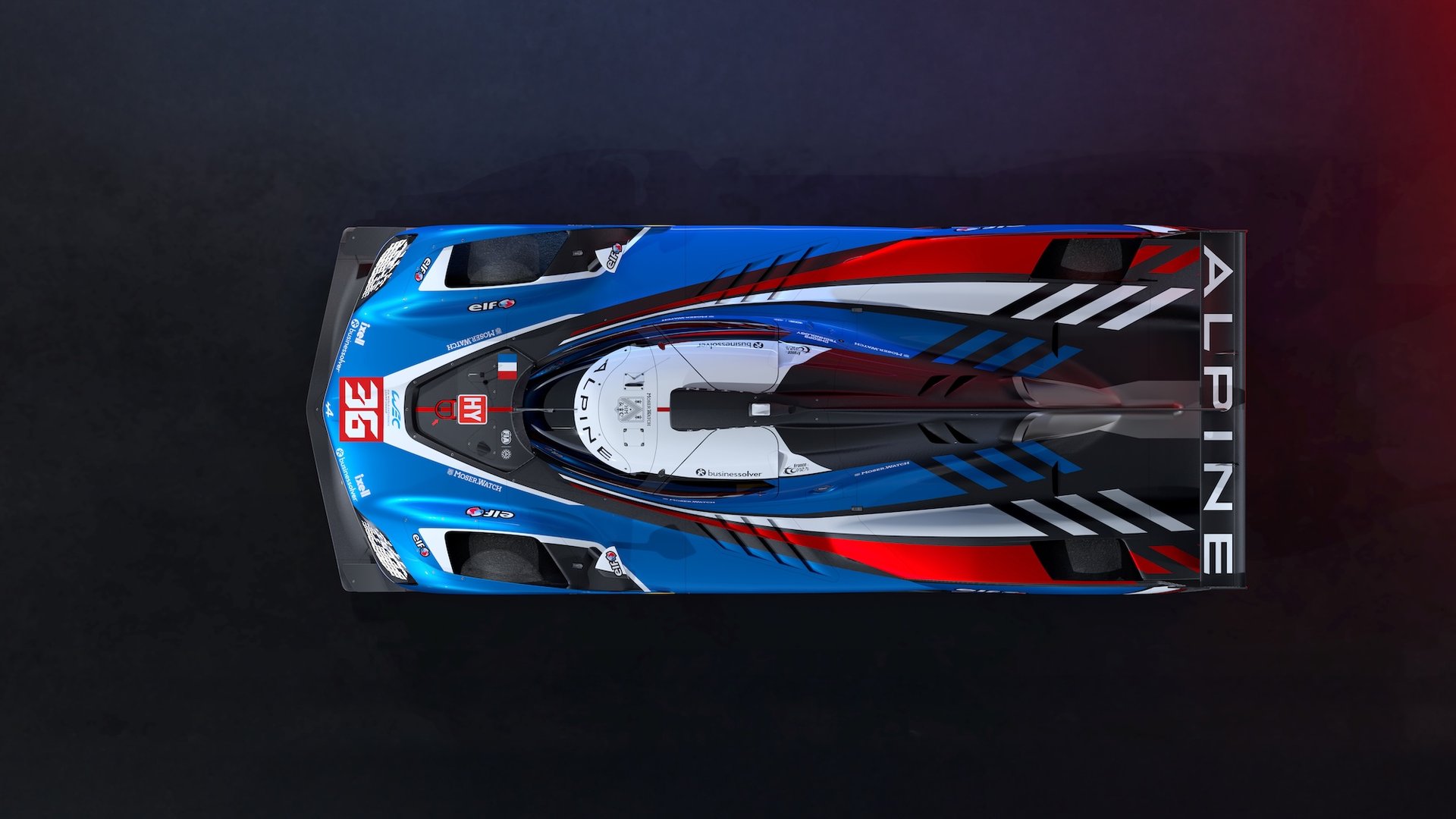
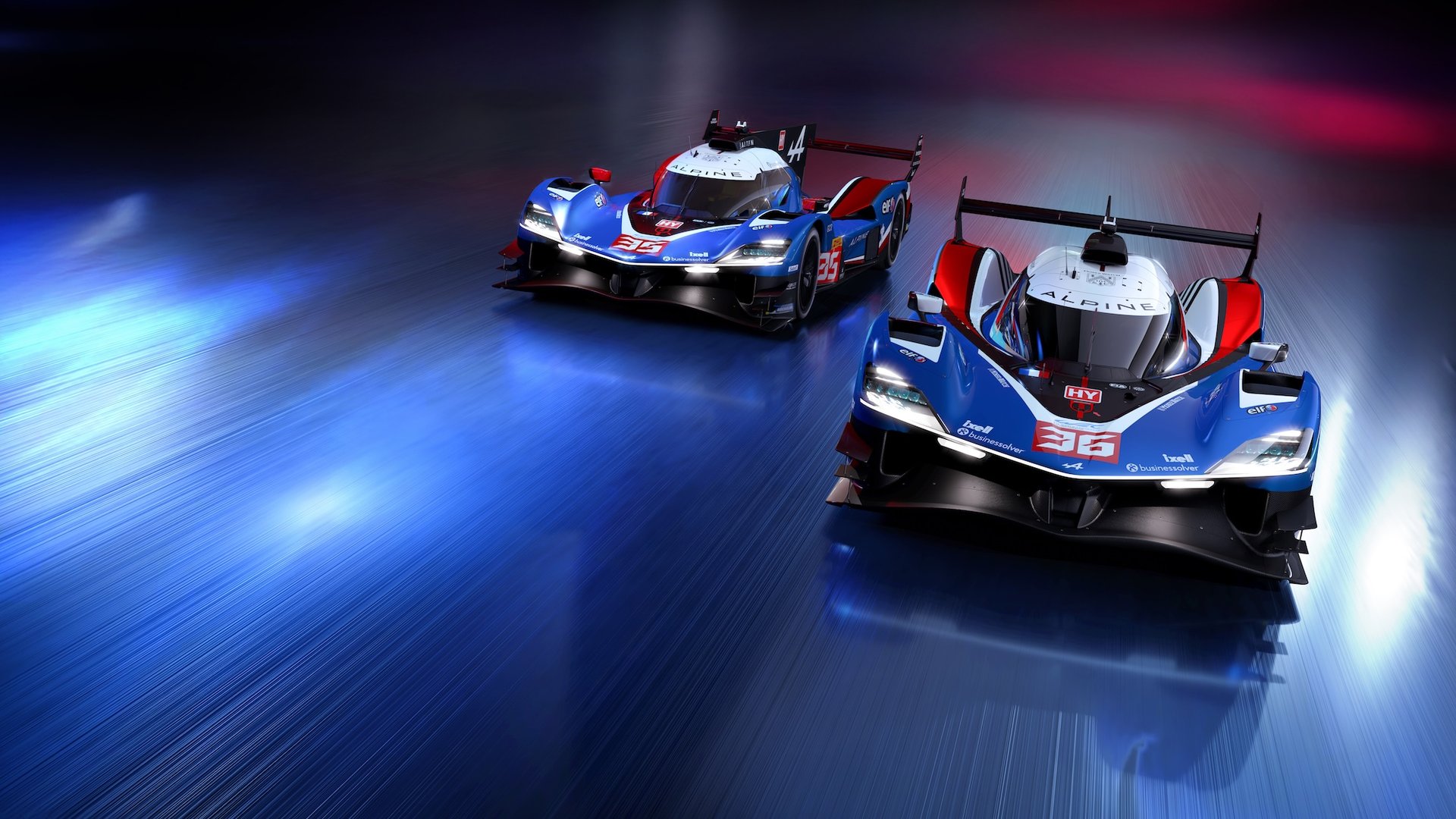
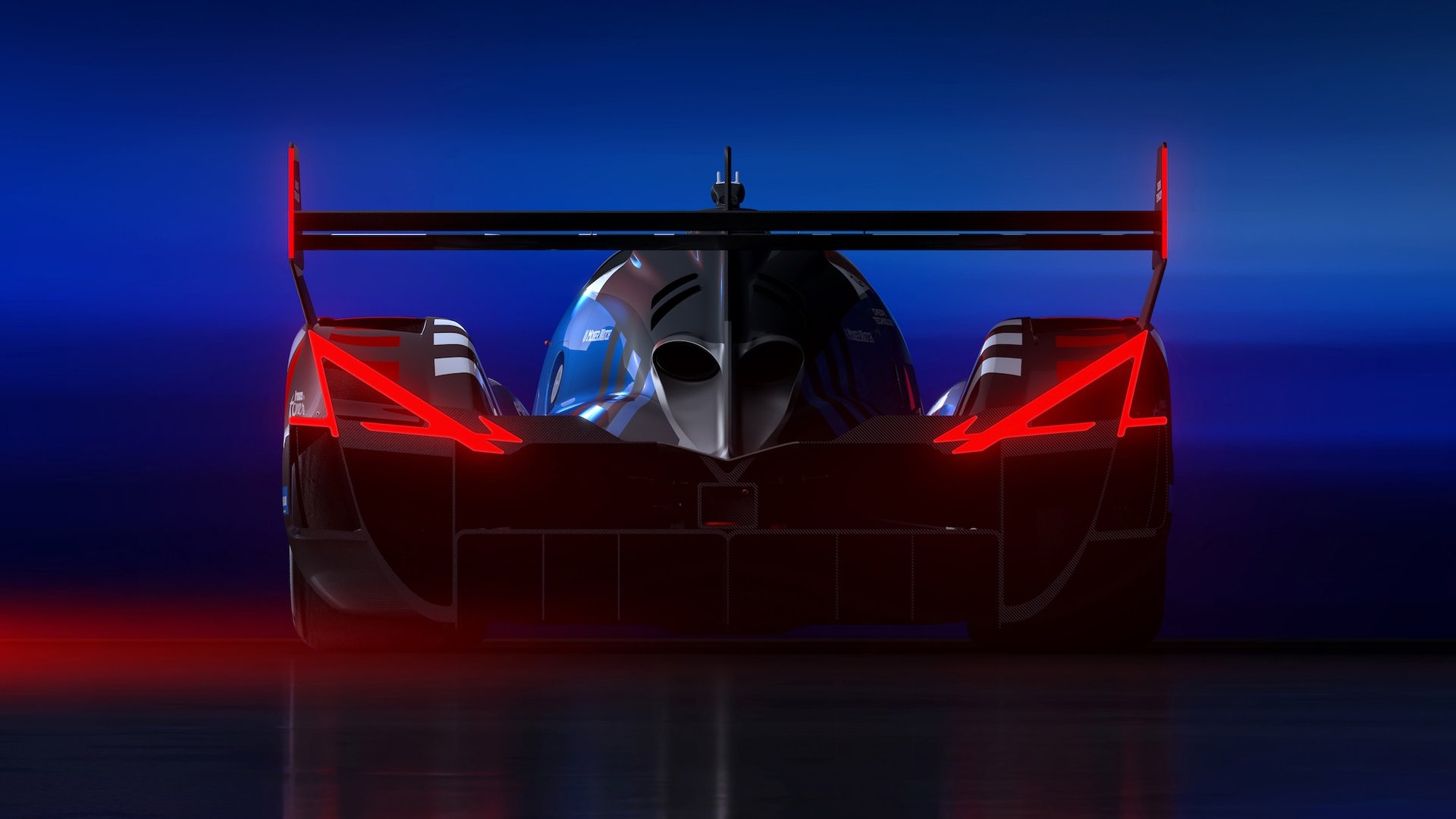
The question now is no longer whether Alpine will officially continue its endurance adventure, but whether this French flagship can find a new way to exist.
Some cars disappear the moment their manufacturer steps away. Others survive through private teams, through passion sustained outside major marketing plans, and through a community willing to extend their story.
The A424 now stands at that crossroads. Its future remains fragile, but it is not closed.
And in a championship where technical memory matters as much as results, there remains a possibility that this French Hypercar may yet write a few more lines before taking its final bow.
🔗 Also read on Les Alpinistes
- Alpine A424 (2026): 2026 6 Hours of Imola, maturity earned through effort, on the edge of the podium
- Alpine A424 (2026): the blue before the night, final season in WEC
- Alpine A424 (2026): full-scale validation at Aragón
- Alpine A424: everything you need to know about the V634T V6 engine (675 hp)
- Alpine A424: complete technical specifications
Photo credits: Alpine Endurance Team