🇫🇷 Cet article est également disponible en français : Lire en français
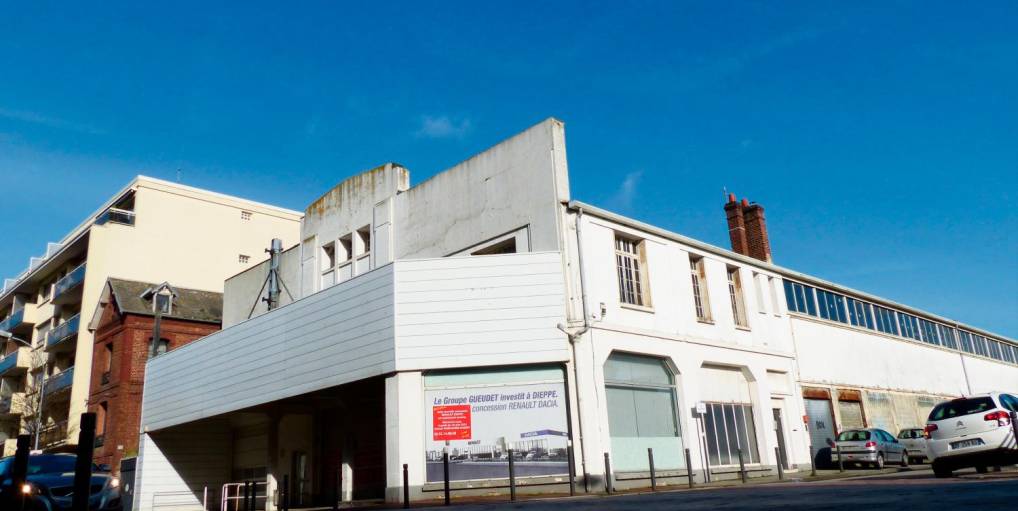
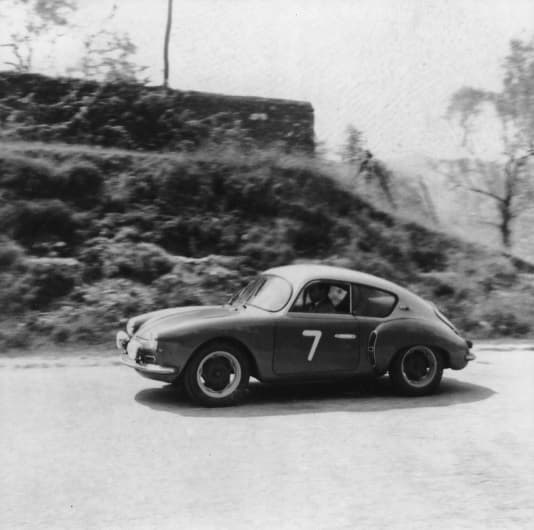
Dieppe taught me never to confuse a car with a logo. Alpine was not born from a marketing plan; it was born from a driver who wanted to win, from a workshop that knew how to read the road, and from an obsession with competition.
Jean Rédélé did not invent a brand; he established a method: we build cars to race, we race to learn, and we bring those lessons back to the road.
It is this lineage that made me love Alpine, that made me believe racing was not decoration but the backbone of an identity.
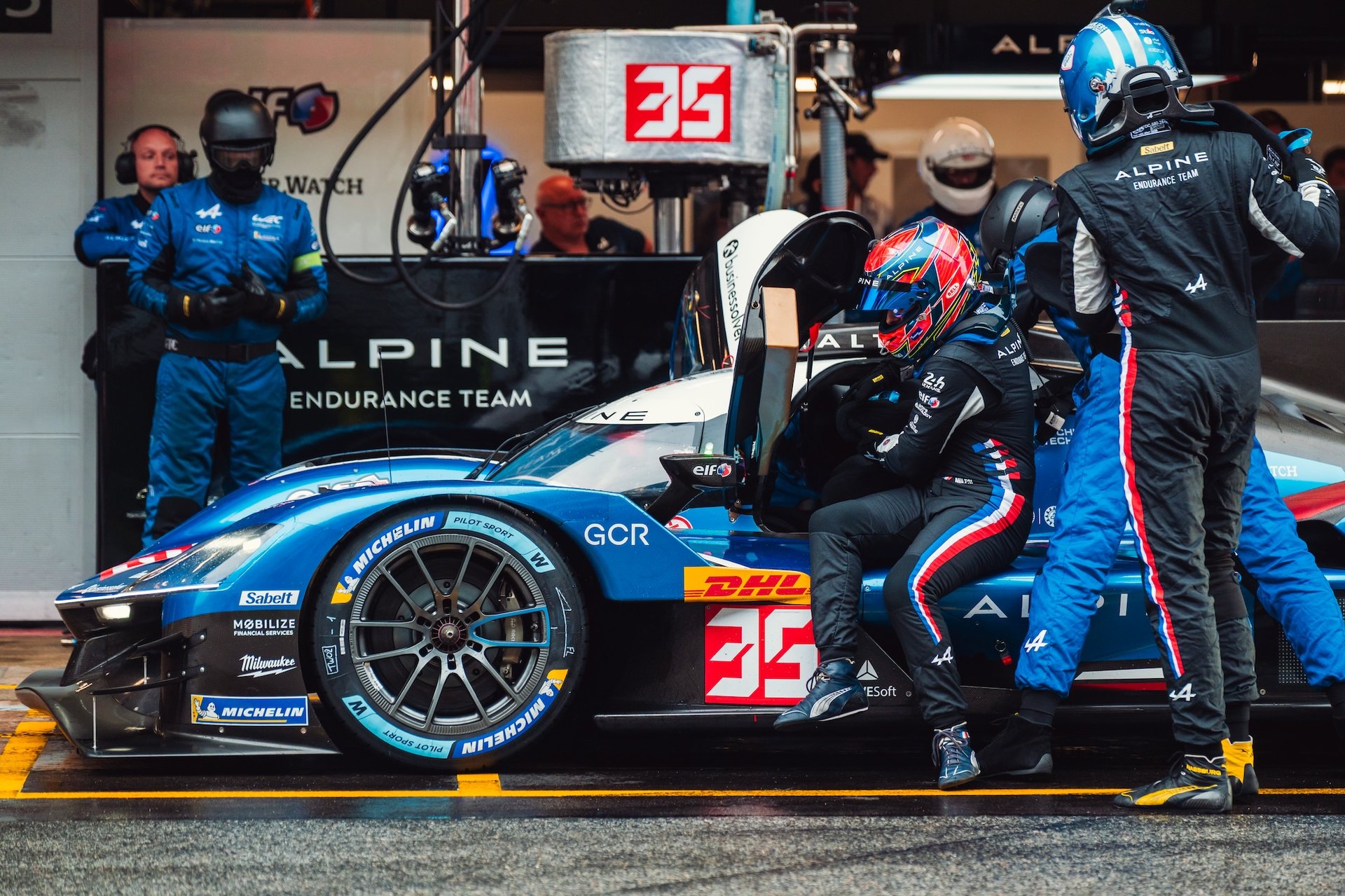
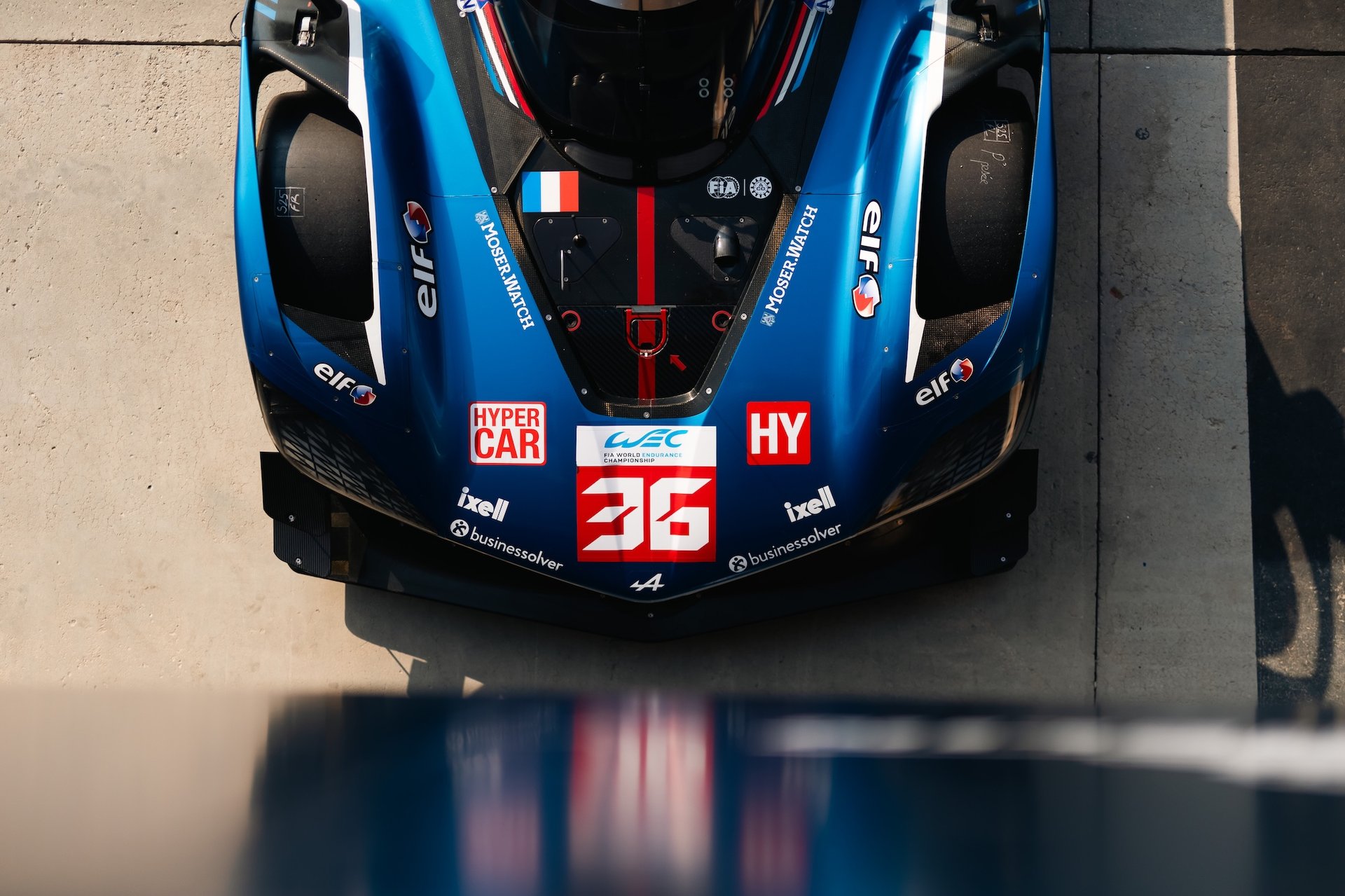
So when I saw the Alpine A424 cross the line first at Fuji in 2025, I did not applaud as one applauds a publicity stunt. I felt the confirmation of hard work, the reward of a trajectory. That victory was not just another trophy in a display case; it was proof that the machine, the team and the strategy were aligned.
It should have been the foundation of a sustainable endurance programme, the starting point of a technical and human narrative that could have nourished the brand for years.
Then came the press release. “Alpine announces its motorsport strategy”: within it, the decision to end the Hypercar programme at the close of the 2026 season, to refocus efforts on Formula 1 and prioritise product growth.
On paper, it is neat, rational, almost accounting logic. In reality, for those who have followed this story for years, it feels like running wide.
Stopping endurance racing after a victory is like cutting the root of a tree that had just begun to bloom again. It is an inconsistency that hurts more than it surprises: the proof that the project worked becomes the argument for abandoning it.
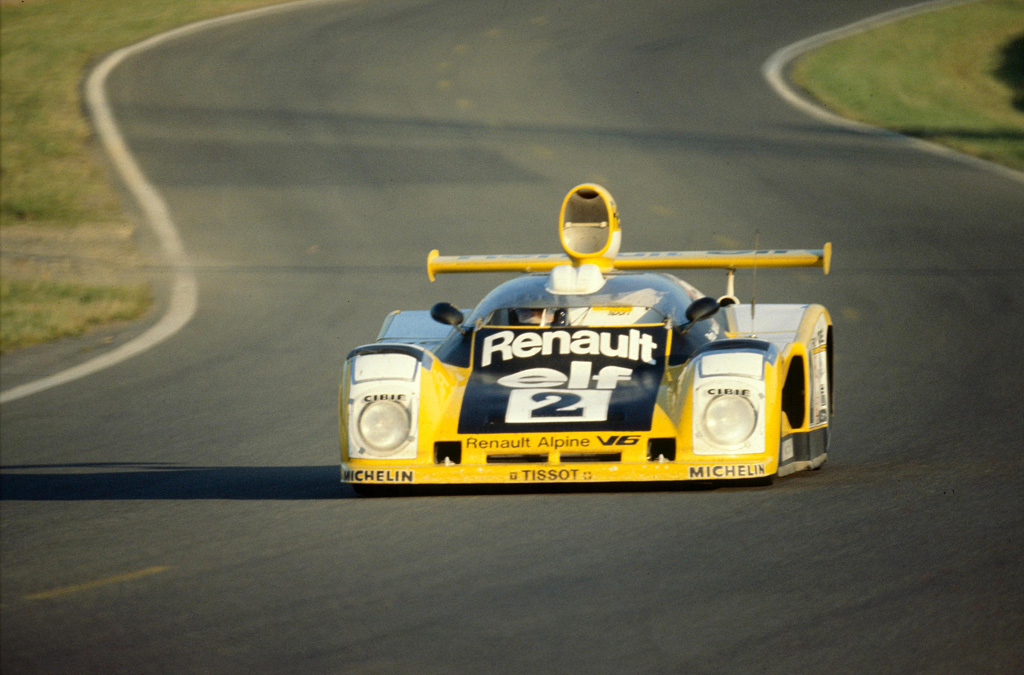
It feels like reliving the story of 1978: victory at Le Mans, then everything poured into Formula 1.
I feel betrayed — and I am not alone. Viry-Châtillon, a name that resonates as industrial and human heritage, was expecting action.
It had been promised a centre of excellence (Alpine Hypertech), a transition plan, prospects for employees. The Mayor of Viry-Châtillon spoke of shock, of broken promises, of betrayal. These words are not rhetoric; they reflect the anxiety of a territory watching its commitments dissolve.
Press releases speak of support; on the ground, the consequences are measured in jobs, workshops and expertise. Words do not replace actions. And when a brand that claims to be sporting reneges on its local commitments, it loses something essential: trust.
I refuse corporate language: calling F1 a “unique platform” while leaving endurance by the roadside is choosing visibility over method.
Alpine is choosing the most profitable short-term trajectory and abandoning the discipline where it built deep credibility alongside Signatech.
For the engineers, the mechanics, the drivers who gave their sweat and sleepless nights, it feels like a slap. For customers who buy an Alpine because it has raced, because it has proven itself on track, it creates dissonance: you celebrate a victory, then close the door behind you.
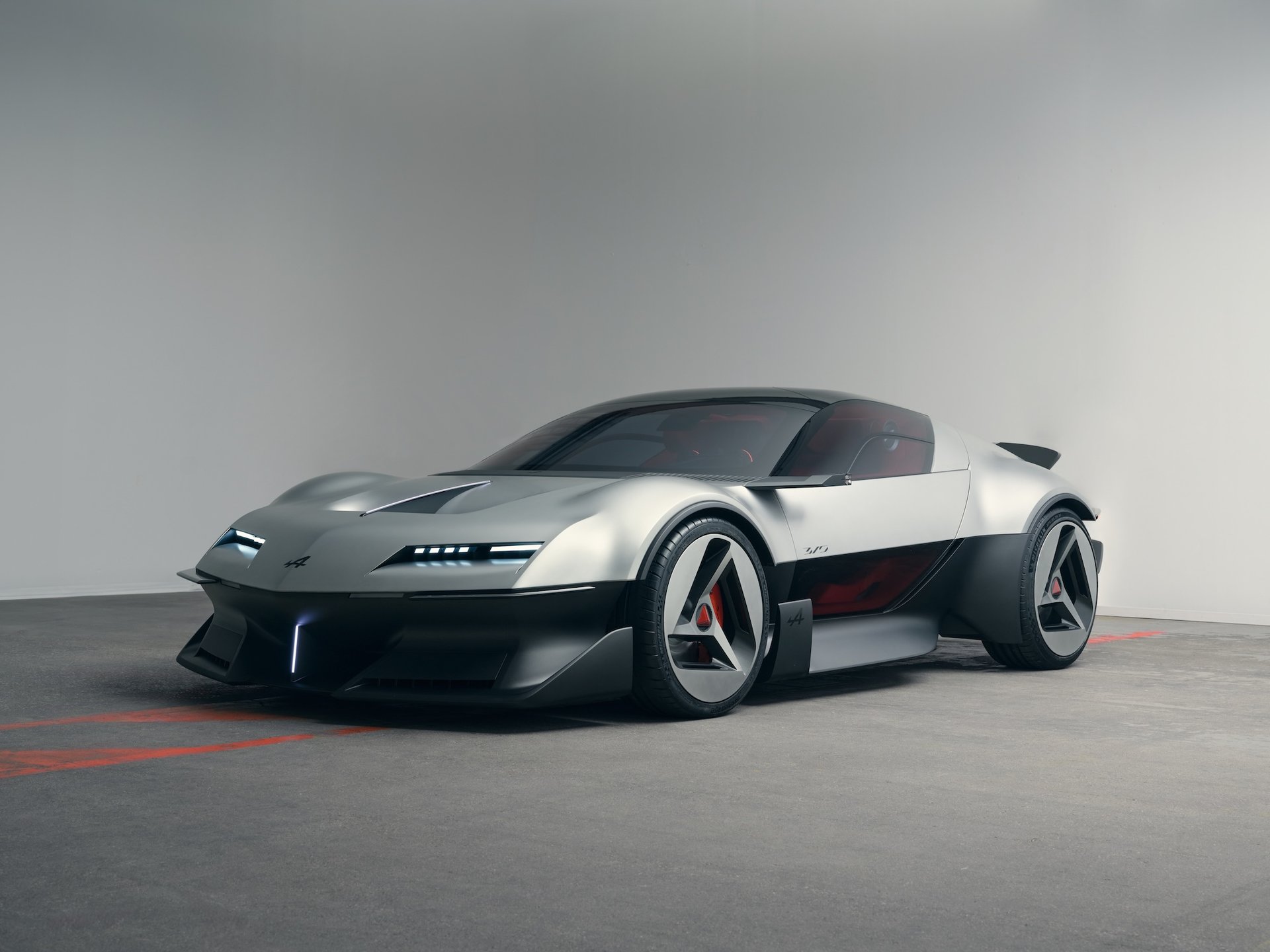
I think about the Alpenglow and I ask myself:
- Where will high-intensity hydrogen be tested if we walk away from the WEC?
- Where will the reliability of a hypercar be validated if we refuse the constraint of a 24-hour race?
Concepts only matter when they meet reality. Without the track, innovation becomes an empty promise.
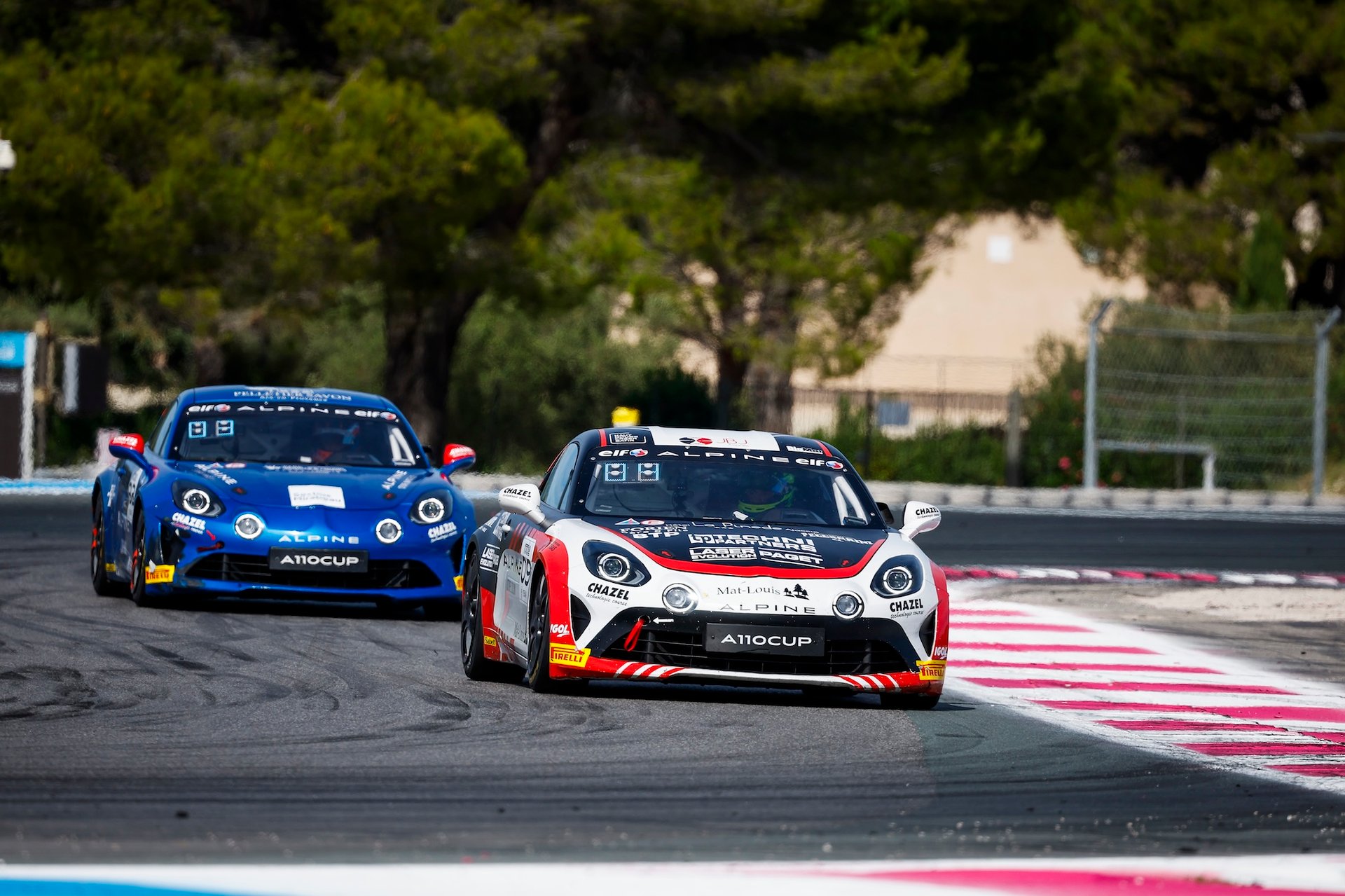
I think about rallying, about GT4, about customer racing cups: these arenas can and must be strengthened if Alpine wants to maintain coherent sporting presence. But reallocating resources requires clear decisions and real investment — not hollow statements.
I am not writing to destroy; I am writing to demand. Alpine can still regain coherence. But it requires action: clear commitments for Viry-Châtillon, for Dieppe and Bourges, guarantees for employees, a technical roadmap for the Alpenglow that goes beyond a motor show concept, and a sporting strategy that does not reduce racing to a logo.
The brand must stop hesitating and return to the trajectory that made it strong: race to learn, learn to build.
I end with an image that haunts me: an Alpine parked in front of an empty pit garage, headlights off, as if it were the last time the brand would face the clock.
It is an image that tightens my throat because it could become reality, whatever the discipline. But it is not inevitable. Alpine has always known how to rise again. If management truly wishes to honour Dieppe’s heritage, it must choose: either racing remains decoration, or it becomes the method again.
I choose the racing that forges cars and men.
I choose an Alpine that does not settle for looking beautiful in magazines and motor shows, but returns to the track to prove it deserves to exist — with tyre marks on its flanks and the scars of a hard-fought race.