🇫🇷 Cet article est également disponible en français : Lire en français
Alpine will compete in the WEC in 2026, but nothing is guaranteed beyond that. In Viry-Châtillon, the future of Hypertech, the endurance programme and 500 employees now hangs on Renault’s decisions.
A heavy, human issue — and one that can no longer be minimised.
Alpine moves forward, but confidence is gone
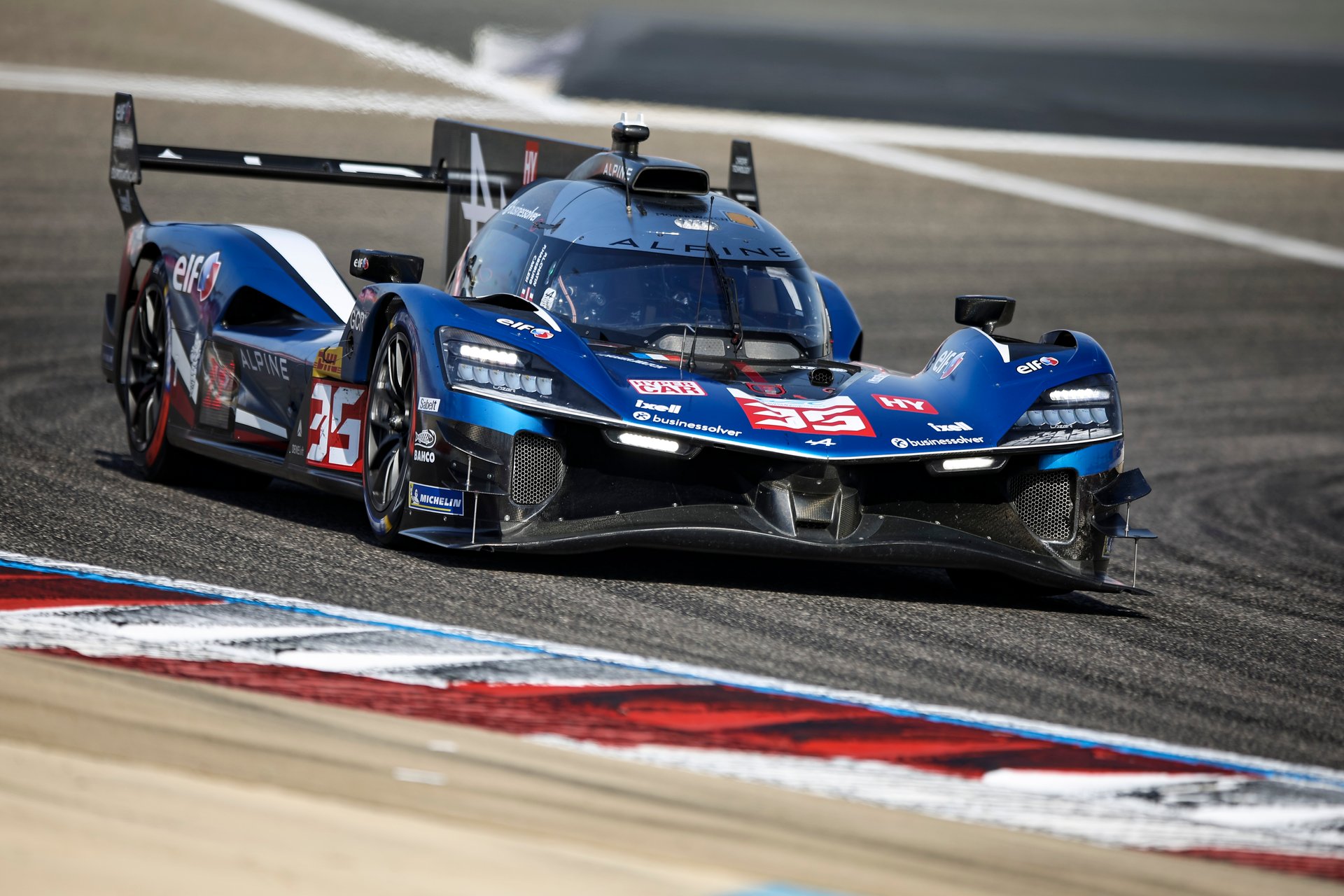
On paper, Alpine is pushing on. The brand has confirmed its presence in the FIA World Endurance Championship in 2026, continues developing the A424, strings together test runs and fine-tunes its prototype. Nothing here looks like a programme approaching the end. And yet, in reality, something has snapped.
When Alpine finally broke its silence to respond to the rumours, it deliberately drew one very clear line: the brand is not going away. But on the core issue — endurance — the message stopped just short of reassurance. Alpine does not rule out a withdrawal after 2026. A short sentence, almost harmless, but with immediate effects. Because in a factory-backed programme, refusing to guarantee what comes next puts everyone in limbo.
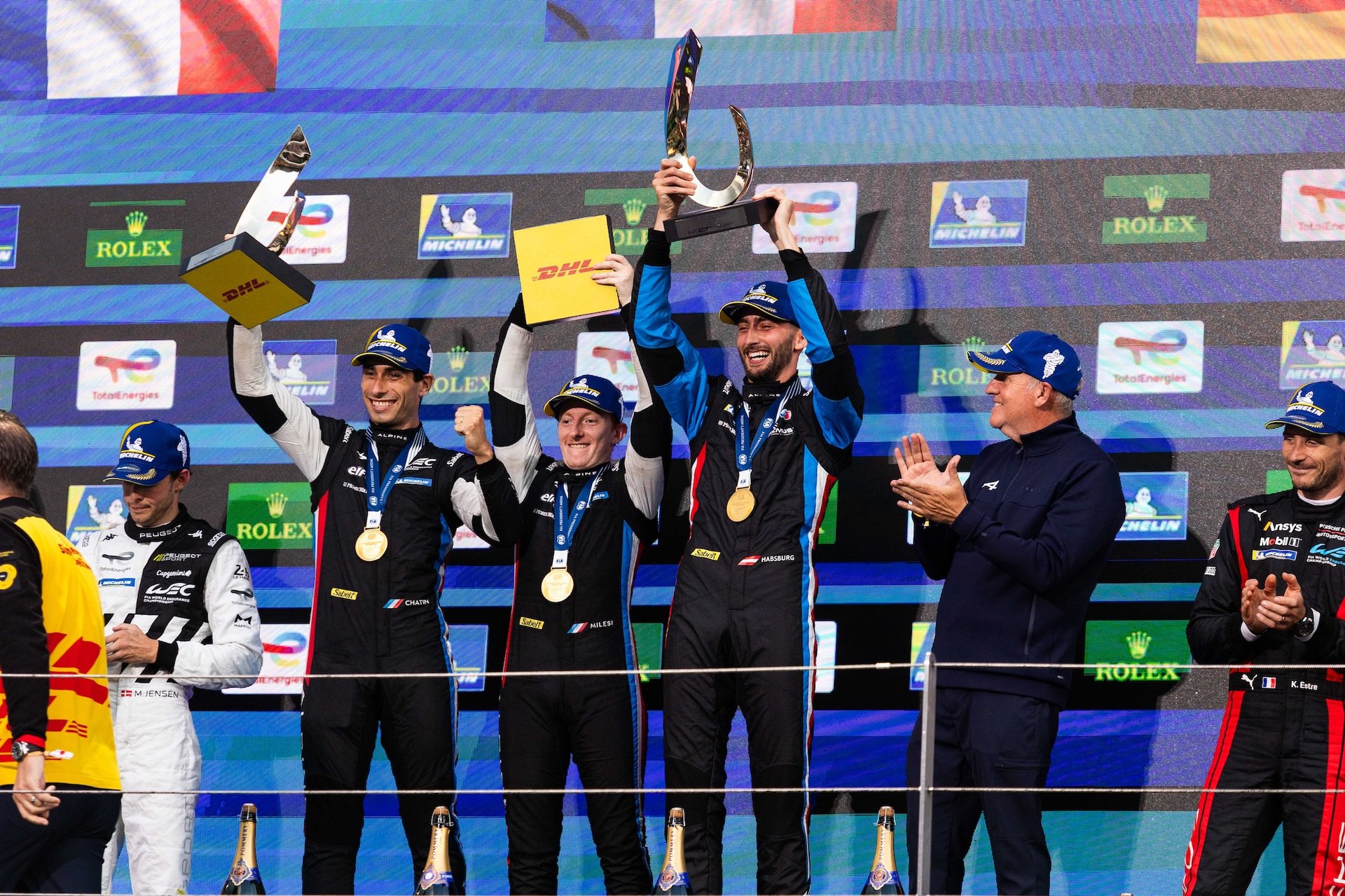


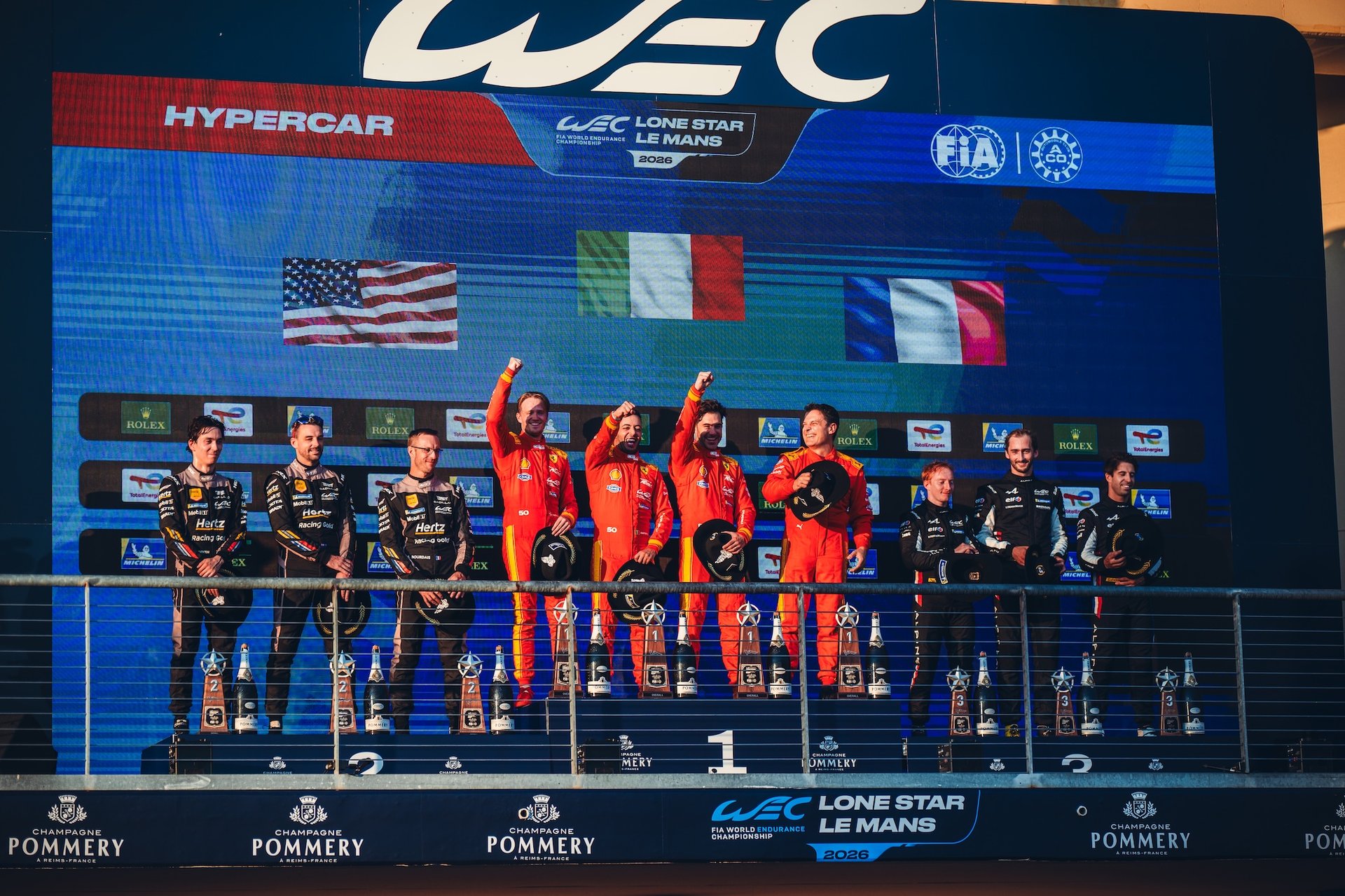
This is not the first time a manufacturer has chosen to stall. But here, the context makes that caution heavier than usual. Alpine is coming off a strong 2025 season. The win at Fuji, the podiums and regained reliability have placed the Hypercar programme in a genuinely credible position. It is no longer a bet, nor a learning exercise. It is a programme that works.
And yet, despite that, the programme is no longer protected. It is being watched, evaluated, compared. Since François Provost took charge of the Renault Group, motorsport is viewed through a stricter lens. Not hostile — rational. Every commitment must now fit clearly into an industrial, economic and measurable logic.
That gap is what worries people. Alpine is doing what is asked of it on track, but it is no longer enough to secure its future. And the teams can see that very clearly.
Viry-Châtillon, a value that can’t be priced
If the concern runs this deep, it is because it touches Viry-Châtillon. And Viry is not an interchangeable industrial site. It is a place steeped in history, know-how and technical culture. For nearly fifty years, it was the beating heart of Renault’s Formula 1 engines. Successes, failures and technological revolutions all passed through here. Generations of engineers built a rare expertise.

When Renault announced in September 2024 the end of its F1 engine development, the shock was immense. Not only industrially, but humanly. For many, it was a break with a professional identity. At that moment, Hypertech Alpine was presented as a strong response — an ambitious reconversion designed to preserve what mattered most: skills, the site’s value and its strategic role.
Hypertech was meant to keep Viry as a centre of excellence. Not a museum, not an empty shell. It was about future technologies — hydrogen, electrification — but also competition. The WEC, Dakar and special projects were supposed to be the backbone of that transition.
The message to employees was clear: “the F1 engine stops, but the story continues”.
Eighteen months later, that message no longer reassures. The mayor of Viry-Châtillon, Jean-Marie Vilain, now speaks of “betrayal”. The word is strong, but it reflects a deep concern rooted on the ground. Not a reaction to a sudden announcement, but to prolonged silence. To a lack of confirmation. To the feeling that what was promised is slowly unravelling.
Officially, no one is talking about closure. Jean-Dominique Sénard has publicly stated: “Viry will not close“. But as important as that statement is, it does not answer the central question.
What will really remain in Viry? What activity, what ambition, what strategic role?
For a site like this, existing without a clear mission means slowly fading away. And that is precisely the prospect fuelling local anxiety today.
Hypertech, WEC, Alpine: the same fate
What makes the situation so tense is that everything is connected. Hypertech is not a standalone project. It directly determines the future of the WEC programme, the Alpine supercar and, more broadly, the brand’s ability to aim for something beyond the role of a niche electrified manufacturer.
Without a strong Hypertech, the WEC loses its industrial anchor. It becomes a costly programme, detached from a site, without strong internal justification. In that case, the temptation to scale back — or even stop — becomes real. Not because the programme is bad, but because it becomes isolated.
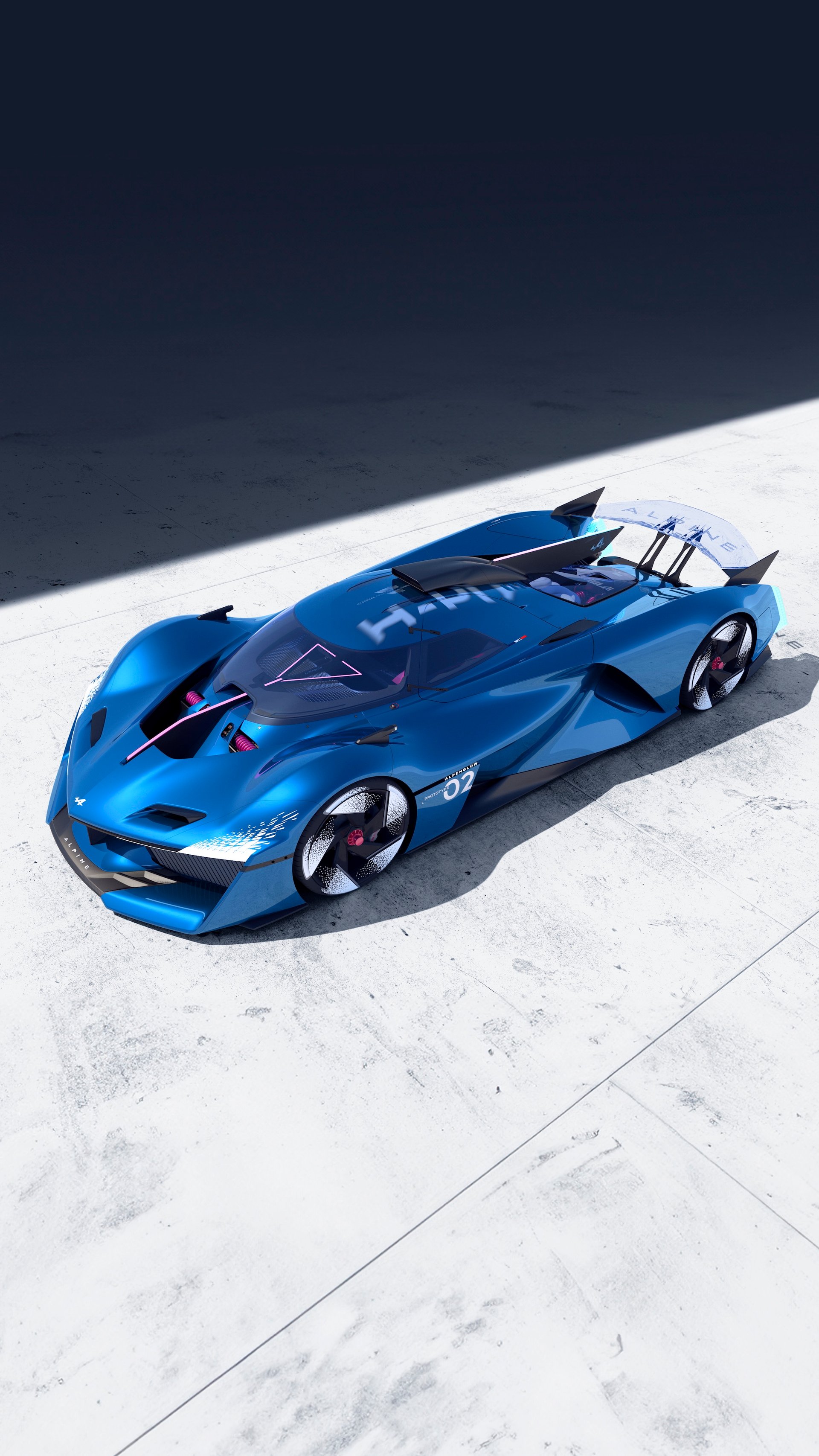
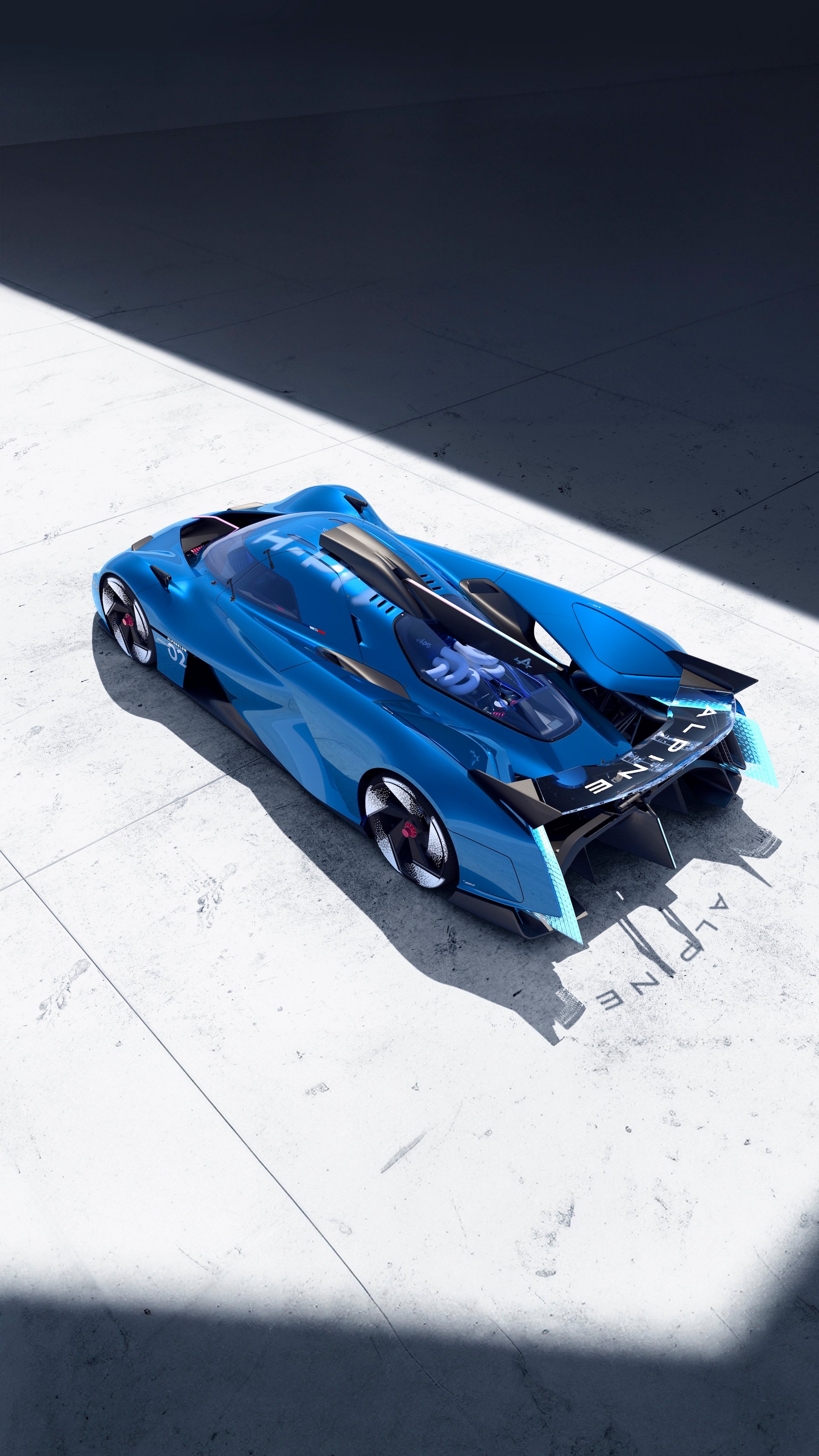
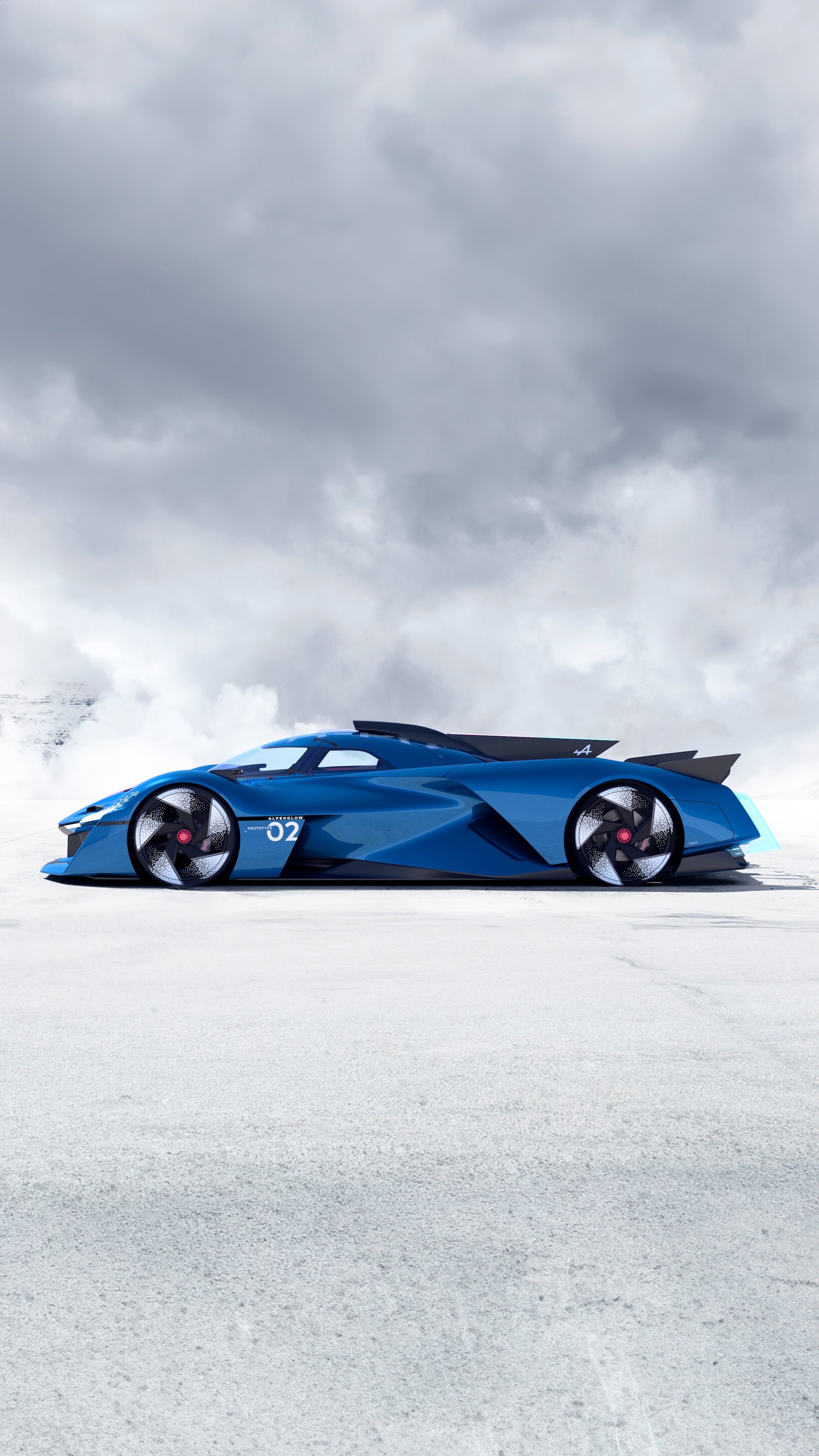
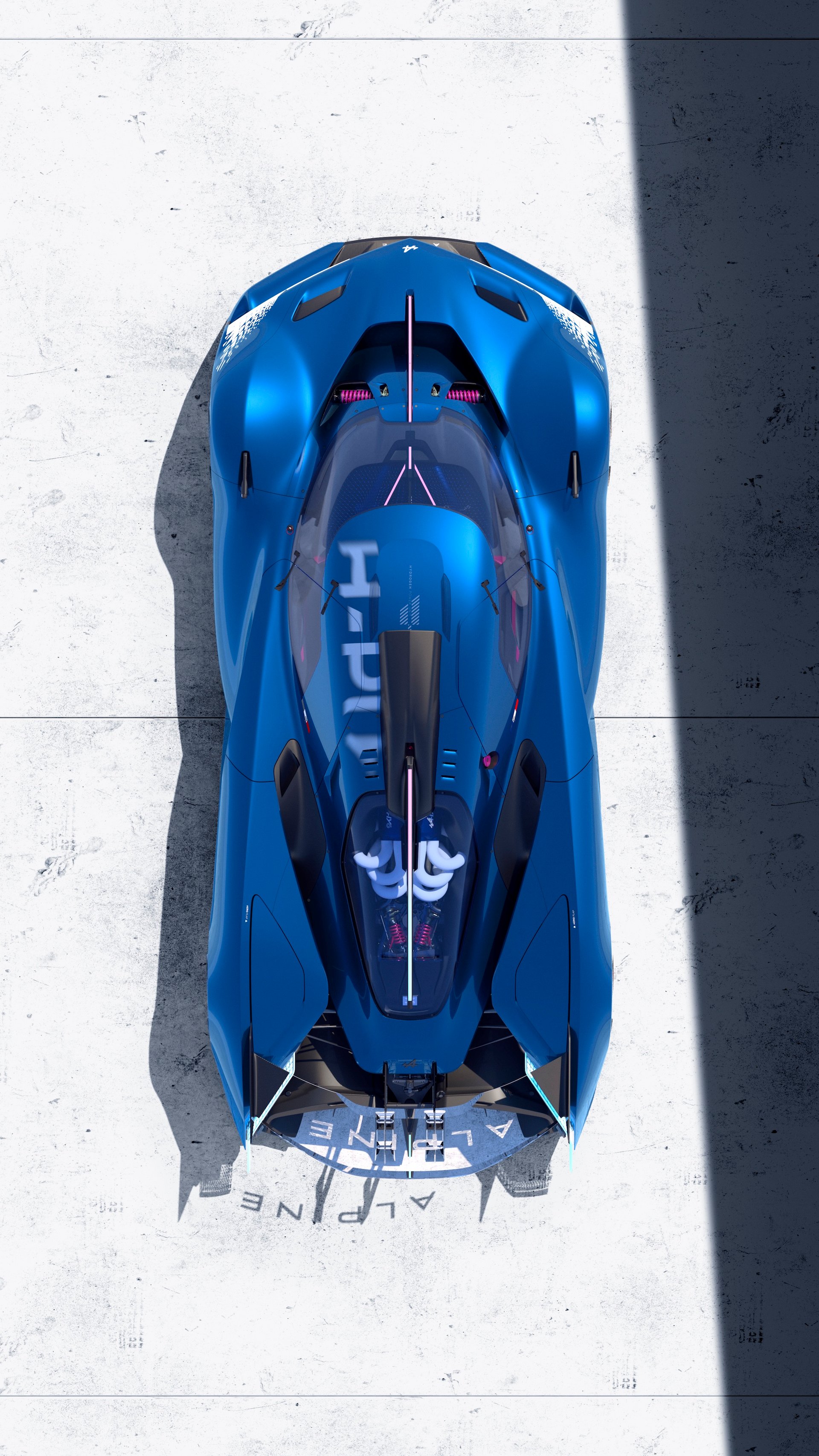
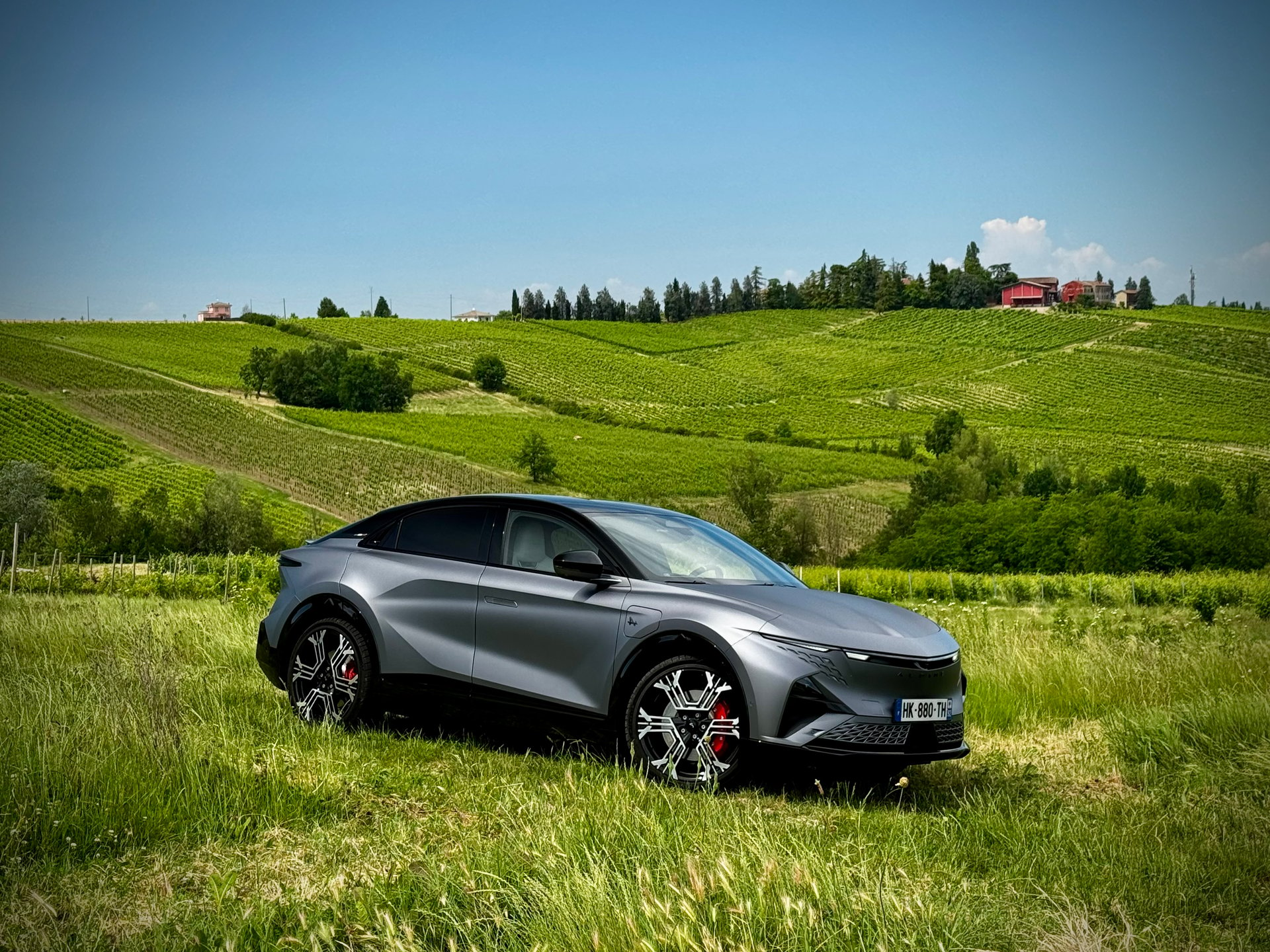
The Alpine supercar follows the same logic. It does not exist without an engineering centre capable of carrying such a project. Demonstrators like Alpenglow, however spectacular, risk remaining showcases with no follow-up if the structure meant to turn them into reality disappears or is reduced.
That is why the upcoming CSE meeting on Thursday 12 February is so important. Not because it will necessarily announce definitive decisions, but because it will show whether Renault is still ready to commit to a long-term vision for Alpine.
This situation echoes a constant in Alpine’s recent history. The brand moves in short cycles. It is relaunched, supported, then questioned again every time leadership changes. Even before 2020, its future was not secure. Since then, it has gained visibility, sporting credibility and ambition.
But it has never truly been secured for the long haul.
Conclusion — let Alpine finally get on with it
When you keep putting it back on the table, you end up weakening what you claim to be assessing. When will Alpine finally be left in peace?
Alpine is not a logo to be moved around an organisational chart. It is not a set of budget lines adjusted at every change of leadership. Alpine is people — engineers, technicians, mechanics, designers — carrying a rare know-how forged in competition. In Viry-Châtillon, in Dieppe, in workshops as well as on circuits and rally stages, these are skills many manufacturers look at with respect.
From a sporting standpoint, Alpine is credible — and it has proven it everywhere it has competed.
In rallying, where its history is part of the legend.
In endurance racing, where it wins and establishes itself alongside the world’s best manufacturers.
Alpine is not about promises. It is about facts.
Historically, its legitimacy is unquestionable. Few French brands can claim such continuity between racing, engineering and production. It is industrial and sporting heritage — a source of national pride.
As such, Alpine should be protected, reinforced, embraced. Not weakened at every strategic cycle. A performance brand cannot live indefinitely under threat, nor move forward with projects launched and then constantly questioned. Performance requires time, stability and clear resources.
A credible performance brand is a complete brand: visible in competition, coherent industrially, embodied by people. It must be allowed to defend its colours without half-measures, without short-term calculations. Against manufacturers established for decades, you do not compete with timid commitments.
Alpine represents French know-how, a racing culture, and an ability to shine when it is given the means. Reducing it, fragmenting it or hollowing it out would be a renunciation heavy with meaning.
Wake up, before Alpine becomes nothing more than a shadow of itself!
Source : L’Equipe , Confidential-Renault