🇫🇷 Cet article est également disponible en français : Lire en français
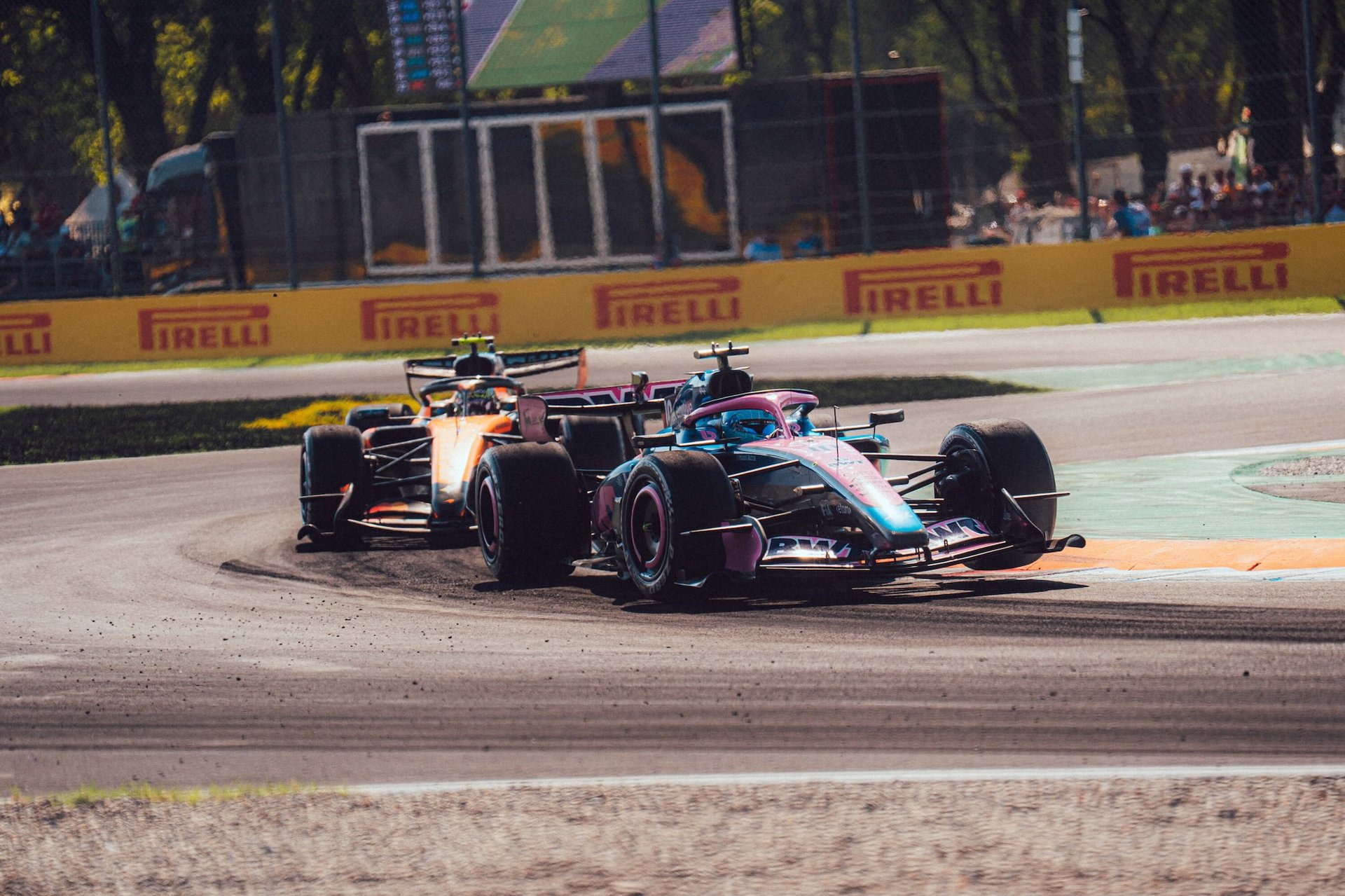
BWT Alpine Formula One Team wrapped up its winter testing programme in Bahrain on 20 February 2026 with a full, structured day of running. Around the Bahrain International Circuit, Pierre Gasly handled the entire schedule, completing 118 laps — 639 kilometres — at the wheel of the Alpine A526.
The objective was clear-cut: validate the reliability of the complete package — chassis, aerodynamics and the new Mercedes power unit — in stable, repeatable conditions. Air temperatures between 22 and 27°C, a dry track and light winds created an ideal baseline to compare configurations without external distortion.
By the end of the day, BWT Alpine Formula One Team sat fifth on the outright timesheet with a 1’33’’421 and, more importantly, had completed its technical programme without any major issues.
The strengths and the priority work items are now clearly defined with Melbourne three weeks away.
Friday – Testing: a day built like a protocol
The Alpine A526 began its Friday as a measuring instrument. The aerodynamic rakes weren’t a garage fashion statement: they were there to verify, corner by corner, whether the real world confirms the simulation assumptions.
Through the slow-speed turns from T1 to T3, the quoted gap — under 3% — matters more than any headline lap time because it determines the value of everything that follows. A car with stable correlation can be developed without shooting in the dark.
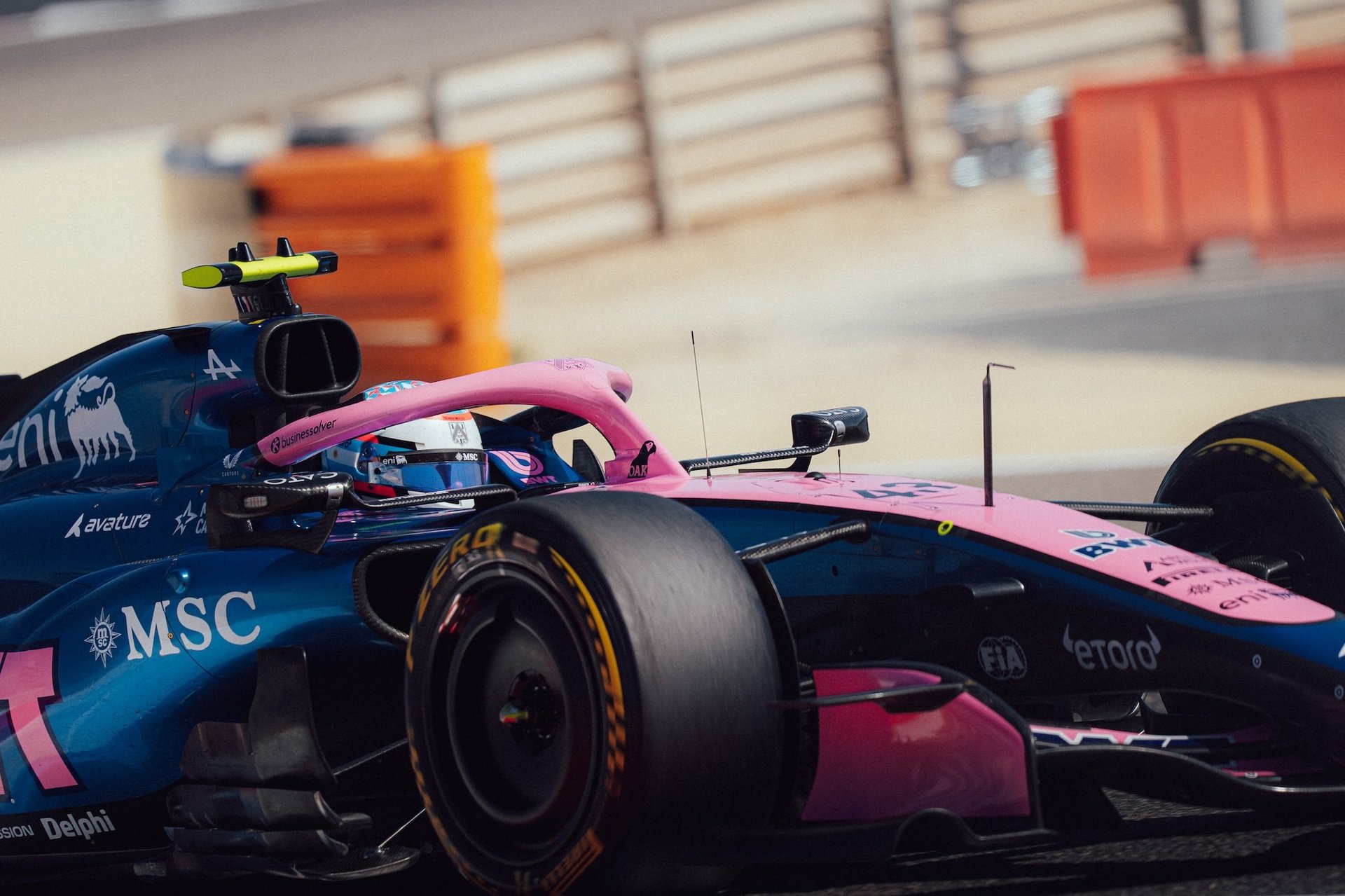
A minor anomaly was detected early on in the Energy Store cooling. “Minor” isn’t a euphemism here: the stop was short and the impact on the programme marginal. The point is elsewhere — it’s exactly the kind of item testing must surface, because the Energy Store isn’t a peripheral component; it is the lap’s energy buffer, and therefore the coherence of ERS deployment across a stint. Fixing it early avoids masking an issue with conservative modes.
Then Pierre Gasly moved into short runs on the C3 (medium), but with one parameter that changes everything: a high fuel load, around 90 kg. In that state, 1’38–1’39s do not describe outright speed; they describe balance, rear stability, braking repeatability and sensitivity to set-up. The suspension variations (camber from -1° to -1.5°, toe from 0.1 to 0.3°) aren’t “tweaks” in the broad sense — they are levers that reshape how the tyre sits, heats and breathes on corner entry. In Bahrain, where traction phases punish the slightest hesitation, that effectively decides where the car will rotate… and where it will resist.
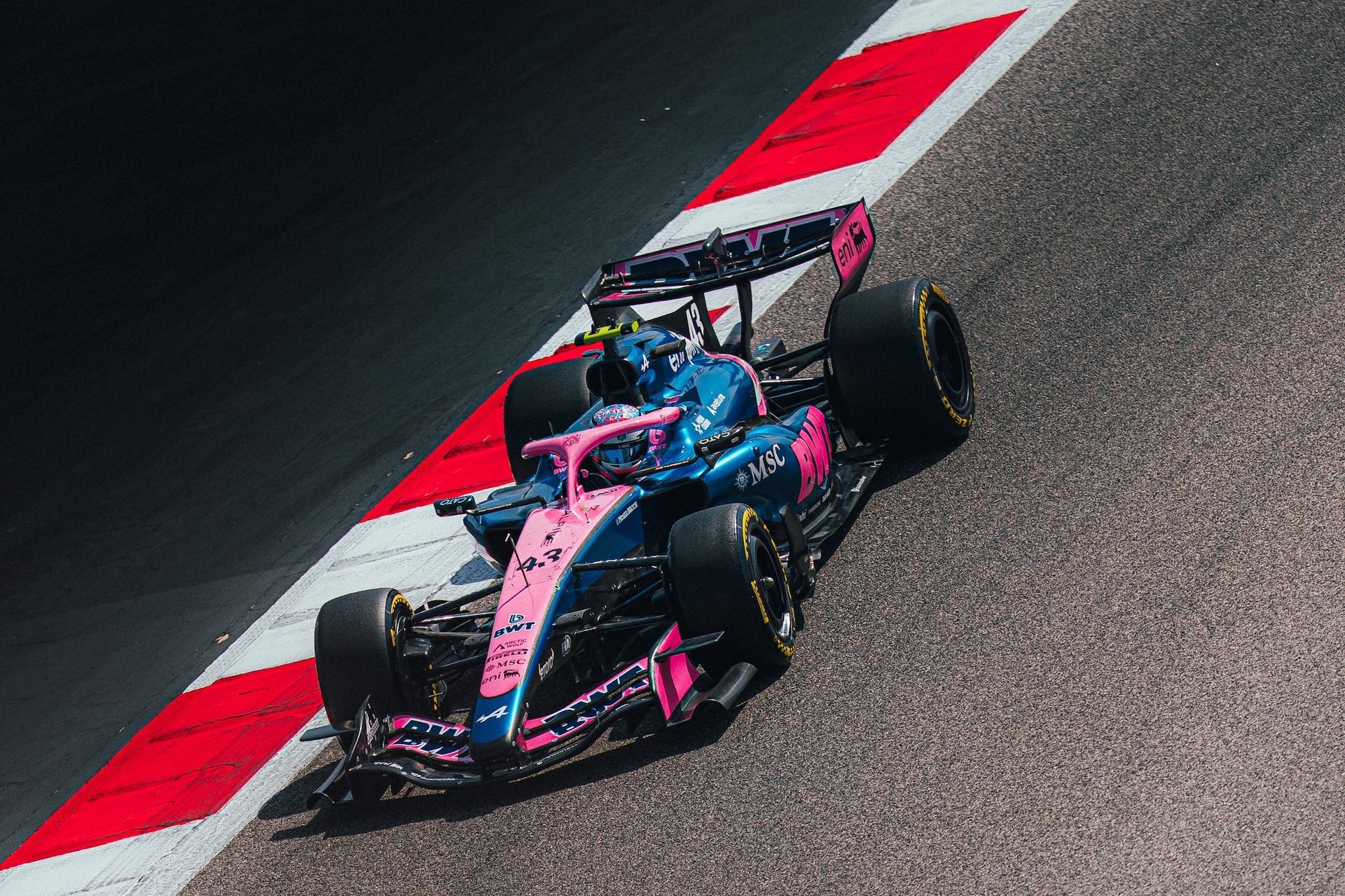
The ERS programme remained conservative (55–60% deployment). That number has a concrete purpose: it protects the Energy Store, but above all it keeps comparisons between runs cleaner. As laps built up, MGU-K recovery reached around 2.0 MJ per lap, reported as 0.2 MJ up on the previous test. That isn’t trivia: it sets how much energy can be “recycled”, and therefore how much deployment freedom exists across a stint without pushing temperatures or triggering limitations.
Mid-morning, BWT Alpine Formula One Team slotted in a simulated pit stop. A 2.5s stationary time isn’t the headline and it isn’t the point. The point is synchronisation — car, guns, driver reactions on the stop and release — with a chassis whose ergonomics and reference points are new. A pit stop is judged less by a single screenshot of the stopwatch than by how many variables are under control.
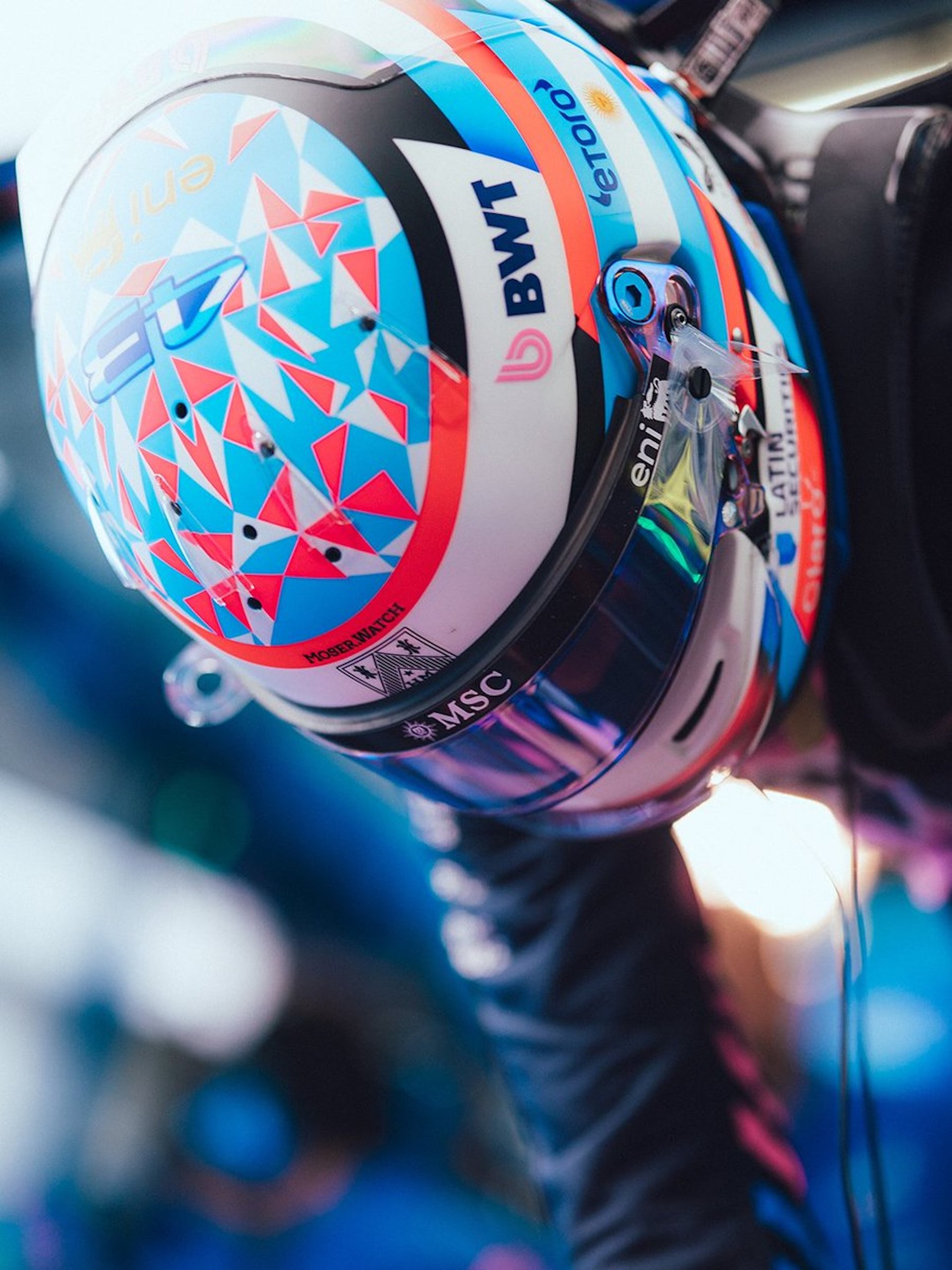
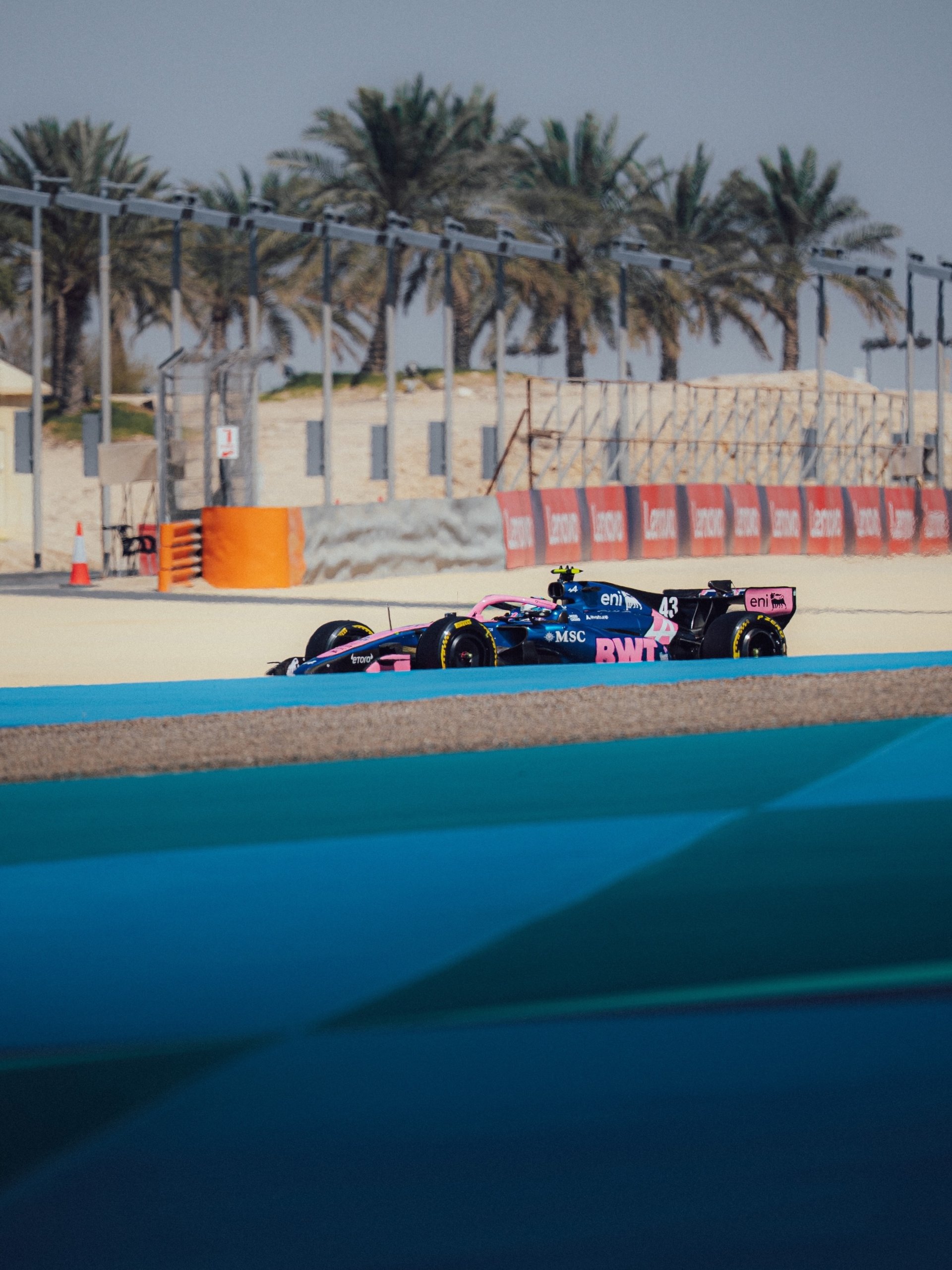
Late morning: the truth of long runs
The stint on the C2 (hard) delivered the day’s most useful read: sustainable pace. An outlap around 1’39, then 1’37–1’38, before a gradual drift towards 1’38.5–1’39. The degradation figures (0.18s/lap on the front axle, 0.25s/lap on the rear) matter because they describe a direction: the rear suffers more, as it often does in Sakhir, but without collapse. Crucially, the car stayed in a workable operating window — no thermal wall, no sudden drop, no stint that “dies”.
At that point, Gasly had a 1’34’’846 on the board, a provisional P6. Fifty-seven laps stacked up without major incident, in a working rhythm that resembled a Grand Prix simulation day rather than a showpiece run.
Afternoon: measured performance, then controlled endurance
The break was used exactly as it should be: not to “change the car”, but to shift the aerodynamic centre of gravity in small, deliberate steps. An estimated 3.1:1 downforce/drag ratio and a +0.4° increase in front-wing angle are modest changes on paper, yet they can reshape behaviour through the fast corners of sector two.
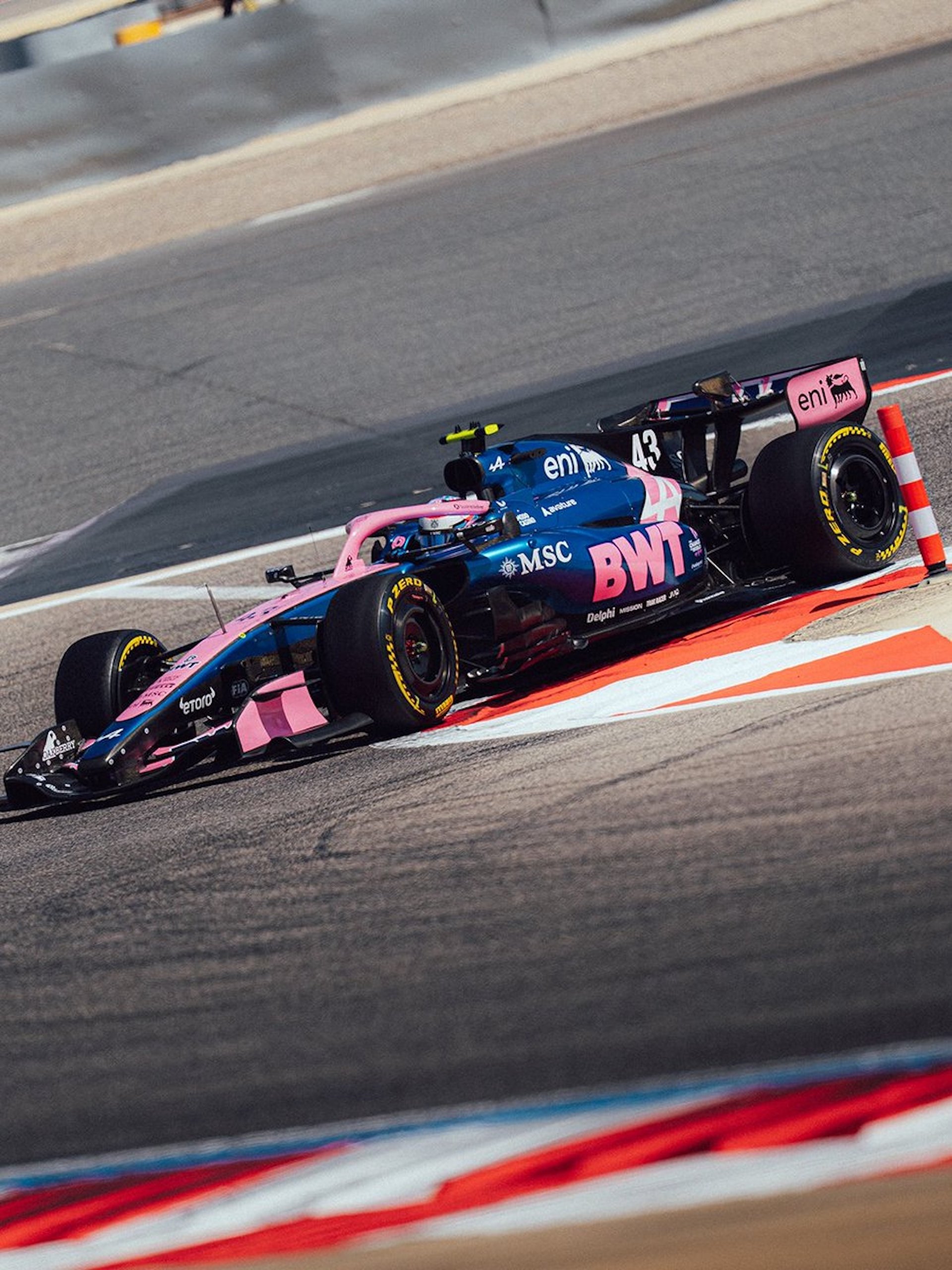
Back on track, the team continued its aero validation work, with a partial rake on the sidepods and a check on floor deflection, reported at under 2.5mm under load. The precision of that figure isn’t cosmetic: under today’s regulatory environment, flexibility isn’t only a performance topic, it’s a compliance topic. A car that extracts maximum from its floor without crossing the line is a car that knows exactly where the line is.
On the C4, with rake variations (1.3 to 1.5mm), average lap times dropped into the 1’36–1’37 range. The main gain came in sector two, estimated at 0’’35 versus the morning. That improvement reflects a shift in balance: 52% on the front axle, a more incisive front end, a car willing to carry more entry speed. The cost shows up elsewhere: on traction, the Alpine A526 still leaves time in the T13–T15 sequence.
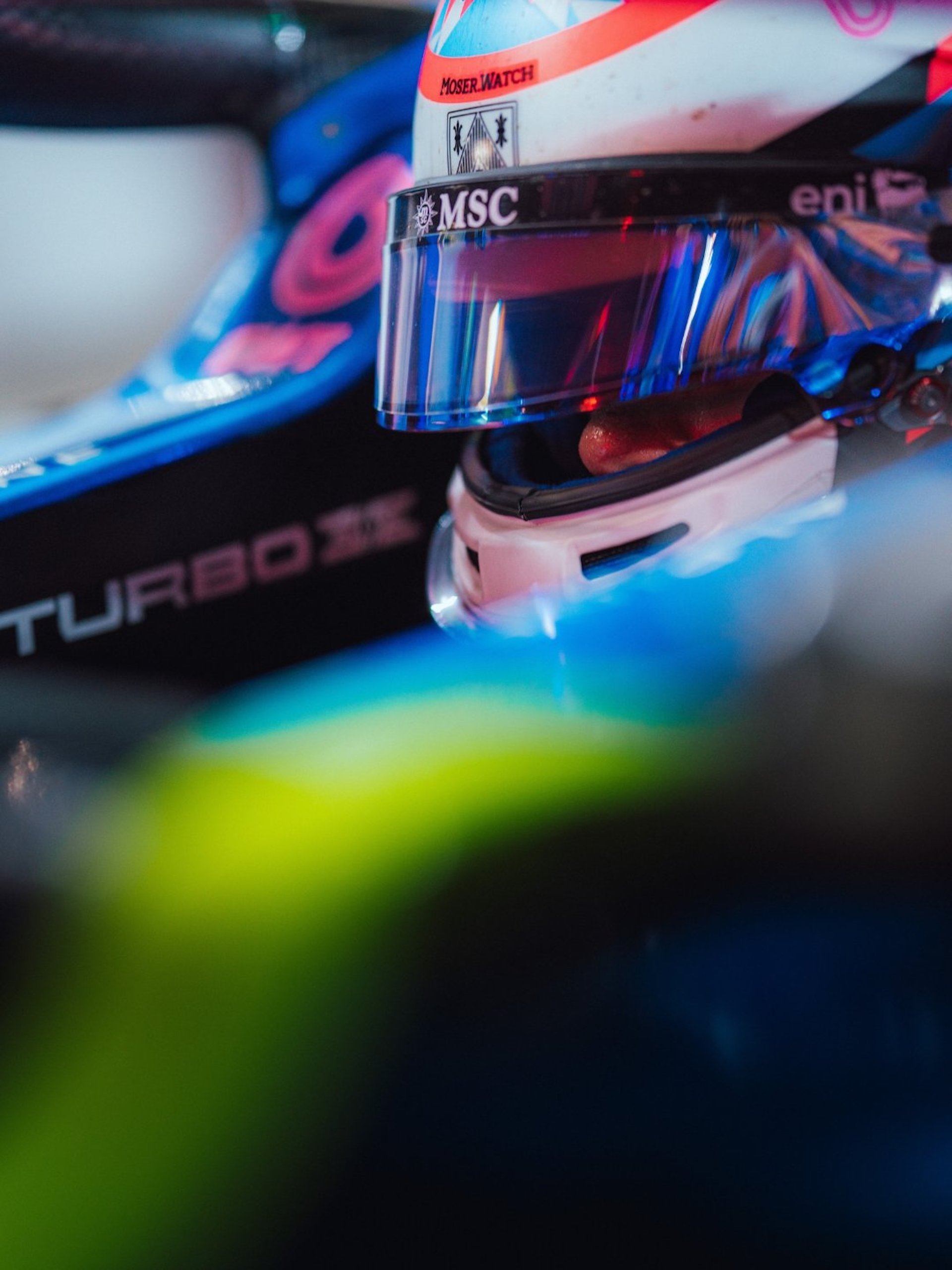
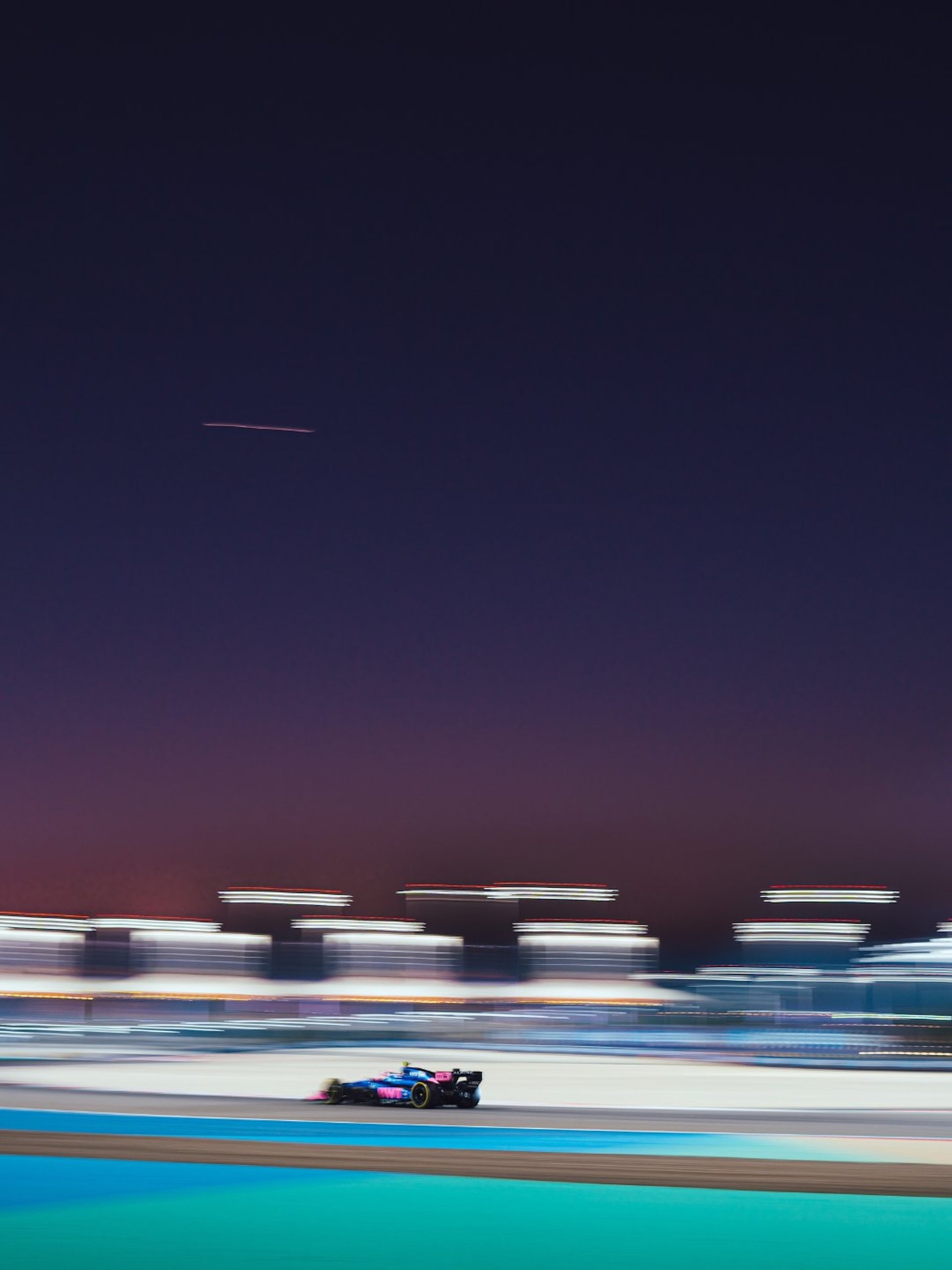
ERS recovery peaked at 2.2 MJ per lap, before Energy Store clipping was seen towards the end of a run (a 4–6% efficiency loss). That matters because it links performance and durability: you can always “do a lap” by forcing a system.
What matters in a test is whether that intensity can be repeated without degrading the coherence of the stint.
The quick lap: a number, but also a signature
The qualifying-style sequence then clarified the car’s internal potential. An intermediate lap around 1’34’’3 on the C4 was followed by the “glory run” on the C5: 1’33’’421, P5 on the day. The gap to Charles Leclerc’s best (1’31’’992) puts Alpine 1’’429 off the absolute benchmark. The sector breakdown is more informative than the total: S2 at 38’’1 was a strength, S1 at 28’’6 placed Alpine in the thick of the midfield, while S3 at 26’’7 exposed the weak point — traction, and therefore torque delivery on slow exits.
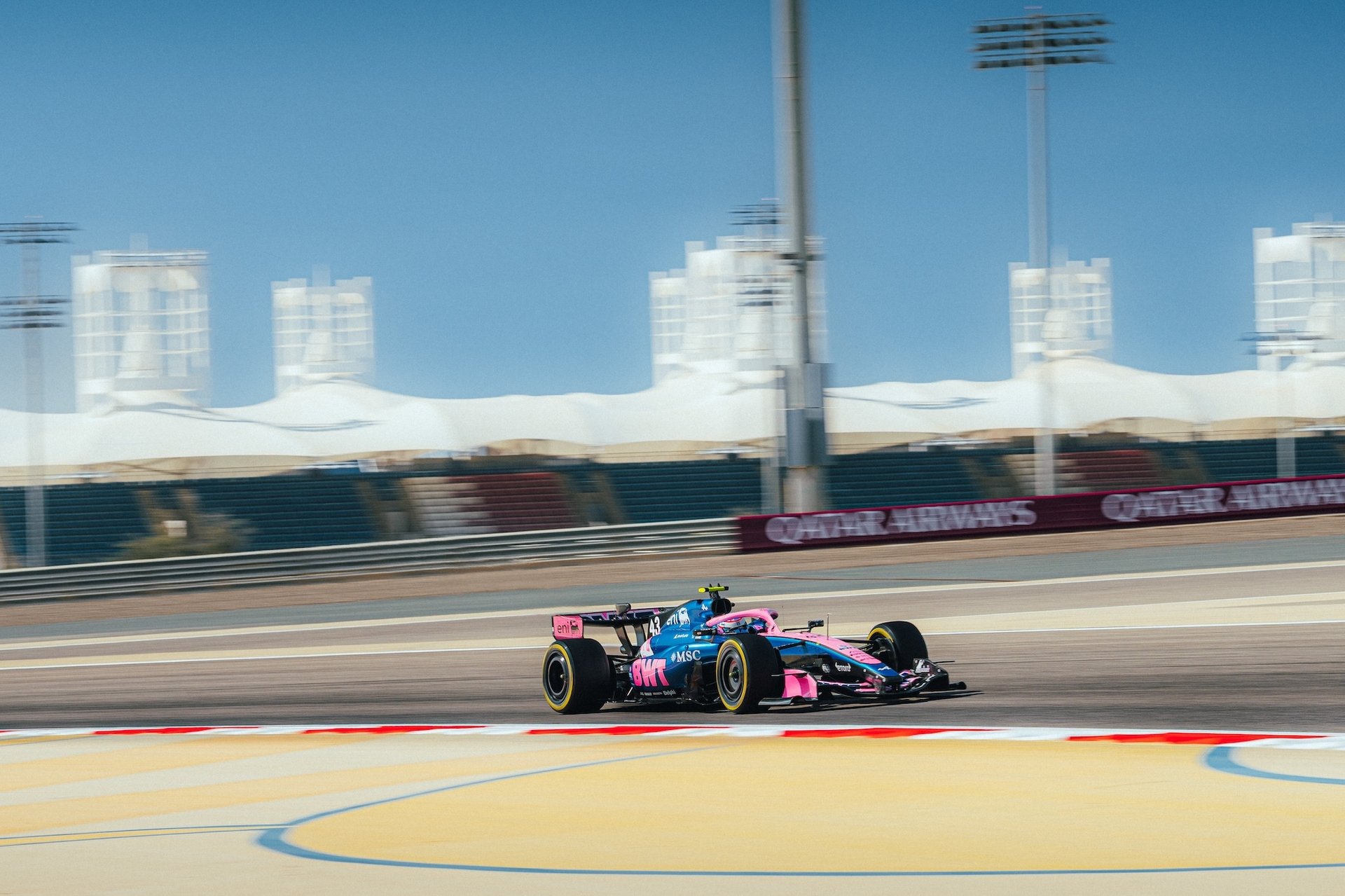
The comparison floated with Mercedes and Haas reinforces the idea of an upper-midfield target without illusion: Alpine isn’t “close” in an emotional sense — Alpine is close in certain phases of the lap, and still distant in others. That nuance matters, because it tells the team where to search, and where not to waste time.
The day closed with a race-style stint of 12 to 15 laps on the C3, with degradation around 0.14s per lap and minor blistering on the left-rear. That detail matters: it points to vertical load, slip and thermal management — in other words, how the Alpine A526 “uses” its tyre once the pace settles. Minor blistering at this stage is a measured warning, not a verdict: it highlights a set-up window to refine, not a structural flaw.
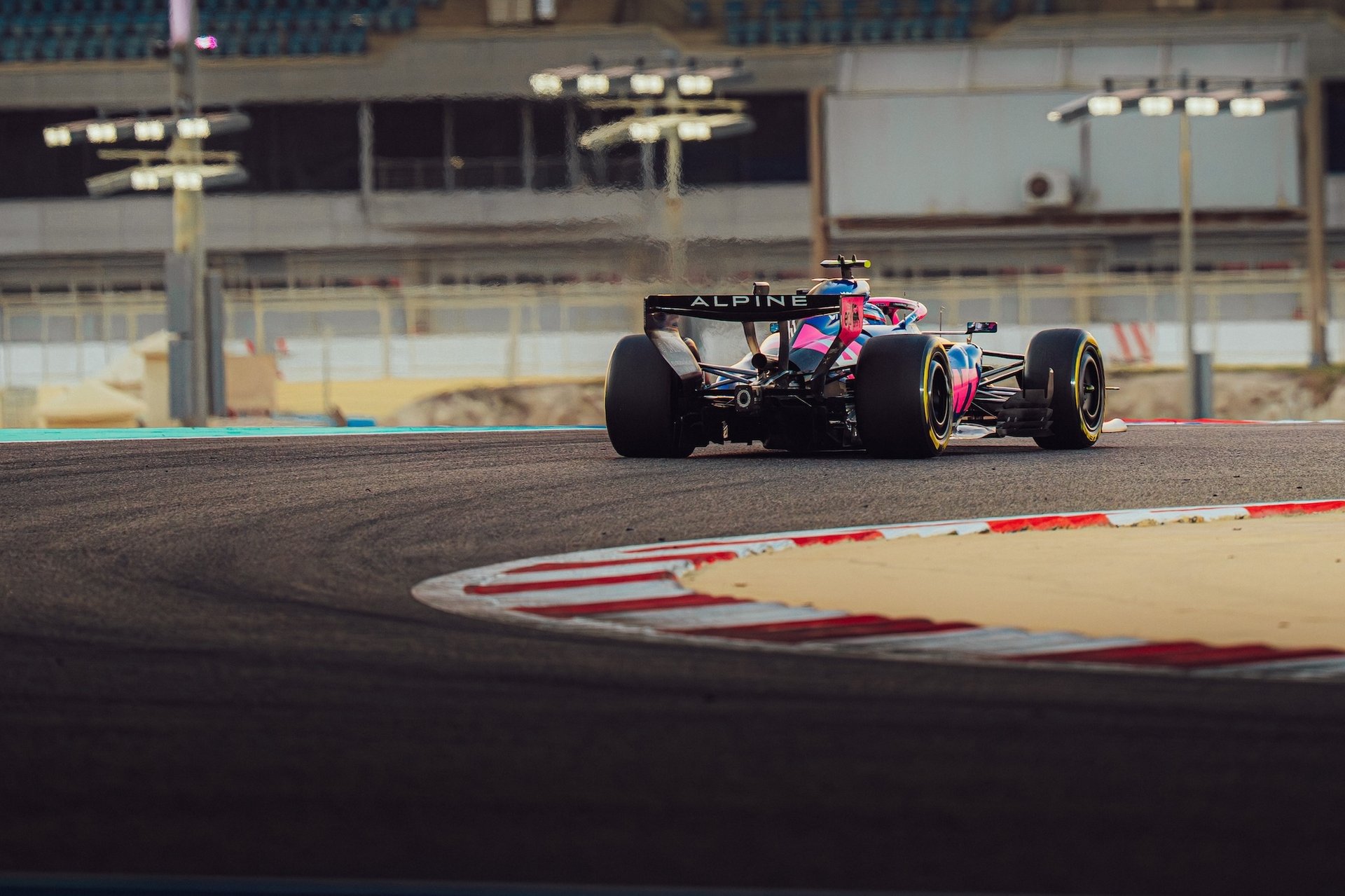
BWT Alpine Formula One Team
What this third day really says
Calling it “strategy” would be too vague. This Friday revealed something else: a method and a base.
The method was the order of operations: correlation work, reliability, long runs, a performance lap, then back to race pace. A sequence built around one clear aim: understand the car before judging it.
The base is coherence: correlation quoted at 94%, more than 1,000 laps accumulated across three circuits, and a Mercedes power unit integration clean enough to allow continuous running. For an outfit that traces its lineage back to Renault F1 Team and long carried an in-house engine project, switching to an external supplier isn’t a mere badge change — it rewrites the chassis–power unit dialogue, the software interfaces, energy management and packaging. Reaching the end of winter with strong mileage and limited issues isn’t spectacular, but it often decides points in March and April.
The limits are equally clear: low-speed grip and traction, aero sensitivity to wind, and around a second to the front of the field. That isn’t a “careful” line; it’s a diagnosis. In F1, a diagnosis matters because it can be acted upon.
Conclusion – Australia won’t validate the winter, it will decide it
Bahrain delivered what a serious winter must produce: measurable certainties. Pierre Gasly’s fifth place isn’t a trophy; it is an anchor point. The 118 laps aren’t flattering volume; they are a reliable sample. Aerodynamic correlation validated at 94% isn’t a communications line — it is the guarantee that the next steps will be built on a coherent base.
The real question now shifts to Melbourne. When the sensors come off, fuel loads align with qualifying conditions and engine modes are fully released, the hierarchy will take its true shape.
If the full Mercedes power unit engine mapping is indeed deployed in Australia — and if it confirms the estimated gains in power and energy deployment — the Alpine A526 could shift scale. Not by overturning the established order, but by narrowing the gap to the benchmark teams. By separating clearly from the top of the midfield, then beginning to disrupt the squads entrenched in the top four.
This scenario remains conditional. It will depend on execution, reliability under full load, and the ability to address traction in the slow-speed sections. But after seasons marked by inconsistency and rebuilding, it is reasonable to look beyond a simple fight for honourable positions.
In Formula 1, optimism only counts when it rests on evidence. In Bahrain, Alpine finally gathered evidence that supports measured ambition. Dreaming is never enough — but this time, the dream is backed by tangible elements.
They said
Pierre Gasly – 5th (1’33’’421)
“We’ve had a very intense month of February, which is rather unusual in Formula 1. We’ve already logged ten days of running with the A526, split between Silverstone, Barcelona and Bahrain, so I feel ready and eager to get back to racing.
Usually, at this point in the year, we only have a day and a half of preparation in the car before the first races. This time, we’ve had four and a half days, which is crucial with a new car because there are so many things to learn and understand.
I’m happy with the work we’ve done over the past few weeks and the incredible effort put in by every member of the team. We have a lot to analyse and there are certainly several areas where we need to work even harder to find improvements.
I remain confident and I’m pleased with everything that has been achieved so far. I’ll spend two days at Enstone next week to prepare for the start of the season, in the simulator and with the team.
It’s an exciting period and I can’t wait for Australia.”
Steve Nielsen, Managing Director
“After completing more than 1,000 laps across three different circuits, today marks the end of our preparations for the season.
The past few months have been very unusual in modern Formula 1, with cars on track from January and many key milestones reached weeks — even months — earlier than what we’ve experienced recently. I’m very proud of the work done by everyone at Enstone to design, build and develop the A526 together with our new colleagues in Brixworth at Mercedes-AMG.
It hasn’t been simple and at times we’ve had to overcome major challenges. Those won’t disappear, because the development race is well and truly under way to steer this package in the best direction so that it can be as competitive as possible. This week in Bahrain, we really focused on the car in different conditions ahead of the season restart.
We will truly know where we stand in the pecking order on Saturday afternoon in Australia. For now, we’re satisfied with our efforts over the last few weeks. We have a decent package and a good working base, at least for the first events of the calendar.
Pierre and Franco did an excellent job executing our run plans. They gave us a lot of data to analyse and we thank them for it. They are both looking forward to getting back to racing, just like the whole team and myself.
We will head to Melbourne ready to give everything to kick off what promises to be an exciting 2026 season.”
Performance summary table – Pre-season testing, Bahrain Test 2 Day 3
Before leaving Sakhir, here is the day’s numerical summary — useful to place the mileage in context and to capture the headline performance indicator.
| Session | Driver | Position | Best time | Laps |
|---|---|---|---|---|
| Testing – Day 3 | Pierre Gasly | 5th | 1’33’’421 | 118 |
Day timesheet – Bahrain F1 test session, 20 February 2026
| Pos | Driver | Team | Time | Gap | Laps | Tyre |
|---|---|---|---|---|---|---|
| 1 | Charles Leclerc | Ferrari | 1:31.992 | – | 132 | C5 |
| 2 | Lando Norris | McLaren | 1:32.871 | +0.879 | 47 | C5 |
| 3 | Max Verstappen | Red Bull | 1:33.109 | +1.117 | 65 | C4 |
| 4 | George Russell | Mercedes | 1:33.197 | +1.205 | 82 | C5 |
| 5 | Pierre Gasly | Alpine | 1:33.421 | +1.429 | 118 | C5 |
| 6 | Oliver Bearman | Haas | 1:33.487 | +1.495 | 88 | C4 |
| 7 | Gabriel Bortoleto | Audi | 1:33.755 | +1.763 | 71 | C4 |
Test 2, Bahrain, this week’s sessions:
Source: BWT Alpine Formula One Team