🇫🇷 Cet article est également disponible en français : Lire en français
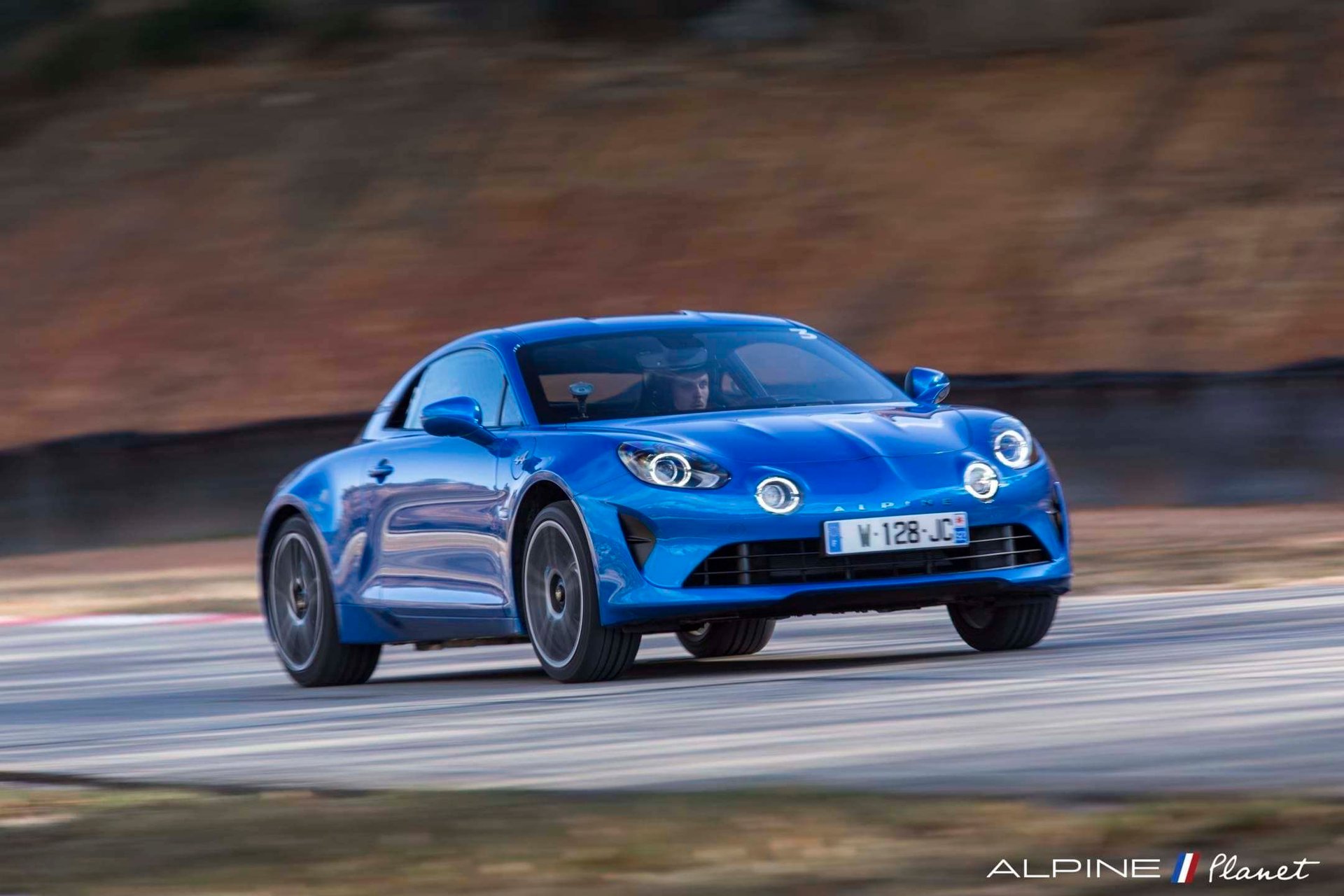
In Dieppe, the announced end of the Alpine A110 feels neither like a twilight nor a swan song. It resembles something closer to an apotheosis.
By the summer of 2026, the Jean Rédélé factory could reach a milestone never before achieved in the brand’s history: 30,000 A110s produced since 2017.
A figure that reshapes the very legacy of Alpine.
Alpine A110 : a success built to last
When the Alpine A110 returned to the market at the end of 2017, the gamble was a bold one. Reviving a mythical name after more than twenty years of absence—without falling into nostalgia or technical excess—bordered on anachronism in a market obsessed with horsepower figures and digital connectivity.
A central figure yet often operating away from the media spotlight, Bernard Ollivier stands as one of the cornerstones of Alpine’s modern revival. CEO of the brand until his retirement in February 2018, he stepped away with a rare feeling in the automotive industry: that of a mission fully accomplished.
A true automotive enthusiast in the purest sense of the word, Ollivier never separated road cars from motorsport. He was instrumental in Alpine’s return to endurance racing, methodically rebuilt alongside the Signatech structure led by Philippe Sinault and Didier Calmels.

Together, they developed the LMP2 programmes that allowed Alpine to reconnect with the international stage—first in the European Le Mans Series, then at the highest global level in the FIA World Endurance Championship. Ollivier followed this journey across the world, paddock after paddock, with the same passion as the engineers and mechanics themselves.
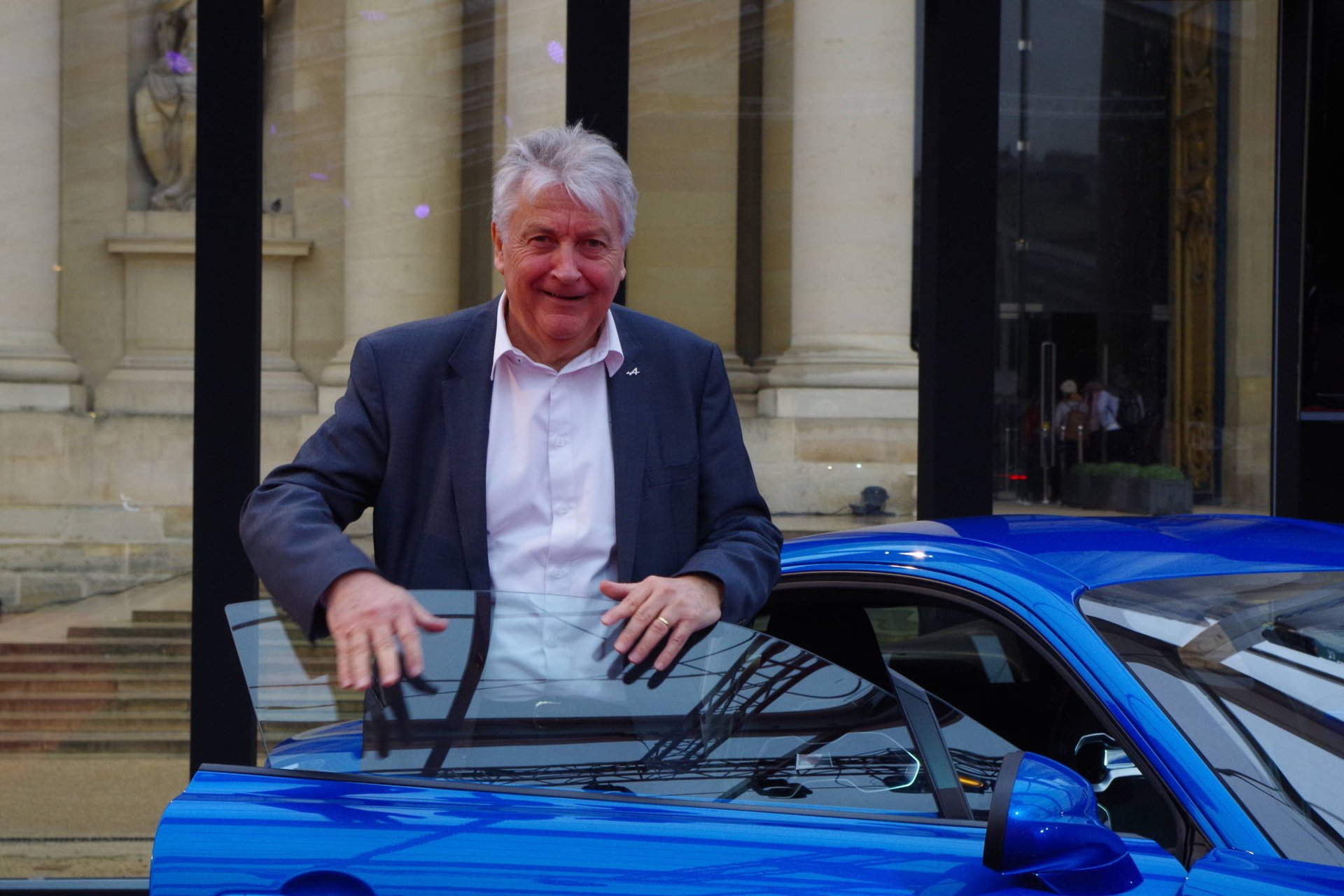
It was against this backdrop of restored sporting credibility that he championed—sometimes in the face of internal scepticism and industrial headwinds—the rebirth of the A110. When the berlinette was finally launched and unanimously praised by both the press and enthusiasts, Alpine was once again firmly “back on track”.
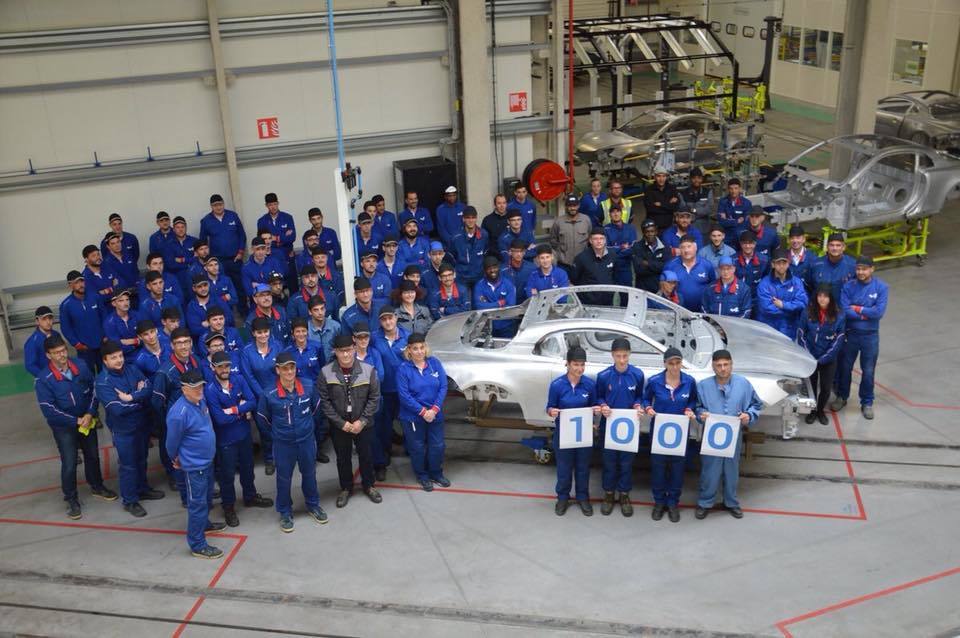
A near-romantic symbol of this achievement: Bernard Ollivier retired on the very day the Alpine A110 was voted Car of the Year for its design. An exit through the front door, at the precise moment the brand he had defended with unwavering conviction was preparing to enter a new era—on the road as well as on the track, with an ambitious endurance programme and the launch of the Alpine Europa Cup.
In the paddocks and in Dieppe alike, many still agree that without his patient, demanding and deeply passionate vision, Alpine would likely not be where it stands today.
Alpine A110 : A steady industrial trajectory
Eight years on, the numbers speak for themselves. At the Alpine Dieppe Jean Rédélé factory, production of the modern berlinette has followed a remarkably consistent trajectory.
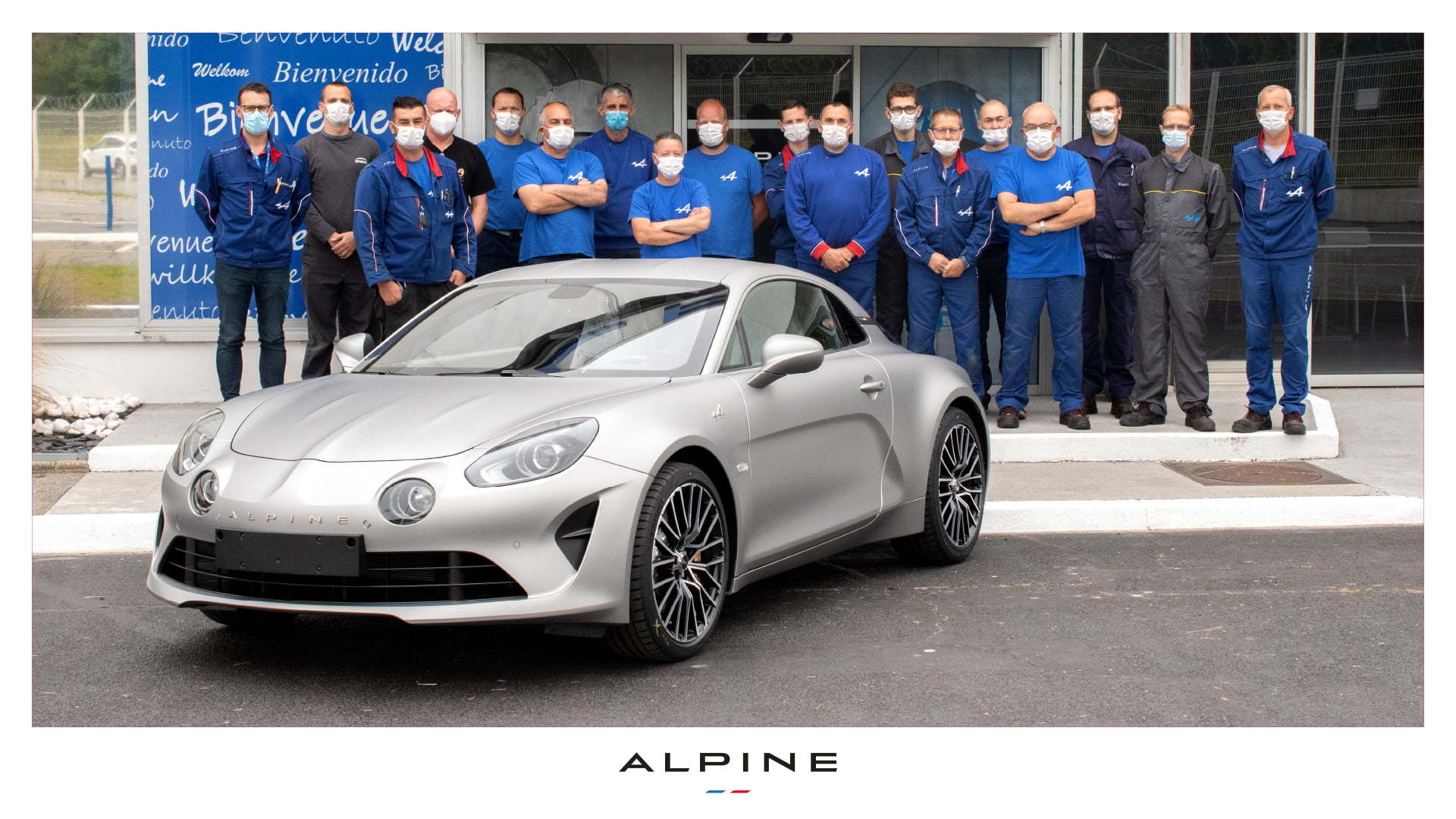
After reaching 10,000 units in 2021 and 20,000 by the end of 2023, Alpine now sets its sights on a goal as symbolic as it is unprecedented: 30,000 cars assembled before the end of the internal combustion version in mid-2026.
In a niche segment exposed to economic cycles, regulatory pressure and the natural erosion of demand, such consistency commands respect.
The most produced Alpine—without debate
This volume places the modern A110 at the very top of the brand’s historical hierarchy. The comparison is telling:
- 7,176 A110 Berlinettes produced between 1961 and 1977
- 11,616 A310s built between 1971 and 1984
- Nearly 30,000 new-generation A110s expected in less than a decade
Never before had Alpine reached such industrial maturity with a sports car. The 21st-century A110 is no longer merely an heir—it has become the brand’s absolute reference, both in volume and in image.
The 20,000th A110: a defining moment
The turning point came on December 14, 2023, when the 20,000th A110 rolled off the Dieppe production line. The choice of model was far from random: an A110 R Le Mans, a limited edition of 100 cars celebrating the centenary of the 24 Hours of Le Mans.
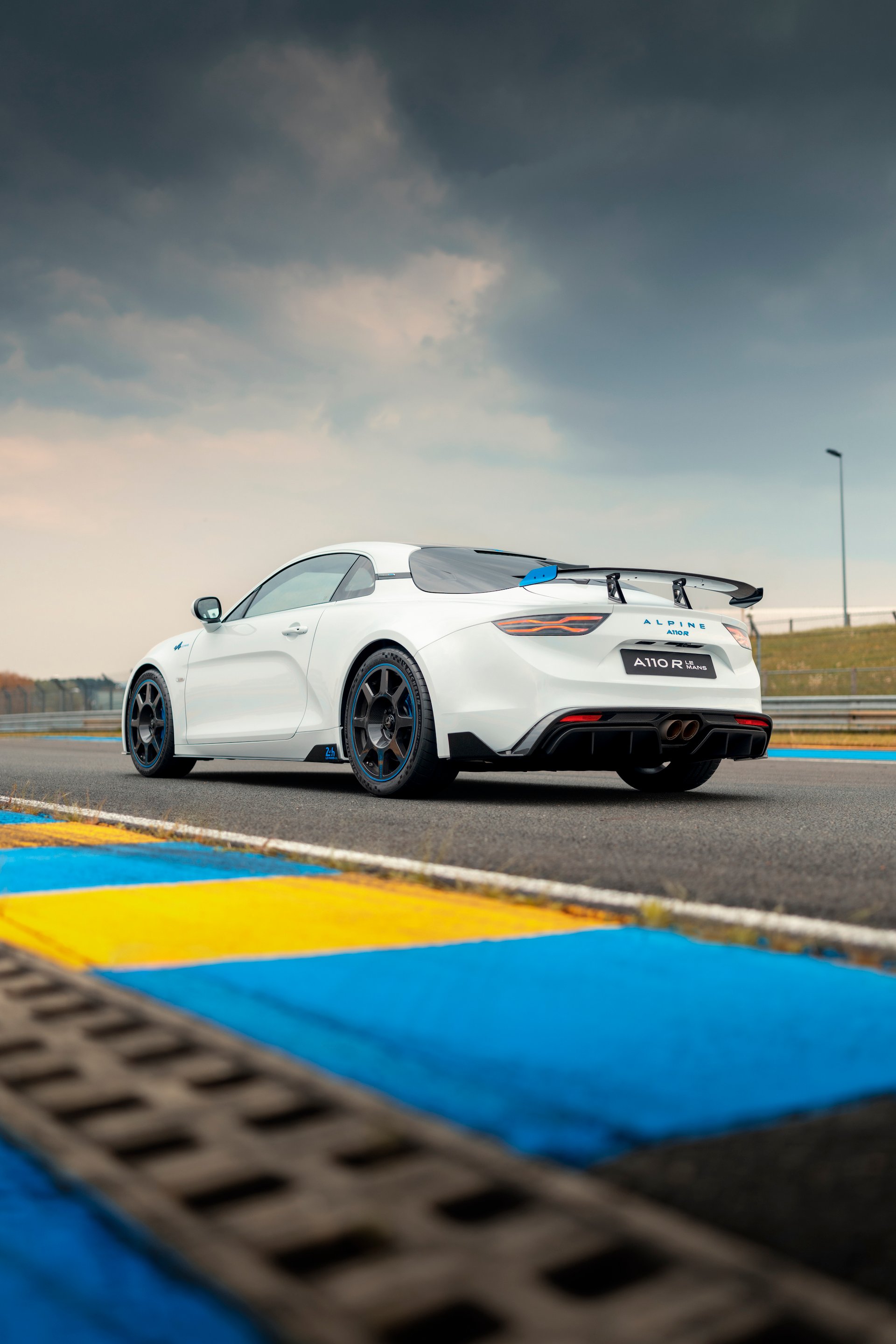
Radical, ultra-lightweight and extensively clothed in carbon fibre, this version perfectly embodies Alpine’s philosophy: performance through lightness, technical rigour, and an unbroken link to motorsport.
A tribute to history—but also a clear message to purists at a time when the industry is pivoting toward electrification.
A career that defied convention
Unlike many contemporary sports cars, the A110 never relied solely on launch hype. After a strong debut, its career could have faded—particularly during the abrupt slowdown of 2020. It did not.
While volumes temporarily dipped, demand rebounded without marketing artifice, driven by a reputation forged on real roads and reinforced by international specialist media. The A110 established itself as a credible alternative to German and British benchmarks, praised less for raw numbers than for its overall coherence.
This resilience explains why, even at the end of its lifecycle, the berlinette continues to attract buyers—a phenomenon rare enough to deserve emphasis.
Dieppe, the beating heart of a modern legend
Behind the numbers lies a singular industrial site. In Dieppe, teams perpetuate a unique expertise, balancing precision craftsmanship with tightly controlled industrial production.
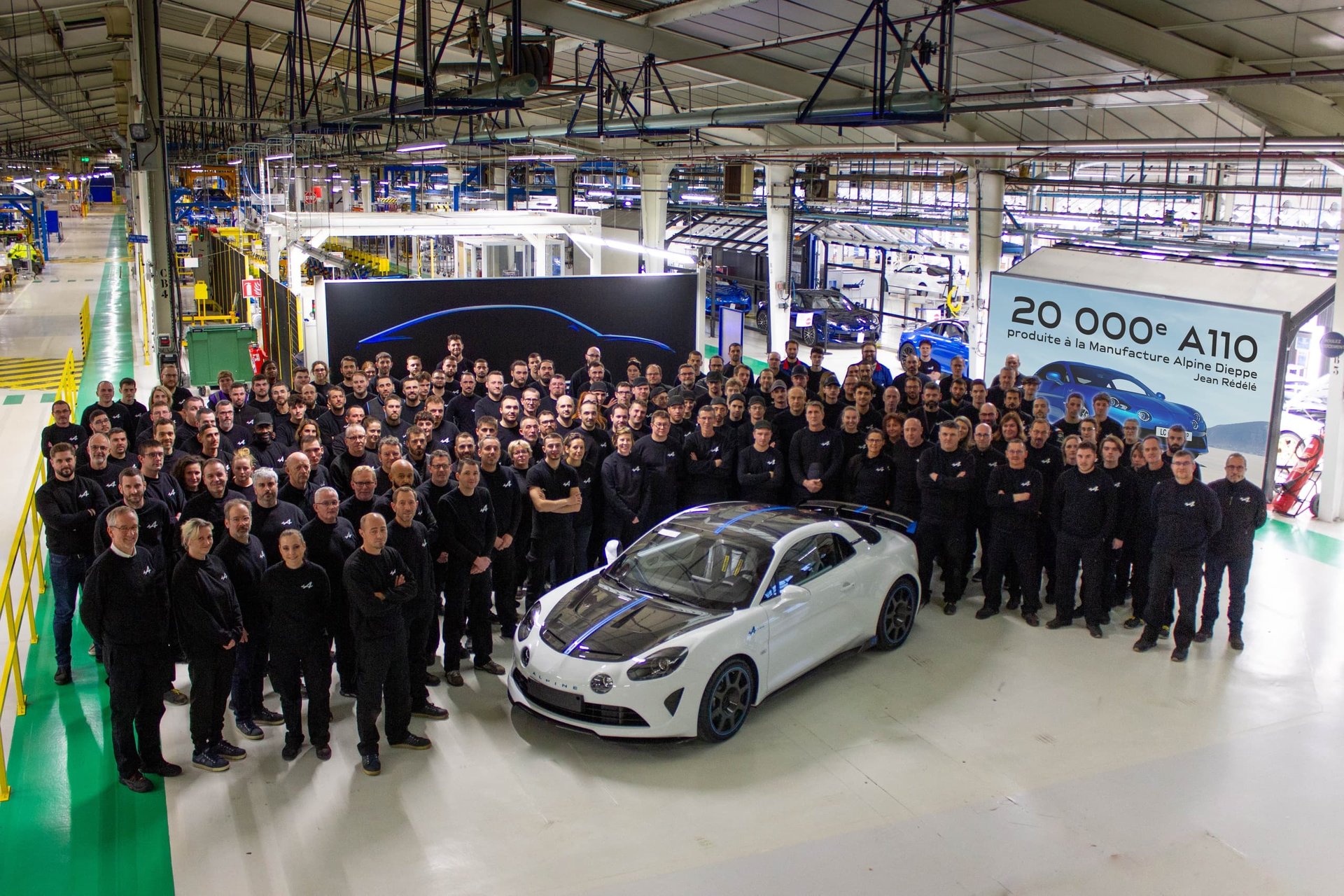
When the 20,000-unit milestone was reached, employees gathered around the symbolic car, fully aware they were witnessing a pivotal moment.
“For nearly 60 years, the men and women of Dieppe have been building the legend and heritage of Alpine,” recalled Anne-Catherine Basset, Director of Alpine Operations.
A heritage directly tied to the vision of Jean Rédélé, whose founding intuition—doing more with less—still flows through every A110 assembled today.
A model end-of-cycle, before the electric shift
The current range, streamlined around carefully differentiated versions, supports this final phase with intelligence. The “original” A110, the A110 GTS and increasingly extreme R derivatives offer multiple interpretations of the same technical manifesto.
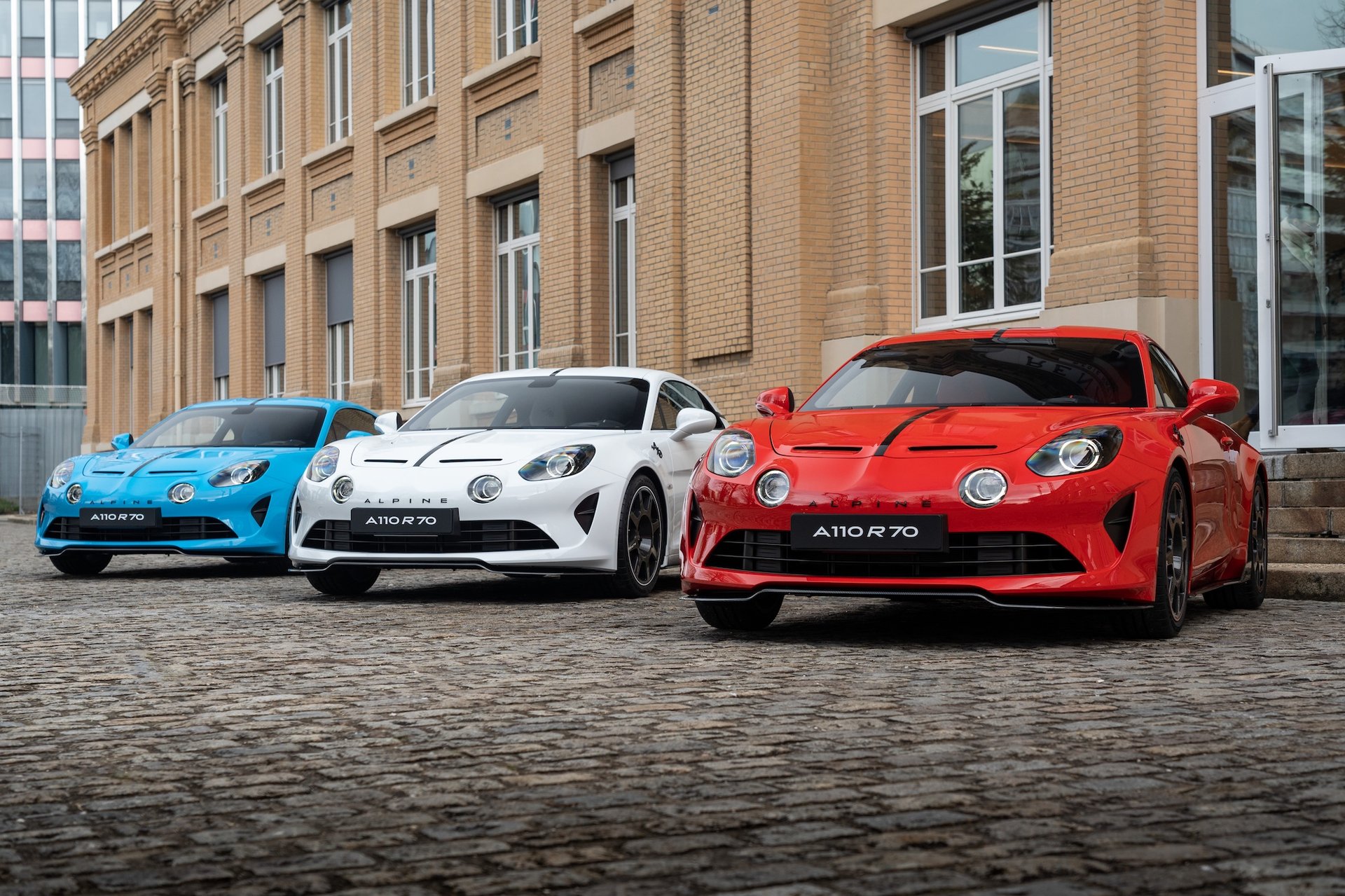
Reaching 30,000 units will not merely represent a numerical success. It will confirm that Alpine has imposed a singular vision of modern sportiness—without betraying its roots or yielding to the excesses of the era.
30,000 A110s—and what comes next?
When the last combustion-engined A110 leaves Dieppe, it will not mark an ending, but a transition. Alpine is already preparing the next chapter—electric, ambitious, and watched with equal parts curiosity and scrutiny.
The bar is set high. Rarely has a berlinette left behind an industrial, technical and emotional legacy of such density.
If the milestone is reached as planned in 2026, the A110 will be able to claim a rare status: that of a car which, in a changing world, successfully combined fidelity to its original spirit with lasting success.
Source : Paris-Normandie