🇫🇷 Cet article est également disponible en français : Lire en français
BWT Alpine Formula One Team spent the winter defending a clear direction: turning certain pages quickly, accepting major choices, and preparing the new car very early in order to finally avoid the hesitant starts to a new cycle that have too often defined recent seasons.
At Enstone, the message had been repeated for months: 2025 had been sacrificed very early, the wind tunnel was already working on this project from January, and resources had been shifted to arrive better prepared for the start of this new regulation cycle. At the same time, another narrative almost naturally took hold: with the end of the Renault engine as the in-house foundation and the gradual sidelining of Viry-Châtillon, Alpine was finally supposed to remove a historic ceiling.
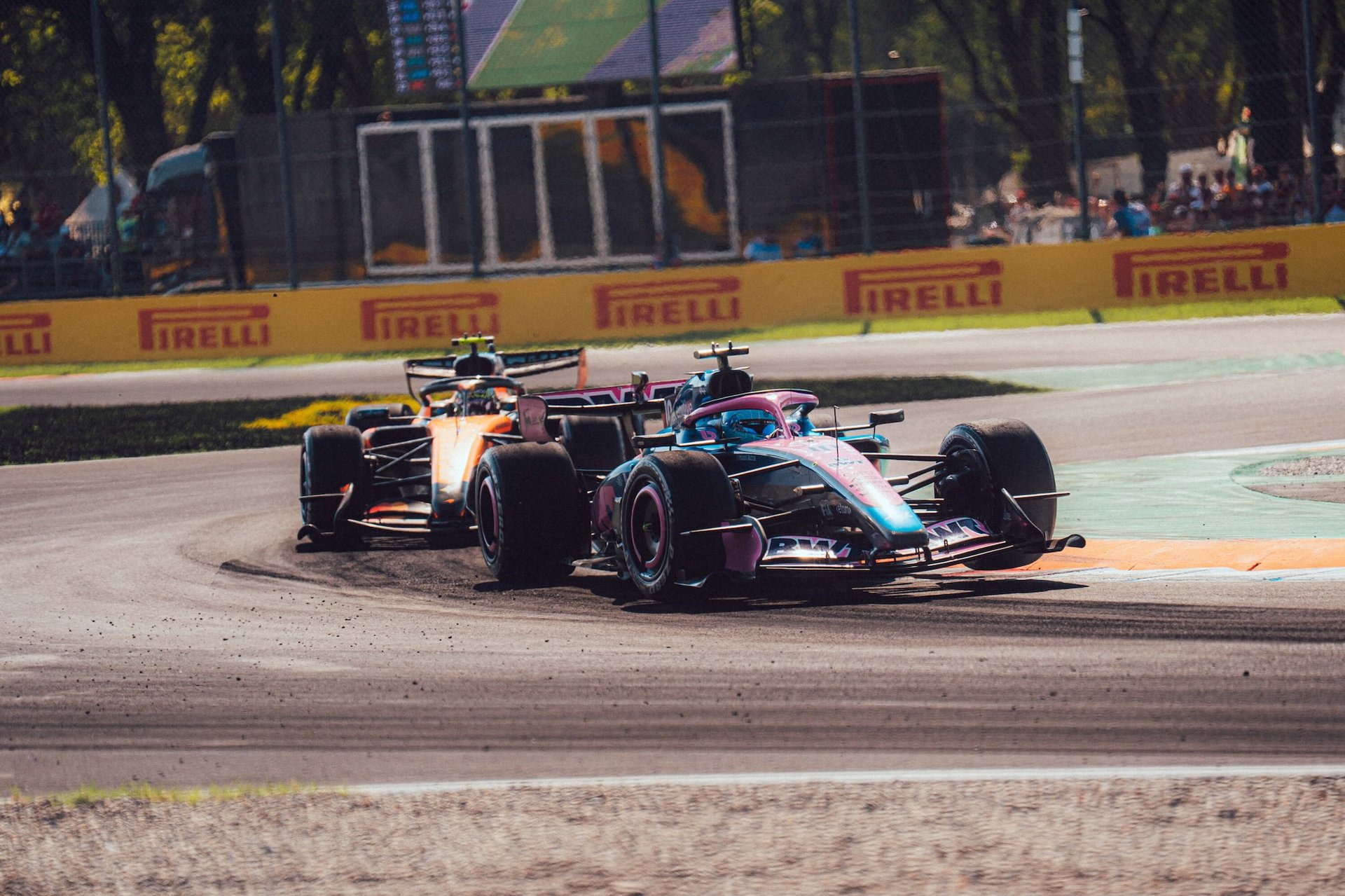
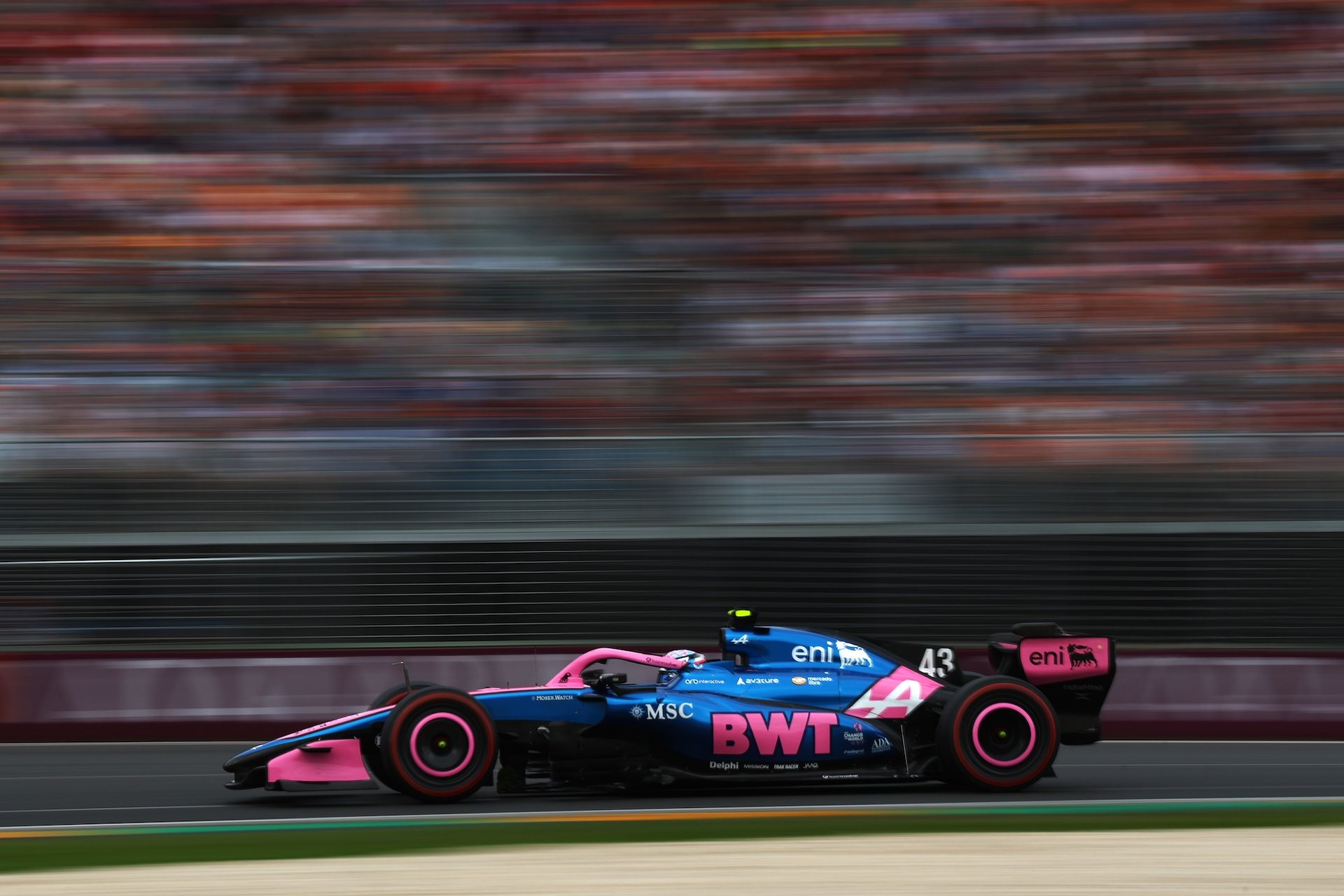
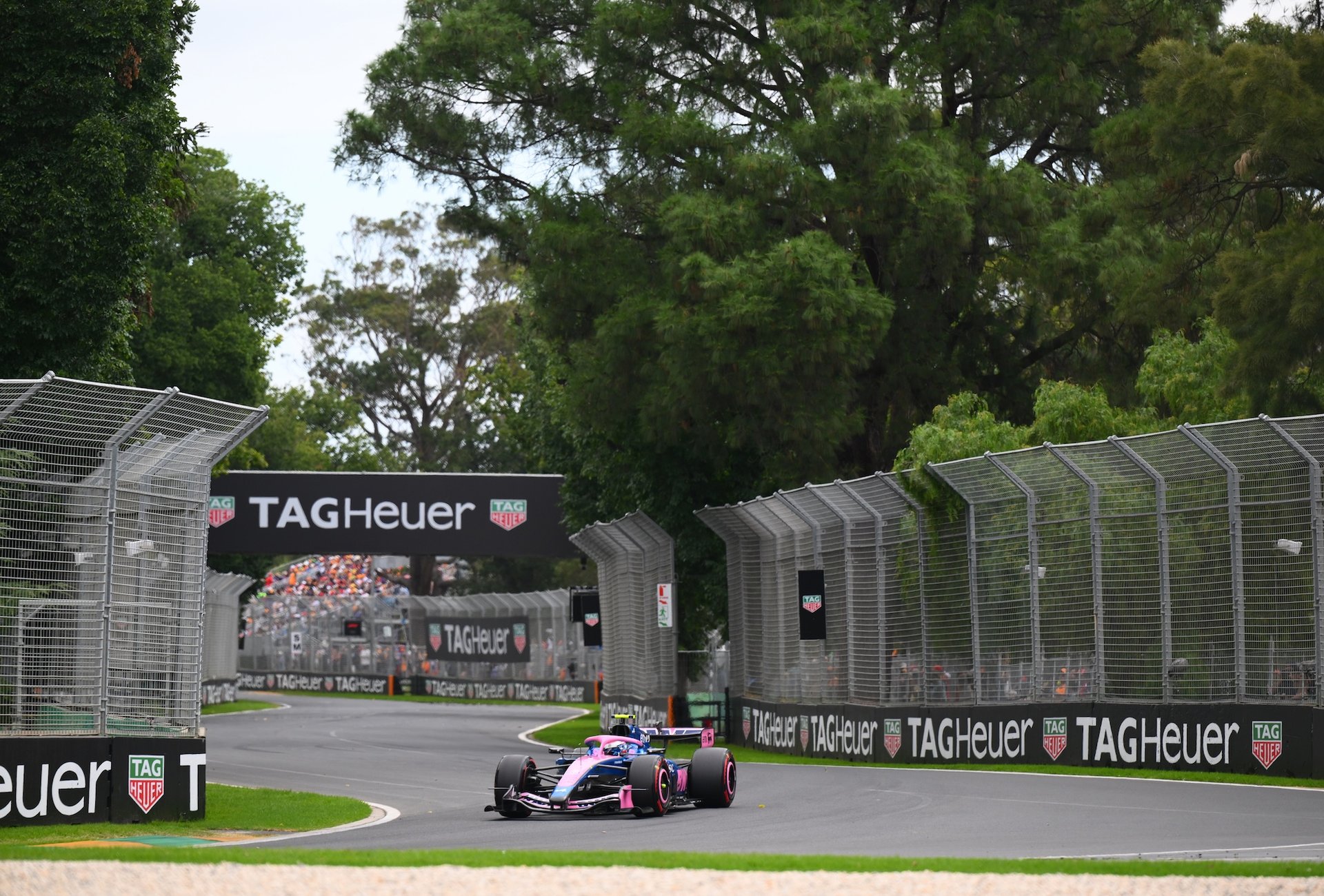
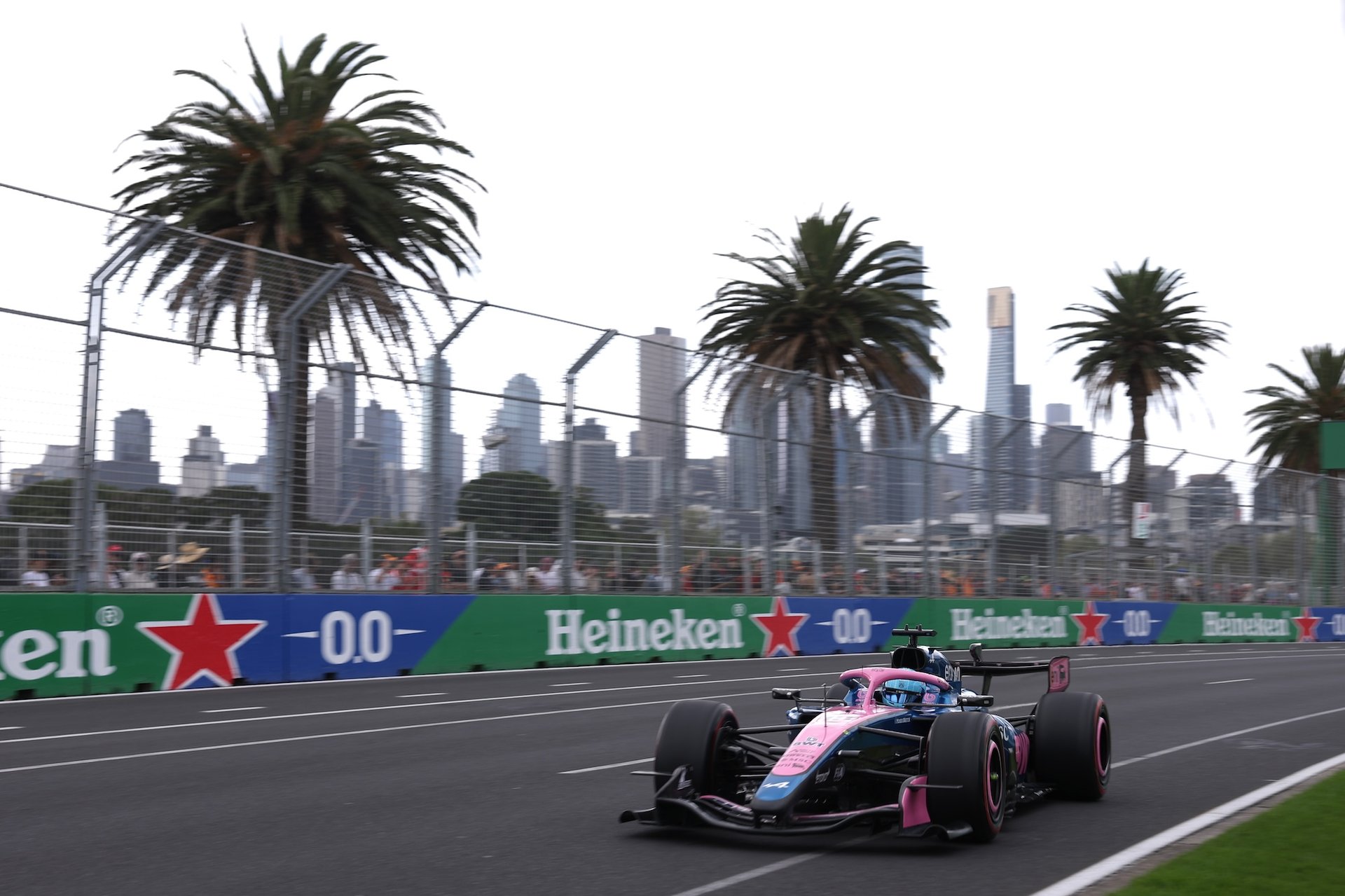
The first Saturday of the season in Melbourne already forces that narrative to be viewed from a greater distance. Pierre Gasly will start 14th, Franco Colapinto 16th, both Alpines were eliminated in Q2, and above all the Alpine A526 is not yet showing the signs of a project that genuinely benefited from a head start over its rivals.
This is not a collapse, but it is certainly not the kind of opening that validates without question the choices made all winter.
BWT Alpine Formula One Team: Saturday – FP3: a slight recovery, but the gap remains significant
FP3 still showed a visible improvement compared to Friday. In a session heavily disrupted by Kimi Antonelli’s violent crash and a lengthy red flag, Pierre Gasly set the 15th-fastest time in 1’21’‘071, 2.018s off George Russell’s benchmark lap from the morning. The Frenchman completed 26 laps with a car that looked a little more readable through the fast transitions. Franco Colapinto, 16th in 1’21’’413 after 22 laps, also improved, even if his pace remained more uneven over the course of his runs.
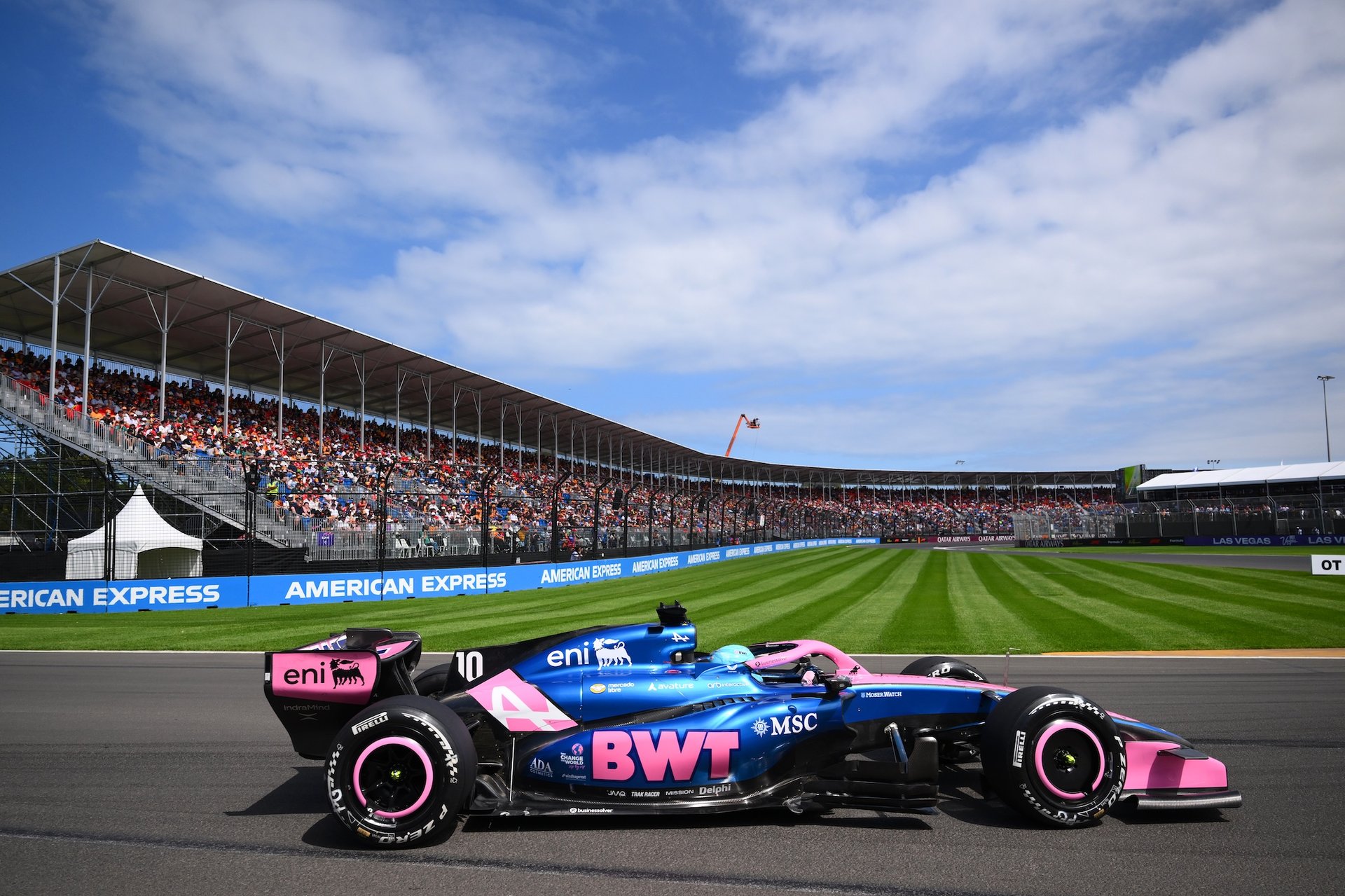
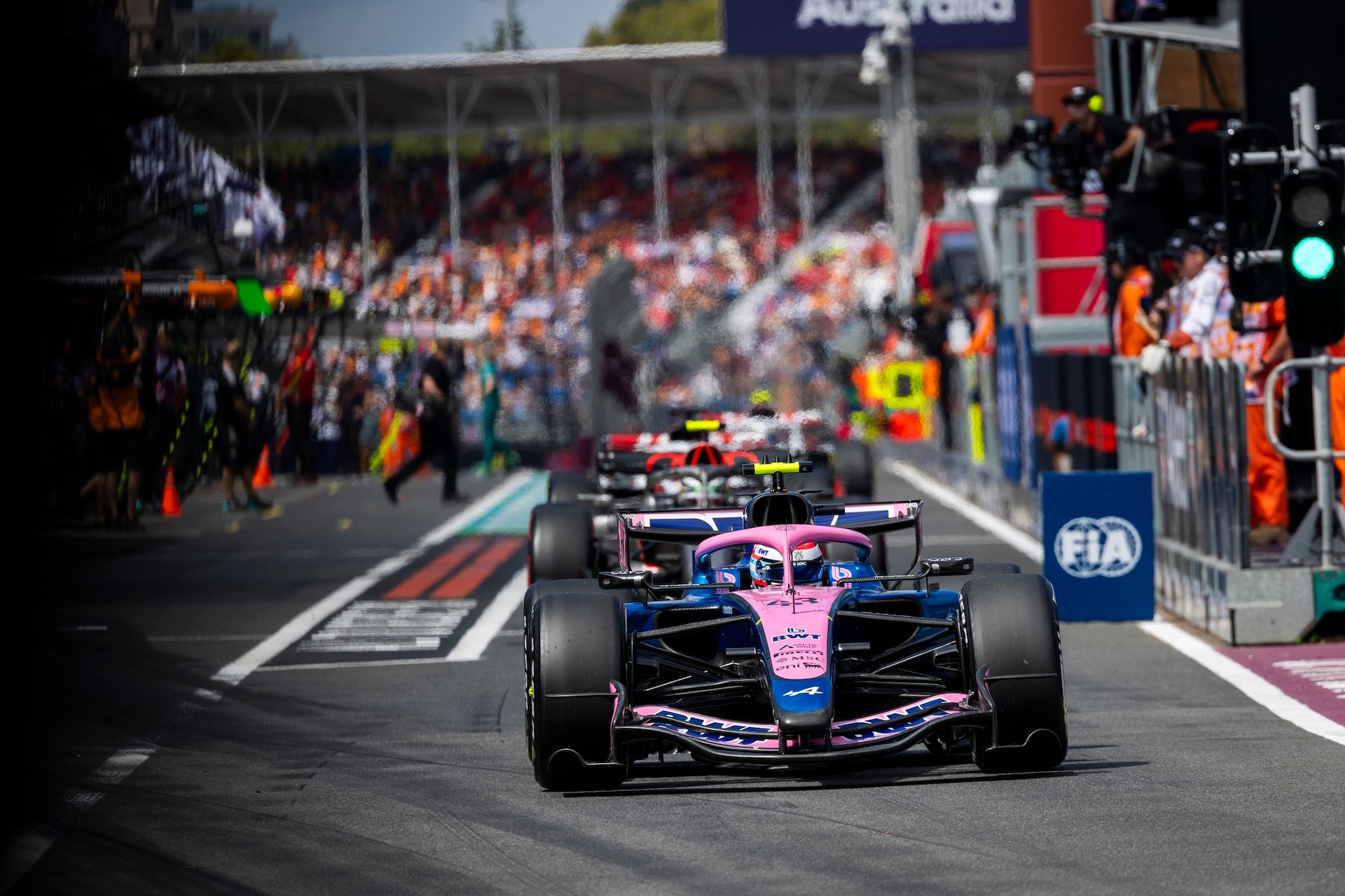
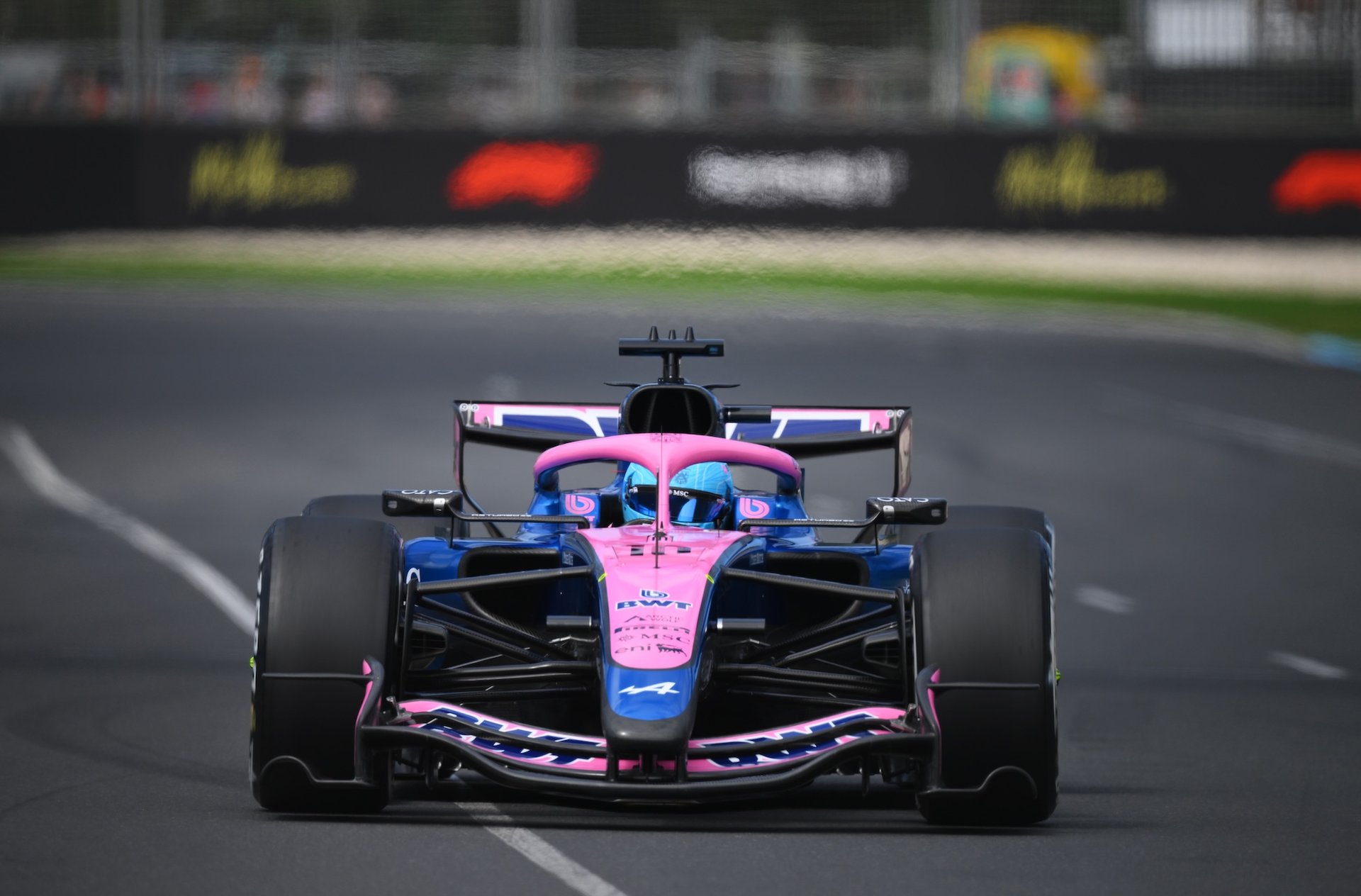
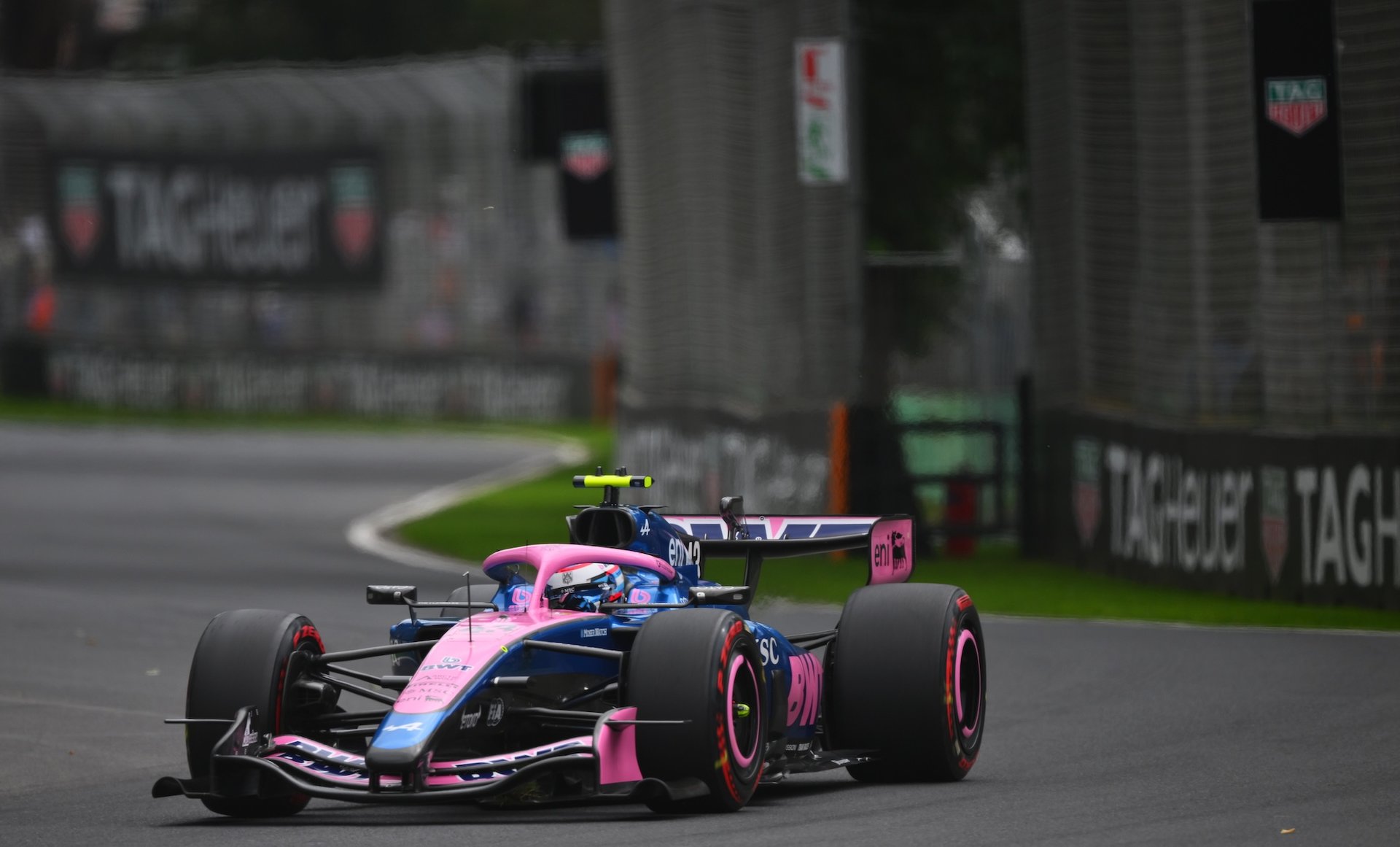
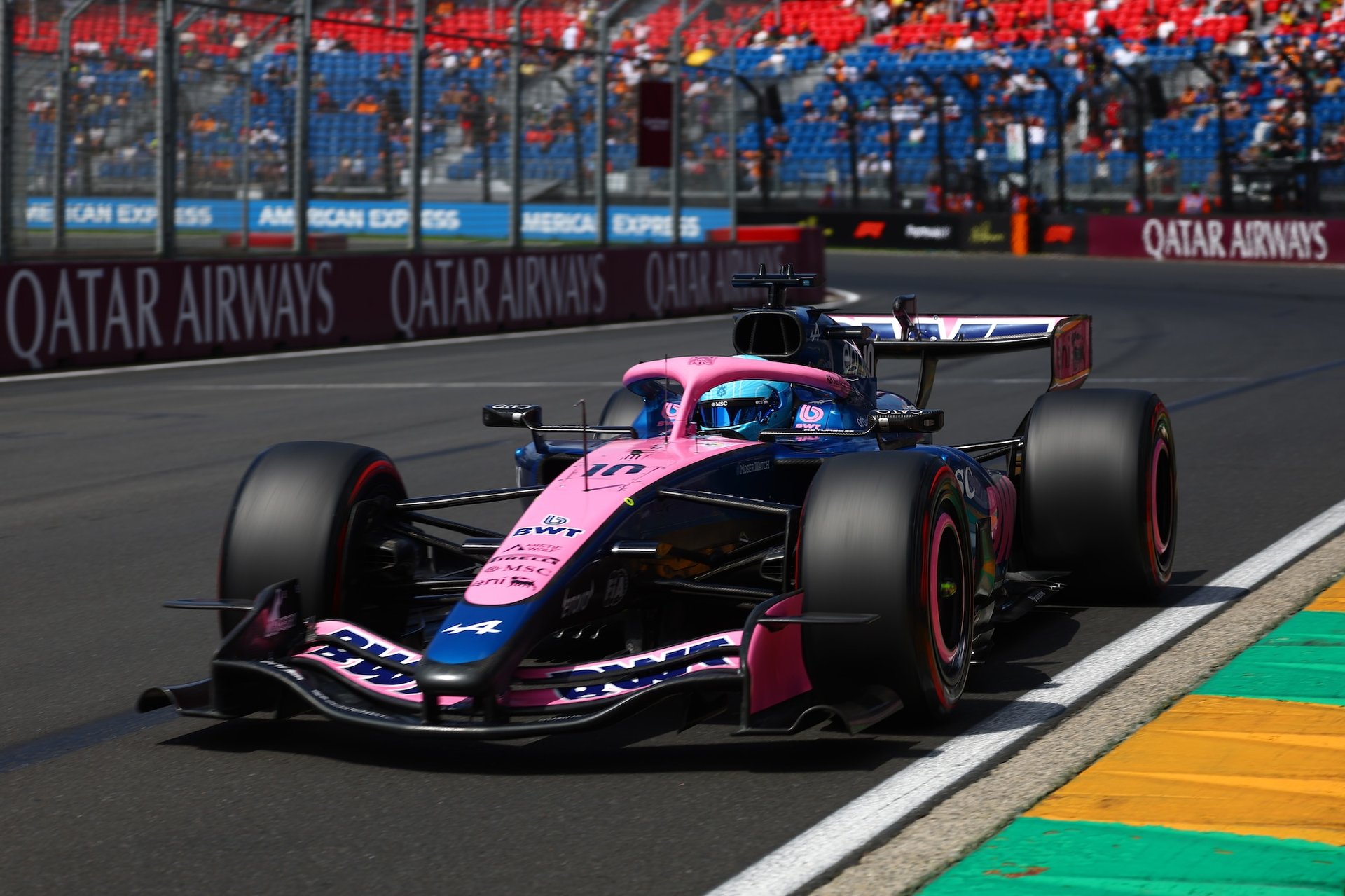
The step forward compared to Friday is real: both Alpines were still lapping in the 1’23s, and at times the 1’24s, the day before. The work completed overnight had a measurable effect: revised setup, slightly improved balance, and reworked energy mapping. But even within that progress, the same limitations immediately reappear once the car is examined in detail.
Understeer remains very pronounced in the low-drag sections, particularly through Turns 2-3 and 9-10. The rear of the car continues to react nervously when loads shift quickly. Above all, energy management remains an obvious weak point. Melbourne is a track that offers very little recovery: few heavy braking zones, little natural recharge, and therefore a maximum demand on deployment quality. Yet both Pierre Gasly and Franco Colapinto are still losing several tenths in sequences where the energy is not being delivered smoothly enough.
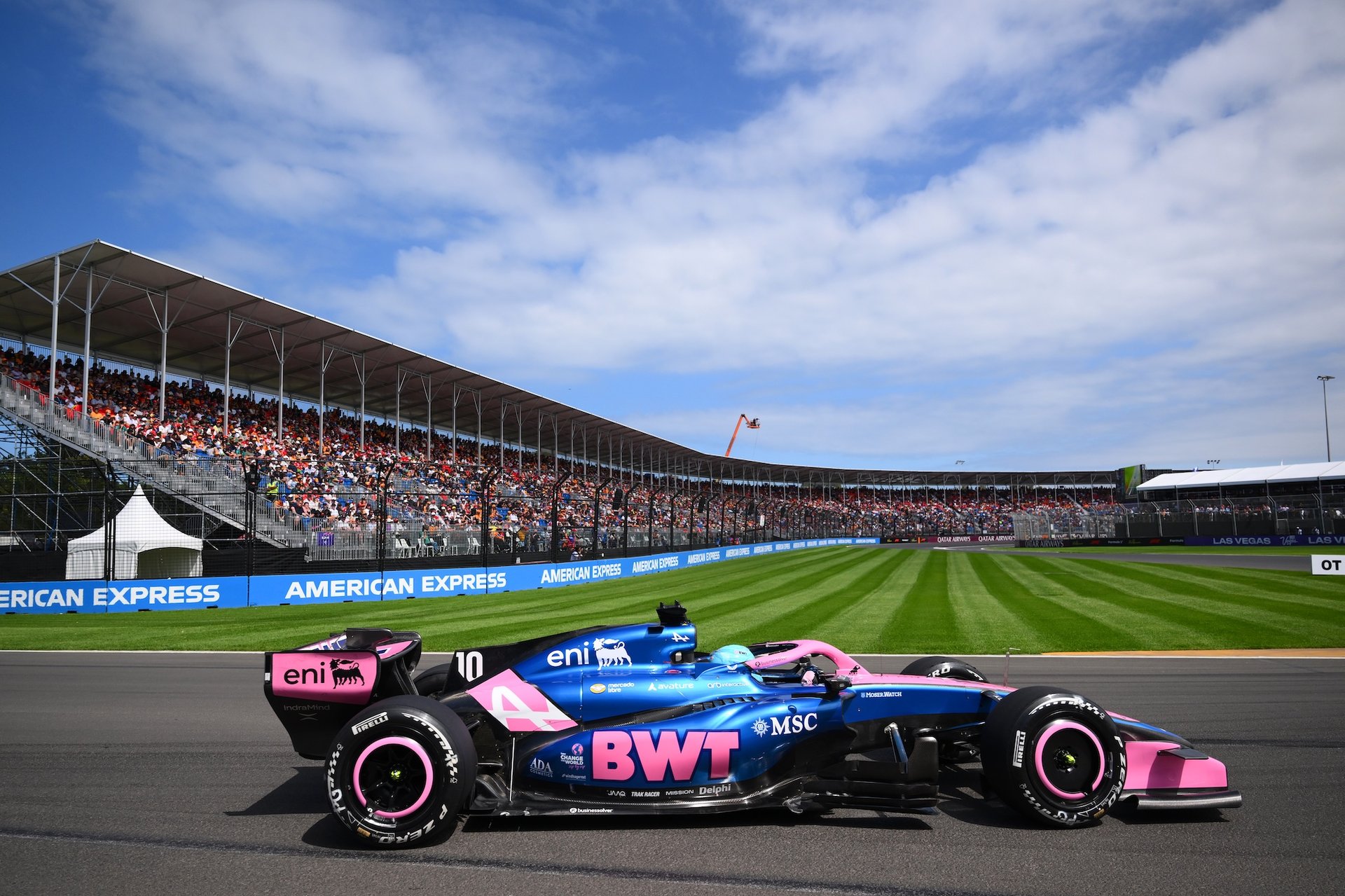
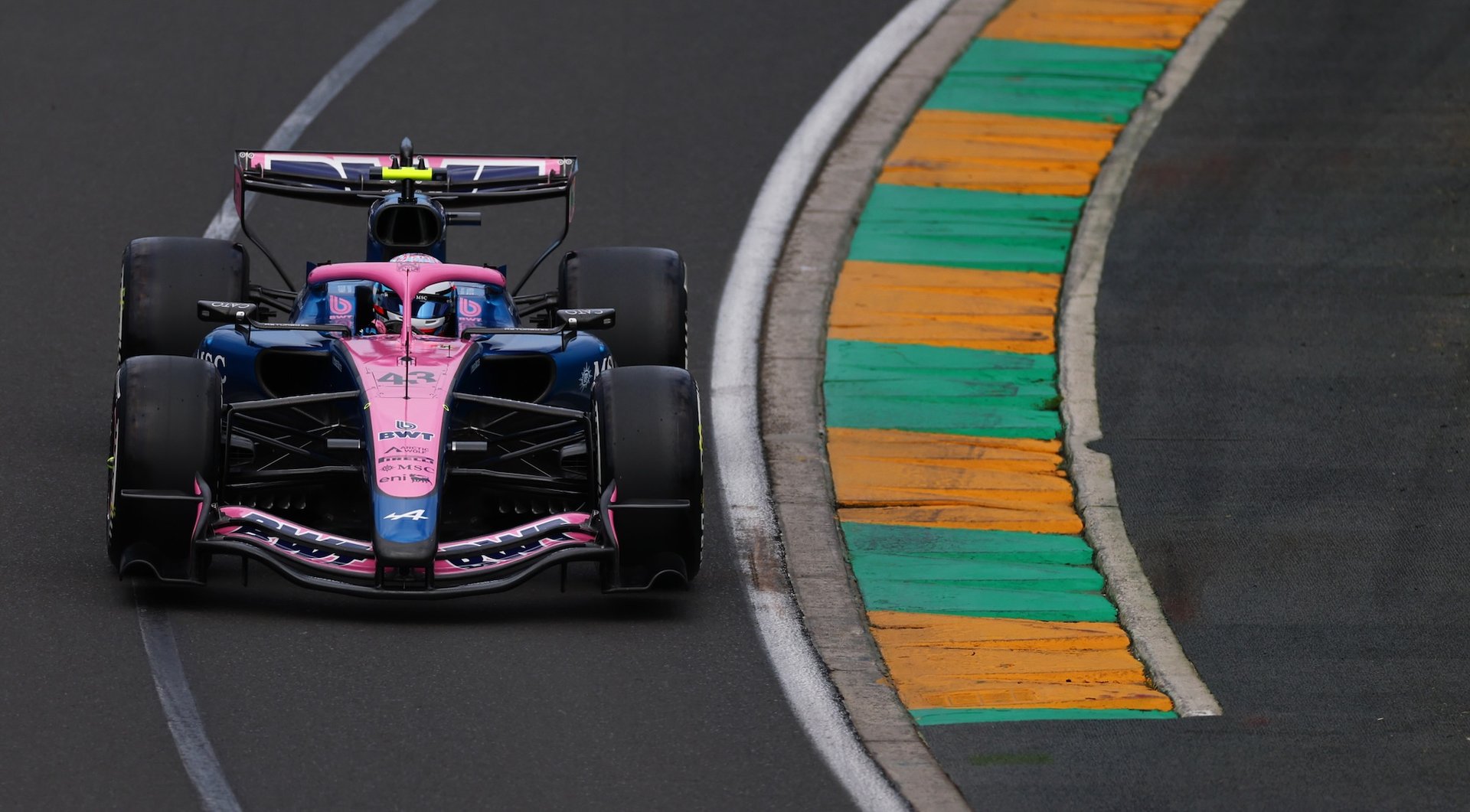
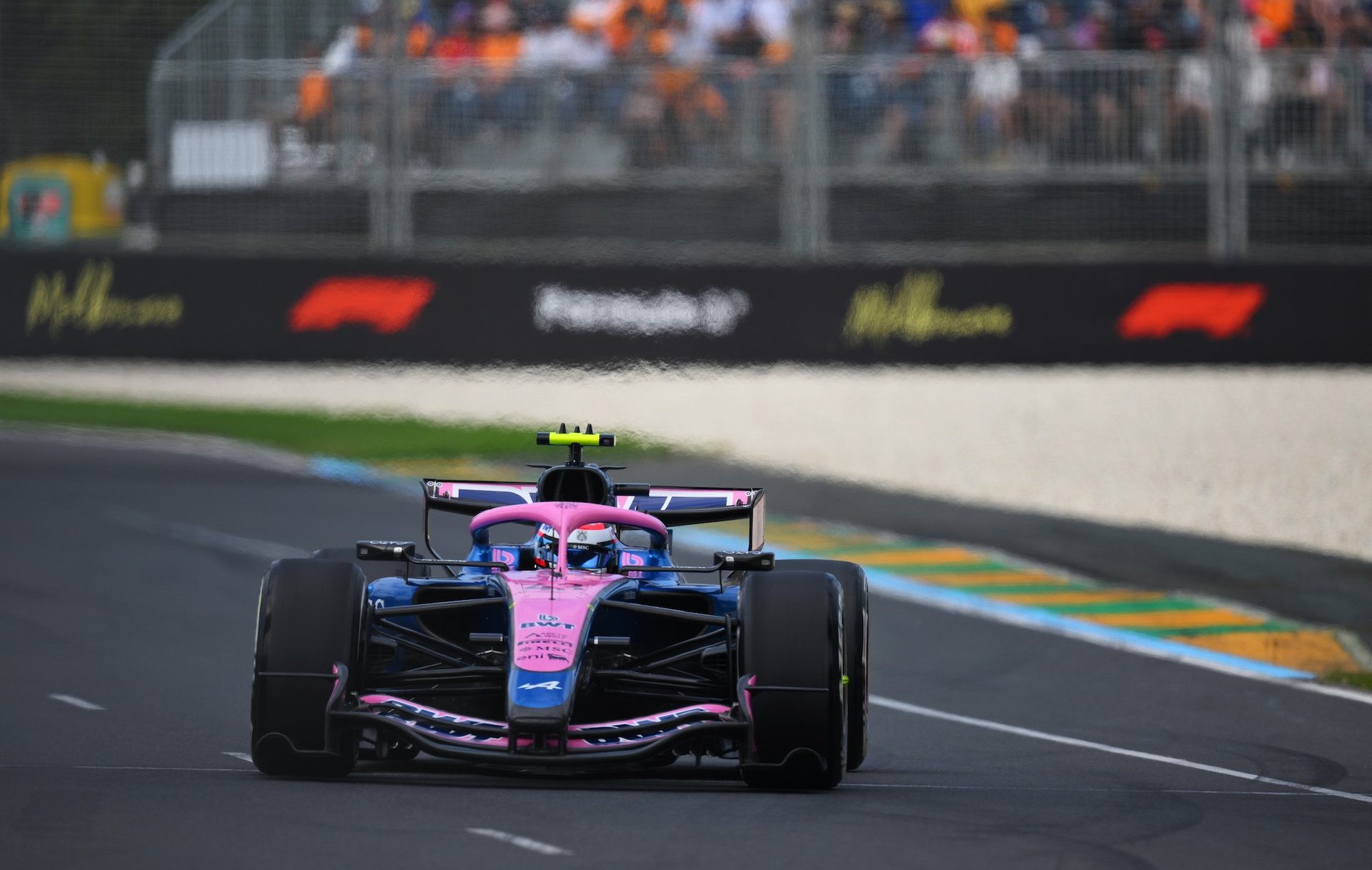
Franco Colapinto in particular suffered a very marked episode of lost speed under full acceleration, with a brutal drop of 67 km/h between Turns 8 and 9 during one run, a symptom of energy deployment being cut abruptly, while Pierre Gasly also experienced several speed losses of between 40 and 55 km/h on the straights when the available energy hit saturation. It is almost becoming dangerous…
This is precisely where the winter narrative is already beginning to collide with reality: Alpine had promised to arrive ready on the fundamentals. Yet this Saturday morning still shows a team correcting, adjusting, but not yet having fully locked in what it wanted to present as a solid starting point.
Saturday – Qualifying: Alpine closer, but never truly in the fight
In the afternoon, qualifying confirmed that the improvement remained insufficient for Alpine to genuinely feature in the fight for Q3. Pierre Gasly made it through Q1 in 1’21’‘138 before significantly lowering his time to 1’20’’501 in Q2. That gain of more than half a second places him 14th, just a few tenths off the top 10. On paper, the gap is small. On track, however, Alpine never gives the impression of a fully controlled lap.
Franco Colapinto set a 1’21’‘200 in Q1 before slipping back slightly in Q2 with a 1’21’’270. The Argentinian was unable to put together a clean lap, still struggling to bring every parameter into the same operating window: tyres, energy, and precision on corner entry.
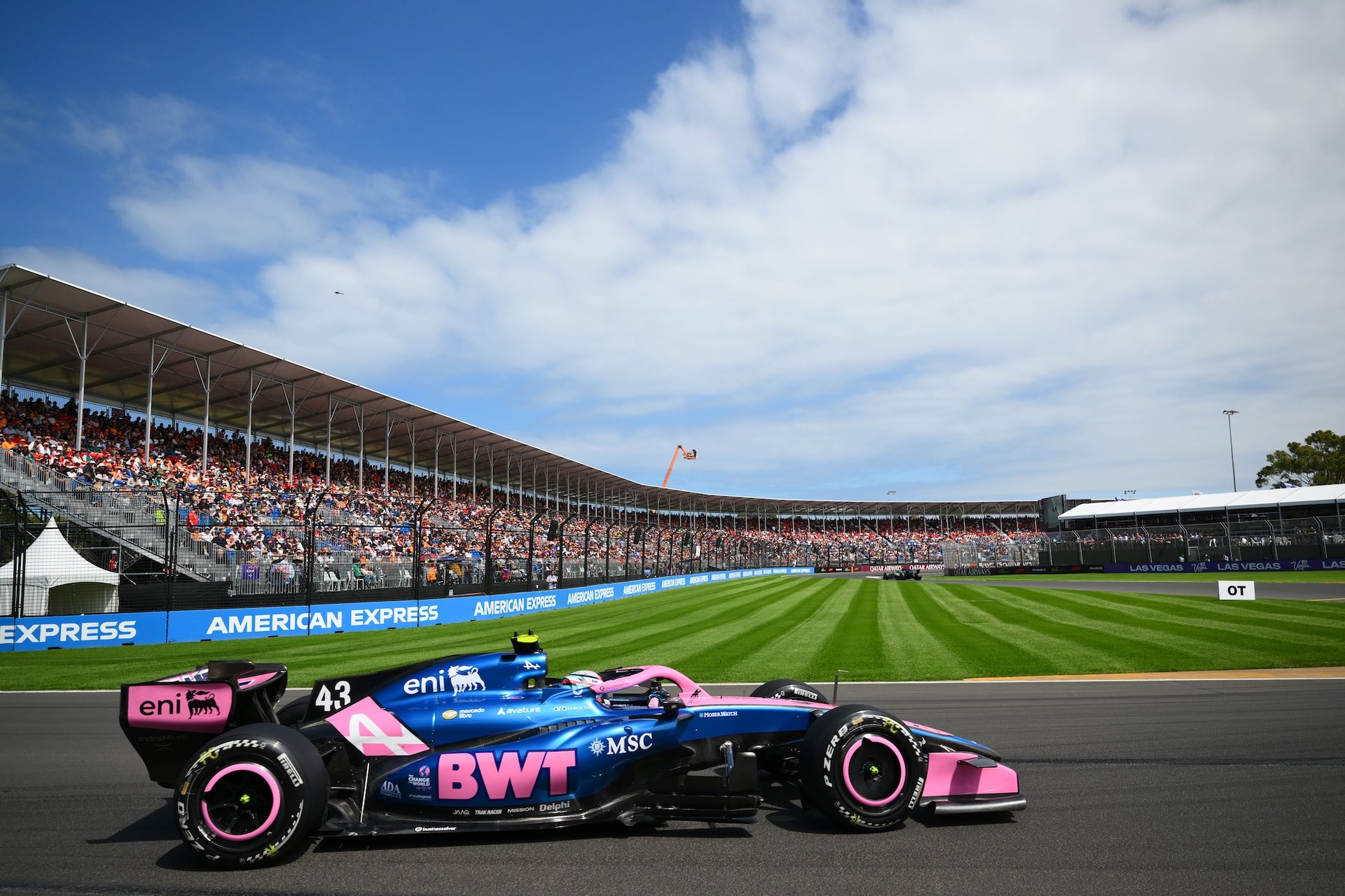
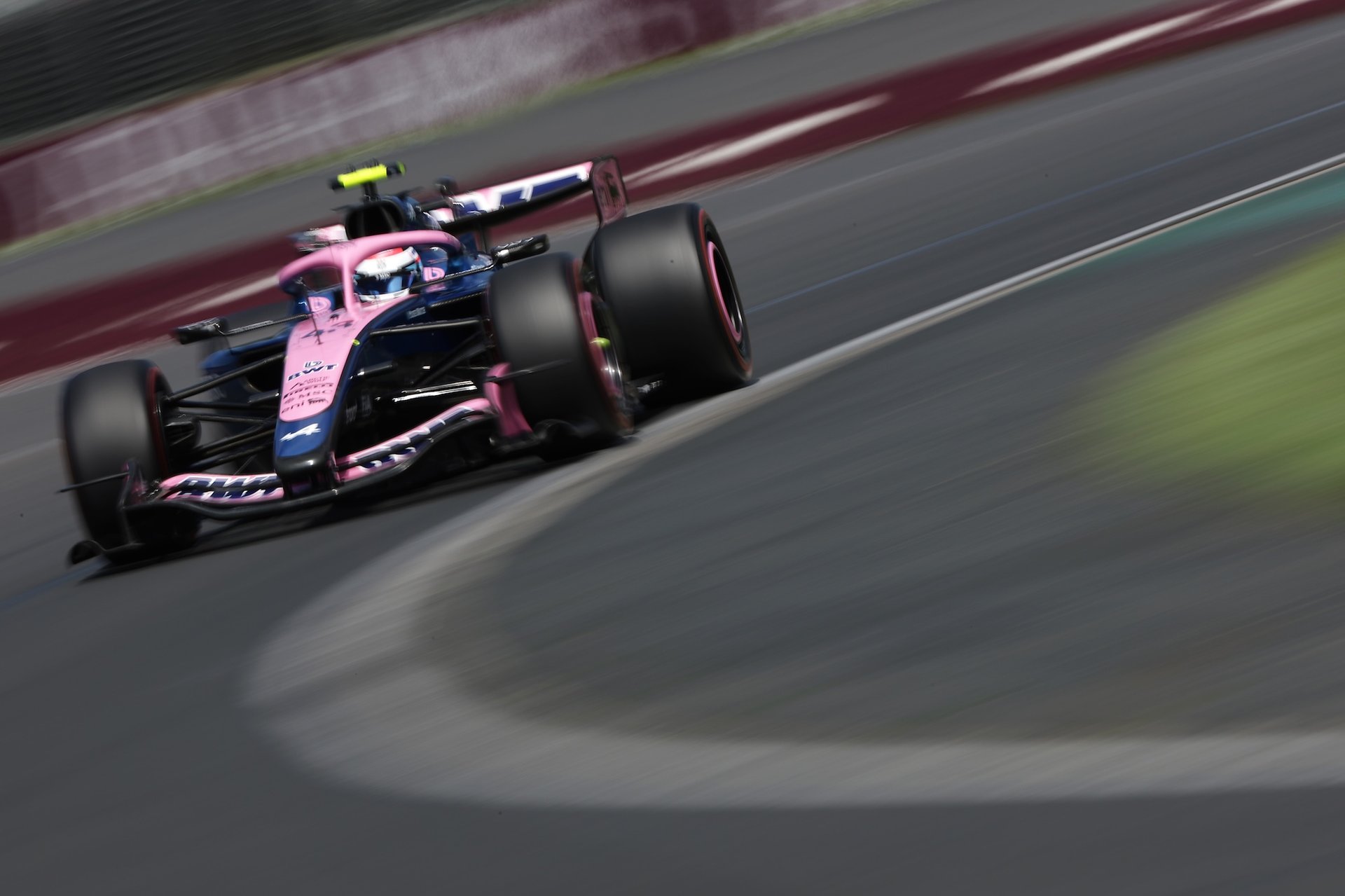
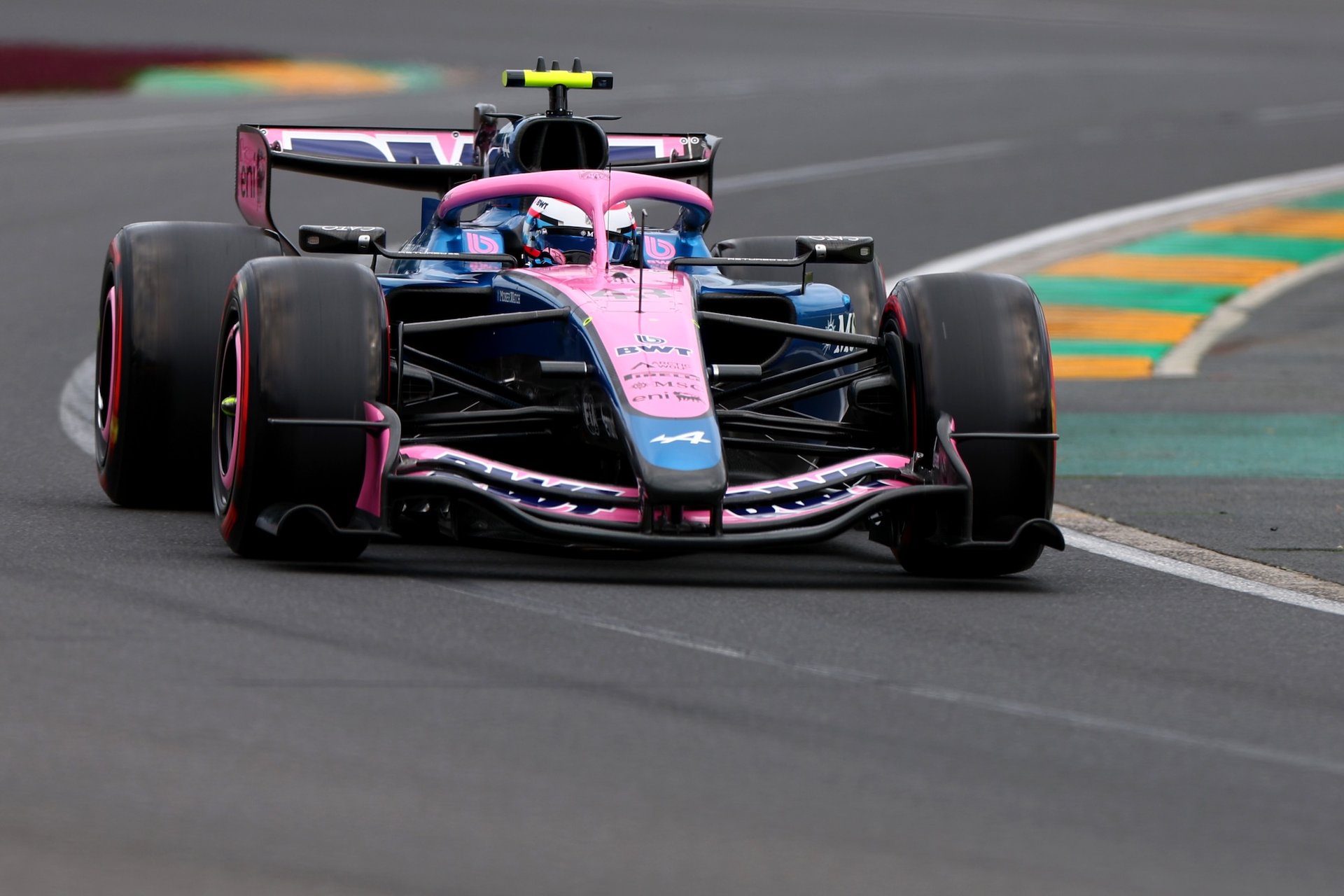
The most revealing aspect is not the final position, but the way it comes about. The Alpine A526 still seems to depend on an extremely narrow operating window to function properly. As soon as one element drifts slightly out of place — tyre temperature, energy timing, balance through the fast corners — the lap time deteriorates immediately.
This is where the question of the structural choices comes back into view. For years, Viry-Châtillon had been presented as one of the symbols of a model that had to be moved beyond. Yet Viry represented far more than an engine. It was a complete culture of energy management, a fine understanding of engine cycles, and know-how built through Renault’s world championship years.
Today, Alpine has a Mercedes base. The homologated hardware is common. But the modern reality of Formula 1 is decided elsewhere: software calibration, deployment strategies, and energy management that are specific to each team. And in that area, Alpine still appears to be behind.
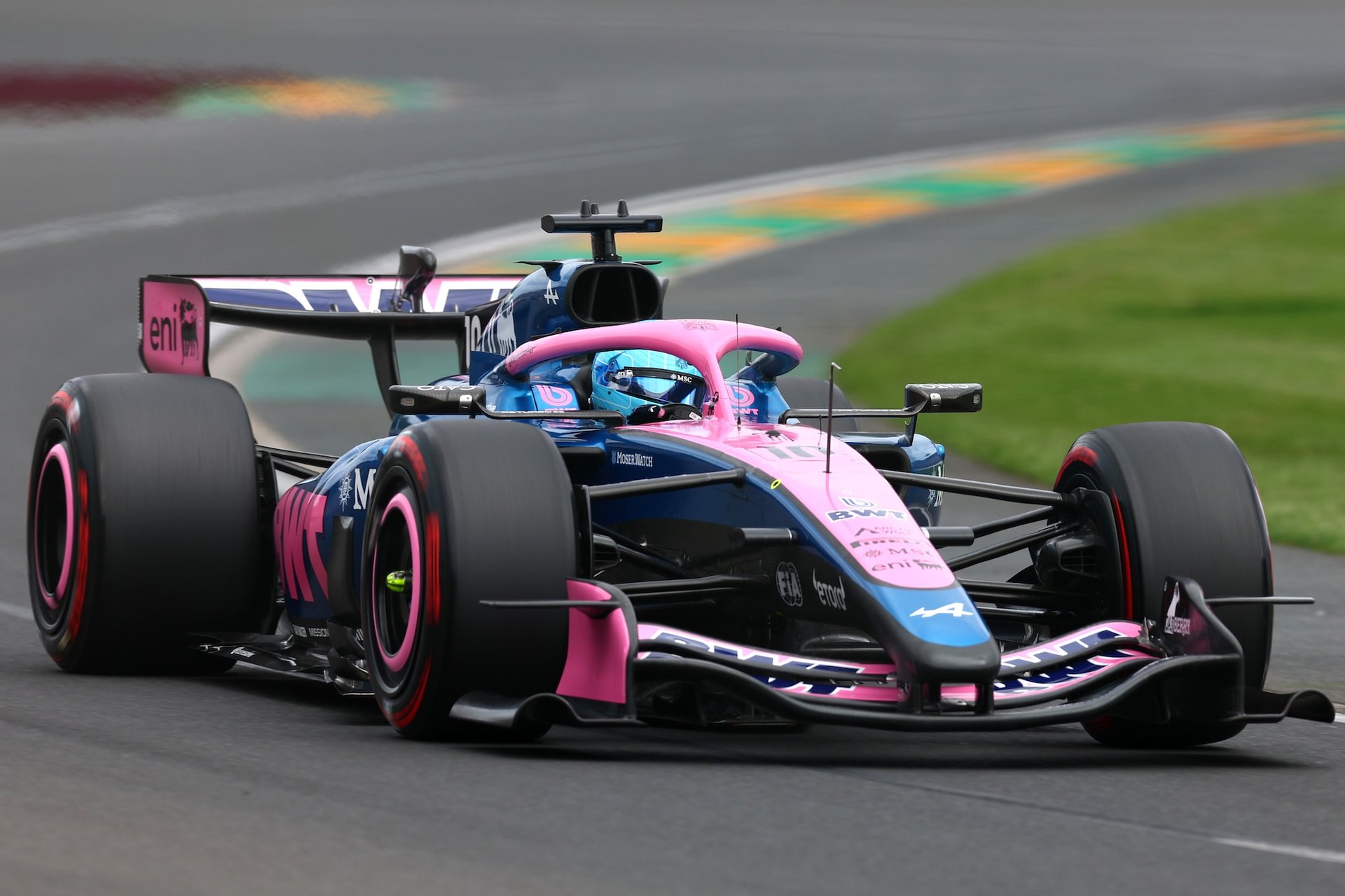
The comparison is hard to avoid: McLaren, with exactly the same engine base, is already showing a far more mature level of exploitation. Williams, another Mercedes customer, does not give this impression of constant hesitation in energy-related sequences. That means one simple thing: the engine fixes nothing on its own. It merely shifts responsibility to internal execution.
And that is precisely what makes the debate more sensitive: by abandoning Viry as its technical center of gravity, Alpine also left behind part of a know-how it now seems to be rediscovering in another form.
Conclusion: the sacrifice of 2025 is not yet visible on track
This is probably where Melbourne becomes uncomfortable for Enstone. If 2025 really was sacrificed very early, if the wind tunnel was already working on this car from January, if so many resources were directed toward this project before many others, then it is legitimate to ask where that advantage can actually be seen today.
A car developed with several months in hand should not still look this sensitive on its fundamentals. A team that claims to have worked ahead of time should be presenting a base that is immediately easier to read.
The return of Flavio Briatore only reinforced that expectation. His winter message was built on a simple idea: go faster, simplify, create a rapid shock effect. For now, the first qualifying session of the year mainly tells the story of a team still searching for its bearings.
Nothing is fixed, of course. The race can reshuffle part of the picture. Melbourne remains a circuit where neutralizations, incidents, and offset strategies can create opportunities. But if Alpine finishes out of the points despite that, this Saturday will immediately take on greater weight: that of an early reminder that strategic choices are only worth what they actually produce on track.
Viry, we already miss you far too much…
What they said
Pierre Gasly:
“I think we are all disappointed with the result today and we were clearly expecting more. The weekend has been difficult so far, with track time at times limited and a car that does not seem as good as it did in pre-season testing.
It is therefore important to understand why and to find solutions quickly. In qualifying, I felt like I was on the limit and I was happy with my speed and execution on each flying lap. This year brings major changes, particularly in tyre preparation and energy management, and we still have a lot to learn.
We did not want to start the season this way and there are more cars ahead of us than we would like. Tomorrow’s race carries a lot of uncertainty. We know the start will be important and I am determined to do everything I can to improve on today’s result and see what we can make of it.”
Franco Colapinto:
“It was not an easy day, much like the weekend so far as we have struggled right from the start. This is not where we wanted to be, nor what we were expecting after two fairly solid weeks of testing in Bahrain.
Some teams seem stronger than expected and have taken a step forward here. There is a lot of work going on behind the scenes, both at the track and back at the factory, and we have already made progress since Friday. This generation of cars and this set of regulations are only just beginning and there is still a lot to learn and understand at each circuit. We are lacking a bit everywhere compared to the others, but we have a good idea of the priorities if we are to improve.
We will not give up and I think we can move forward tomorrow. There should be overtaking opportunities and it is also the kind of race where sometimes you simply have to survive to the chequered flag to get something out of it. So we will focus on making a good start to stay in the fight.”
Steve Nielsen:
“This is clearly not the start to the season we wanted or hoped for with both our cars eliminated in Q2.
This weekend, we faced several challenges as we continue to familiarize ourselves with our new car and understand how to get the best out of this rather particular set of regulations. Pierre was only a few tenths away from Q3 after a lap that was still far from optimal in tyre preparation and energy deployment, so there are still things to learn for next time.
Franco was slightly further away after not managing to put everything together despite promising pace early in the session. This is only the first race of this new era and we will take lessons from it moving forward. We are in the fight for points tomorrow given the uncertainties around the race, with the new tactics and skills that drivers and teams must now bring into play.
I expect a good battle and we will see where it takes us by the finish.”
Performance table – FP3 & Qualifying
| Session | Pierre Gasly | Franco Colapinto |
|---|---|---|
| Free Practice 3 | 15th – 1’21’’071 (26 laps) | 16th – 1’21’’413 (22 laps) |
| Qualifying Q1 | 1’21’’138 | 1’21’’200 |
| Qualifying Q2 | 14th – 1’20’’501 | 16th – 1’21’’270 |
Related article:
Source: BWT Alpine Formula One Team