🇫🇷 Cet article est également disponible en français : Lire en français
BWT Alpine Formula One Team left Shanghai with two strong signals. On track, the Enstone-based team finally turned its technical progress into a tangible result with a sixth-place finish for Pierre Gasly and tenth position for Franco Colapinto, a points haul that gives real substance to the start of the 2026 season.
Behind the scenes, another matter became clearer: the 24% stake held by Otro Capital in Alpine Racing Ltd, a shareholding that has gradually become the subject of increasingly structured discussions throughout the Chinese Grand Prix weekend.
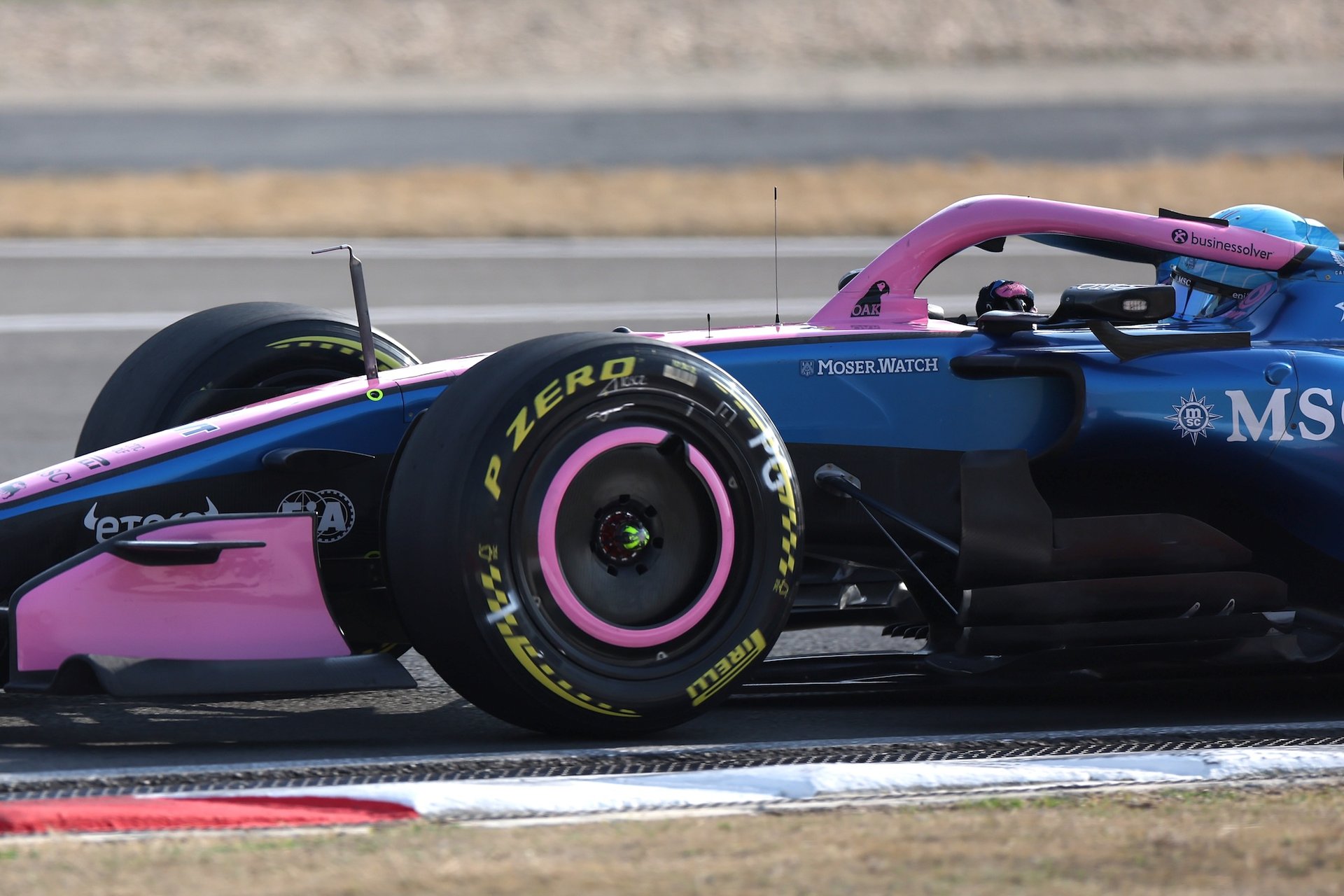
The first reports that surfaced a few days earlier, on the sidelines of the Australian Grand Prix, initially placed Toto Wolff at the centre of attention. But in Shanghai, the reading of the situation became clearer. What initially revolved around the Mercedes team principal gradually shifted toward Mercedes itself as the direct actor, in a logic now fully consistent with the new technical architecture of BWT Alpine Formula One Team.
This clarification changes the political reading of the situation: it is no longer simply an interest associated with one of the paddock’s major personalities, but a move that directly affects Alpine’s industrial environment.
The starting point dates back to June 2023, when Renault Group opened 24% of Alpine Racing Ltd’s capital to a consortium led by Otro Capital, alongside RedBird Capital Partners and Maximum Effort Investments.
The operation, completed for €200 million, valued the team at close to $900 million and marked a significant shift in the modern history of the Alpine project.
This capital opening was not merely a financing decision. It already reflected a willingness to reposition the team within a medium-term valuation strategy, at a time when Formula 1 was becoming an increasingly attractive asset for international investors.
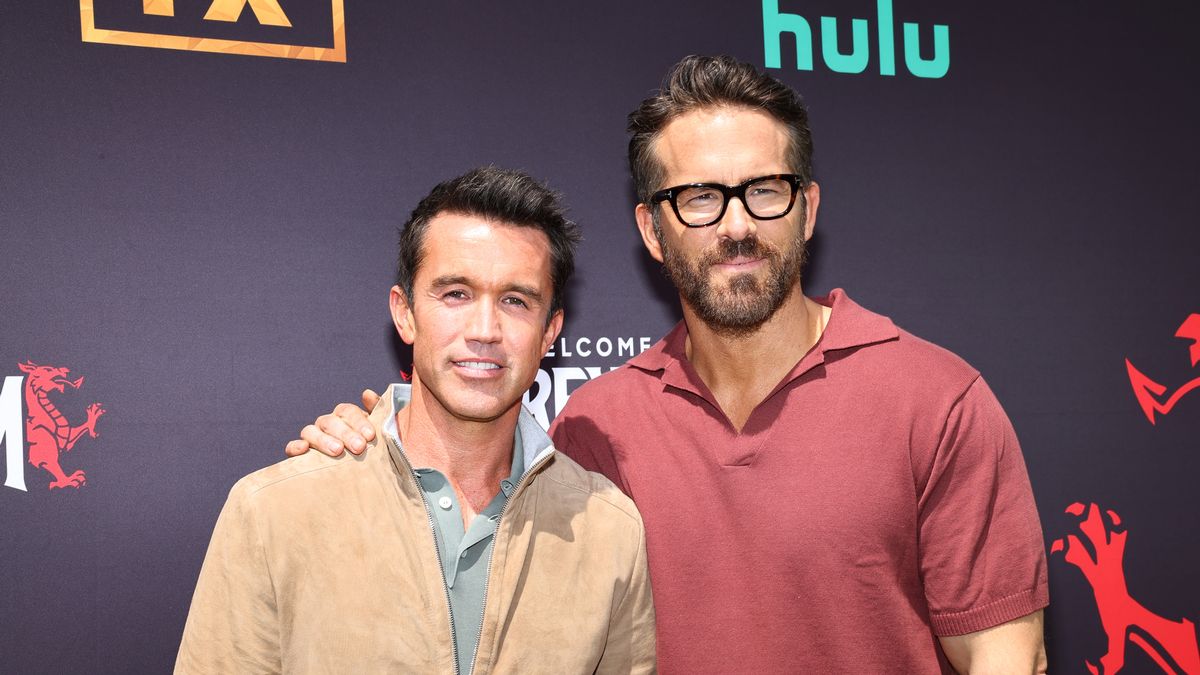
Among the names associated with this entry were Ryan Reynolds and Rob McElhenney, two figures who have become emblematic of the new generation of global sports investment.
Three years later, the value of that stake has naturally moved to another scale. In the paddock, several estimates now place that 24% between £448 million and £500 million, or roughly €520 to €580 million, directly reflecting the dramatic rise in Formula 1 team valuations since the introduction of the budget cap.
From Melbourne to Shanghai, Mercedes has become central to the story
The first rumours appeared during the Australian Grand Prix weekend on 9 March 2026, when several British media outlets linked Toto Wolff to a potential move for the shares held by Otro Capital.
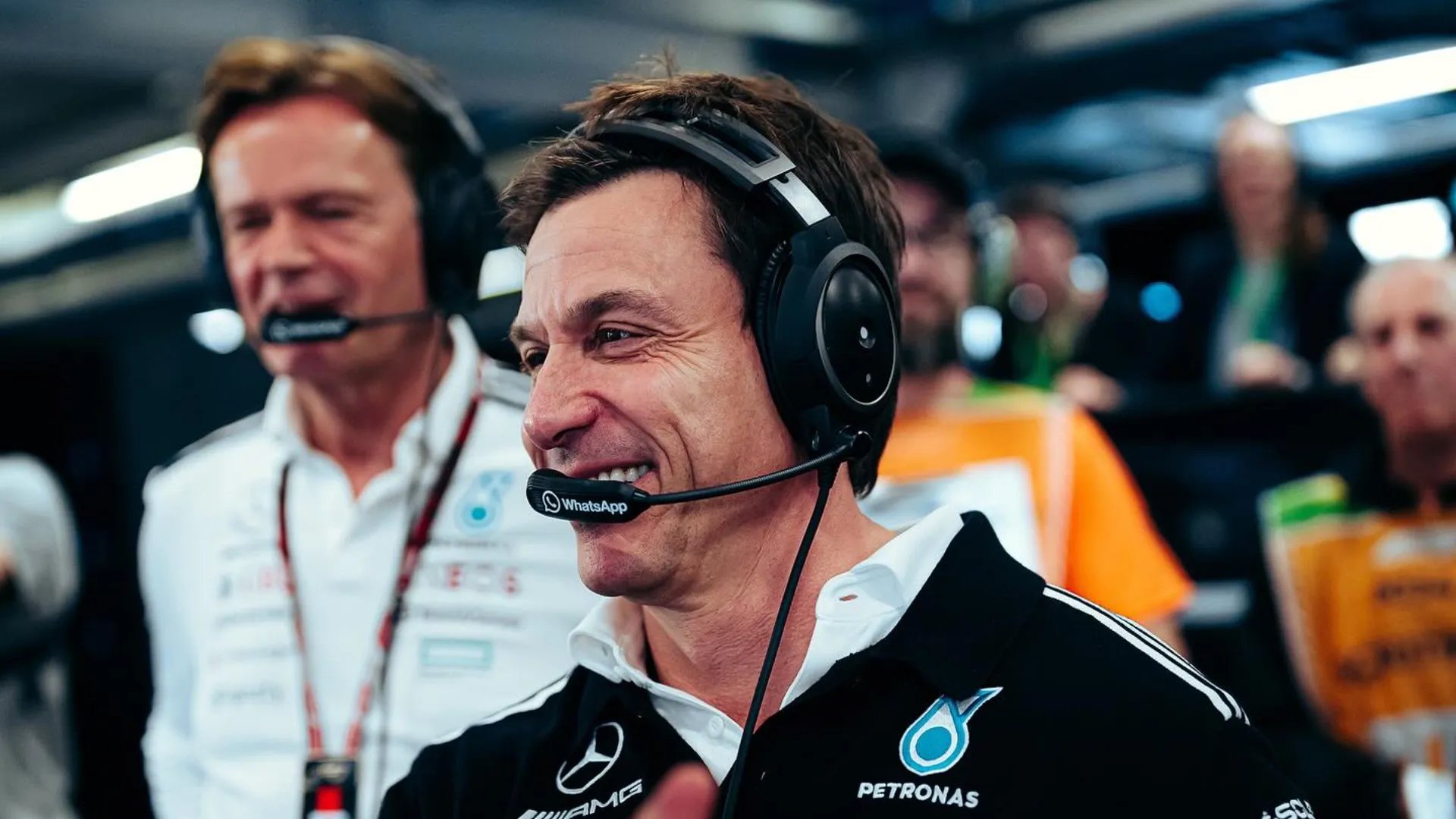
The context naturally encouraged that interpretation: the Mercedes team principal’s name remains immediately associated with any strategic move involving a customer team of the German manufacturer.
But as discussions became clearer, the wording changed. Several internal sources quickly indicated that the identified interest concerned Mercedes F1 as an entity, backed by Mercedes-Benz, rather than any personal initiative from Toto Wolff.
Around Mercedes, the matter extends far beyond the sporting structure in Brackley. It also revolves around a financial environment that has become particularly powerful in recent months, notably following the recent reorganisation of holdings around Toto Wolff.
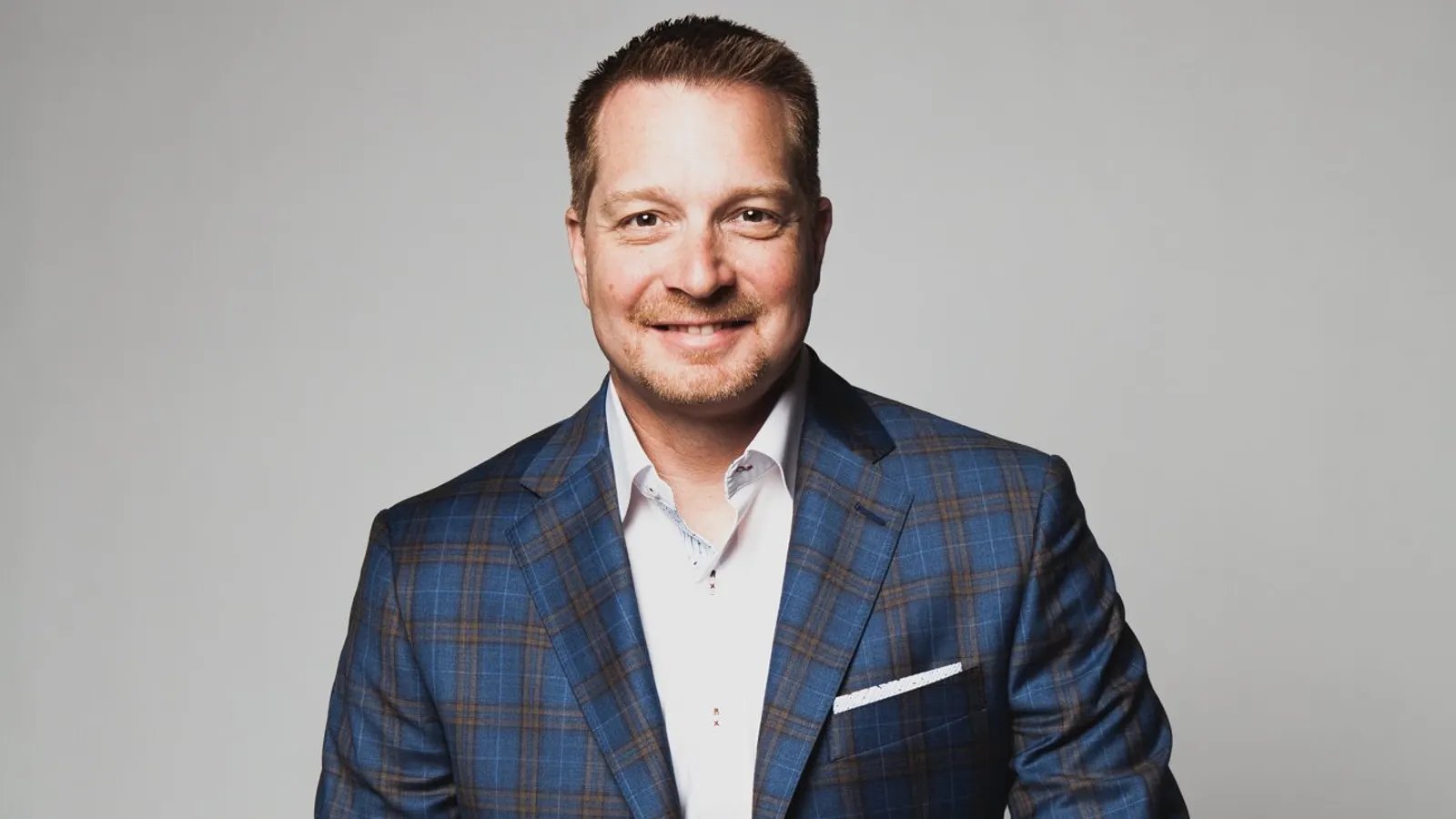
In autumn 2025, part of Motorsports Invest, the personal holding company grouping Wolff’s Mercedes-linked assets, was sold to George Kurtz, CEO of CrowdStrike, in a transaction estimated at several hundred million dollars. That move mechanically reinforced the global valuation of Mercedes-AMG Petronas Formula One Team, now considered one of the strongest economic structures on the grid.
In that context, even if no direct personal involvement from Toto Wolff is officially linked to the Alpine case, it remains clear that the Mercedes environment now relies on a network of investors and partners capable of supporting this type of operation.
That financial base naturally gives Mercedes significant weight whenever a strategic asset such as BWT Alpine Formula One Team enters a capital discussion phase.
This clarification took on its full significance in Shanghai.
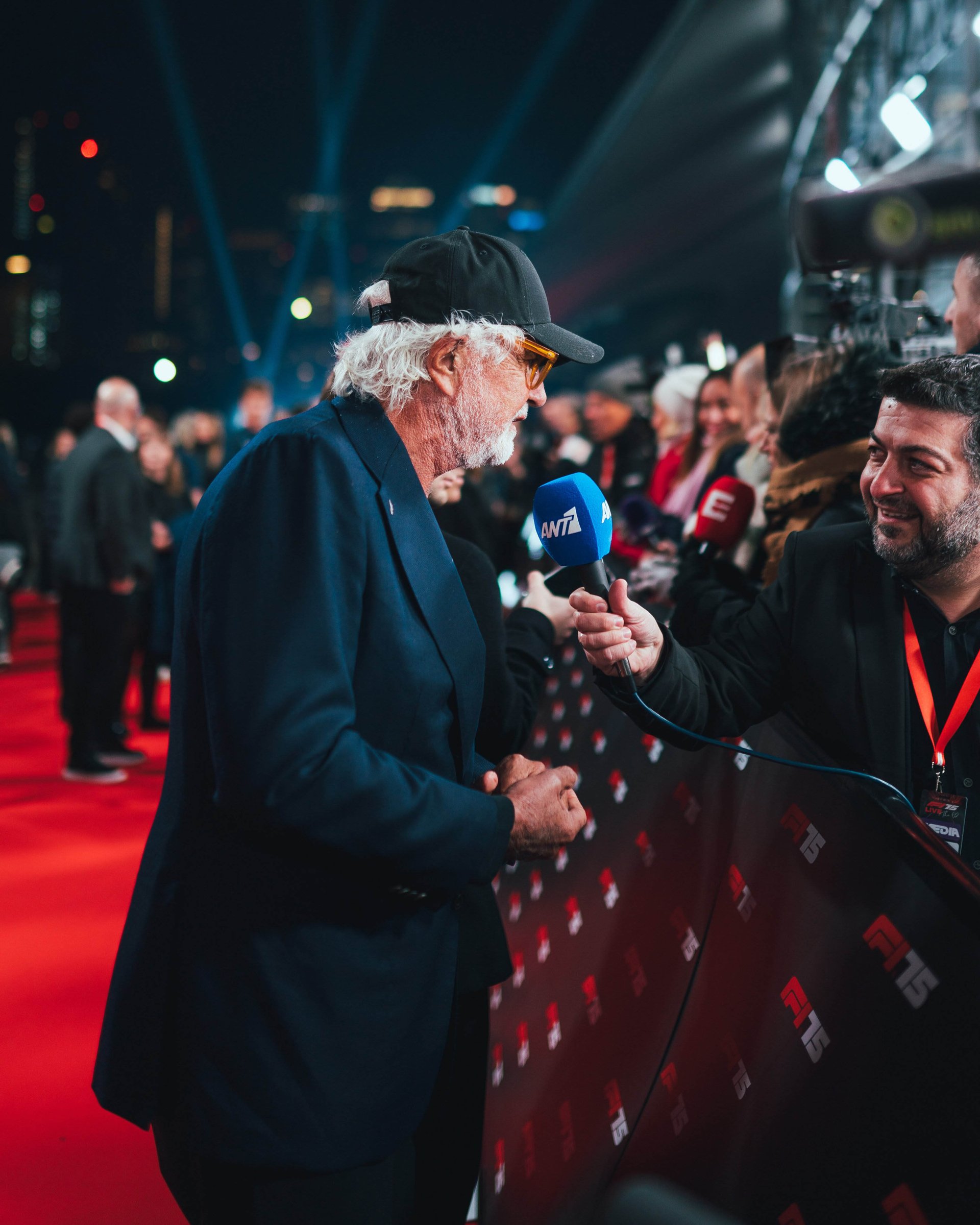
During the FIA press conference on 13 March 2026, Flavio Briatore publicly confirmed that the negotiation in question did indeed involve Mercedes, stressing that it concerned the stake held by Otro Capital, not a broader move involving Alpine as a whole.
He also made clear that three or four potential buyers were currently involved around the deal.
Mercedes already has a structural link with Alpine
Mercedes’ interest cannot be separated from the technical shift carried out this season.
Since 2026, BWT Alpine Formula One Team has been using the Mercedes power unit as well as the Mercedes gearbox, a direct consequence of the closure of the Renault engine programme at Viry-Châtillon at the end of 2025.
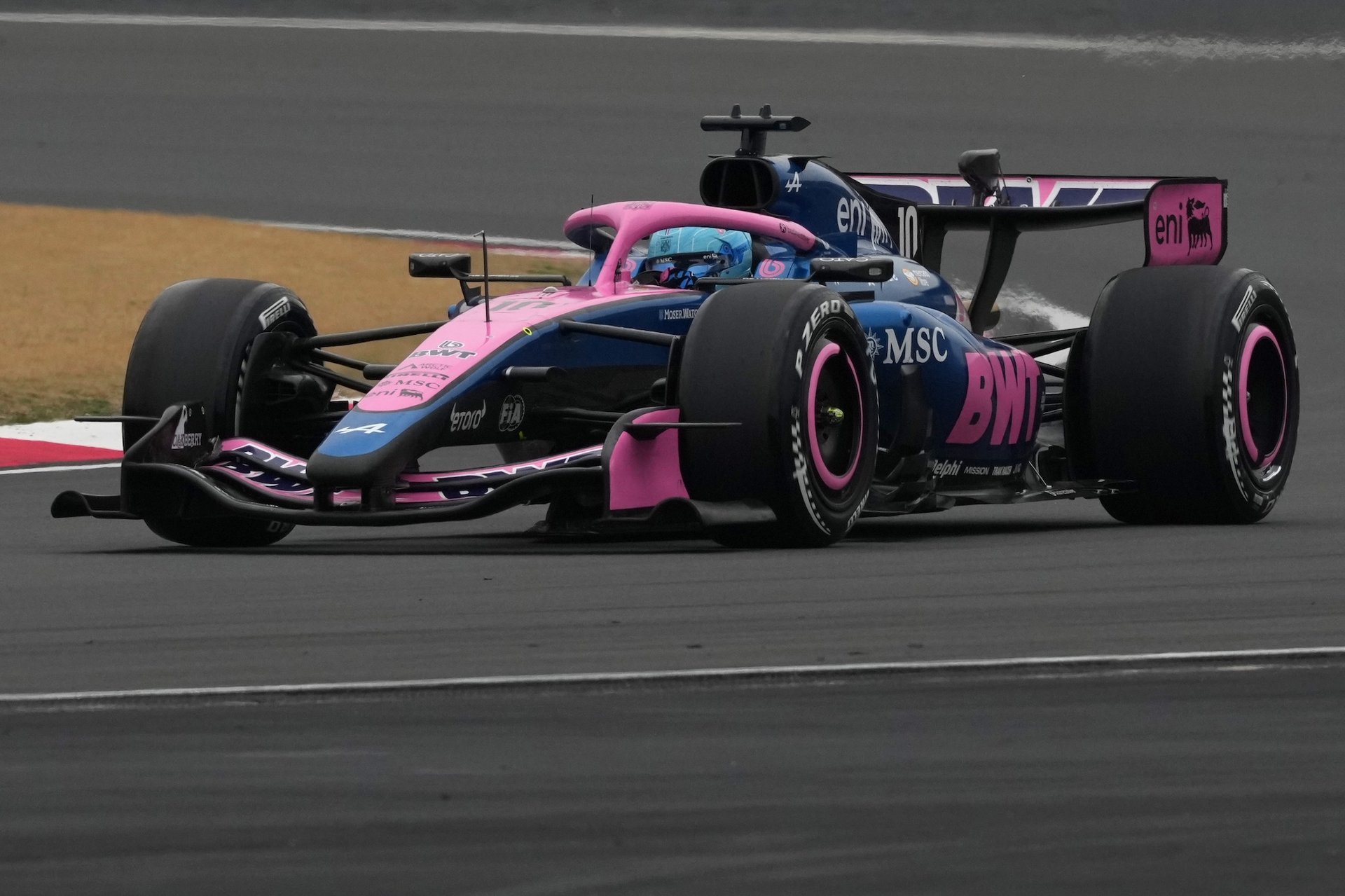
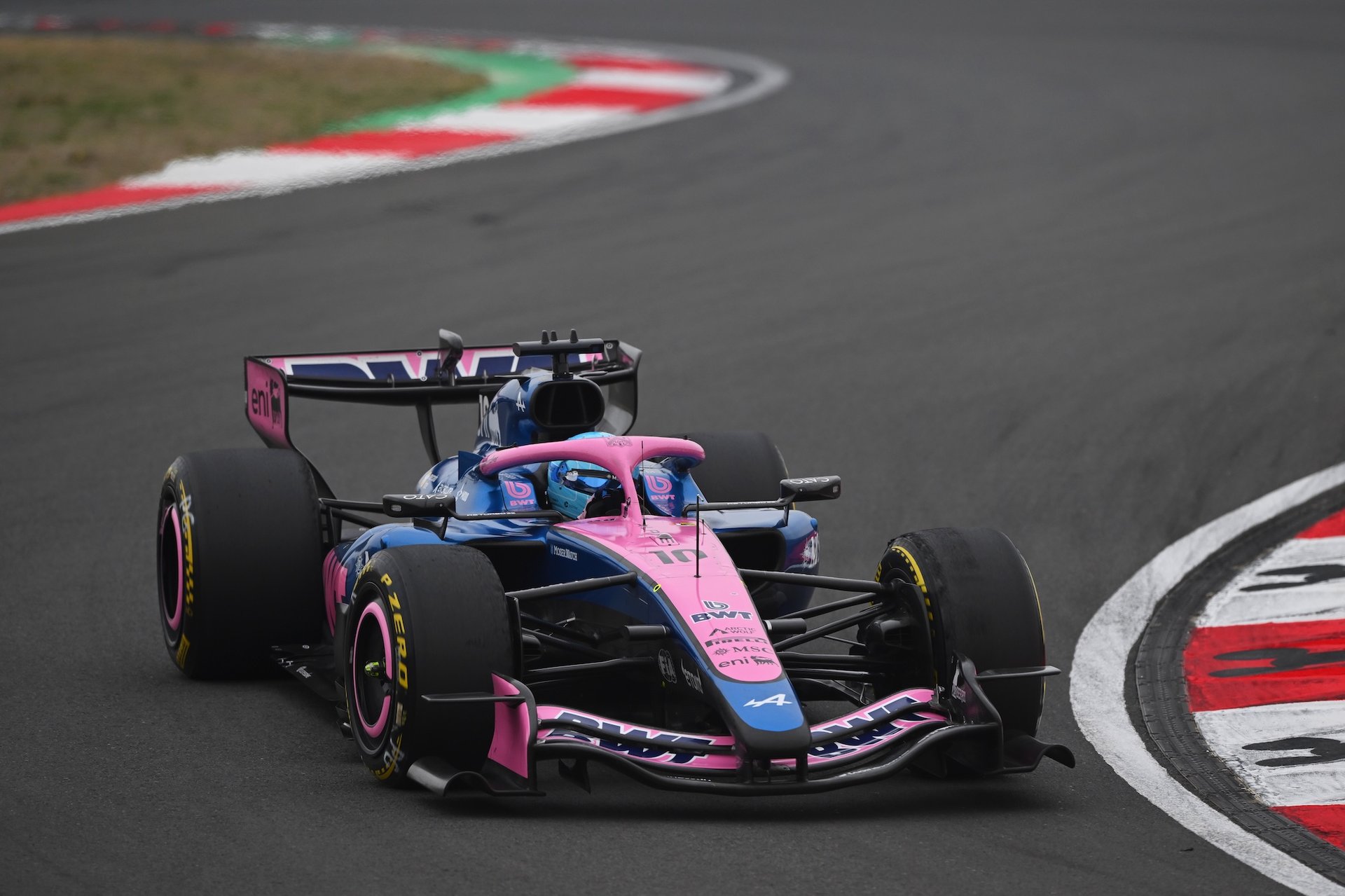
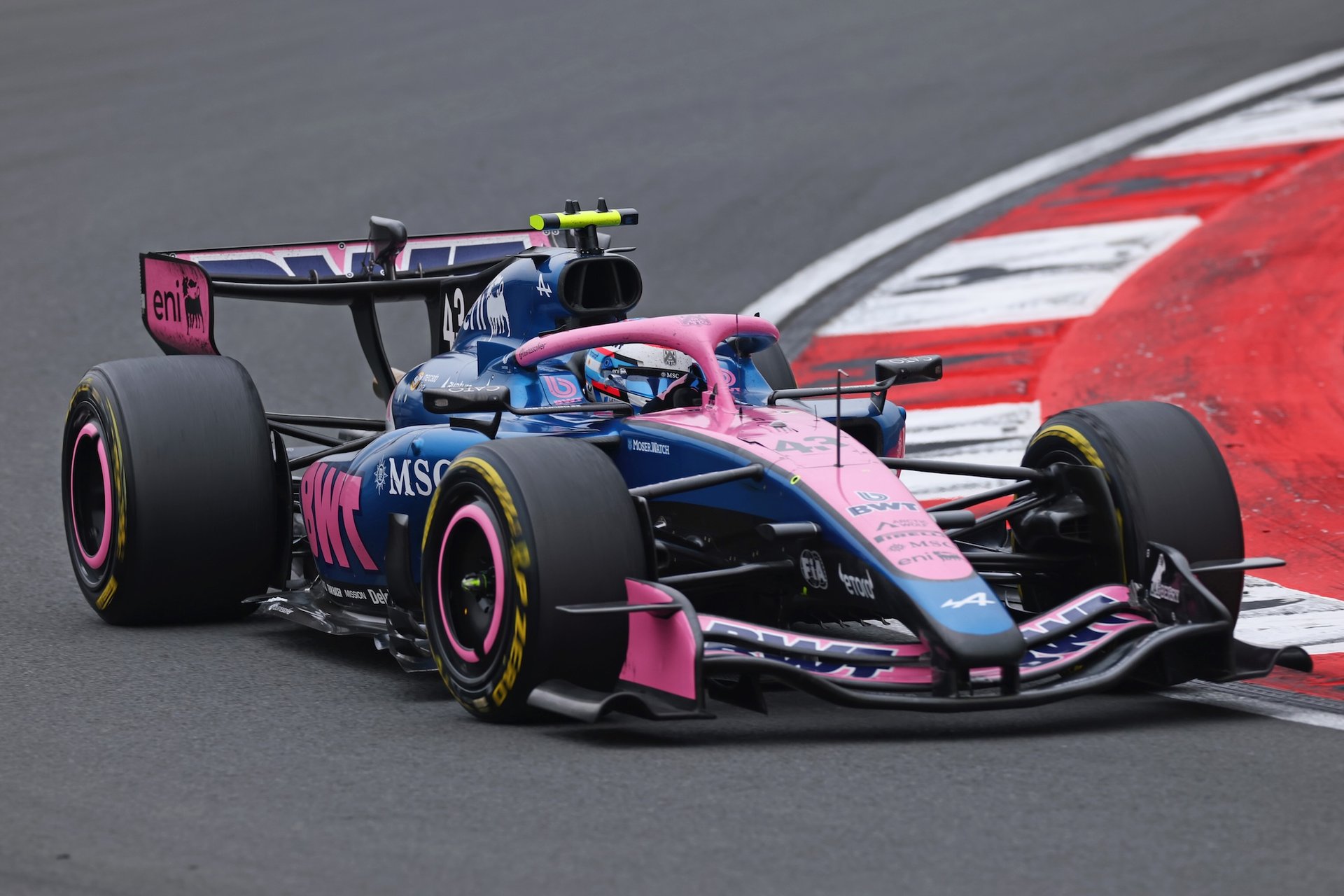
This change probably represents one of the deepest ruptures in the recent history of the Alpine project. For decades, Renault’s identity in Formula 1 rested on a clear balance: Enstone for the chassis, Viry for the engine.
That balance no longer exists.
Today, the performance chain is built around an architecture in which the powertrain is no longer French. And that is precisely what gives Mercedes a particular position in this case: the German manufacturer has already become a central partner in Alpine’s sporting operations.
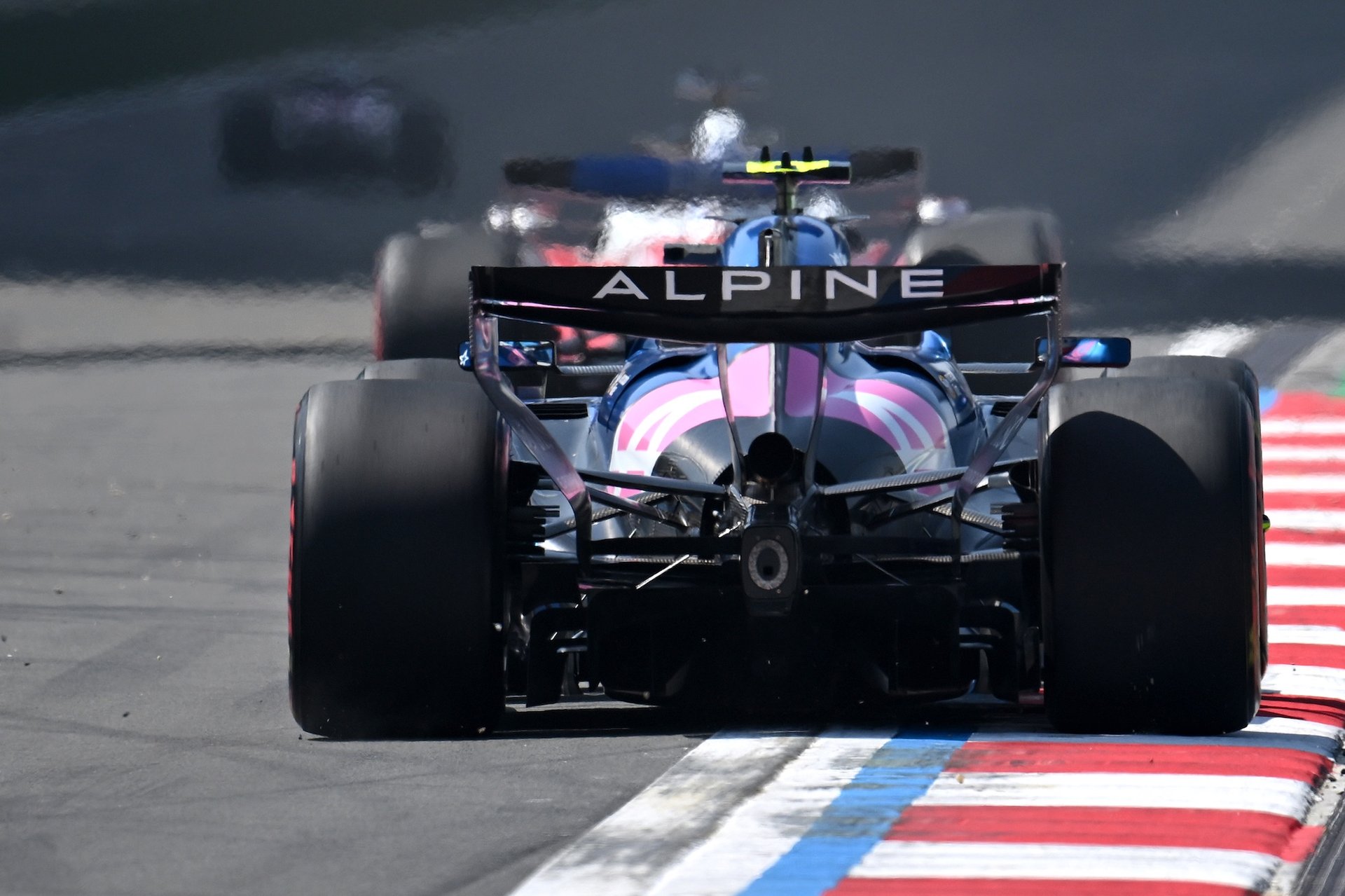
Flavio Briatore himself also downplayed the impact that any potential change of shareholder would have on the team’s control. In his view, any buyer of that stake would essentially remain a passenger, since Renault Group still holds around 76% of the capital and therefore retains authority over the major decisions.
Shanghai also reminds everyone that Alpine is producing again
This economic backdrop emerged at the very moment the team was delivering its most complete weekend since the start of the season.
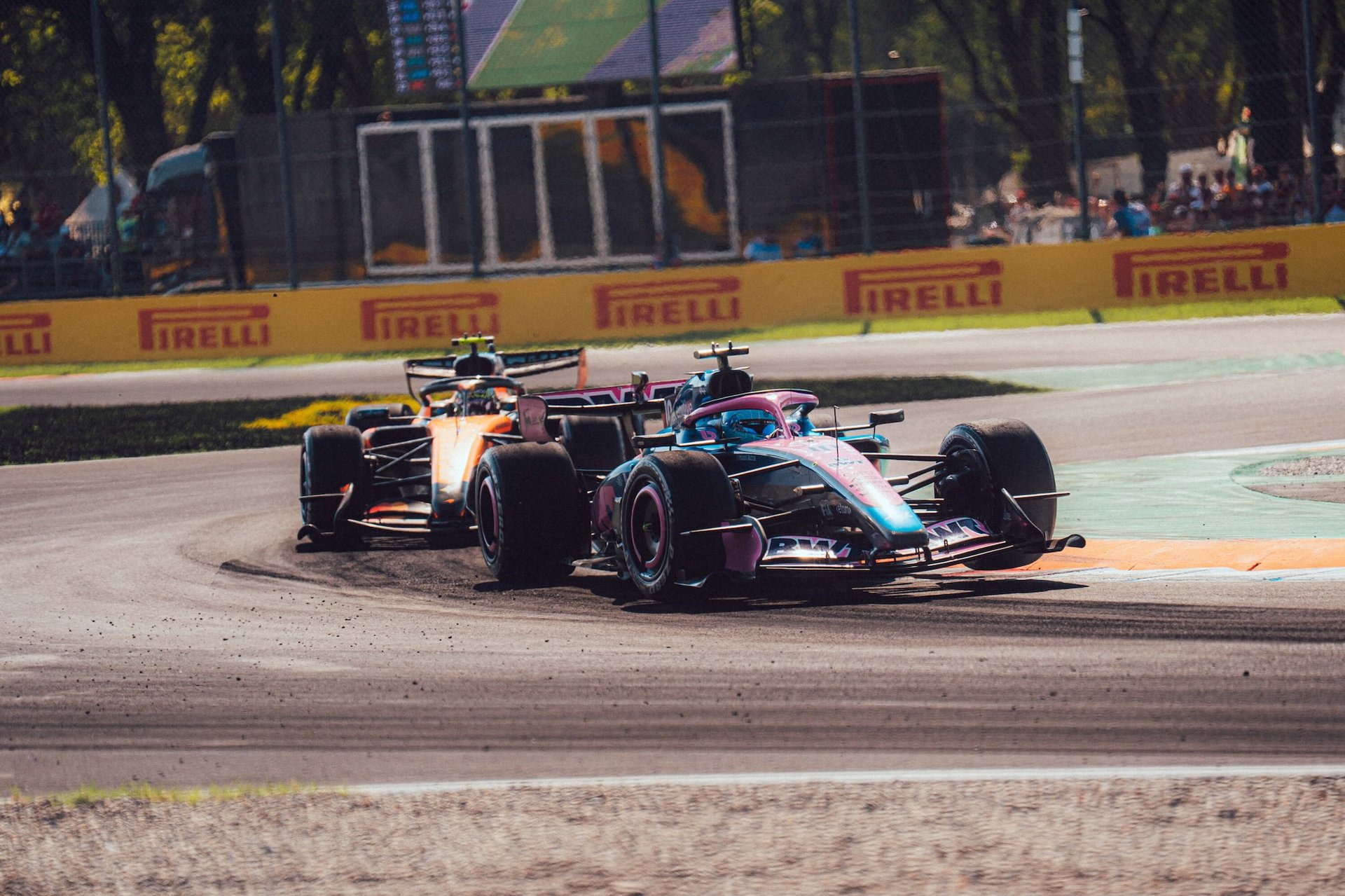
In Shanghai, Pierre Gasly finished sixth after a race built with method and consistency. The pace over long runs confirmed improved tyre degradation management, with an Alpine A526 that looked significantly more stable through the long, high-speed sections.
Behind him, Franco Colapinto claimed tenth place, validating both his progress and the team’s ability to place both cars back inside the points.
That double finish gives fresh coherence to a project that was still lacking it in Australia.
An evolution that inevitably fuels another reading
No full sale has been announced at this stage. No decision officially indicates that Renault Group intends to disengage entirely. No timetable exists in that direction.
But it is difficult not to notice, when placed side by side, several moves that seem to outline a deeper trajectory.
The opening of 24% of the capital in 2023 was a first step. The return of Flavio Briatore in 2024 immediately introduced a logic of accelerated restructuring and renewed valuation.
The end of the Renault engine at Viry-Châtillon then removed one of the historic pillars of the programme’s French industrial identity.
The arrival of Mercedes as engine supplier and gearbox provider completed the shift in the project’s technical centre of gravity.
Today, BWT Alpine Formula One Team is a fully British structure in its sporting production, based in Enstone, powered by Mercedes, with an industrial chain that no longer runs through the historic French assets.
The connection with the Dieppe brand, already largely symbolic for several seasons, seems to be drifting a little further away.
Nothing allows anyone to state that a full sale is under way. Nothing allows anyone to write that Flavio Briatore has officially been tasked with preparing a complete disposal.
But in the paddock, as among many close observers of the matter, an impression is taking hold: that of a team gradually being repositioned to maximise its value.
The pieces are moving slowly. Quietly. But with a logic that seems coherent.
It is only one reading among others, of course. Yet it is hard to believe it is an isolated one, given how often that feeling returns in discussions surrounding Alpine.
And in Formula 1, when several separate moves appear to converge, it is rarely entirely by chance.
Capital structure overview – March 2026
| Item | Confirmed situation |
|---|---|
| Stake concerned | 24% of Alpine Racing Ltd |
| Seller | Otro Capital |
| Initial entry price in 2023 | €200 million |
| Estimated current valuation | £448 million to £500 million |
| Majority shareholder | Renault Group (76%) |
| Potential buyers mentioned | Mercedes and several other candidates |
| Confirmed number of candidates | Three or four |
| Approval required | Renault until September 2026 |
| Technical context | Alpine powered by Mercedes since 2026 |
Source: The New York Times