🇫🇷 Cet article est également disponible en français : Lire en français
Alpine enters 2026 with a figure that immediately stands out: +54.7% in first-quarter sales, equal to 3,246 registrations worldwide. At this level of growth, the performance cannot be dismissed. Yet once the initial impression fades, the reading becomes more complex.
Behind this rapid rise, the brand is still in a building phase, with a range in full transition and industrial balances that are only now taking shape.
On the ground, the picture is clear: the Alpine A290 carries most of the volume, the Alpine A110 is entering its final months of combustion-engine production, and the Alpine A390 is only just beginning its commercial rollout. Three models, three different timelines — and a brand moving forward on several fronts at once, without yet having fully stabilised its overall model.
A real performance in a slowing market
With 3,246 registrations over the quarter, Alpine is growing much faster than its surrounding market. The European car market posted moderate growth of +4%, while Renault Group declined by 3.3% in volume over the same period. In this context, Alpine’s trajectory is clearly above average.
But the gap must be interpreted with caution. In absolute terms, volumes remain those of a niche brand: while Porsche delivered 60,991 vehicles in Q1 2026, including 8,079 Macan Electric models, Alpine remains a limited-distribution manufacturer. Its growth is therefore mechanically amplified by a very small starting base.
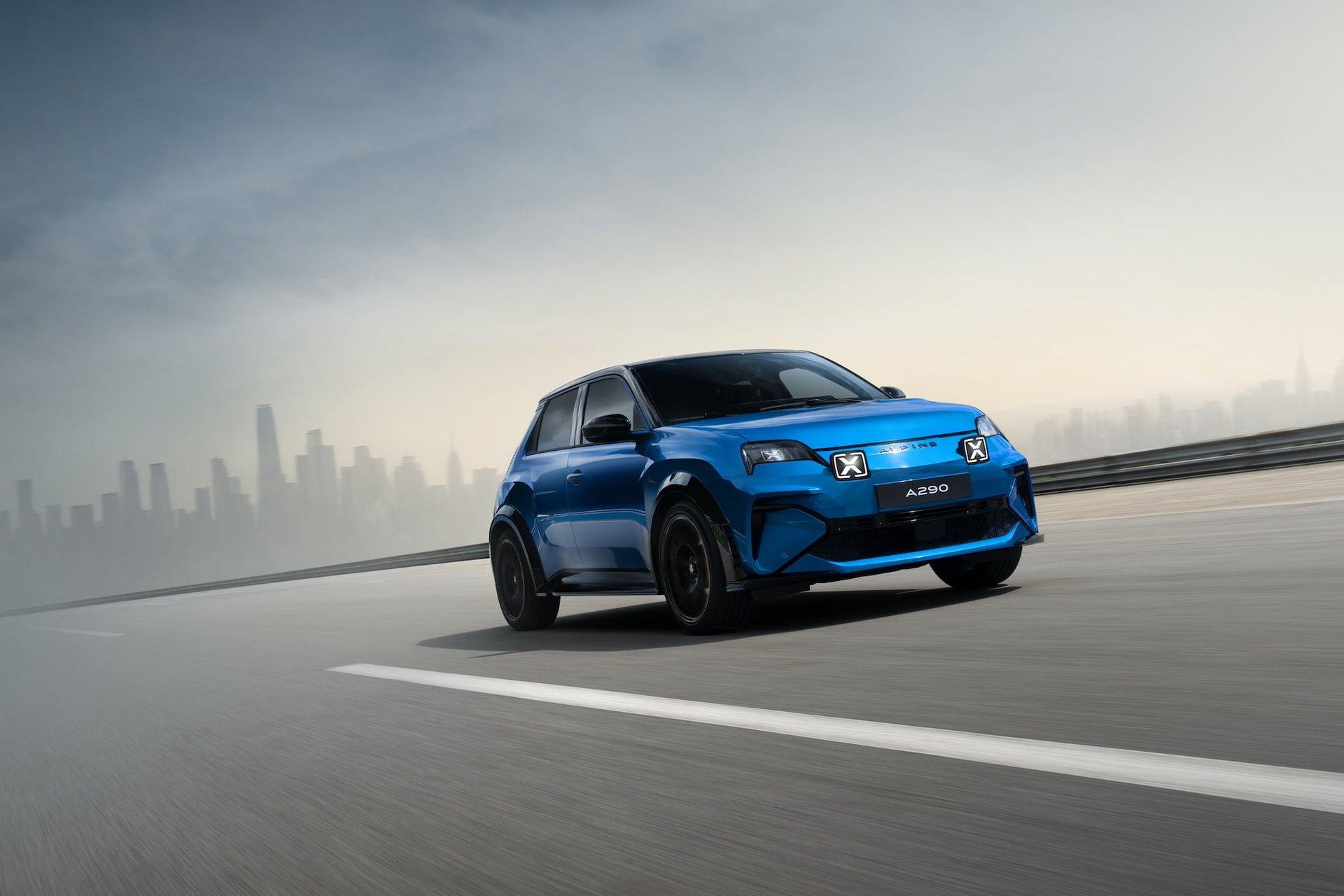
In other words, the brand is outperforming — but it is not yet operating from a position of maturity. It is in a phase of structural expansion, financed by the volume generated by the A290 and supported by a deliberate move upmarket within Renault Group’s “FutuREady” plan.
The Alpine A290, an industrial and commercial pivot
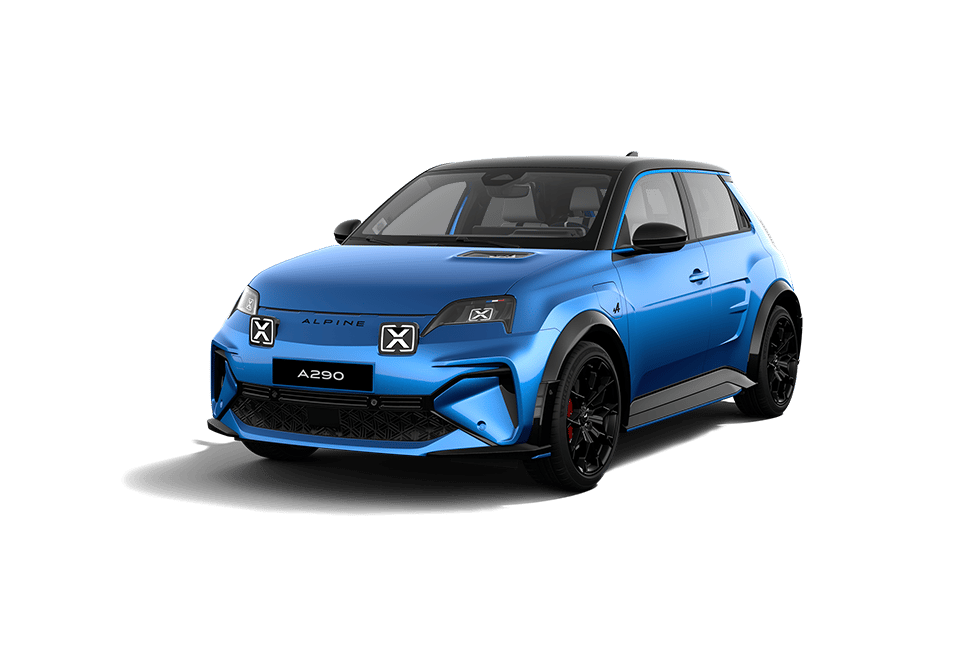
The heart of this momentum lies in one model: the Alpine A290. With 2,452 units sold (+63.9%), it accounts for around 75% of the brand’s total sales. This level of concentration is structural and confirms its role as the main growth driver.
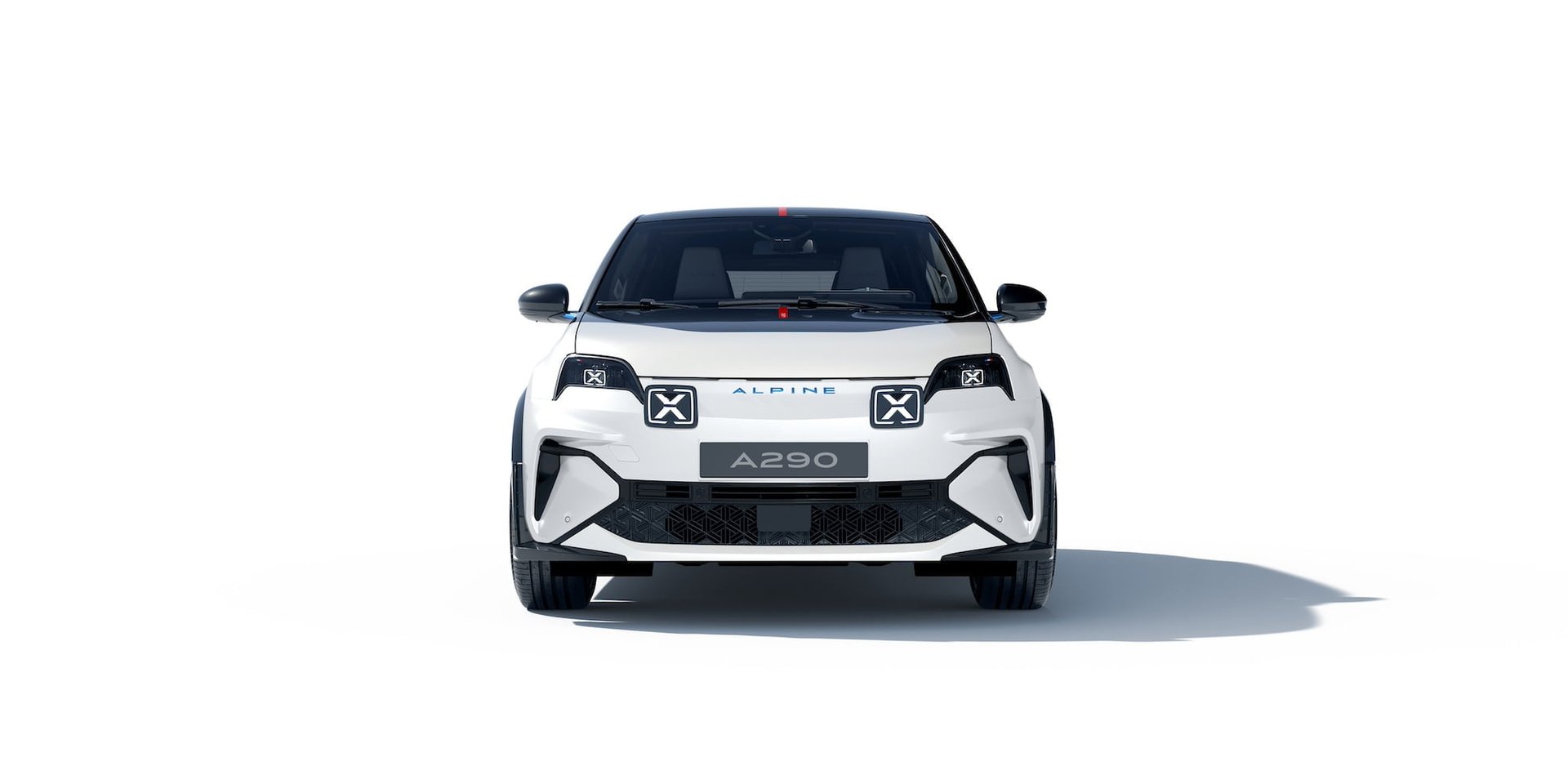
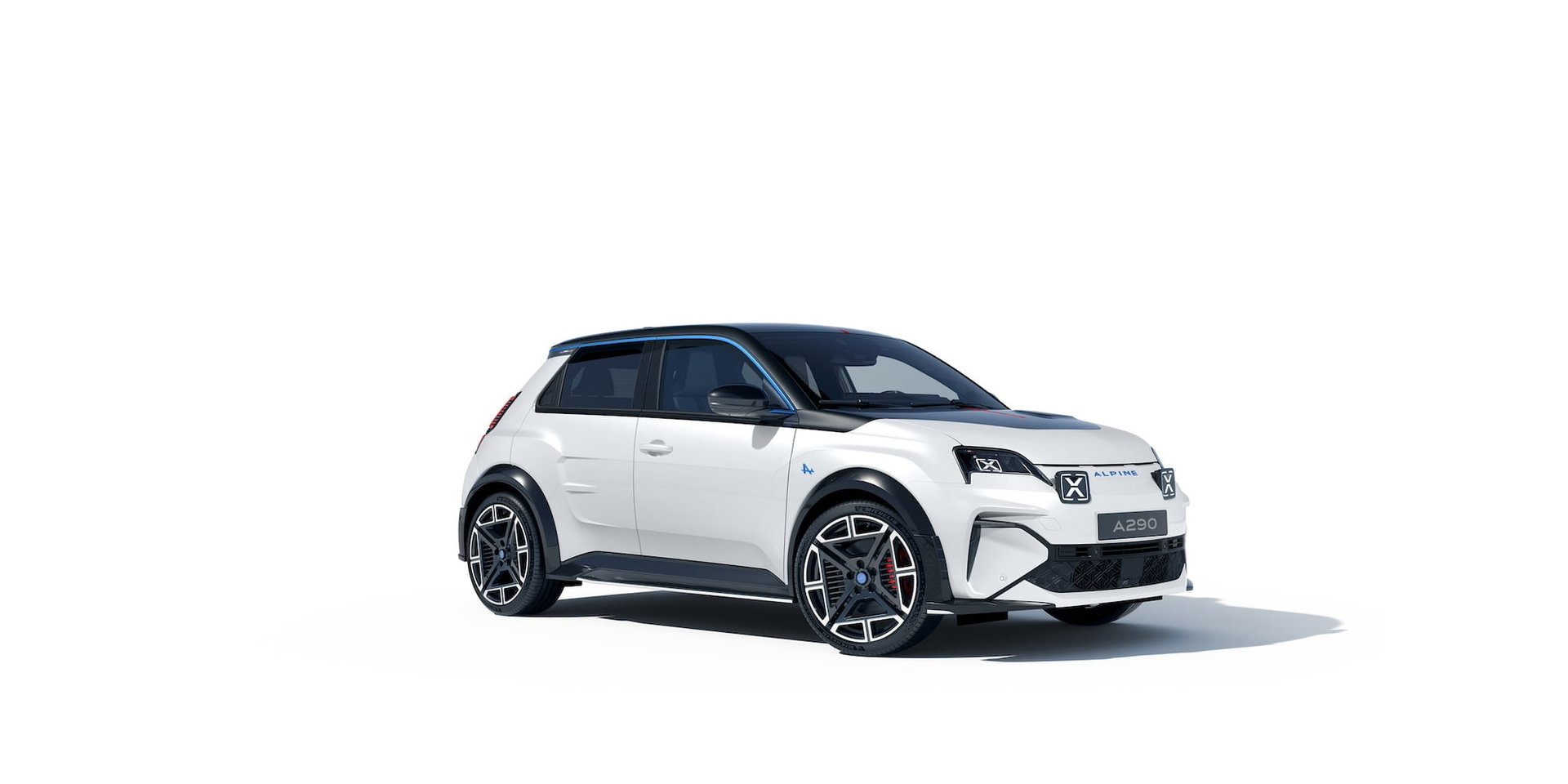
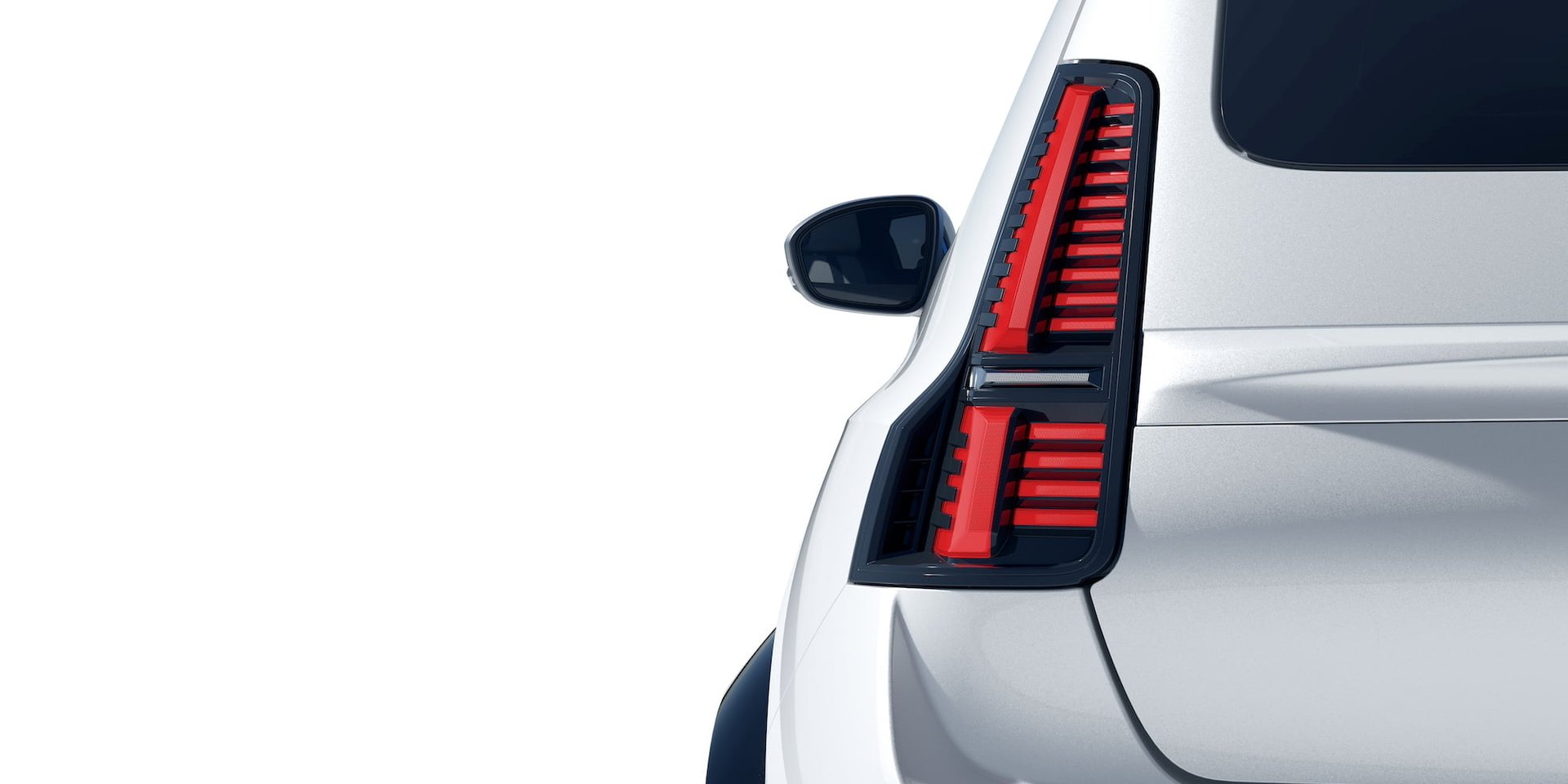
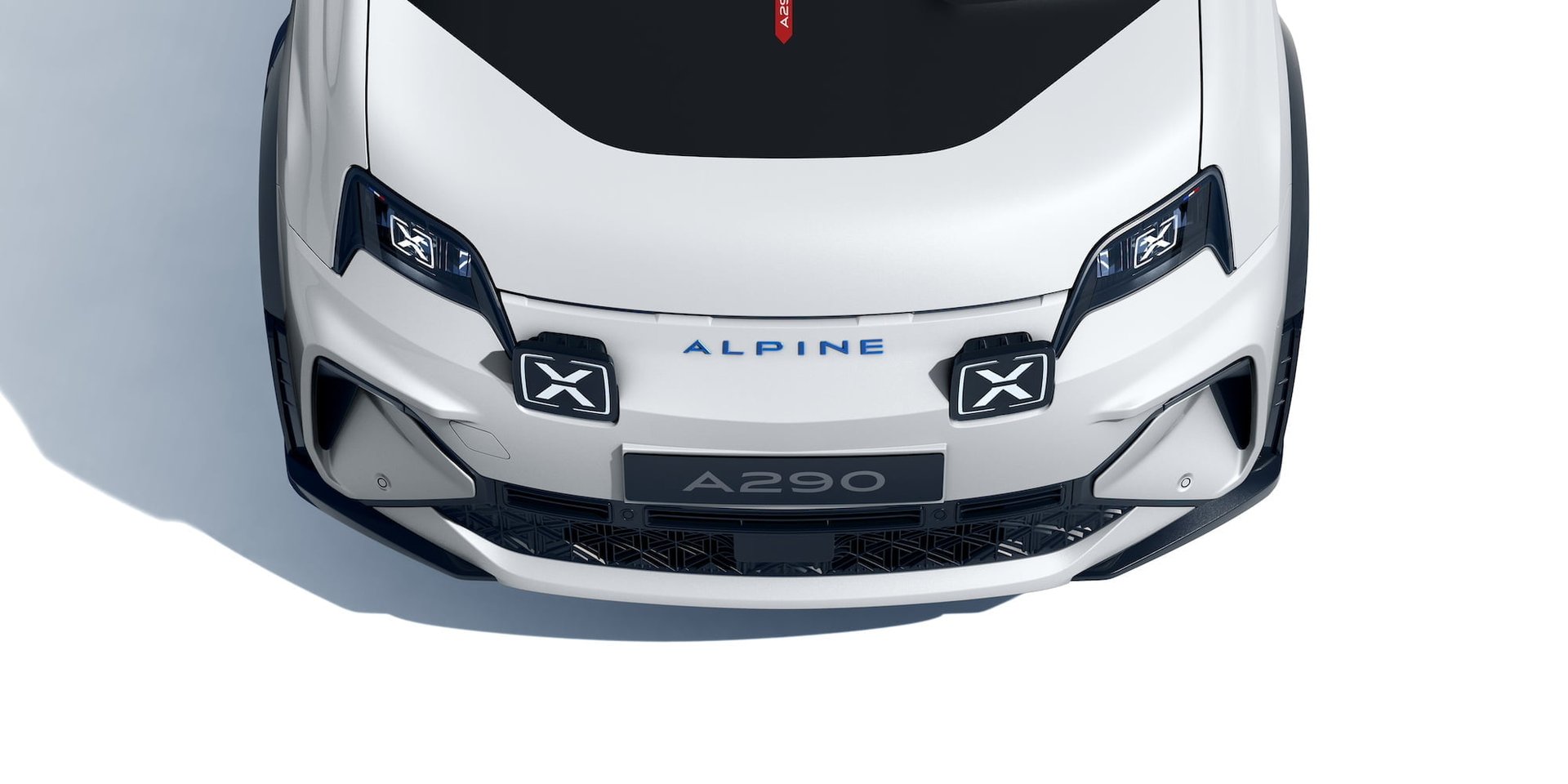
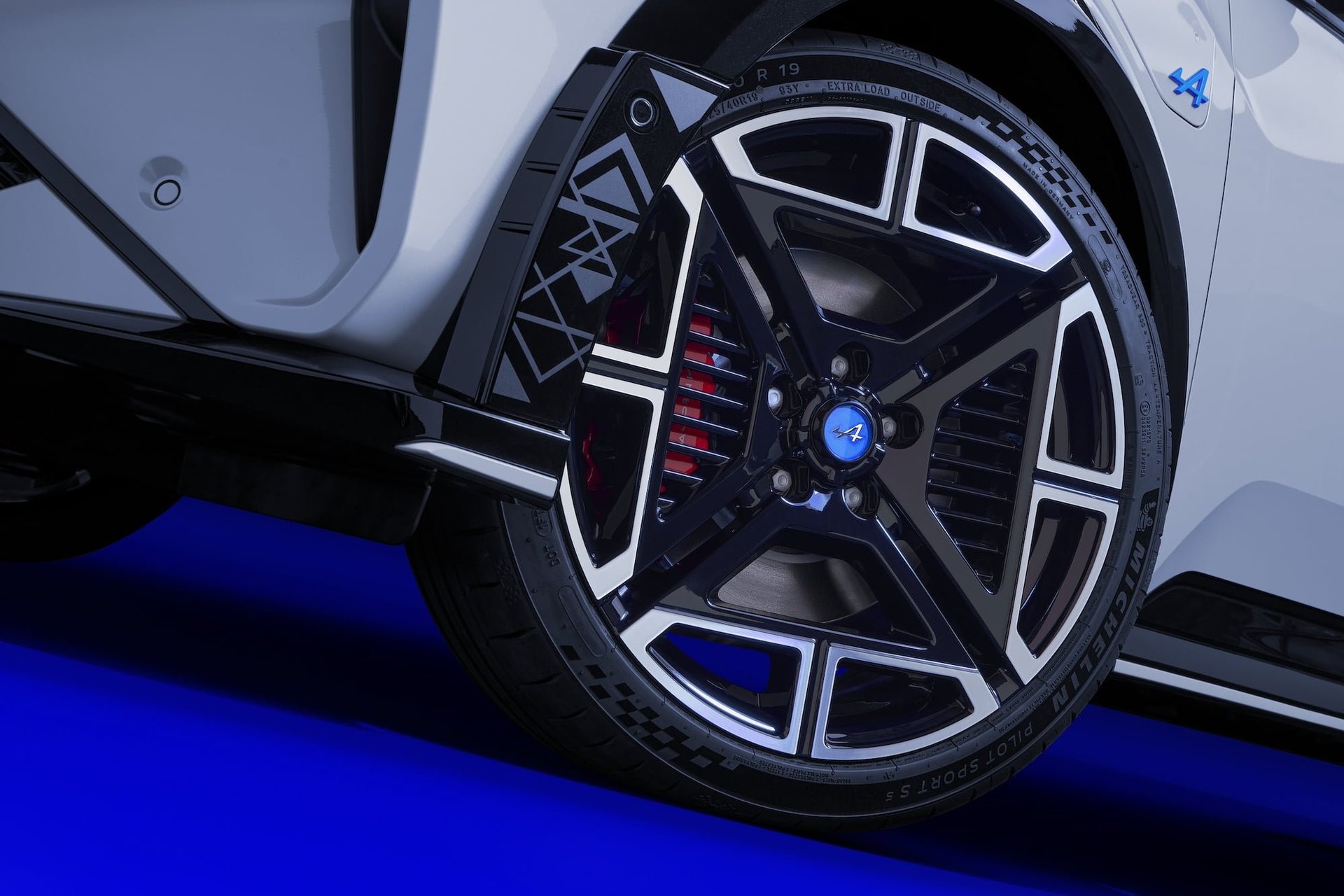
The A290 changes Alpine’s very nature. Until now, the brand had relied mainly on the A110, a limited-run sports coupé. With the A290, Alpine enters a more accessible, more versatile product logic — one capable of generating volume while preserving a sporting image.
The positioning is clear: a sporty electric compact derived from the Renault 5 E-Tech but heavily reworked, including chassis, suspension and Brembo brakes. It broadens the customer base, particularly among buyers who would never have considered an A110.
But this strategy also has its limits. In some markets, such as the United Kingdom, the A290 sells five to six times less than the Renault 5 E-Tech despite its clearly premium positioning. This highlights both the brand’s ability to justify a price premium — and the volume challenge it faces against more accessible models.
A growing Europe, but far from uniform
Europe remains the brand’s main pillar, with 3,096 units (+53.9%). Growth is broad-based, but it rests on very different dynamics from one country to another.
The United Kingdom posted +1,595.2% to reach 712 units. It is a spectacular figure, but one largely linked to a very weak comparison base and the late rollout of the network. By contrast, Germany (+145.6%, 366 units) and Spain (+185.2%, 154 units) show more structural progress in markets historically demanding in terms of sportiness and premium positioning.
This gradual spread is a positive sign: Alpine no longer depends solely on France. But volumes remain modest, and the brand still needs to establish itself durably in these markets to turn this early momentum into something lasting.
France: a decline that says more than it seems
With 1,397 units, France remains Alpine’s leading market, but it declined by 3.8%. The figure may appear marginal, yet it comes against a backdrop of strong global growth — which gives it particular significance.
Several factors overlap: the A110’s end of cycle, anticipation around its 100% electric replacement, the market’s shift towards electric vehicles (19.4% of European registrations in Q1 2026) and a slightly declining national context.
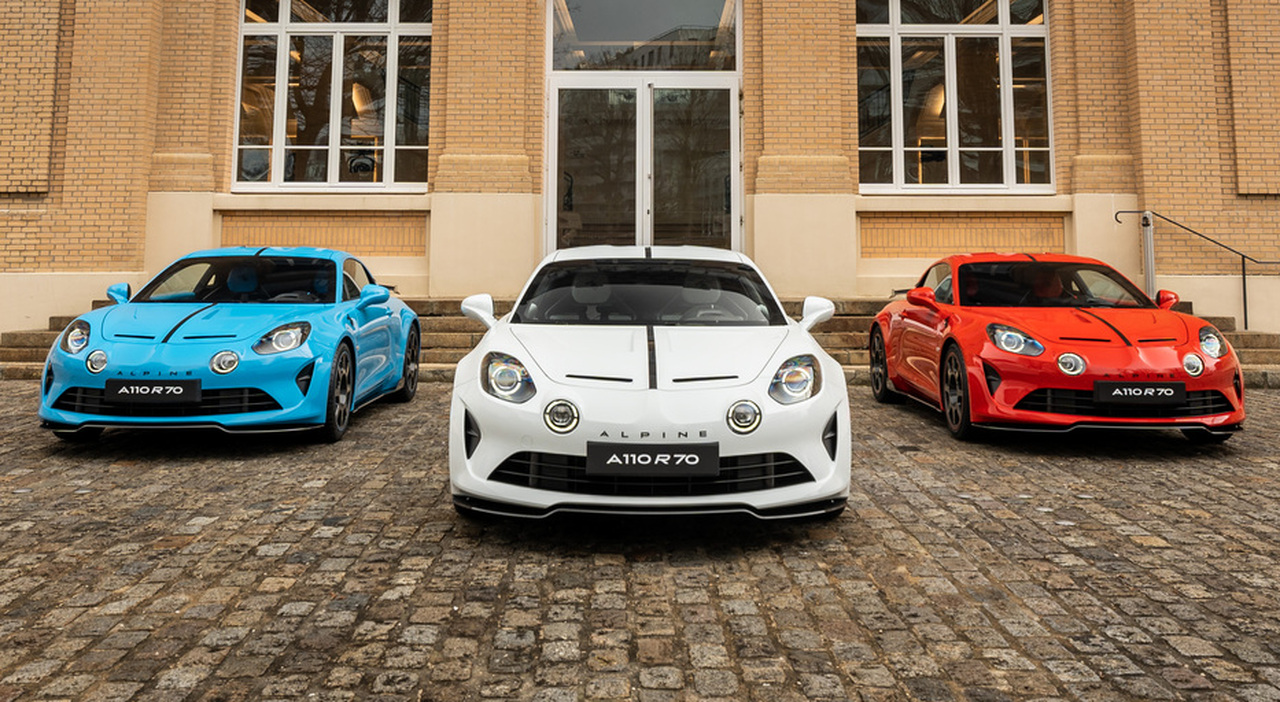
Above all, this decline reflects a turning point. The historic customer base, attached to combustion engines and the lightness of the A110, must gradually be guided towards a new offering without breaking the emotional bond.
Alpine A110: an end of cycle under control
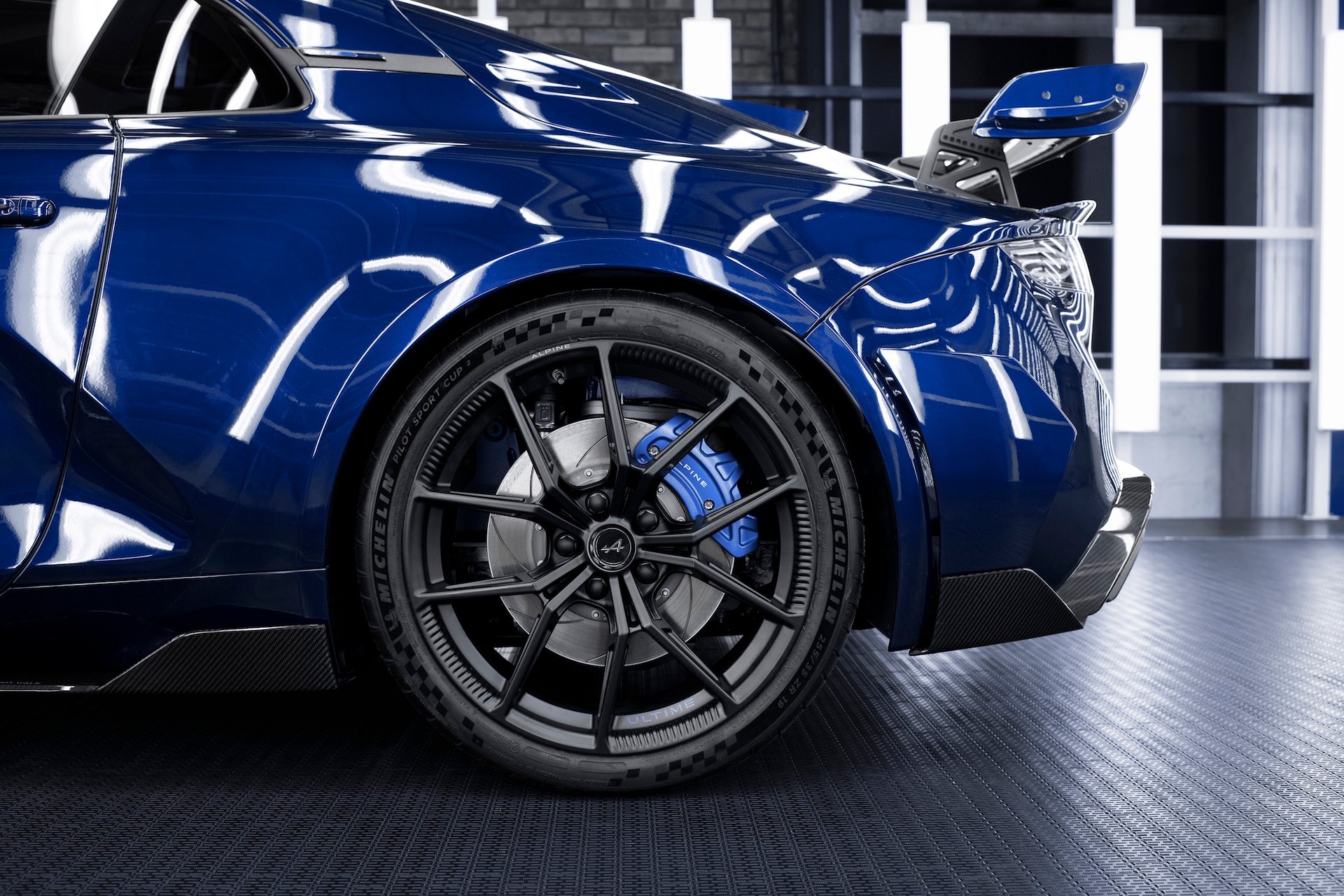
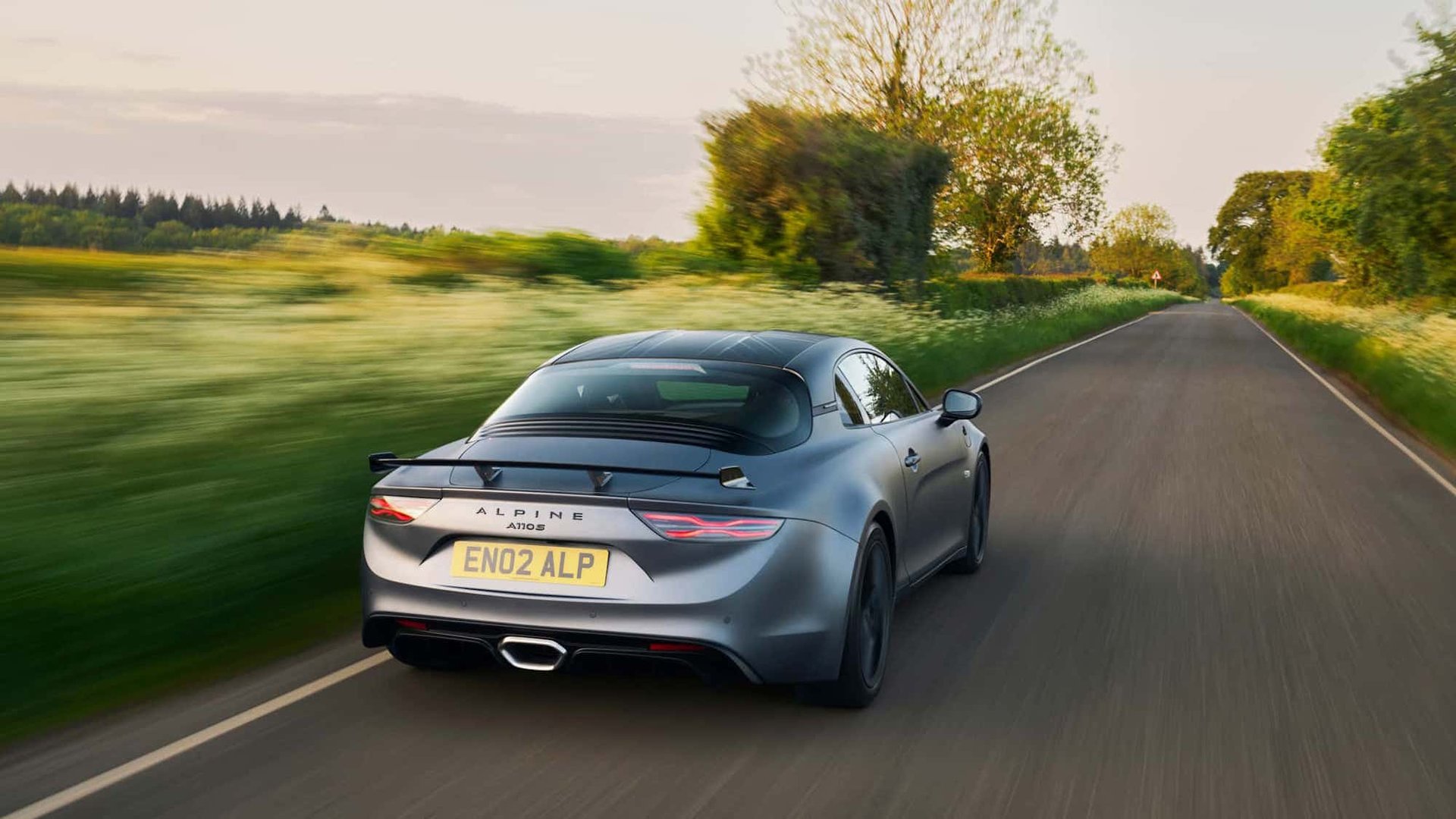
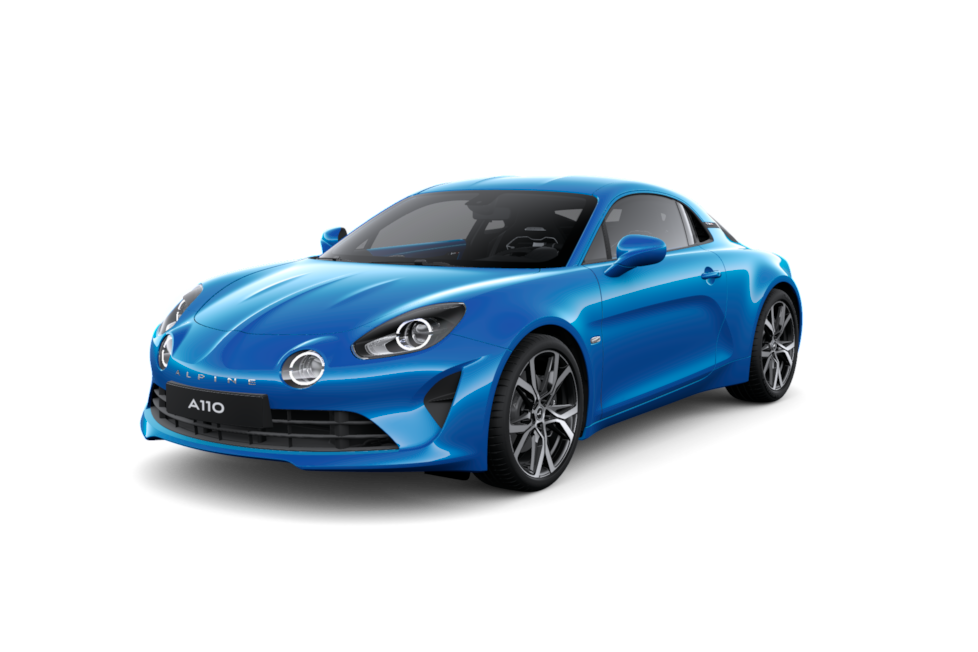
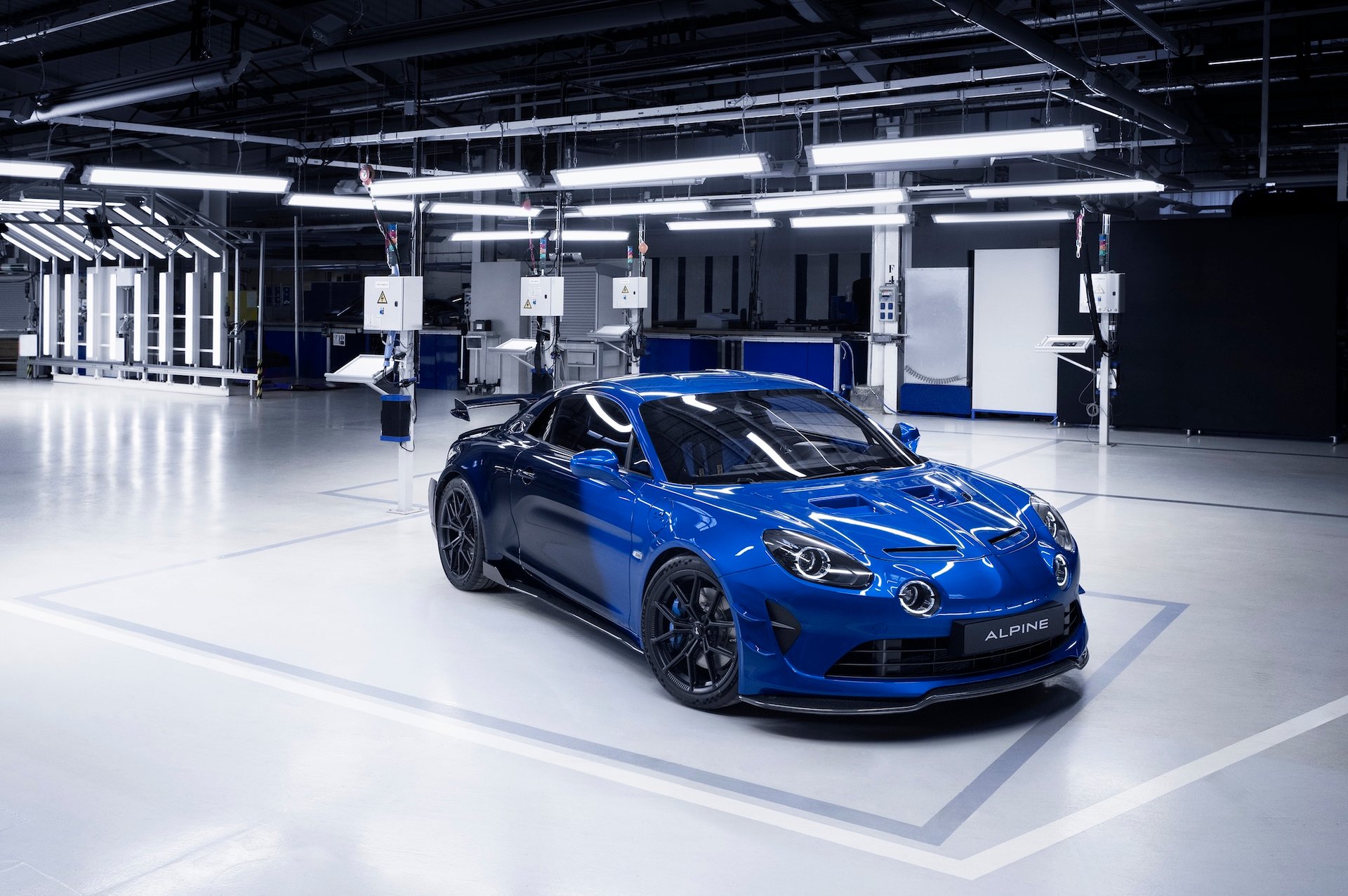
The A110 remains a benchmark in its segment, with a 62% market share in Europe. But its volumes are logically declining: 545 units over the quarter.
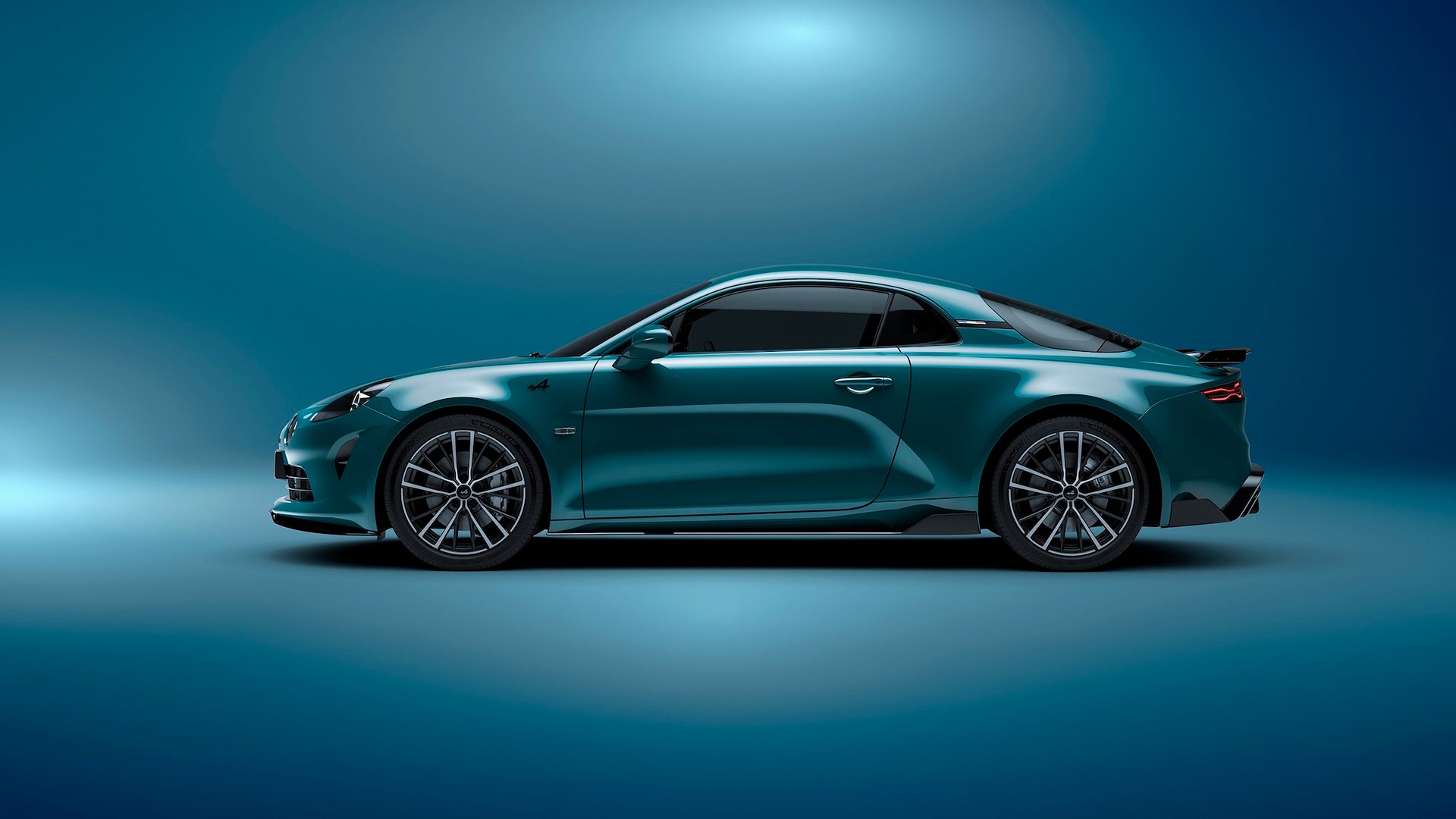
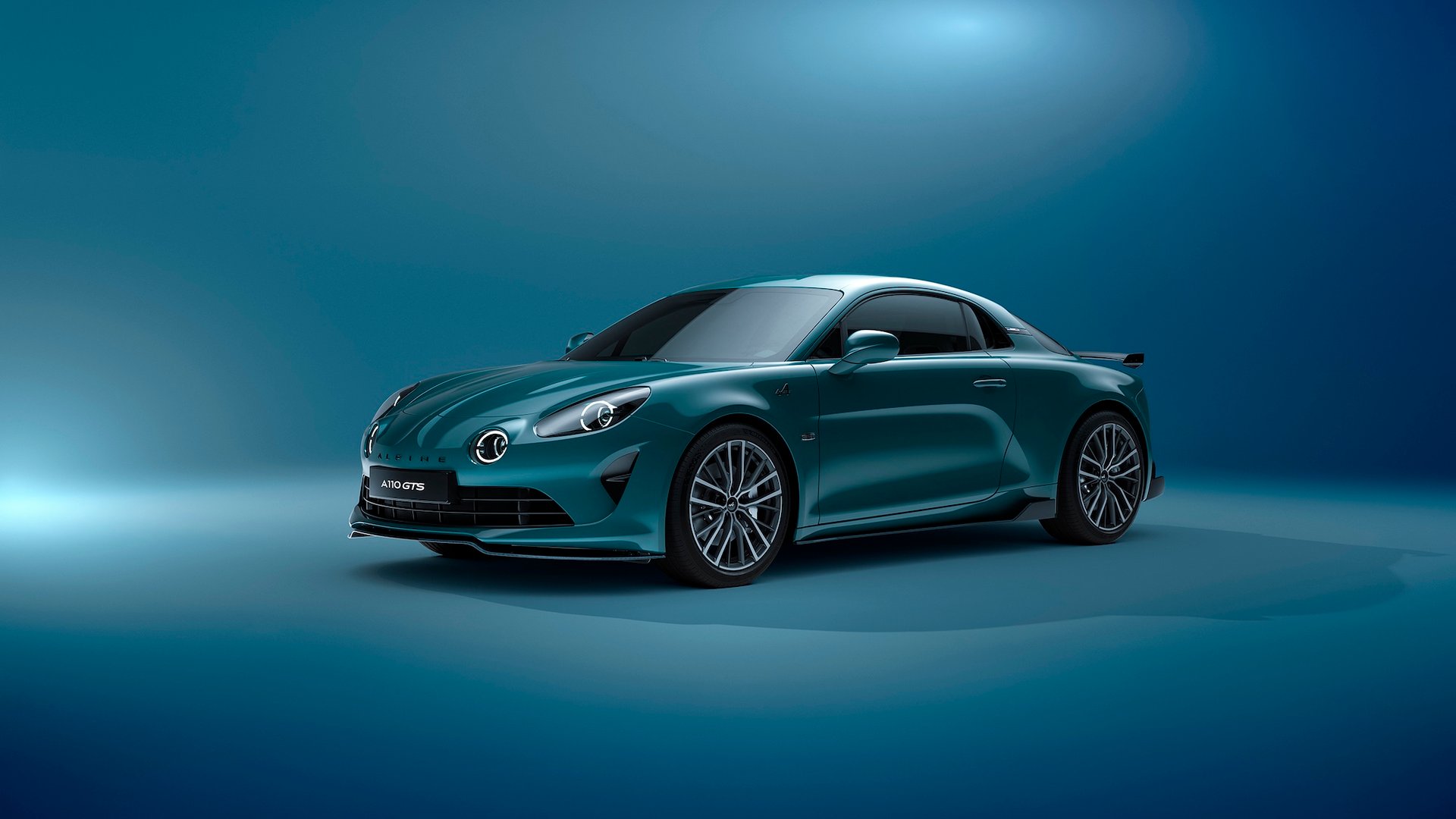
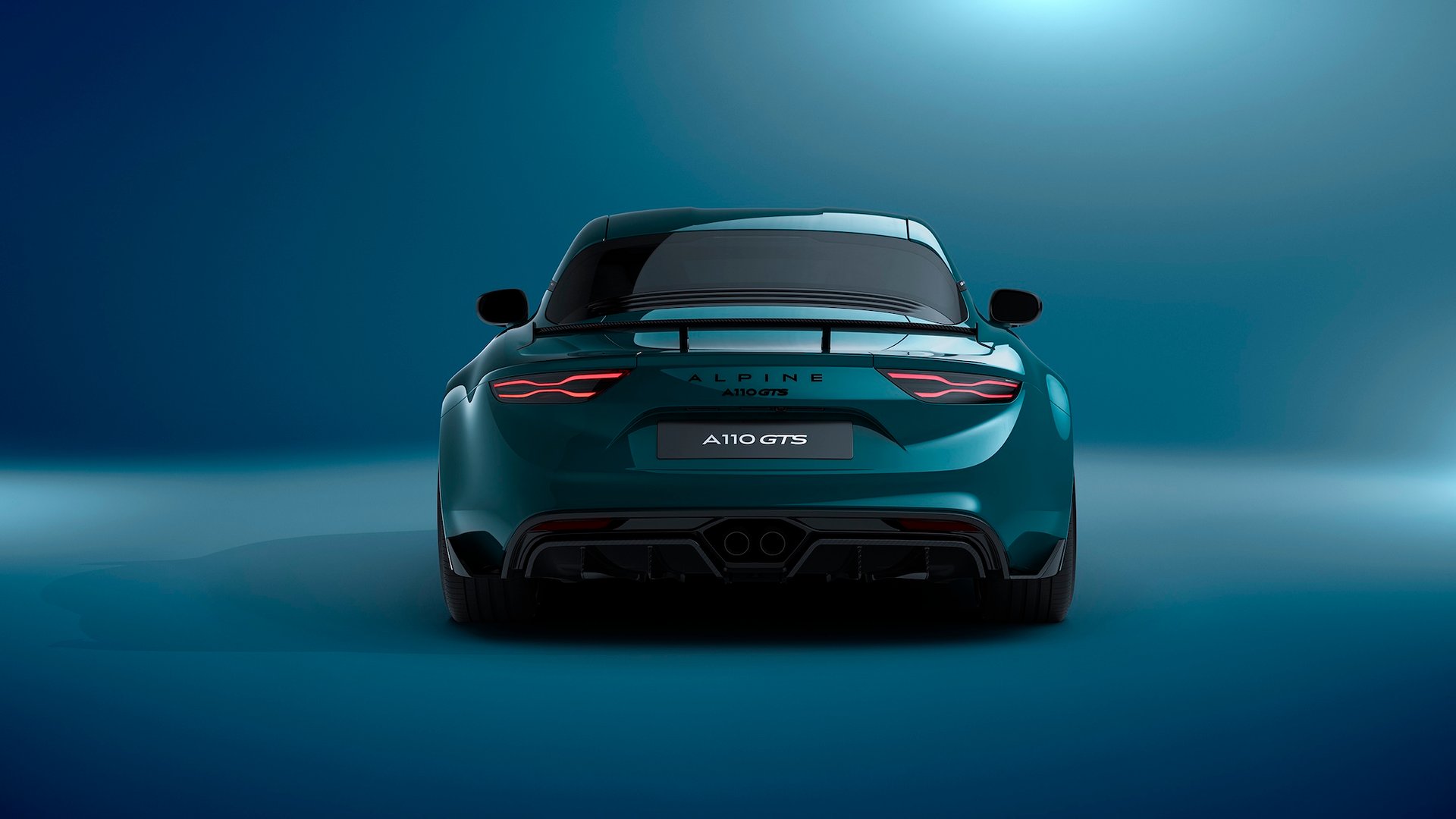
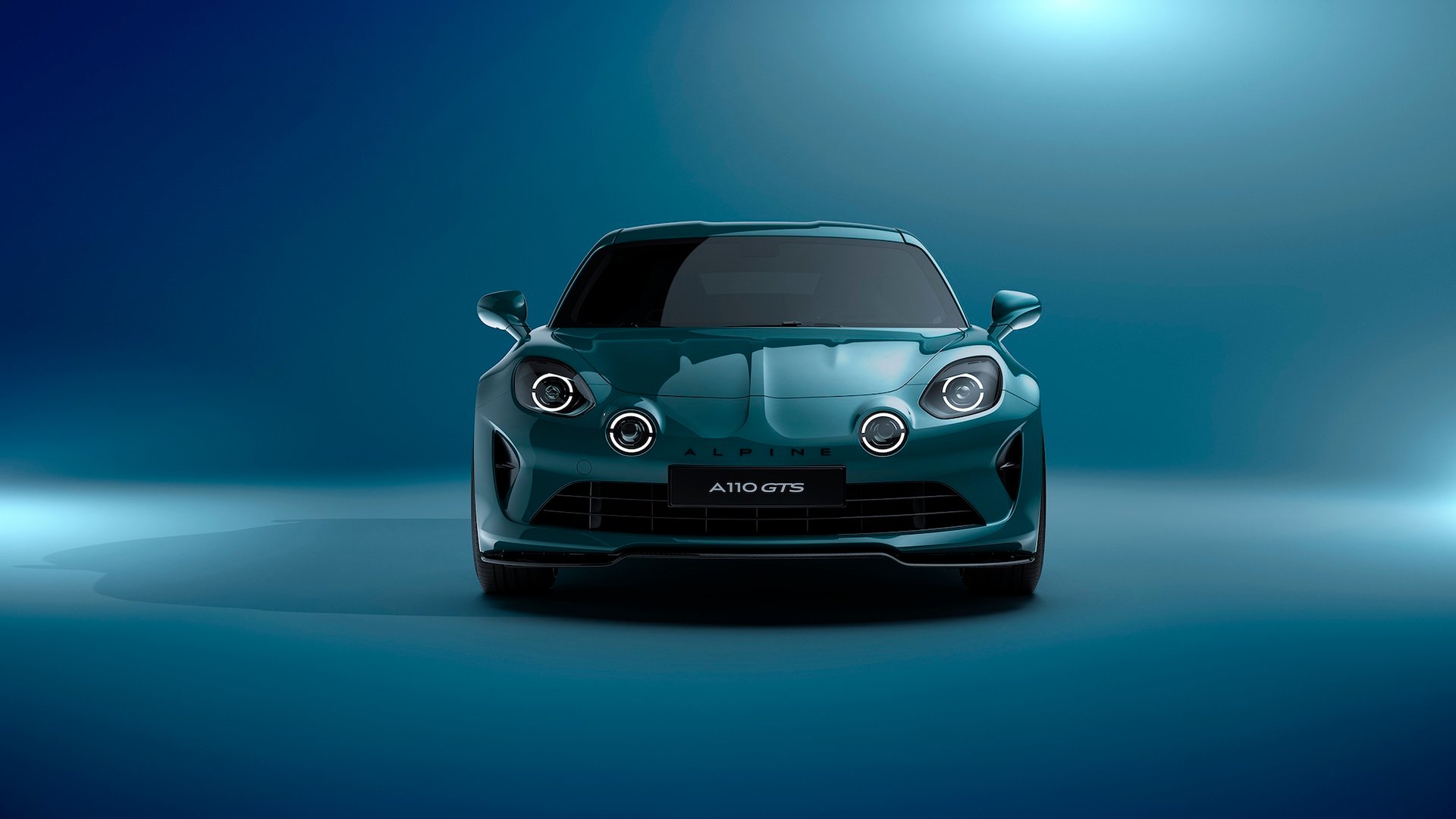
Production is due to end in summer 2026 after a final run, taking the total to nearly 30,000 units since 2017 — a historic record for the brand. This model has been central to Alpine’s rebirth.
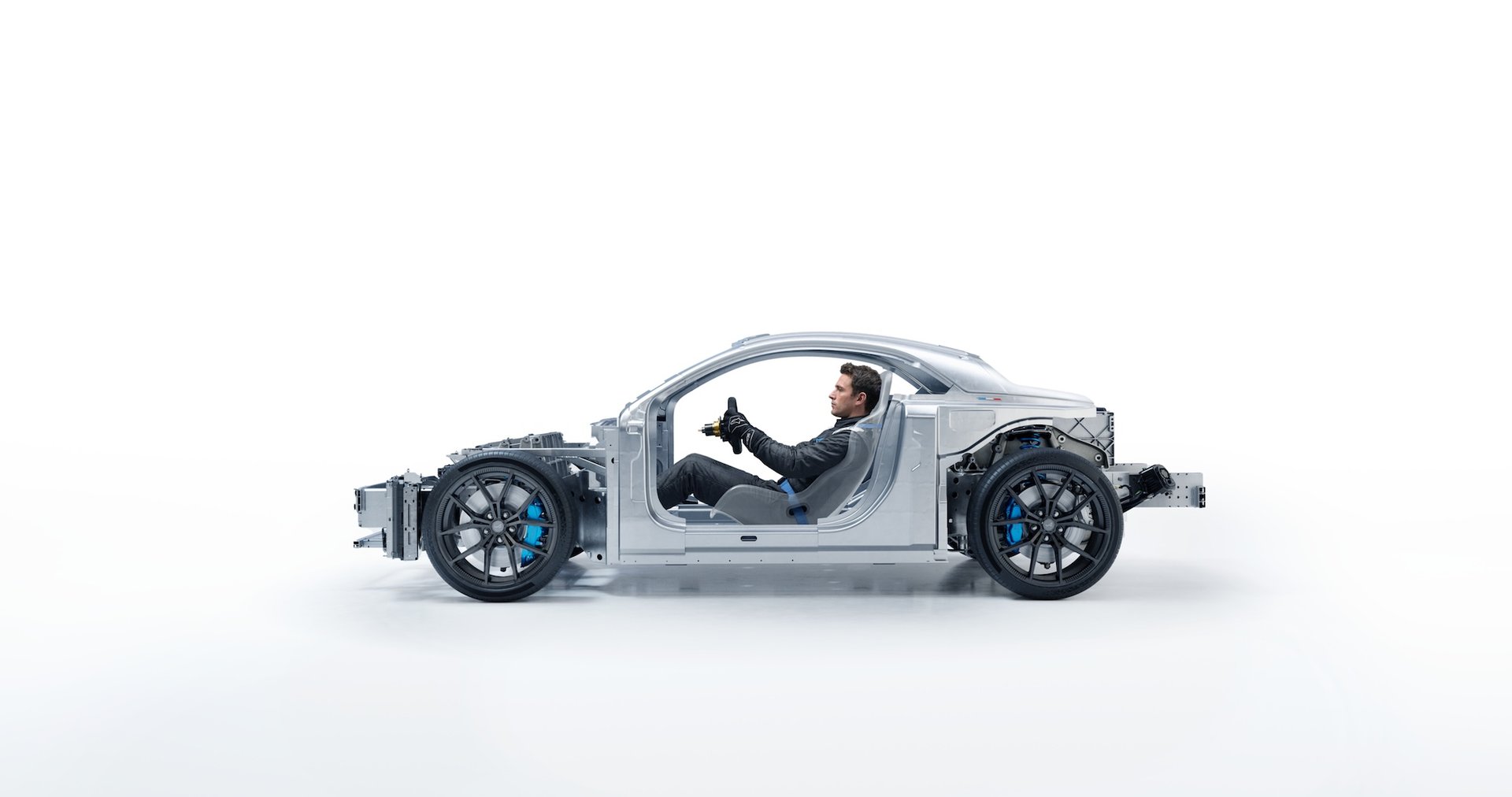
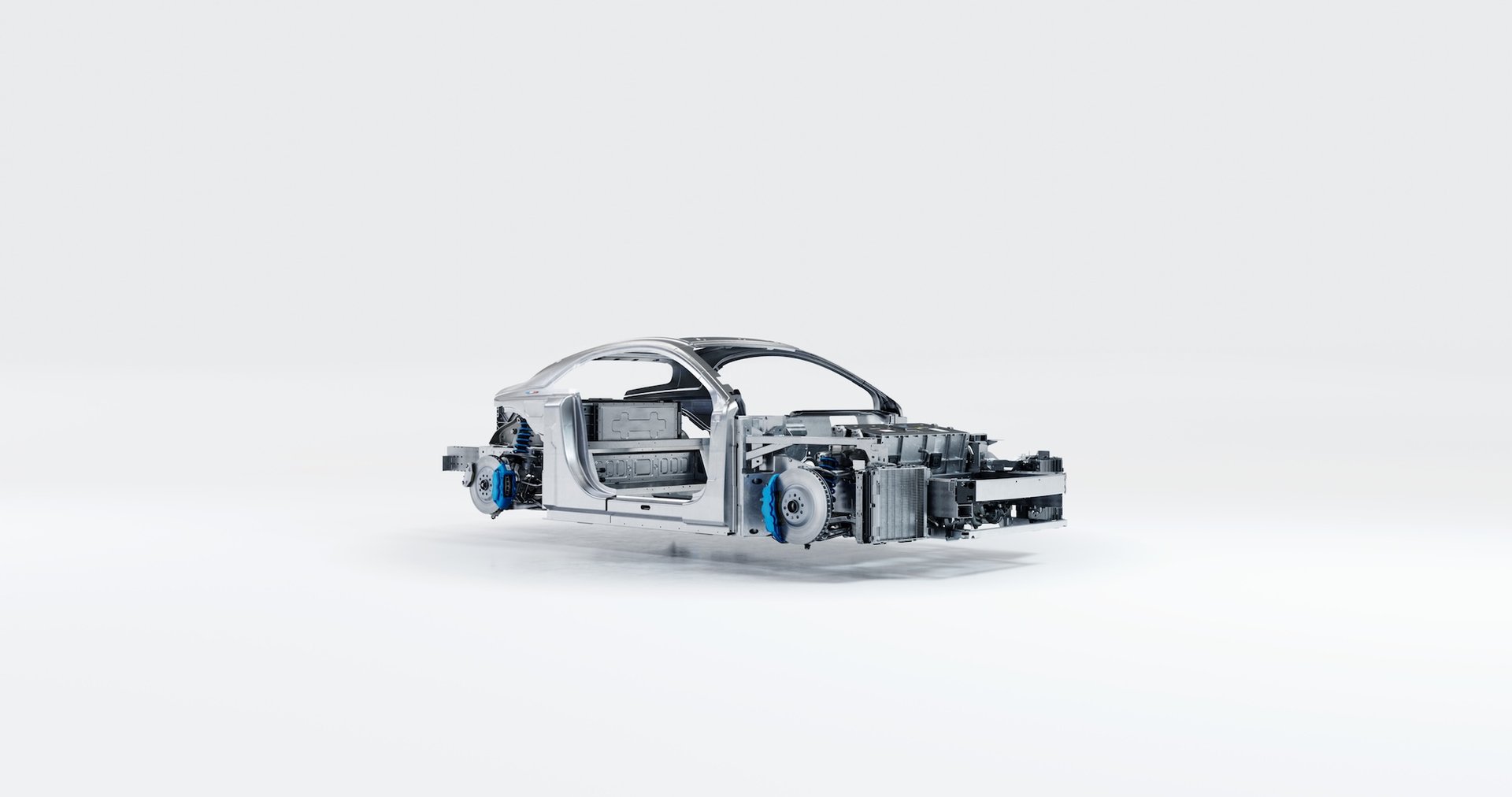
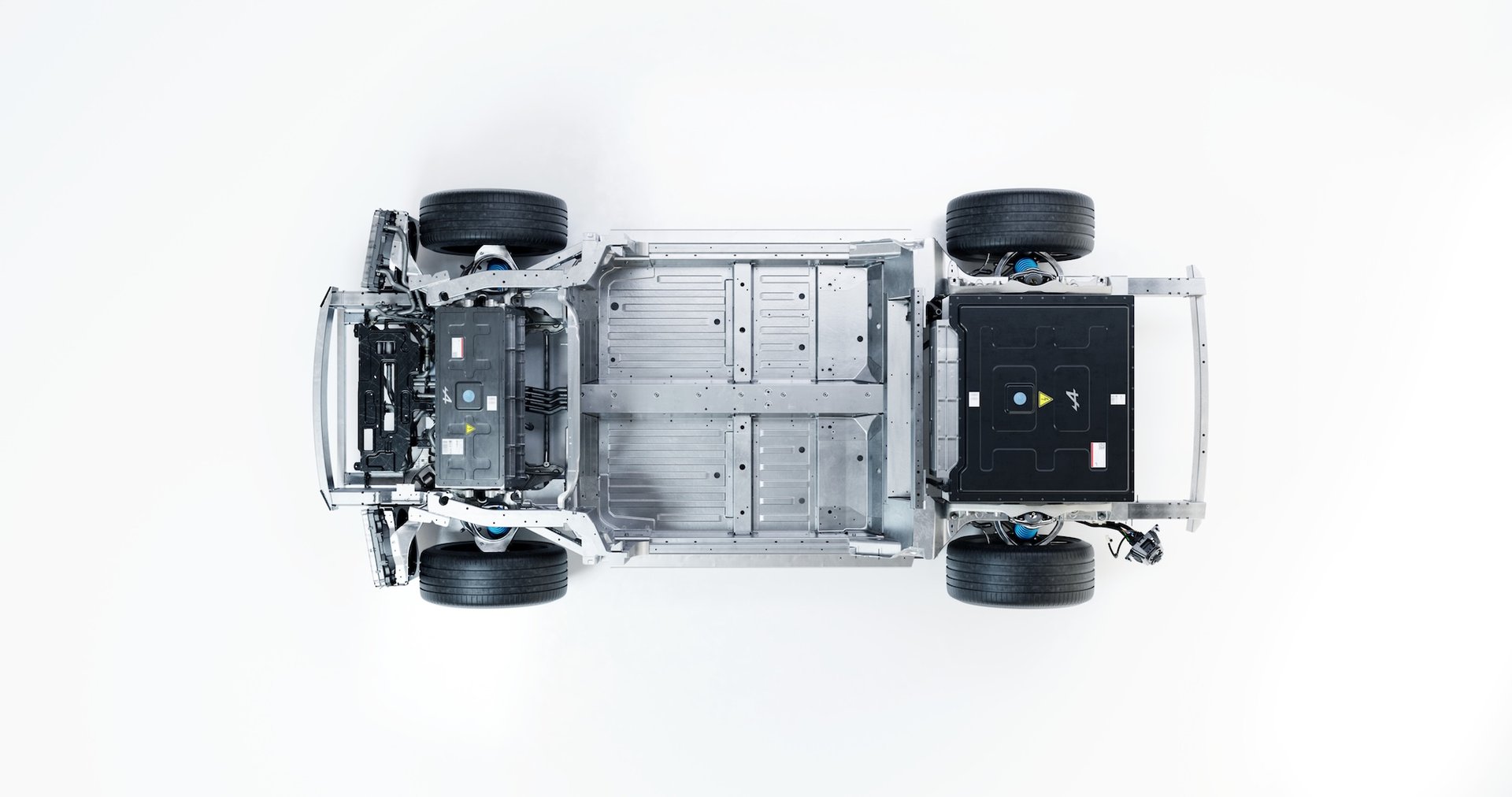
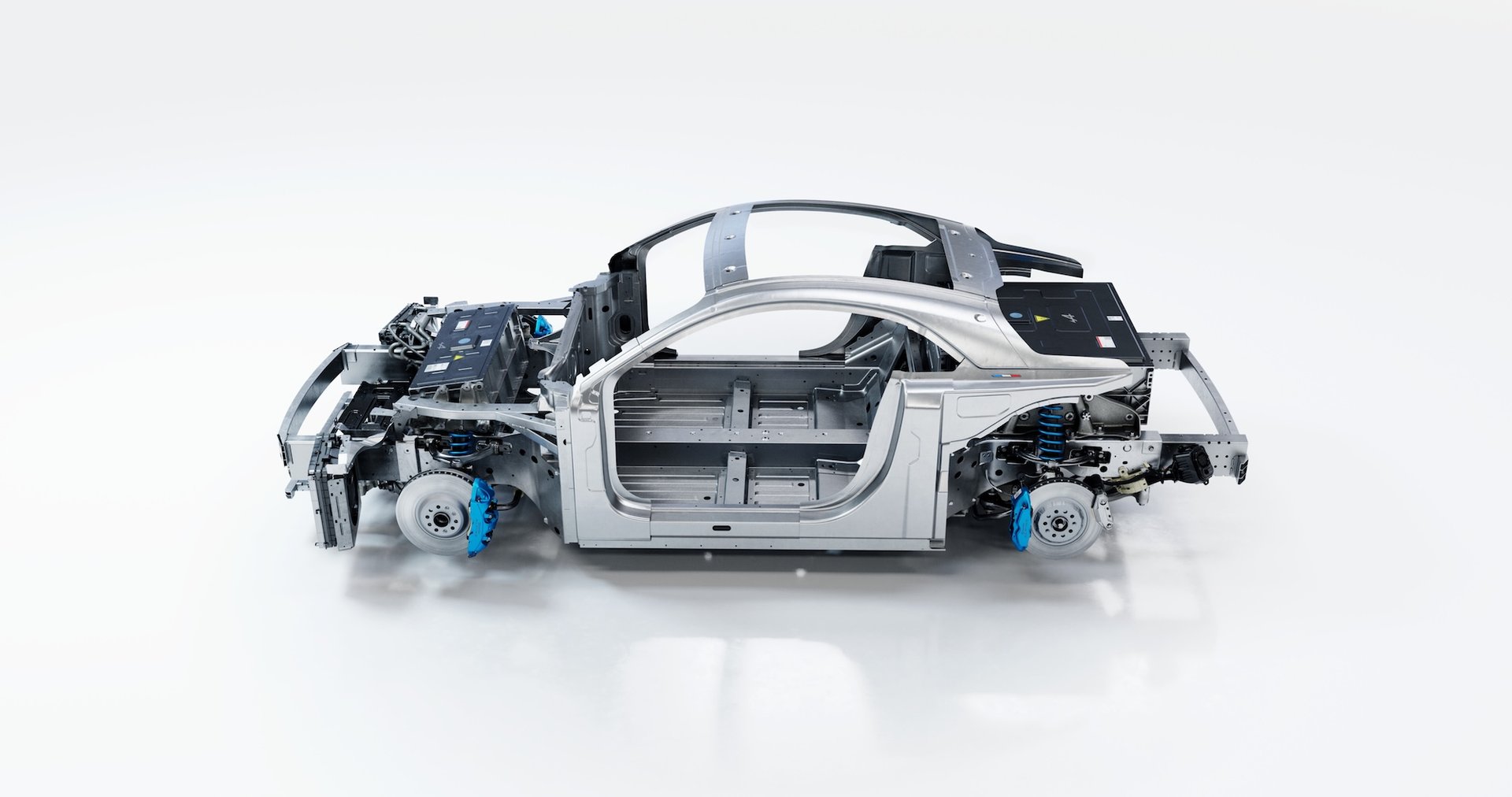
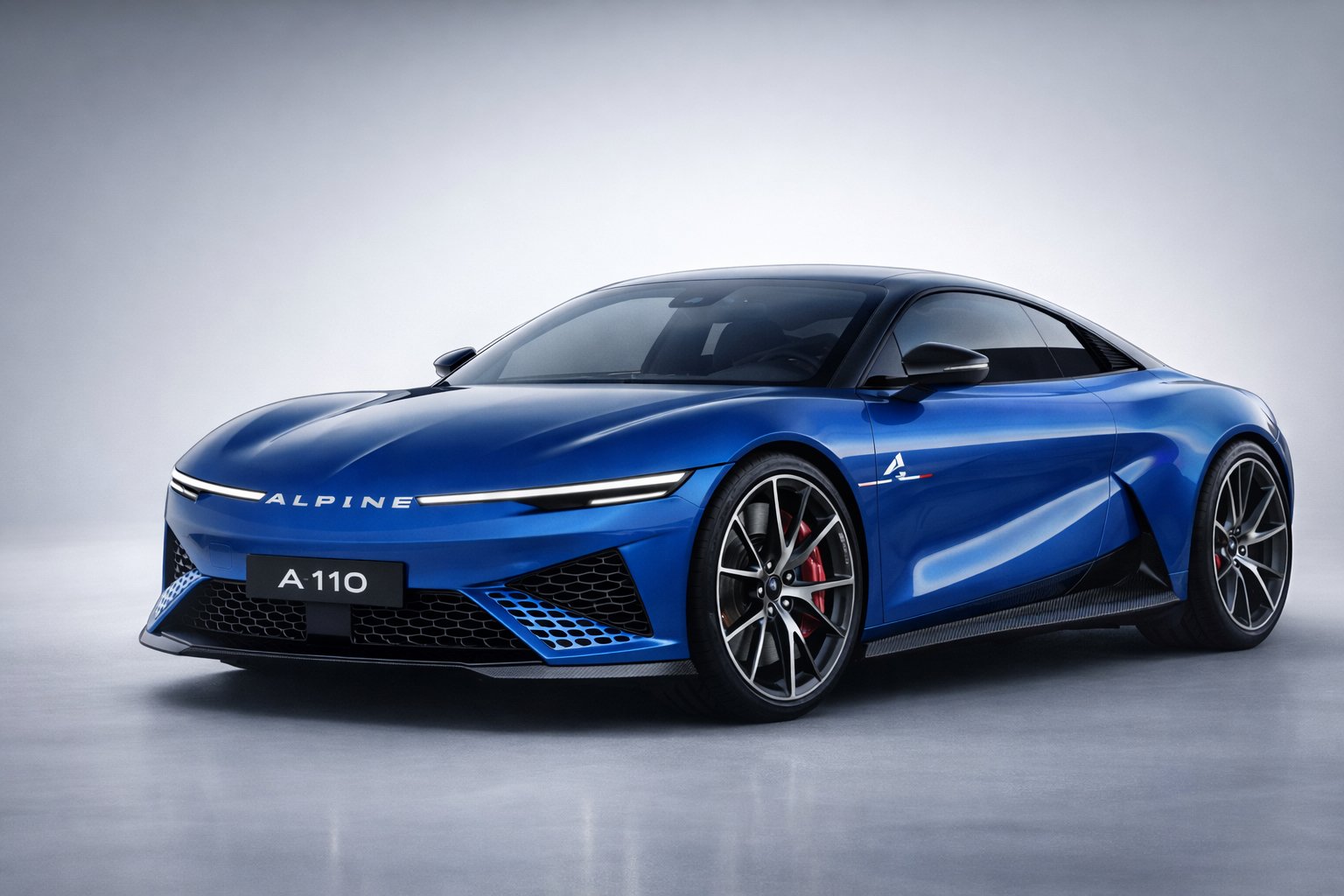
The transition to a 100% electric version on the Alpine Performance Platform (APP) is a key moment. In automotive history, the disappearance — even temporary — of an iconic model is always a sensitive issue when it comes to retaining purists.
Alpine A390: moving upmarket against German benchmarks
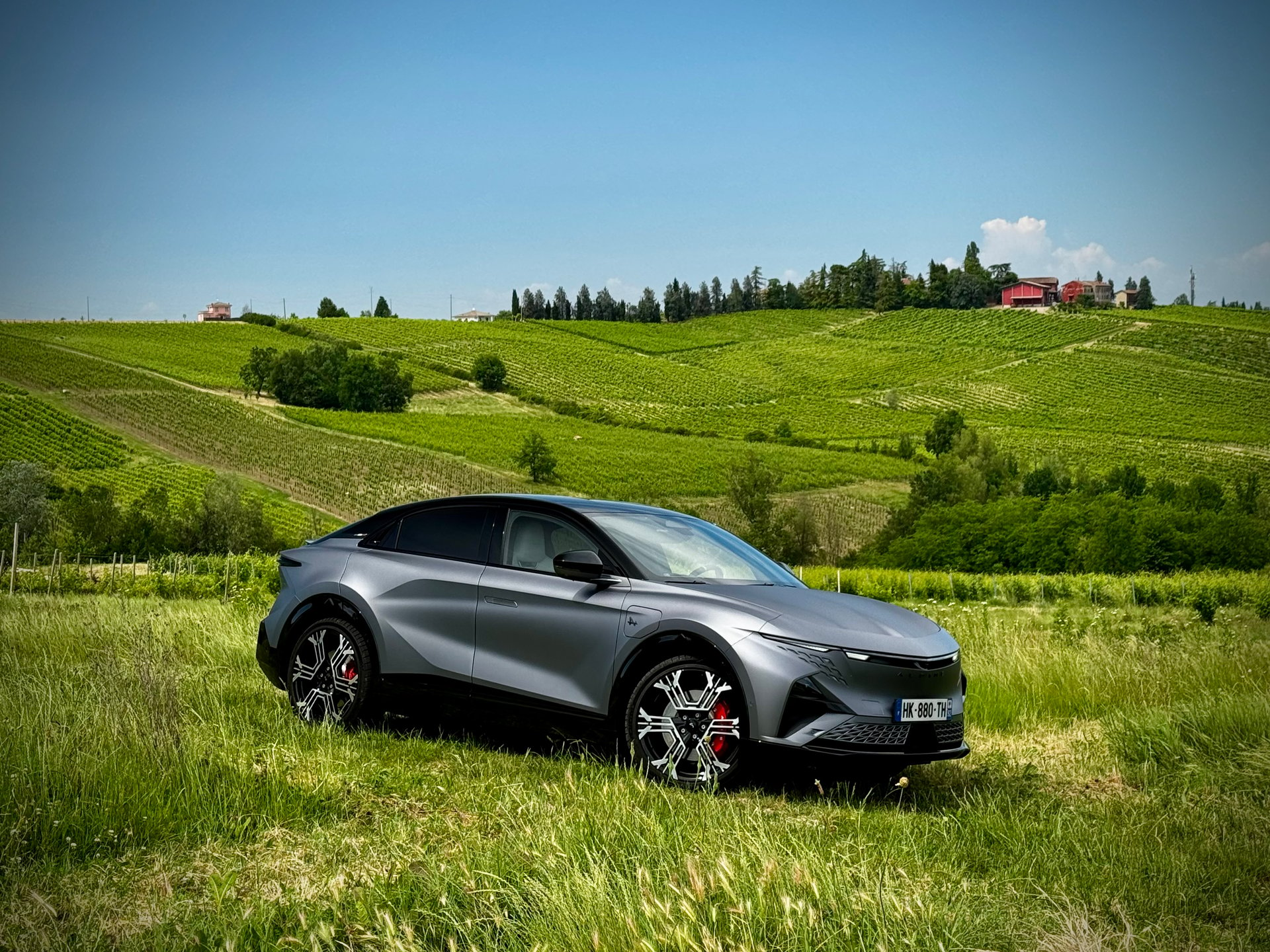
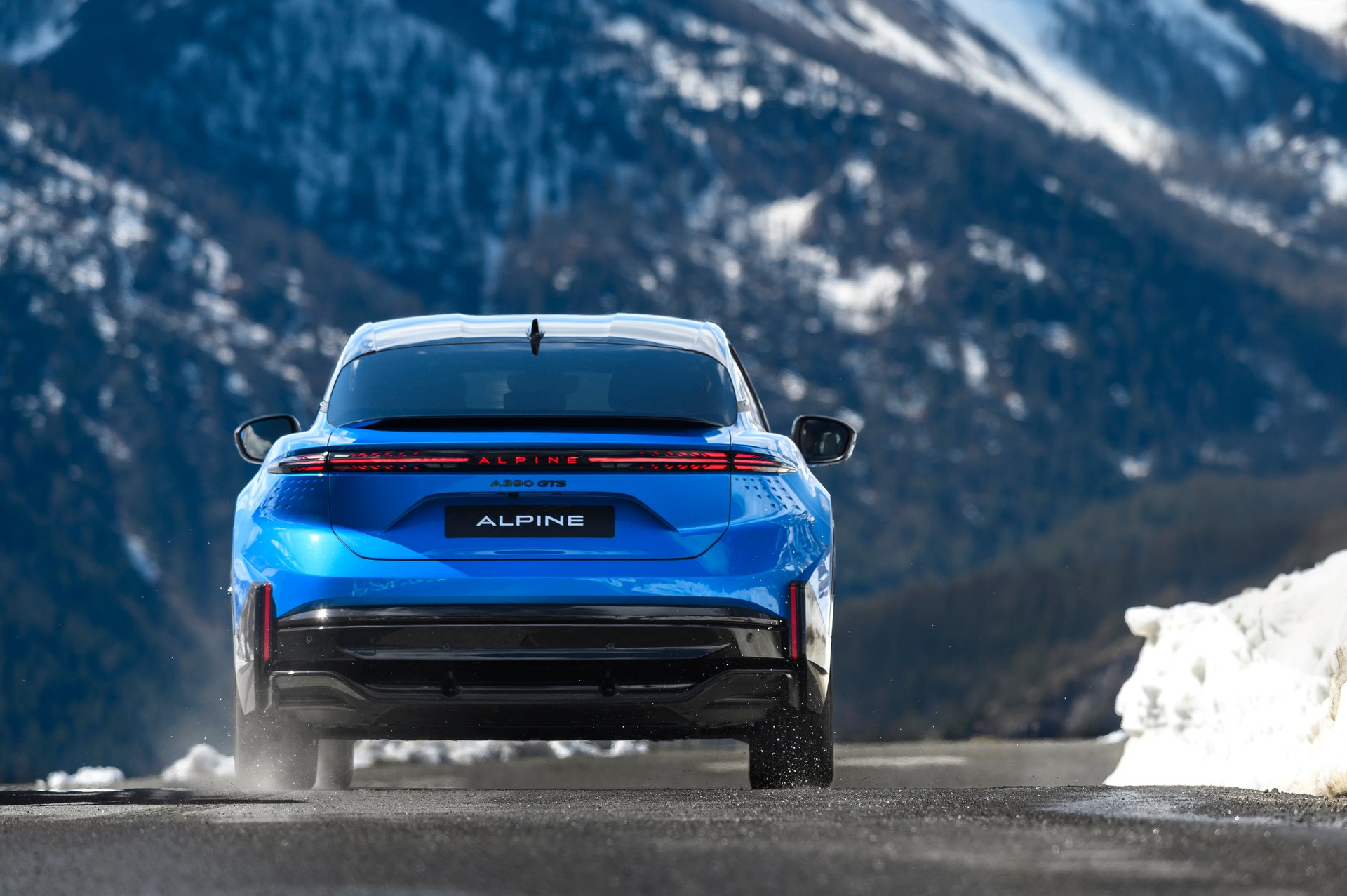
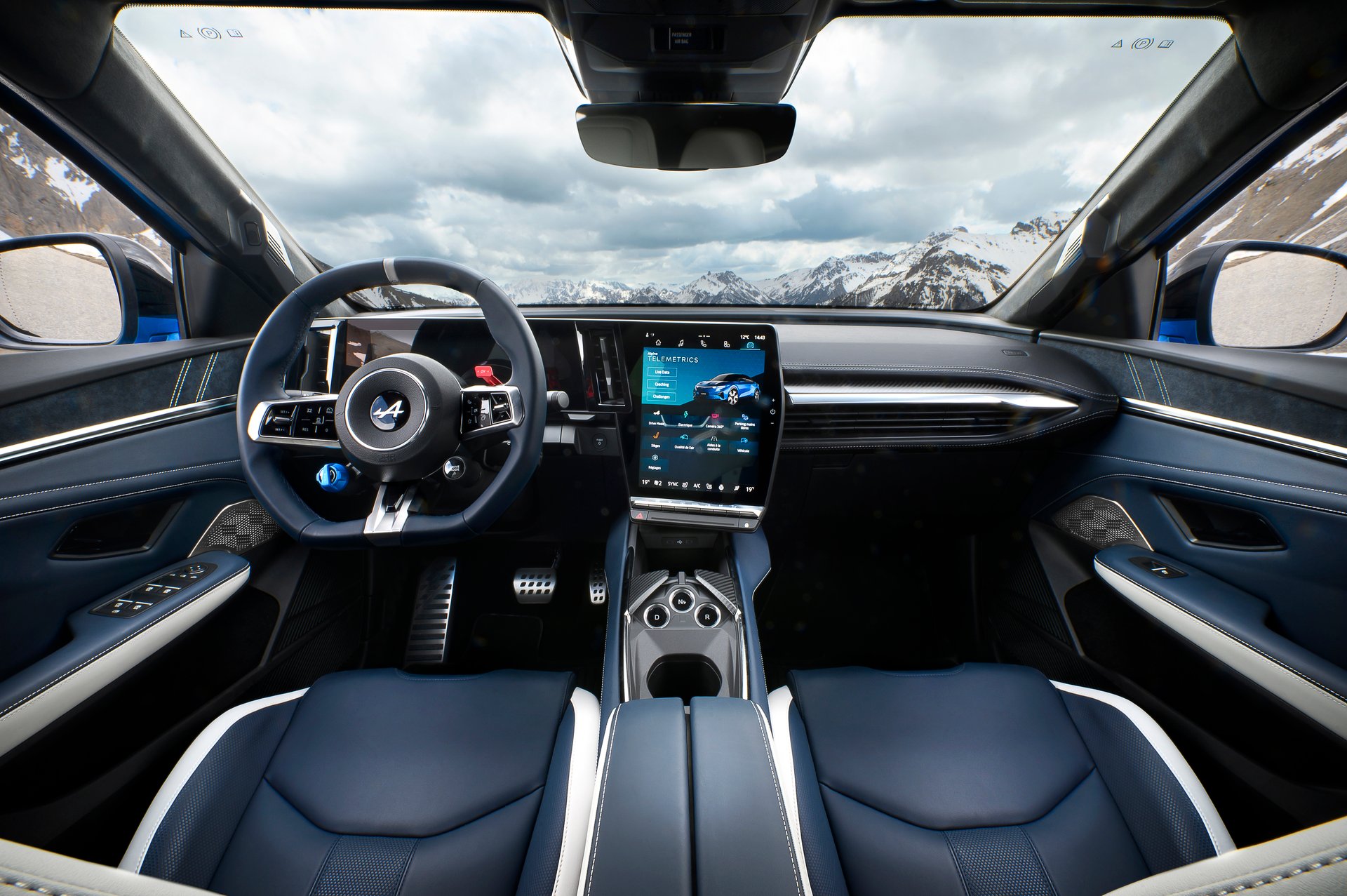
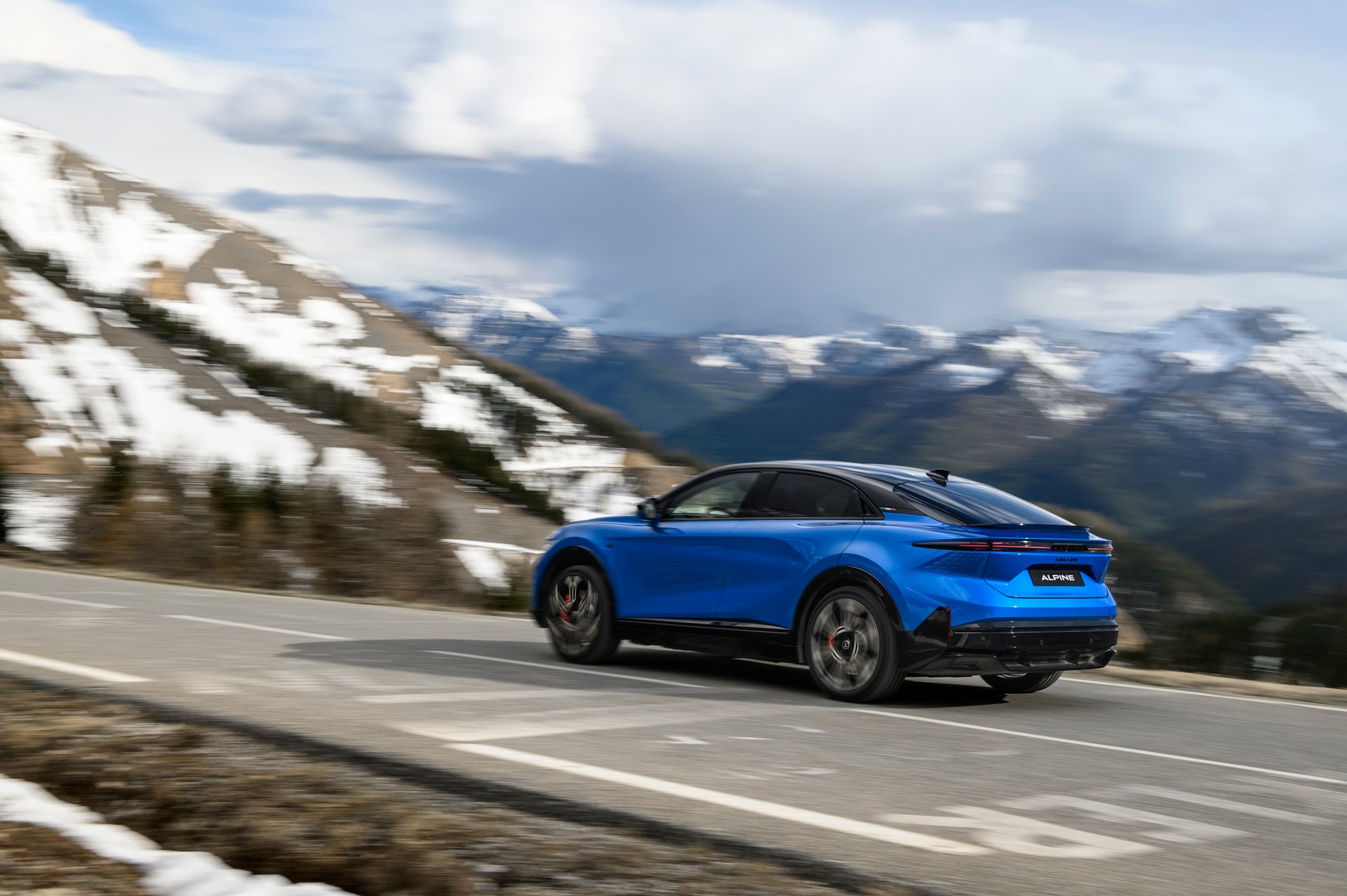
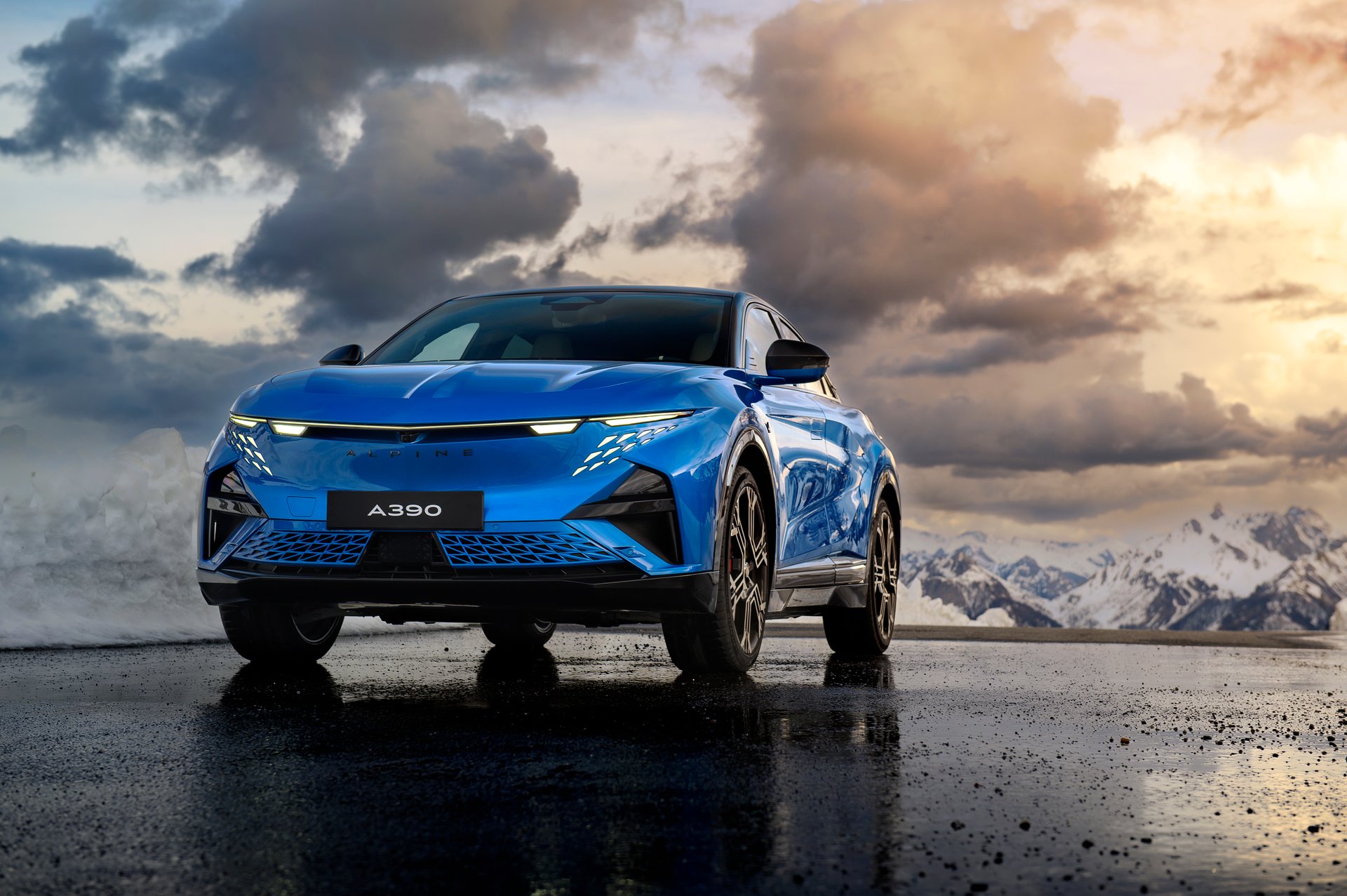
The arrival of the Alpine A390 marks a change of scale. With up to 470 hp, a tri-motor architecture and a more upmarket positioning, Alpine is now targeting a segment dominated by players such as Porsche and Audi.
The challenge is clear: to rival models such as the Porsche Macan Electric, which recorded 8,079 units in Q1 2026, while preserving Alpine’s DNA — especially in terms of agility and lightness. The A390 GT starts at €67,500, a price positioning that is clearly more aggressive than that of its German rivals.
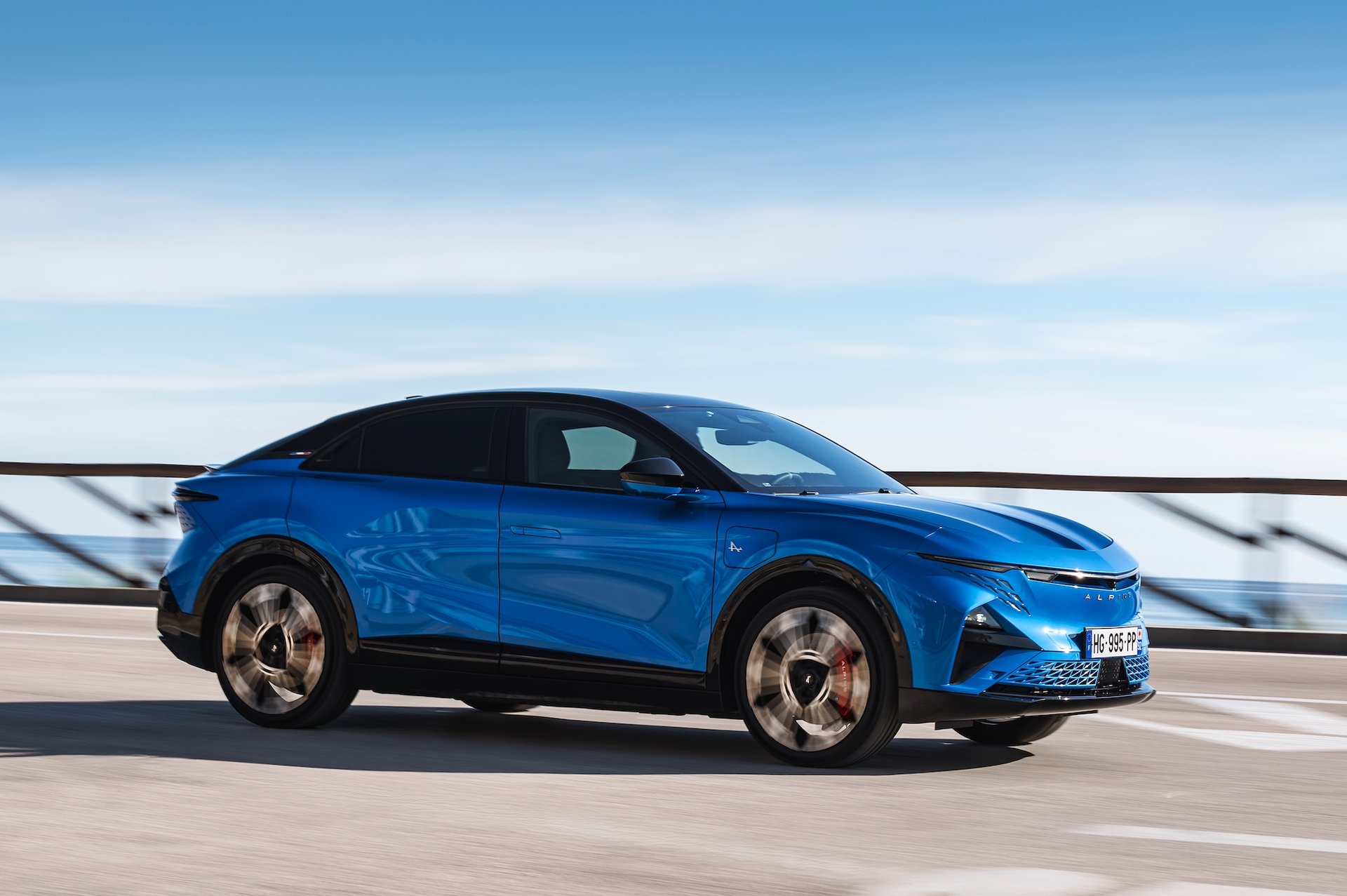
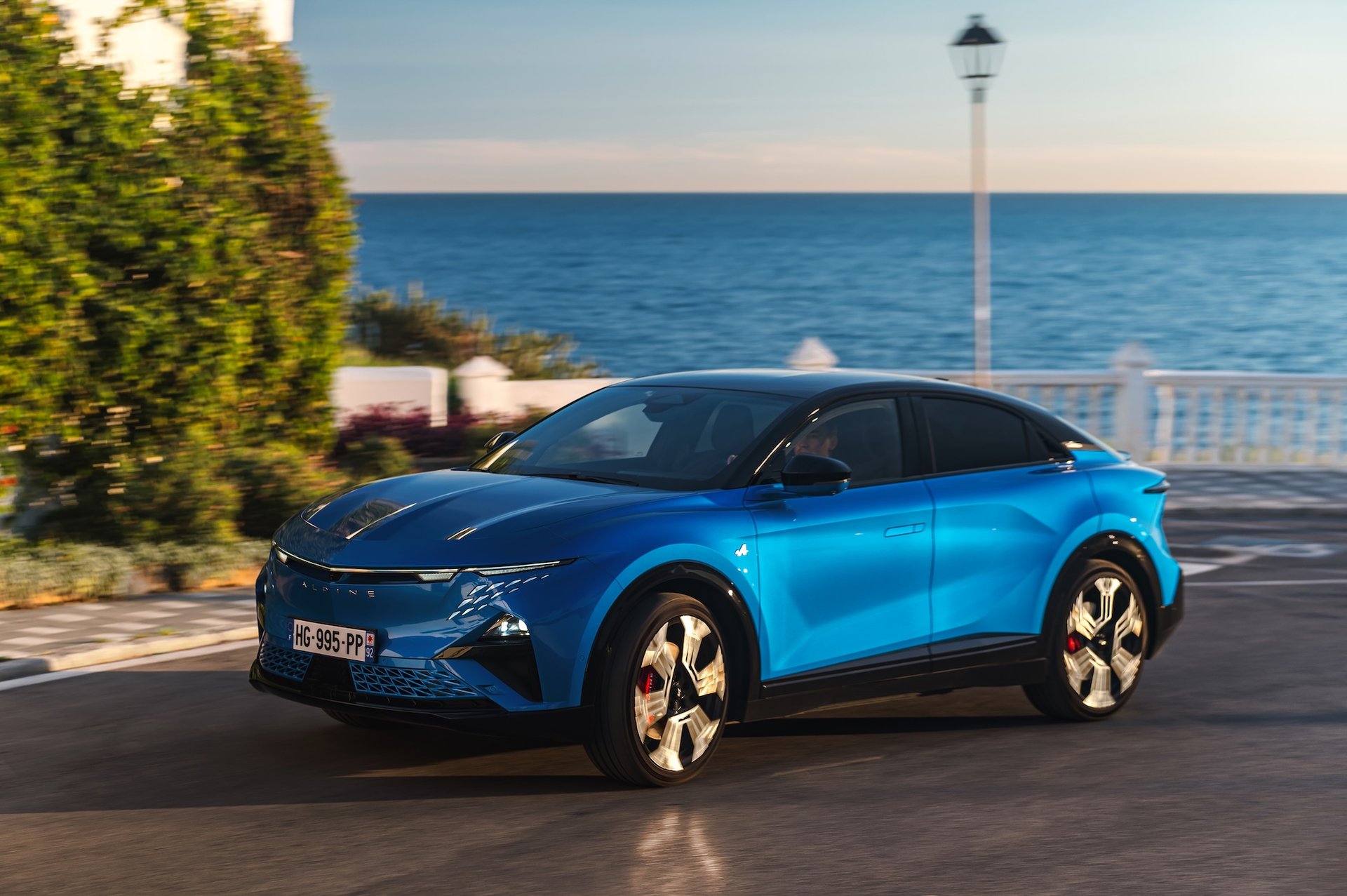

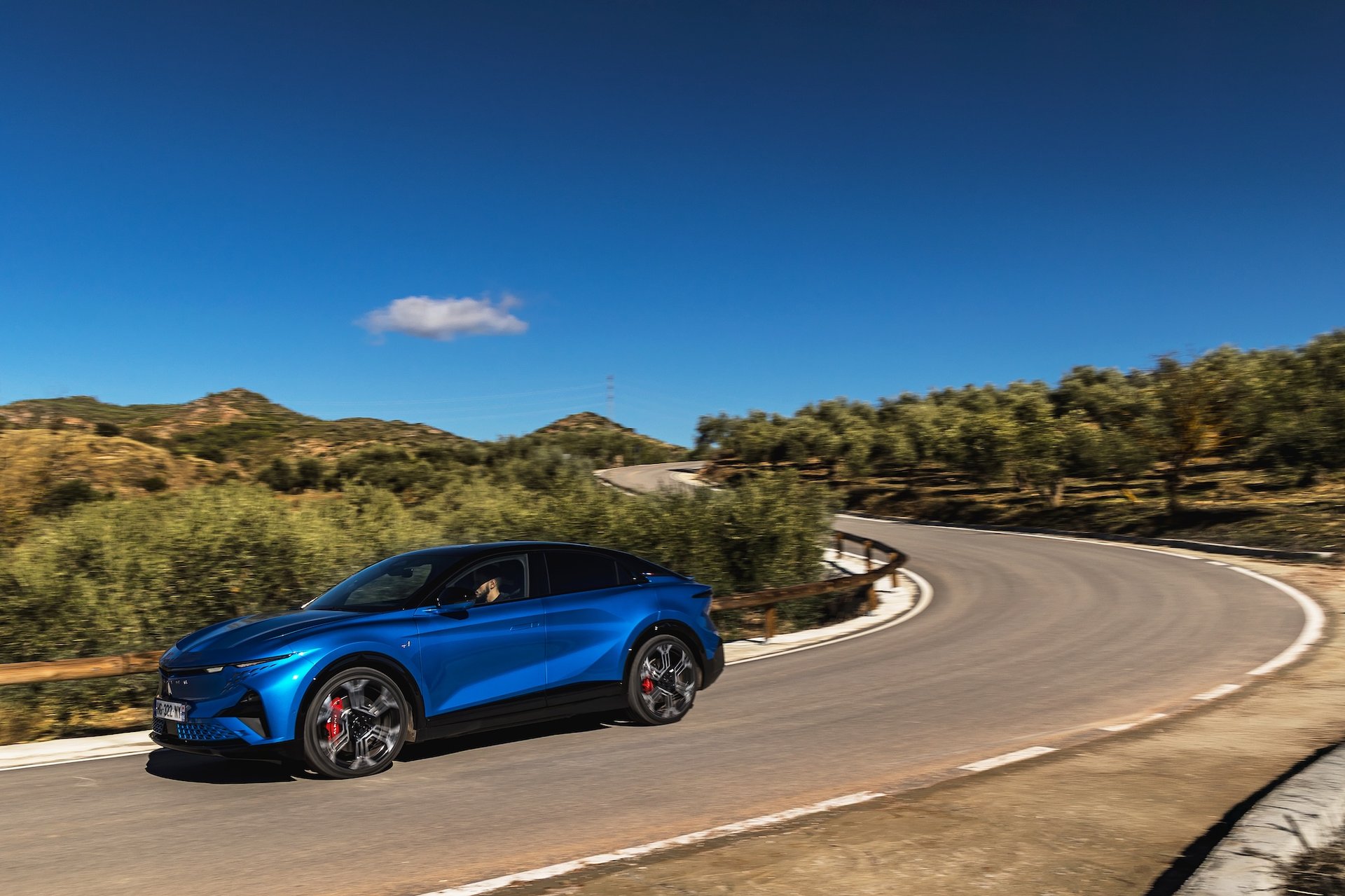
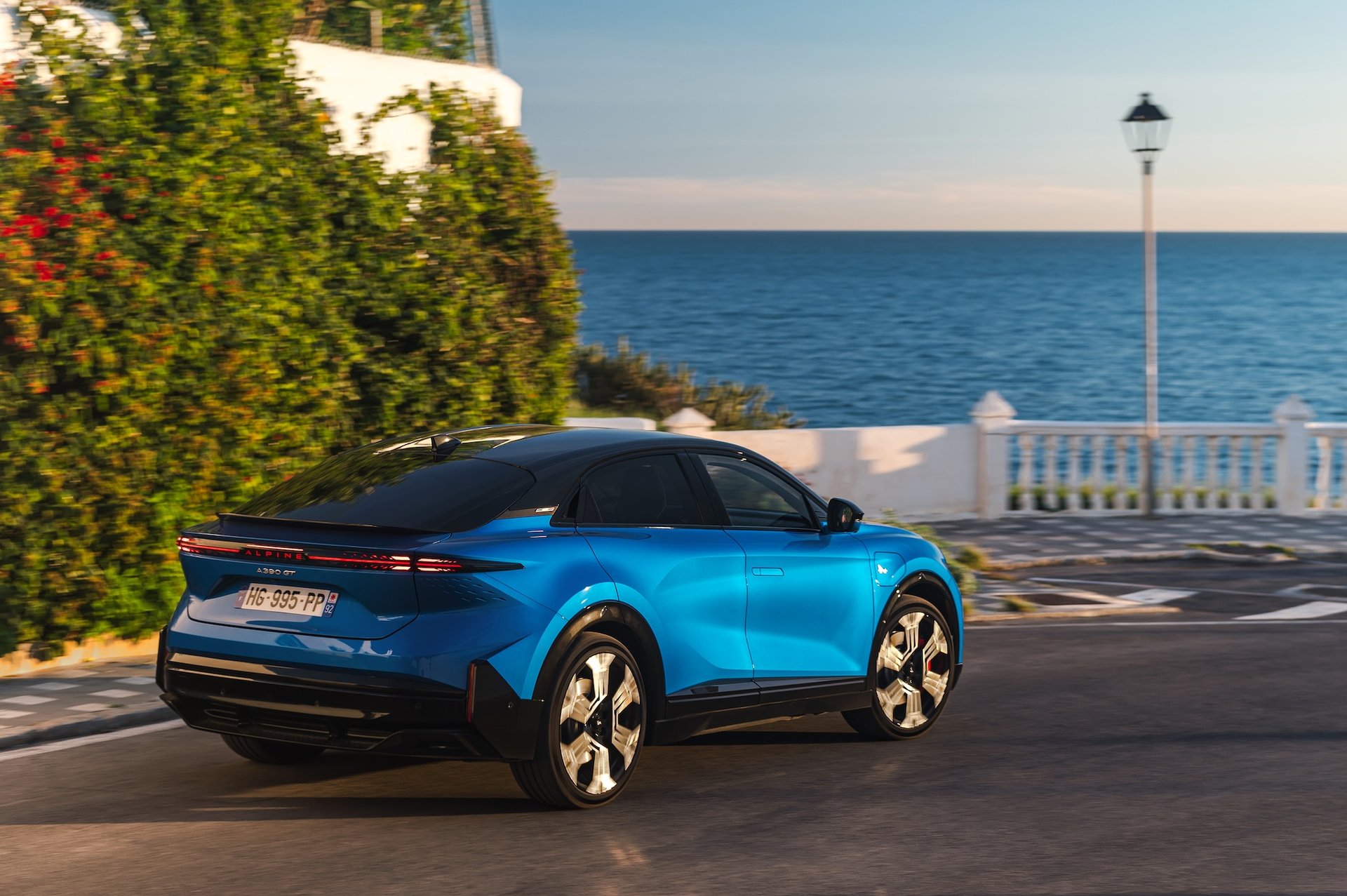
Initial orders remain below early expectations. There is nothing alarming at this stage, but it confirms that establishing the model in this premium segment will take time and require flawless product execution.
A more demanding competitive and technological context
The market is changing quickly. Electric vehicles now account for 19.4% of registrations in Europe in Q1 2026, and competition is intensifying, particularly with the arrival of Chinese manufacturers in the high-end market.
At the same time, established players are accelerating their own electric ranges. Porsche, Audi, BMW and Mercedes are already occupying the field with structured offerings and established brand awareness.
In this environment, Alpine must build its place without yet benefiting from the full range effect enjoyed by its competitors, while relying on the APP platform for future models including the electric A110, roadster and A310 2+2.
Distribution: rapid expansion to be balanced
The network is following the same acceleration logic: 210 sales outlets worldwide today, including 85 in France, with a target of 300 by the end of 2026. This expansion supports the broadening of the range and the conquest of new markets.
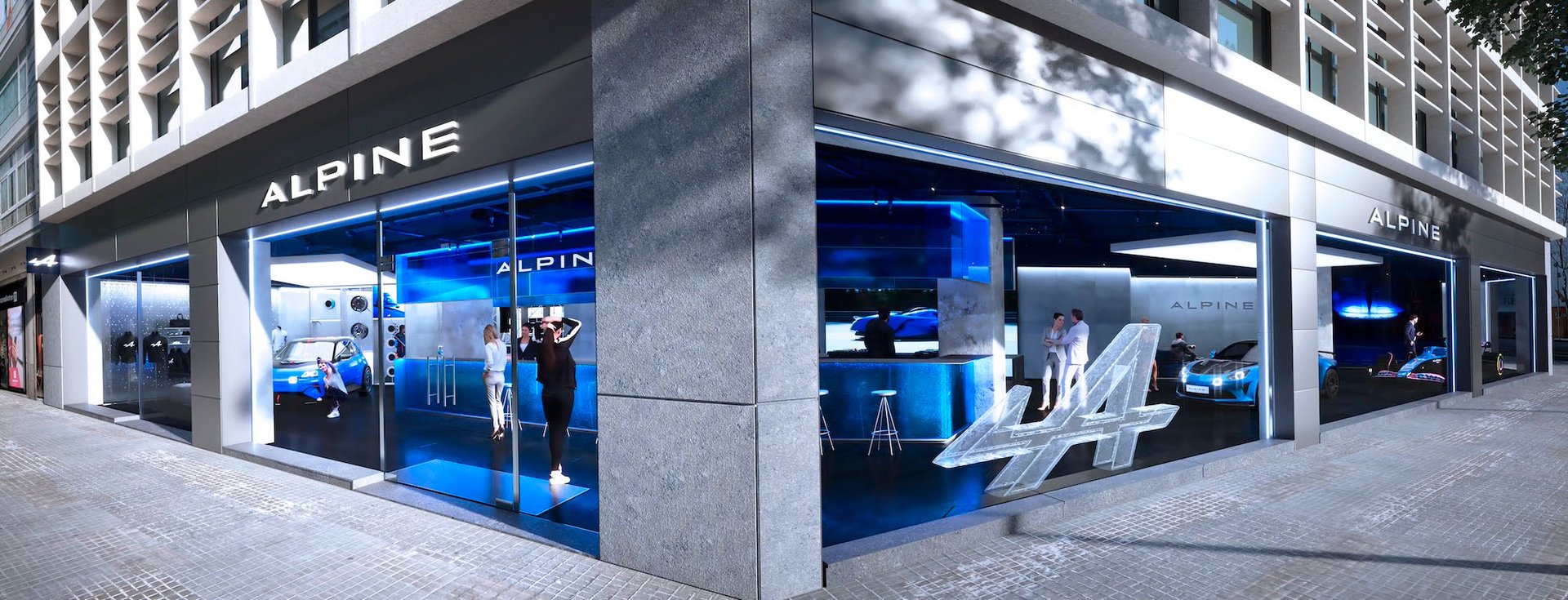
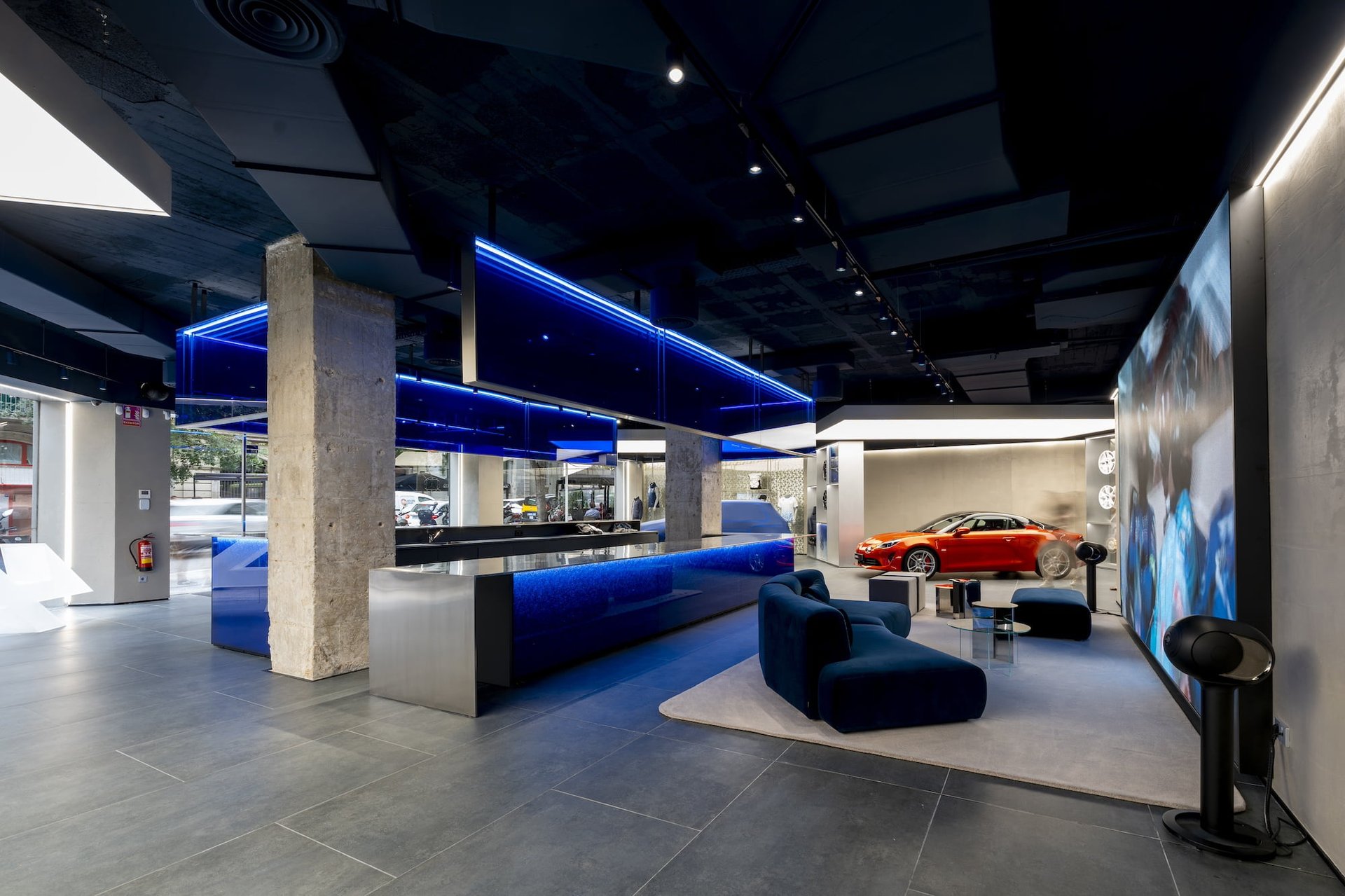
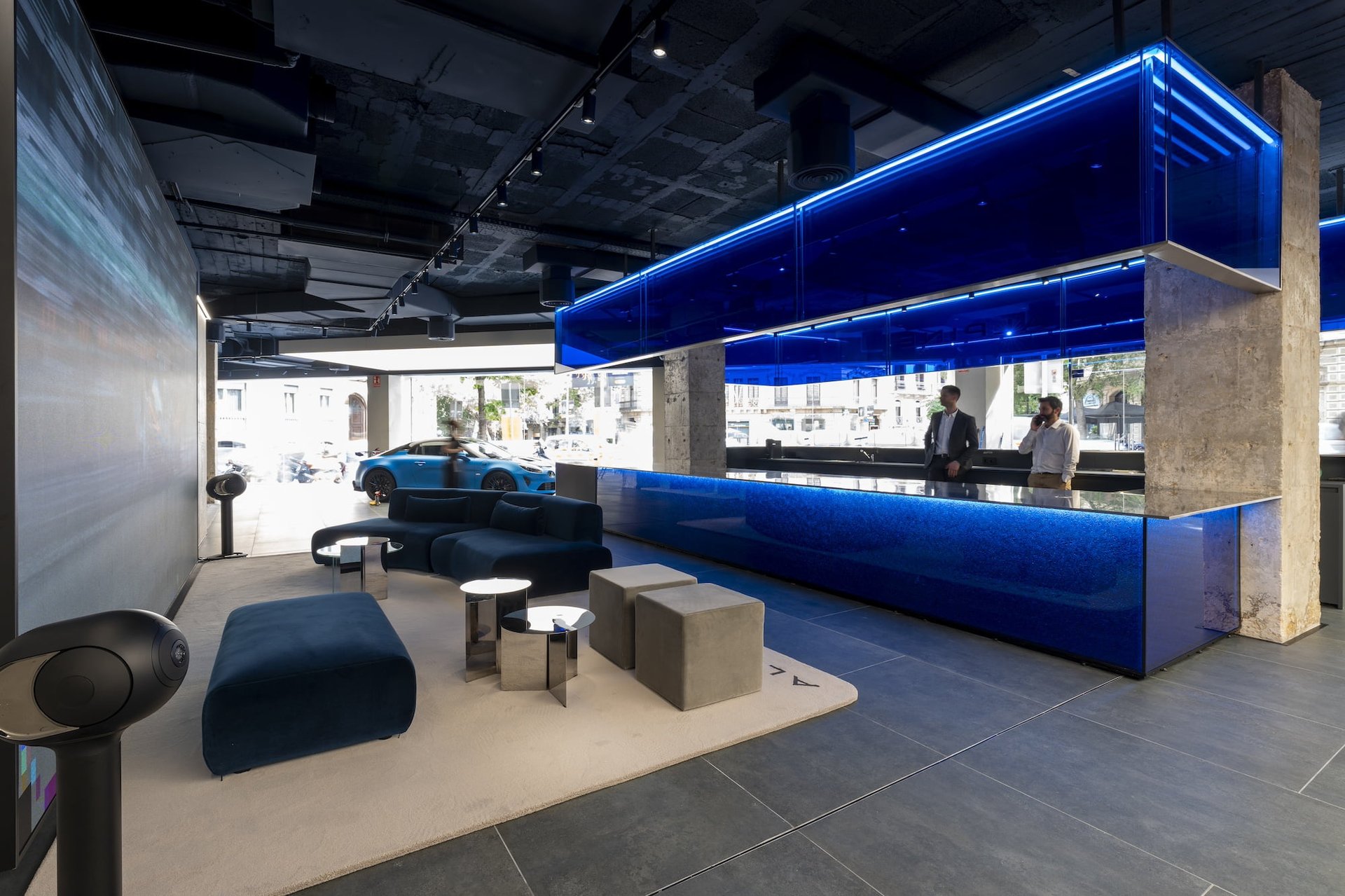
But it requires a sufficient level of sales to be profitable. In an uncertain automotive context, shaped by the energy transition, Chinese competition and geopolitical fluctuations, the balance between growth and network profitability will be decisive.
A transformation underway, but not yet complete
Alpine is no longer merely a brand centred on a sports coupé. It is gradually becoming a manufacturer with a full electric range positioned across several segments, in line with the “Dream Garage” plan.
This evolution brings it closer to strategies already seen elsewhere, notably at Cupra, which managed to establish itself quickly with a similar positioning between sportiness and electrification while starting from a Seat base.
But the comparison has its limits: Alpine starts from a narrower base and retains a more distinctive identity, one it must preserve while moving upmarket.
Conclusion: growth validated, model still to be confirmed
The start of 2026 validates the trajectory Alpine has set: sales are rising, the range is broadening, and the brand is gaining international visibility.
But several questions remain open: the ability to maintain appeal without the combustion-engine A110, the real reception of the A390 in an ultra-competitive segment, and the strength of the business model in an electric market that is normalising.
Alpine is entering a different phase. One where growth alone is no longer enough: it must now prove that the whole structure can hold over time. And in the automotive industry, that is often where everything is decided.

🔗 Also read on Les Alpinistes
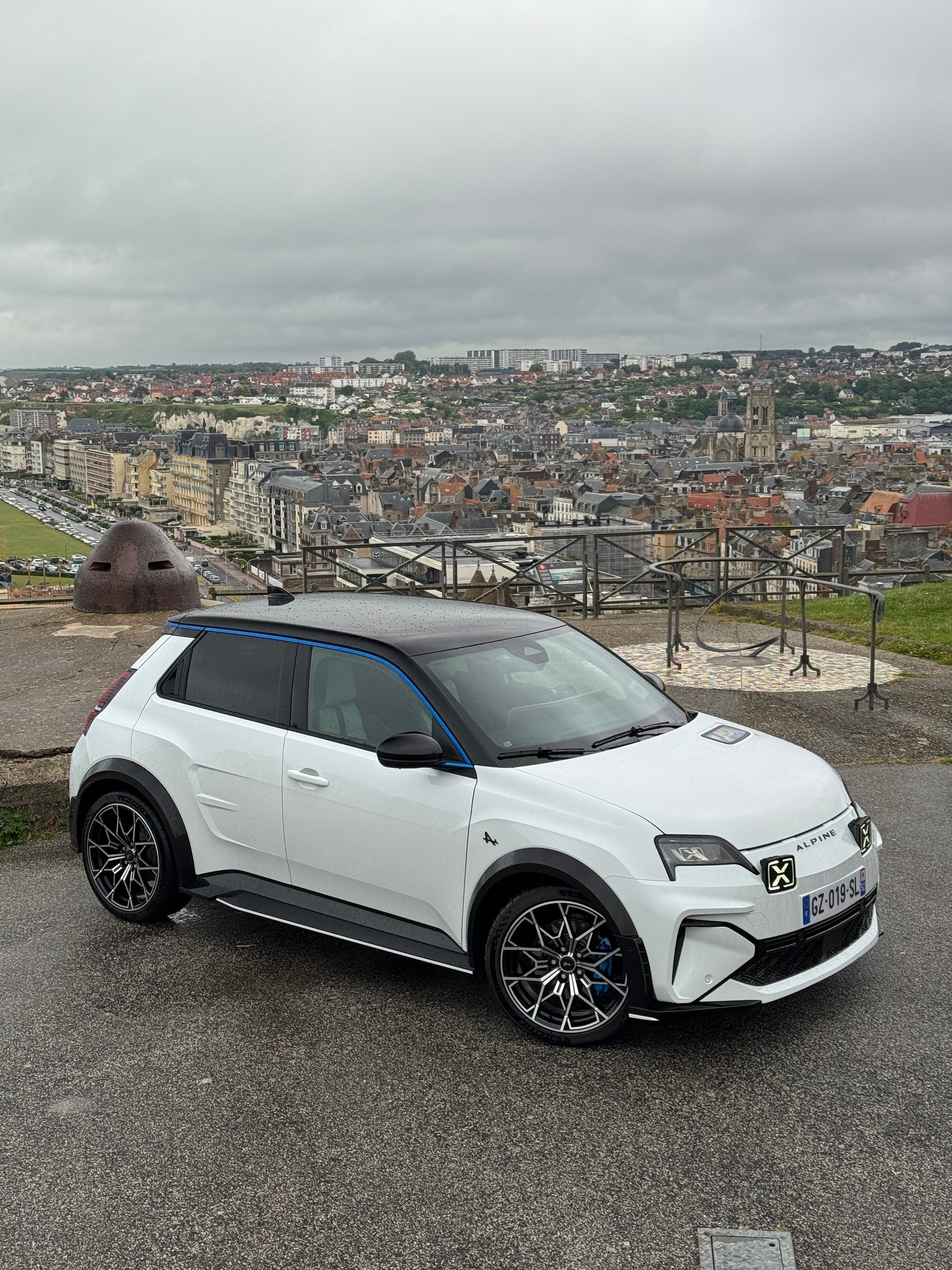
- Alpine A290 review: the sporty city car — GTI spirit, are you there?
- Alpine A390 review: a sporty fastback or just a battery on four wheels?
- Alpine A110 Electric 2026: technical specifications
- Alpine A110: 30,000 units since 2017
Sources: Official Alpine press release / Renault Group – 30 April 2026 ACEA – New car registrations Q1 2026 Renault Group Q1 2026 revenue release Alpine network data (March 2026)