🇫🇷 Cet article est également disponible en français : Lire en français
In 2026, Alpine made official an announcement that marks a discreet yet profound turning point in its recent history: a limited series of just ten examples, developed in collaboration with French automotive artisan Ravage.
Until now, it had seemed almost unthinkable for the Dieppe marque to open its ecosystem to an independent coachbuilder. And not just any one. In recent years, Ravage has established itself as one of the most credible — and respectful — interpreters of the Alpine A110. A vision that, far from distorting the original model, instead reveals its full potential, through a reading that is both more radical and remarkably coherent.
With this initiative, Ravage reaches a decisive milestone: the coachbuilder is now officially distributed by Alpine, benefiting from a level of recognition rarely granted in a world where the berlinette’s technical and stylistic integrity is jealously preserved.
What might appear to be a simple partnership actually conceals a major shift. Because within Alpine, very few outside players have, until now, attained such a degree of legitimacy.
By entrusting Ravage with a base drawn from its most exclusive models, for a production run strictly limited to ten units, Alpine is giving the French coachbuilder an unprecedented field of expression. A creative freedom that is framed, yet fully embraced, and one that crowns several years of development, experimentation, and fidelity to the brand’s DNA.
Ravage, or controlled radicalism
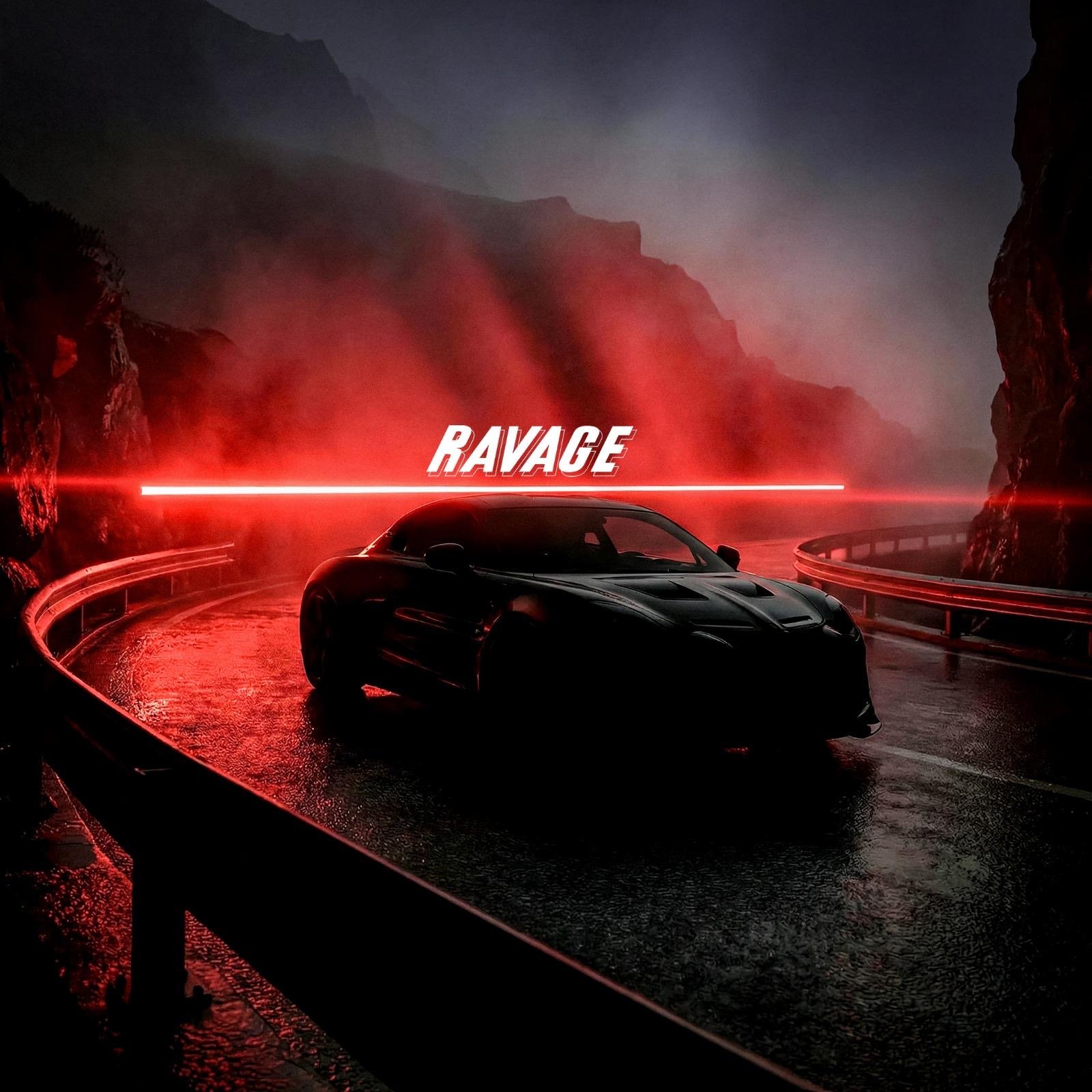
Ravage lays claim to a singular, almost militant approach: that of an “autonomous driver,” capable of designing, developing, and refining its creations without ever losing sight of what matters most — dynamic coherence.
Its expertise rests on a formula that appears simple, yet is tremendously demanding in execution: start with an Alpine A110, magnify its proportions, then intensify its potential. The widening is spectacular, achieved through the extensive use of carbon-fiber components, sculpting a silhouette that is tauter, more planted, almost more radical than an A110 R. Its visual stance is transformed, densified, as if anchored to the ground.
In detail, the preparation remains deliberately discreet. But on road and track alike, the conclusion is immediate: performance is clearly enhanced, with a notable gain in power and effectiveness, yet never tipping over into brutality.
To understand the scope of this approach, one must go back to the origins of the Ravage project. From its very first creations, the workshop set itself a clear line of conduct: never betray the original balance of the Alpine A110, while methodically pushing its limits ever further.
The Ravage Groupe 4, unveiled at Le Castellet, is today the most accomplished expression of that philosophy.
Inspired by the legendary Alpines campaigned in rallying throughout the 1970s and 1980s, it goes far beyond a mere styling exercise. Every modification is rooted in rigorous physical logic, articulated around a fundamental three-part equation: center of gravity, track width, and tires.
The result is unambiguous: a car widened to 1.92 meters, resting on deeply reworked tracks and 265 mm rear tires, capable of handling up to 400 Nm while preserving the finesse and clarity of the chassis.
But where Ravage truly imposes its signature is through its technical discipline. No modification to the original bodyshell is tolerated. It is a strong, deliberate constraint, one that perfectly sums up the workshop’s philosophy:
everything must adapt to the Alpine, never the other way around.
Engineering worthy of a manufacturer
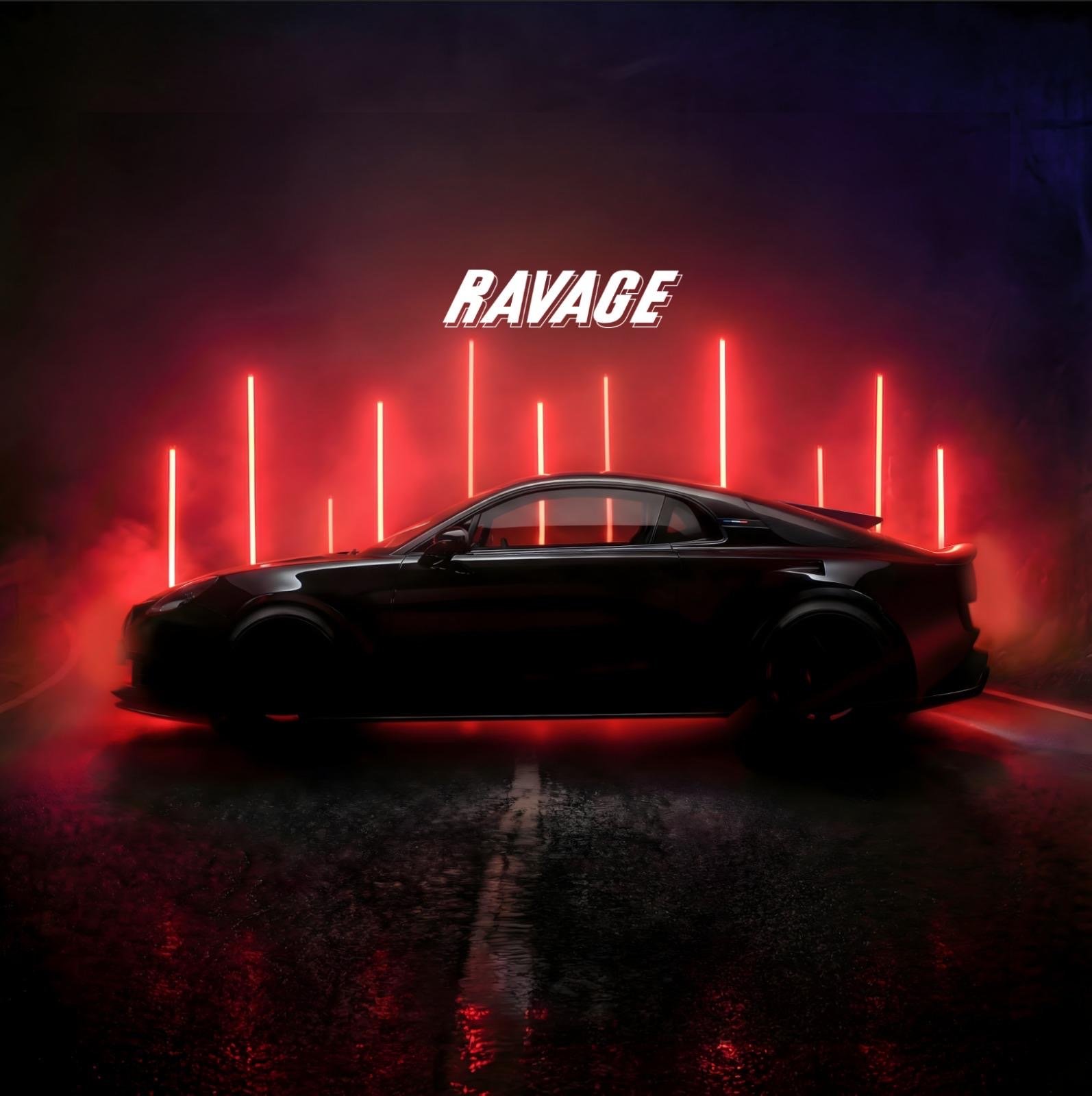
Behind Ravage, one should not see a simple tuner, but rather a sum of obsessions. Those of its founders, who come from automotive engineering and design within high-performance manufacturers, where every line, every constraint, every tolerance becomes a subject in itself.
At first glance, the choice of the Alpine A110 may seem surprising. A lightweight coupé powered by a “modest” four-cylinder engine. A playground that might seem almost too restrained for profiles accustomed to far more demonstrative machines. And yet, the choice makes perfect sense.
When you know that one of the minds behind the McLaren F1 himself was impressed by the engineering of the modern A110, the picture changes immediately. Beneath its apparent simplicity, the berlinette hides a rare sophistication — an ideal base for anyone seeking to work on vehicle dynamics rather than simple power output.
That is precisely where Ravage comes in.
An obsession with detail becomes the common thread of the project. Nothing is left to chance, especially not the partners involved. OZ Racing, Sabelt, Michelin… all major players now orbiting around Ravage. One question arises almost naturally: how has such a confidential structure managed to bring together this level of expertise?
The answer lies in the project’s technical credibility and coherence. Exactly what, over time, ended up convincing Alpine itself to take the leap. Because yes, this official recognition is not the result of chance, but of a long and demanding process in which Ravage had to prove — again and again — the validity of its approach.
Here, Ravage does not transform, it interprets. It elevates the Alpine A110 without ever distorting it. And yet, at first glance, the result can divide opinion.
I must admit it: the first time I discovered the Groupe 4, it did not immediately win me over. Impressive, unquestionably. Almost intimidating in its proportions, in the way it widens the berlinette to redefine its very presence. But beautiful? Not instantly.
It was in real conditions, during our shoot at Le Castellet, that my perception shifted.
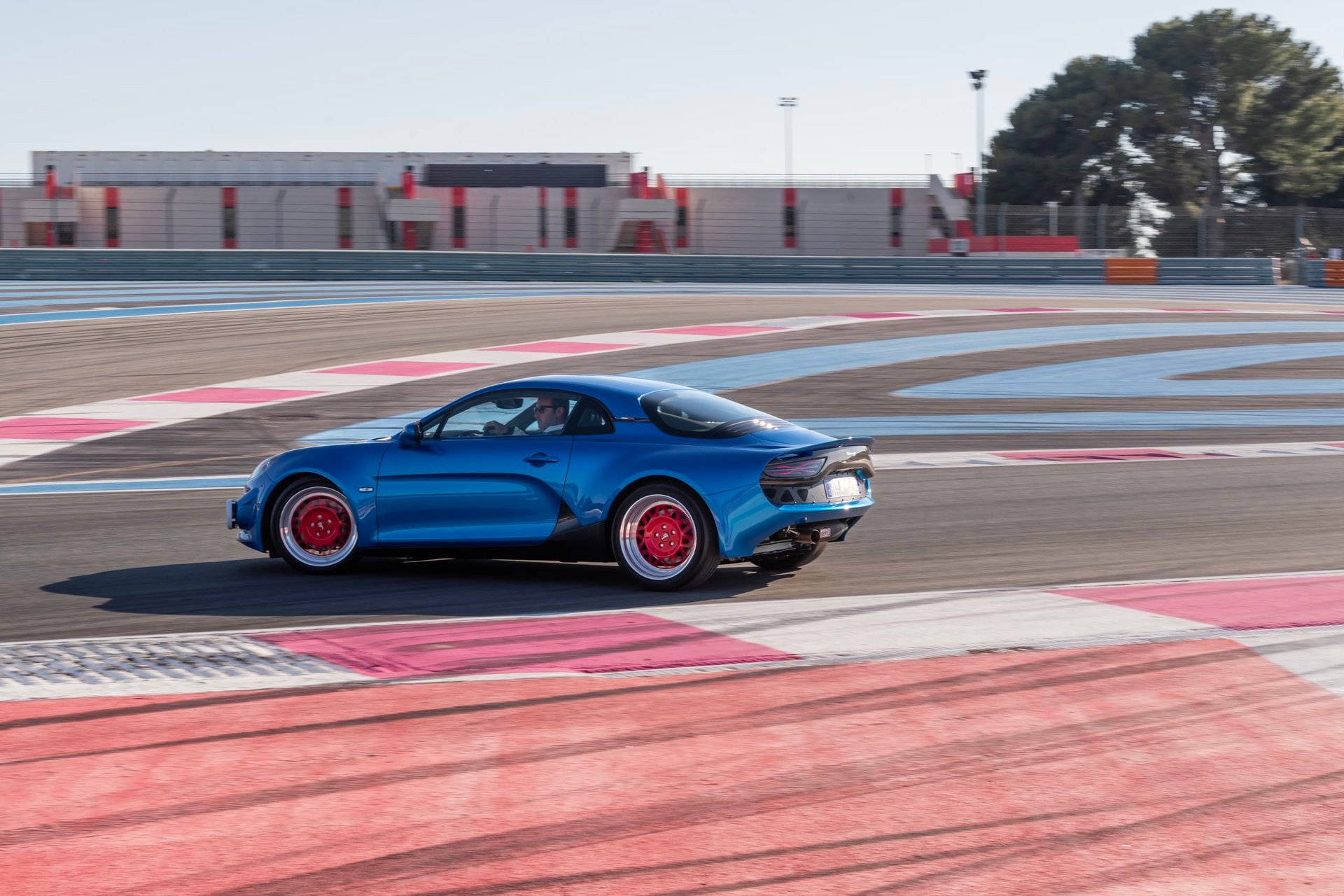
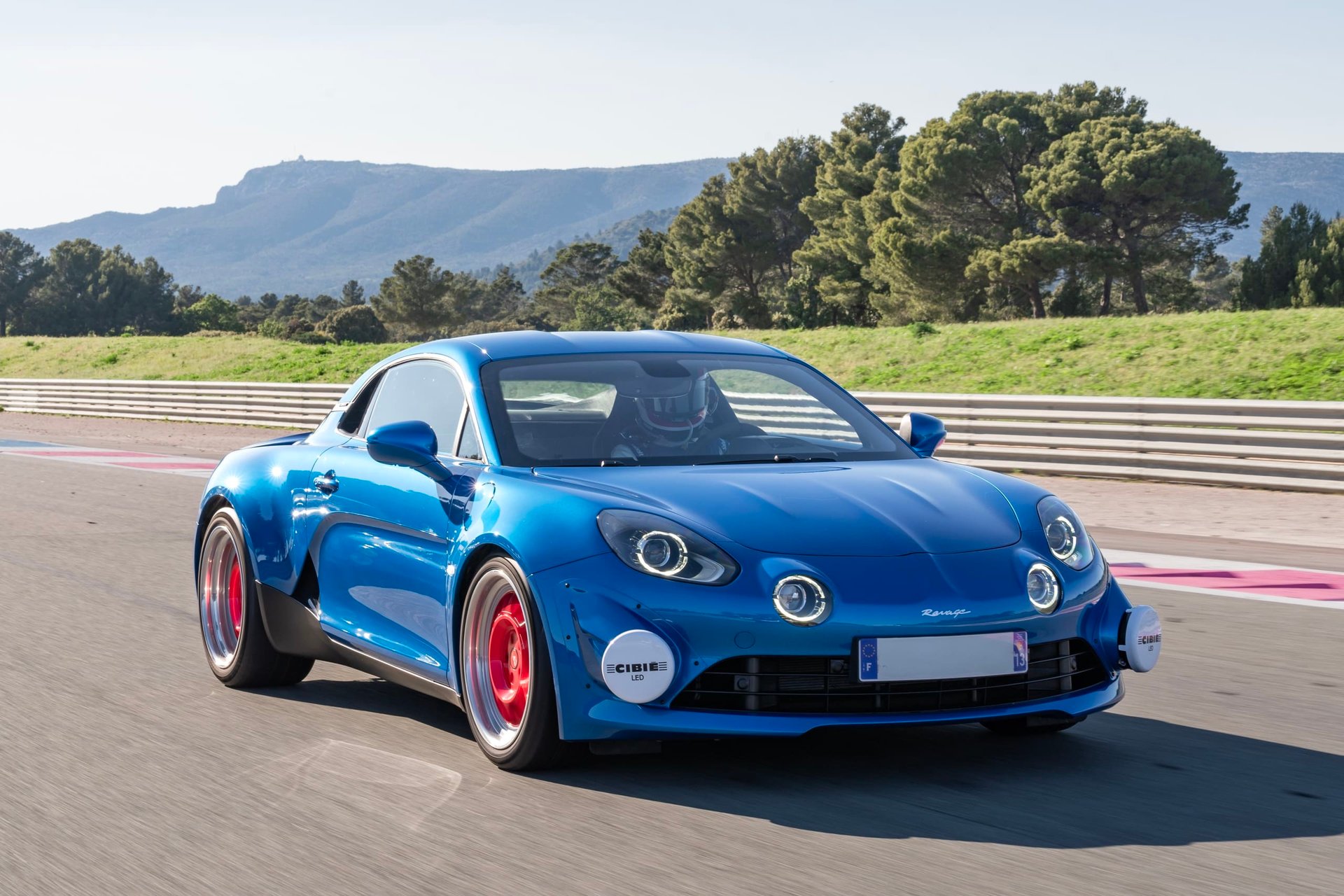
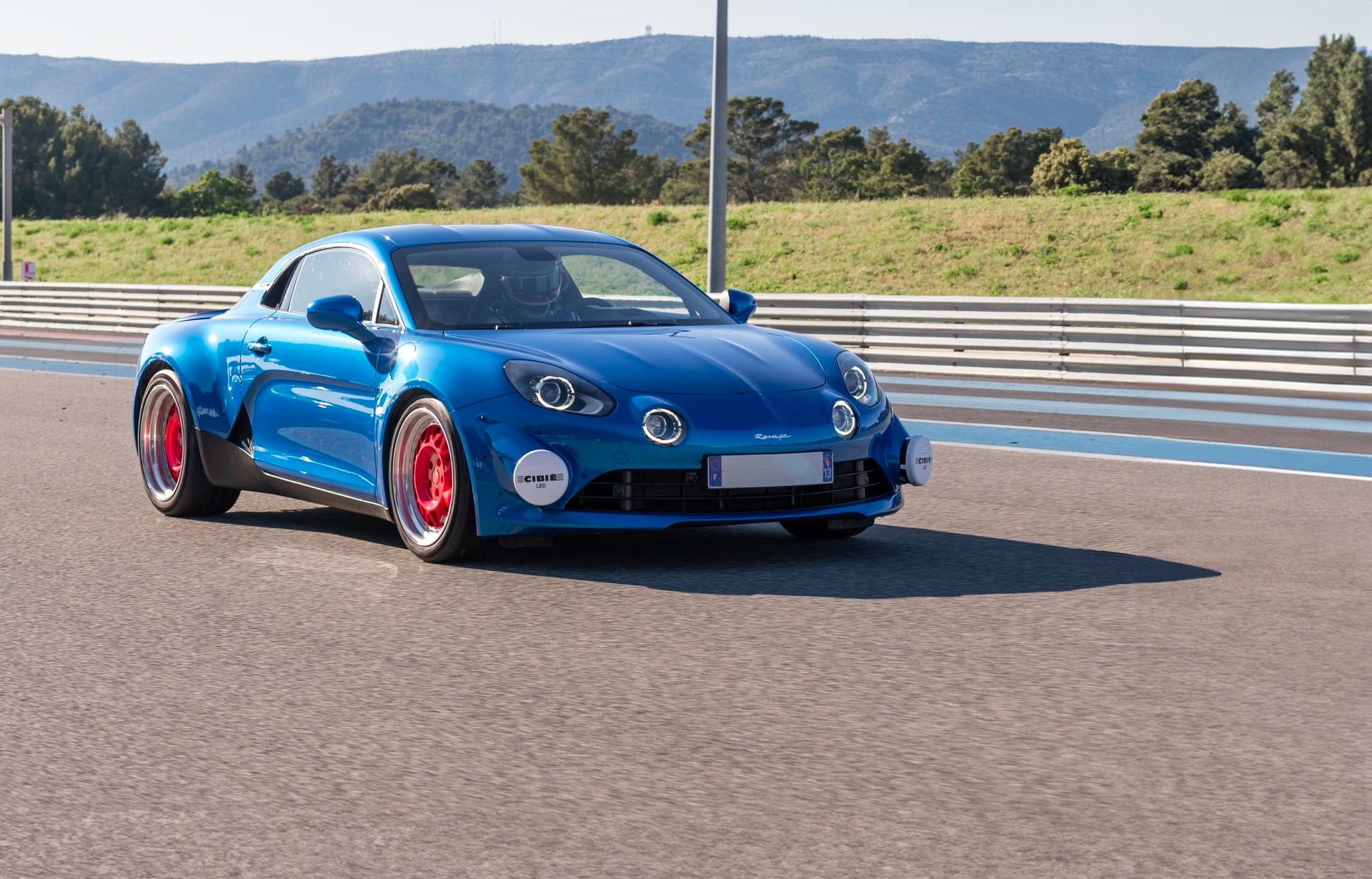
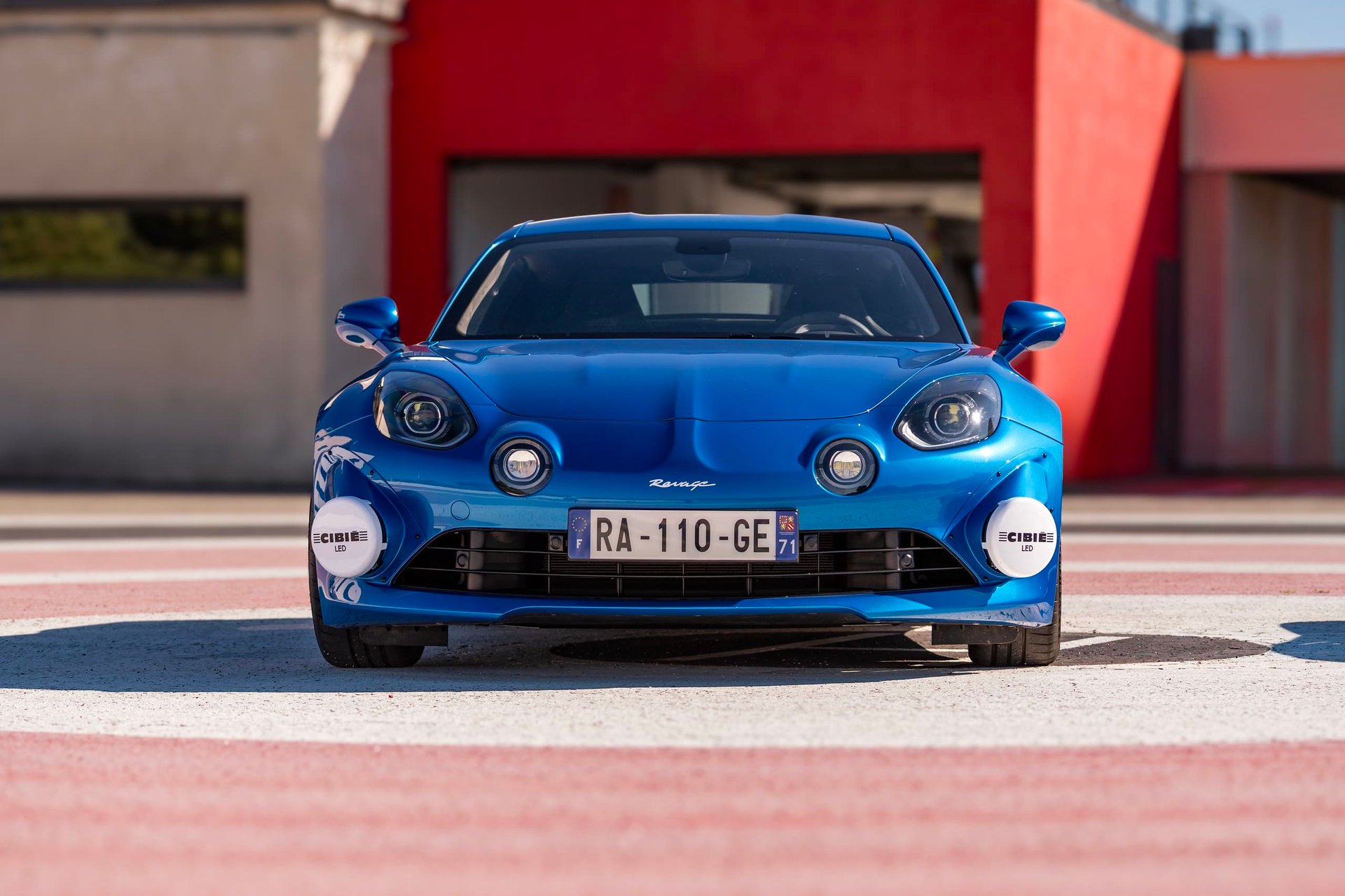
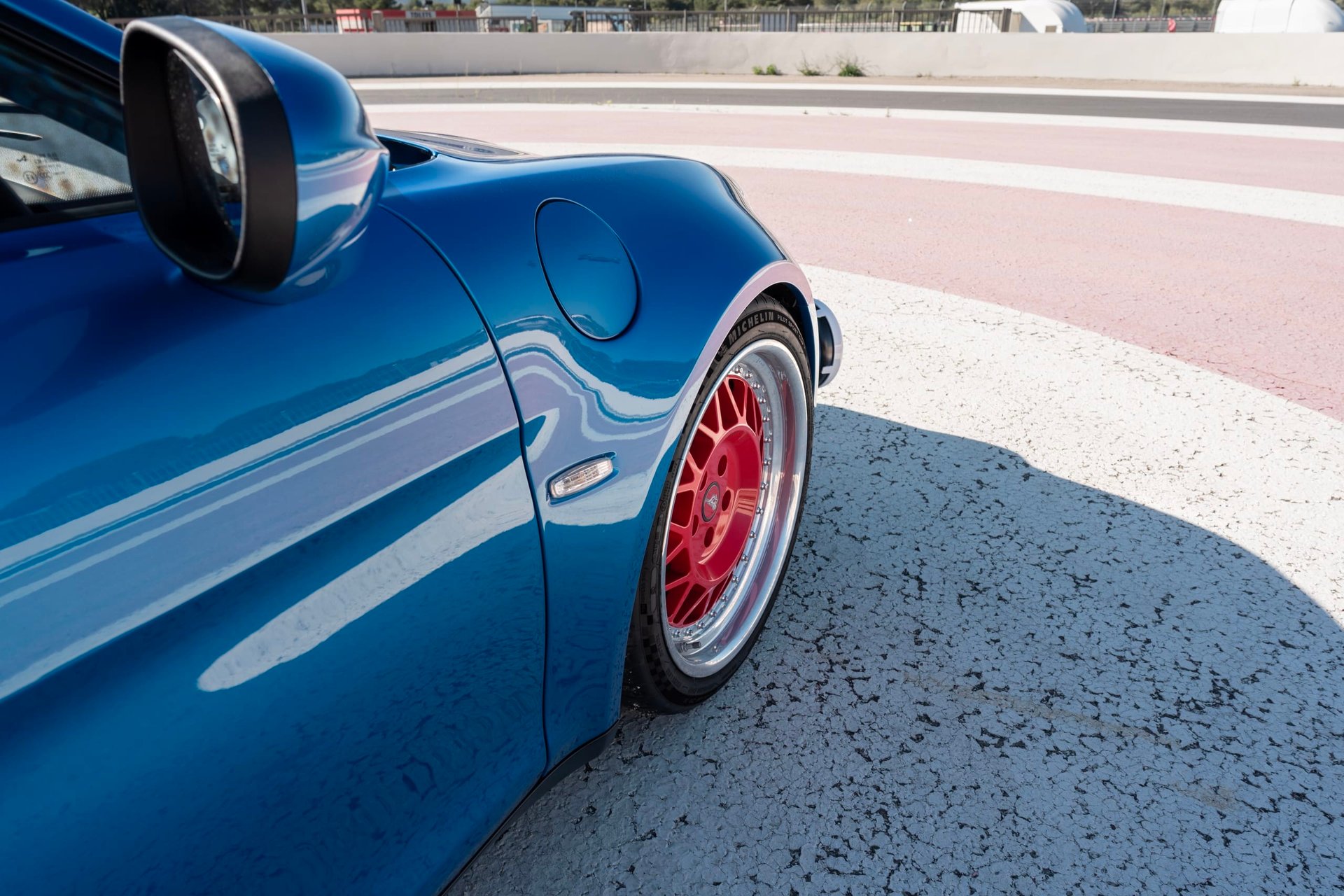
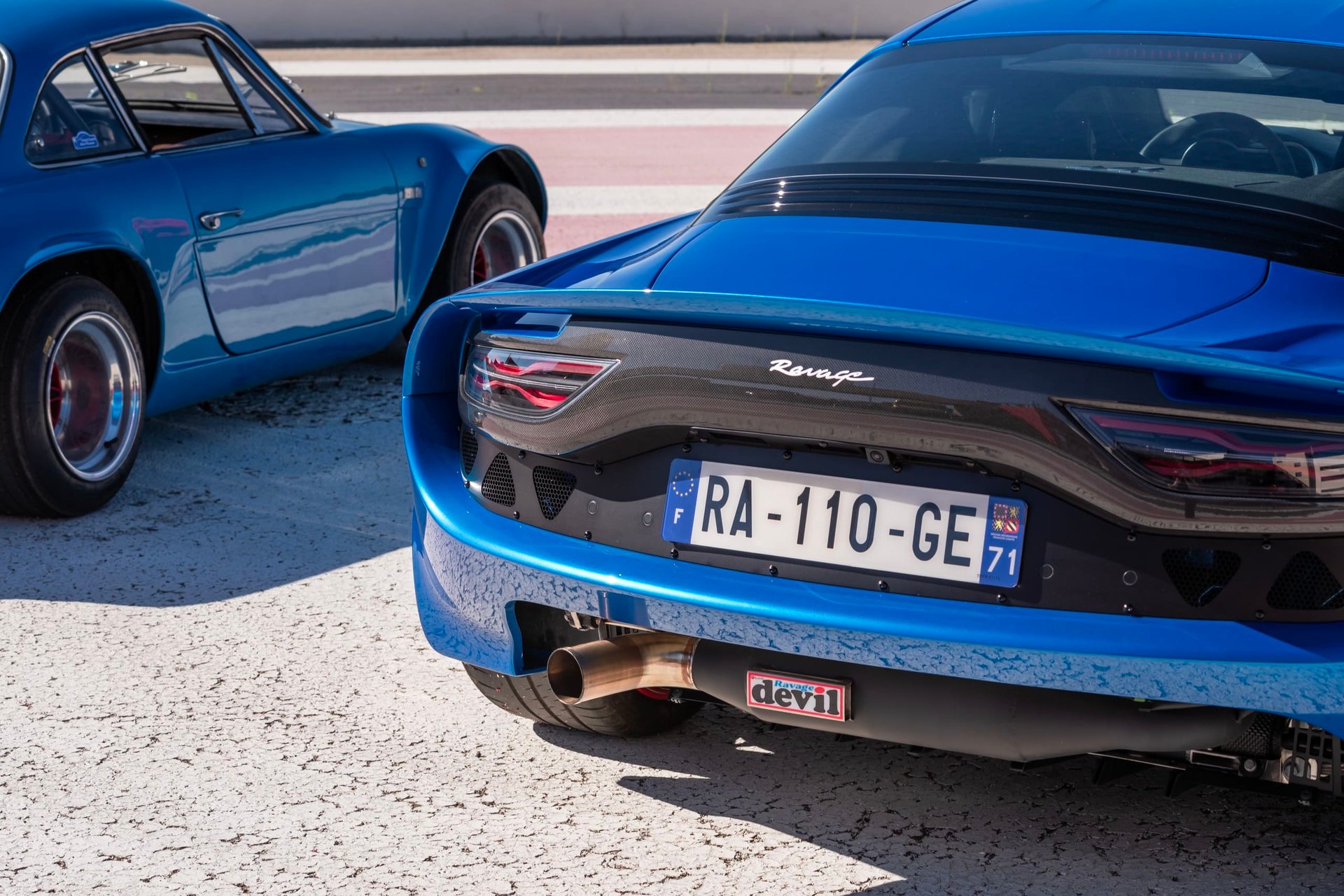
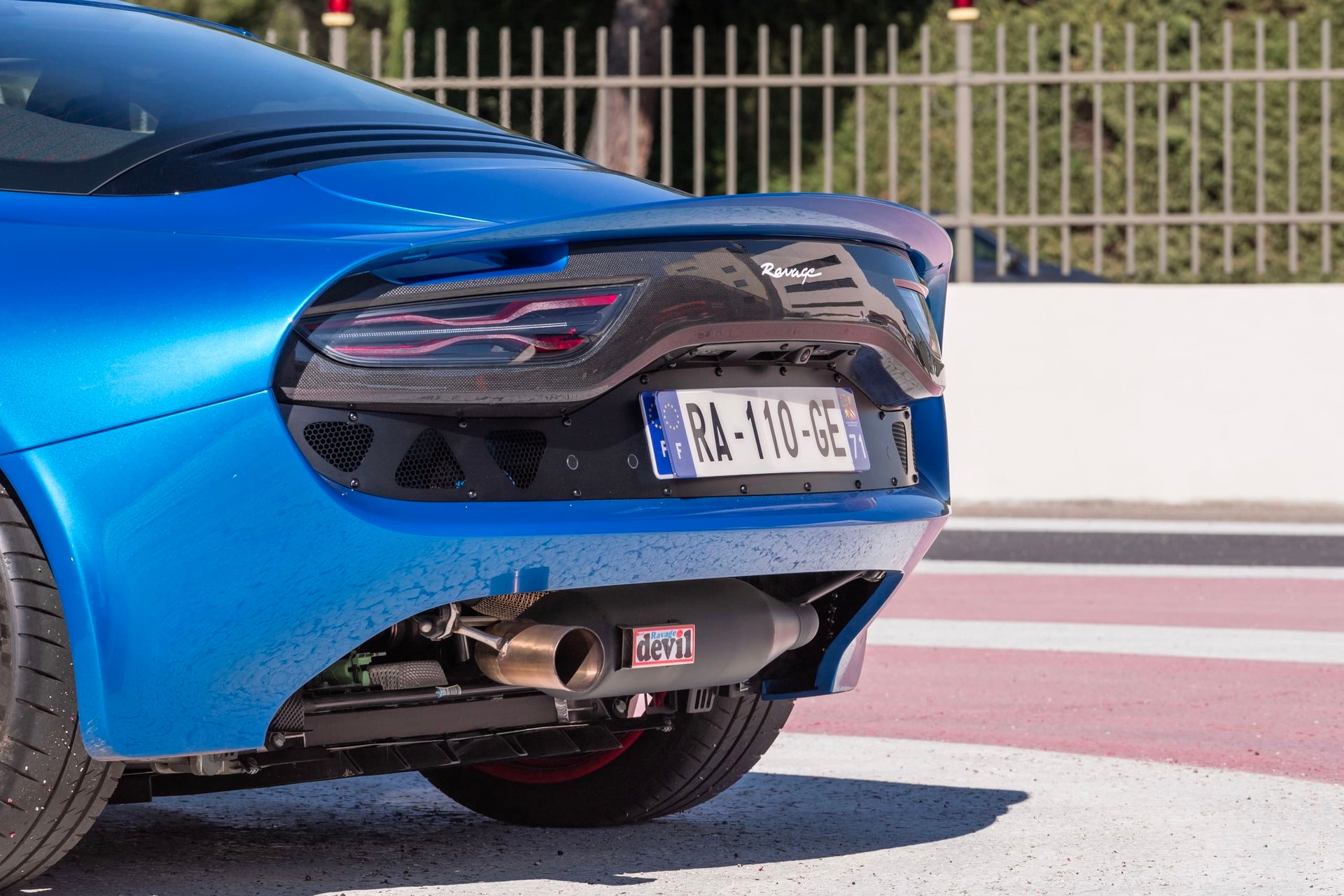
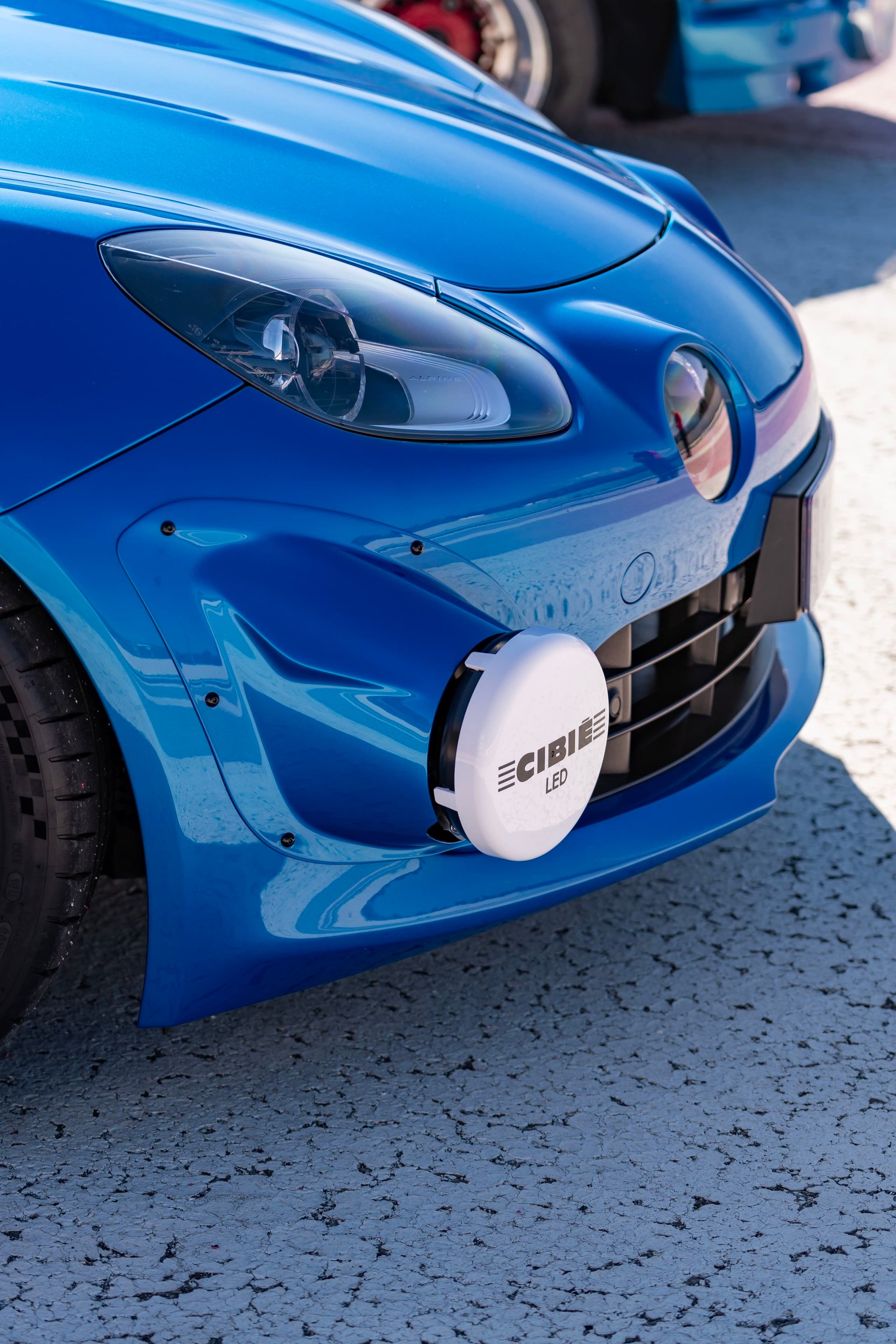
As you walk around the car, as the light glides over its volumes and the details come into view — the curves, the surface tensions, the accuracy of the proportions — everything falls into place. What first seemed excessive becomes coherent. What appeared radical becomes self-evident.
Ravage is not trying to please at first sight. It imposes a reading, almost an understanding. And once that understanding is acquired, it becomes difficult to go back.
Behind this strong aesthetic, the development process impresses with its rigor.
Modeling in Blender, engineering in Catia, surface development in Alias, then a full-scale clay model — a methodology usually reserved for major manufacturers. The whole package is then validated through intensive road and track testing, to the point that the initial prototype has now accumulated three years of real-world use, tangible proof of the concept’s robustness.
Technical partners play a key role in this quest for excellence. Michelin is involved from the very definition of the tire package, while OZ Racing — through its competition department engaged in WEC — develops specific wheels designed not merely for weight, but for their behavior under load.
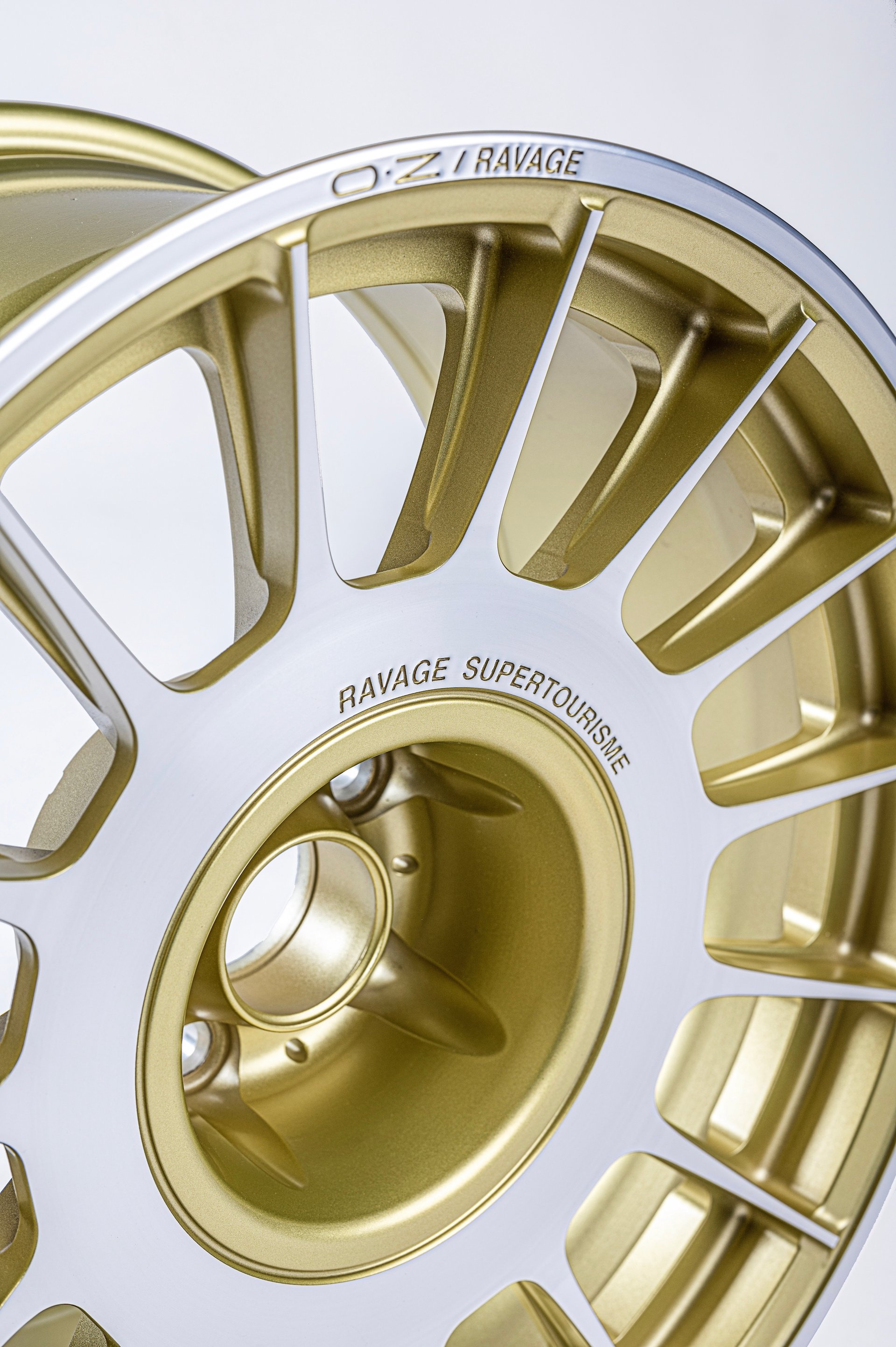
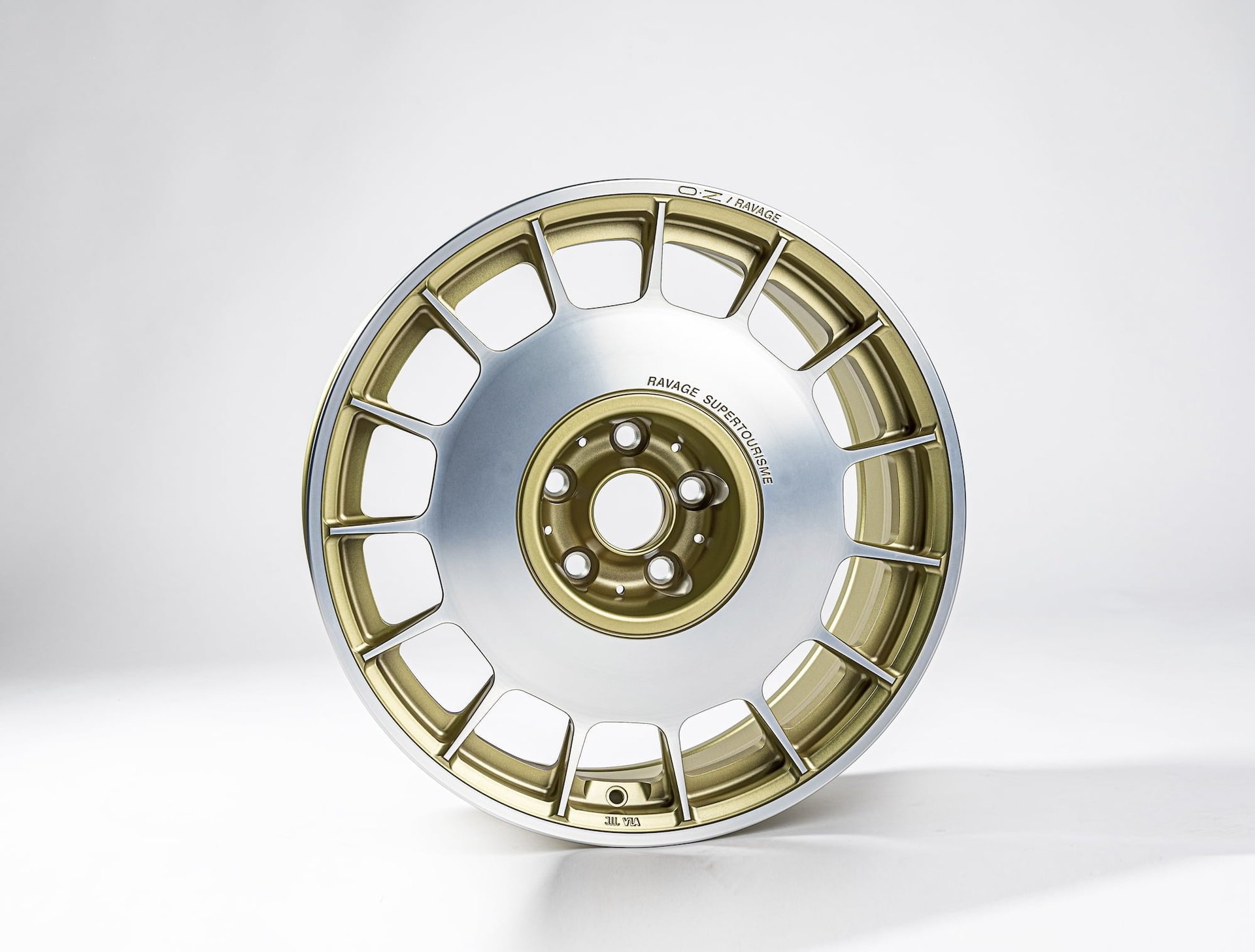
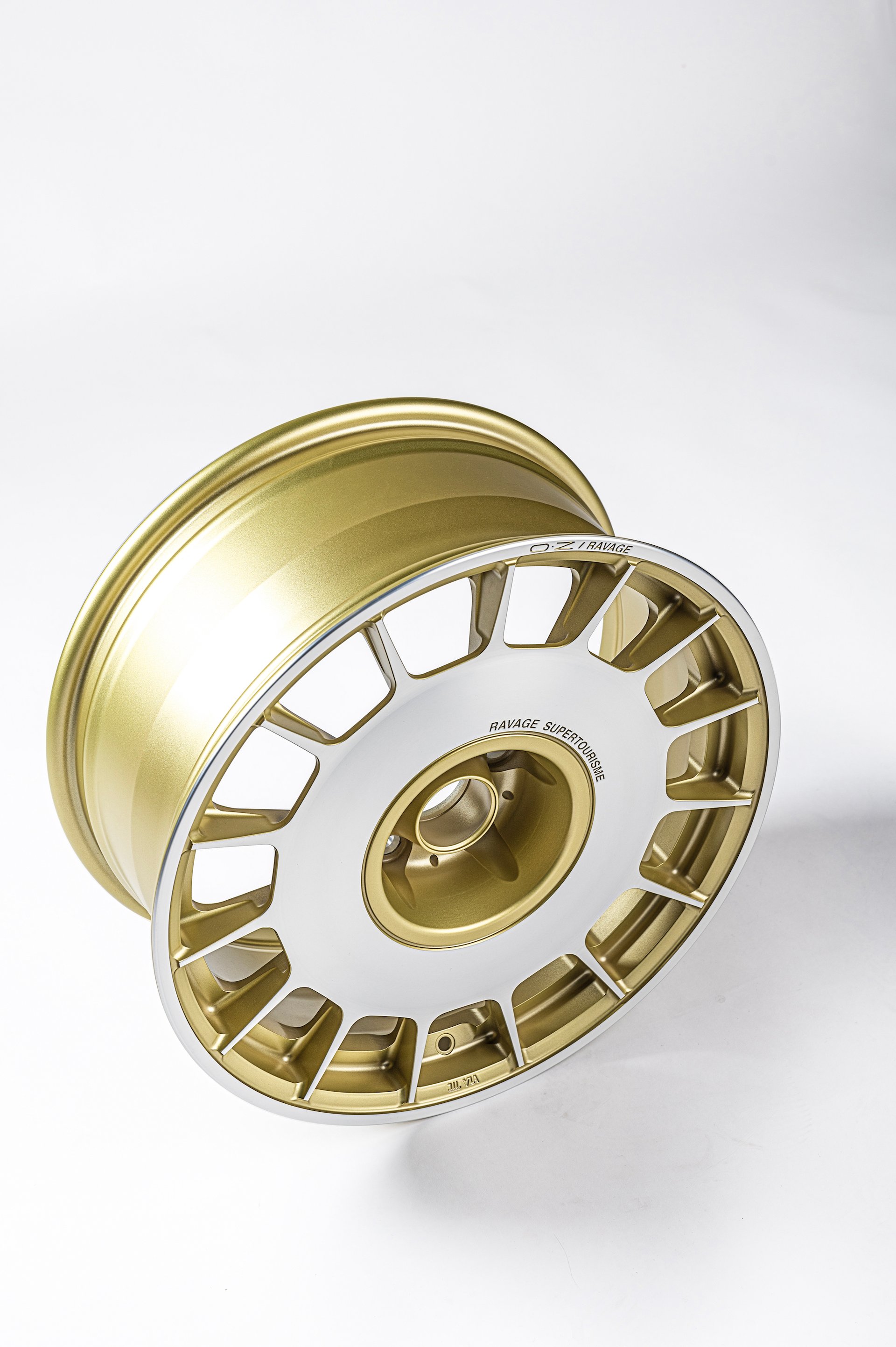
As Andrea Bernoni, CEO of OZ Racing, puts it:
“If we do an OZ, we do a proper OZ wheel.”
A simple, almost lapidary sentence, but one that perfectly conveys the level of exacting standards shared by every player involved in the project.
Tailor-made as a signature
Every Ravage is, by nature, a one-off piece.
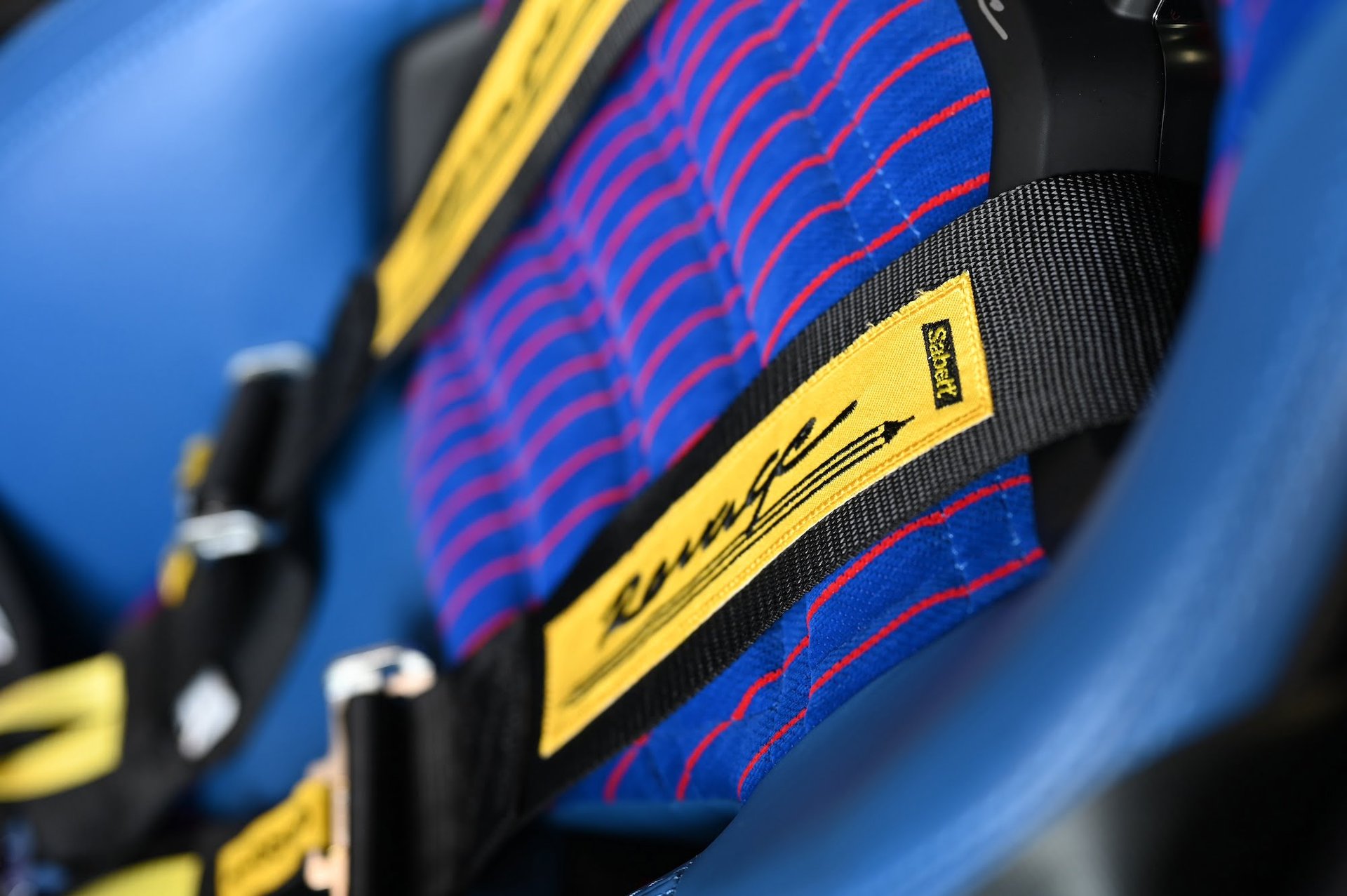
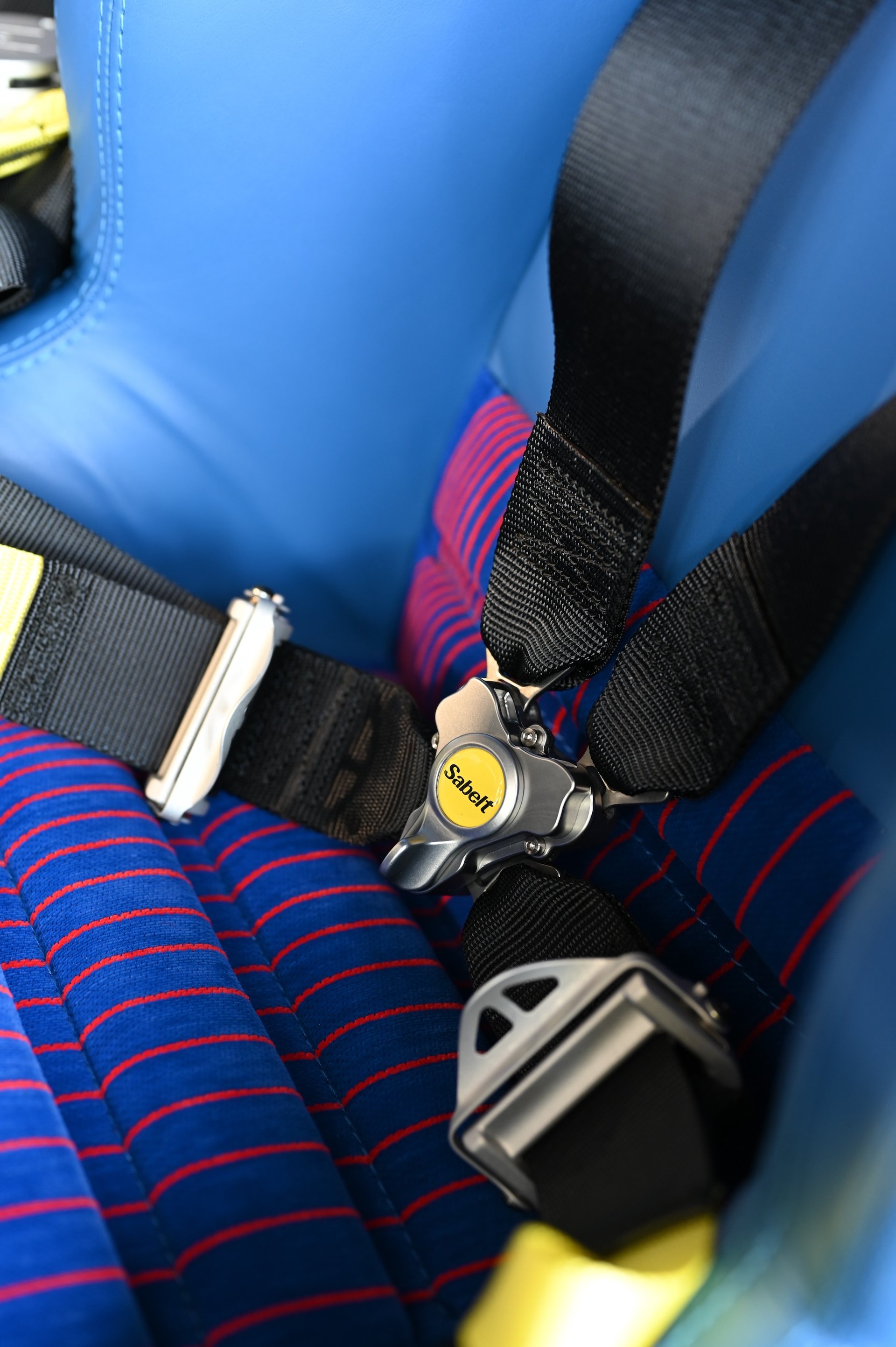
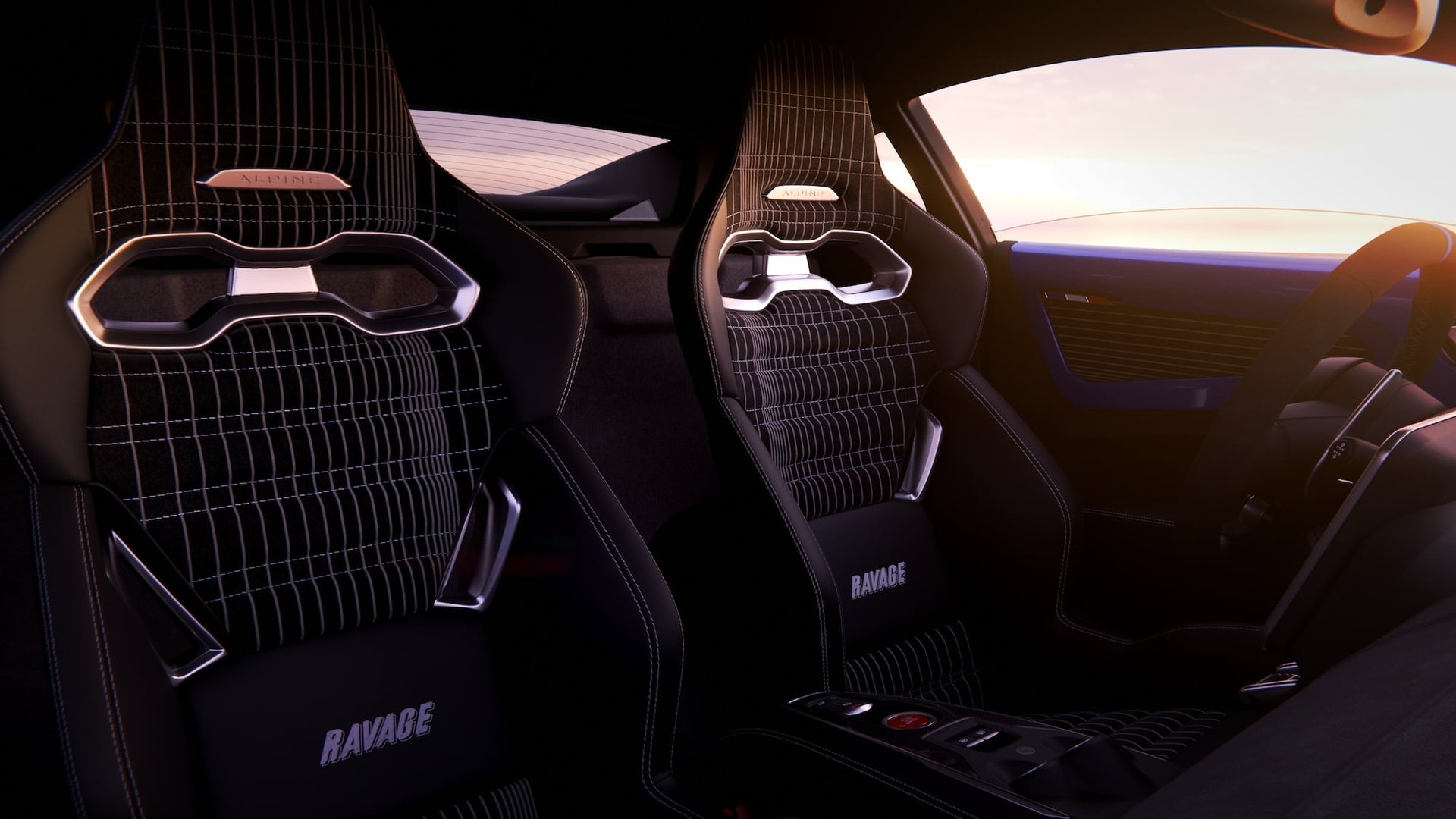
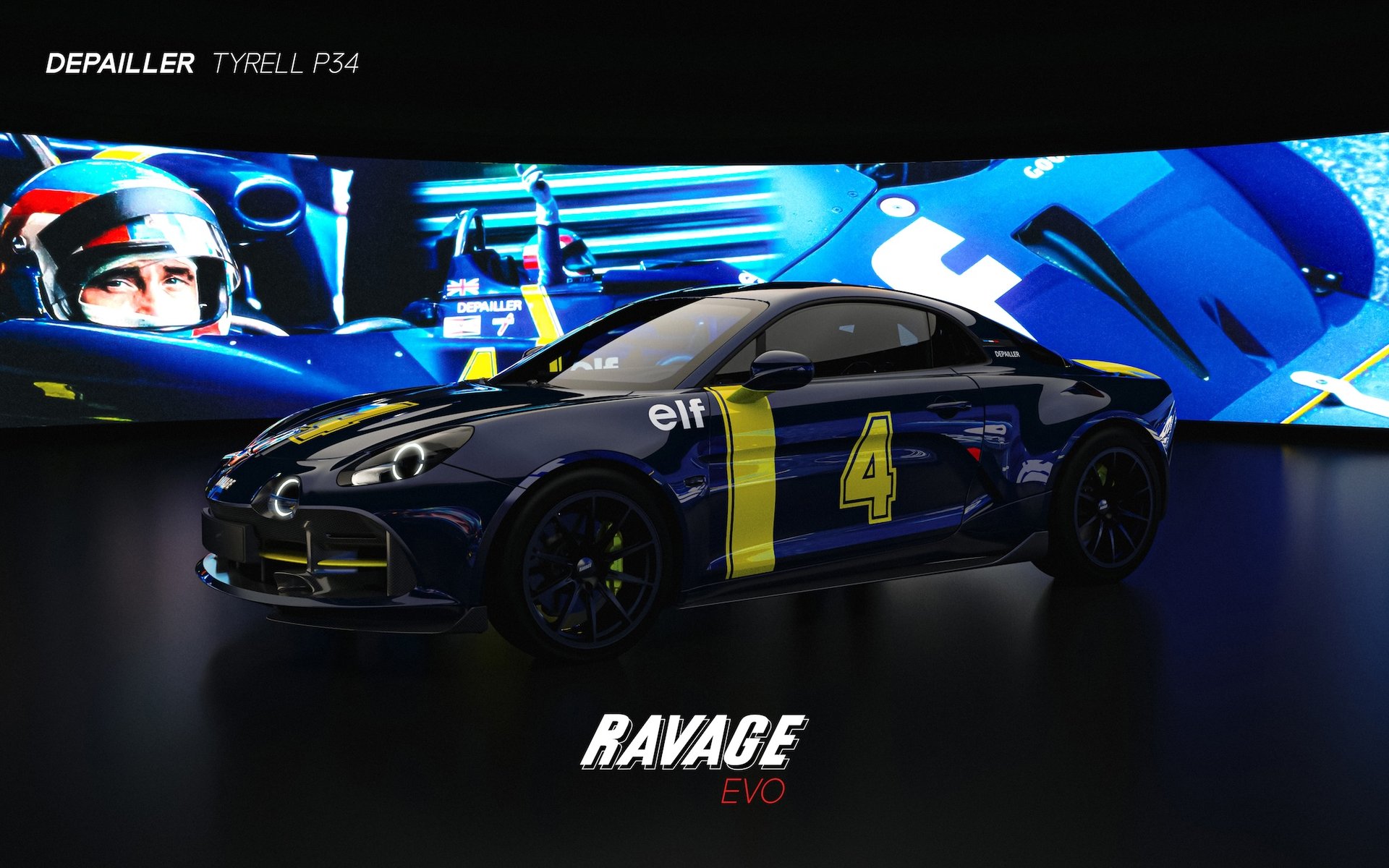
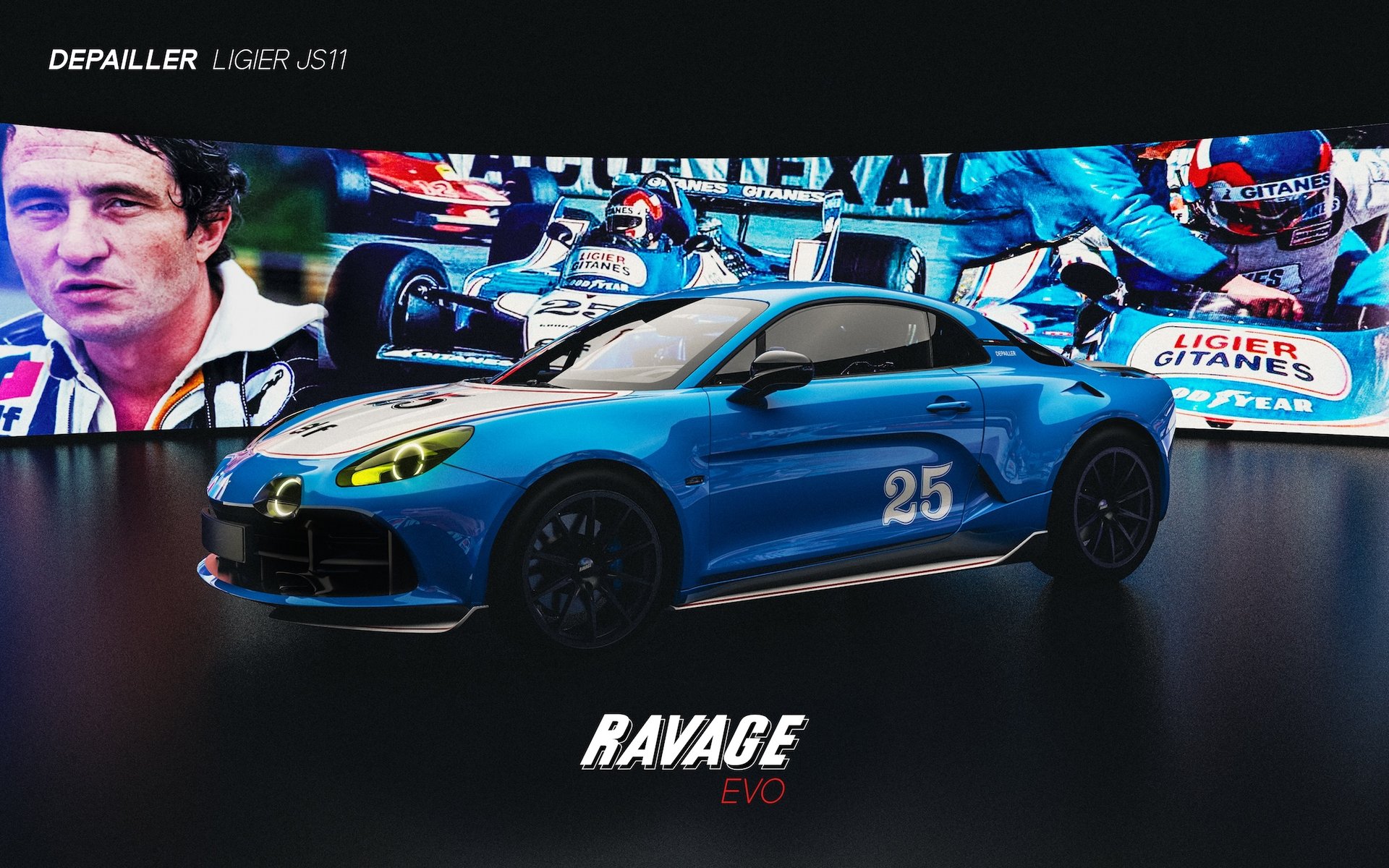
Colors, liveries, upholstery — often inspired by the mythical Renault 5 Turbo — right down to the smallest details of the cabin: everything can be rethought. The seats, center console, and door panels are entirely redesigned, while specific elements such as Sabelt harnesses or Cibié lights are integrated with an almost obsessive concern for authenticity.
This approach requires time. Every development must be tested, validated, and sometimes reconsidered. Nothing is fixed, everything is refined. It is precisely this process that gives each Ravage its singularity — and its legitimacy.
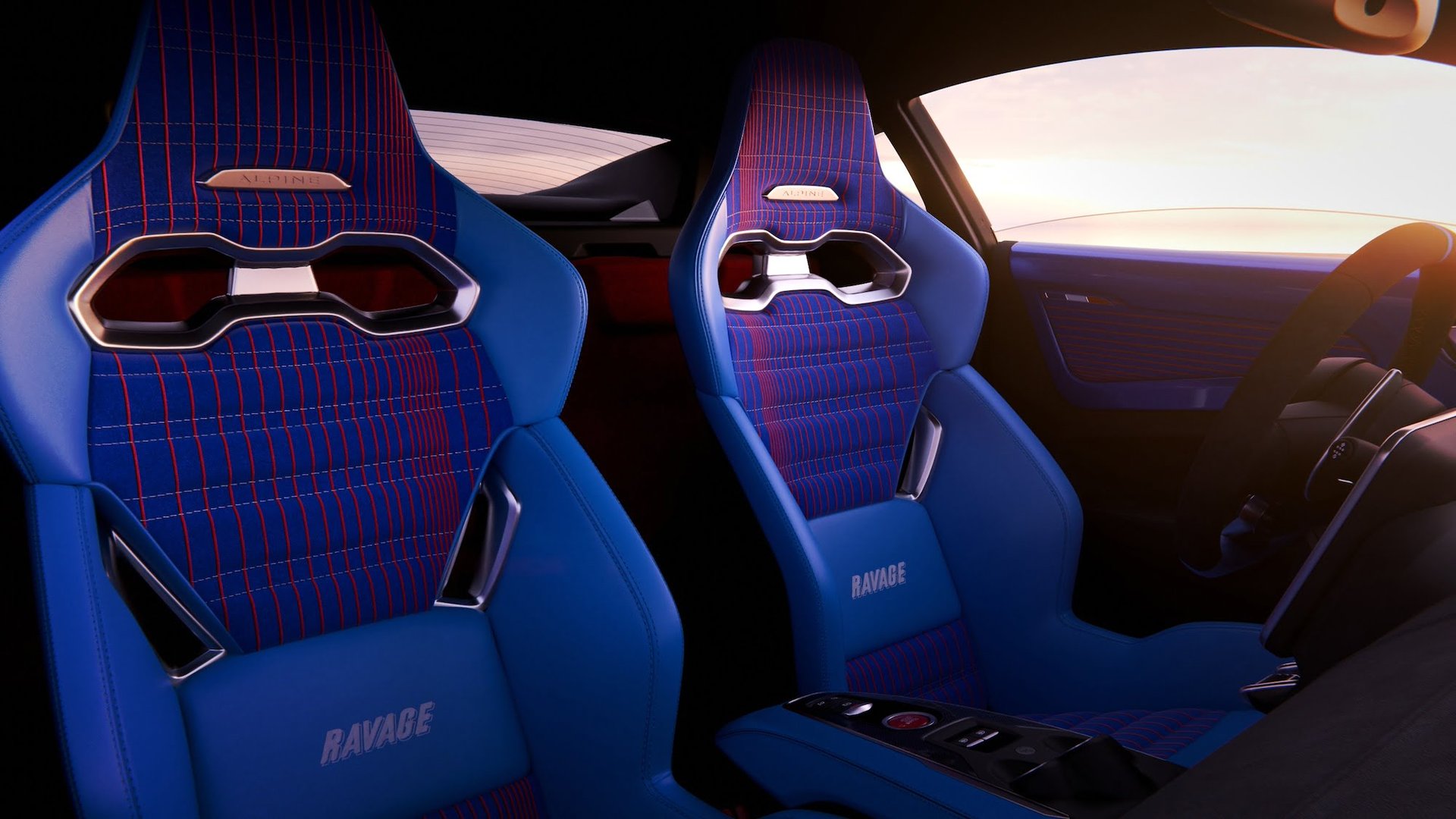
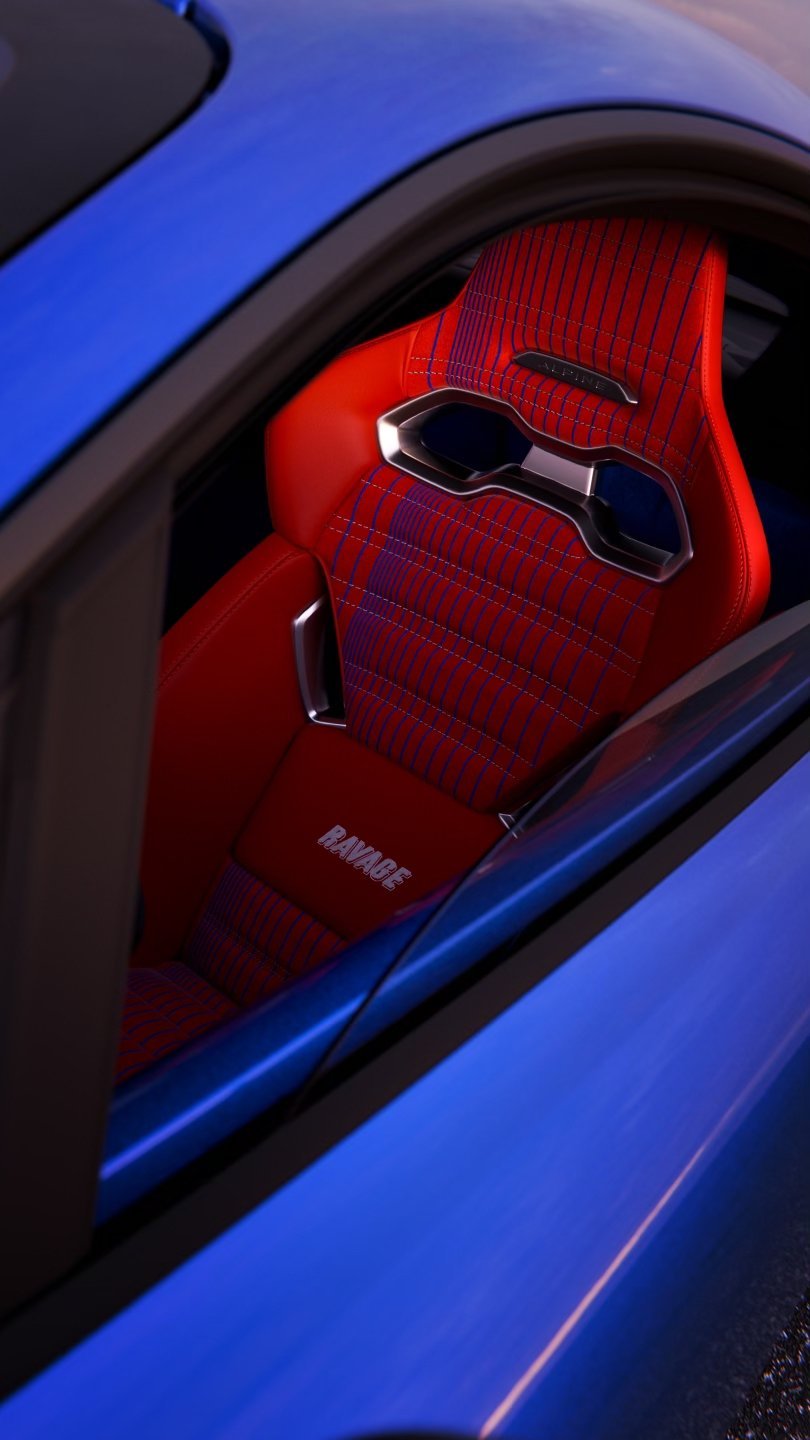
Within the framework of this new collaboration, however, it is reasonable to imagine a slightly different orientation. Alpine will logically frame the exercise, bringing this series closer to the standards of its production models, while still leaving Ravage enough freedom to express its signature.
A subtle balance, yet one that has already been sketched out in recent years in Dieppe. The A110 R Ultime opened a path: that of controlled radicalism, integrated into the manufacturer’s range without betraying the model’s DNA.
The upcoming series born from Ravage seems destined to follow that same path — with its own interpretation, more artisanal, more expressive, yet always faithful to that same demand for balance.
Ravage Tarmac Master: the culmination of a vision
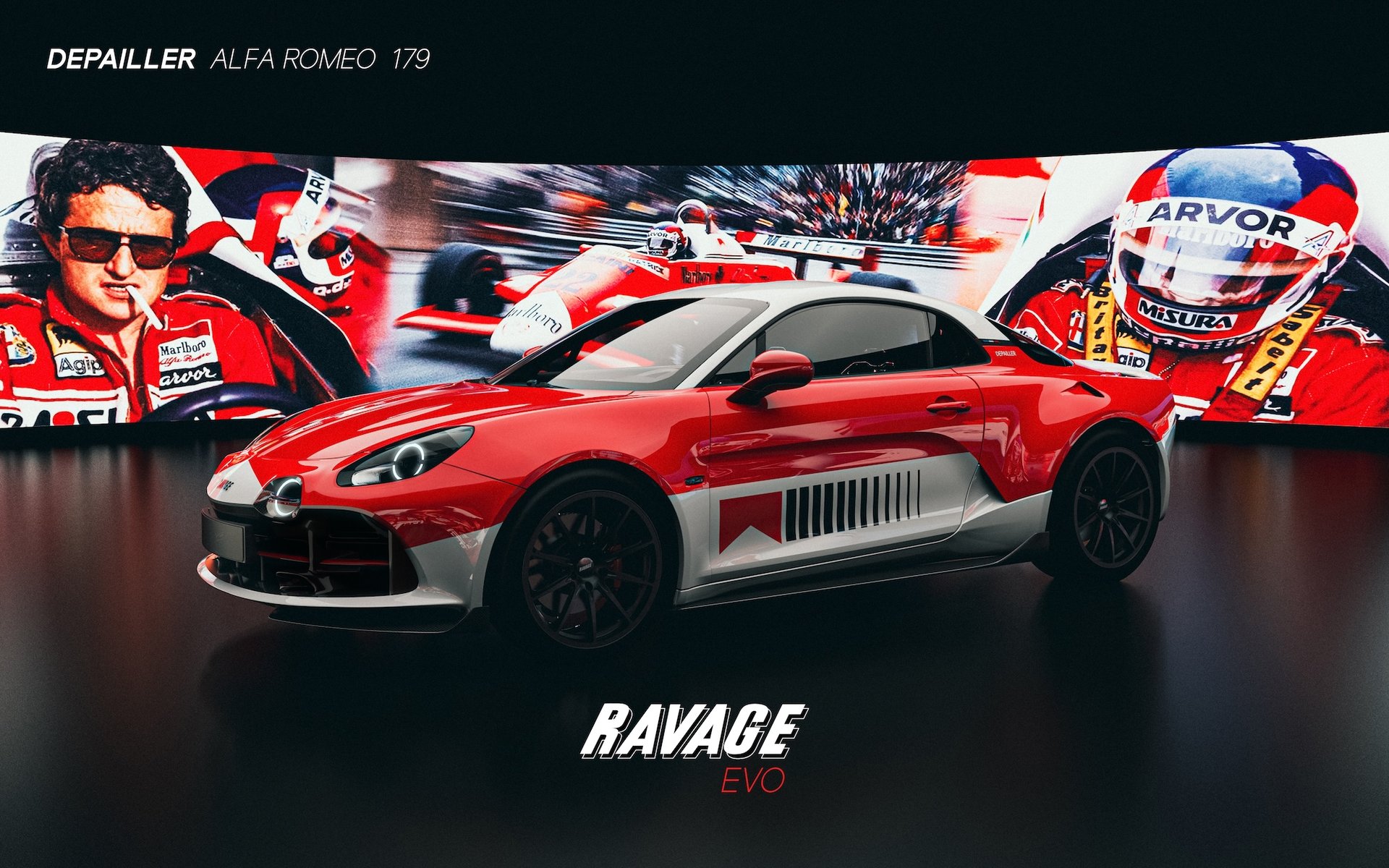
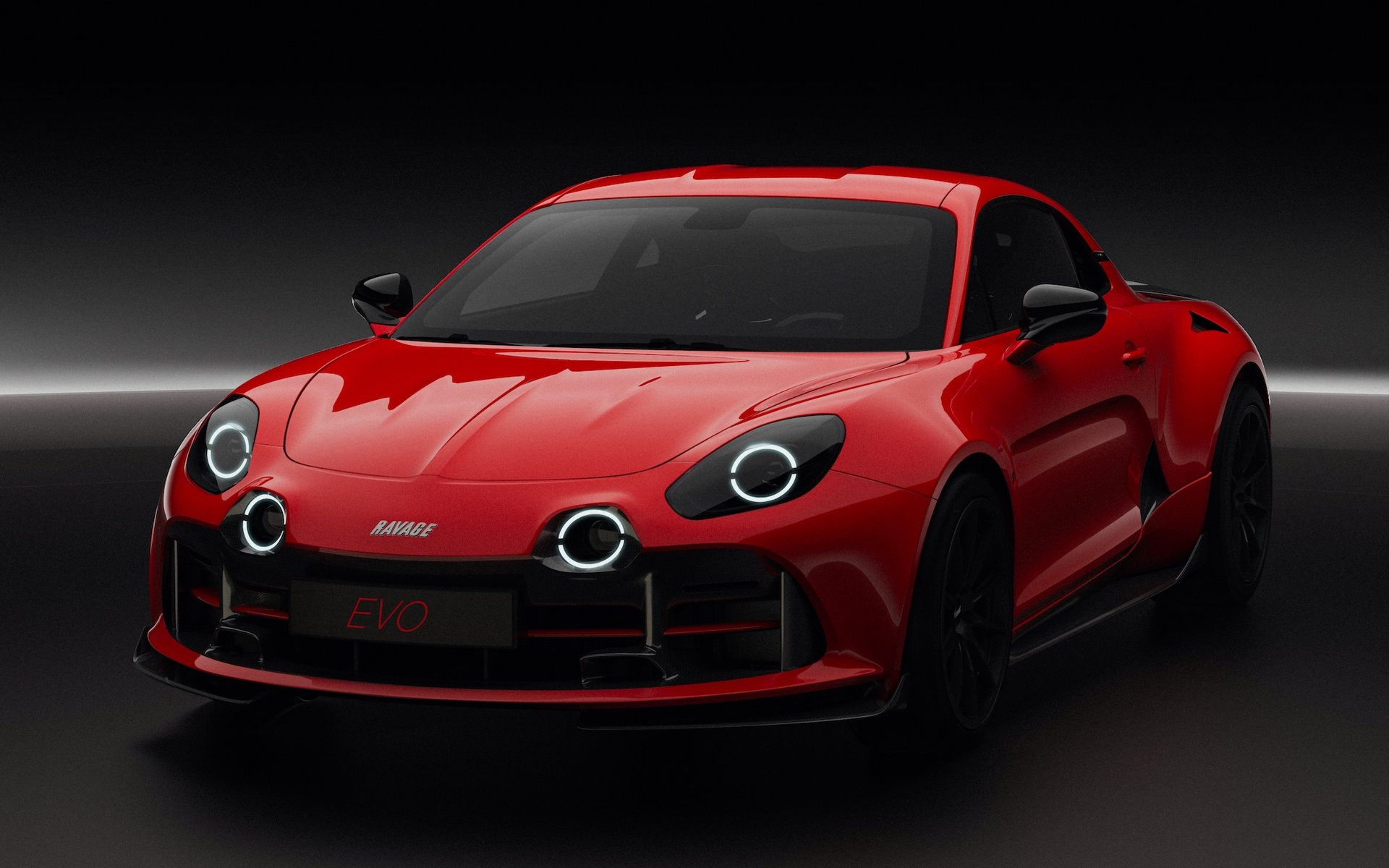
Ravage unveils the car that today embodies the point of convergence between its expertise and the trust now placed in it by Alpine: the Tarmac Master.
A name laden with meaning, directly inspired by the great years of rallying. Tour de Corse, Monte-Carlo, Sanremo… all mythical grounds where Alpine built its legend. Here, the tribute is fully embraced, but never frozen in the past. It serves as the foundation for a contemporary interpretation, more radical, more sharpened.
This Tarmac Master rests on what can be considered the most advanced technical base ever entrusted by Alpine to an outside player. And Ravage makes no secret of it: the goal is not to transform the A110, but to extract its quintessence.
The figures immediately set the tone: under 1,100 kg, 1.91 m wide, 420 Nm of torque. A technical specification that may sound demonstrative, but in practice above all reflects a search for balance.
The Euro 6d-compliant engine produces 320 hp on SP98 (up to 345 hp on SP102). But as is often the case with Ravage, that is not where the essence lies. The work on the torque curve — 420 Nm available from 3,200 rpm — profoundly transforms the way the car can be exploited. The whole package relies on competition-derived elements, notably internal components developed with ORECA for the Alpine GT4, a new turbocharger, and a titanium Akrapovič exhaust system.
Cooling, a critical point on this kind of configuration, has been completely rethought: air extraction through the hood, repositioned radiators, integrated NACA ducts, and the development of a new extractor. It is a global, coherent approach that speaks to real engineering work.
But as always with Ravage, the chassis remains the heart of the project.
Widened tracks (+50 mm at the front, +90 mm at the rear), lowered center of gravity, fully adjustable Öhlins TTX suspension with hydraulic bump stops, limited-slip differential, 330 mm AP Racing brakes… the whole package pursues a clear objective: increase mechanical grip without degrading the original balance.
Inside, the philosophy is identical. Sabelt carbon bucket seats, six-point harnesses, a stripped-back atmosphere: everything is designed around the driver. And yet, true to Ravage’s DNA, bespoke personalization remains ever-present for those who want to go further.
Only 10 examples, offered from €295,000 incl. VAT. A confidential production run, almost intimate.
What strikes me about this Tarmac Master is not so much its technical specification as its coherence. Nothing feels gratuitous. Every choice, every component, every line seems to answer a precise intention.
It does not seek to impress immediately. It asks to be understood.
And as one begins to grasp its logic, one thing becomes obvious:
Ravage has not simply created a more extreme version of the A110.
It has offered a reading of it. A vision.
A recognition that goes beyond the project itself
With the Tarmac Master, Alpine is not merely validating a piece of work. It is institutionalizing an approach, giving concrete form to a shared vision, embodied in an object that is as radical as it is coherent.
Ravage is no longer simply a talented coachbuilder operating on the fringes. It becomes a recognized partner, integrated into a strategy in which high-end craftsmanship now finds its place alongside industry — not in opposition to it, but as a complement.
At a time when the automobile is tending toward standardization, the Tarmac Master reminds us of something too often forgotten:
when passion is properly mastered, it can still give birth to objects that are profoundly unique.
And if this limited series marks a new chapter for Ravage, it may well, in time, redefine the way Alpine approaches its most exclusive derivatives — with, in the background, a growing place for freer, more deeply embodied interpretations.
This article carries a particular flavor for me personally.
We know Ravage’s founders well. We know what such a journey represents. In France, where the automotive industry can falter from one moment to the next, bringing an independent structure into existence — one that is credible, respected, and then recognized by a manufacturer — is almost exceptional.
And yet, Ravage is here.
A breath of fresh air. A touch of madness — gentle, yet perfectly controlled — that reminds me why I created Les Alpinistes. To tell stories like these. Stories of men and women driven by a vision, by shared values, and by a fierce desire to make French know-how shine at an almost artistic level.
And deep down, watching this Tarmac Master take shape, one thing becomes clear:
I sincerely cannot wait to see just how far this Alpine x Ravage collaboration can go.
To learn more, visit the official Ravage website:
Everything is there — the vision, the engineering, and the spirit behind the Tarmac Master.
Source: Alpine Cars / Ravage