🇫🇷 Cet article est également disponible en français : Lire en français
Alpine will arrive at the 2026 Paris Motor Show with a more extensively customisable Alpine A290, an Alpine A390 tasked with embodying the brand’s move upmarket and, above all, the first glimpse of the third-generation A110.
Beyond the matt paint finishes, Nappa leather and expansion of Atelier Alpine lies a much bigger issue: now that Alpine is becoming an electric brand with ambitions for significantly greater volume, it must prove that growth will not come at the expense of the qualities that restored its credibility as a sports car manufacturer.
Alpine says “exclusivity” will take centre stage on its stand at the Paris Motor Show, held from 12 to 18 October 2026. It is the sort of word that can easily disappear into the familiar vocabulary of the premium car market. Yet it deserves closer attention here, precisely because Alpine is entering a period in which exclusivity can no longer be taken for granted.
The brand is selling more cars, rapidly expanding its retail network, entering segments that would have seemed foreign to it only a few years ago and steadily reshaping its range around electric power. The days when Alpine rested almost entirely on the shoulders of the Alpine A110 are over.
The figures make the scale of that change clear. Alpine registered 10,970 cars worldwide in 2025, compared with 4,587 in 2024. The A290 alone accounted for 8,198 cars, while 2,681 A110s were registered over the same period. Today, the small electric hatchback represents around 70% of the brand’s sales.
Commercially, then, Alpine is already no longer simply the A110 brand.
At the same time, it now has 210 Alpine locations, Alpine Stores and Atelier Alpine sites across 25 countries, up from 169 at the end of 2025. More tellingly, Alpine says that almost 80% of A290 buyers were not previously Renault Group customers. If that proportion holds over time, it suggests the A290 is genuinely attracting new customers rather than simply moving existing Renault Group buyers from one badge to another.
Alpine’s problem, therefore, is no longer one of revival. It is how to grow without becoming just another premium performance brand.
Alpine A290 Collection and Alpine A390: turning exclusivity into a product
The first part of Alpine’s answer in Paris is called Atelier Alpine.
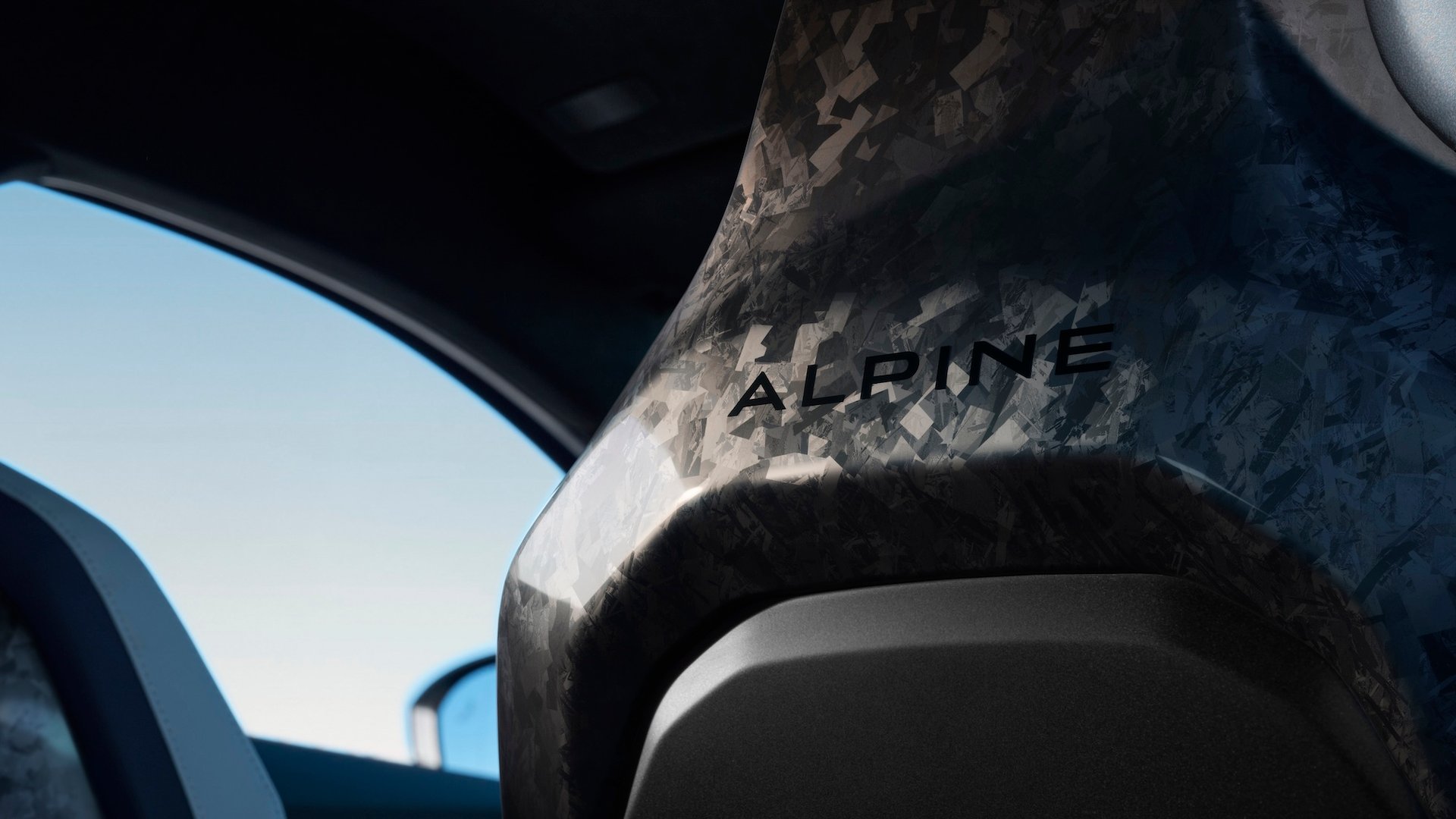
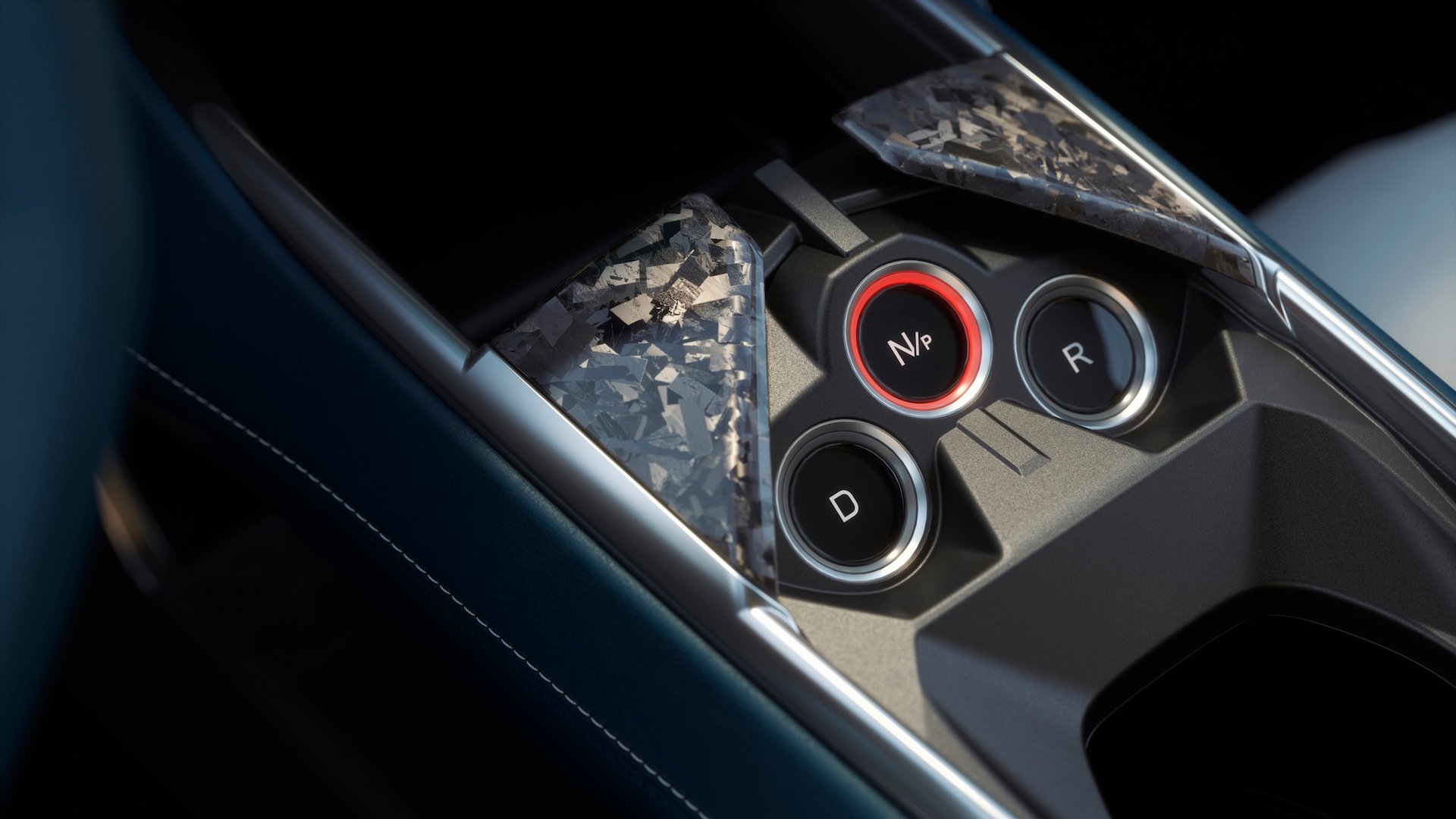
Special paint finishes, upholstery, forged wheels, carbon-fibre trim, colour combinations and increasingly elaborate specifications: Alpine wants customisation to become a fully fledged part of its business model.
There is nothing revolutionary about that in the upper reaches of the car market. Porsche, Ferrari, Bentley and Lamborghini have long exploited, and on a far greater scale, the ability to add considerable value through individual specification. Alpine faces a more delicate balancing act: its modern legitimacy was rebuilt around the A110’s light weight and handling, not around a catalogue of leather swatches.
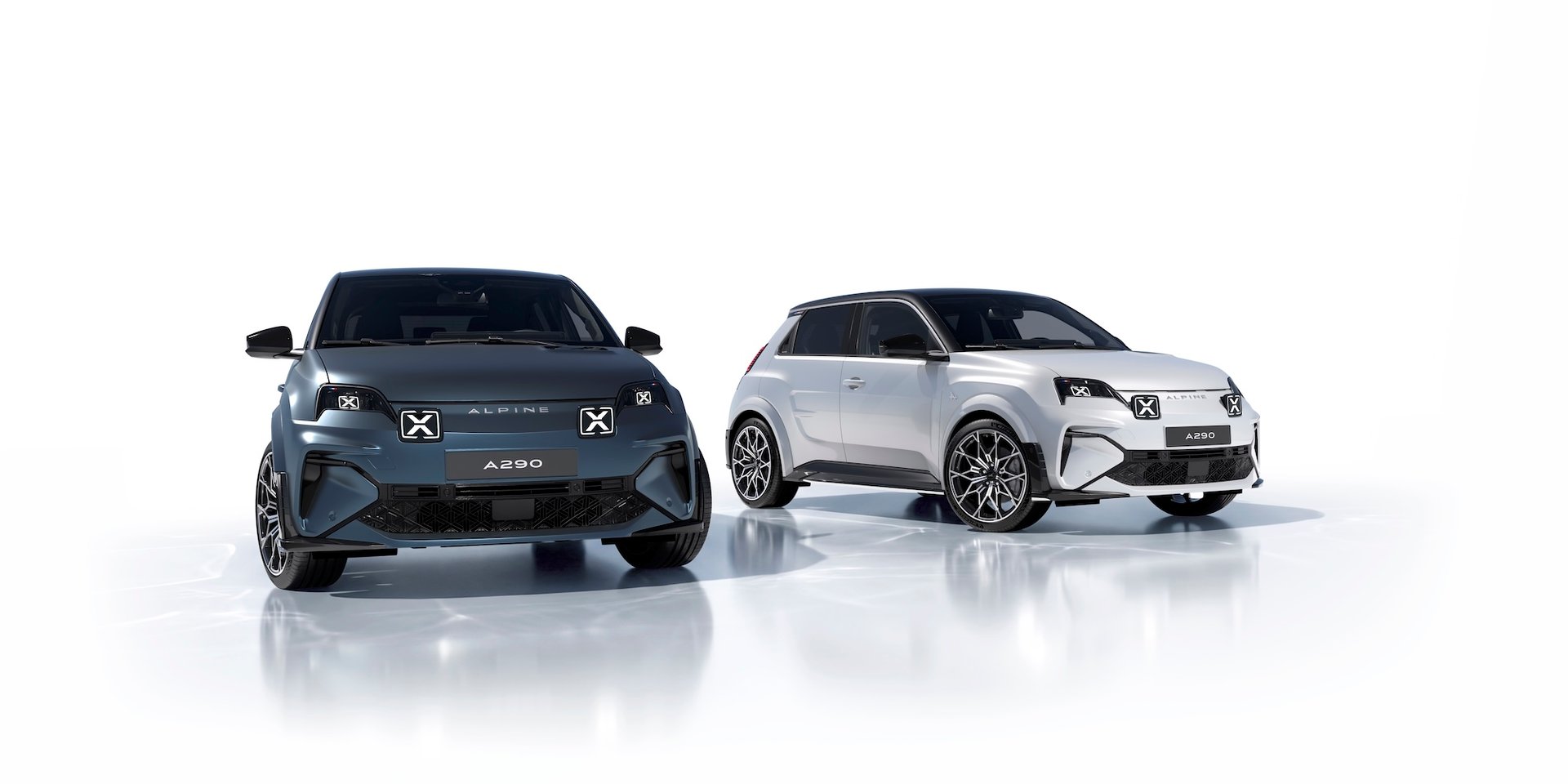
The A290 Collection being shown in Paris illustrates that shift perfectly.
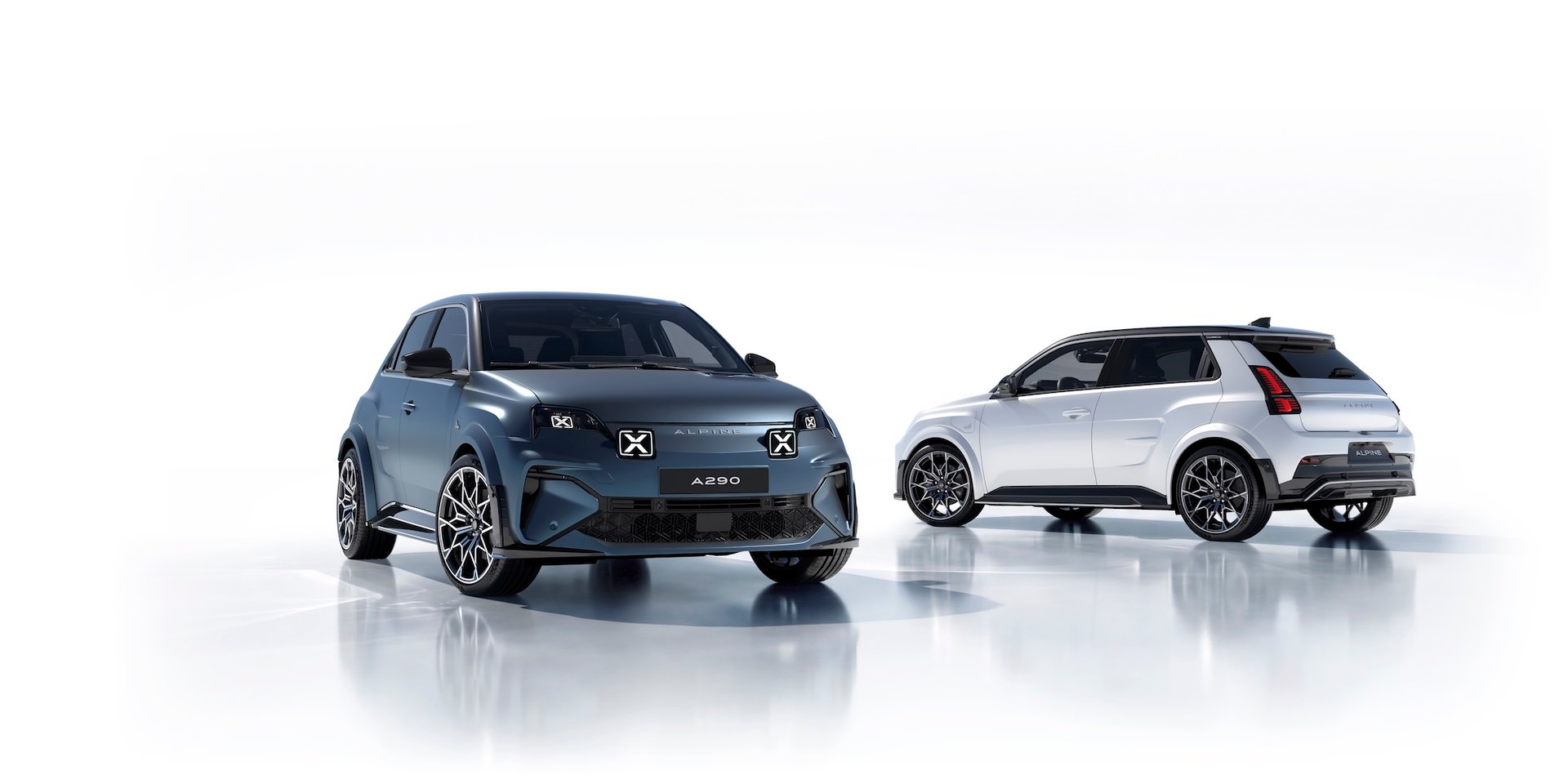
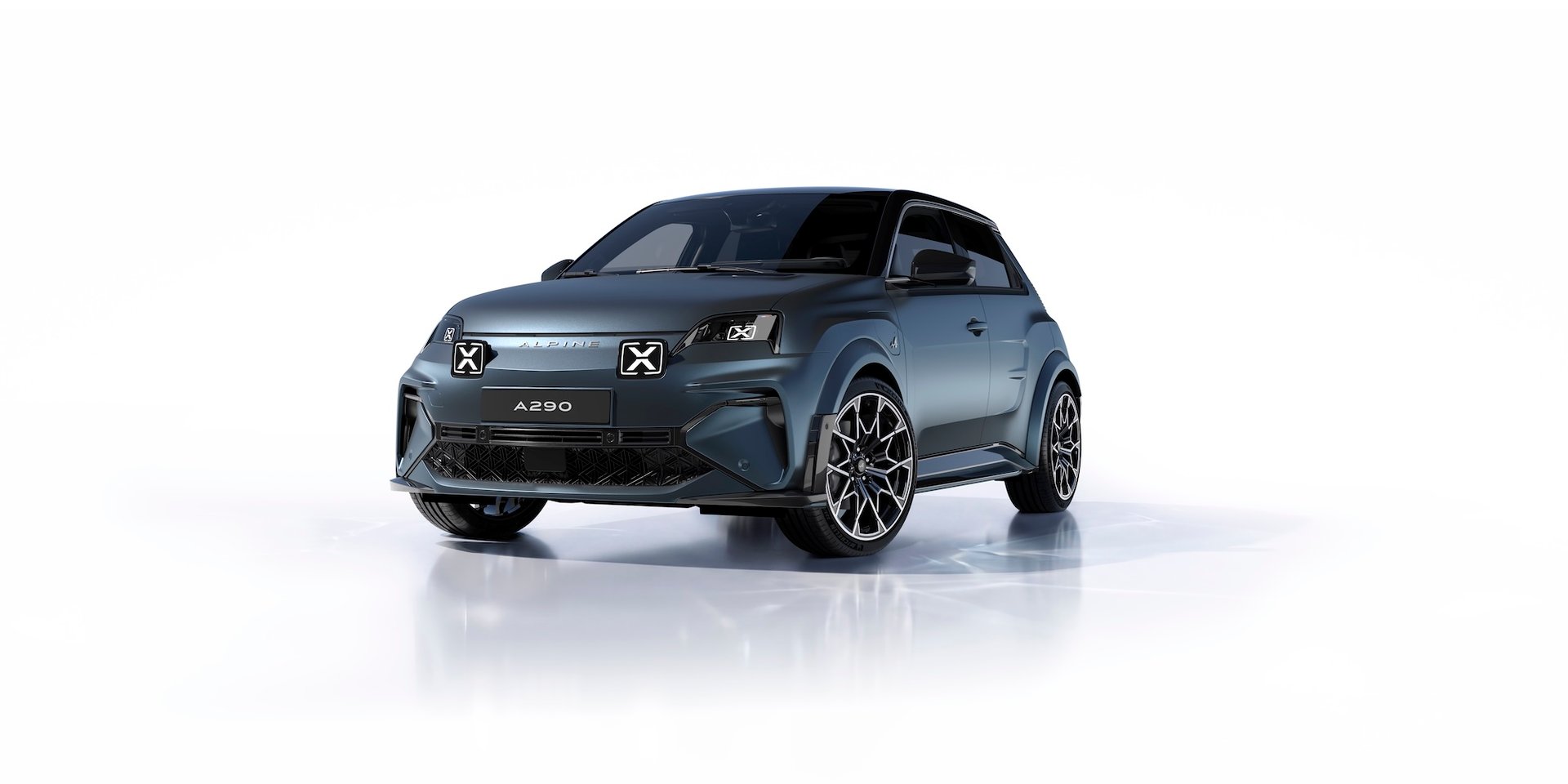
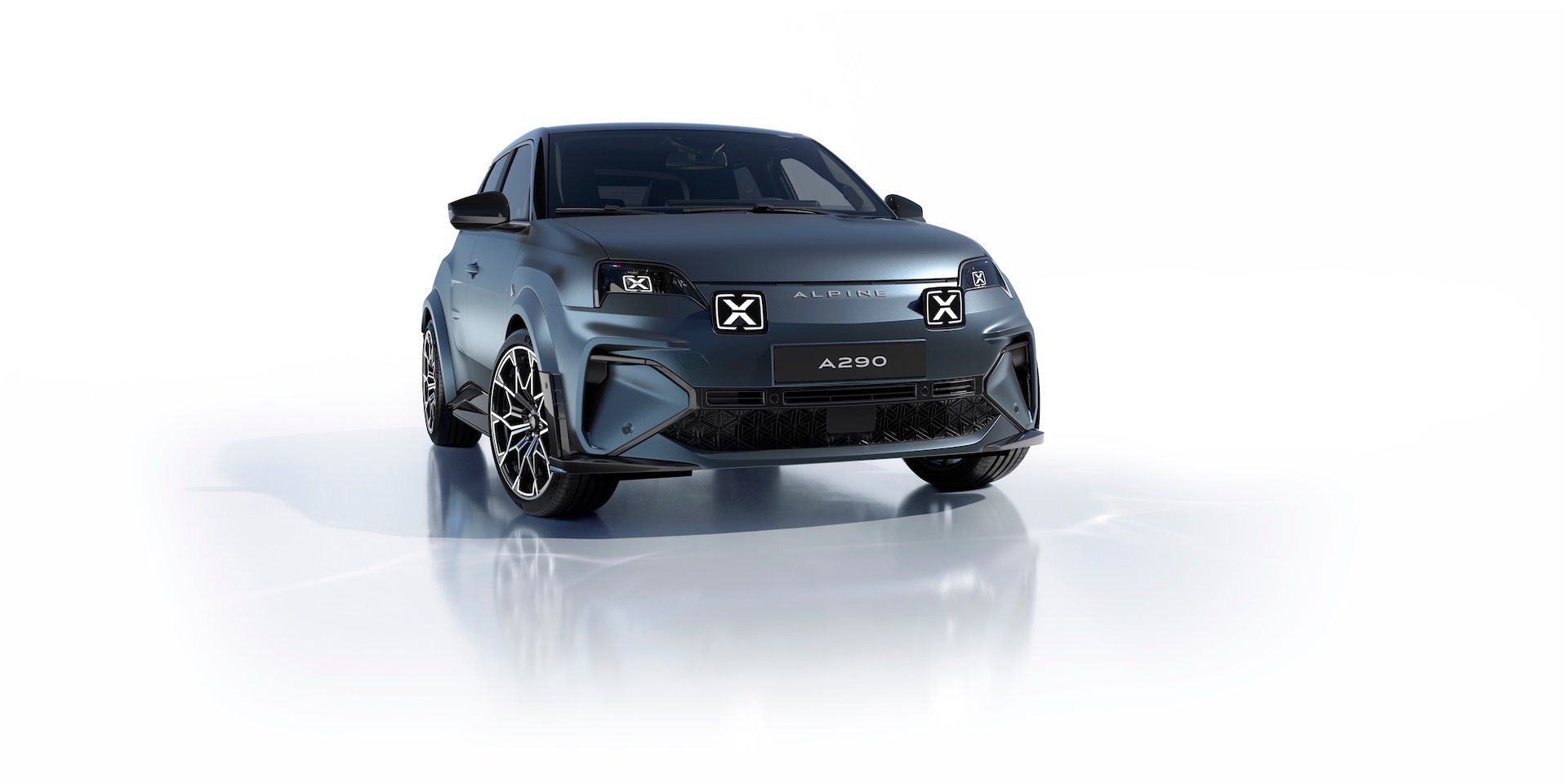
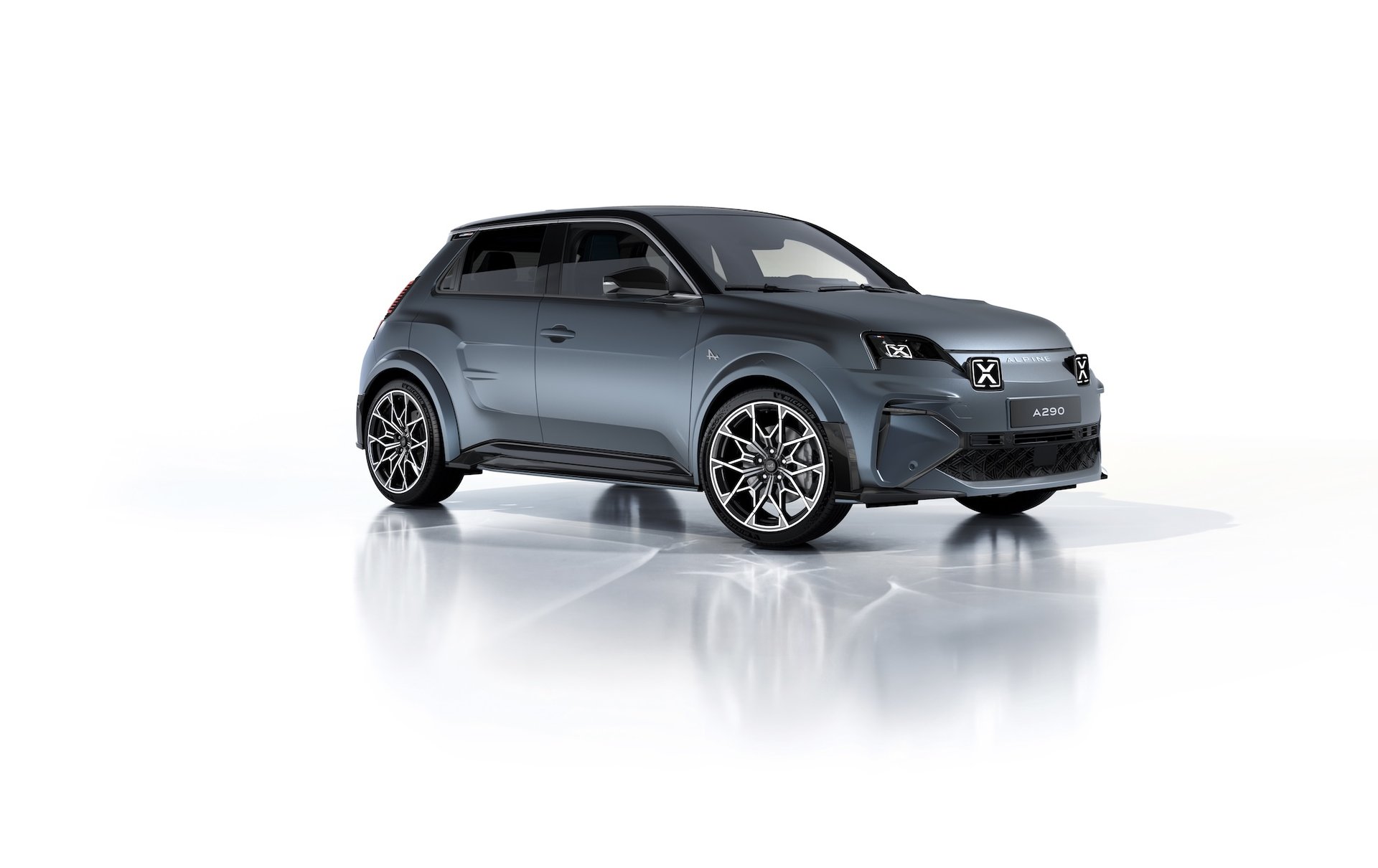
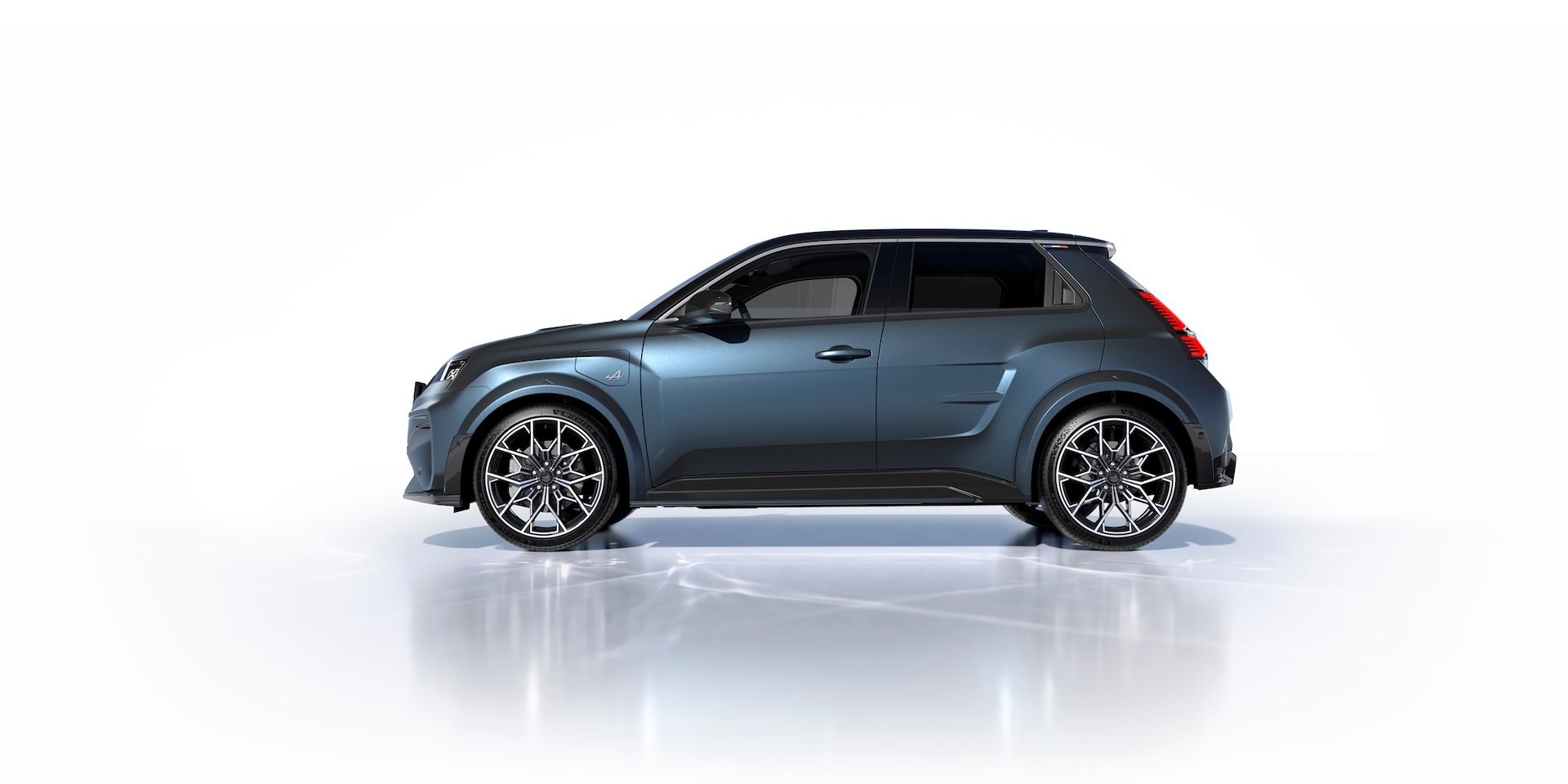
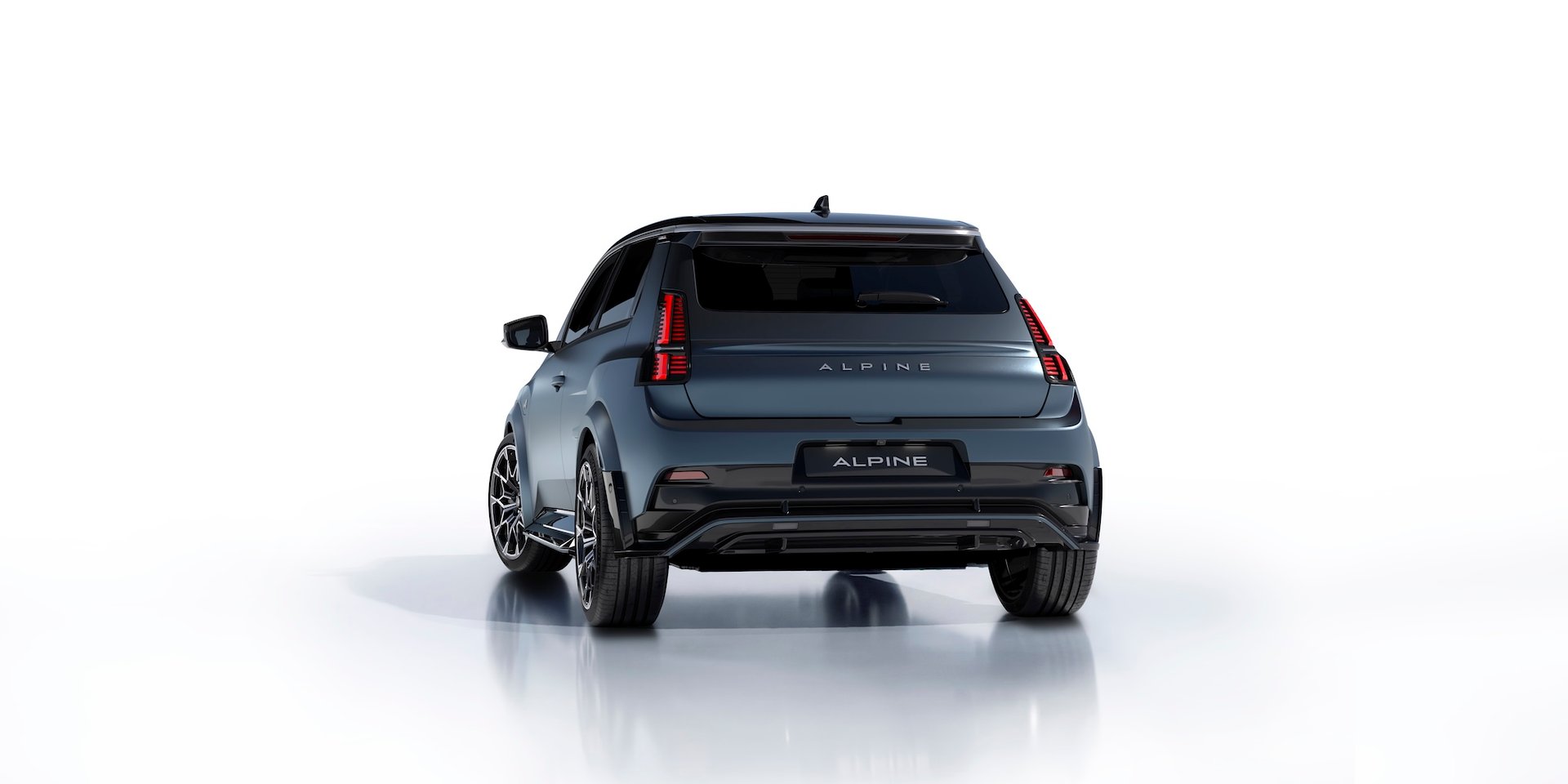
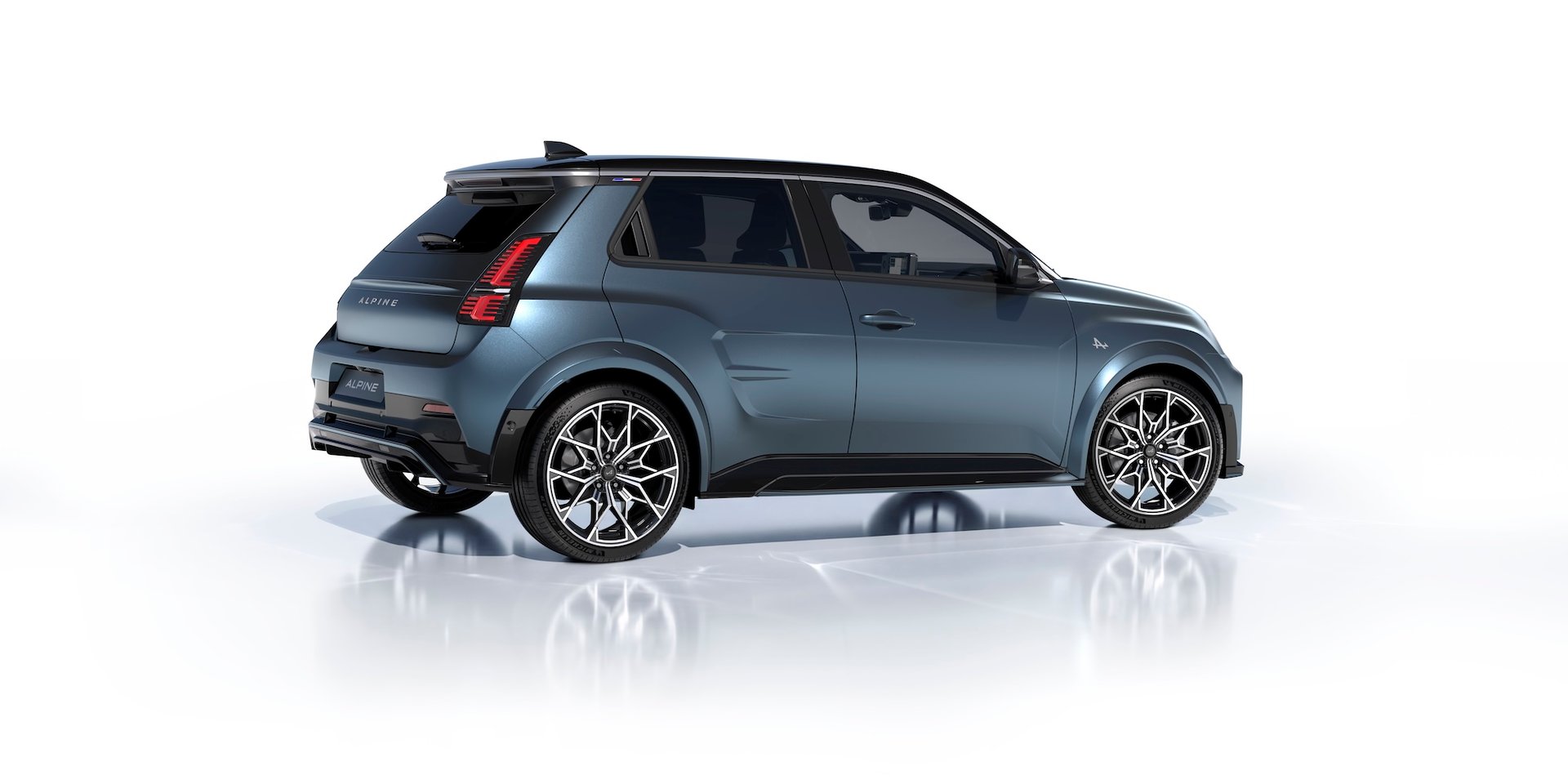
Available in GT and GT Performance form, it retains the familiar 180 hp and 220 hp outputs along with the 52 kWh battery. There is no new motor and no fundamental chassis revision: the changes are primarily cosmetic and material.
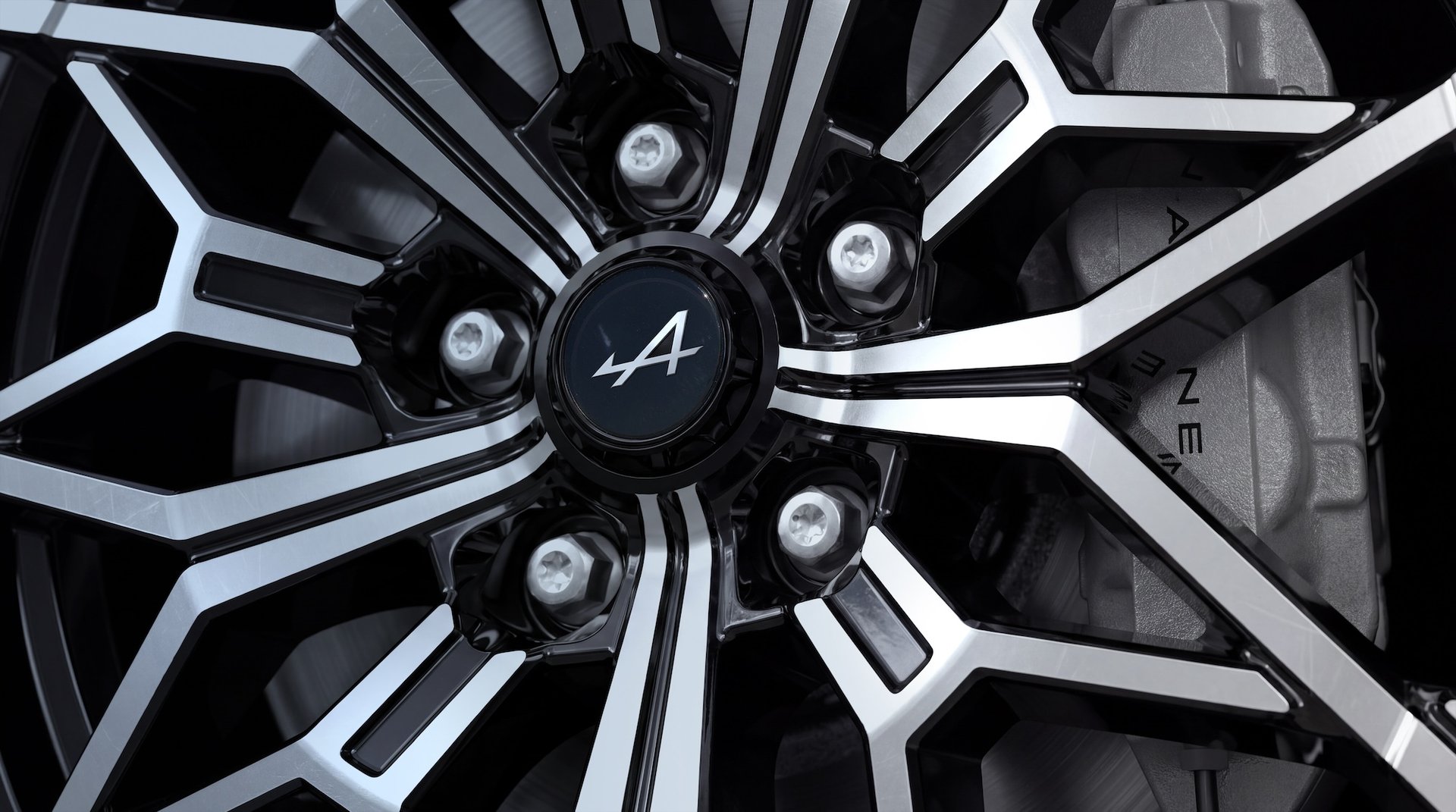
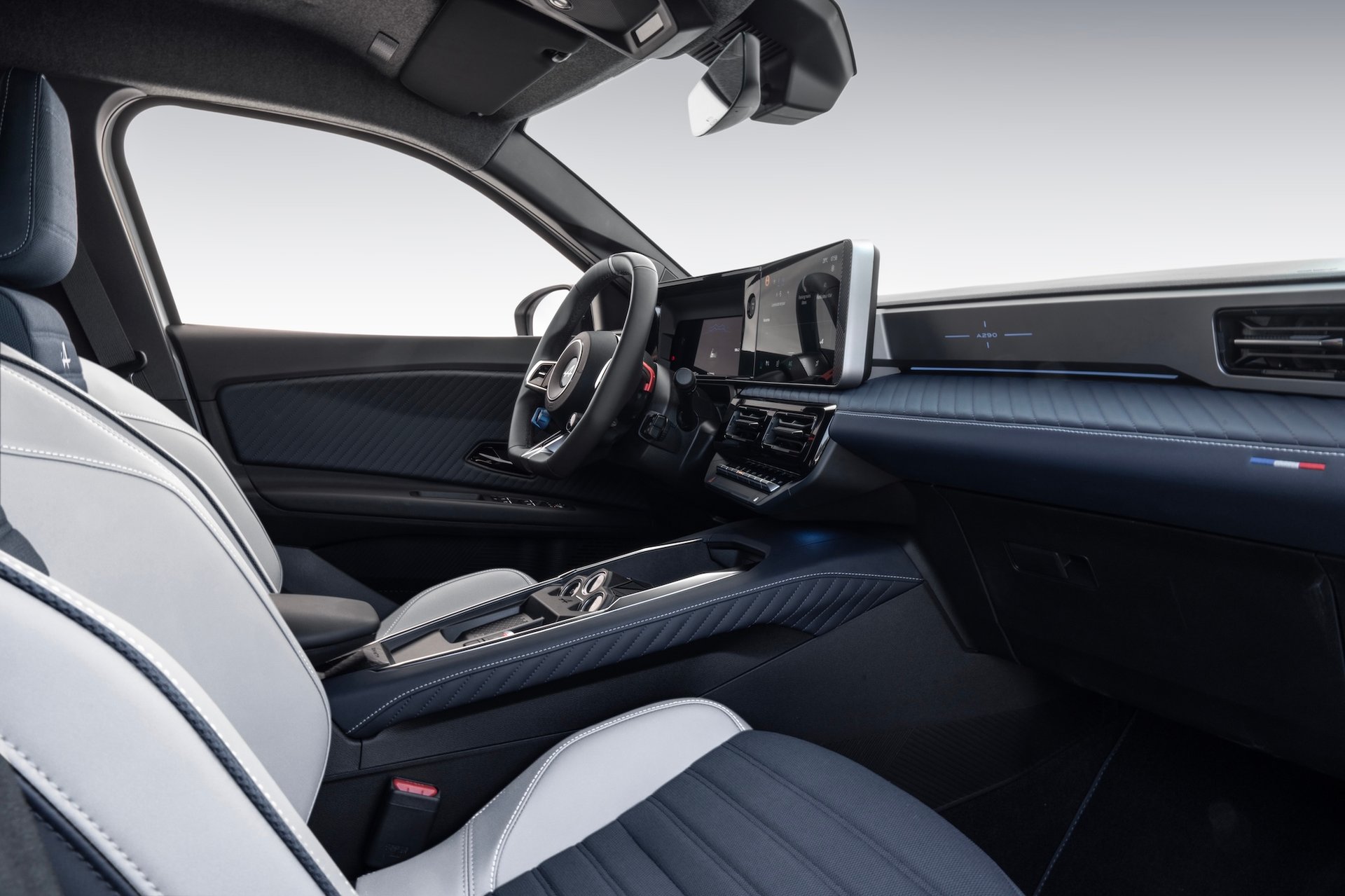
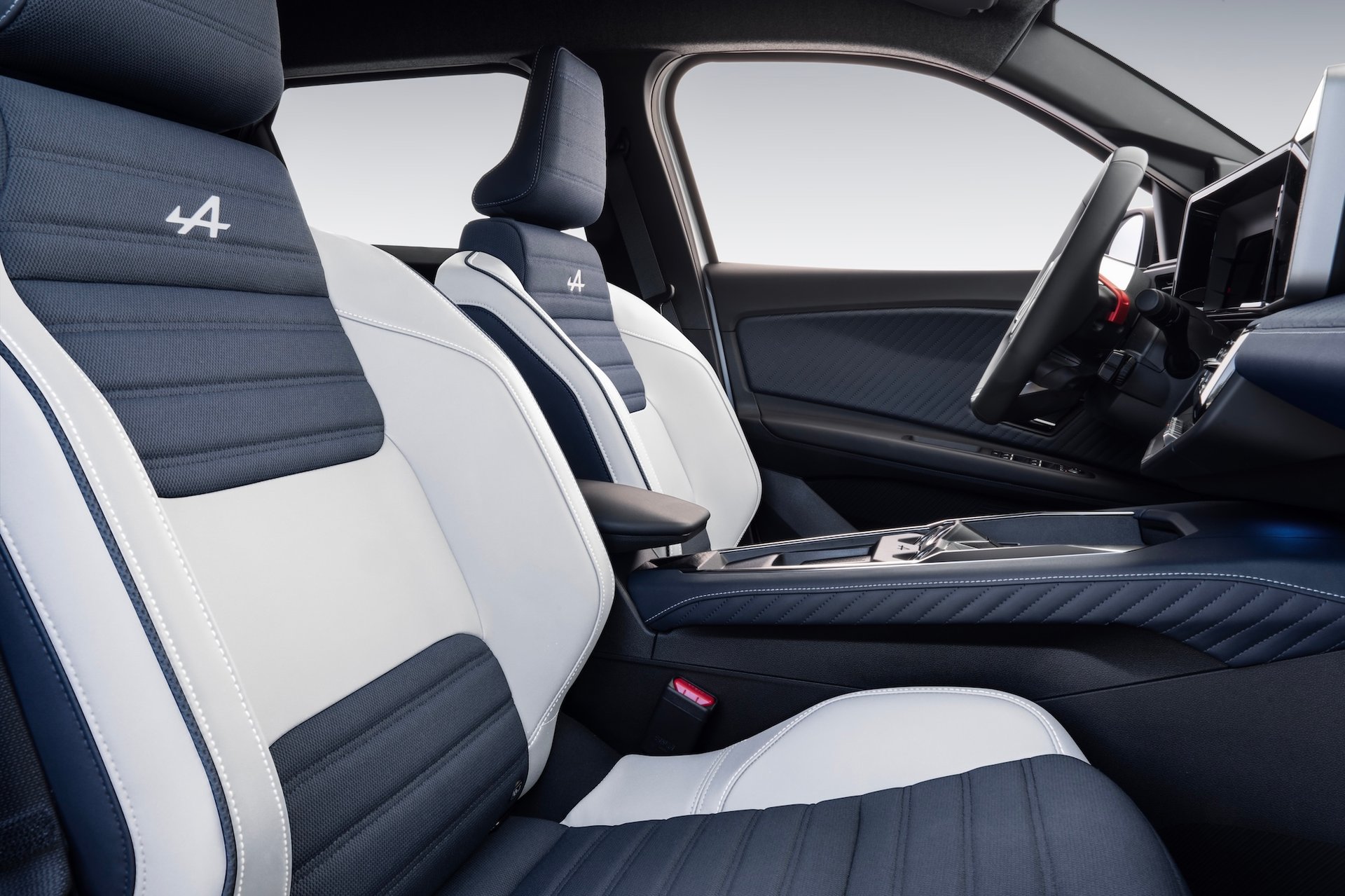
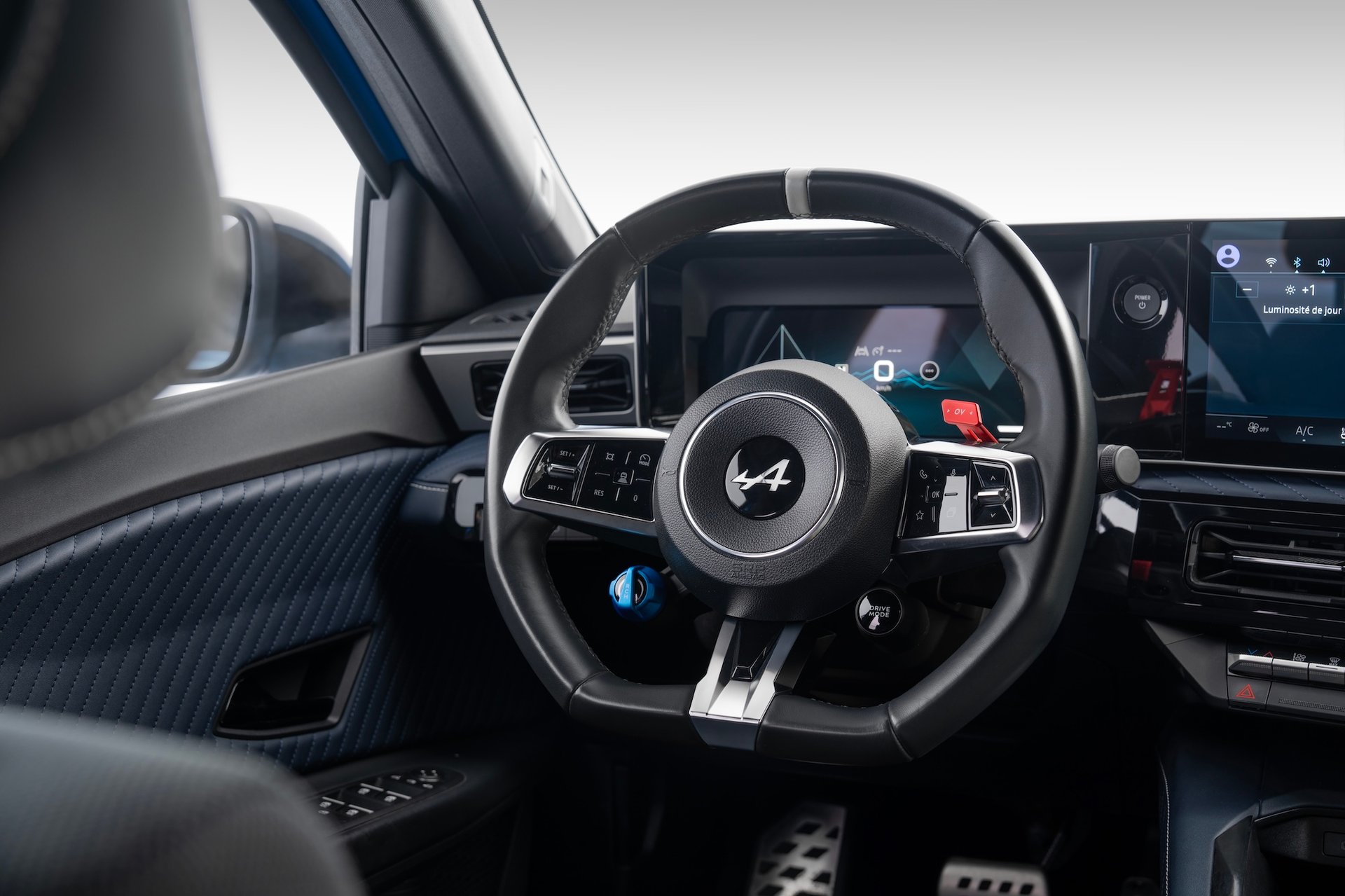
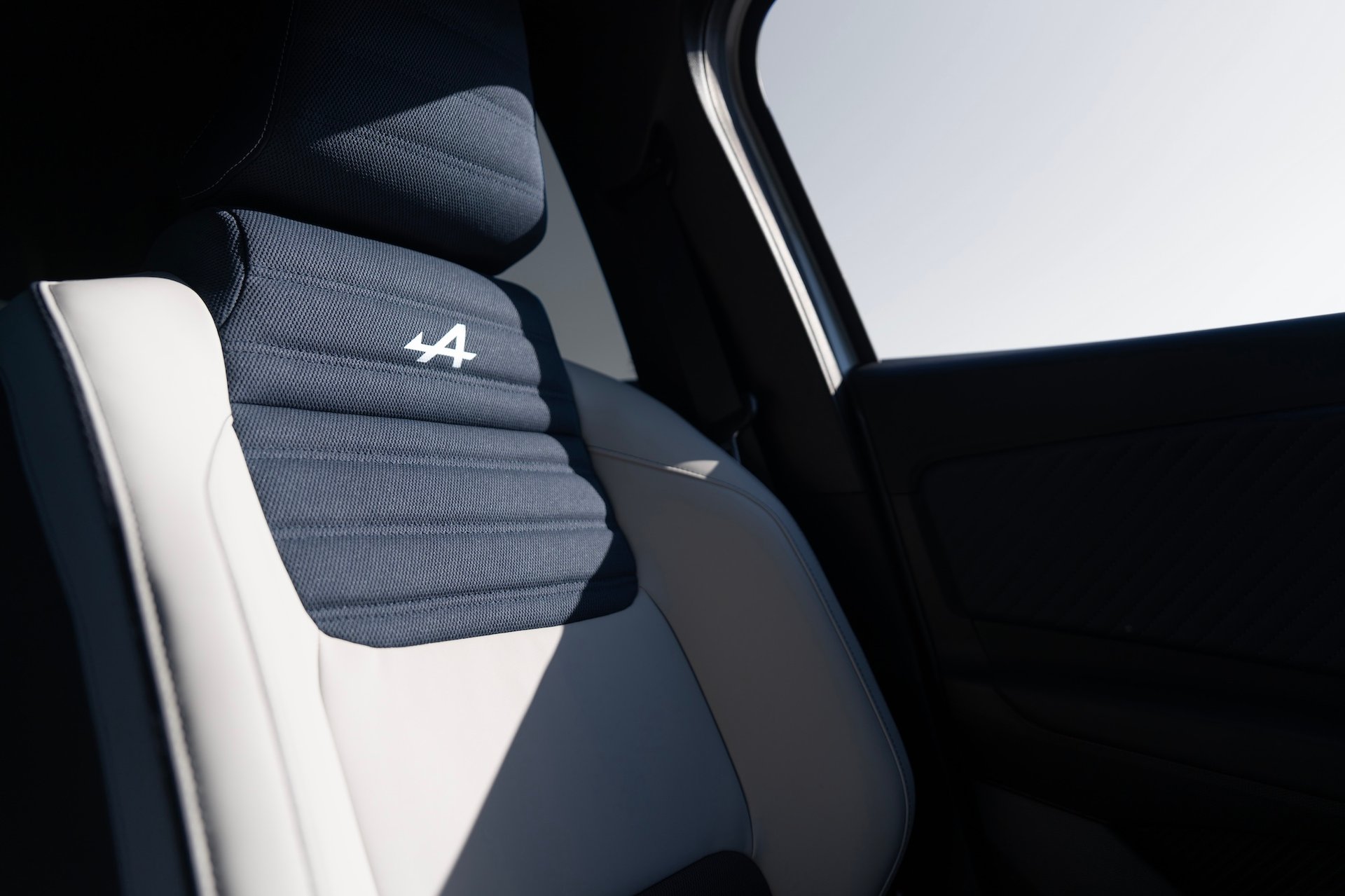
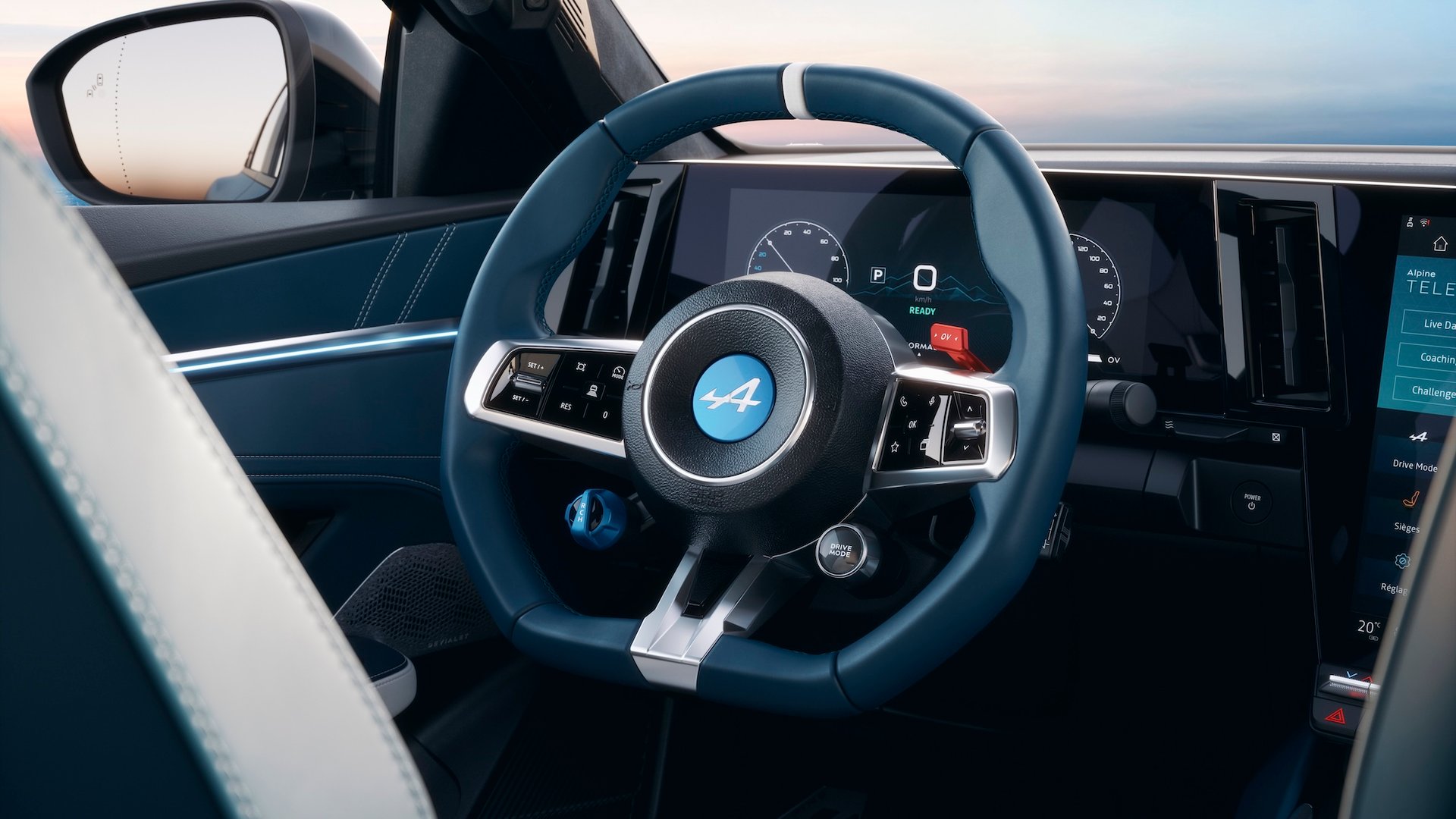
The exterior combines Blanc Nival paintwork with a black roof, body-coloured wheelarch extensions, 19-inch diamond-cut Snowflake wheels, Silver Grey front brake calipers and chrome badging. Inside, there is a new heated black steering wheel together with a combination of grained coated textile and Deep Blue/Grey Evee fabric.
A new Bleu Orage Mat finish, again paired with a black roof, will also become one of the Collection’s distinguishing features.
It should not be presented as more than it is. This Alpine A290 is not a new mechanical interpretation of the car. Its purpose is primarily to make a model now sold in the thousands more individual and, inevitably, to raise its perceived value.
Alpine had already explored this approach at the opposite end of its range with the Alpine A110 R Ultime. Limited to 110 examples and priced from €265,000, it offered an extensive customisation programme developed in part with Poltrona Frau. Its 1.8-litre four-cylinder engine could produce 345 hp and 420 Nm, with 0–100 km/h quoted at 3.8 seconds.
At that price, Alpine also raised an unavoidable question: how far can an A110 be pushed upmarket before its price becomes difficult to justify on mechanical merit alone?
That philosophy is now filtering down into the mainstream range. As the cars themselves become less rare through higher production volumes, Alpine is trying to make individual specifications rarer.
The Alpine A390 takes that strategy a step further.
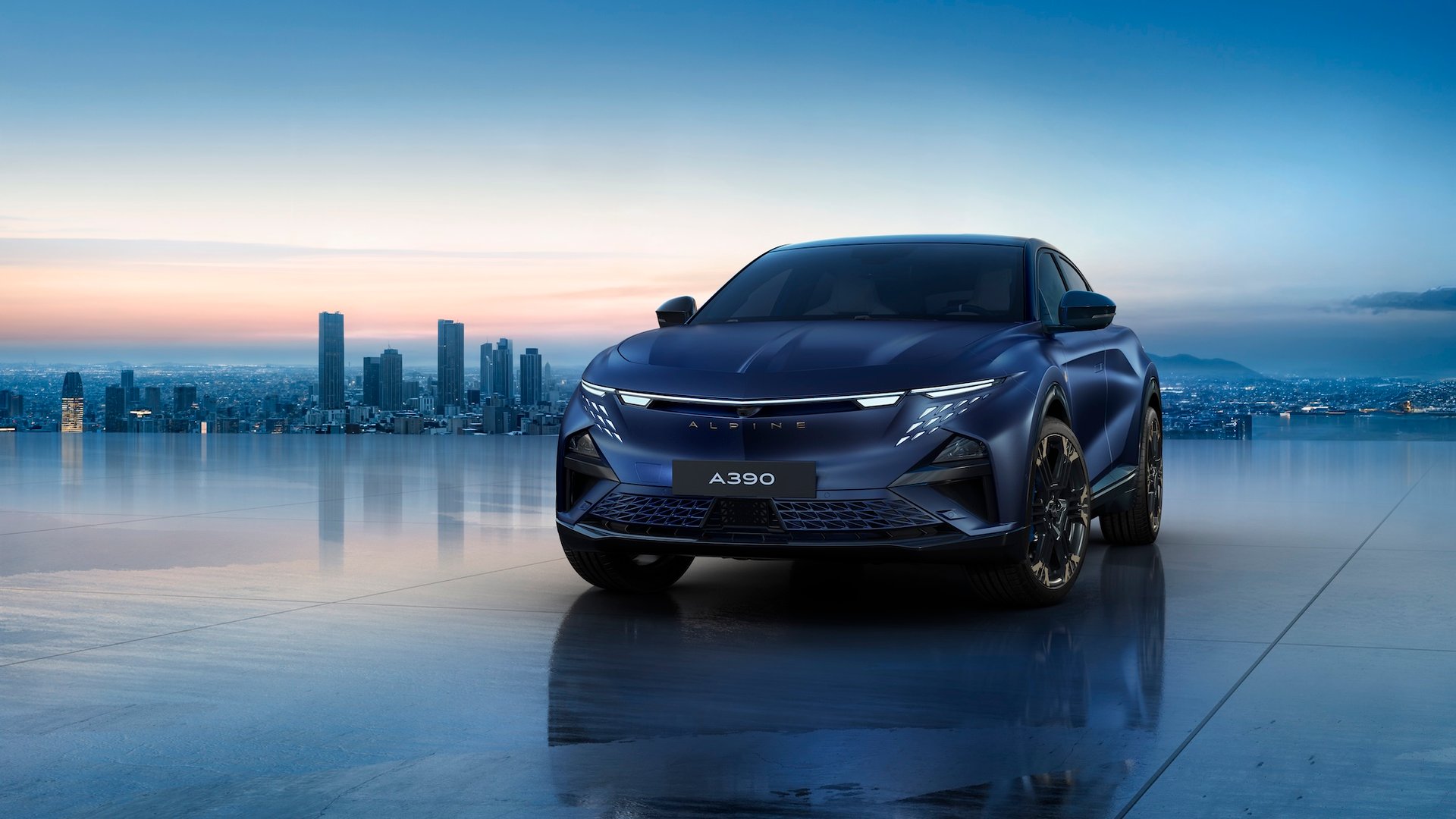
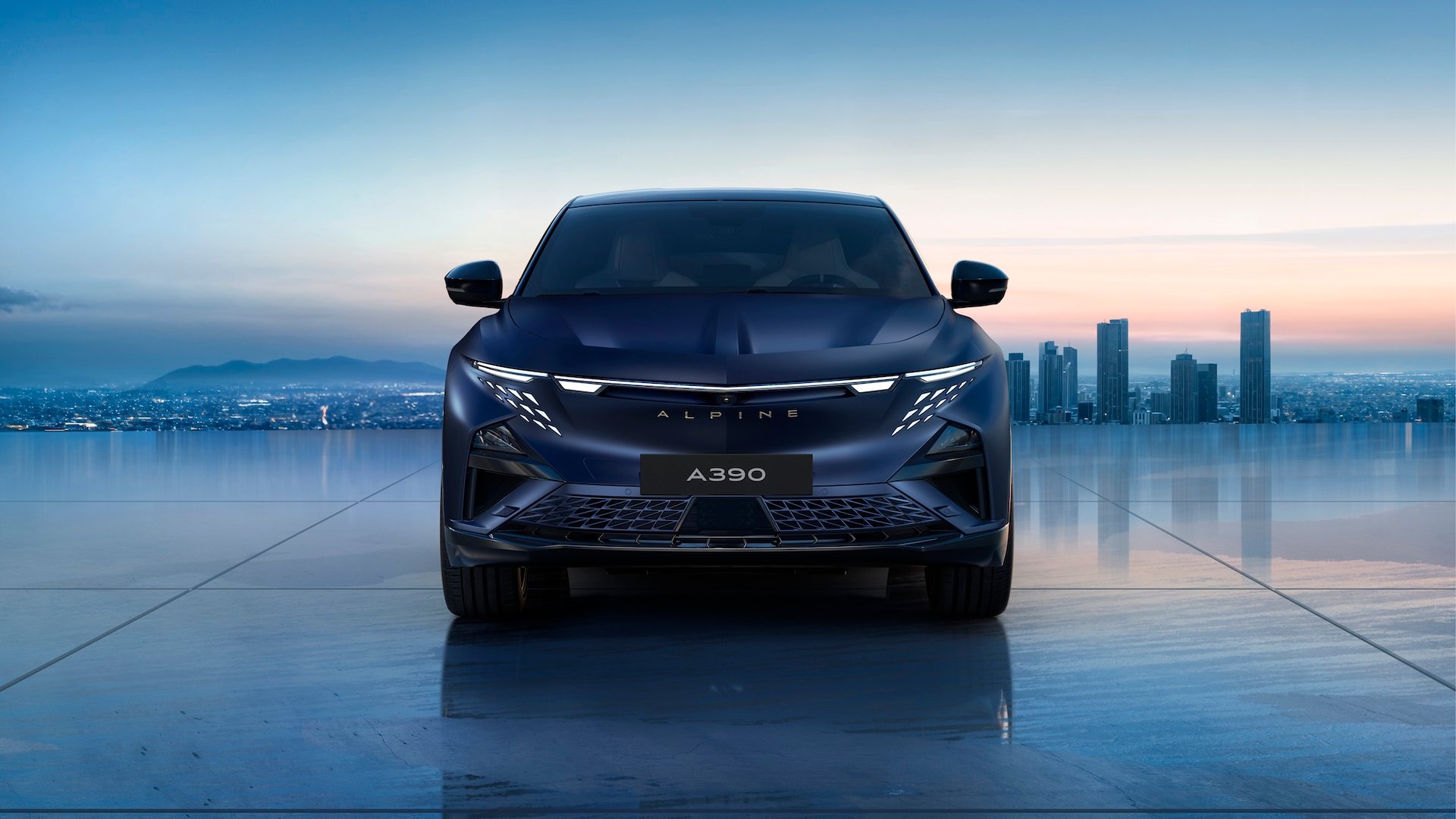
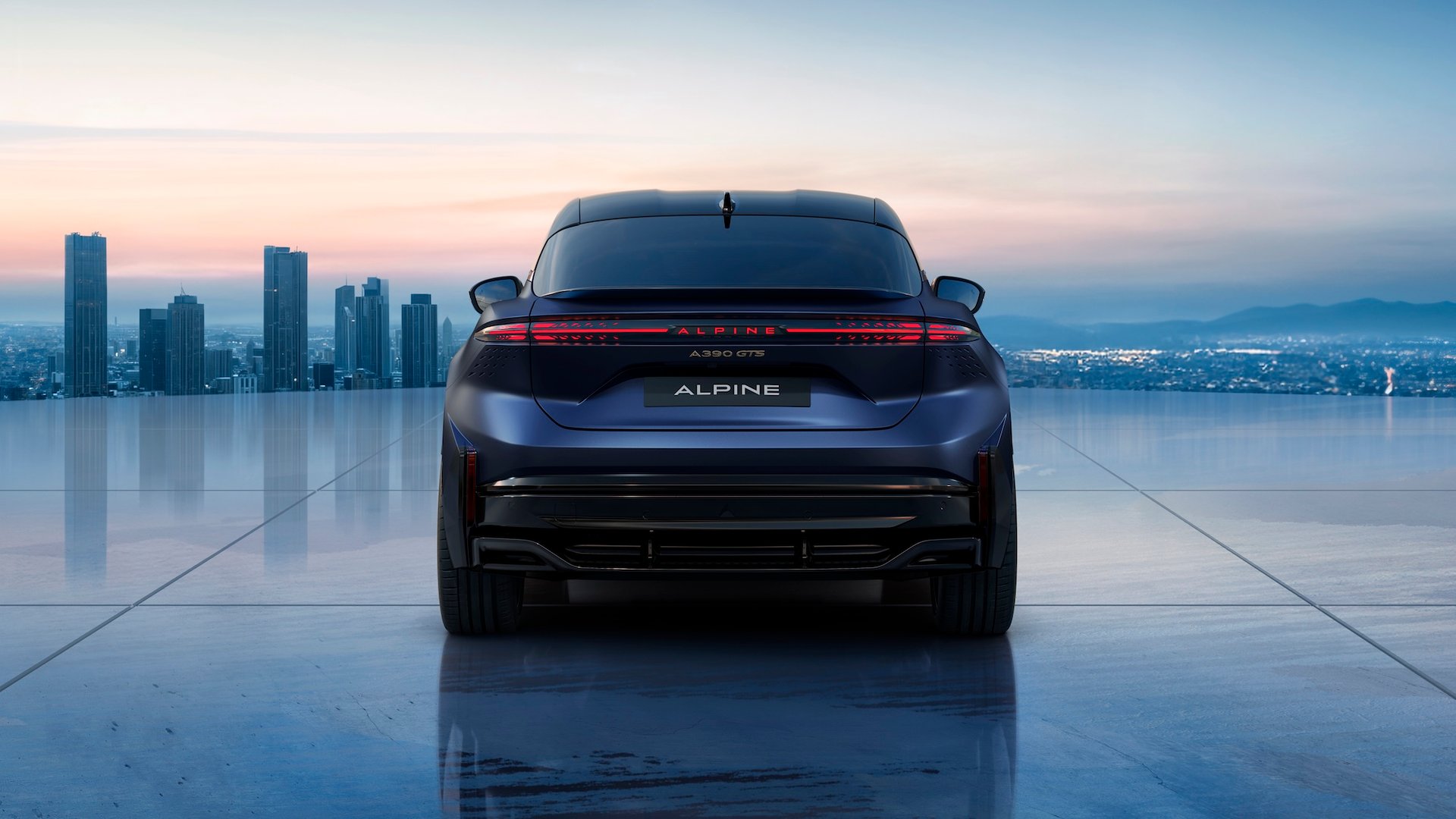
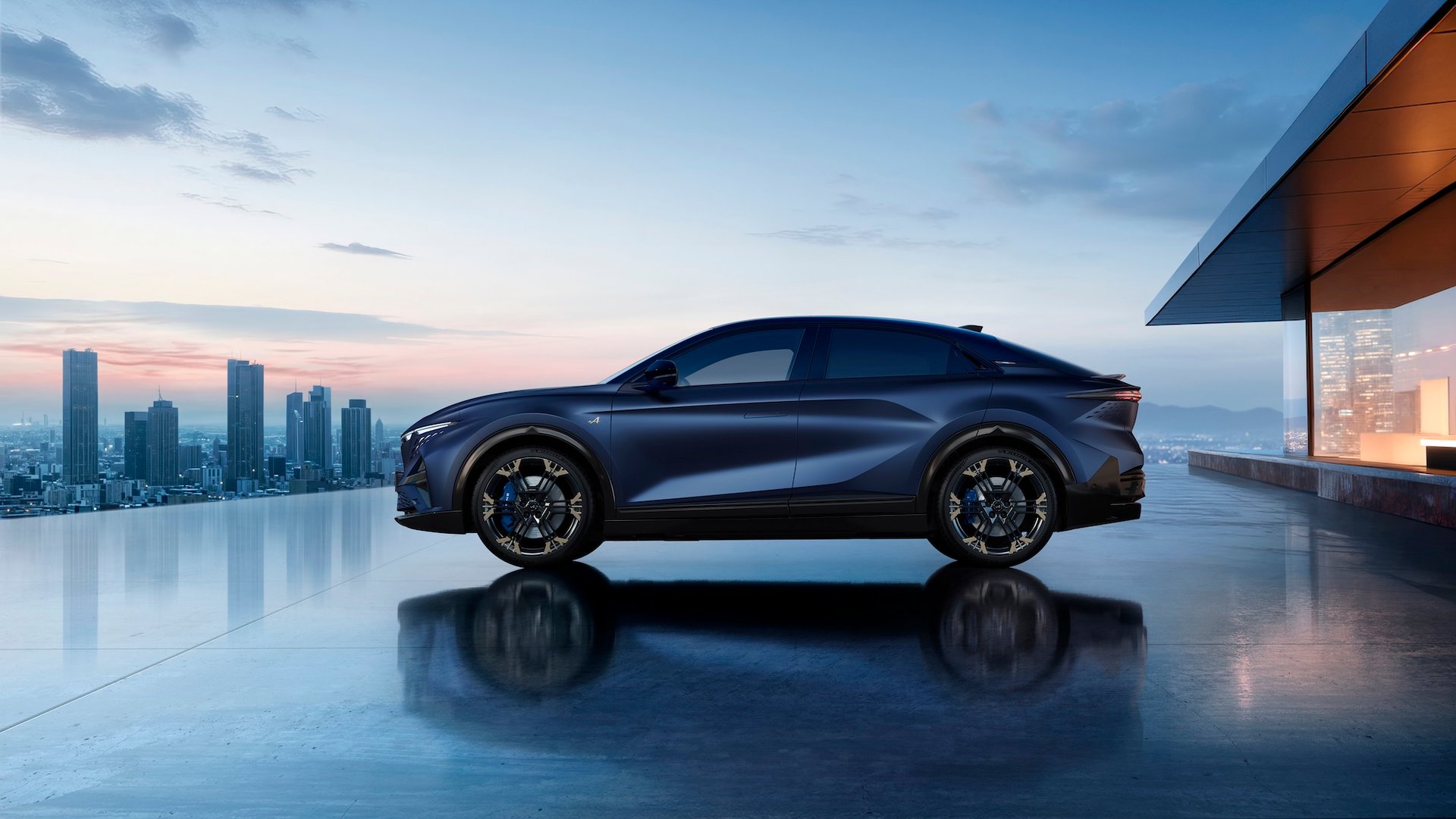
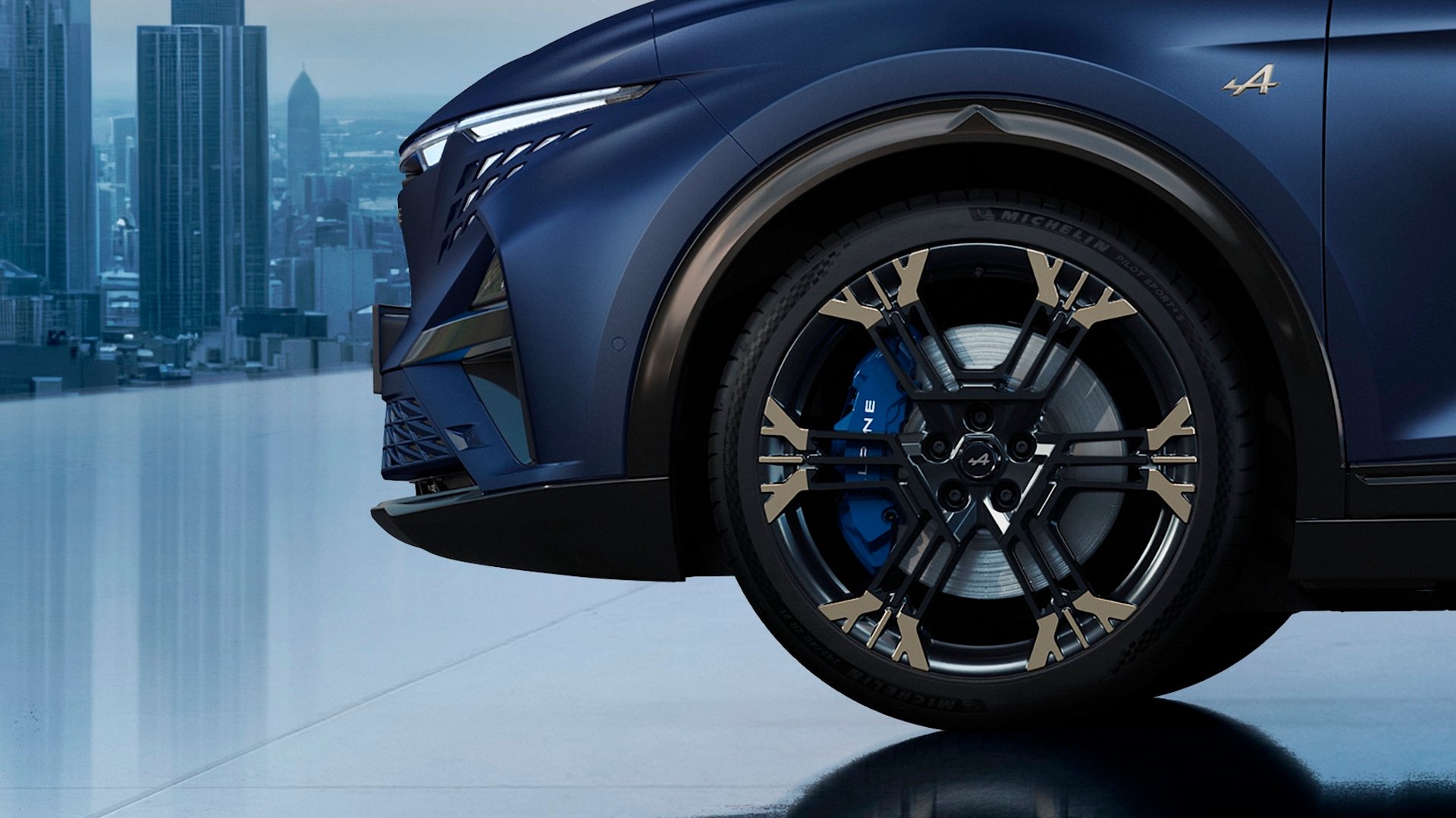
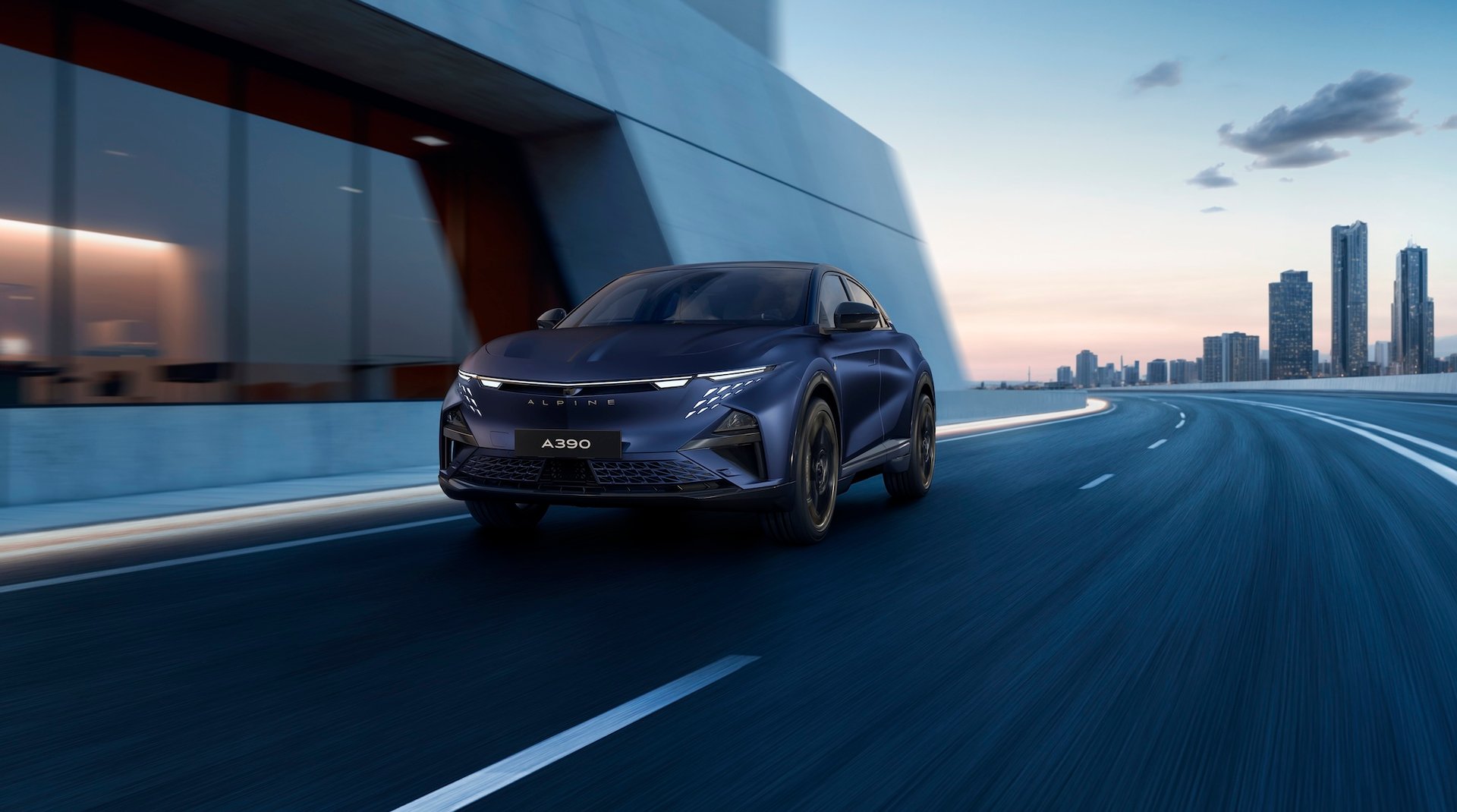
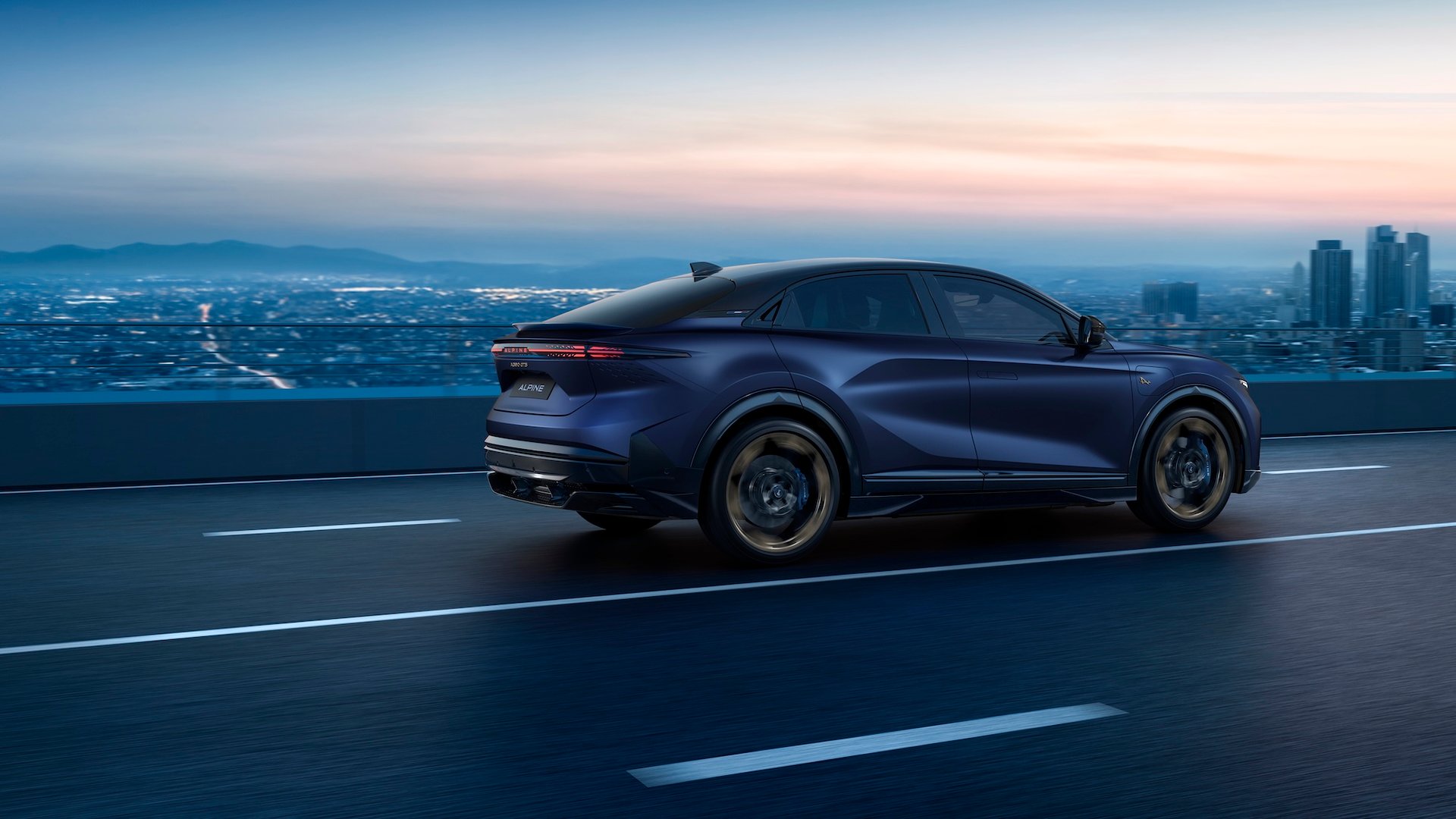
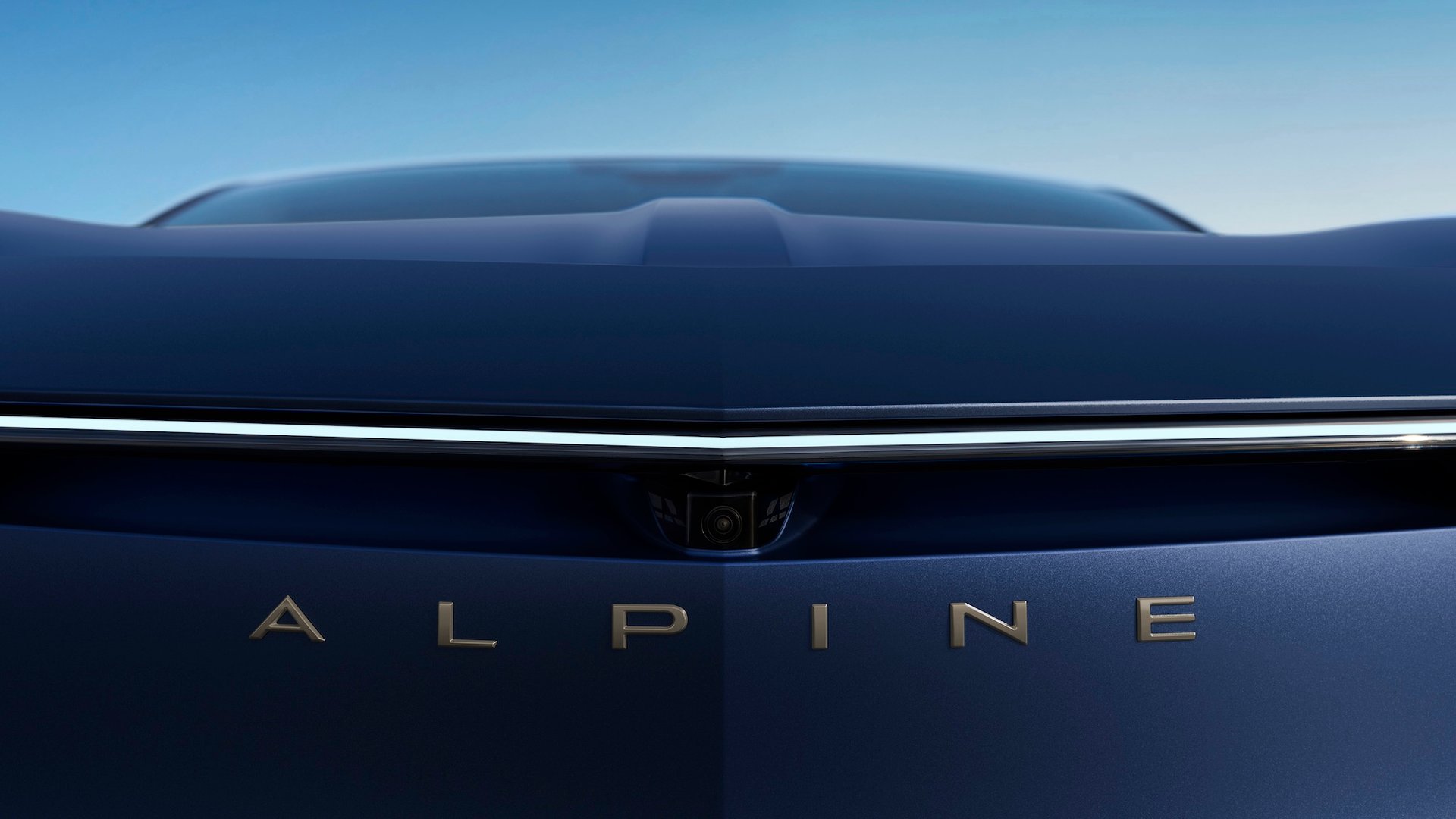
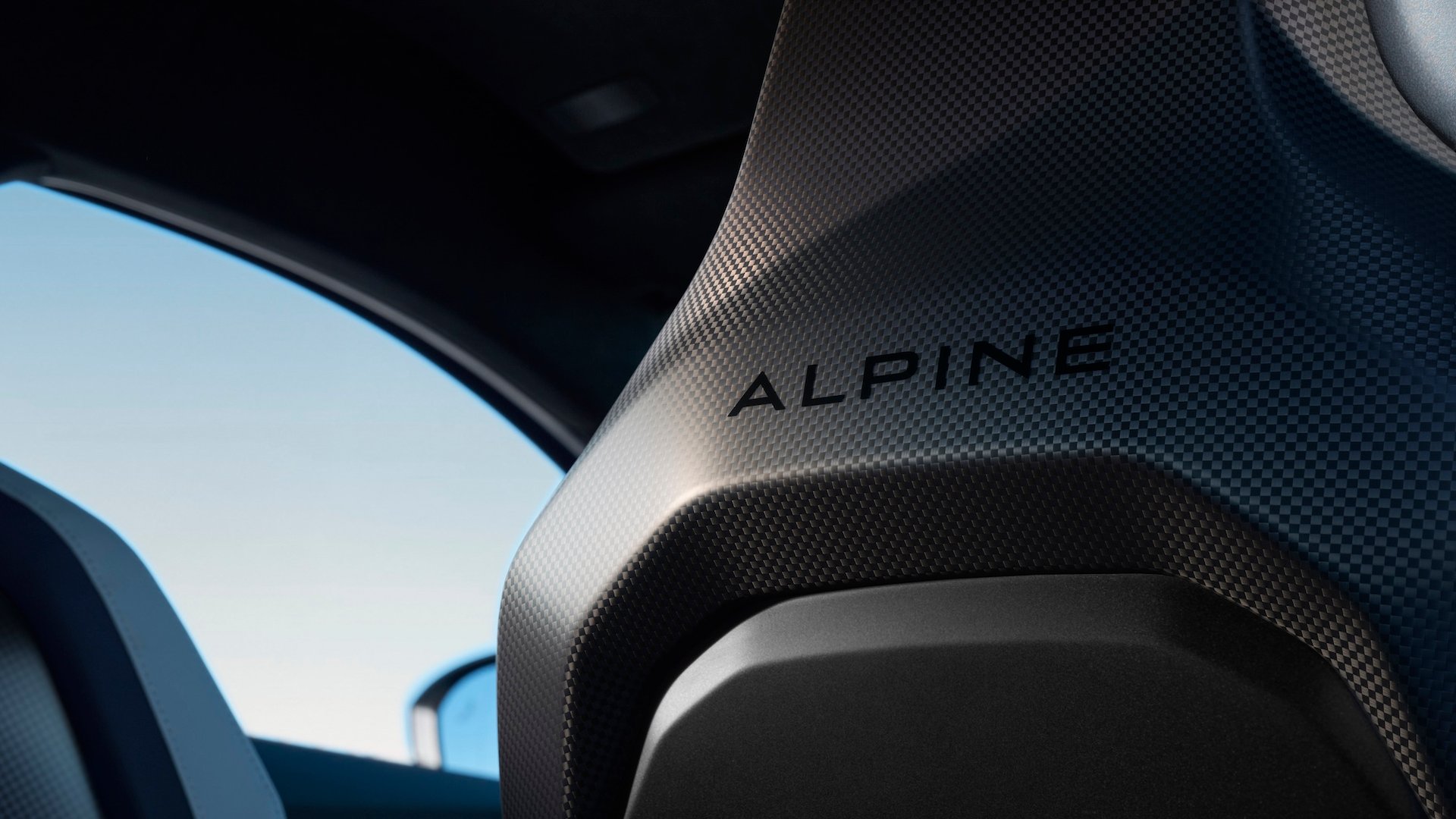
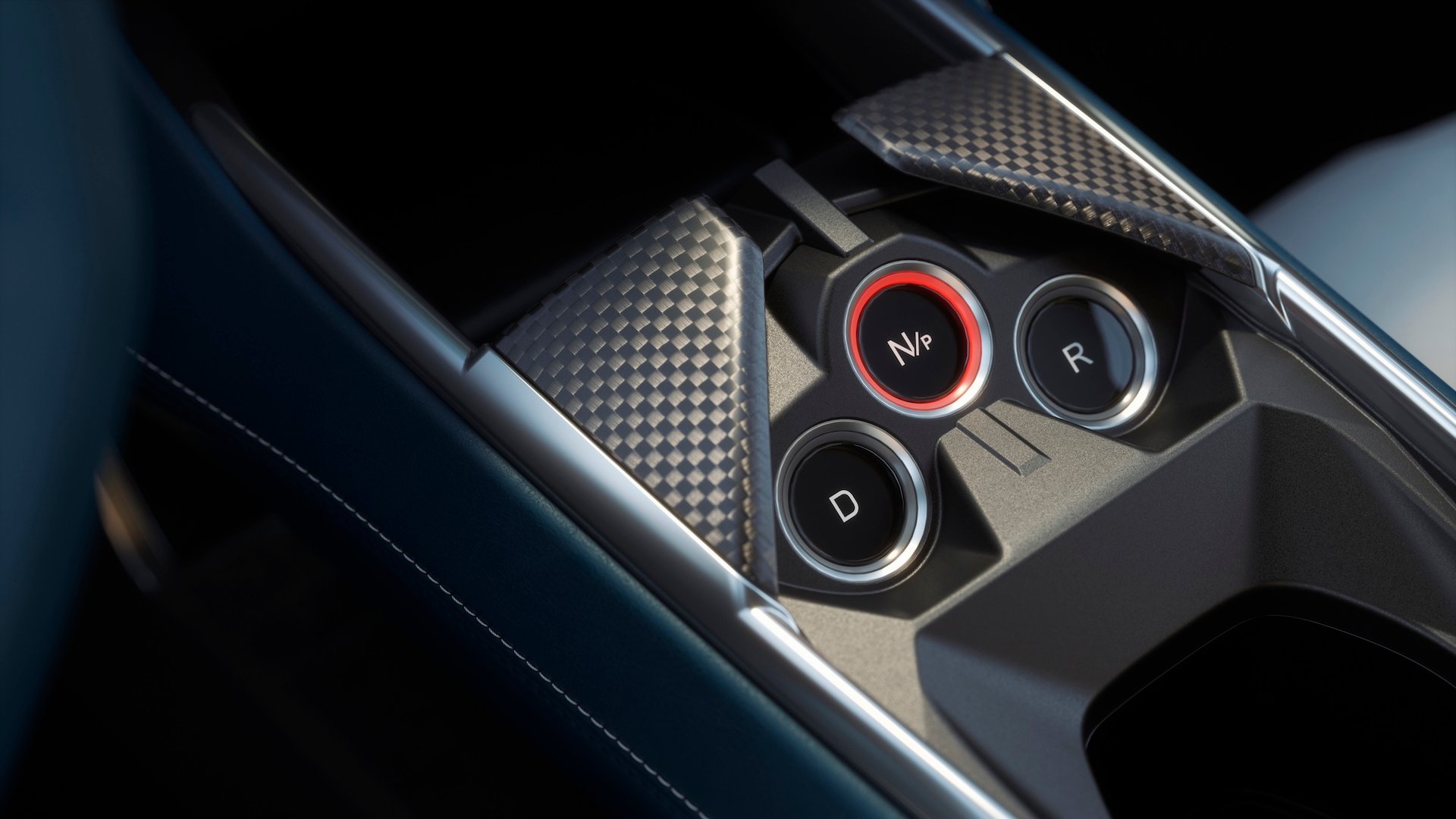
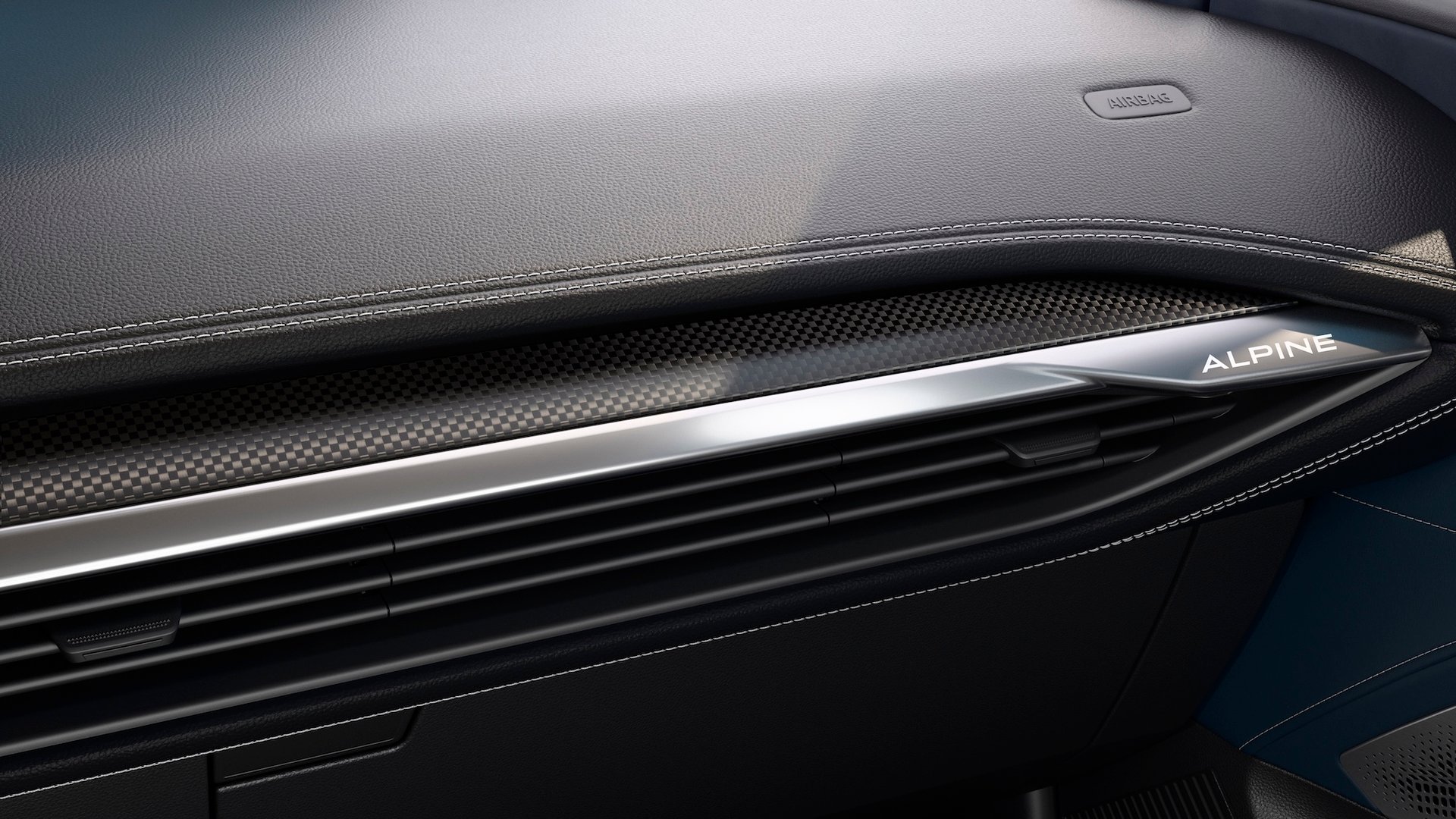
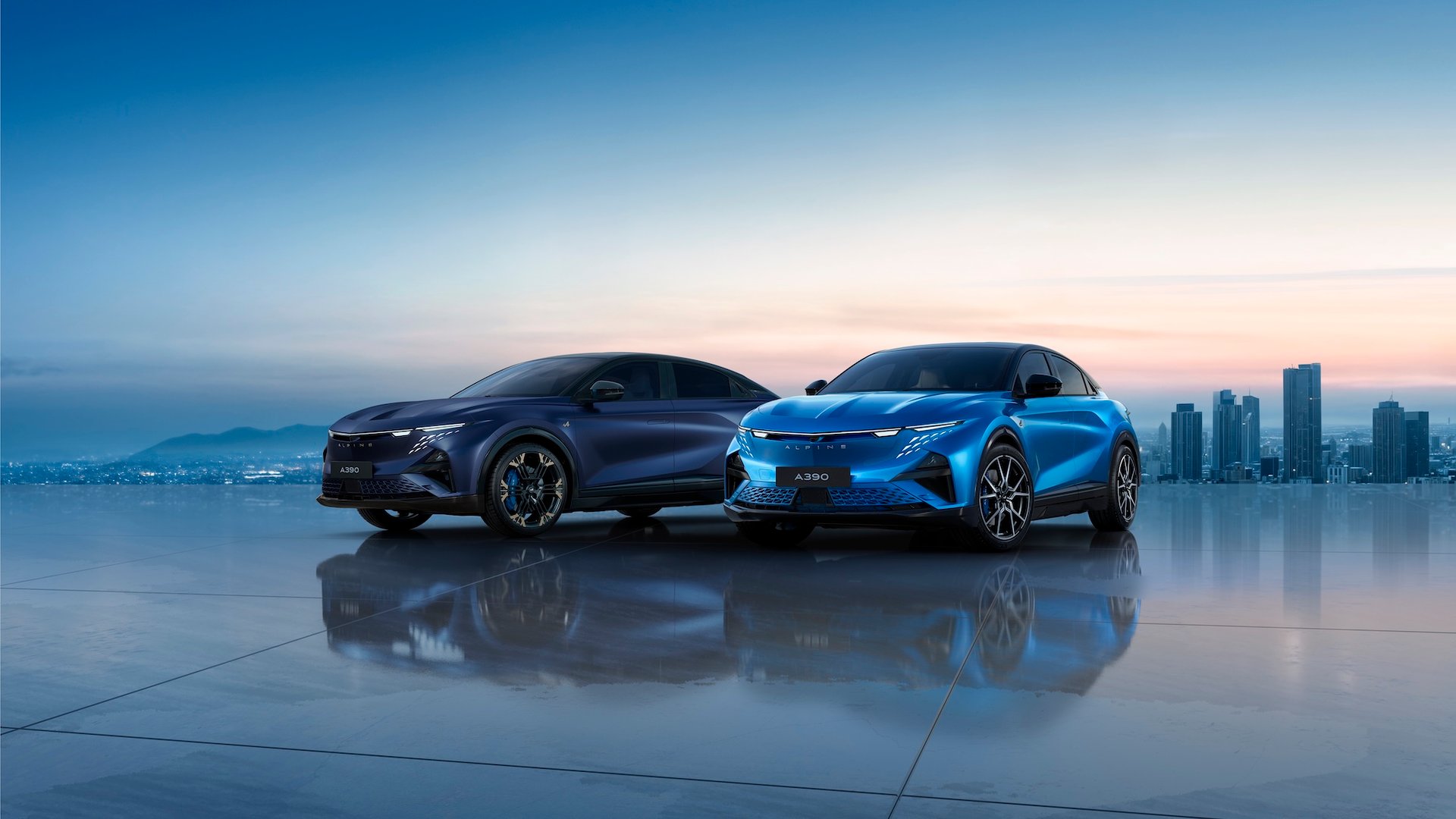
In Paris, an Alpine A390 GTS finished in matt Bleu Tempête with a black roof will feature Alpine by Sabelt sports seats upholstered in genuine grey Nappa leather, Pale Gold Alpine badging, 21-inch semi-diamond-cut forged Snowflake wheels and matt chequered carbon-fibre trim. An A390 GT in Bleu Alpine Vision will also be shown with new lightweight 20-inch Comète wheels.
But the A390 cannot rely on a richer specification alone.
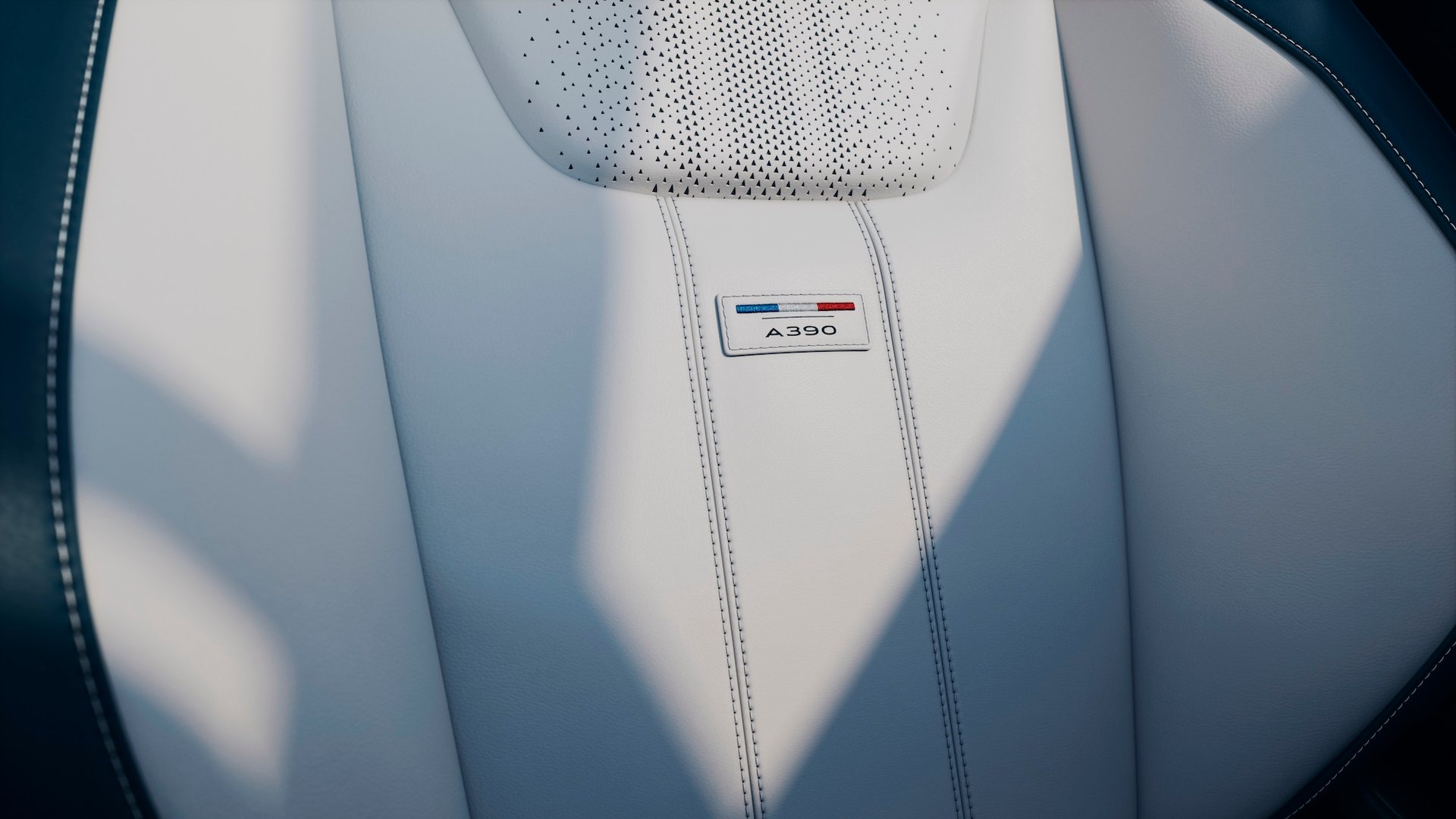
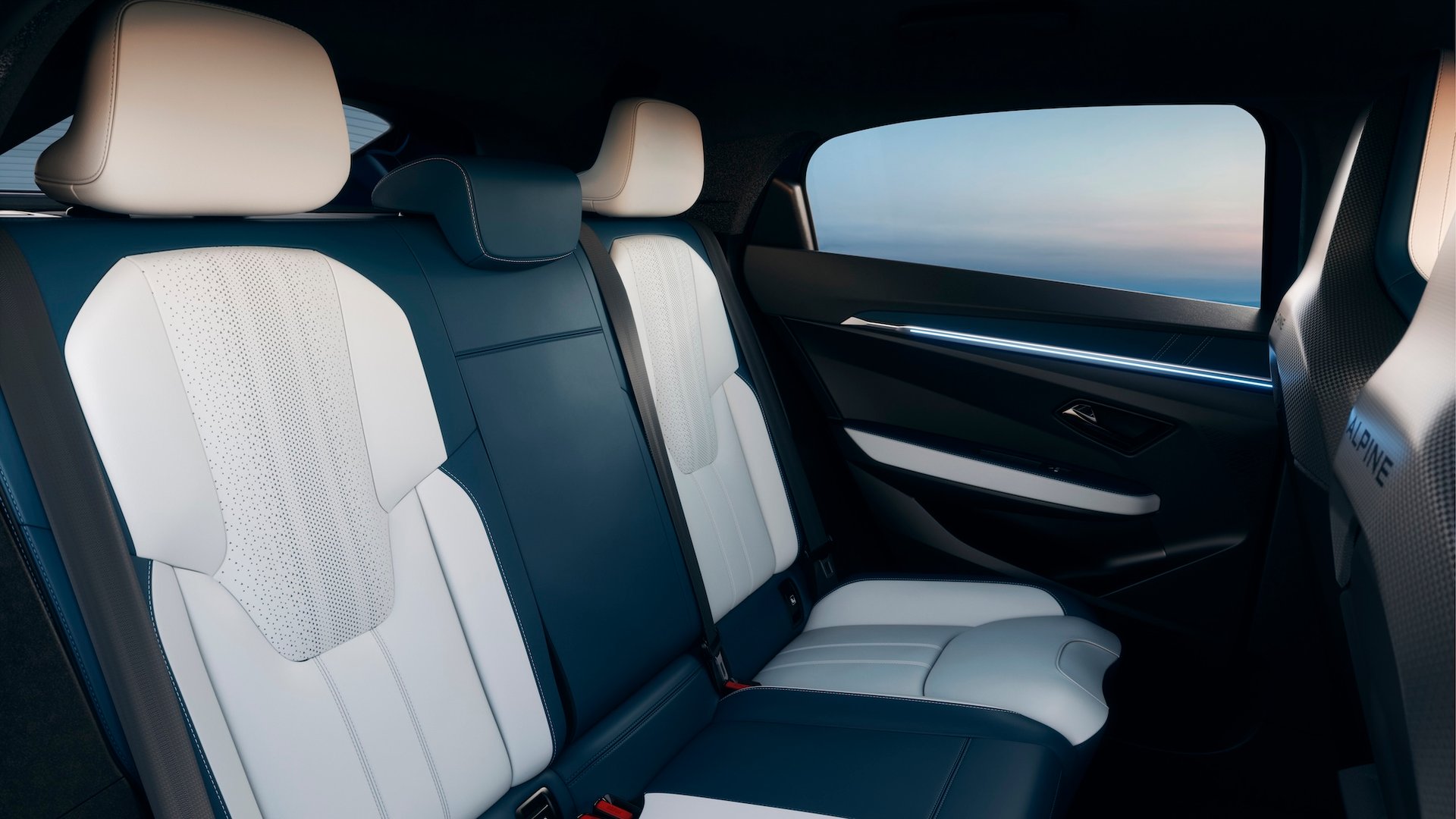
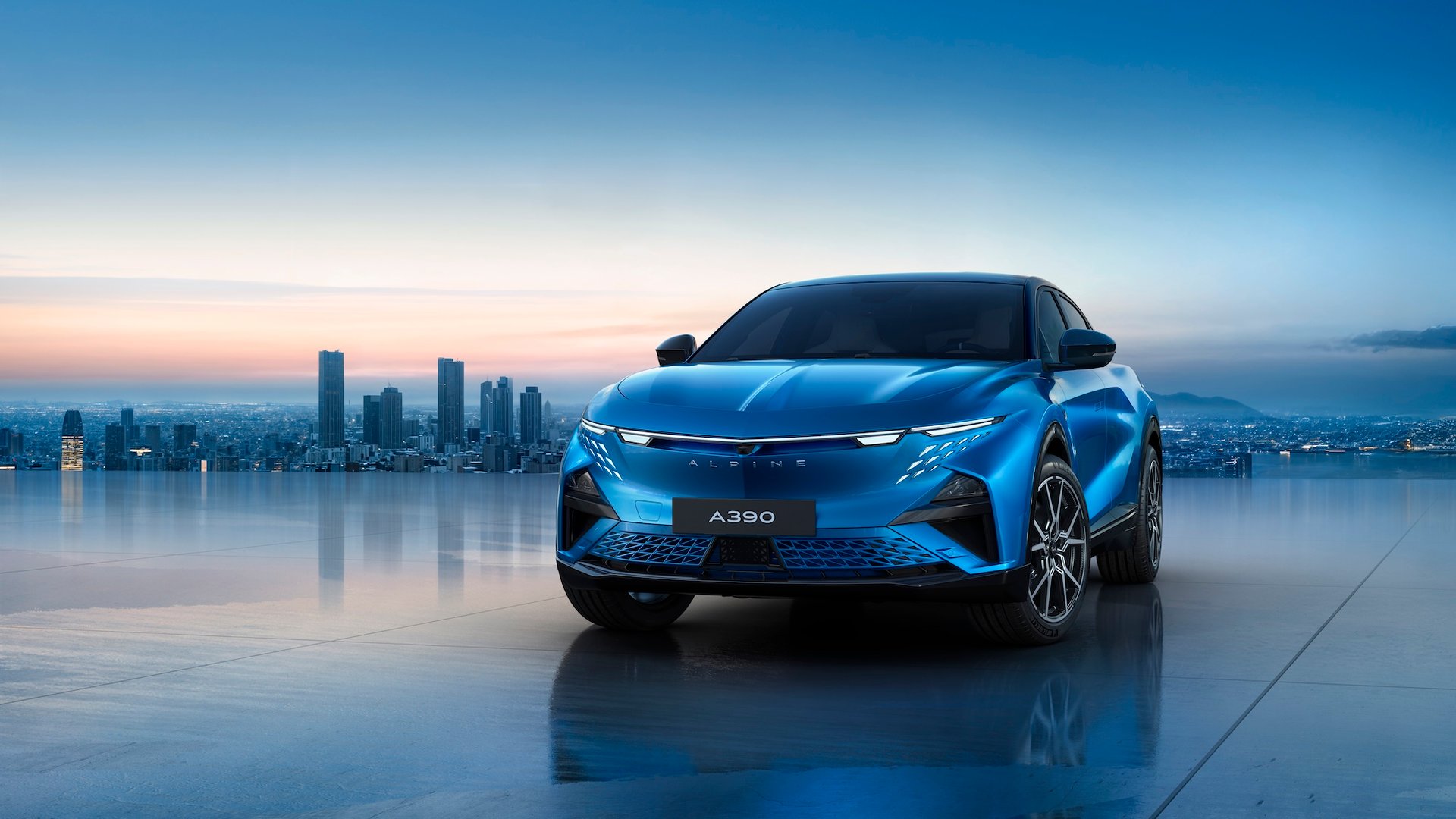
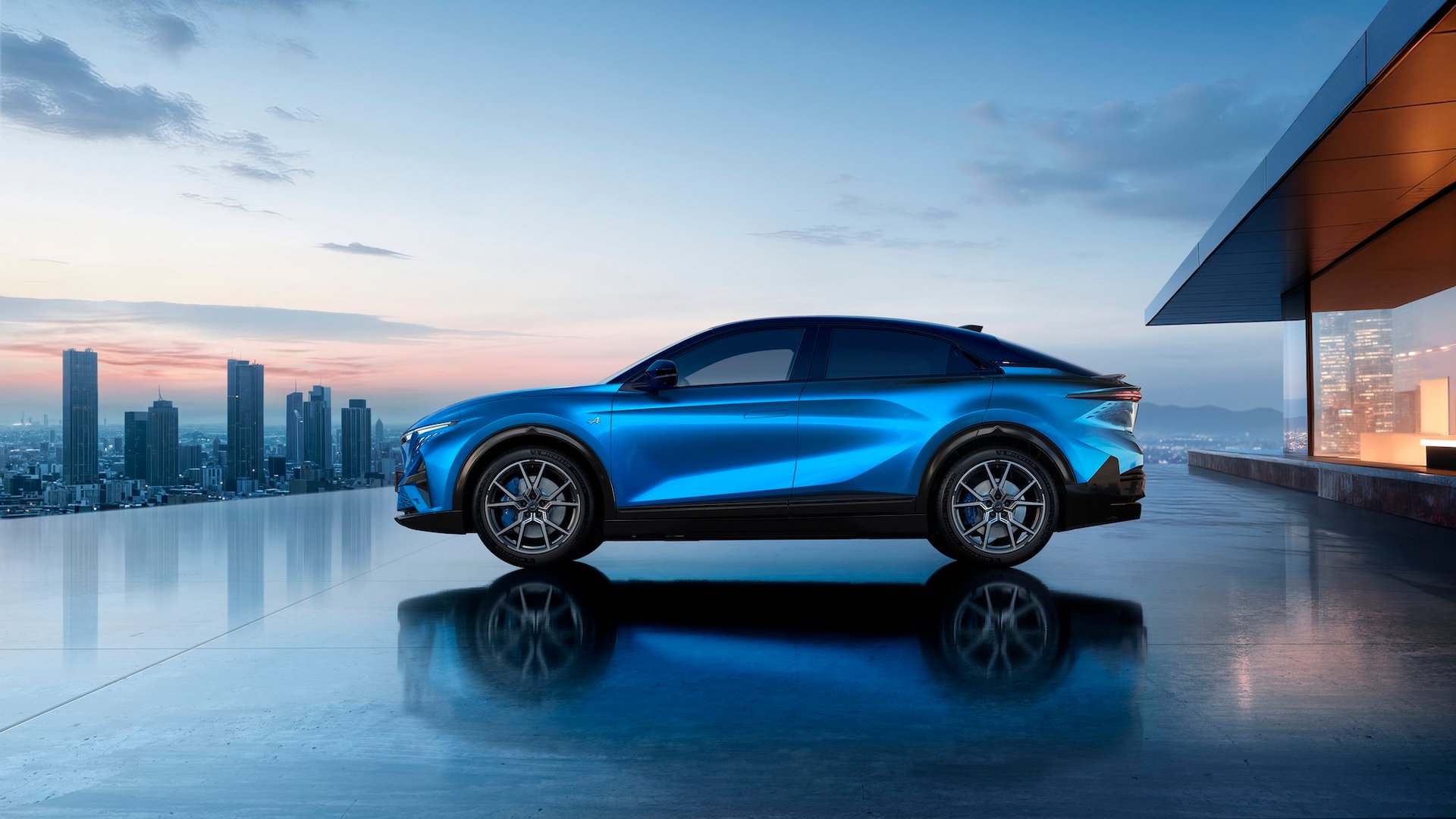
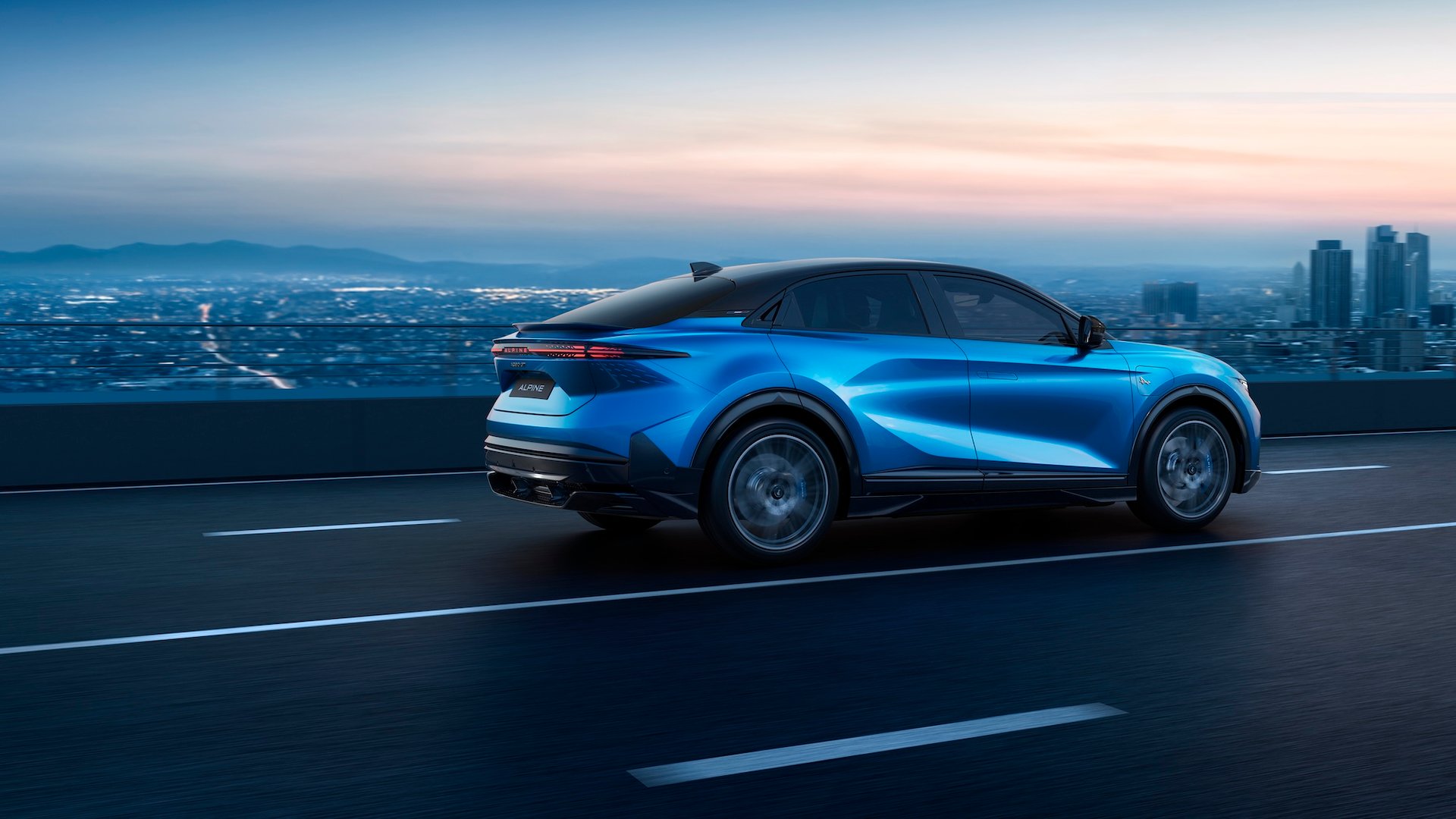
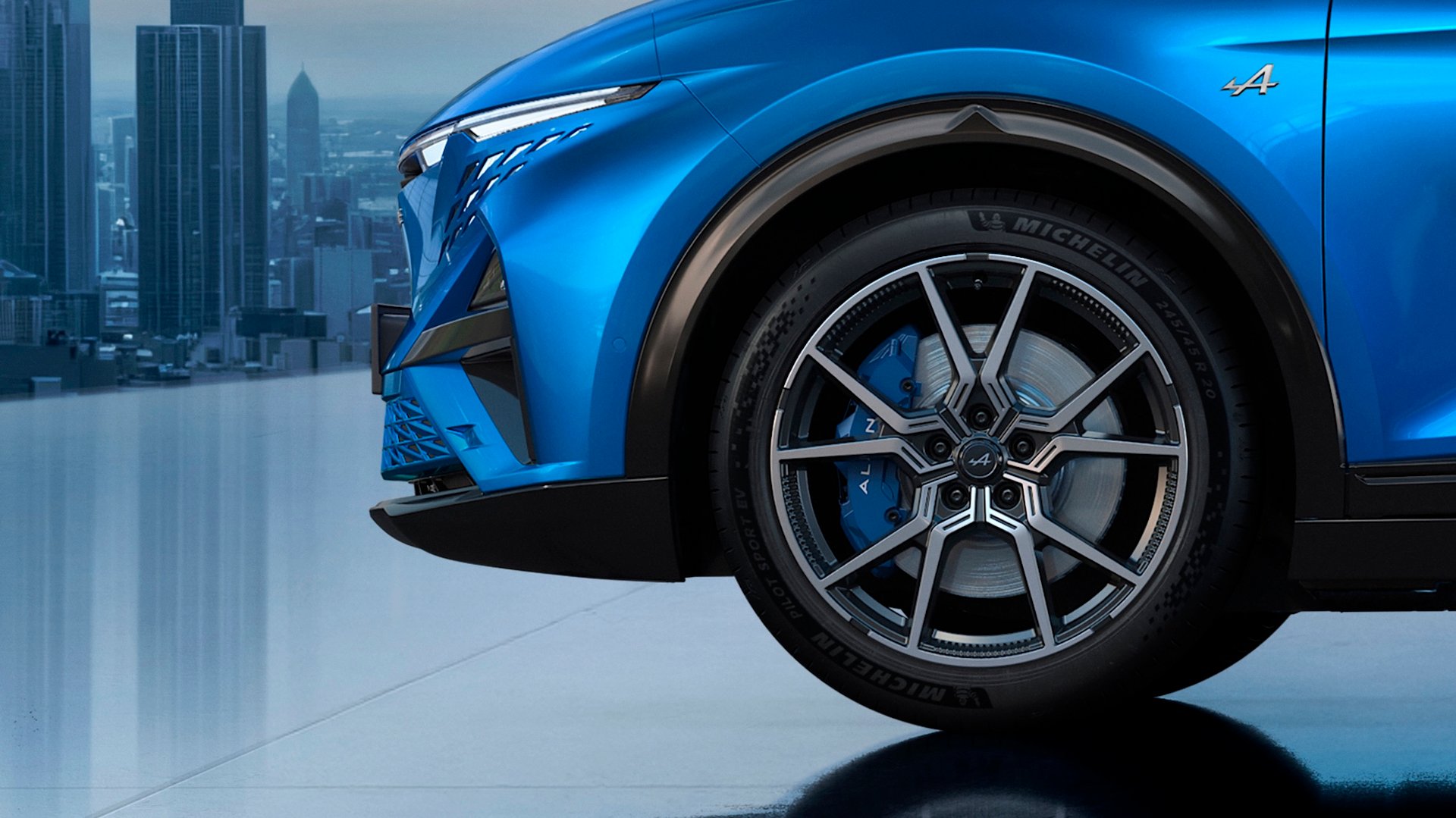
With this five-seat electric fastback, Alpine is entering a market where huge power outputs and brutal acceleration have become commonplace. The A390 GT produces 400 hp; the GTS delivers 470 hp and 824 Nm. Those figures simply do not carry the shock value they would have a decade ago.
The more interesting engineering lies in its three-motor layout: one motor at the front and two independently controlled units at the rear. The latter allow Alpine Active Torque Vectoring to distribute torque between the rear wheels and directly influence the car’s behaviour through a corner.
That solution says a great deal about the challenge Alpine now faces.
The combustion-engined A110 derived much of its agility from a comparatively simple recipe: low mass, a mid-rear-mounted engine, low inertia and sensible dimensions. A large five-seat EV needs considerably more sophisticated hardware and software to pursue some of the same qualities.
Electronics can manage mass remarkably well. They cannot make it disappear.
That is why the A390’s success should be judged less by its 0–100 km/h time than by its ability to remain progressive and precise — and, above all, to develop a character of its own when the road starts to twist.
Growing without becoming generic: Alpine’s far tougher challenge
Behind the new models being displayed in Paris lies a broader question: what exactly should Alpine become?
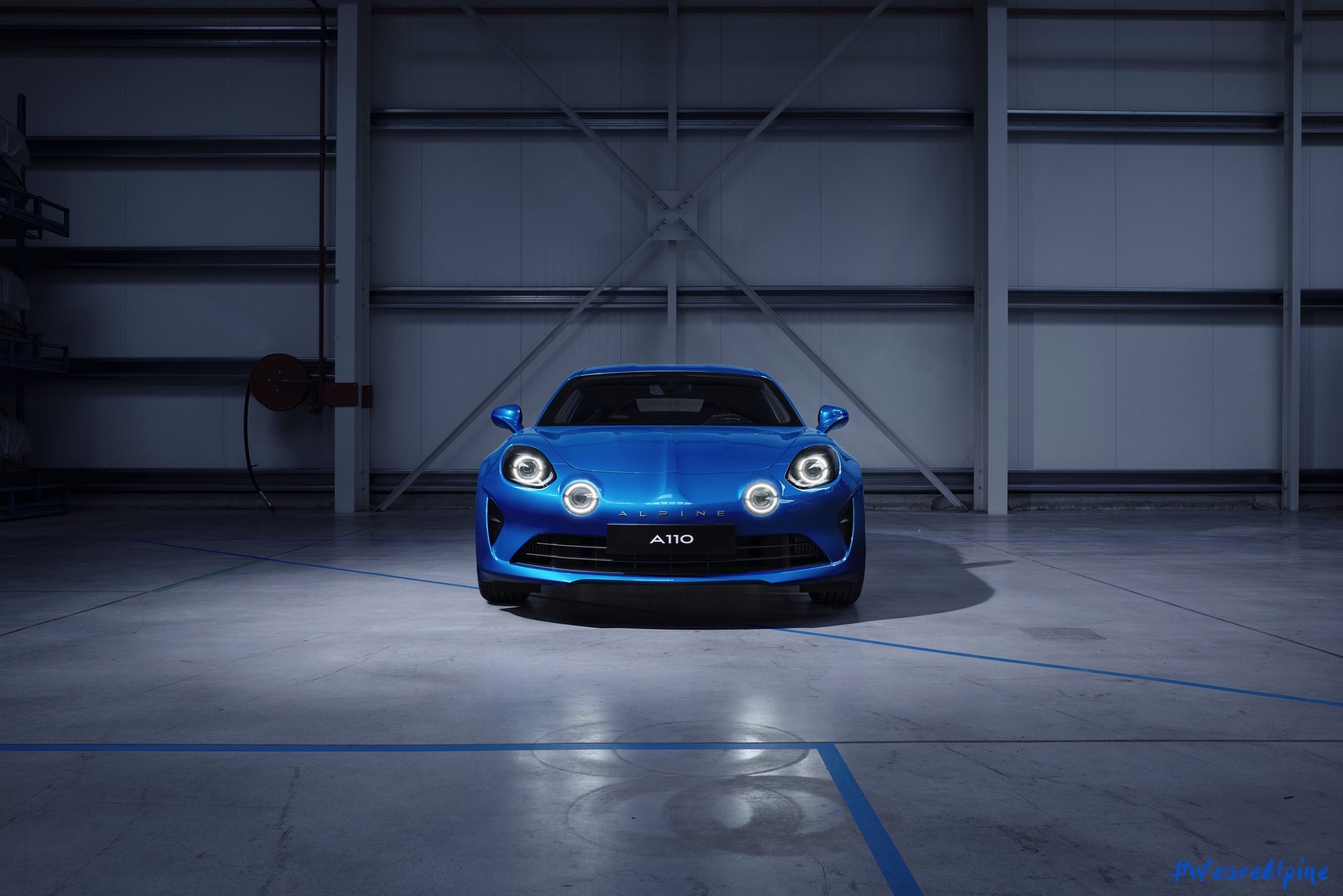
Since its commercial revival with the A110 in 2017, the brand has been built around a remarkably clear proposition. Rather than chasing ever greater power figures, Alpine concentrated on reducing mass. At a time when sports cars were becoming heavier with each generation, the A110 demonstrated that a car with around 250 hp could be deeply rewarding if it did not have to haul a tonne and a half around with it.
Above all, that philosophy was immediately understandable. The current expansion of the range makes Alpine’s message rather less straightforward.
The A290 is there to generate volume. The A390 opens the door to family buyers and higher price points. Atelier Alpine is intended to increase average transaction values while preserving a sense of exclusivity. And the next A110 will have to continue supplying the sporting credibility on which everything else ultimately depends.
On paper, the division of responsibilities makes sense.
There is nevertheless an obvious risk: as Alpine expands its territory, Renault Group could end up turning it into a fairly conventional premium performance brand, populated by powerful electric cars, oversized wheels, elaborate upholstery and extensive personalisation programmes.
That, however, is not what made the A110 remarkable.
Quite the opposite: part of its appeal lay in refusing to join that arms race.
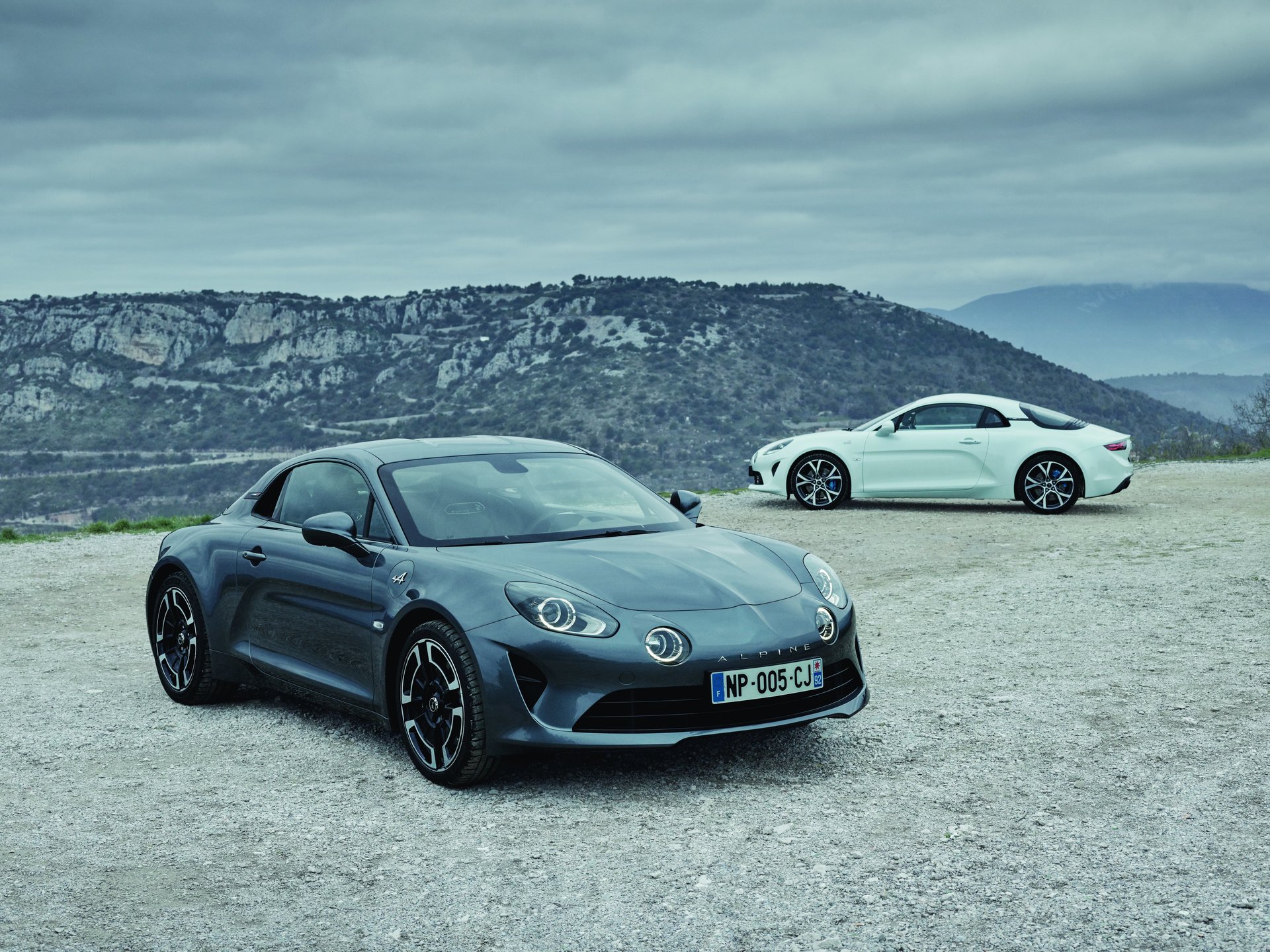
Commercial growth is not inherently a problem. Alpine needed to escape its dependence on a single two-seat coupé if it was to achieve a more sustainable scale. The A290 has already shown that a more accessible model can substantially broaden the customer base without necessarily abandoning a bespoke Alpine chassis set-up.
But the greater Alpine’s volumes become, the more tangible the difference between an Alpine and another Renault Group product will have to be. Matt paint is not enough. Neither is a different badge.
That difference will have to be felt in the driving position, the controls, braking, suspension calibration, mass, powertrain response and, above all, in the way the car communicates with its driver.
That is precisely why the A390 uses three motors and torque vectoring. It is also why the next A110 is not simply being built on an existing electric platform adapted for the purpose.
Alpine’s differentiation must first be engineering-led. Everything else only matters if that condition is met.
The electric A110 will be Alpine’s real test
Ultimately, it is a car that remains hidden from view that will give Alpine’s Paris display its real significance.
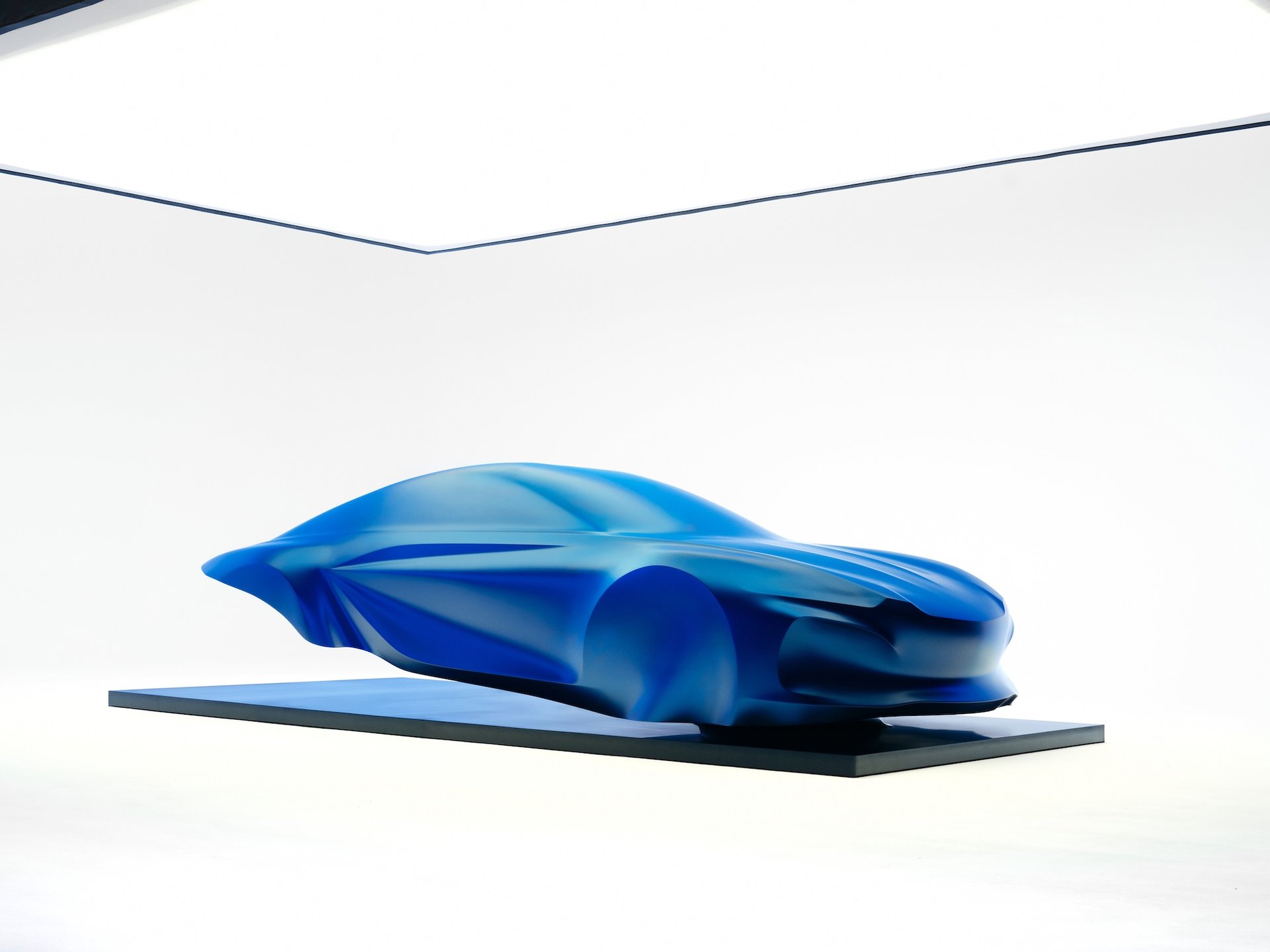
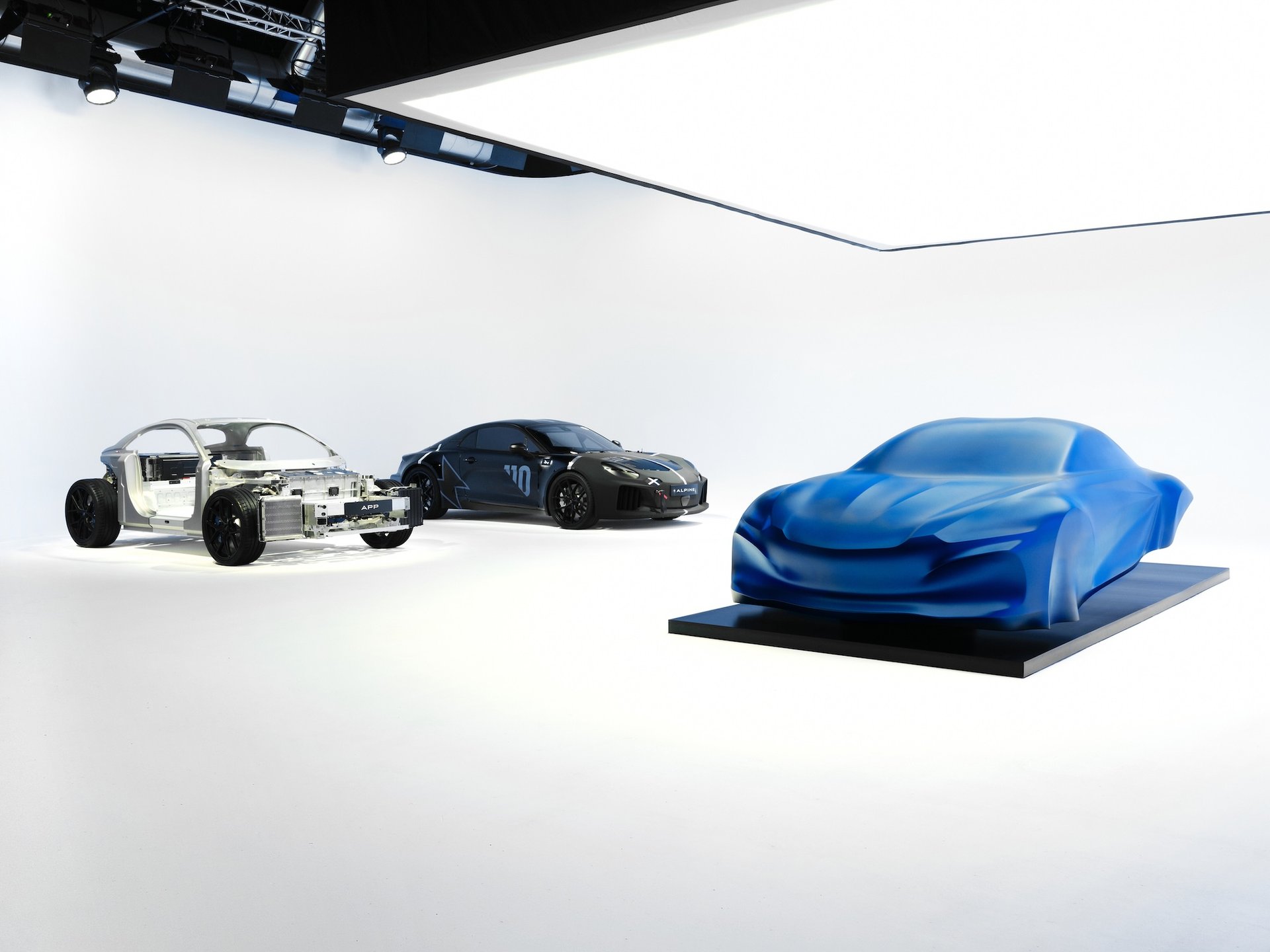
On 28 September, Alpine unveiled a full-scale sculpture previewing the third-generation A110. A stretched blue fabric skin reveals the underlying proportions without exposing the final bodywork.
It is a clever exercise: Alpine can begin establishing the car’s identity without locking itself into every detail of the eventual production model.
Even so, several themes are already visible: a tightly packaged cabin, strongly defined wheelarches, a plunging nose and a low tail. The lighting signature also continues to reference the historic four-lamp arrangement without, at least at this stage, resorting to a literal recreation of the original Berlinette.
Alpine even cites Concorde as one of the sculpture’s inspirations. The association is flattering and the communication strategy obvious enough: French engineering, aerodynamics and performance. None of that, of course, tells us whether the finished car will be any good.
For that, we need to look beneath the surface.
The third-generation A110 will be based on the Alpine Performance Platform, or APP, a modular electric architecture developed around the brand’s specific requirements. It is arguably Alpine’s most important engineering programme since the marque was revived.
Rather than installing one large, flat battery beneath the cabin floor, Alpine is distributing the cells between the front and rear of the car, with roughly 25% at the front and 75% at the rear.
The decision is far from trivial. Conventional skateboard EV platforms place considerable battery depth beneath the occupants, raising the seating position and making the proportions of a genuinely low sports car difficult to achieve. Here, Alpine is trying to engineer the battery around the car rather than design the car around an existing battery pack.
The architecture will operate at 800 volts. The battery will use a cell-to-pack construction, while its aluminium housings will contribute to the structural rigidity of the car.
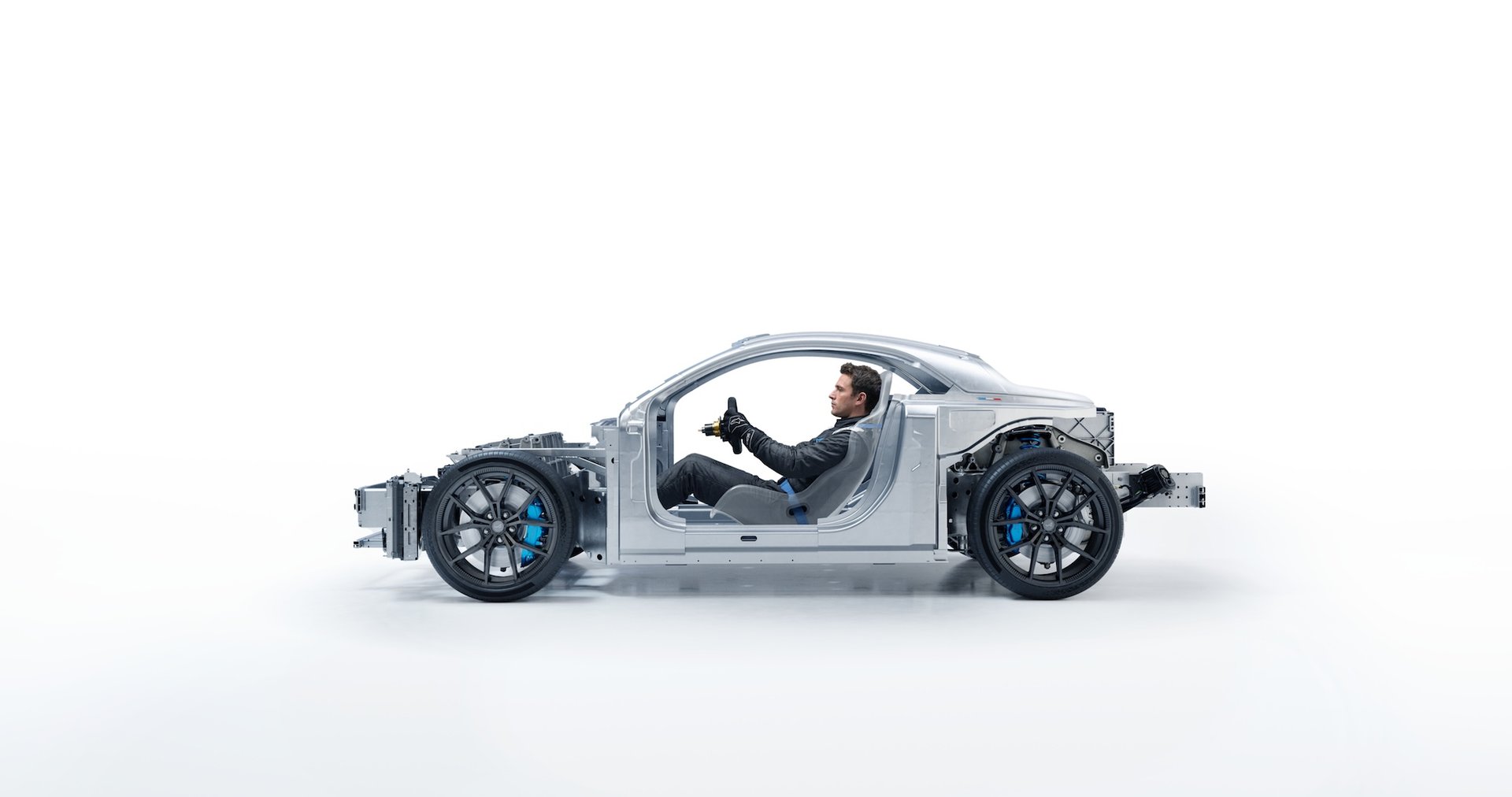
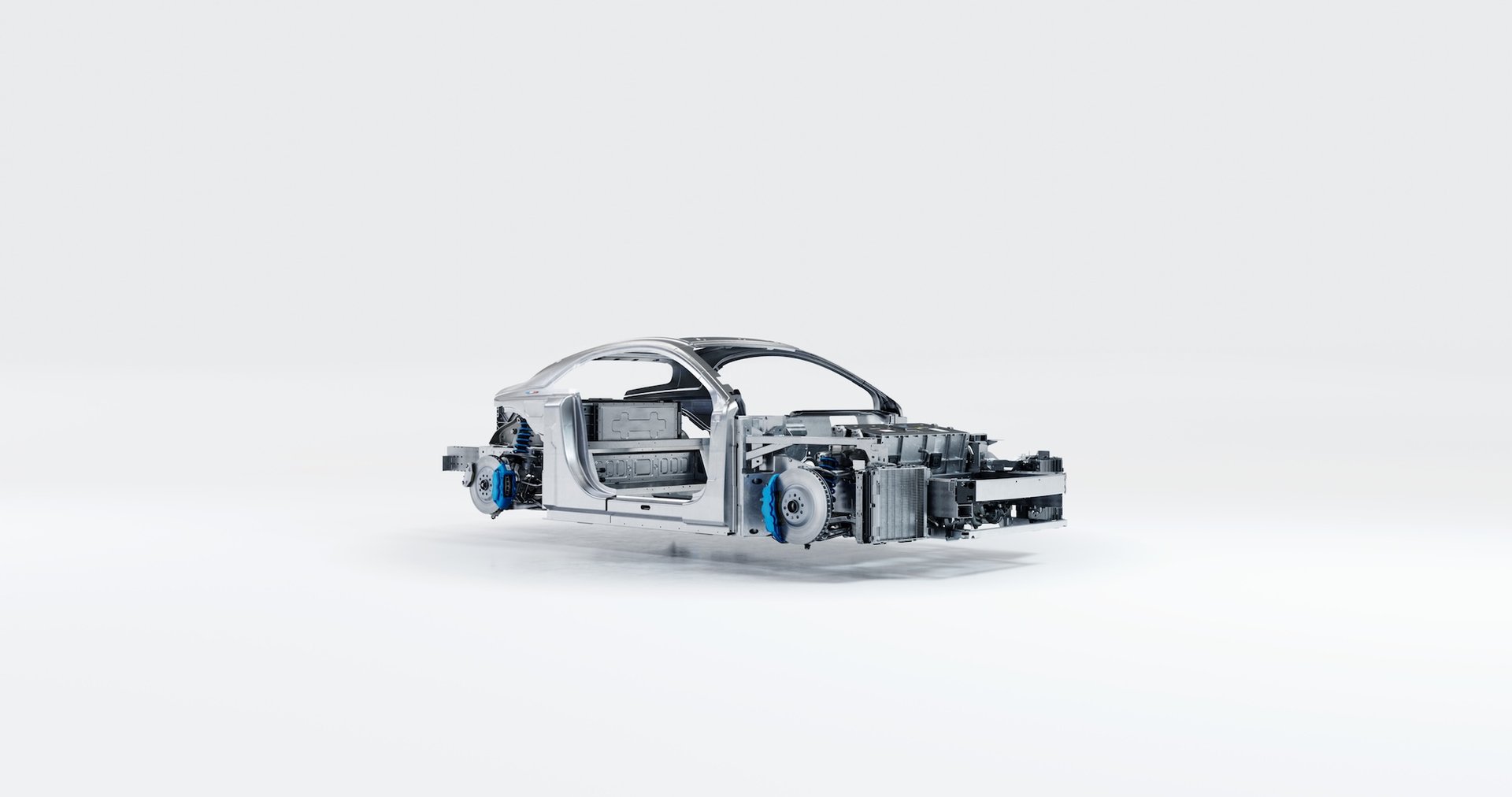
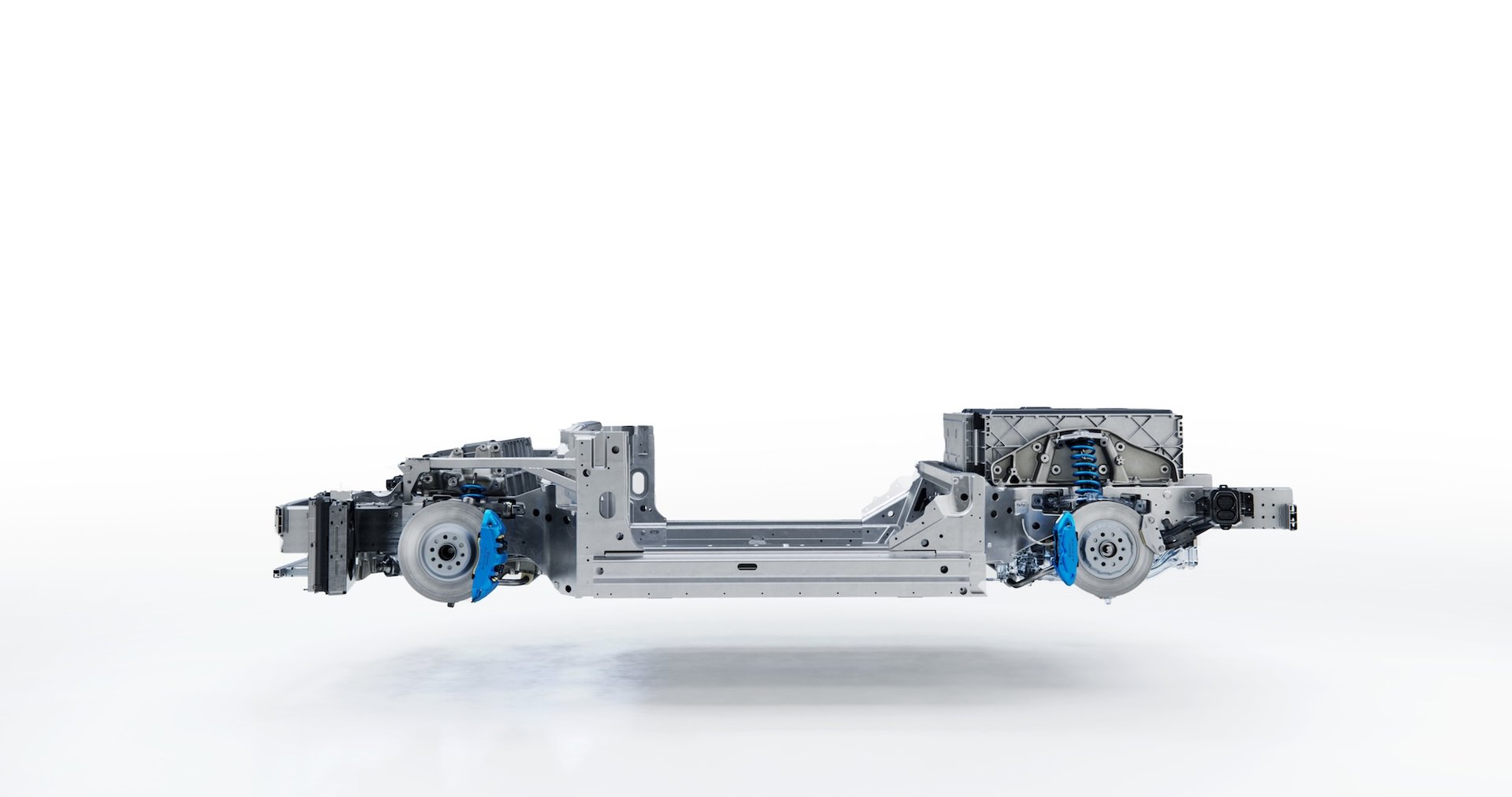
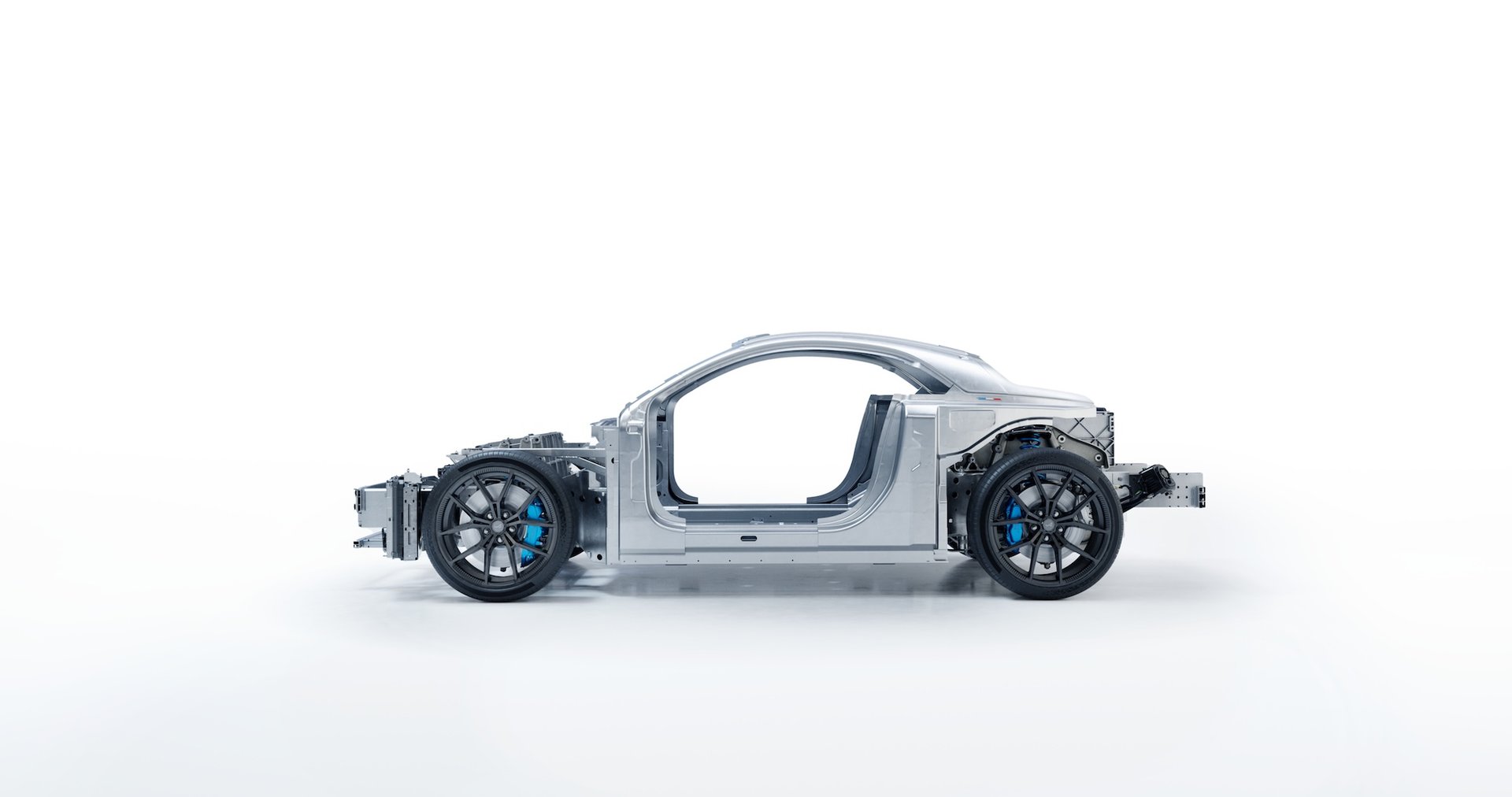
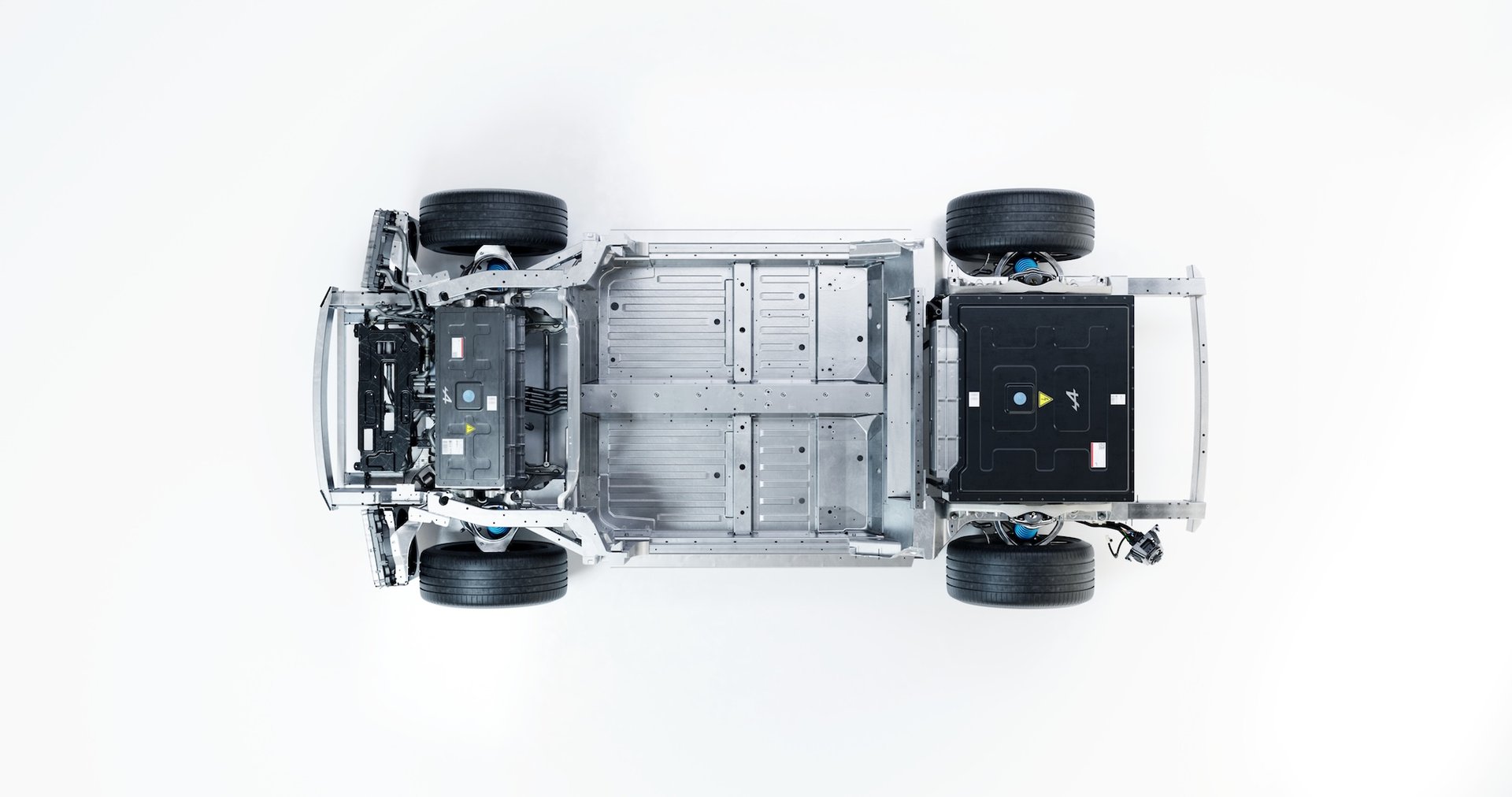
Two independently controlled electric motors will be mounted at the rear. Capable of spinning at up to 21,500 rpm, they will operate with 800 V silicon-carbide inverters.
More importantly, they will enable Alpine Active Torque Vectoring 2.0, an evolution of the system already used by the A390. Each rear wheel can receive a different amount of torque, while the Wheel Slip Torque Control system is designed to manage slip with great precision. On paper, the possibilities are considerable.
But they also raise a fundamental question: will all this electronics genuinely enrich the driver’s experience, or will it mainly be used to compensate for the physical consequences of electrification?
Highly sophisticated calibration can make a car devastatingly effective. It does not necessarily make it communicative. Alpine must avoid producing an A110 so heavily managed and corrected that the driver becomes little more than a passenger to the car’s own performance.
And then there is the one issue no amount of software can entirely overcome: weight.
In its 2025–2026 integrated report, Renault Group referred to a target of around 1.5 tonnes for this new aluminium architecture. That figure is not the final homologated kerb weight of the next A110 and should not be treated as such.
Even if the production car comes close to that figure, however, it will still be substantially heavier than the combustion-engined A110. Pretending that electrification leaves the model’s philosophy untouched would therefore be absurd.
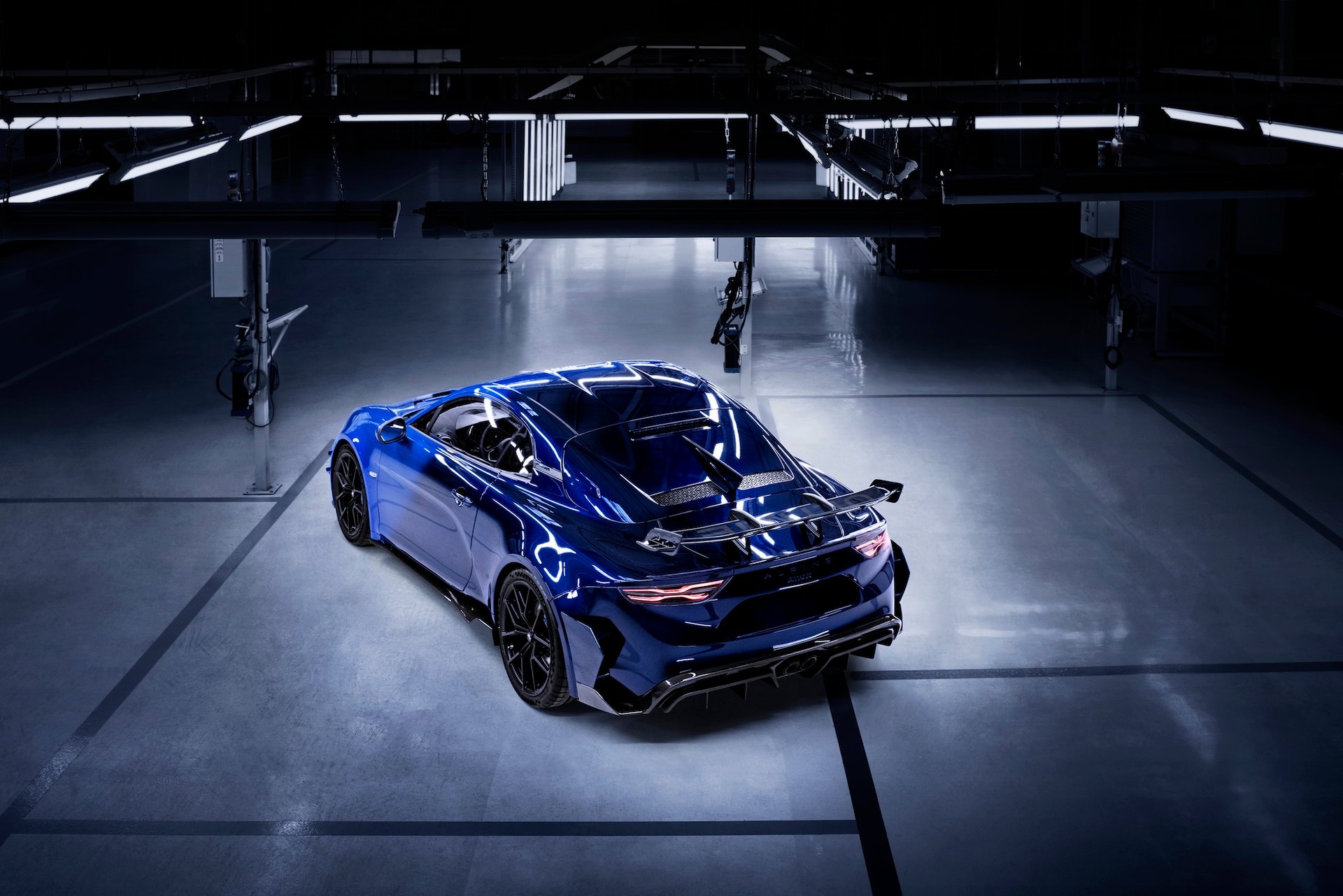
Yet an electric sports car genuinely held to around 1,500 kg would still be remarkably light by the standards of its segment. Alpine cannot realistically win the weight battle against its own combustion-engined A110. It can, however, try to win it against other EVs.
That number, far more than a spectacular power figure or 0–100 km/h time, is likely to be one of the key measures by which the project should be judged. The industrial transition, meanwhile, is already under way.
On 1 July 2026, the final second-generation A110 left the Manufacture Alpine Dieppe Jean Rédélé. Appropriately, it was an A110 R 70 finished in Bleu Alpine. A total of 28,701 examples of this generation were built. Including the historic cars, 35,450 A110s have left the site since the factory opened in 1969.
Dieppe is now preparing for the third generation.
Continuity of location should not disguise the scale of the technical break. Almost everything changes between the two generations: combustion engine gives way to electric motors, the fuel tank to a structural battery, a conventional drivetrain to active torque distribution, and the existing bespoke aluminium platform to the new APP architecture.
The name will remain. So, presumably, will some of the proportions. The philosophy, however, will have to be rebuilt using radically different tools.
That is why the 2026 Paris Motor Show matters rather more to Alpine than the arrival of a few new paint colours might suggest.
The A290 Collection shows how the brand intends to extract more value from its volume model. The A390 must prove that Alpine can broaden its reach without becoming little more than an impressive specification sheet. Atelier Alpine supports an increasingly explicit move upmarket.
But the next A110 remains the real test.
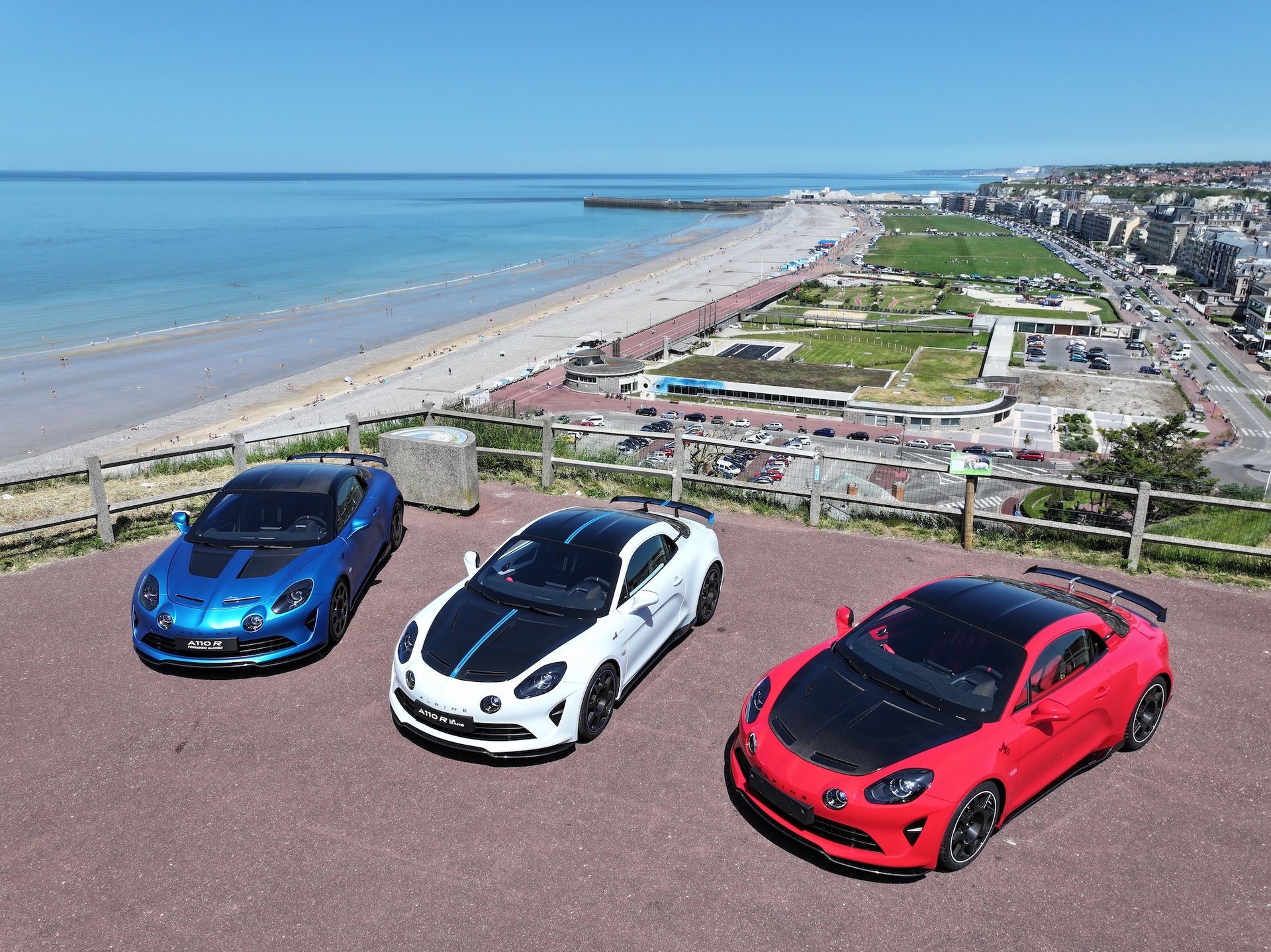
Alpine already has a credible engineering story to tell: a dedicated platform, 800 V architecture, a battery split between the axles, twin rear motors, advanced torque vectoring and a structure extensively engineered around aluminium.
What we still do not know are the figures that matter most: final kerb weight, battery capacity, range, power output, charging performance and price. And, above all, the one thing no press release can tell us: how the car will actually drive.
The outgoing A110 proved that a sports car did not need an extravagant power output to leave a lasting impression. More importantly, it put mass, chassis balance and the quality of its controls back at the centre of the conversation.
Its successor will have to achieve something similar with more kilos and vastly more software.
That is Alpine’s real challenge. Not simply to build a fast EV — the industry already produces plenty of those. It is to build an electric sports car that needs only a handful of corners to explain why it wears the Alpine “A” on its nose.
Source: Alpine Cars