🇫🇷 Cet article est également disponible en français : Lire en français
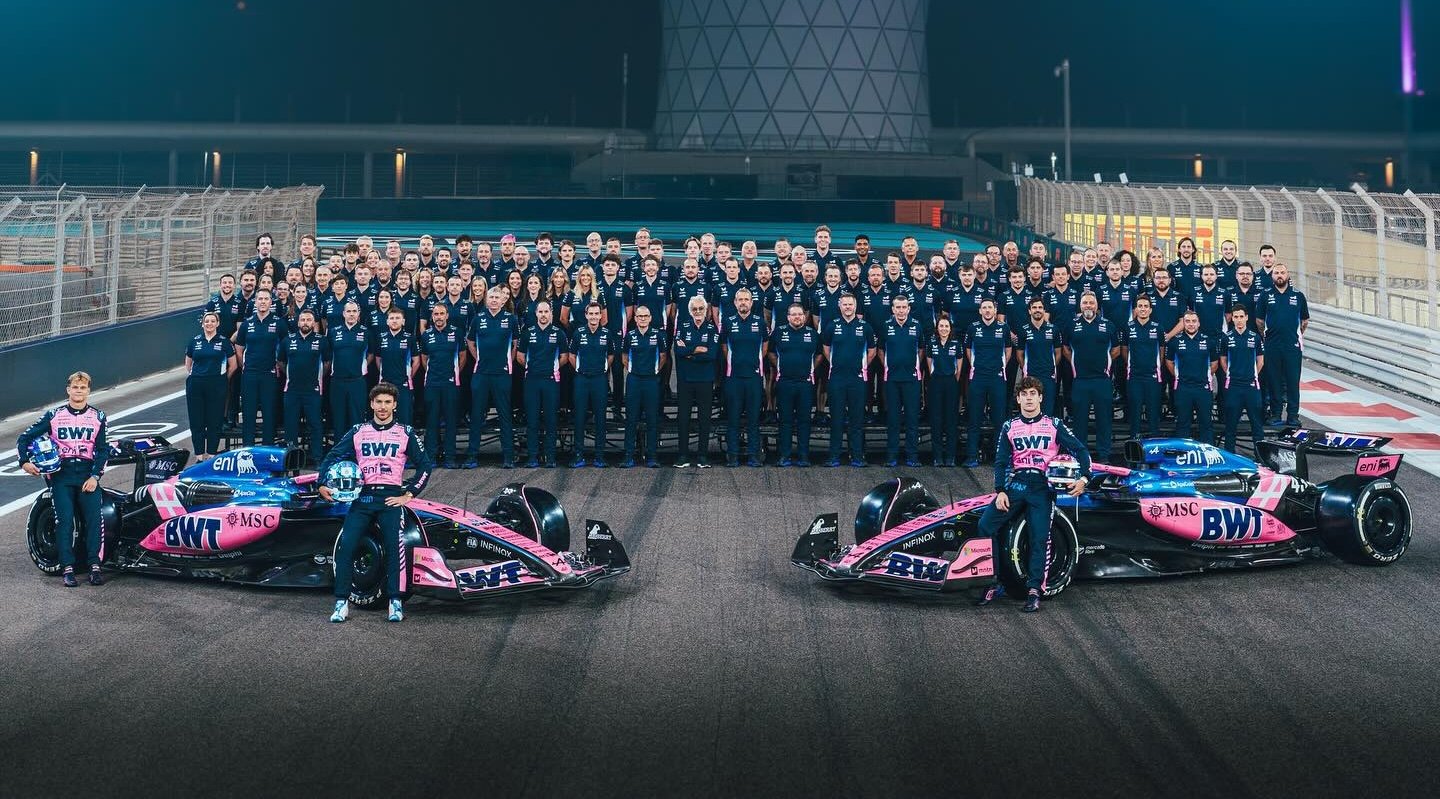
BWT Alpine Formula One Team wrapped up a lacklustre weekend in Abu Dhabi, marked by a double last-place finish in both qualifying and the race.
But beyond the raw results, an entire era came to a close: the Renault engine made its final appearance in Formula 1, bowing out after fifty years of continuous presence.
BWT Alpine Formula One Team – Free Practice 1 & 2
The final Friday of the season for BWT Alpine Formula One Team unfolded under the lights of Yas Marina, offering a last window of preparation for the Alpine A525 ahead of Saturday’s qualifying showdown. While Franco Colapinto showed early promise with a competitive time in FP1, Pierre Gasly struggled to unlock the necessary grip once night fell. Across the three drivers fielded, the team logged 113 laps (628 kilometres) but failed to establish a performance baseline strong enough to target the top ten at this stage of the weekend.
The opening session had hinted at more encouraging signs. Colapinto quickly found a rhythm in the afternoon heat, clocking the 10th fastest time (1:24.855) and benefiting from a predictable balance on the C3 medium compound.
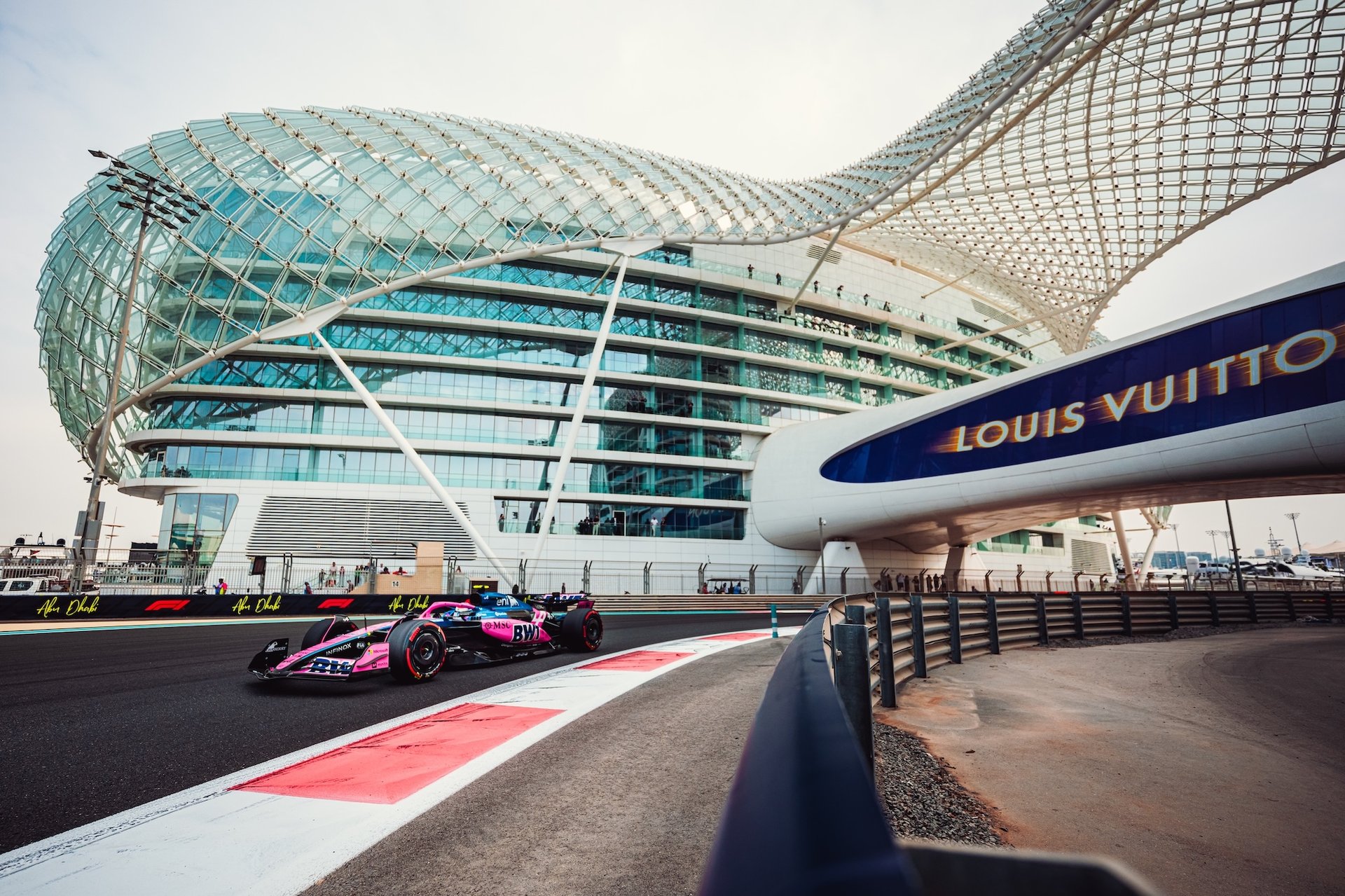
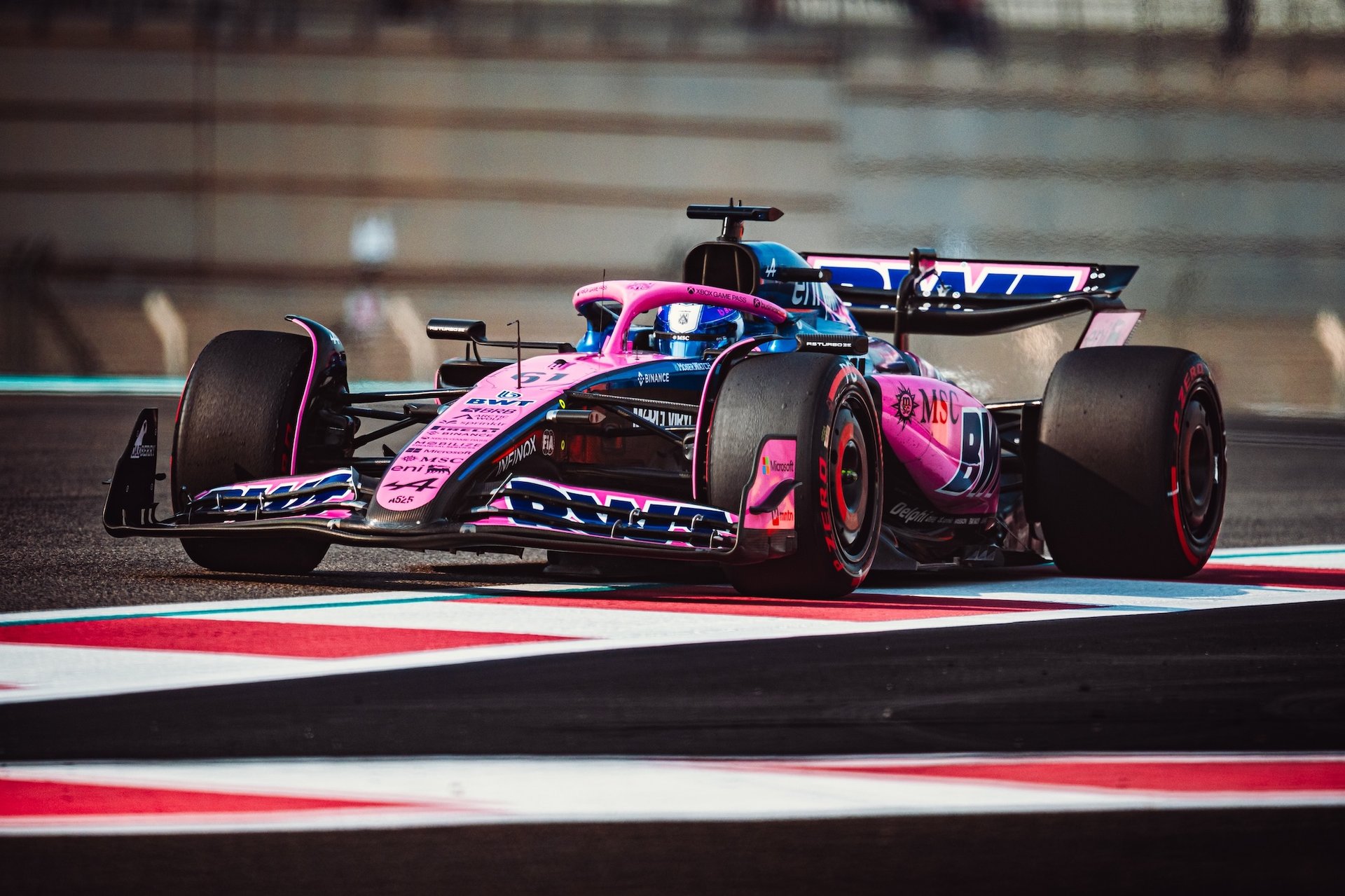
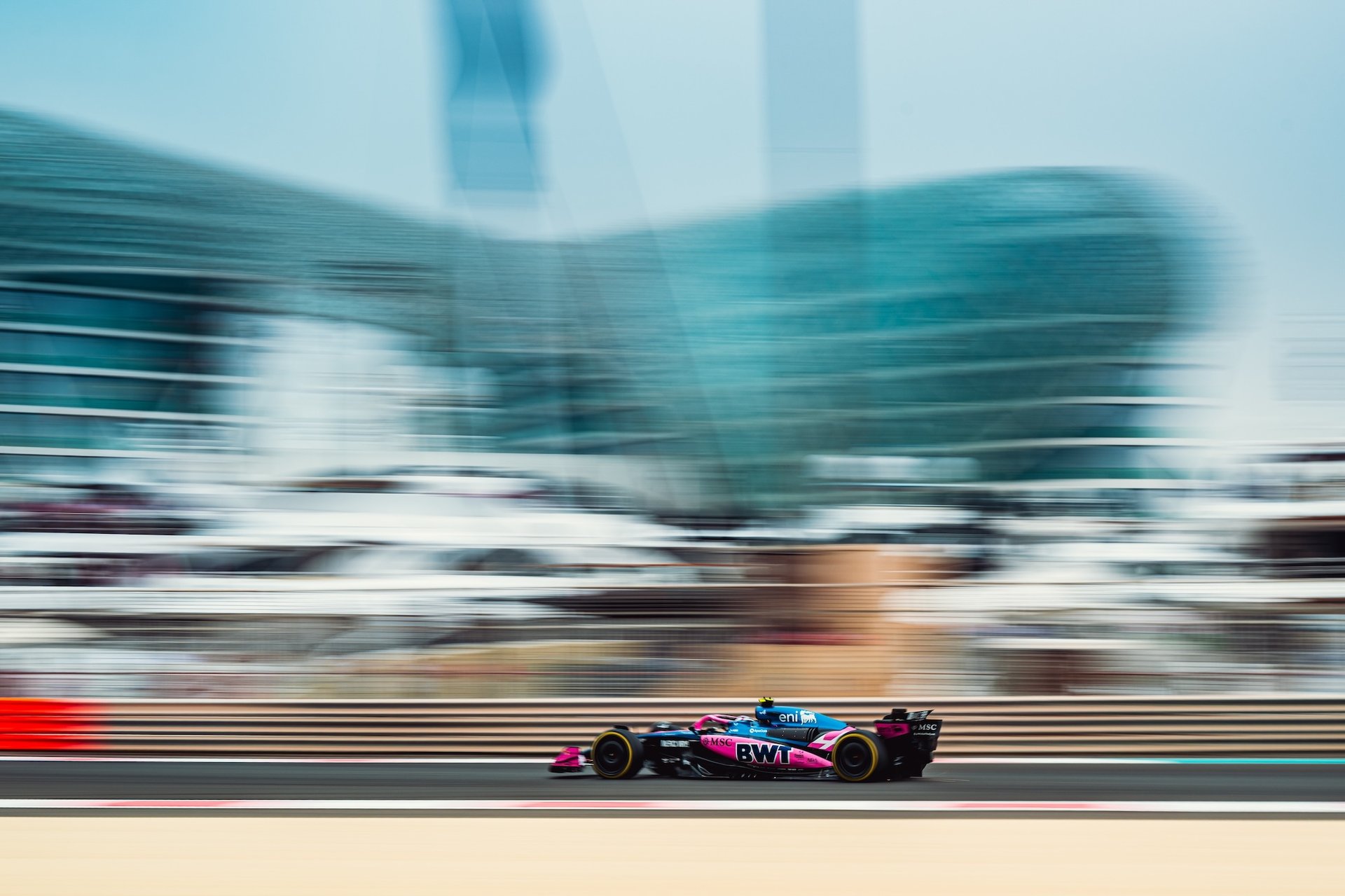
Paul Aron, making his fifth Free Practice 1 appearance of the season — and third with BWT Alpine Formula One Team — completed 27 laps and placed 13th with a best of 1:25.204. The Estonian, back in the car after more than a month without driving, ran through the full programme as planned. His technical feedback contributed to the early setup direction, especially on long-run balance. Although his soft-tyre stint left some untapped potential, his overall pace was deemed solid.
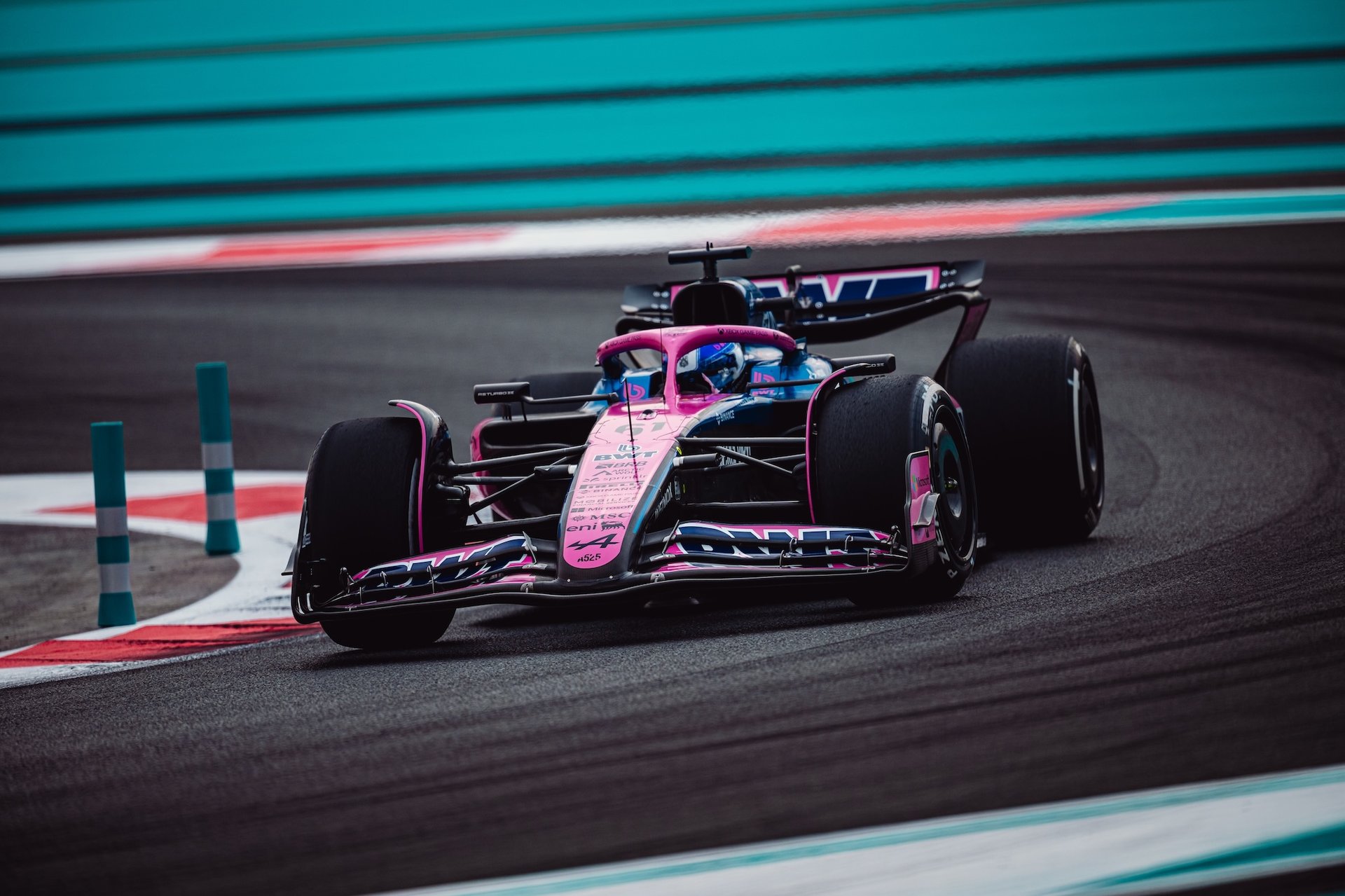
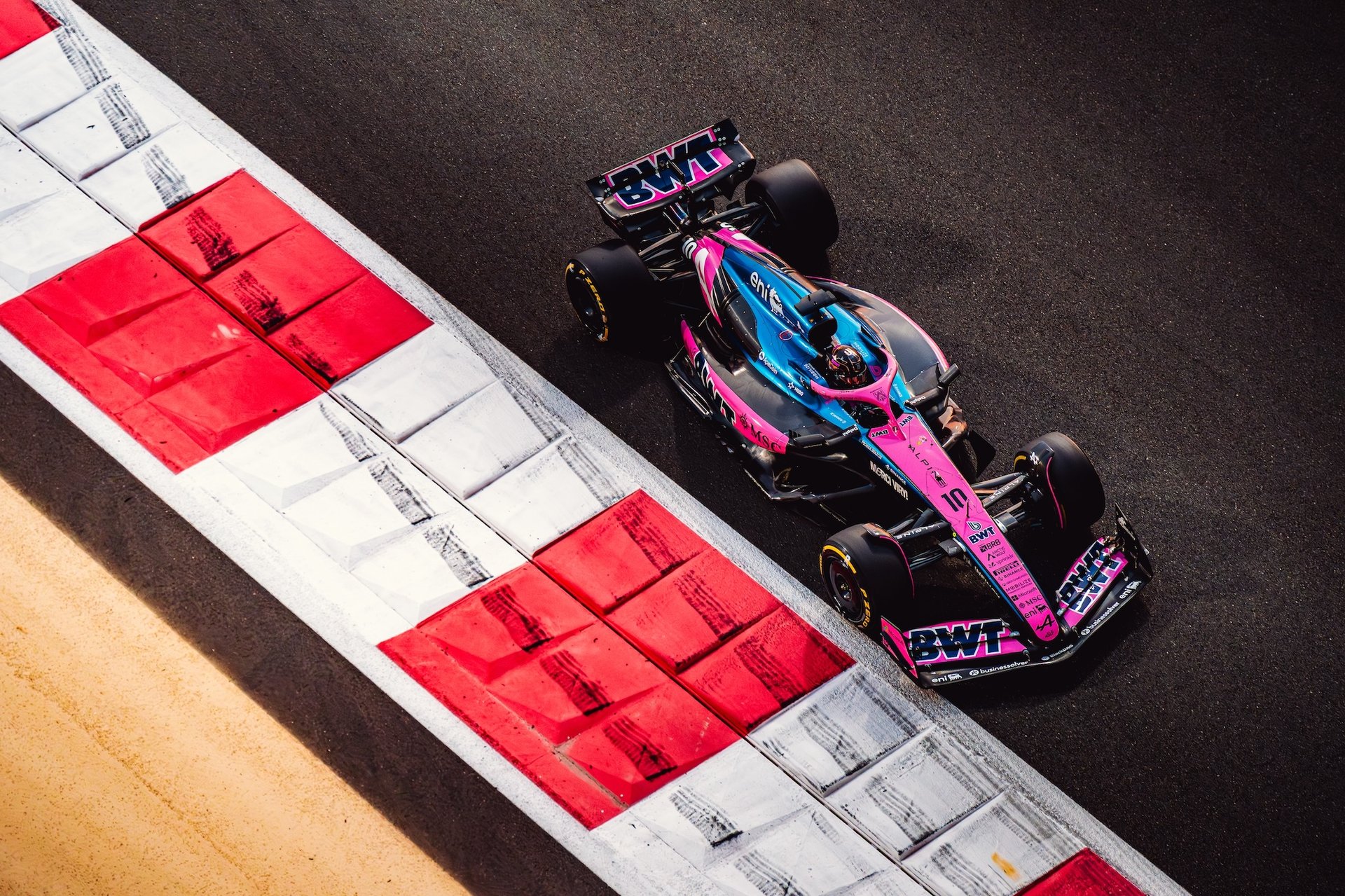
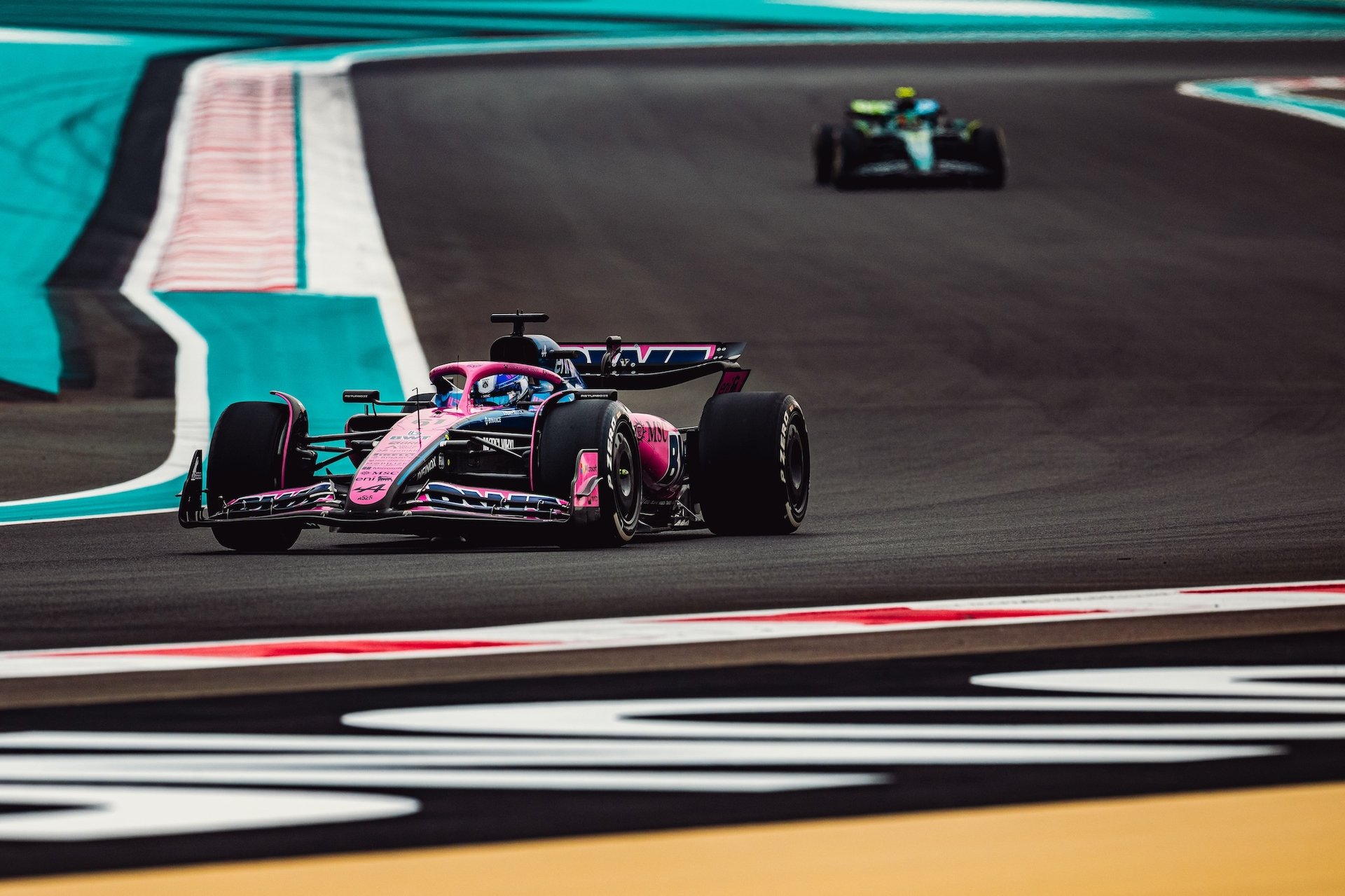
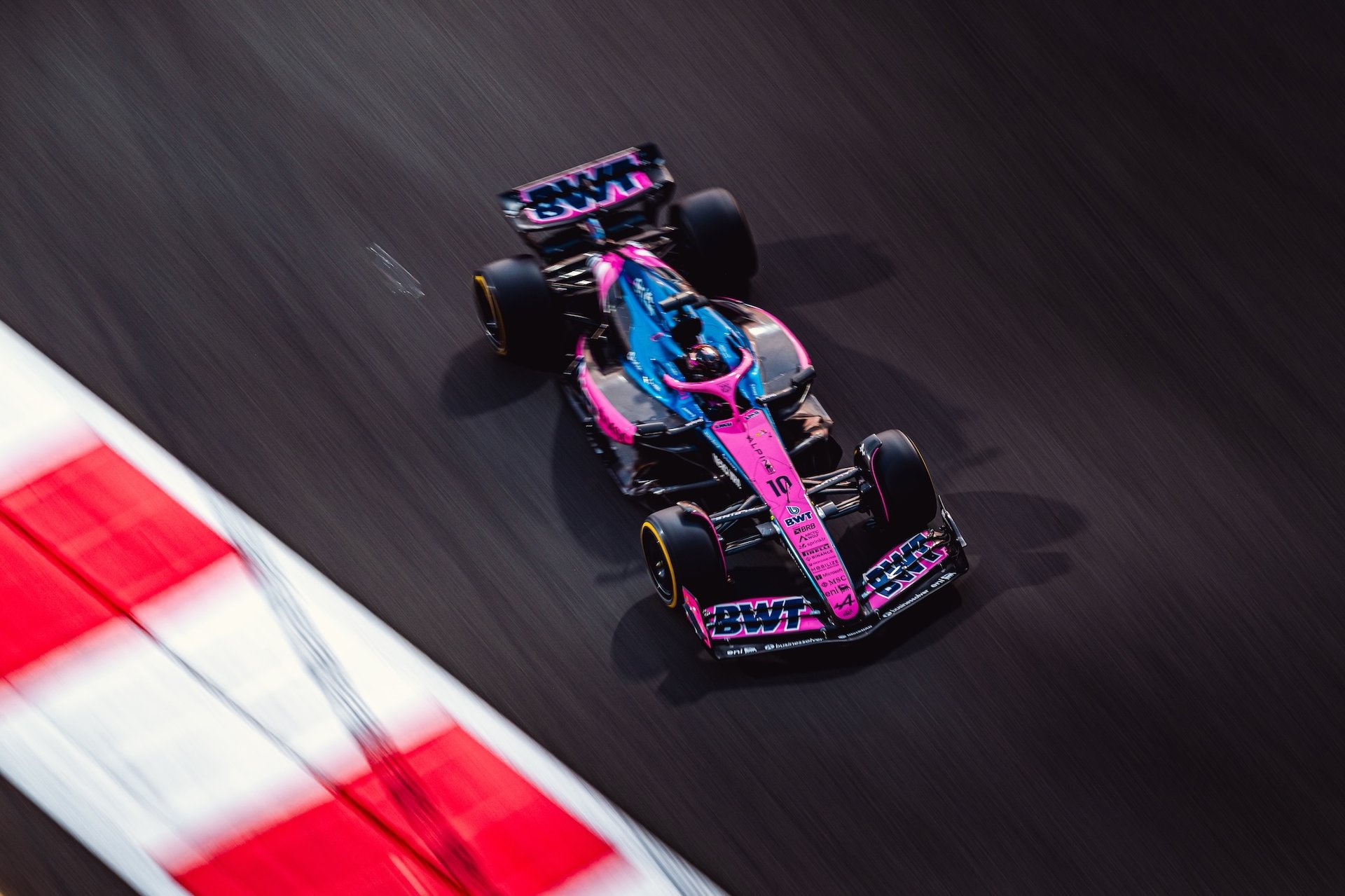
When night fell for FP2, and track conditions shifted closer to race spec, overall competitiveness took a step backwards. Pierre Gasly, returning to the cockpit after sitting out FP1, struggled to find a workable window on the softer C4 and C5 compounds. The Frenchman was left searching for grip throughout the session, ending the day 20th on the timesheets (1:24.963). Colapinto, unable to reproduce his earlier form, settled for 19th (1:24.771), further highlighting the team’s lack of short-run performance.
Balance issues hamper progress on soft tyres
Both drivers reported a lack of consistency in the car’s balance, with low grip levels and notable instability through the tight, technical third sector. The Alpine A525 appeared particularly unpredictable under heavy braking and difficult to manage on throttle application — especially on the softer rubber. Several setup changes trialled between the sessions failed to correct the underlying issues, and the team’s pace remained subdued under the floodlights.
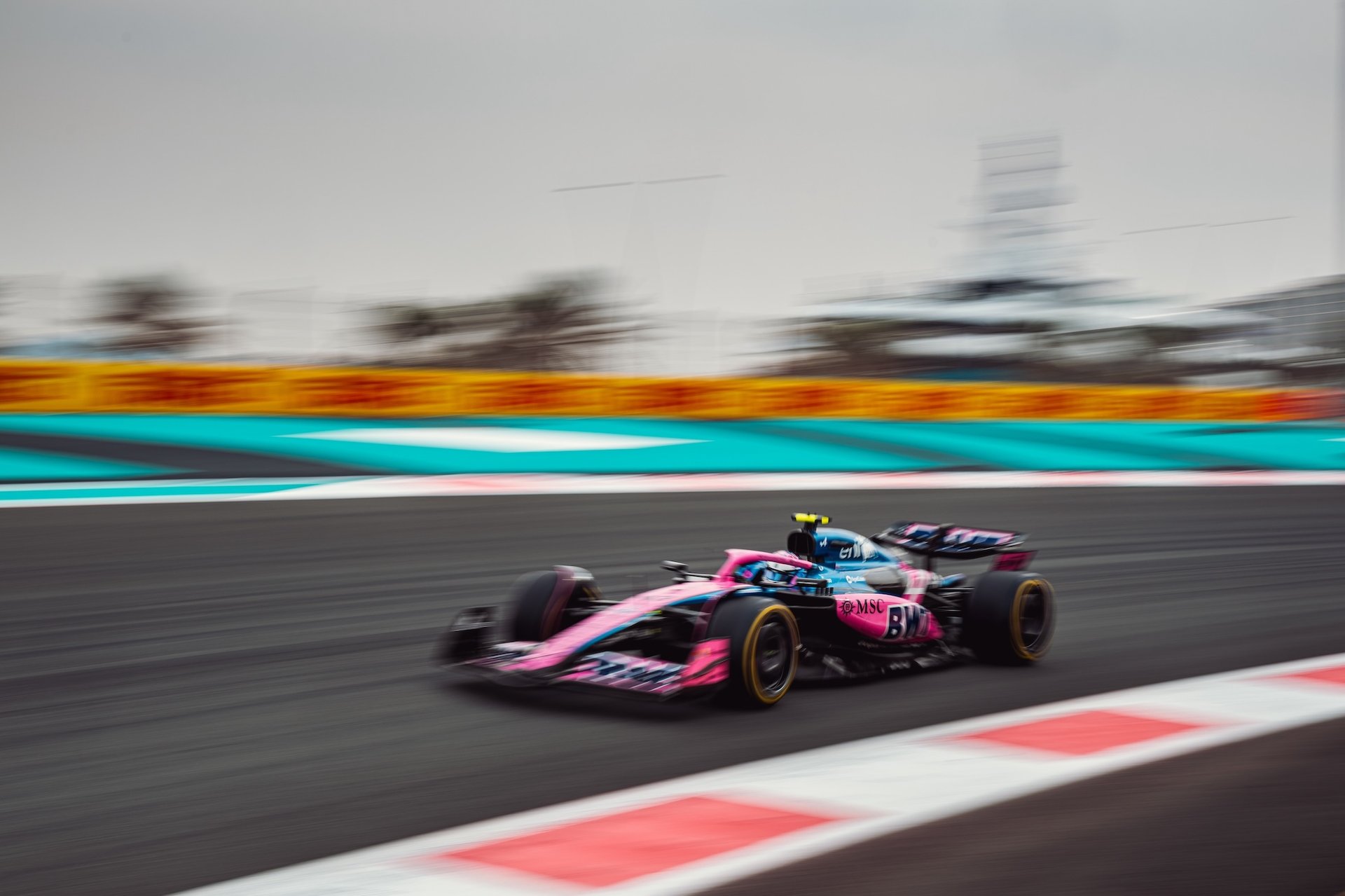
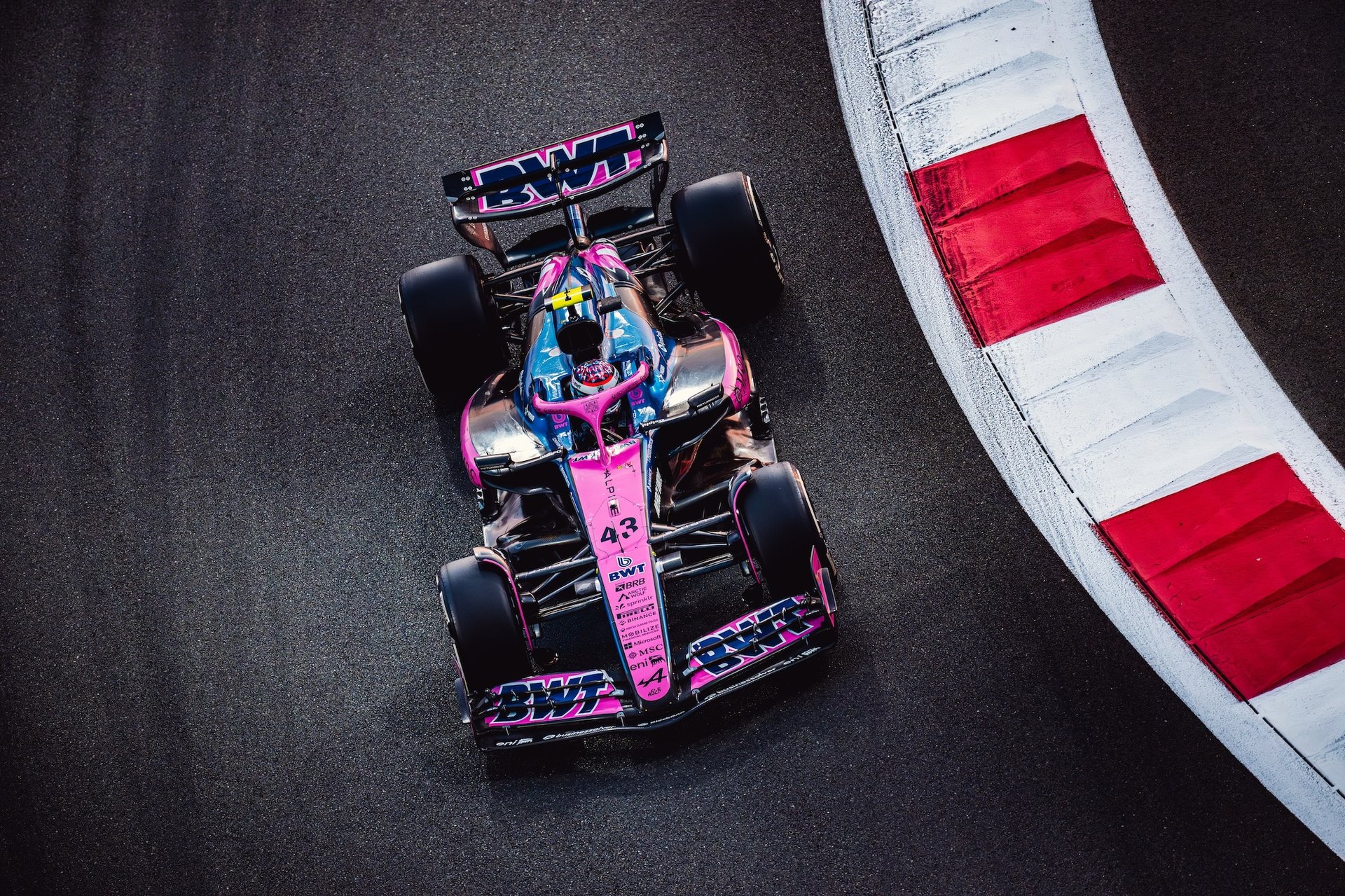
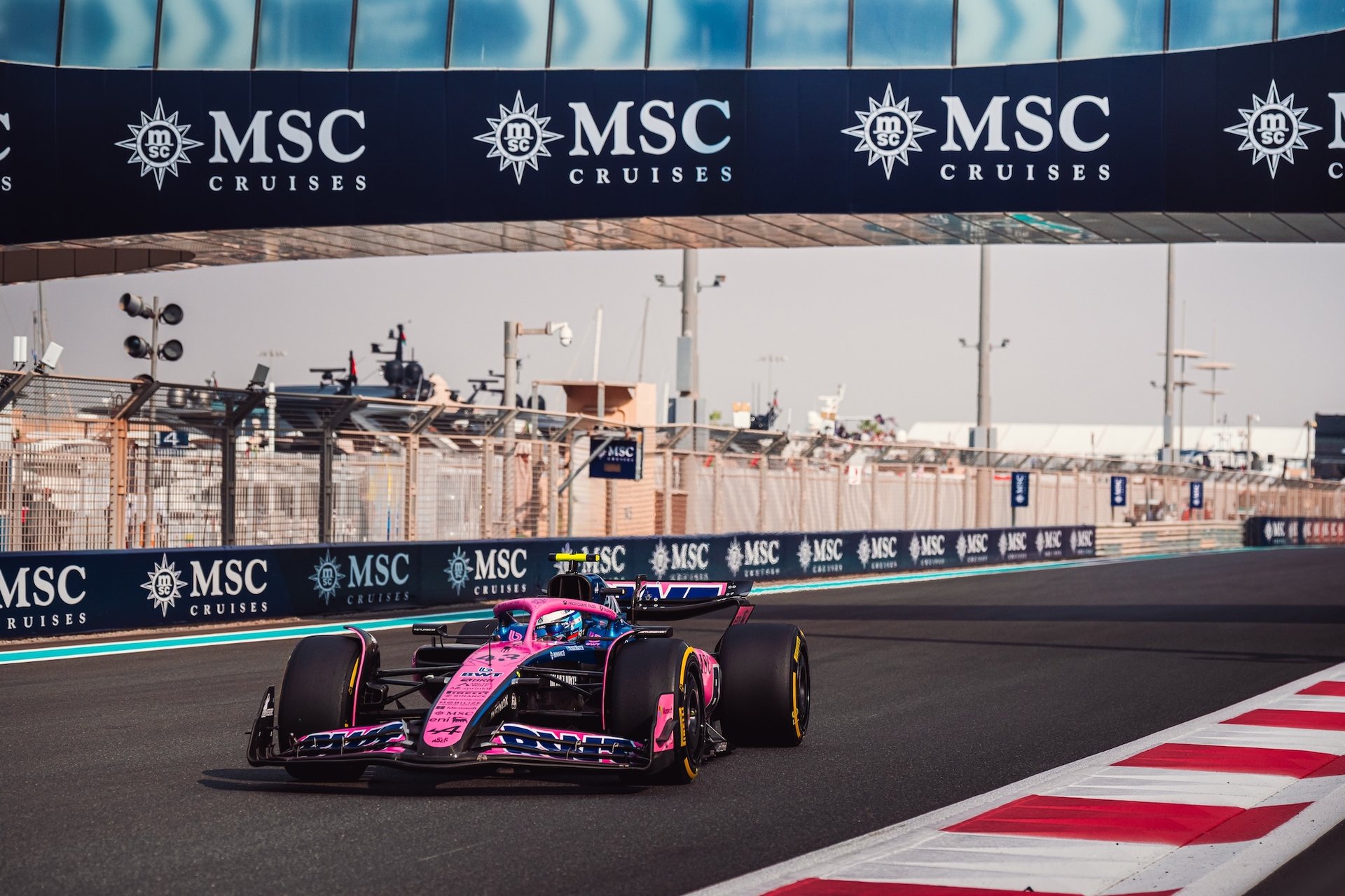
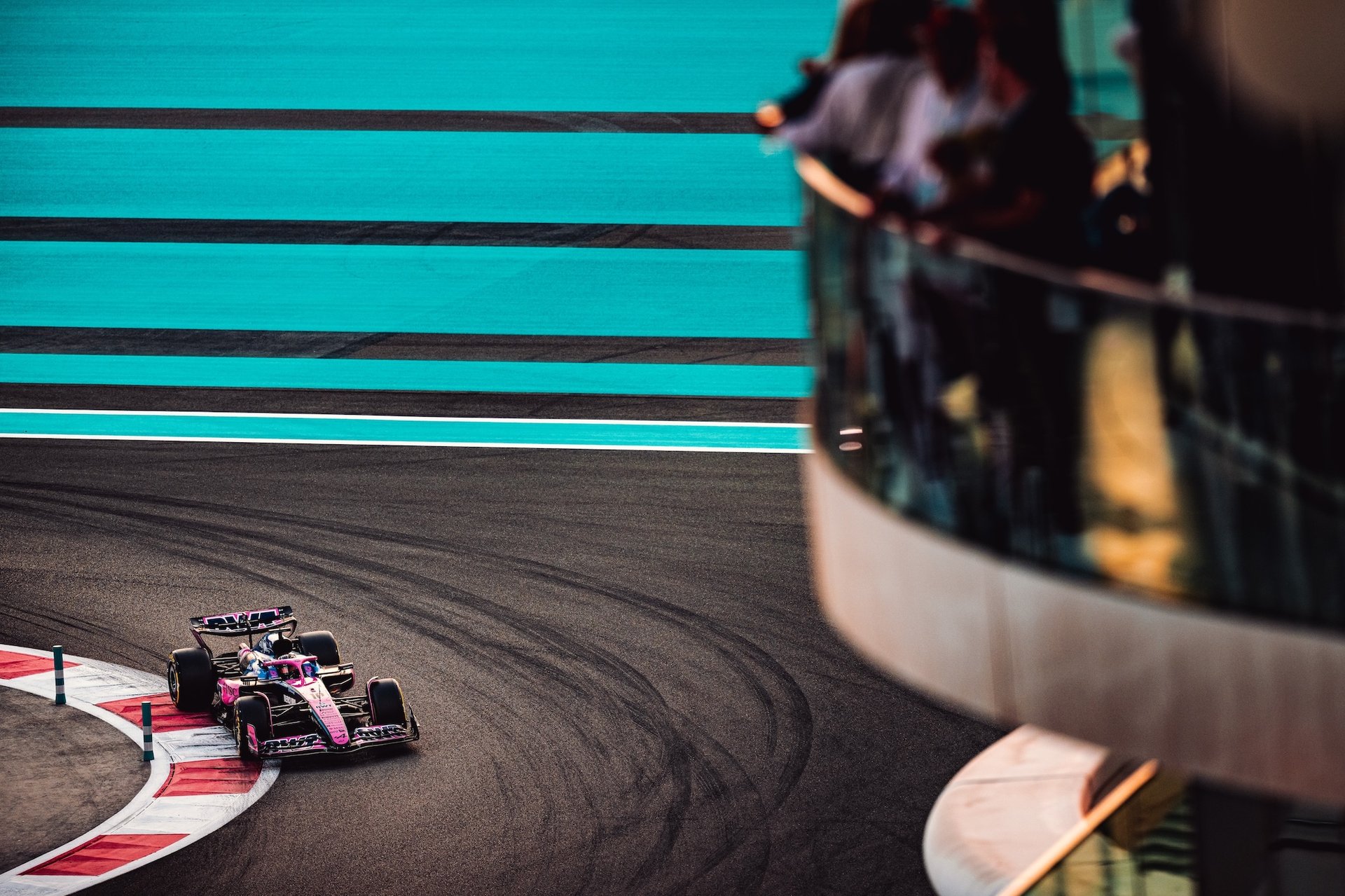
With 113 laps banked — 56 from Colapinto, 30 from Gasly, 27 from Aron — the data pool is sufficient, but its interpretation will be decisive. The focus now shifts to understanding the drop in performance between sessions and the car’s inability to extract peak grip from the softer compounds within their optimal window. With qualifying looming, the margin for error is thin.
Qualifying: A final push without reward
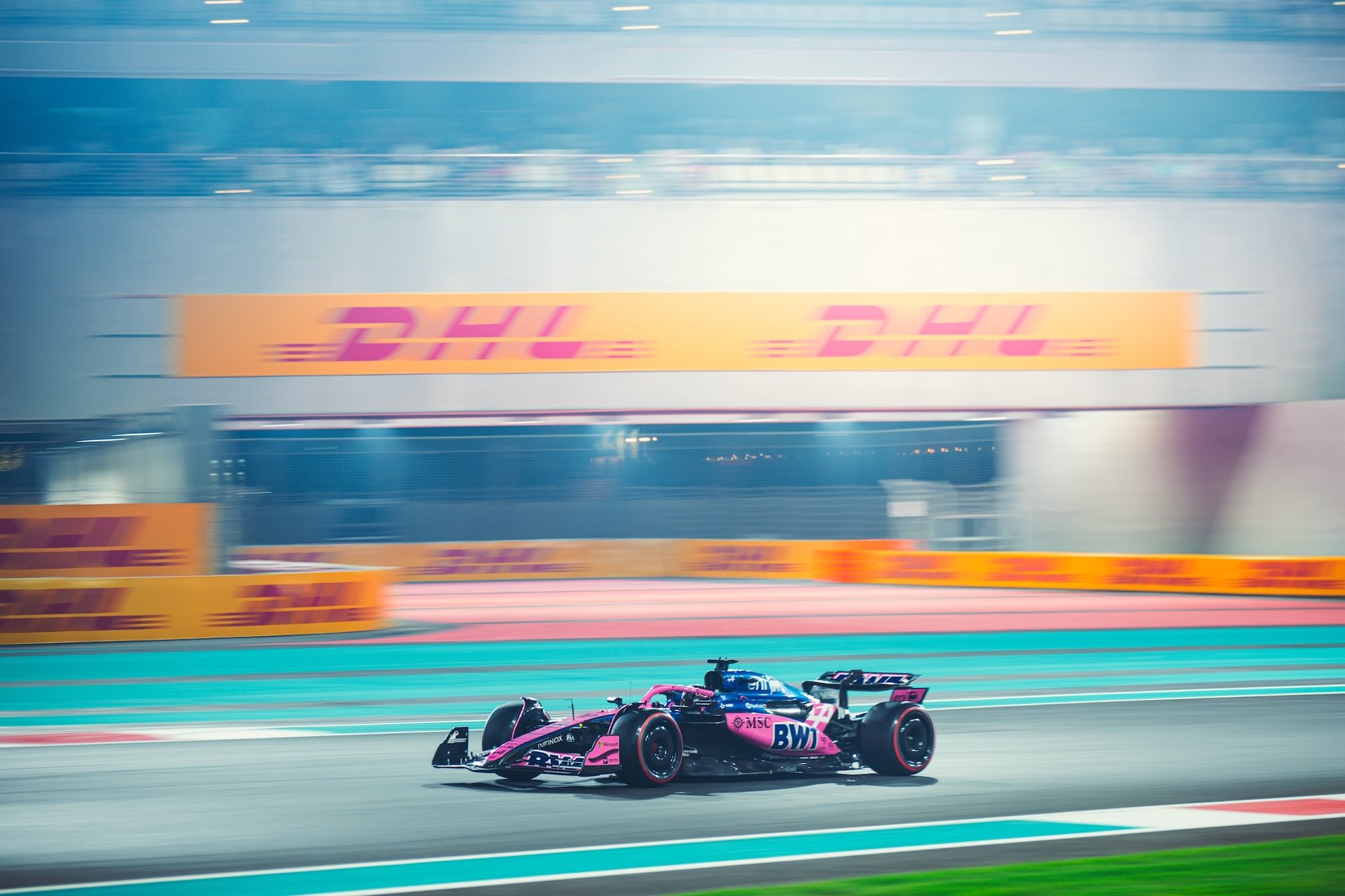
BWT Alpine Formula One Team approached the final qualifying session of 2025 with a clear desire to move forward after a challenging Friday. Despite overnight adjustments to the Alpine A525, the gap to the midfield persisted, and both drivers again found themselves at the back of the grid.
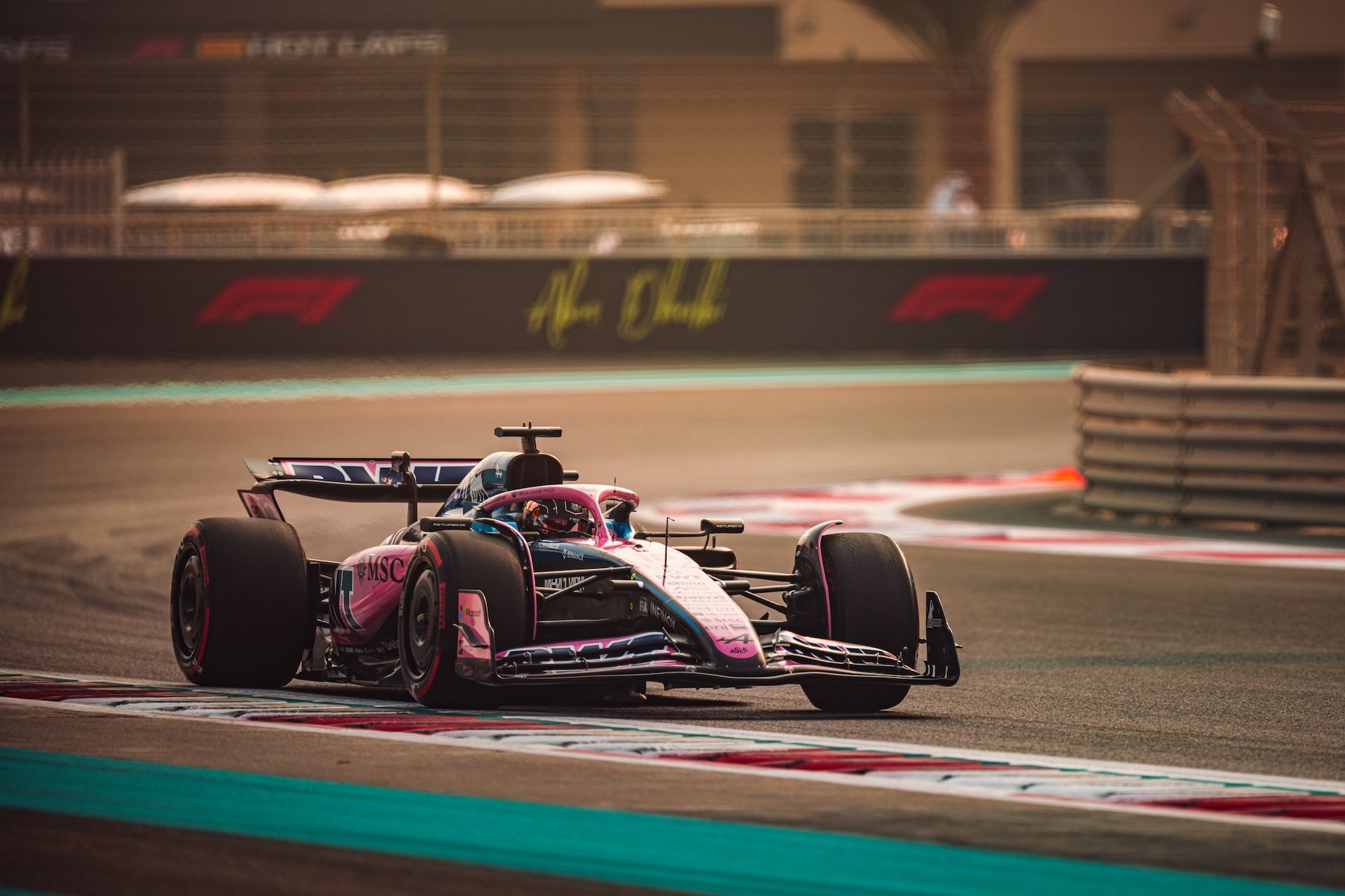
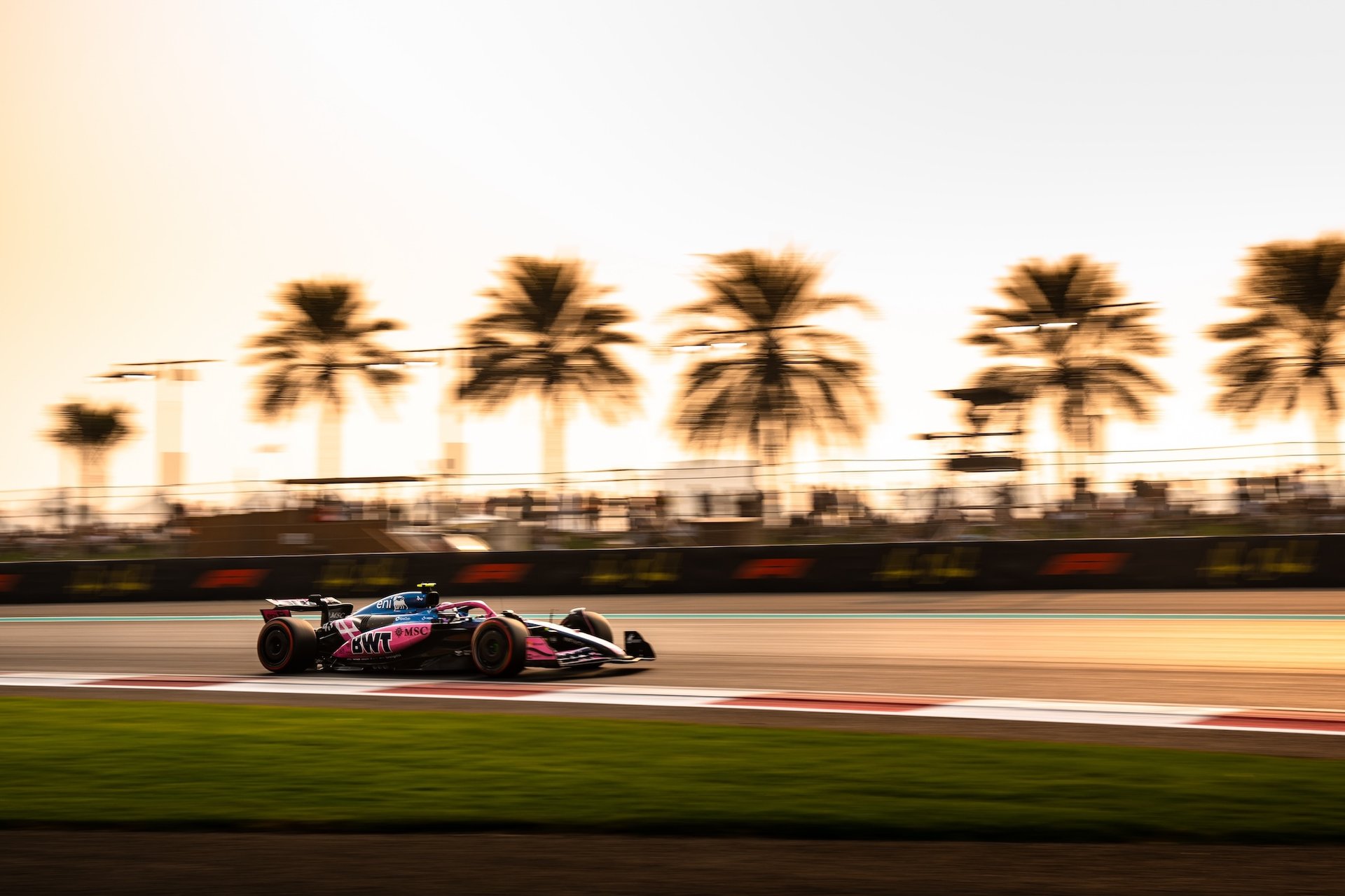
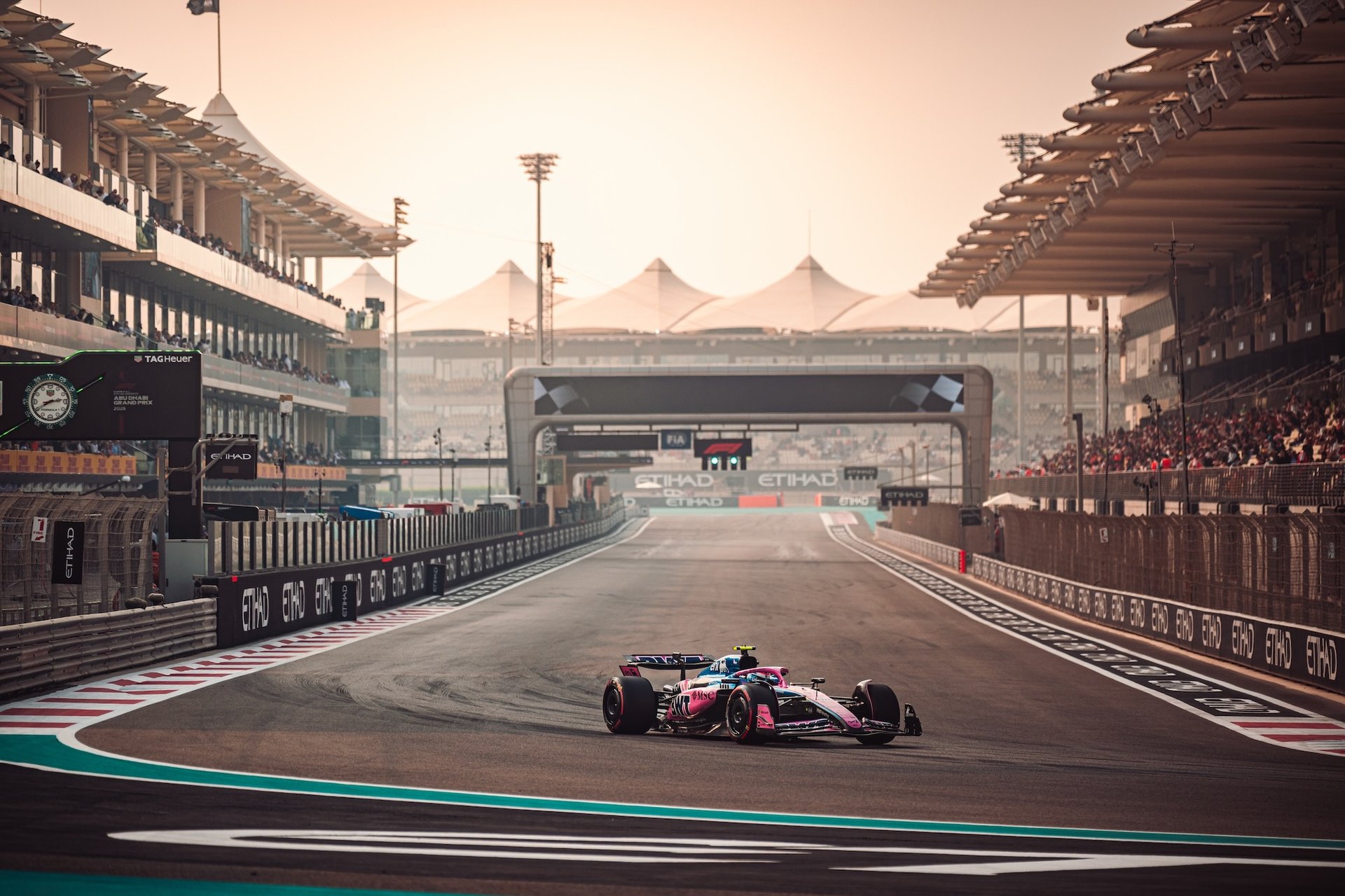
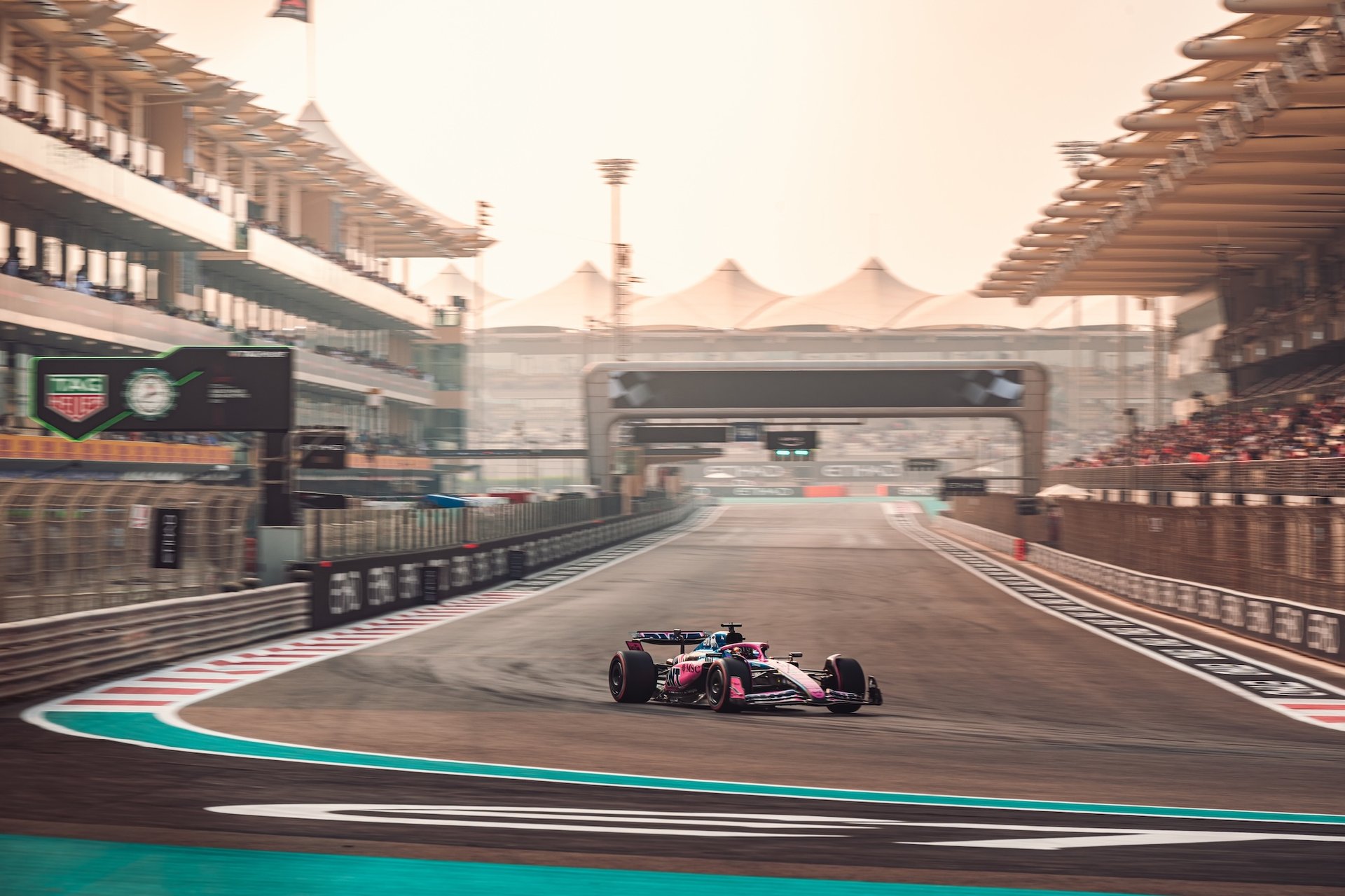
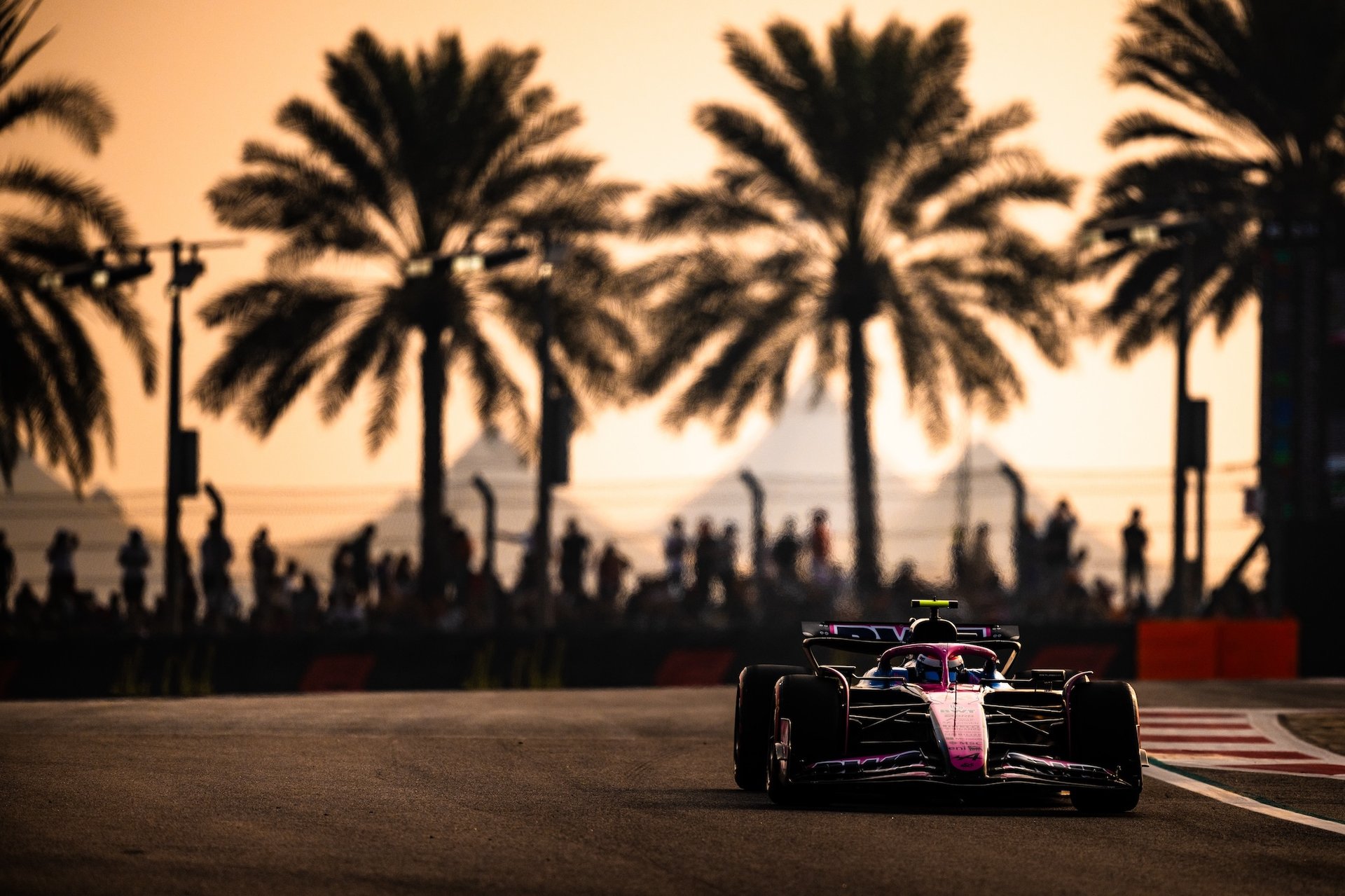
Under the lights of Yas Marina and with track temperatures falling, Pierre Gasly pushed hard on his final flying lap. His first time had been deleted for track limits, leaving no room for error. His last attempt was clean and composed, resulting in a 1’23’468 — not enough to escape Q1. He would start 19th.
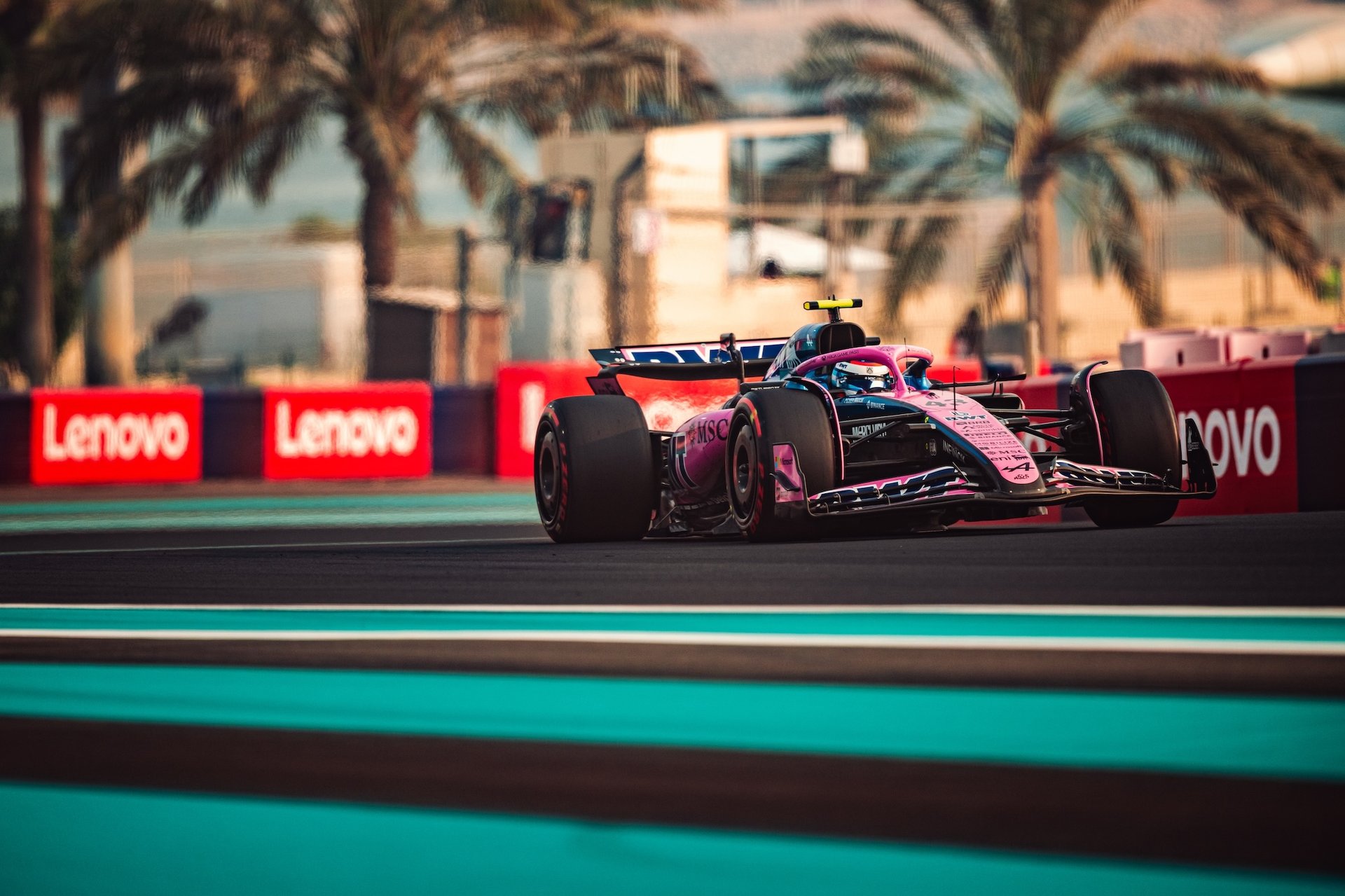
Franco Colapinto continued his learning curve under demanding conditions. Despite changes made before the session, the Argentine couldn’t maximise the car’s potential. His best effort — 1’23’890 — placed him 20th and last on the grid.
They said
Pierre Gasly – 19th
“We did a lot of work overnight to improve the car and we felt like we made a step forward compared to yesterday. The car felt well balanced, but the result reflects our true level of performance on this track.
Qualifying was tight from start to finish, but we were missing a tenth or two against our rivals this weekend. We had to go all-in for our final attempt on softs, since our first time was deleted for track limits. I was happy with that last lap, it flowed well and that was really all we had.
Tomorrow will be the final race of the season. It will also be the last one with our colleagues from Viry on the engine side. I’m extremely grateful for everything they’ve done, especially during my time at Alpine. We’ll give it our all for them and see where we end up.”
Franco Colapinto – 20th
“Unfortunately, yesterday’s issues carried over to today. I think Pierre found a bit more rhythm and did a better job than I did. We made some changes that helped, but I still didn’t feel completely comfortable.
I was feeling quite good at the start of the weekend, and we need to understand why we couldn’t progress as much as others through the sessions. We put a lot of pressure on ourselves in the final lap because of the track limits, and that was on me. There are a few corners on this circuit where you’re really on the edge, and gaps are so tight you have to push, even if it means losing time.
We have to work hard overnight and give it everything tomorrow. It will be an important day for the whole team, with Viry’s final race. We’ll do everything we can to give them a good send-off.”
Race: The end of an era, no fireworks
This Sunday in Abu Dhabi, Formula 1 closed a deeply emotional chapter. And in the quiet tension of the final laps, it wasn’t just the end of a season for BWT Alpine Formula One Team. It was goodbye. To an engine, to a legacy. After 772 Grands Prix, the Renault engine bowed out. No fanfare, no miracle finish — just profound sadness. And immense respect.
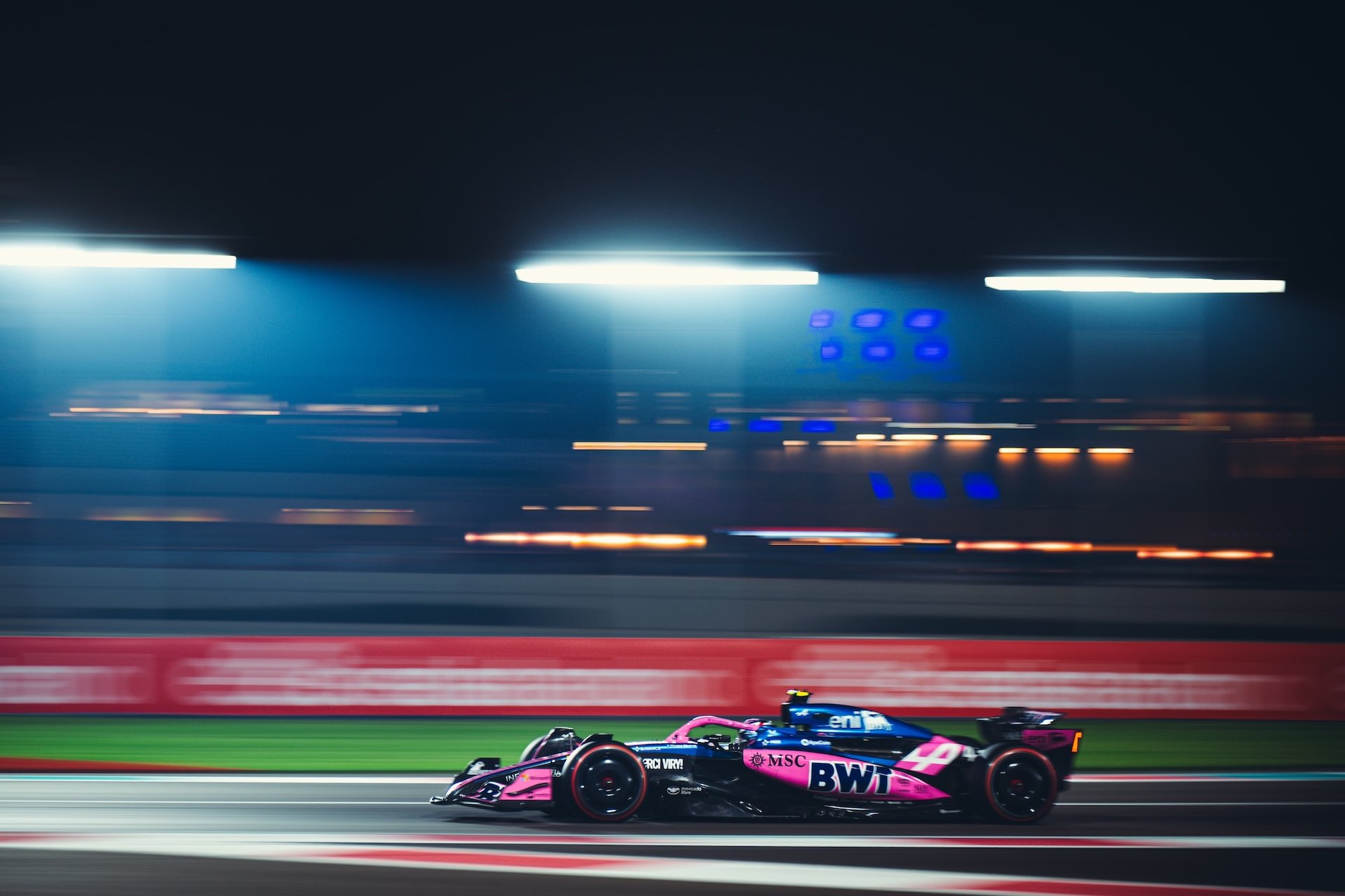
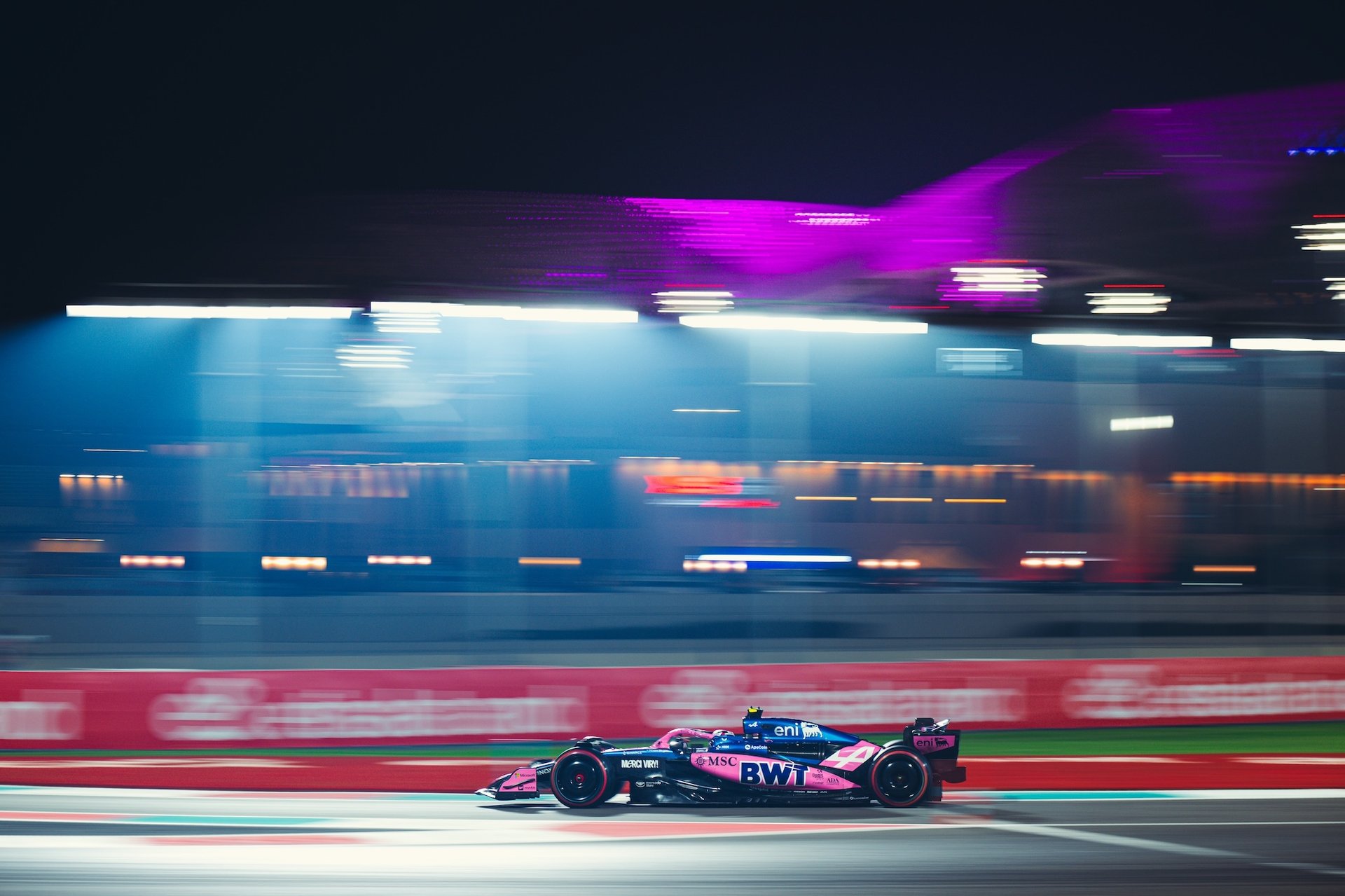
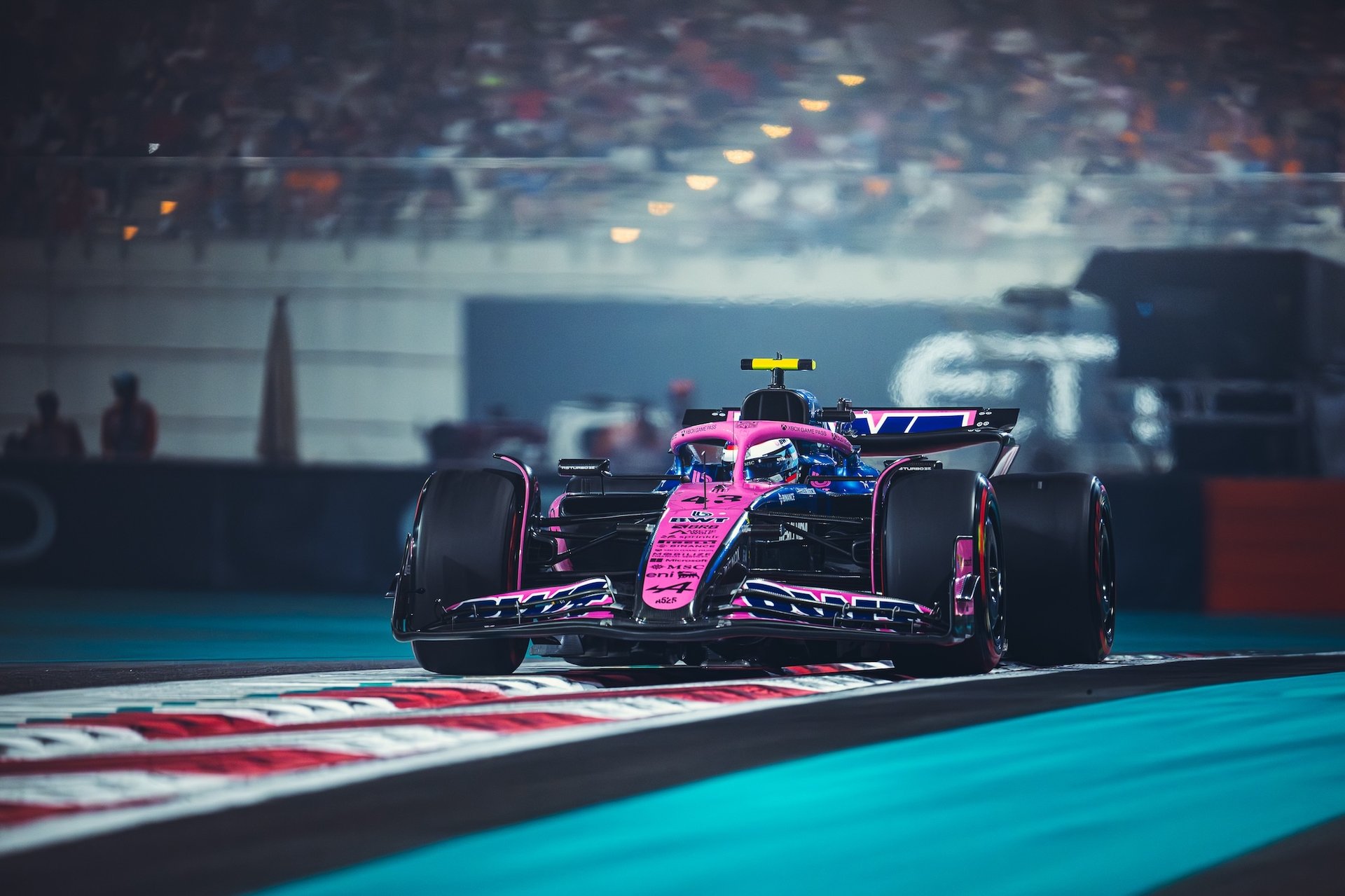
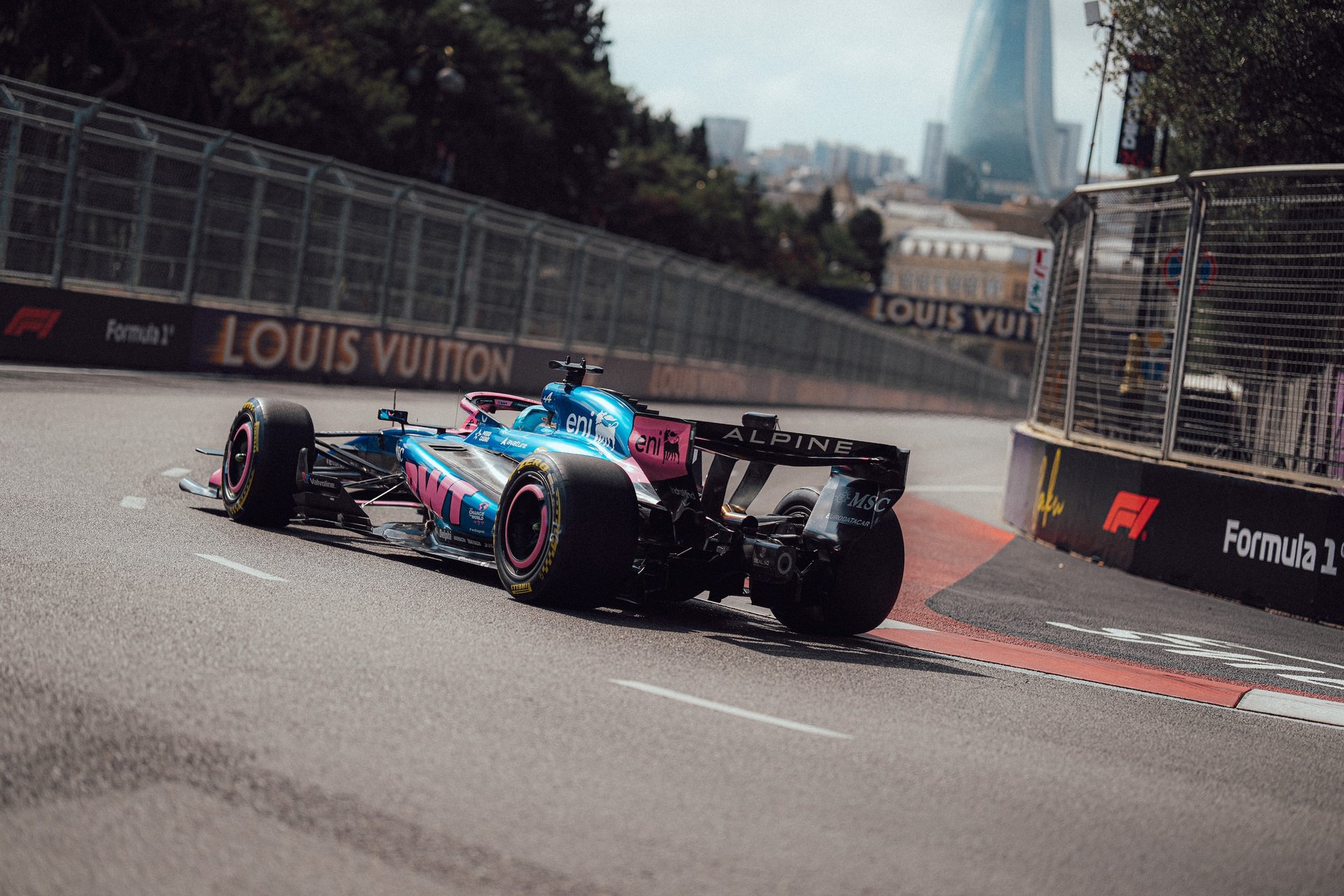
On track, the emotion wasn’t enough to overturn reality. Both Alpine A525s ended their final outing of the year at the back of the field, one lap down. Pierre Gasly in 19th, Franco Colapinto 20th: a harsh end, especially given the desire to honour Viry-Châtillon’s legacy with a result worthy of its story. Strategy options and race scenarios offered no real lifeline.
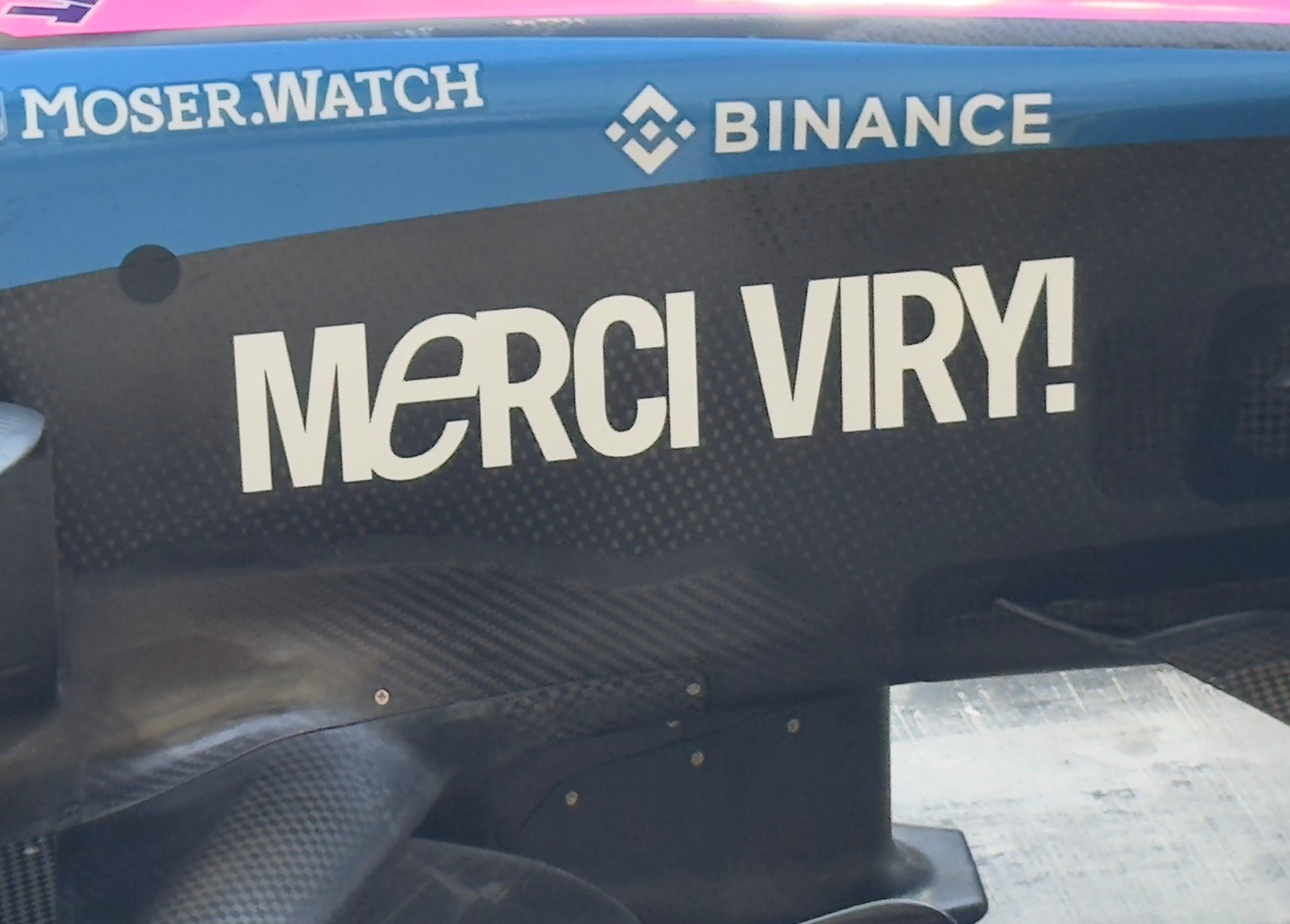
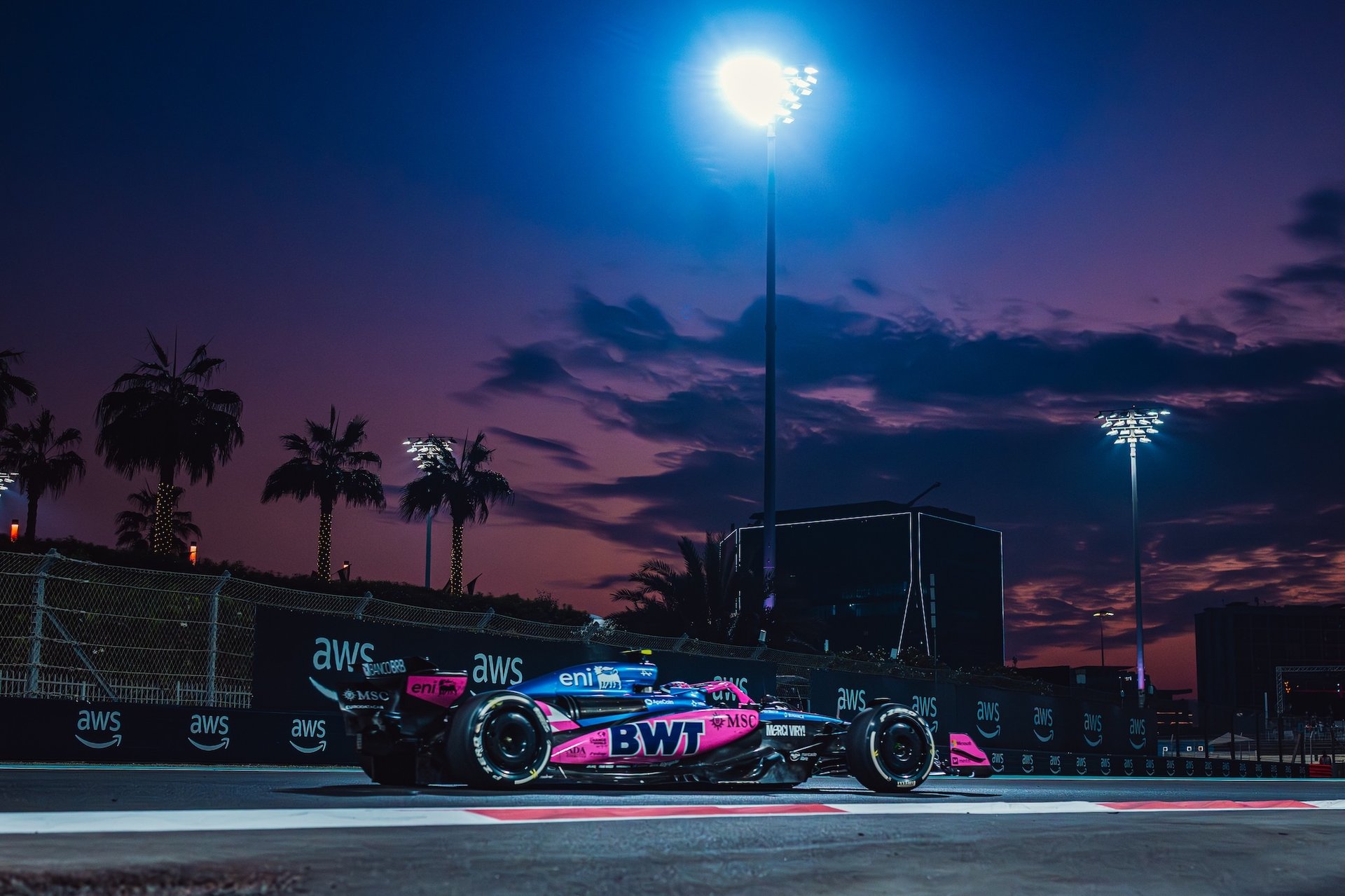
But this Sunday was never just about numbers. On the sidepods of the car, a simple “Merci” paid quiet tribute. Easy to miss, impossible to forget. A single word on the blue bodywork that summed up 50 years of innovation, grit, victories, and human commitment. Renault leaves the grid quietly, but its presence remains.
At Viry-Châtillon, an entire generation of engine builders watched their life’s work take its final lap. From championship glory with Williams and Red Bull, to iconic wins in Monaco, Silverstone, Monza — and the sleepless nights spent chasing reliability, power, and a tenth of a second. This was the final act. And in the Alpine garage, eyes weren’t on the screens — they were looking back, at everything that will never be replaced.
The switch to Mercedes engines in 2026 is a deliberate step, but one that marks a rupture. Alpine will continue, of course. But it won’t be the same. No more in-house engine. No more Viry DNA. The blue cars lose their yellow soul.
The 2025 season ends with Alpine in 10th and last in the Constructors’ standings, with just 22 points. A painful campaign. But this finale leaves behind something greater than results: the legacy of one of Formula 1’s most emblematic engine programmes.
Now, the team must rebuild. With humility, patience, and conviction. The Mercedes power unit might bring renewed performance, but it won’t speak with a French accent. Alpine will need to learn how to compete without the heart that once beat in Enstone and Viry alike.
Maybe one day, the dream will return. But tonight in Abu Dhabi, we mourn the Renault engine.
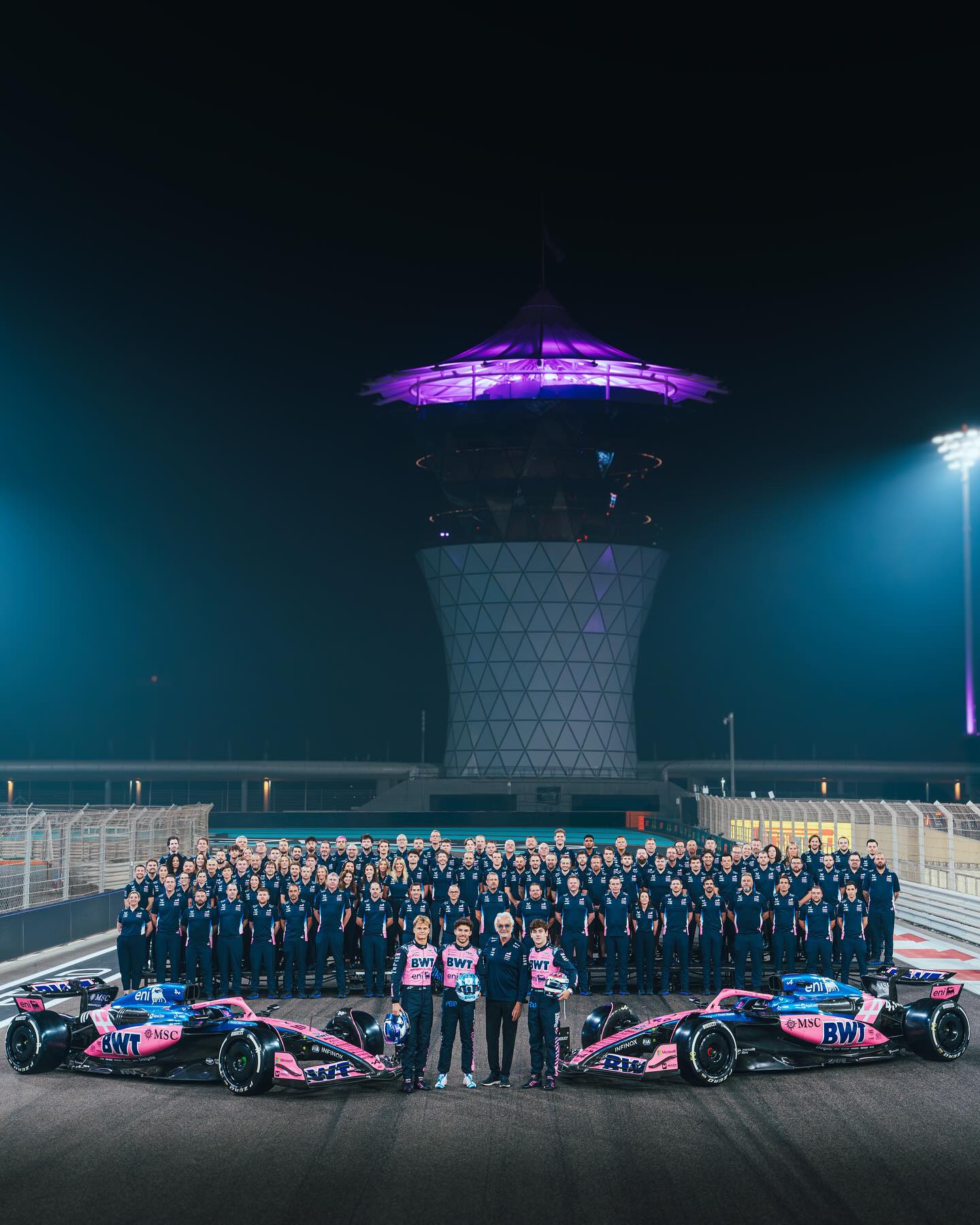
Source : BWT Alpine Formula One Team