🇫🇷 Cet article est également disponible en français : Lire en français
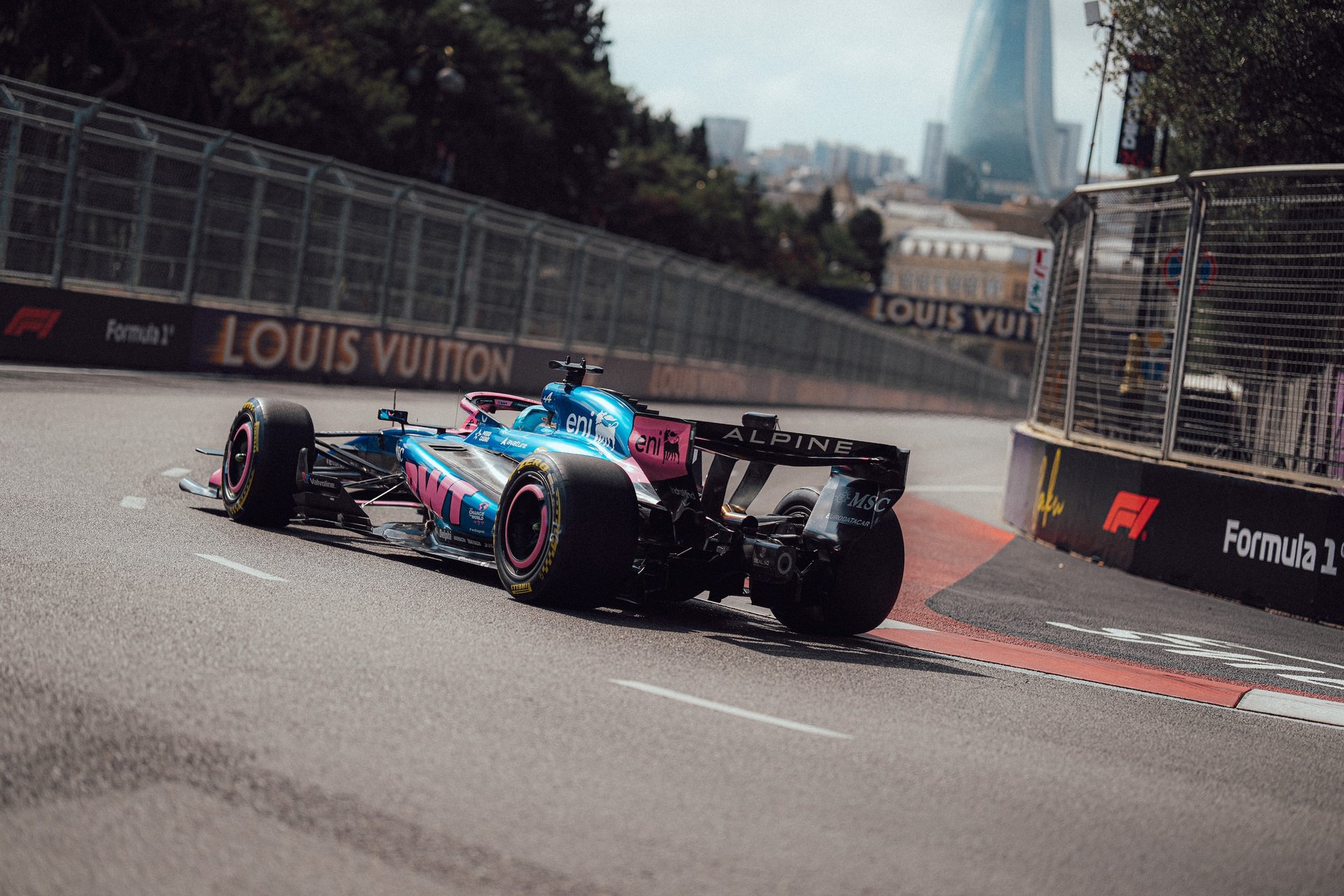
BWT Alpine Formula One Team wrapped up its Friday at the 2026 Japanese Grand Prix with a hierarchy that is already becoming clear.
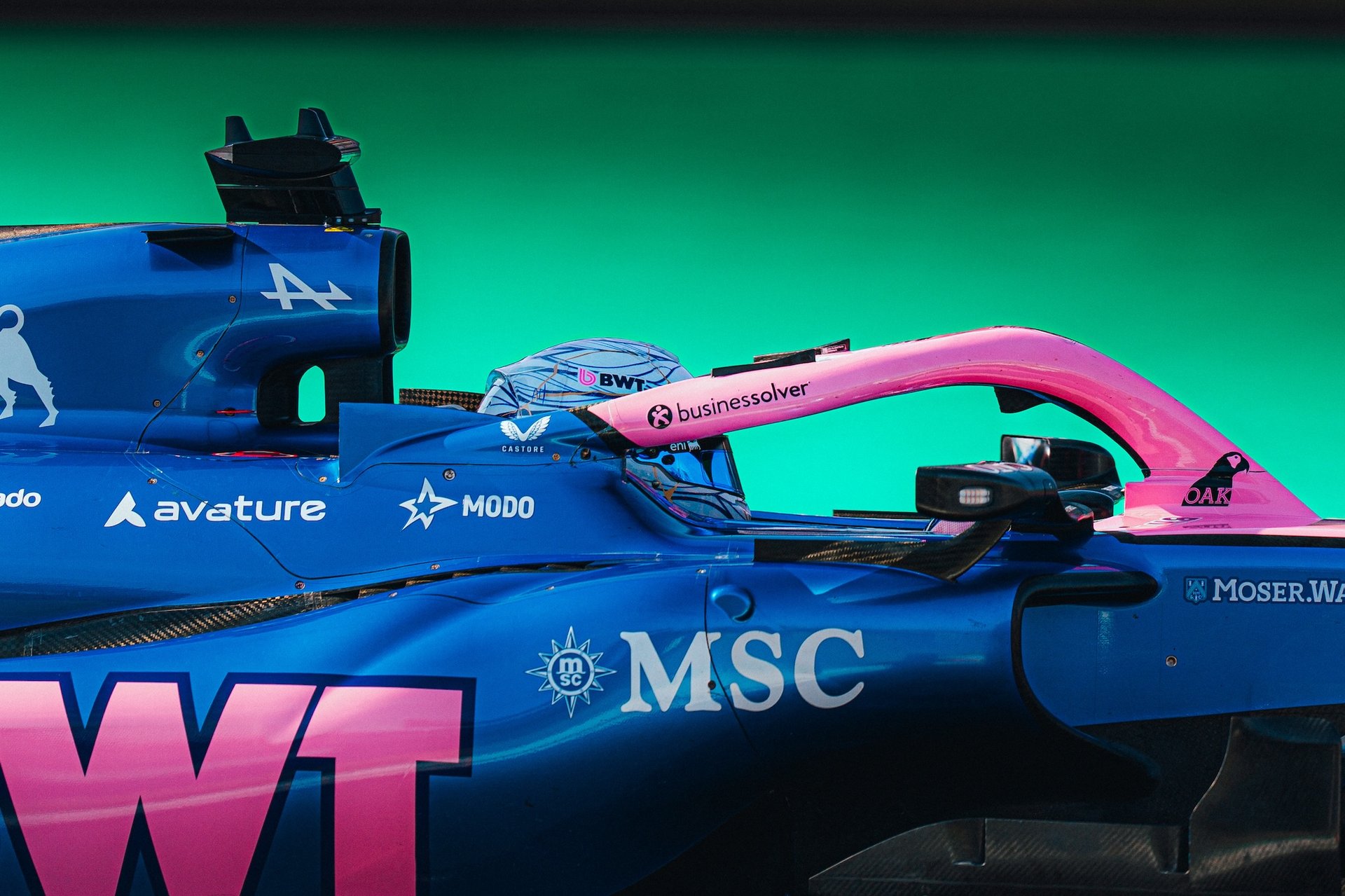
The Alpine A526 sits in the midfield, but remains behind the group leading that pack. At Suzuka under the 2026 regulations, the gaps do not come from a single weakness — they build across the entire lap, starting from an initial imbalance that carries through to the final sector.
BWT Alpine Formula One Team: a very quiet FP1
The first session immediately exposed the main issue. With around 55% less downforce, Suzuka’s sector one has become a pure grip exercise. The Esses are no longer about carrying aerodynamic load, but about control.
Pierre Gasly finished in 1’32”978 (15th, +1.312s), with a car unable to match the speed of its direct rivals through the high-speed sequences. On corner entry, the front end does not generate enough load to stabilise the car. He has to correct, wait, and delay throttle application. That pattern repeats throughout the sequence.
The updated front wing deflector does not fundamentally change the behaviour yet. The front end still lacks consistency in prolonged lateral load phases.
This lack of efficiency has a direct impact on the tyres. Through the Esses, the front slides rather than loads up properly, generating scrub (lateral tyre slip without producing effective grip). Warm-up becomes inconsistent, and grip never fully builds across the lap.
Franco Colapinto finished in 1’33”361 (16th, +1.695s). With no prior reference at Suzuka, he is naturally more exposed to this behaviour. The gap is concentrated in the fast corners, where confidence in the front end directly dictates cornering speed.
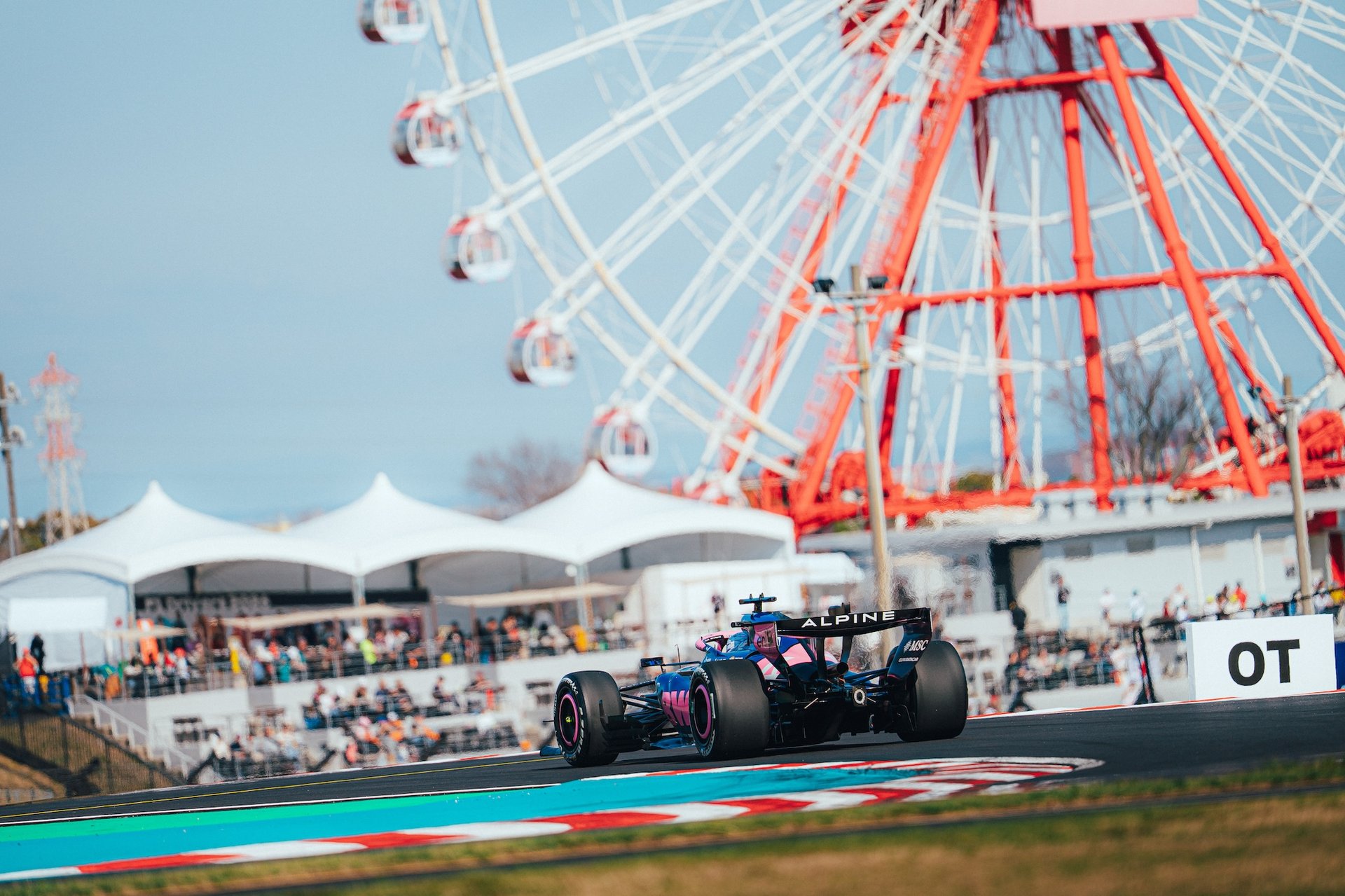
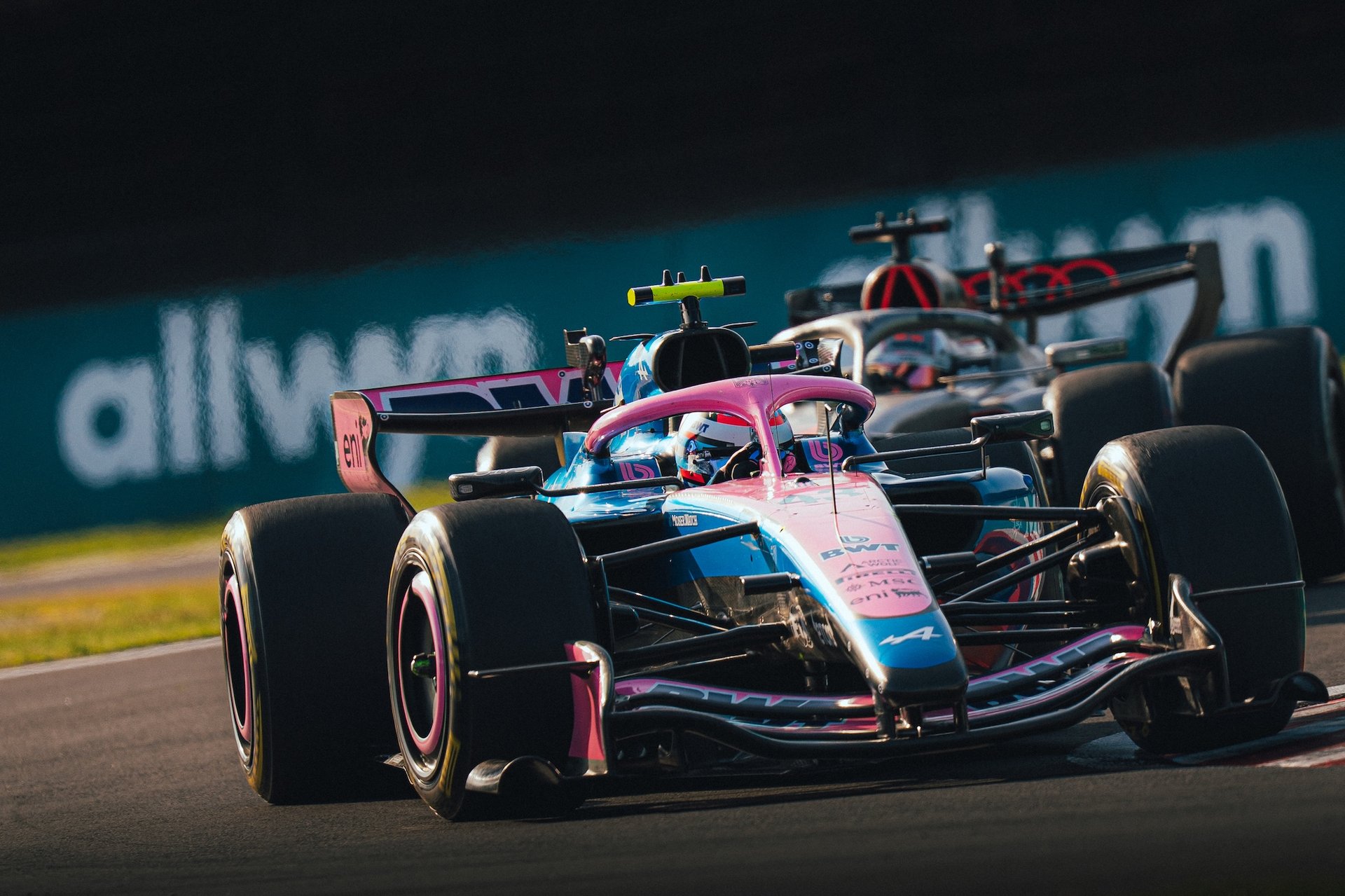
FP2 shows progress, but Alpine remains in the pack
The second session, run in cooler conditions, reinforced the same trends. Tyres were harder to switch on, and cars with a narrow operating window were exposed.
Pierre Gasly improved to 1’31”734 (14th, +1.601s), but the order remained unchanged. Williams, Haas and Audi still held the upper hand, with more stable front-end platforms.
In sector one, apex speeds remained lower. The Alpine A526 still cannot link direction changes with the same fluidity. The time lost here is never fully recovered.
In sector two, the car is more competitive. Traction is strong, particularly out of the hairpin and Spoon, and energy deployment keeps Alpine in touch.
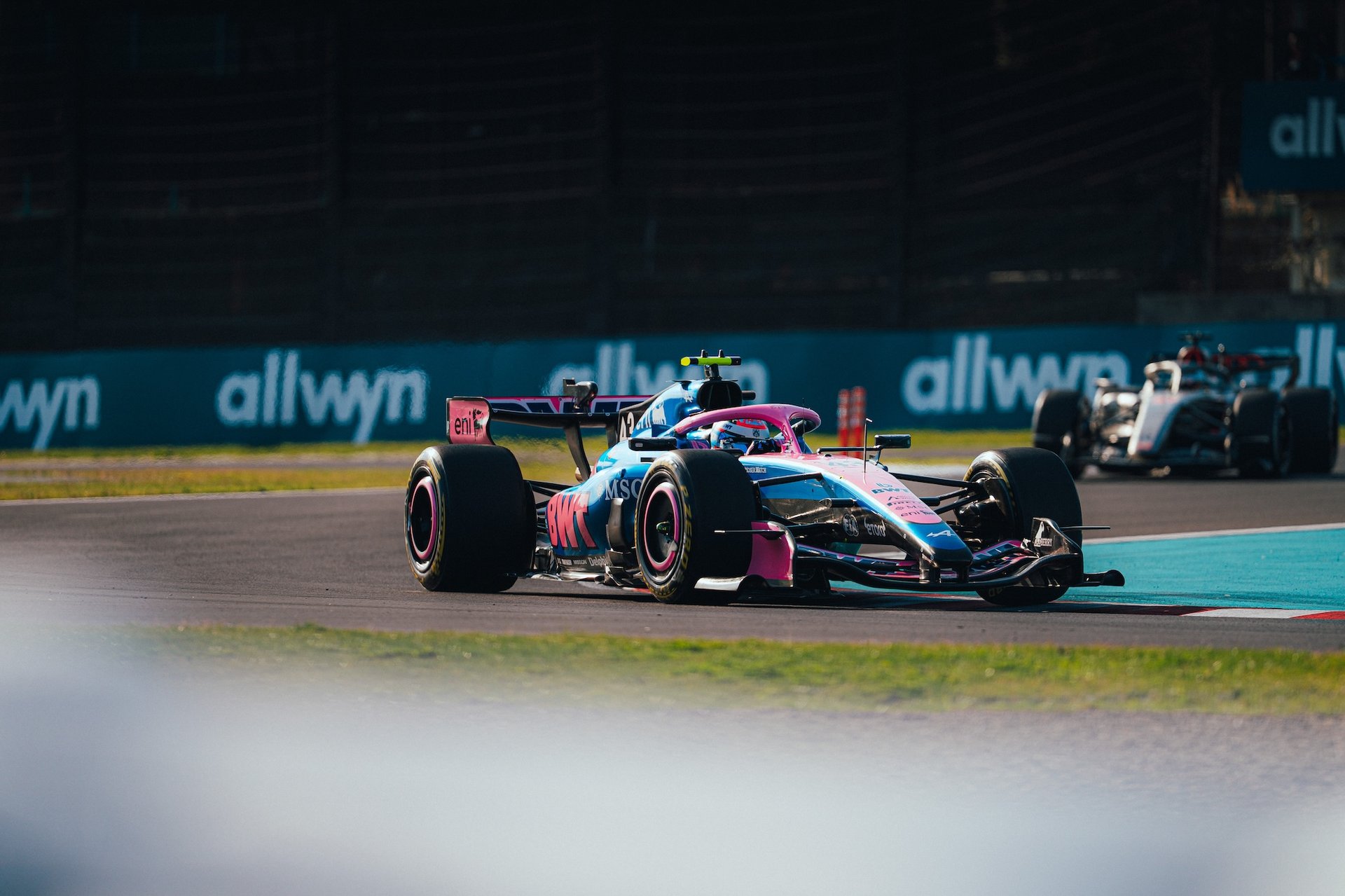
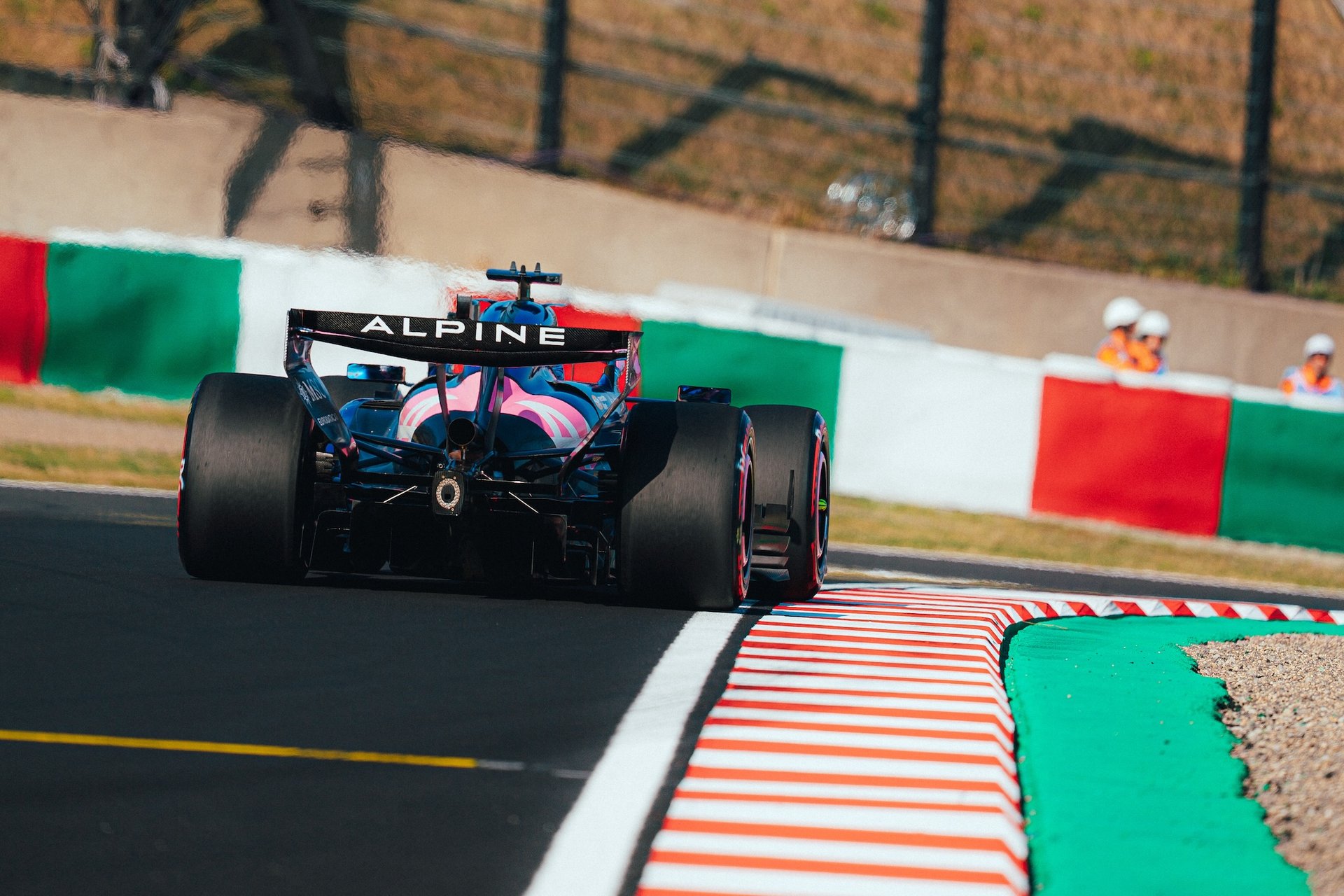
Sector three follows a completely different logic in 2026. Suzuka is an energy-starved circuit (very limited energy recovery capacity). Harvesting is restricted, forcing recharge phases even at full throttle.
The super clipping (phase where the car harvests energy at full throttle, causing a drop in power) effect is particularly visible. Through 130R, speed losses regularly reach 40 to 55 km/h, as confirmed by telemetry across the field.
This turns the sector into a compromise. Alpine sits in the midfield in terms of energy management, but cannot compensate with higher entry speeds in fast corners. The lack of front grip limits commitment, further amplifying exit losses.
Franco Colapinto finished in 1’32”438 (17th, +2.305s), around seven tenths off Gasly. The gap remains concentrated in high-speed sections. A traffic incident at 130R during a tyre preparation phase led to a stewards’ review, with no further action.
Conclusion
This Friday confirms that the front end remains the key limitation. The updated deflector brings a step forward, but not enough to generate consistent load in high-speed corners.
This triggers a chain reaction. In sector one, the car loses time. That lack of grip generates scrub, disrupts tyre temperature and increases energy consumption. In sector three, where energy is already limited, this inefficiency translates into additional losses through super clipping.
Williams and Haas appear more efficient through fast sequences. Their front-end stability allows them to carry more speed and better manage tyres, reducing their exposure to energy losses.
The reduction of maximum energy deployment in qualifying from 9.0 to 8.0 MJ further tightens the margins. Performance now has to come directly from the car, not from energy management.
BWT Alpine Formula One Team heads into the rest of the weekend with a clear picture. The A526 is in the midfield fight, capable of reaching Q2, but still trailing the leading group.
At Suzuka, the lap is decided in the Esses. For now, that is where Alpine loses the most. And in a Formula 1 where energy amplifies every weakness, that initial deficit carries all the way to the final sector.
Pierre Gasly (14th) :
“Overall, it wasn’t an easy day for us in Suzuka. In Free Practice 1, we struggled with the balance of the car, but we made good progress for FP2. The feeling in the car is still not optimal, so there is clearly work to do before tomorrow.
The field is very tight, especially from seventh place onwards, behind the top three teams. Just a few tenths separate P7 and P15, so I’m convinced qualifying will be very close again. If we can find small improvements, it could have a big impact on our final result. We’ll keep working tonight, and I’m confident tomorrow will be better.”
Franco Colapinto (17th) :
“Overall, it was a difficult but very instructive day. These were my first laps at this iconic Suzuka circuit and it was amazing to experience it in a Formula 1 car and tackle some of its unique corners.
We improved lap by lap, and by the end of FP1 we were in a better place, even if I still didn’t feel completely confident in the car, especially in some fast sections. It was similar in FP2, so we have things to analyse and improve. Hopefully we can be in a better position for qualifying tomorrow.”
Performance Summary – Friday
| Session | Pierre Gasly | Franco Colapinto |
|---|---|---|
| Free Practice 1 | 15th – 1’32”978 | 16th – 1’33”361 |
| Free Practice 2 | 14th – 1’31”734 | 17th – 1’32”438 |
Source: BWT Alpine Formula One Team