🇫🇷 Cet article est également disponible en français : Lire en français
During the presentation of the futuREady plan by Renault Group, Alpine once again placed the future Alpine A110 at the center of its industrial trajectory. While the Alpine A290 continues to broaden the brand’s commercial reach and the Alpine A390 is expected to support higher production volumes, the next A110 remains the model that will truly determine the technical credibility of Alpine Cars.
The reason is straightforward: since 2017, the current generation has established an exceptionally demanding internal benchmark. Few modern sports cars have left such a mark through dynamic coherence rather than raw figures. Controlled weight, immediate front-end feedback, natural chassis mobility, and the ability to preserve a form of mechanical simplicity despite its level of efficiency: this is precisely the identity the next generation must recapture, even as it moves into a far more constrained technical environment.
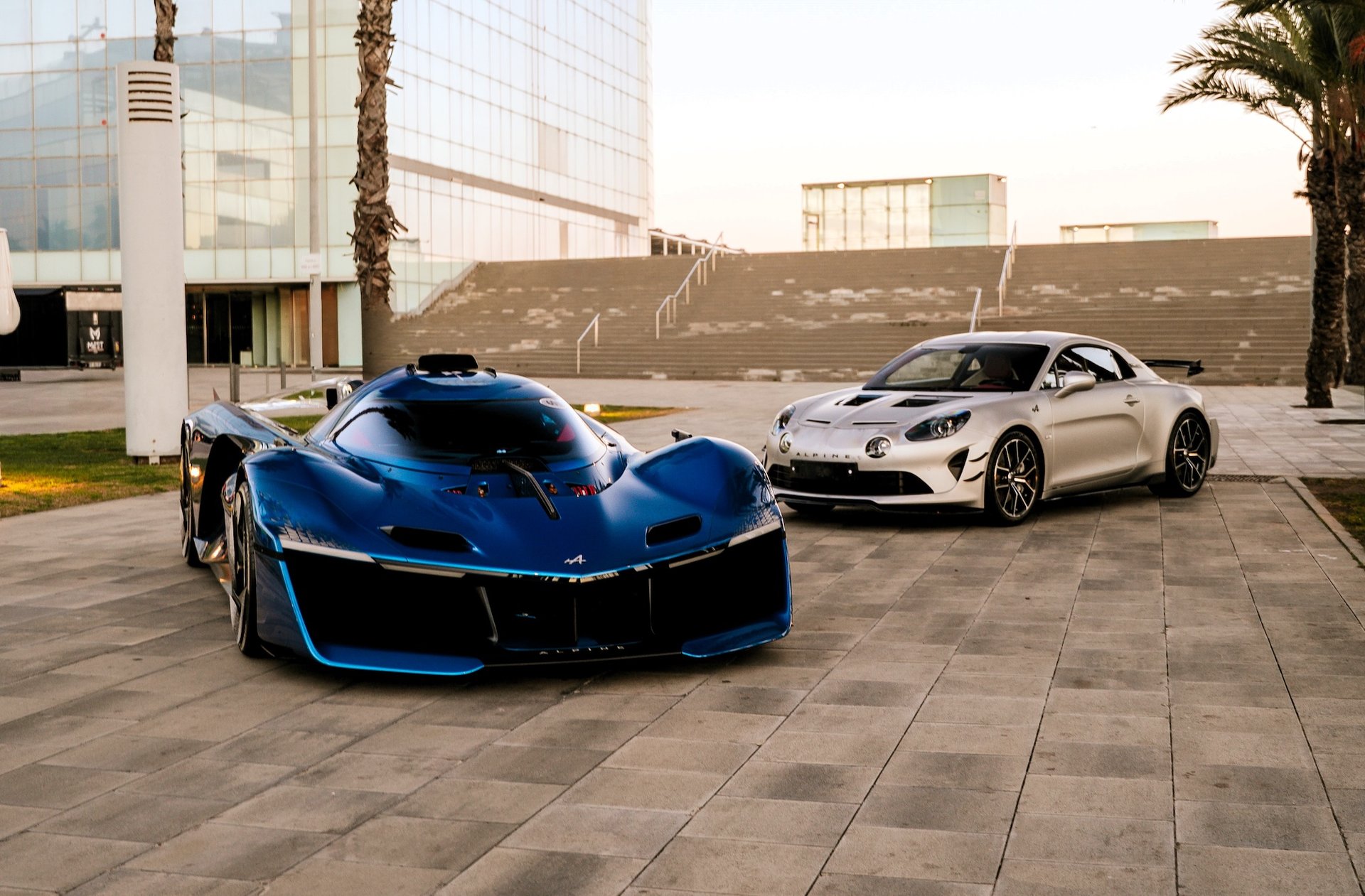
This transition is already generating genuine opposition among part of the enthusiast community. Whereas the A290 and A390 are generally viewed as pragmatic range extensions, the electric Alpine A110 directly touches what many consider Alpine’s untouchable core. For some long-standing customers, abandoning the combustion engine represents a break that is difficult to accept; for others, the question is even more radical: can an electric A110 still be perceived as a true Alpine if it loses the sense of lightness and mechanical clarity that built the current model’s reputation?
The answer will come quickly. Production of the combustion-powered Alpine A110 will stop in mid-2026 at the Manufacture Alpine Dieppe Jean Rédélé, with a final limited series precisely capped at 1,750 units. Since the model’s rebirth in 2017, nearly 30,000 cars will have been assembled in Dieppe.
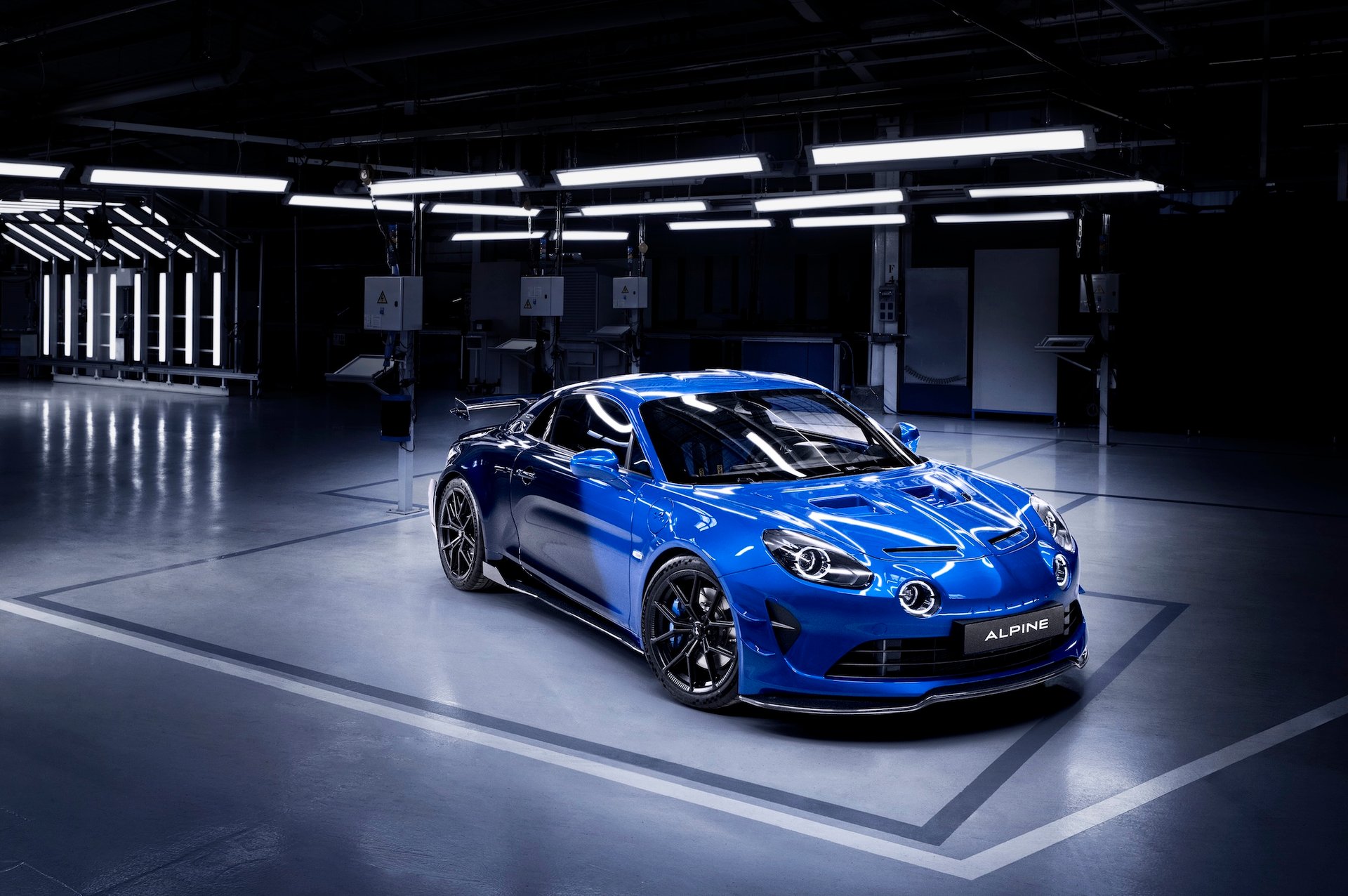
The first complete details of the future generation are expected during the first half of 2026, ahead of a commercial launch scheduled between late 2026 and early 2027 in Europe, followed by Asia.
Alpine A110: A new architecture designed to preserve the berlinette spirit
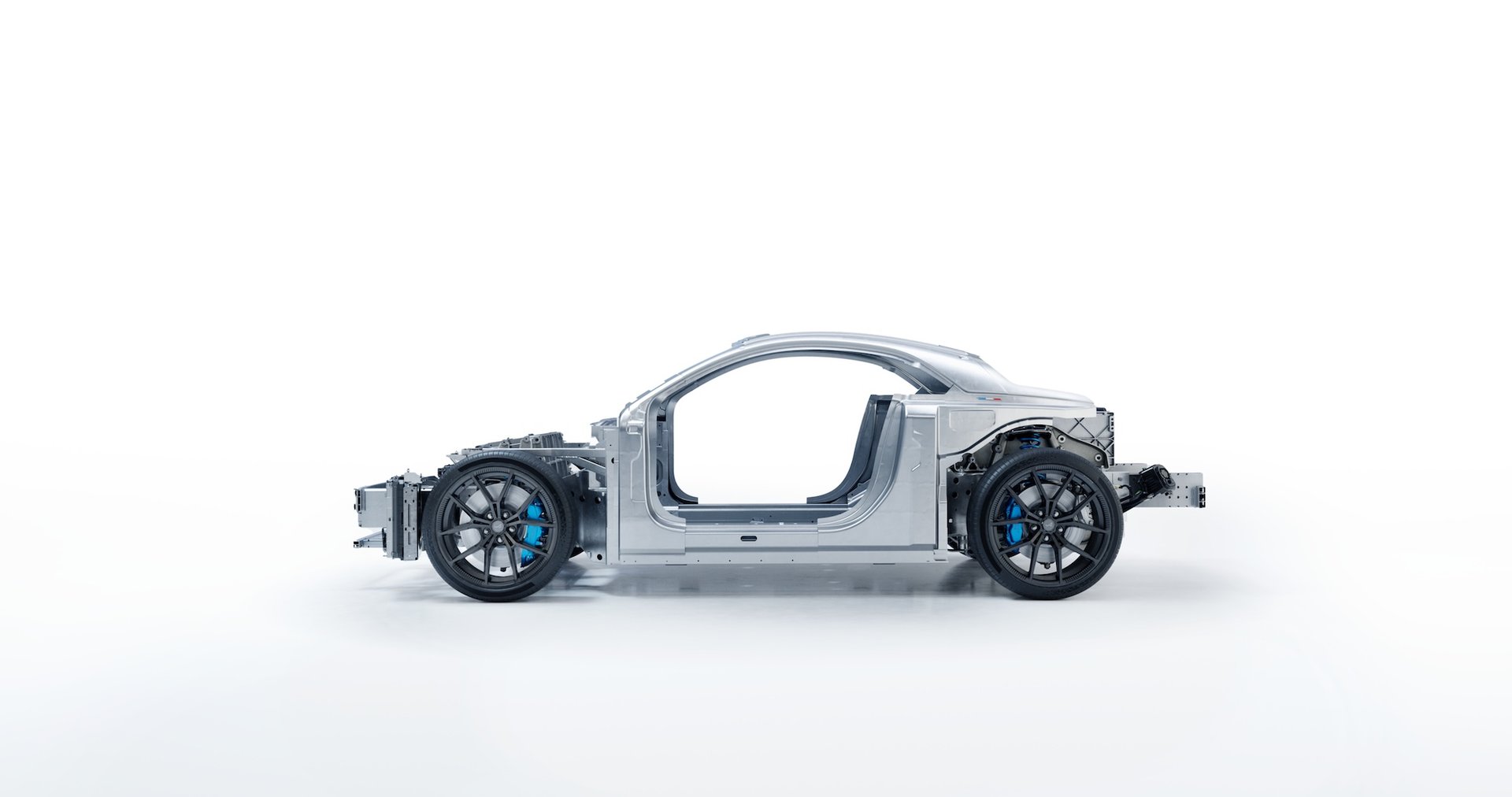
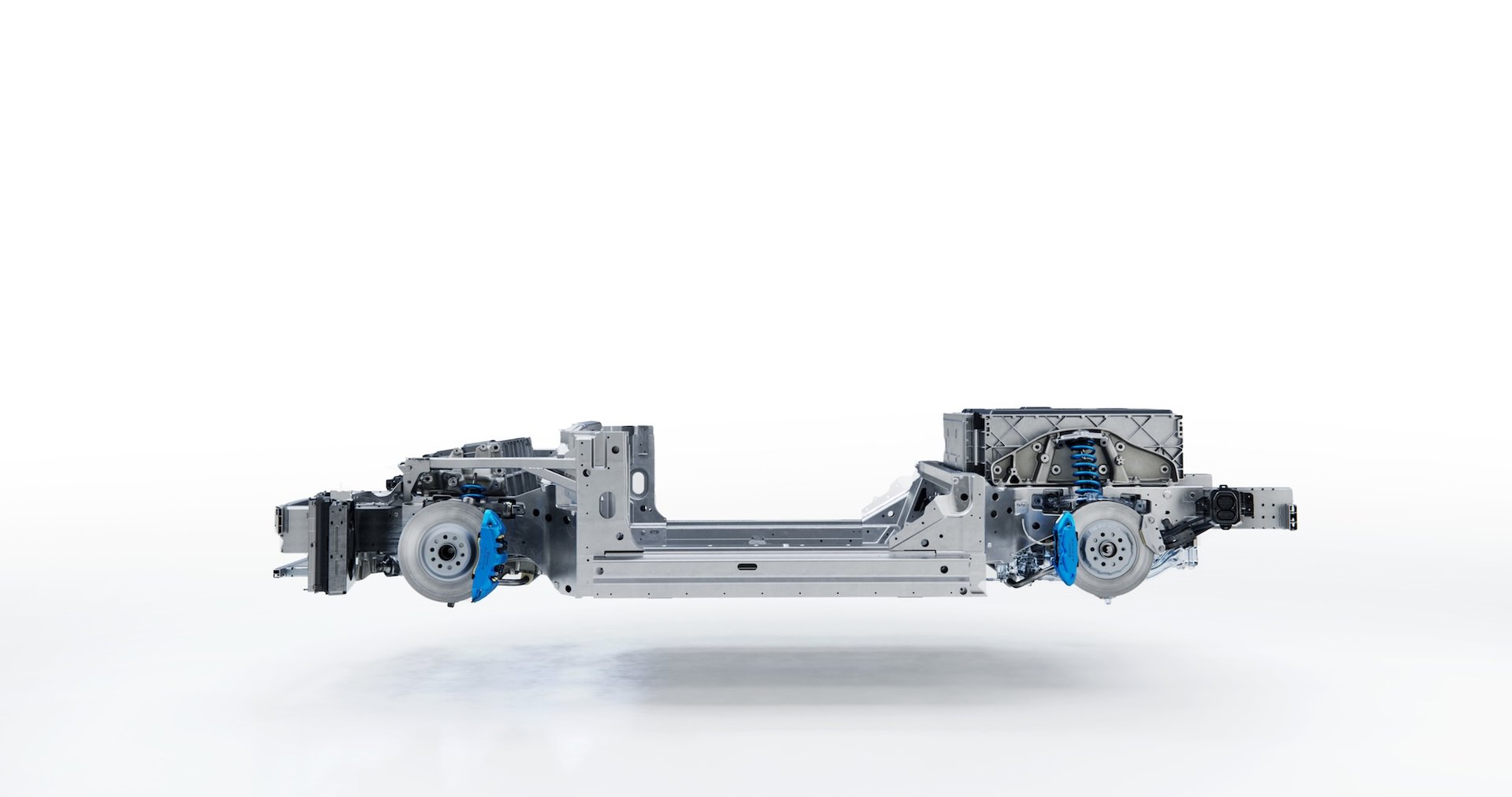
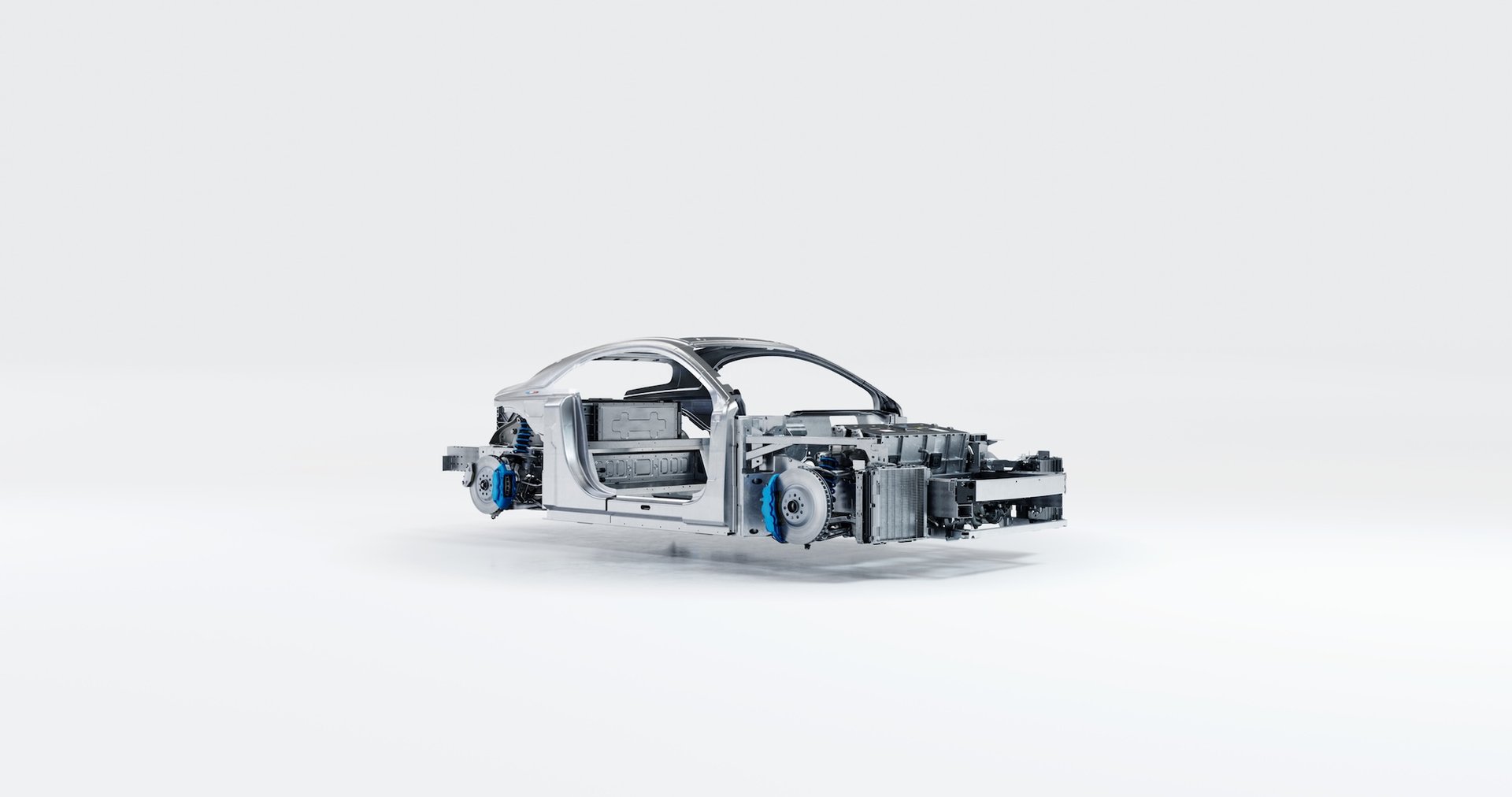
The future A110 will be the first car to debut the Alpine Performance Platform (APP), an architecture developed specifically for Alpine. This high-rigidity aluminum base uses extrusion, structural bonding and riveting to limit the weight impact associated with electrification.
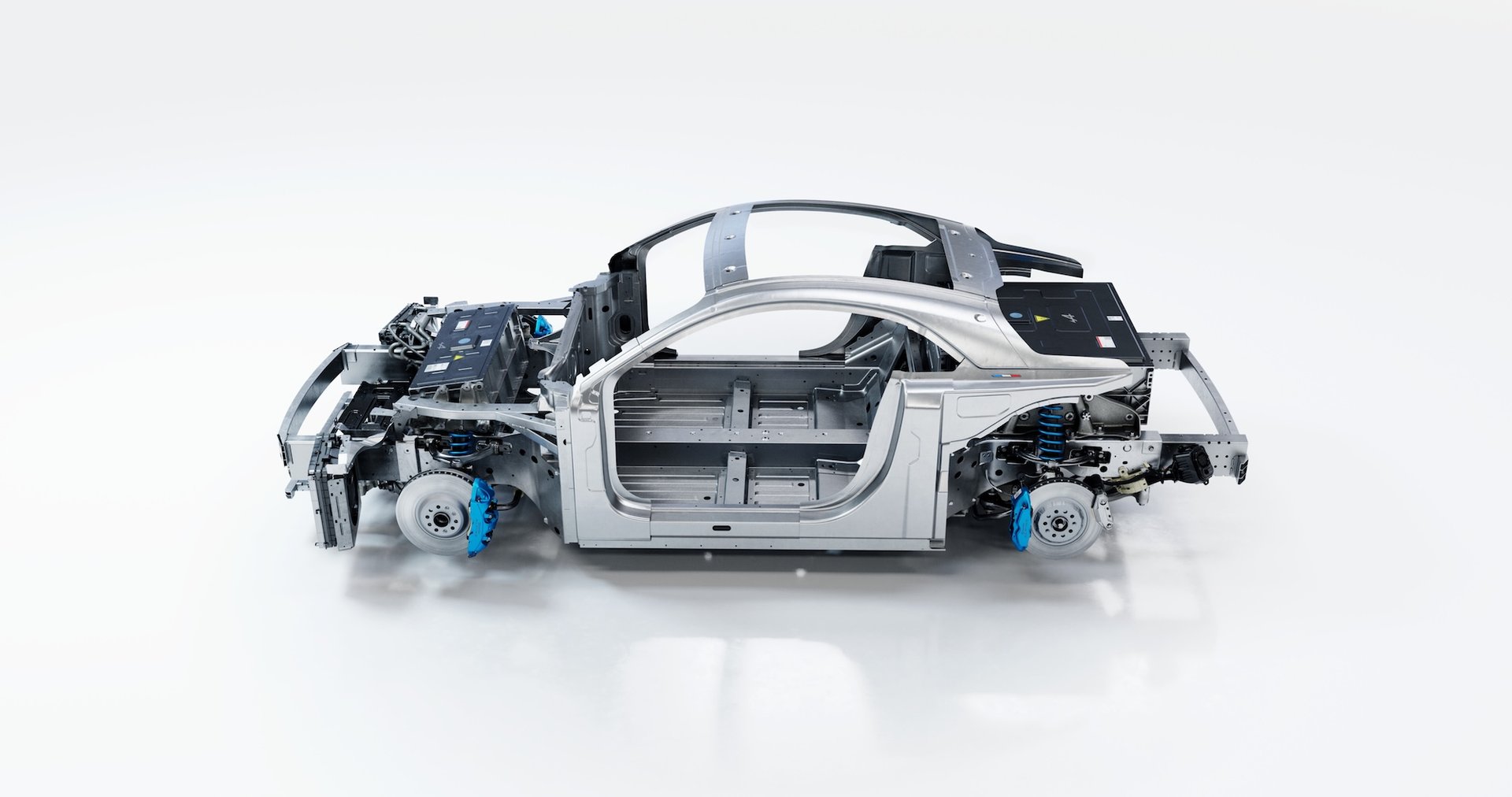
The most structurally significant technical choice concerns the battery. Alpine has ruled out the conventional floor-mounted architecture: the main pack is positioned behind the occupants, in a layout very close to a mid-engine configuration, complemented by a more compact front module in order to preserve a near 40/60 weight distribution. This arrangement makes it possible to retain a very low silhouette and proportions close to those of the current A110.
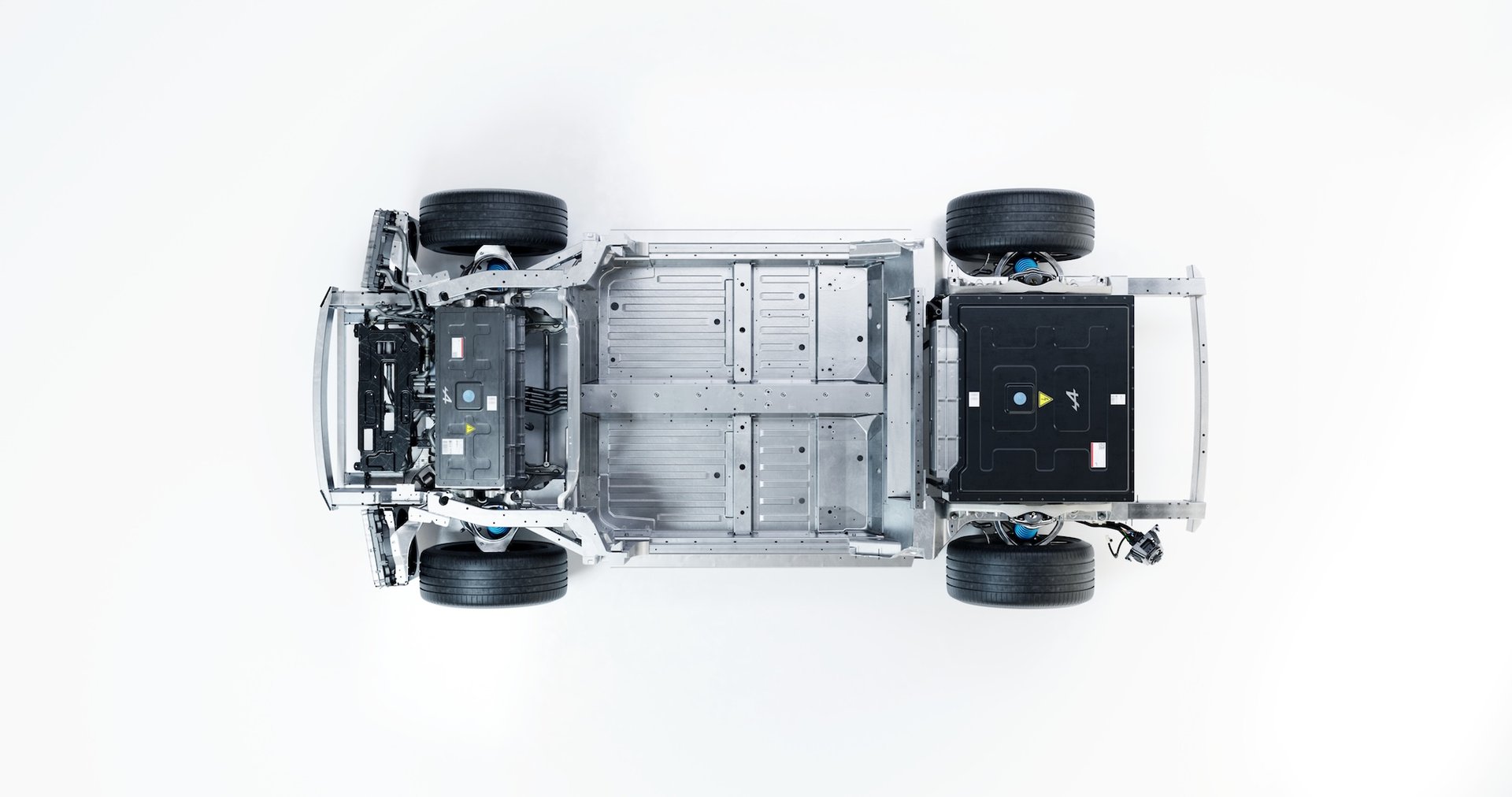
The battery, around 70 kWh, is integrated into an 800-volt high-energy-density architecture. The APP platform is also used by the spectacular Renault 5 Turbo 3E, with which the future berlinette shares several structural components.
Designed to last through several product cycles, this platform was also engineered to accommodate different mechanical layouts and allow Alpine to develop a genuine family of sports cars.
More power, more theoretical range, but above all the obligation to remain light in feel
The future dual-motor 3-in-1 electric rear axle will be the core element at launch. Alpine is targeting output beyond the 345 hp of the current A110 R Ultime.
Weight remains a critical issue: Philippe Krief has set a target between 1,400 and 1,500 kg, which would position the future A110 among the lightest electric sports cars in its segment.
Announced range will exceed 480 km, with an internal target potentially approaching 600 km WLTP. Alpine nevertheless places greater emphasis on relative endurance: the car must be capable of completing three consecutive laps of the Nürburgring at sustained pace without significant performance loss. Respectable for an EV, though the benchmark remains entirely different for a combustion car…
Alpine Active Torque Vectoring (first introduced on the Alpine A390) will redistribute torque between the right and left wheels every ten milliseconds. The entire system will be coordinated by the Alpine Dynamic Model control unit, managing battery, motors, braking, steering and active aerodynamics.
Design, cockpit and driving position: remaining faithful to A110 DNA
The future A110 will remain visually very close to the current car. Alpine refers to a slightly longer vehicle, while retaining the same height and similar proportions. The signature four-headlamp layout will remain, although redesigned.
The interior will adopt a different philosophy from many electric sports cars: physical controls remain prioritized, with an atmosphere internally described as “modern analogue”.
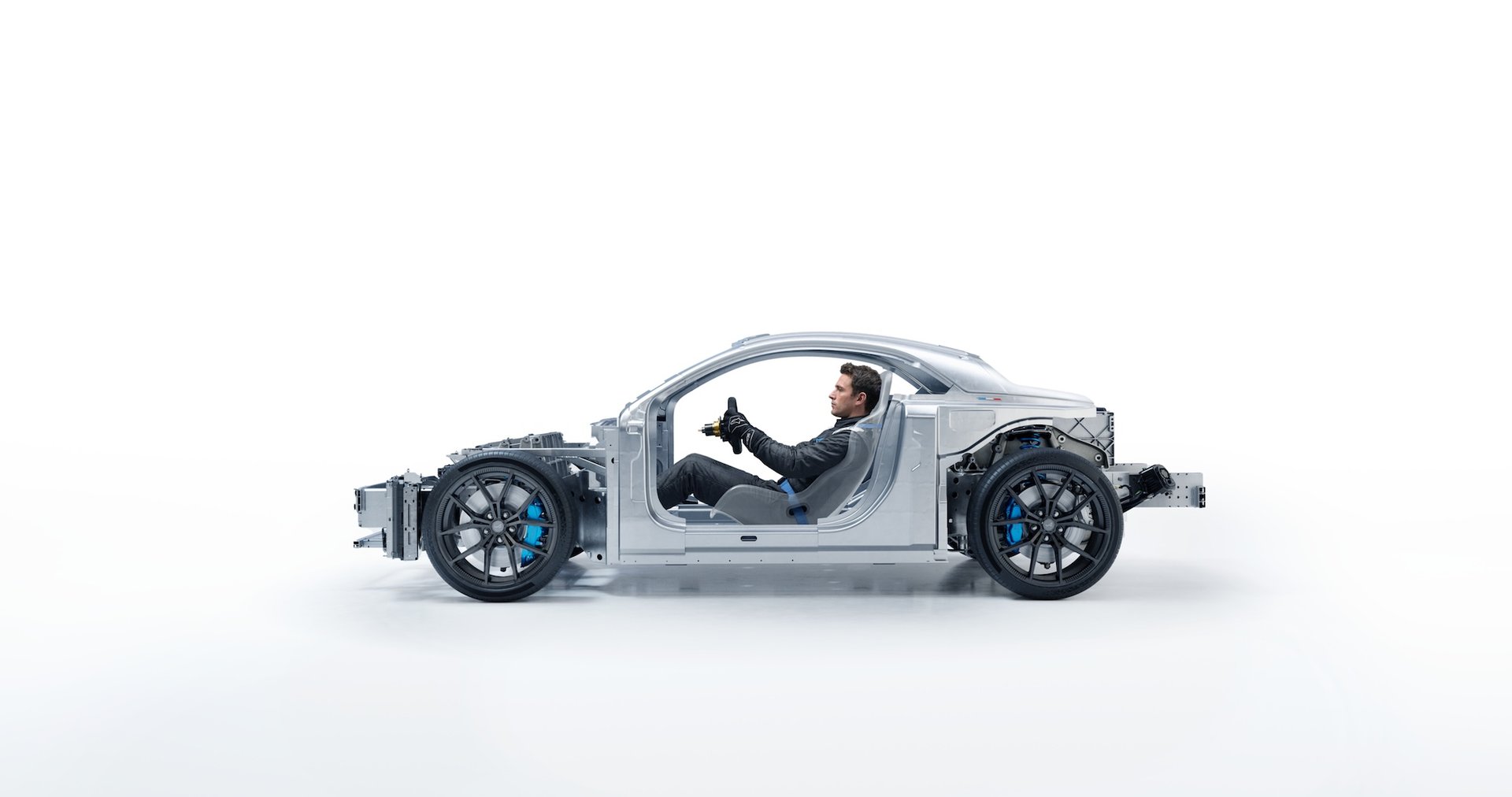
The driving position will become even more radical: heavily reclined seat, raised legs and an almost vertical steering wheel, in a configuration inspired by Formula 1.
Dieppe, the industrial lock securing Alpine continuity
The confirmation of production at Manufacture Alpine Dieppe Jean Rédélé remains one of the major political dimensions of the project. The plant will therefore simultaneously build the electric Alpine A110 and the Alpine A390.
Dieppe is not merely the assembly location of the future A110: it is the fixed point allowing Alpine to argue that there is no fundamental rupture between the combustion generation and the one now approaching.
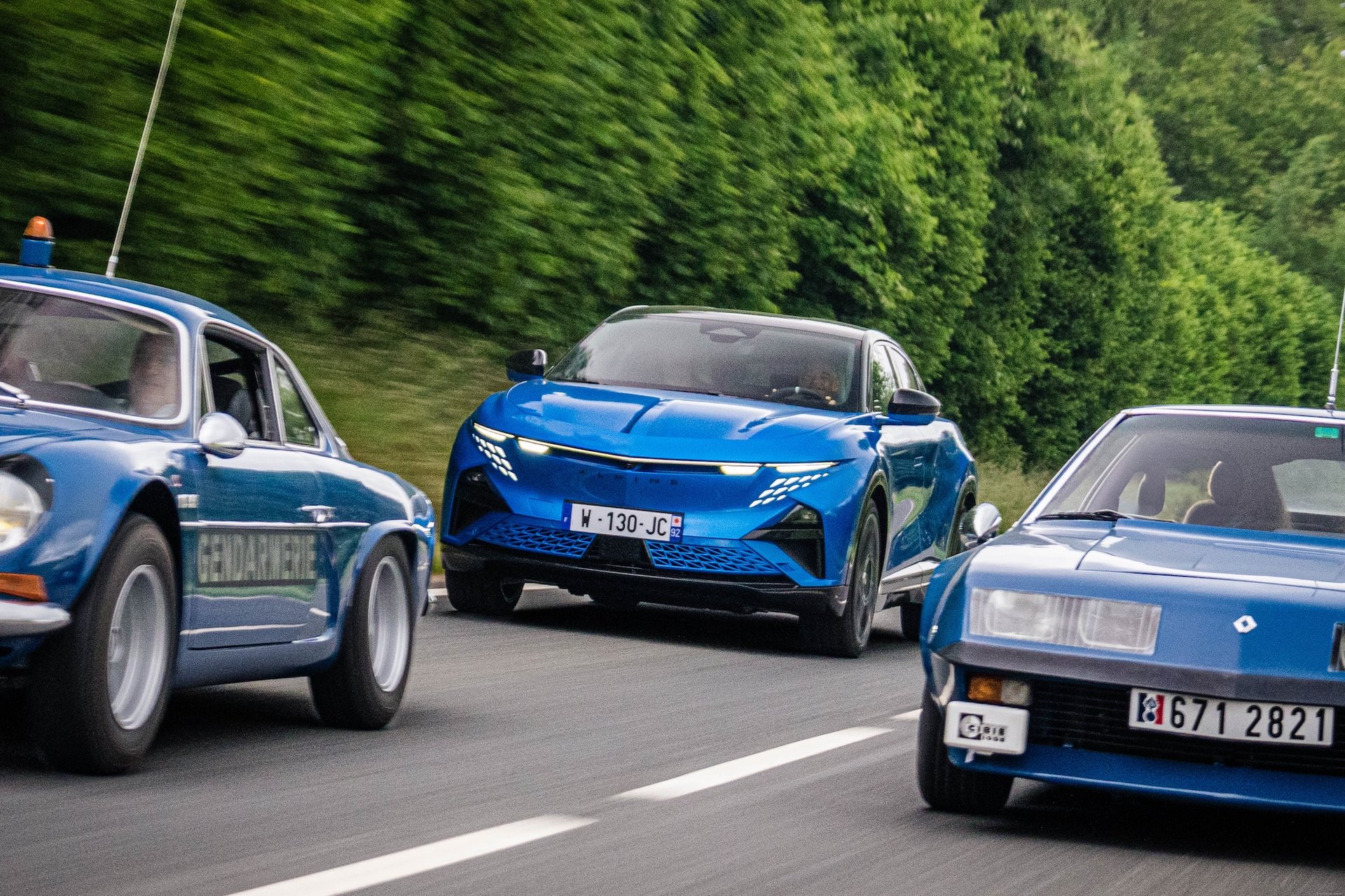
Since the brand’s rebirth, the Normandy plant has become one of Alpine’s credibility pillars. Building the future berlinette in the same place means preserving industrial coherence precisely when technological change could weaken that continuity.
The link with Jean Rédélé remains fully asserted here.
An open platform… including for a combustion engine
Another significant detail revealed by Autocar : the Alpine Performance Platform was designed to accommodate a combustion engine if necessary.
The future A110 will indeed launch as an electric sports car, but Philippe Krief confirms that the platform is “designed to receive an internal combustion engine”.
This flexibility is mainly intended to prepare Alpine for regulatory uncertainty and differing rates of EV adoption depending on market conditions.
In other words, the combustion option is not confirmed, but the technical architecture would allow such a variant if certain regions of the world required it.
What they said
Philippe Krief, CEO of Alpine brand:
“Our ambition is to become the benchmark French sports car brand worldwide by offering the best driver’s cars of the electric era. To achieve this, we will continuously adopt new technologies while combining them with Alpine DNA,” explains Philippe Krief, CEO of Alpine brand.
“First, we are focusing on our growth targets with the Alpine A290 and Alpine A390 in order to attract new customers.
Then, just as today’s Alpine A110 forms the foundation of our brand by illustrating our commitment to high-technology products, we will launch the first true electric sports car on the market.
It will remain faithful to Alpine DNA and outperform the best current combustion sports cars thanks to the Alpine Performance Platform.
Finally, by remaining agile and flexible, Alpine will be able to react in real time to market developments; our strategy is as adaptable as it is robust.”
Over the long term, the brand plans to expand the A110 family with several silhouettes: coupé, spider and 2+2 versions, in a deliberate range strategy comparable to that of the Porsche 911.
One essential point remains: the future A110 must convince an audience already prepared to question its legitimacy before even driving it. In Dieppe, Alpine is therefore preparing far more than a new model: the car that will determine whether the A110 spirit can truly survive the electric fairy.
Source: Alpine Cars / Autocar