🇫🇷 Cet article est également disponible en français : Lire en français
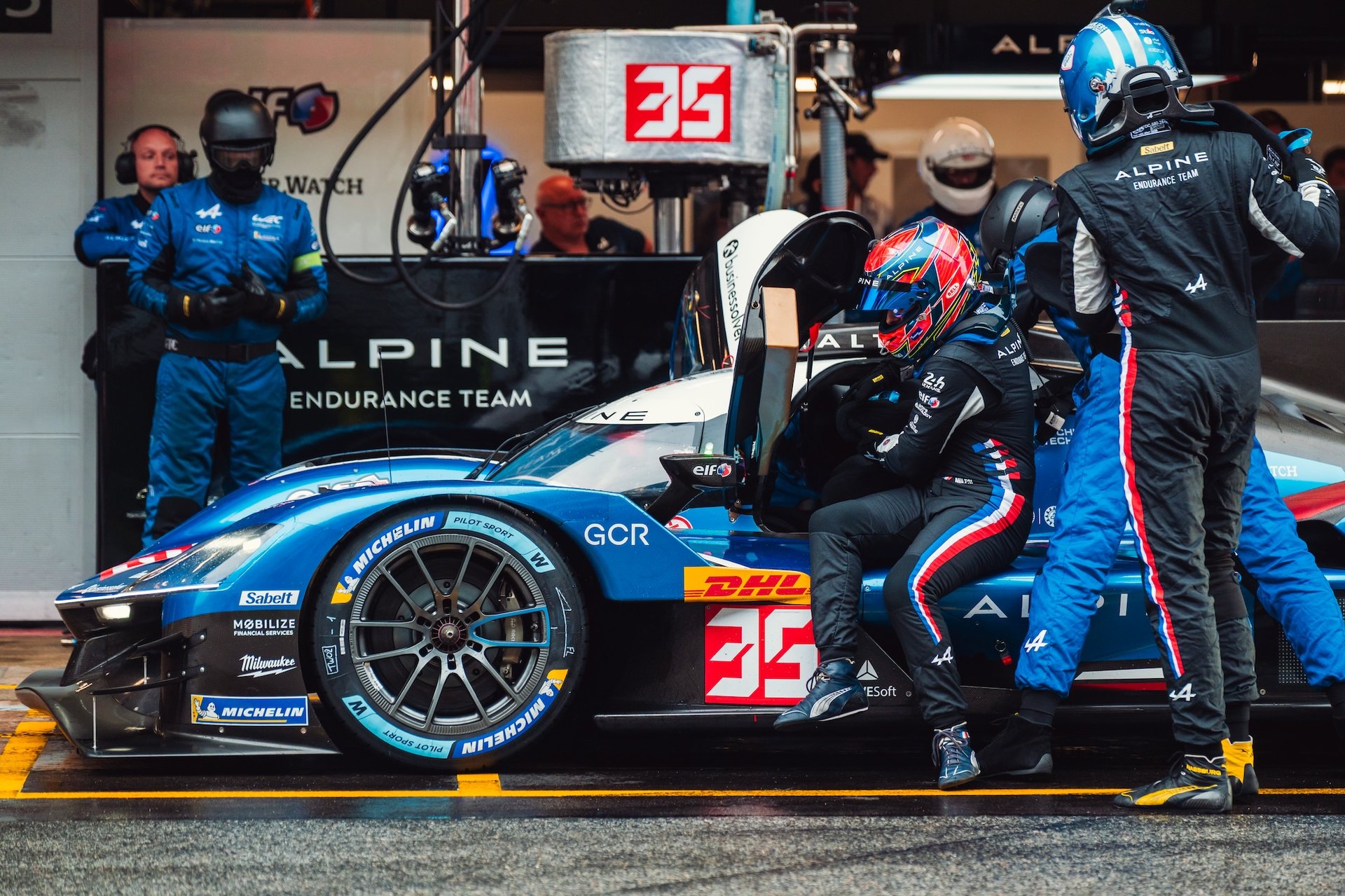
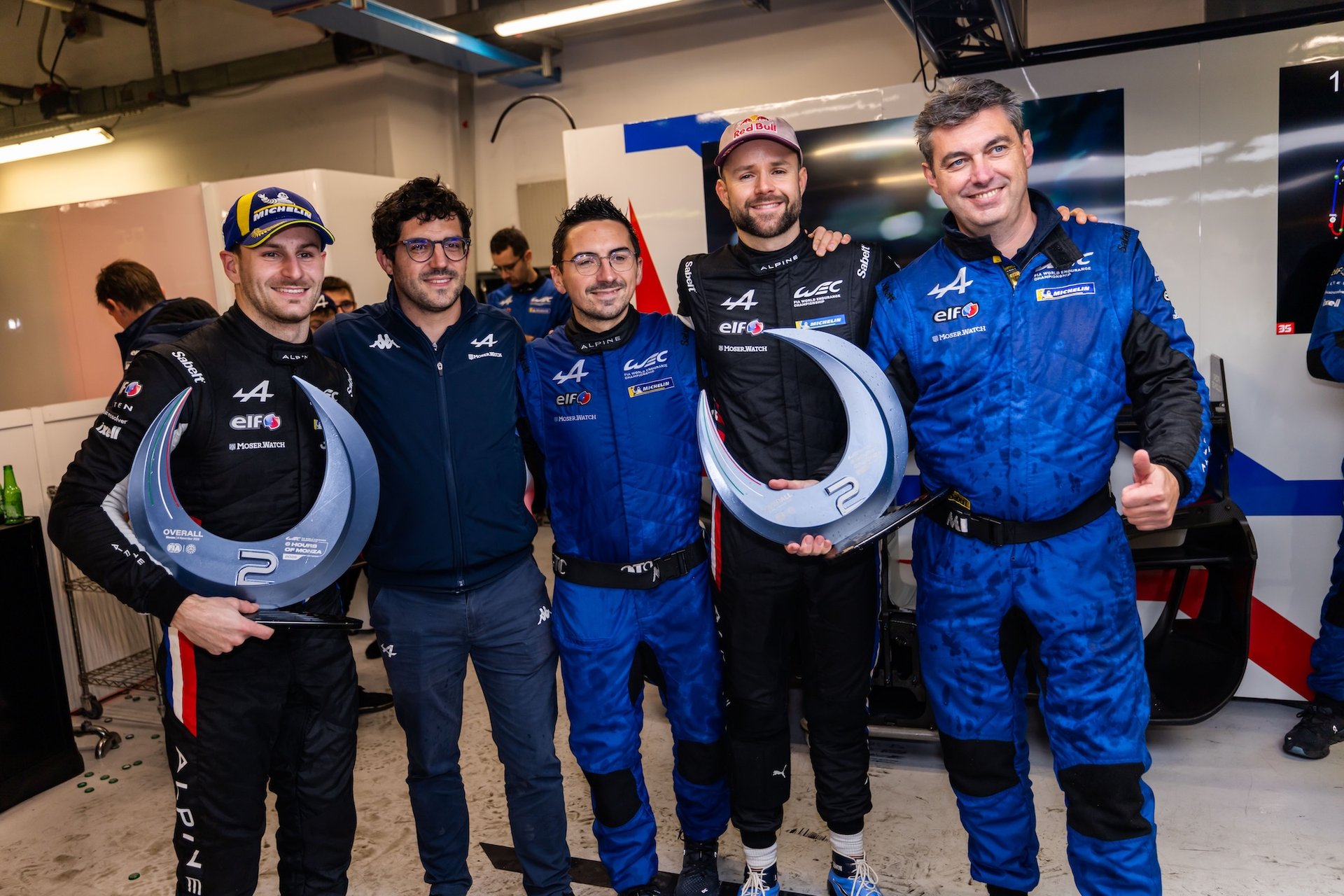
Alpine Endurance Team came within 5.607 seconds of bowing out of the World Endurance Championship with a victory. At Monza, Jules Gounon and Victor Martins finished second in the No. 36 Alpine A424, behind the Cadillac of Jack Aitken, Sébastien Bourdais and Earl Bamber. The other Alpine, driven by Charles Milesi and Ferdinand Habsburg, retired after a heavy crash on the exit of Parabolica.
There is a bitter edge to this final factory outing. Not because of the result, but because Alpine is walking away from endurance racing just as its prototype has become capable of taking on the very best. Following podium finishes in Austin and Fuji, Monza underlined how far a team that kept working despite the announcement of its closure had come.
For Philippe Sinault, however, the story may not be over. The Signatech boss is still looking for a manufacturer to take over the two A424s and keep his team competing in Hypercar. The stated deadline for 2027 WEC entries, 23 November, gives him just 15 days to find a solution.
There are people behind that deadline, too: the staff at Viry-Châtillon, whose representatives have publicly challenged Renault’s decisions. After the cancellation of Renault’s Formula 1 engine programme and then its endurance campaign, their historic site now faces a proposed sale.
Alpine Endurance Team: Monza, one last chance to win
Since February, Alpine had known that 2026 would be the final season of its factory endurance programme.
Management had decided to concentrate its motorsport investment on Formula 1. That decision came while the A424 was still being developed and Signatech was steadily getting to grips with a car that had endured a difficult first couple of seasons.
The prototype received an aerodynamic upgrade for 2026, intended to improve stability, efficiency on faster circuits and consistency over long stints. Results did not come immediately, but from September onwards the progress was hard to overlook.
At the 6 Hours of Austin, the No. 35 Alpine finished third, with the No. 36 taking fifth. Three weeks later, at Fuji Speedway, the two A424s locked out the front row and led for much of the race. Jules Gounon and Victor Martins eventually lost out to Toyota by just 0.591 seconds.
A first-lap collision for the No. 35 and a tyre problem for the No. 36 in Barcelona prevented Alpine from building on those results. Monza would offer one final opportunity.
The 5.793-kilometre Italian circuit demands straight-line speed, stability under heavy braking and precision through the rapid changes of direction at Ascari. November’s low temperatures brought another challenge: getting the Michelin tyres into their working window without wearing them out too quickly.
For the finale, Alpine retained its driver pairings from the previous rounds: Charles Milesi and Ferdinand Habsburg in the No. 35, and Jules Gounon and Victor Martins in the No. 36.
Friday: Charles Milesi sets the pace in the rain
Practice began on Friday 6 November on a soaking-wet track.
Charles Milesi immediately put the No. 35 Alpine at the top of the timesheets in first free practice. Victor Martins was third in the No. 36, confirming that both cars were well suited to the conditions.
On such a cold circuit, traction and bringing the tyres up to temperature mattered enormously. Both A424s looked comfortable from their opening laps. In the afternoon, the surface remained wet before gradually improving.
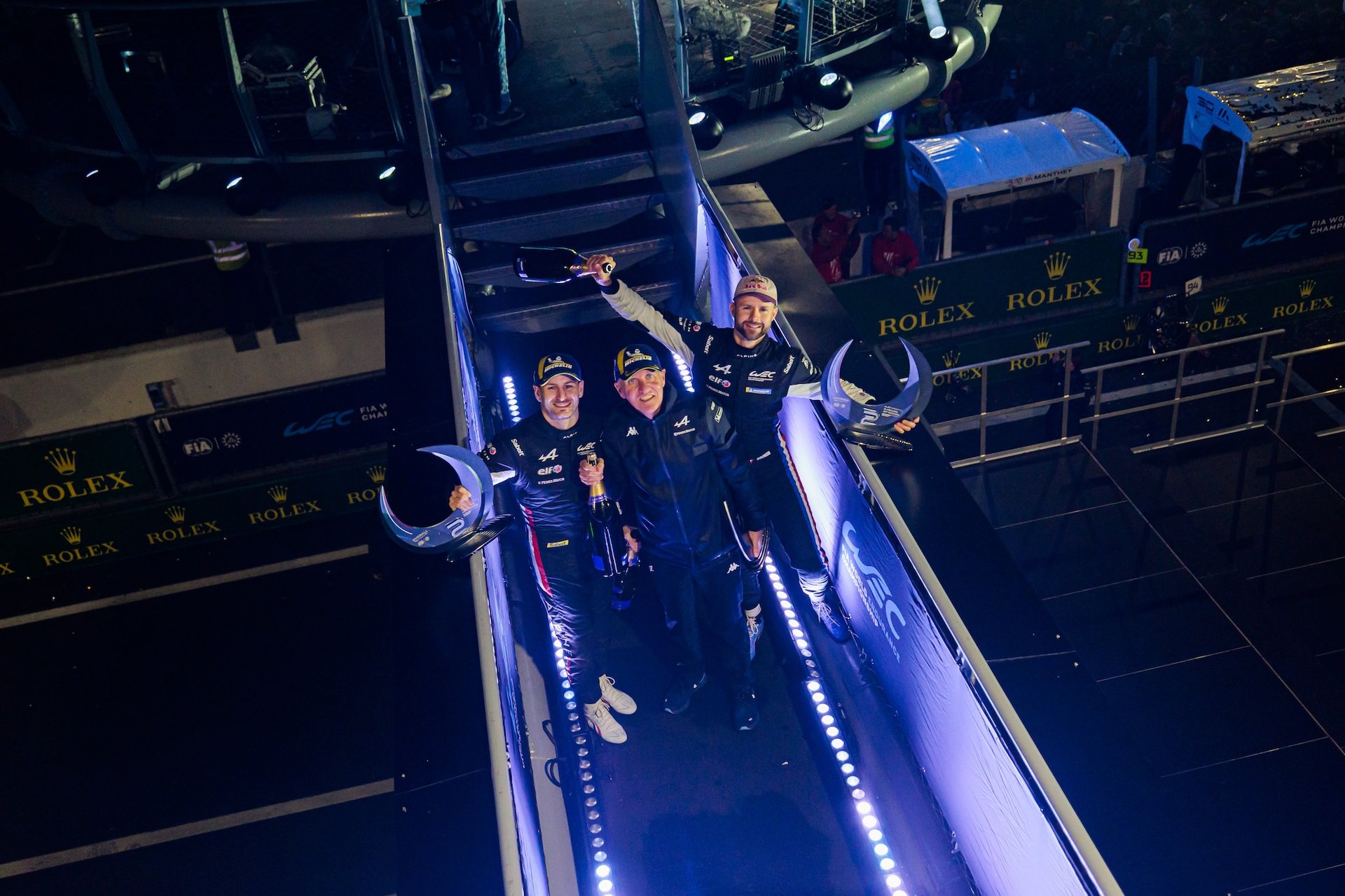
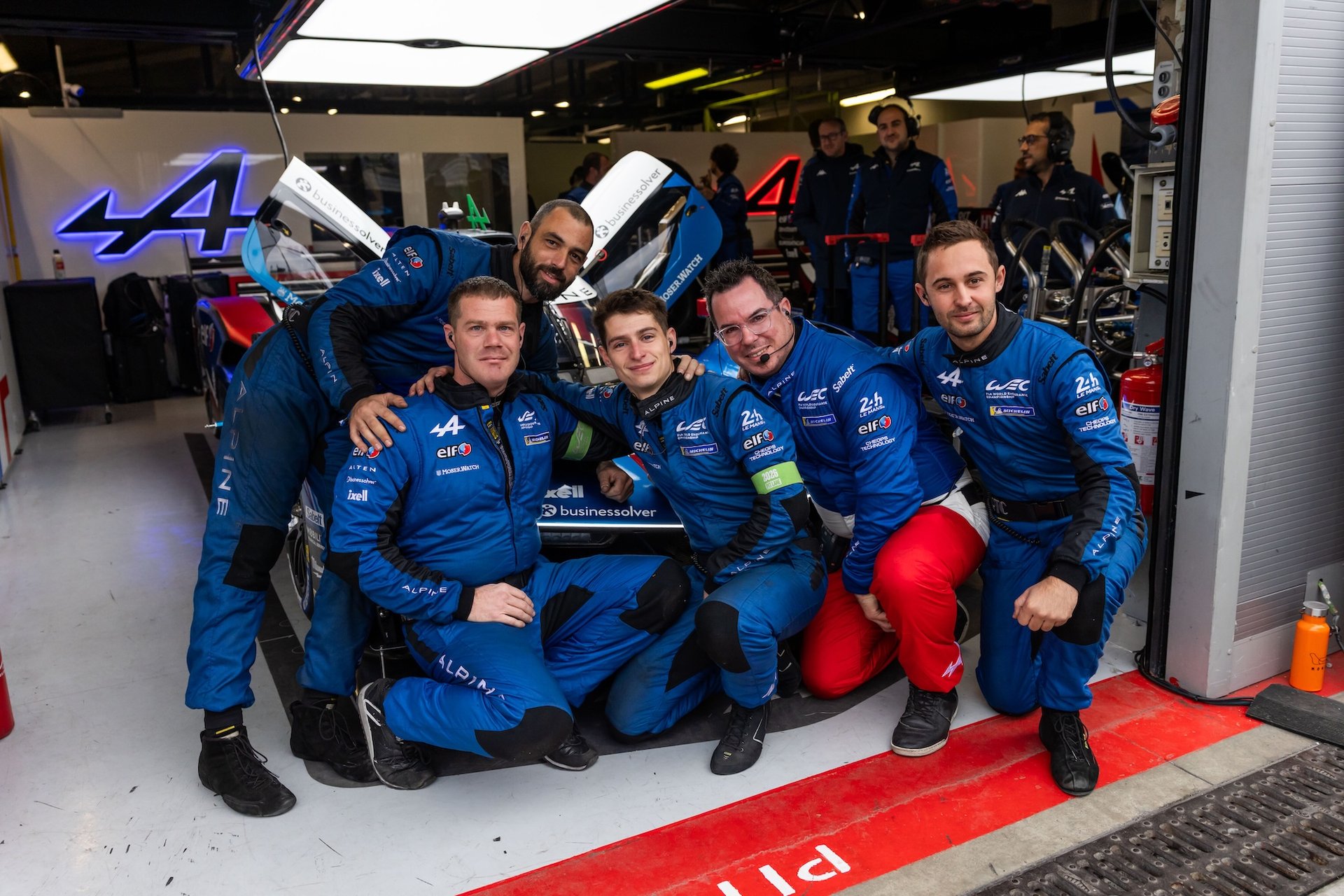
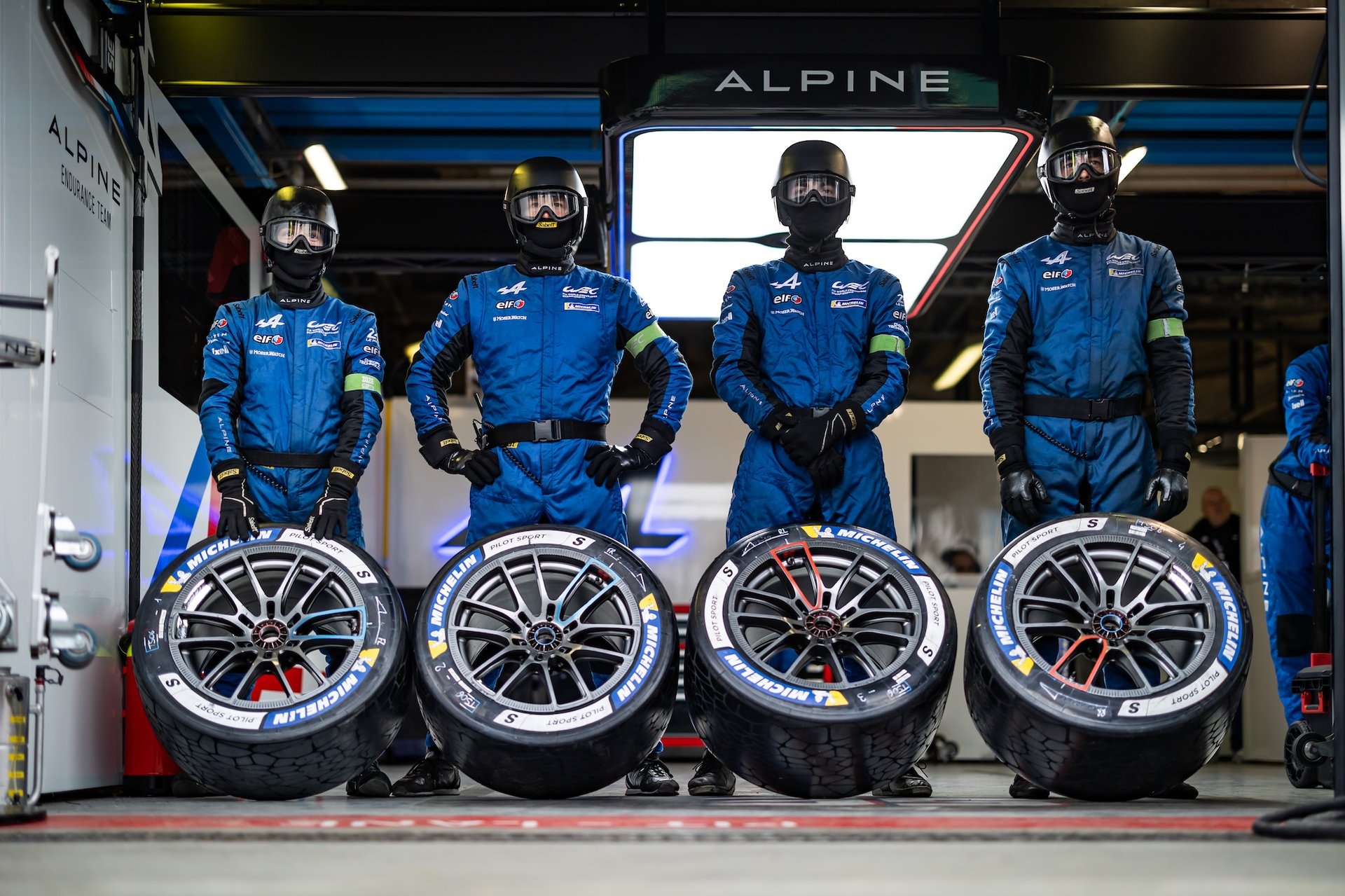
Alpine used the closing minutes to send the No. 36 out on slick tyres. Victor Martins finished fourth and Charles Milesi tenth. Beyond the lap times, the engineers focused on car balance, tyre behaviour and the set-up required for a race expected to take place on a dry track.
The A424 had already run at Monza during private testing in February 2025, but had never previously contested a WEC round there.
Saturday: 0.040 seconds behind Peugeot, then sixth on the grid
The weather continued to complicate matters on Saturday morning. After overnight rain, Monza was still soaked at the start of third and final free practice. The low temperatures reduced grip, and several drivers were caught out in the braking zones, particularly at Ascari and Parabolica.
As the track improved, the times tumbled right through to the final minutes. Malthe Jakobsen initially brought the No. 94 Peugeot to the fore, before Robert Kubica in the No. 83 Ferrari and Sheldon van der Linde in the No. 20 BMW joined the fight.
Victor Martins also confirmed the Alpine A424’s promising form. Despite a trip off the circuit at Parabolica, after being held up on the approach by the No. 33 Corvette, the Frenchman continued his session and recorded an excellent 1:42.746.
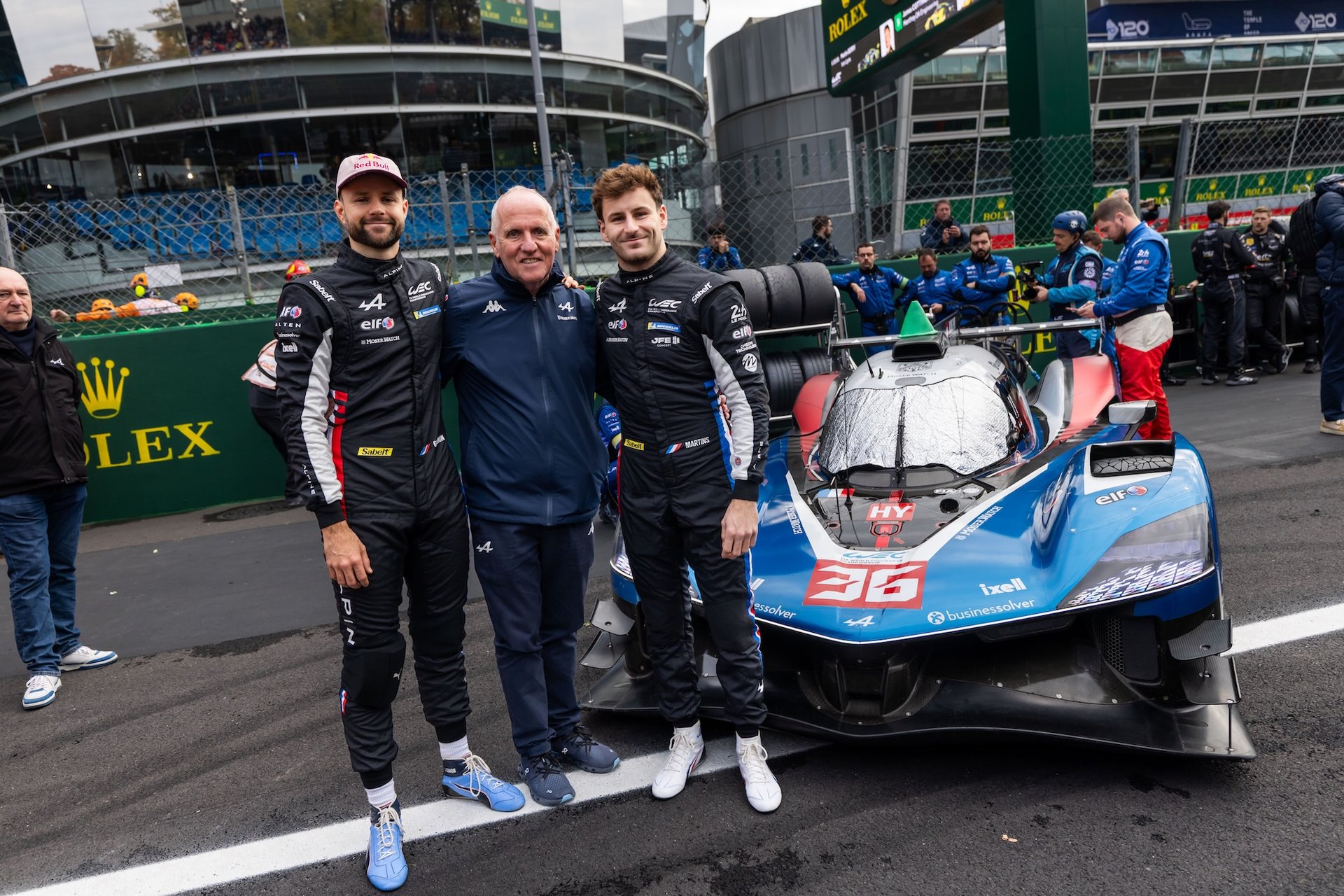
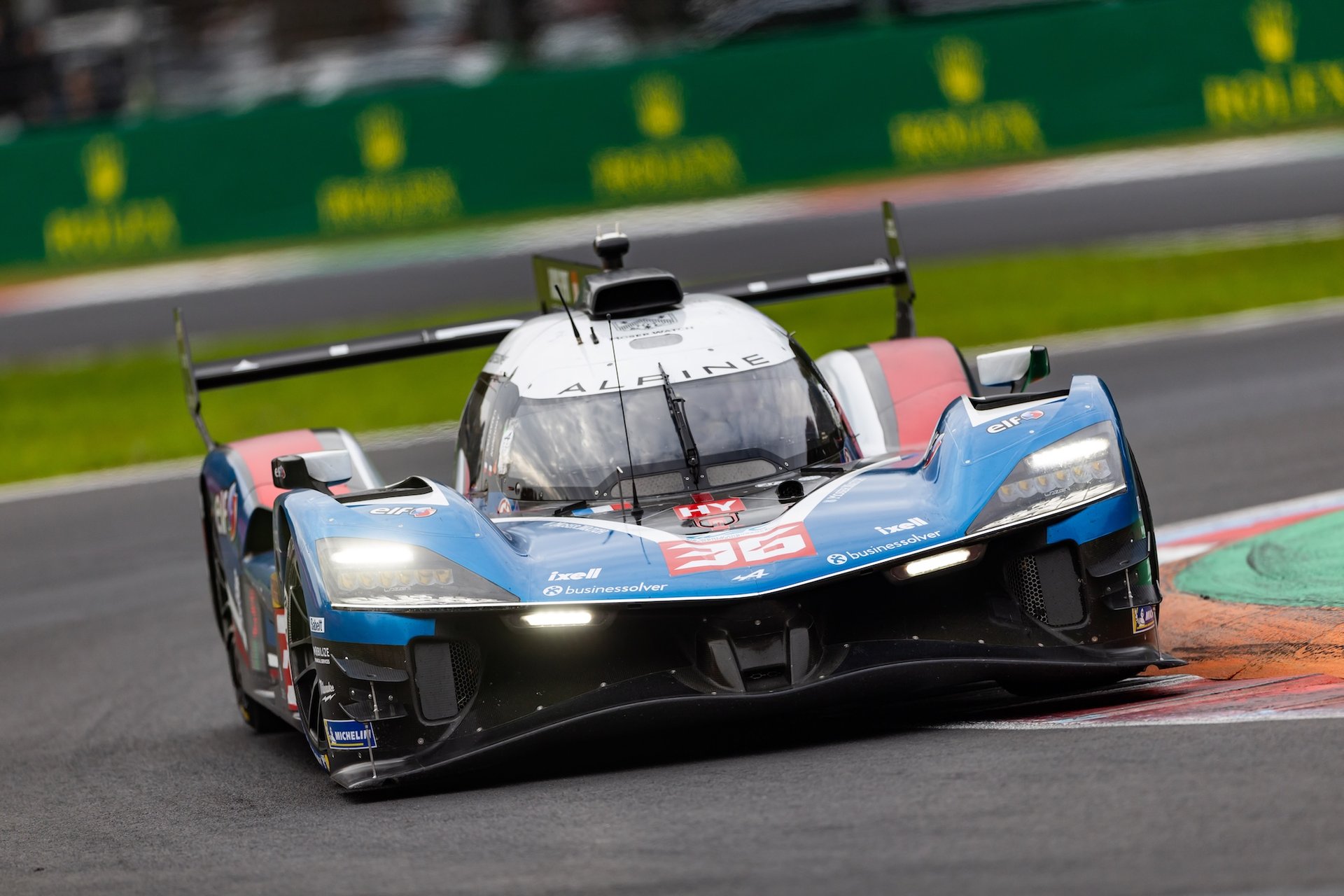
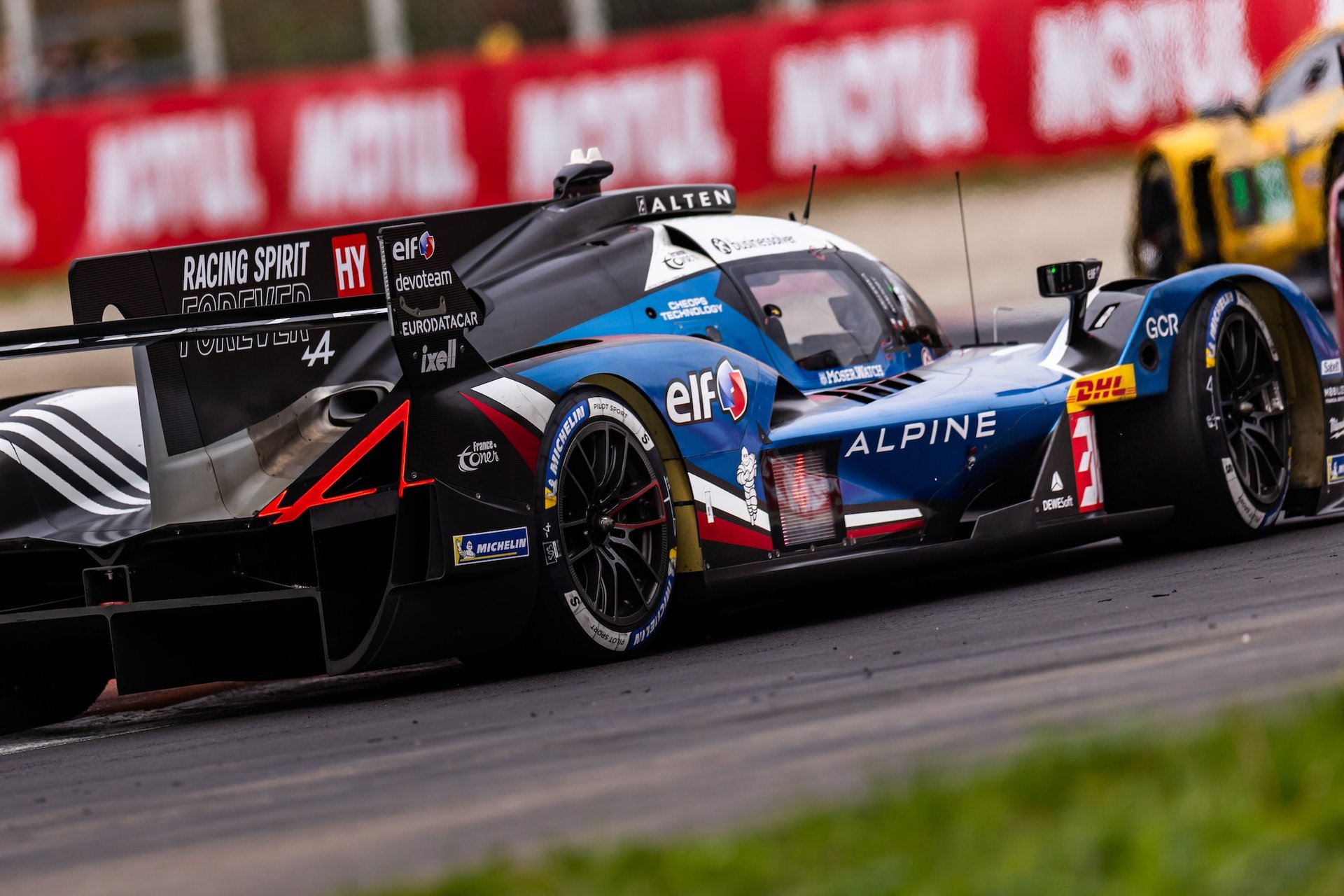
Only in the closing moments did Nick Cassidy go quicker. Driving the No. 93 Peugeot 9X8, the New Zealander set a 1:42.706, beating Victor Martins by just 0.040 seconds. Robert Kubica completed the top three, 0.133 seconds off the pace, ahead of the No. 20 BMW and No. 50 Ferrari.
Charles Milesi showed that the second Alpine had strong pace as well. Seventh with a 1:43.352, 0.646 seconds behind Nick Cassidy, the Frenchman ensured that both A424s finished among the seven fastest Hypercars.
The results reinforced Friday’s impression, when Charles Milesi had topped the opening session in the rain. For its final factory WEC appearance, the team went into qualifying with two competitive cars, although track conditions were set to change considerably during the afternoon.
Victor Martins reaches Hyperpole; Charles Milesi misses out by 0.074 seconds
Hypercar qualifying got under way at 3pm on a circuit that was now much drier and considerably faster. Teams had just 12 minutes to find the right set-up, make the most of their tyres and secure one of the ten places in Hyperpole.
Antonio Fuoco quickly established the No. 50 Ferrari 499P as the benchmark, setting a 1:33.440 in the opening session.
Victor Martins made it through to Hyperpole in the No. 36 Alpine. Charles Milesi missed out by the narrowest of margins. His 1:34.438 left him 11th, just 0.074 seconds behind Nick Cassidy, the last driver to qualify in the No. 93 Peugeot.
It was all the more frustrating because Charles Milesi had shown good pace throughout the weekend. At Monza, where the field is so tightly packed, losing a few hundredths through a chicane or on the exit of a corner can cost several grid places. The No. 35 would therefore start from the sixth row, with Ferdinand Habsburg taking the opening stint.
Victor Martins, meanwhile, had a further ten minutes of Hyperpole to put the other Alpine as high up the grid as possible.
In front of the tifosi, Antonio Fuoco confirmed his dominance with a 1:33.364. The Italian secured Ferrari’s second pole position of the season and extended the manufacturer’s run on home soil to four successive poles in Italy.
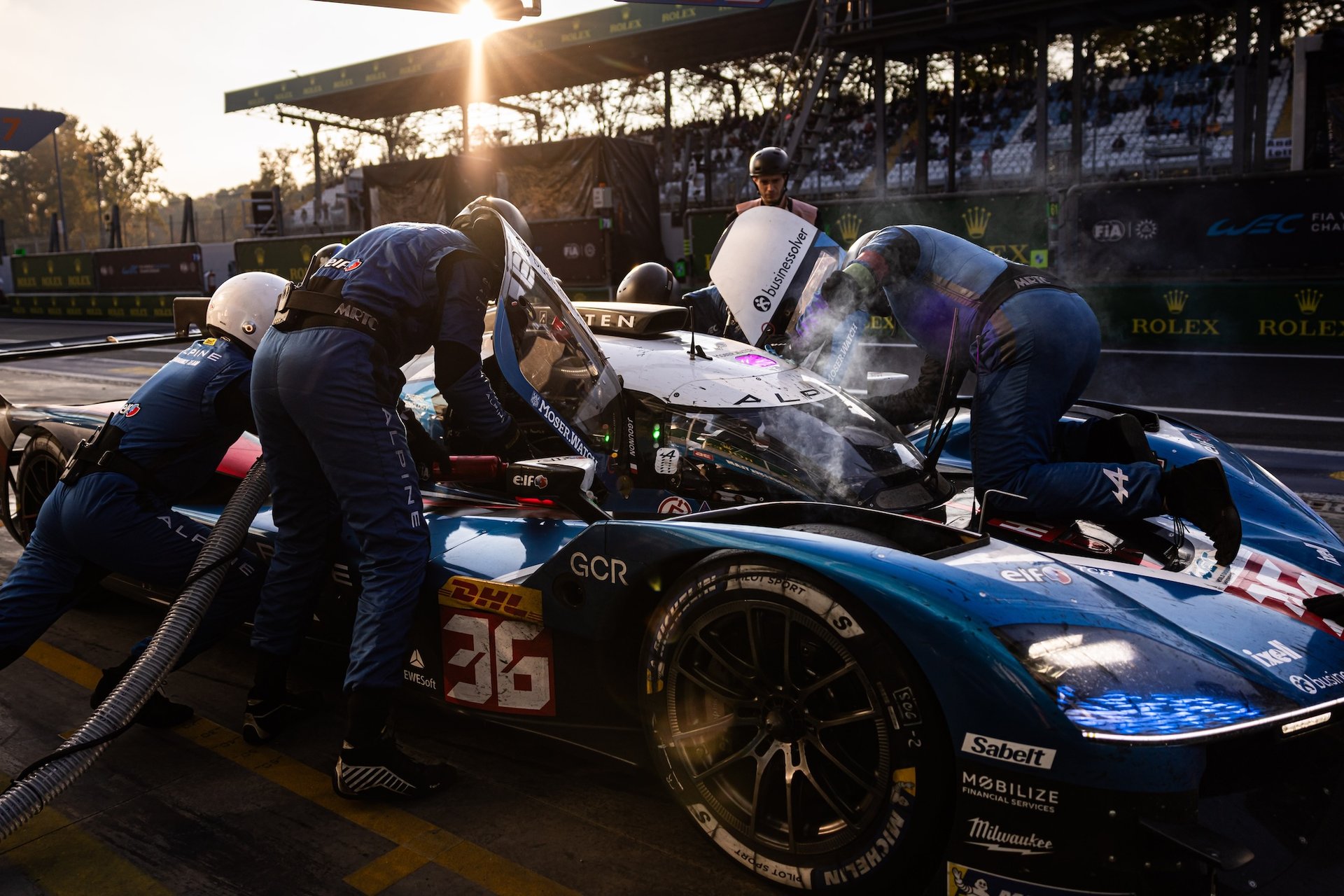
The competition was exceptionally close, however. Mathieu Jaminet put the No. 19 Genesis second, just 0.096 seconds behind Antonio Fuoco. Earl Bamber qualified the No. 38 Cadillac third, 0.177 seconds adrift, ahead of Antonio Giovinazzi in the No. 51 Ferrari.
Théo Pourchaire was fifth in the No. 94 Peugeot with a 1:33.617.
Immediately behind him, Victor Martins set a 1:33.858, placing the No. 36 Alpine sixth, 0.494 seconds off pole and 0.241 seconds behind the Peugeot. The No. 12 Cadillac, No. 83 Ferrari, No. 93 Peugeot and No. 20 BMW completed the top ten.
Sixth place did not entirely reflect the potential Alpine had shown in practice, but it gave Jules Gounon a starting position within striking distance of the podium contenders. The No. 36 shared the third row with the No. 94 Peugeot, while the eventual race-winning No. 38 Cadillac lined up on row two.
Alpine’s plans for Sunday were now clear. Jules Gounon would look to move the No. 36 closer to the leaders in the opening laps before handing over to Victor Martins. Charles Milesi and Ferdinand Habsburg faced a longer climb through the field in the No. 35.
After two days of rain, changing grip levels and tiny gaps between the Hypercars, both crews had reason to hope for a strong result in their final race. The team had worked all season to reach this level of competitiveness. Now it had six hours to make the most of it.
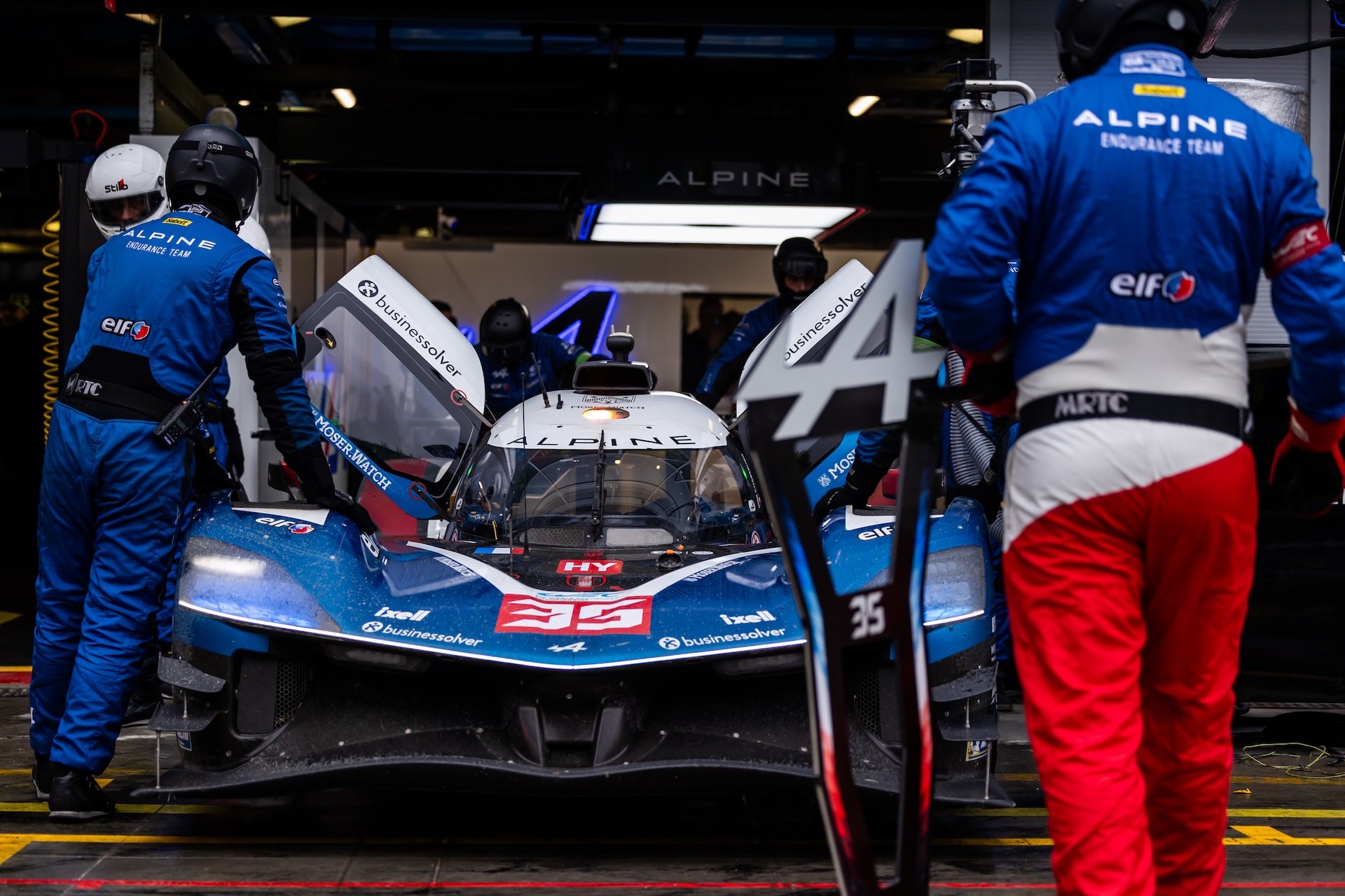
Sunday: Jules Gounon puts Alpine Endurance Team in contention
The race started at 11am on a dry but cold track. Daniel Juncadella briefly took the lead in the No. 19 Genesis before Jack Aitken moved the No. 38 Cadillac into first place on lap six. Behind them, Jules Gounon made an excellent start.
Starting sixth, Jules Gounon gradually brought the No. 36 Alpine up to third. He then maintained a strong enough pace to stay in touch with the leaders. The No. 51 Ferrari was a direct threat, but Jules Gounon held his ground, looking after his tyres and avoiding mistakes in traffic.
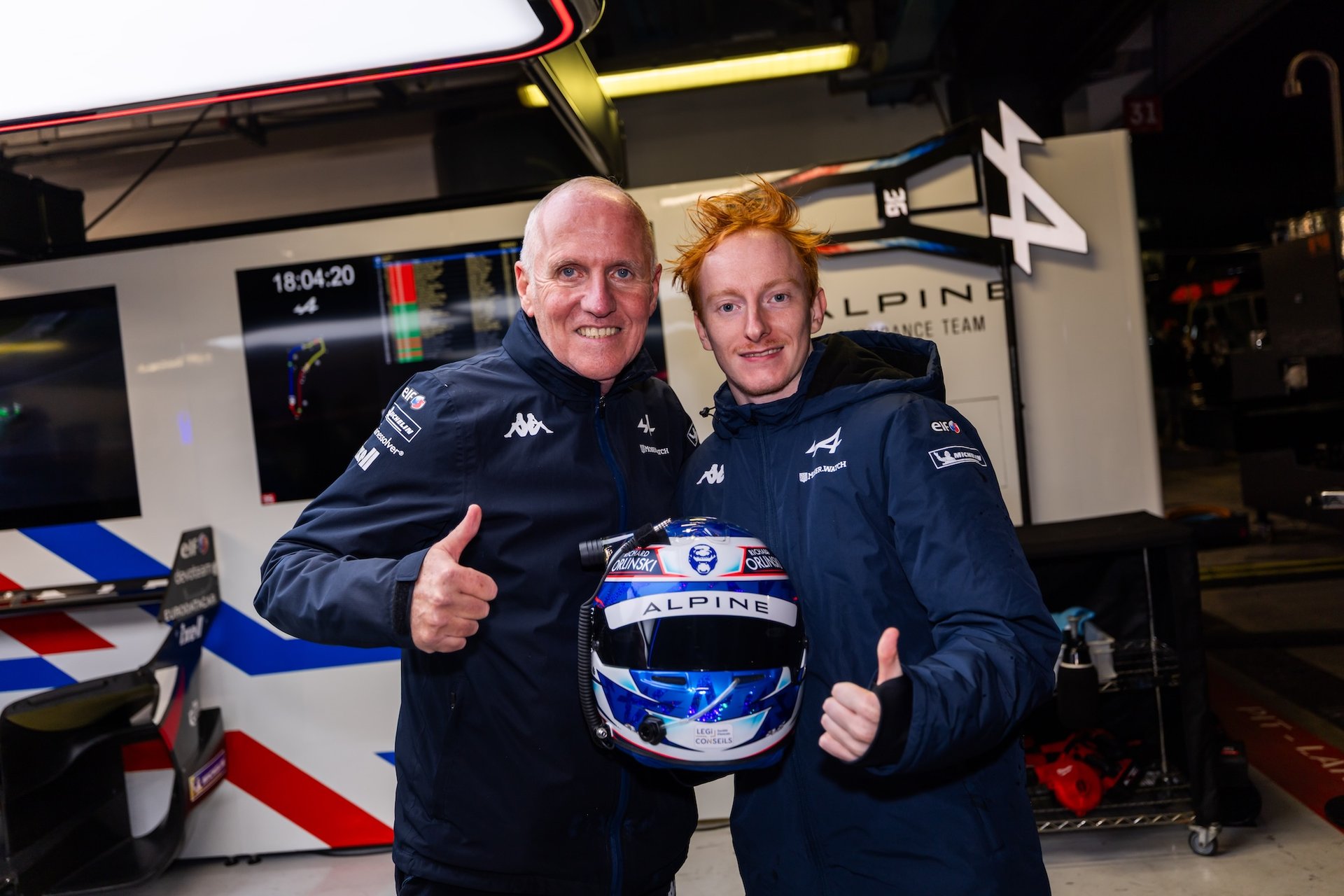
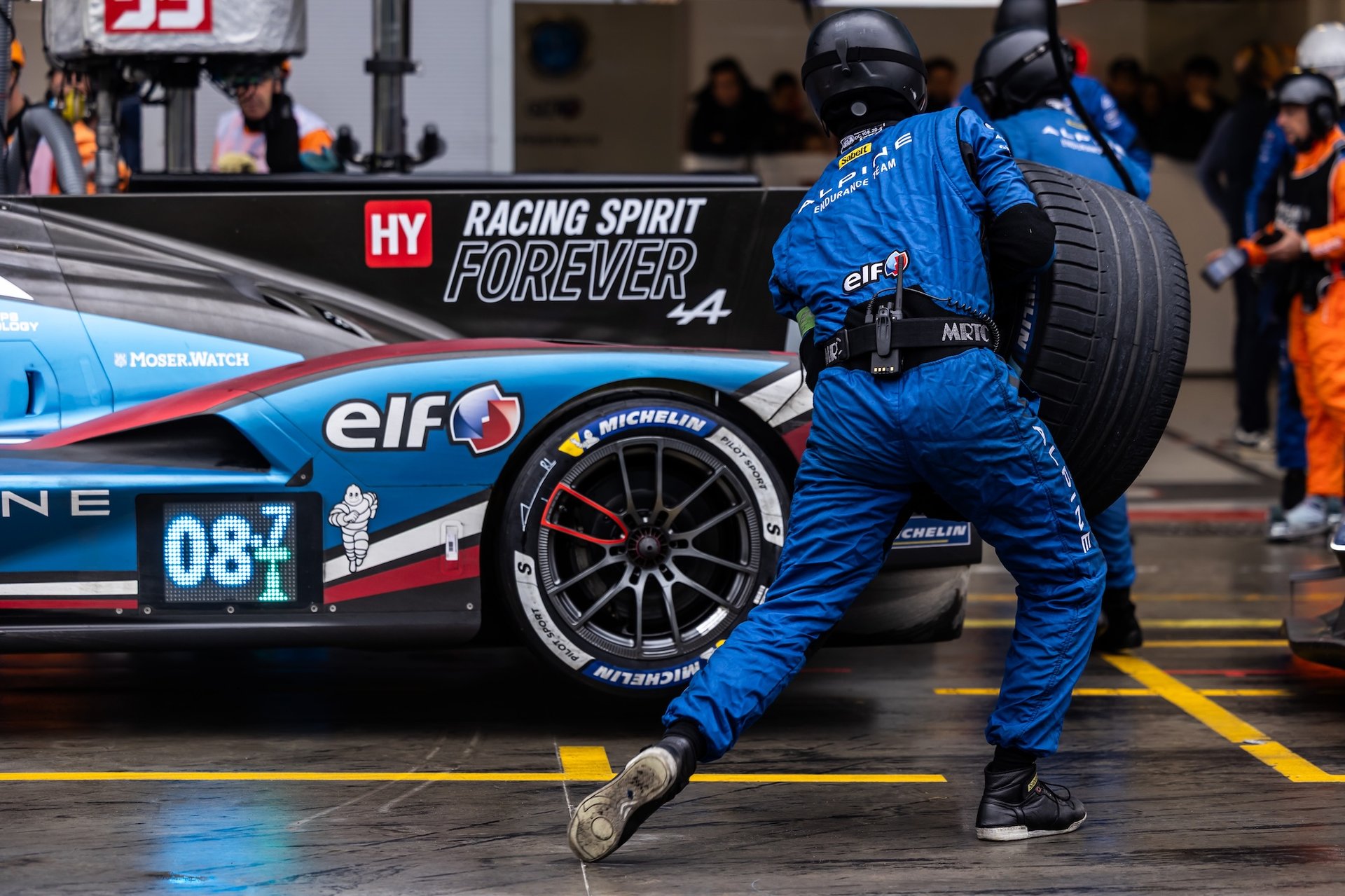
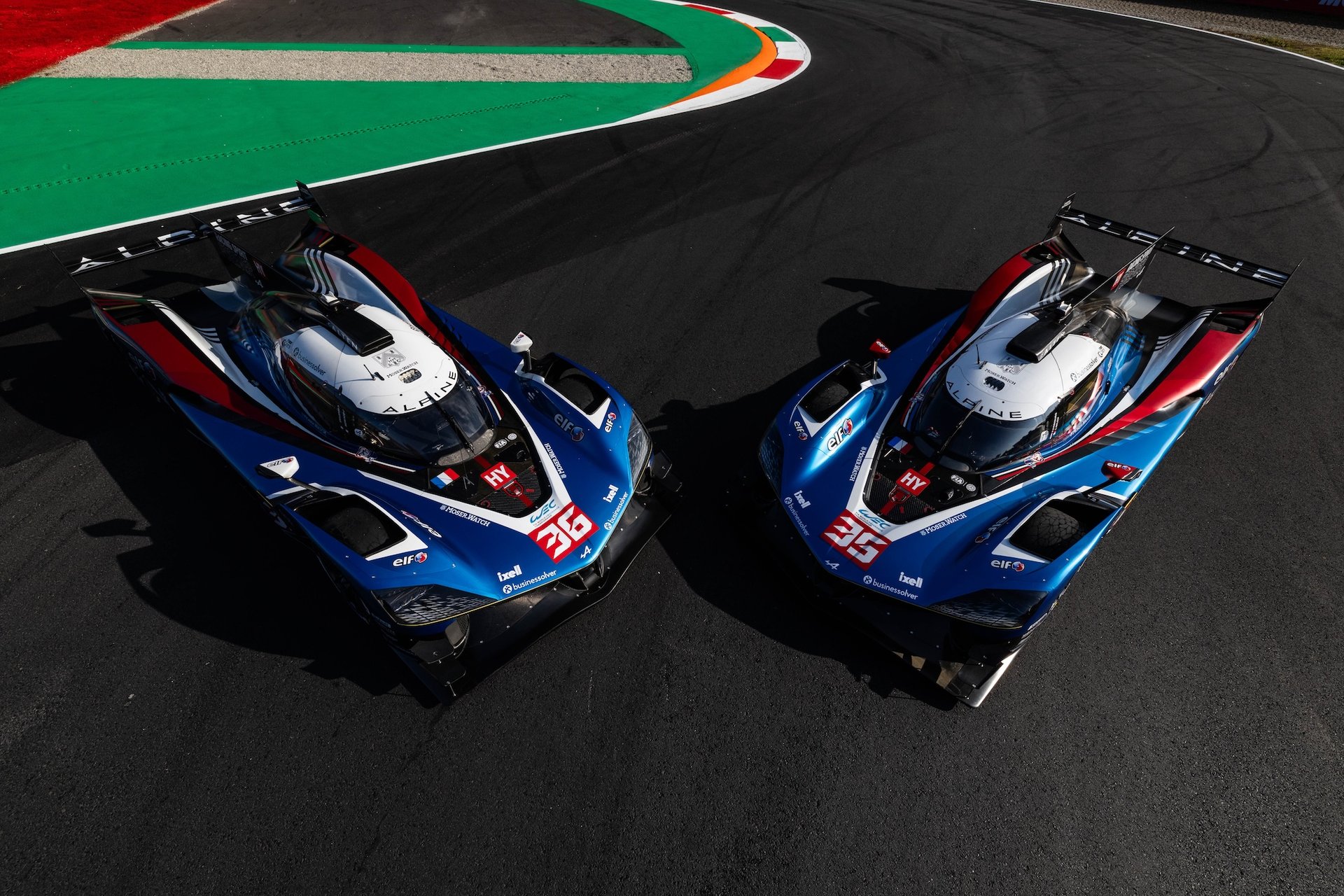
The race also featured penalties for the No. 50 and No. 83 Ferraris over breaches of tyre-pressure regulations, reshuffling the order. By this stage, the No. 36 Alpine clearly had the pace to fight for a podium.
Victor Martins takes on Sébastien Bourdais
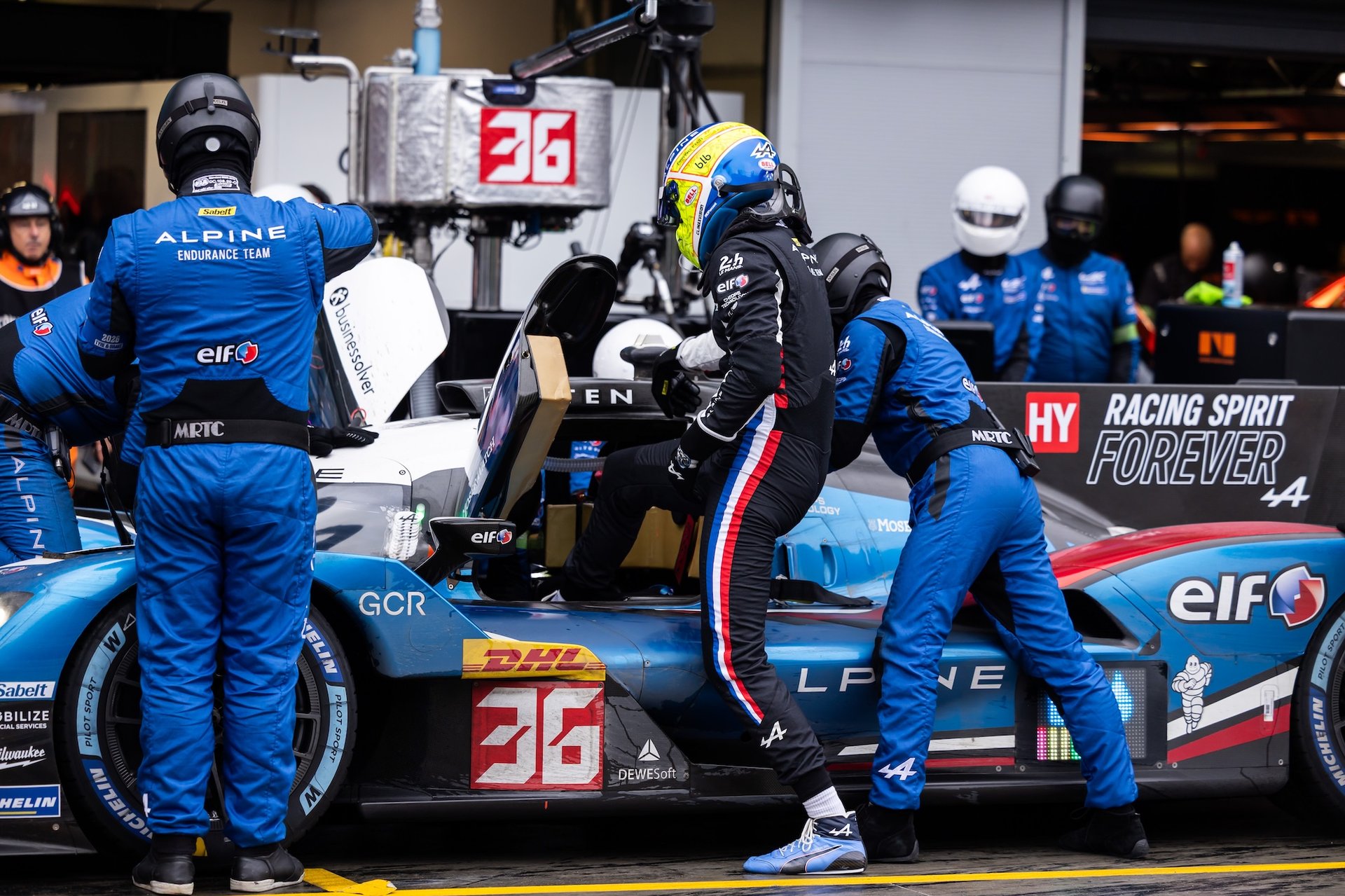
The battle intensified when Victor Martins took over from Jules Gounon. Paul-Loup Chatin’s No. 19 Genesis, running second, stopped after Ascari with a technical problem. Its retirement promoted Alpine one place, leaving the No. 36 second behind Sébastien Bourdais in the No. 38 Cadillac.
The duel between the two French drivers was one of the highlights of the race. Sébastien Bourdais used all his experience to defend his position, while Victor Martins looked for any chance to close the gap.
Sheldon van der Linde’s No. 20 BMW then joined the fight. At a restart, the South African managed to pass Victor Martins, briefly dropping the Alpine to third. But Victor Martins refused to give up.
Following another neutralisation, Victor Martins retook the place from the BMW under braking for the first chicane. The Alpine A424 was back up to second. Ahead, Earl Bamber had taken over from Sébastien Bourdais, setting up a final-stage contest between the New Zealander and Victor Martins.
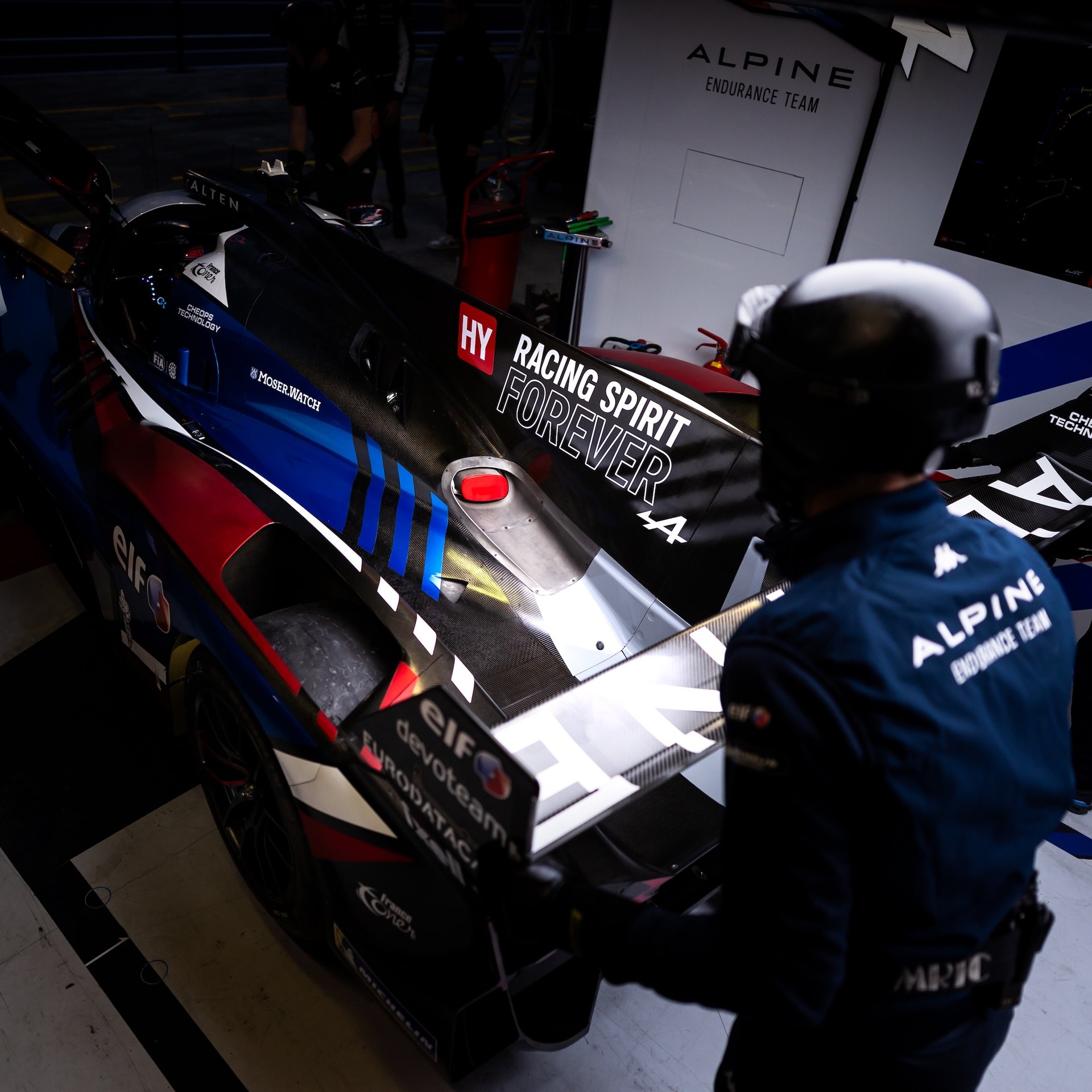
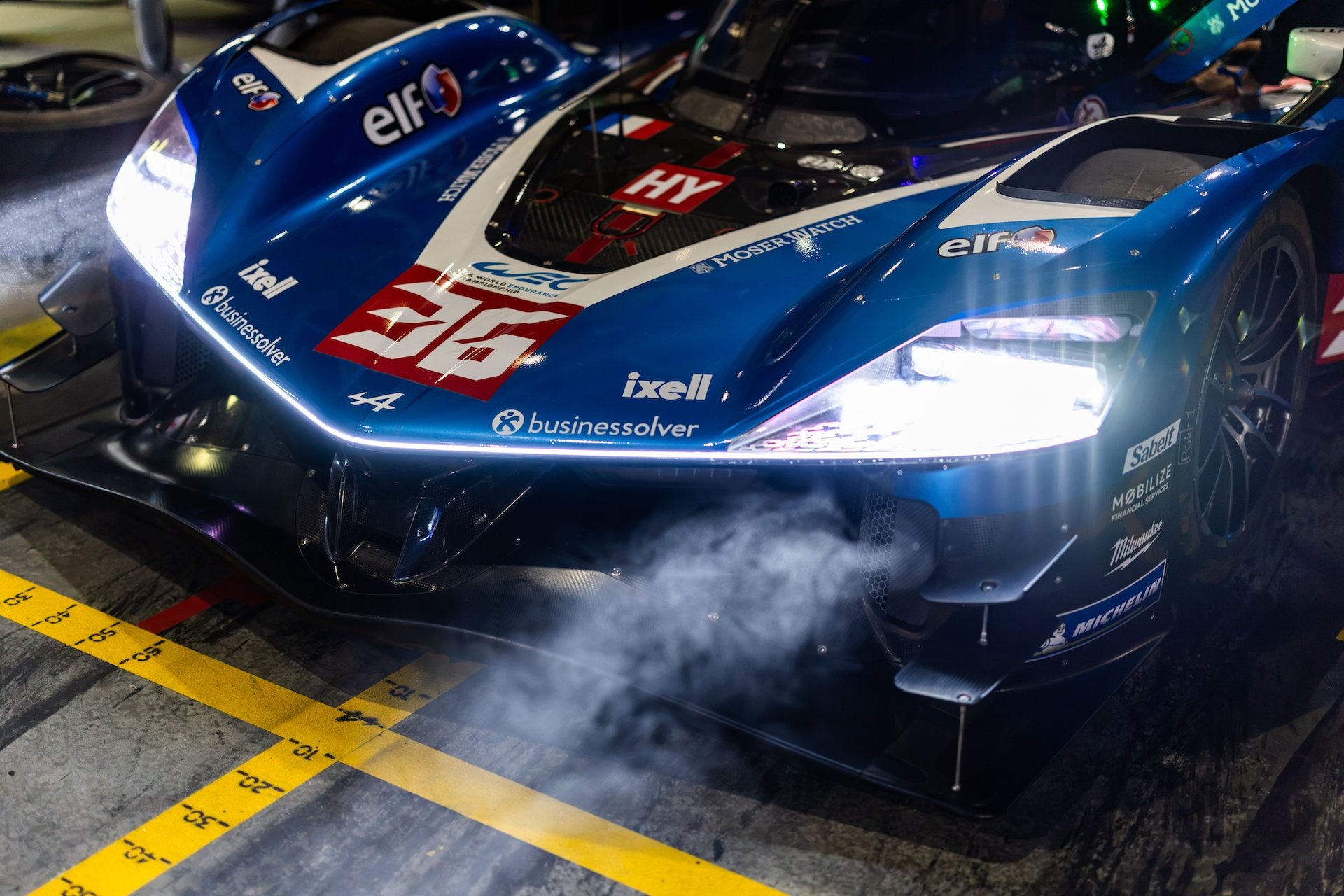
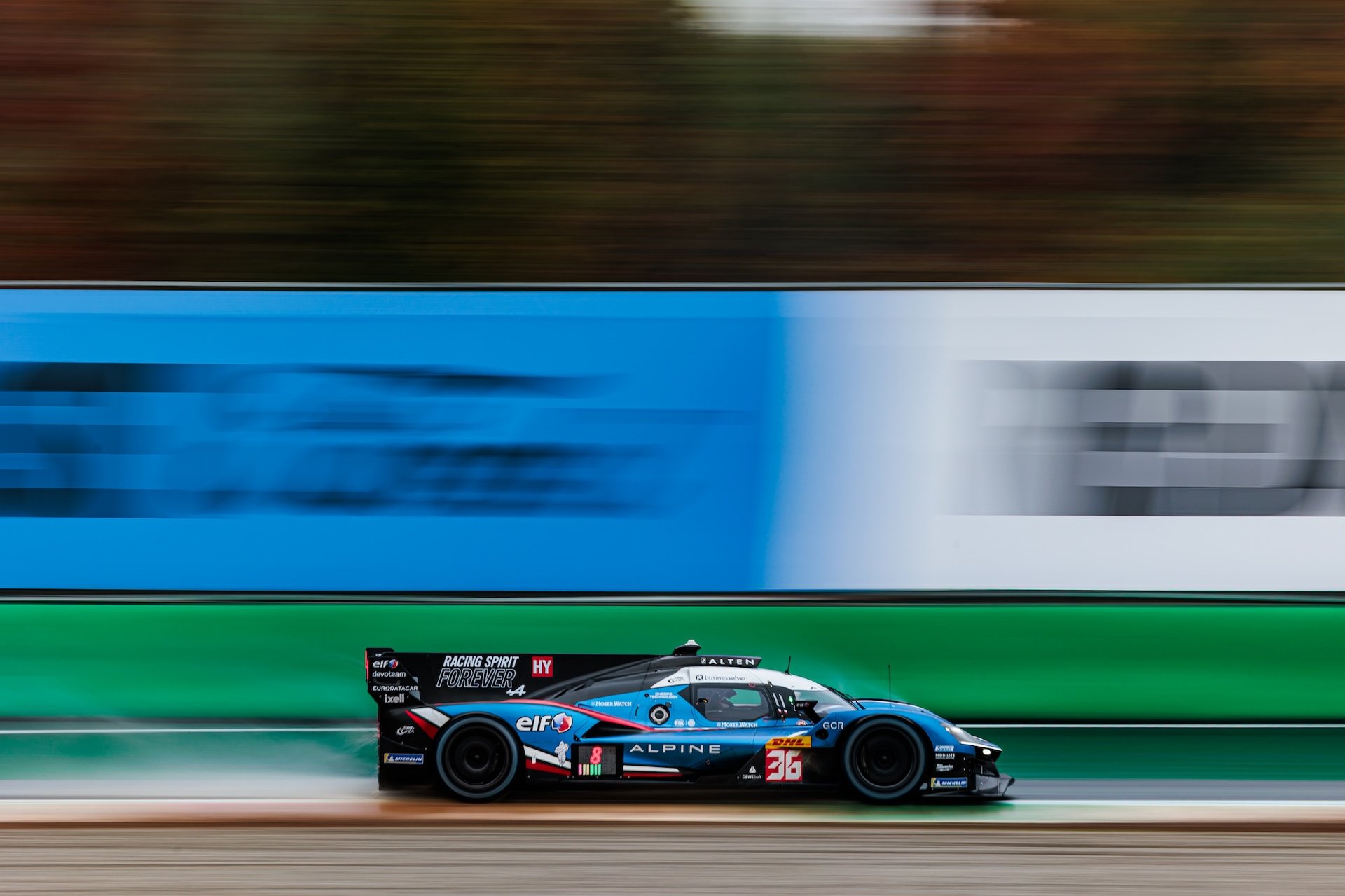
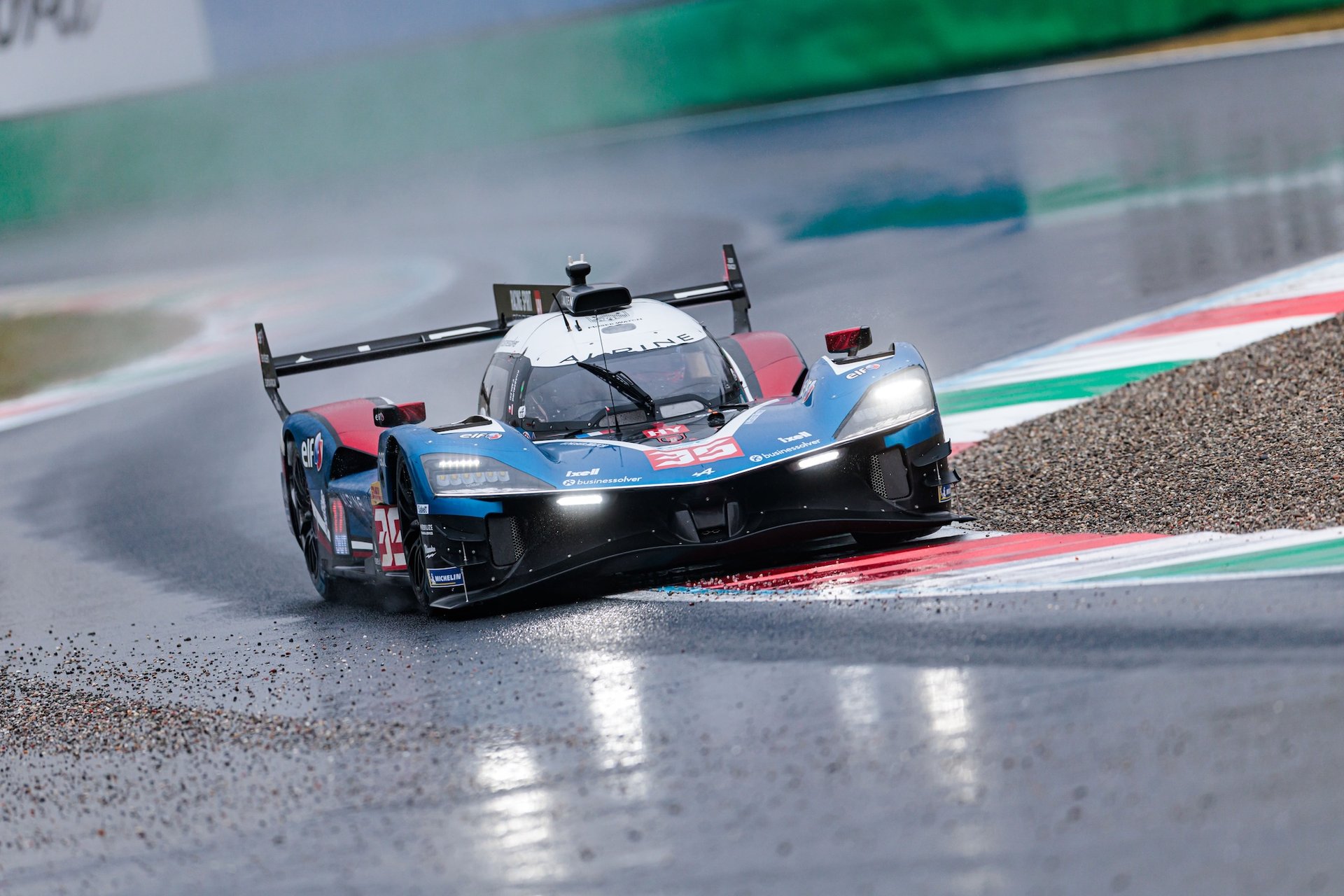
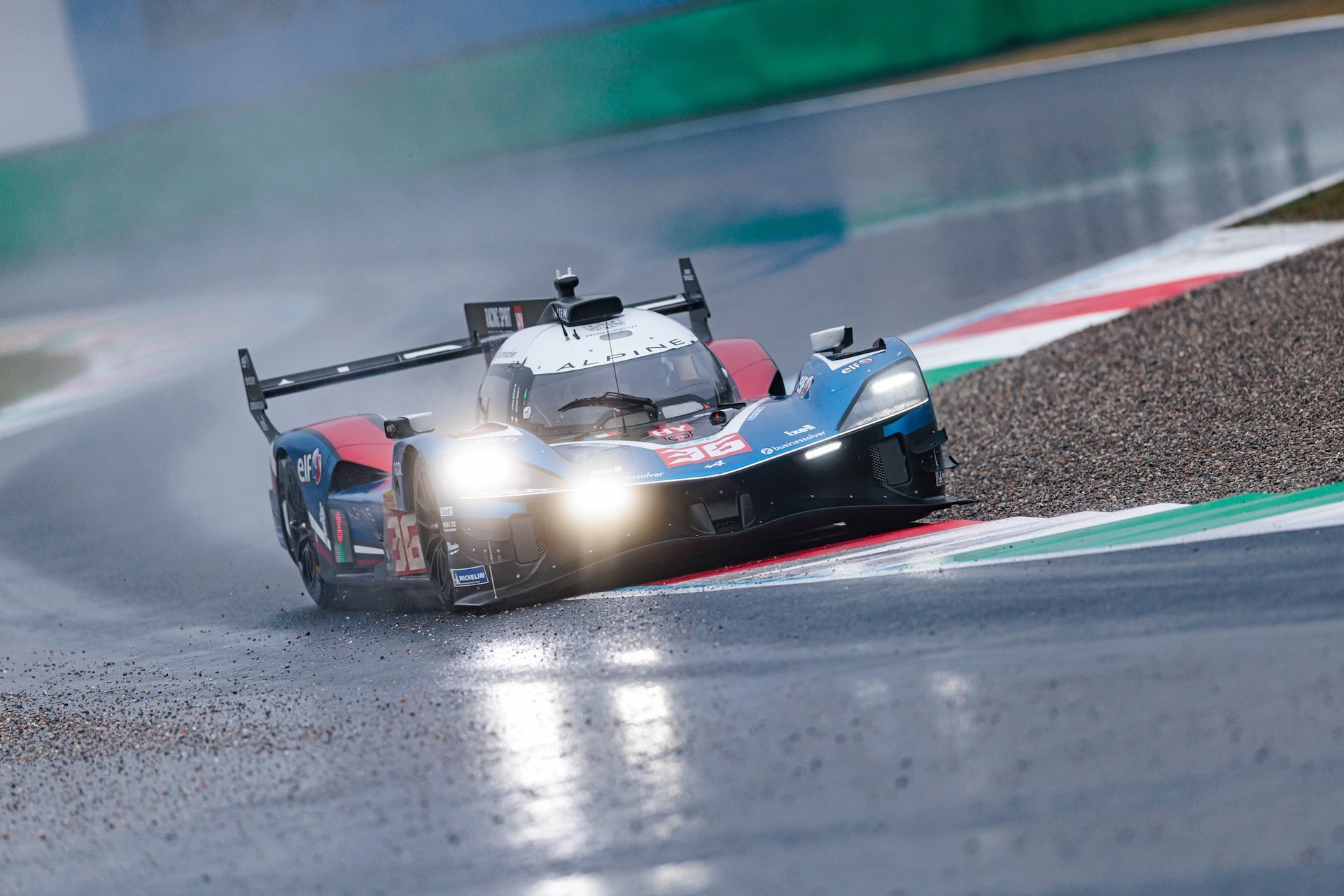
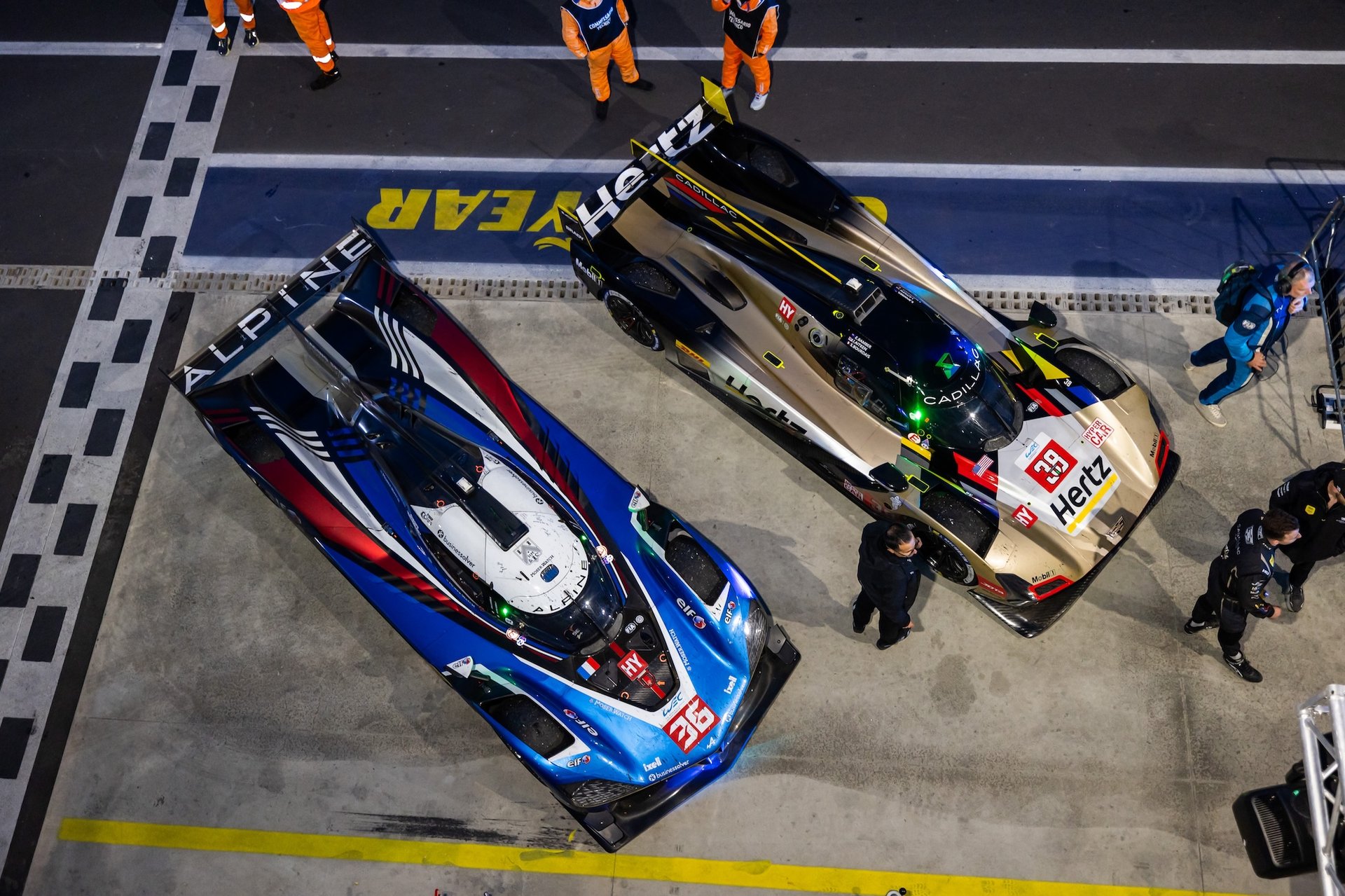
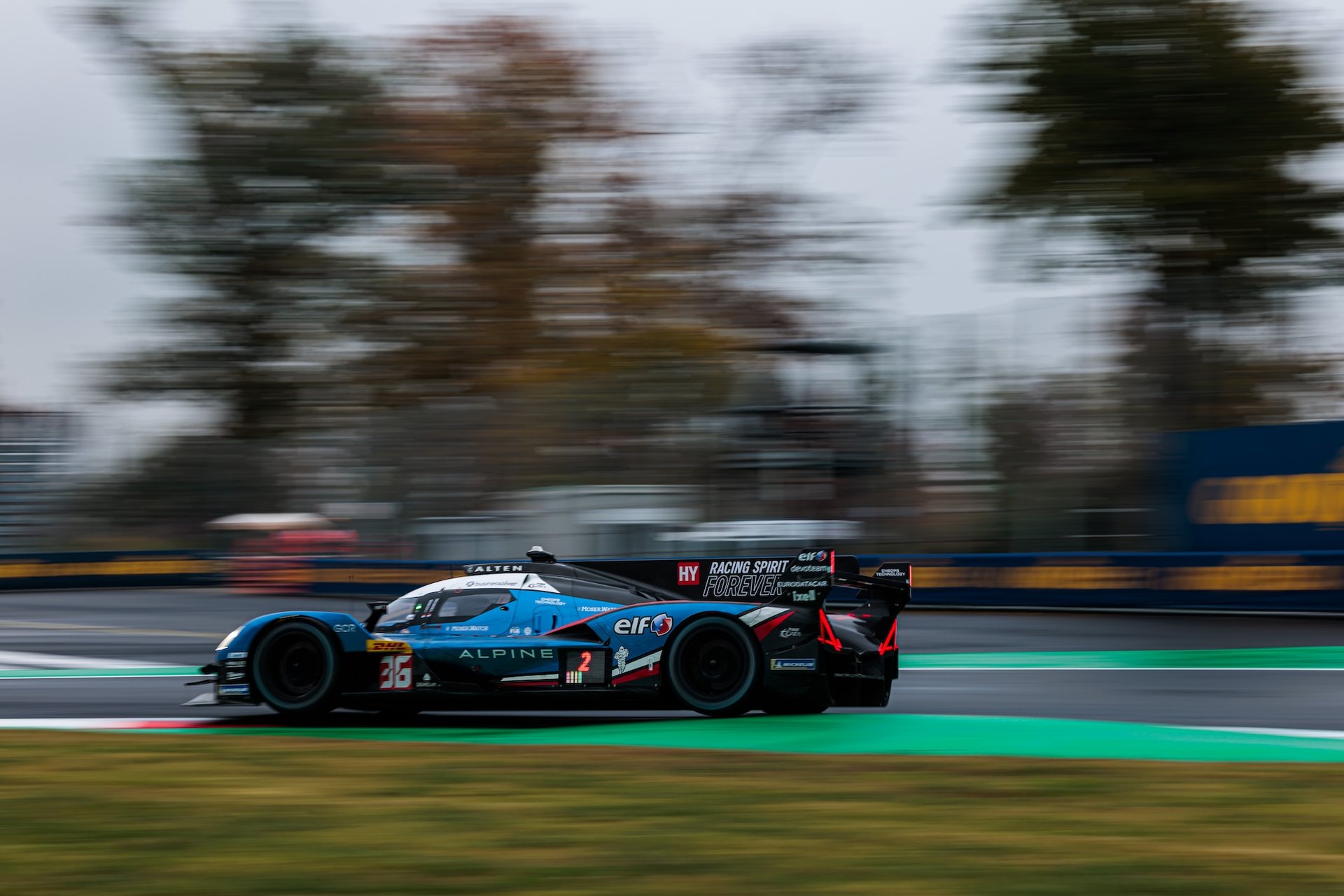
The Alpine was quick, but the Cadillac managed its energy and tyres effectively. Earl Bamber kept enough of a cushion to prevent Victor Martins from mounting a serious attack. After 191 laps, Cadillac won by 5.607 seconds, with Alpine taking second.
The No. 36’s fastest lap, a 1:34.699 on lap 155, was even quicker than the winning Cadillac’s best of 1:34.874.
A fast lap on its own does not win a six-hour race, of course. But it showed that the A424 had the outright speed to compete with the leading Hypercars.
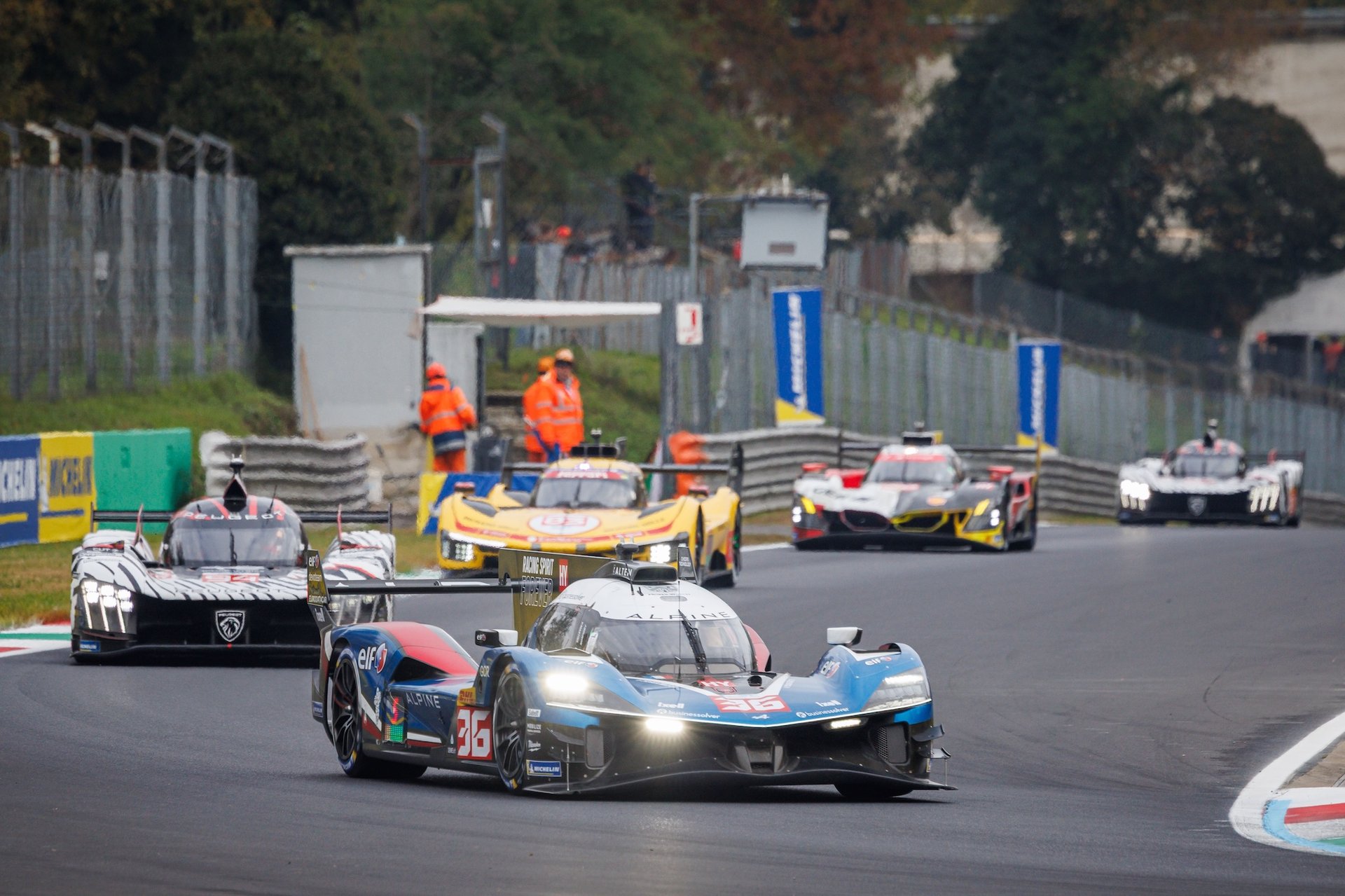
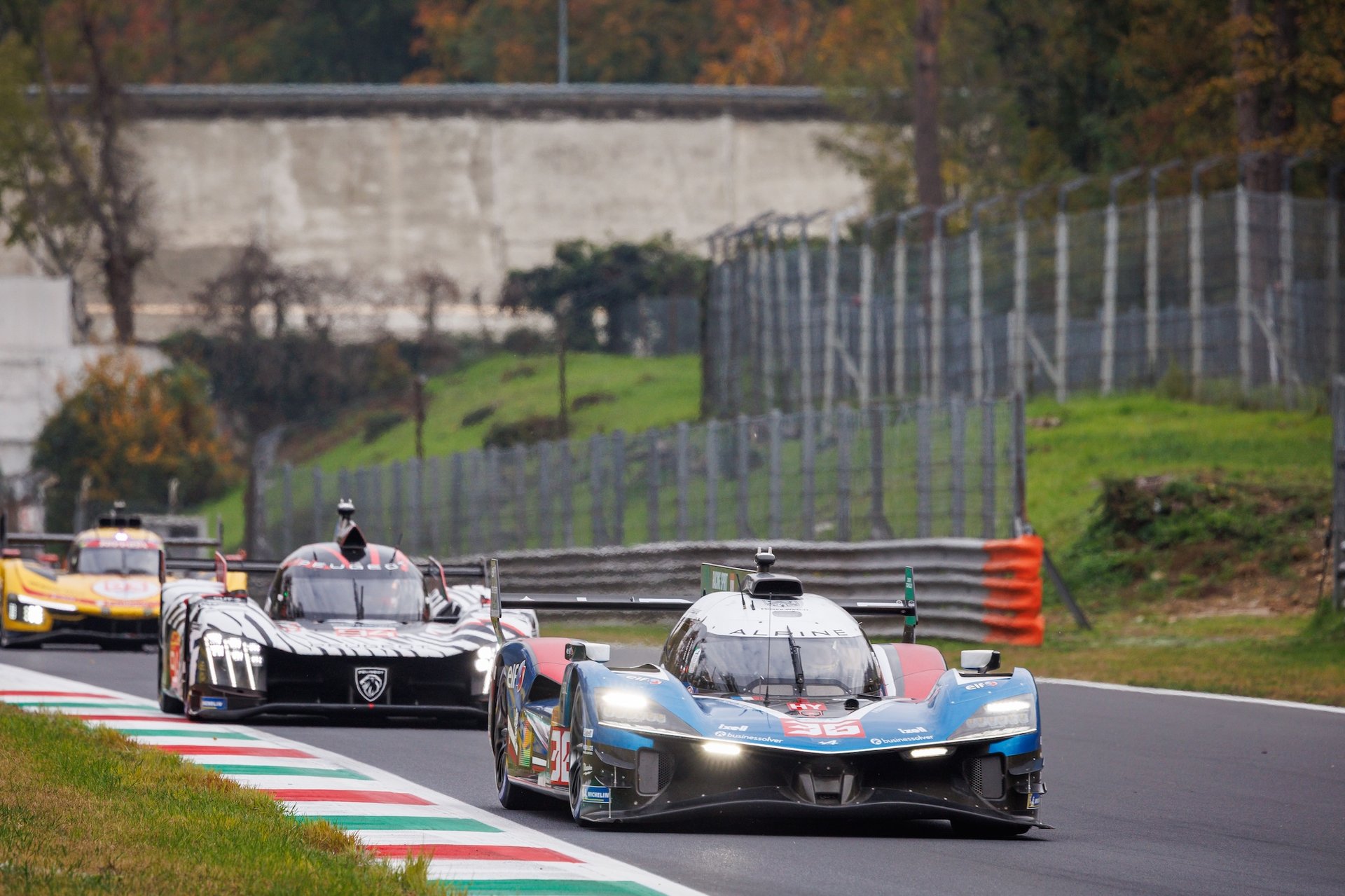
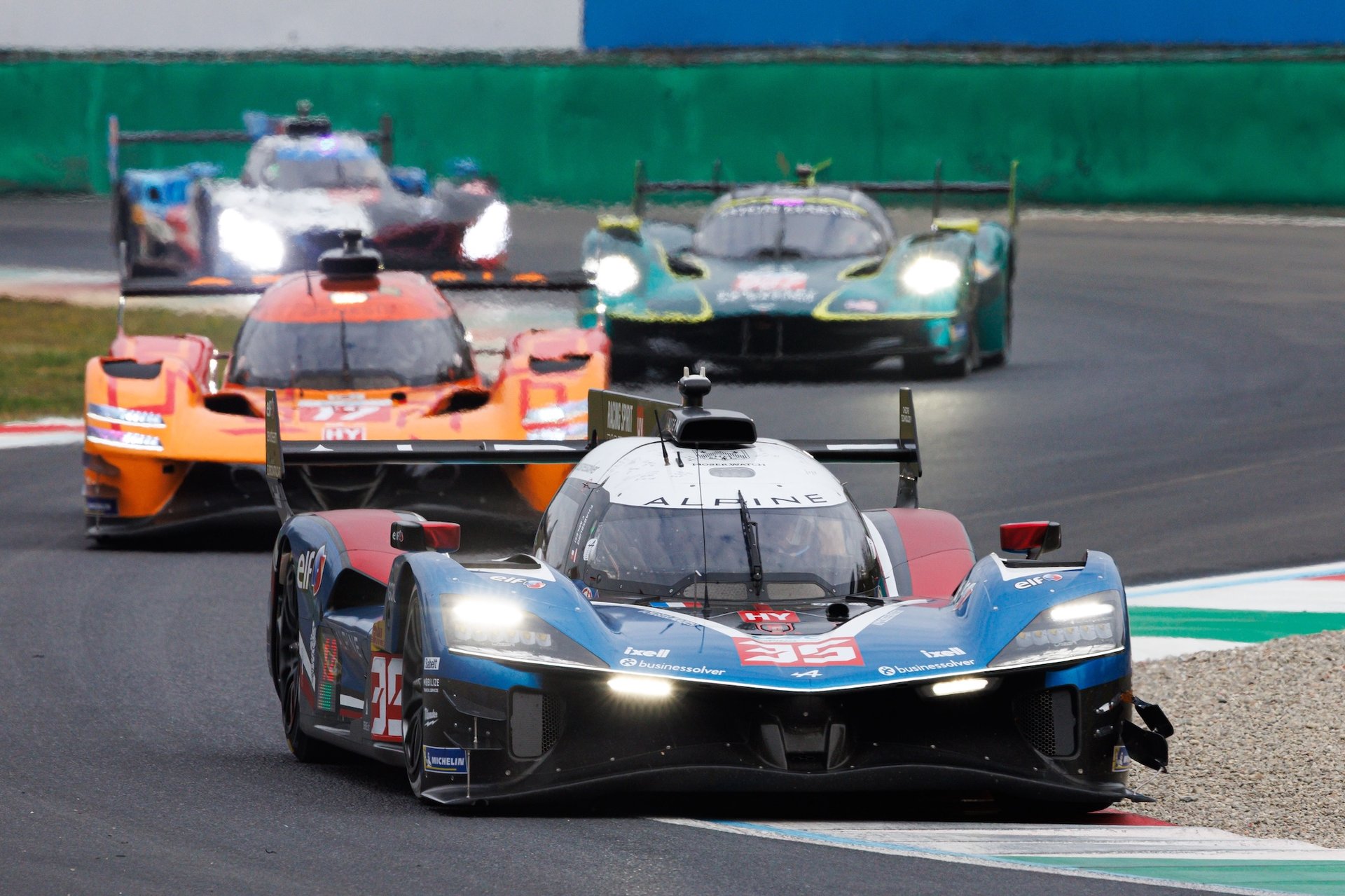
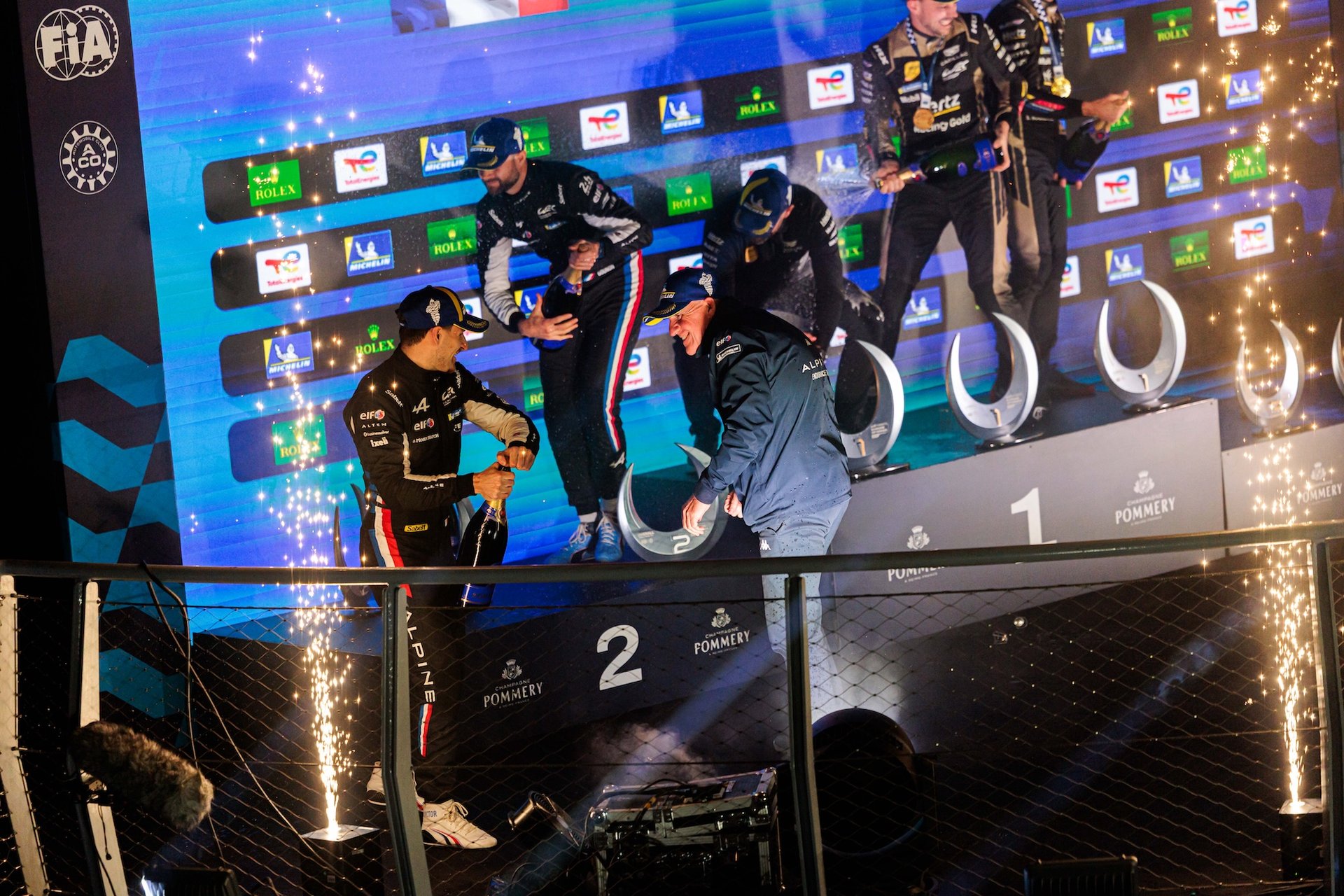
No. 35: a recovery brought to an abrupt end at Parabolica
The other Alpine was having a strong race, too. Starting 11th, the No. 35 steadily climbed the order. Ferdinand Habsburg kept the car among those chasing the leading positions before Charles Milesi continued the charge.
The crew had reached fifth place. Then, midway through the fourth hour, it all came to an end.
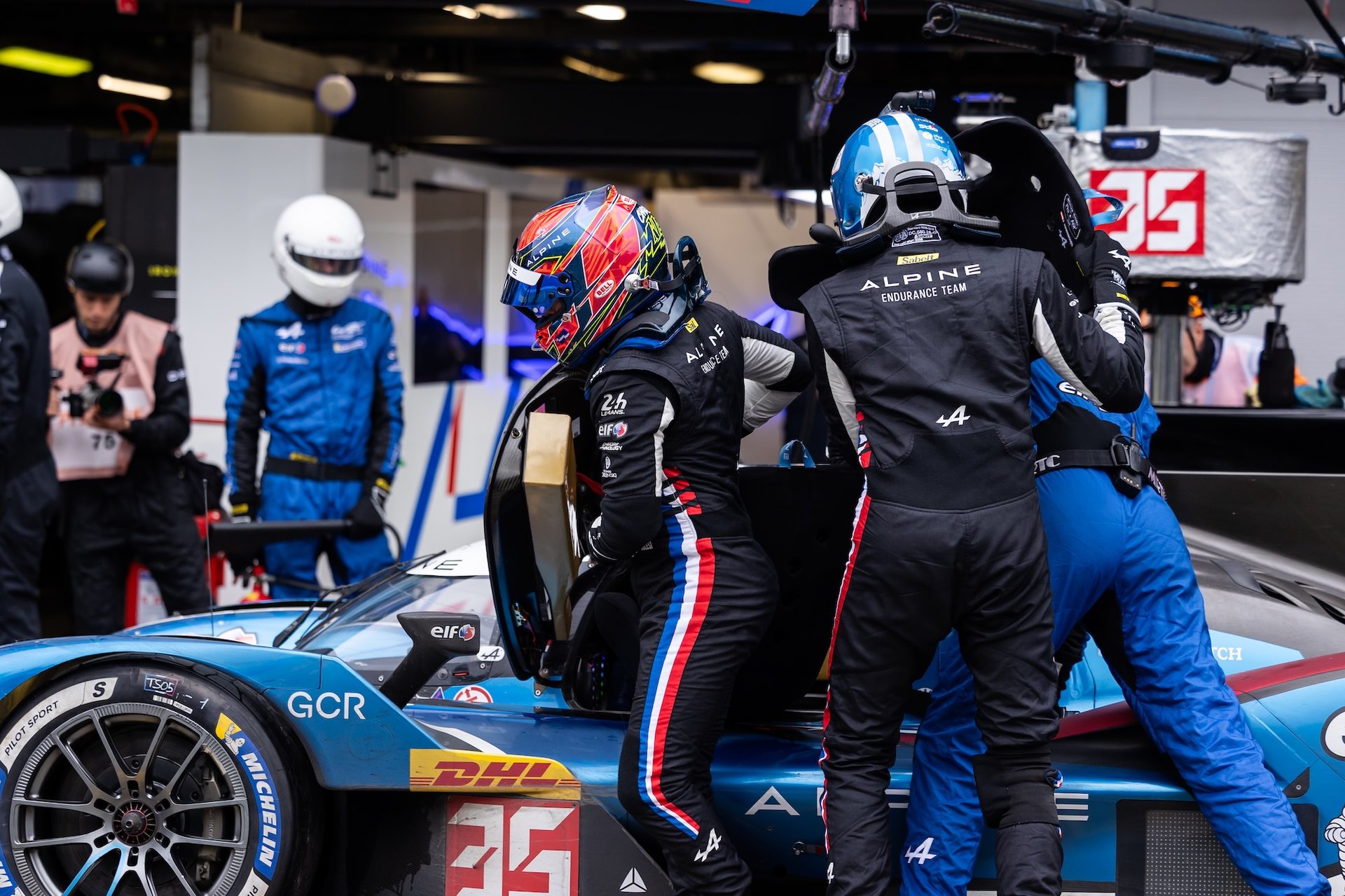
Charles Milesi lost control of the A424 on the exit of Parabolica. The prototype hit the barriers heavily, bringing out the safety car. The Frenchman emerged unhurt, but the damage was too extensive for the car to continue.
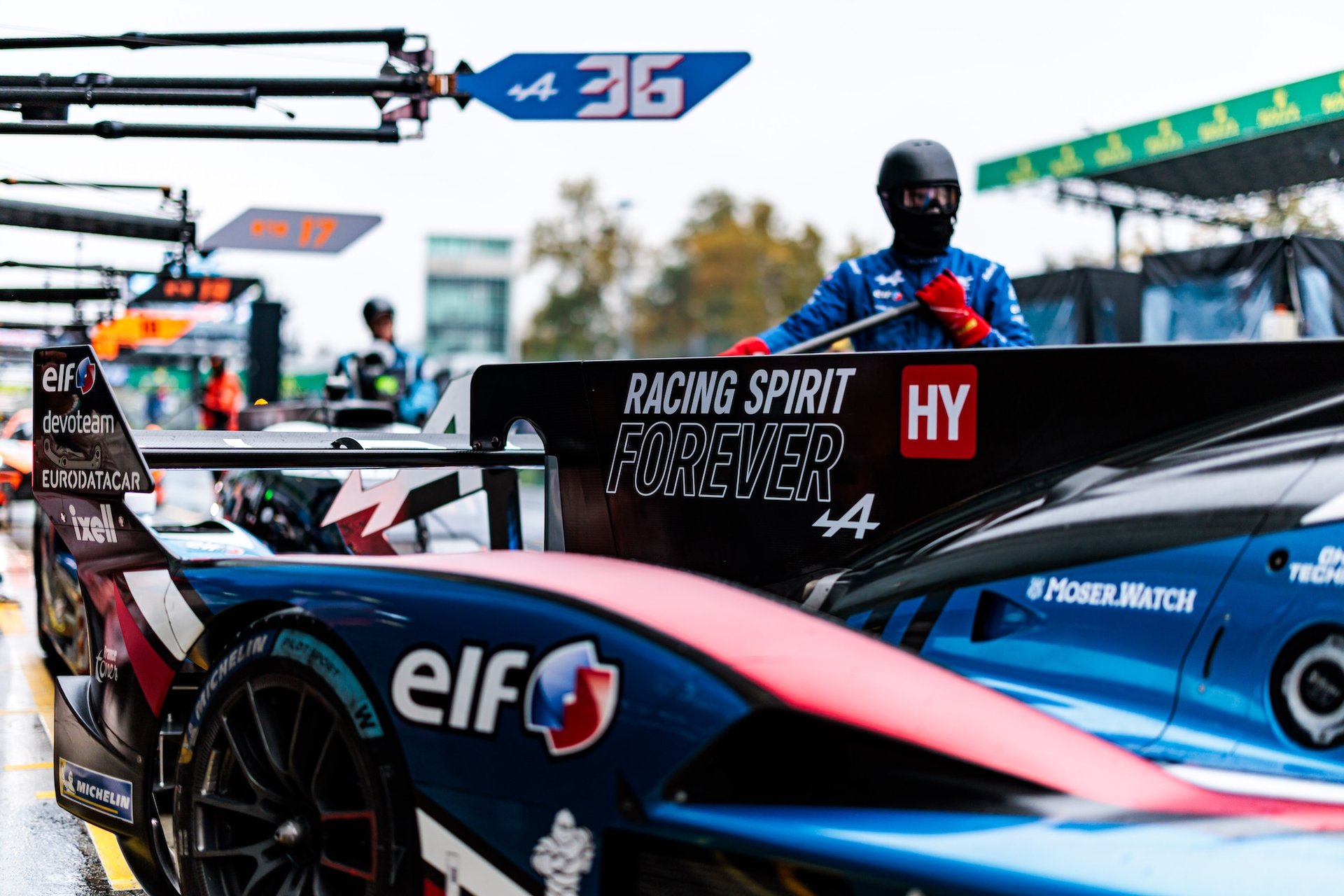
The precise cause of the accident has not been established publicly. Charles Milesi said it would need to be analysed. The retirement was particularly frustrating given how much ground the No. 35 had recovered from its starting position.
The car had shown excellent pace, too. Its best race lap of 1:34.400 was quicker than that of the No. 36. Alpine could have finished its final round with both cars in the top five; only one would reach the chequered flag.
A final podium after three years of hard work
At Monza, Alpine secured the seventh podium of its A424 programme since 2024.
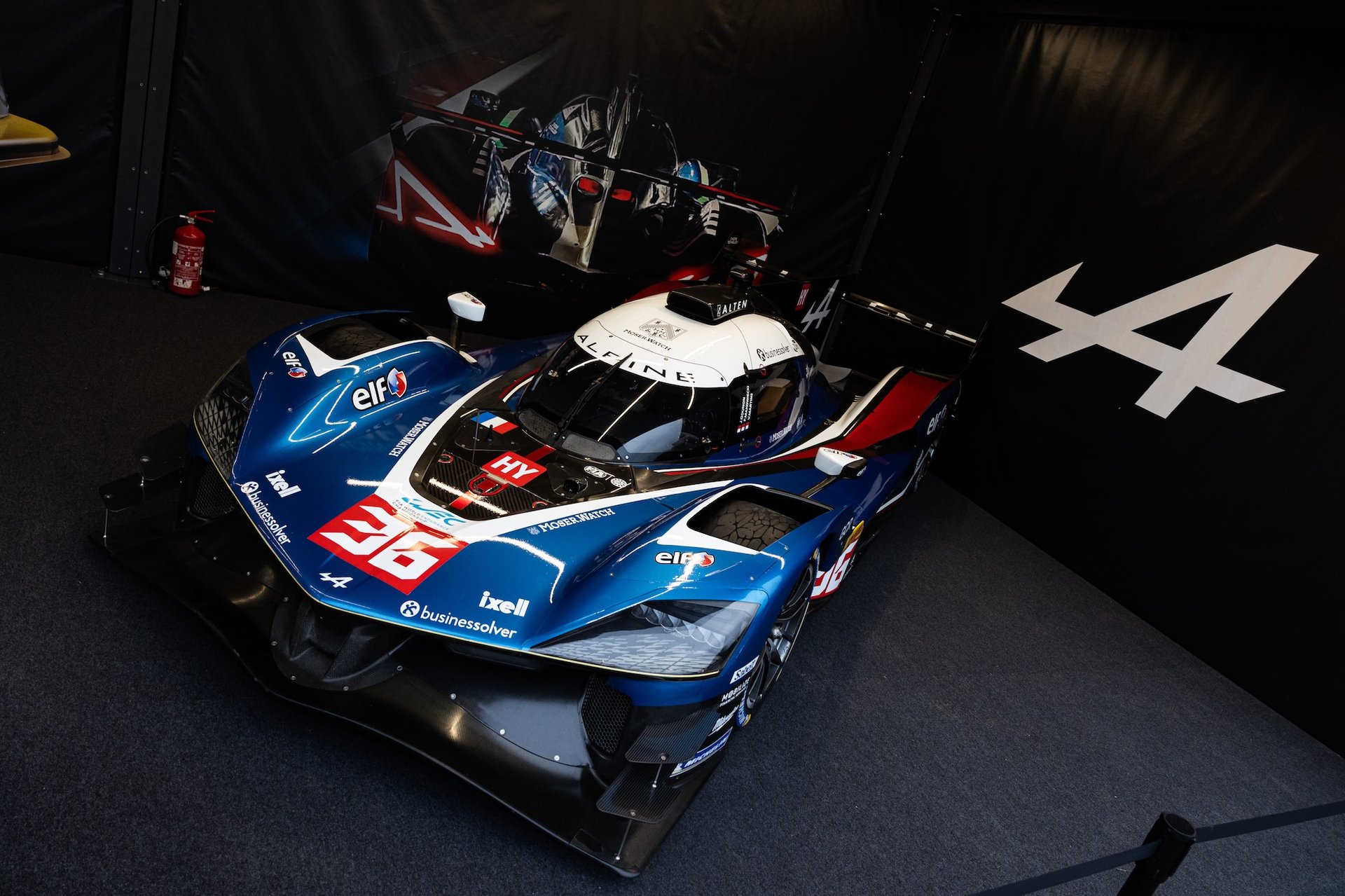
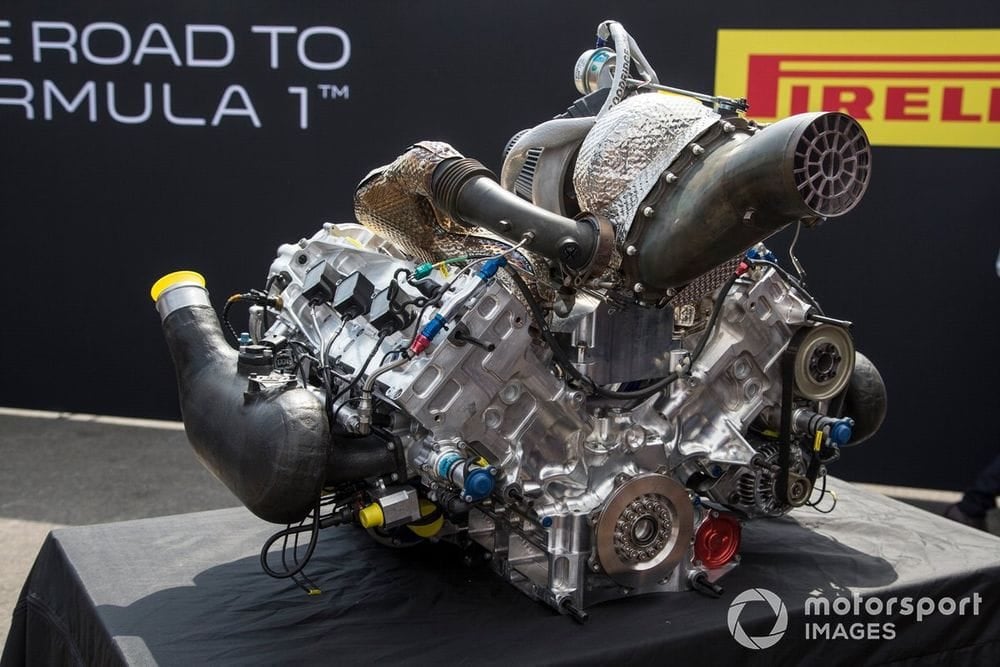
The car is built around an Oreca chassis, a 3.4-litre V6 developed with Mecachrome and a hybrid system compliant with LMDh regulations. Our Alpine A424 technical guide explains the layout and its main specifications. But a Hypercar does not become competitive simply because it has good components.
Those components have to work together. The team must understand the tyres, improve engine reliability and cooling, refine the set-up and learn to extract performance from the car at very different circuits.
Reliability problems had hampered the A424’s early races. The team worked on the engine, then on aerodynamics and the overall operation of the prototype. Eventually, results followed.
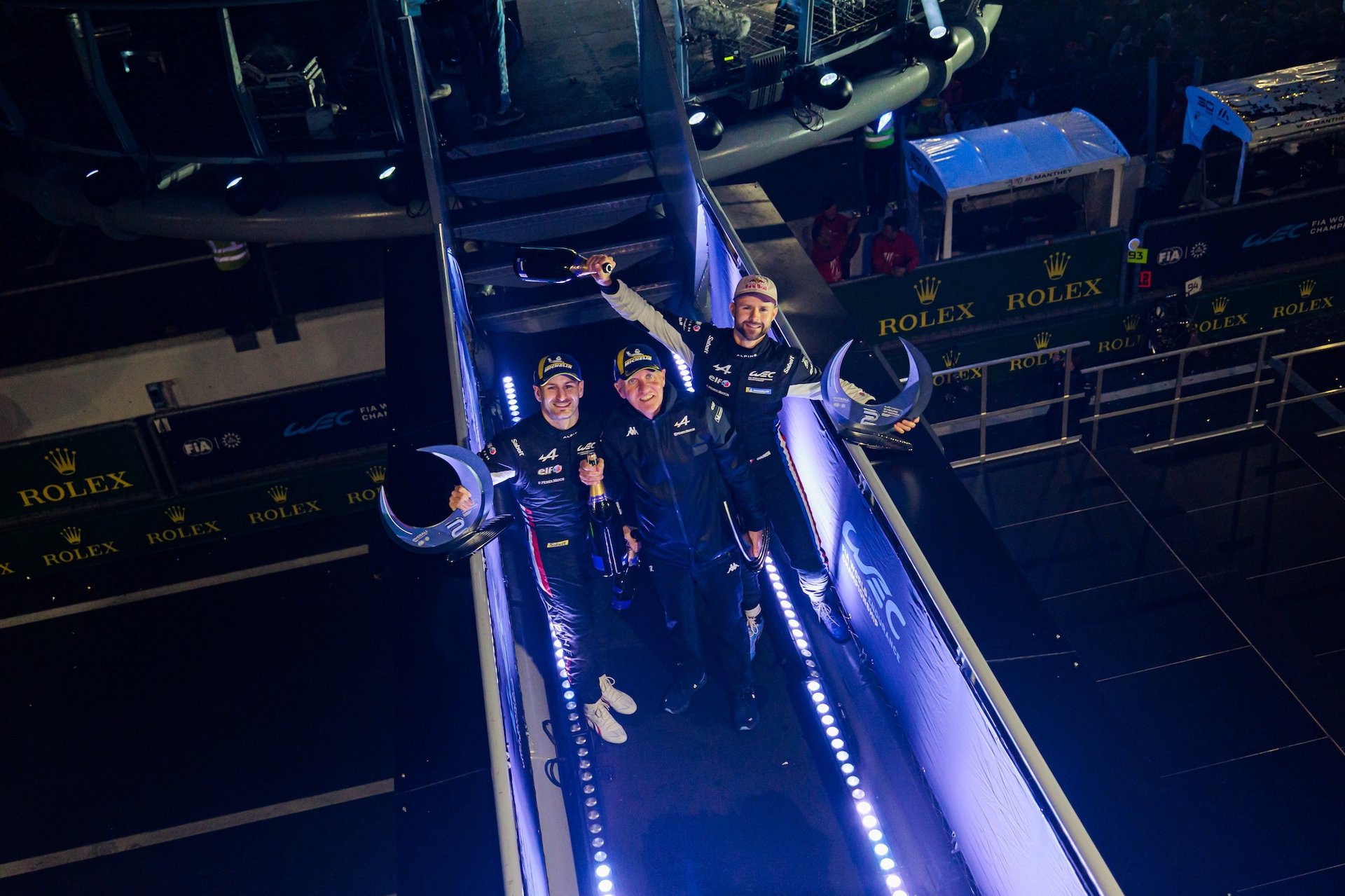
The first podium came at Fuji in 2024, followed by a maiden victory at the same circuit in 2025. By the closing stages of the 2026 season, Alpine was regularly able to fight at the front.
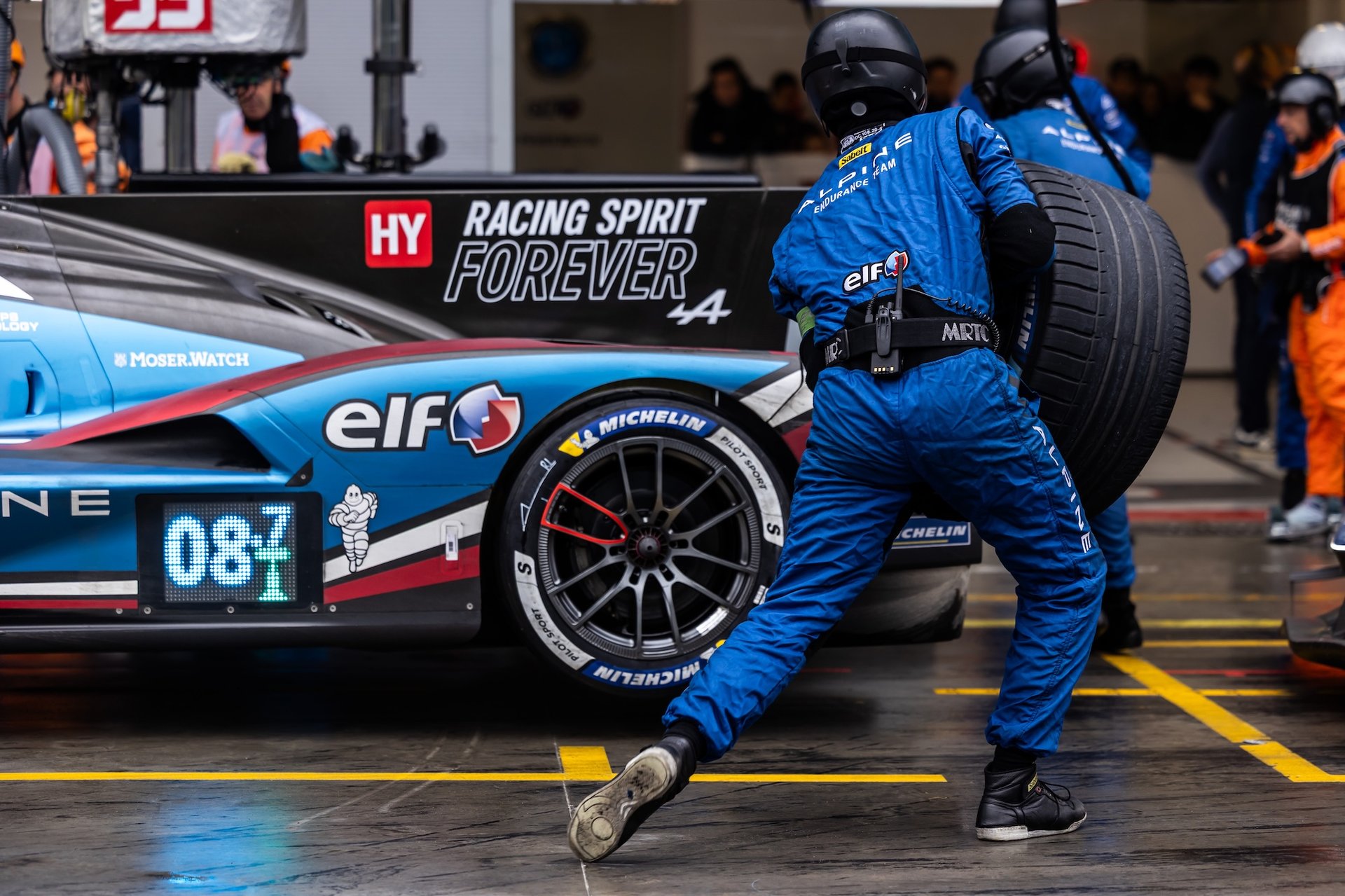
Balance of Performance inevitably influences the pecking order between manufacturers. It cannot, however, account for the quality of pit stops, improvements in reliability or the ability to sustain a strong pace over successive stints.
Those gains came from the work of the teams at Signatech, Viry-Châtillon and their partners.
The Alpine A424 had not reached the limit of its potential. It was only beginning to show what it could do.
Philippe Sinault: 15 days to save Signatech
Alpine’s final factory race is over. For Philippe Sinault, the fight continues.
Since the announcement in February that the programme would end, the Signatech boss has been looking for a manufacturer willing to take over the two A424s and keep them racing in Hypercar.
The aim is not to develop a new car. There is too little time, and the cost would be considerable. Instead, the hope is to retain the existing prototypes, their technical architecture and the team that knows how to run them.
At Monza, Philippe Sinault reiterated a crucial date: 23 November, the stated deadline for entries to the 2027 WEC season. That leaves just 15 days.
Geely: advanced talks that ultimately collapsed
The most promising lead had been Geely, the Chinese group with existing industrial ties to Renault. Negotiations had progressed over the summer. As recently as Fuji in late September, Philippe Sinault was still hoping for a quick decision.
The talks broke down in early October. Philippe Sinault did not disclose why. The specialist press raised possible difficulties over technical rights and financial terms, but neither side officially confirmed those accounts. The collapse substantially narrowed Signatech’s options.
As we explained in our feature on the A424’s future beyond 2026, taking over a Hypercar programme involves more than changing the badges on the bodywork.
A new entrant needs the rights to operate the car, the budget to run two entries, the technical expertise to support them and a secure supply of essential parts.
At Monza, Philippe Sinault said further discussions were taking place, one of them more serious than the others. No partner had been announced, however. As of 9 November, nothing had been signed.
Why Viry-Châtillon remains essential
The A424s’ future also depends on continued technical support.
Engine assembly was brought in-house at Viry-Châtillon. The site’s teams contributed to reliability and development work, as well as to the day-to-day operation of the powertrain. Philippe Sinault stressed that this support remained essential.
On 22 October, however, Renault announced an agreement to sell Alpine Racing SAS and its workforce. The proposed transaction, covered in our report on the future of Viry-Châtillon and the Dumarey group, adds another layer of uncertainty. Selling the site and reviving the A424 programme are separate matters.
Even if activities continue at Viry, there is no guarantee that a new manufacturer would have access to all the resources needed to race the cars. Signatech must secure not just a partner, but the entire technical support operation.
What happens if 23 November passes without a deal?
An entry for 2027 would become far more difficult.
Signatech could then consider a return in 2028 or maintain a racing programme in another category, notably LMP2. The more immediate concern, however, is retaining its staff.
A team at this level relies on engineers, mechanics, strategists, electronics specialists and technicians who have built up considerable experience.
Without a confirmed programme, some may have to look for work elsewhere.
Philippe Sinault is fighting for more than two cars. He is trying to preserve a team that has been part of Alpine’s endurance story for 13 years.
Viry-Châtillon: staff condemn Renault’s broken promises
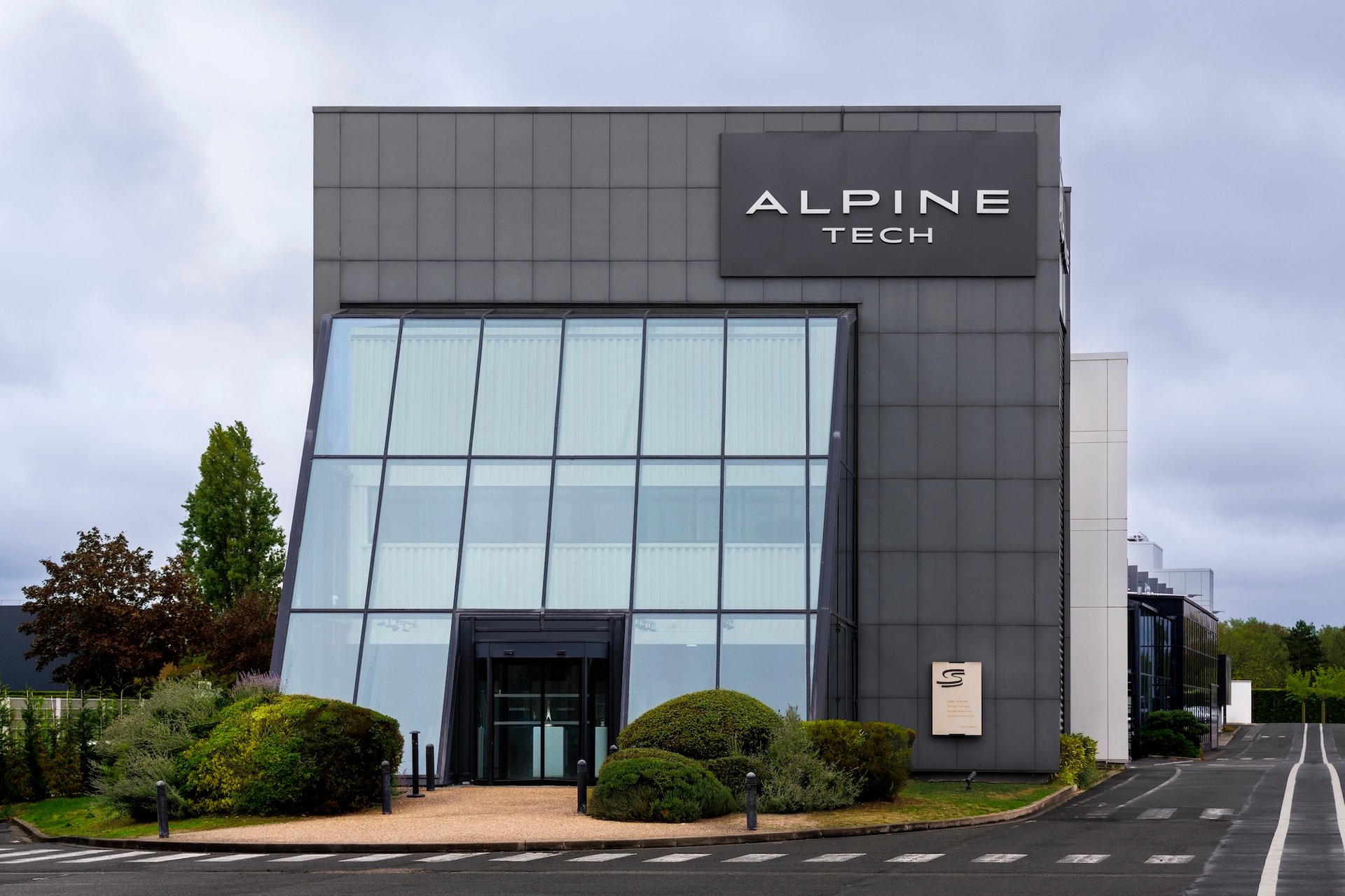
While the two A424s were preparing for their final race, Alpine Racing employee representatives issued a sharply critical statement about Renault Group on 6 November.
The statement from the Viry-Châtillon works council, known in France as the CSE, revisited decisions made since the cancellation of Renault’s Formula 1 engine programme.
In 2024, when Luca de Meo decided to halt development of Renault’s engine for 2026, Viry was meant to become a centre of technical excellence. The site was expected to work on future Alpine powertrains, endurance racing and new motorsport projects. Employees carried on working despite the decision, but the promised projects would subsequently be shelved one after another.
First came a hydrogen engine intended for a potential Alpine supercar. Test benches were adapted and 334 employees trained in handling hydrogen. Renault eventually cancelled the project.
Next came a supercar engine designed to run on synthetic petrol. Engineers spent ten months on it, reaching the first bench tests before the programme, too, was suspended.
A third project, a combustion engine for a future road-going Alpine, then took over. Five months later, according to the CSE, Renault decided to hand development to another entity based in China. Three changes of direction in a short period.
Employees nevertheless sought new contracts. The statement describes talks with clients interested in work carried out on the 2026 F1 engine, research partnerships and substantial savings in the site’s running costs.
Employee representatives claim that the financial targets set for 2026 were exceeded by 400% relative to Renault’s required threshold. This is a figure put forward by the CSE, not an independently verified result.
Despite those efforts, a voluntary redundancy scheme targeting 110 people was launched in May. According to employee representatives, 108 had already left by 16 October.
On 21 October, the headcount-reduction target was met. The following day, Renault announced its proposed sale of Alpine Racing SAS.
The CSE condemned what it described as a decision imposed on staff, speaking of a “feeling of abandonment and betrayal”.
Endurance racing was supposed to take over from Formula 1
The statement makes one point particularly clear: following the end of Renault’s Formula 1 engine programme, WEC was supposed to become one of Viry-Châtillon’s principal motorsport activities. The teams took over assembly of the A424 engines, worked on their reliability and helped develop the prototype.
Results followed: victory at Fuji in 2025, pole position at the same circuit in 2026 and several podium finishes. Yet in February, Renault announced that the programme would end.
Employee representatives accuse management of abandoning commitments made when Viry was presented as a centre of excellence intended to protect the group’s expertise.
That internal opposition is documented. It does not mean every Alpine employee or executive shares the same view, but nor can these decisions be portrayed as having been universally accepted.
Viry’s staff challenged the cancellation of the F1 engine programme, the repeated changes of project and the prospect of leaving Renault Group. They also carried on working. At Monza, their engine helped the A424 finish second, less than six seconds from victory.
Meanwhile, in Formula 1…
Renault’s decision is particularly difficult to defend in light of recent results. Since September, Alpine Endurance Team has taken three podiums in four endurance races, including runner-up finishes at Fuji and Monza, while competing against Toyota, Ferrari and Cadillac. Meanwhile, despite some encouraging qualifying performances, BWT Alpine Formula One Team has endured a difficult run of Grands Prix, finishing only 13th and 14th in Brazil on 8 November.
The two championships cannot be compared directly, but the difference is striking: in endurance racing, Alpine is fighting to win against the world’s biggest manufacturers; in Formula 1, it is fighting to score points. Yet it is the WEC programme, where the brand has an established history and unquestionable credibility, that management has chosen to abandon.
In our view, it is one of the most damaging decisions Alpine has made since the brand’s revival.
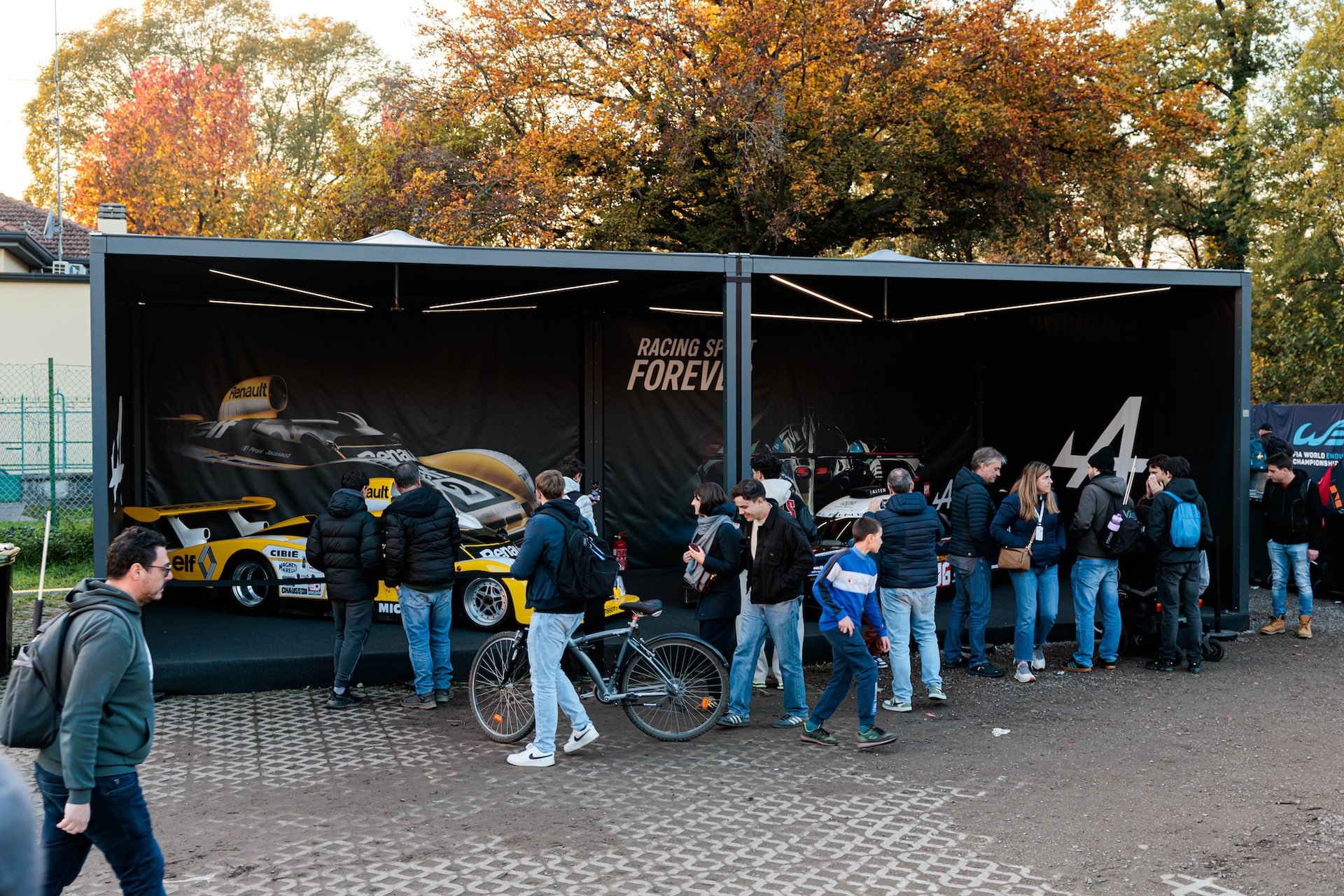
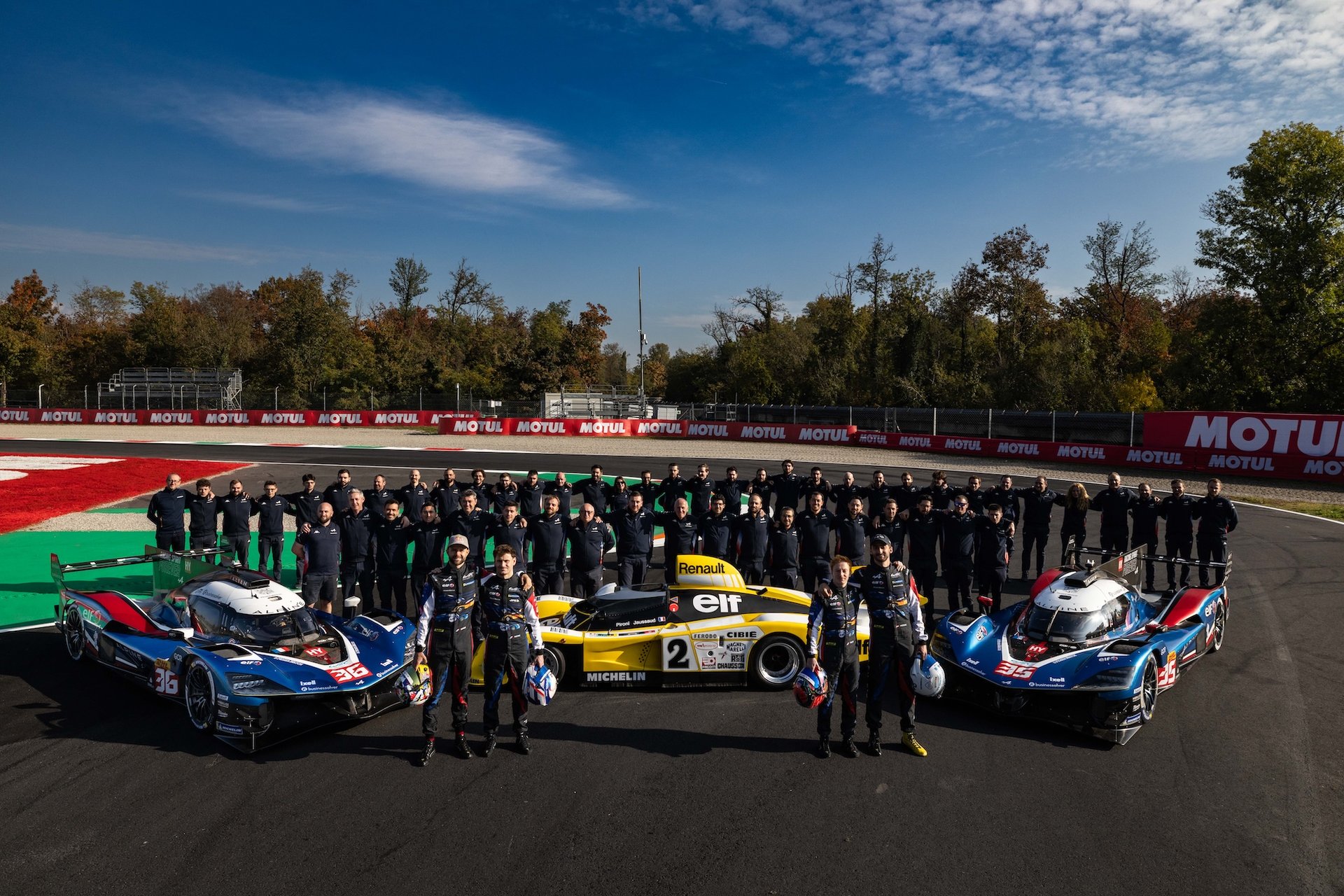
From the A442B to the A424: 48 years of history reunited at Monza
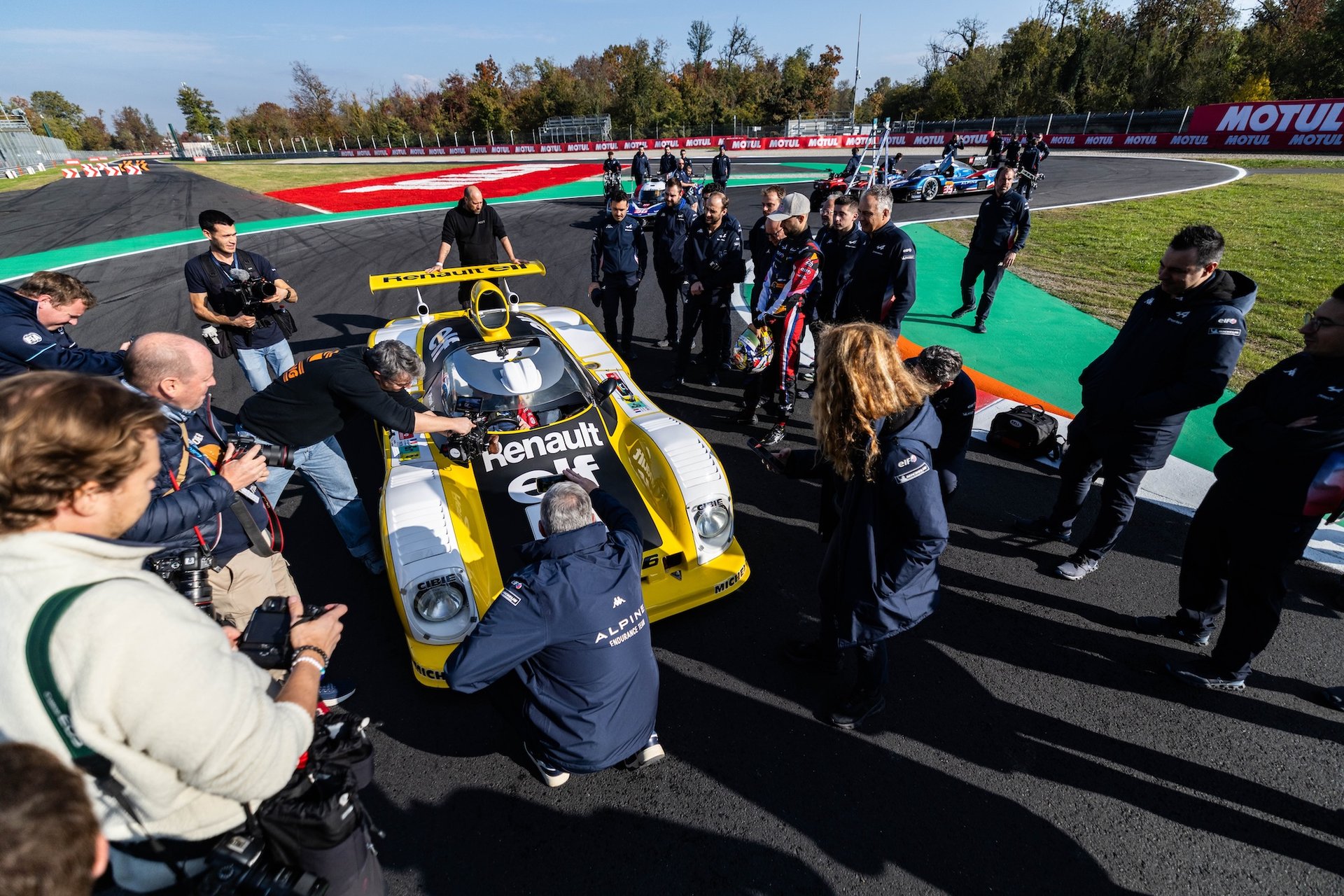
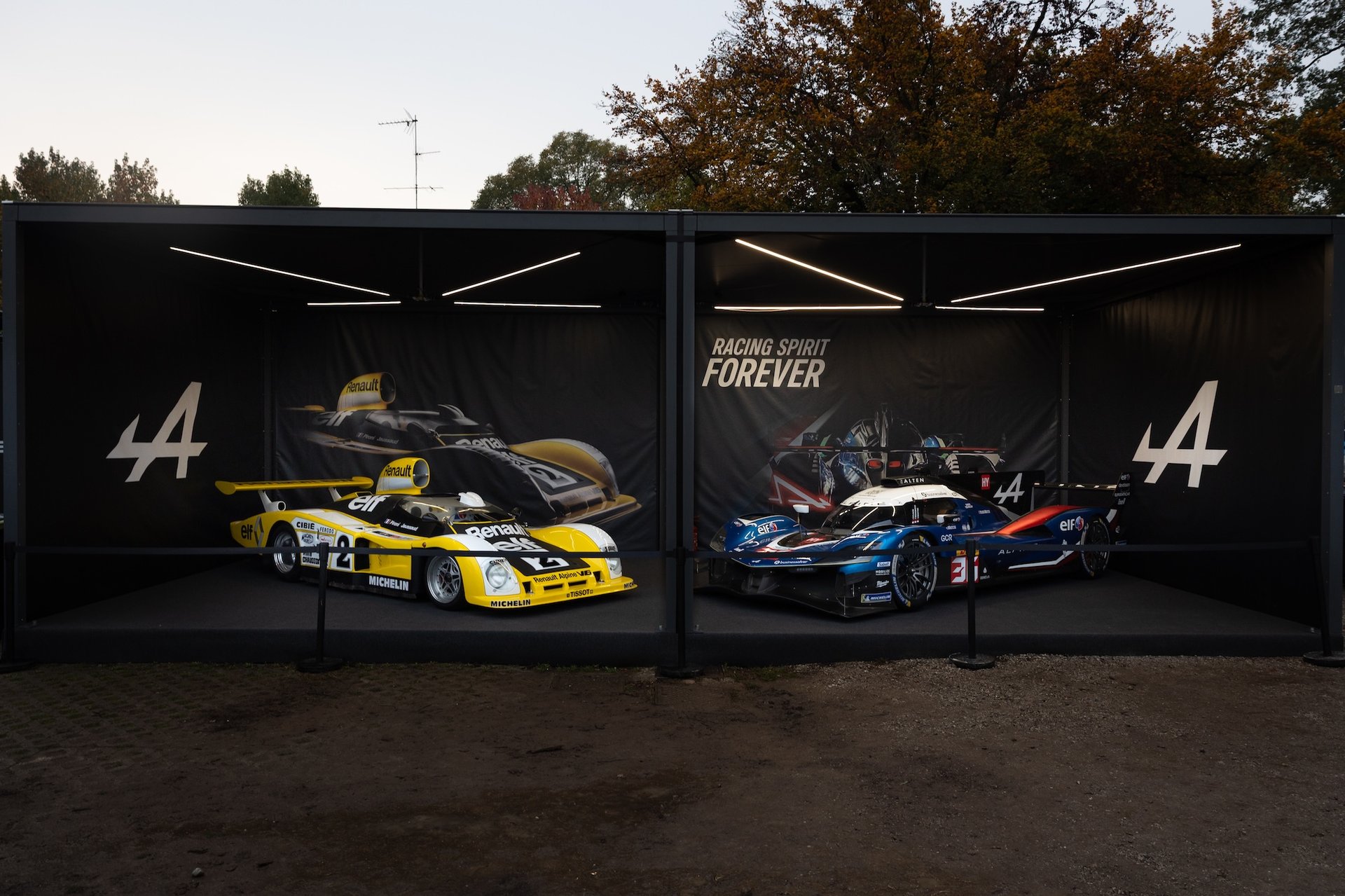
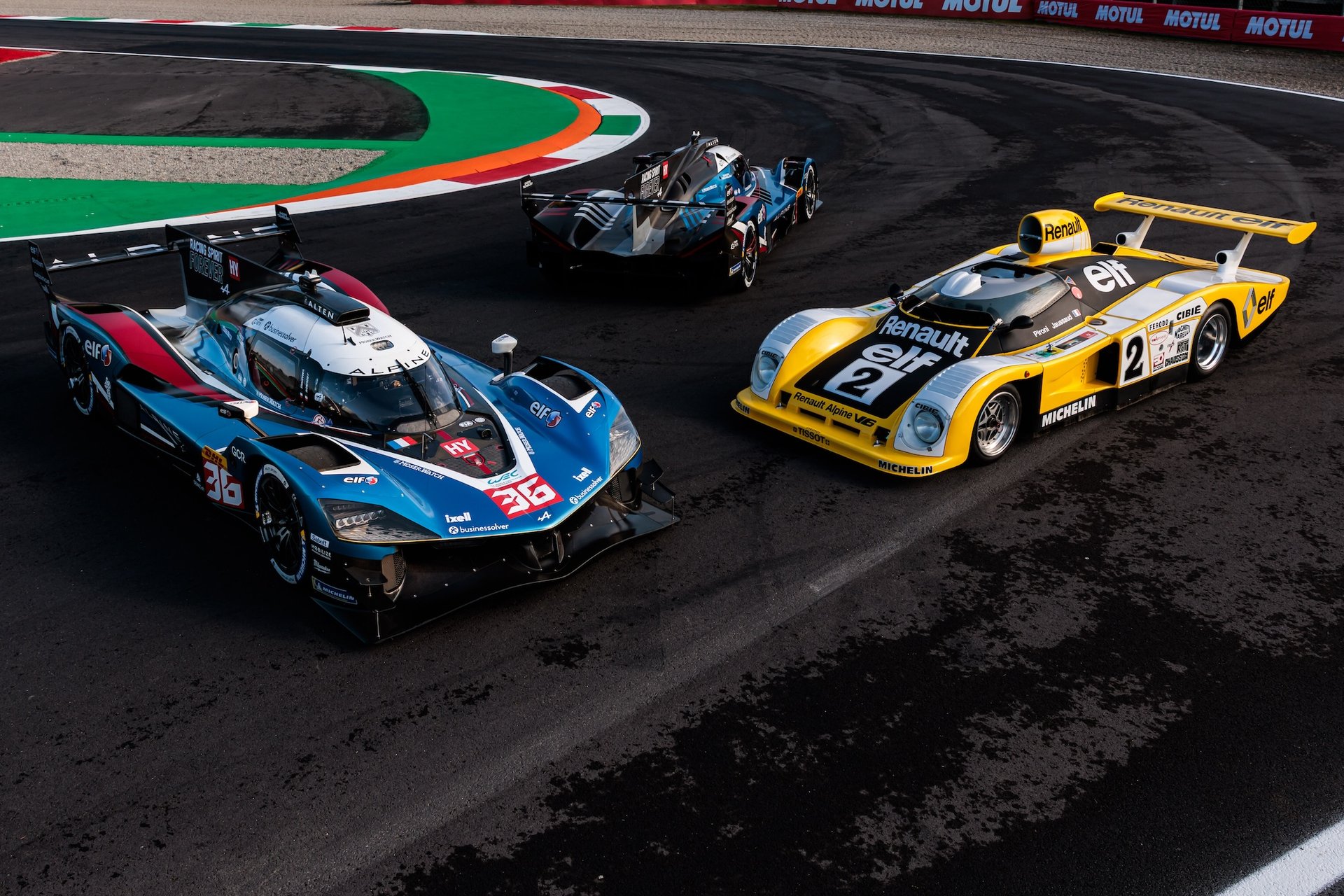
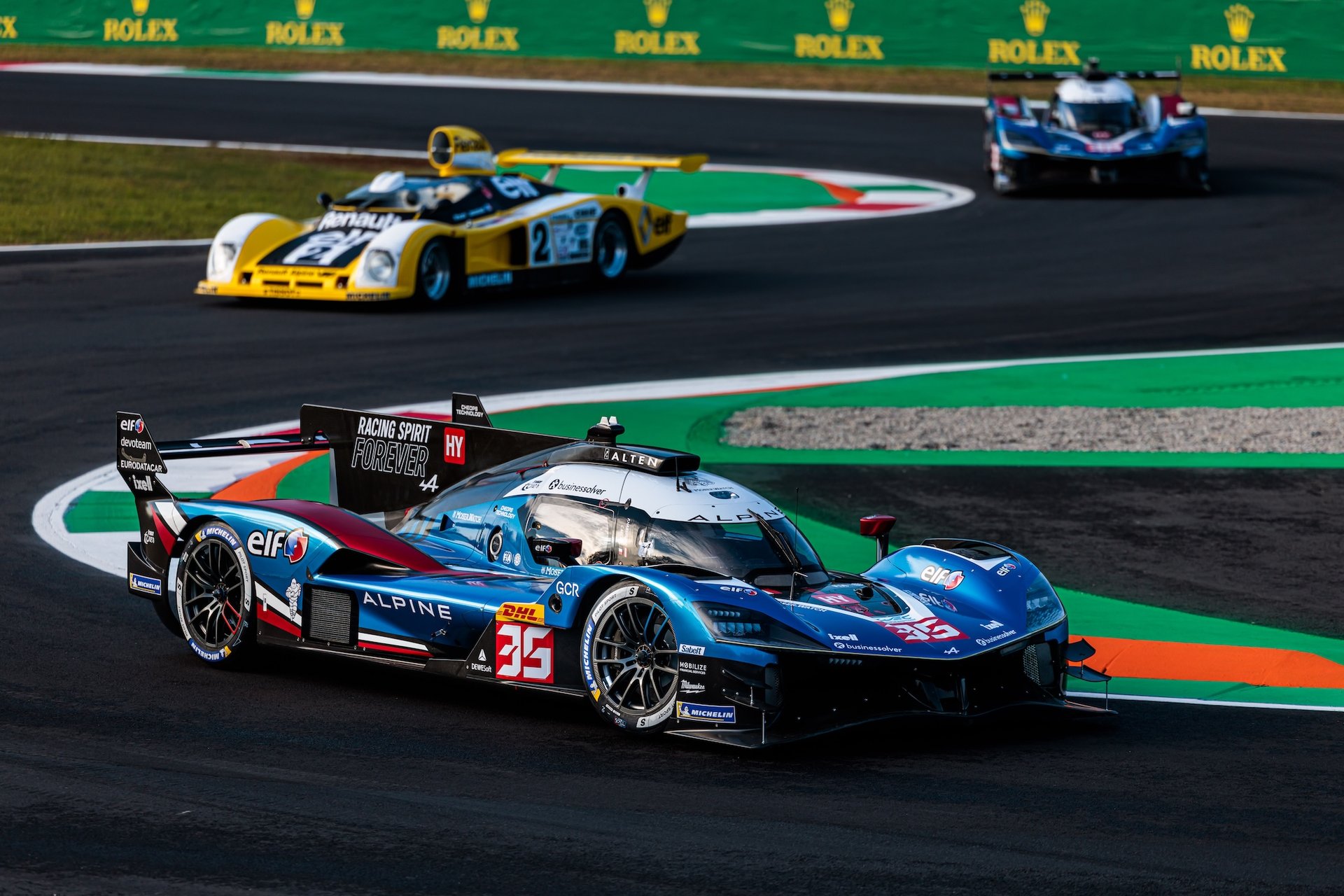
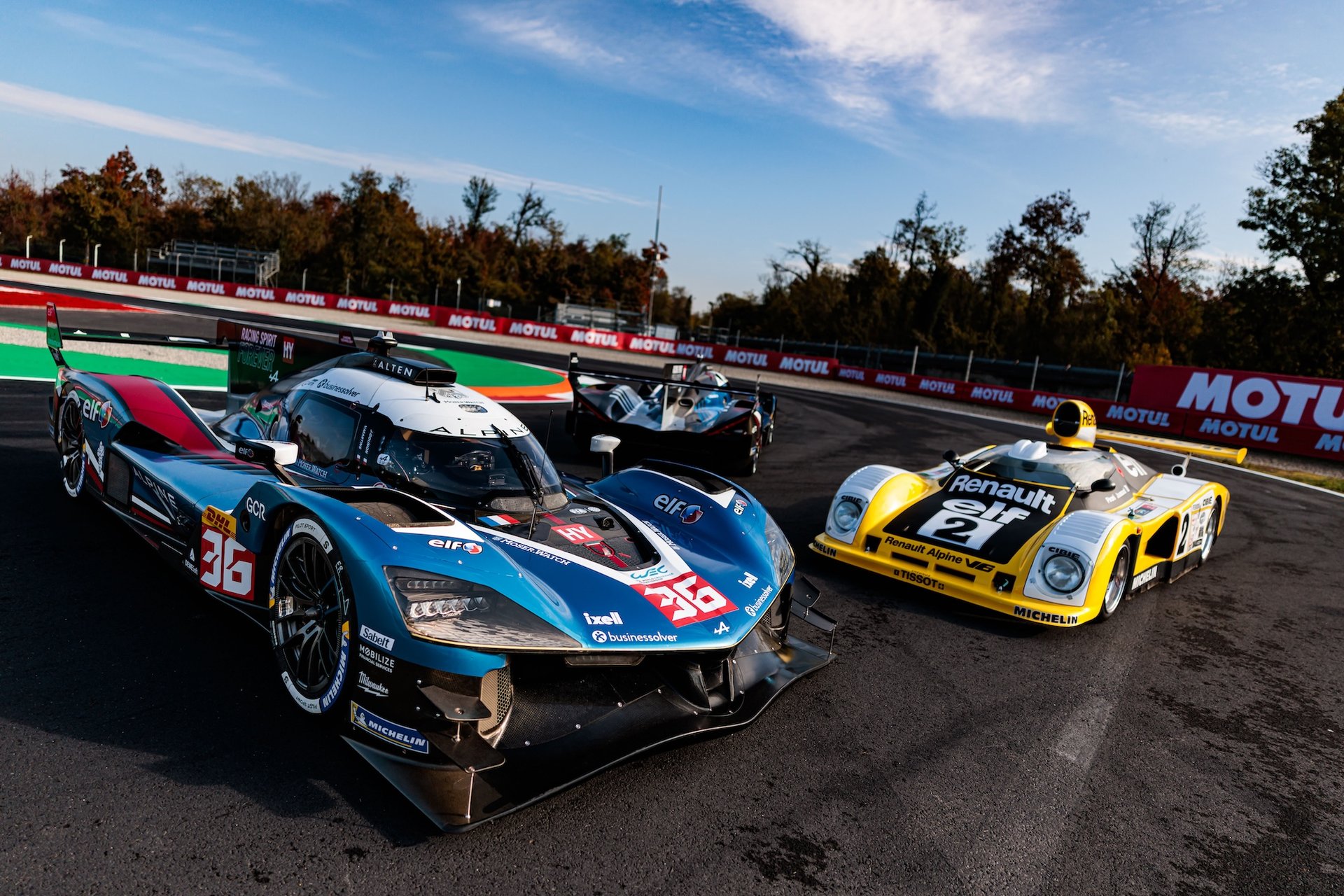
Alpine brought together two landmark cars from its racing history at Monza: the A424 and the Renault Alpine A442B.
The latter remains synonymous with victory at the 1978 24 Hours of Le Mans, achieved by Jean-Pierre Jaussaud and Didier Pironi. Forty-eight years separate these two prototypes.
The A442B came from the turbocharged-engine era that Renault would also explore in Formula 1. The A424 belongs to a different generation, built to LMDh regulations with a standardised hybrid system. Seeing the two cars together at Monza carried particular meaning.
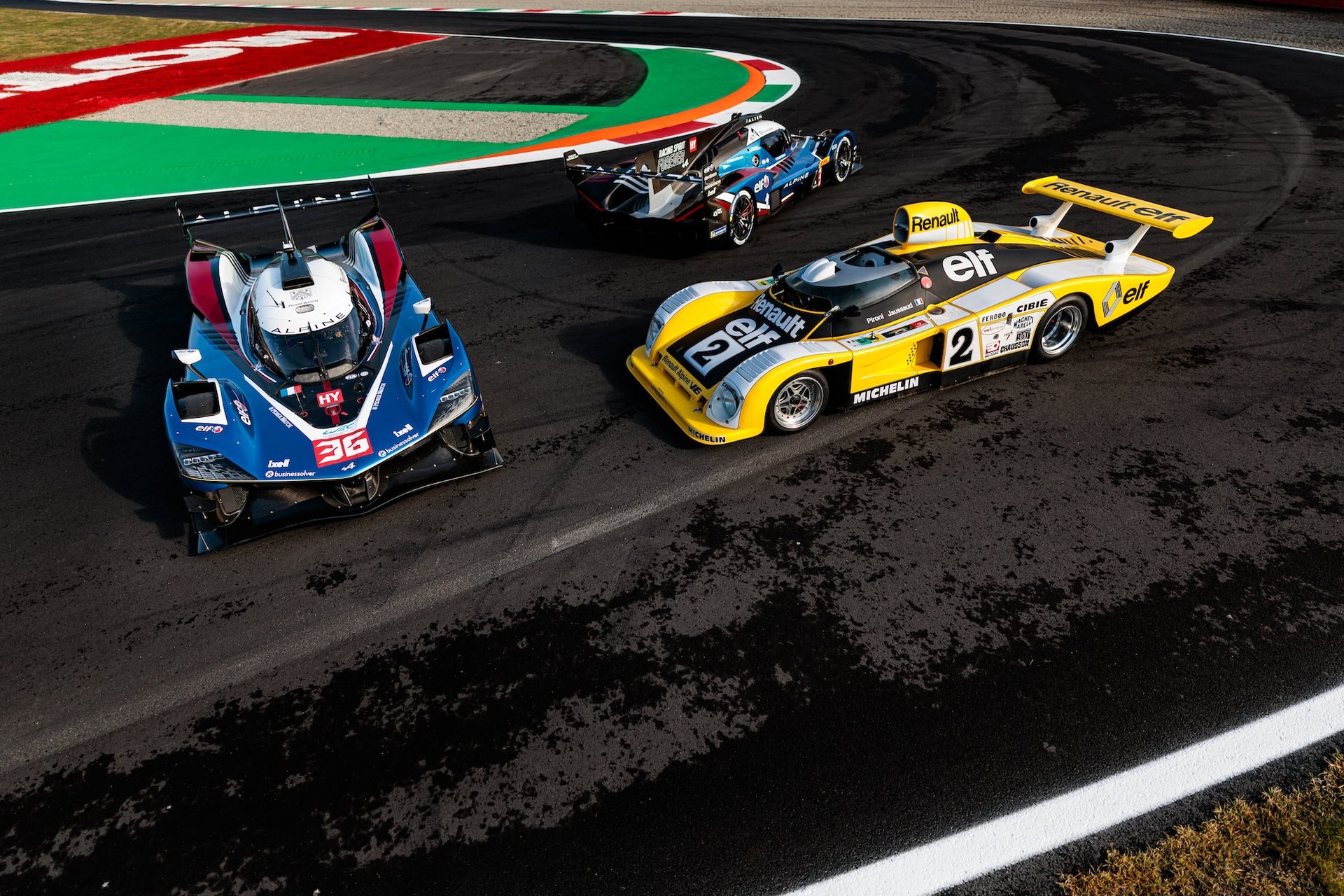
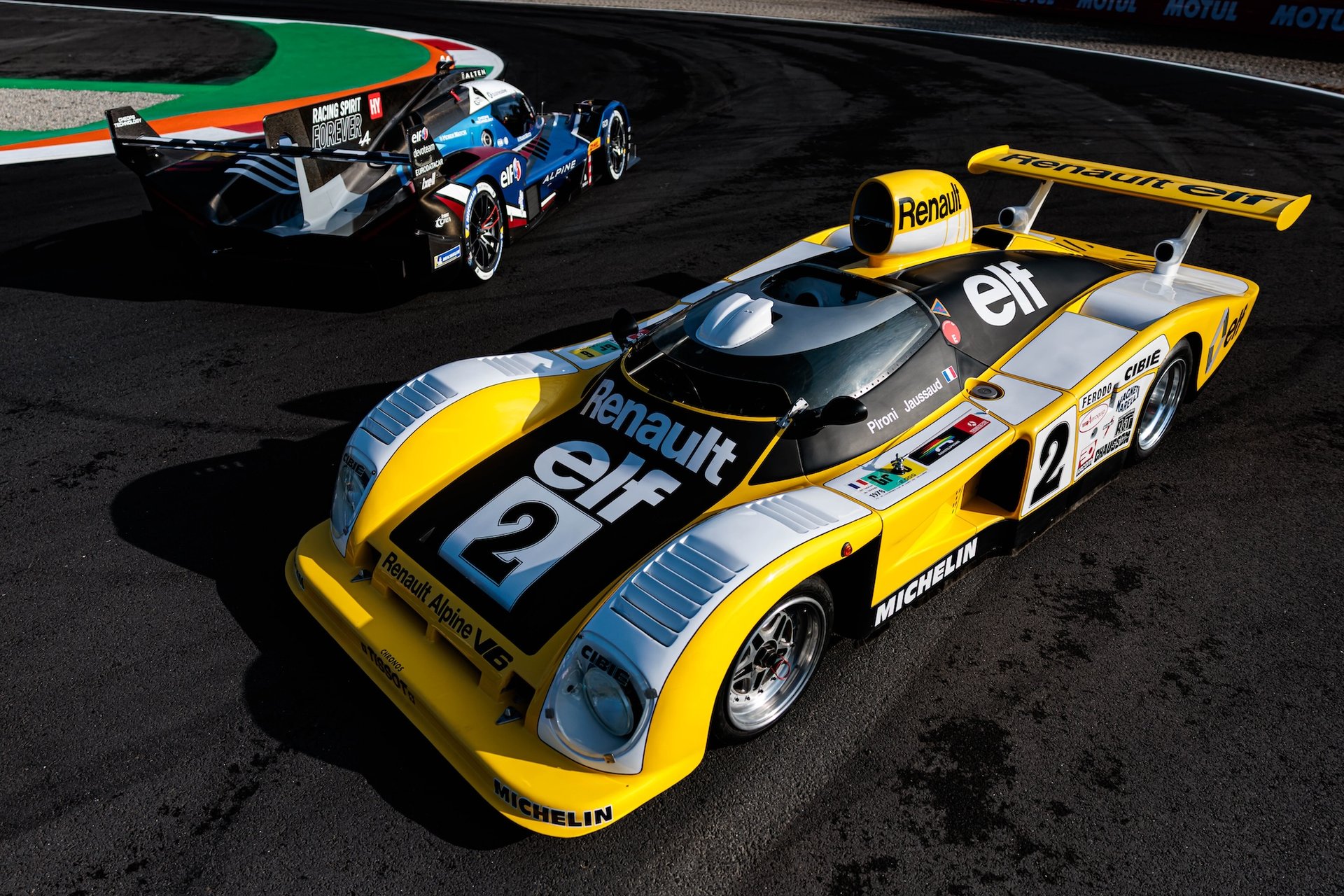
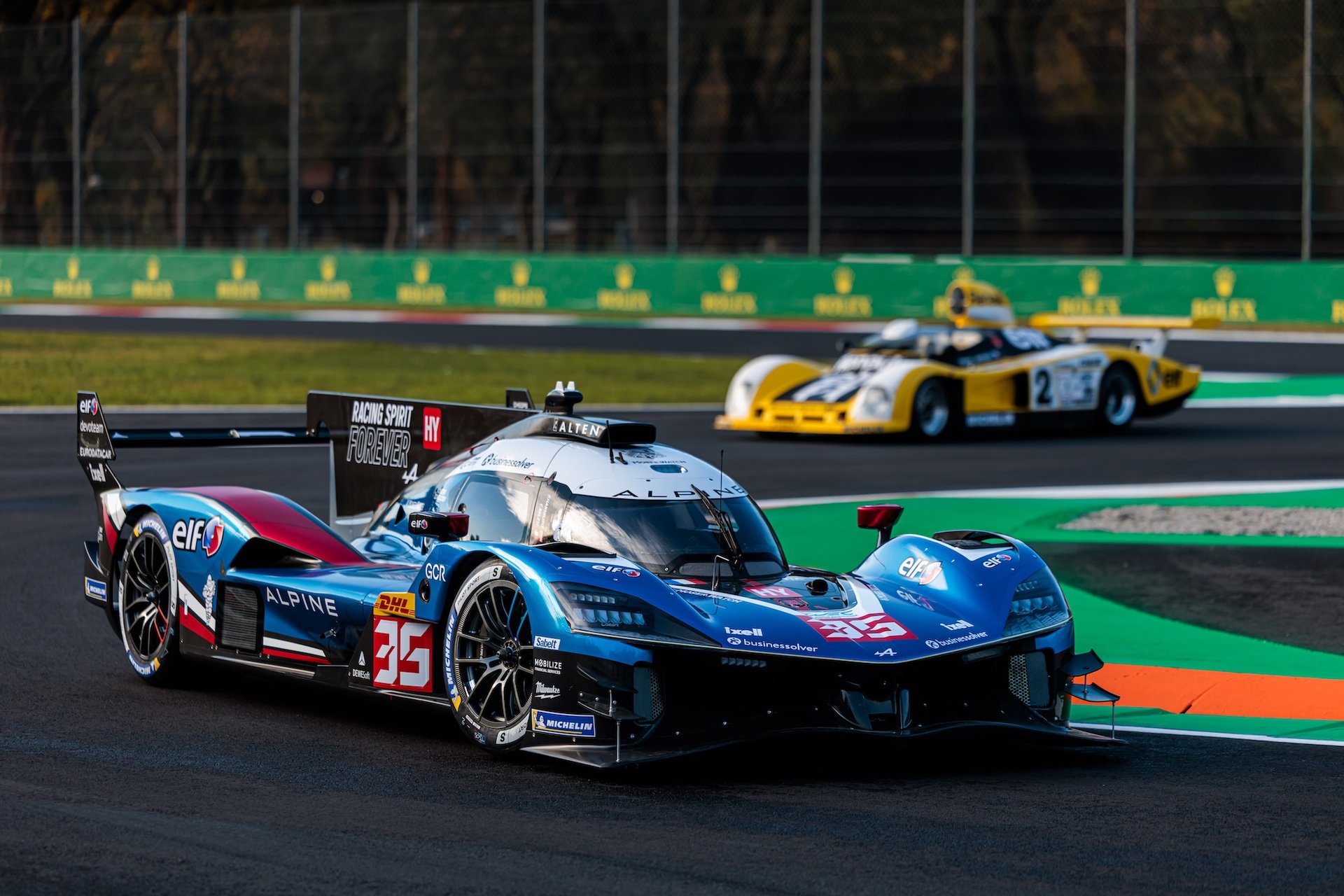
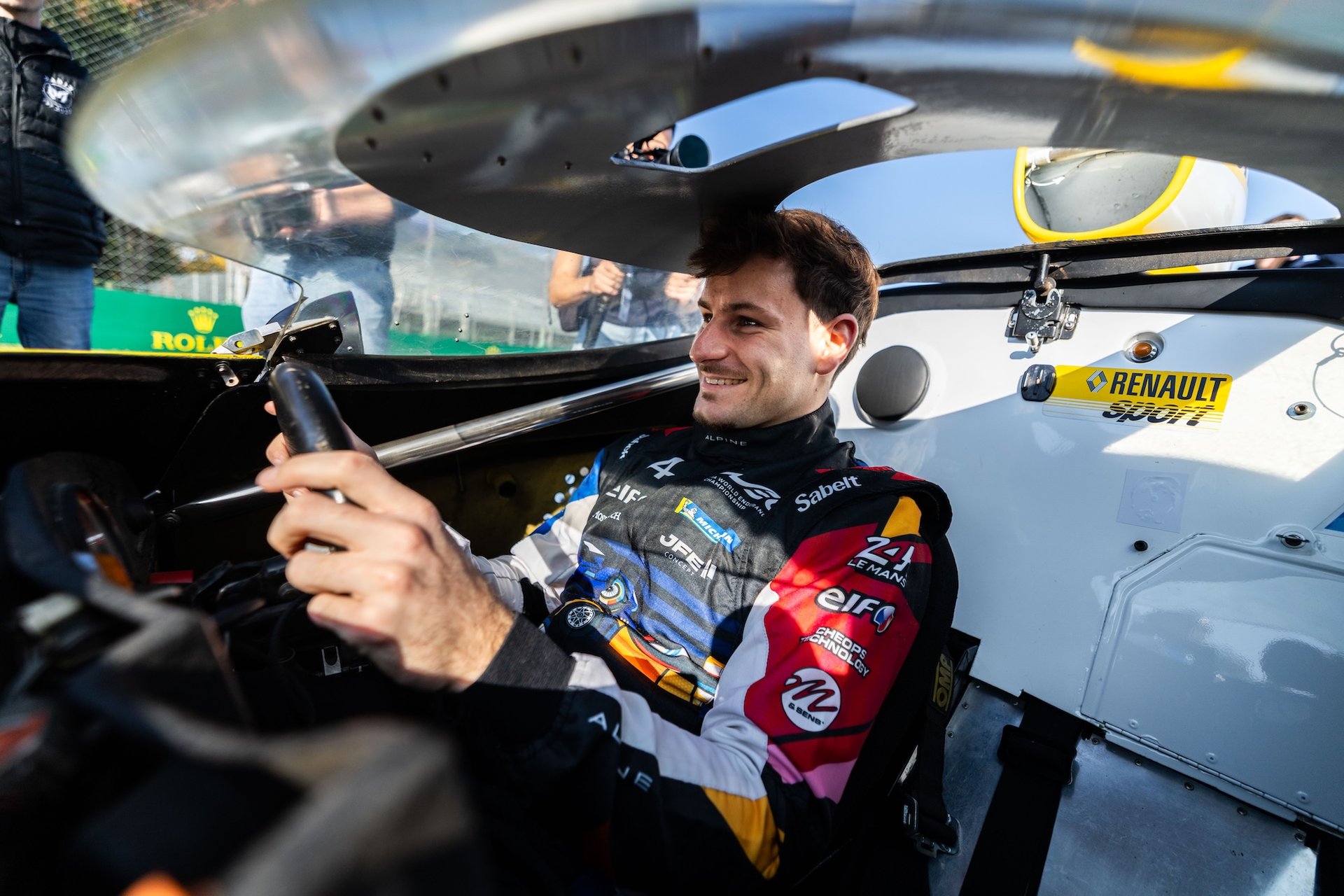
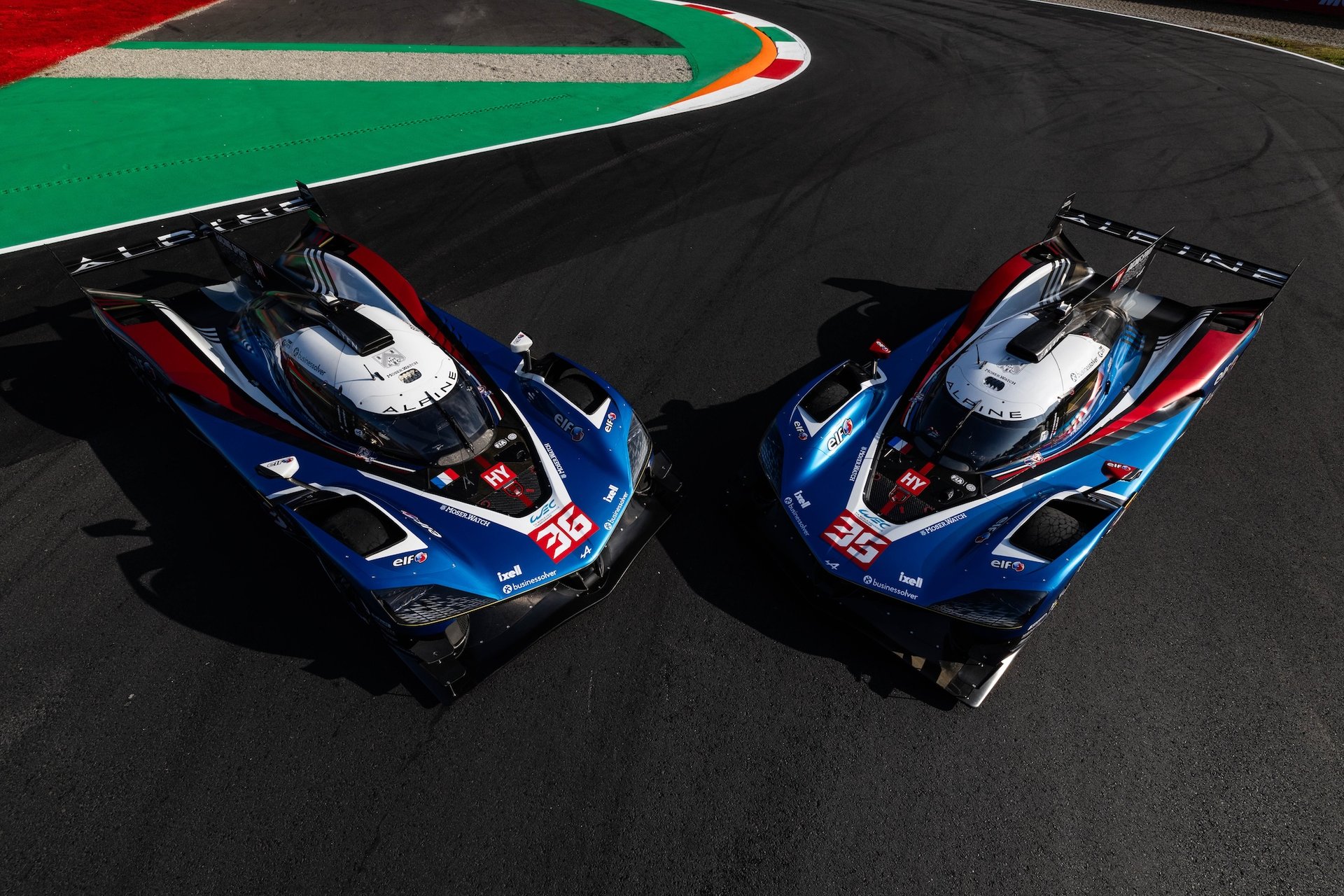
Following its Le Mans triumph in 1978, Renault chose to focus its efforts on Formula 1. In 2026, Alpine is making a similar decision.
The difference is that the A442B bowed out after achieving its biggest objective: winning the 24 Hours of Le Mans. The Alpine A424 is leaving just as it has begun to compete regularly with the best.
The historical parallel is also a reminder of how much Alpine owes to endurance racing. The brand’s reputation was built through competition, often against manufacturers with vastly greater resources, rather than through the exposure offered by any one championship.
That heritage will survive the end of the programme. But it deserved to continue on the circuit.
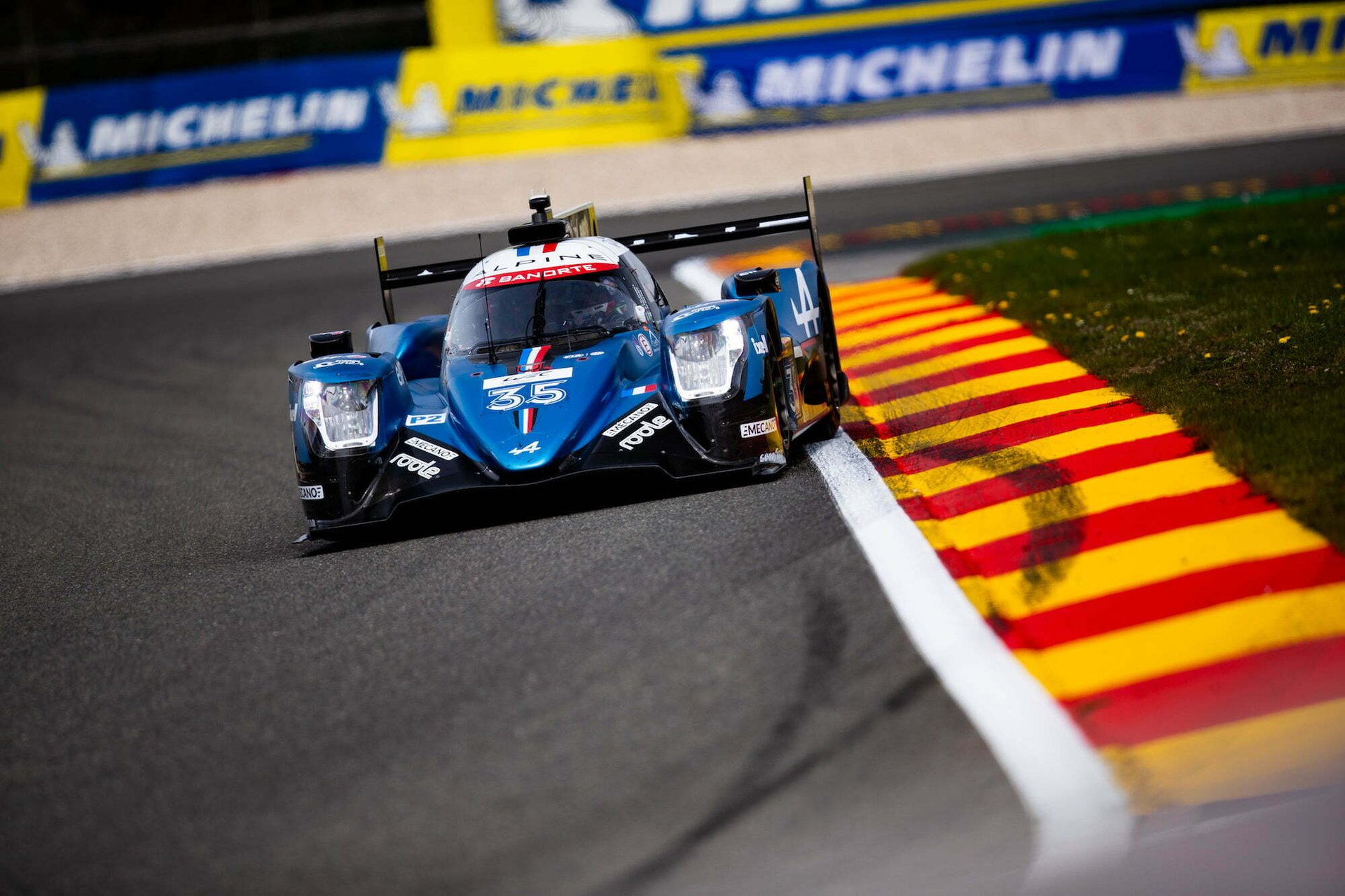
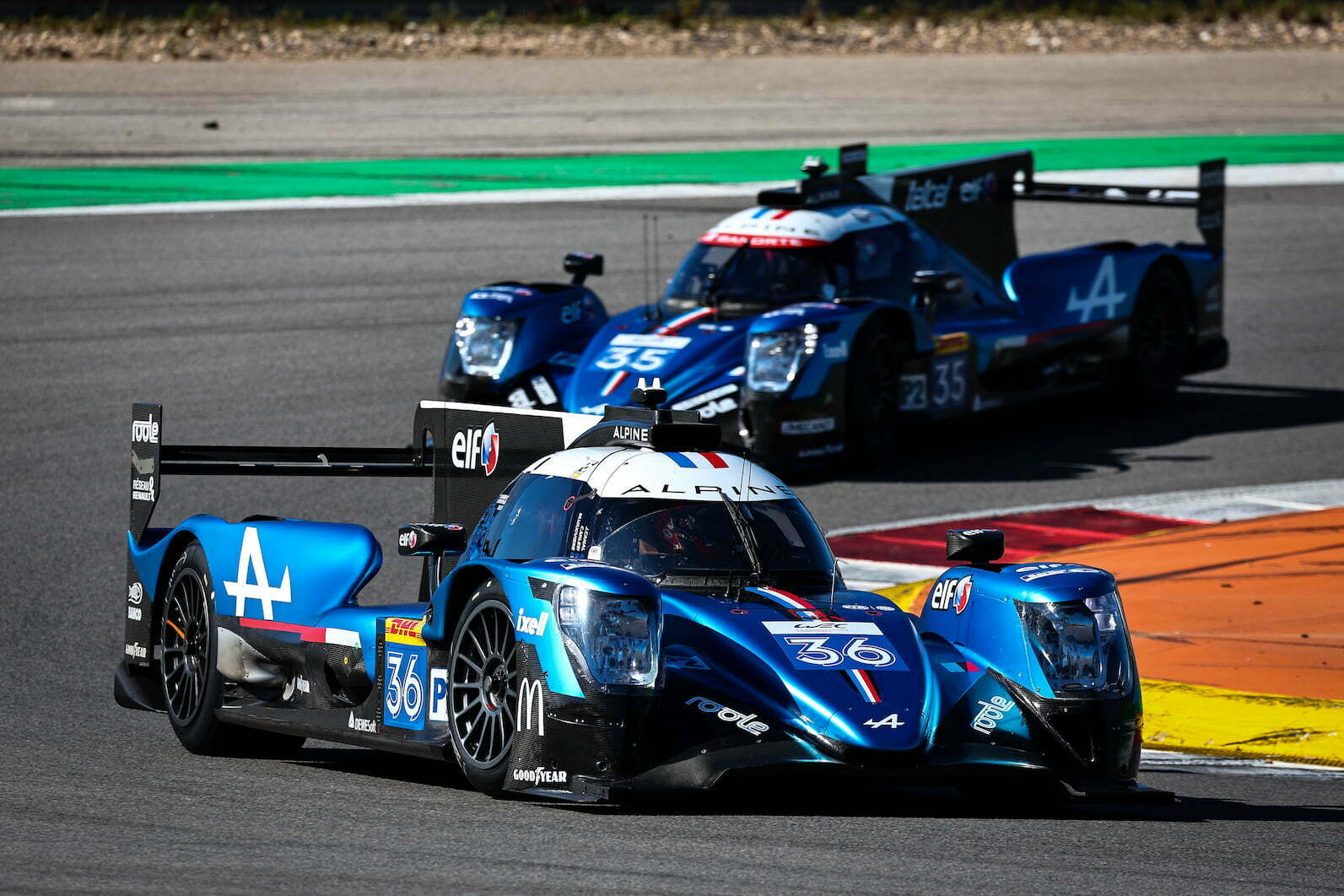
Thirteen years with Signatech: titles, victories and a team
Alpine’s partnership with Signatech began in 2013.
Success came quickly, with back-to-back European Le Mans Series titles in 2013 and 2014.
Philippe Sinault’s team then continued its journey in the World Endurance Championship, winning the LMP2 titles in 2016 and the 2018–19 Super Season, alongside three class victories at the 24 Hours of Le Mans in 2016, 2018 and 2019.
The move into the top category from 2021 opened a new chapter.
Alpine achieved an overall podium at the 24 Hours of Le Mans in 2021, followed by wins at Sebring and Monza in 2022. The arrival of the A424 in 2024 brought an even greater technical challenge.
World Endurance Championship
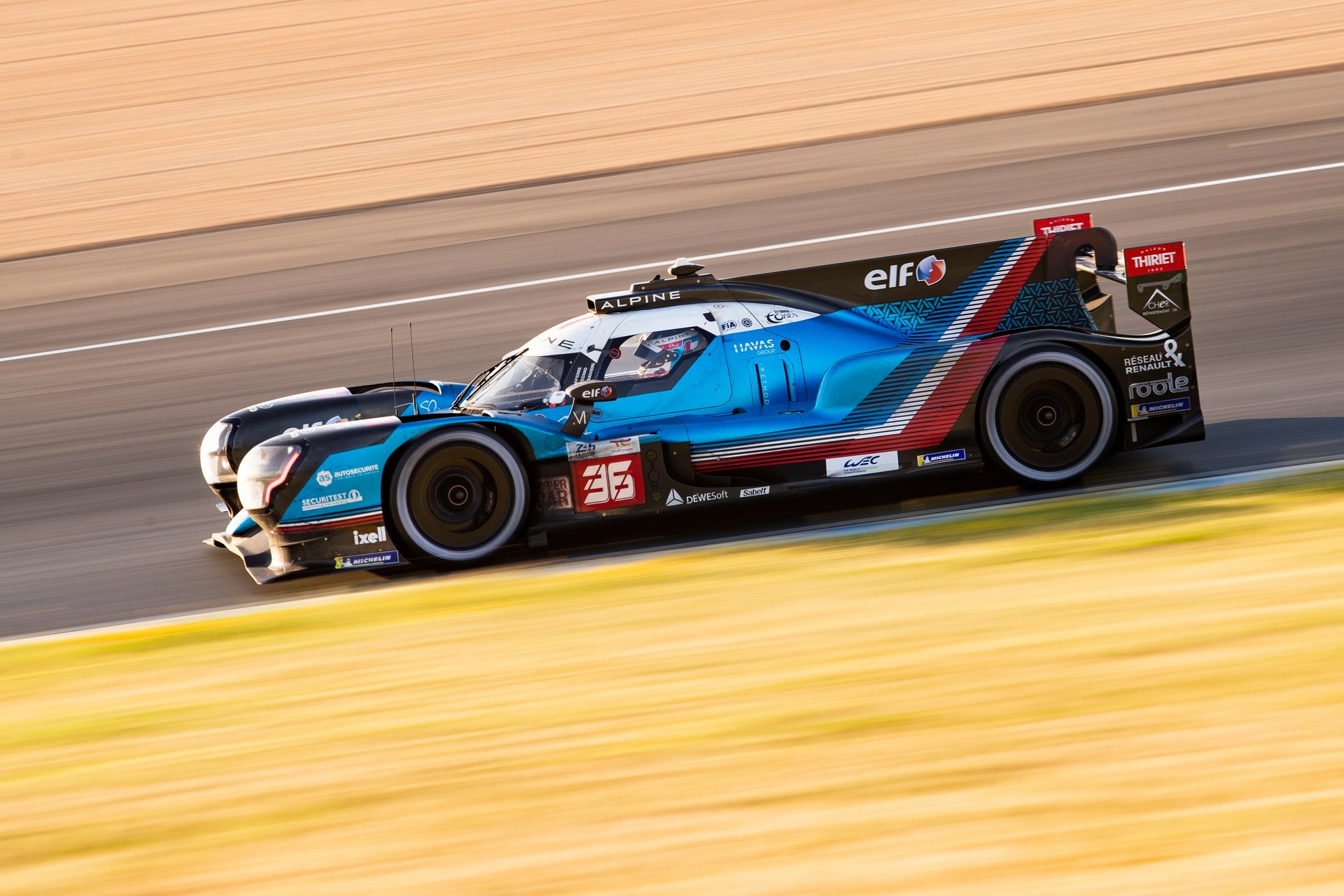
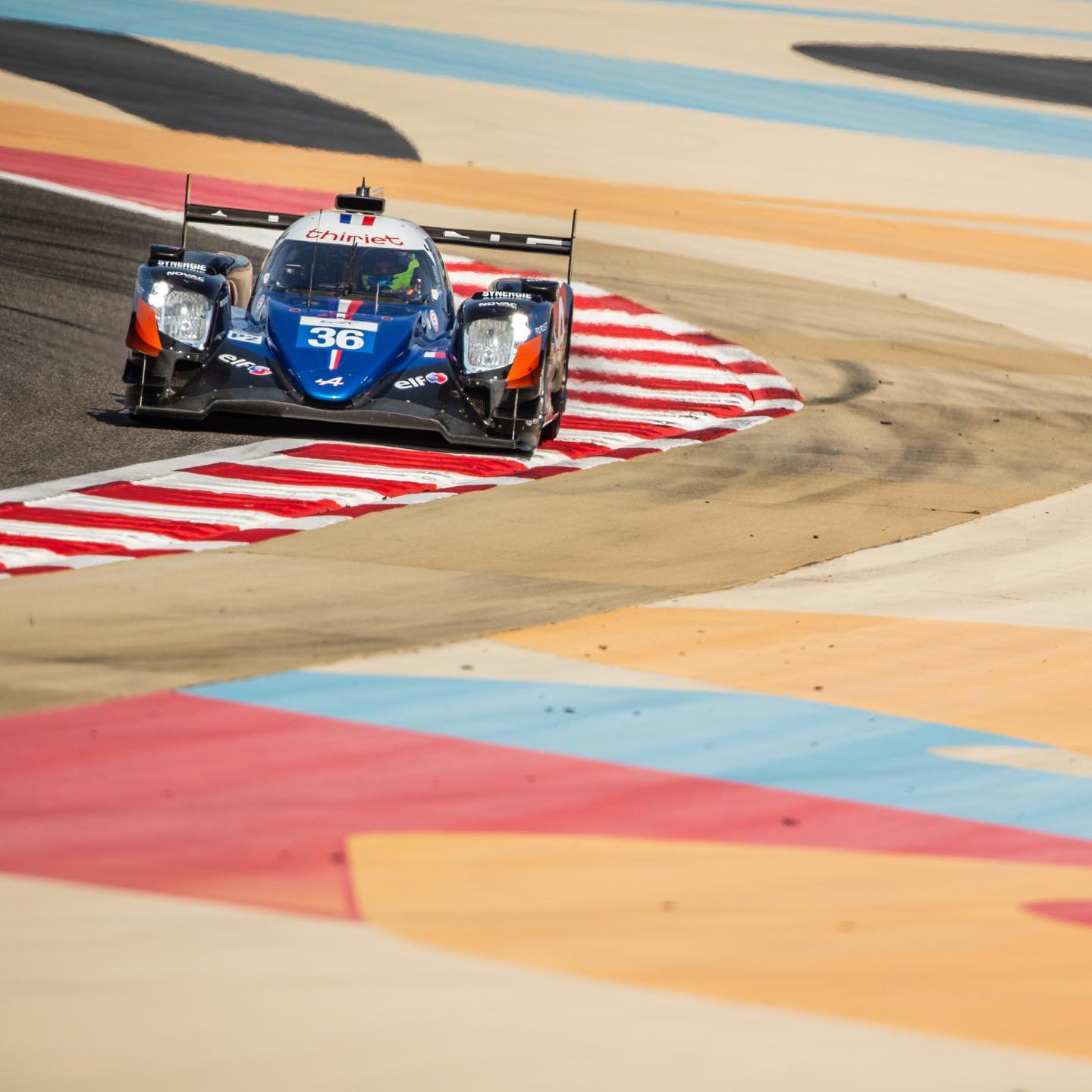
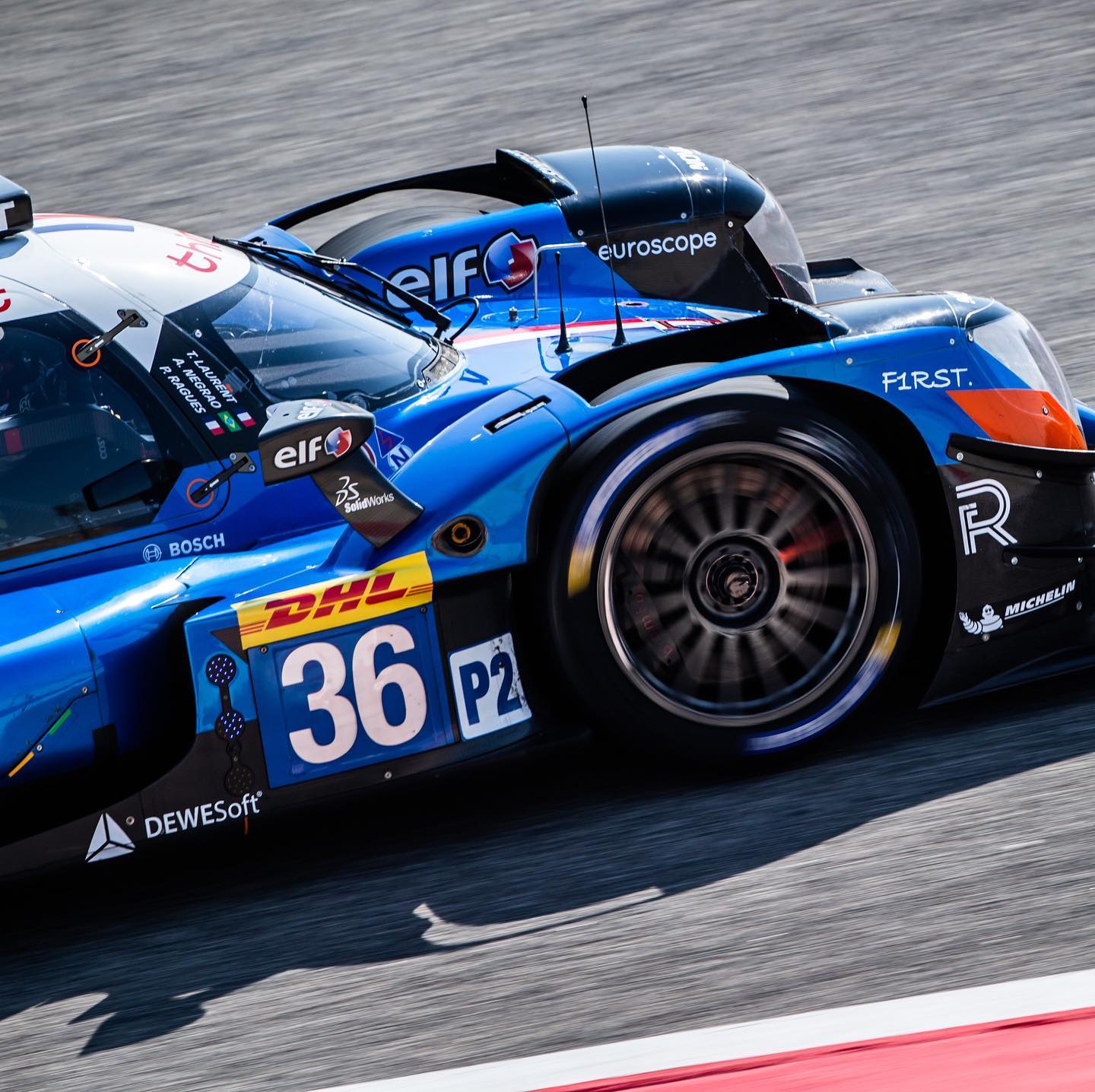
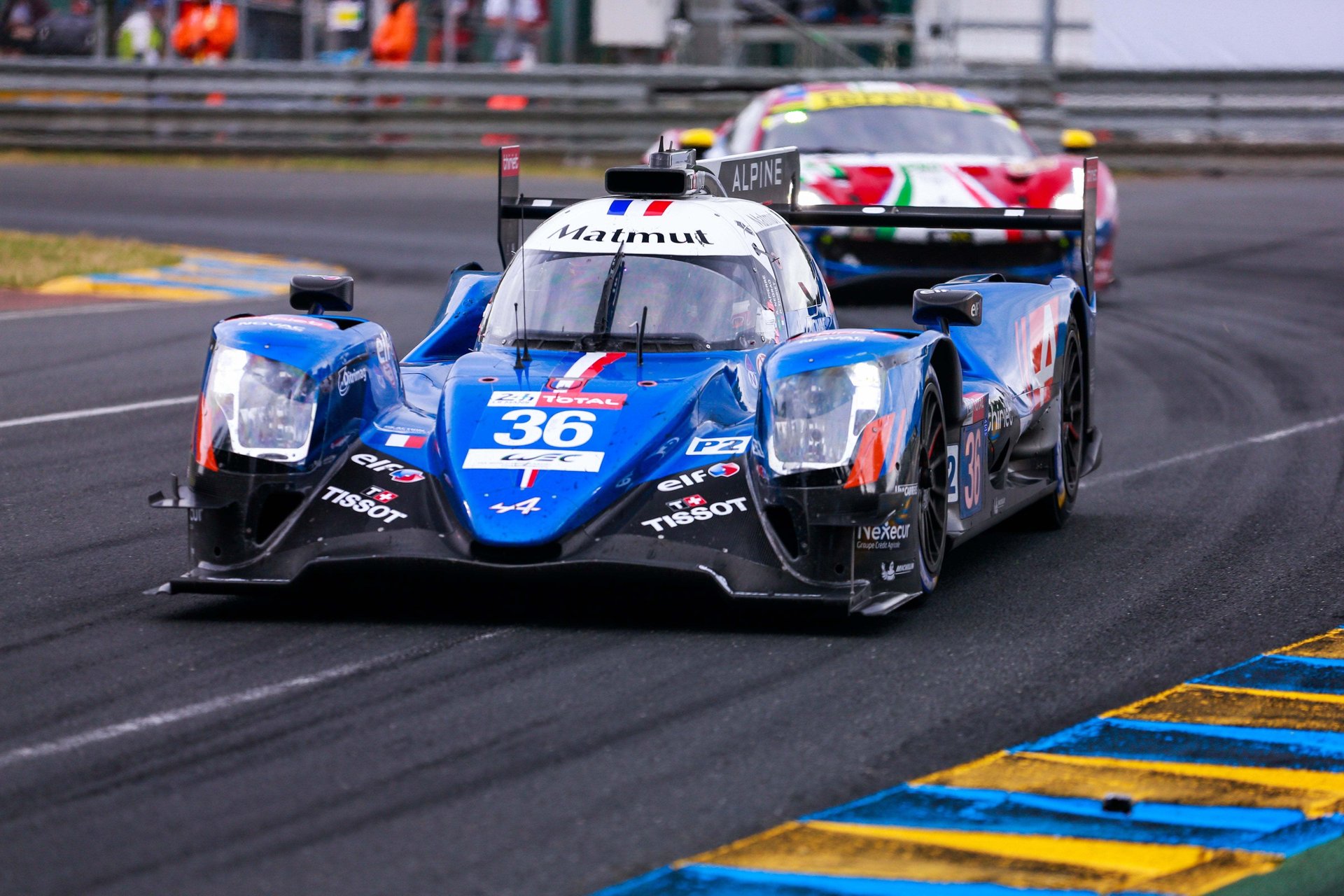
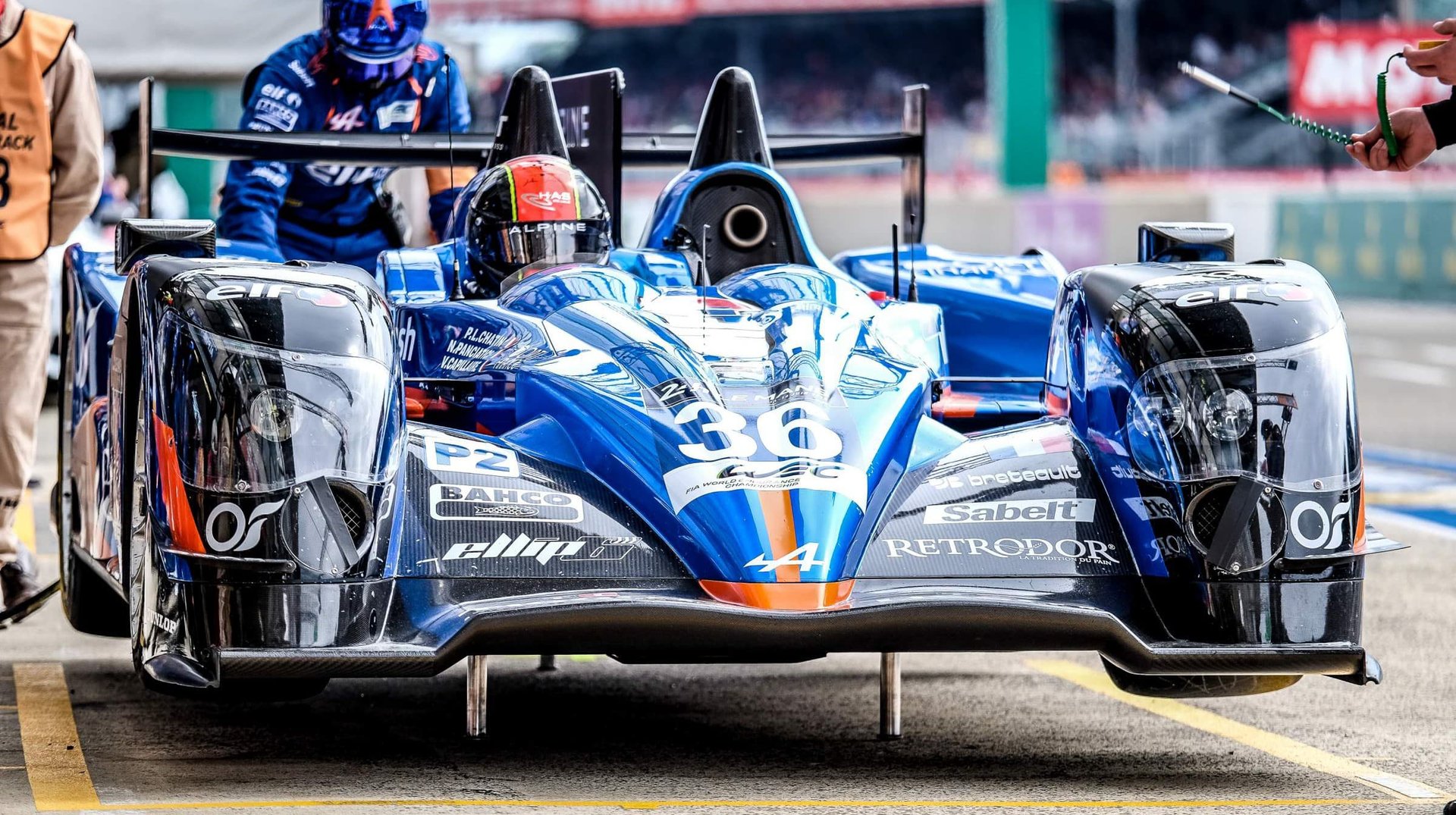
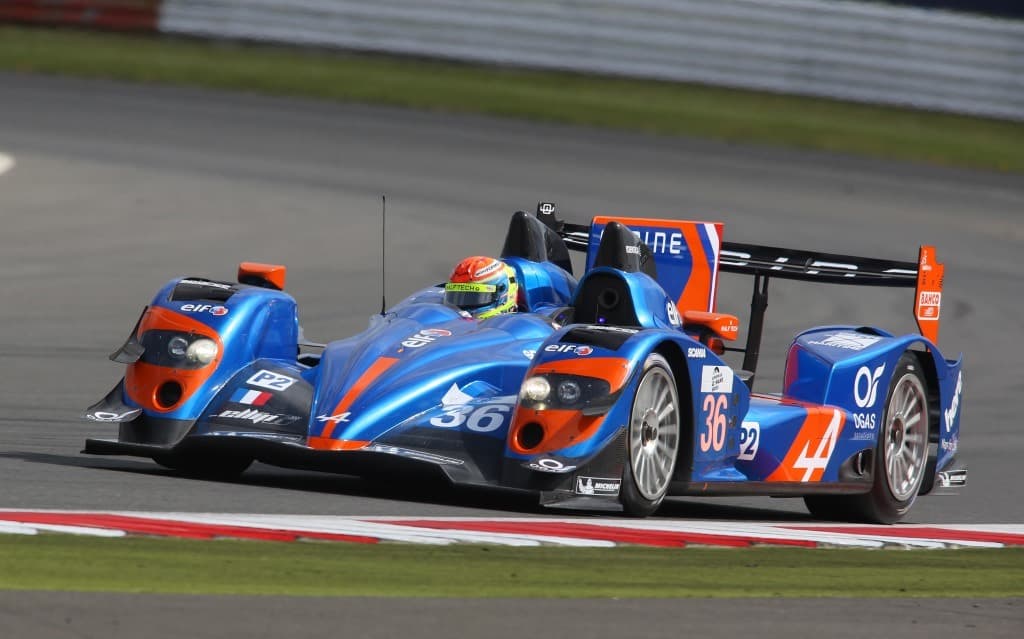
The team had to develop a new car, learn how to extract its performance and take on manufacturers with substantial resources. The A424’s first podium came at Fuji in 2024, followed by its first victory at the same venue in 2025.
In 2026, the performances at Austin, Fuji and Monza showed how far the programme had progressed.
There had been retirements, mechanical problems, mistakes and difficult races. But there had also been years of work, thousands of hours of testing and a team that never stopped trying to improve.
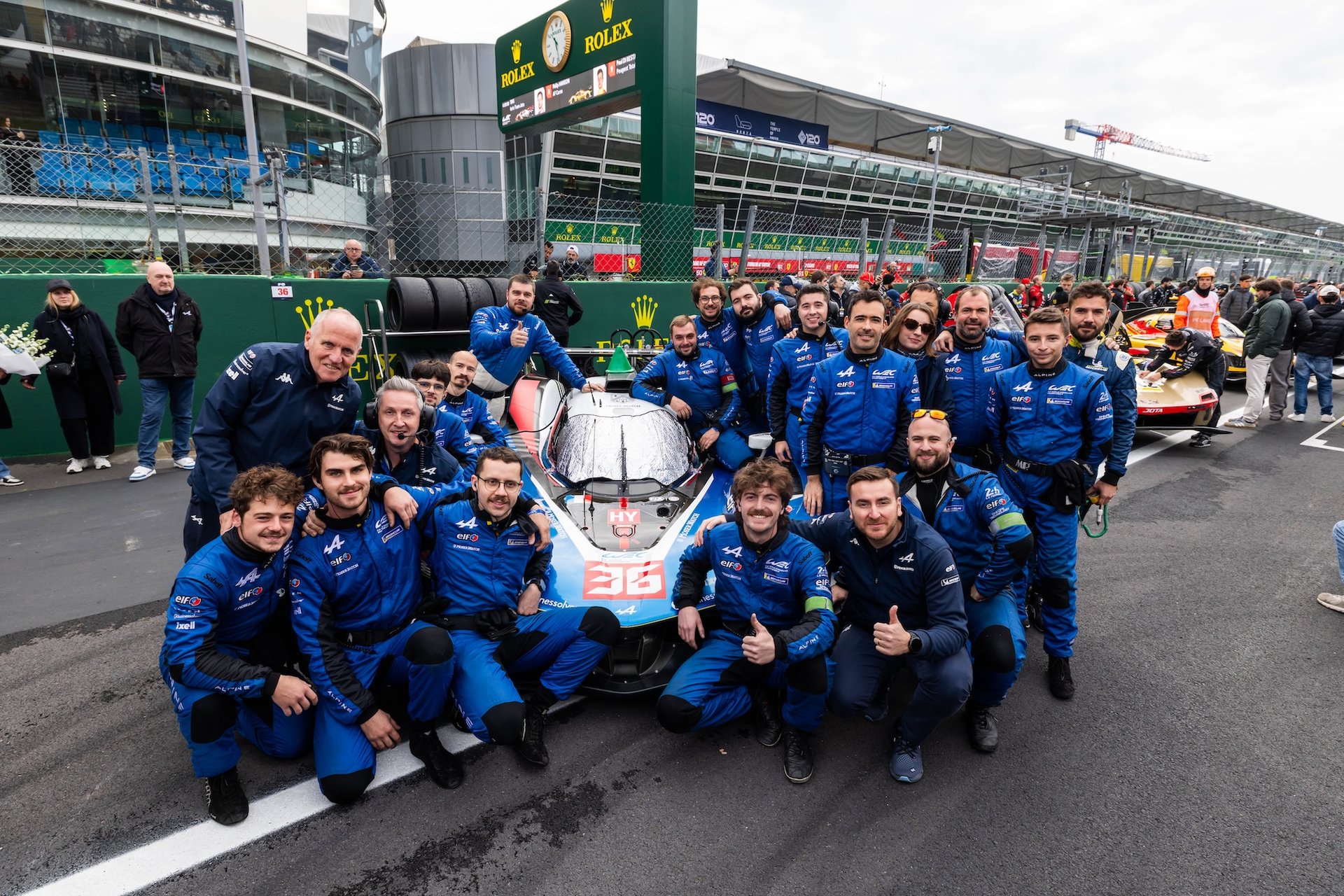
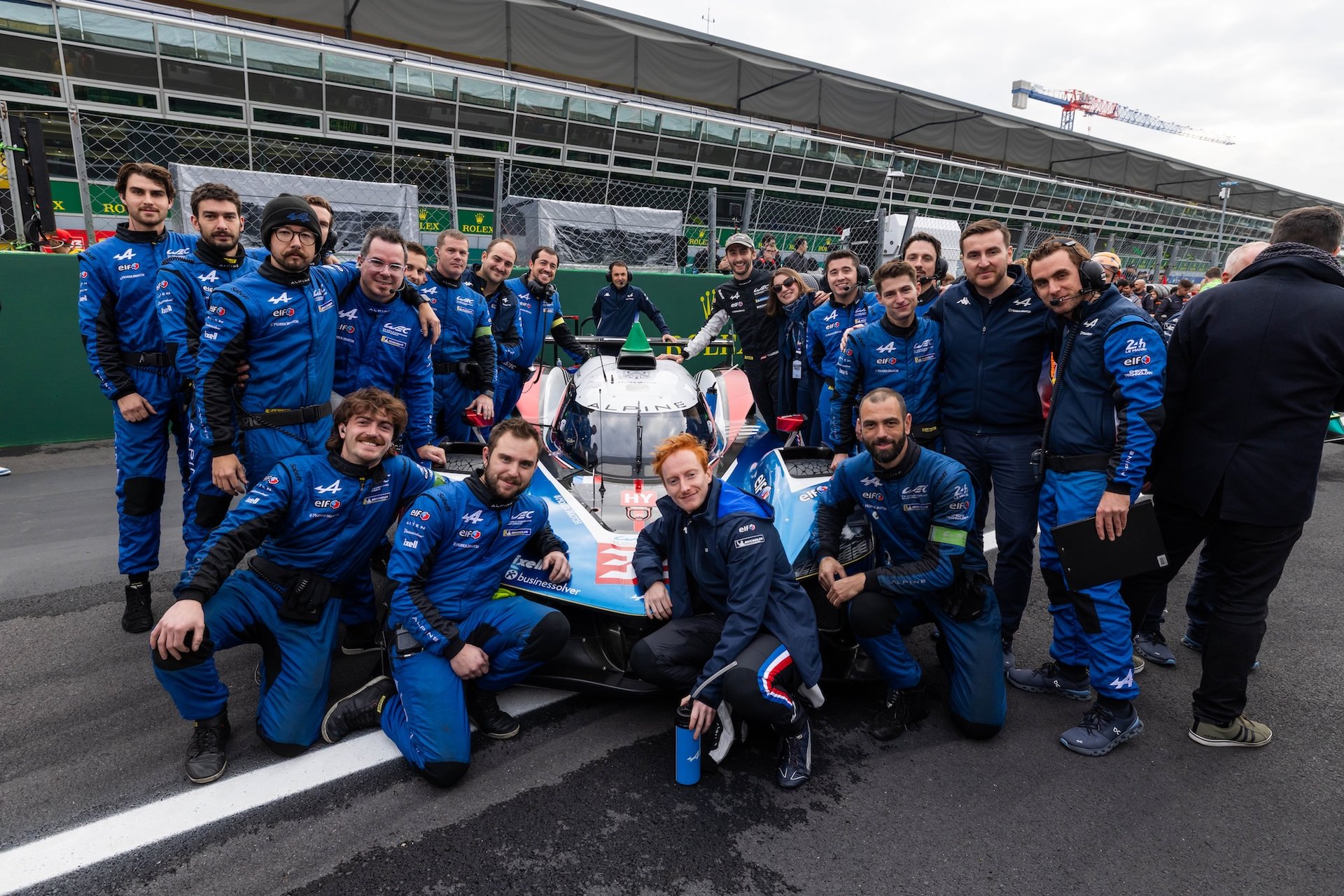
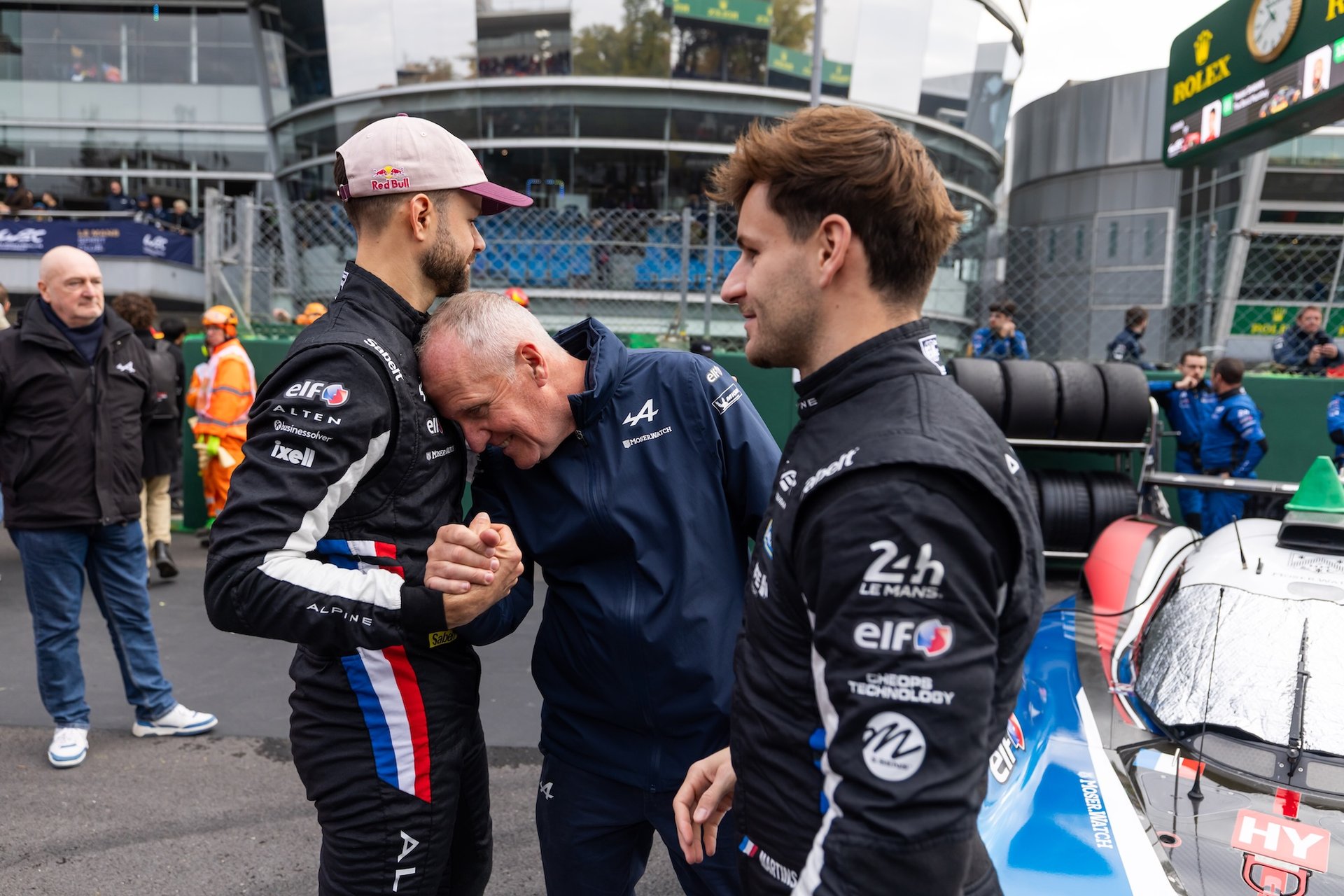
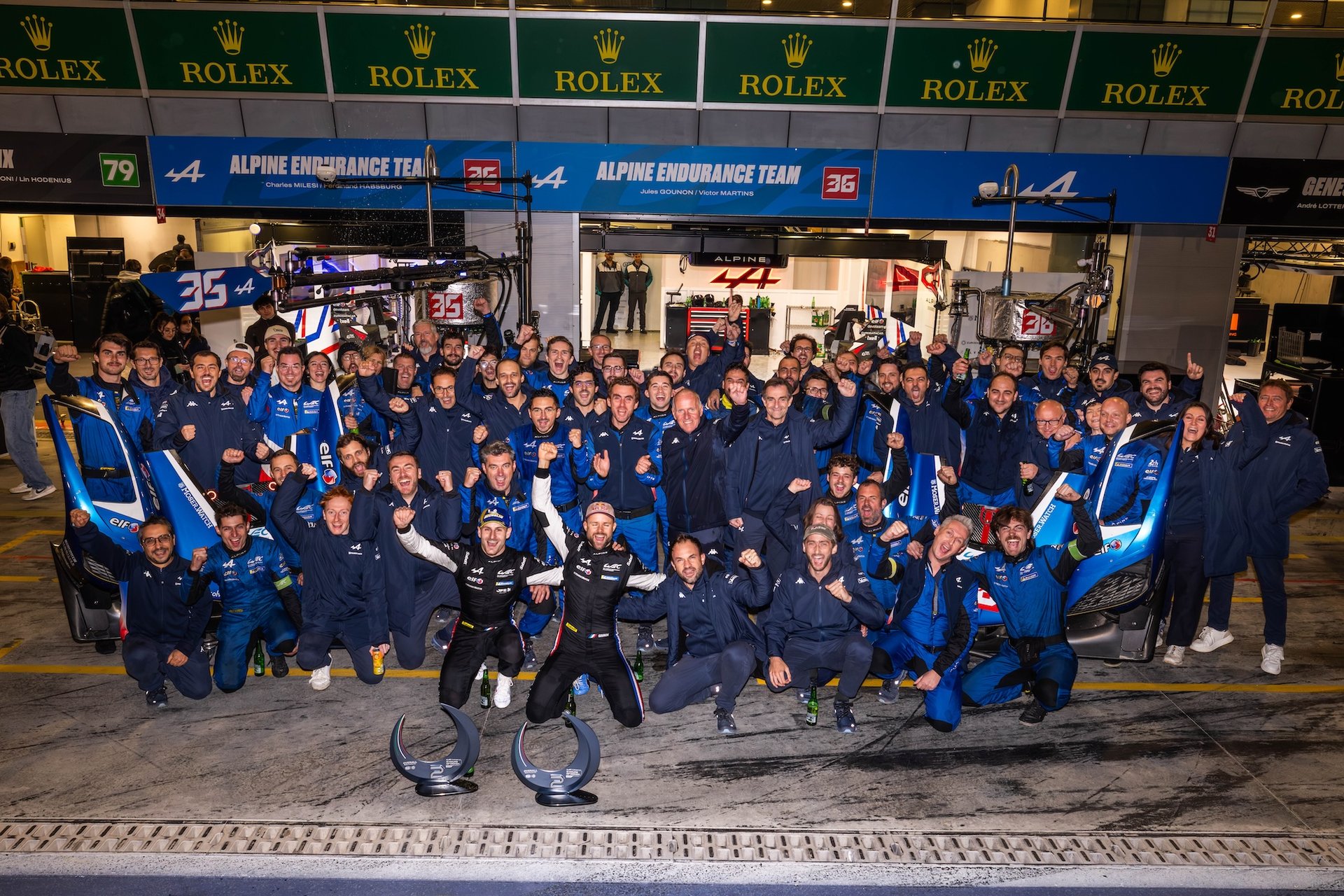
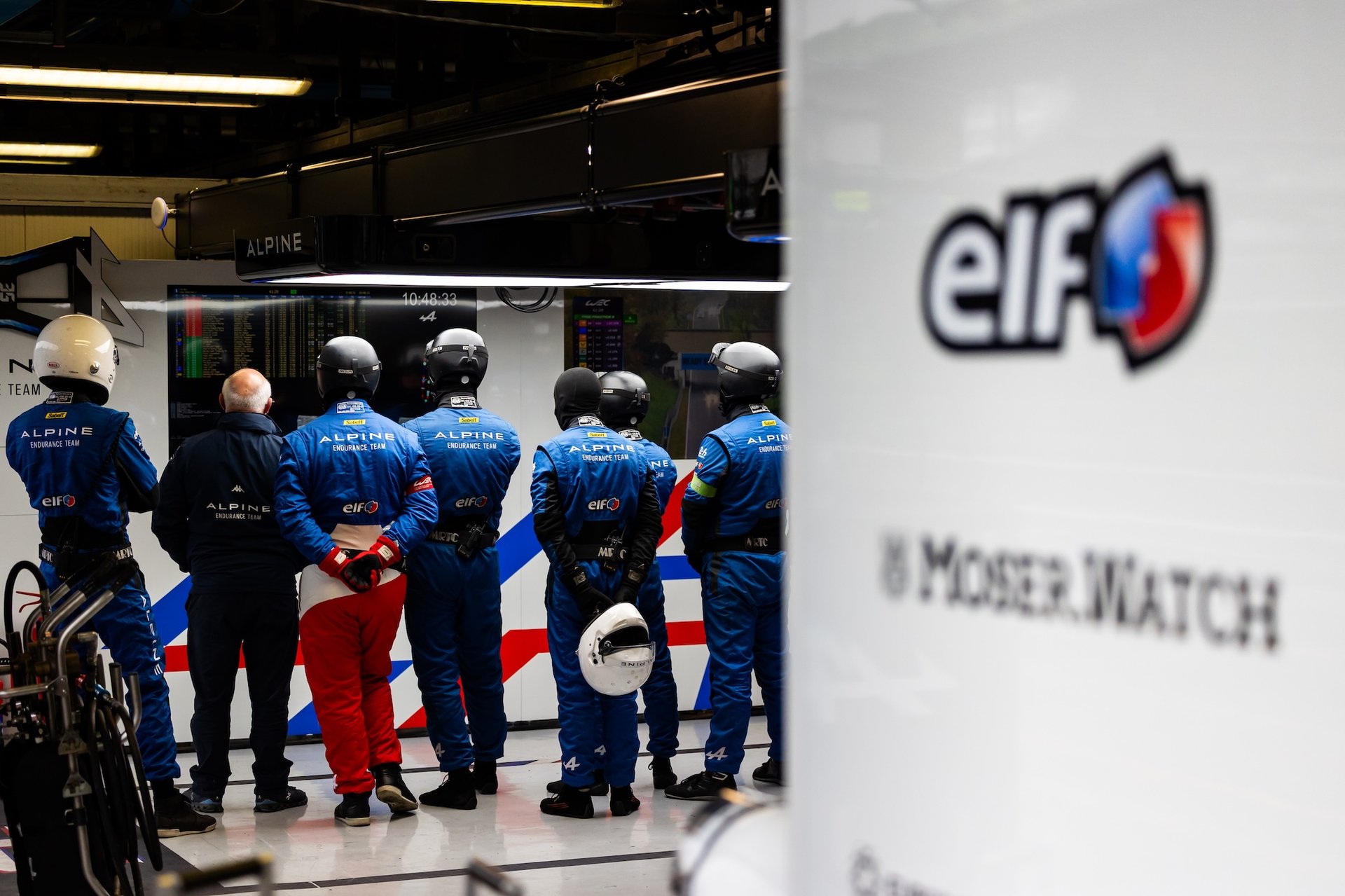
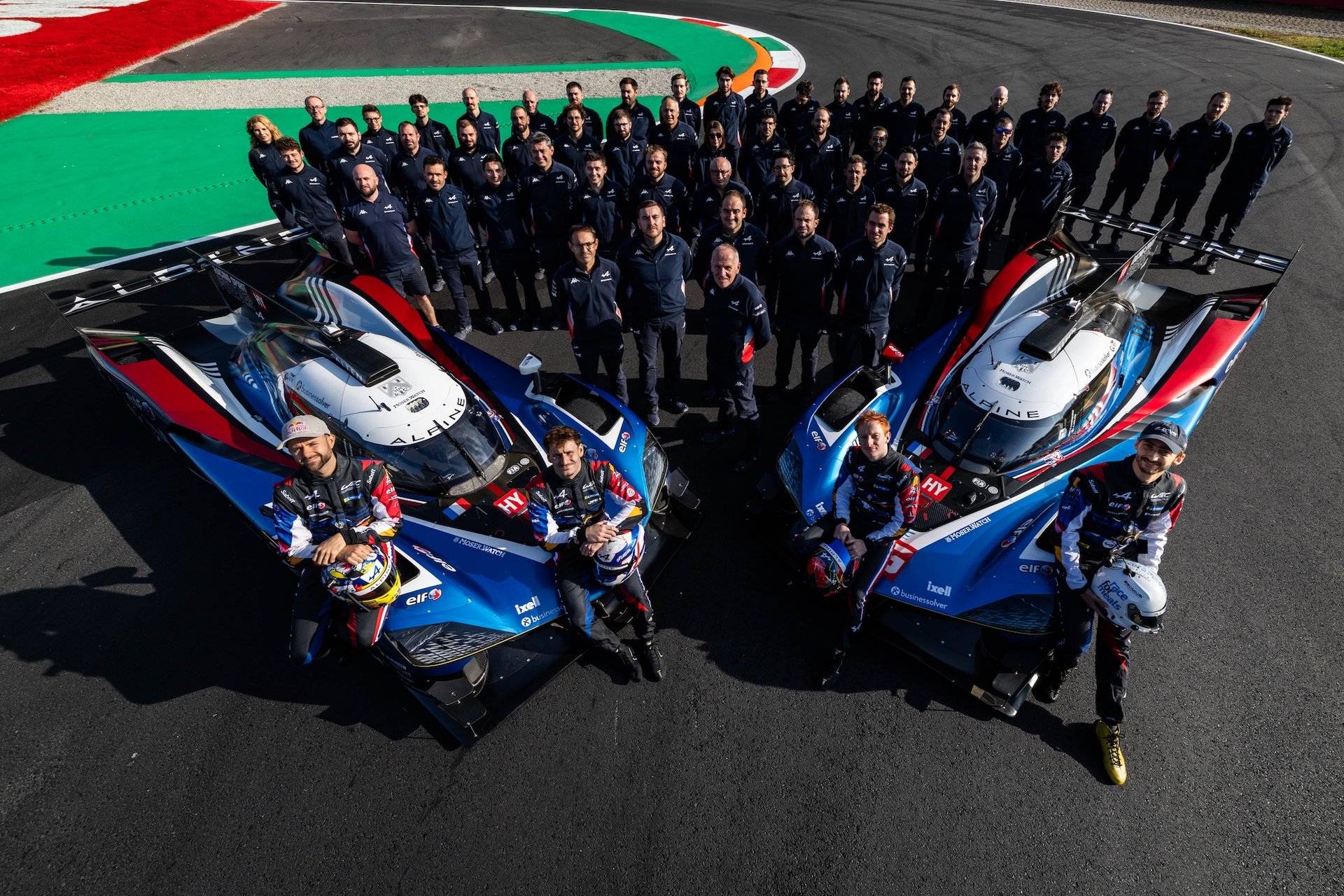
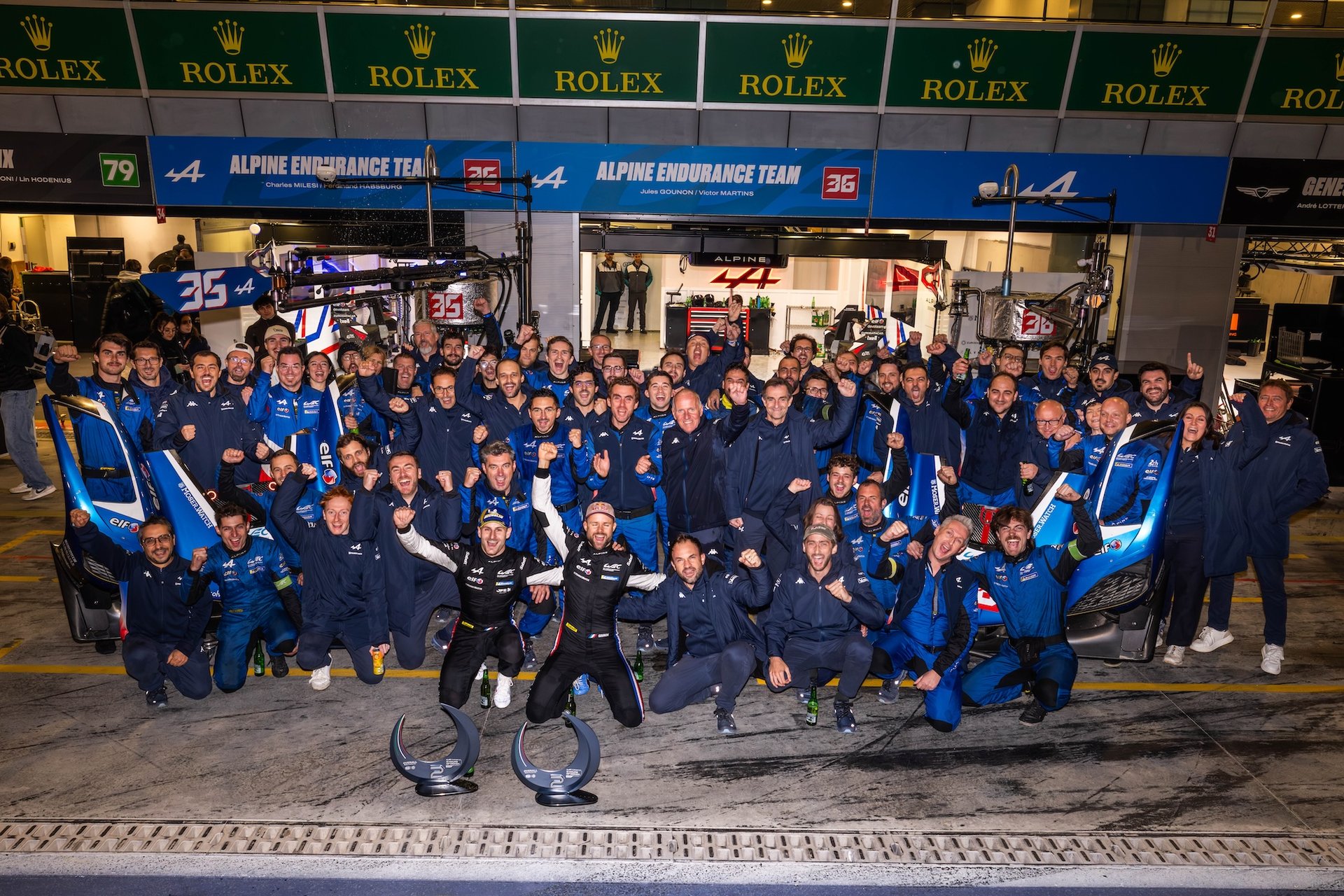
Those were the people gathered at Monza as the factory programme drew to a close.
They deserved better than to see the programme cancelled just as their car had become capable of winning.
In their own words
Victor Martins – No. 36 Alpine A424, second place
“What a race! Jules did a fantastic job. When I got into the car, he had already done an incredible job and we were in third place. From that point on, I think we executed our race perfectly. This result feels very different from Fuji because today we gave everything and made the right decisions at the right moments. There is still a little frustration because victory was within our reach at one stage, but Cadillac managed its energy extremely well. Finishing on the podium is a fantastic reward for the whole team.”
Jules Gounon – No. 36 Alpine A424, second place
“I am very, very happy to end the programme on the podium. Of course, we wanted to fight for the win, so it is a slightly bittersweet feeling, but second place is still an incredible result for the whole team. I would have loved to win and give the programme a truly exceptional ending, but this is still a wonderful way to finish.”
Charles Milesi – No. 35 Alpine A424, retired
“The season is still ending on a very positive note with this podium. On our side, of course, there is some disappointment after the accident. We need to analyse exactly what happened. But that is not the most important thing today. Above all, we should remember this podium and the fact that we have brought the programme to such a strong conclusion. We can all be proud of what we have achieved together over the past three or four years.”
Ferdinand Habsburg – No. 35 Alpine A424, retired
“I want to take this opportunity to thank all the men and women who made this journey possible. That is really all I want to say today: just how extraordinary they are. The joy, the laughter and the tears we saw today allowed us to release all the pressure we had felt throughout the year without ever really being able to show it. Now that the pressure is lifting, a little sadness is beginning to set in as well, but above all there is so much joy when you look around and see all the people with whom we have shared this journey. It is something truly special.”
Nicolas Lapierre – Alpine Endurance Team Sporting Director
“I am very happy to finish on such a high note. It was really important for the whole team to leave one last positive impression after a particularly strong second half of the season on track. We have done an excellent job over the past few months and today, once again, everyone gave their all. It was not easy to remain fully focused for this final race, with all the emotions surrounding us. Now we can really enjoy this wonderful day and be proud of what we have achieved together.”
Philippe Sinault – Alpine Endurance Team Team Principal
“It was important for us to bring this chapter and this season to a good close. I am very happy for the team, who thoroughly deserve this podium. We have fought for victory in the last few races without quite managing to secure it, but we have delivered some very strong performances. Today Cadillac was stronger, but our execution, our operations and the drivers’ work were faultless. A huge thank you to everyone for staying fully committed right to the end, despite knowing this was our final season in Alpine colours.”
Axel Plasse – Vice-President, Alpine Tech
“This is an emotional moment. Since I arrived at the end of last season, I have discovered an exceptional team, united by passion, professionalism and complete commitment to Alpine.
This chapter is closing sooner than we would have liked, but what this group has built will endure. We are competitors: we look to the future and turn these emotions into energy to take on the challenges ahead.”
2026 6 Hours of Monza results
| Position | Team | Car | Gap |
|---|---|---|---|
| 1 | Cadillac Hertz Team JOTA | No. 38 | 191 laps |
| 2 | Alpine Endurance Team | No. 36 | +5.607 s |
| 3 | Ferrari AF Corse | No. 51 | +35.767 s |
| 4 | Aston Martin THOR Team | No. 007 | +53.585 s |
| 5 | Peugeot TotalEnergies | No. 94 | +54.890 s |
| 6 | BMW M Team WRT | No. 15 | +1 min 03.128 s |
| 7 | Ferrari AF Corse | No. 50 | +1 min 12.899 s |
| 8 | AF Corse – Ferrari | No. 83 | +1 min 26.952 s |
| 9 | BMW M Team WRT | No. 20 | +1 min 29.925 s |
| 10 | Peugeot TotalEnergies | No. 93 | +1 min 31.878 s |
The No. 35 Alpine of Charles Milesi and Ferdinand Habsburg was classified 16th, having completed 102 laps.
Alpine finishes the season fifth in the Hypercar manufacturers’ championship with 122 points.
Conclusion: Monza should not have been the last race
Five seconds and 607 thousandths. That was all that stood between Alpine and one final WEC victory.
Jules Gounon and Victor Martins gave everything in pursuit of Cadillac. Charles Milesi and Ferdinand Habsburg tried to bring the other car into the leading positions before the accident at Parabolica.
Behind them, the teams at Signatech and Viry-Châtillon, together with their partners, kept working right up to the final lap. All the while, they knew the factory programme was coming to an end.
Second place will not change Renault’s decision. It makes the loss of this programme all the harder to accept.
Alpine had a competitive car, an experienced team and a genuine place in endurance racing. It could take on Ferrari, Toyota, Cadillac, BMW, Peugeot and Aston Martin and fight for wins.
Management chose to prioritise Formula 1.
That is its decision. But the financial rationale and the global exposure offered by Formula 1 do not, on their own, make it the right one.
It takes decades to build some forms of expertise, and a successful racing team cannot be reassembled overnight. Sporting achievements give a brand credibility that no advertising campaign can buy.
The staff at Viry-Châtillon have voiced their anger over promises that were not kept. Philippe Sinault is still looking for a manufacturer to keep the A424s on the grid. The drivers, meanwhile, finished their work with one last podium.
The teams never gave up on Alpine. It was management that decided to end their programme.
By 23 November, it should be clearer whether Signatech can continue the journey in 2027.
At Monza, the A424 showed that it still belonged among the best Hypercars in the world.
It deserved another chance.
Source: Alpine Endurance Team