🇫🇷 Cet article est également disponible en français : Lire en français
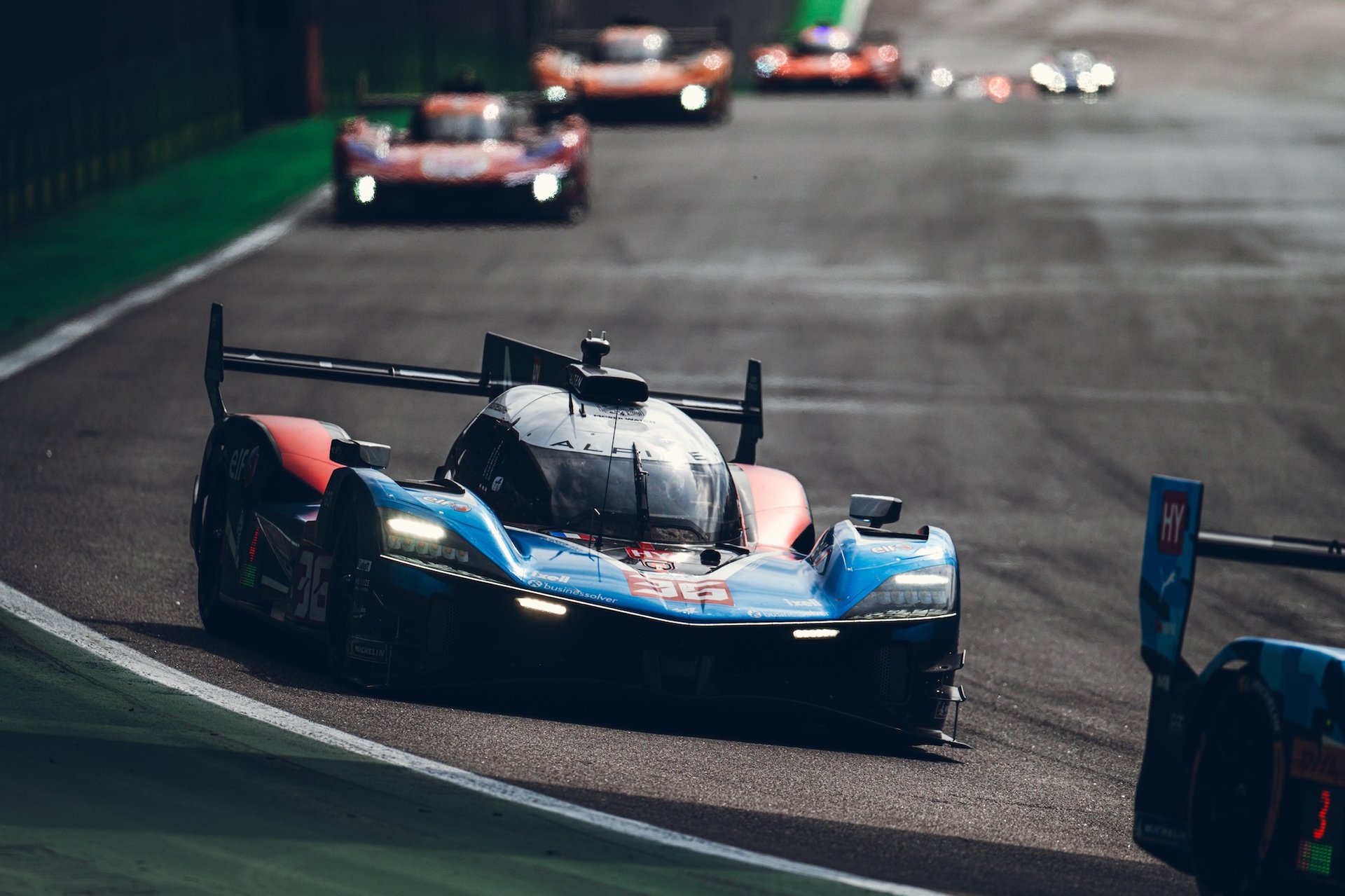
Alpine Endurance Team leaves Spa-Francorchamps with a sense of unfinished business that is hard to ignore. Over three days, the A424s delivered a level of performance rarely seen since the French manufacturer entered the Hypercar class. But by Saturday evening, the final standings no longer reflected the dominance that had been on display since Thursday.
The Belgian weekend had, after all, taken a particularly encouraging turn.
A one-two finish in FP2. A car that was razor-sharp through the high-speed sections. Both cars locked out the second row in Hyperpole. And above all, a race pace strong enough to keep both prototypes fighting at the sharp end for much of the six hours.
Then Spa served its familiar reminder of what it remains, even in the Hypercar era: a circuit capable of turning a race on its head within minutes.
Repeated neutralisations, diverging strategies, LMGT3 traffic and a series of incidents gradually eroded Alpine Endurance Team’s chances of a strong result. The #35, which had long been in the right strategic window, saw its hopes collapse following a chain of events in the second half of the race. The #36, less spectacular but cleaner in its approach, limited the damage in what became an extremely aggressive contest.
Even so, reducing Alpine Endurance Team’s weekend to its final classification would be to miss the point entirely.
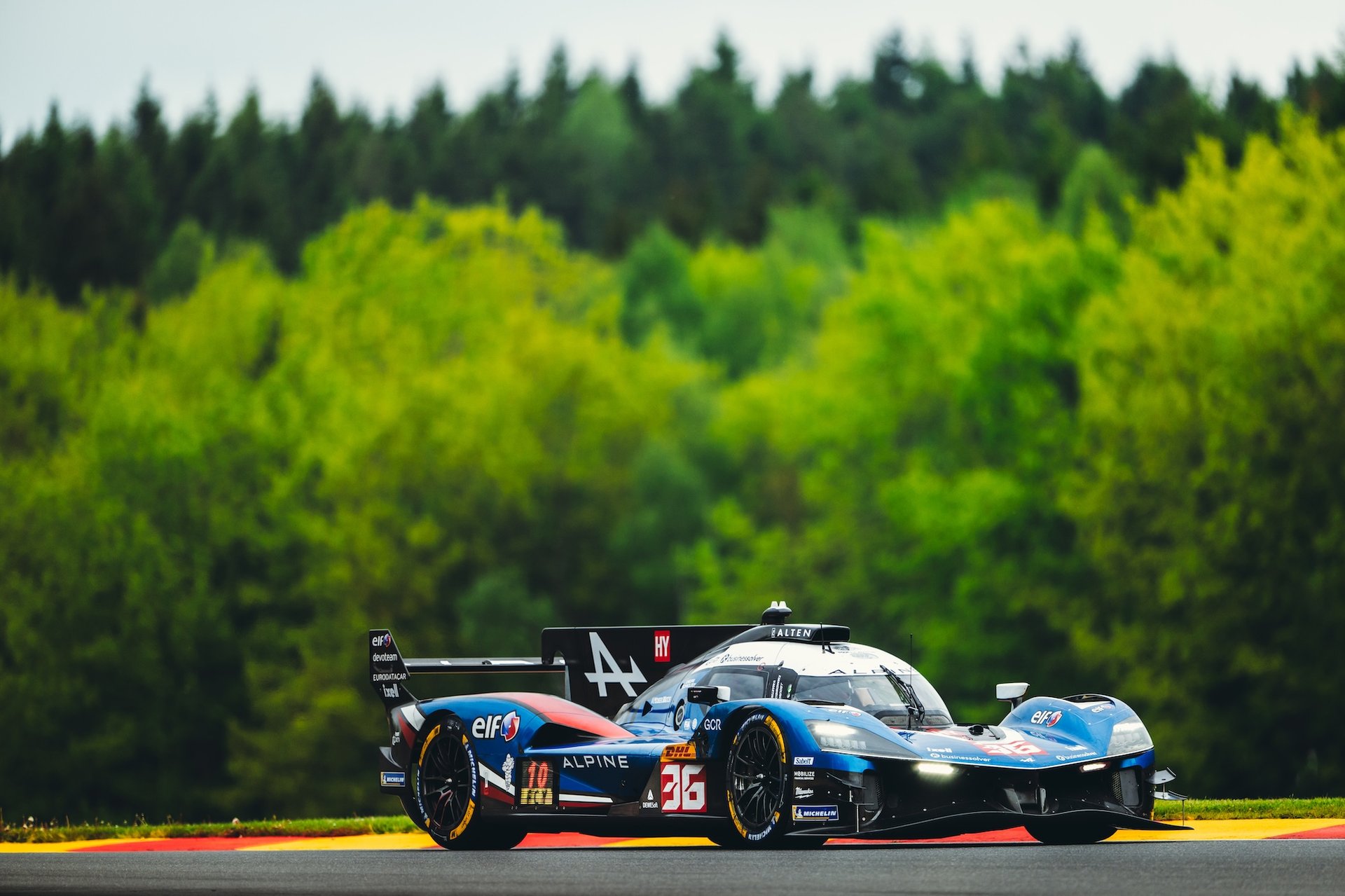
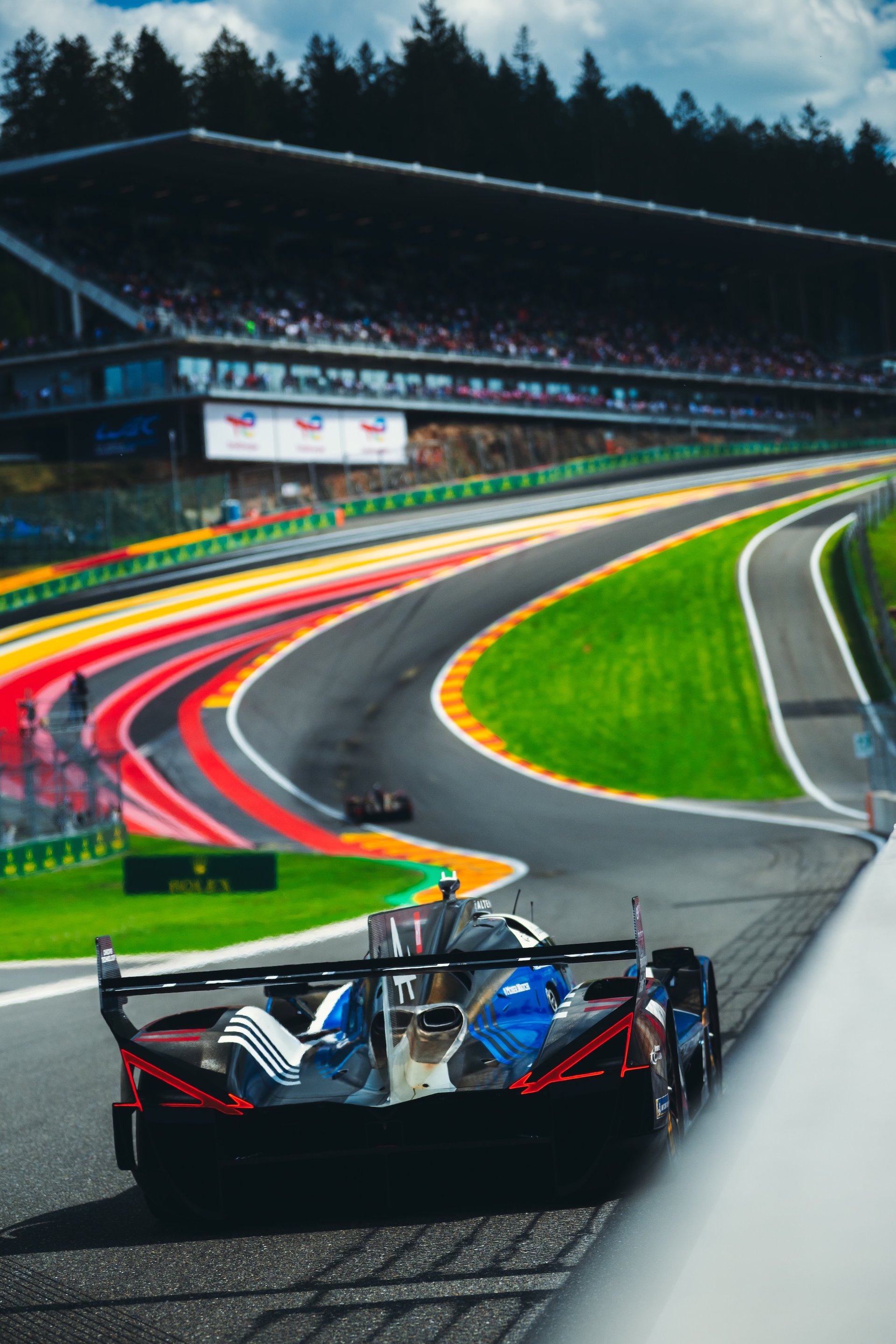
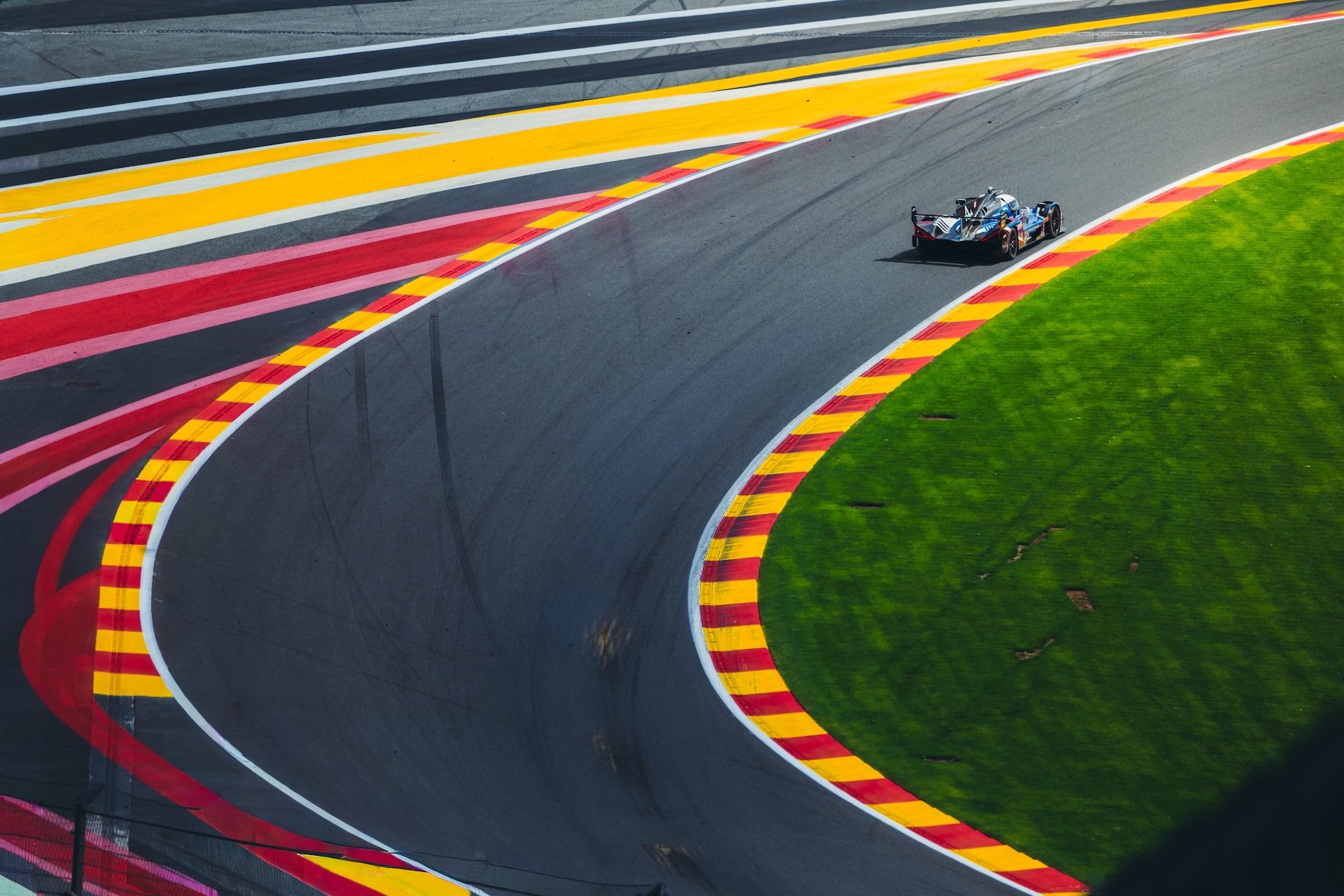
Across the 7.004 kilometres of Spa-Francorchamps, the Alpine A424 demonstrated a genuine shift in stature. The car now appears considerably more settled through the fast, sweeping corners, more consistent over long stints, and — crucially — capable of sustaining a high level of performance in changing track conditions.
Against a Hypercar field that has become extraordinarily competitive — where just a few tenths separate Ferrari, Cadillac, BMW, Toyota, Peugeot and Porsche — Alpine has stopped looking like a team still finding its feet. At Spa, the French marque ran with the pace of a team capable of fighting at the front.
And with the 24 Hours of Le Mans drawing ever closer, that observation is probably worth more than the points scored on Saturday evening.
Practice: Alpine lay the foundations for a benchmark weekend
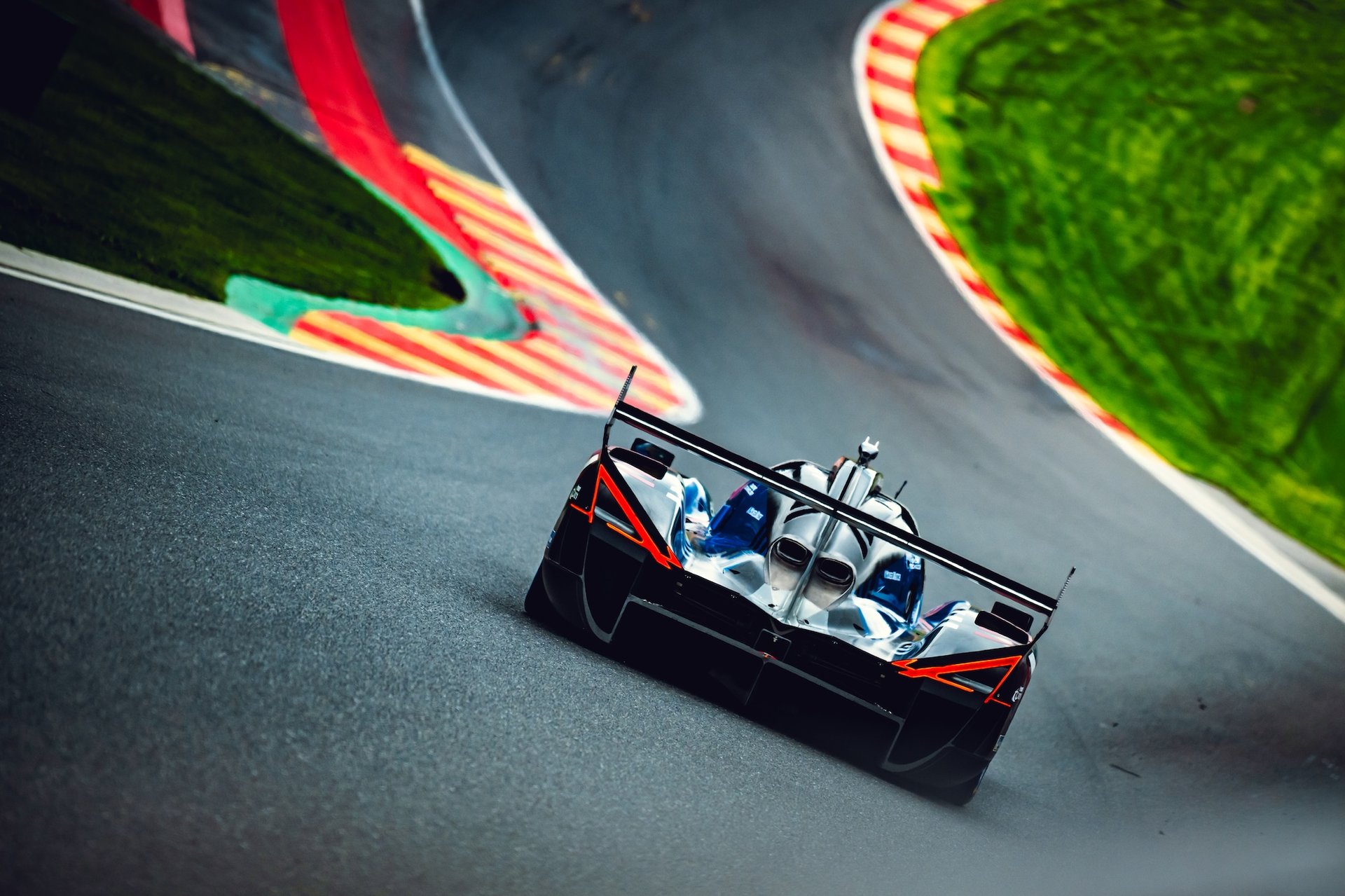
Spa-Francorchamps has always been an instructive yardstick for endurance prototypes. The Belgian circuit rewards aerodynamic efficiency as much as high-speed stability, mechanical balance and tyre management. It is also a track that offers no forgiveness: Eau Rouge-Raidillon, Blanchimont and Pouhon immediately expose any weaknesses in a prototype.
Yet from the very first minutes of the weekend, the Alpine A424s gave a markedly different impression from the one seen at the start of the Hypercar programme.
The French team arrived in Belgium with two cars that were visibly more mature.

FP1: cautious but already promising
On Thursday morning, the first free practice session gets underway on a track that is still slightly damp. Lap times are predictably high as teams focus primarily on baseline set-up work and tyre temperatures.
Despite these tricky conditions, both Alpines are immediately on the pace.
Frédéric Makowiecki puts the #36 third with a lap of 2:03.523, while António Félix da Costa slots the #35 into fifth with a time of 2:03.753.
Beyond the lap times, several elements quickly catch the attention of those in the paddock:
- the stability of the A424s through the second sector;
- their impressive cornering speed through Blanchimont;
- and above all, the top speed recorded on the straights.
Makowiecki is clocked at nearly 315 km/h, testament to the work done on aerodynamic efficiency.
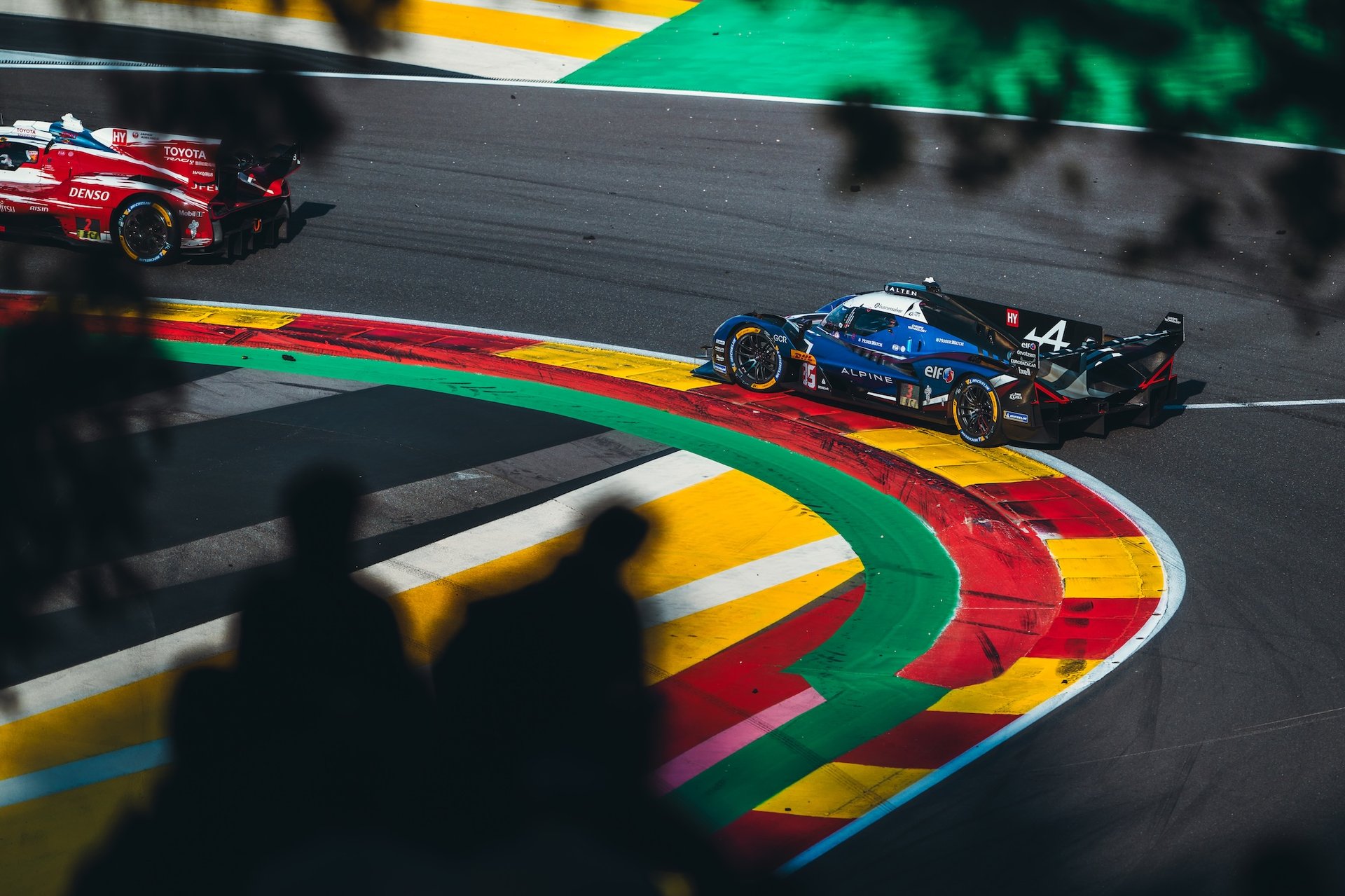
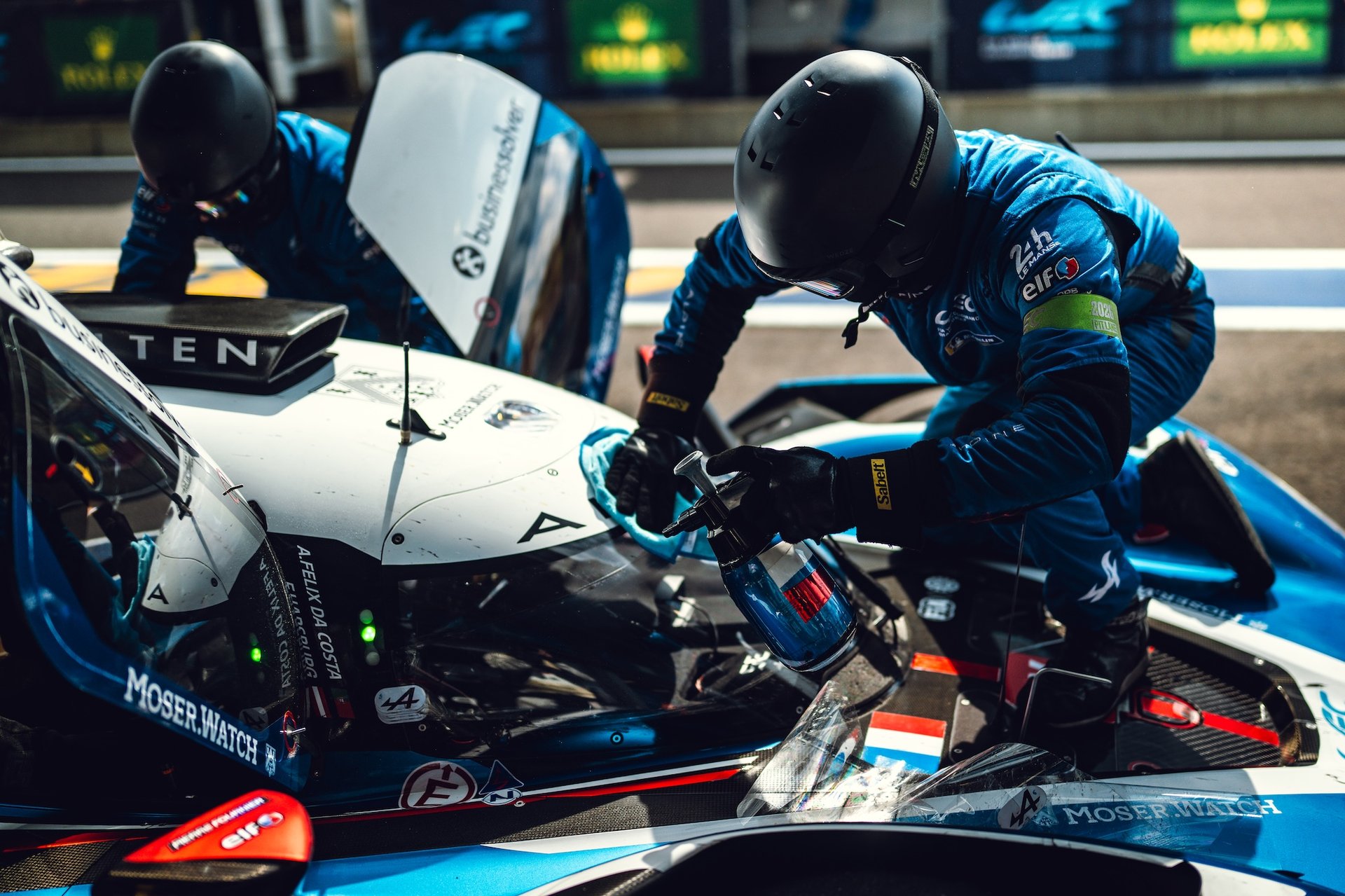
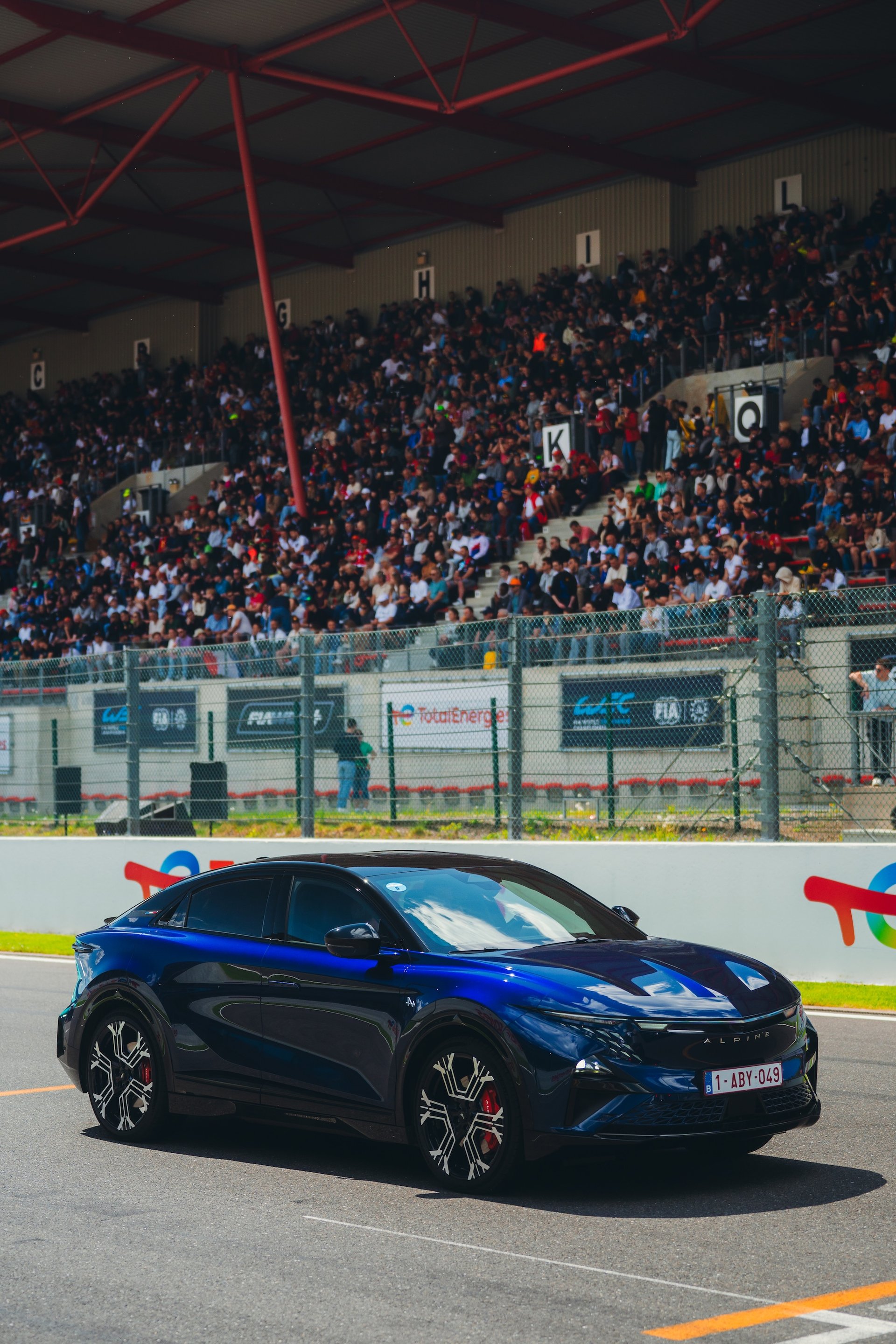
FP1 Hypercar Classification (Top 5)
| Position | Car | Driver | Time |
|---|---|---|---|
| 1 | Ferrari #50 | Antonio Fuoco | ~2:04.3xx |
| 2 | Aston Martin #009 | Alex Riberas | +0.xxx |
| 3 | Alpine #36 | Frédéric Makowiecki | 2:03.523 |
| 4 | Ferrari #83 | — | +0.xxx |
| 5 | Alpine #35 | António Félix da Costa | 2:03.753 |
The stints are already consistent, with no sharp drop-off in lap times. Over at Michelin, certain observers quietly note the quality of Alpine’s tyre management over long runs.
The signal is faint, but real.

FP2: the A424’s first real statement of intent
Thursday afternoon, the track dries completely. And suddenly, Alpine shifts up a gear.
The second free practice session will likely go down as one of the defining moments of the French marque’s Hypercar programme.
For 90 minutes, both A424s dominate proceedings.
Jules Gounon posts an impressive 2:01.816 in the #36 — the only driver to dip below the 2:02 mark. Charles Milesi follows immediately with the #35 in 2:02.090.
For the first time since the introduction of the Hypercar era in the WEC, a single team places both its cars first and second in an official session.
And this one-two is no fluke.
The times are not the product of an isolated lap on low fuel with an aggressive strategy. Alpine impresses above all through the consistency of its stints.
The car looks sound in every sector.
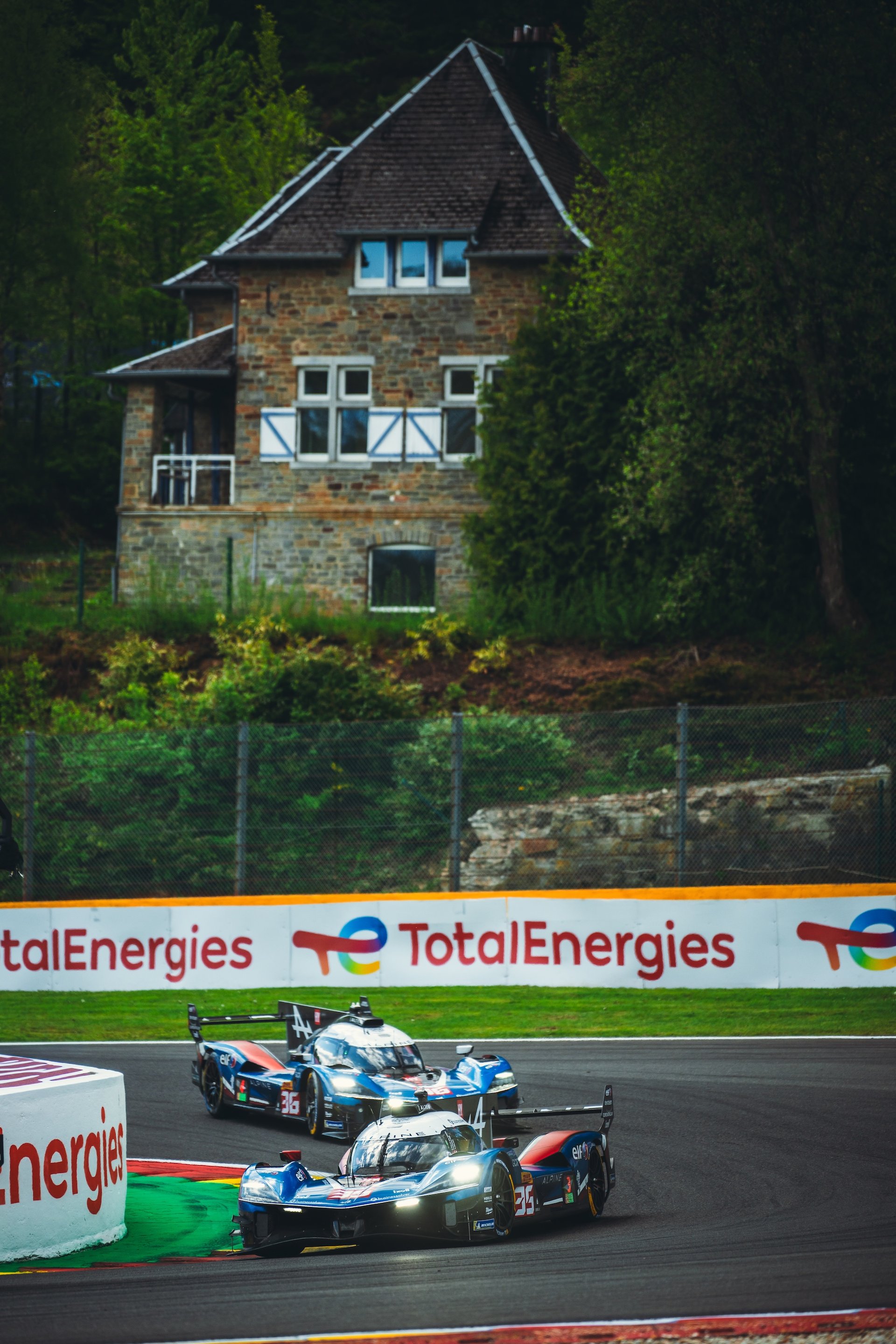
Through the quick sections, the A424 seems finally liberated. The aerodynamic platform remains stable through Eau Rouge, while the rear axle retains remarkable traction out of the slower corners at La Source and Bruxelles.


FP2 Hypercar Classification
| Position | Car | Driver | Time | Laps |
|---|---|---|---|---|
| 1 | Alpine #36 | Jules Gounon | 2:01.816 | 30 |
| 2 | Alpine #35 | Charles Milesi | 2:02.090 | 30 |
| 3 | BMW #20 | Sheldon van der Linde | +0.363s | — |
| 4 | Aston Martin #009 | Marco Sørensen | +0.xxx | — |
| 5 | BMW #15 | Dries Vanthoor | +0.xxx | — |
The performance gain compared to FP1 is spectacular: nearly two seconds.
In the rival garages, the way people look at Alpine changes.
Ferrari appears more cautious. Toyota concentrates mainly on long-run work. Cadillac keeps a low profile. But among the championship’s technical observers, one conclusion begins to take shape: the A424 now has genuine qualifying potential.

FP3: race pace confirmed
Friday morning, the final free practice session is disrupted by several Full Course Yellow periods caused by debris on track.
The raw classification matters less than the work carried out.
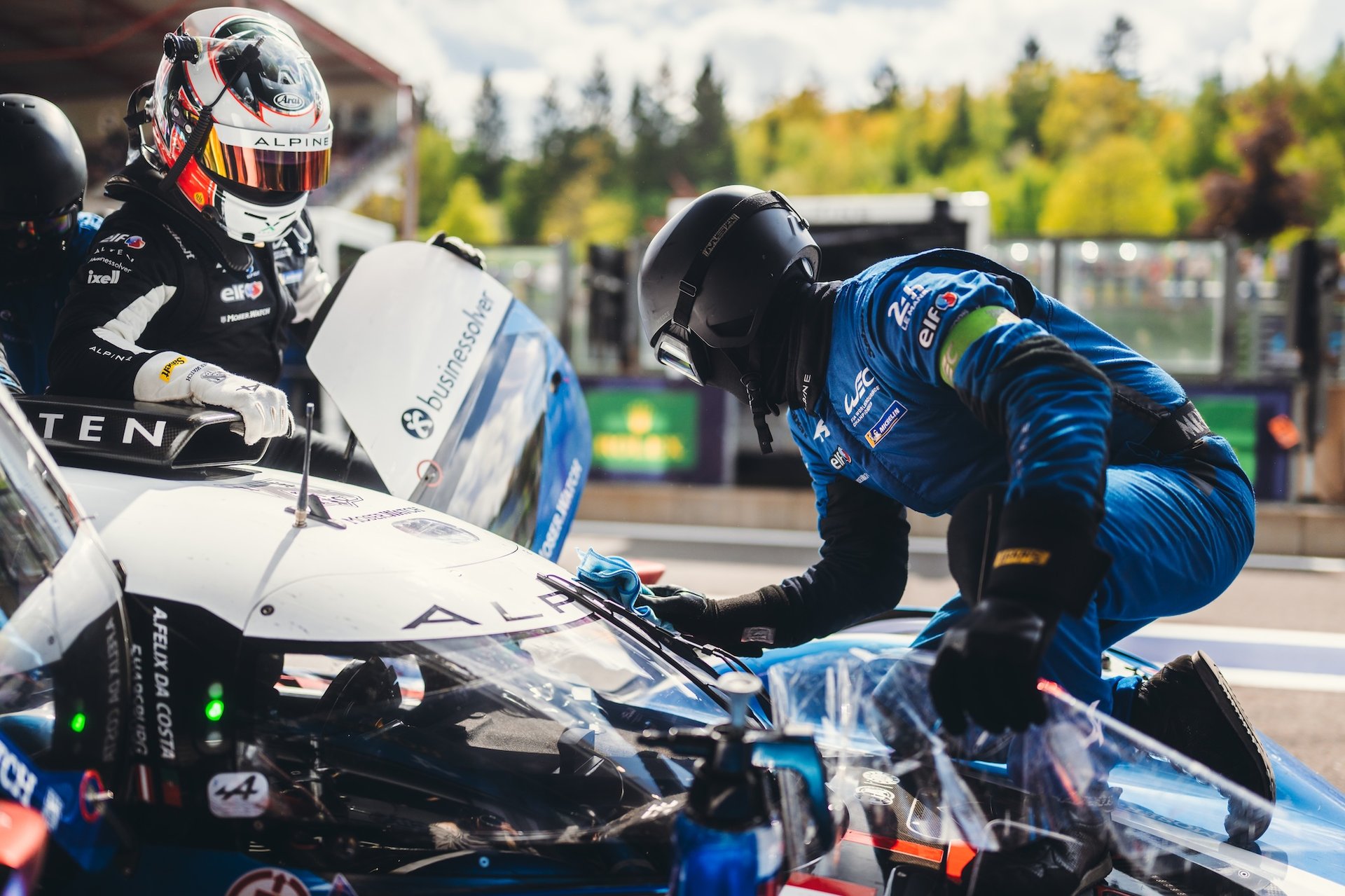
Alpine uses this hour of running to validate its race simulations, Safety Car procedures and various tyre scenarios.
The #35 remains inside the top eight, while the #36 also finishes in the top ten.
All six drivers from both line-ups complete substantial runs.
In the #35 camp, Charles Milesi confirms his excellent single-lap pace. António Félix da Costa focuses more on heavy-fuel long runs. Ferdinand Habsburg, meanwhile, demonstrates particular consistency when navigating LMGT3 traffic.
In the #36, Makowiecki brings his vast experience to bear in traffic management and restarts, while Jules Gounon continues to post an extremely aggressive pace. Victor Martins is still building up his WEC muscle memory, but is progressing quickly.


Overall Practice Summary – Alpine
| Session | Best Alpine | Time | Position |
|---|---|---|---|
| FP1 | #36 Makowiecki | 2:03.523 | 3rd |
| FP2 | #36 Gounon | 2:01.816 | 1st |
| FP3 | #35 | Not disclosed | Top 8 |
Adding up the running from both cars, Alpine accumulates more than 165 laps without a significant problem.
Solid reliability.
High top speed.
Tyre wear well under control.
At this point in the weekend, the French team already looks like a credible podium contender.
Qualifying: Charles Milesi puts Alpine on top
Friday afternoon, Spa takes on its grand-theatre atmosphere once again.
Track temperature drops slightly. The grandstands begin to fill. And the density of the Hypercar field promises an extremely tight session.
In the WEC, Hypercar qualifying takes place in two stages:
- a standard qualifying session;
- followed by the Hyperpole, reserved for the top ten.
Alpine approaches this session with a new weight of expectation.
After the FP2 one-two, there is no hiding any longer.
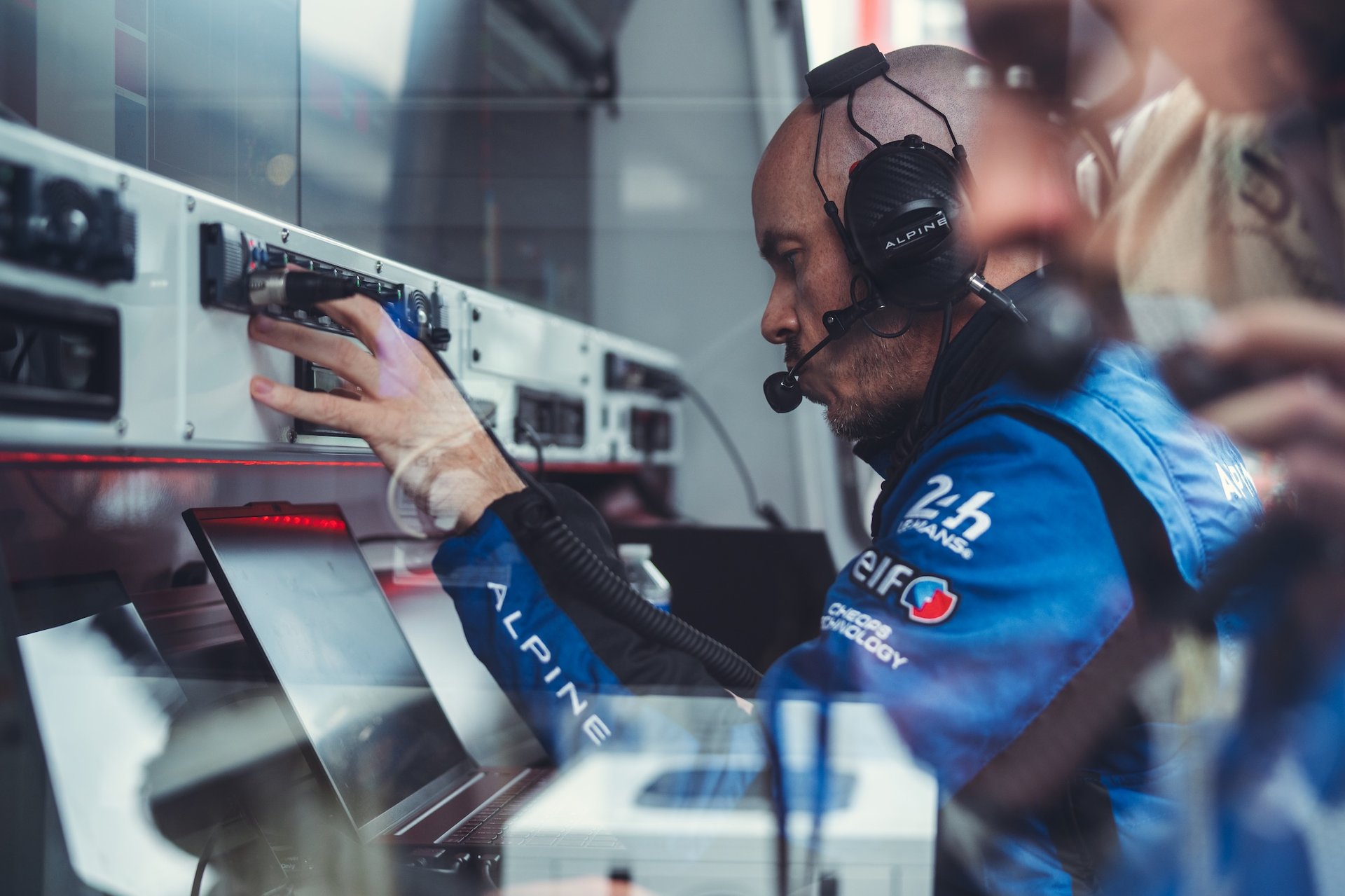
A perfectly executed qualifying run
Charles Milesi takes the wheel of the #35. Jules Gounon drives the #36. Very quickly, the Alpines are once again formidable.
Charles Milesi delivers a superb lap of 2:00.808, setting the best time of the session. Gounon places the second car third overall with 2:01.039.
The Frenchman in the #35 is particularly impressive through the second sector.
His lap is clean, aggressive but measured. The progressive build in lap times shows a perfectly judged tyre warm-up on the Michelins.
Hypercar Qualifying Classification
| Position | Car | Driver | Time |
|---|---|---|---|
| 1 | Alpine #35 | Charles Milesi | 2:00.808 |
| 2 | Peugeot #94 | Malthe Jakobsen | 2:01.023 |
| 3 | Alpine #36 | Jules Gounon | 2:01.039 |
| 4 | Ferrari #50 | Antonio Fuoco | 2:01.181 |
| 5 | Peugeot #93 | Stoffel Vandoorne | 2:01.210 |
| 6 | Cadillac #12 | Will Stevens | 2:01.239 |
| 7 | BMW #15 | Dries Vanthoor | 2:01.356 |
| 8 | Aston Martin #009 | Marco Sørensen | 2:01.448 |
| 9 | Cadillac #38 | Jack Aitken | 2:01.458 |
| 10 | Aston Martin #007 | Harry Tincknell | 2:01.563 |
Less than eight tenths of a second separate first from tenth.
The Hypercar championship has reached a level of competitiveness rarely seen in recent endurance racing history. But Alpine is at the front of it.
And that simple fact would have seemed almost inconceivable just a few months earlier.
Hyperpole: the fastest second row on the grid
A few minutes later, the Hyperpole brings the curtain down on an already extraordinarily competitive qualifying session. The exercise remains one of the most demanding in the FIA WEC: two warm-up laps, a single genuinely usable attempt and no margin for error on a circuit as long and technical as Spa-Francorchamps.
Peugeot raises the tempo sharply with Malthe Jakobsen, quickly joined by Will Stevens’ Cadillac in the fight for pole. Alpine, however, remains fully in the mix.
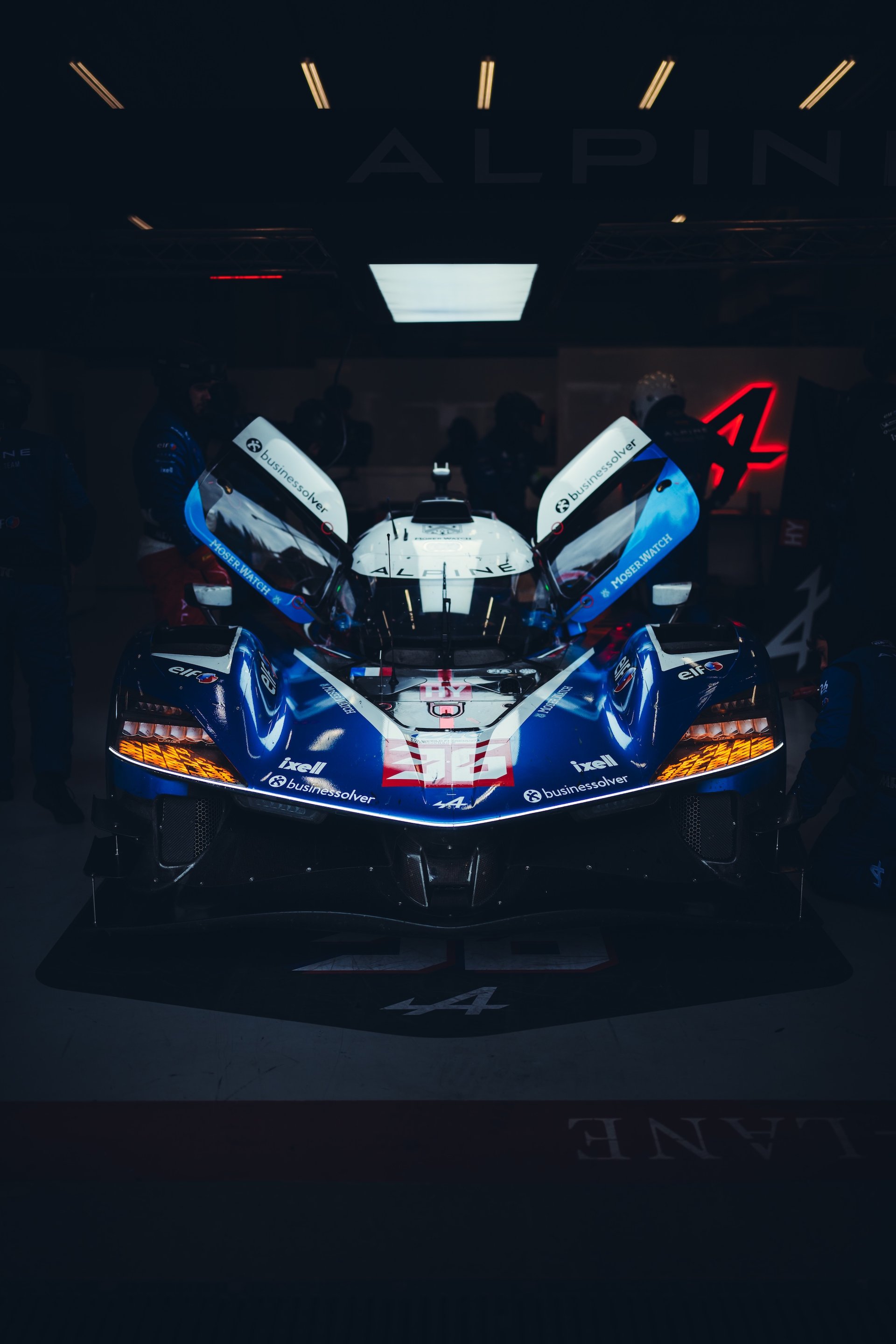
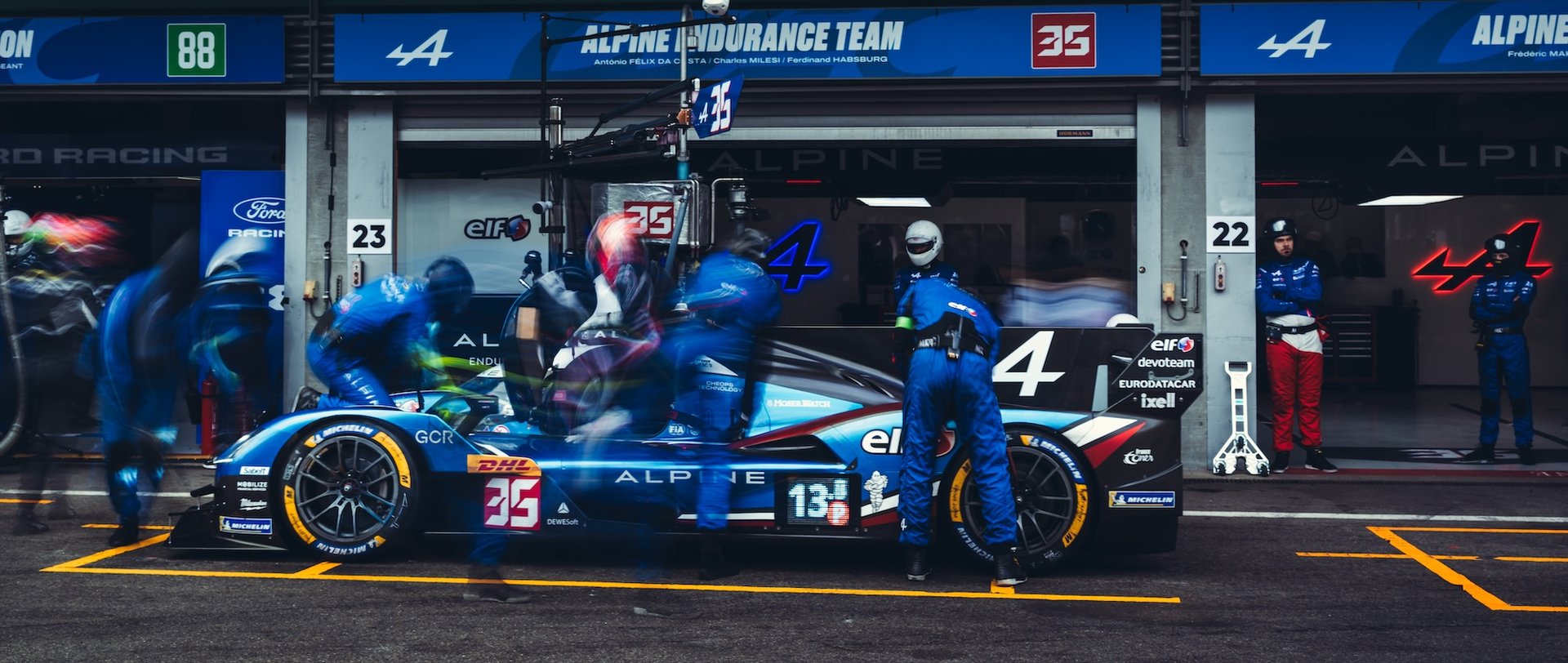
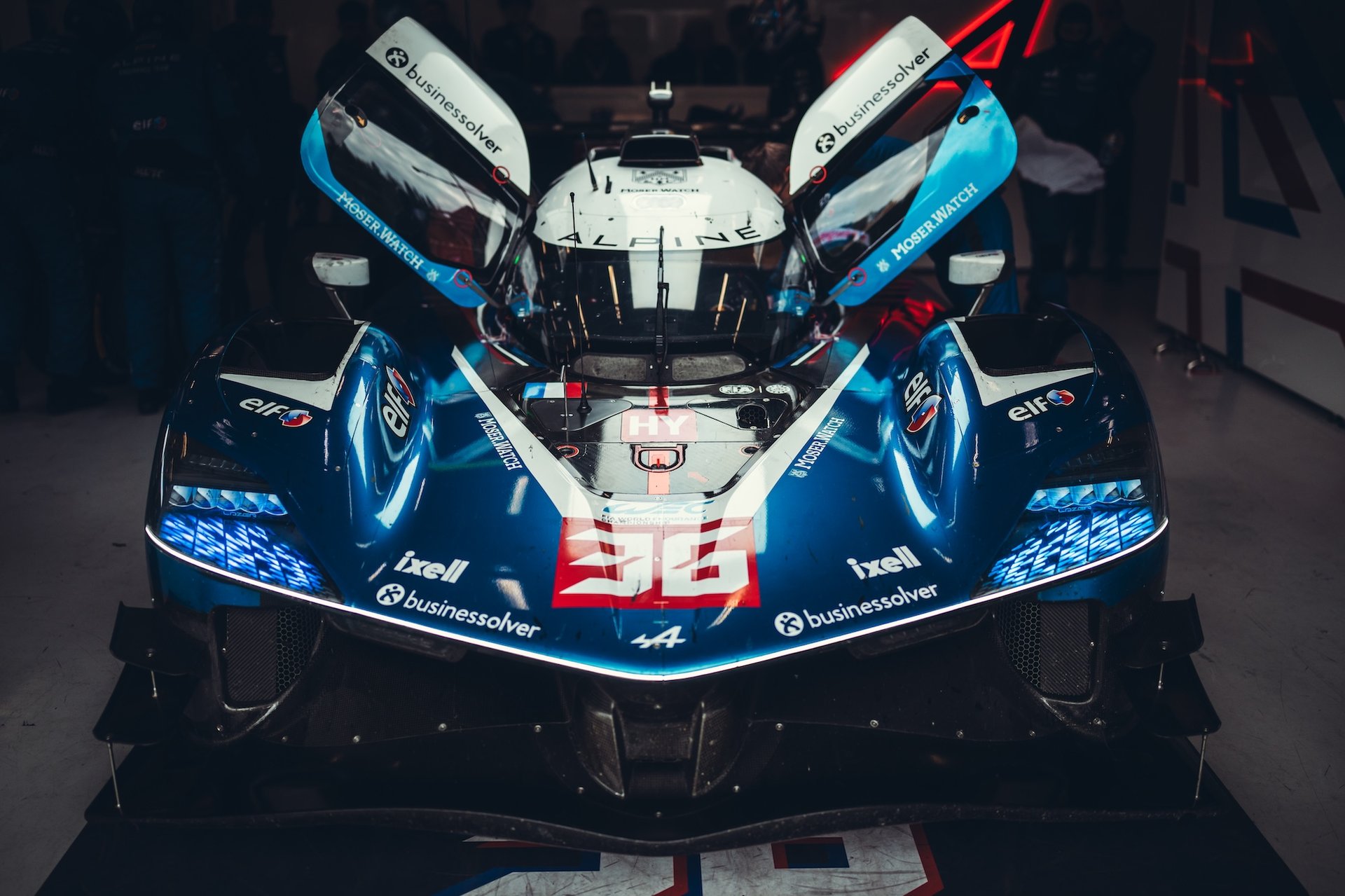
Charles Milesi extracts a remarkable 2:00.731 from the #35 A424, just 78 thousandths off pole position, while Jules Gounon completes the second row with a solid 2:00.838 in the #36.
Hypercar Hyperpole Classification
| Position | Car | Driver | Time |
|---|---|---|---|
| 1 | Peugeot #94 | Malthe Jakobsen | 2:00.653 |
| 2 | Cadillac #12 | Will Stevens | 2:00.696 |
| 3 | Alpine #35 | Charles Milesi | 2:00.731 |
| 4 | Alpine #36 | Jules Gounon | 2:00.838 |
| 5 | Cadillac #38 | Jack Aitken | 2:00.940 |
In the paddock, this performance above all confirms the very clear progress that has been visible around the Alpine programme for several months.
The second row secured at Spa is neither an isolated achievement nor an opportunistic qualifying result in favourable conditions. Both A424s had been quick throughout the entire weekend, with a consistency rarely seen on this type of circuit.
The contrast with the early days of the Hypercar programme remains striking. Where Alpine was still searching for stability and a clear operating window just a few months ago, the French team arrived at Spa with a car capable of matching Ferrari, Cadillac, BMW and Peugeot naturally on an exercise as demanding as the Hyperpole.
Race: a podium contender swallowed up by Ardennes chaos
On Saturday, Spa-Francorchamps is finally blessed with more settled weather. Under a stable sky, more than 100,000 spectators watch a race that looks set to be particularly tight, with the Hypercar field compressed into just a few tenths.
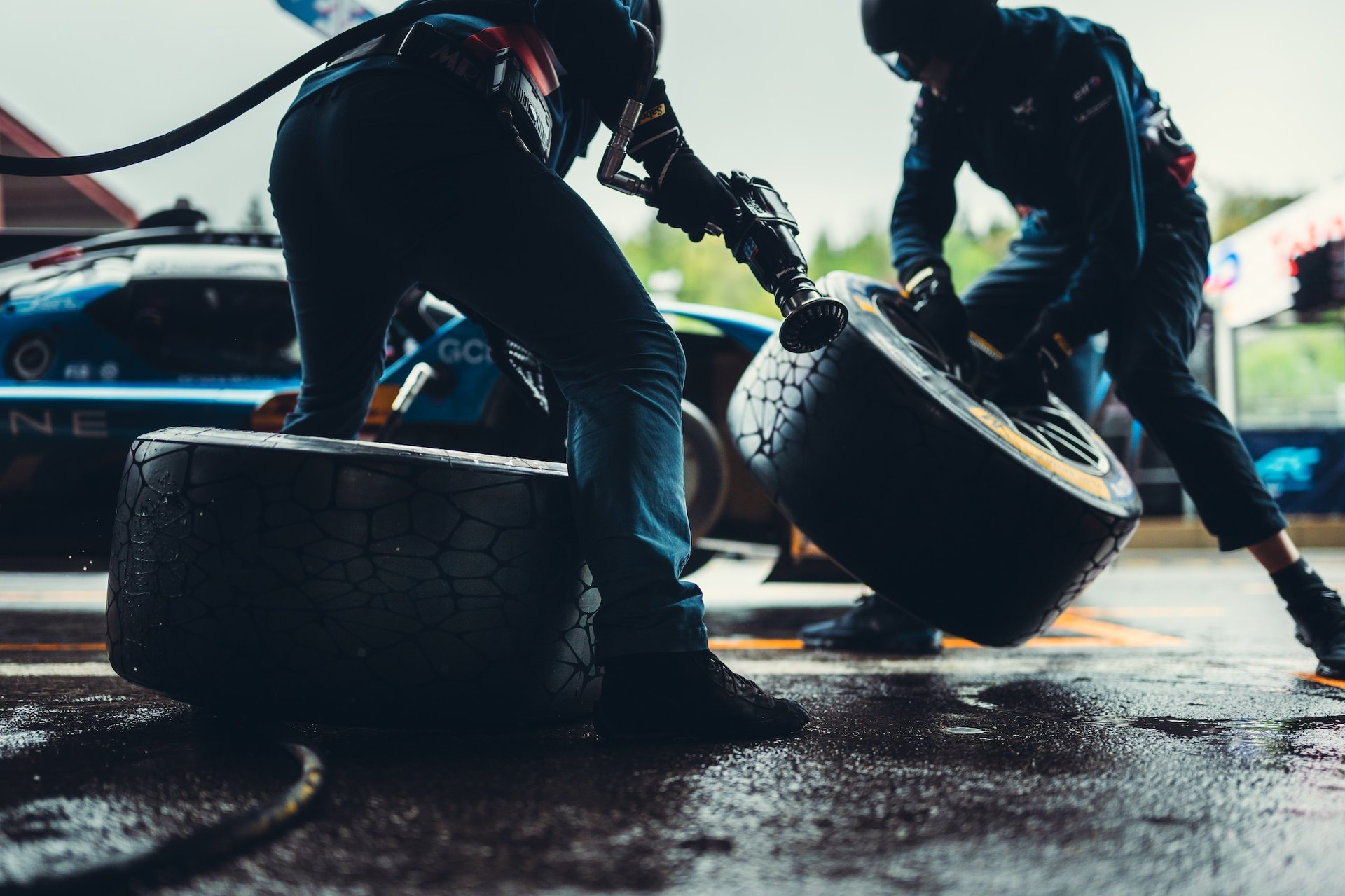
This density will quickly turn the 6 Hours of Spa into a fraught, stop-start affair, fractured by neutralisations, diverging strategies and constant traffic between Hypercars and LMGT3s.
A very solid start to the race
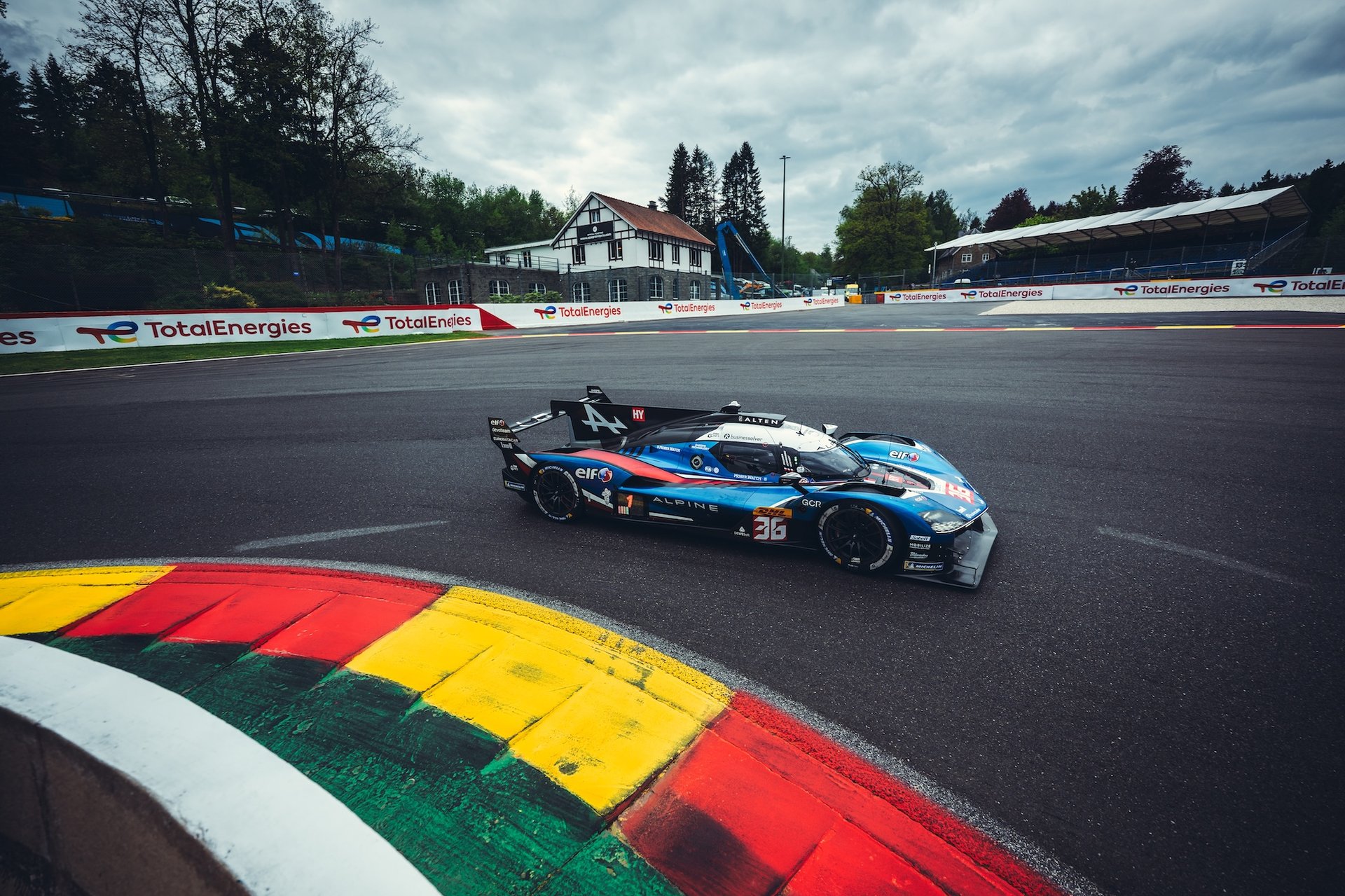
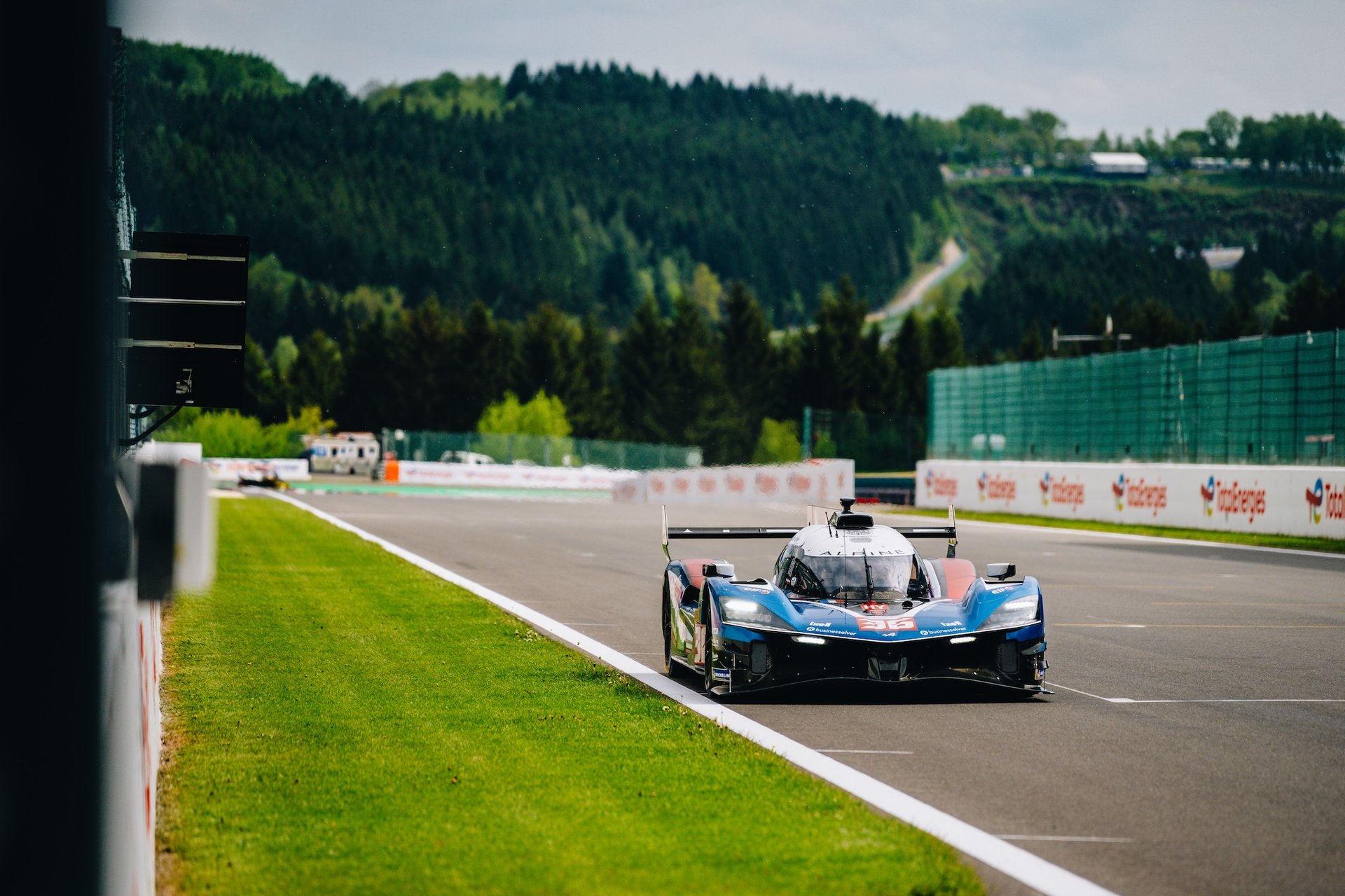
Both Alpines slot immediately into the leading group from the moment the lights go out, confirming that the pace seen since free practice was not simply a product of a qualifying lap. Frédéric Makowiecki keeps the #36 in close contact with the Ferraris and Cadillacs, while the #35 sits perfectly positioned in the right strategic group.
Very quickly, the A424 proves particularly adept in LMGT3 traffic — far from a trivial consideration on a circuit as demanding as Spa. The car maintains excellent stability through rapid changes of downforce level and demonstrates strong acceleration out of traffic.
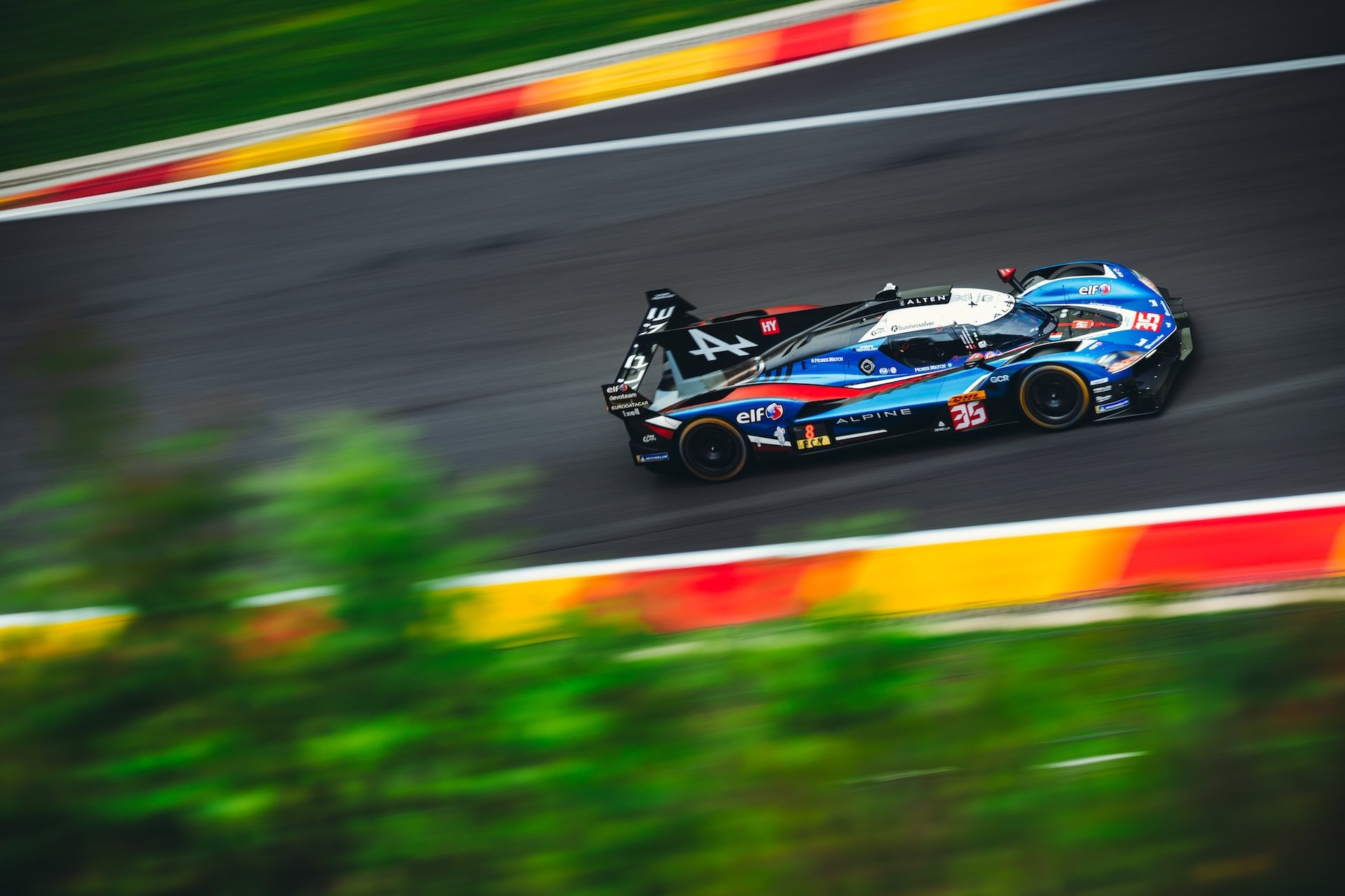
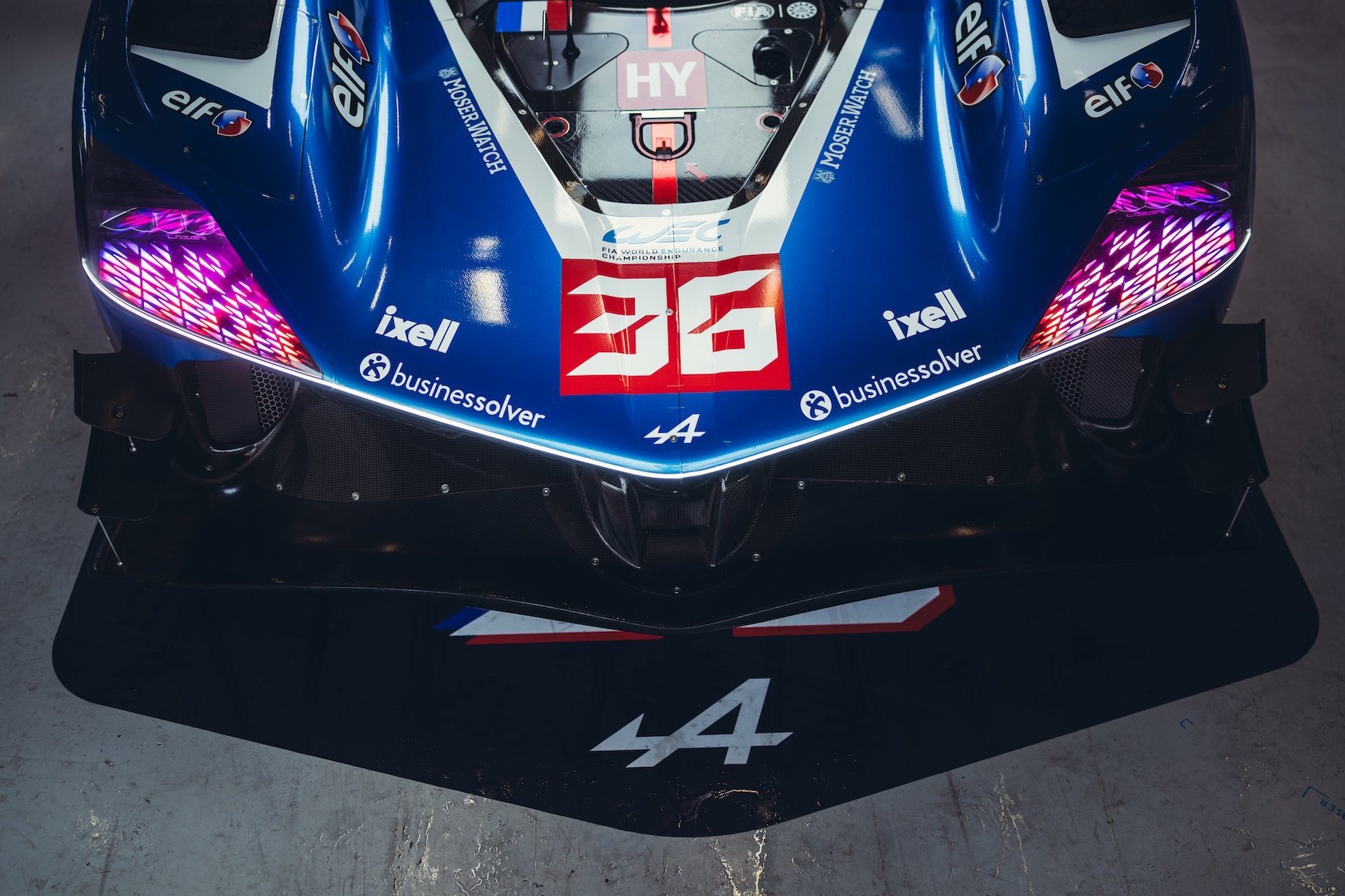
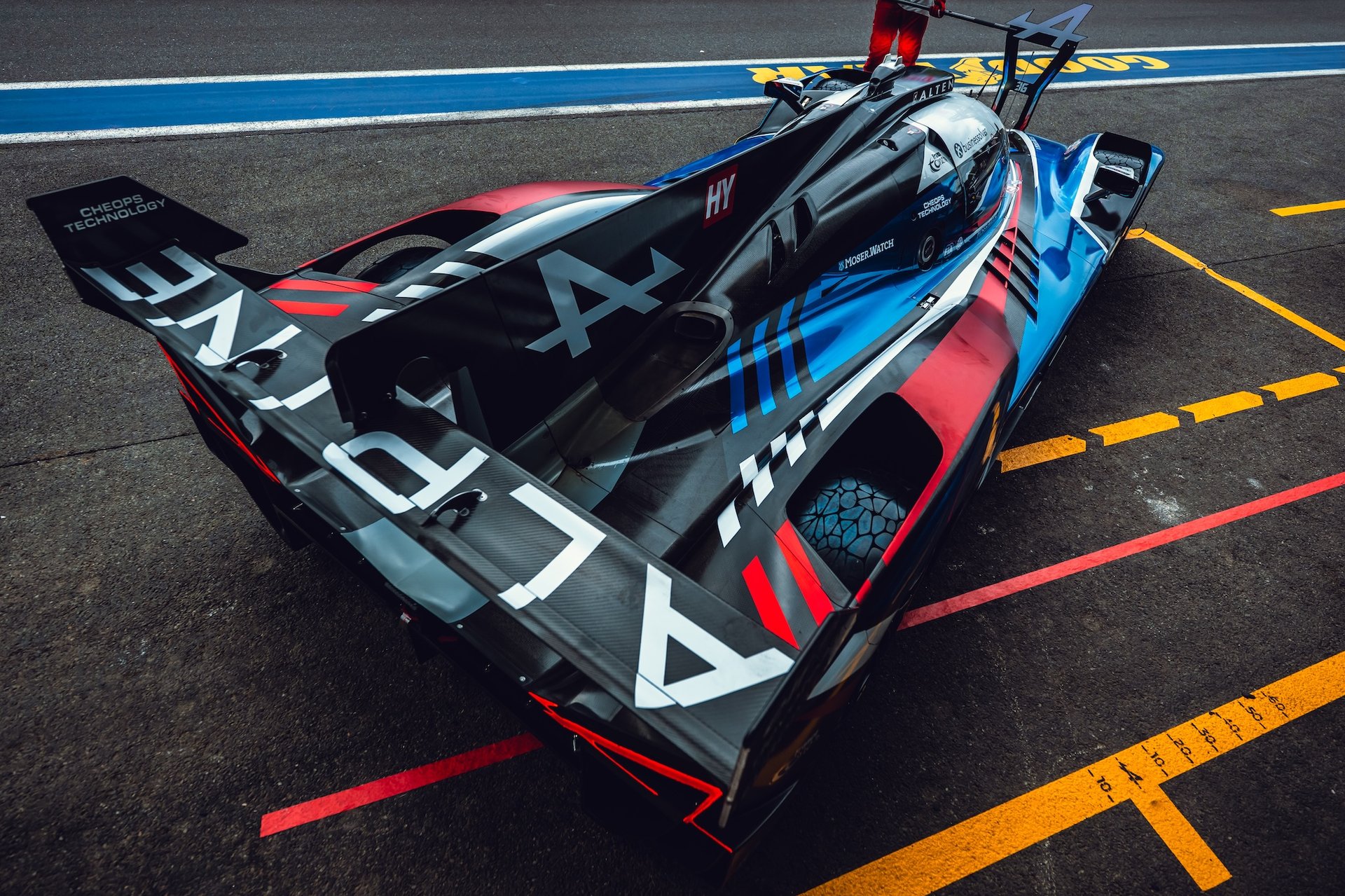
During the opening double-stints, Alpine remains constantly in the fight at the front. The #35 is even virtually in the mix for a podium position across various pit-stop windows, carried by the consistency of Charles Milesi and the particularly clean stints of Ferdinand Habsburg.
In the other garage, Makowiecki brings all his experience to reading the traffic and managing neutralisations, keeping the #36 firmly anchored in the leading group for much of the race.
BMW changes the complexion of the race
At mid-race, BMW tilts the strategic balance of the 6 Hours of Spa with a perfectly executed sequence on the #20. The German team chooses to bring their car in early for a pit stop in order to be ideally placed should a neutralisation follow — a gamble that is risky but devastatingly effective on a circuit where Safety Cars can redistribute the entire running order in moments.
Several subsequent Safety Car interventions then compress the field entirely and reposition the BMW in an ideal position to control the race. From this point on, the tone on track changes markedly. Gaps evaporate, restarts become far more aggressive, and LMGT3 traffic turns every overtaking move into a high-risk exercise.
In this extremely fraught context, Spa reasserts its reputation as a merciless judge: the slightest lapse in traffic, the smallest difficulty with tyre warm-up, or a single strategic miscalculation is now enough to turn a race on its head.
The turning point of Alpine’s weekend
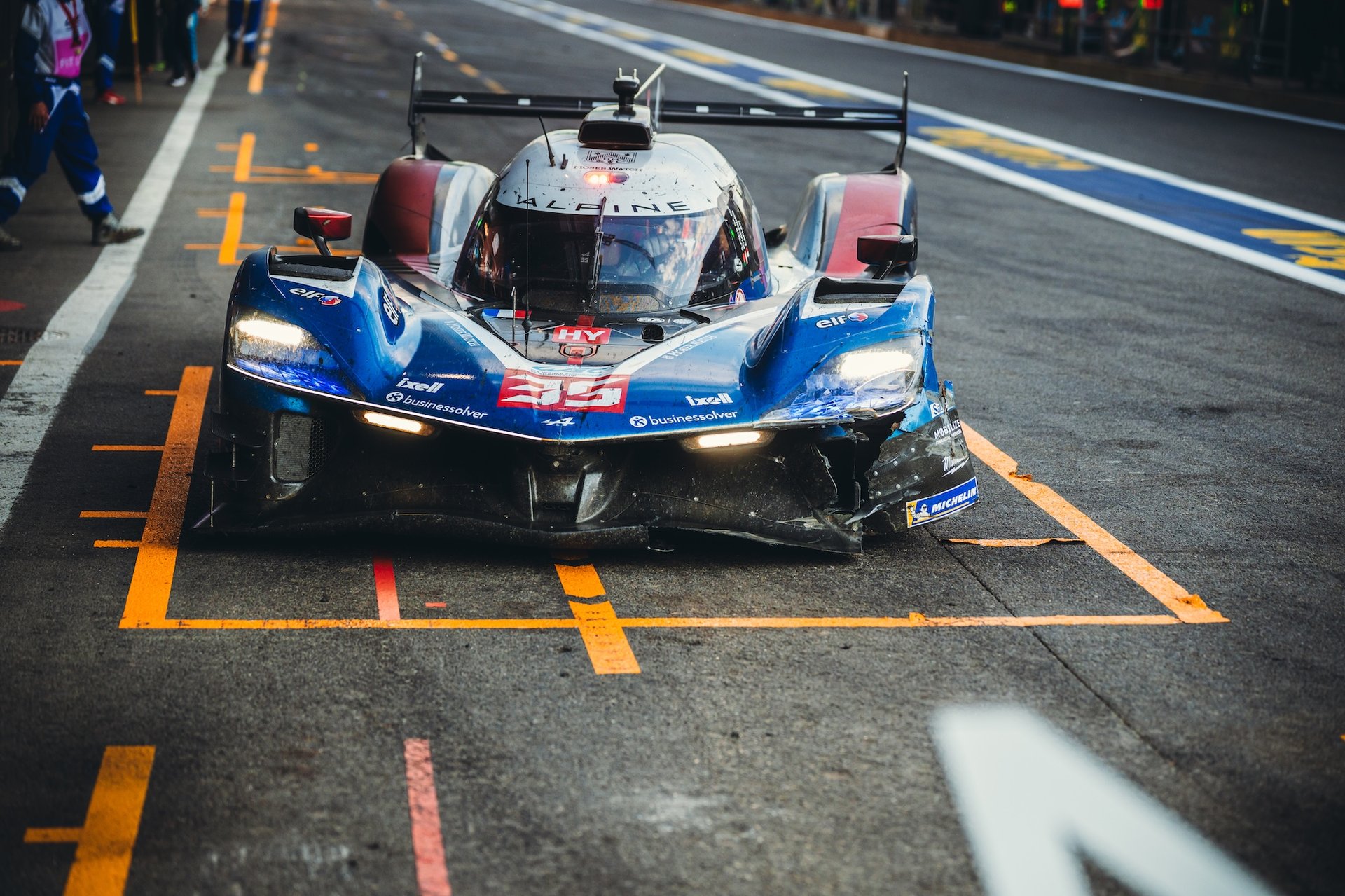
The turning point of the weekend arrives after a particularly tense restart. António Félix da Costa, in the thick of the battle in the leading group, suddenly loses the rear of the #35 through Eau Rouge-Raidillon on tyres that are still struggling to reach temperature.
The Alpine spins at very high speed before touching the barriers. The car is able to continue, but the front-end damage immediately ends any realistic prospect of a podium.
A few dozen minutes later, a further incident complicates matters still more.
Through Kemmel, Félix da Costa defends his position aggressively against the Aston Martin #009.
Alex Riberas ends up in the gravel and hits the barriers heavily. The incident triggers another neutralisation and a penalty for the Alpine.
On social media, footage of the contact spreads immediately. Some defend the aggression of the Portuguese driver in an extremely pressurised racing situation. Others consider the move excessive.
Either way, the debate becomes one of the defining talking points of the weekend.
The #36 salvages the points
In the other garage, the #36 navigates the race more quietly but also far more cleanly. Jules Gounon maintains a solid pace through traffic, Victor Martins continues his WEC education without any major errors, and Frédéric Makowiecki keeps the A424 inside the top ten despite the multiple neutralisations.
The Alpine eventually finishes in the points, just over thirty seconds behind the leaders.
A finish that feels rather meagre given the level displayed since Thursday.
But also further evidence that the A424 is now capable of running at the sharp end of the field.
Final Hypercar Classification – Top 12
| Position | Car | Crew |
|---|---|---|
| 1 | BMW #20 | Frijns / Rast / Van der Linde |
| 2 | BMW #15 | Magnussen / Marciello / Vanthoor |
| 3 | Ferrari #50 | Fuoco / Molina / Nielsen |
| 4 | — | — |
| 5 | — | — |
| 6 | — | — |
| 7 | — | — |
| 8 | — | — |
| 9 | — | — |
| 10 | Toyota #8 | Buemi / Hartley / Hirakawa |
| 11 | Alpine #36 | Makowiecki / Gounon / Martins |
| 12 | Alpine #35 | Félix da Costa / Milesi / Habsburg |
The paddock’s verdict: Alpine has changed status
That is arguably the main takeaway from this Belgian weekend.
Despite a final result well below the potential displayed since free practice, Alpine left Spa with the clear impression of a team now capable of sustaining a presence at the front of the Hypercar field.
That conclusion took hold gradually over the course of the weekend’s stints.
The A424 did not simply set a spectacular lap in qualifying or benefit from favourable circumstances. The car showed pace throughout the entire weekend, in varied track conditions, with consistent long-run stints and genuine composure through the most demanding sections of the circuit.
At Spa, the aerodynamic progress was particularly visible through the second sector. Both Alpines appeared markedly more settled through the high-speed compressions, with a clearly more stable platform through Eau Rouge-Raidillon and a more precise behaviour at high-downforce corners such as Blanchimont.
Michelin tyre management also showed a meaningful improvement. Stints dropped off less in performance, and track temperature variations appeared less disruptive to the car’s overall balance than they had been earlier in the season.
Around the paddock, many observers also noted how Alpine stayed in the strategic picture despite the multiple neutralisations. For a considerable stretch, the #35 was running in precisely the right window to challenge for a podium, before the race tipped irrevocably against them.
This overall impression also explains the prevailing mood around the French garage on Saturday evening.
There was obviously a great deal of frustration after a race that seemed capable of delivering so much more. But above all there was the confirmation that the A424 now has a sufficiently solid technical foundation to approach the major races ahead with considerably greater ambition.
At Spa, Alpine failed to convert their performance level into a landmark result.
But the Belgian weekend confirmed a trend that has been building for several months: the A424 is now a Hypercar capable of regularly fighting at the front of the field. The victory at Fuji in 2025 had already marked a turning point in the programme’s development, but Spa provided an important confirmation on a completely different circuit profile — one that is far more demanding aerodynamically and in terms of tyre management.
What the team lacked just a few months ago — consistency, confidence in long stints, stability at high speed — is now progressively becoming a solid foundation to build upon.
Spa as a full-scale dress rehearsal for Le Mans
As Alpine left the Belgian Ardennes, a top-ten finish was obviously not what the team had in mind after three days of that quality. Behind a final classification that reads harshly at face value, the A424s had probably delivered their most consistent weekend since the start of the 2026 campaign.
From Thursday morning, both French prototypes had settled into the pace of the Hypercar frontrunners. Then came that FP2 one-two, far from a trivial affair on a circuit as revealing as Spa-Francorchamps. The performance was not some isolated effort or an opportunistic attempt on a favourable track. Alpine was quick everywhere: through the long sweeps of the second sector, through the compressions, at top speed and over long stints alike.
Above all, the A424 gave an impression of control rarely seen before this point. The car now appeared to be perfectly exploited within its aerodynamic window, with a far healthier balance through the quick sections and a markedly more refined approach to tyre management. At Spa, where temperature swings and track evolution punish ill-balanced prototypes immediately, the Alpines remained competitive from the very first running session through to the Hyperpole.
The second row secured on Friday evening was ultimately the confirmation of a trend visible from the start of the weekend. Charles Milesi and Jules Gounon did not put the A424s at the front by chance; both cars quite simply had the pace to fight Ferrari, Cadillac, BMW and Peugeot.
That is precisely what makes the race outcome so difficult to convey through the final classification alone.
For a good half of the six hours, Alpine remained in the right strategic window. The #35 was running in a particularly promising position before a succession of neutralisations completely reshuffled the pack. But Spa remains one of those circuits where a race can turn on its head within minutes. Four Safety Car periods, extremely aggressive LMGT3 traffic and several high-pressure restarts gradually transformed the event into a survival exercise.
In that context, the Alpine #35 eventually slipped out of the ideal scenario. A difficult tyre warm-up, a mistake through Eau Rouge-Raidillon, the resulting damage, then a penalty: in modern endurance racing, it sometimes takes only a handful of laps for a result built over hours to disappear entirely.
The #36, quieter but more linear in its race, at least allowed the team to remain in the points. But here too, the overall impression went well beyond the points haul.
For several months now, Alpine’s Hypercar programme appears to have shifted up to a new level. The developments brought to the A424 now appear fully assimilated and, crucially, the car retains its competitiveness when races become chaotic. That is often where the true maturity of an endurance programme is measured.
Spa represented a particularly revealing test in that regard ahead of the 24 Hours of Le Mans. Historically, the Belgian circuit is one of the best pre-Sarthe performance indicators, given the similarities in demands: high average speed, permanent traffic, the need to preserve tyres whilst remaining aggressive during restarts.
In this light, Alpine leaves Belgium with certainties far more significant than the final result alone. The driver line-ups possess the experience required for the great endurance races, while the team led by Philippe Sinault appears today far more assured in its strategic thinking and operational management.
Of course, not everything is yet perfect. Spa served as a reminder that a quick car never guarantees a result in Hypercar racing when neutralisations fragment the race and pressure mounts in traffic. But the difficulties encountered this weekend look more like racing incidents than fundamental limitations of the project.
And that is probably the clearest conclusion to draw from this Belgian round.
Alpine did not leave Spa with the result they could legitimately have hoped for. But the French team departs with the confirmation that the A424 now possesses the fundamental qualities of a car capable of aiming very high at Le Mans: pace, consistency and, above all, genuine credibility against the current benchmarks of the FIA WEC.
Quotes
Car #35 crew
António Félix da Costa
“It’s a disappointing end to a promising weekend. We weren’t the quickest on track, but we managed a clean, solid race, fighting in the top five until the final thirty minutes. Unfortunately, I made a mistake on cold tyres during a restart.
I want to apologise to the entire Alpine Endurance Team, who work tirelessly day and night to give us a competitive car. Today, the responsibility is entirely mine. I’m sorry for that. Let’s take the positives forward, starting with the 24 Hours of Le Mans.”
Charles Milesi
“It was clearly not an easy race. The first four hours were fairly positive, but we then seemed a little less competitive than our rivals. Several things didn’t go our way, particularly around thermal strategy.
There were highs and lows this weekend, but there are also genuinely positive things to take away. We know exactly what we need to work on to be best prepared for the 24 Hours of Le Mans.”
Ferdinand Habsburg
“I think we deserved a better result given the level of performance we showed. We had a very strong first half of the race. The team was doing an excellent job and we were consistently in the right group with solid pace.
Everything seemed to be going perfectly, but we found ourselves caught up in complicated situations when the race became more hectic. It’s frustrating, but we simply ran out of luck and had to take more risks to try and fight back. That doesn’t change the many positives to take away from this weekend.”
Car #36 crew
Frédéric Makowiecki
“It was a complicated race. We showed a very strong level of performance throughout the weekend. We worked well together as a team and we can be proud of the progress made since Imola.
Unfortunately, things simply never fell our way. That’s part of endurance racing, but it’s important to focus on the positives. We must keep pushing in the right direction, as I’m confident it will pay off ahead of Le Mans.”
Jules Gounon
“It was a very difficult race for us. We had bad luck with several Virtual Safety Car periods, which clearly affected our final result.We now need to analyse precisely what we could have done better. Despite that, I want to thank the whole team for their work throughout the weekend. We’ll learn from this race and come back stronger at Le Mans.”
Victor Martins
“We did a good job on communication, strategy and execution, managing to control everything within our control. We were, however, unlucky with two Virtual Safety Cars that came at exactly the wrong moment for us.Each time, it denied us the chance to get back into the fight when we felt we could make up ground. That’s racing, and we’ll analyse everything to bounce back at Le Mans.”
Management
Nicolas Lapierre, Sporting Director, Alpine Endurance Team
“We are of course disappointed to finish in these positions, especially after such a strong qualifying performance.
We were clearly hoping for a better result given our level of performance this weekend. Unfortunately, a few small errors at key moments cost us dearly and prevented us from being in a position to fight when the field bunched up towards the end of the race. It’s frustrating, but this type of race also helps us identify precisely the areas to improve. We now have less than a month to prepare for the 24 Hours of Le Mans, our main objective of the season.”
Philippe Sinault, Team Principal, Alpine Endurance Team
“It’s a result that is difficult to accept, because we weren’t rewarded for the work done throughout the weekend. We were clearly in a position to fight for a podium, and possibly more, with two hours to go. Both cars had the potential to finish in the top five, and that was honestly achievable given our performance level.
The Safety Car badly hit the #35’s chances, and we lost two positions after being held up by a backmarker at the restart. We then found ourselves exposed in the pack when we had otherwise been managing our race well. Then came António’s incident, which definitively ended our result. The #36 had a slightly more complicated race.
The first Virtual Safety Car was costly, as we were in the pits at that moment. We lost ground and it was extremely difficult to recover in such a compressed field. Despite the frustration, there are an enormous number of positives to take away, not least our pace and our competitiveness.
We must now refocus and prepare well for the most important event of the season, the 24 Hours of Le Mans, and we will be testing at Le Castellet as early as next week.”
Result – TotalEnergies 6 Hours of Spa-Francorchamps 2026
| Position | Car | Crew |
|---|---|---|
| 1 | BMW M Team WRT #20 | Frijns / Rast / Van der Linde |
| 11 | Alpine Endurance Team #36 | Gounon / Makowiecki / Martins |
| 12 | Alpine Endurance Team #35 | Da Costa / Habsburg / Milesi |
FIA WEC World Endurance Championship – Hypercar Drivers’ Standings
| Position | Crew | Points |
|---|---|---|
| 1 | Frijns / Rast | 35 pts |
| 10 | Da Costa / Habsburg / Milesi | 12 pts |
| 18 | Gounon / Makowiecki / Martins | 0 pts |
FIA WEC World Endurance Championship – Hypercar Manufacturers’ Standings
| Position | Manufacturer | Points |
|---|---|---|
| 1 | BMW | 59 pts |
| 5 | Alpine | 14 pts |
Source: Alpine Endurance Team