🇫🇷 Cet article est également disponible en français :Lire en français
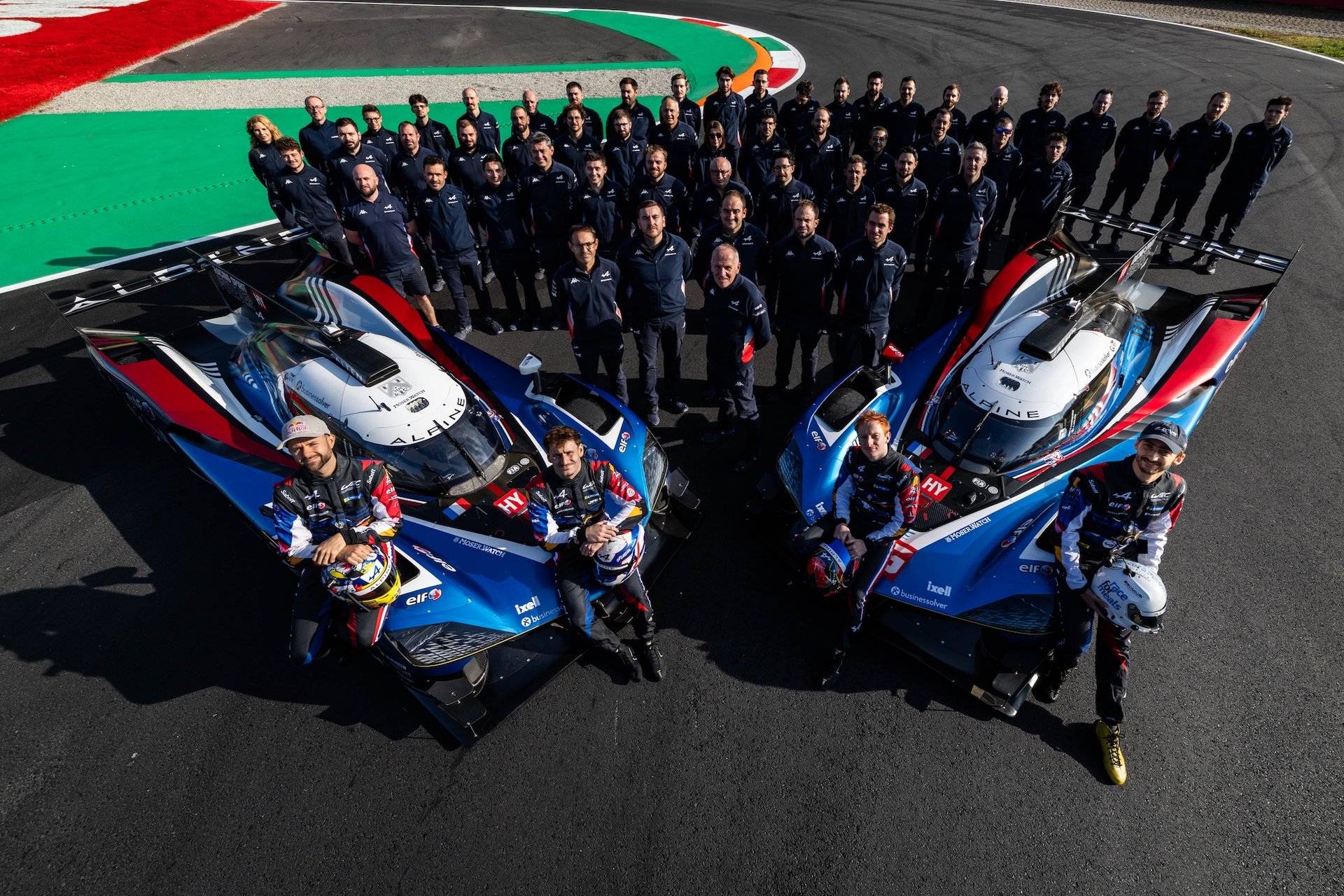
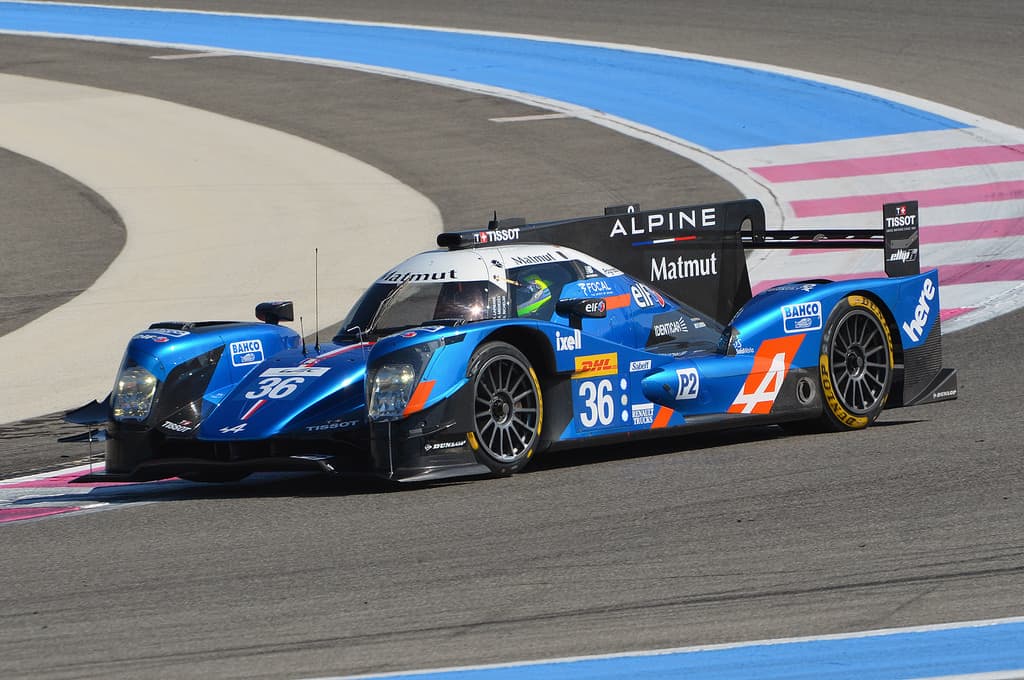
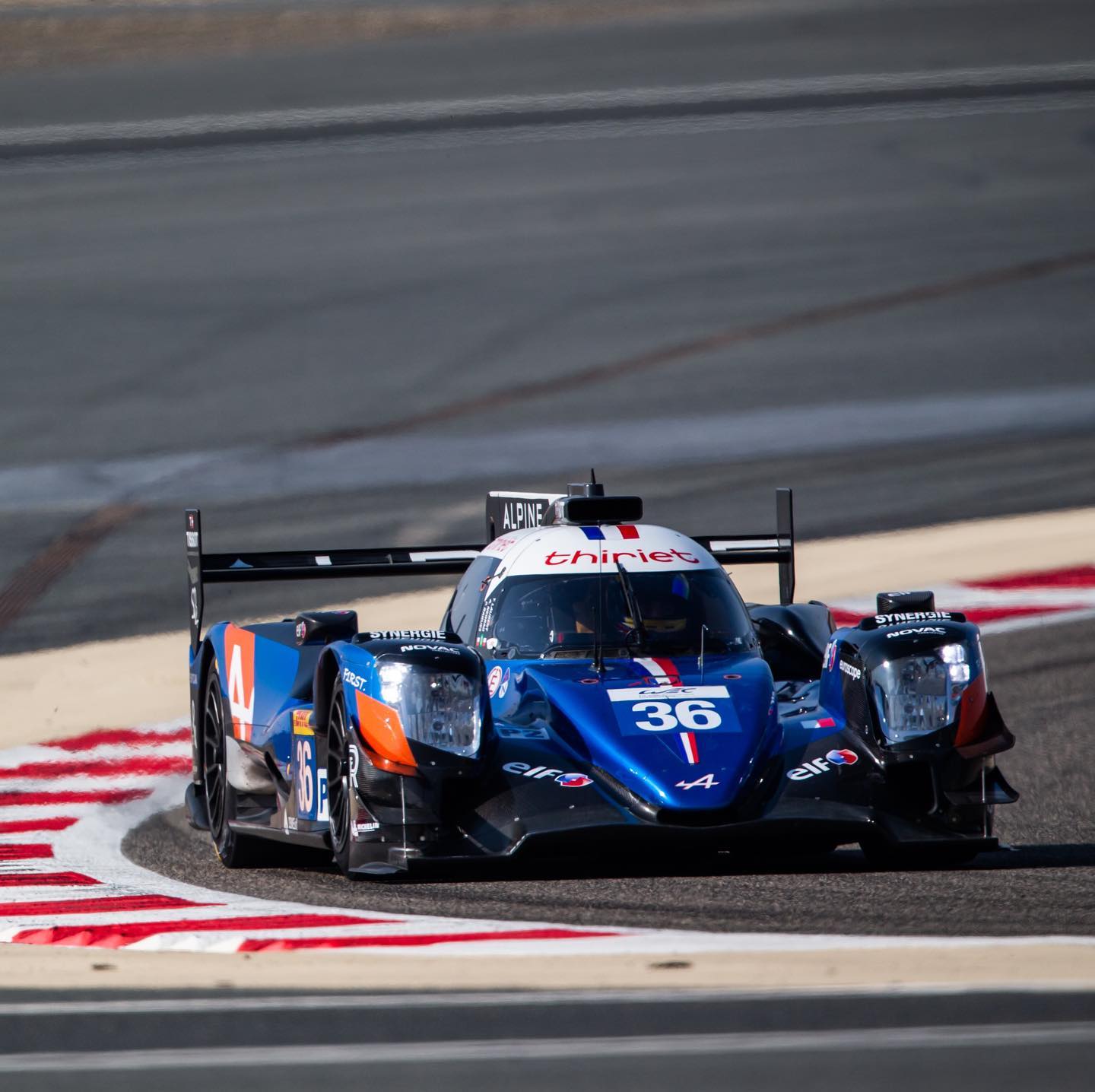
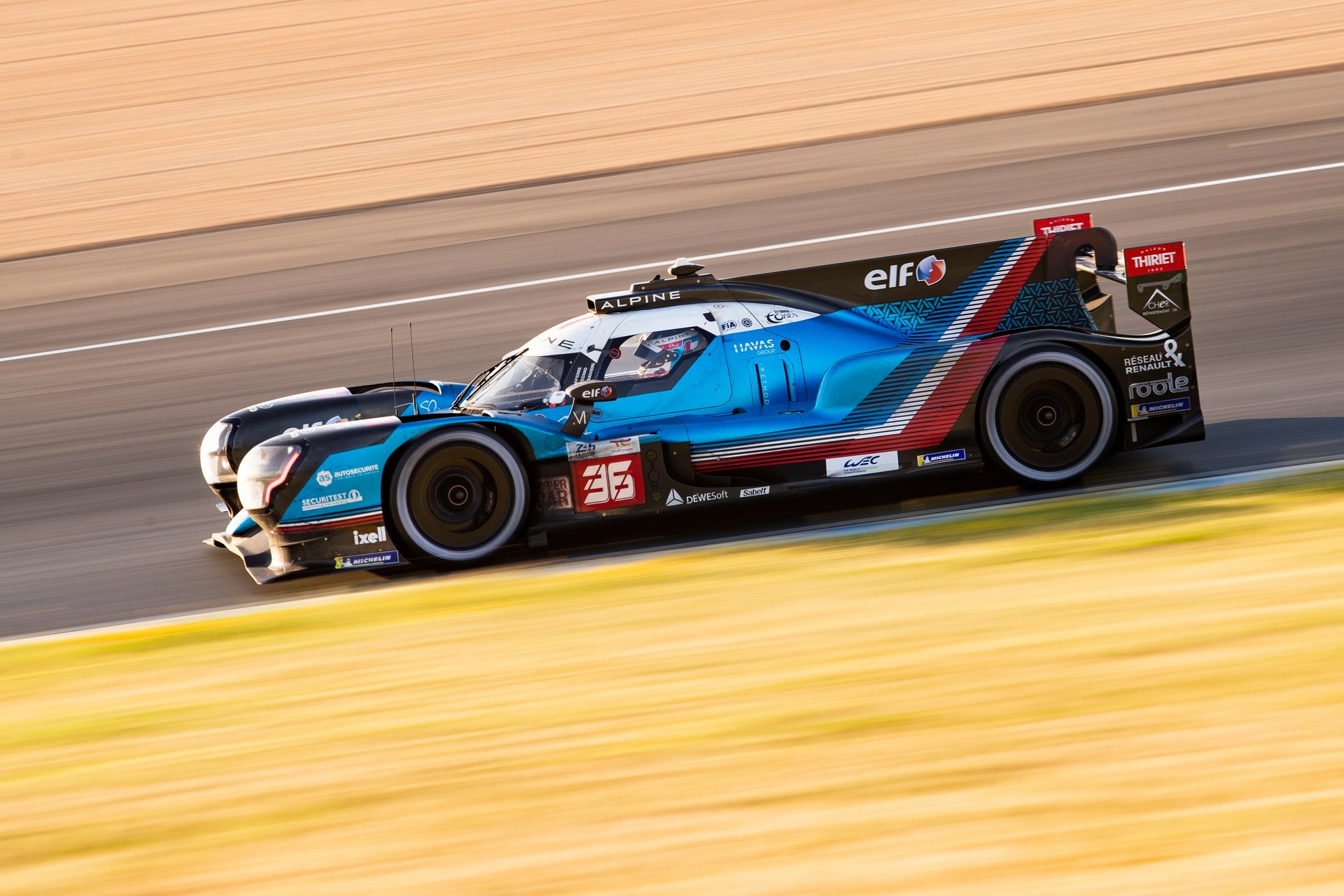
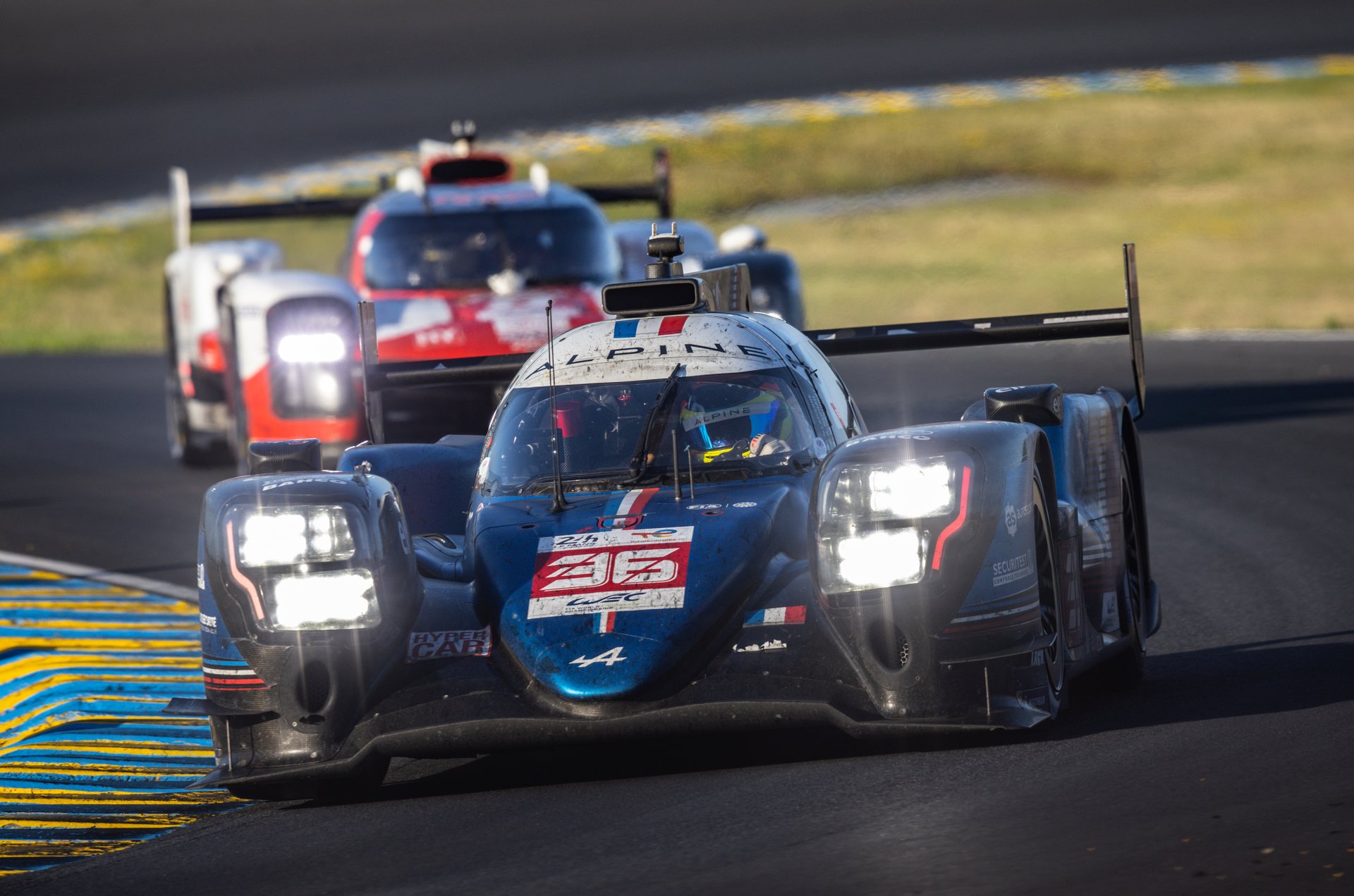
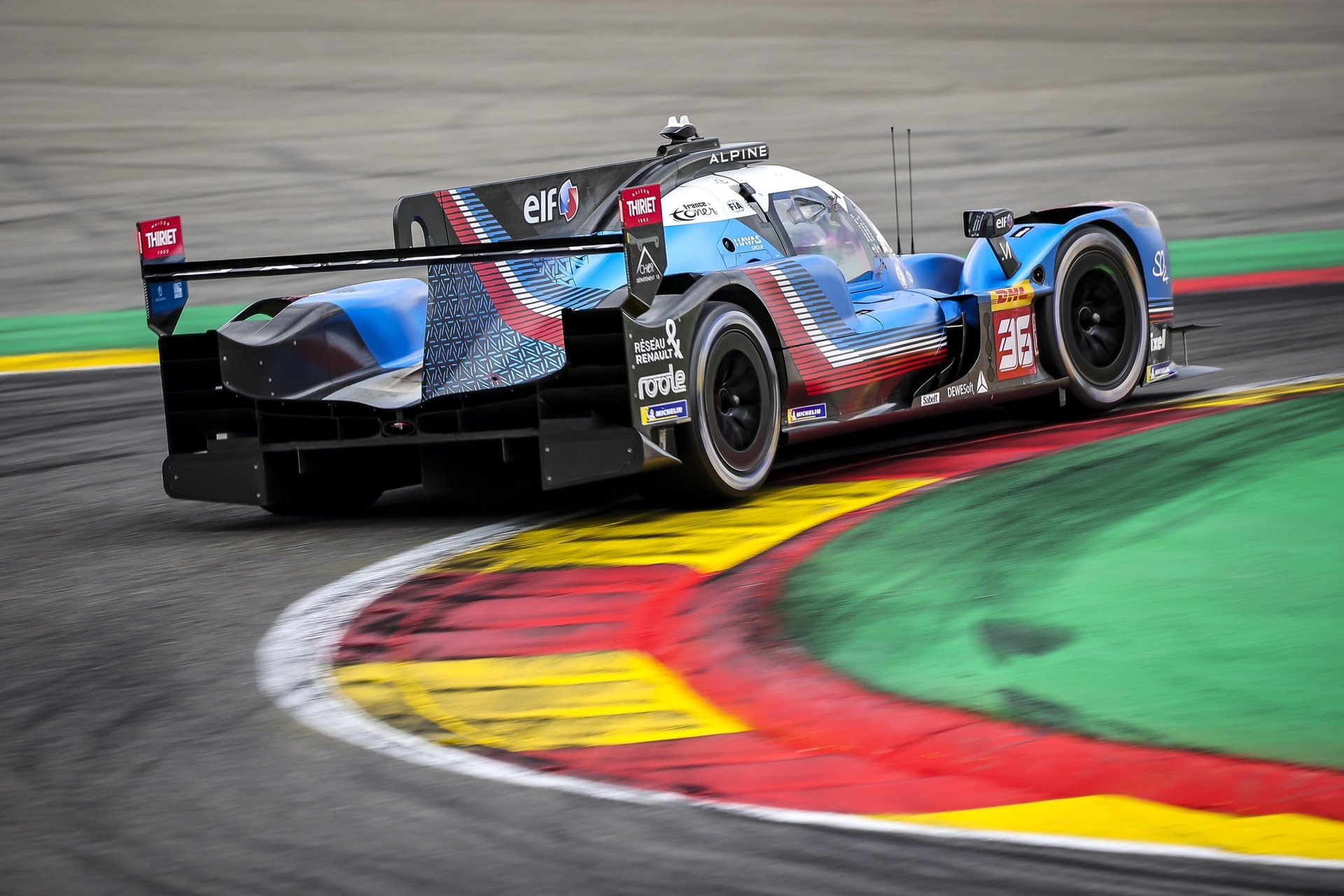
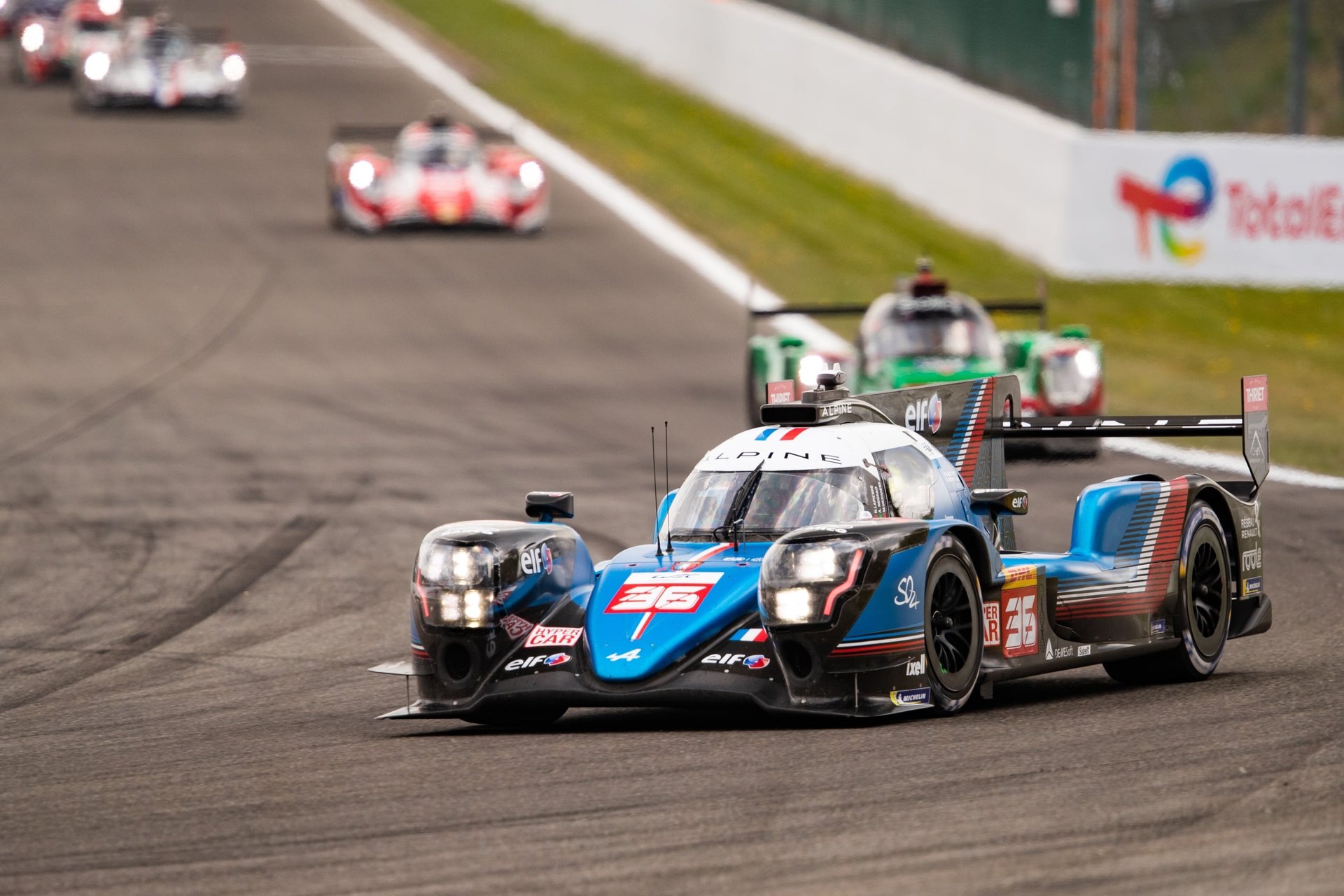
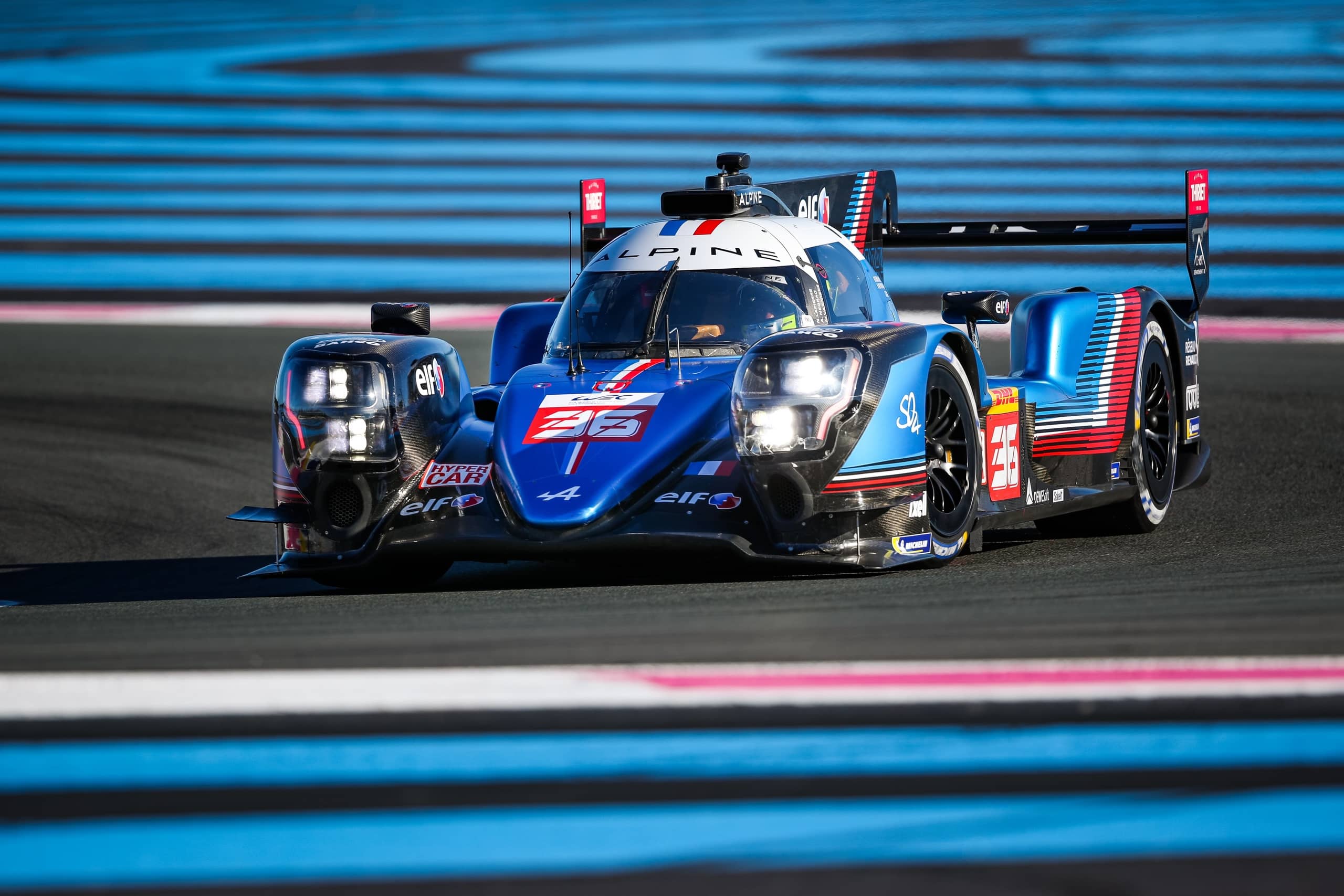
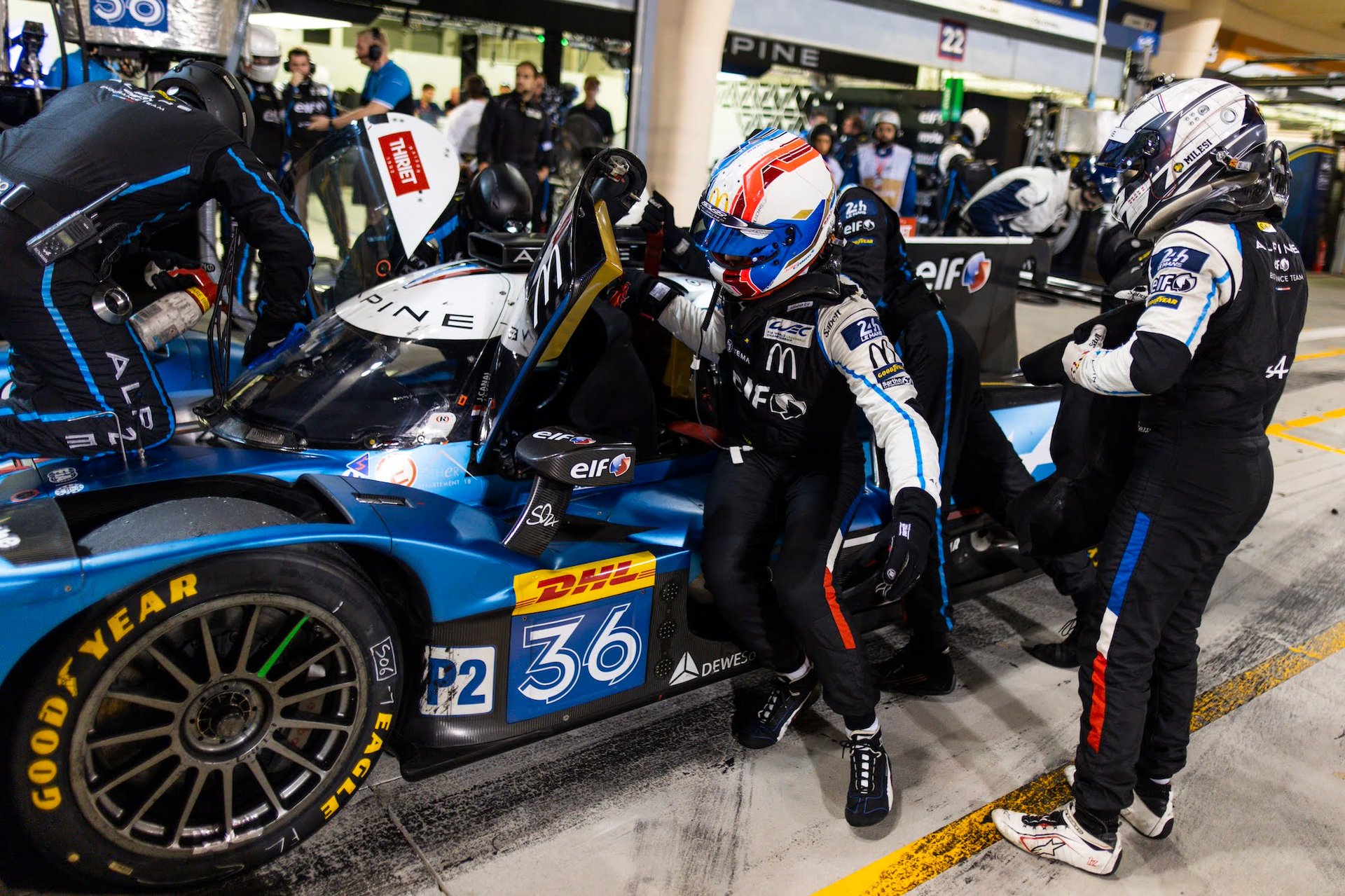
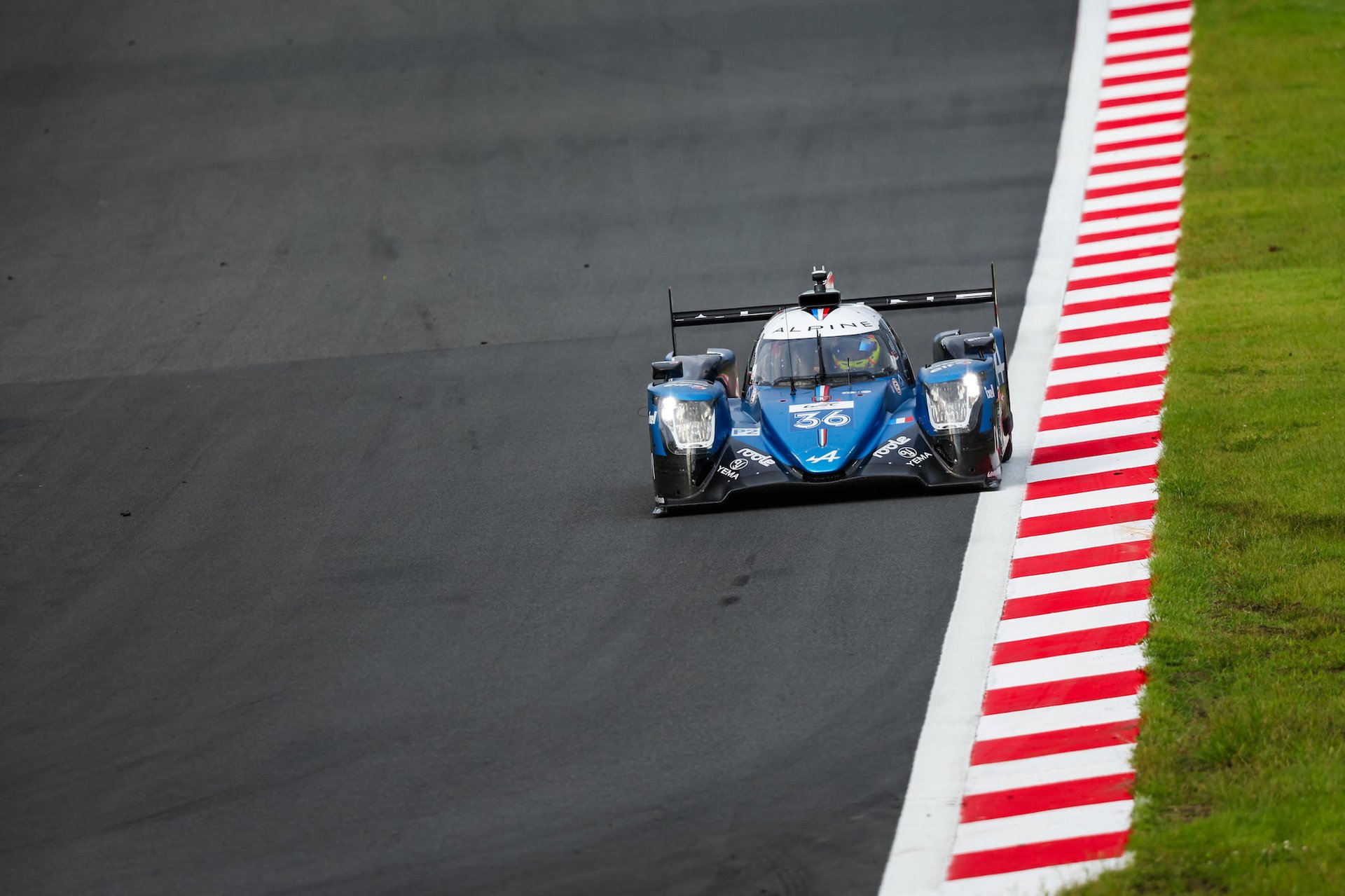
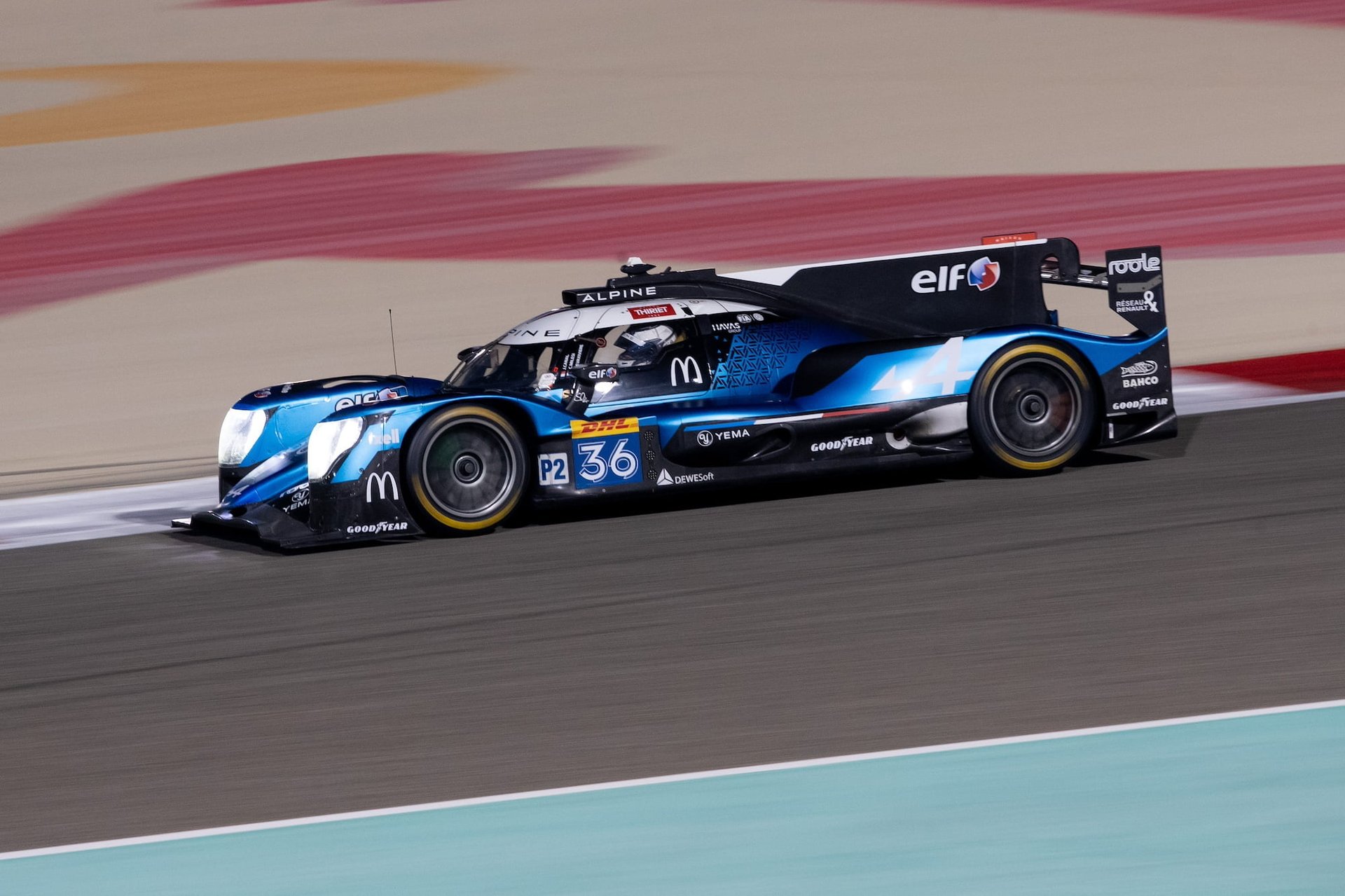
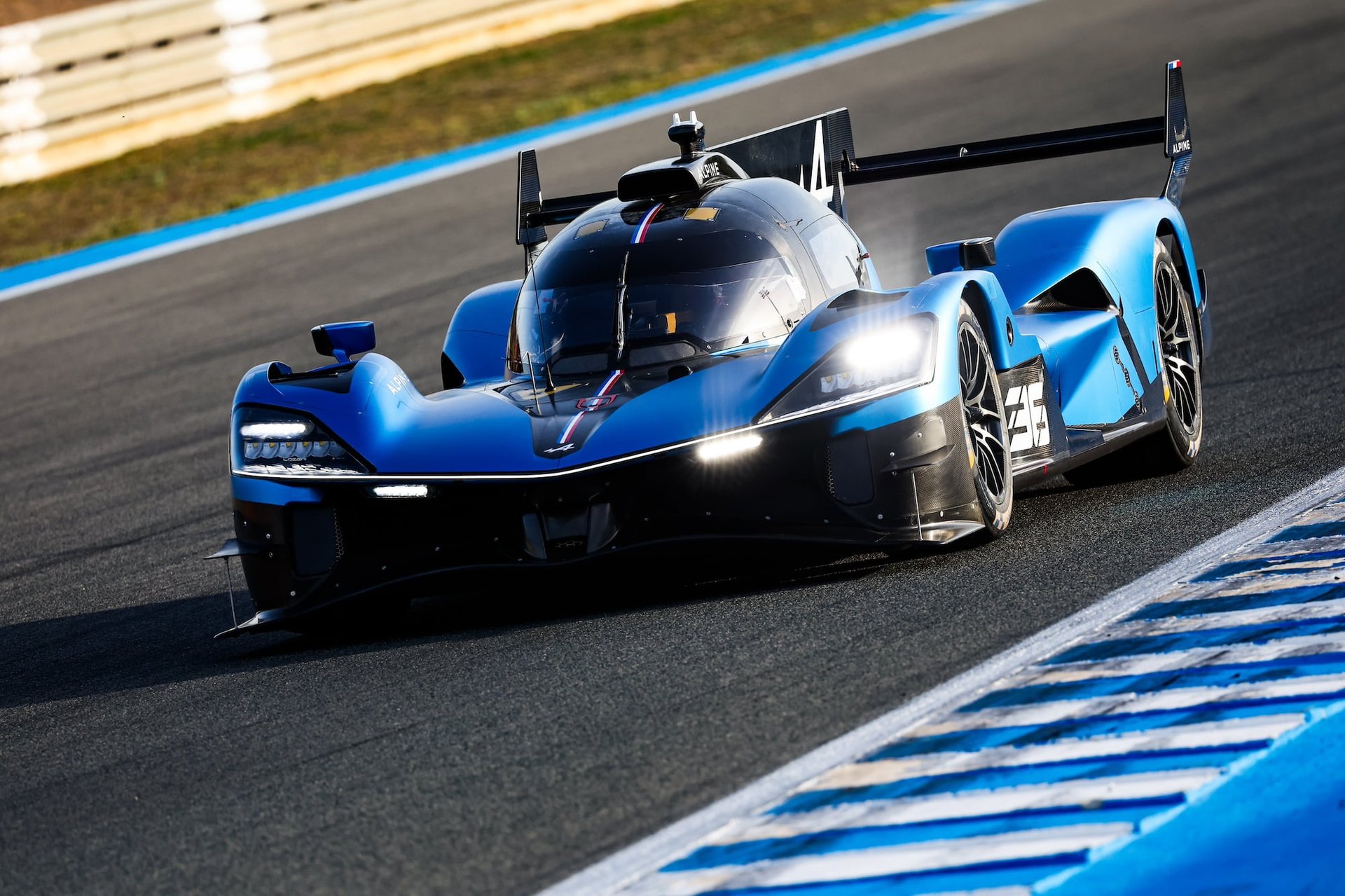
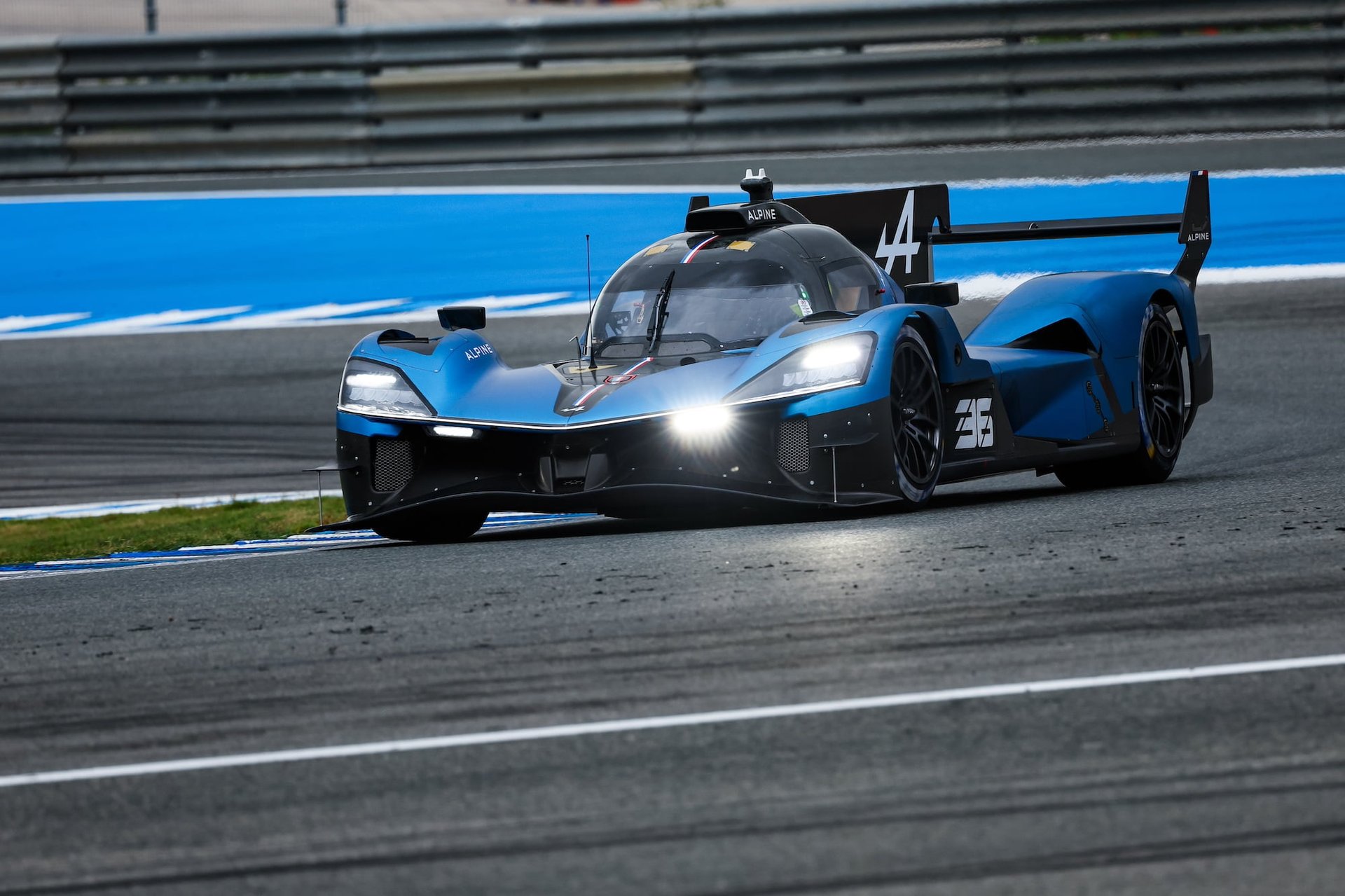
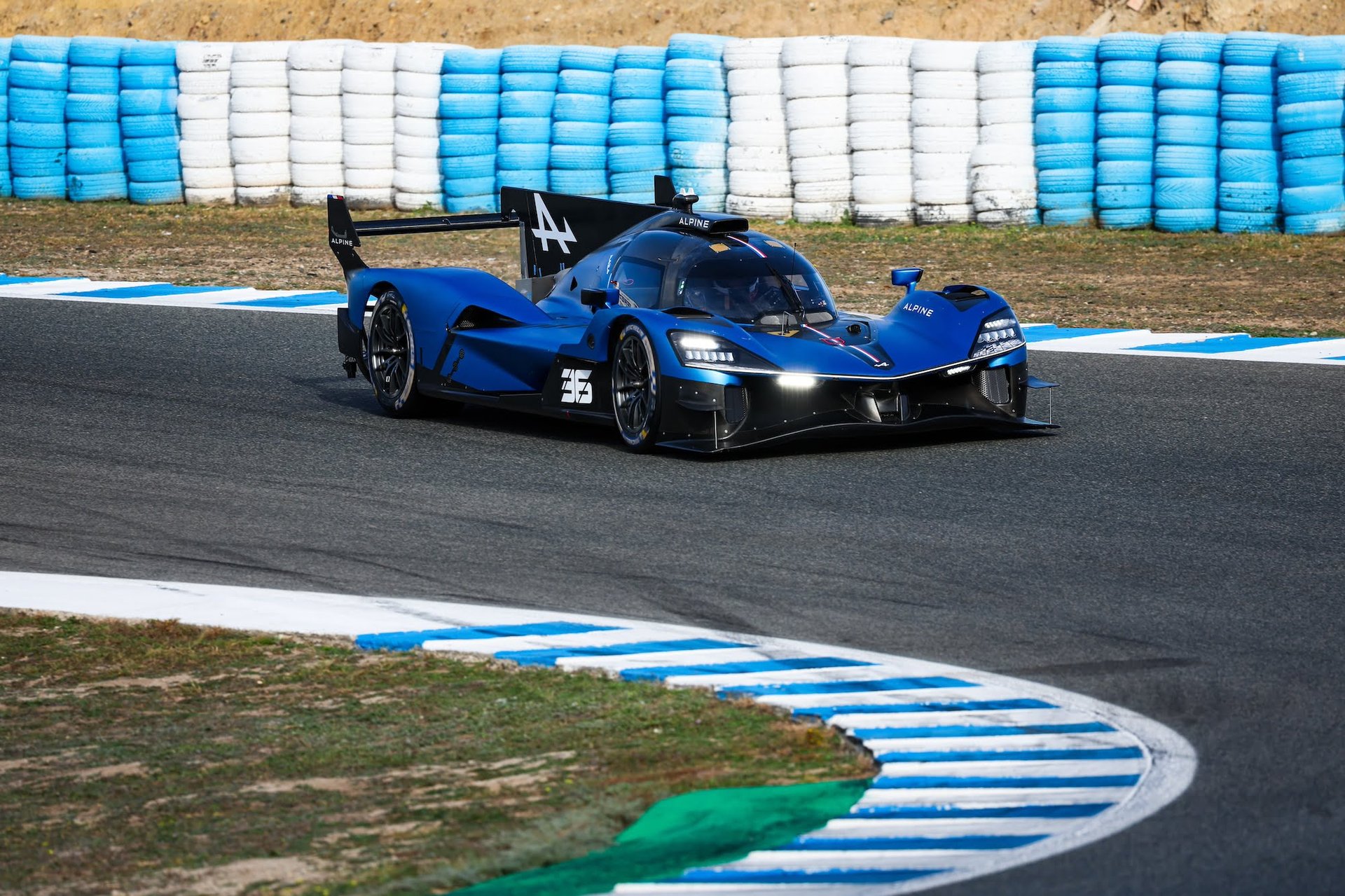
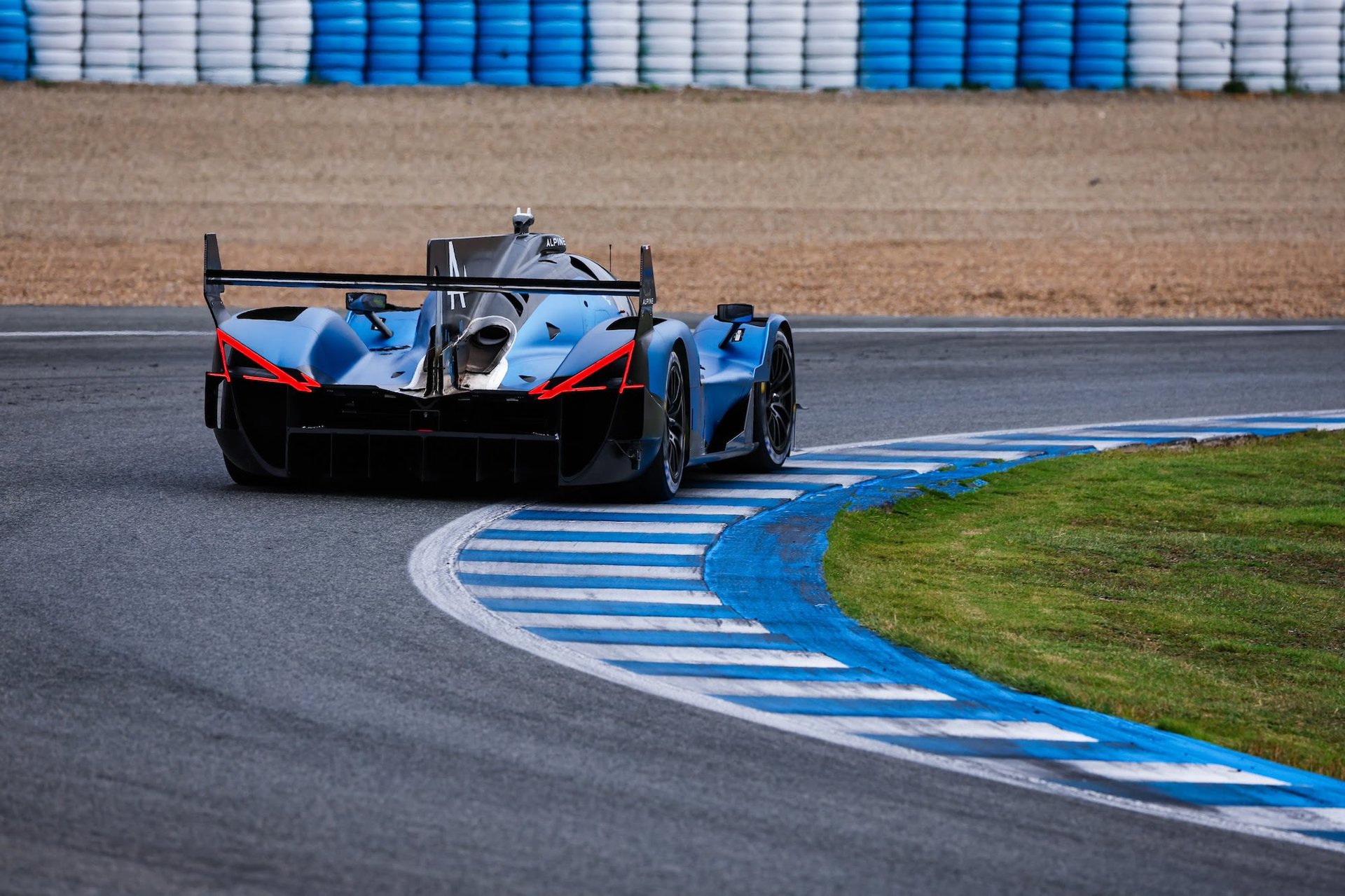
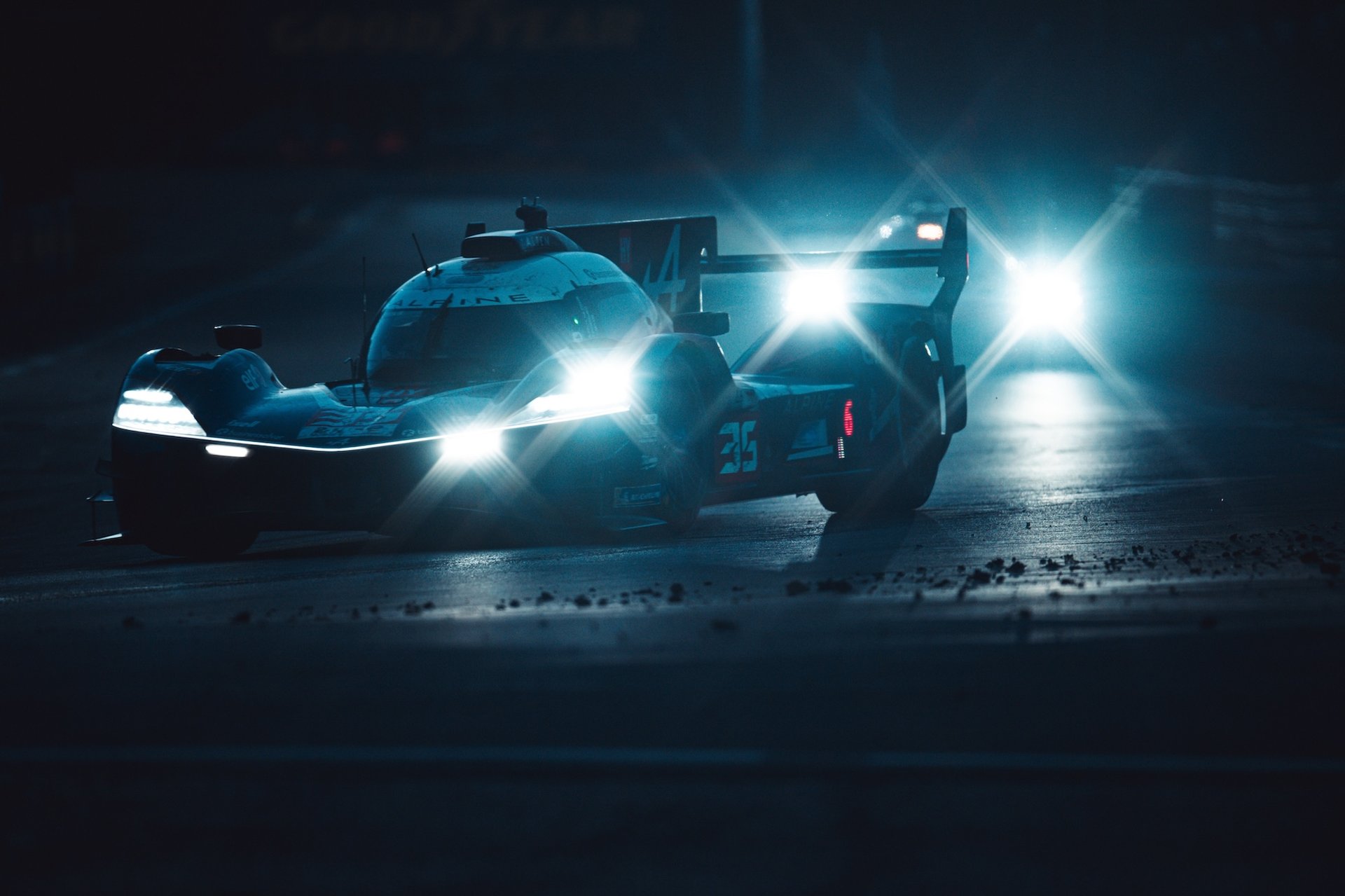
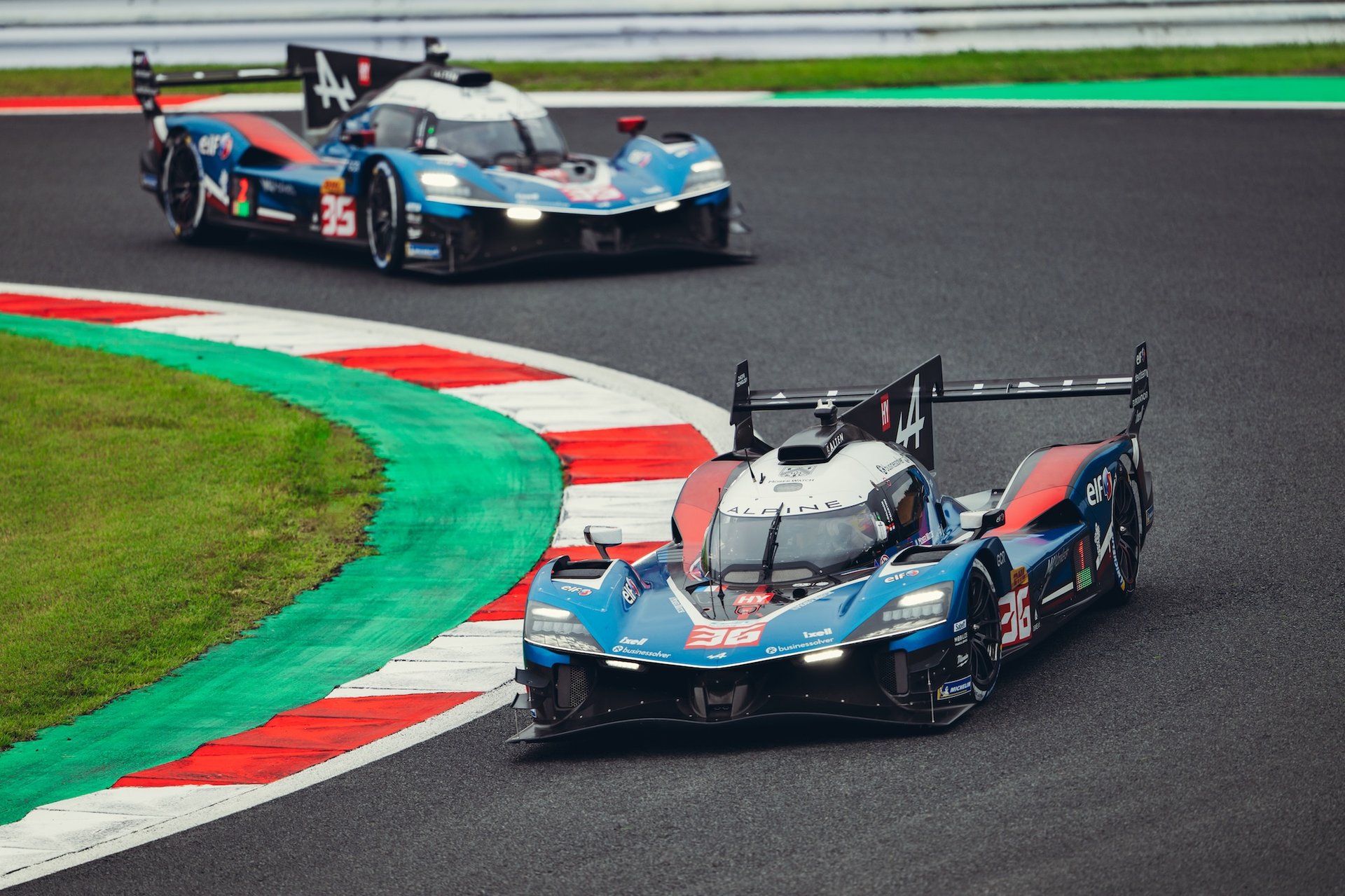
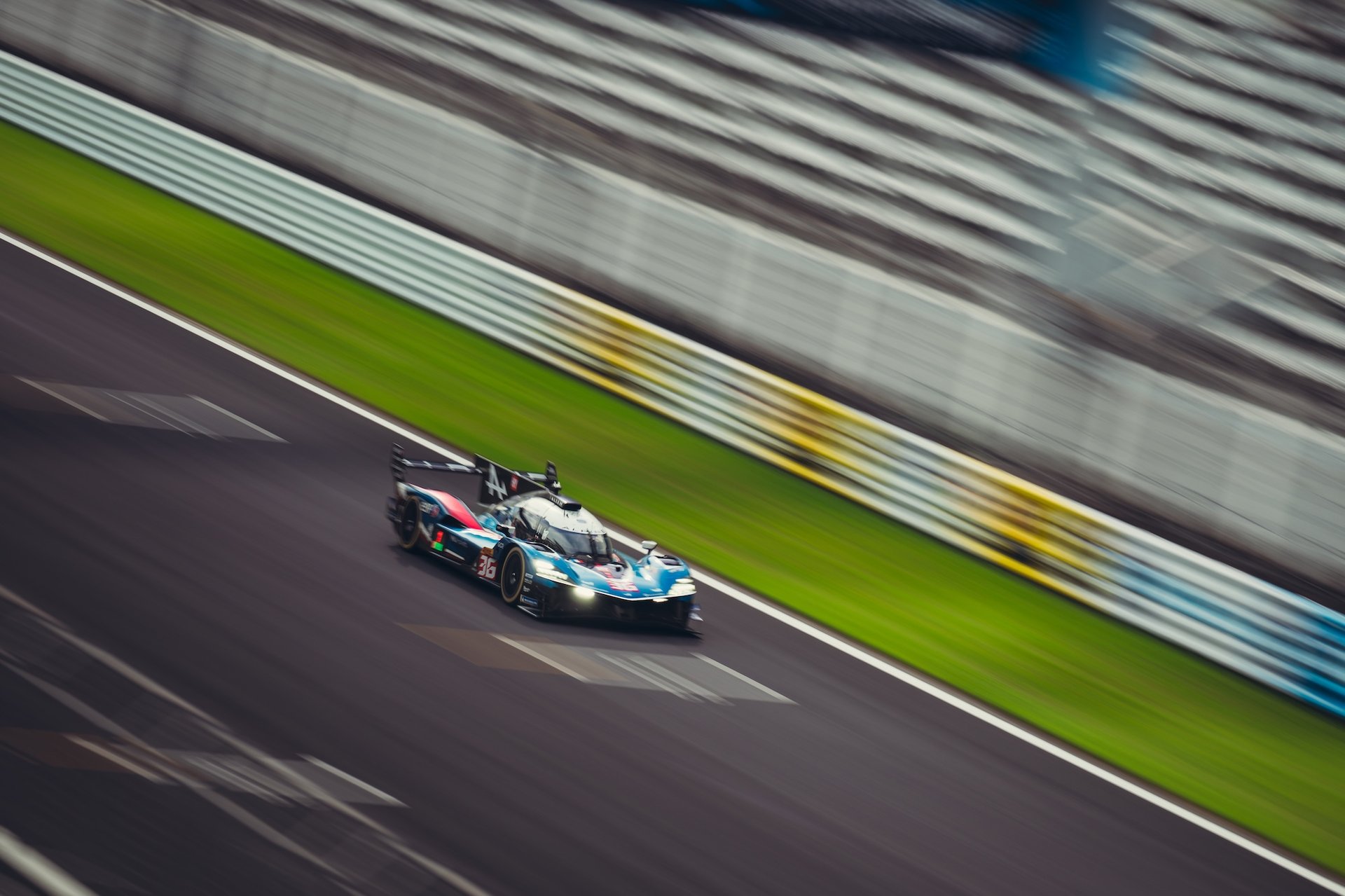
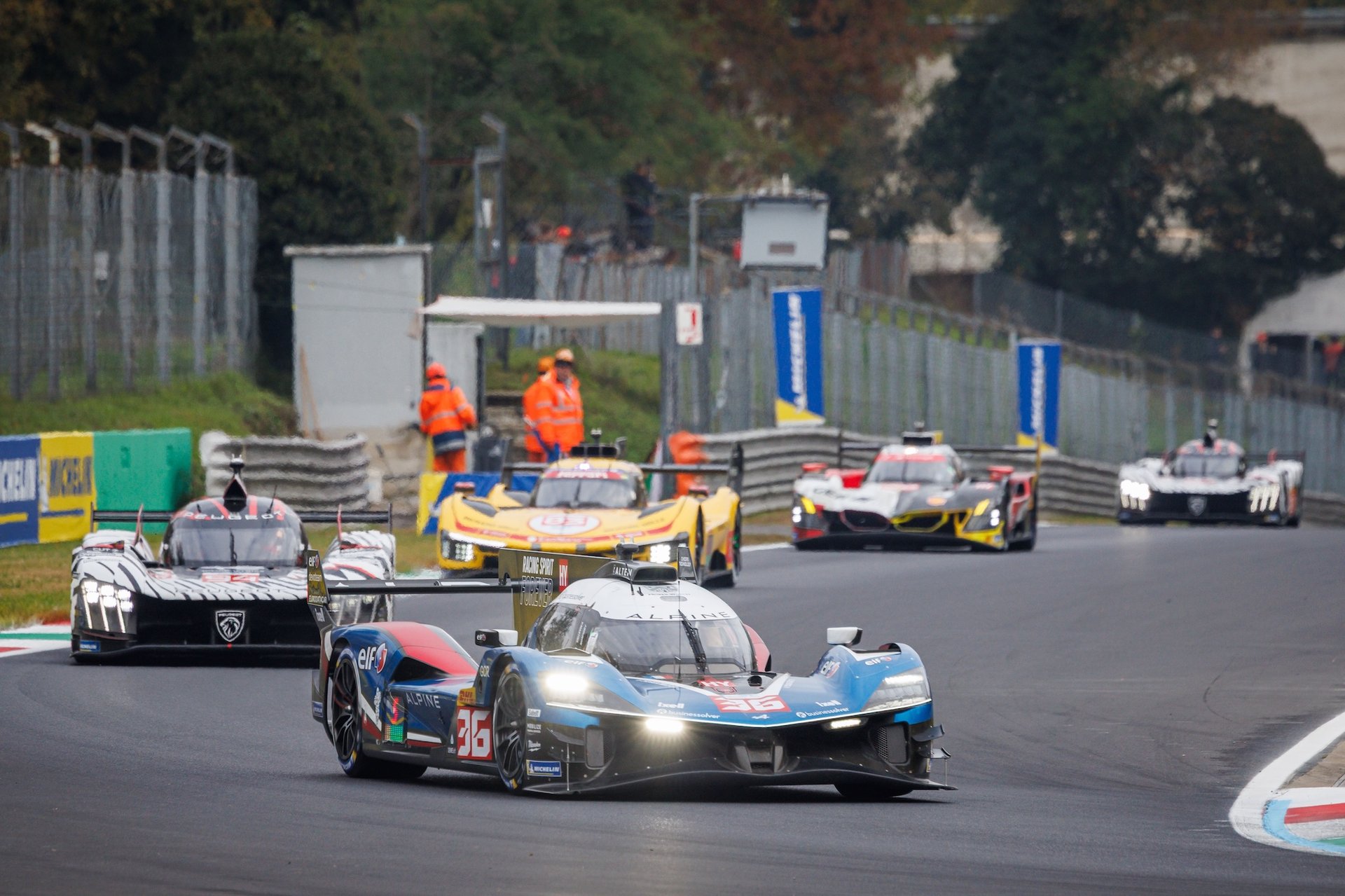
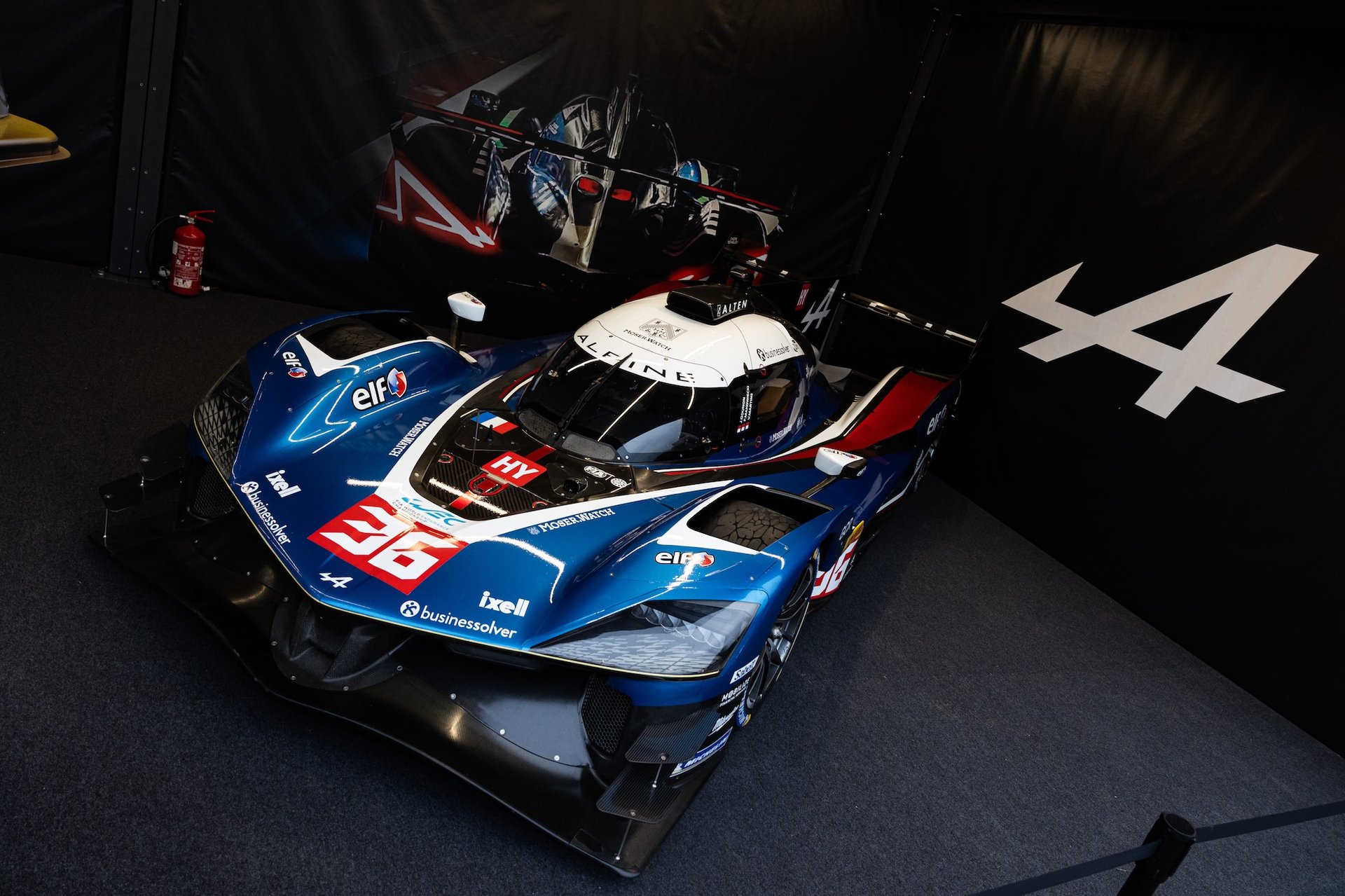
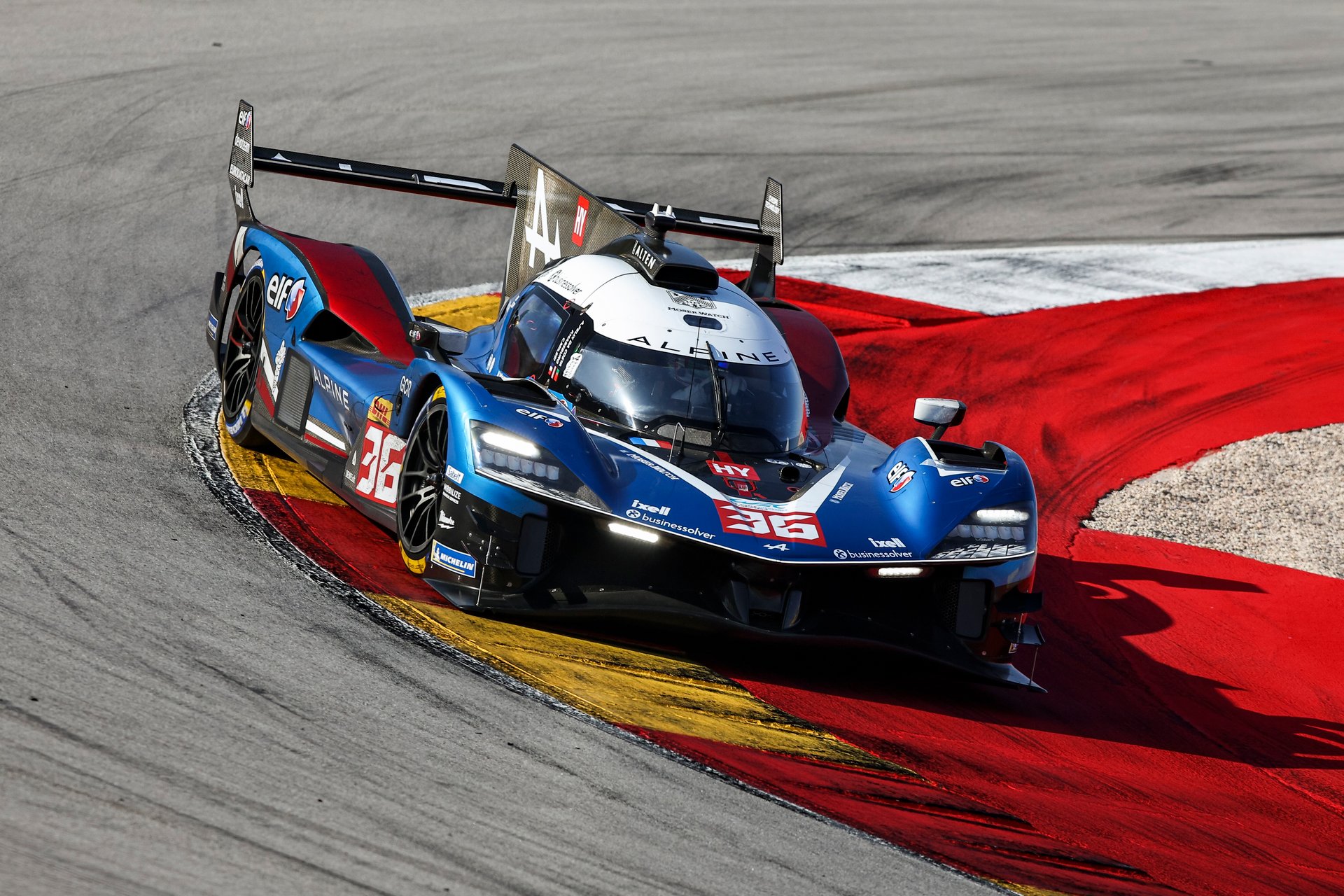
On 8 November 2026, under the Monza sky, Alpine A424 No.36 crossed the line in second place, a little over five seconds behind the winning Cadillac. One more podium, the seventh for the French Hypercar. And, in all likelihood, the last for Alpine Endurance Team in its works form.
Behind that name, since 2013, there has only ever been one outfit: Signatech, Philippe Sinault’s team, based in Bourges. Fourteen seasons, two European titles, two world crowns, three class wins at Le Mans and three outright victories in the World Championship. Here, season by season, is one of the most consistent stories in modern French motorsport.
4: ELMS 2013 and 2014, LMP2 world champions 2016 and 2018-2019
Wins
13, including 3 outright in the WEC (Sebring 2022, Monza 2022, Fuji 2025)
Podiums
49
WEC pole positions
10
Hyperpole appearances
25
Le Mans 24 Hours
14 consecutive appearances, 3 class wins (2016, 2018, 2019), 3rd overall in 2021
Cars
6: A450, A450b, A460, A470, A480, A424
Team principal
Philippe Sinault (Signatech), from the first race to the last
The full sporting record of Signatech-Alpine and Alpine Endurance Team, detailed in the tables at the end of this feature.
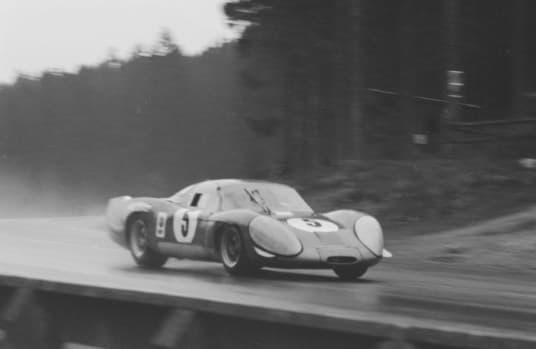
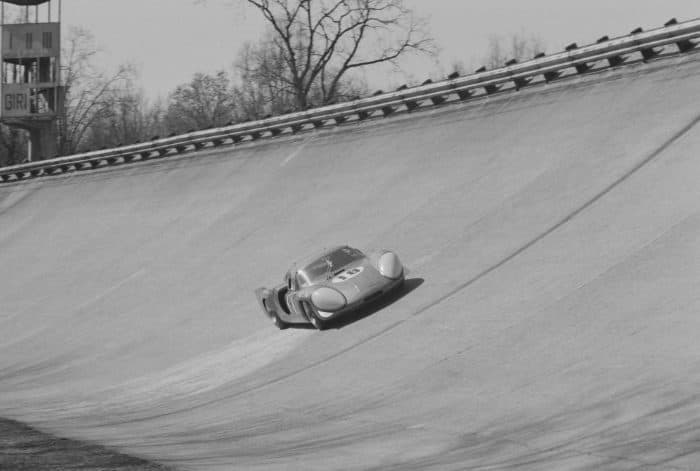
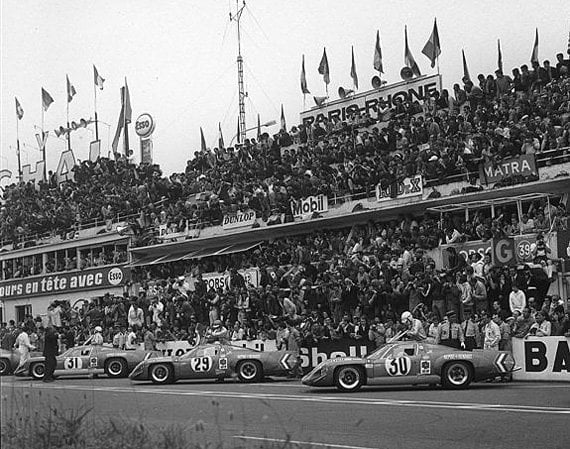
Before Signatech: Alpine at the Le Mans 24 Hours, 1963-1978
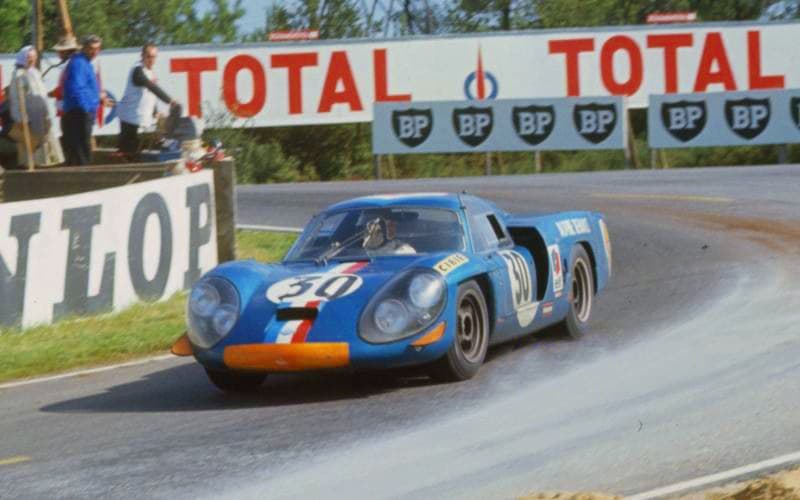
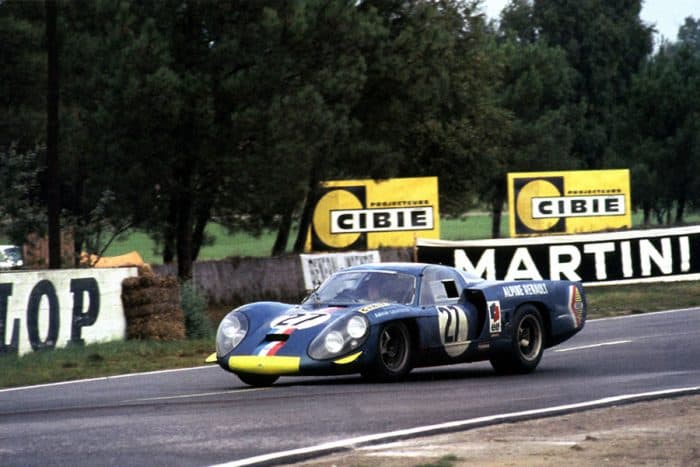
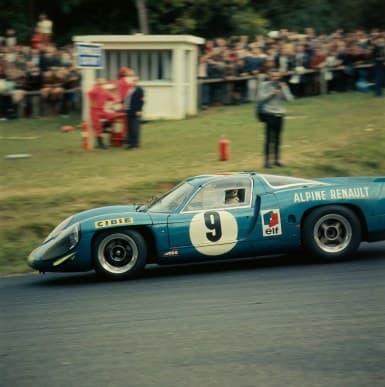
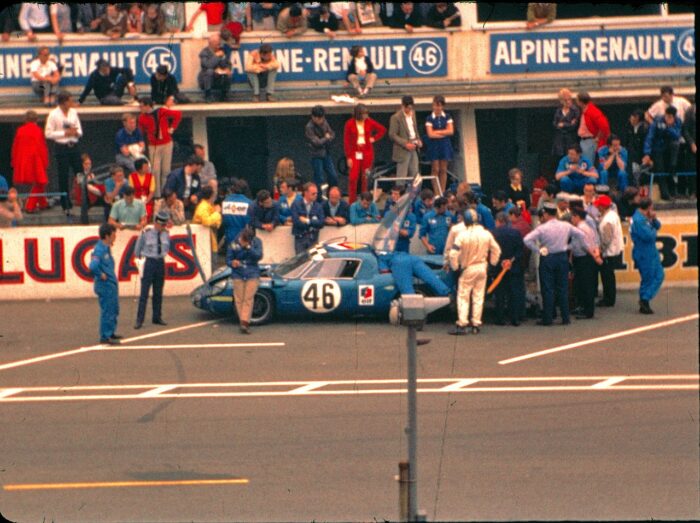
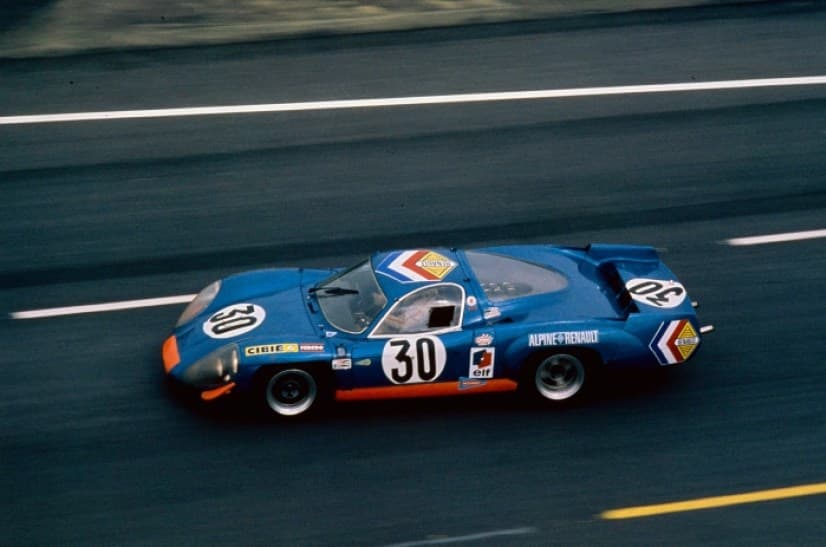
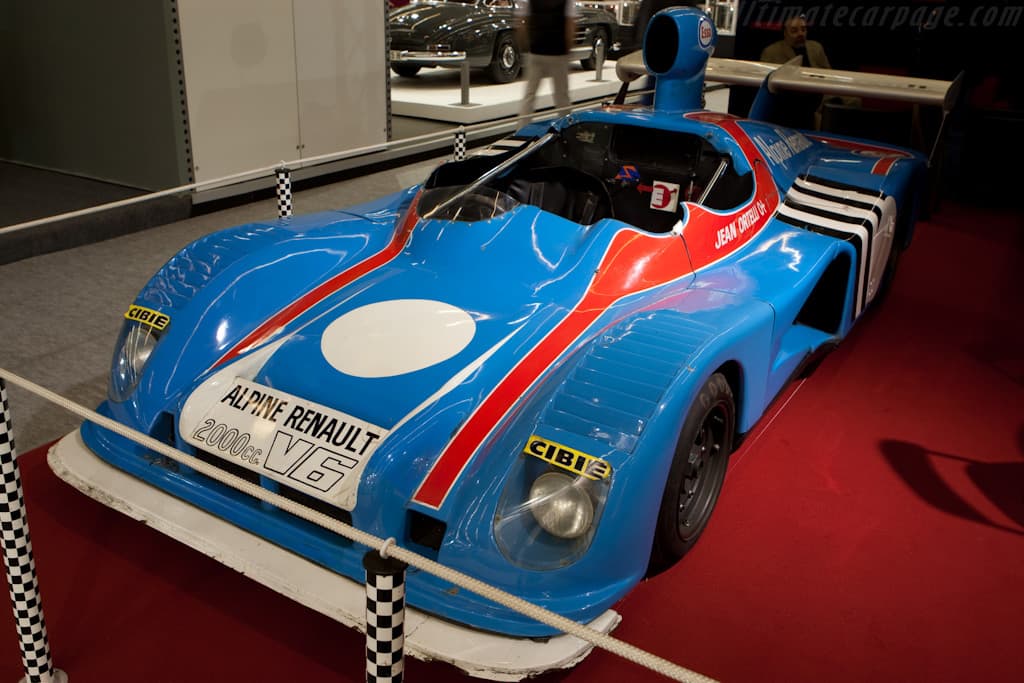
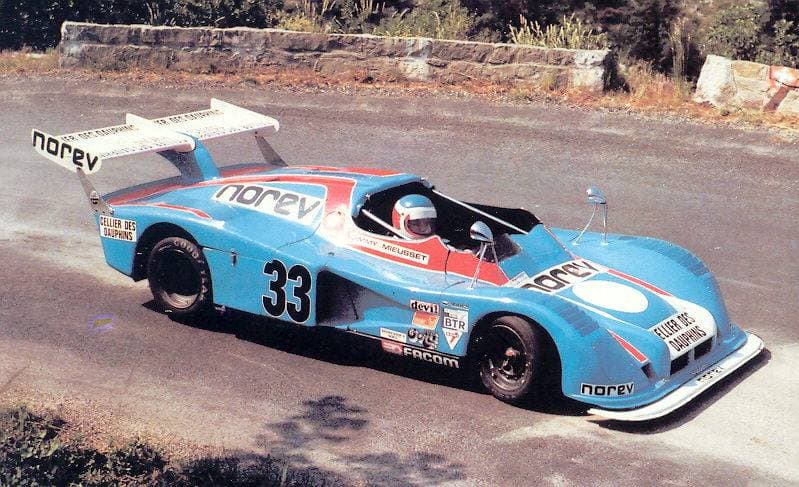
To grasp what the 2013 comeback meant, you have to go back in time. Between 1963 and 1978 Alpine contested eleven editions of the Le Mans 24 Hours — seven in the 1960s, four from 1975 to 1978 — and, by the marque’s own official count, entered fifty-five works cars. The story is told in two colour schemes: the French blue of the little Dieppe barchettas, then the yellow and black of the turbocharged Renault-Alpines. Fabien has traced every step of it in his series Alpine et l’Endurance : 60 ans d’histoire (in French), and our Alpine endurance heritage section gathers the portraits of the men and machines of that era.
Alpine Endurance Team: The Complete Story, 2013-2026. 148
Jean Rédélé, Marcel Hubert and the call of the Sarthe
Le Mans ran in Alpine’s veins before the marque even existed. In 1952 Renault entered the 4 CV of Jean Rédélé, the Dieppe dealer who had spotted the little saloon’s sporting potential; he led his class until two hours from the finish before retiring. Two class wins followed on the Mille Miglia, in 1953 and 1954, with Louis Pons. The Société des Automobiles Alpine was founded in Dieppe on 25 June 1955, and the marque was unveiled to the public on 6 October that year at the Paris Motor Show with the A106. Seventy years later, Dieppe celebrated the anniversary.
The great leap was prepared at All Saints’ 1962, when an agreement was signed between Alpine and Renault. A first chassis drawn by Len Terry was abandoned. In 1963 Rédélé then hired the aerodynamicist Marcel Hubert, the man behind the M63 and its clean, teardrop-inspired lines, with a claimed drag coefficient of 0.15. Hubert would see the whole Le Mans adventure through, up to the 1978 triumph he regarded as the crowning moment of his career; he died in Dieppe on 5 March 2016, aged 92.
1963-1967: the blue period and the battle for the indices
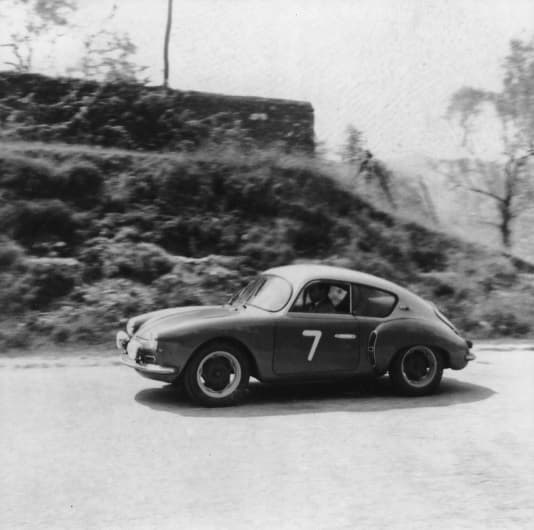
Alpine discovered Le Mans in 1963 with three M63s powered by 996 cc twin-cam engines: No. 48 for Brazil’s Christian “Bino” Heins and José Rosinski, No. 49 for René Richard and Piero Frescobaldi, No. 50 for Bernard Boyer and Guy Verrier. None reached the finish. In the fourth hour Heins struck a telegraph pole while avoiding debris and lost his life. No. 50, meanwhile, led the Index of Energy Efficiency until it retired in the twenty-third hour.
Alpine Endurance Team: The Complete Story, 2013-2026. 149
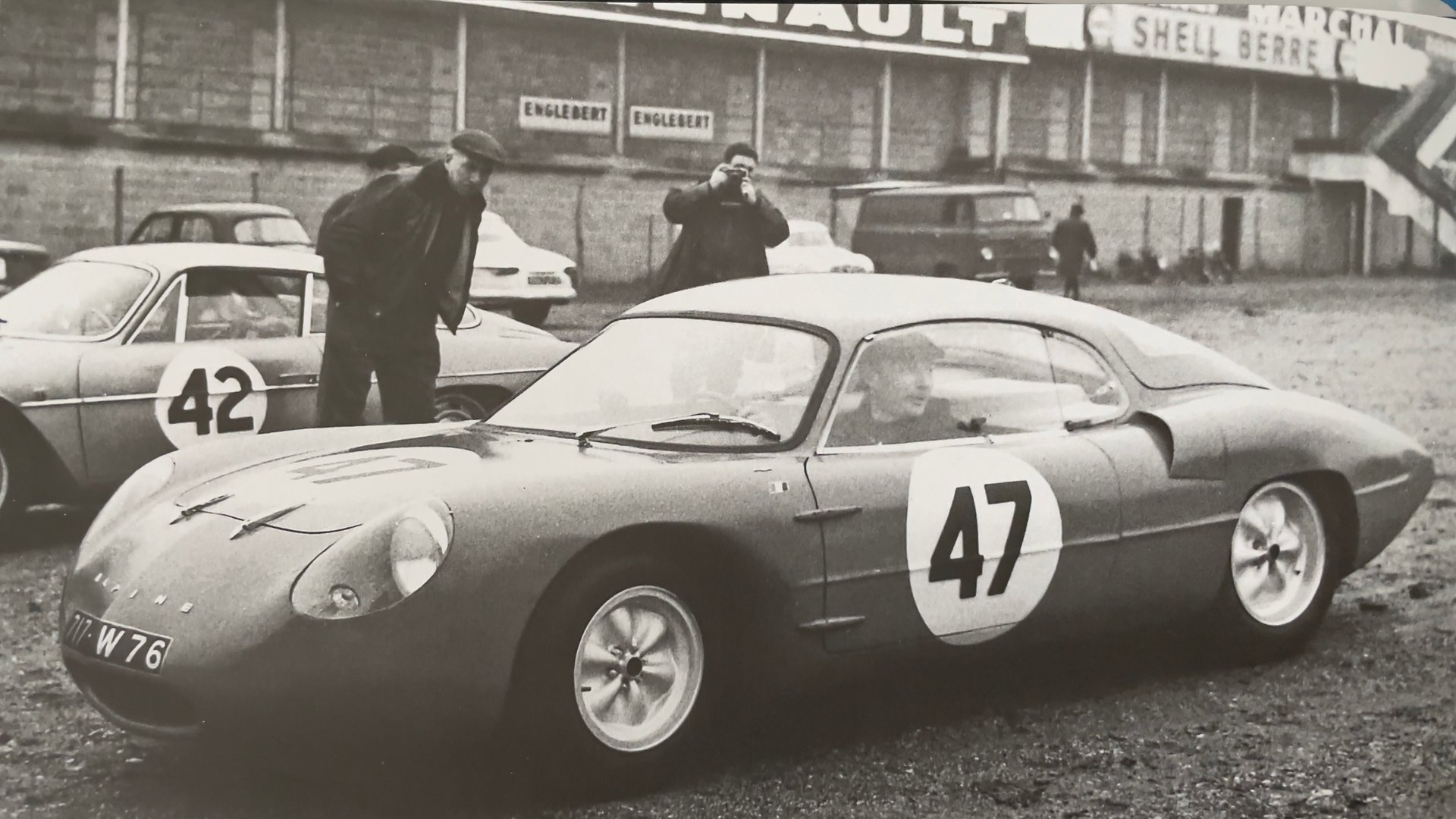
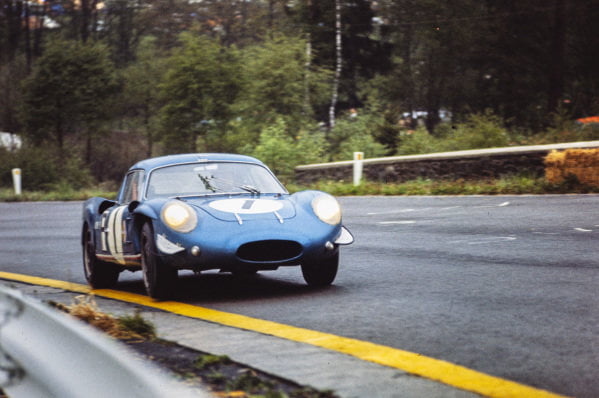
The first chequered flag came a year later. Four Alpines were entered, including the new tubular-chassis M64 weighing 640 kg, and No. 46 of Henry Morrogh and Roger de Lageneste, seventeenth, won the Index of Energy Efficiency: Alpine’s first victory at Le Mans. Roger Masson and Teodoro Zeccoli finished twentieth. In 1965 the M65 received the 130 hp 1300 Gordini engine and a rear spoiler devised by Hubert, said to be the first on a French car; every Alpine retired in the Sarthe, but the M65 won the Nürburgring 500 km, its first victory.
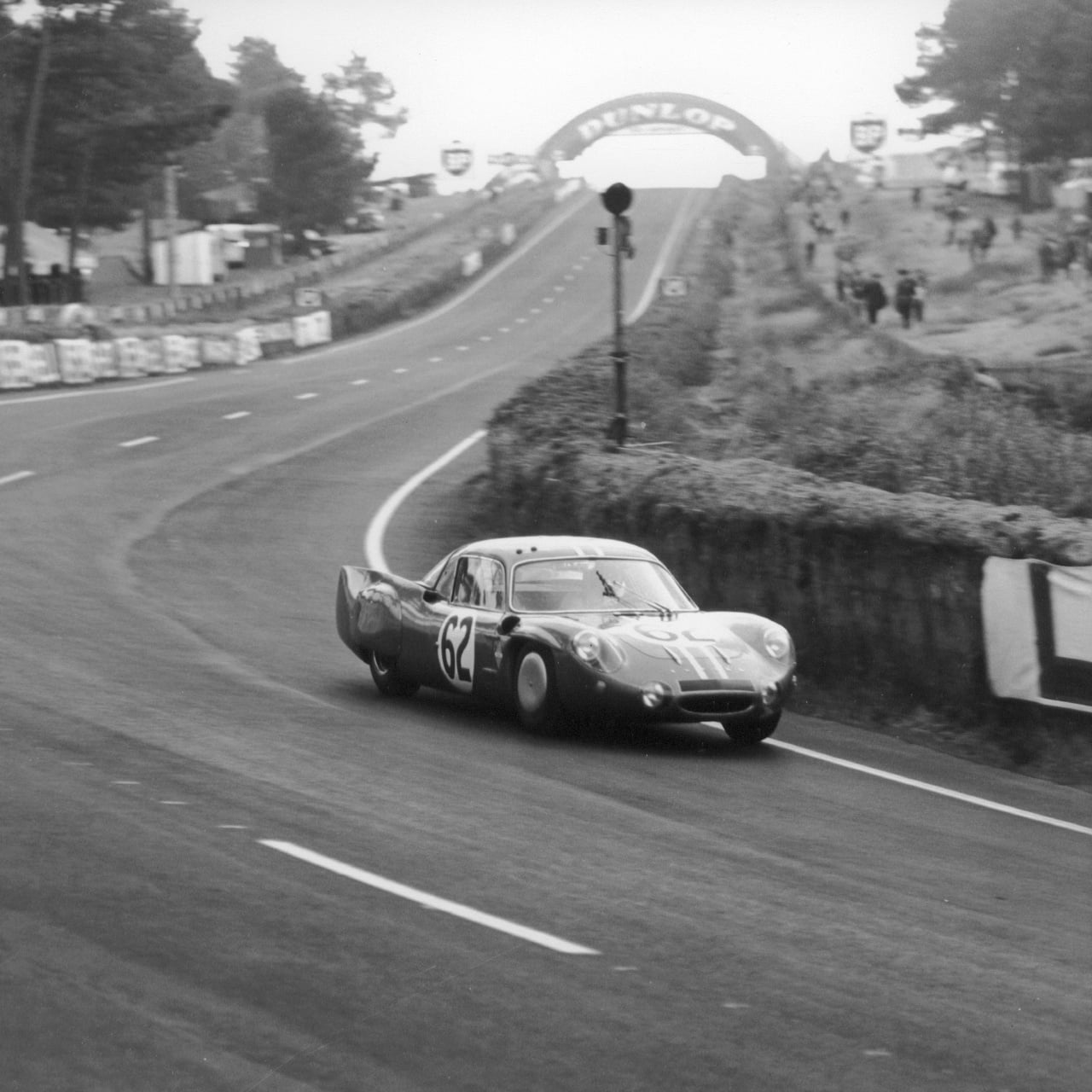
The A210 changed the picture in 1966. Its 1470 cc engine produced around 150 hp, and Renault turned it into an advertising line, billing it as the fastest litre of petrol in the world. Four A210s reached the finish. Henri Grandsire and Léo Cella, ninth in No. 62, gave the marque its first overall top-ten finish; No. 44 of Jacques Cheinisse and Roger de Lageneste, entered by Savin-Calberson, came home eleventh, second in class, and took the Index of Energy Efficiency. Grandsire would later become the television face of Michel Vaillant.
Alpine Endurance Team: The Complete Story, 2013-2026. 150
In 1967 eight Alpines started and four finished, two of them in the top ten — Grandsire and Rosinski ninth, André de Cortanze and Alain Le Guellec tenth — but with no index this time. Even ski champion Jean-Claude Killy drove an A210 at Le Mans, as the Alpine, Esprit Tricolore exhibition at the 24 Hours museum reminded visitors.
1968-1969: the A220 and the dream of outright victory
In 1968 prototype engine capacity was capped at three litres. Alpine now aimed for outright victory. The Gordini V8, made of two four-cylinders set at 90°, was first fitted to a modified A210 chassis, dubbed A211, before finding its home in the A220: bodywork by Marcel Hubert, tubular chassis by Bouleau, 680 kg. But Gordini quoted 310 hp when the opposition claimed close to 400. Jacques Cheinisse took over as competition director, Elf replaced Shell as partner, and the marque prepared, in the utmost secrecy, a Formula 1 single-seater, the A350.
Alpine Endurance Team: The Complete Story, 2013-2026. 151
The events of May pushed the 1968 race back to September, with a 3 pm start. Eleven Alpines were there, nine of them works cars — a record. The A220 chassis 1732 of Mauro Bianchi and Patrick Depailler, entered by Savin-Calberson, went up in flames after a crash at Tertre Rouge that ended Bianchi’s career. Chassis 1734 of André de Cortanze and Jean Vinatier was the only A220 to make the finish, after almost 4,000 km, in eighth place. De Cortanze and Vinatier thus led a quartet of Alpines home from eighth to eleventh, and it was the old A210s that swept the performance indices. Fabien tells the story of that season in L’Alpine A220, la fin d’une époque and its second part.
Circuit De Spa Francorchamps, Belgium – May 26: Mauro Bianchi / Henri Grandsirem, Societé Automobiles Alpine, Alpine A211 Renault Gordini During The Spa 1000 Kms At Circuit De Spa Francorchamps On May 26, 1968 In Circuit De Spa Francorchamps, Belgium. (Photo By Lat Images)Alpine Endurance Team: The Complete Story, 2013-2026. 152Alpine Endurance Team: The Complete Story, 2013-2026. 153Alpine Endurance Team: The Complete Story, 2013-2026. 154Alpine Endurance Team: The Complete Story, 2013-2026. 155
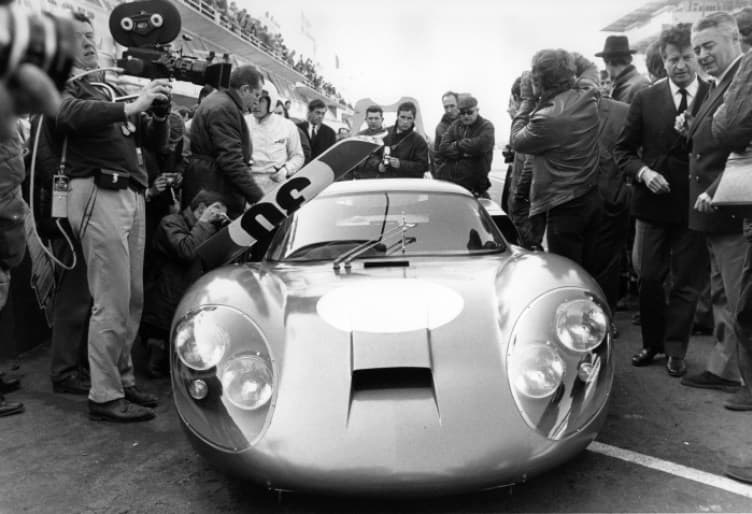
In 1969 the start was brought forward to 2 pm because of the presidential election. All four A220s — Nicolas and Thérier, Grandsire and Andruet, Depailler and Jabouille, de Cortanze and Vinatier — retired, hampered by a power deficit of around 30% despite a top speed of 310 km/h. Of eight Alpines entered, only the little 1000 cc car of Christian Ethuin and Alain Serpaggi reached the finish, twelfth, winning the Index of Performance. Renault, weary of such results, ended the prototype programme; from 1970 competition came under its control and Alpine refocused on rallying, all the way to the 1973 world title for the Berlinette. The A220’s final act is told in the third part of our saga, and its profile sits among our model pages.
Alpine Endurance Team: The Complete Story, 2013-2026. 156Alpine Endurance Team: The Complete Story, 2013-2026. 157Alpine Endurance Team: The Complete Story, 2013-2026. 158Alpine Endurance Team: The Complete Story, 2013-2026. 159Alpine Endurance Team: The Complete Story, 2013-2026. 160
From 1964 to 1969 Alpine racked up six class wins and sixteen classified finishes at Le Mans, never chasing outright victory until the A220. Historians call it the blue period.
1973-1977: yellow and black, the Renault-Alpine era
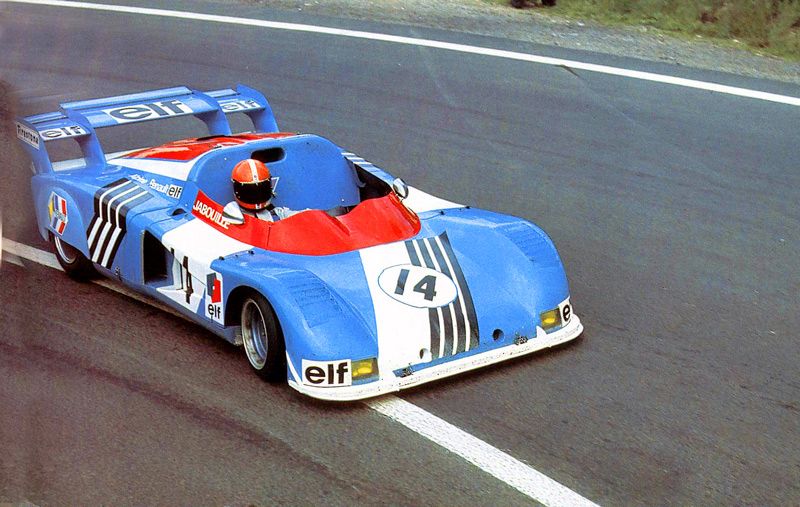
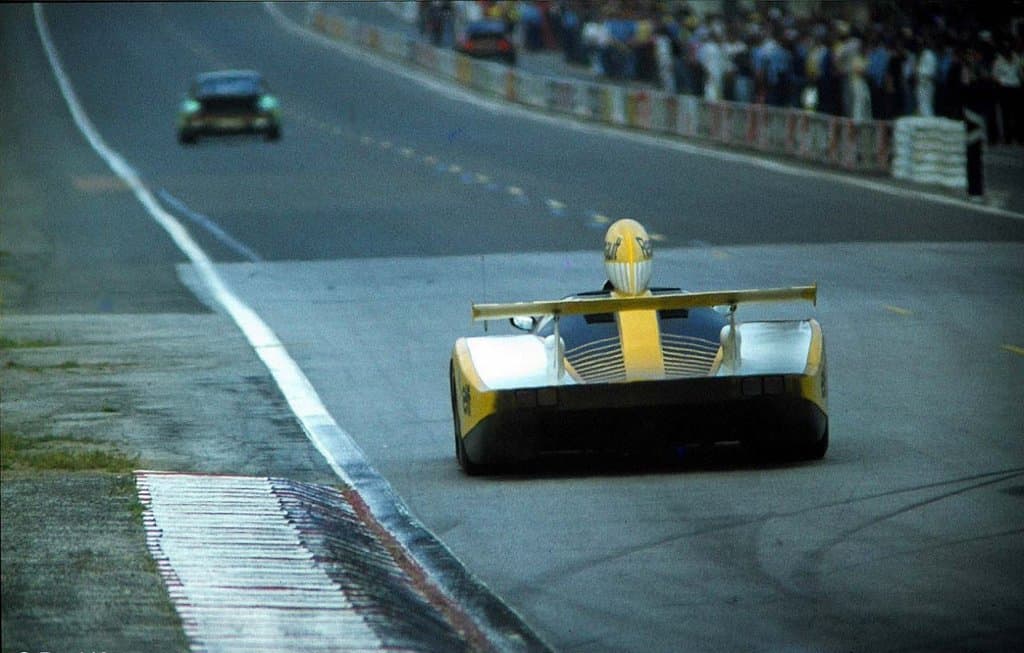
The second act was played out in yellow and black, with Renault and Elf behind it. The 1973 A440, whose development and reliability work involved André Désaubry, begat the A441 and its two-litre V6, which completed a clean sweep of the 1974 European two-litre Sports Prototype Championship with Alain Serpaggi. Then came the V6 turbo A442s. Alpine returned to Le Mans in 1975 with an A441 entrusted to Marie-Claude Beaumont and Lella Lombardi. In 1976 the competition department became Renault Sport, and the first A442, driven by Jean-Pierre Jabouille, Patrick Tambay and José Dolhem, claimed pole position and the lap record before retiring.
Alpine Endurance Team: The Complete Story, 2013-2026. 161Alpine Endurance Team: The Complete Story, 2013-2026. 162Alpine Endurance Team: The Complete Story, 2013-2026. 163
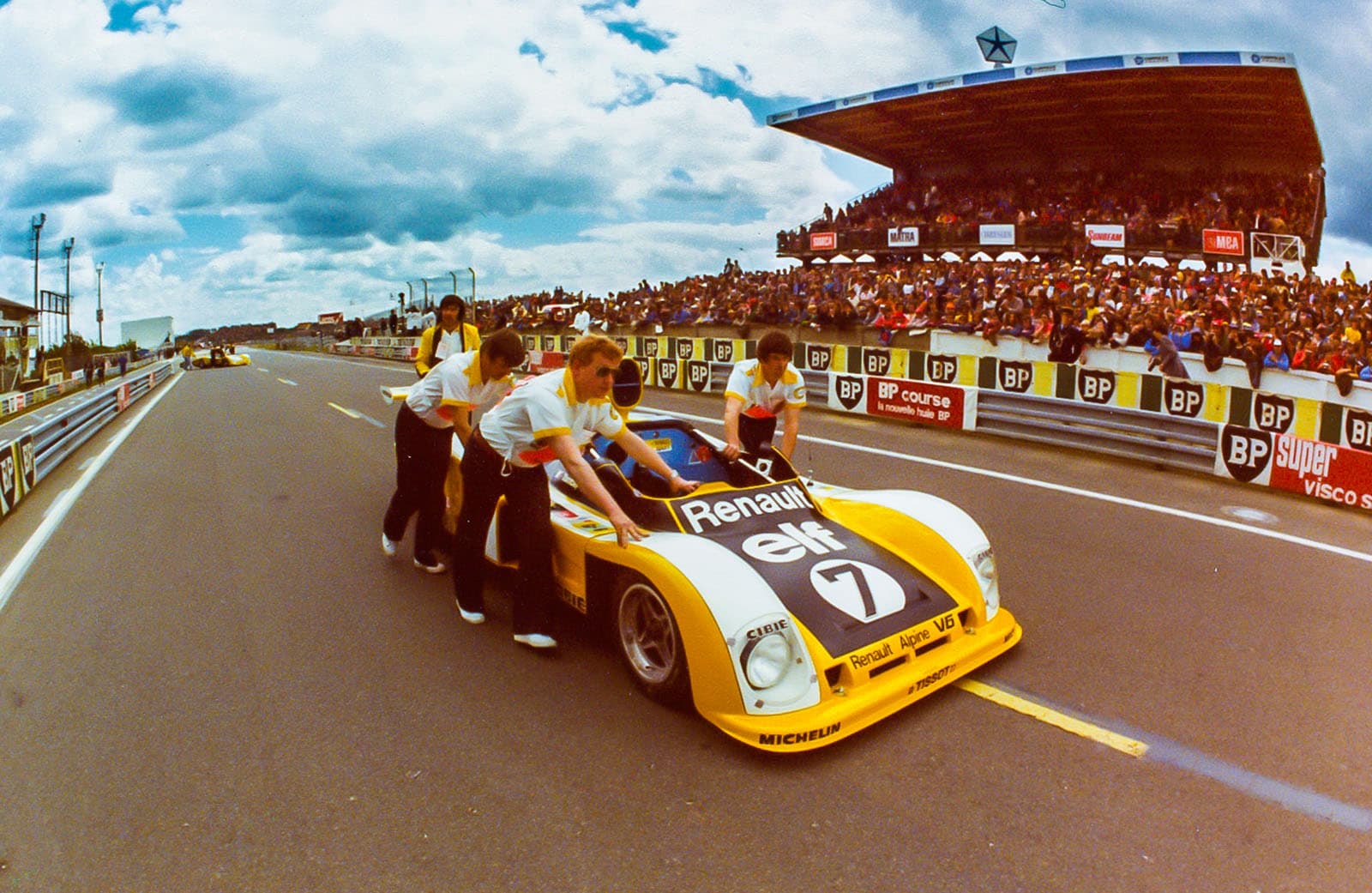
In 1977 three works A442s and one private car took the start. Jabouille and Derek Bell started from pole and led until they retired on Sunday morning. Quick but fragile, the Renault-Alpines left victory to the Porsche 936 of Jacky Ickx, Jürgen Barth and Hurley Haywood. In the workshops, first-generation stalwarts such as Gilbert Harivel, who joined Alpine in 1963 to work on the Le Mans prototypes and was workshop chief from 1965, bridged the two eras.
1977 24 Heures Du Mans #7 Alpine (Renault Sport) Jean Pierre Jaussaud (F) – Patrick Tambay (F) Resab
1978: the A442B, at last
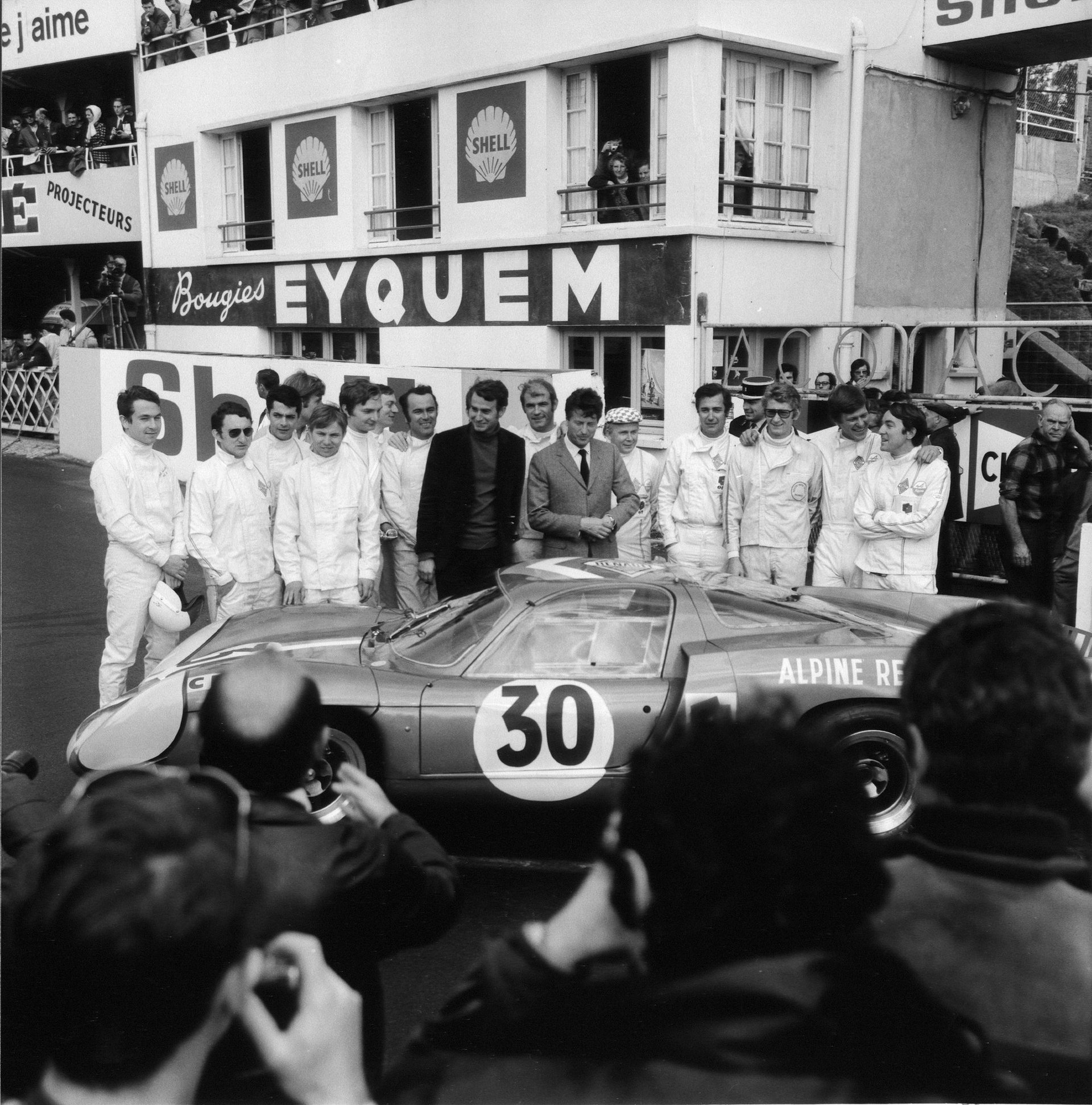
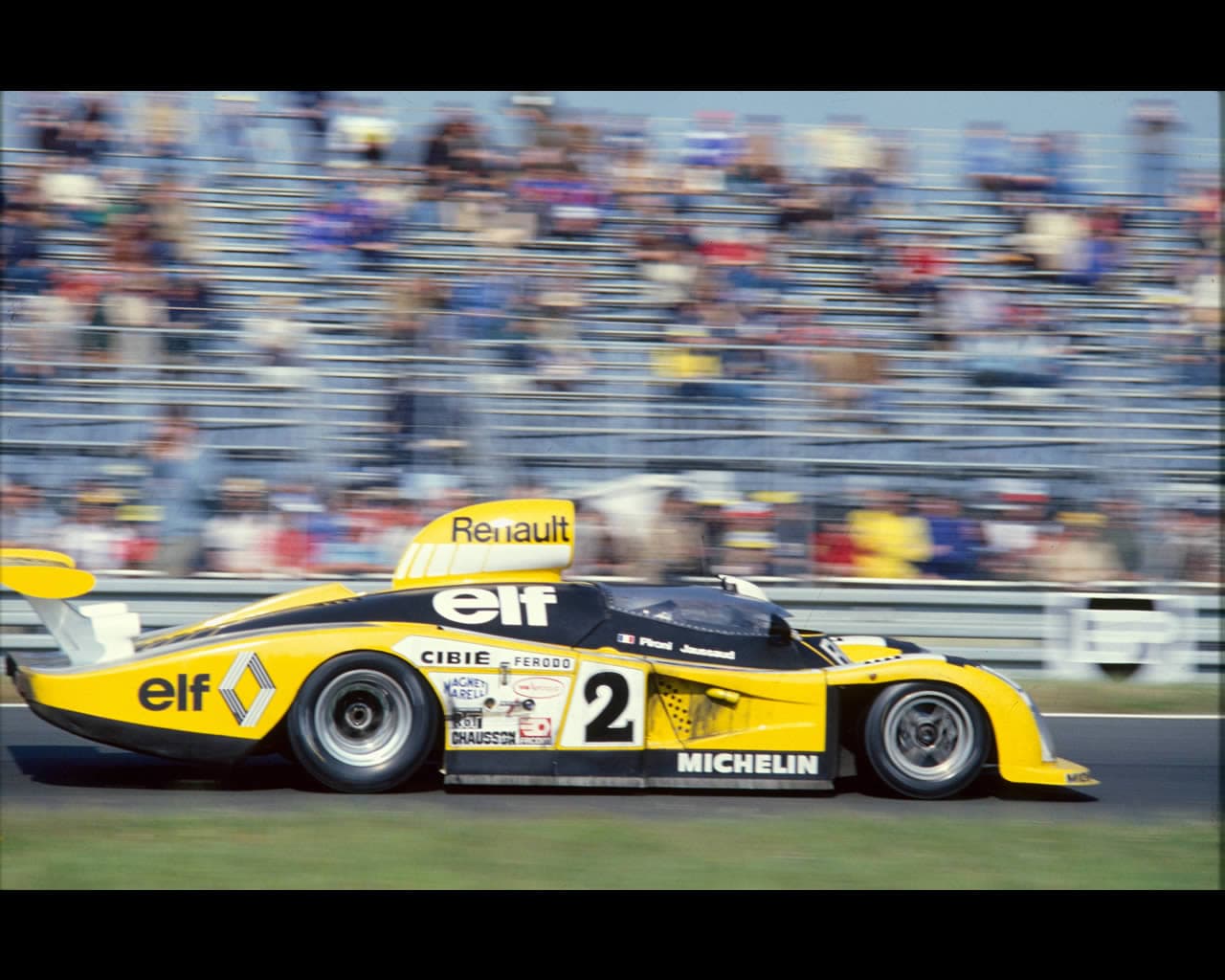
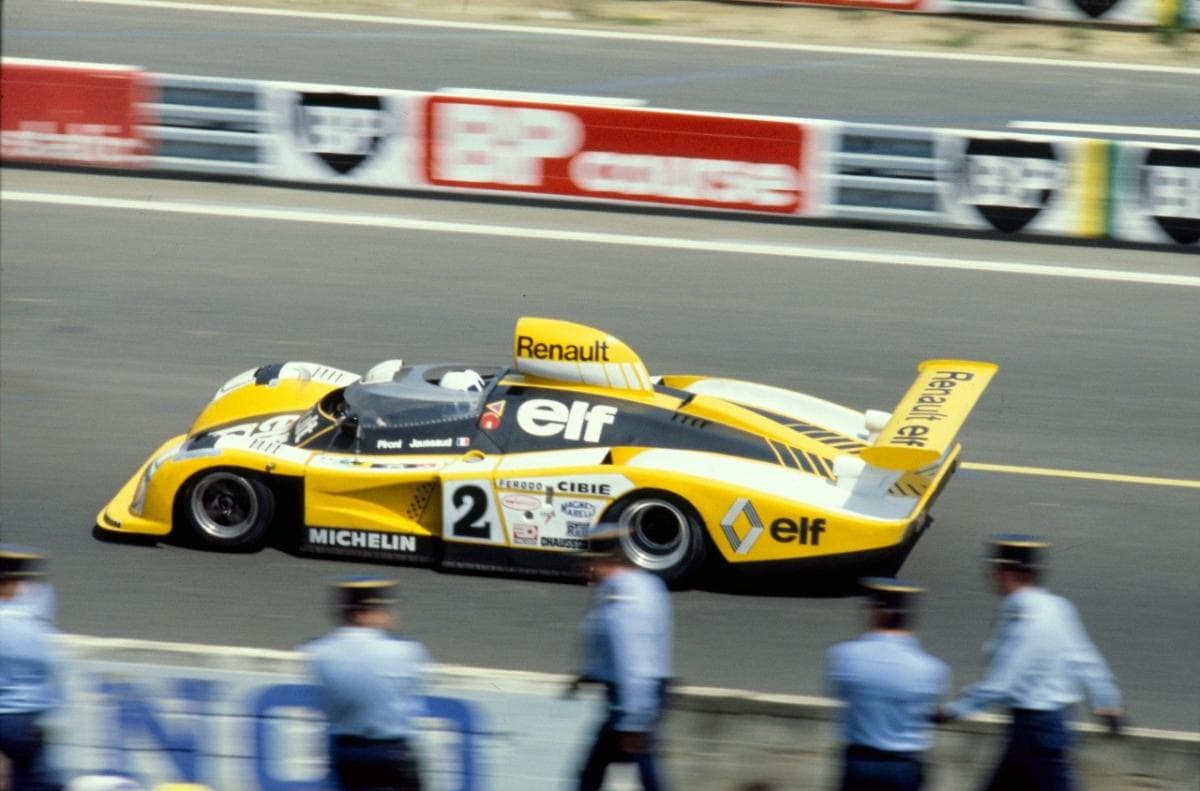
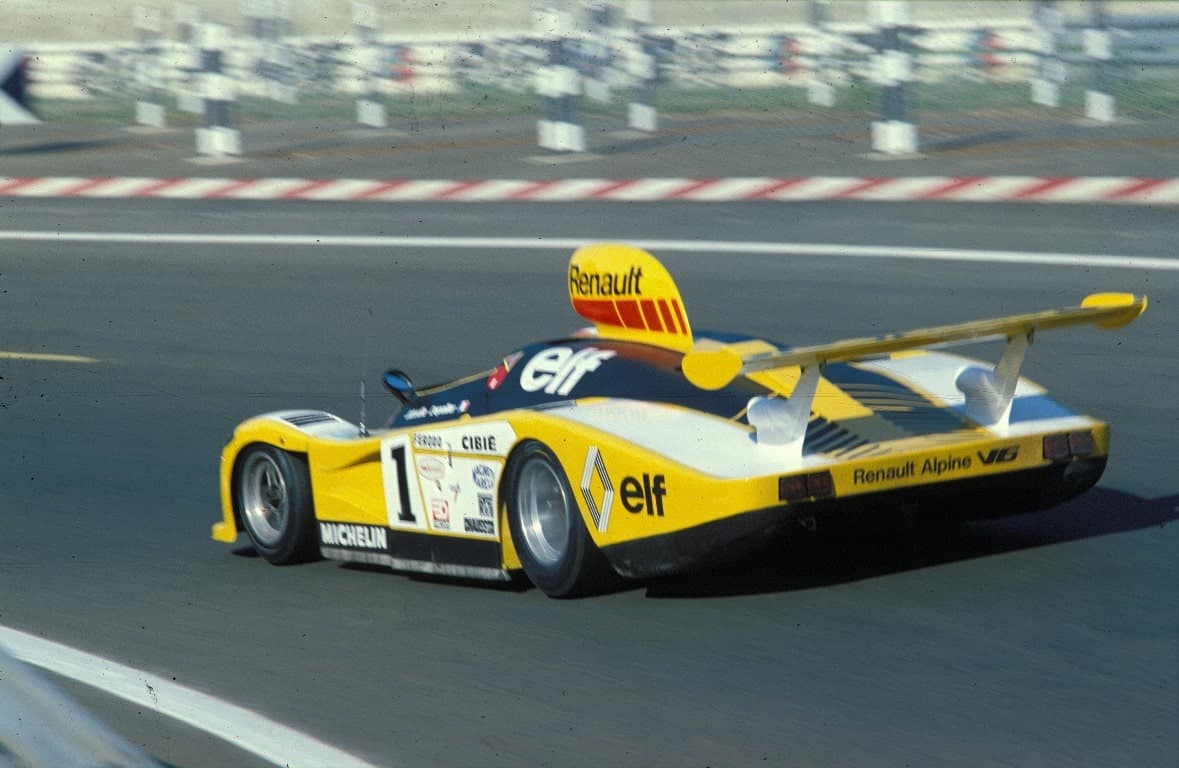
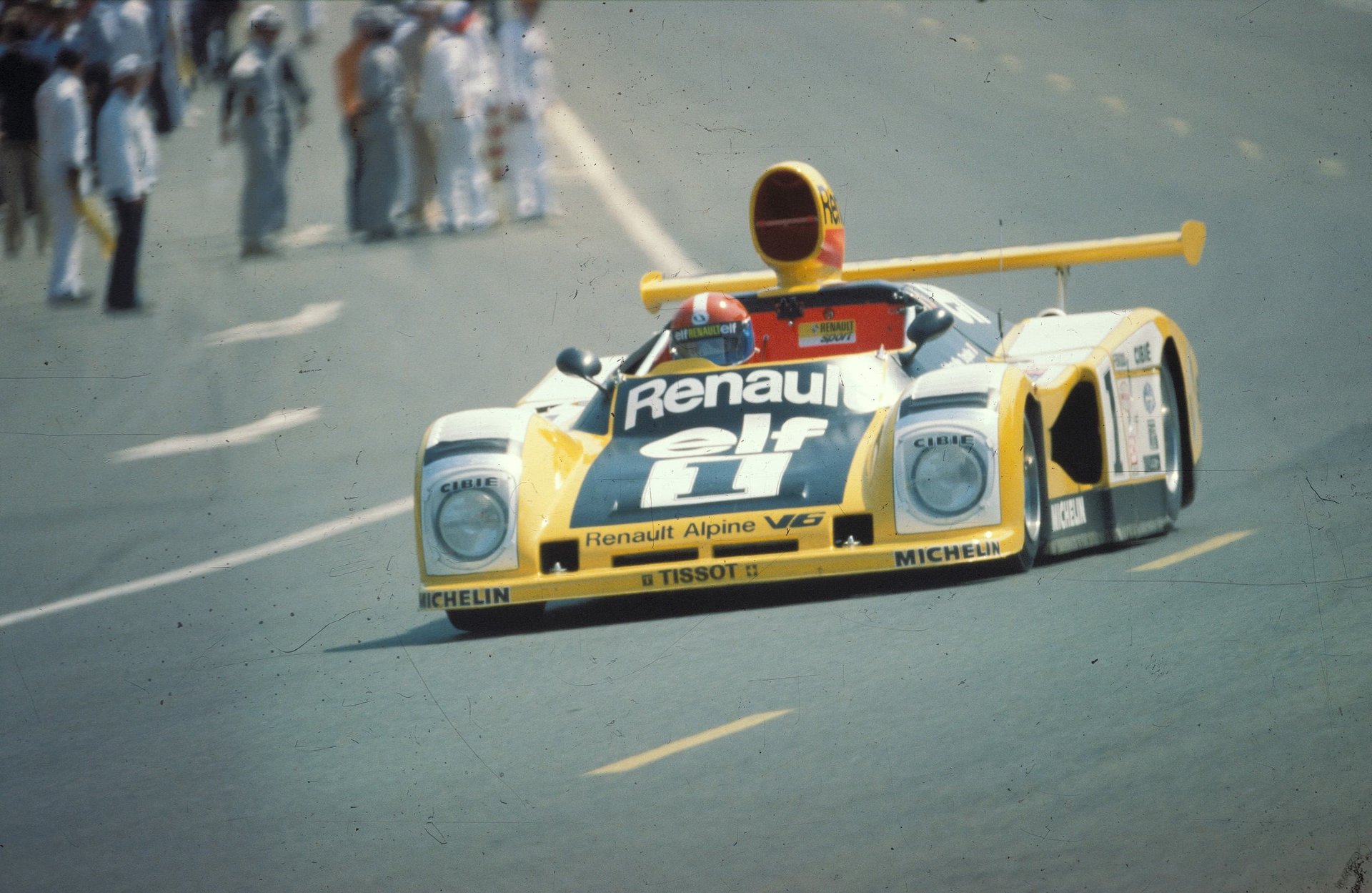
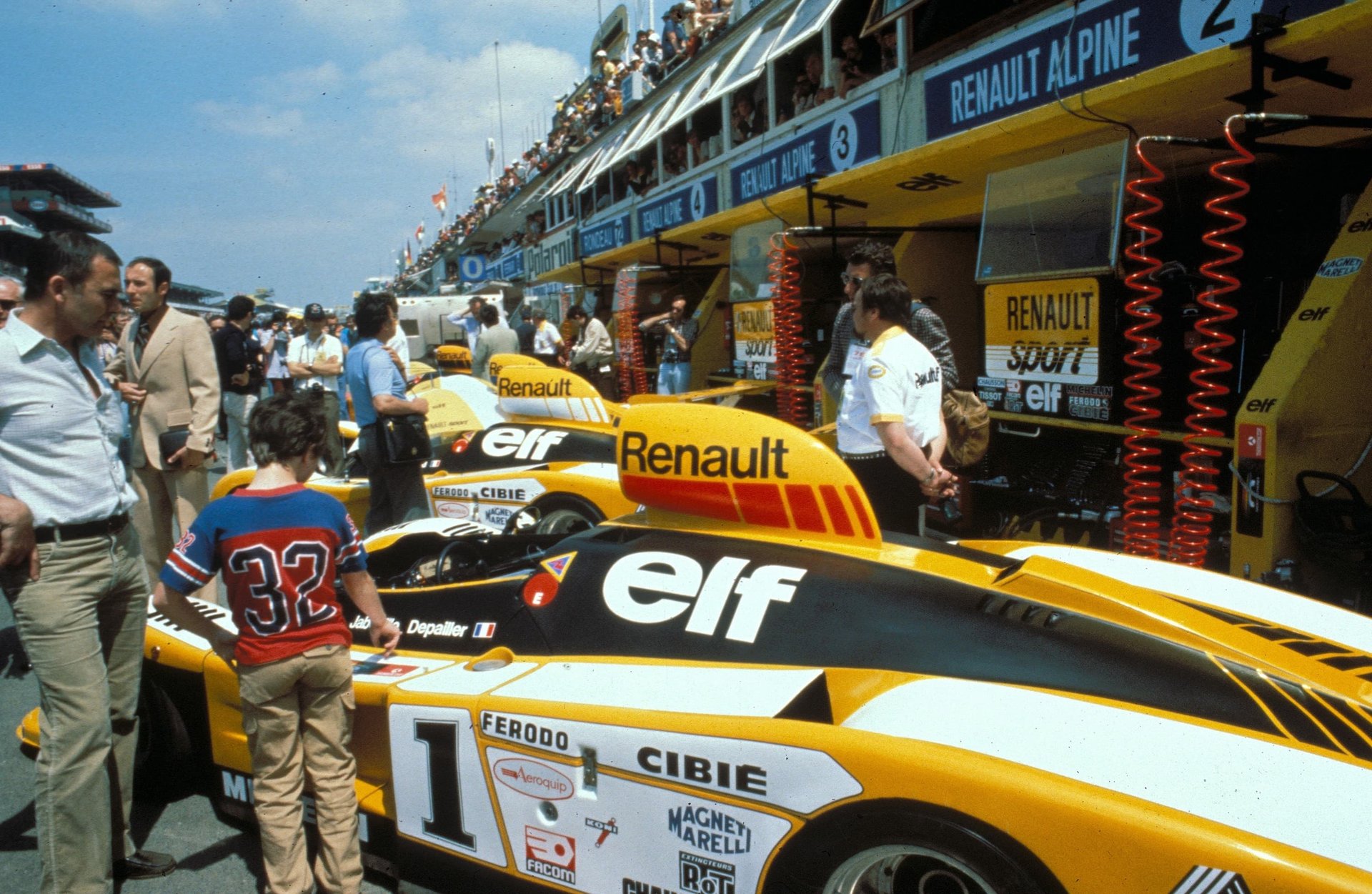
1978 was the year. Renault fielded four cars: the A443 of Patrick Depailler and Jean-Pierre Jabouille, whose V6, bored out to 2140 cc, gained some thirty horsepower and which debuted a bubble canopy; the No. 2 A442B of Didier Pironi and Jean-Pierre Jaussaud; the No. 3 A442A of Jean-Pierre Jarier and Derek Bell; and a private A442 in Calberson colours, No. 4, for Jean Ragnotti, Guy Fréquelin and José Dolhem. Almost 30,000 km of testing preceded the race. Raymond Poulidor dropped the flag at 4 pm on Saturday 10 June.
Alpine Endurance Team: The Complete Story, 2013-2026. 164Alpine Endurance Team: The Complete Story, 2013-2026. 165Alpine Endurance Team: The Complete Story, 2013-2026. 166Alpine A443Alpine Endurance Team: The Complete Story, 2013-2026. 167Alpine Endurance Team: The Complete Story, 2013-2026. 168
The Renault-Alpines took control. Having led for around twelve hours, the A443 stopped at 9.53 am on Sunday with a seized engine; Jarier and Bell’s No. 3 retired with a broken crown wheel and pinion. The A442B of Pironi and Jaussaud won by five laps, after 369 laps at an average of more than 210 km/h. Two Porsches completed the podium, and the private A442 of Ragnotti, Fréquelin and Dolhem finished fourth, seven laps down. Pironi collapsed from exhaustion, Jaussaud wept during the Marseillaise. The next day the car was towed down the Champs-Élysées, its V6 refusing to restart. Renault promptly announced its withdrawal from Le Mans to focus on Formula 1. We told the story of that day in 24 Heures du Mans 1978 : la victoire d’Alpine tant attendue.
It would be the last Le Mans win by a French manufacturer until Peugeot in 1992. Behind the scenes, aerodynamicist Marcel Hubert, there since 1963, had shaped the entire adventure. The cars of that era have not left the track for good: they regularly reappear at Le Mans Classic and in our historic racing section. But in competition, nothing for thirty-five years. That silence is what Signatech would break.
The origins of Alpine Endurance Team: Philippe Sinault and the Bourges bee (1990-2012)
A child of Le Mans turned team boss
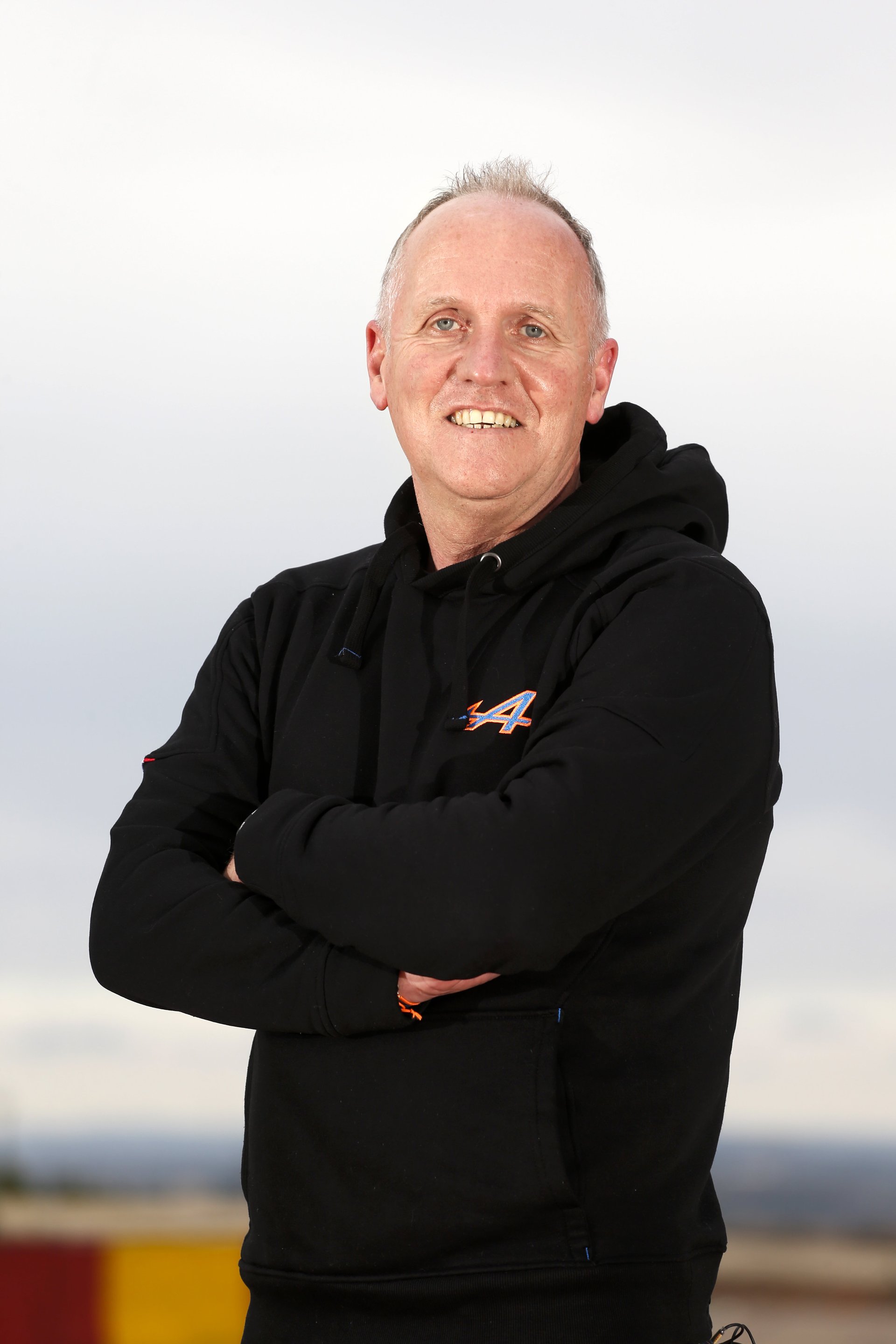
Some coincidences no novelist would dare write. Philippe Sinault was born in June 1966, a few hours after the three Ford GT40s crossed the Le Mans finish line in formation. The Sarthe would have to wait, though: in 1978, by his own admission, the twelve-year-old cared more about football than about the A442B triumph recounted in our story of the 1978 race. The bug bit through single-seaters. Sinault raced in the junior formulae, earned a communications degree at the University of Bordeaux along the way and, above all, discovered a rare gift: building programmes around solid partners. Out of that twin background came, in 1990, the Signature group, founded with his business partner Jean-Pierre Tallan. Lionel Chevalier joined them in the early years. Thirty-five years on, he is still there.
During A Private Tests Session For The 2021 Fia World Endurance Championship Season On The Motorland, Ciudad Del Motor De Aragón, From February 12 To 15 In Alcaniz, Spain – Photo François Flamand / Dppi
The early days blur into the founder’s own career. From 1991 Sinault raced in the French FFSA Formula 3 championship in his own colours, finishing runner-up in Class B in 1993. Then he hung up his helmet and crossed to the other side of the pit wall. The team set up first in a garage at the Paul Ricard circuit before putting down roots in Bourges, in the heart of France. Its emblem: a bee. It would gather a lot of pollen.
The F3 years: Cochet, Macau and a cabinet full of titles
Signature raced in French F3 from 1993 to 2002 and earned a reputation as a formidable preparer. In 1999 Benoît Tréluyer won the FIA European F3 Cup. The year 2000 belonged to Jonathan Cochet: the French title in a Dallara-Renault, victory in the Pau Grand Prix, which that year counted as the FIA European Cup, then success at the Zandvoort Masters on 6 August, from pole and with fastest lap, ahead of the cream of European F3. The Normandy driver added the Korea Super Prix in 2001, Renaud Derlot reclaimed the European Cup in 2002 and, in 2003, Signature won the inaugural teams’ title in the Formula Renault V6 Eurocup with Tristan Gommendy and Kosuke Matsuura.
That same year the team joined the F3 Euro Series, the new championship born of the merger between the German and French federations. Fabio Carbone won the Pau Grand Prix there and, on 16 November 2003, Signature pulled off a masterstroke at the Macau Grand Prix. The Brazilian started from pole; a nineteen-year-old from Haute-Savoie, a member of the French federation’s young-driver squad, finished second in the first leg, won the second and took the event on aggregate, ahead of his team-mate. A Signature one-two, in Renault-Sodemo-powered Dallaras. For the winner, it was simply his first Formula 3 victory. His name was Nicolas Lapierre. Remember it.
What followed confirmed it. In 2004 Sinault and Chevalier split the operation in two — Signature Plus for Lapierre and Giedo van der Garde, Signature for Loïc Duval and Greg Franchi — and swapped the Renault-Sodemo for the reigning champion Opel engine. The engineering team was bolstered around Chevalier and Olivier Bacchis by the return of Loïc Bedard, who had spent the interim at Prema. The best was yet to come. In 2009 Edoardo Mortara won Macau ahead of team-mate Jean-Karl Vernay.
In 2010, in a Dallara-Volkswagen, the Italian dominated the F3 Euro Series, taking the title ahead of team-mate Marco Wittmann, with eight wins between them and the teams’ crown, then won Macau again ahead of Laurens Vanthoor, becoming the first driver to win the F3 Grand Prix two years running. Three Macau wins, three one-twos.
Year
Result
Drivers
1993
French F3 runner-up, Class B
Philippe Sinault
1999
FIA European F3 Cup
Benoît Tréluyer
2000
French F3 champion, Pau Grand Prix (FIA European Cup), Zandvoort Masters
Jonathan Cochet
2001
Korea Super Prix
Jonathan Cochet
2002
FIA European F3 Cup
Renaud Derlot
2003
Formula Renault V6 Eurocup teams’ title
Tristan Gommendy, Kosuke Matsuura
2003
Pau Grand Prix; Macau Grand Prix (one-two)
Fabio Carbone; Nicolas Lapierre ahead of Fabio Carbone
2009
Macau Grand Prix (one-two)
Edoardo Mortara ahead of Jean-Karl Vernay
2010
F3 Euro Series drivers’ and teams’ titles; Macau Grand Prix (one-two)
Edoardo Mortara, Marco Wittmann; Mortara ahead of Laurens Vanthoor
At the end of 2013, as it announced its return to European F3 with Renault for 2014, Signature claimed sixteen titles and 472 podiums in single-seaters.
A constructor before Alpine came along
Signature was never just an entrant. Under its Signatech technical brand, the Bourges outfit designed and built the all-carbon chassis of the Formula Renault 1.6, a one-make car since 2008, used in the French F4 championship and then in the Nordic, Northern European and British versions of the category. Its single-seaters also equipped Formula Future Fiat in Brazil in 2010 and 2011, then F4 Sudamericana in 2014. The workshop also carried out assembly work for Peugeot and Renault. That constructor know-how, rare for a race team, would count for a great deal on the day Alpine went looking for someone to develop its competition A110s.
2009-2012: from Judd to Nissan, an endurance apprenticeship
In 2009 Sinault took the plunge. Under the Signature Plus banner he entered a Judd-powered Courage-Oreca LC70E in LMP1 at Le Mans for Pierre Ragues, Franck Mailleux and Didier André: eleventh overall after 344 laps. The following year the Lola-Aston Martin B09/60 of Vanina Ickx, Mailleux and Ragues retired at Le Mans, but the team had found its feet in the Le Mans Series. Pierre Ragues, already on board, would become the first champion of the Alpine era four years later.
In the meantime Sinault had found a partner to fund the climb: investor Didier Calmels, who bought into Signatech in 2008. Until the early Alpine years, official press releases referred to the team of Philippe Sinault and Didier Calmels.
The turning point came in 2011. Nissan supplied its Nismo-prepared VK45 V8, Signature became Signatech for endurance racing, and the Signatech Nissan Oreca 03 No.26 contested the full Intercontinental Le Mans Cup. Second in LMP2 straight away at Sebring, the team took LMP2 pole at Le Mans with a 3m41.458s and finished second in class despite two punctures, with Soheil Ayari, Franck Mailleux and Lucas Ordóñez, the first ever GT Academy winner.
On 1 October, at Petit Le Mans at Road Atlanta, the LMP2 teams’ title was sealed before the final round, which Signatech rounded off with a win in Zhuhai. Its first international endurance title. In 2012 the bee left the F3 Euro Series to concentrate on prototypes and contested the inaugural WEC season with two Oreca 03s. Since 2009 Sinault had made no secret of his ambition: to land the backing of a manufacturer.
November 2012 – March 2013: how Alpine announced its return to racing
Bernard Ollivier, the man behind the comeback
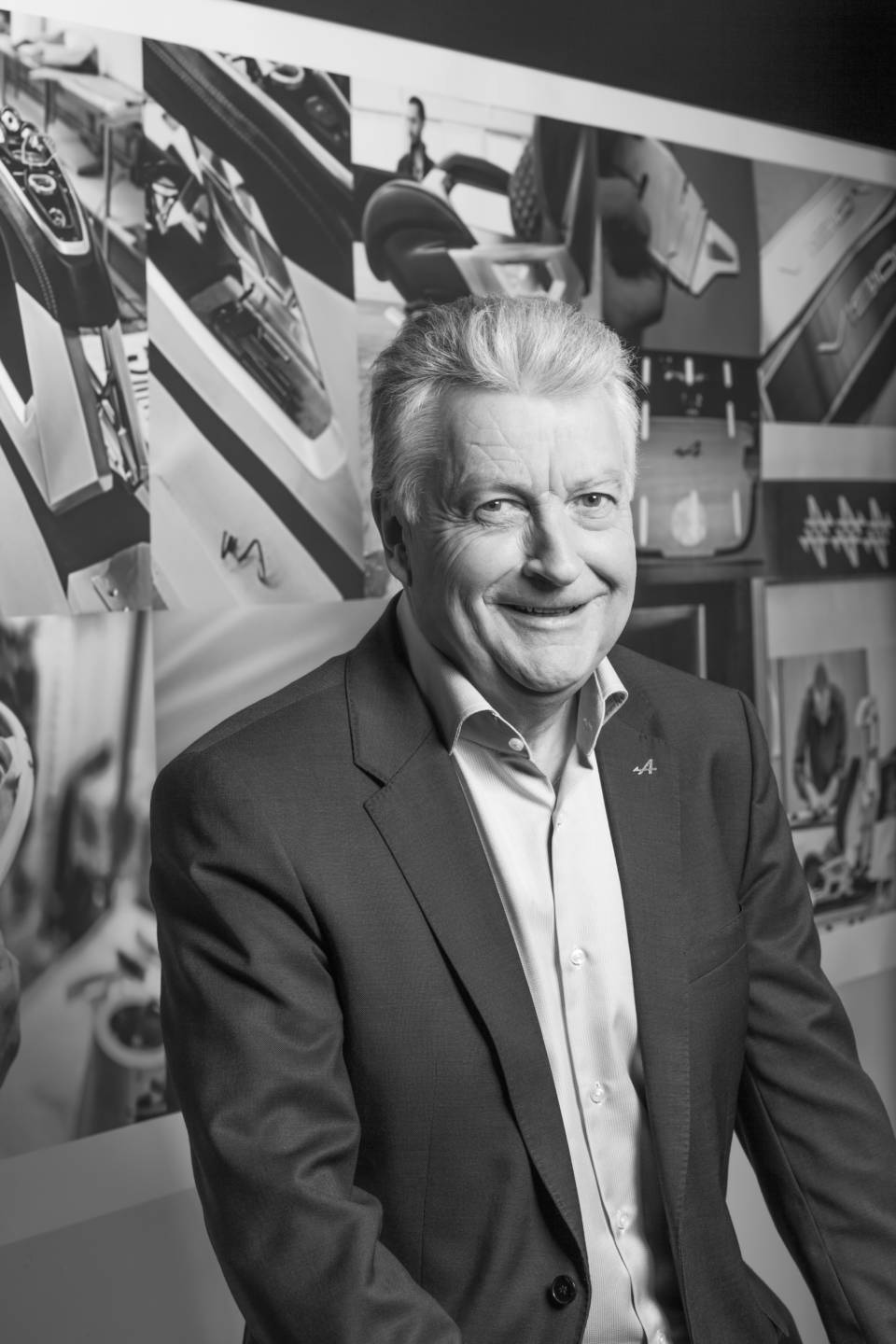
If Philippe Sinault was the sporting architect of the comeback, the man who drove it on the manufacturer’s side was Bernard Ollivier. Born on 11 March 1952, a graduate engineer of the École des Mines de Paris, he spent time at the Algerian Ministry of Planning before joining Renault in 1977, and made his entire career with the Losange, from management control to after-sales, all the way to running Renault Sport Technologies from 2001 to 2007, before becoming the group’s head of transformation.
It was to this enthusiast, who never could separate road from track, that Renault entrusted the Société des Automobiles Alpine Caterham in November 2012. To his mind, reviving a brand with so much history was unthinkable without an ambitious racing programme running alongside. He summed up the method when his memoir, Alpine, la renaissance, came out in 2019:
Portrait Of Bernard Ollivier
Racing, communication, teasing… Everything was done to give the brand credibility.
Bernard Ollivier, on his book Alpine, la renaissance
Ollivier followed the programme paddock after paddock, from the ELMS to the World Championship. It was he who hailed the first European title in 2013, and he again who celebrated the 2016 world crown, by then deputy managing director under Michael van der Sande. He retired in February 2018, just as the A110 he had championed, sometimes against internal doubts, was winning over the press. We looked back at his role in Alpine A110: 30,000 units, the peak of a modern legend and in our piece on the end of A110 production in Dieppe.
This title rewards a season run with a great deal of panache, tenacity and professionalism. Right from the start, we have enjoyed tremendous support from the public and the media.
Bernard Ollivier, head of the Société des Automobiles Alpine Caterham, September 2013
Monaco, Dieppe, Le Mans: an announcement in stages
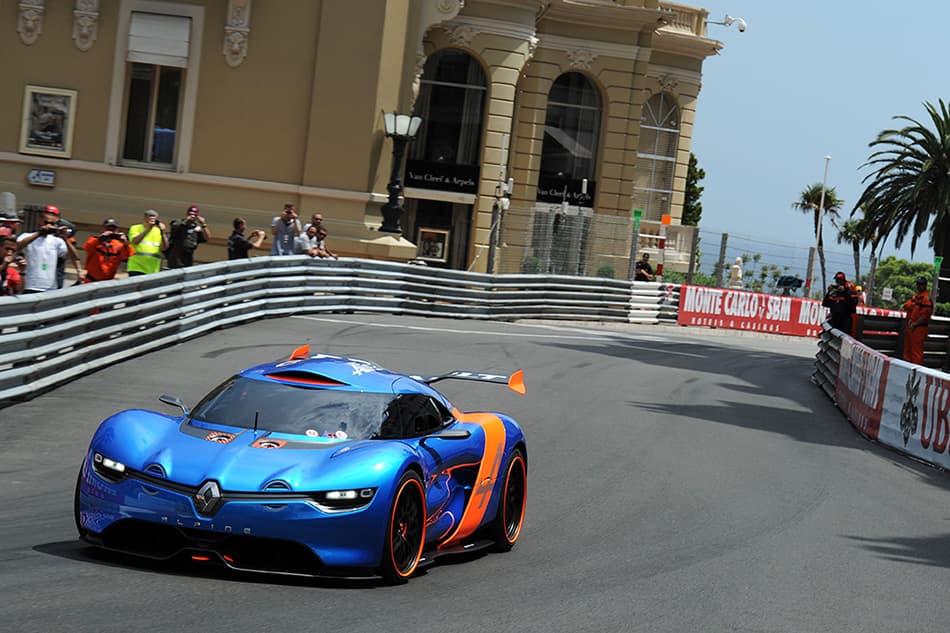
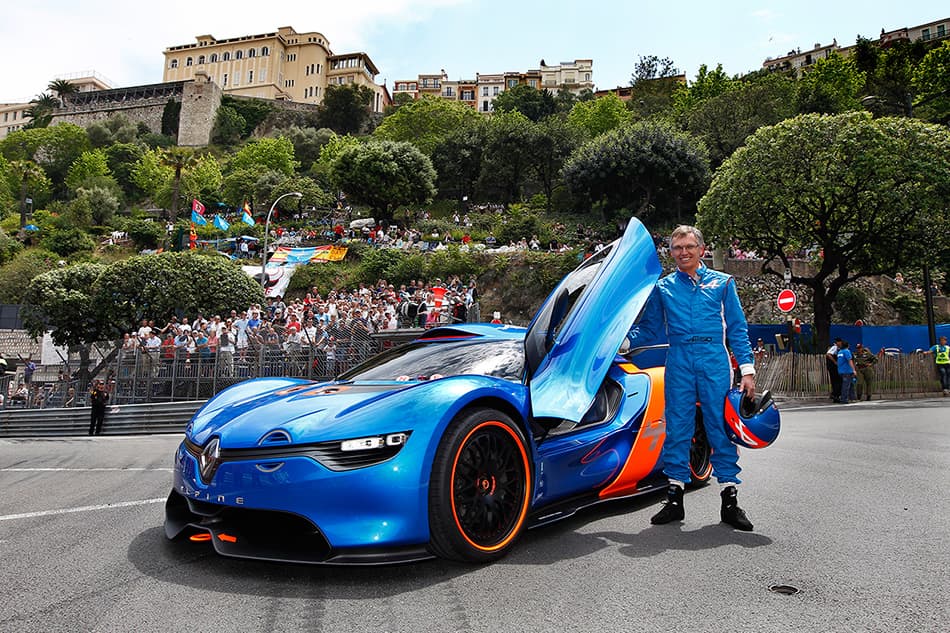
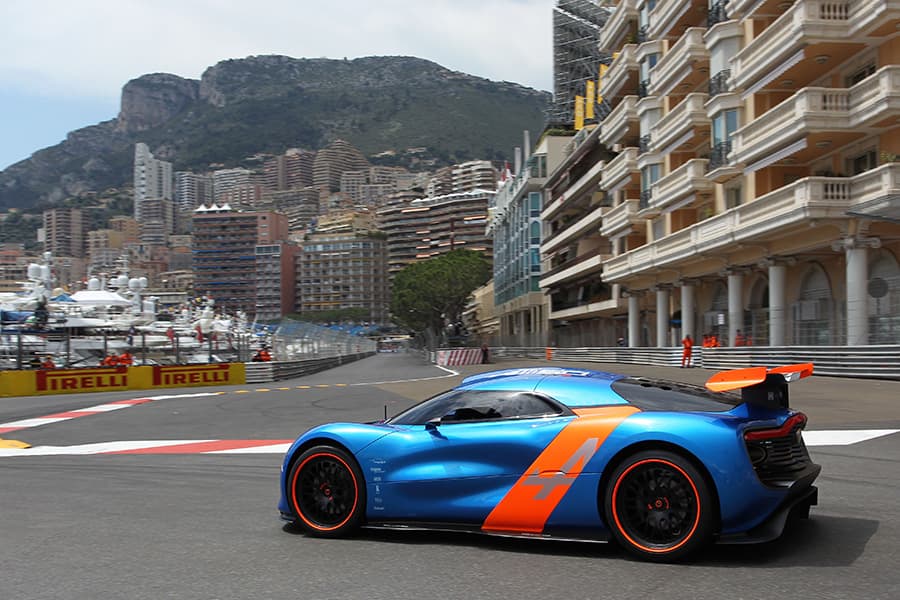
Alpine’s revival was not announced in a day; it was staged step by step. At the end of May 2012, on the fringes of the Monaco Grand Prix, Renault unveiled the A110-50 concept, a barely veiled homage to the Berlinette. On Monday 5 November 2012 the group made the brand’s relaunch official at its historic Dieppe site: Renault, until then sole shareholder, sold half the capital to Britain’s Caterham, and the Société des Automobiles Alpine Caterham came into being on 1 January 2013 under Ollivier, tasked with a sports car to go on sale in 2016.
Alpine Endurance Team: The Complete Story, 2013-2026. 169Alpine Endurance Team: The Complete Story, 2013-2026. 170Alpine Endurance Team: The Complete Story, 2013-2026. 171
That same day, Caterham boss Tony Fernandes was already talking publicly about a return to Le Mans. Behind the scenes, the group told Sinault of its plans, and Carlos Tavares, Renault’s chief operating officer, handed the programme to the Bourges team, already linked to the Losange through the Formula Renault 1.6. Ollivier would date the launch of the racing commitment to January 2013. That January, the brand also put in an appearance at the Rallye Monte-Carlo Historique.
8 March 2013: the announcement, at the Circuit des 24 Heures
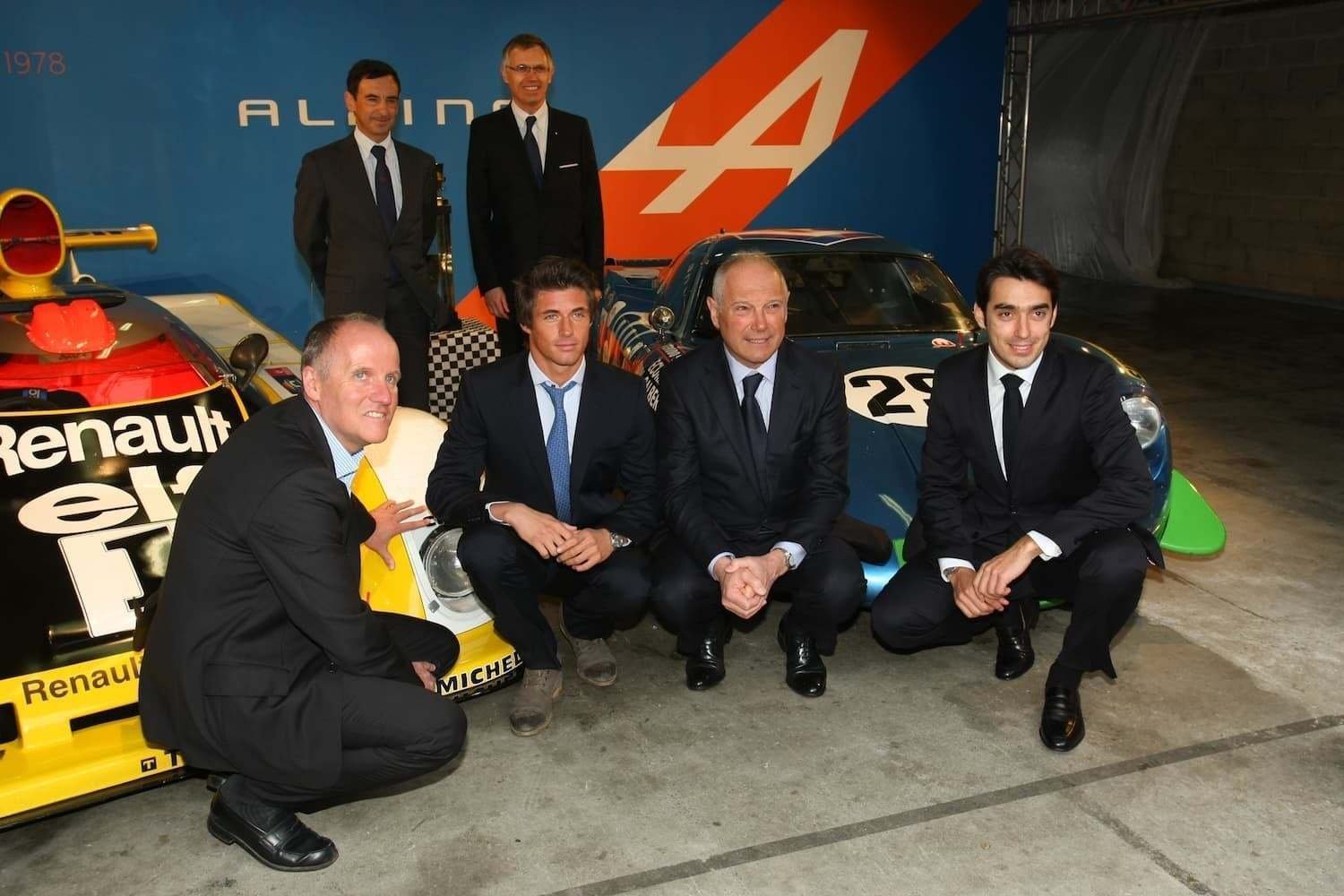
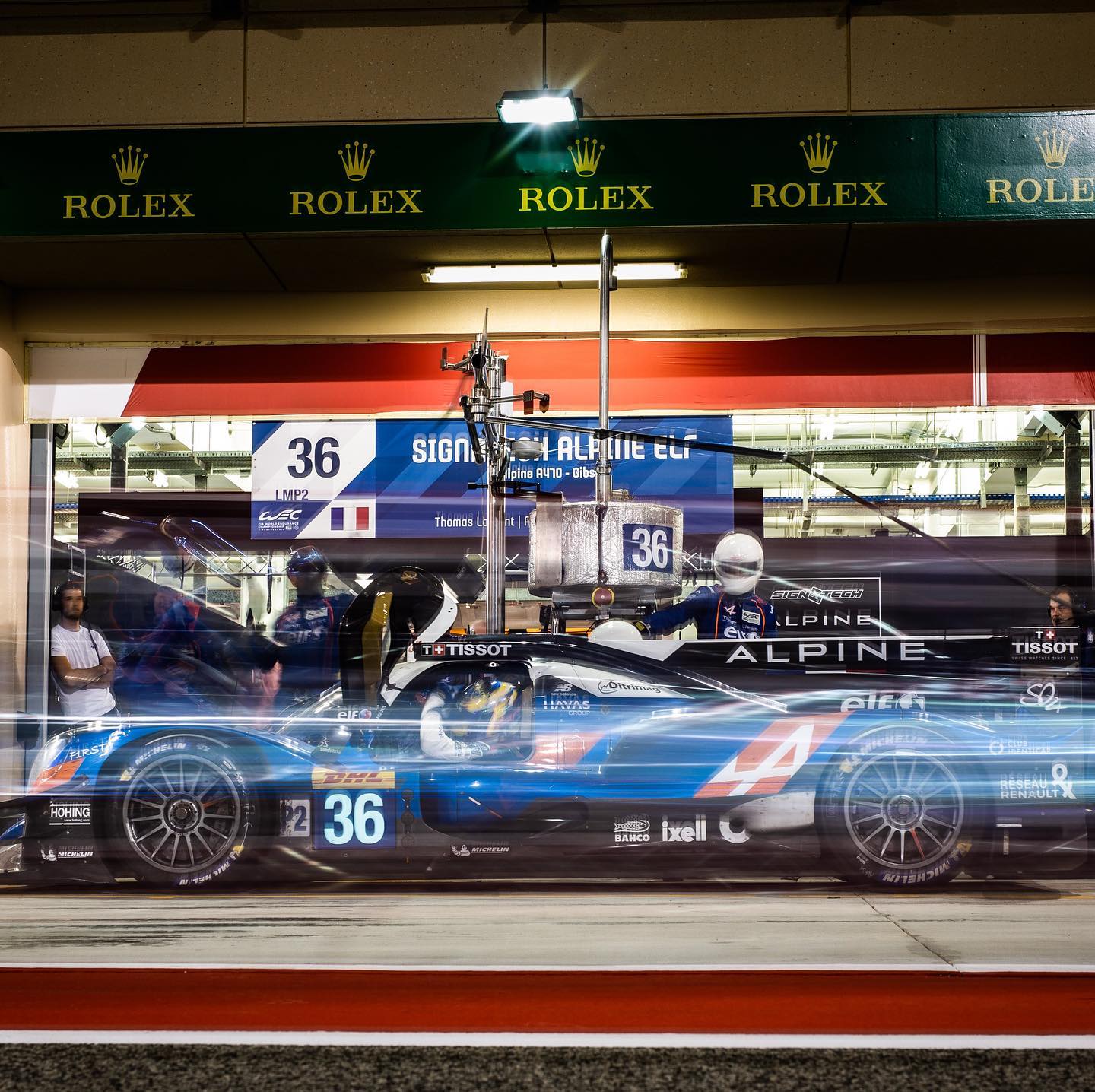
The venue was no accident. On Friday 8 March 2013, at the Circuit des 24 Heures du Mans, in the presence of Automobile Club de l’Ouest president Pierre Fillon, Carlos Tavares and Bernard Ollivier, Alpine announced its return to racing, thirty-five years after its 1978 victory. The programme had two objectives: the five rounds of the European Le Mans Series and the Le Mans 24 Hours on 22-23 June, with an Alpine LMP2 prototype powered by a 500bhp Nissan engine, entered by Signatech for Pierre Ragues and Nelson Panciatici.
Signatech Alpine 2013 Elms
The official press release made no bones about it: the comeback was part of the brand’s renewal ahead of the launch of its first model. Tavares put it into words:
Alpine’s return to the legendary Le Mans 24 Hours as early as 2013 marks the start of a new adventure built to last. The deep passion that drives us is matched only by the frugality of this comeback, which rests on the commitment of our partners and supporters, whom I would like to salute here.
Carlos Tavares, Renault chief operating officer, 8 March 2013
22 March 2013: No.36 on the Champs-Élysées
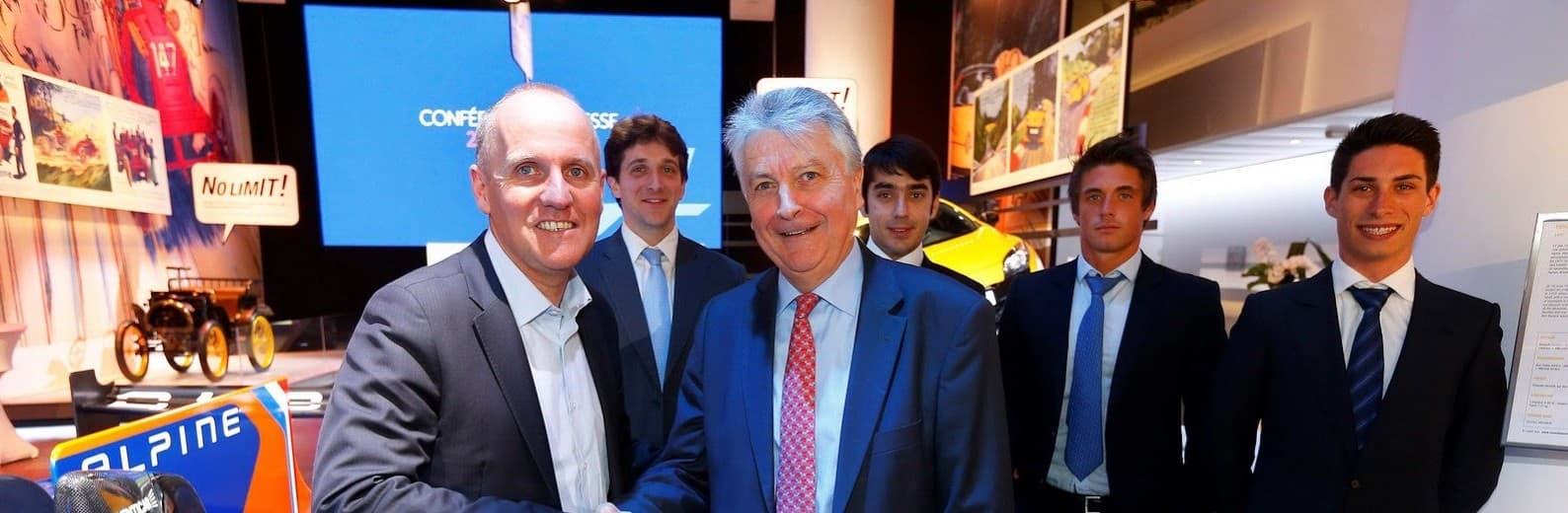
Two weeks later, on Friday 22 March, the car broke cover at L’Atelier Renault on the Champs-Élysées, home to the No Limit! exhibition until 7 April. For the occasion, the 1978-winning A442B was driven down the avenue. Bernard Ollivier and Philippe Sinault pulled the covers off No.36: a blue and orange livery recalling the Alpines that raced at Le Mans five decades earlier, a 500bhp Nissan V8, a six-speed sequential gearbox, 900kg. Tristan Gommendy, 34, was named third driver for Le Mans alongside Ragues, 29, and Panciatici, 24; a certain Paul-Loup Chatin was named reserve. Ollivier summed up the mood:
Since the announcement of Alpine’s revival last 5 November, we have been moving forward one step at a time.
Bernard Ollivier, 22 March 2013
On 26 and 27 March, Alpine No.36 turned its first wheels at Le Castellet during the ELMS collective test. On 13 April, at Silverstone, it started its first race. Sinault spelt out the overall reasoning without fuss at the end of the 2016 season:
In motorsport, you always have to look for good stories to share with the public and with partners. A racing programme was a strong marketing platform ahead of the brand’s rebirth.
Philippe Sinault, late 2016
2013-2014: the Alpine A450, or the return of a name
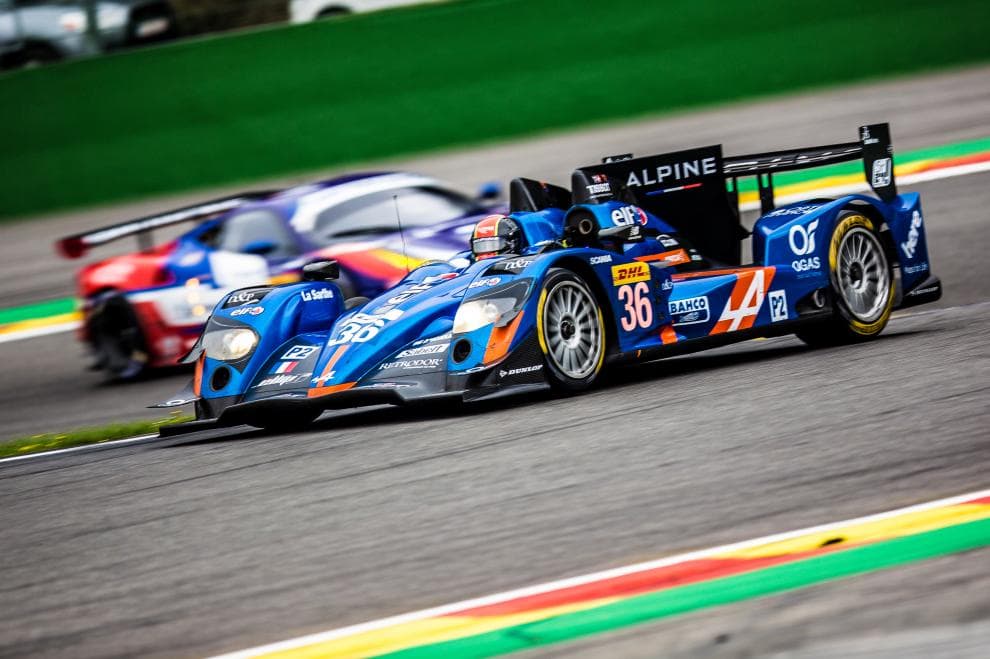
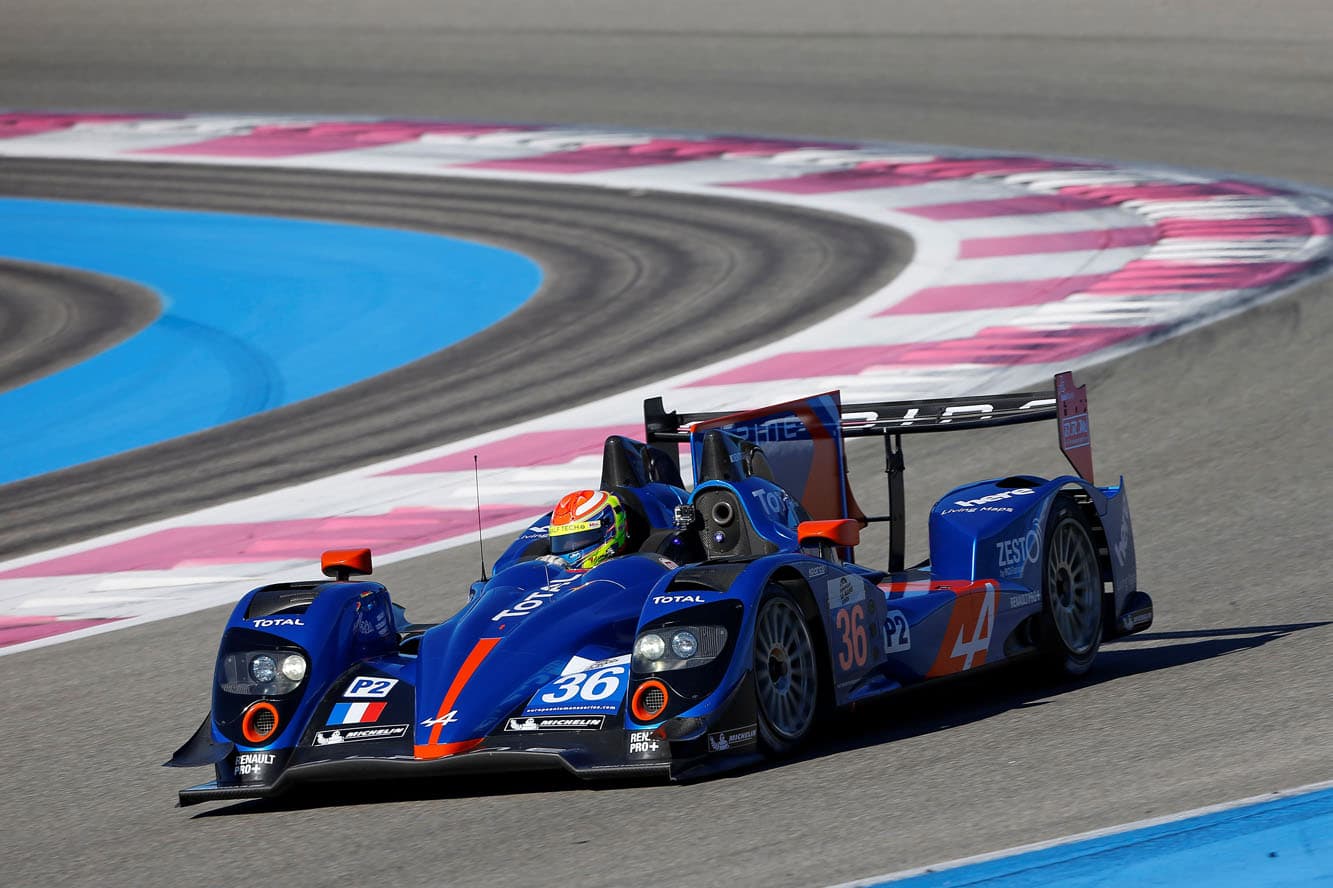
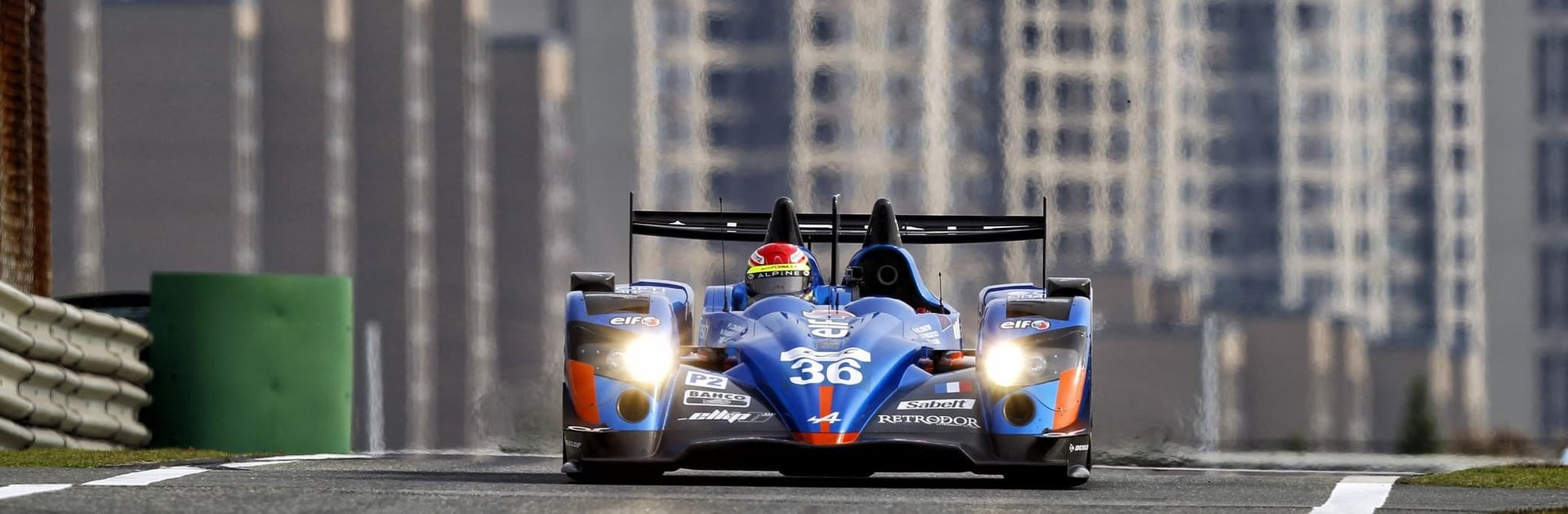
On track, thirty-five years after the triumph of Didier Pironi and Jean-Pierre Jaussaud’s A442B — relived in our story Le Mans 24 Hours 1978: Alpine’s long-awaited victory — the comeback weapon was called the A450. Nobody was fooled: it was a rebadged Oreca 03, still powered by the 4.5-litre Nissan V8 and running on Michelin tyres. No matter. The blue livery was enough to stir the memories of the French public.
Alpine A450
The chosen playground was the European Le Mans Series. Pierre Ragues and Nelson Panciatici shared No.36, which would become the team’s signature number for the next fourteen years. Fourth at Silverstone, second at Imola and again at the Red Bull Ring, the A450 finally won the 3 Hours of Hungaroring on 14 September 2013, just one hundred and ninety days after the programme was launched. It was Alpine’s first endurance win since 1978. Two weeks later, at Le Castellet, fourth place was enough: Signatech-Alpine were crowned ELMS LMP2 champions, teams’ and drivers’ titles, with 85 points to Thiriet by TDS Racing’s 77.
Philippe Sinault summed it up in three words: “Alpine is back!”
Alpine Endurance Team: The Complete Story, 2013-2026. 172
At Le Mans, reinforced by Tristan Gommendy, the crew endured a race strewn with problems but saw the chequered flag after 317 laps, eighth in class and fourteenth overall. A baptism, not a feat.
In 2014 the A450b gained reworked bodywork to better echo Alpine’s styling cues and swapped its Michelins for Dunlops from the second round, at Imola. Panciatici now shared with Paul-Loup Chatin, the previous year’s ELMS LMPC class winner, and Britain’s Oliver Webb. Third at Imola, winners at the Red Bull Ring, second at Le Castellet, the crew arrived at the Estoril finale leading the championship.
The race turned into an ordeal, with two stop-go penalties, one of them lasting three minutes, but fifth place was enough: Signatech-Alpine retained their title with 78 points, four more than Jota Sport. Panciatici became the first driver to win back-to-back titles in that ELMS class. At Le Mans the trio delivered the first class podium of the Signatech-Alpine era, third in LMP2 and seventh overall, with 355 laps on the board. The next step was obvious.
2015-2016: the step up to the WEC and a first world title
For its final season, the A450b moved up, with an all-French line-up, to the FIA World Endurance Championship. It was a tough apprenticeship, starting with retirement at Le Mans. But the team kept improving. In October at Fuji, in torrential rain, Nelson Panciatici, Paul-Loup Chatin and Vincent Capillaire took second in class, the team’s first world championship podium. Three weeks later in Shanghai, Panciatici, Chatin and Tom Dillmann handed Signatech-Alpine its first World Championship win, before claiming the team’s first WEC pole position in Bahrain. Fourth in the LMP2 trophy with 86 points, Signatech-Alpine ended its learning year on a steep upward curve.
Alpine Endurance Team: The Complete Story, 2013-2026. 173Alpine Endurance Team: The Complete Story, 2013-2026. 174Alpine Endurance Team: The Complete Story, 2013-2026. 175
Chatin would remember that Japanese podium ten years later, at the very same place.
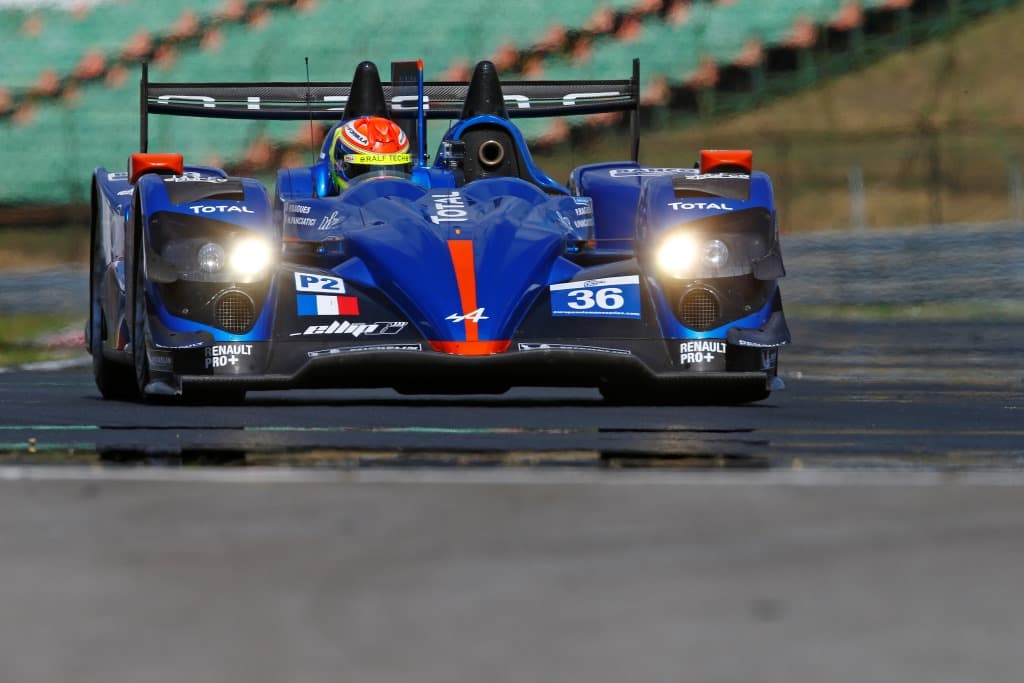
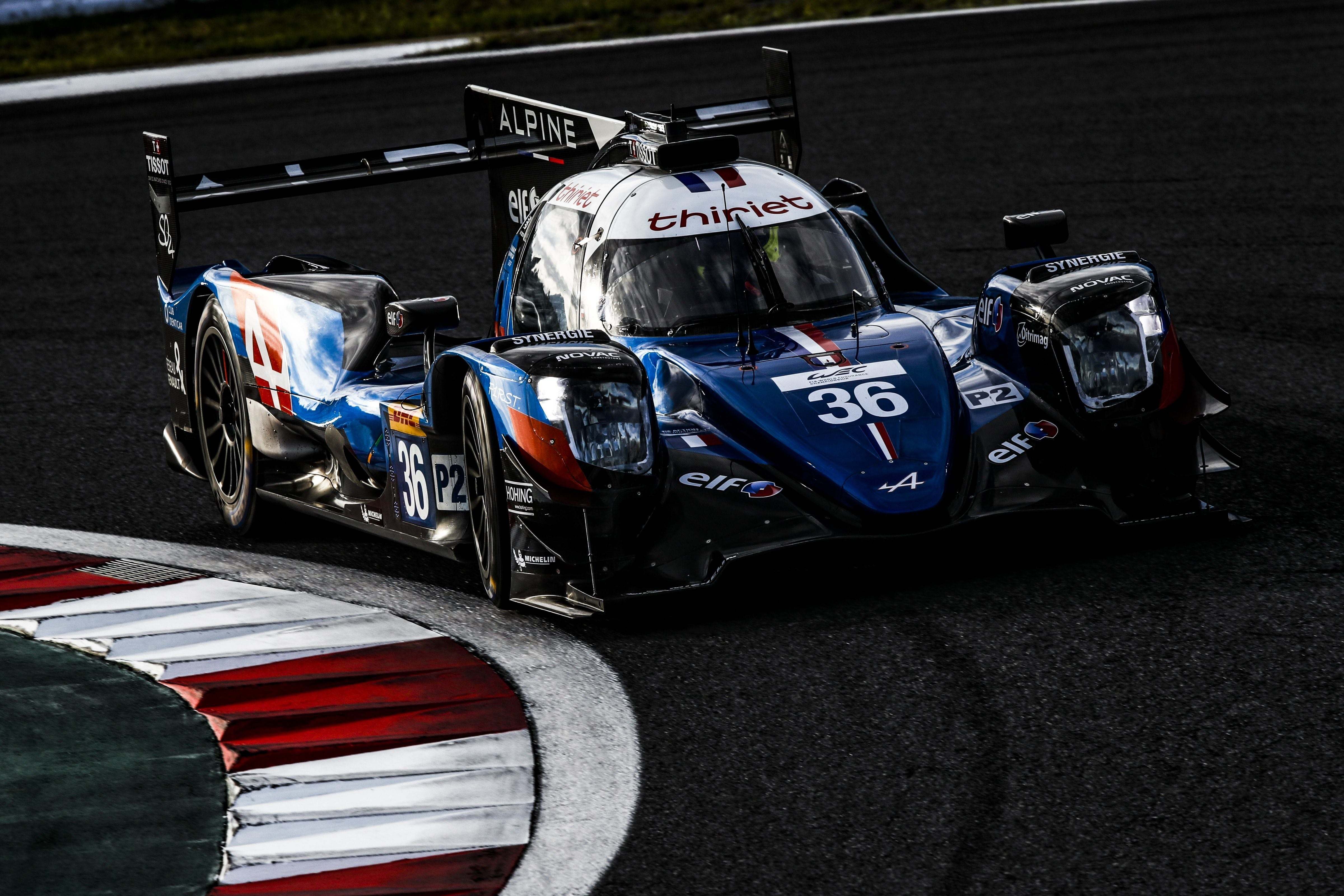
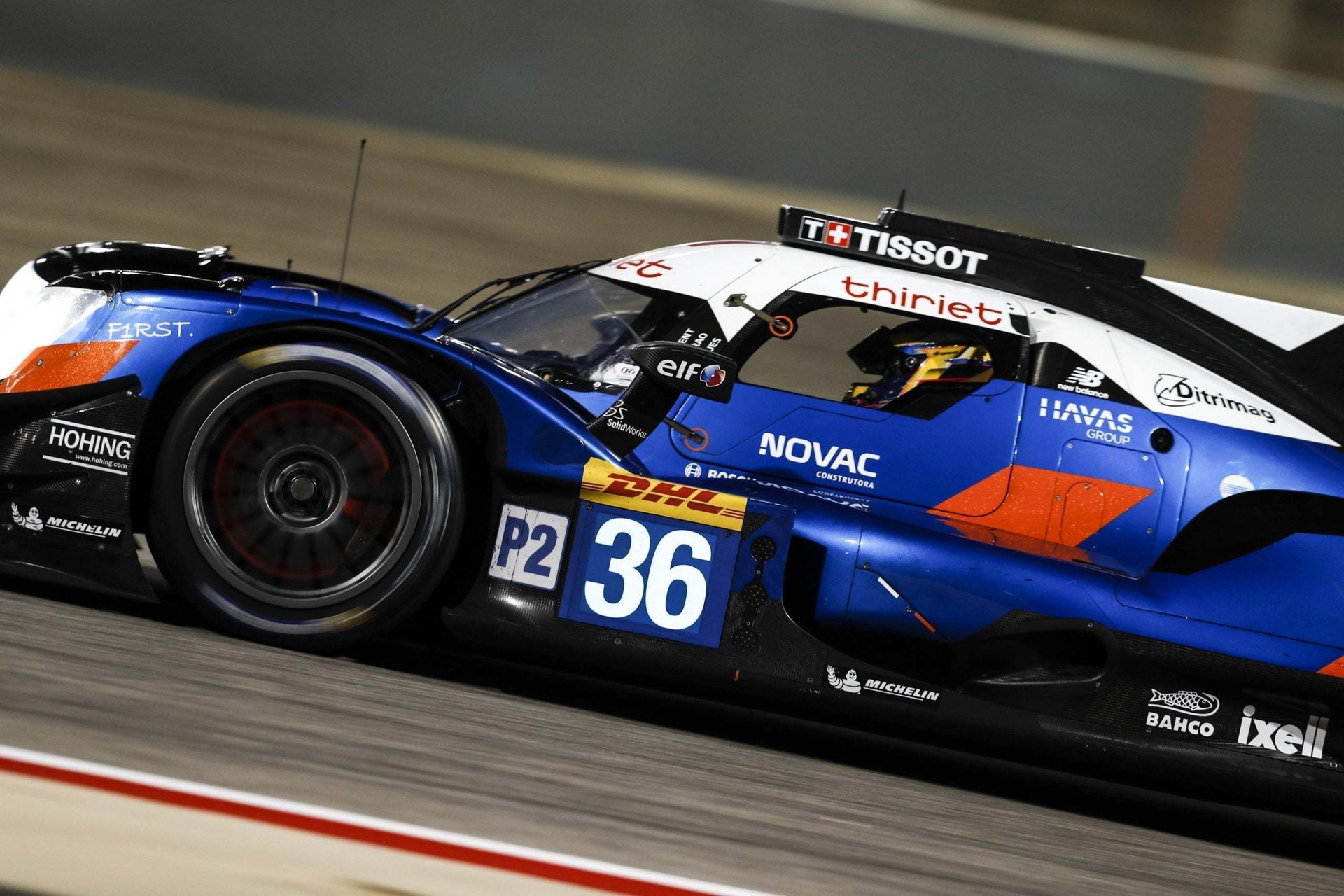
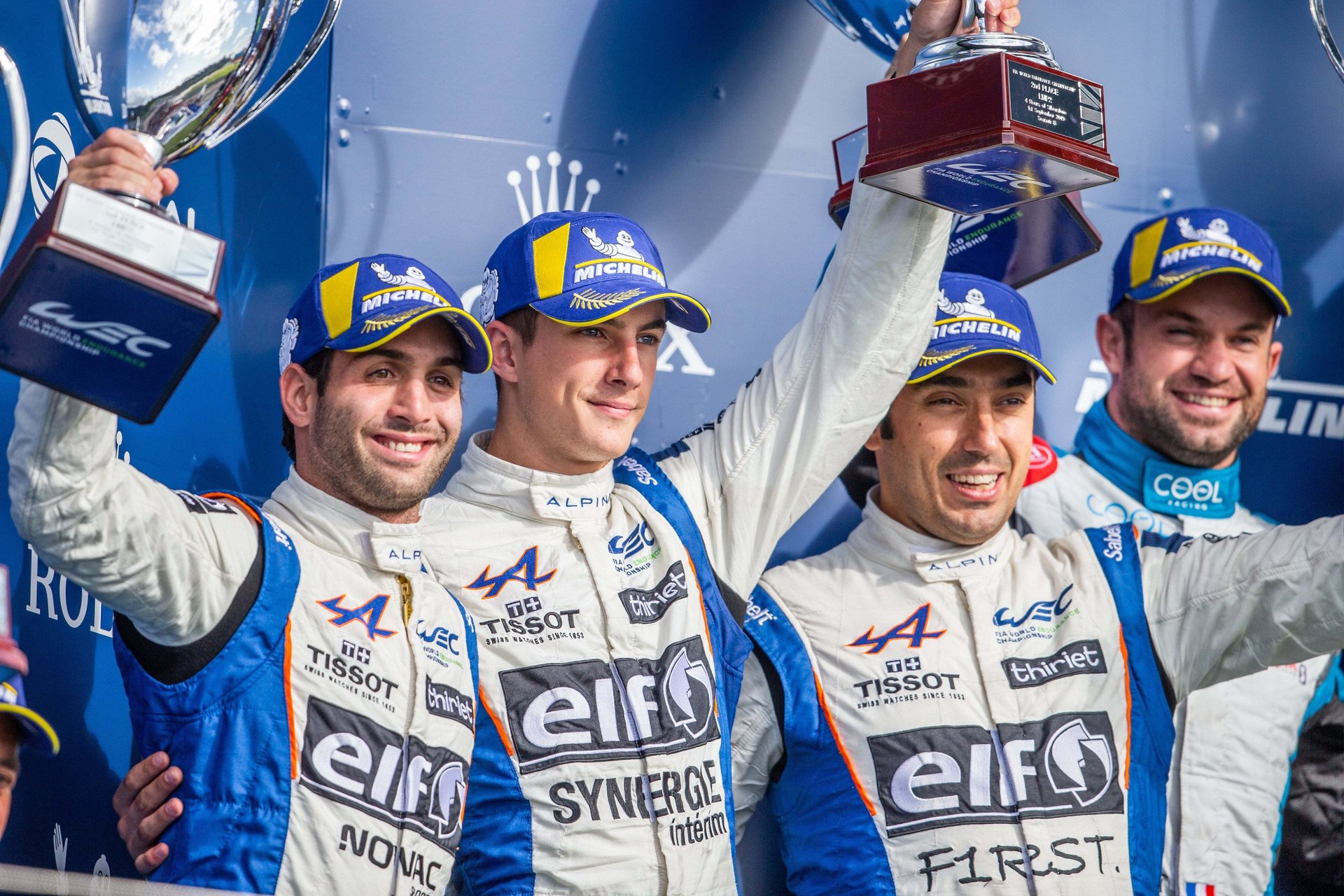
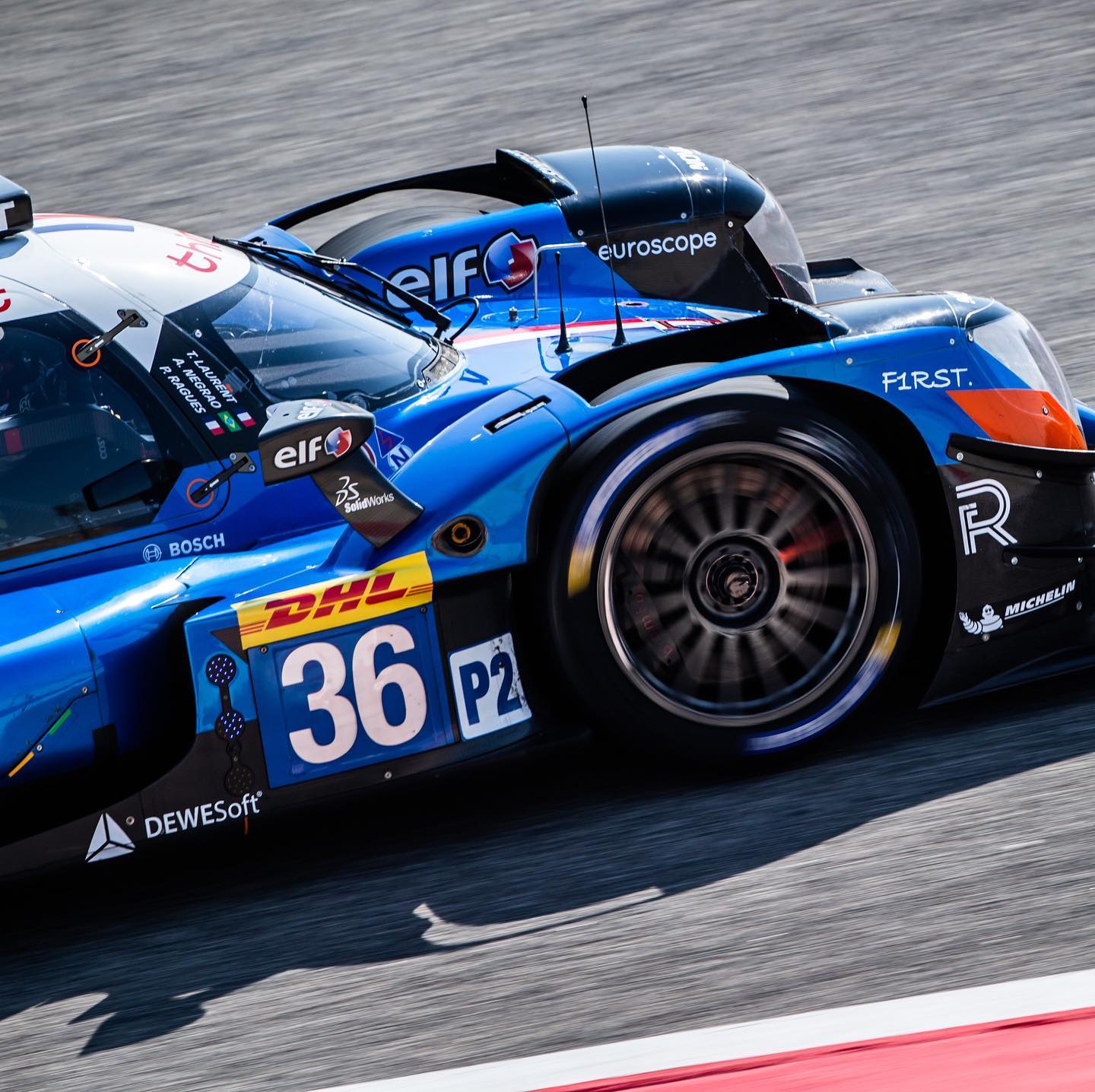
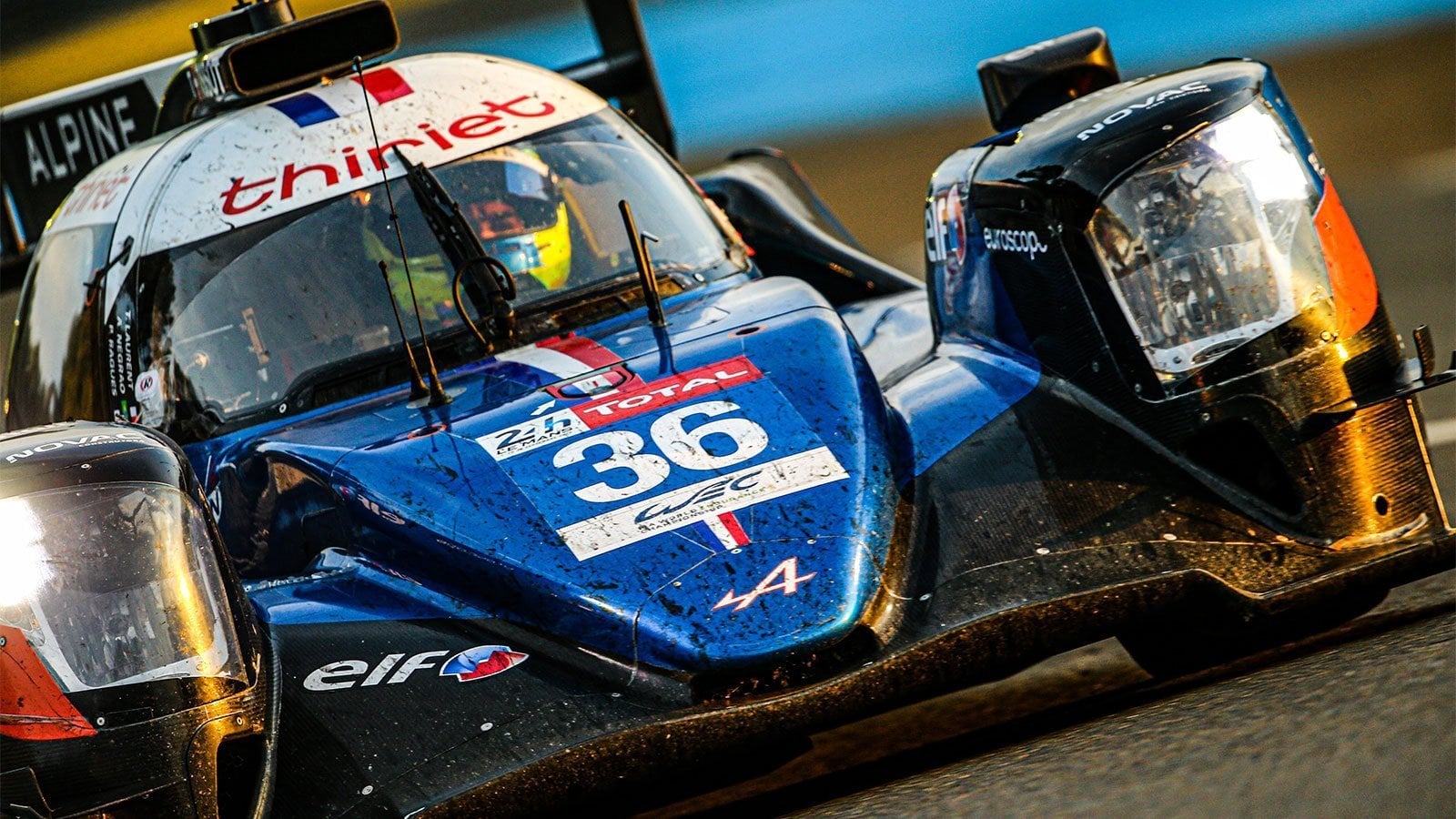
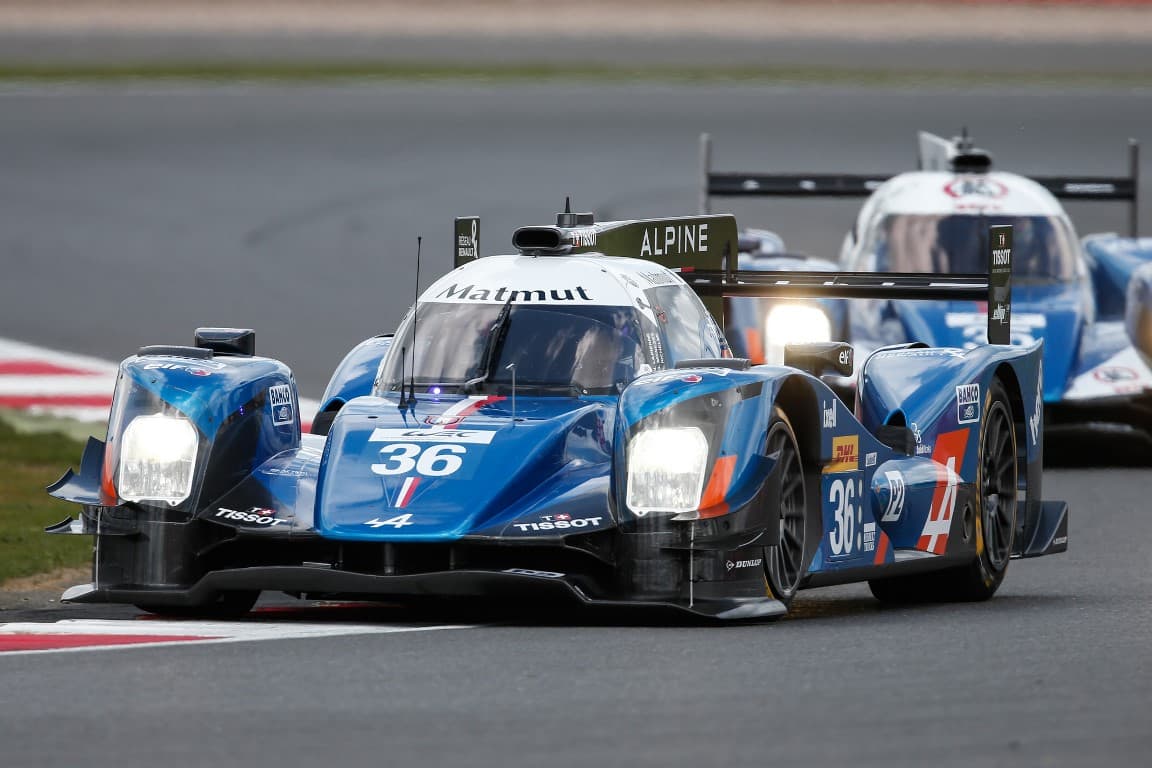
2016 changed everything. The A460, derived from the Oreca 05, adopted the closed cockpit now in vogue in LMP2. Above all, Sinault signed Nicolas Lapierre, the former Toyota works driver, and paired him with American Gustavo Menezes and Monaco’s Stéphane Richelmi. After fourth at Silverstone, the trio reeled off three wins in a row at Spa, at the Le Mans 24 Hours, where they finished fifth overall, and at the Nürburgring. Second in Mexico, they won again in Austin from pole, then reached the podium at Fuji. In Shanghai on 6 November 2016 their championship lead became unassailable with a round to spare: Signatech-Alpine were LMP2 world champions, teams’ and drivers’ titles. Third place in Bahrain brought the tally to four wins, seven podiums from nine races and 199 points.
Alpine Endurance Team: The Complete Story, 2013-2026. 176Alpine Endurance Team: The Complete Story, 2013-2026. 177Alpine Endurance Team: The Complete Story, 2013-2026. 178Alpine Endurance Team: The Complete Story, 2013-2026. 179
Baxi DC Racing Alpine: the Chinese gamble
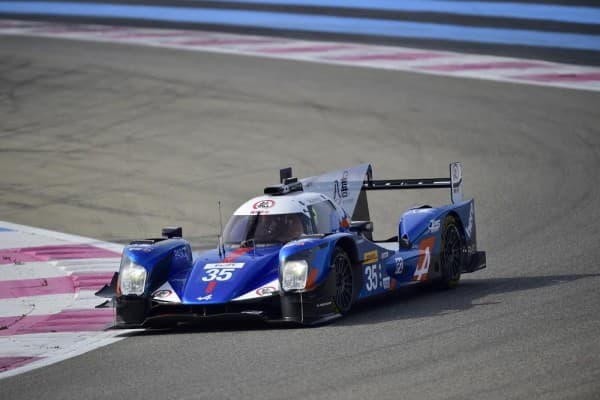
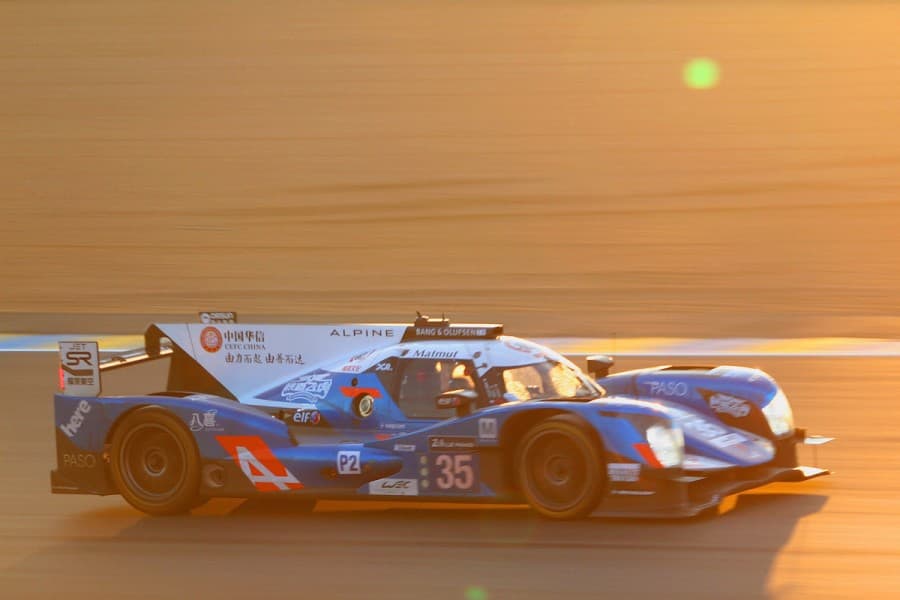
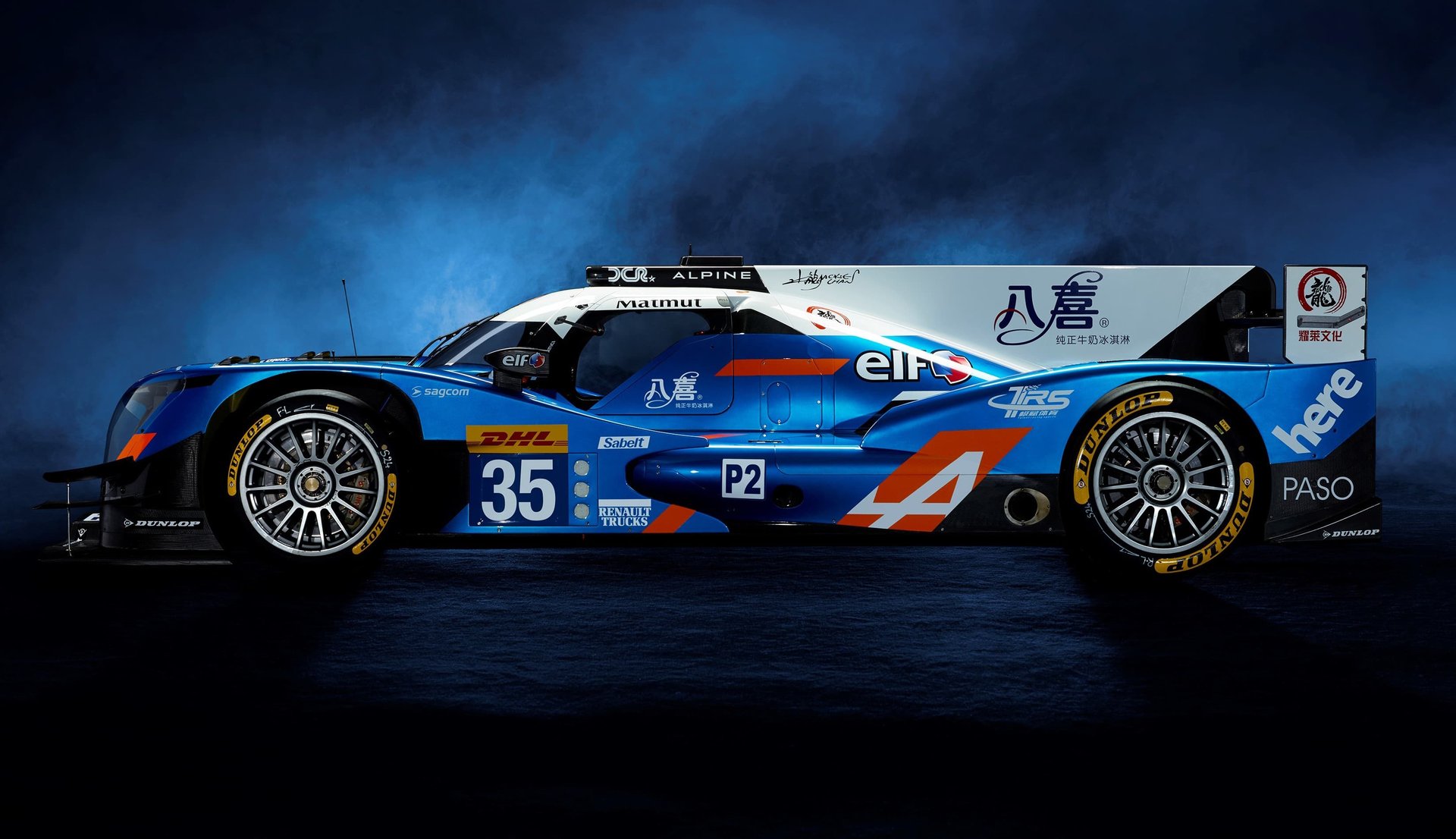
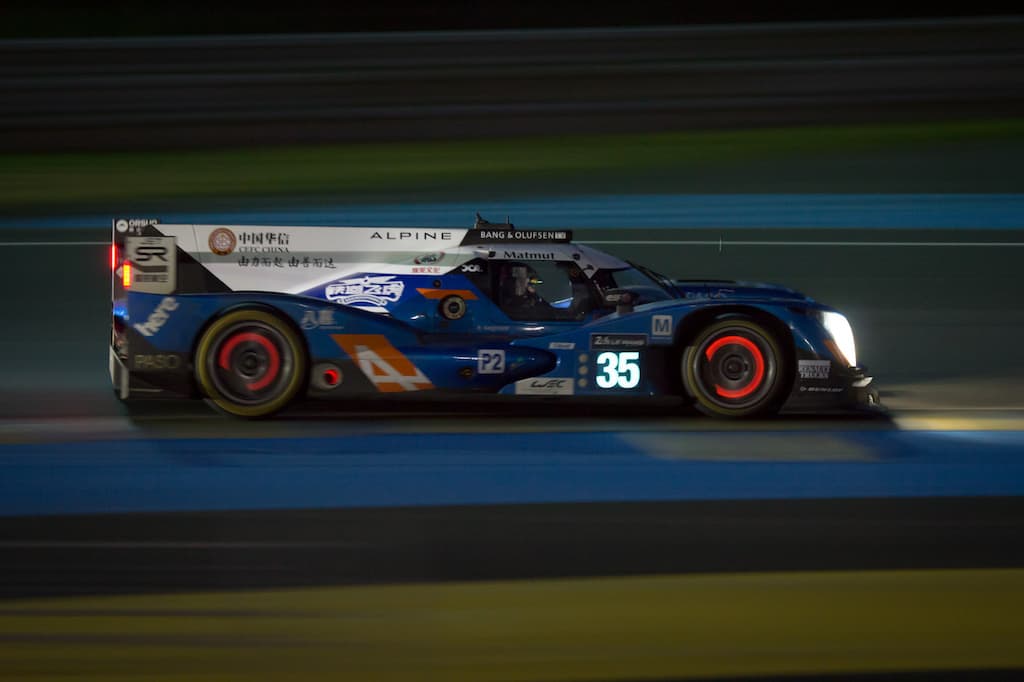
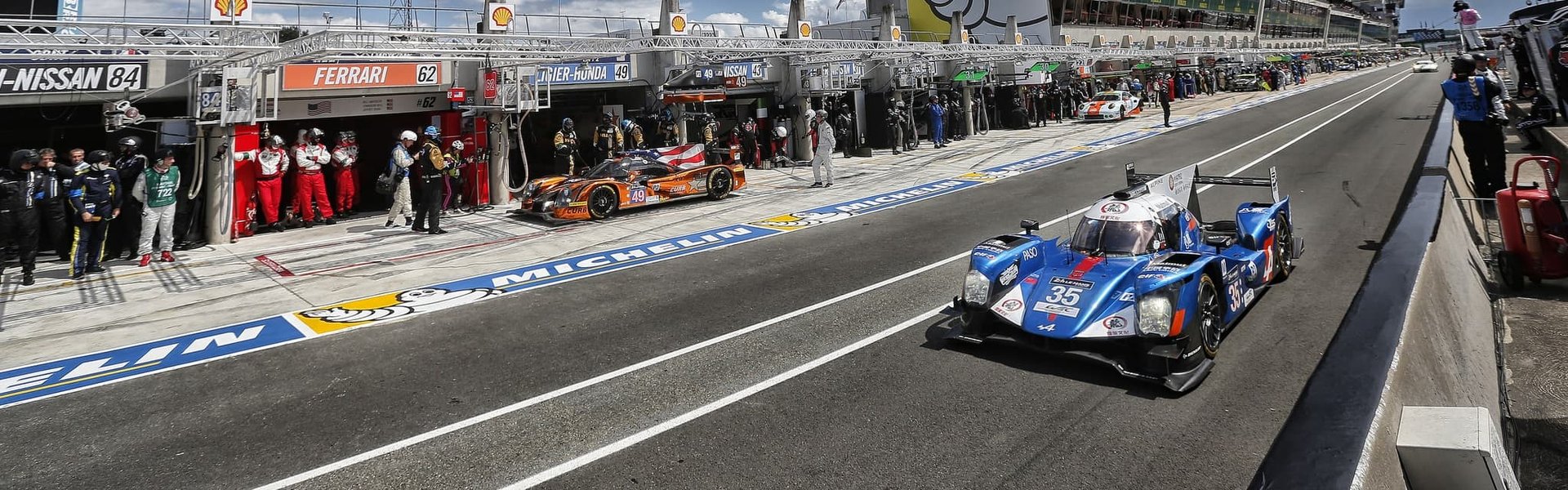
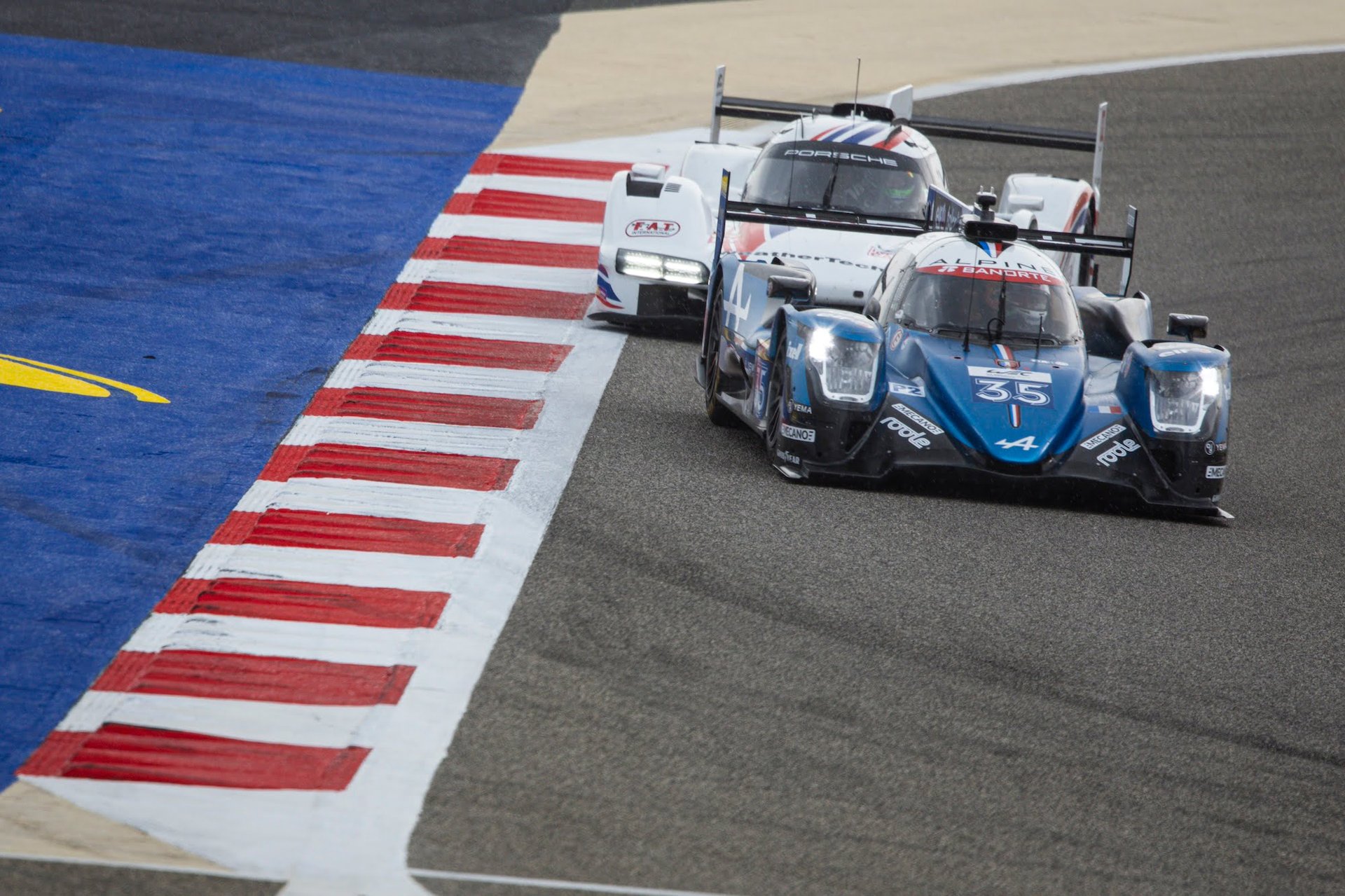
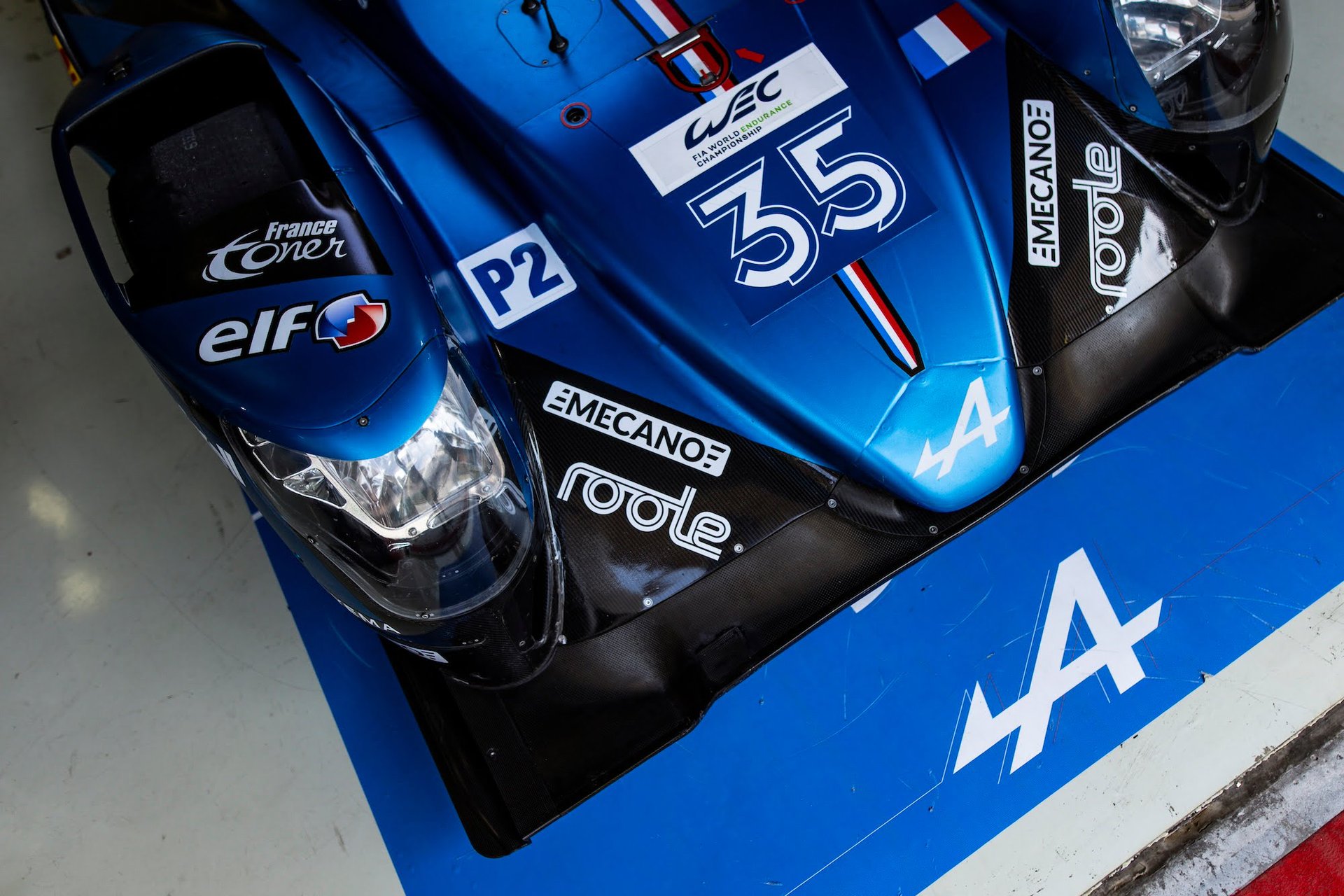
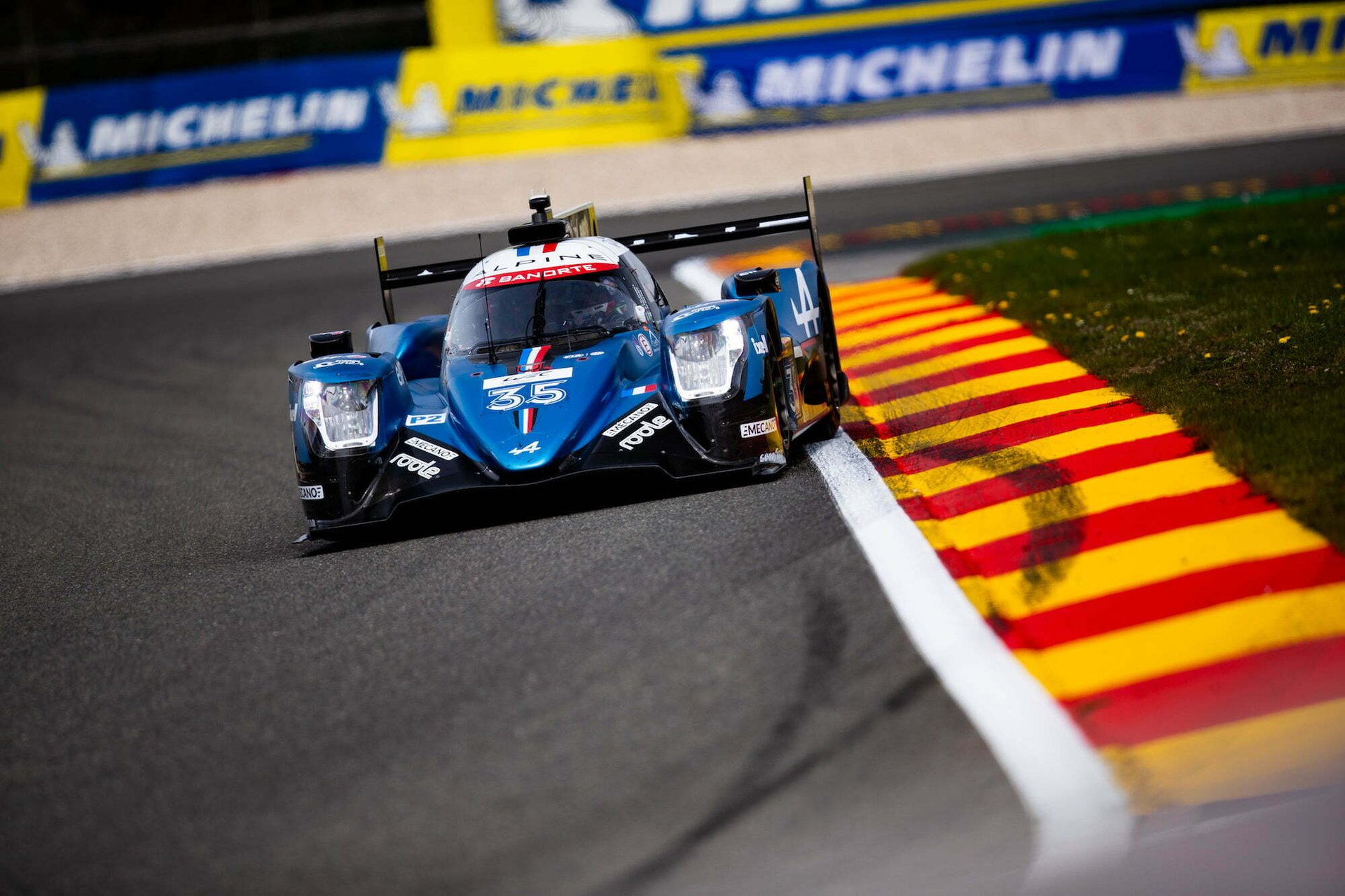
The other novelty of 2016 was written on No.35. For the first time Signatech fielded two cars in the World Championship, and the second raced under a Chinese flag: Baxi DC Racing Alpine, the first Chinese team to contest a full WEC season. DC Racing, founded in August 2015 by driver David Cheng and actor Jackie Chan, had just won the Asian Le Mans Series title. The division of roles was clear: the entry carried DC Racing’s name and colours, while Signatech handled the technical, sporting and logistical running of the A460. For Alpine the stakes went beyond the track. The brand was counting on Cheng and Ho-Pin Tung to raise its profile in Asia, and in China in particular, just as it was counting on American Gustavo Menezes for the Americas, a year before the launch of the new A110.
On track it was a hard school. Nelson Panciatici, a stalwart since day one, was seconded to Cheng and Tung. No.35 retired at Spa, damaged in a clash with a backmarker just before the finish, then at Le Mans after 234 laps. Its best result would be fifth in Mexico. From Fuji onwards Paul-Loup Chatin took over Panciatici’s seat, and the car ended the season ninth in the LMP2 trophy with 42 points. Our look back at that pivotal year can be found in Signatech-Alpine: eight races to get back to the top of endurance racing.
Drivers: David Cheng, Ho-Pin Tung, Nelson PanciaticiQualifying (Q1) – Baxi Dc Racing At The Le Mans 24 Hours
The partnership did not survive the winter. In October 2016 the team became Jackie Chan DC Racing and joined forces with Jota Sport for 2017, running Oreca 07s. The partner turned rival. As early as June 2017, the No.38 of Ho-Pin Tung, Oliver Jarvis and Thomas Laurent won LMP2 at the Le Mans 24 Hours and finished second overall. Two years later, it was again Jackie Chan DC Racing that finished runner-up to Signatech-Alpine in the 2018-2019 championship, fifteen points adrift, and second at Le Mans behind the A470. Thomas Laurent himself would join Les Bleus for 2019-2020. Endurance racing is a small world.
The timing carried a welcome irony. A few months later, in spring 2017, Alpine unveiled the new production A110. Racing had paved the way for the road car. We looked back at that first shared decade in Signatech-Alpine celebrates ten years of endurance adventure.
2017-2020: the Alpine A470 years, a world double and a win in the stewards’ room
The 2017 LMP2 regulations cut the number of homologated chassis to four and imposed a single engine, the 4.2-litre Gibson V8. The A470 was therefore based on the Oreca 07, carrying over the A460’s monocoque and some mechanical components. Under the Signatech Alpine Matmut name, the team entered two cars. Alpine agreed to release Nicolas Lapierre to race at Spa and Le Mans with Toyota in LMP1; Romain Dumas stood in.
At Le Mans it was No.35 of André Negrão, Nelson Panciatici and Pierre Ragues that saved the day with third in class, fourth overall. No.36 found its rhythm in the second half of the season. André Negrão replaced Matt Rao from Mexico onwards, and the crew strung together five consecutive podiums, including a win in Austin, between the Nürburgring and Shanghai. The title was decided in Bahrain between three teams: starting from pole, for the third year running at that circuit, No.36 finished fourth and ended third in the LMP2 trophy with 151 points, behind Vaillante Rebellion and Jackie Chan DC Racing.
2019 – Wec 6 Hours Of Fuji2019 – Wec 6 Hours Of Fuji2019 – Wec 6 Hours Of Fuji36 Laurent Thomas (Fra), Negrao André (Bra), Ragues Pierre (Fra), Alpine A470 Gibson Team Signatech Alpine Elf, Action During The 2019 Fia Wec World Endurance Championship, 8 Hours Of Bahrain From December 12 To 14 At International Circuit Of Sakhir – Photo Clément Marin / DppiPodium 36 Thomas Laurent (Fra), Andre Negrao (Bra), Pierre Ragues (Fra), Alpine A470 – Gibson Signatech Alpine Elf, Portrait During The 2019 Fia Wec World Endurance Championship 4 Hours Of Silverstone, England, From August 30 To September 1- Photo Antonin Vincent / Dppi
The 2018-2019 “super season” was the season of consecration. Lapierre, Negrão and Pierre Thiriet, the winter’s new signing, second fastest in LMP2 at the Le Castellet Prologue, formed a trio of rare consistency: pole position for the Spa opener, then a podium at every one of the season’s eight races, a feat unmatched on the grid.
Mid-season the team even switched tyre supplier, from Dunlop to Michelin, before Sebring. At Le Mans in 2018, however, after a race spent at the front, No.36 crossed the line second in class, two laps behind the G-Drive No.26 of Jean-Éric Vergne, Roman Rusinov and Andrea Pizzitola.
The following evening came a twist: the G-Drive and its TDS Racing sister car were excluded for a non-compliant device in their refuelling system, which had been saving them precious seconds at every stop. The appeal was rejected in the autumn. Victory went to Alpine.
A year later there was no debate. In June 2019 the A470, followed hour by hour in our live coverage, led the closing hours of the race, held off G-Drive’s Aurus and won LMP2, sixth overall: Signatech Alpine Matmut completed the double. A third Le Mans class win for Lapierre with Alpine, a second world title for the team, with 181 points to Jackie Chan DC Racing’s 166.
The 2019-2020 season brought a slight ebb. Nicolas Lapierre left, and Thomas Laurent and Pierre Ragues joined André Negrão, under the Signatech Alpine Elf colours. The Le Mans 24 Hours, postponed to September and held behind closed doors because of the pandemic, ended with fourth in class. The season’s only podium came with second place at the Silverstone opener; the championship ended in fifth, with 109 points. When the A470 bowed out of LMP2 in Bahrain in November 2020, Signatech-Alpine’s World Championship record stood at two titles, eight wins, seven pole positions and twenty-four podiums in five seasons.
Alpine Endurance Team: The Complete Story, 2013-2026. 180Alpine Endurance Team: The Complete Story, 2013-2026. 181Alpine Endurance Team: The Complete Story, 2013-2026. 182Alpine Endurance Team: The Complete Story, 2013-2026. 183Alpine Endurance Team: The Complete Story, 2013-2026. 184Alpine Endurance Team: The Complete Story, 2013-2026. 185
Meanwhile Signatech was running a parallel LMP2 programme for Richard Mille: an all-female crew in the ELMS in 2020 (Tatiana Calderón, Sophia Flörsch, Beitske Visser), then the WEC in 2021, and Le Mans 2022 with Sébastien Ogier, Lilou Wadoux and a young Charles Milesi. Remember that name.
The super season and the Covid season: two extraordinary calendars
To read those two titles and that ebb correctly, you need to understand the calendars. In 2018 the WEC abandoned the calendar year for a winter schedule, modelled on Formula E’s, which would make the Le Mans 24 Hours the climax of every season. The transition came via a unique fourteen-month “super season”: eight races between May 2018 and June 2019, including two Le Mans 24 Hours and two visits to Spa, plus a first-ever round at the Sebring 1000 Miles in March 2019. It was there, in Florida, that the A470 switched from Dunlop to Michelin. A title, then, built on two Le Mans races, one won in the stewards’ room, the other on the track.
Alpine Endurance Team: The Complete Story, 2013-2026. 186
The 2019-2020 season was meant to bed in the new format. The pandemic blew it apart. São Paulo was replaced by Austin as early as February 2020, Sebring was cancelled in March, Spa slipped from May to mid-August, Le Mans from June to late September, without spectators, and the championship ended in Bahrain on 14 November 2020, eleven months after a first visit to the Gulf. Almost six months passed between Austin and Spa. For a team reduced to a single car, that concertina calendar did nothing to help.
Date
Event
What it meant for Alpine
2018-2019 super season
5 May 2018
6 Hours of Spa-Francorchamps
Pole position for No.36 at the first race of the super season
16-17 June 2018
Le Mans 24 Hours
2nd on the road, class win after the exclusion of the G-Drive and TDS Orecas
19 August 2018
6 Hours of Silverstone
Podium
14 October 2018
6 Hours of Fuji
Podium
18 November 2018
6 Hours of Shanghai
Podium
15 March 2019
Sebring 1000 Miles
Podium; switch from Dunlop to Michelin
4 May 2019
6 Hours of Spa-Francorchamps
Podium
15-16 June 2019
Le Mans 24 Hours
LMP2 win, 6th overall; world title
2019-2020 season
1 September 2019
4 Hours of Silverstone
2nd in LMP2, the season’s only podium
6 October 2019
6 Hours of Fuji
–
10 November 2019
4 Hours of Shanghai
–
14 December 2019
8 Hours of Bahrain
–
23 February 2020
Lone Star Le Mans (Austin)
Replaced the cancelled São Paulo round
March 2020
Sebring 1000 Miles
Cancelled (Covid-19)
15 August 2020
6 Hours of Spa-Francorchamps
Postponed from May; retired after an accident
19-20 September 2020
Le Mans 24 Hours
Postponed from June, behind closed doors; 4th in LMP2, 8th overall
14 November 2020
8 Hours of Bahrain
The A470’s last race before Hypercar
The WEC’s two transition seasons. In 2018-2019, the No.36 of Lapierre, Negrão and Thiriet reached the class podium at all eight races.
Bourges, home of the customer racing range
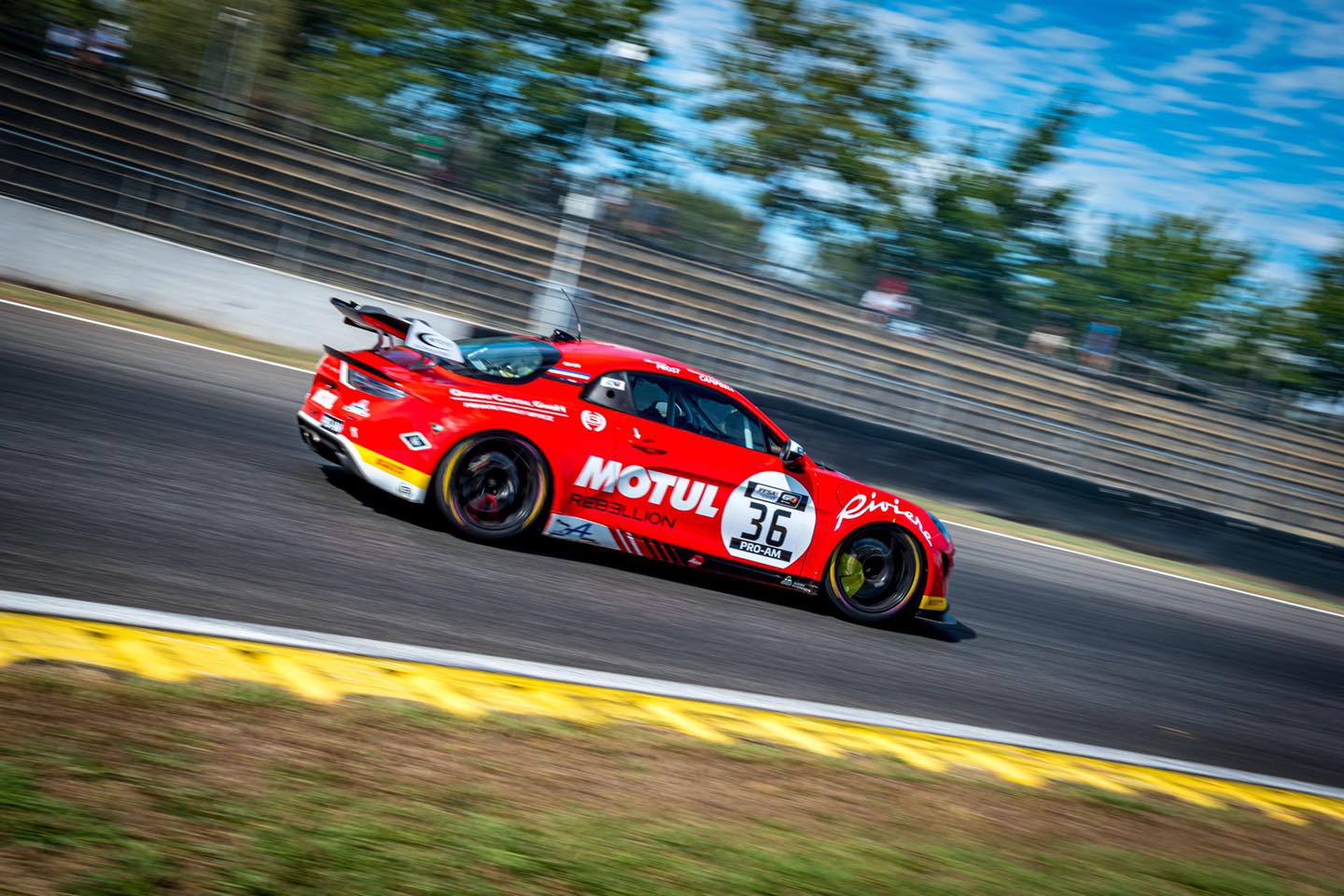
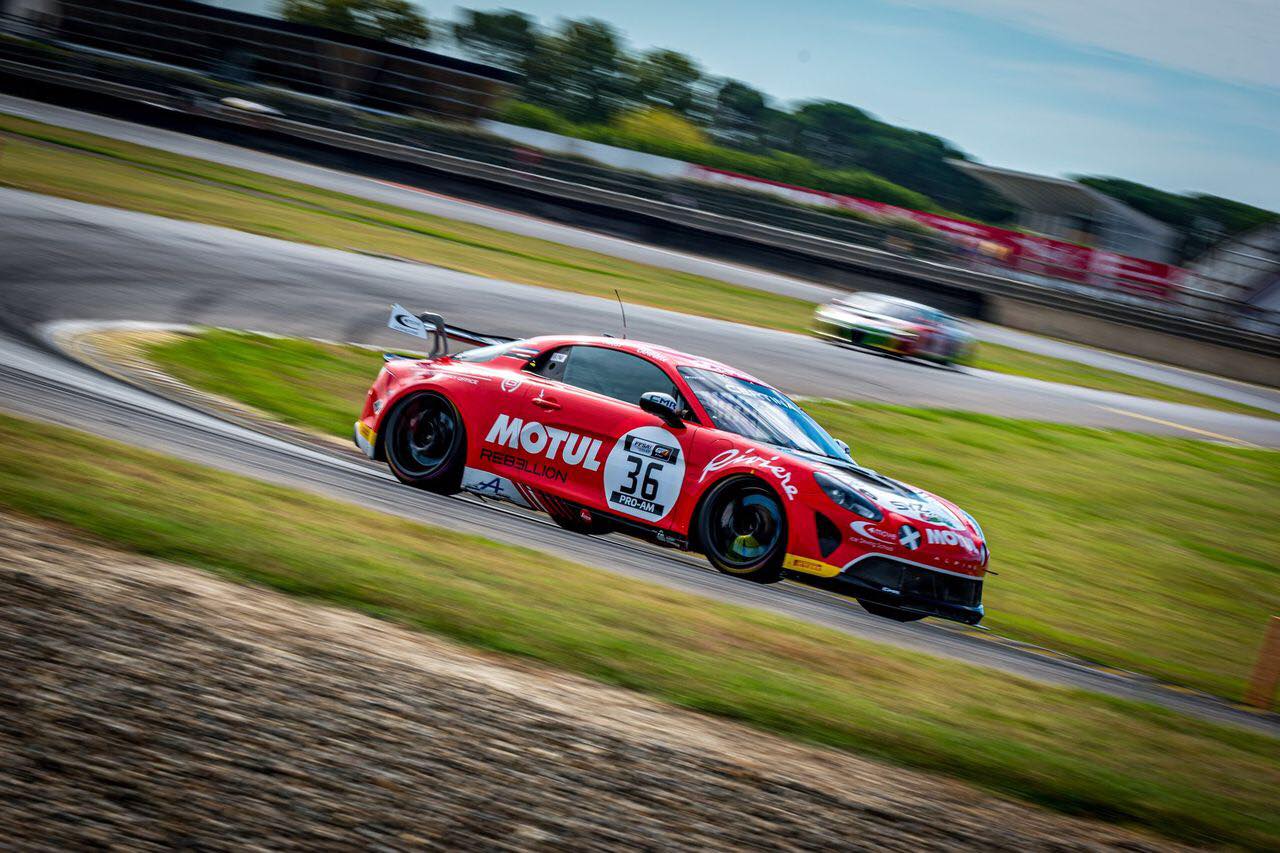
It would be a mistake to reduce Signatech to its prototype programme. When the new A110 arrived, it was Sinault’s outfit that Alpine entrusted with the design, development, production and sale of the A110 Cup, as well as the running of the Alpine Europa Cup, launched in 2018. Hot on its heels, the A110 GT4, unveiled at the Geneva Motor Show in March 2018, was likewise developed, built and sold by Signatech, with a kit to upgrade a Cup car to GT4 spec. It would get an Evo version in 2022, then the GT4+.
Alpine Endurance Team: The Complete Story, 2013-2026. 187Alpine Endurance Team: The Complete Story, 2013-2026. 18803 Alberto Paul (Fra),Rdest Gosia (Pol),Chazel Technologie Course, Alpine A110 Cup,Action During The 1St Round Of The Championnat De France Ffsa Gt 2026, From April 3 To 6, 2026 On The Circuit Paul Armagnac, In Nogaro, France – Photo Marc De Mattia / Dppi36 Cazaux Mathias (Fra),Huteau Pascal (Fra),Code Racing Development,Alpine A110 Gt4 Evo,Action During The 1St Round Of The Championnat De France Ffsa Gt 2026, From April 3 To 6, 2026 On The Circuit Paul Armagnac, In Nogaro, France – Photo Gregory Lenormand / Dppi65 Grégory Fontalba (Fra), Stéphan Hermet (Fra), Grégory Fontalba, Alpine A110, Rgt, Action During The Rallye Automobile Monte Carlo 2023, 1St Round Of The 2023 Wrc World Rally Car Championship, From January 19 To 22, 2023 At Monte Carlo, Monaco – Photo Nikos Katikis / Dppi28 Fontalba Grégory, Hermet Stéphan, Alpine A110 Rgt, Vip – Enjolras, Action During The Rallye Du Var 2025, 9Th Round Of The Championnat De France Des Rallyes 2025, From November 28 To 29, 2025 In Sainte-Maxime, France – Photo Bastien Roux / Dppi
Rallying followed in September 2019, with the unveiling of the A110 Rally at the Rallye Mont-Blanc Morzine, built for the FIA R-GT group. Once again, Bourges held the pen.
It is a source of great pride for Signatech to have been chosen for a project as exciting as Alpine’s return to the rally stages.
Philippe Sinault, Signatech director, September 2019
The operation rests on a small cell of around ten people covering engineering, design, assembly and sales, under Lionel Chevalier. Yet some 150 cars have taken to the track in competition since 2018, across all versions. The R-GT gave Nicolas Ciamin outright victory on the 2021 Rallye d’Antibes; its GT+ evolution carried Sébastien Loeb to victory on the 2024 Rallye du Mont-Blanc. Sinault, for his part, personally oversees the sale of this racing range.
2021-2022: the Alpine A480, Hypercar through the back door
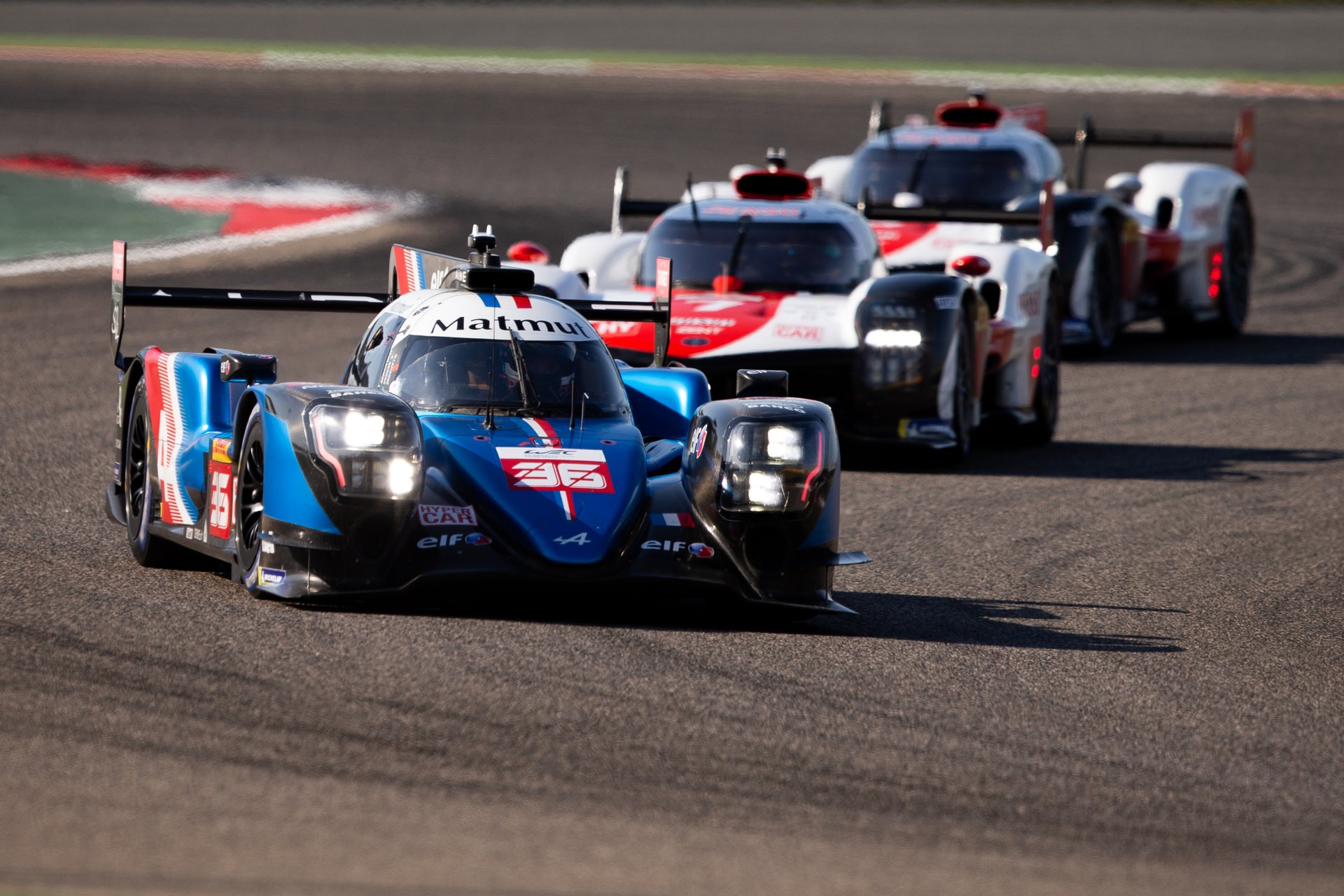
Sinault had been studying the Hypercar route since 2019. In September 2020 Alpine announced an unexpected gamble: stepping straight up to the top class in 2021, taking advantage of the new Hypercar rules. Not with a new car, but with the former Oreca-designed Rebellion R13, retired by the Swiss team at the end of 2020. Renamed the A480, this non-hybrid LMP1 powered by a 4.5-litre Gibson V8 was admitted by special dispensation, its performance adjusted by the Balance of Performance against the Toyota GR010 Hybrid and the Glickenhaus 007.
Nicolas Lapierre returned, alongside André Negrão and Matthieu Vaxivière, under the Alpine Elf Matmut banner. The 2021 season was remarkably consistent: six races, six podiums. Second at Spa, third at Portimão, where Vaxivière claimed Alpine’s first outright WEC pole position, second at Monza, then third overall at the Le Mans 24 Hours in August, the first outright podium of the Signatech era. That weekend, Fernando Alonso drove an Alpine Formula 1 car around the Sarthe circuit.
The brand’s message could not have been clearer. Third place in each of the two Bahrain rounds completed a flawless run and earned the team second in the Hypercar championship, behind Toyota, with 128 points.
Alpine Endurance Team: The Complete Story, 2013-2026. 18936 Negrao André (Bra), Lapierre Nicolas (Fra), Vaxiviere Matthieu (Fra), Alpine Elf Team, Alpine A480 – Gibson, Action During The 2022 24 Hours Of Le Mans, 3Rd Round Of The 2022 Fia World Endurance Championship, On The Circuit De La Sarthe, From June 11 To 12, 2022 In Le Mans, France – Photo Alexandre Guillaumot / Dppi36 Negrao André (Bra), Lapierre Nicolas (Fra), Vaxiviere Matthieu (Fra), Alpine Elf Team, Alpine A480 – Gibson, Pitlane Ambiance During The 2022 24 Hours Of Le Mans, 3Rd Round Of The 2022 Fia World Endurance Championship, On The Circuit De La Sarthe, From June 11 To 12, 2022 In Le Mans, France – Photo Thomas Fenetre / DppiAlpine Endurance Team: The Complete Story, 2013-2026. 190Alpine Endurance Team: The Complete Story, 2013-2026. 191Vaxiviere Matthieu (Fra), Alpine Elf Team, Alpine A480 – Gibson, Portrait, Lapierre Nicolas (Fra), Alpine Elf Team, Alpine A480 – Gibson, Portrait, Negrao André (Bra), Alpine Elf Team, Alpine A480 – Gibson, Portrait, Sinault Philippe (Fra), Team Principal And Owner Of Signatech Racing, Portait Podium, Portrait , During The 1000 Miles Of Sebring, 1St Round Of The 2022 Fia World Endurance Championship On The Sebring International Raceway From March 16 To 18, In Sebring, Florida, United States Of America – Photo Frederic Le Floch / DppiAlpine Endurance Team: The Complete Story, 2013-2026. 192During The Official Prologue Of The 2022 Fia World Endurance Championship On The Sebring International Raceway From March 12 To 13, In Sebring, Florida, United States Of America – Photo Frédéric Le Floch / DppiAlpine Endurance Team: The Complete Story, 2013-2026. 193
The second followed on 10 July at Monza, despite a late clash with a Toyota. Spa, Fuji and Bahrain completed the haul of podiums. At Le Mans, however, the A480 could only finish fifth in Hypercar, twenty-third overall, after an ignition coil problem and a brush with a tyre wall.
Alpine arrived in Bahrain in November 2022 level on points with the Toyota No.8 crew in the drivers’ standings, and still in contention for the manufacturers’ title. Third place was not enough: the team finished world championship runner-up, behind Toyota, with 144 points to 186. For a car built to obsolete regulations, the result far exceeded expectations. It also marked the end of a transition.
2023: the LMP2 detour
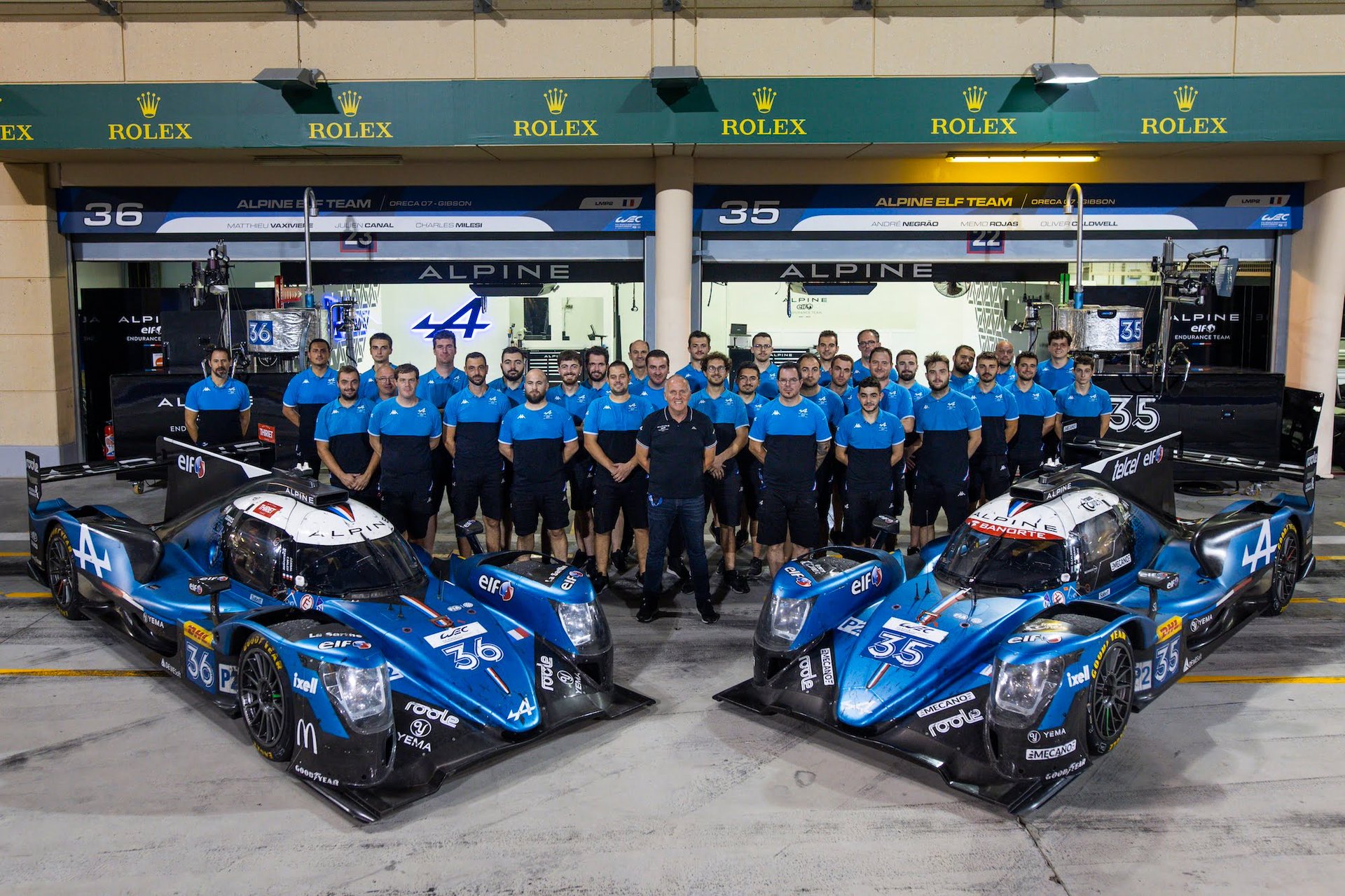
With the Alpine A480 no longer eligible, Alpine Elf Team dropped down a class in 2023 with two Oreca 07-based A470s, presented in our article Alpine Endurance Team unveils its A470s and LMP2 line-ups for 2023. No.35 brought together André Negrão, Memo Rojas and Olli Caldwell; No.36, Julien Canal, Charles Milesi and Matthieu Vaxivière.
Alpine Endurance Team: The Complete Story, 2013-2026. 194Alpine Endurance Team: The Complete Story, 2013-2026. 195Alpine Endurance Team: The Complete Story, 2013-2026. 196Alpine Endurance Team: The Complete Story, 2013-2026. 197Alpine Endurance Team: The Complete Story, 2013-2026. 198Alpine Endurance Team: The Complete Story, 2013-2026. 199Alpine Endurance Team: The Complete Story, 2013-2026. 200Alpine Endurance Team: The Complete Story, 2013-2026. 201
An openly transitional year, with no title or win, but not without flair. At Le Mans, after fightbacks that spoke volumes about the group’s experience, No.36 finished fourth in class and No.35 ninth. At Monza in July, No.36 started ninth, set the fastest race lap in class and took second. On 4 November 2023 in Bahrain, Milesi qualified No.36 second in class before a seventh-place finish, with the fastest LMP2 lap.
So ended an eleven-season chapter in LMP2 and LMP1, with seventh in the LMP2 trophy for No.36 (83 points) and eleventh for No.35. The real work was going on elsewhere: in the workshops, where the in-house Hypercar was taking shape.
2024: the Alpine A424, a Hypercar built for the top class at last
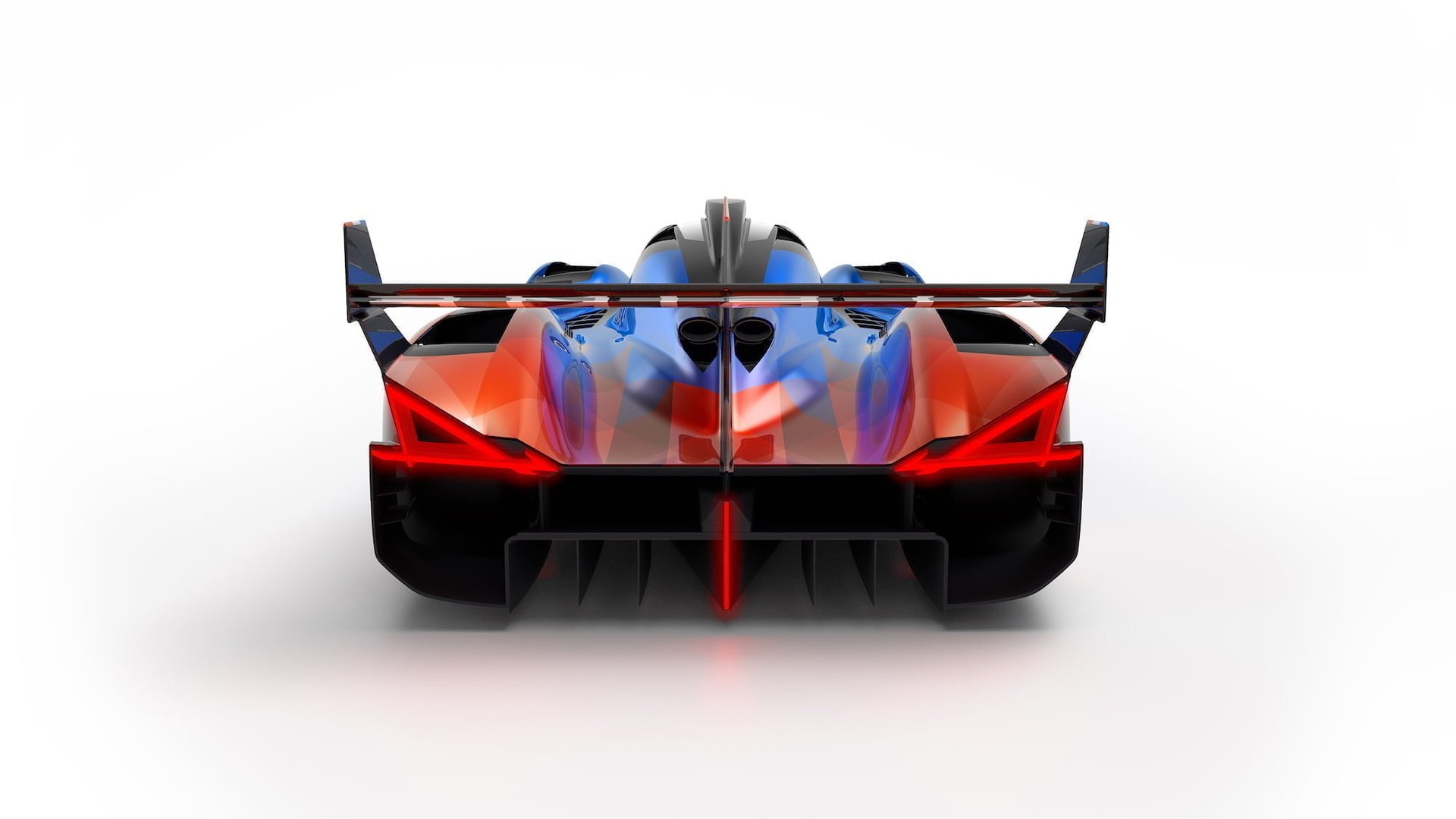
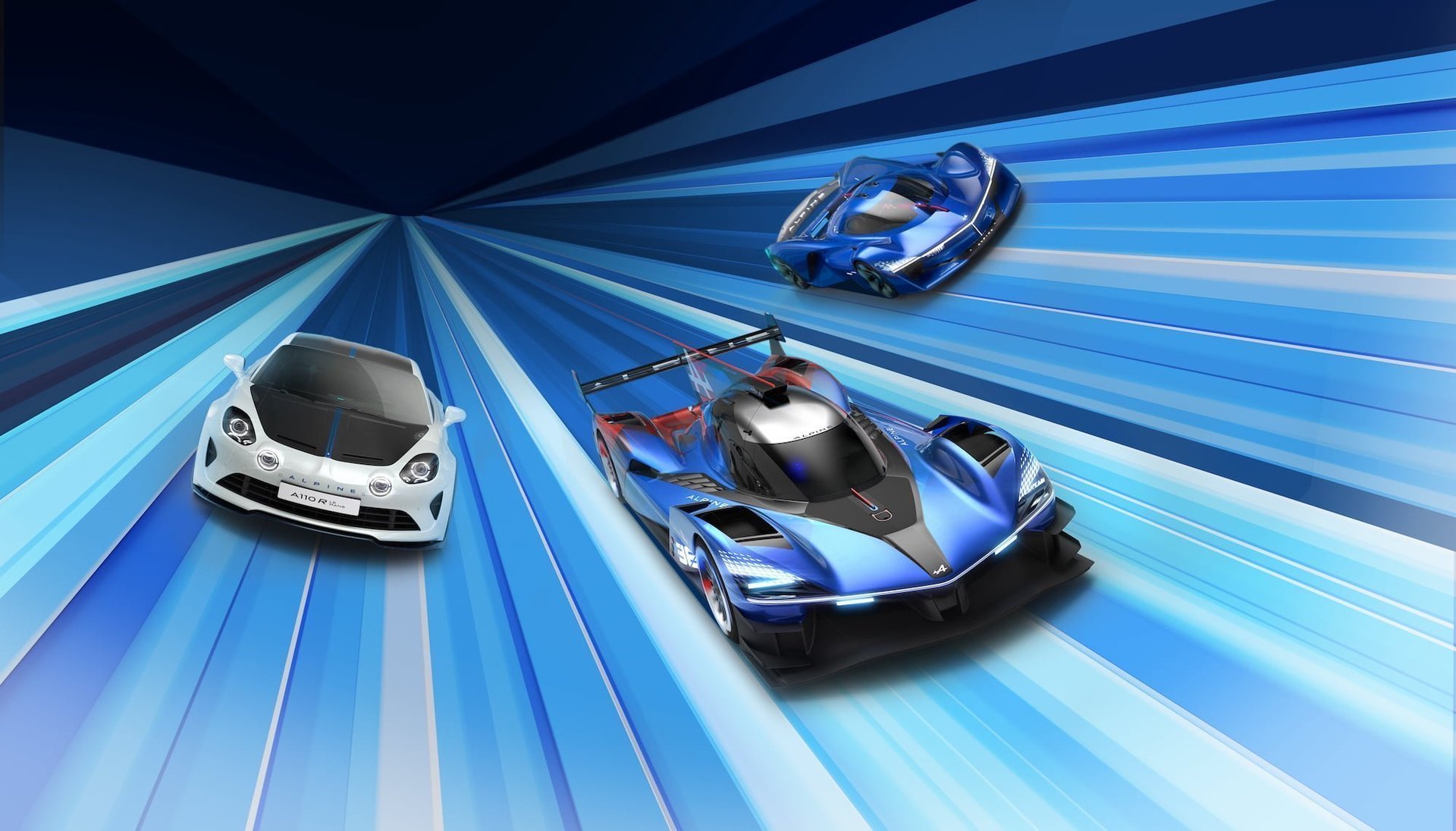
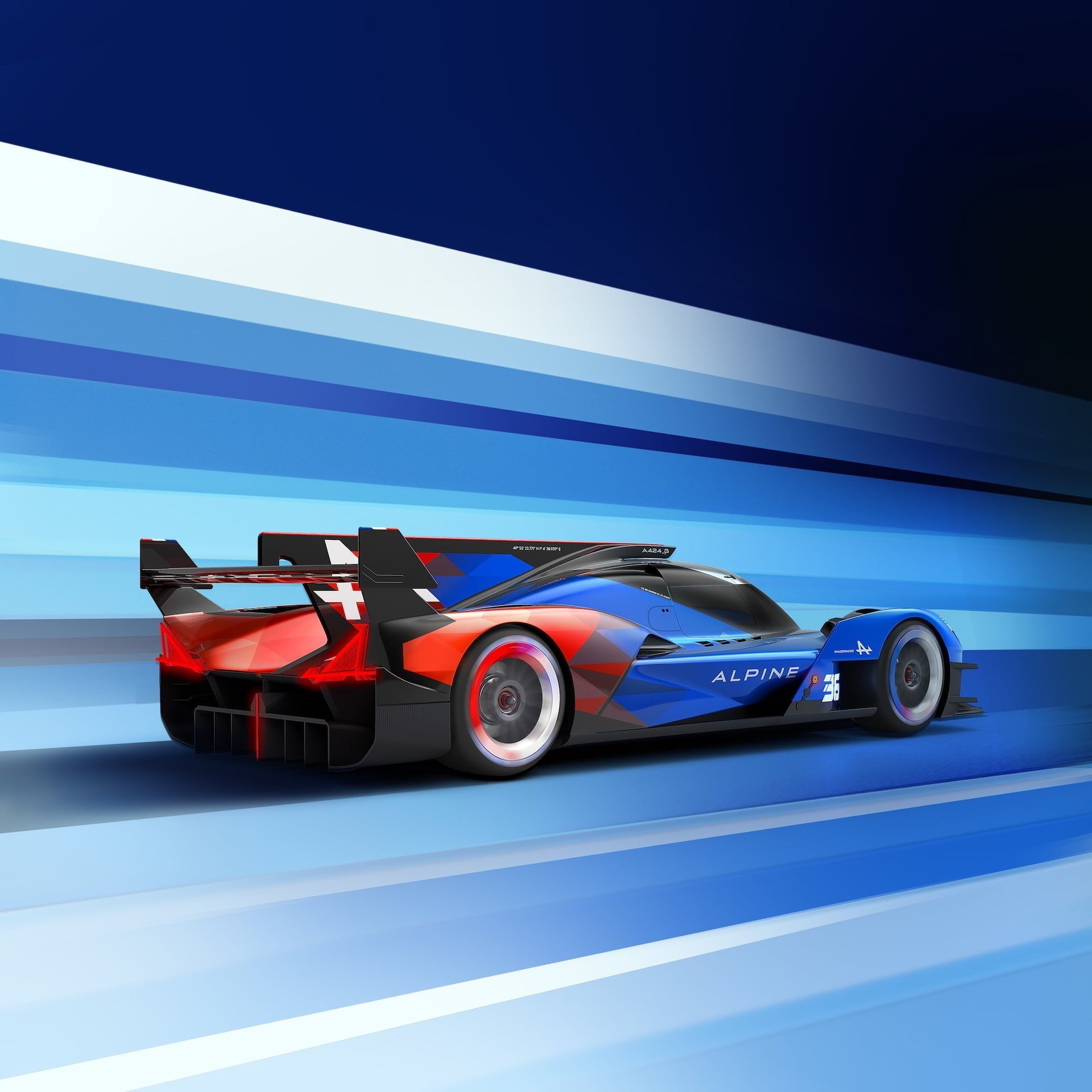
Announced as early as autumn 2021, Alpine’s LMDh project took shape in June 2023, when the A424_β mock-up was unveiled at Le Mans for the race’s centenary, sixty years after Alpine’s Sarthe debut.
Alpine Endurance Team: The Complete Story, 2013-2026. 202Alpine Endurance Team: The Complete Story, 2013-2026. 203Alpine A424Alpine A424Alpine Endurance Team: The Complete Story, 2013-2026. 204Alpine Endurance Team: The Complete Story, 2013-2026. 205
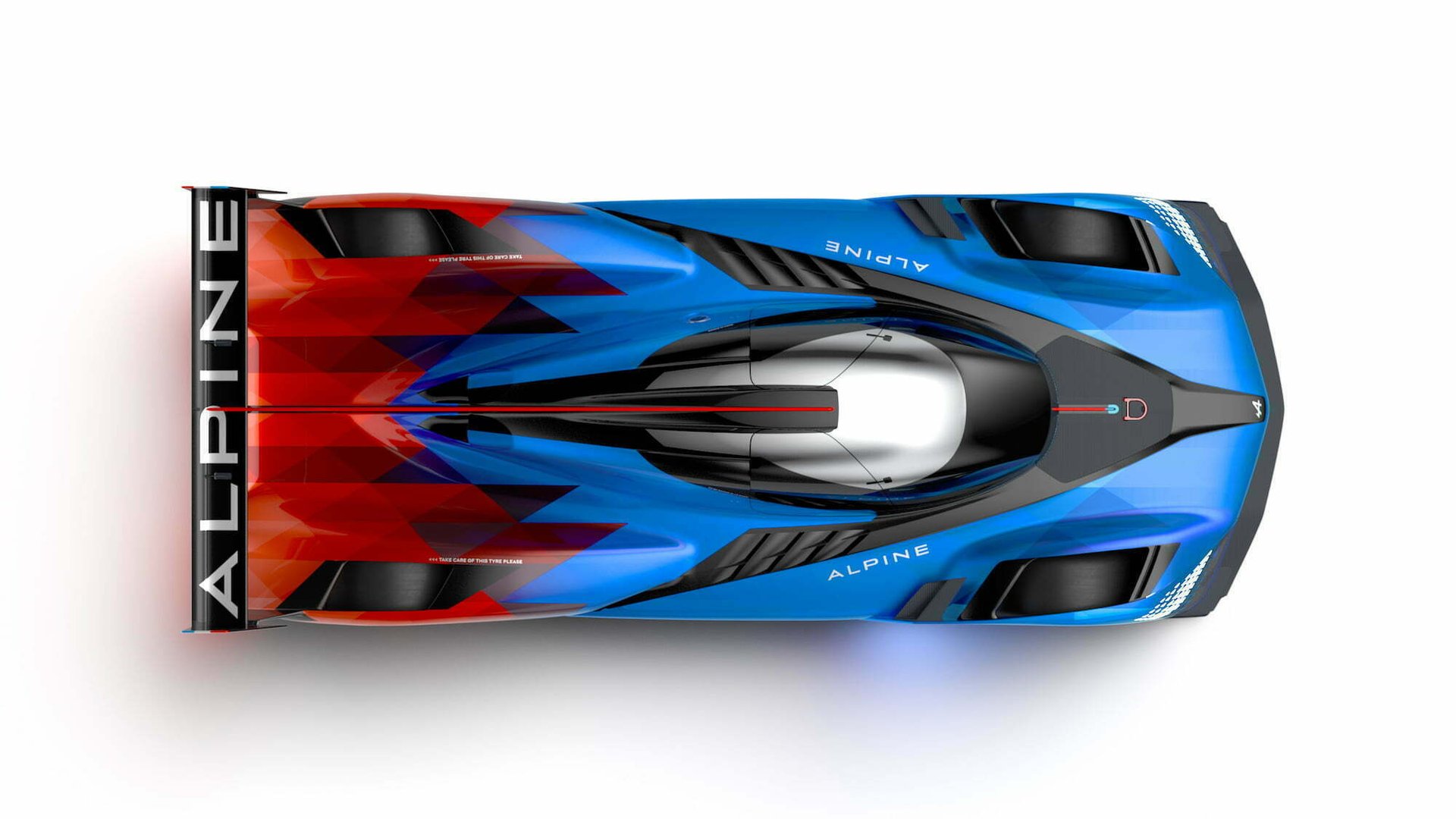
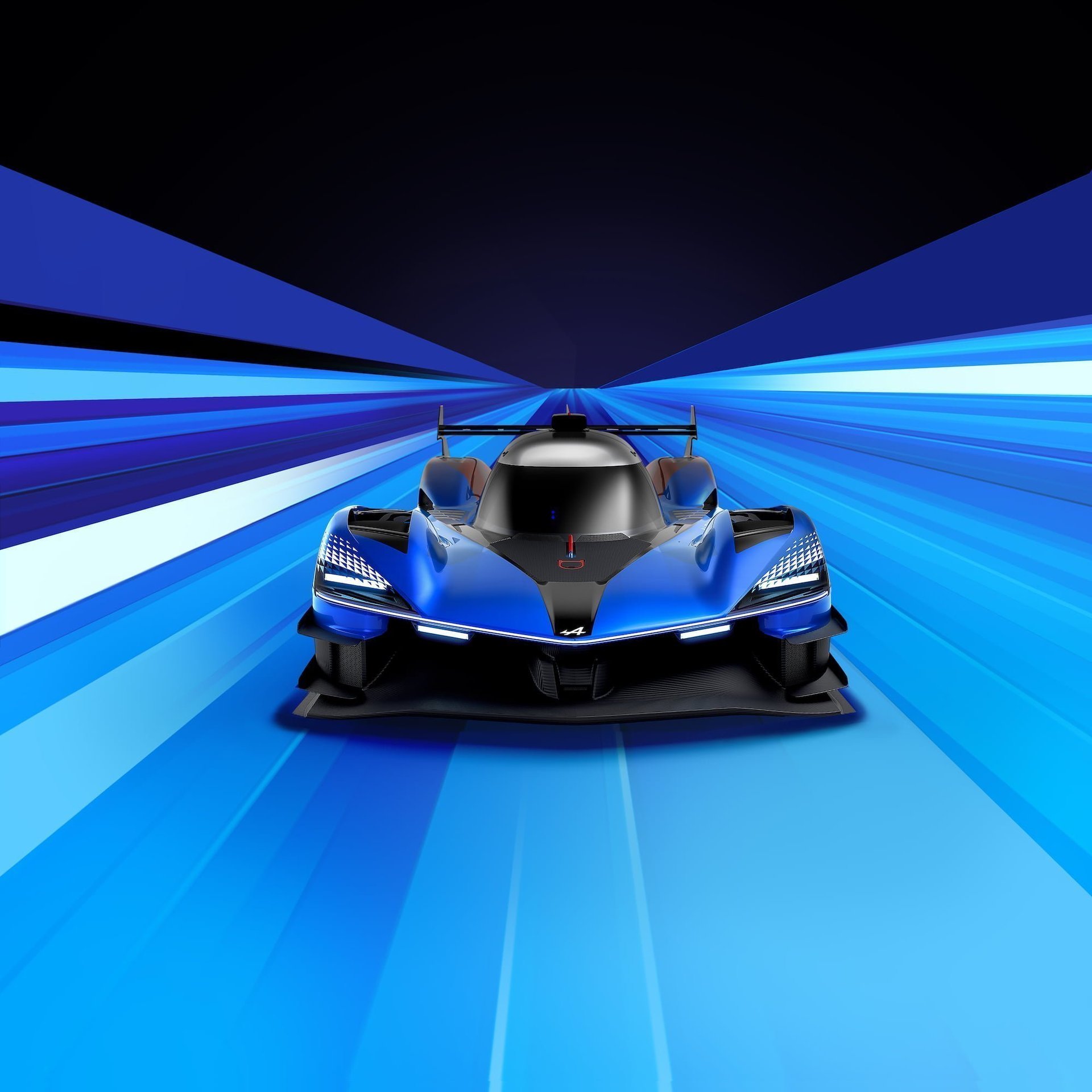
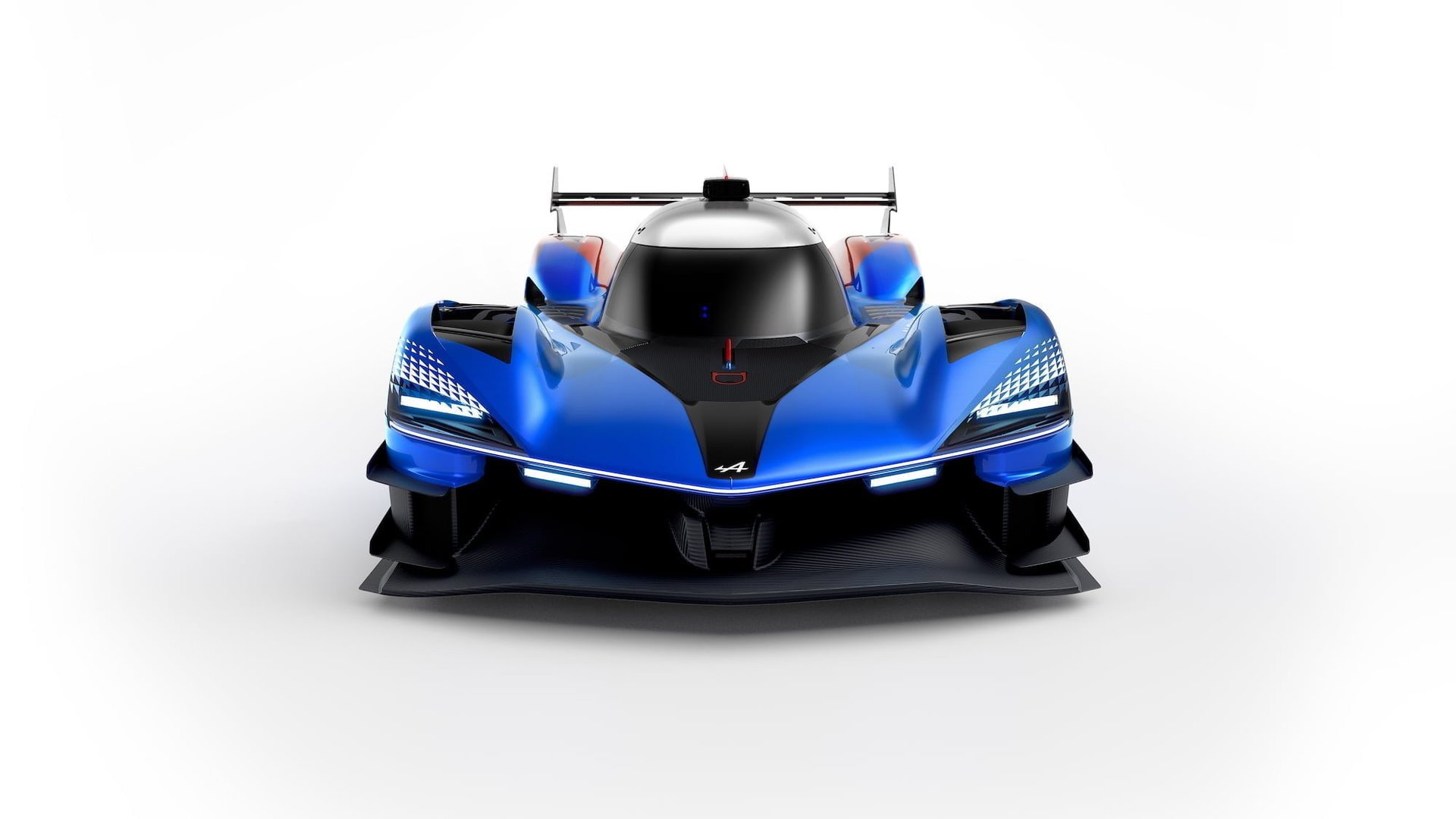
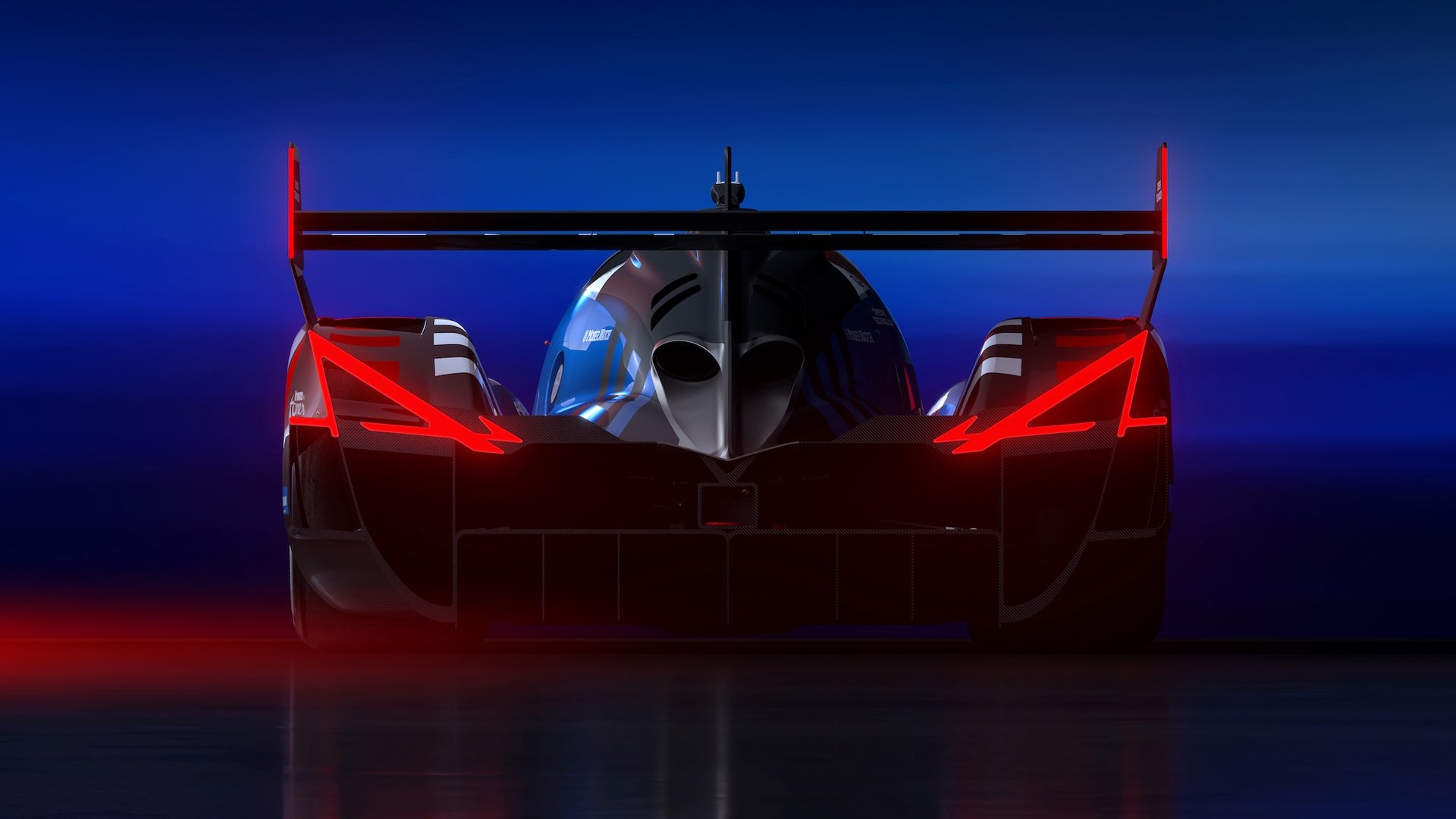
The engine fired up on 5 July 2023 and the car turned its first wheels in early August at Lurcy-Lévis. The chassis came from Oreca, as the LMDh rules require. The heart, though, came from Viry-Châtillon: a 3.4-litre turbo V6, the V634, extensively derived from the Mecachrome Formula 2 unit, paired with the category’s standard hybrid system for a combined 500kW. Then came testing at Le Castellet and 1,500km at Aragón. The details are gathered in our Alpine A424 technical specification.
Alpine Endurance Team: The Complete Story, 2013-2026. 206Alpine Endurance Team: The Complete Story, 2013-2026. 207Alpine Endurance Team: The Complete Story, 2013-2026. 208Alpine Endurance Team: The Complete Story, 2013-2026. 209Alpine Endurance Team: The Complete Story, 2013-2026. 210
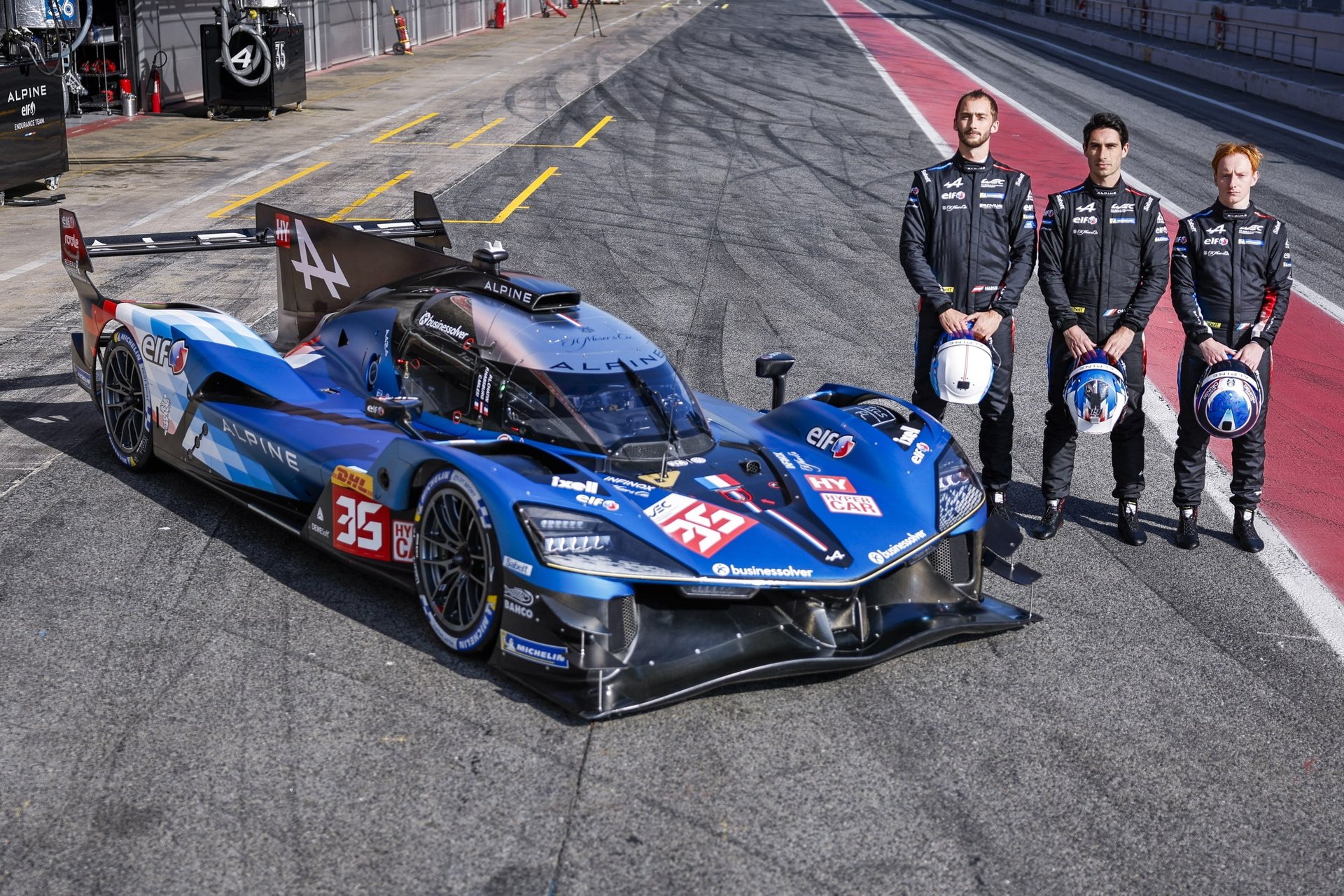
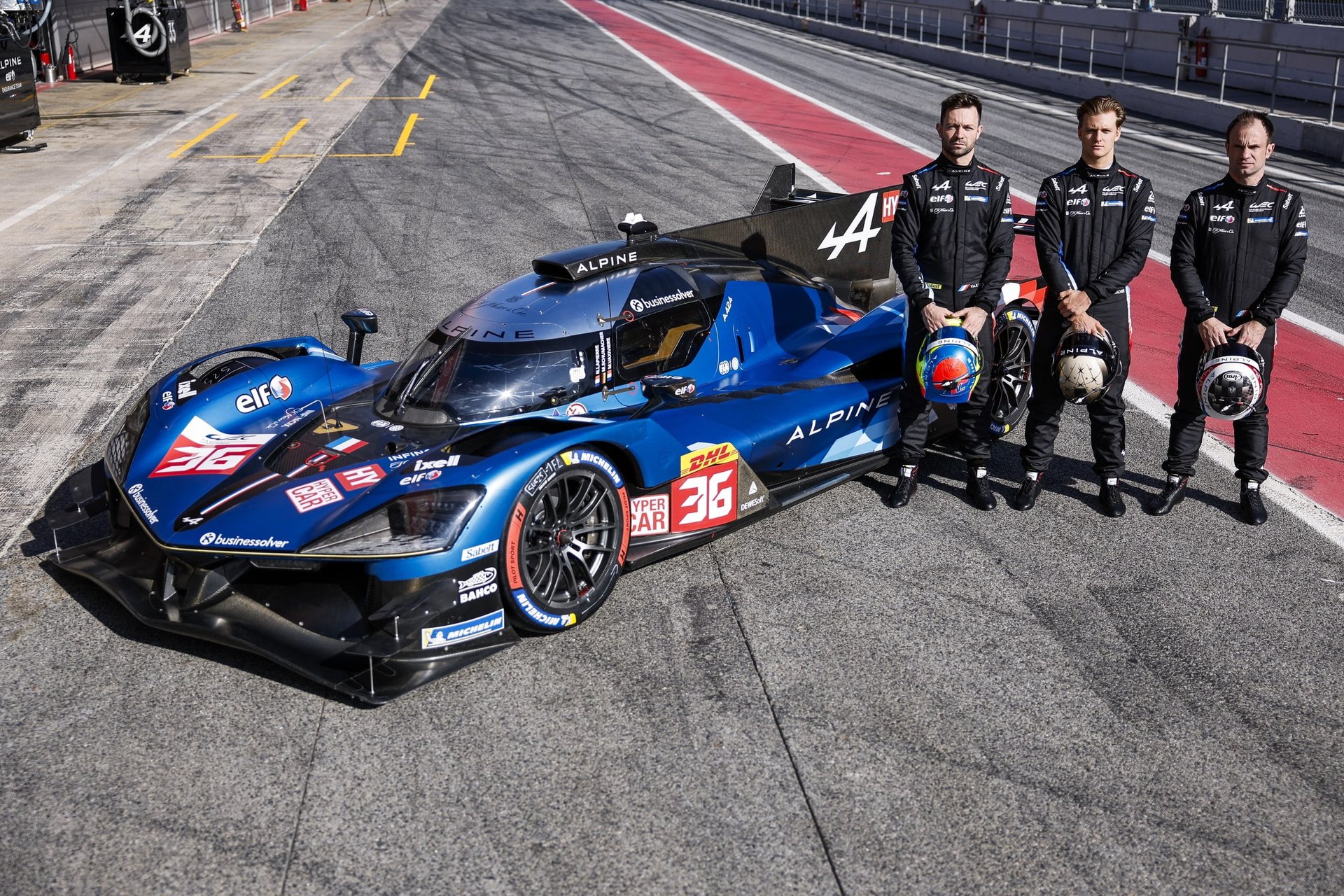
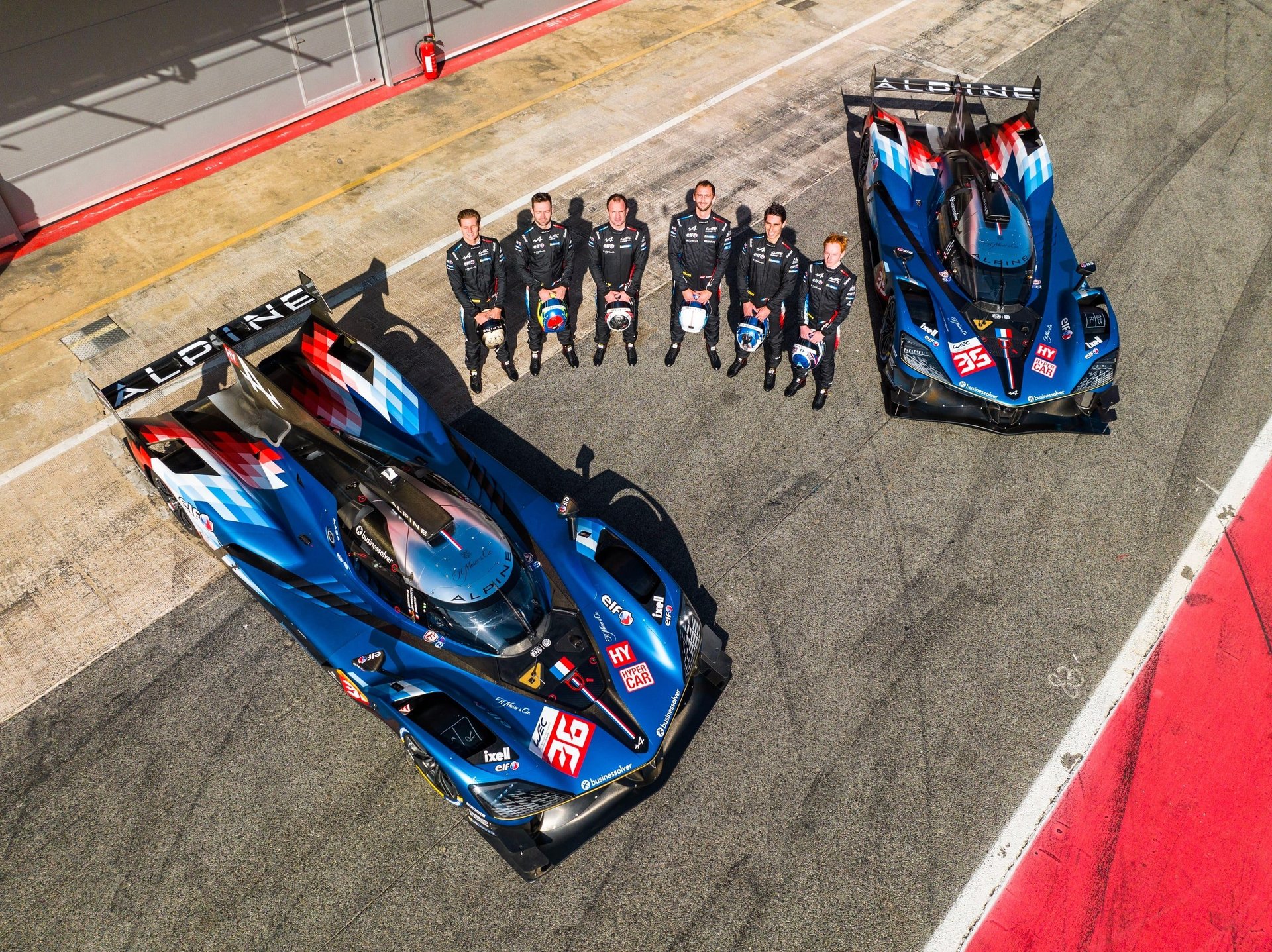
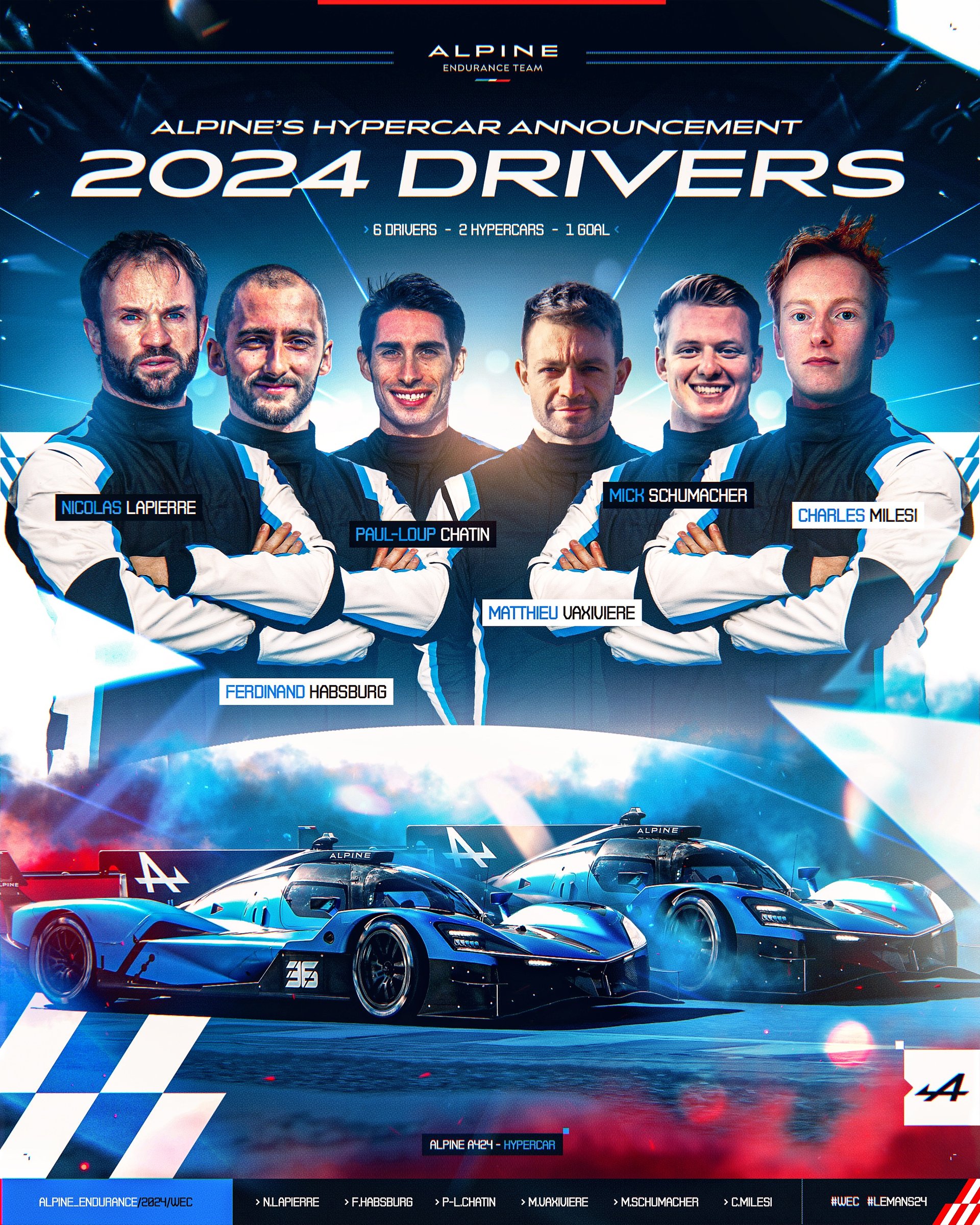
The crews mixed stalwarts and newcomers: Paul-Loup Chatin, Ferdinand Habsburg and Charles Milesi in No.35; Nicolas Lapierre, Matthieu Vaxivière and Mick Schumacher, an endurance rookie, in No.36. No.35 scored points first time out, in seventh. Injured in testing, Habsburg handed his seat at Imola and Spa to reserve Jules Gounon, who would later stand in for Chatin at Fuji.
Alpine Endurance Team: The Complete Story, 2013-2026. 211
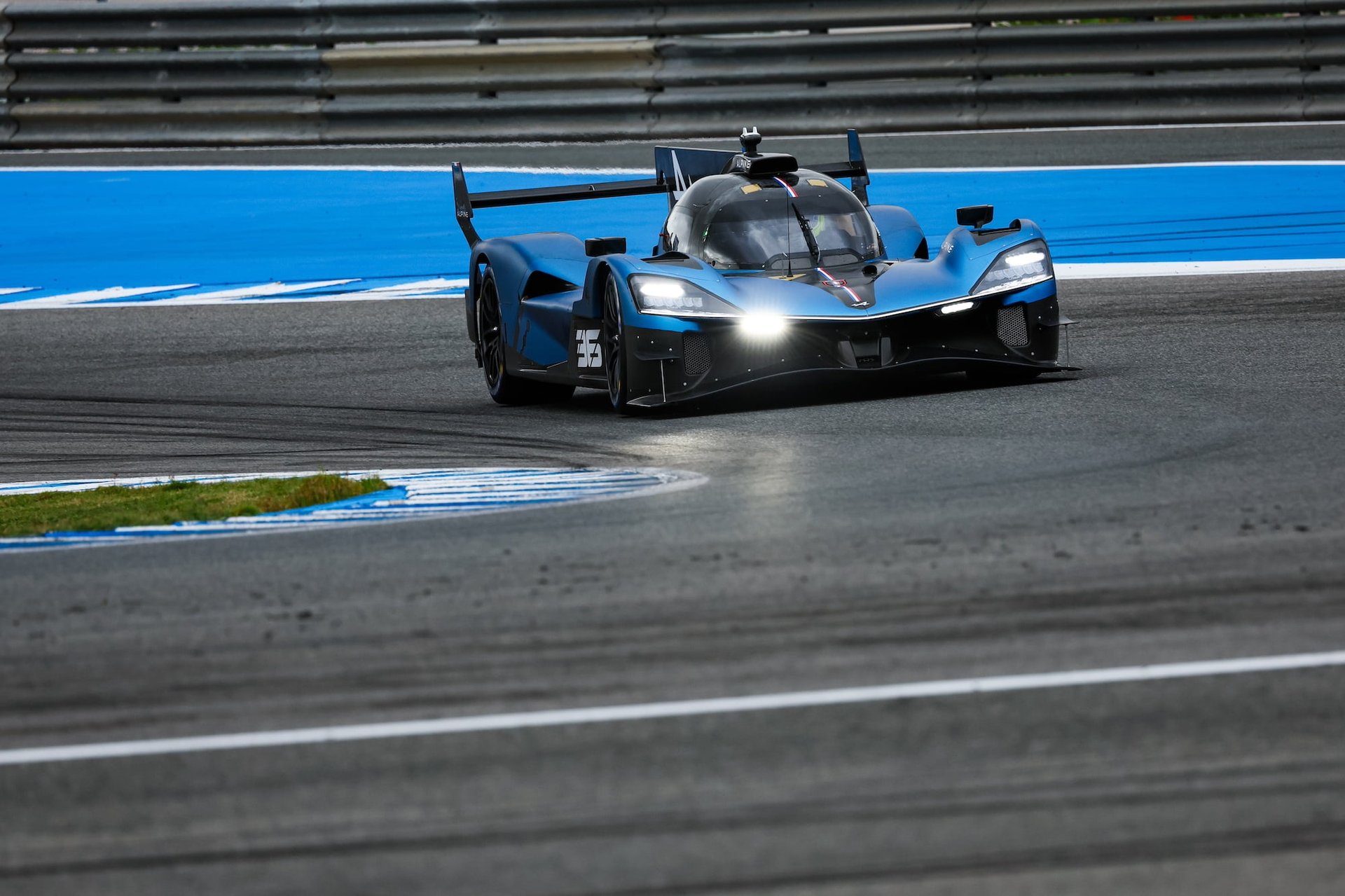
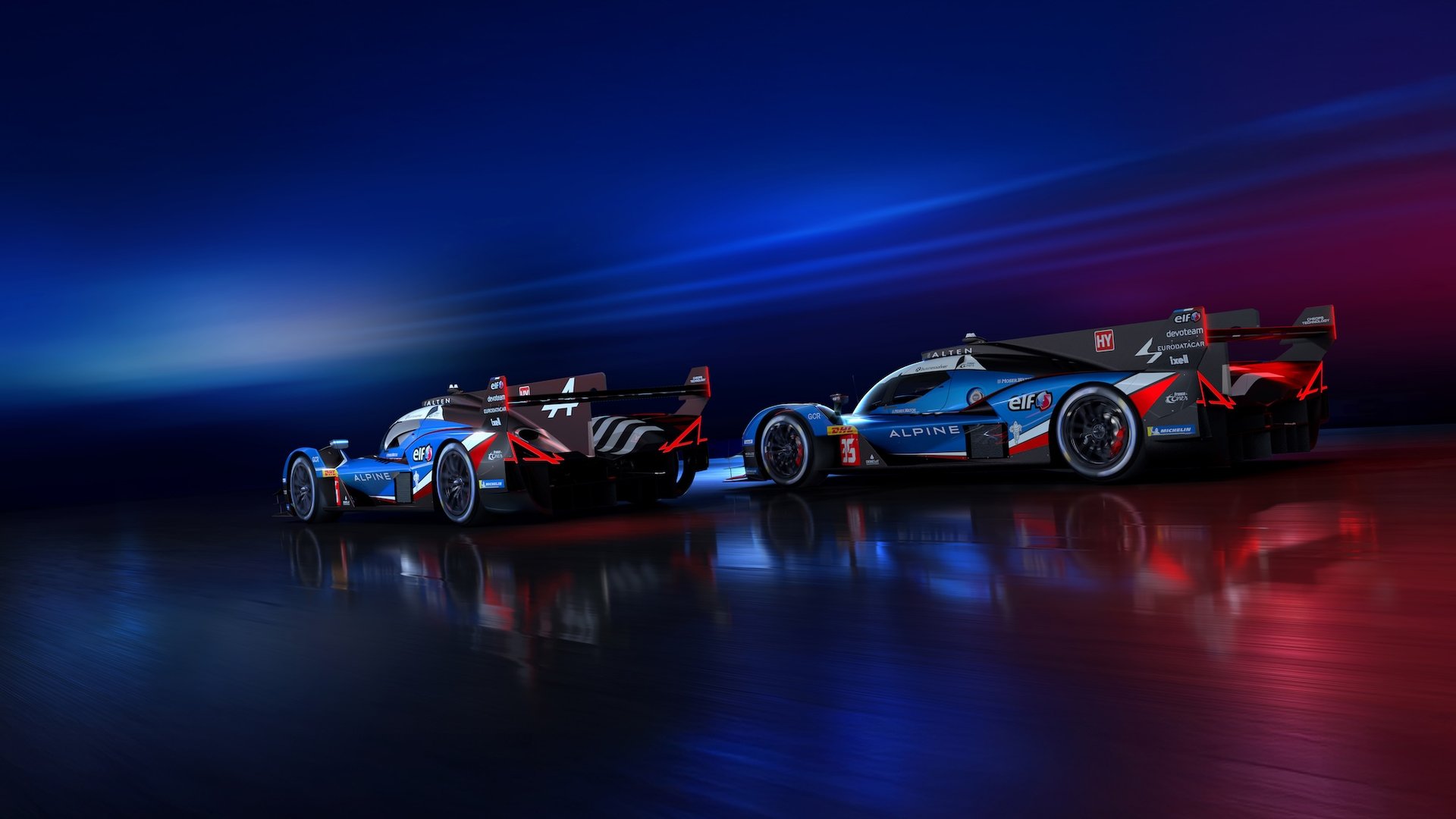
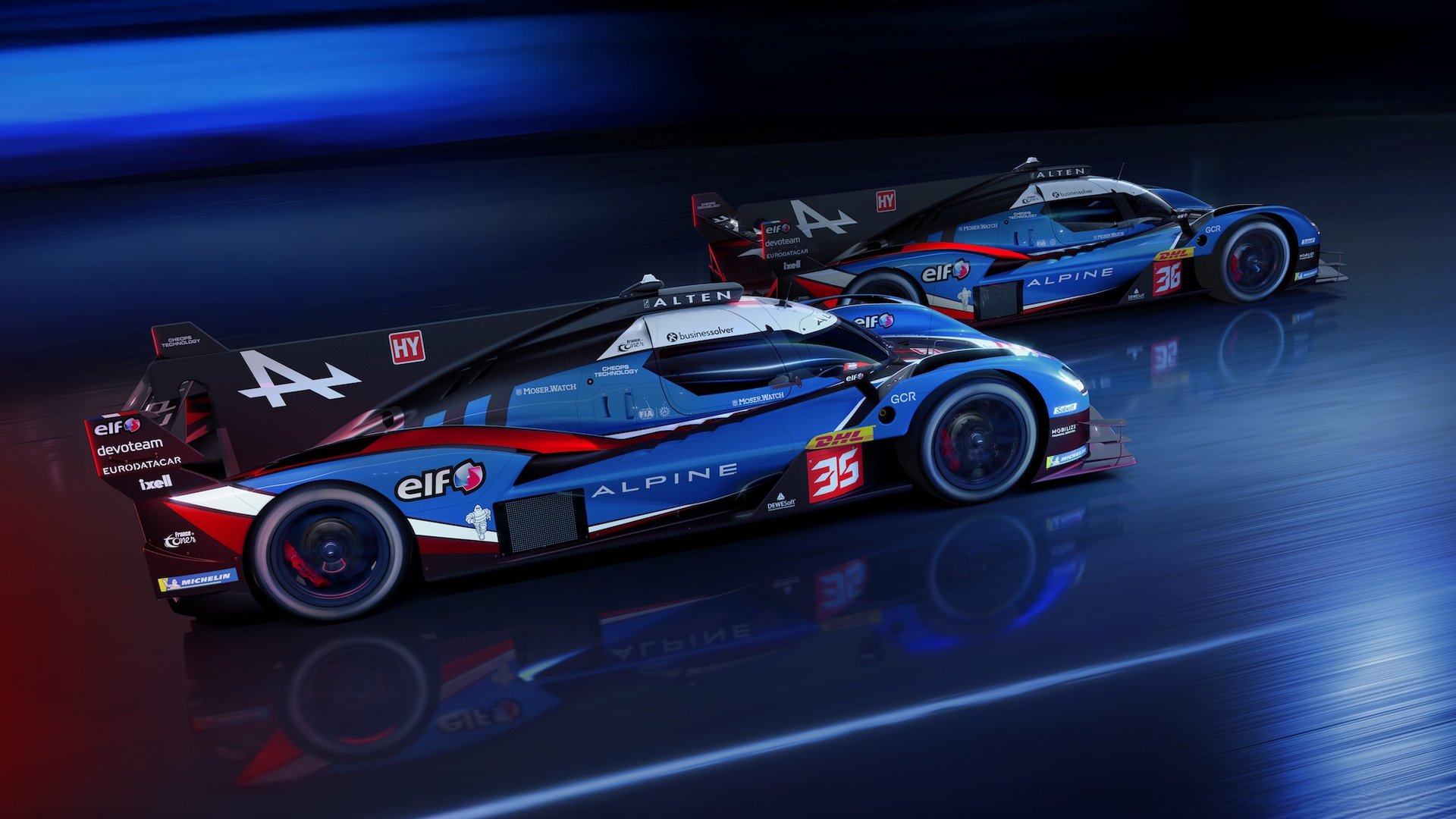
Then came Le Mans. A cruel race: both A424s retired with engine failures, after 75 and 88 laps, even though Chatin had given Alpine its first Le Mans Hyperpole appearance in No.35. The story of that evening is told in Alpine Endurance Team: double retirement, a cruel outcome at the 2024 Le Mans 24 Hours. The blow was real, the response methodical. Engine upgrades followed one after another. Fifth in Austin with No.35, the A424 finally reached the podium at Fuji on 15 September 2024, third with the No.36 of Lapierre, Schumacher and Vaxivière.
It would be Nicolas Lapierre’s last race. On 2 October 2024, the driver with three Le Mans class wins for Alpine hung up his helmet with immediate effect and became the team’s sporting director, a role created to support Philippe Sinault from 1 January 2025. For the Bahrain finale, Charles Milesi moved, for ergonomic reasons, to No.36 alongside Vaxivière and Schumacher, ninth, while Gounon joined Habsburg and Chatin in No.35, fourth at the flag. Alpine ended its first season fourth in the manufacturers’ championship, with 70 points, ahead of BMW and best of the newcomers.
September 2024: Alpine buys into Signatech
On 25 September 2024 the news broke in the English-language specialist press and went almost unnoticed by the wider public: Alpine had taken a minority stake in Signatech. The deal actually dated back to the Le Mans 24 Hours in June. The figure only emerged later: 49% of the capital. After eleven years of a purely contractual relationship, the customer became a partner. For an SME that had been independent since 1990 and had always lived on contracts renewed season by season, the significance was considerable.
Philippe Sinault readily admitted at the time that, for the first time in his life, he could plan at least four or five years ahead. The team had no other programme, the LMP2 venture run for Richard Mille having ended in late 2022, and the whole company got up every morning with a single idea: winning Le Mans. On the manufacturer’s side, Bruno Famin described a programme with no limit, whose stability the stake was meant to guarantee.
Seventeen months later, on 12 February 2026, Alpine announced its withdrawal. The stake, however, remained. Alpine stayed a Signatech shareholder throughout the final season, and Sinault was careful to point out in the autumn that the link in no way hampered his search for a new partner. The future of those shares is part of the ongoing talks, as we explain further on.
2025: Fuji, the WEC’s hundredth race and the A424’s first win
Famin Bruno (Fra), Alpine, Portrai 35 Chatin Paul-Loup (Fra), Habsburg Ferdinand (Aut), Milesi Charles (Fra), Alpine Endurance Team, Alpine A424 #35, Hypercar, Celebration Mechanic, Mecanicien Engineers During The 6 Hours Of Fuji 2025, 7Th Round Of The 2025 Fia World Endurance Championship, From September 26 To 28, 2025 On The Fuji Speedway In Oyama, Shizuoka, Japan – Photo Joao Filipe / Dppi35 Chatin Paul-Loup (Fra), Habsburg Ferdinand (Aut), Milesi Charles (Fra), Alpine Endurance Team, Alpine A424 #35, Hypercar, Celebration Mechanic, Mecanicien Engineers During The 6 Hours Of Fuji 2025, 7Th Round Of The 2025 Fia World Endurance Championship, From September 26 To 28, 2025 On The Fuji Speedway In Oyama, Shizuoka, Japan – Photo Joao Filipe / Dppi36 Makowiecki Frédéric (Fra), Gounon Jules (Fra), Schumacher Mick (Ger), Alpine Endurance Team, Alpine A424 #36, Hypercar, Action During The 6 Hours Of Fuji 2025, 7Th Round Of The 2025 Fia World Endurance Championship, From September 26 To 28, 2025 On The Fuji Speedway In Oyama, Shizuoka, Japan – Photo Joao Filipe / DppiPodium 35 Chatin Paul-Loup (Fra), Habsburg Ferdinand (Aut), Milesi Charles (Fra), Alpine Endurance Team, Alpine A424 #35, Hypercar, Sinault Philippe (Fra), Team Principal Of Alpine Endurance Team, Portrait During The 6 Hours Of Fuji 2025, 7Th Round Of The 2025 Fia World Endurance Championship, From September 26 To 28, 2025 On The Fuji Speedway In Oyama, Shizuoka, Japan – Photo Joao Filipe / Dppi35 Chatin Paul-Loup (Fra), Habsburg Ferdinand (Aut), Milesi Charles (Fra), Alpine Endurance Team, Alpine A424 #35, Hypercar, Action During The 6 Hours Of Fuji 2025, 7Th Round Of The 2025 Fia World Endurance Championship, From September 26 To 28, 2025 On The Fuji Speedway In Oyama, Shizuoka, Japan – Photo Joao Filipe / Dppi
It is very satisfying to take our second podium in a row. This result is a good signal from the whole team, and we were fighting for the win for the first time.
Philippe Sinault, Alpine Endurance Team team principal, May 2025
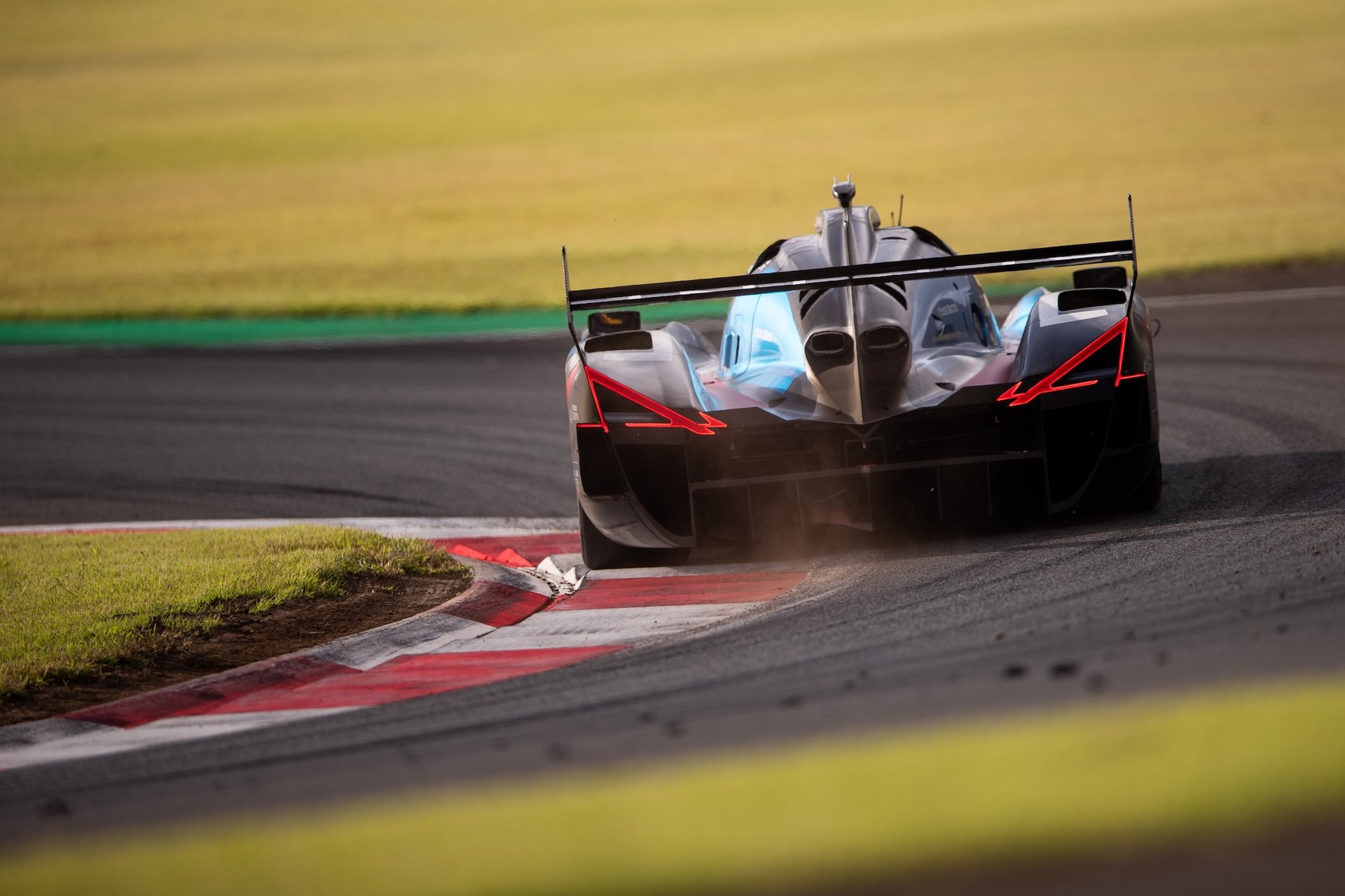
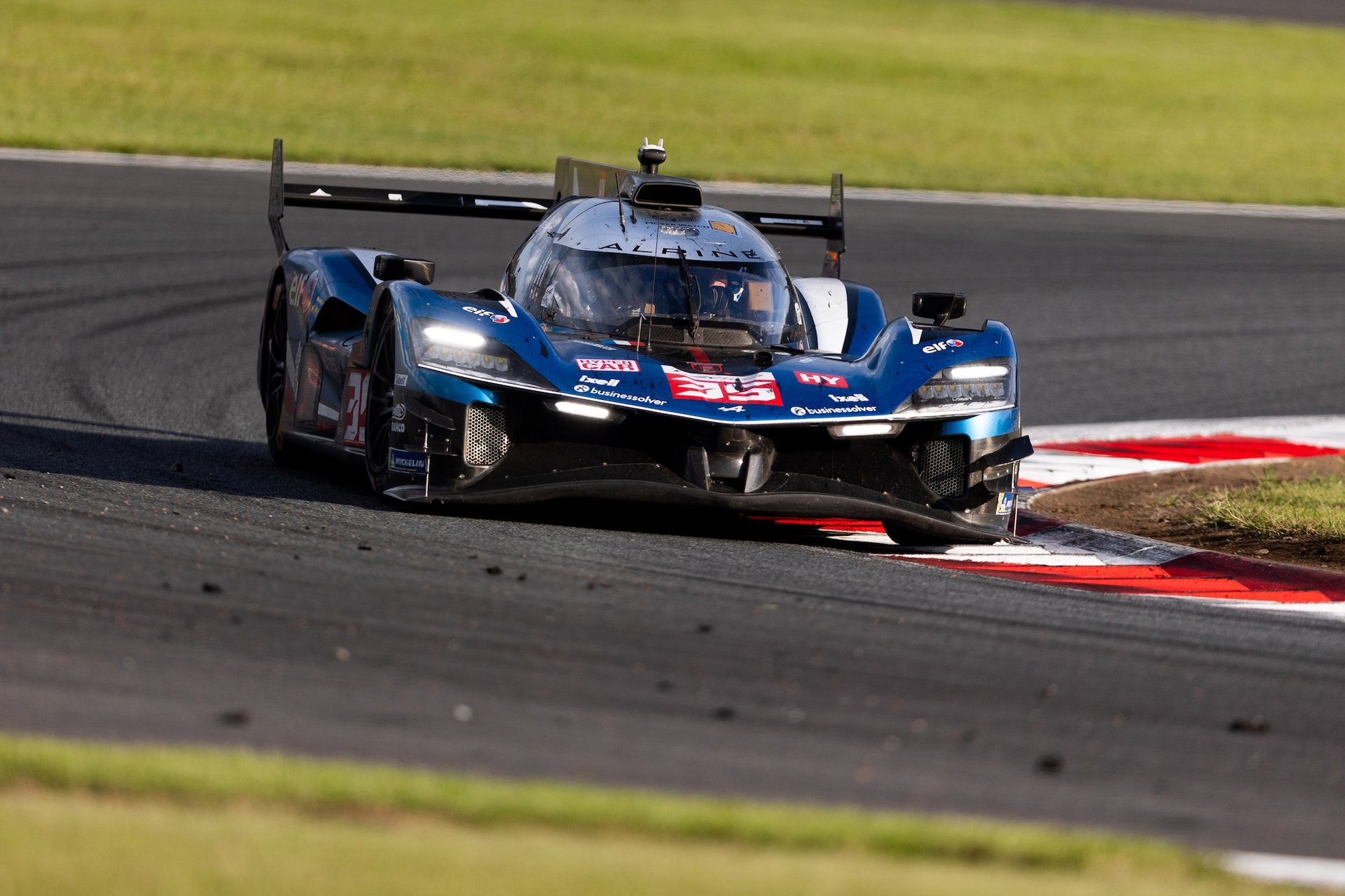
Le Mans, tackled with both cars in Hyperpole, yielded ninth and tenth places, respectable without being thrilling, before a duller summer, all the way to a wet Austin. Nobody was expecting Alpine at Fuji on 28 September 2025, for the hundredth race in WEC history. Starting ninth, penalised for contact with the Toyota No.8 and then for a pit-stop infringement, No.35 looked out of contention. A safety period, a strategic gamble — a final stop with only two tyres changed, Milesi at the wheel, less than an hour from the end — and the A424 emerged in front. It won by 7.682 seconds from the Peugeot No.93.
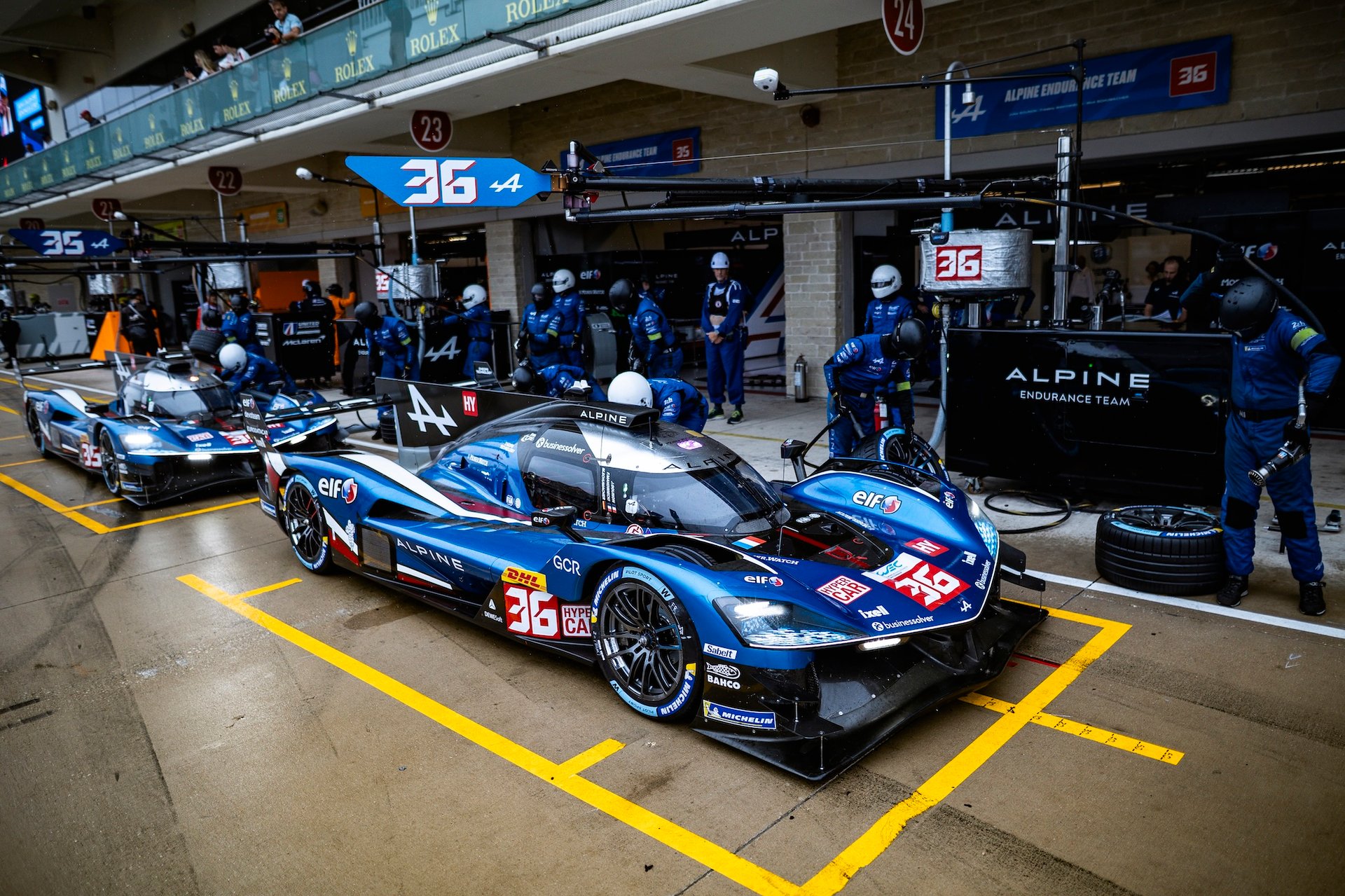
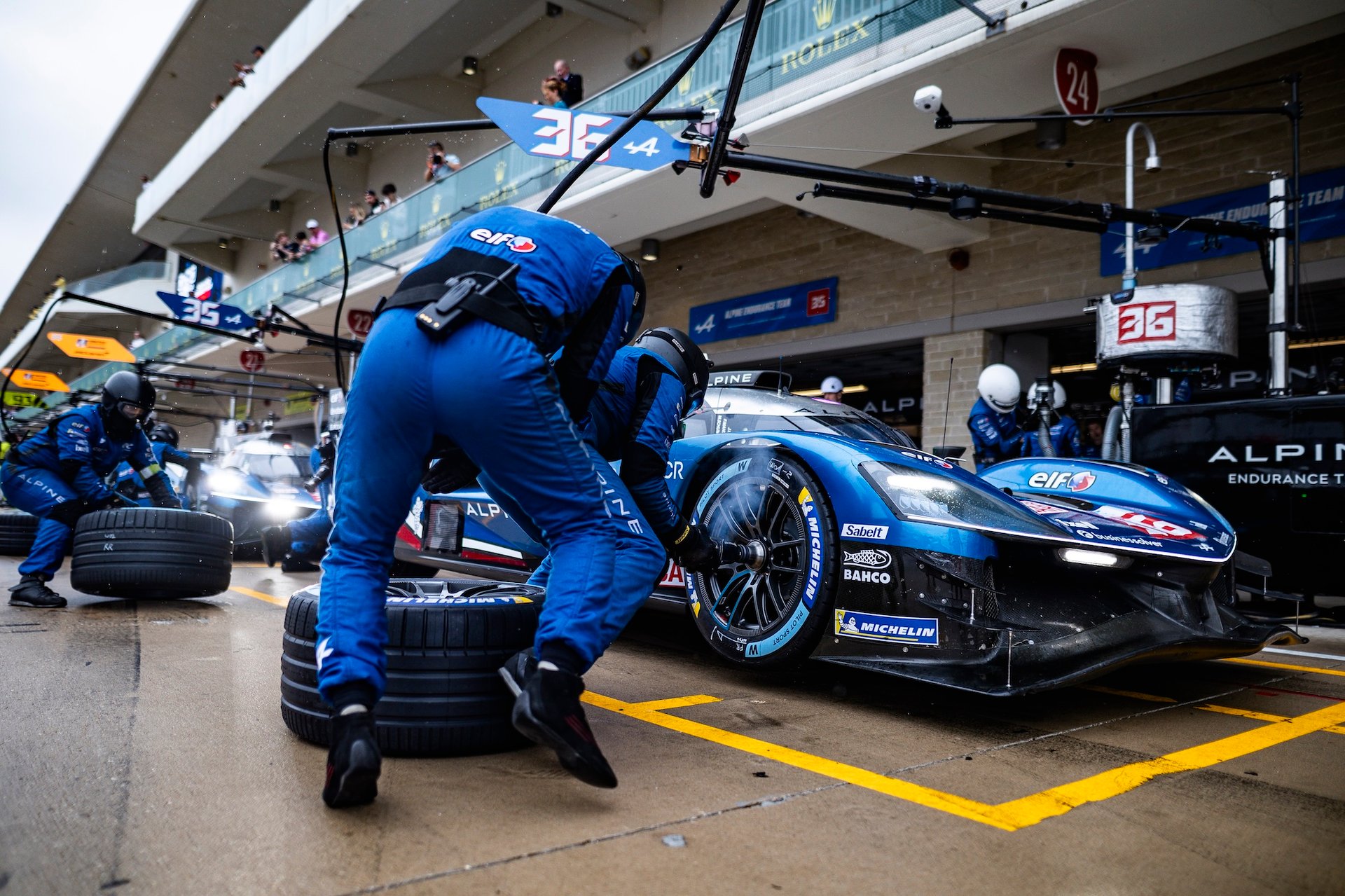
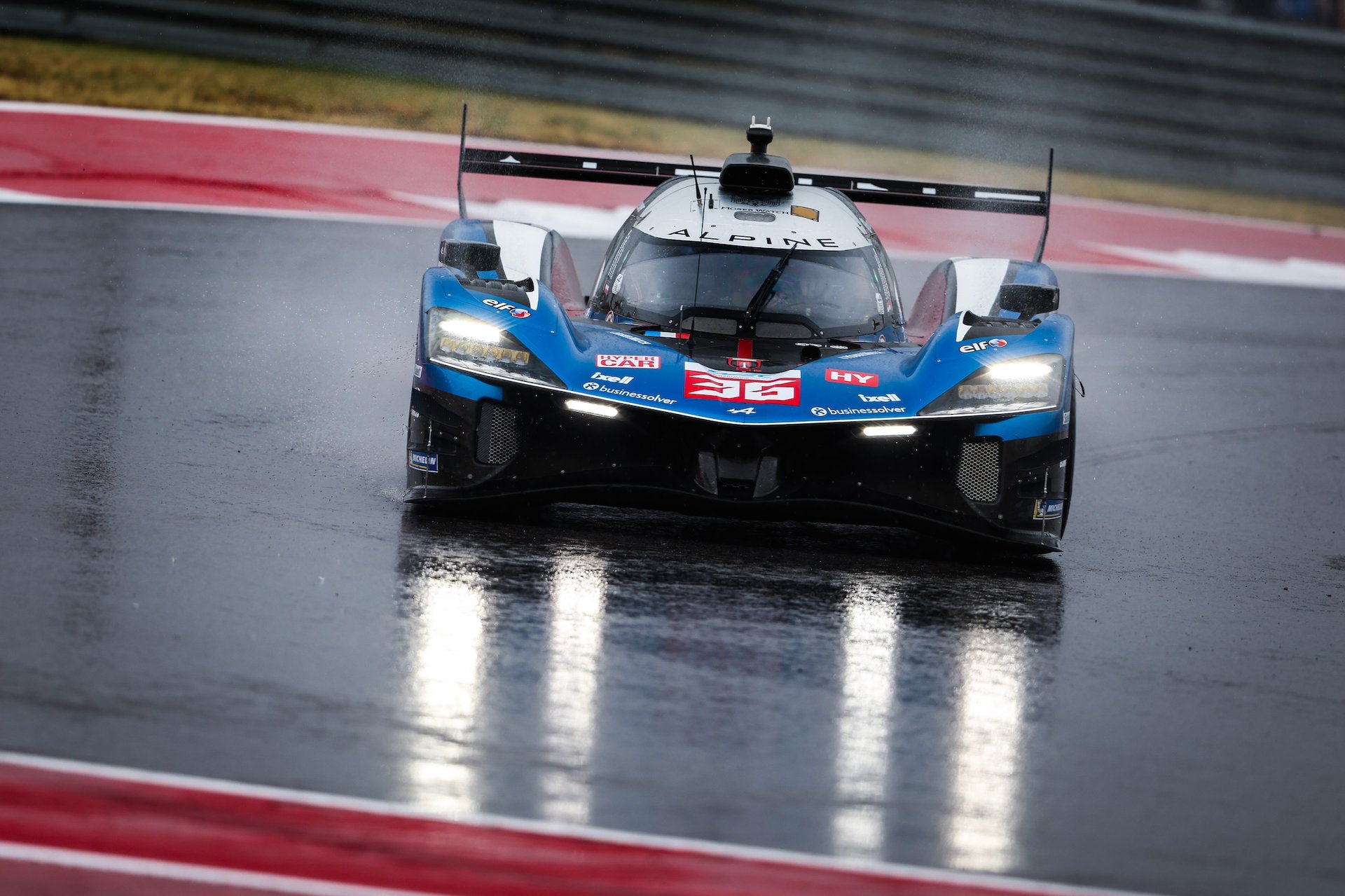
36 Makowiecki Frédéric (Fra), Gounon Jules (Fra), Schumacher Mick (Ger), Alpine Endurance Team, Alpine A424 #36, Hypercar, Pitstop, Arrêt Aux Stands During The Lone Star Le Mans 2025, 6Th Round Of The 2025 Fia World Endurance Championship, From September 5 To 7, 2025 On The Circuit Of The Americas In Austin, Texas, United States Of America – Photo Thomas Fenetre / Dppi36 Makowiecki Frédéric (Fra), Gounon Jules (Fra), Schumacher Mick (Ger), Alpine Endurance Team, Alpine A424 #36, Hypercar, Pitstop, Arrêt Aux Stands During The Lone Star Le Mans 2025, 6Th Round Of The 2025 Fia World Endurance Championship, From September 5 To 7, 2025 On The Circuit Of The Americas In Austin, Texas, United States Of America – Photo Thomas Fenetre / Dppi36 Makowiecki Frédéric (Fra), Gounon Jules (Fra), Schumacher Mick (Ger), Alpine Endurance Team, Alpine A424 #36, Hypercar, Action During The Lone Star Le Mans 2025, 6Th Round Of The 2025 Fia World Endurance Championship, From September 5 To 7, 2025 On The Circuit Of The Americas In Austin, Texas, United States Of America – Photo Antonin Vincent / Dppi35 Chatin Paul-Loup (Fra), Habsburg Ferdinand (Aut), Milesi Charles (Fra), Alpine Endurance Team, Alpine A424 #35, Hypercar, Action During The Lone Star Le Mans 2025, 6Th Round Of The 2025 Fia World Endurance Championship, From September 5 To 7, 2025 On The Circuit Of The Americas In Austin, Texas, United States Of America – Photo Antonin Vincent / Dppi35 Chatin Paul-Loup (Fra), Habsburg Ferdinand (Aut), Milesi Charles (Fra), Alpine Endurance Team, Alpine A424 #35, Hypercar, Action During The Lone Star Le Mans 2025, 6Th Round Of The 2025 Fia World Endurance Championship, From September 5 To 7, 2025 On The Circuit Of The Americas In Austin, Texas, United States Of America – Photo Thomas Fenetre / Dppi35 Chatin Paul-Loup (Fra), Habsburg Ferdinand (Aut), Milesi Charles (Fra), Alpine Endurance Team, Alpine A424 #35, Hypercar, Action During The Lone Star Le Mans 2025, 6Th Round Of The 2025 Fia World Endurance Championship, From September 5 To 7, 2025 On The Circuit Of The Americas In Austin, Texas, United States Of America – Photo Thomas Fenetre / Dppi
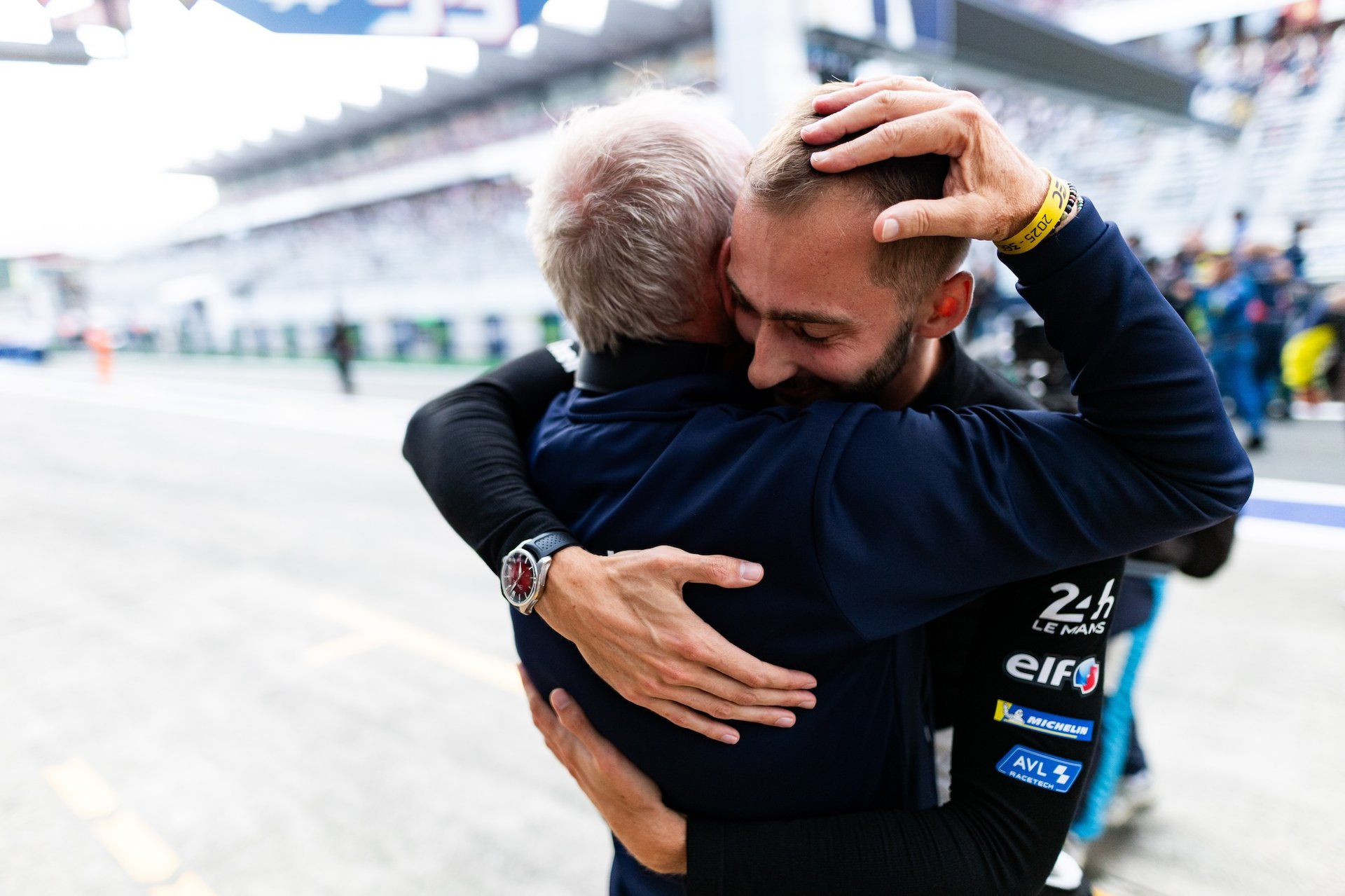
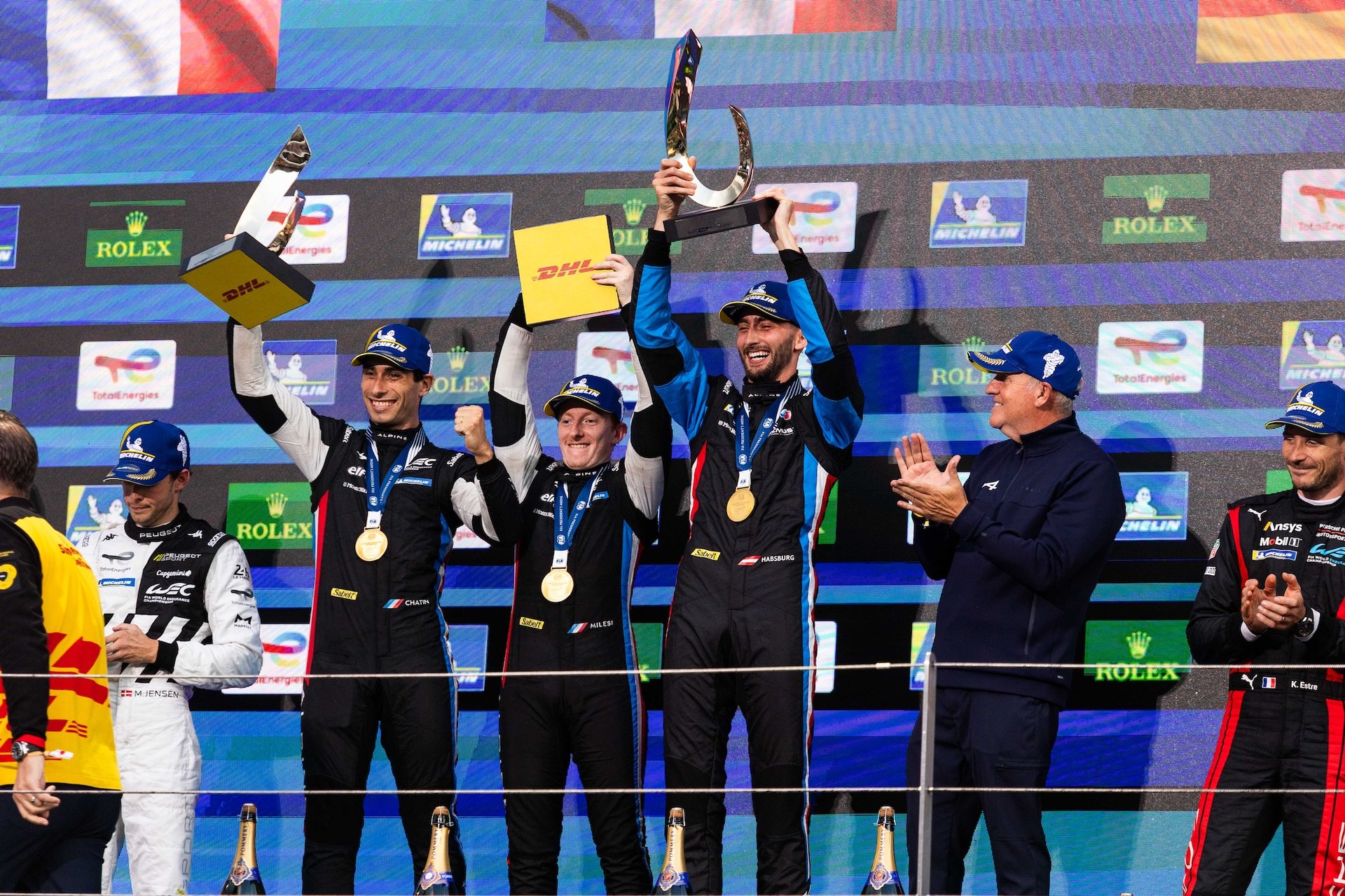
It was the A424’s first win, Alpine’s third outright WEC victory after Sebring and Monza in 2022, and it was achieved by the only crew on the 2025 Hypercar grid without a Platinum-rated driver. Paul-Loup Chatin won where he had taken his first world championship podium with Alpine ten years earlier, in LMP2. Ferdinand Habsburg and Charles Milesi had already shared a Le Mans class win in 2021, with WRT. We told the story of that Sunday in Japan in Alpine Endurance Team makes history: the A424’s first Hypercar win in the WEC at the 6 Hours of Fuji.
The 2025 balance sheet was clear-cut on one count: sixteen starts, sixteen finishes, nine Hyperpole appearances, three podiums including a win. Less so on another: sixth in the manufacturers’ championship with 86 points, Alpine still lacked consistency. Our full review is in WEC 2025: Alpine Endurance Team ends a season of progress with its sights on 2026.
12 February 2026: Alpine announces the end of its endurance programme
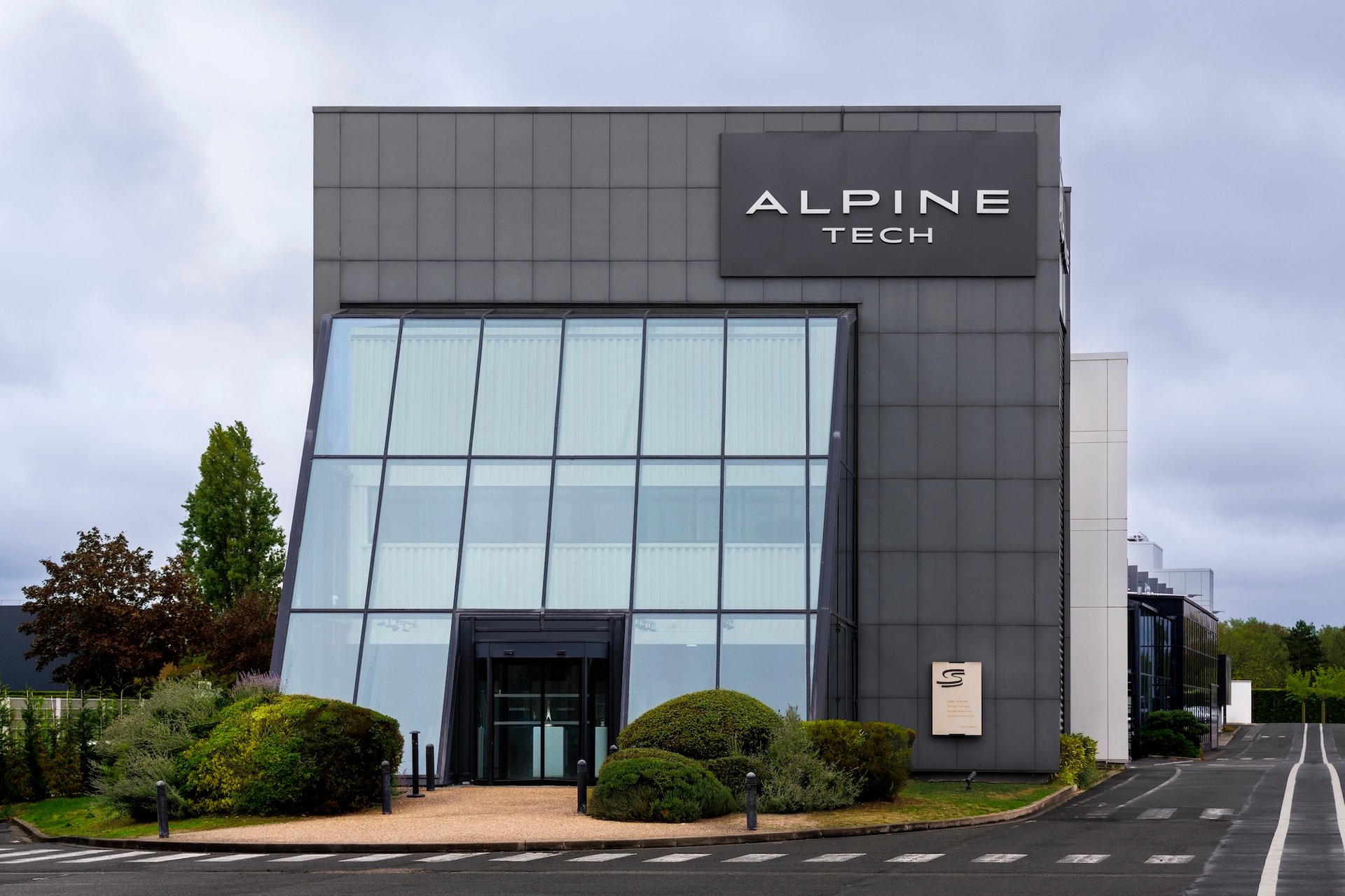
Rumours had been swirling around the paddocks for weeks. On 12 February 2026 Renault Group confirmed them: Alpine would leave the World Endurance Championship at the end of the 2026 season to concentrate its racing resources on Formula 1. The same day, Dacia announced the end of its rally-raid programme at the end of the season. The Viry-Châtillon site, renamed Alpine Tech, was to refocus on engineering for the group. Alpine CEO Philippe Krief justified the move by the need to raise the brand’s profile in line with its product and market growth ambitions.
The decision did not come out of the blue. First and foremost, it reflects a change of course at Renault: in July 2025, François Provost succeeded Luca de Meo at the head of the group, just as Alpine’s strategy, originally built on an all-electric range, ran into lower-than-expected sales. On the day of the announcement, Philippe Krief did not mince his words: the car industry, and the electric market in particular, was growing more slowly than forecast. He spoke of hard decisions taken to protect the brand’s long-term ambitions, and called on the whole company to focus its efforts on those challenges. The same day, Dacia gave up rally-raid: the group’s entire motorsport portfolio was being put through the sieve.
The WEC withdrawal also extends a decision taken seventeen months earlier. In September 2024 Renault ended the Formula 1 engine designed at Viry-Châtillon; since 2026 the F1 team has raced with a Mercedes power unit. The A424’s V6 was the site’s last major racing project. With no F1 engine left to amortise costs against, and only one racing programme deemed a priority, the equation no longer added up. The 2026 season itself was at one stage in doubt before management signed off a final campaign. In March 2026, Renault Group’s futuREady strategic plan gave Alpine only a few lines and the WEC none at all: a silence Fabien was quick to point out.
Alpine is not alone. Lamborghini and then Porsche left the Hypercar class before it, each for its own reasons; Alpine became the third major manufacturer to pull out in three years. The championship, for its part, is none the worse for it: Genesis arrived in 2026, and Ford and McLaren are due in 2027. The paradox is a cruel one. Alpine is leaving just as its Hypercar has started winning, when its budget, though far from modest, remained well below those of the big manufacturers, and when the Bourges team had never been better organised.
2026: Alpine’s last WEC season, perhaps its best
A few days after the announcement, the Atelier Alpine in Paris hosted the unveiling of the livery and line-ups for this third and final A424 season, the car now fitted with an aerodynamic upgrade. Habsburg and Milesi welcomed António Félix da Costa, 2019-2020 Formula E champion and 2022 LMP2 world champion, to No.35. With Mick Schumacher gone, Victor Martins joined Gounon and Makowiecki in No.36. Axel Plasse, vice-president of Alpine Tech, now oversaw the programme, signed off during testing at Aragón at the end of February. The full set-up is described in Alpine A424 (2026): blue before nightfall, a final WEC season.
Alpine Endurance Team: The Complete Story, 2013-2026. 212Alpine Endurance Team: The Complete Story, 2013-2026. 213Alpine Endurance Team: The Complete Story, 2013-2026. 214Alpine Endurance Team: The Complete Story, 2013-2026. 215
The calendar, meanwhile, had a mind of its own. The conflict in the Middle East first postponed the Qatar season opener, then in July led to the outright cancellation of Qatar and Bahrain, replaced by Barcelona and Monza. The season therefore started at Imola on 19 April, with fourth place for No.35 — knocking on the door of the podium. At Spa both A424s were in the podium fight until the race turned: No.35 went off at Raidillon, the safety periods piled up, and the team left Belgium with regrets.
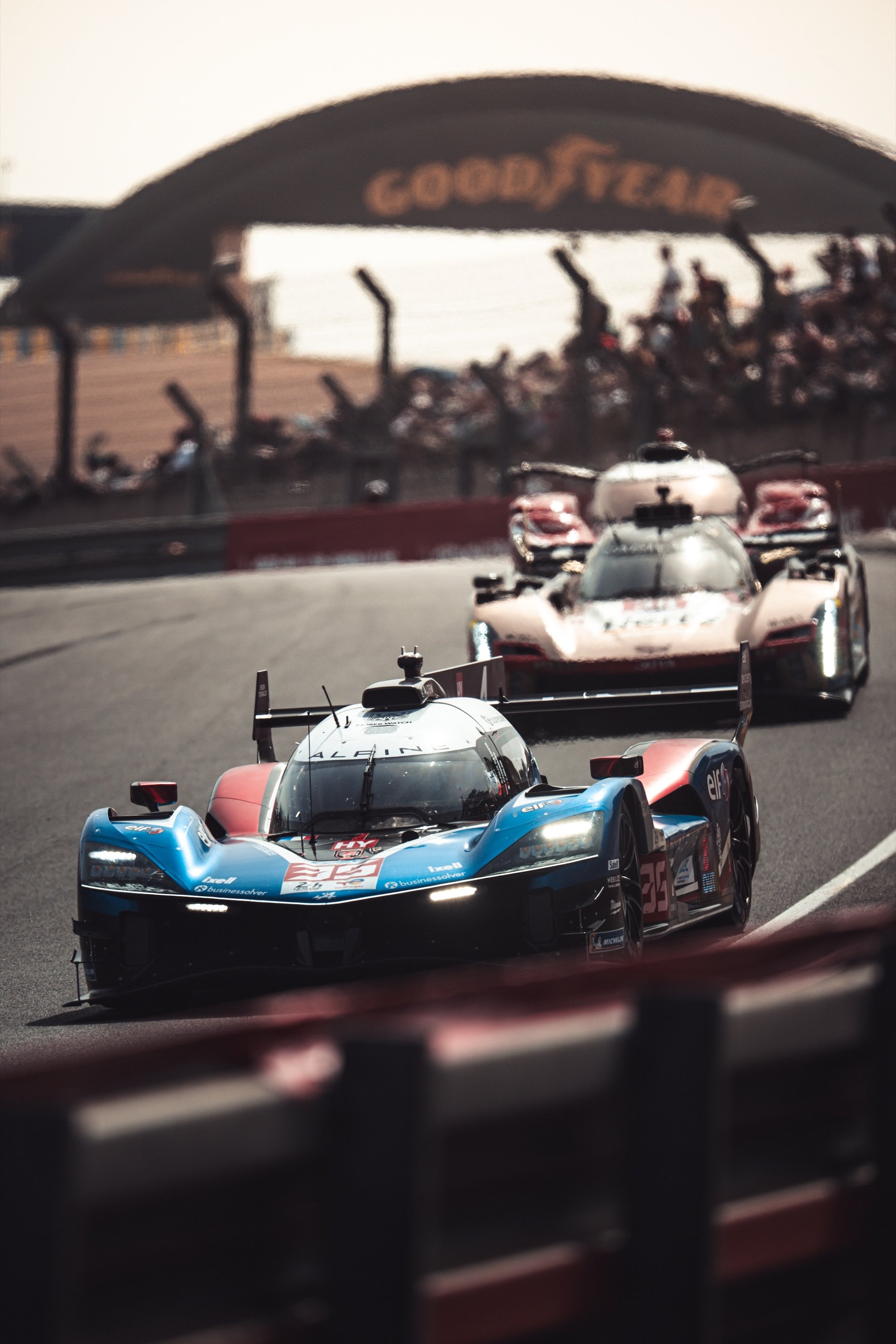
At Le Mans, for its last big challenge at the Sarthe, No.35 started third and finished sixth, on the same lap as the winning Toyota, two and a half minutes behind; No.36 was tenth, two laps down. Both cars at the finish, but a sense of unfinished business, explored in our report on the 2026 Le Mans 24 Hours. In São Paulo the two A424s qualified third and fifth for Alpine’s first double Hyperpole at Interlagos, but two punctures robbed the A424 of a top-five finish: tenth and eleventh, the team left without a single point.
35 Felix Da Costa António (Prt), Habsburg Ferdinand (Aut), Milesi Charles (Fra), Alpine Endurance Team, Alpine A424 #35, Hypercar, Action During The 24 Hours Of Le Mans, 3Rd Round Of 2026 Fia World Endurance Championship, From June 10 To 14, 2026 In Le Mans, France – Photo Mch Photography35 Felix Da Costa António (Prt), Habsburg Ferdinand (Aut), Milesi Charles (Fra), Alpine Endurance Team, Alpine A424 #35, Hypercar, Ambience During The 24 Hours Of Le Mans, 3Rd Round Of 2026 Fia World Endurance Championship, From June 10 To 14, 2026 In Le Mans, France – Photo Mch Photography35 Felix Da Costa António (Prt), Habsburg Ferdinand (Aut), Milesi Charles (Fra), Alpine Endurance Team, Alpine A424 #35, Hypercar, Action During The 24 Hours Of Le Mans, 3Rd Round Of 2026 Fia World Endurance Championship, From June 10 To 14, 2026 In Le Mans, France – Photo Mch Photography35 Felix Da Costa António (Prt), Habsburg Ferdinand (Aut), Milesi Charles (Fra), Alpine Endurance Team, Alpine A424 #35, Hypercar, Action During The 24 Hours Of Le Mans, 3Rd Round Of 2026 Fia World Endurance Championship, From June 10 To 14, 2026 In Le Mans, France – Photo Mch PhotographyTeam, Alpine Endurance Team, Alpine A424 #35, Hypercar, Ambience During The 24 Hours Of Le Mans, 3Rd Round Of 2026 Fia World Endurance Championship, From June 10 To 14, 2026 In Le Mans, France – Photo Mch Photography35 Felix Da Costa António (Prt), Habsburg Ferdinand (Aut), Milesi Charles (Fra), Alpine Endurance Team, Alpine A424 #35, Hypercar, Action During The 24 Hours Of Le Mans, 3Rd Round Of 2026 Fia World Endurance Championship, From June 10 To 14, 2026 In Le Mans, France – Photo Mch Photography35 Felix Da Costa António (Prt), Habsburg Ferdinand (Aut), Milesi Charles (Fra), Alpine Endurance Team, Alpine A424 #35, Hypercar, Ambience During The 24 Hours Of Le Mans, 3Rd Round Of 2026 Fia World Endurance Championship, From June 10 To 14, 2026 In Le Mans, France – Photo Mch Photography36 Gounon Jules (Fra), Makowiecki Frédéric (Fra), Martins Victor (Fra), Alpine Endurance Team, Alpine A424 #36, Hypercar, Action During The 24 Hours Of Le Mans, 3Rd Round Of 2026 Fia World Endurance Championship, From June 10 To 14, 2026 In Le Mans, France – Photo Mch Photography35 Felix Da Costa António (Prt), Habsburg Ferdinand (Aut), Milesi Charles (Fra), Alpine Endurance Team, Alpine A424 #35, Hypercar, Action During The 24 Hours Of Le Mans, 3Rd Round Of 2026 Fia World Endurance Championship, From June 10 To 14, 2026 In Le Mans, France – Photo Mch Photography35 Felix Da Costa António (Prt), Habsburg Ferdinand (Aut), Milesi Charles (Fra), Alpine Endurance Team, Alpine A424 #35, Hypercar, Action During The 24 Hours Of Le Mans, 3Rd Round Of 2026 Fia World Endurance Championship, From June 10 To 14, 2026 In Le Mans, France – Photo Mch Photography
The second half of the season was on another level. In Austin on 6 September, No.35 finished third — it would have been second without a five-second penalty for an unsafe pit release — giving da Costa his first Hypercar podium; No.36 completed a double top five. Read the story of that first podium of the season in Austin.
Three weeks later at Fuji, rain washed out qualifying and the grid was set from free practice: Victor Martins had been fastest, so the A424 started from pole for the first time. It led for almost five hours. A late safety period allowed the Toyota No.8 to get ahead through the pit stops, and the No.36 of Gounon and Martins fell 0.591 seconds short of victory. No.35 was fourth.
36 Gounon Jules (Fra), Martins Victor (Fra), Alpine Endurance Team, Alpine A424 #36, Hypercar, Ambience During The 6 Hours Of Fuji, 6Th Round Of 2026 Fia World Endurance Championship, From September 25 To 27, 2026 In Oyama, Japan – Photo Mch Photography35 Milesi Charles (Fra), Habsburg Ferdinand (Aut), Alpine Endurance Team, Alpine A424 #35, Hypercar, Ambience During The 6 Hours Of Fuji, 6Th Round Of 2026 Fia World Endurance Championship, From September 25 To 27, 2026 In Oyama, Japan – Photo Mch Photography35 Milesi Charles (Fra), Habsburg Ferdinand (Aut), Alpine Endurance Team, Alpine A424 #35, Hypercar, Action During The 6 Hours Of Fuji, 6Th Round Of 2026 Fia World Endurance Championship, From September 25 To 27, 2026 In Oyama, Japan – Photo Mch Photography36 Gounon Jules (Fra), Martins Victor (Fra), Alpine Endurance Team, Alpine A424 #36, Hypercar, Action During The 6 Hours Of Fuji, 6Th Round Of 2026 Fia World Endurance Championship, From September 25 To 27, 2026 In Oyama, Japan – Photo Mch Photography36 Gounon Jules (Fra), Martins Victor (Fra), Alpine Endurance Team, Alpine A424 #36, Hypercar, Action During The 6 Hours Of Fuji, 6Th Round Of 2026 Fia World Endurance Championship, From September 25 To 27, 2026 In Oyama, Japan – Photo Mch Photography
That weekend in Japan also marked an organisational shift. A few days before Fuji, Alpine withdrew António Félix da Costa and Frédéric Makowiecki from its crews, even though both were on the entry list. The two A424s would run with just two drivers each until the end of the season: Habsburg and Milesi in No.35, Gounon and Martins in No.36. A first since the car’s debut in 2024. Philippe Sinault explained that the decision had been taken internally after Austin, that a two-driver format for six-hour races had long been under discussion, and acknowledged that the two men left out were disappointed.
Barcelona, hosting the WEC for the first time on 18 October, was less kind: No.35 was pitched into the gravel at the first corner, No.36 saw a top five slip away with a slow puncture, and the team finished eighth and tenth. The details are in WEC – 6 Hours of Barcelona 2026: Alpine Endurance Team lets a top five slip.
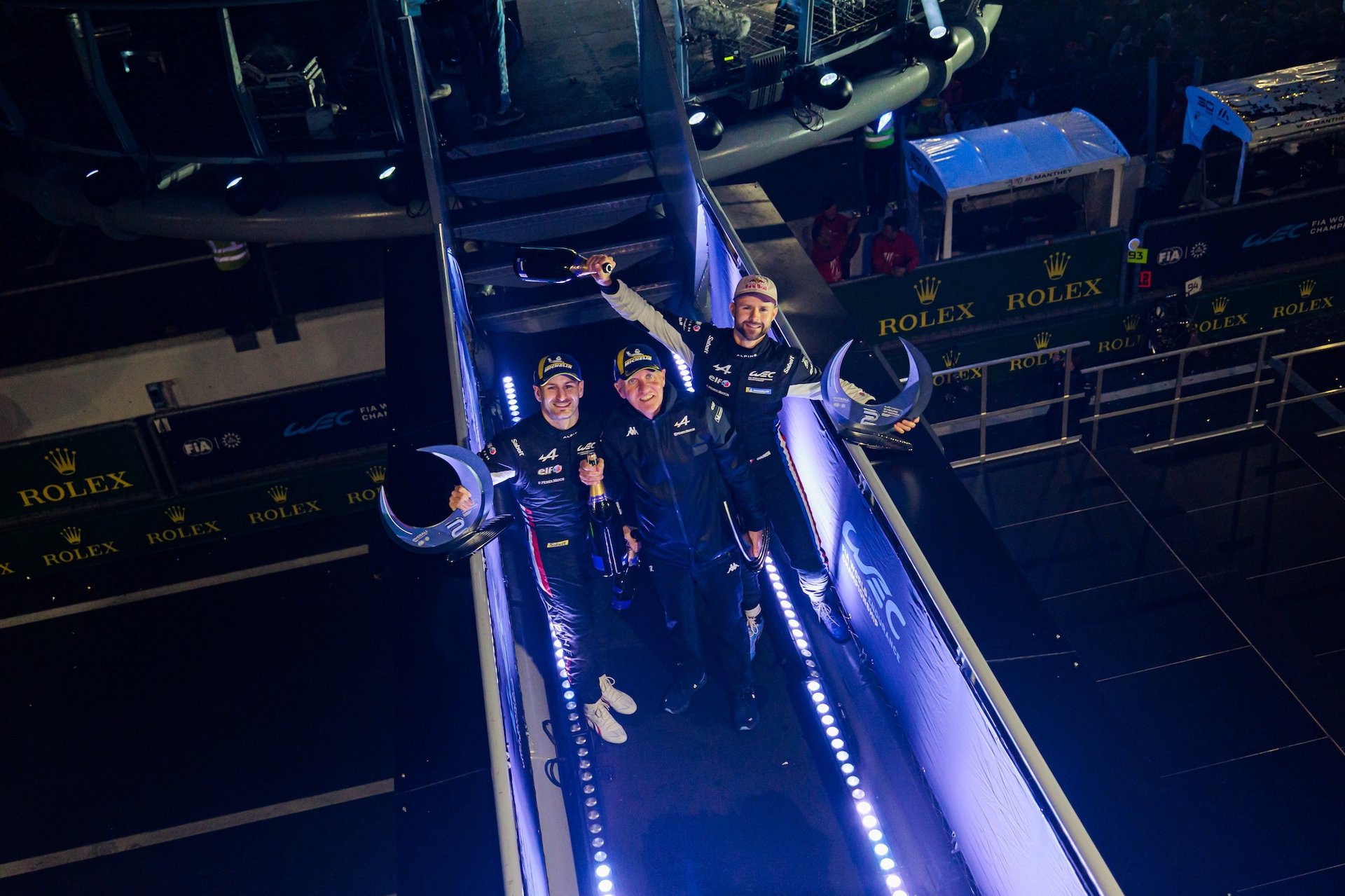
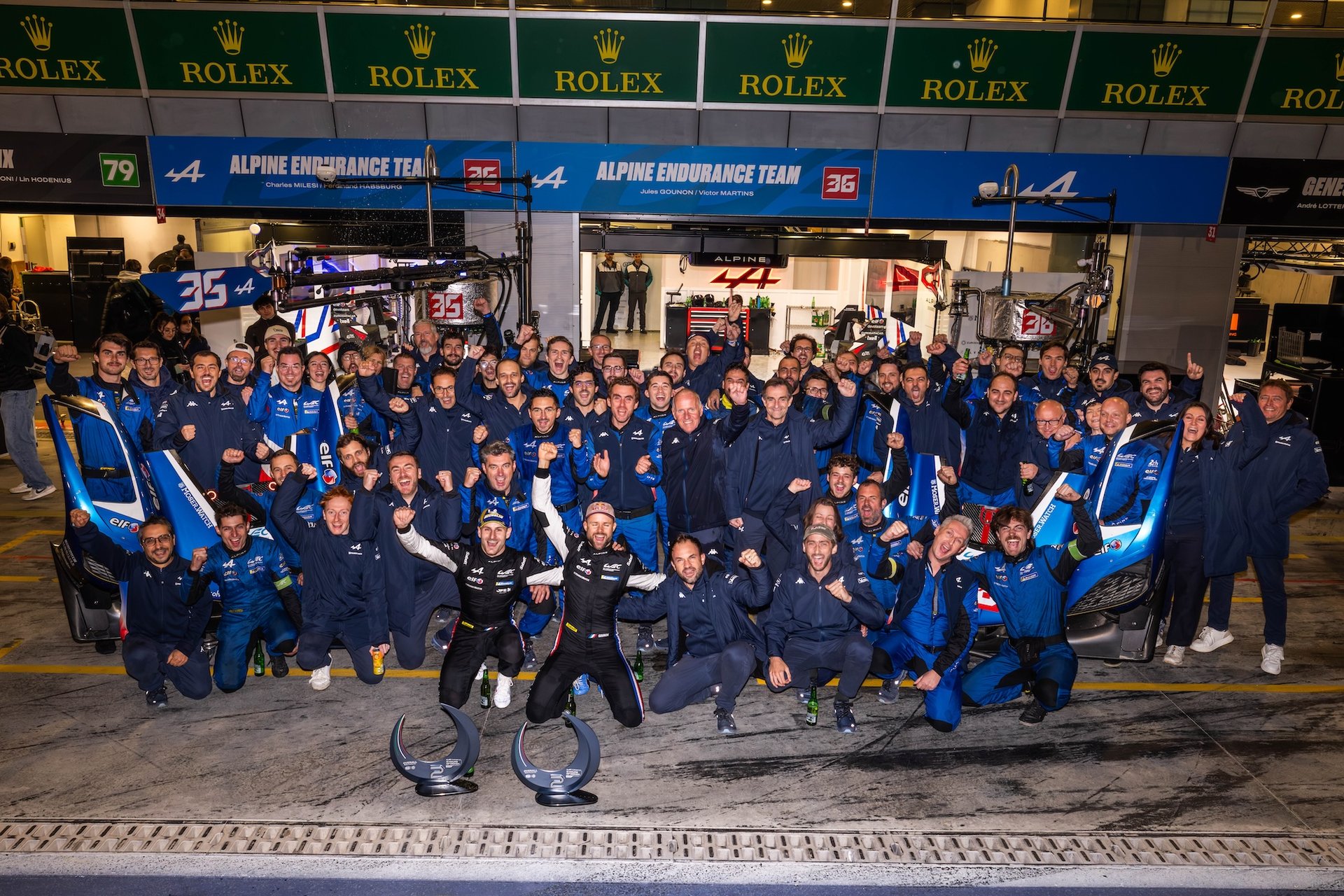
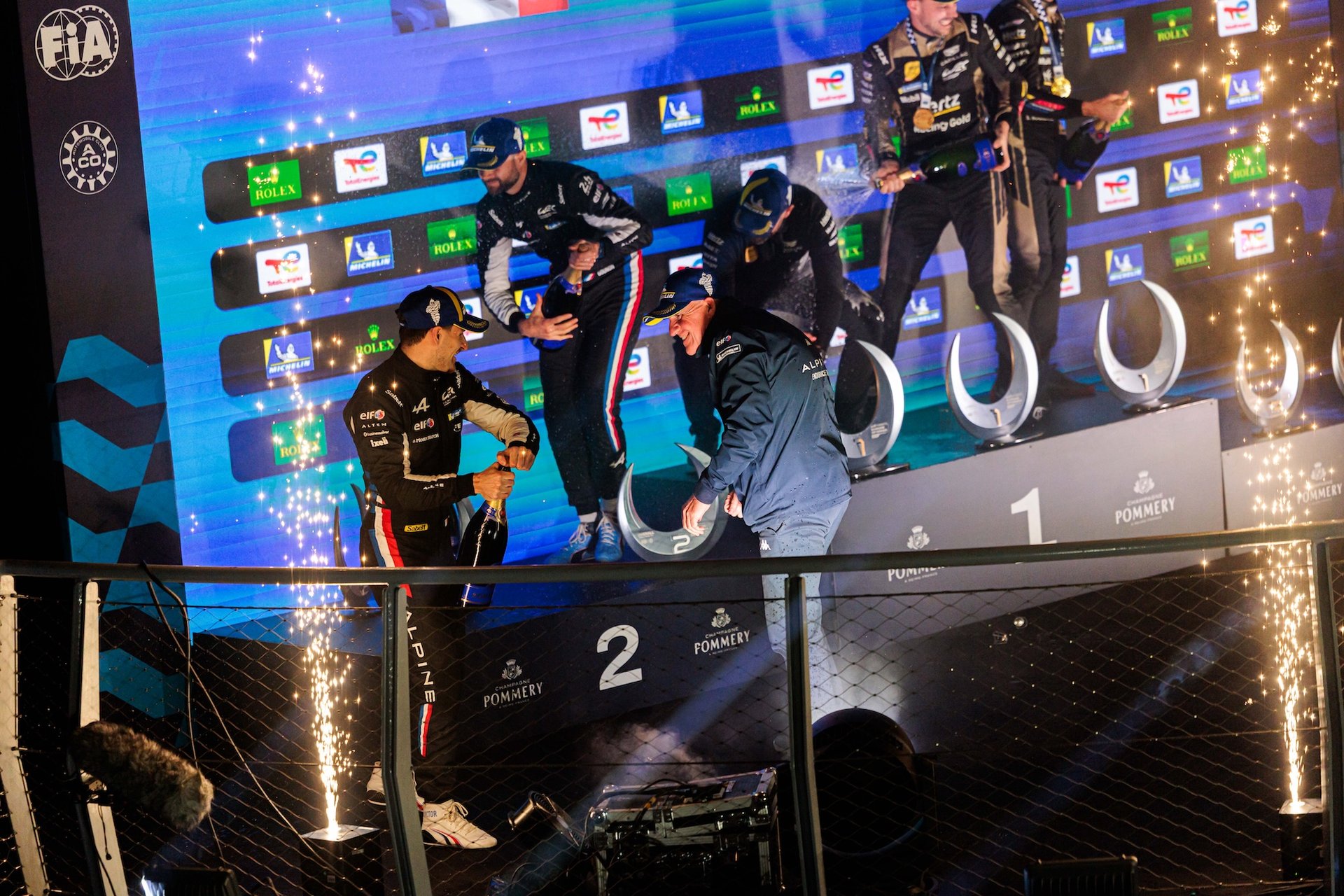
That left Monza, on 8 November, for the finale. Jules Gounon started sixth and climbed to third; Victor Martins took over, passed Sébastien Bourdais and finished second, 5.607 seconds behind the No.38 Cadillac, with a fastest lap quicker than the winner’s. No.35 retired midway through the fourth hour: running fifth and having just set the fastest lap of the race, Milesi lost the rear on the exit of the Parabolica and hit the tyre wall hard. He walked away unhurt.
Mecaniciens, Mechanics Alpine Endurance Team, Portrait During The 6 Hours Of Monza 2026, 8Th Round Of The 2026 Fia World Endurance Championship, From November 6 To 8, 2026 On The Autodromo Nazionale Di Monza In Monza, Italy – Photo Germain Hazard / Dppi35 Habsburg Ferdinand (Aut), Milesi Charles (Fra), Alpine Endurance Team, Alpine A424 #35, Hypercar, Pitlane, During The 6 Hours Of Monza 2026, 8Th Round Of The 2026 Fia World Endurance Championship, From November 6 To 8, 2026 On The Autodromo Nazionale Di Monza In Monza, Italy – Photo Germain Hazard / Dppi36 Gounon Jules (Fra), Martins Victor (Fra), Alpine Endurance Team, Alpine A424 #36, Hypercar, Sinault Philippe (Fra), Team Principal Of Alpine Endurance Team, Portrait Podium, Portrait During The 6 Hours Of Monza 2026, 8Th Round Of The 2026 Fia World Endurance Championship, From November 6 To 8, 2026 On The Autodromo Nazionale Di Monza In Monza, Italy – Photo Germain Hazard / DppiTeam Photo 35 Habsburg Ferdinand (Aut), Milesi Charles (Fra), Alpine Endurance Team, Alpine A424 #35, Hypercar, 36 Gounon Jules (Fra), Martins Victor (Fra), Alpine Endurance Team, Alpine A424 #36, Hypercar, Sinault Philippe (Fra), Team Principal Of Alpine Endurance Team, Portrait Lapierre Nicolas, Sporting Director Alpine Endurance Team, Portrait Plasse Axel, Directeur Alpine Motorsports, Portrait Mecaniciens, Mechanics Ingenieur Engineer During The 6 Hours Of Monza 2026, 8Th Round Of The 2026 Fia World Endurance Championship, From November 6 To 8, 2026 On The Autodromo Nazionale Di Monza In Monza, Italy – Photo Germain Hazard / Dppi36 Gounon Jules (Fra), Martins Victor (Fra), Alpine Endurance Team, Alpine A424 #36, Hypercar, Sinault Philippe (Fra), Team Principal Of Alpine Endurance Team, Portrait Podium, Portrait During The 6 Hours Of Monza 2026, 8Th Round Of The 2026 Fia World Endurance Championship, From November 6 To 8, 2026 On The Autodromo Nazionale Di Monza In Monza, Italy – Photo Germain Hazard / Dppi36 Gounon Jules (Fra), Martins Victor (Fra), Alpine Endurance Team, Alpine A424 #36, Hypercar, Action, During The 6 Hours Of Monza 2026, 8Th Round Of The 2026 Fia World Endurance Championship, From November 6 To 8, 2026 On The Autodromo Nazionale Di Monza In Monza, Italy – Photo Frederic Le Floc’H / DppiFanzone A442B And A424 During The 6 Hours Of Monza 2026, 8Th Round Of The 2026 Fia World Endurance Championship, From November 6 To 8, 2026 On The Autodromo Nazionale Di Monza In Monza, Italy – Photo Germain Hazard / DppiMecaniciens, Mechanics Alpine Endurance Team, Portrait During The 6 Hours Of Monza 2026, 8Th Round Of The 2026 Fia World Endurance Championship, From November 6 To 8, 2026 On The Autodromo Nazionale Di Monza In Monza, Italy – Photo Germain Hazard / DppiA442B During The 6 Hours Of Monza 2026, 8Th Round Of The 2026 Fia World Endurance Championship, From November 6 To 8, 2026 On The Autodromo Nazionale Di Monza In Monza, Italy – Photo Germain Hazard / Dppi
It was the first retirement for an Alpine in the WEC since the 2024 Le Mans 24 Hours. Alpine finished fifth in the Hypercar manufacturers’ championship with 122 points, behind champions Toyota on 215, BMW, Ferrari and Cadillac. In the drivers’ standings, won by Toyota’s Sébastien Buemi, Brendon Hartley and Ryō Hirakawa, Charles Milesi and Ferdinand Habsburg were the team’s best placed, twelfth on 57 points, just ahead of Jules Gounon and Victor Martins, thirteenth on 54. The Monza podium was the A424’s seventh in three seasons: one in 2024, three in 2025, three in 2026.
Monza, 8 November 2026: the final words
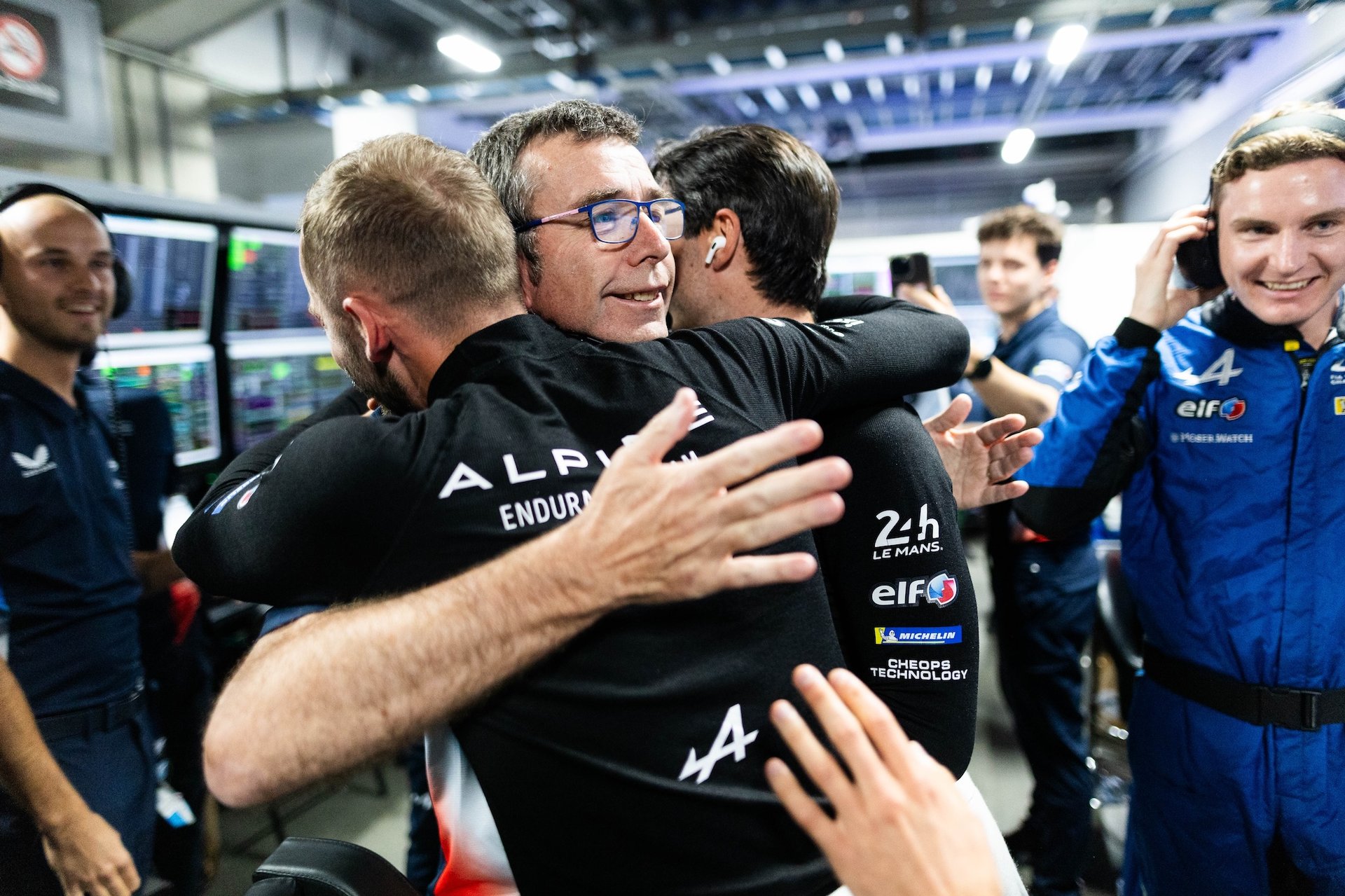
At Monza the No.38 Cadillac of Aitken, Bourdais and Bamber won after 191 laps, ahead of the No.36 Alpine and the No.51 Ferrari. The A424’s best lap, a 1m34.699s, was quicker than the winning car’s 1m34.874s. The crashed No.35 was classified sixteenth with 102 laps. In the garage, the emotion was more felt than spoken. Jules Gounon said he was very, very happy to end the programme on the podium, while Victor Martins saw it as a tremendous reward for the whole team. Nicolas Lapierre, now sporting director, welcomed an ending on such a high note. Charles Milesi, despite his retirement, looked back on the road travelled:
We can all be proud of what we have achieved together over these last three or four years.
Charles Milesi, Monza, 8 November 2026
Team Photo 35 Habsburg Ferdinand (Aut), Milesi Charles (Fra), Alpine Endurance Team, Alpine A424 #35, Hypercar, 36 Gounon Jules (Fra), Martins Victor (Fra), Alpine Endurance Team, Alpine A424 #36, Hypercar, Sinault Philippe (Fra), Team Principal Of Alpine Endurance Team, Portrait Lapierre Nicolas, Sporting Director Alpine Endurance Team, Portrait Plasse Axel, Directeur Alpine Motorsports, Portrait Mecaniciens, Mechanics Ingenieur Engineer During The 6 Hours Of Monza 2026, 8Th Round Of The 2026 Fia World Endurance Championship, From November 6 To 8, 2026 On The Autodromo Nazionale Di Monza In Monza, Italy – Photo Germain Hazard / Dppi
Philippe Sinault, for his part, was determined to close this chapter and this season properly, and thanked everyone for staying committed to the very end. Axel Plasse, vice-president of Alpine Tech, found the closing words:
This chapter is closing sooner than we would have wished, but what this group has built will endure.
Axel Plasse, vice-president of Alpine Tech, Monza, 8 November 2026
After Alpine: Signatech and the A424 in search of a new blue
Legally, Signatech remains the service provider that runs Alpine Endurance Team, and Alpine keeps its minority stake in the company. But the future of the Bourges outfit is no longer being decided with the manufacturer. Since the spring, Philippe Sinault has been looking for a manufacturer willing to take over the programme.
In May he insisted he had never met anyone from BYD, despite the rumours; in June, on the eve of Le Mans, he confirmed that the Chinese giant was now on his list. The summer then saw Geely emerge as by far the most serious lead, with several visits to Viry-Châtillon and Bourges. On 8 October the Chinese group pulled out. Neither Renault, nor Alpine, nor Geely ever made those talks official, nor the reasons for their failure.
Not every door is closed, though. On the eve of Monza, Sinault said he was continuing detailed talks with a manufacturer that could take over the programme by rebranding the cars entirely while keeping their engine and bodywork. He is also discussing with Alpine the future of its stake in Signatech. Sinault points out that the car is homologated until at least 2029 and could therefore, physically, keep racing. One option, however, is ruled out: running the A424s privately, since the sporting regulations require a Hypercar model to be entered by a two-car works team.
Alpine Endurance Team: The Complete Story, 2013-2026. 216
On 22 October Renault announced an agreement to sell Alpine Racing SAS, the Viry-Châtillon company, to Belgian group Dumarey. The deal covers the site, its 150 or so employees and its assets, not the endurance programme or Signatech’s activities. To keep running the A424’s V6 in 2027, Sinault will therefore have to reach an agreement with Viry’s new owner, which he says he plans to do. We covered the story in Alpine: Renault hands Viry-Châtillon to Dumarey and closes the book on its engine-building legacy.
The deadline for 2027 WEC entries is 23 November. Sinault insists his team is still ready to run two cars, but he also knows the A424s cannot race in their current identity without Alpine. For now, as he put it, the blue has to be forgotten. Failing a deal, fallback plans exist to keep the operation going, starting with an LMP2 programme in the European Le Mans Series, with a view to returning to the World Championship in 2028. Sinault himself considers that timescale more realistic, while promising to keep fighting until 23 November. The most pressing concern lies elsewhere: keeping hold of the women and men who wrote this story.
Frédéric Makowiecki put it his own way, saying he was convinced that if anyone could save the programme it was Philippe Sinault: without him, Alpine would never have come in the first place. Thirteen years after the Hungaroring, that is no mere pleasantry.
The people of Alpine Endurance Team: Sinault, Chevalier, Lapierre
Behind the Alpine Endurance Team name, there has only ever been one outfit. The programme belongs to the manufacturer; its technical, sporting and logistical running has been entrusted from day one to Signatech, a service provider in the strictest sense. The team numbered around forty people in summer 2021, as it moved up to Hypercar, and grew further with the A424, whose hybrid powertrain makes everything more complex.
Sinault Philippe (Fra), Team Principal Of Alpine Endurance Team, Portrait During The 8 Hours Of Bahrain 2025, 8Th Round Of The 2025 Fia World Endurance Championship, From November 6 To 8, 2025 On The Bahrain International Circuit In Sakhir, Bahrain – Photo Joao Filipe / DppiLapierre Nicolas (Fra), Alpine Endurance Team, Portrait During The Prologue Of The 2025 Fia World Endurance Championship, From February 21 To 22, 2025 On The Losail International Circuit In Lusail, Qatar – Photo Thomas Fenetre / Dppi
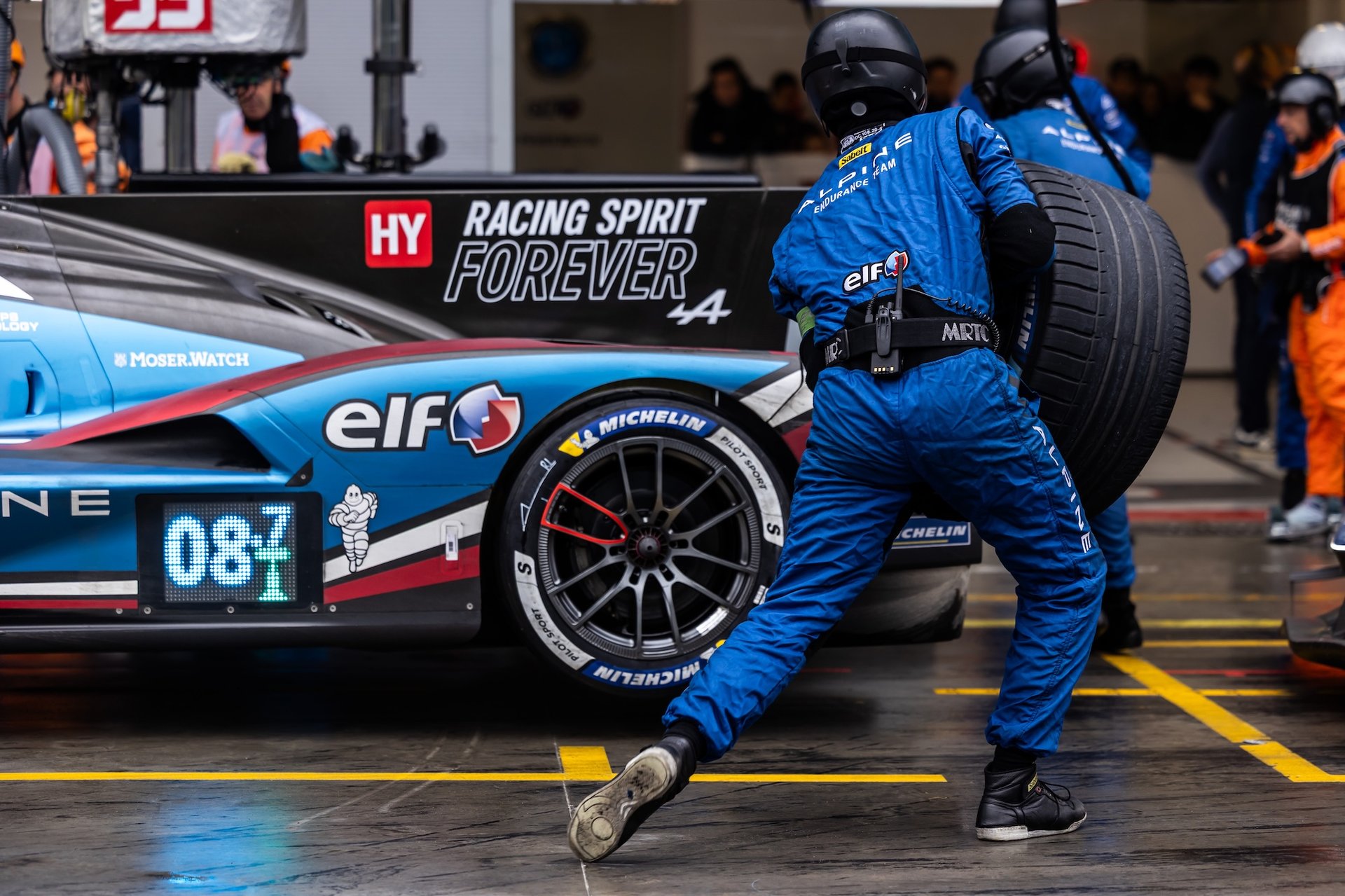
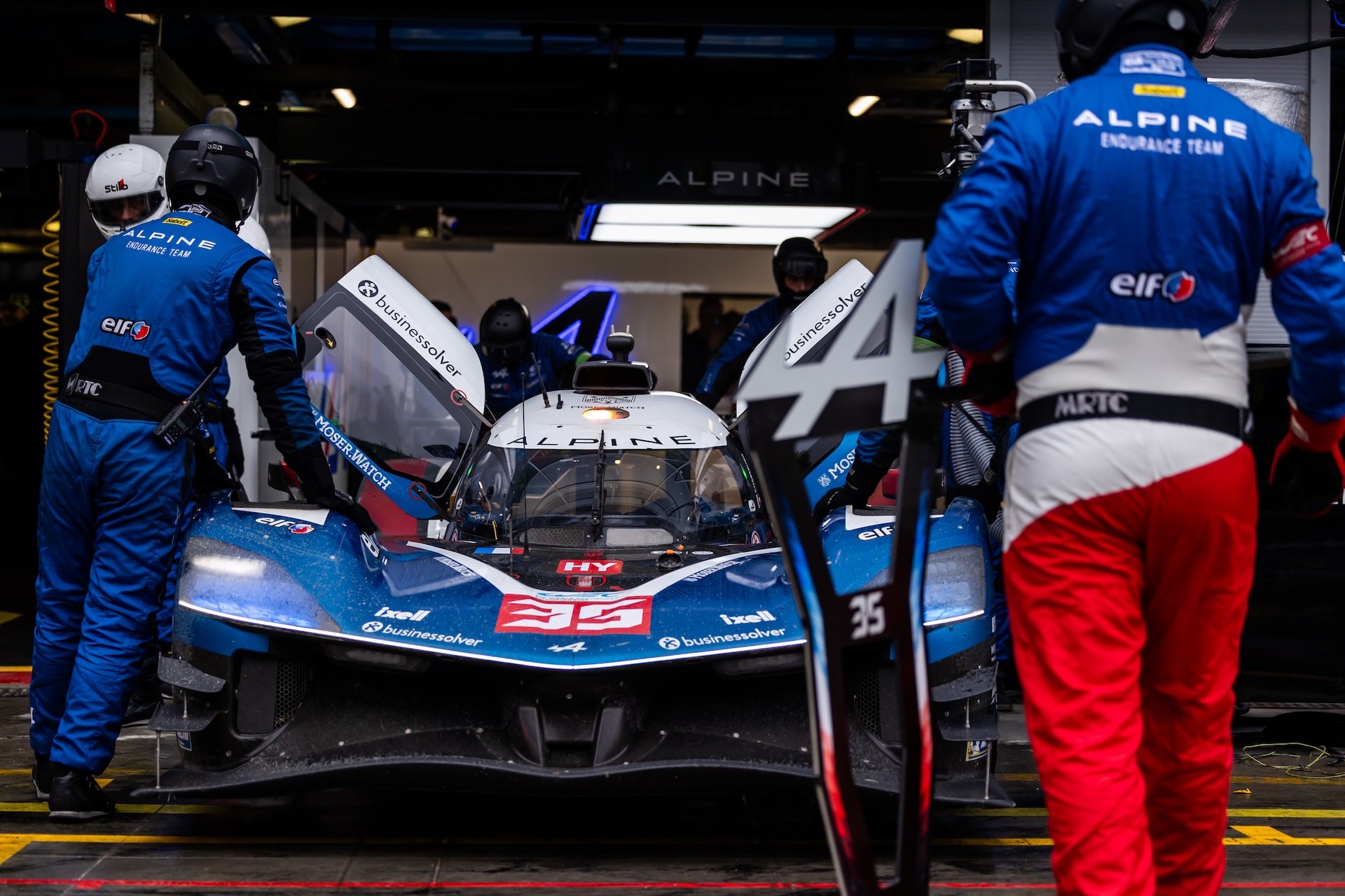
In the garage, the split could be read in the colours: blue shirts for Signatech’s people, who run the car, black for Alpine Racing’s engineers. Les Bleus of Bourges changed their entry name six times in fourteen seasons, as partners and classes came and went.
Seasons
Entry name
Context
2013 – 2016
Signatech-Alpine
ELMS then WEC, A450, A450b and A460
2017 – 2018-2019
Signatech Alpine Matmut
Matmut becomes title sponsor; A470 era
2019-2020
Signatech Alpine Elf
The A470’s last LMP2 season
2021
Alpine Elf Matmut
Step up to Hypercar with the A480
2022
Alpine Elf Team
Second and final A480 season
2023
Alpine Elf Endurance Team
Return to LMP2, A424 development year
2024 – 2026
Alpine Endurance Team
Works A424 programme
Names as they appear on the Le Mans 24 Hours and WEC entry lists.
Philippe Sinault, the constant
Team principal from the first race to the last, Sinault is the common thread running through the whole story. Alpine’s managing directors came and went; he stayed. In August 2021, aged 55, the Automobile Club de l’Ouest gave him the Spirit of Le Mans trophy, which honours those who embody the values of endurance racing; ACO president Pierre Fillon praised his leadership and analytical skills. His philosophy boils down to one idea he likes to repeat: an individual, anonymous approach never leads to victory, which demands relentless teamwork and effective communication. The communications graduate never strayed far from his first love. As early as the first European title in 2013, he set the tone:
This team is a family. A family that has worked hard and worked well. Not everything was easy, because the programme started late.
Philippe Sinault, Le Castellet, September 2013
Lionel Chevalier, the partner in the shadows
If Philippe Sinault is the voice, Lionel Chevalier is the hand. On board since the earliest days of the Signature group, he ran the team alongside him from the F3 years, when he also worked as an engineer with Olivier Bacchis. It was he who provided technical support for the Formula Renault 1.6s built in Bourges, and he again who served as Signatech-Alpine’s team manager during the LMP2 world championship seasons. He went on to lead development of the A110 customer racing range and the technical direction of the Alpine Elf Europa Cup. Sinault speaks of thirty-five years working side by side and describes him as a man who has won everything, in single-seaters and endurance alike.
Nicolas Lapierre, from Macau to the pit wall
The bond between Lapierre and Sinault predates Alpine by a decade. After Macau 2003 and a second F3 Euro Series season in 2004 in Signature Plus colours, the Savoyard, born on 2 April 1984 in Thonon-les-Bains, made his career elsewhere, passing through Peugeot before joining Toyota in LMP1 from 2012 to 2014. In 2015, with KCMG, he won LMP2 at Le Mans on the Oreca 05’s debut there, giving a Chinese team its first class win at the Sarthe. That was the man Sinault called on for 2016, when Nelson Panciatici left for Baxi DC Racing.
The brief went beyond driving: he was there to mentor Gustavo Menezes, a young American from F3 discovering endurance, and Stéphane Richelmi, another newcomer. The result: a world title and a Le Mans win in his very first season. Retained for 2017 for his gift for optimisation and his input into developing the new A470, he was loaned to Toyota for Spa and Le Mans, with Romain Dumas standing in for those two races. Then came the super season, Le Mans wins in 2018 and 2019 with André Negrão and Pierre Thiriet, and a second world title.
Lapierre Nicolas, Alpine Endurance Team, Sporting Director, Portrait During The Qatar 1812 Km, 1St Round Of The 2025 Fia World Endurance Championship, From February 25 To 28, 2025 On The Losail International Circuit In Lusail, Qatar – Photo Julien Delfosse / Dppi
Lapierre then left Signatech for Cool Racing, with whom he won the 2019-2020 season opener at Silverstone. At the end of 2020 he moved up a gear: with Swiss entrepreneur Alexandre Coigny he founded CLX Motorsport — C for Coigny, L for Lapierre — an Annecy-based company that took over the running of Cool Racing, with Lapierre as team principal. Driver and team boss at once, he nevertheless returned to Alpine in 2021 for the A480 adventure, highlighted by third overall at Le Mans.
In 2023 he did not race for Alpine: he devoted himself to developing the LMDh prototype designed with Oreca and Viry-Châtillon. In early August 2023 he drove the A424’s very first laps, then the shakedown on the Le Castellet airfield on Monday 21 August, before opening the first full test at the Paul Ricard circuit. Bruno Famin put it plainly: Lapierre was the first to drive the car and one of the main architects of its development, as well as a mentor to the younger drivers.
It’s an ambitious project, and I felt a certain pride when I was asked to develop the car.
Nicolas Lapierre, November 2023
The circle closed in 2024. A full-time driver in No.36 alongside Mick Schumacher and Matthieu Vaxivière, he claimed the A424’s first podium at Fuji on 15 September, then announced his retirement on 2 October, with immediate effect. Two days later Alpine named him sporting director, a newly created role to support Sinault and improve the overall performance of the drivers and the team, acting as the link with the technical side. Effective from 1 January 2025, he combines it with running CLX Motorsport. His career as a driver in numbers: seventeen Le Mans starts, four class wins, three of them with Signatech-Alpine, and two world titles, both won under Sinault’s banner.
Viry and Oreca: the extended family
The step up to Hypercar widened the circle. Oreca, chassis partner since the A450, designed the A424’s base and integrated the work of Alpine’s stylists. At Viry-Châtillon, the Formula 1 engineers drew up the specification for the single-turbo 3.4-litre V6 built by Mecachrome, with studies starting in June 2022.
Alpine Endurance Team: The Complete Story, 2013-2026. 217De Chaunac Hughes (Fra), President Of Oreca, Portrait During The 2018 Fia Wec World Endurance Championship, 6 Hours Of Spa From May 2 To 5 , At Spa Francorchamps, Belgium – Photo Florent Gooden / Dppi
The project’s chief engineer, Christophe Chapelain, had been at Viry since 2013, after OAK Racing from 2010 to 2013 and spells at Peugeot Sport, Prodrive in the WRC with Subaru, Nissan in rally-raid and Renault Sport. Oreca CEO Hugues de Chaunac was on hand for the first runs at Le Castellet. The A424’s technical specification bears the signature of all three houses; the track, though, remained Bourges’ business.
The loyal drivers of Alpine Endurance Team
Fourteen seasons, dozens of drivers, and yet a handful of names that keep coming back. At Philippe Sinault’s, you don’t just hire a lap time: you hire a character who can last, pass on what they know and come back. Nine of them shaped the team’s history over the long haul.
Driver
Seasons with Signatech-Alpine
Highlights
Nicolas Lapierre
2016, 2017, 2018-2019, 2021, 2022, 2024; development driver in 2023, sporting director in 2025 and 2026
Two LMP2 world titles, three Le Mans class wins, third overall at Le Mans 2021, outright wins at Sebring and Monza 2022, the A424’s first podium at Fuji 2024
André Negrão
2017, 2018-2019, 2019-2020, 2021, 2022, 2023
LMP2 world title 2018-2019, Le Mans class wins 2018 and 2019, third overall at Le Mans 2021, outright wins at Sebring and Monza 2022
Paul-Loup Chatin
Reserve in 2013; 2014, 2015, 2016 (Baxi DC Racing from Fuji), 2024, 2025
European champion 2014, the team’s first world championship win at Shanghai 2015, outright win at Fuji 2025
Nelson Panciatici
2013, 2014, 2015, 2016 (Baxi DC Racing until Austin), 2017
Two-time European champion 2013 and 2014, first world championship win at Shanghai 2015, third in class at Le Mans 2014 and 2017
Pierre Ragues
2013, 2017, 2019-2020; Signature Plus at Le Mans in 2009 and 2010
European champion 2013, third in class at Le Mans 2017
Matthieu Vaxivière
2021, 2022, 2023, 2024
Alpine’s first outright WEC pole at Portimão 2021, outright wins at Sebring and Monza 2022, podium at Fuji 2024
Charles Milesi
Le Mans 2022 with Richard Mille Racing; 2023, 2024, 2025, 2026
Outright win at Fuji 2025, at the wheel for the decisive stop
Ferdinand Habsburg
2024, 2025, 2026
Outright win at Fuji 2025
Jules Gounon
Reserve then race driver in 2024; 2025, 2026
Second at Fuji 2026, 0.591s from the winner, then second at Monza 2026
Championship seasons raced in the colours of Signatech-Alpine and its successive entry names.
Ragues and Panciatici, the pioneers
It all started with them. Pierre Ragues had known the outfit since Signature Plus’s first Le Mans in 2009. Nelson Panciatici, 24 in 2013, was the youngster of the pair. Together they gave Alpine its first endurance win since 1978, at the Hungaroring, and the European title. Panciatici did it again in 2014, becoming the first driver to retain the ELMS LMP2 crown, before racing for Baxi DC Racing in 2016 and returning in 2017 in No.35, alongside Ragues and André Negrão, for third place at Le Mans. Ragues, for his part, closed the A470’s LMP2 chapter in 2019-2020, seven years after opening it.
Paul-Loup Chatin, from reserve to race winner
His name appears on the press release of 22 March 2013, on the “reserve” line. ELMS LMPC class winner that year, Chatin became a race driver in 2014 and immediately won the European title. In 2015, at a deluged Fuji, he took the team’s first world championship podium, then its first win, in Shanghai. Called up to the Signatech-run Baxi DC Racing Alpine at the end of the 2016 season, he then left the blue family only to return, ten years after his debut, in the A424’s No.35. The circle closed on 28 September 2025 at, of all places, Fuji, with an outright win. On 19 November 2025 he announced his departure; in 2026 he continued his Hypercar career with Genesis.
André Negrão, Brazilian loyalty
Arriving in 2017 with a Silver rating, the Brazilian was the man of every era: the A470, the title and the two Le Mans wins of 2018 and 2019 with Lapierre and Pierre Thiriet, the A480 in Hypercar, then the return to LMP2 in 2023 as the leader of No.35. Six seasons, from 2017 to 2023, without ever leaving the team. On the evening of the 2021 outright podium, he summed up his bond with Lapierre in one line:
Every time I come to Le Mans with Nicolas, we end up on the podium together — and this year we even brought a newcomer with us: Matthieu!
André Negrão, Le Mans 24 Hours 2021
Lapierre, the common thread
Six seasons racing for Alpine, one season of development, two as sporting director: Nicolas Lapierre, whose career we trace above, was part of the adventure from the A460 to the A424, then from the pit wall. From F3 in 2003 to Hypercar, he will have raced for Sinault in three disciplines.
Vaxivière, Milesi, Habsburg, Gounon: the Hypercar generation
Matthieu Vaxivière arrived in 2021, having raced against Signatech with TDS Racing. He gave Alpine its first outright WEC pole at Portimão, won Sebring and Monza in 2022, stayed on for the 2023 LMP2 year and contested the A424’s first season. Charles Milesi, 2021 Le Mans LMP2 winner with WRT alongside Ferdinand Habsburg, got to know Signatech at Le Mans in 2022 in Richard Mille colours, joined Alpine in 2023 and never left.
The two former WRT team-mates were reunited in No.35 from 2024 and won together at Fuji in 2025. Jules Gounon, initially the reserve, stood in for the injured Habsburg at Imola and Spa, then for Chatin at Fuji, raced the 2024 Bahrain finale and became a full-time driver until the end. In 2023, as they extended their stay, each had his own way of expressing his attachment to the team:
Alpine is like a second family to me, so I’m delighted to continue our adventure in blue.
Matthieu Vaxivière, 2023
I’m very happy to extend the adventure with Signatech while joining the Alpine family this year.
Charles Milesi, 2023
Headliners: Mick Schumacher and António Félix da Costa
Two signings took the programme beyond the usual endurance audience. Mick Schumacher, 2020 Formula 2 champion and a Haas Formula 1 driver in 2021 and 2022, joined Alpine for the A424’s first season while remaining Mercedes’ F1 reserve. Rated Platinum from the outset, he shared No.36 with Lapierre and Vaxivière in 2024, then with Gounon and Makowiecki in 2025.
In two seasons he stood on the podium three times: Fuji 2024, Imola and Spa 2025. On 20 November 2025, the day after Chatin’s departure was announced, he confirmed he too was leaving the team, bound for IndyCar, thanking Alpine for two years of learning on and off the track.
For the final season, Alpine pulled off a coup with António Félix da Costa, 2019-2020 Formula E champion and 2022 LMP2 world champion, signed for No.35 on a multi-year deal. The Portuguese driver took his first Hypercar podium in Austin on 6 September 2026. A few days before Fuji, however, he was taken out of the line-up, as the team opted for two drivers per car in the six-hour races.
Every Alpine Endurance Team driver (2013-2026)
From Pierre Ragues to Victor Martins, these are the drivers who started a championship race for Signatech-Alpine and its successive entry names, Baxi DC Racing Alpine included.
Driver
Seasons
Cars
Pierre Ragues
2013, 2017, 2019-2020
A450, A470
Nelson Panciatici
2013, 2014, 2015, 2016 (Baxi DC Racing), 2017
A450, A450b, A460, A470
Tristan Gommendy
2013 (Le Mans 24 Hours)
A450
Oliver Webb
2014
A450b
Paul-Loup Chatin
2014, 2015, 2016 (Baxi DC Racing, from Fuji), 2024, 2025
A450b, A460, A424
Vincent Capillaire
2015
A450b
Tom Dillmann
2015 (Shanghai and Bahrain)
A450b
Nicolas Lapierre
2016, 2017, 2018-2019, 2021, 2022, 2024
A460, A470, A480, A424
Stéphane Richelmi
2016
A460
Gustavo Menezes
2016, 2017
A460, A470
Ho-Pin Tung
2016 (Baxi DC Racing)
A460
David Cheng
2016 (Baxi DC Racing)
A460
Romain Dumas
2017 (Spa and Le Mans)
A470
Matt Rao
2017 (until the Nürburgring)
A470
André Negrão
2017, 2018-2019, 2019-2020, 2021, 2022, 2023
A470, A480
Pierre Thiriet
2018-2019
A470
Thomas Laurent
2019-2020
A470
Matthieu Vaxivière
2021, 2022, 2023, 2024
A480, A470, A424
Olli Caldwell
2023
A470
Memo Rojas
2023
A470
Julien Canal
2023
A470
Charles Milesi
2023, 2024, 2025, 2026
A470, A424
Ferdinand Habsburg
2024, 2025, 2026
A424
Mick Schumacher
2024, 2025
A424
Jules Gounon
2024 (stand-in), 2025, 2026
A424
Frédéric Makowiecki
2025, 2026 (until Austin)
A424
António Félix da Costa
2026 (until Austin)
A424
Victor Martins
2026
A424
Full-time and stand-in drivers who started at least one championship race, listed in order of arrival in the team.
An endurance programme also lives off its partners, and Alpine’s had some loyal ones. Elf first and foremost, whose history with Alpine goes back to 1968, when the oil company took over from Shell, and peaked with the turbo years and the 1978 victory. The oil company, now a TotalEnergies brand, supplies the engine and gearbox lubricants, and its name became part of the team’s entry name from the 2019-2020 season, from Signatech Alpine Elf to Alpine Elf Endurance Team.
For Philippe Sinault, it went without saying that Elf would be part of Alpine’s comeback: the bond between the two brands is such that the project could not have got off the ground without it, and it extends all the way to the A110s of the customer racing range.
Alpine Endurance Team: The Complete Story, 2013-2026. 218
Matmut, the Rouen-based mutual insurer, a few dozen kilometres from Dieppe, stepped up its support by becoming title sponsor for the 2017 world championship campaign: the team became Signatech Alpine Matmut, the name it carried for the two Le Mans wins of 2018 and 2019, before becoming Alpine Elf Matmut for the first Hypercar season in 2021.
On the tyre front, the story alternates between Michelin, partner of the 2013 comeback, Dunlop from Imola 2014, Michelin again from Sebring 2019 and throughout the Hypercar era, and Goodyear during the 2023 LMP2 year, as required by the class regulations. Richard Mille, lastly, entrusted Signatech with running its LMP2 team from 2020 to 2022. The engine suppliers trace the programme’s technical evolution: Nissan from 2013 to 2016, Gibson from 2017 to 2023, then Alpine itself with the A424’s V6, designed at Viry-Châtillon and built by Mecachrome.
In the boardroom: from Bernard Ollivier to Axel Plasse
Thirteen seasons, one constant: Philippe Sinault, team principal throughout. On the manufacturer’s side, by contrast, the faces changed with every reorganisation of the Renault group. The 2013 comeback was the work of Bernard Ollivier, then leading the brand’s revival. On 1 March 2016 Michael van der Sande, from the group’s marketing department, became Alpine’s managing director, with Ollivier as his deputy. It was Ollivier who hailed the first world title in November 2016:
“Almost four years on, we have won everything, and I would never have imagined it would happen so quickly.”
Van der Sande left Alpine in March 2018 for Jaguar Land Rover. The managing director’s post remained vacant until 2 September 2019 and the arrival of Patrick Marinoff, formerly of Daimler. It was under him that Alpine announced, in September 2020, the step up to the top class with the A480, Signatech Alpine Elf becoming Alpine Endurance Team. Laurent Rossi succeeded him in early 2021, with a remit now covering Formula 1 and all motorsport.
Alpine Endurance Team: The Complete Story, 2013-2026. 219
Alpine Endurance Team: The Complete Story, 2013-2026. 220
Philippe Krief, Alpine’s CEO since 20 July 2023, then reorganised Viry around engineering. On 1 September 2025 Axel Plasse took charge of Hypertech Alpine; Bruno Famin, appointed motorsport director, now reported to him. In early 2026 Bruno Famin left the programme and Axel Plasse, by then vice-president of Alpine Tech, took over his responsibilities, working, in his words, even more closely in support of the team alongside Philippe Sinault.
Bernard Ollivier (Alpine), Philippe Sinault (Signatech)
March 2016 – March 2018
Michael van der Sande, managing director; Bernard Ollivier, deputy managing director
Philippe Sinault (Signatech)
March 2018 – August 2019
Managing director’s post vacant
Philippe Sinault (Signatech)
September 2019 – 2020
Patrick Marinoff
Philippe Sinault (Signatech)
January 2021 – July 2023
Laurent Rossi
Bruno Famin (Viry-Châtillon from 2022), Philippe Sinault
20 July 2023 – end of 2025
Philippe Krief
Bruno Famin (Alpine Motorsports), Philippe Sinault; Nicolas Lapierre, sporting director, from 2025
2026
Philippe Krief
Axel Plasse (Alpine Tech), Philippe Sinault, Nicolas Lapierre
Platinum, Gold, Silver: how to read the line-ups
To understand Signatech’s choices, you need to know the FIA driver categorisation. Every driver is rated Platinum, Gold, Silver or Bronze according to age and record. In LMP2 the rules require at least one Silver or Bronze per crew. That driver, often the least publicised, therefore becomes a key piece of the puzzle.
Vincent Capillaire filled the role in 2015 and Gustavo Menezes in 2016, before being upgraded to Gold after his Le Mans win, which forced the team to sign Matt Rao for 2017. André Negrão, Silver on arrival, was upgraded to Gold from 2018, making way for Pierre Thiriet. Pierre Ragues, for his part, went through the whole story as a Silver, downgraded from Gold as early as 2013, then back in 2017 and in 2019-2020.
In Hypercar there is no longer any such constraint. Yet the ratings speak volumes: the 2025 Fuji win was claimed by an all-Gold crew, the only one on the grid without a Platinum driver, while No.36 fielded three Platinums. In 2026 Charles Milesi was in turn upgraded to Platinum.
Season
Car
Crew and FIA rating
2013
A450 No.36
Pierre Ragues (Silver), Nelson Panciatici (Platinum); Tristan Gommendy (Platinum) at Le Mans
2014
A450b No.36
Nelson Panciatici (Platinum), Oliver Webb (Gold), Paul-Loup Chatin (Silver)
2015
A450b No.36
Nelson Panciatici (Platinum), Paul-Loup Chatin (Gold), Vincent Capillaire (Silver); Tom Dillmann (Silver) in Shanghai and Bahrain
2016
A460 No.36
Nicolas Lapierre (Platinum), Stéphane Richelmi (Gold), Gustavo Menezes (Silver)
2016
A460 No.35 Baxi DC Racing
Nelson Panciatici (Platinum) until Austin, then Paul-Loup Chatin (Gold); Ho-Pin Tung (Gold), David Cheng (Silver)
2017
A470 No.36
Nicolas Lapierre (Platinum), replaced by Romain Dumas (Platinum) at Spa and Le Mans; Gustavo Menezes (Gold); Matt Rao (Silver) until the Nürburgring, then André Negrão (Silver)
2017
A470 No.35 (Spa, Le Mans, Nürburgring)
Nelson Panciatici (Platinum), Pierre Ragues (Silver), André Negrão (Silver)
2018-2019
A470 No.36
Nicolas Lapierre (Platinum), André Negrão (Gold), Pierre Thiriet (Silver)
2019-2020
A470 No.36
André Negrão (Gold), Thomas Laurent (Gold), Pierre Ragues (Silver)
2021-2022
A480 No.36
Nicolas Lapierre (Platinum), André Negrão (Gold), Matthieu Vaxivière (Gold)
2023
A470 No.35
André Negrão (Gold), Olli Caldwell (Gold), Memo Rojas (Silver)
2023
A470 No.36
Matthieu Vaxivière (Gold), Charles Milesi (Gold), Julien Canal (Silver)
2024
A424 No.35
Paul-Loup Chatin (Gold), Ferdinand Habsburg (Gold), Charles Milesi (Gold); reserve: Jules Gounon (Platinum)
2024
A424 No.36
Nicolas Lapierre (Platinum), Mick Schumacher (Platinum), Matthieu Vaxivière (Gold)
2025
A424 No.35
Paul-Loup Chatin (Gold), Ferdinand Habsburg (Gold), Charles Milesi (Gold)
2025
A424 No.36
Mick Schumacher (Platinum), Frédéric Makowiecki (Platinum), Jules Gounon (Platinum)
2026
A424 No.35
António Félix da Costa (Platinum) until Austin, Charles Milesi (Platinum), Ferdinand Habsburg (Gold)
2026
A424 No.36
Frédéric Makowiecki (Platinum) until Austin, Jules Gounon (Platinum), Victor Martins (Gold)
Ratings as listed on each season’s official entry lists. From Fuji 2026, both A424s ran with just two drivers each.
From A450 to A424: six Alpines, three families
Six names in thirteen seasons, but only three technical families. From 2013 to 2020, and again in 2023, Alpine raced in LMP2, a class of homologated chassis where Signatech’s added value lay more in operation than in design. The A450 was an open-cockpit Oreca 03, the A460 a closed-cockpit Oreca 05, the A470 an Oreca 07. Under the blue livery, the base was the same as that of Oreca’s other customers. Until 2016 the 4.5-litre Nissan VK45DE V8 produced around 450bhp for a 900kg minimum weight. From 2017 the rules imposed the 4.2-litre Gibson GK428 V8 on everyone, around 600bhp, and raised the minimum weight to 930kg.
The tyres tell a different story. Michelin in 2013, Dunlop from Imola 2014 until deep into the super season, Michelin again from Sebring 2019. When the A470 returned in 2023, world championship LMP2 had moved to a single supplier, Goodyear, in place since 2021.
Alpine A450Alpine A460Alpine Alpine Elf Endurance Team Signatech A470 Negrao Vaxiviere Millesi 6 Hours Of Spa 2023 –36 Negrao Andre (Bra), Lapierre Nicolas (Fra), Vaxiviere Matthieu (Fra), Alpine Elf Matmut, Alpine A480 – Gibson, Action During The 8 Hours Of Bahrain, 6Th Round Of The 2021 Fia World Endurance Championship, Fia Wec, On The Bahrain International Circuit, From November 4 To 6, 2021 In Sakhir, Bahrain – Photo Joao Filipe / Dppi36 Makowiecki Frédéric (Fra), Gounon Jules (Fra), Martins Victor (Fra), Alpine Endurance Team, Alpine A424 #36, Hypercar, Action During The Alpine Private Test Session On The Motorland Aragon From Februar 25 To 26, 2026 In Alcaniz, Spain – Photo Xavier Bonilla / Dppi
The A480 changed scale. Designed by Oreca for Rebellion under David Floury, this non-hybrid LMP1 was fitted with the 4.5-litre Gibson GL458 V8. Alpine quoted 625bhp at launch, but the Balance of Performance soon had the final word: 930kg at the 2021 Prologue, then 952kg, a weight kept for 2022 to bring it into line with the heavier but hybrid Toyotas.
The A424, finally, is the only Alpine in the series with an in-house engine. Built to LMDh rules, it combines an Oreca chassis, the 3.4-litre V634 turbo V6 developed at Viry-Châtillon from the Mecachrome Formula 2 unit, and the category’s standardised hybrid components: a Bosch motor-generator, a Williams battery and a seven-speed Xtrac gearbox. Combined output is 500kW and minimum weight 1,030kg.
After the double retirement at Le Mans in 2024, a first joker upgrade focused on the engine, with a revised crankshaft, valves and turbo for 2025, the season in which V6 assembly was brought back to Viry. For 2026 Alpine abandoned its low-drag philosophy: with the two-stage power limitation capping top speed, the A424 had been short of downforce. A new aero kit, homologated at the end of 2025 and complemented by mechanical jokers, came with the new Michelin Pilot Sport Endurance tyres. The car first ran in this configuration in Bahrain, four days after the 2025 finale.
Model
Seasons
Base
Engine
Minimum weight
Tyres
Key developments
A450
2013
Oreca 03, open cockpit
Nissan VK45DE, 4.5-litre naturally aspirated V8, around 450bhp
900kg
Michelin
First Alpine endurance car since 1978
A450b
2014-2015
Evolved Oreca 03
Nissan VK45DE
900kg
Michelin, then Dunlop from Imola 2014
Restyled bodywork; step up to the WEC in 2015
A460
2016
Oreca 05, closed cockpit
Nissan VK45DE
900kg
Dunlop
First closed prototype; two cars entered
A470
2017-2020, 2023
Oreca 07
Gibson GK428, 4.2-litre naturally aspirated V8, around 600bhp
930kg
Dunlop, then Michelin (Sebring 2019), Goodyear (2023)
Single engine imposed by the 2017 LMP2 rules
A480
2021-2022
Rebellion R13 (Oreca), non-hybrid LMP1
Gibson GL458, 4.5-litre naturally aspirated V8, 625bhp quoted before BoP
930kg, then 952kg (BoP)
Michelin
Admitted to Hypercar by dispensation; performance set by BoP
Alpine at the Le Mans 24 Hours, race by race (2013-2026)
Fourteen consecutive appearances, twenty cars started, sixteen finished. Three class wins, one overall podium, and only four retirements, including both A424s in 2024. The positions below are the final official classifications, after stewards’ decisions.
Race
Car
No.
Crew
Laps
Class
Overall
Notes
22-23 June 2013
A450
36
Gommendy / Panciatici / Ragues
317
8th LMP2
14th
Alpine back at Le Mans, thirty-five years after 1978
14-15 June 2014
A450b
36
Chatin / Panciatici / Webb
355
3rd LMP2
7th
First class podium
13-14 June 2015
A450b
36
Capillaire / Chatin / Panciatici
110
Retired
Retired
First Le Mans as a world championship round
18-19 June 2016
A460
36
Lapierre / Menezes / Richelmi
357
1st LMP2
5th
First class win
A460
35
Cheng / Panciatici / Tung
234
Retired
Retired
Entered under the Baxi DC Racing Alpine banner
17-18 June 2017
A470
35
Negrão / Panciatici / Ragues
362
3rd LMP2
4th
Promoted after the exclusion of Rebellion No.13
A470
36
Dumas / Menezes / Rao
351
8th LMP2
10th
Dumas stands in for Lapierre, loaned to Toyota
16-17 June 2018
A470
36
Lapierre / Negrão / Thiriet
367
1st LMP2
5th
Win after the exclusion of the G-Drive and TDS Orecas
15-16 June 2019
A470
36
Lapierre / Negrão / Thiriet
368
1st LMP2
6th
Win on the road and world title
19-20 Sept 2020
A470
36
Laurent / Negrão / Ragues
367
4th LMP2
8th
Postponed race held behind closed doors
21-22 Aug 2021
A480
36
Lapierre / Negrão / Vaxivière
367
3rd Hypercar
3rd
First overall podium
11-12 June 2022
A480
36
Lapierre / Negrão / Vaxivière
362
5th Hypercar
23rd
Race compromised by technical problems
10-11 June 2023
A470
36
Canal / Milesi / Vaxivière
327
4th LMP2
12th
Centenary race
A470
35
Caldwell / Negrão / Rojas
322
9th LMP2
19th
Alpine’s last Le Mans in LMP2
15-16 June 2024
A424
36
Lapierre / Schumacher / Vaxivière
88
Retired
Retired
Engine failure
A424
35
Chatin / Habsburg / Milesi
75
Retired
Retired
Engine failure
14-15 June 2025
A424
35
Chatin / Habsburg / Milesi
385
9th Hypercar
9th
Two Hyperpoles, both cars at the finish
A424
36
Gounon / Makowiecki / Schumacher
384
10th Hypercar
10th
–
13-14 June 2026
A424
35
Félix da Costa / Habsburg / Milesi
381
6th Hypercar
6th
Fastest in qualifying and Hyperpole 1, 3rd on the grid; on the winner’s lap
A424
36
Gounon / Makowiecki / Martins
379
10th Hypercar
10th
Alpine Endurance Team’s last Le Mans
Final official classifications. In 2025 the A424s were classified 9th and 10th after a post-race disqualification; the provisional results had them 10th and 11th.
Alpine Endurance Team’s record, season by season
Season
Championship
Car
Races
Wins
Podiums
Poles
Hyperpoles
Le Mans (best car)
Final standing
2013
ELMS – LMP2
A450
5
1
3
0
–
8th LMP2
Champions, 85 pts
2014
ELMS – LMP2
A450b
5
1
3
0
–
3rd LMP2
Champions, 78 pts
2015
WEC – LMP2
A450b
8
1
2
1
–
Retired
4th, 86 pts
2016
WEC – LMP2
A460
9
4
7
2
–
1st LMP2
World champions, 199 pts
2017
WEC – LMP2
A470
9
1
6
3
–
3rd LMP2
3rd (No.36), 151 pts
2018-2019
WEC – LMP2
A470
8
2
8
1
–
1st LMP2 (2018 and 2019)
World champions, 181 pts
2019-2020
WEC – LMP2
A470
8
0
1
0
–
4th LMP2
5th, 109 pts
2021
WEC – Hypercar
A480
6
0
6
1
–
3rd Hypercar and overall
2nd, 128 pts
2022
WEC – Hypercar
A480
6
2
5
1
–
5th Hypercar
2nd, 144 pts
2023
WEC – LMP2
A470
7
0
1
0
–
4th LMP2
7th (No.36), 83 pts
2024
WEC – Hypercar
A424
8
0
1
0
4
Double retirement
4th in manufacturers’, 70 pts
2025
WEC – Hypercar
A424
8
1
3
0
9
9th Hypercar
6th in manufacturers’, 86 pts
2026
WEC – Hypercar
A424
8
0
3
1
12
6th Hypercar
5th in manufacturers’, 122 pts
Total
–
–
95
13
49
10 (WEC)
25
3 class wins
4 titles
Positions actually achieved on track, all team cars combined (including the Signatech-run No.35 Baxi DC Racing Alpine in 2016). Class wins and podiums in LMP2, overall in Hypercar.
The “Races” column counts championship rounds only: Le Mans 2013 and 2014, run outside the ELMS, come on top, including a class podium in 2014. Hyperpoles: number of cars reaching the final session (one or two per event); in 2026 the Fuji Hyperpole was cancelled due to rain and the grid set from free practice, hence No.36’s pole. In the ELMS, every LMP2 pole in 2013 and 2014 went to Jota or Murphy Prototypes: all ten of the team’s poles therefore came in the WEC.
Standings: LMP2 teams’ trophy, Hypercar teams’ championship in 2021-2022, manufacturers’ championship from 2024 to 2026.
Driver records and statistics
A few figures help measure each driver’s place in the team’s history. Nicolas Lapierre and André Negrão share the longevity record, with six seasons each. Negrão holds the record for Le Mans starts in the team’s colours, seven in a row from 2017 to 2023, ahead of Lapierre (six) and Nelson Panciatici (five). Lapierre remains the only driver to have won his class at Le Mans three times with Alpine, and the team’s only two-time world champion.
Record
Driver(s)
Detail
Seasons raced
Nicolas Lapierre, André Negrão
6 seasons each
Le Mans 24 Hours starts
André Negrão
7 (2017 to 2023)
Le Mans class wins
Nicolas Lapierre
3 (2016, 2018, 2019)
World titles
Nicolas Lapierre
2 (2016, 2018-2019)
European titles (ELMS)
Nelson Panciatici
2 (2013, 2014)
Outright WEC wins
Nicolas Lapierre, André Negrão, Matthieu Vaxivière
2 (Sebring and Monza 2022)
Overall podium at Le Mans
Nicolas Lapierre, André Negrão, Matthieu Vaxivière
3rd in 2021
Team podium streak
No.36 Lapierre, Negrão, Thiriet
8 podiums from 8 races (2018-2019)
Flawless Hypercar season
No.36 Lapierre, Negrão, Vaxivière
6 podiums from 6 races (2021)
Reliability
Alpine Endurance Team
16 starts, 16 finishes (2025)
Consecutive Le Mans appearances
Signatech-Alpine
14 (2013 to 2026)
Statistics compiled from the official results detailed in this feature.
Alpine’s endurance races to remember
Date
Event
Result
Why it matters
14 September 2013
3 Hours of Hungaroring (ELMS)
LMP2 win
Alpine’s first endurance win since 1978, one hundred and ninety days after the programme’s launch
19 October 2014
4 Hours of Estoril (ELMS)
5th, champions
Second European title snatched despite two stop-go penalties, one of them three minutes long
15 June 2014
Le Mans 24 Hours
3rd in LMP2, 7th overall
First class podium at Le Mans of the Signatech-Alpine era
1 November 2015
6 Hours of Shanghai
LMP2 win
First world championship win, three weeks after a first podium at Fuji
19 June 2016
Le Mans 24 Hours
LMP2 win, 5th overall
First Le Mans victory, with Lapierre, Menezes and Richelmi
6 November 2016
6 Hours of Shanghai
4th, world champions
First LMP2 world title, sealed with a round to spare
17 June 2018
Le Mans 24 Hours
LMP2 win
Win inherited after G-Drive’s exclusion for a non-compliant refuelling device, forty years after the A442B
16 June 2019
Le Mans 24 Hours
LMP2 win, 6th overall
Win on the road and second world title, capping a season of eight podiums from eight races
13 June 2021
8 Hours of Portimão
3rd overall
Alpine’s first outright WEC pole position
22 August 2021
Le Mans 24 Hours
3rd overall
First outright podium of the Signatech era
18 March 2022
Sebring 1000 Miles
Outright win, from pole
Alpine’s first outright win in the World Endurance Championship
10 July 2022
6 Hours of Monza
Outright win
Second outright success, despite a late clash with a Toyota
15 June 2024
Le Mans 24 Hours
Double retirement
Both A424s succumb to engine failure on their Le Mans debut
15 September 2024
6 Hours of Fuji
3rd overall
The A424’s first podium, Nicolas Lapierre’s last race
28 September 2025
6 Hours of Fuji
Outright win
The A424’s first win, at the hundredth race in WEC history
27 September 2026
6 Hours of Fuji
2nd overall, from pole
The A424’s first pole; victory lost by 0.591 seconds
8 November 2026
6 Hours of Monza
2nd overall
Alpine Endurance Team’s last race, the A424’s seventh podium
The key moments of the A424’s debut season are gathered in Alpine’s highlights of 2024. In all: ninety-five championship races, two ELMS titles, two LMP2 world titles, thirteen wins including three outright in the WEC, forty-nine podiums, ten world championship pole positions, twenty-five Hyperpole appearances, three class wins at the Le Mans 24 Hours, one overall podium at the Sarthe and fourteen consecutive Le Mans appearances. All the team’s news can be followed on our Signatech-Alpine page and in our endurance section.
What Alpine leaves behind
Fourteen seasons were enough to write a chapter many thought had closed in 1978. Alpine leaves a record: two European titles, two world crowns, three class wins at Le Mans, three outright World Championship victories. It leaves a car, the A424, homologated for several seasons yet, whose V6 will have been the last racing engine born at Viry-Châtillon. Above all, it leaves a team. In Bourges, Signatech learned the constructor’s trade, brought on drivers who became benchmarks and turned the little F3 bee into one of the most respected names in the paddock.
The programme also fulfilled the mission Bernard Ollivier and Carlos Tavares set for it in 2013: preparing the ground for the brand’s rebirth. When the A110 arrived in 2017, the blue livery had already won at Le Mans. One question remains, and it goes beyond sport: what is a legendary name worth without the racing that built it? The answer now belongs to Alpine. Signatech’s will be decided before 23 November.
Alpine Endurance Team: frequently asked questions
Who is behind Alpine Endurance Team?
Since 2013, Alpine’s endurance programme has been run by Signatech, the team founded in 1990 by Philippe Sinault and based in Bourges. Sinault was its team principal from the first race to the last. Alpine has held a minority stake in Signatech since 2024.
Why is Alpine quitting endurance racing?
Announced on 12 February 2026, the WEC withdrawal is part of the refocusing decided by Renault under François Provost: lower-than-expected sales, an electric market growing more slowly than forecast and the concentration of racing resources on Formula 1. The Viry-Châtillon site, which designed the A424’s engine, was refocused on engineering, and in October 2026 Renault announced an agreement to sell it to the Dumarey group.
What is Alpine Endurance Team’s record?
From 2013 to 2026: ninety-five championship races, two ELMS titles (2013, 2014), two LMP2 world titles (2016, 2018-2019), thirteen wins including three outright in the WEC (Sebring and Monza 2022, Fuji 2025), forty-nine podiums, ten WEC pole positions and twenty-five Hyperpole appearances.
Has Alpine won the Le Mans 24 Hours?
Yes, outright in 1978 with the A442B of Didier Pironi and Jean-Pierre Jaussaud. Since its 2013 return, Alpine has won the LMP2 class three times (2016, 2018, 2019) and finished third overall in 2021 with the A480.
Which cars has Alpine raced in endurance since 2013?
Six models: the A450 (2013), the A450b (2014-2015), the A460 (2016), the A470 (2017-2020 and 2023), the A480 (2021-2022) and the A424 (2024-2026), the only one with an Alpine-designed engine.
Who are Alpine Endurance Team’s signature drivers?
Nicolas Lapierre, two-time world champion and three-time Le Mans class winner, later sporting director; André Negrão, six seasons and two Le Mans wins; Paul-Loup Chatin, Nelson Panciatici, Pierre Ragues, Matthieu Vaxivière, Charles Milesi and Ferdinand Habsburg.
What was Alpine Endurance Team’s last race?
The 6 Hours of Monza, on 8 November 2026. The No.36 A424 of Jules Gounon and Victor Martins finished second, the French Hypercar’s seventh podium. Alpine finished fifth in the Hypercar manufacturers’ championship.
What will happen to the Alpine A424?
Philippe Sinault is looking for a manufacturer willing to take over the two A424s, homologated until at least 2029, under a different identity. Geely pulled out on 8 October 2026. The deadline for 2027 WEC entries is 23 November 2026.
What will happen to Signatech?
Failing a Hypercar deal, Signatech plans to keep its operation going, starting with an LMP2 programme in the European Le Mans Series, with a view to returning to the World Championship in 2028. Signatech also retains its constructor know-how, proven with the customer competition A110s.