🇫🇷 Cet article est également disponible en français : Lire en français
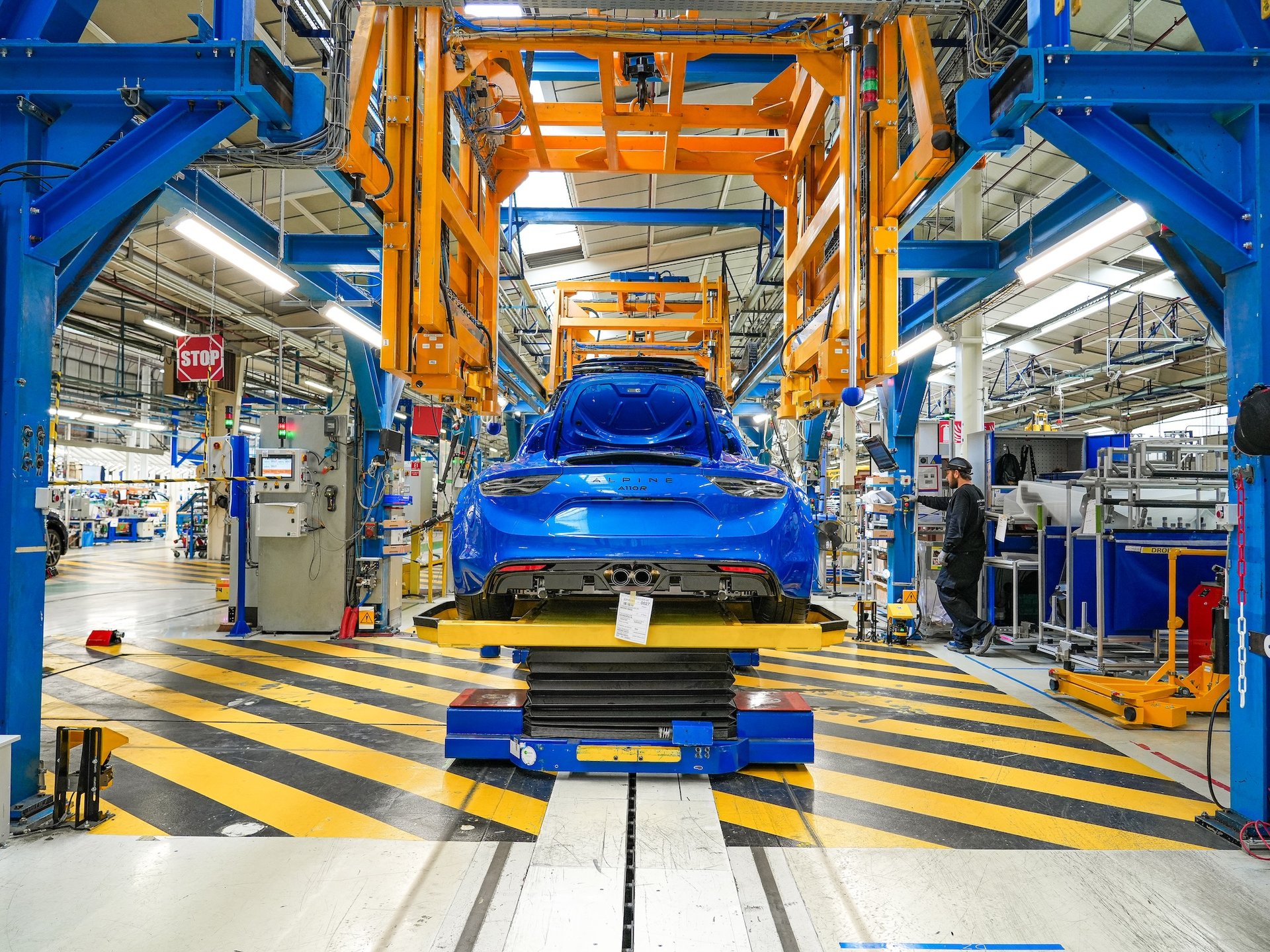
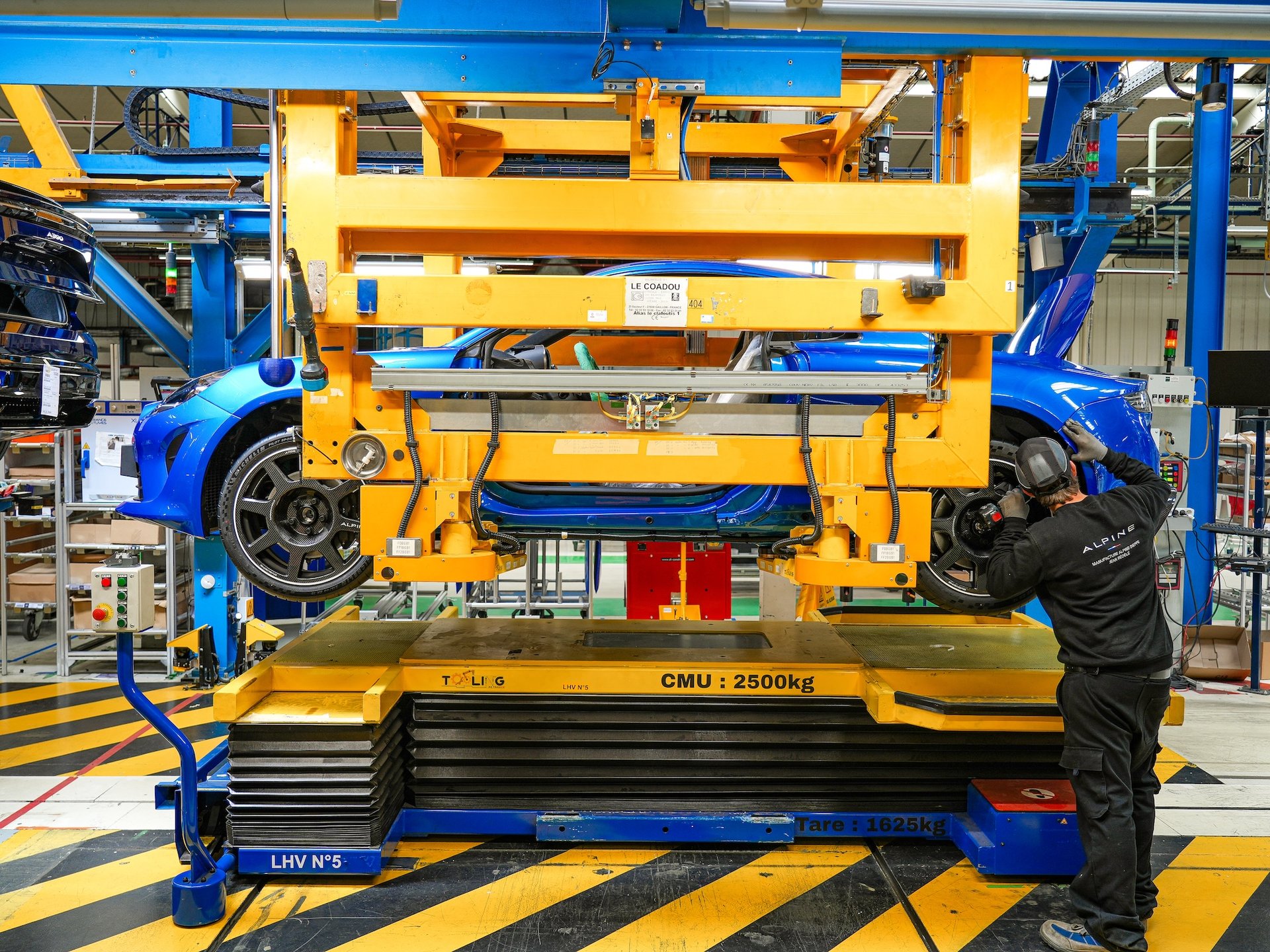
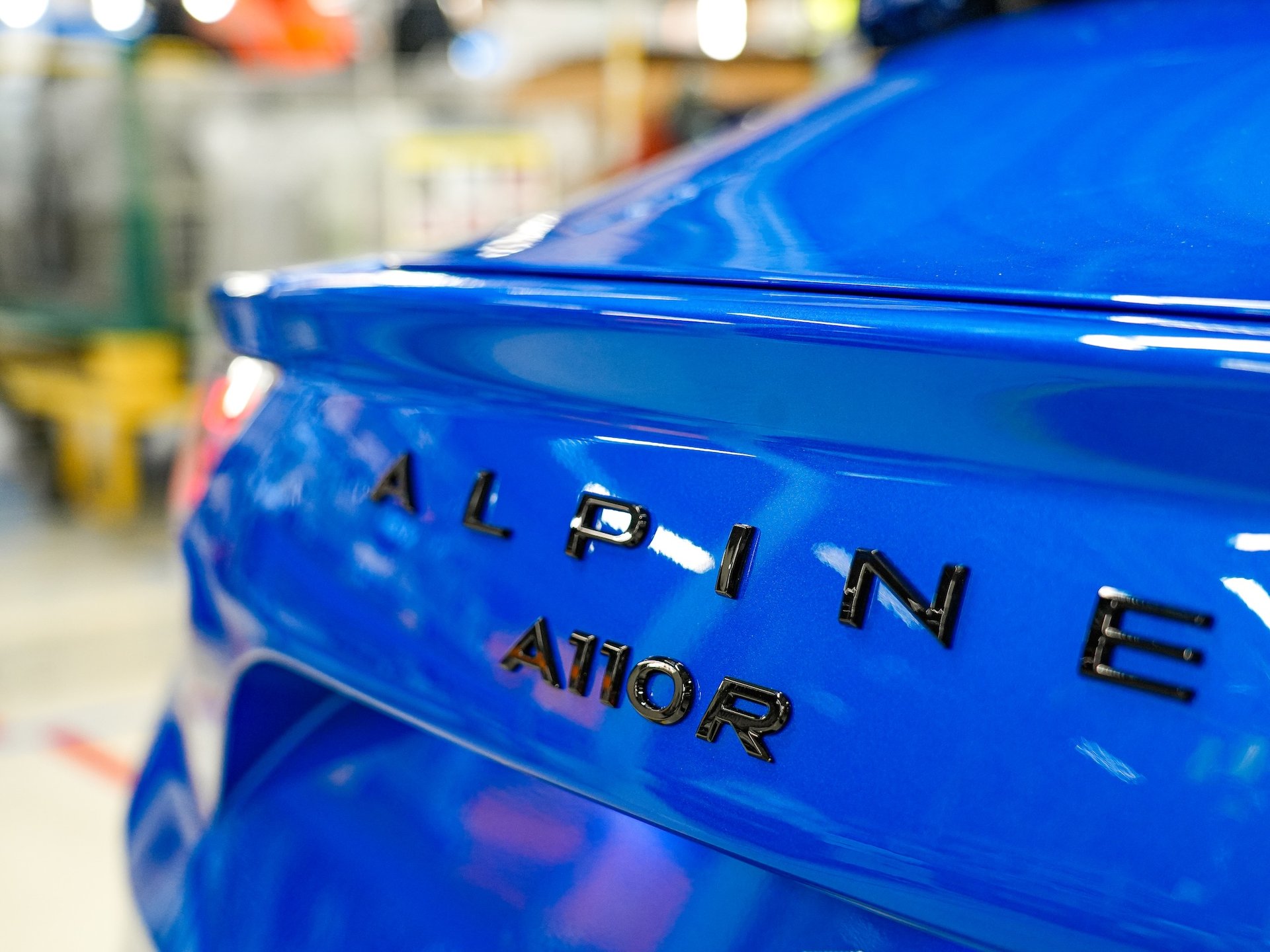
Some dates close a chapter. Others, quietly, had opened one fifteen years earlier. On 1 July 2026, the last phase-two Alpine A110 — an R 70 finished in Alpine Blue with a black roof, 300bhp beneath the bonnet — rolled off the line at the Alpine Dieppe Jean Rédélé manufacturing plant.
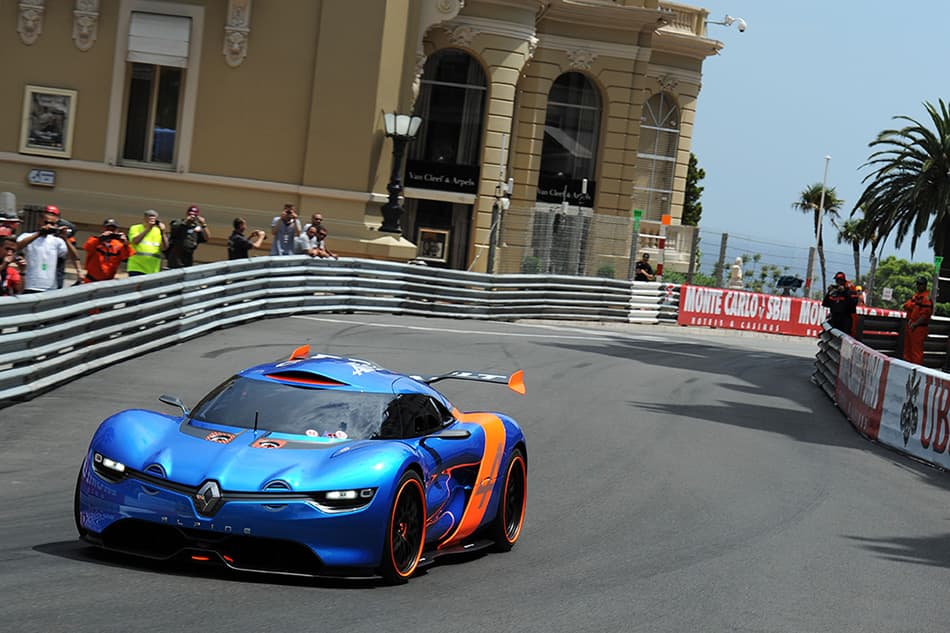
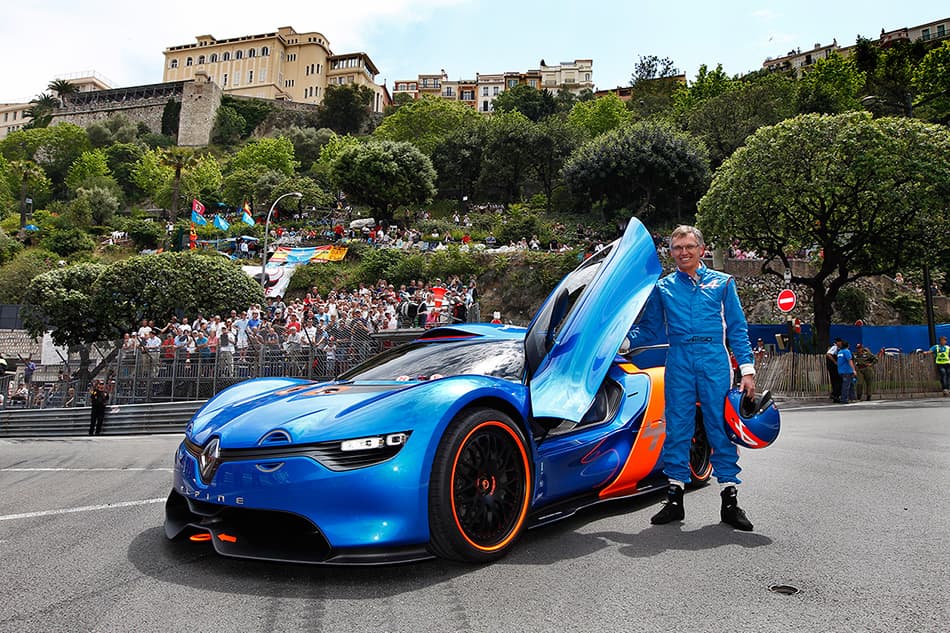
To understand what that final car actually brings to a close, you have to wind the clock back to 5 November 2012, the day Carlos Tavares, then Renault’s deputy chief executive, formally announced the return of a brand that almost everyone in the industry had assumed was buried for good back in 1995.
November 2012: the announcement nobody saw coming
The scene played out at the Monaco Grand Prix, a fitting backdrop for a marque whose sporting history is partly written on the Principality’s streets. Tavares unveiled the A110-50 concept, a barely-disguised homage to the original Berlinette, and confirmed in the same breath a partnership with Caterham — custodian of the Lotus Seven legend — to bring two lightweight sports cars to life at Dieppe, one for each marque.
Bernard Ollivier, an engineer who had previously run Renault Sport Technologies, took charge of the new outfit. Unofficially, he’d known since mid-2011 that the job would land on his desk; Tavares had mentioned it to him privately, almost in passing.
The marriage with the English didn’t survive its own ambitions. In 2014, funding troubles brought the Caterham-Alpine project to a halt. Renault took sole control and had to revisit several design decisions almost from scratch. Ollivier then set an almost monastic brief: a kerb weight capped around 1,100kg, aluminium favoured over the pricier carbon fibre — a better fit, too, with the brand’s approachable ethos — for both chassis and body, and a relentless focus on agility over headline power figures.
The real industrial green light, the so-called GO/NO GO decision, didn’t come until 2015. A year later, in 2016, the Alpine Vision show car revealed almost the entire shape of the future A110, leaving little to the imagination of anyone paying attention.
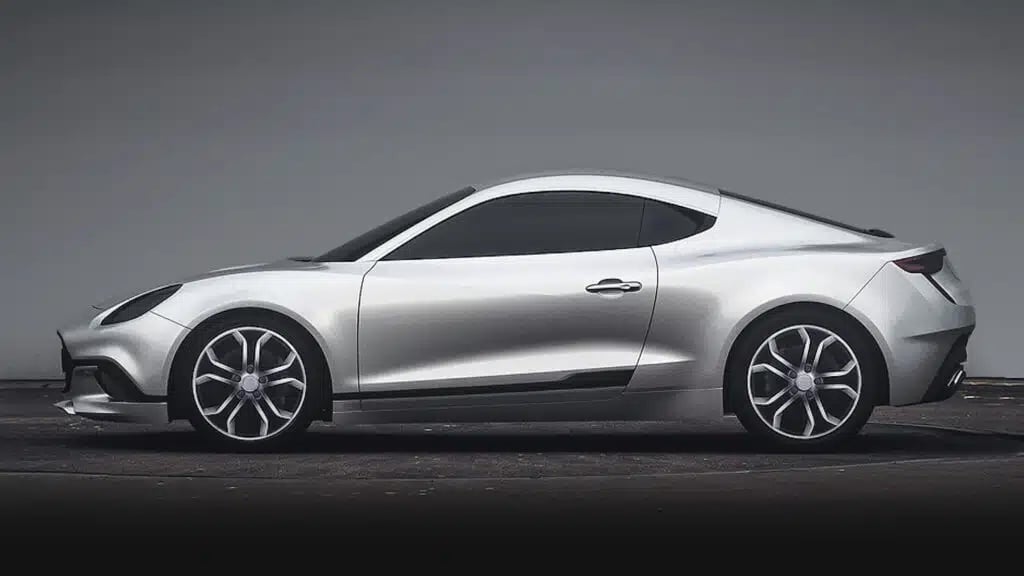
The official reveal came on 7 March 2017 at the Geneva Motor Show, in the form of a Première Edition limited to 1,955 units — a nod to the year the brand was founded. Production began at Dieppe in late 2017, with the first deliveries following soon after, straddling the turn of 2017 into 2018.
Bernard Ollivier would later recount that human adventure, its technical trade-offs and its rockier patches, in a memoir, Alpine, la renaissance, published by Solar in 2019 — essential reading for anyone wanting to grasp, from the inside, just how much collective energy that revival demanded.

The AAA, quiet guardian of Dieppe’s memory
While the board thrashed out its industrial decisions, another story was unfolding in parallel, far from the motor show stands. The Association des Anciens d’Alpine — the AAA — was founded in January 2002, long before anyone at Renault was seriously talking about a revival. It was set up by former employees and pioneers of the original era, and is based in Martin-Église, just outside Dieppe. Its mission hasn’t shifted in over two decades: keeping Jean Rédélé’s image and spirit alive, organising gatherings and events, and championing motoring heritage in the town — including, to this day, a proposed Alpine museum.
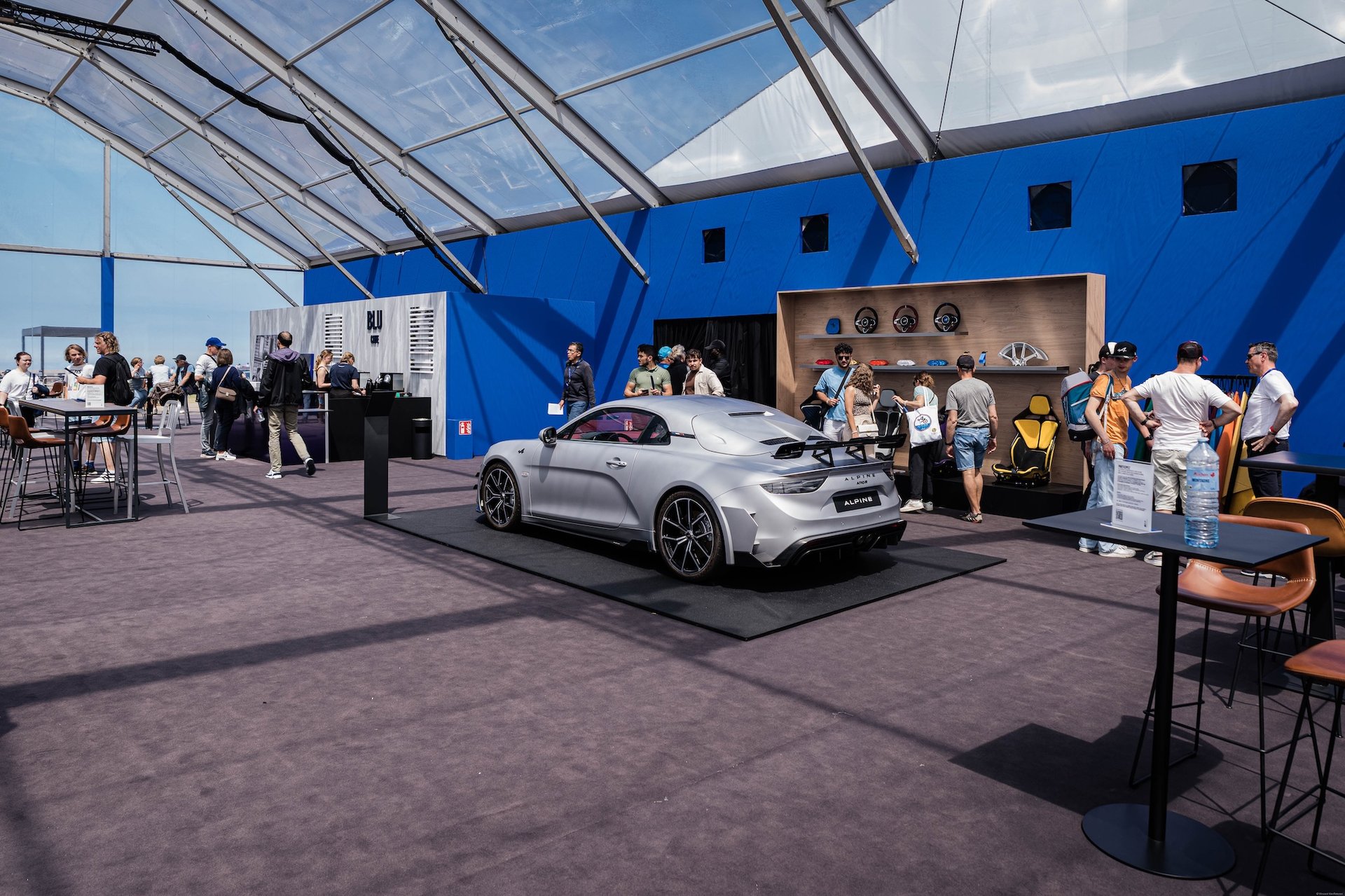
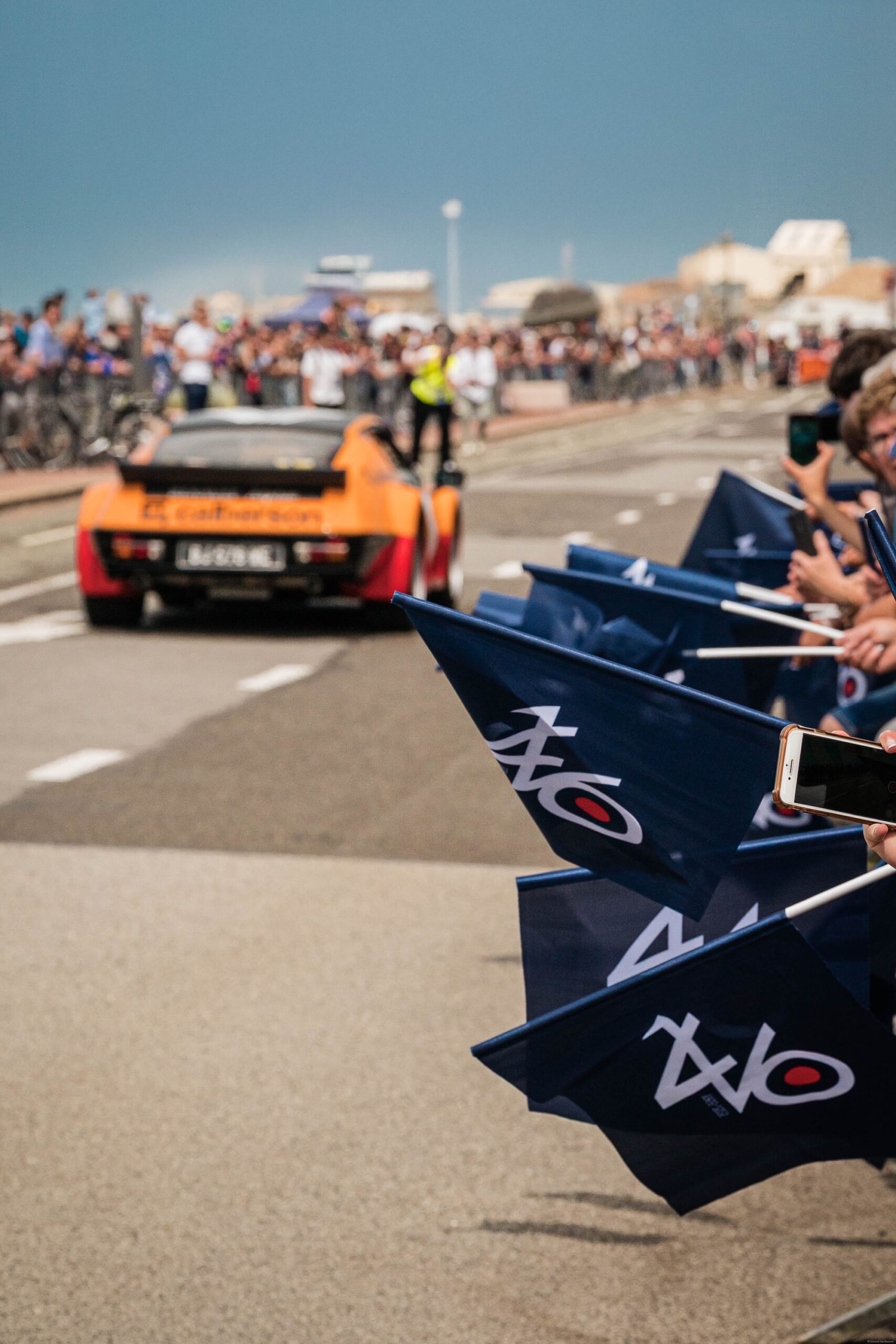
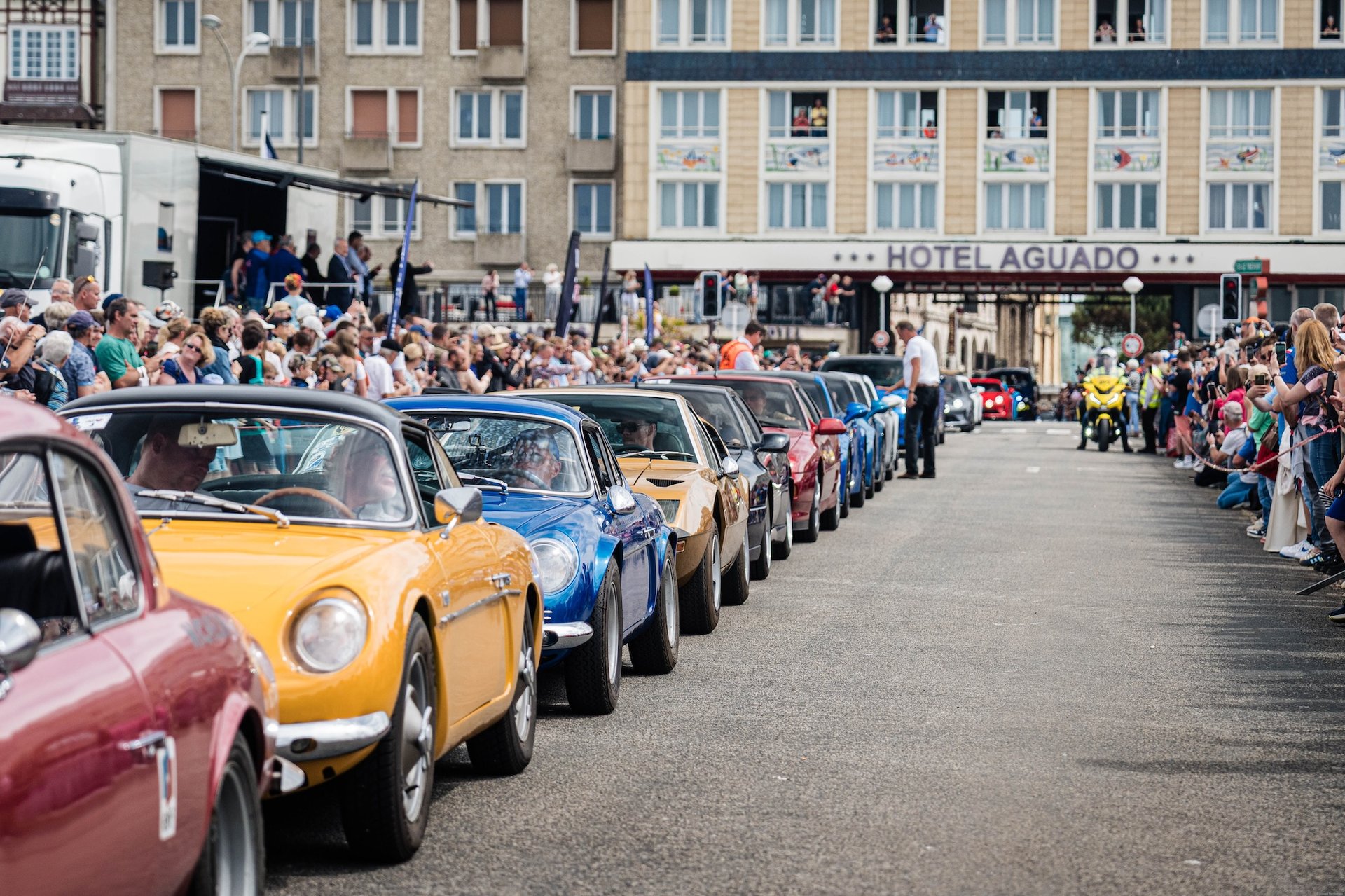
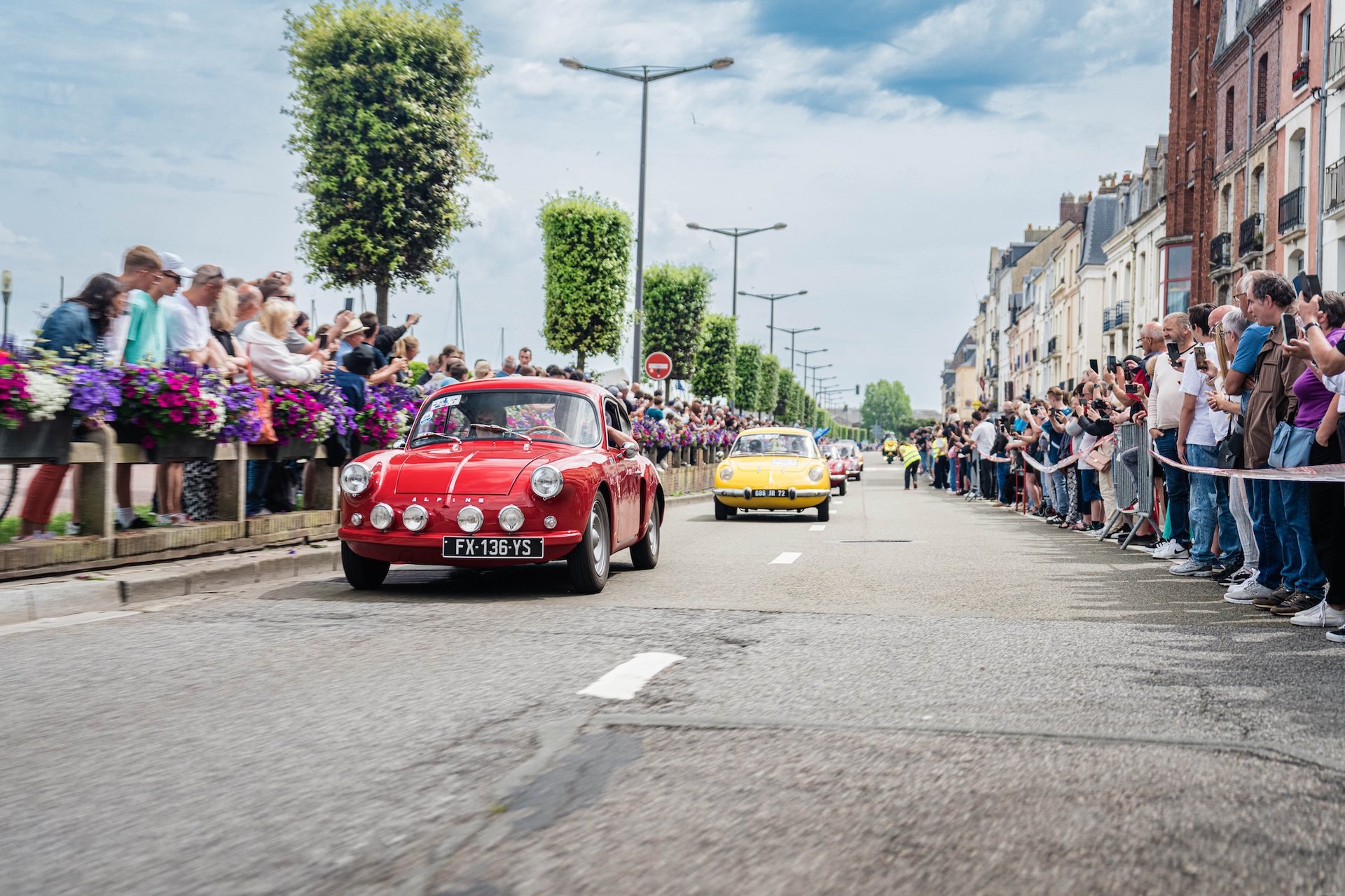
That long-standing loyalty came into its own in May and June 2025, when the AAA co-organised, alongside the Club Alpine Dieppe, the CAUD and IDéA, the brand’s 70th-anniversary gathering. More than 1,700 Alpines in one place, around 150,000 visitors across the event — figures that say more than any press release about how alive the bond remains between the modern marque and its Dieppe roots. Without this organised, dedicated fan base, ready to champion the project long before it turned a profit, the revival would likely have lacked the grass-roots credibility it needed to survive its own schedule slippages.
35,450 A110s: a figure that speaks of loyalty
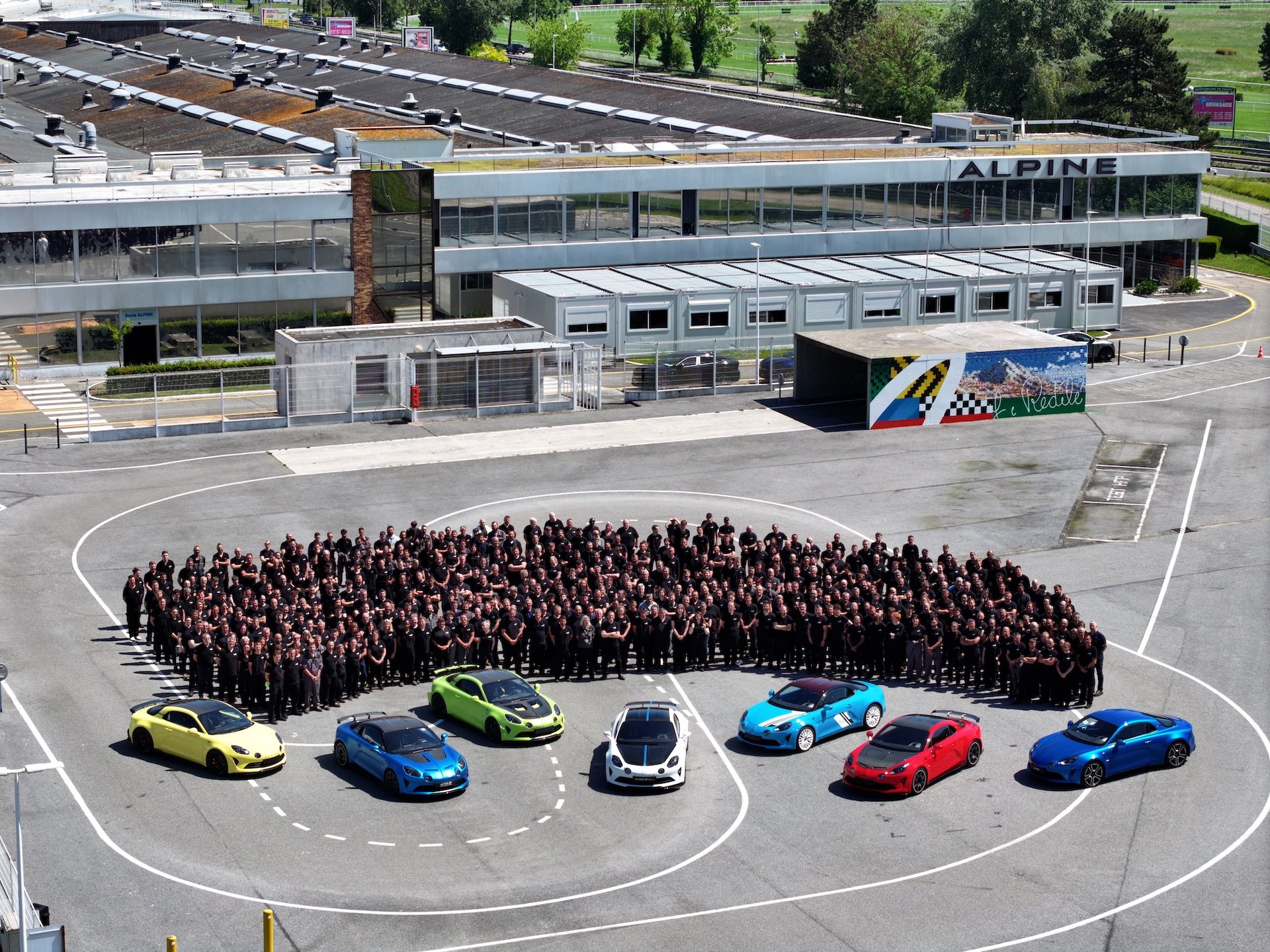
Since the Avenue de Bréauté factory opened in 1969, 35,450 Alpine A110s have rolled off the Normandy production line. That figure deserves some context. The original Berlinette, built between 1962 and 1977, reached 7,176 units — a total the new generation had already overtaken by 2019, barely two years after launch. The A310 that followed topped out at around 11,600 examples; the GTA and A610 managed just under 7,000 cars between them before the plant closed in 1995.
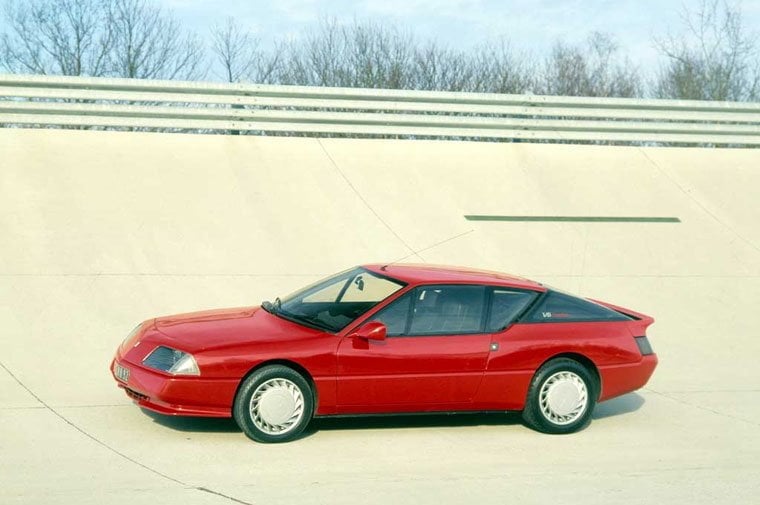
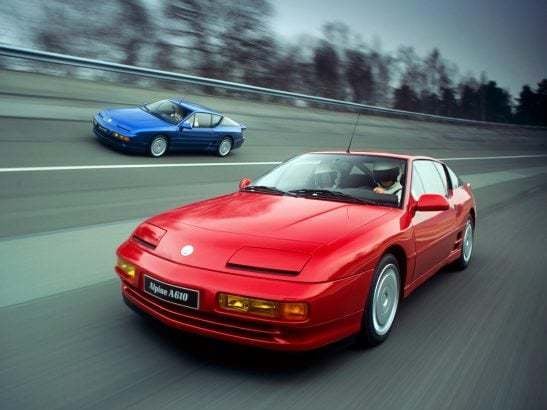
The second-generation Alpine A110 dwarfs all of those figures combined, with 28,701 units built in nine years. The relaunch required around €36 million of investment at the time to bring the factory up to scratch — a modest sum, in hindsight, for everything it brought back to life.
There’s something almost novelistic about Dieppe remaining, through it all, the beating heart of the marque. Jean Rédélé had set up his very first workshop on Avenue Pasteur, behind the family garage, long before the modern factory opened in 1969. As France’s youngest Renault dealer at just 24, he could, on paper, have moved production to a more obvious industrial hub. He never did.
It came down to loyalty toward the men who had backed him, and no doubt to sentiment too — Rédélé was, after all, a Dieppe native himself. That quiet stubbornness goes some way to explaining why, more than sixty years on, locals still talk of having “blue blood” running through their veins.
Few French sports cars have enjoyed such a steady commercial run. 2018 marked the true start of sales, with the arrival of the Pure and GT versions. By June 2021, the 10,000th A110 had rolled off the line.
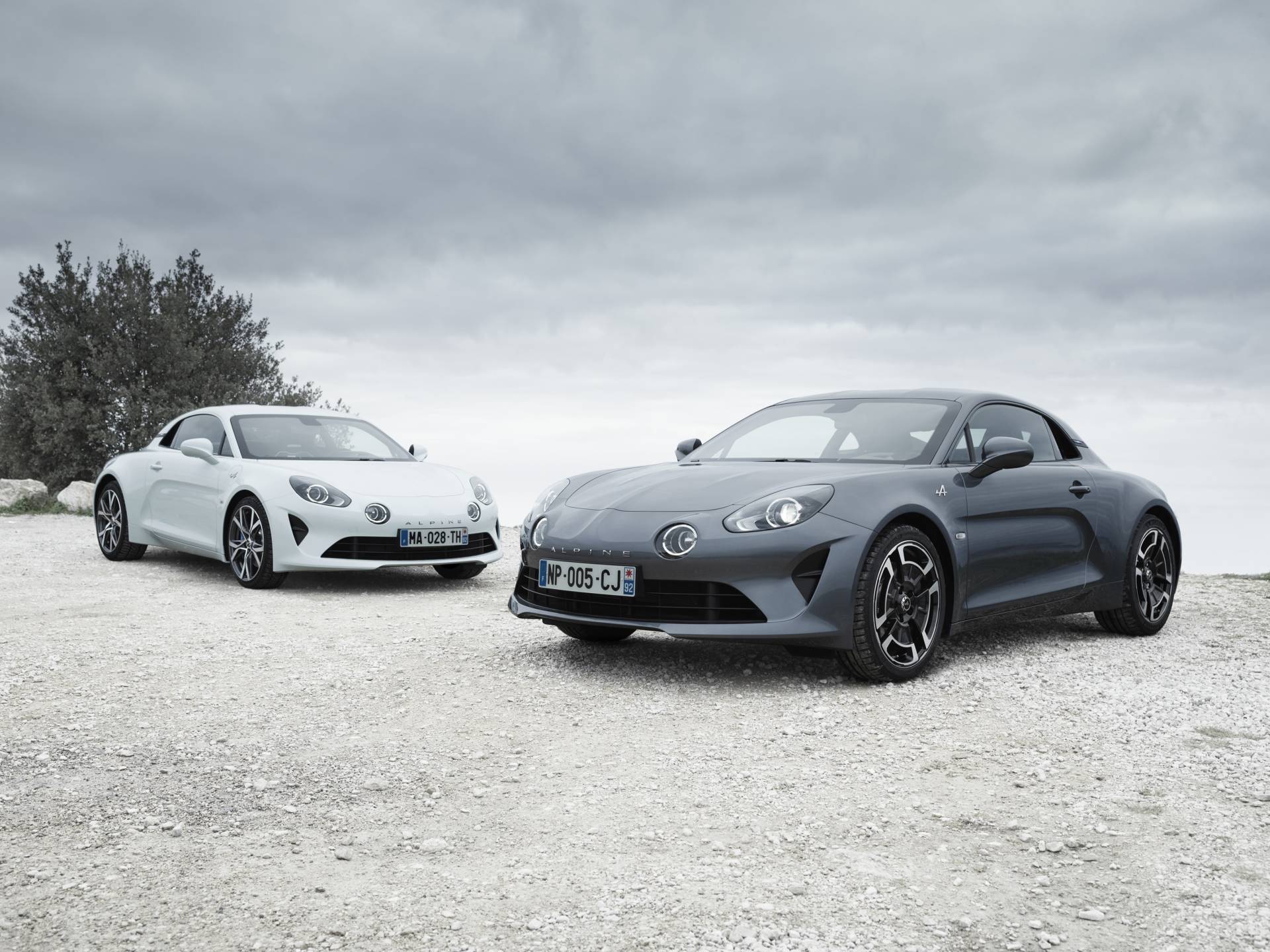
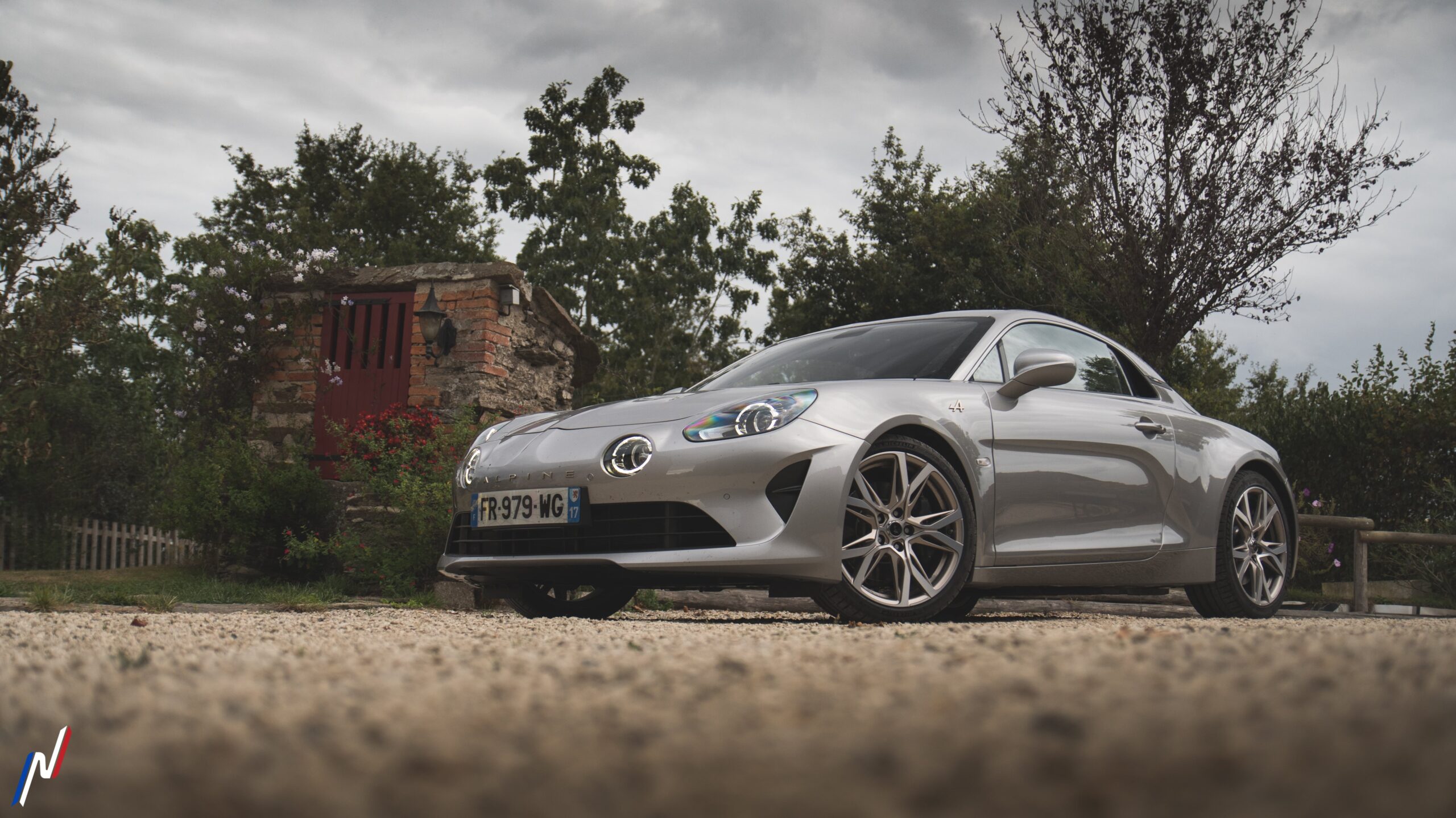
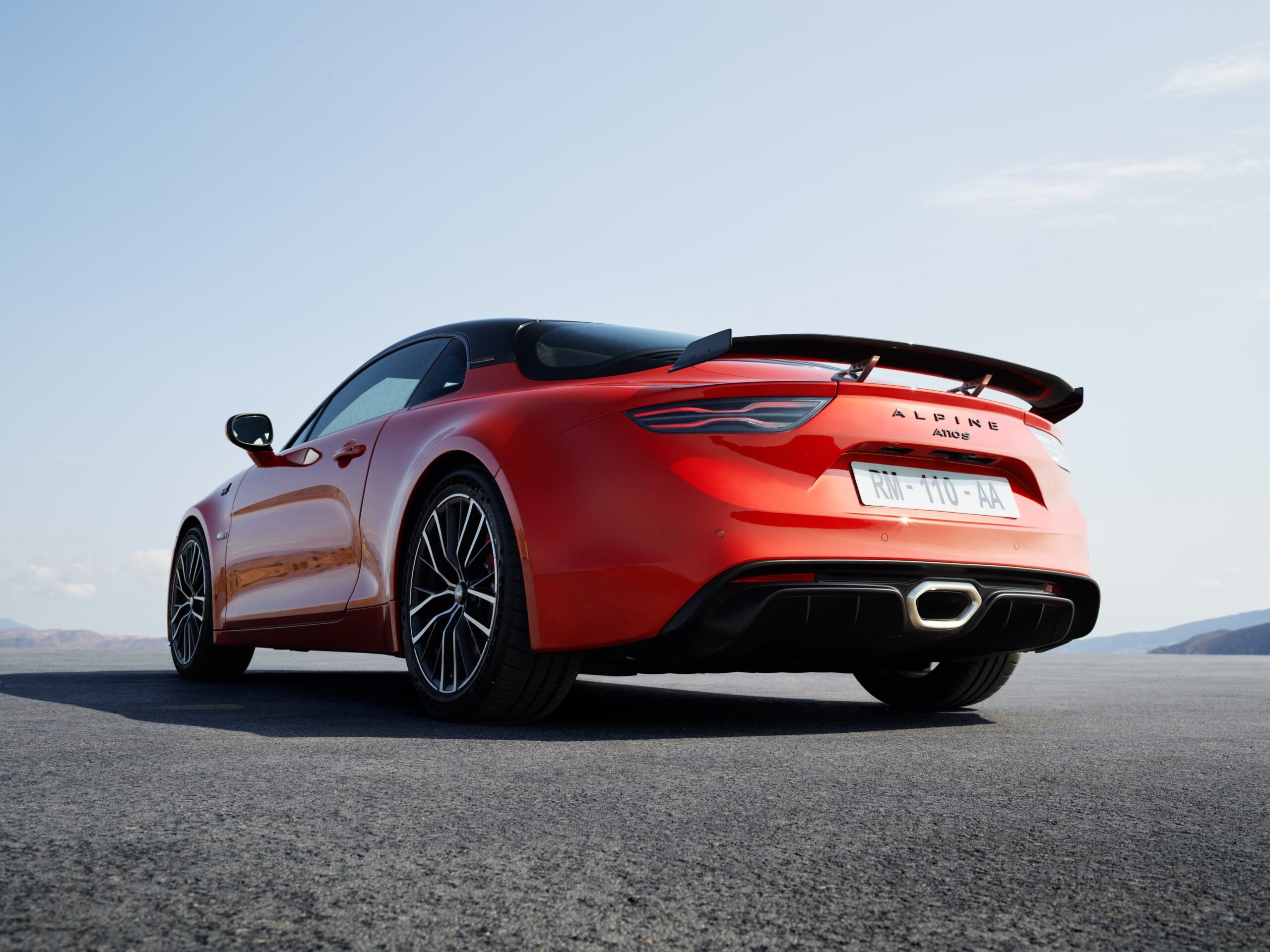
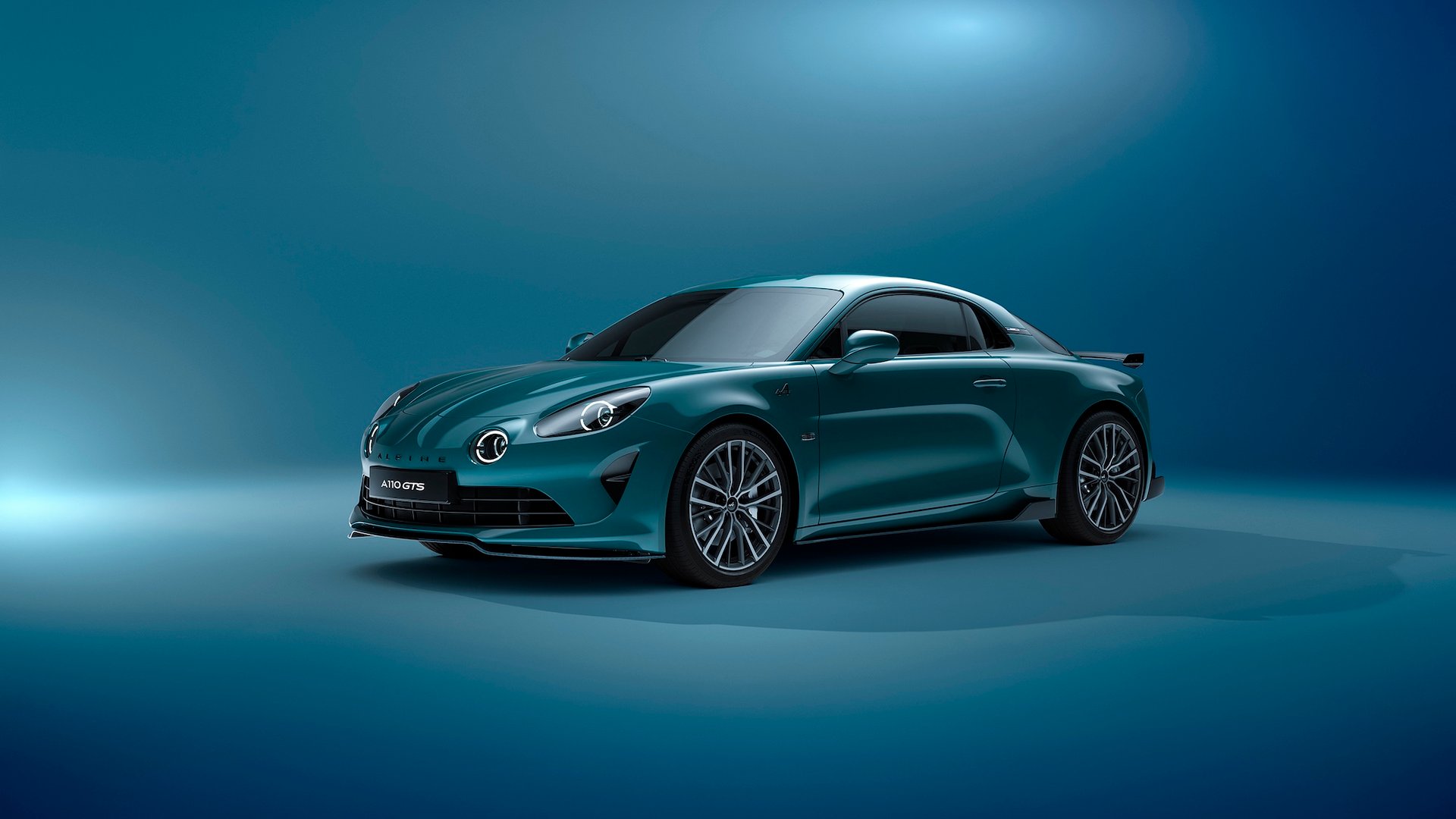
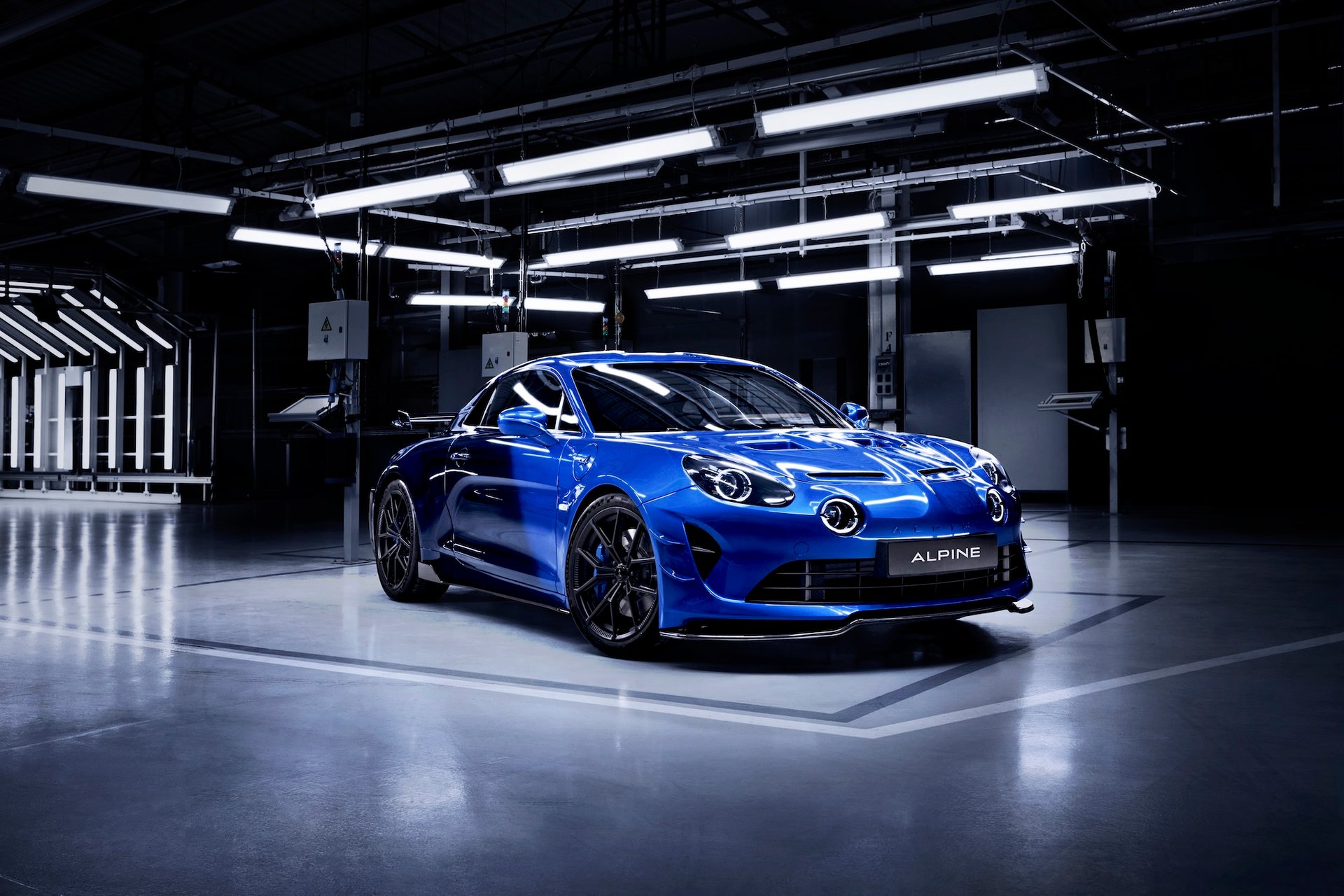
Two years later, in 2023, an A110 R Le Mans took the tally past 20,000. 2024 and 2025 brought the 300bhp GTS versions and a flurry of limited editions — J. Rédélé, Tour de Corse 75, Fernando Alonso — before the R 70 arrived in 2025 to mark seven decades of the brand with 770 examples. Sales stayed remarkably steady, even edging upward right through to the end of the cycle, despite a premium price tag and no artificial hype cycle to keep interest alive.
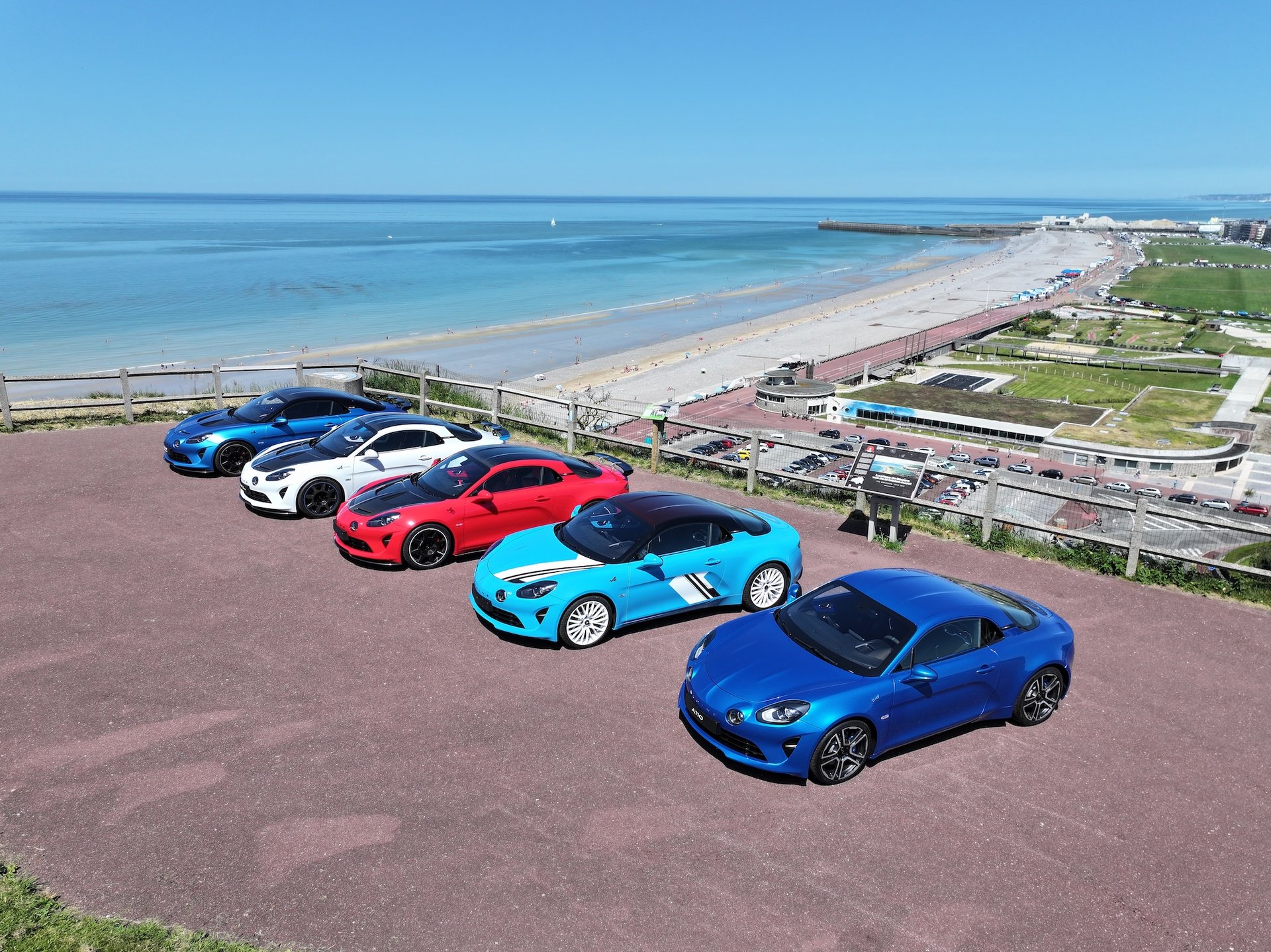
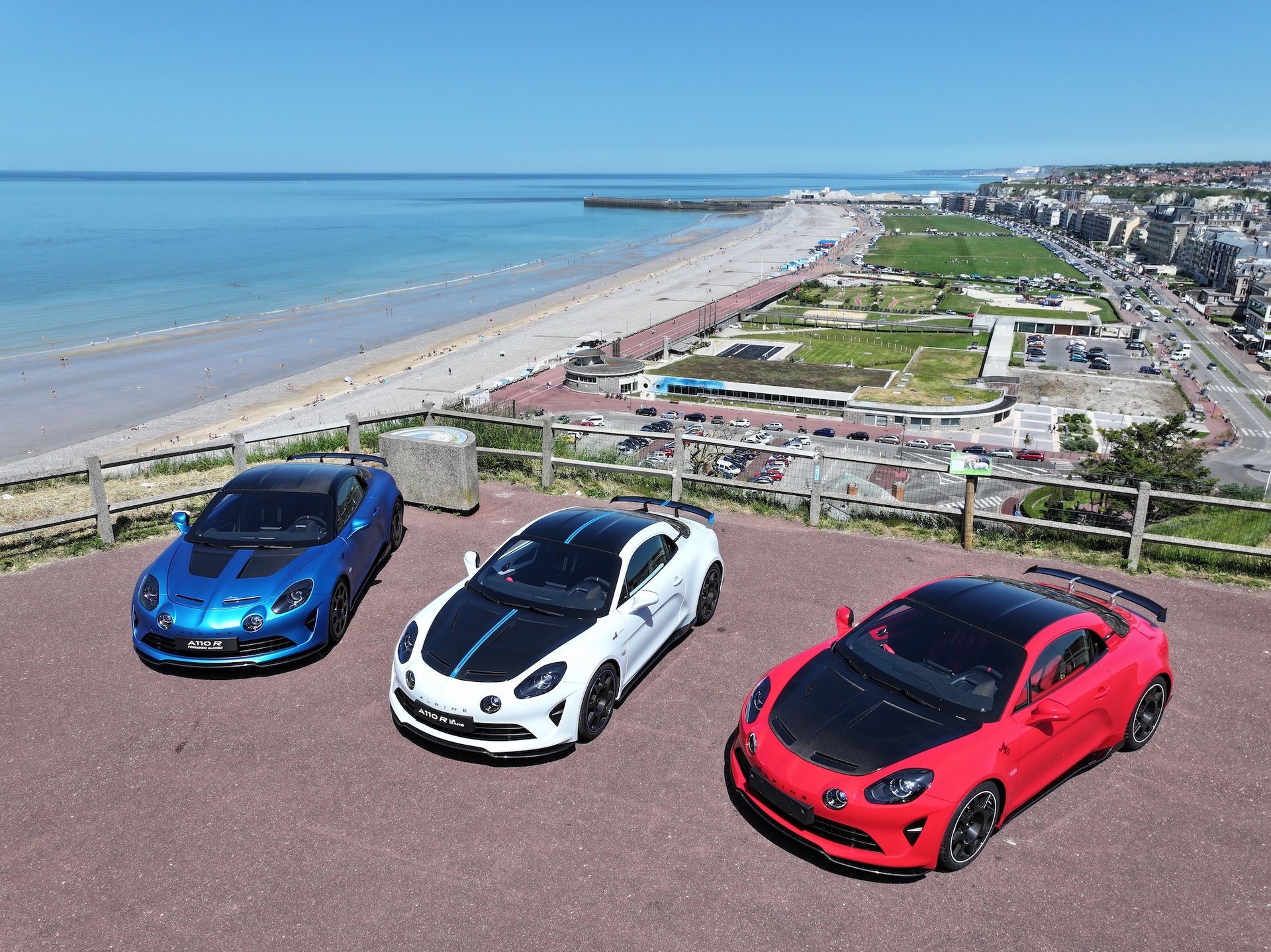
If you want to know every version of the new Alpine A110, this guide is for you:
Alpine Blue: a colour born of a customer’s whim
It’s often wrongly assumed that Alpine Blue traces its roots to national racing colours — British Racing Green, Rosso Corsa red, Belgian yellow. The truth is more modest, and rather more touching: it all started with a customer in the early 1960s who simply wanted their car finished in a metallic blue.
One look was enough to win over the whole factory. Colour code 331 was born, and with it a signature hue that would carry through the decades to become inseparable from the marque. More than 58% of the A110s built at Dieppe have left the factory in blue, a third of those in the famous 331 — a shade the manufacturing plant’s painters still apply as a hand-blended gradient on certain finishes.
The Alpine A110 R 70: a send-off, not a swansong
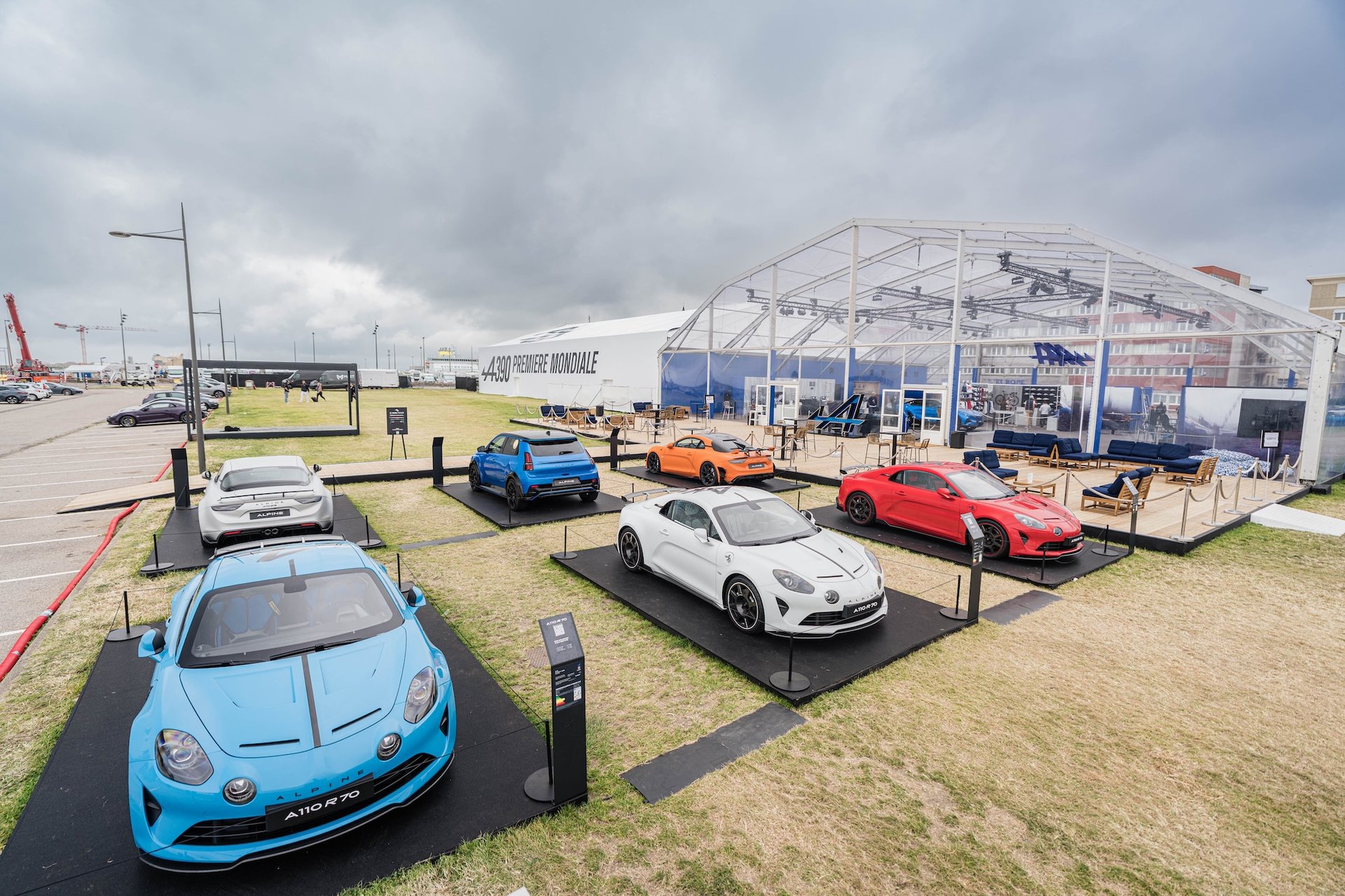
Choosing an Alpine A110 R 70 to close this chapter is no accident of timing — or if it is, it’s a remarkably fitting one, landing as it does at the tail end of the brand’s 70th-anniversary celebrations, marking its founding in 1955.
This version packs in everything the A110 R does best: a 1.8-litre turbo four producing 300bhp at 6,300rpm, 340Nm from just 2,400rpm, a seven-speed dual-clutch gearbox, and a kerb weight of between 1,082kg and 1,157kg depending on specification — a figure that, seventy years on from Rédélé, still honours Ollivier’s original brief. Enough for 0-62mph in 3.9 seconds and a top speed of 285km/h.
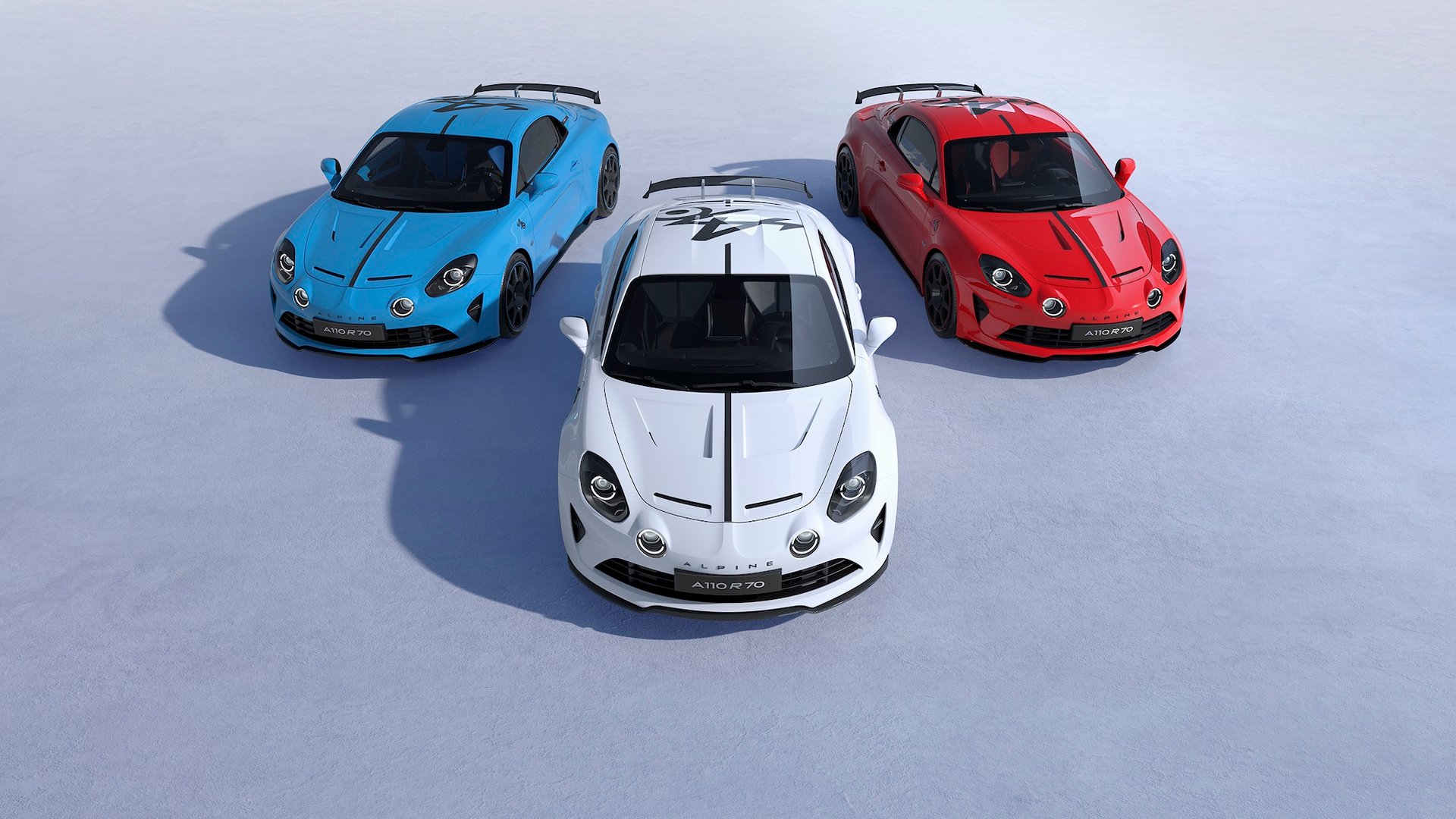
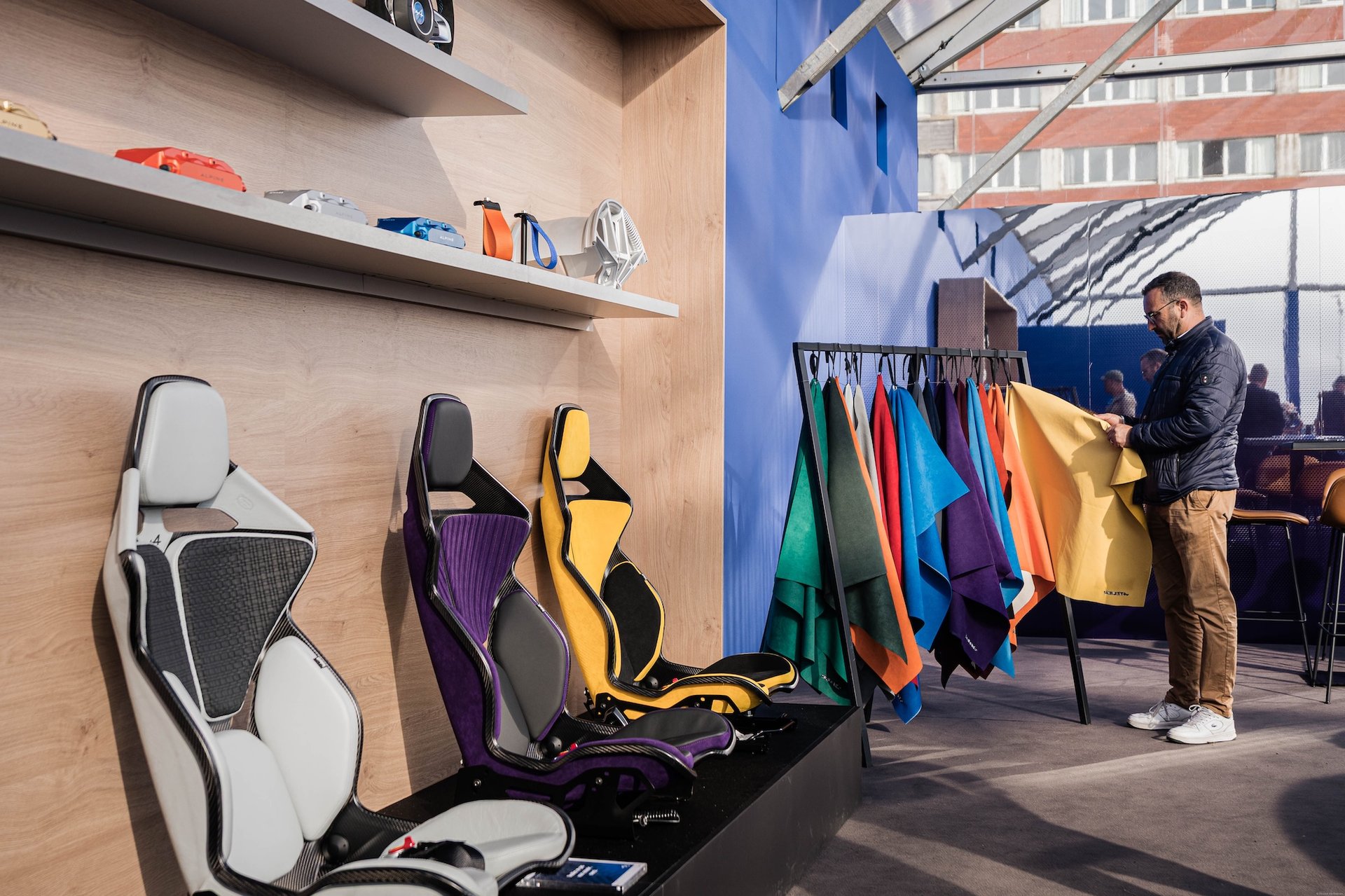
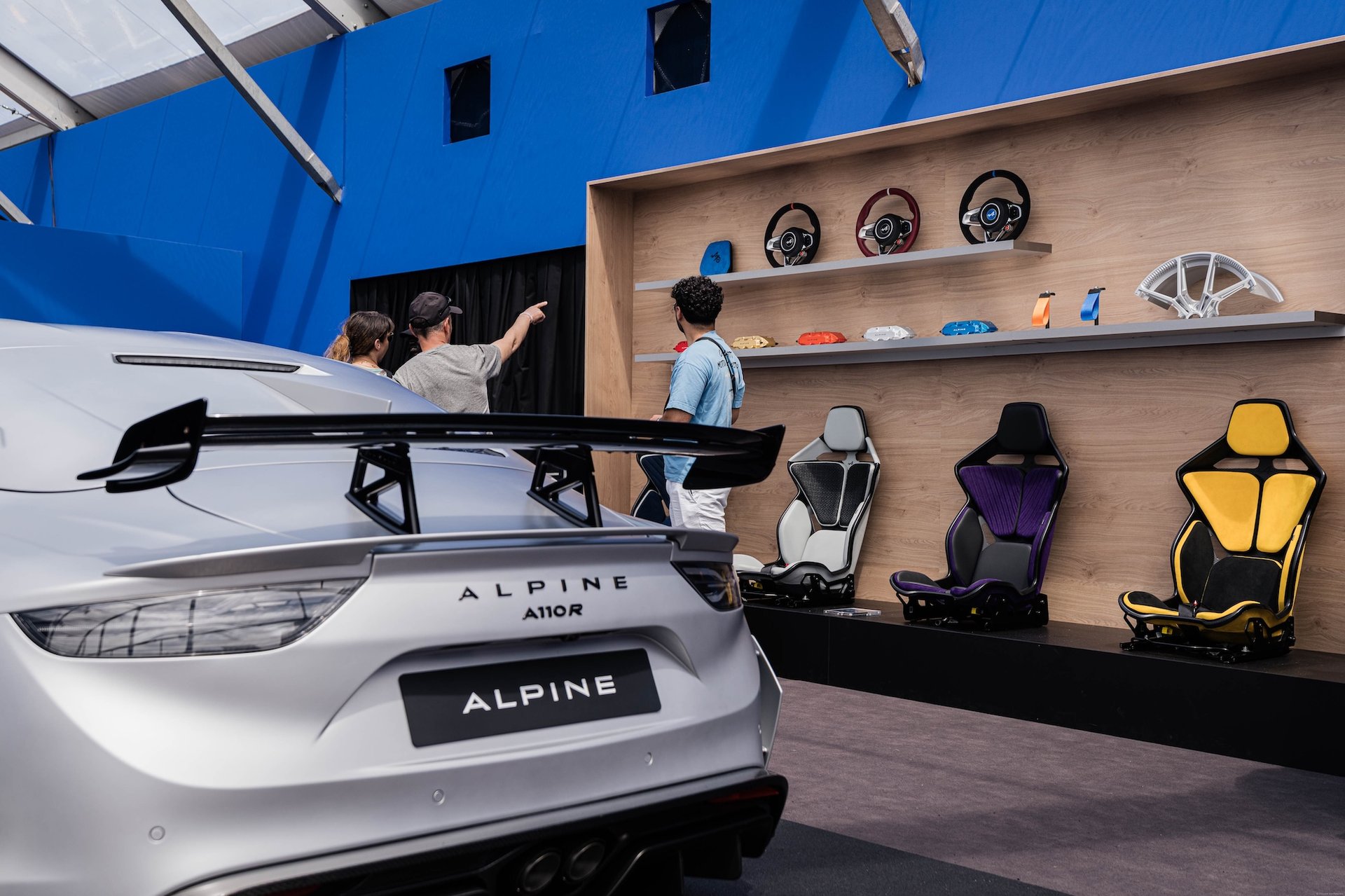
18-inch carbon wheels, Michelin Pilot Sport Cup 2 tyres, an Akrapovič exhaust, Brembo calipers available in seven colours, exposed carbon bonnet and roof: the spec sheet leaves little doubt about the car’s intent. The specialist press wasn’t fooled either, unanimously praising a chassis of rare honesty and a driving experience many happily compare to a Porsche Cayman GT4 — or, for the more enthusiastic among them, a 911 GT3.
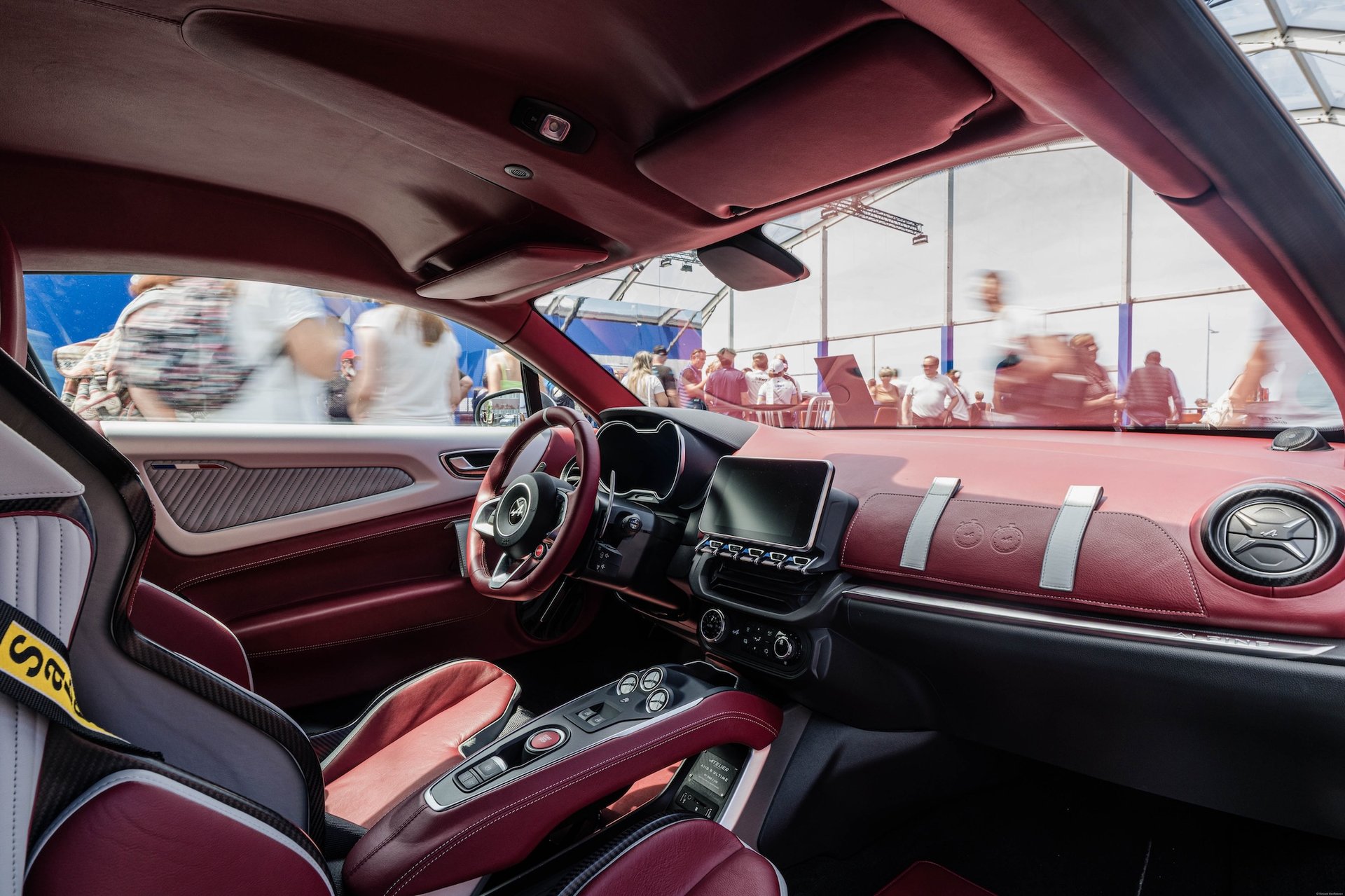
What criticism there is tends to centre on the price (from €122,500 on the road) and the no-nonsense six-point harnesses, better suited to track days than the daily commute.
Even so, the R 70 will be remembered as the last combustion-engined A110 in history. A logical, almost elegant full stop, right before everything changes.
APP: the platform set to reinvent the electric sports car
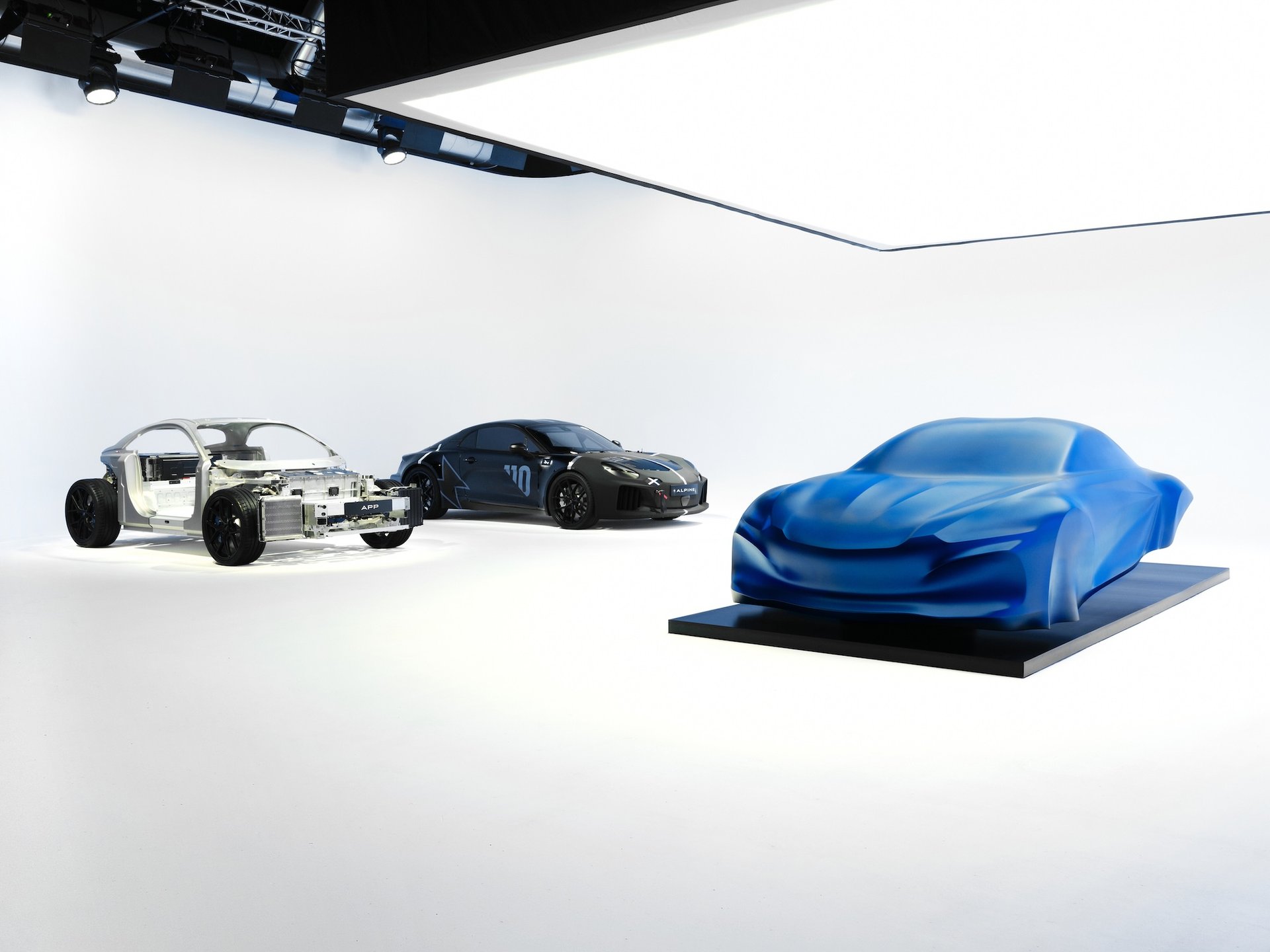
Because that’s exactly what’s at stake now. The new APP platform — Alpine Performance Platform — isn’t simply an electric conversion of an existing architecture. Its structure, built entirely from extruded aluminium, combines bonding and riveting to balance stiffness with lightness — two obsessions that have never left Alpine since Jean Rédélé‘s day, and which Ollivier himself elevated to doctrine when he chose aluminium over carbon fibre for the previous generation. Weight distribution is said to target a 40:60 front-to-rear split — an architecture designed to preserve the agility of a proper sports car, in defiance of the flat-battery “skateboard” layout found on most electric vehicles today.
The most interesting technical decision concerns the battery itself. Rather than one large, single pack, Alpine is said to be pursuing an 800-volt cell-to-pack architecture split into two units: a main pack behind the occupants, complemented by a smaller secondary pack up front. The aim is clear — keep a low silhouette and a driving position closer to a single-seater’s, seat set low, wheel near-vertical, cabin tightly wrapped around the driver. A reminder, even in the engineering, that the A110 remains, above all, a driver’s car.
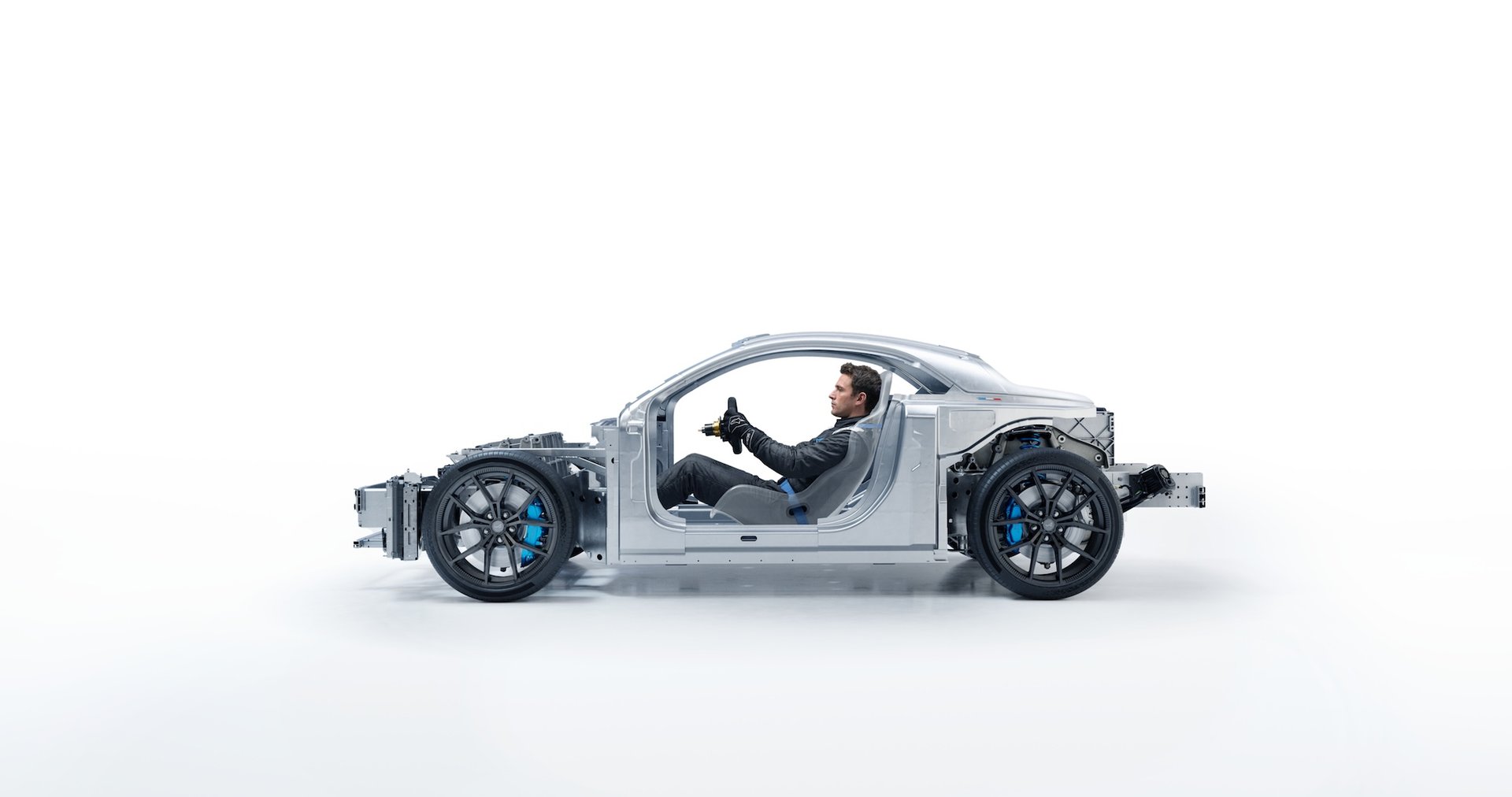
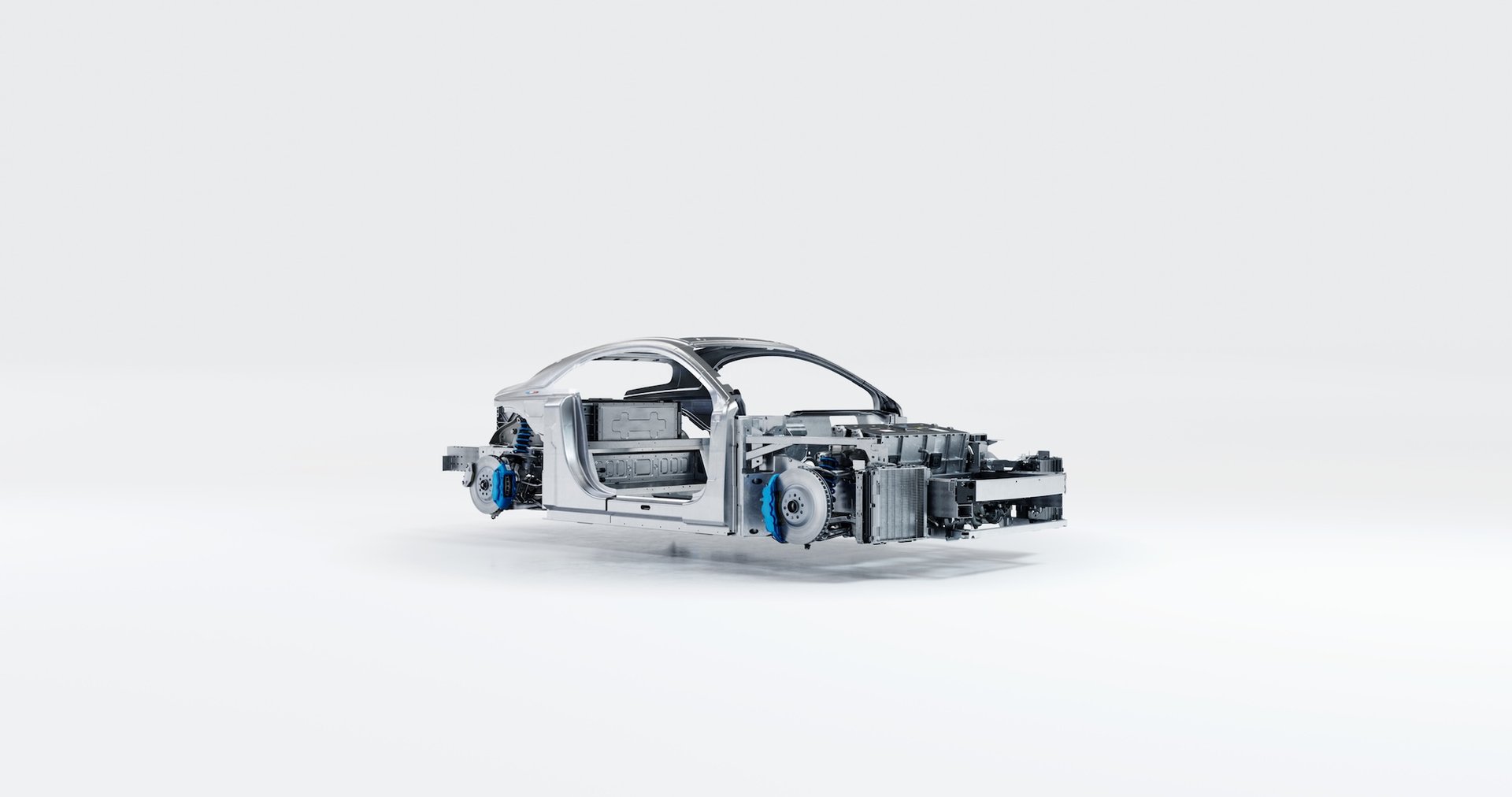
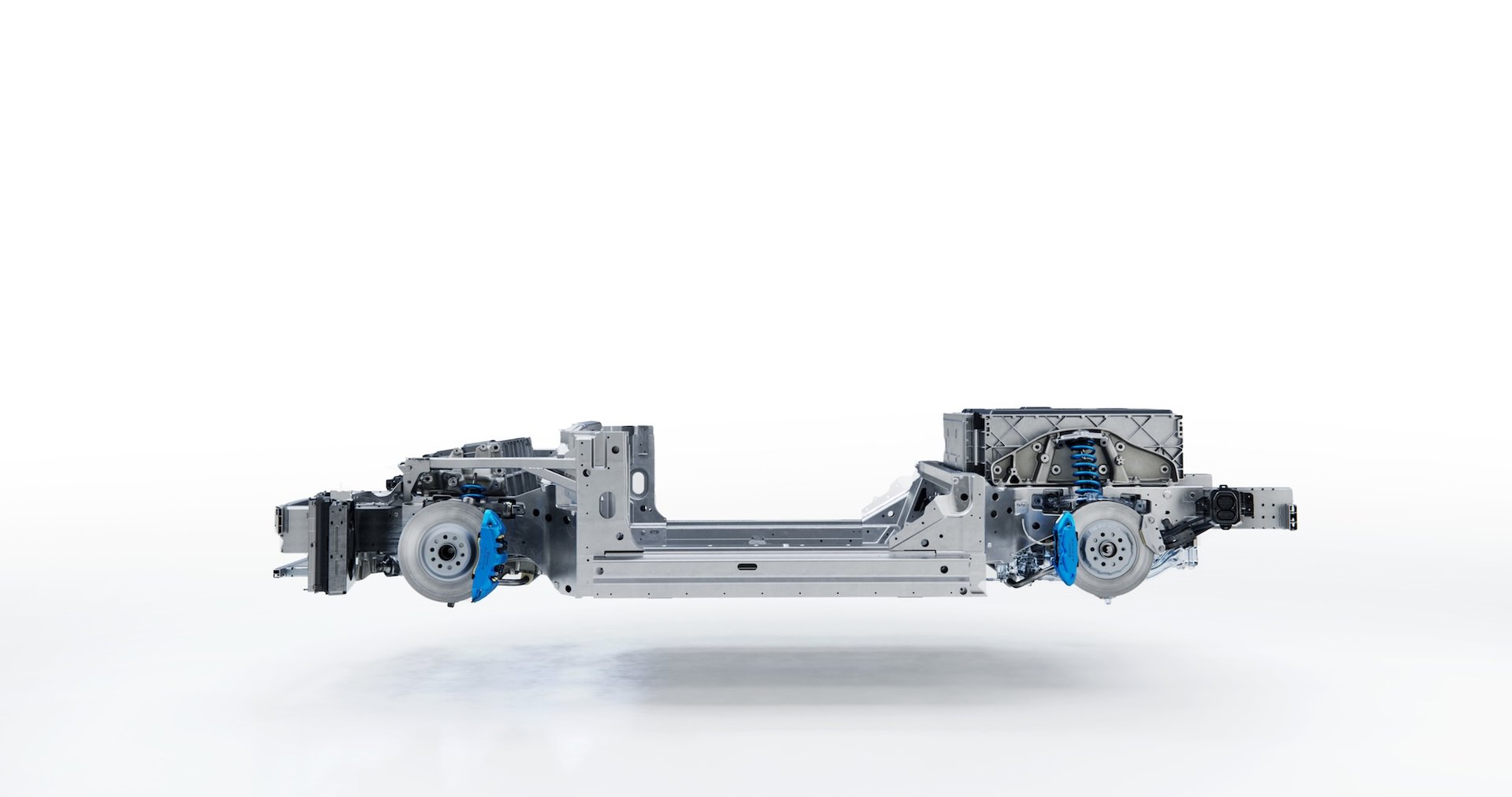
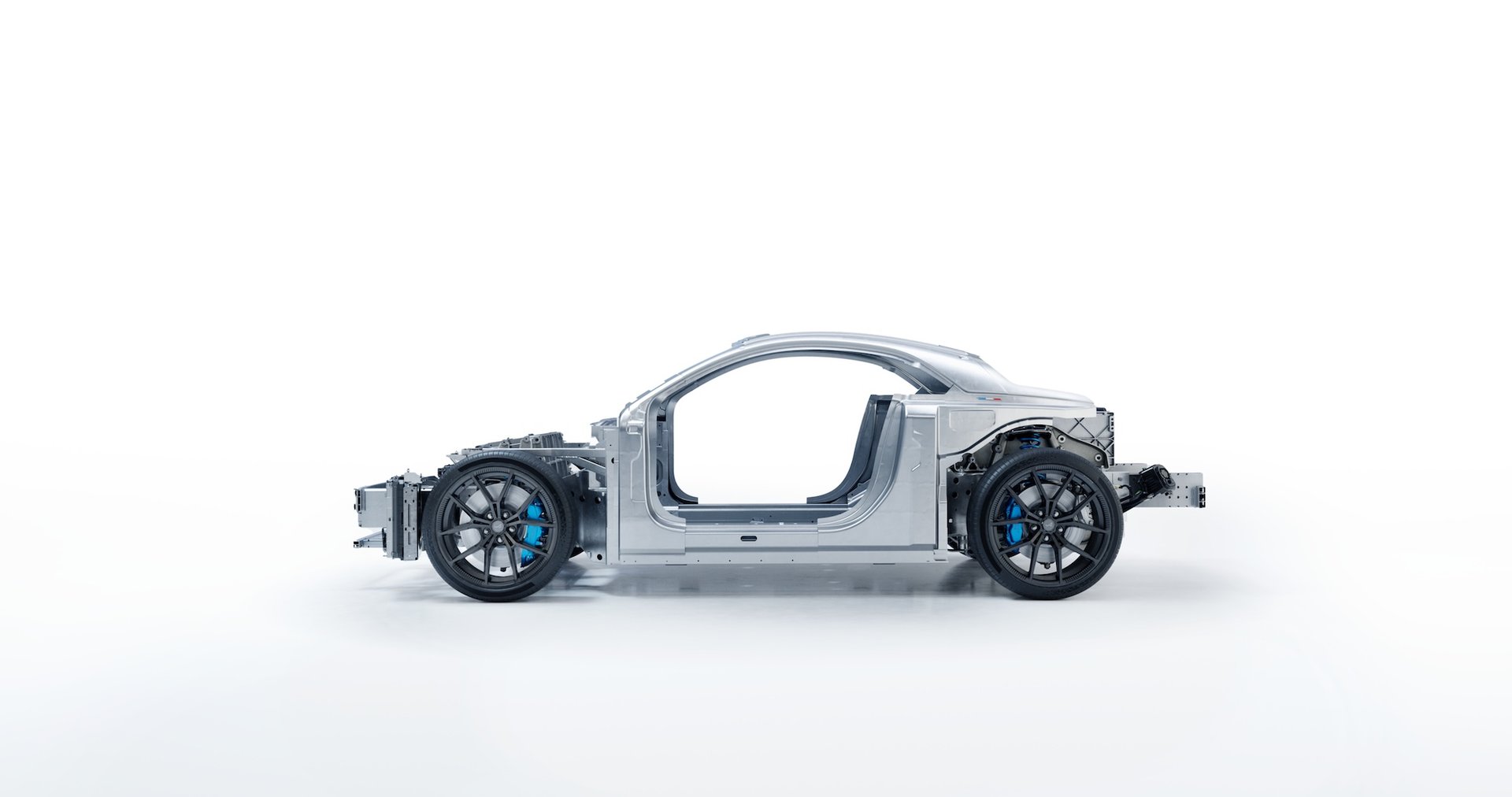
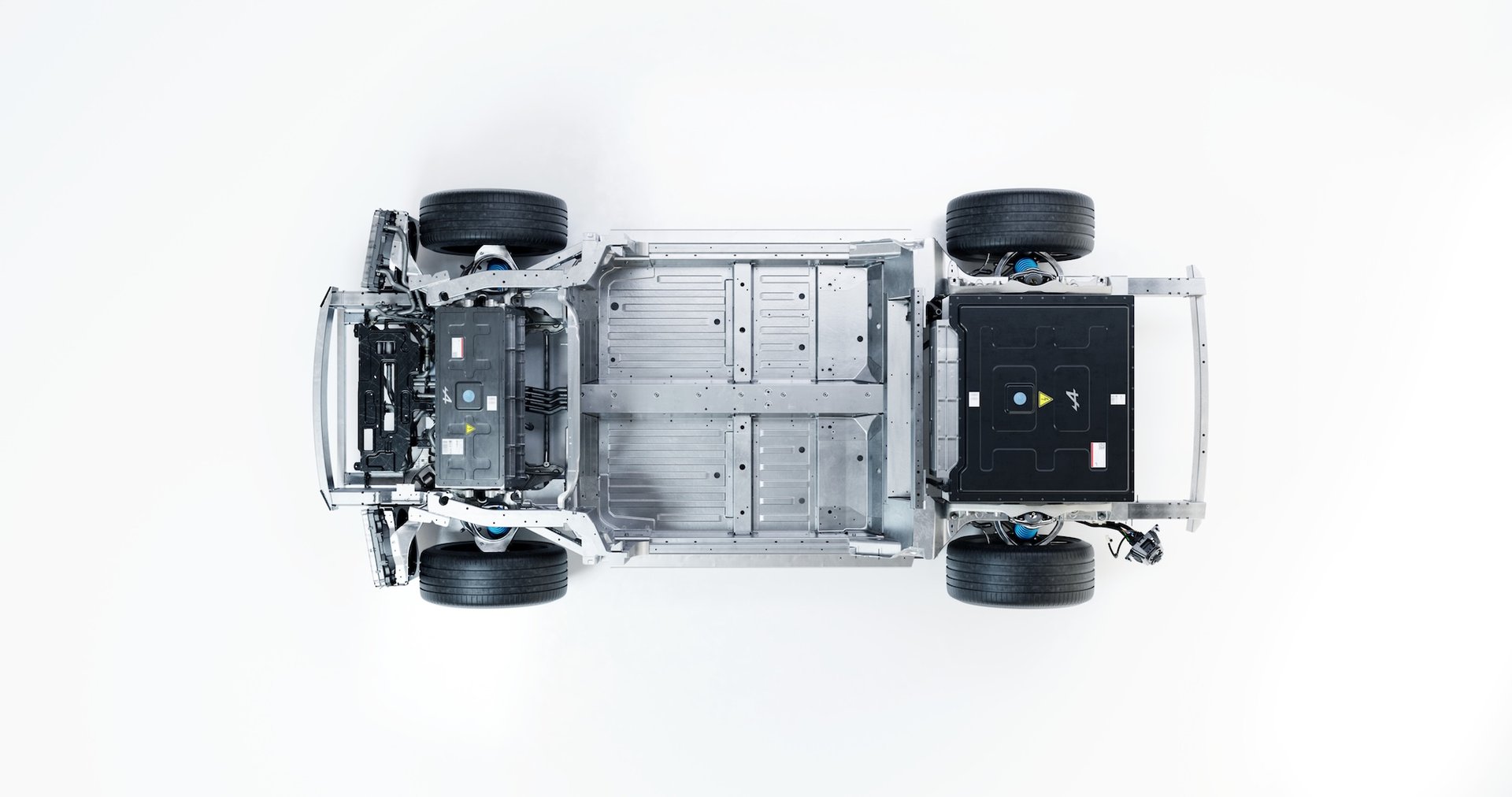
At the rear, a new twin-motor unit, internally dubbed the “e-axle 3-in-1” and fitted with a silicon-carbide inverter, is understood to share its underlying technology with the Renault 5 Turbo 3E. Active torque vectoring, recalculated every ten milliseconds, is tasked with electronically offsetting whatever agility might otherwise be lost to the extra weight — the coupé is pegged at around 1,500kg, slightly heavier than today’s petrol car. Range is targeted at roughly 550km WLTP for the coupé, rising past 600km for a potential 2+2 variant.
Alpine even claims the car can hold full power for three consecutive laps of the Nürburgring without any notable thermal drop-off — a promise that, if it holds up, would genuinely shift the goalposts for this class of car.
Philippe Krief, Alpine’s chief executive, makes no secret of the ambition behind those numbers. Speaking at Renault Group’s “futuREady” Strategy Day in March, he stated that Alpine was preparing to deliver the market’s first genuine electric sports car, one he believes will outperform today’s best combustion-engined rivals while staying true to the brand’s DNA.
He consistently returns to one point: the APP platform was engineered with enough flexibility to accommodate a combustion powertrain, should the market ever demand one, without in any way compromising the electric version.
Goodwood: the first public appearance
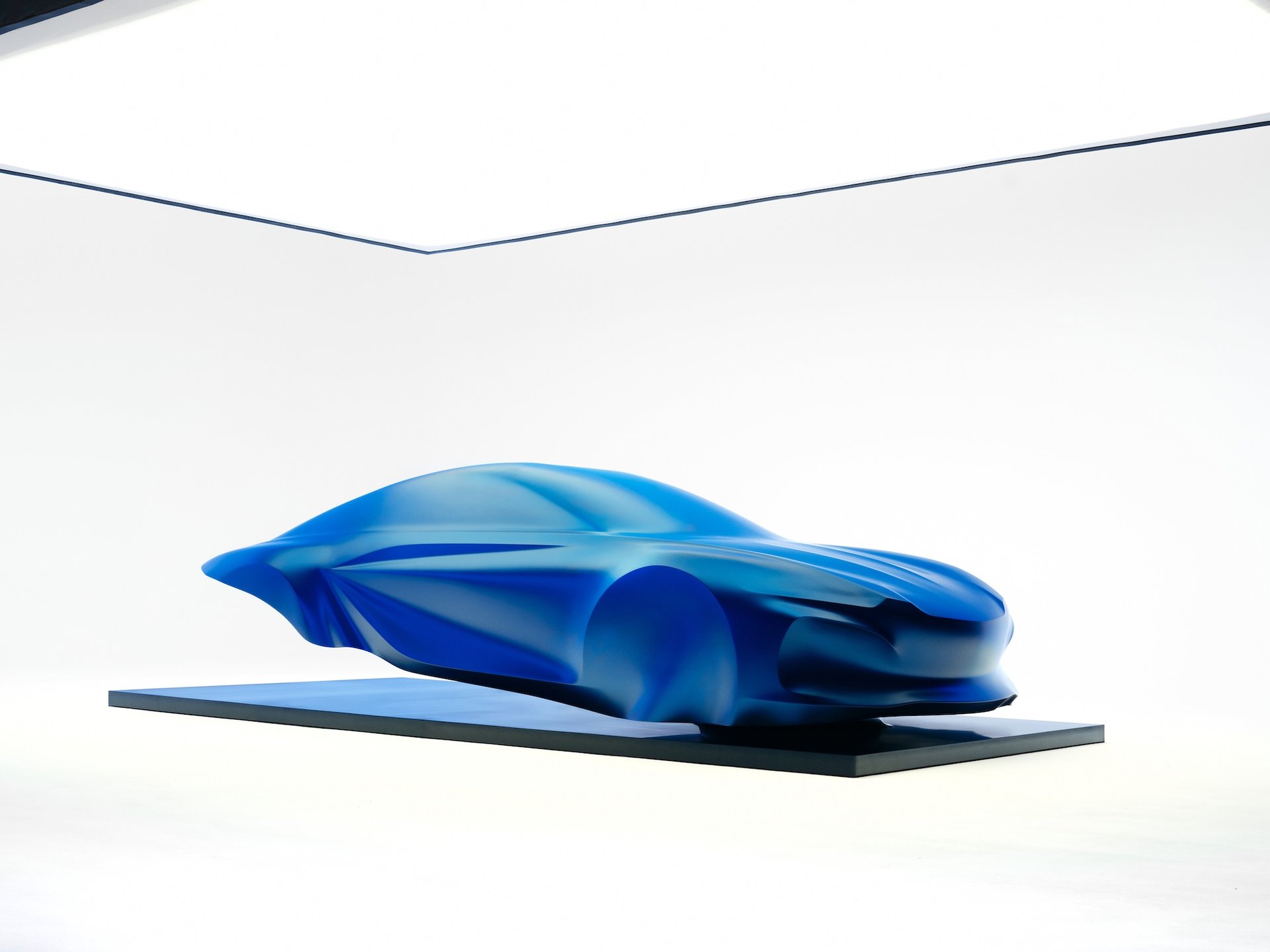
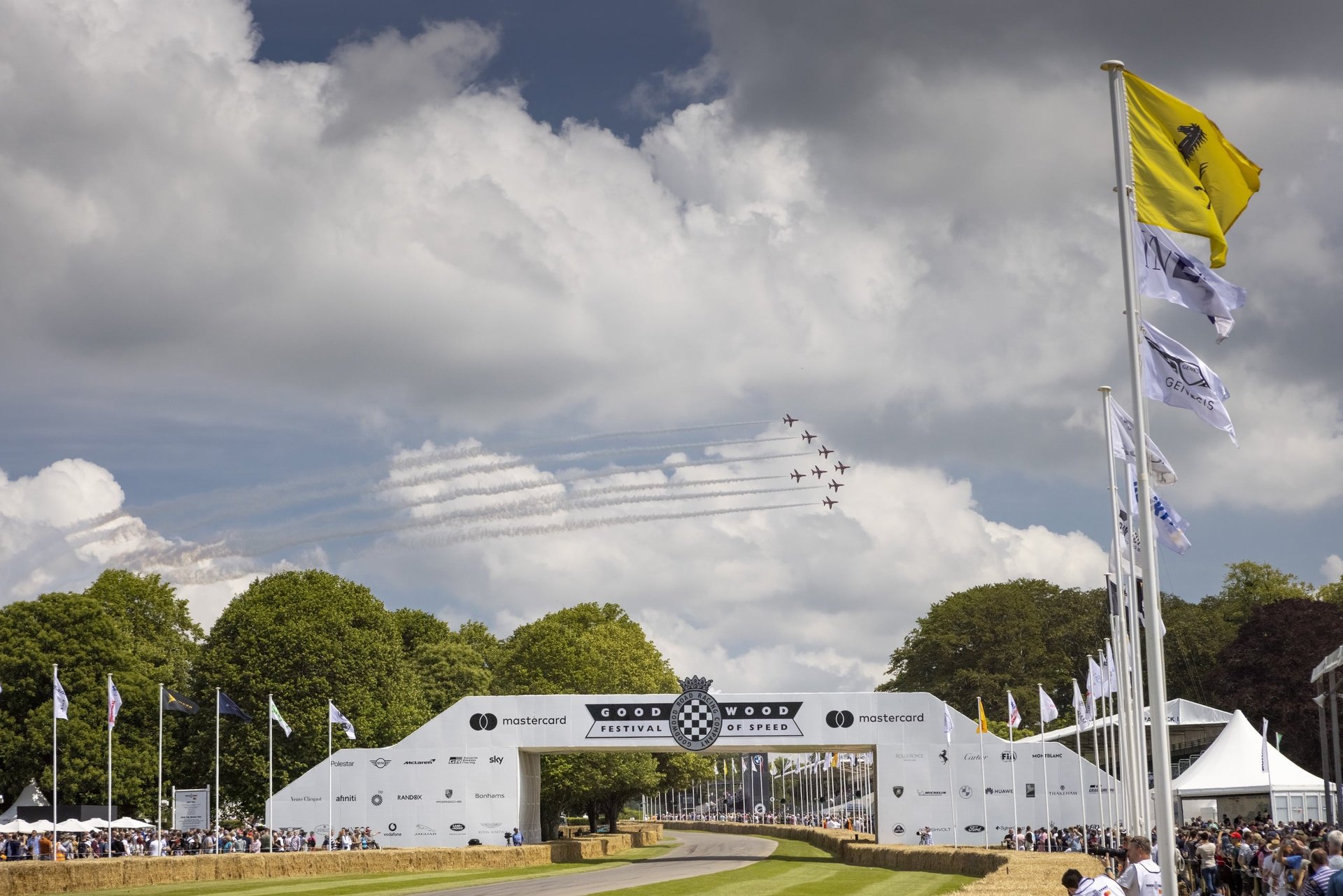
The timing is too neat to be a coincidence. No sooner had the last combustion-engined A110 left the line than a development mule of the next electric generation was set to appear at the Goodwood Festival of Speed in July 2026. It won’t be the finished production car — Alpine is explicit that this is a development prototype — but the gesture carries real symbolic weight: proof that the page isn’t turning in silence, that one chapter can open just as another closes. The brand will also be represented by its F1 drivers, Pierre Gasly and Franco Colapinto, alongside several Academy members, as well as current-generation A110s.
The new A110 is due to go on sale in late 2026 or 2027, with production confirmed for Dieppe — unsurprising, given how central the Normandy site remains to the brand’s industrial identity.
From a single model to an entire industrial ecosystem
The revival’s success has long since outgrown the confines of one model. In 2021, Renault turned Alpine into a fully-fledged Business Unit, bringing Alpine Cars, Renault Sport Cars and the Racing division together under one roof — a restructuring that folded Formula 1, the A424 Hypercar endurance programme and the road-car range into a single, coherent strategy. That institutional shift also helped preserve and modernise a distinctly French manufacturing skillset at Dieppe, swimming against the tide of offshoring that has hollowed out swathes of French car-making over the past two decades.
This repositioning has also handed France a seat back at the table in the premium lightweight sports car segment, long dominated by the British and the Germans. Up against the Porsche 718, the Lotus Emira, Alfa Romeo’s offerings and the Audi TT RS, the A110 has repeatedly come out on top in group tests as a benchmark for road-going dynamics — proof, if any were needed, that an exclusive, expensive French sports car could still land a genuine critical and commercial hit.
That foundation then paved the way for a broader line-up, with the Alpine A290 and later the Alpine A390, ahead of the electric transition now taking shape with APP.
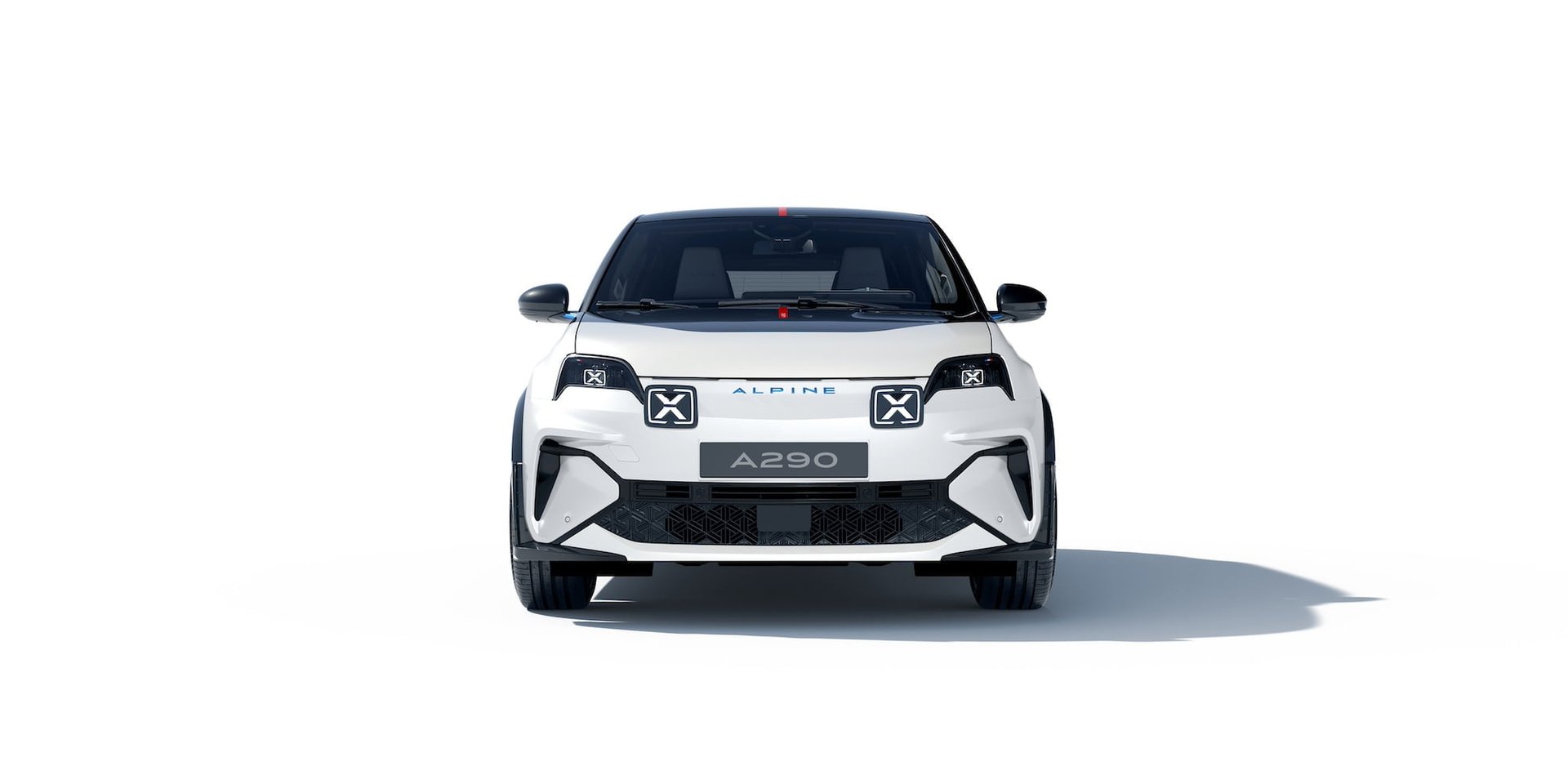
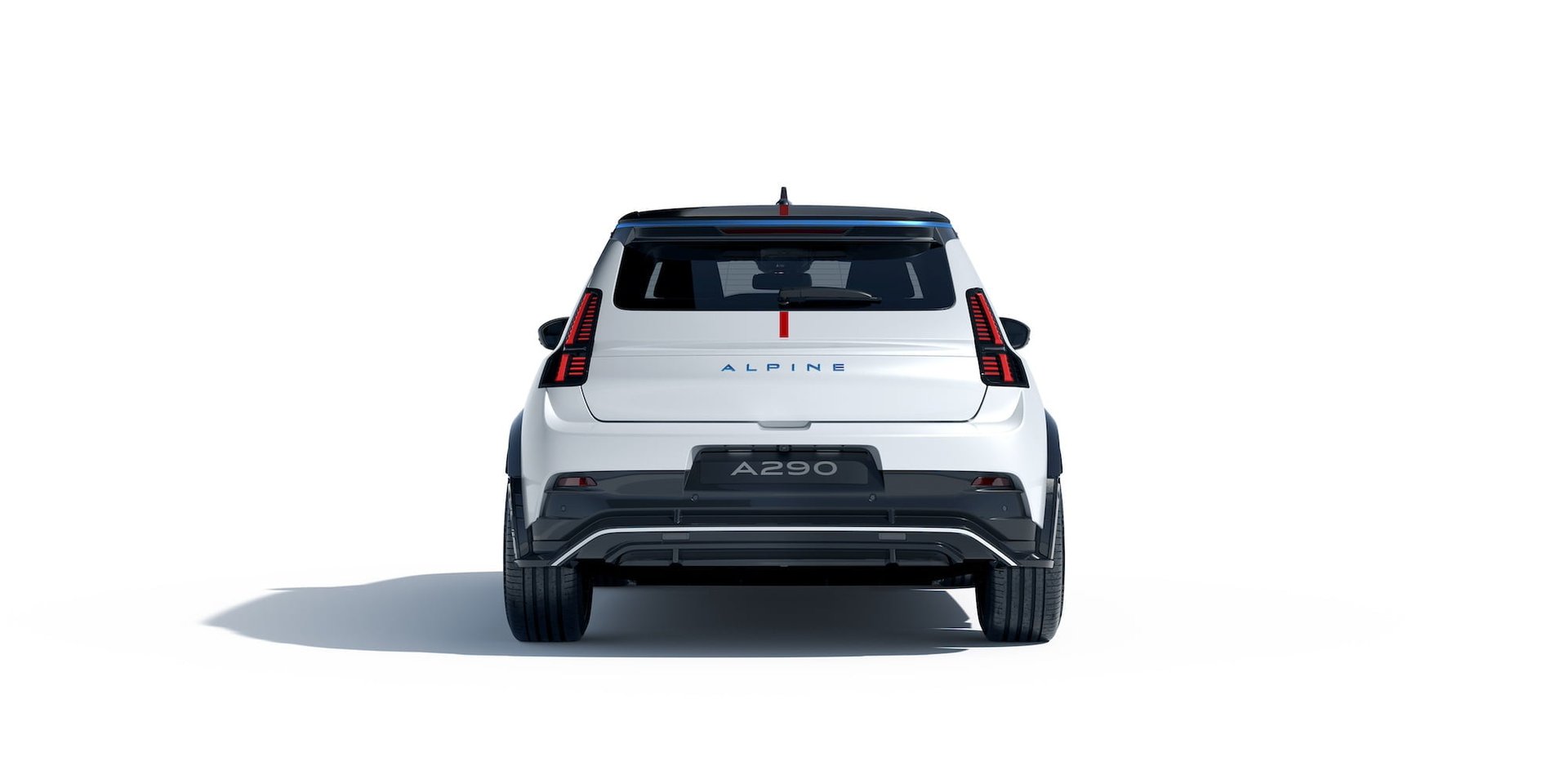
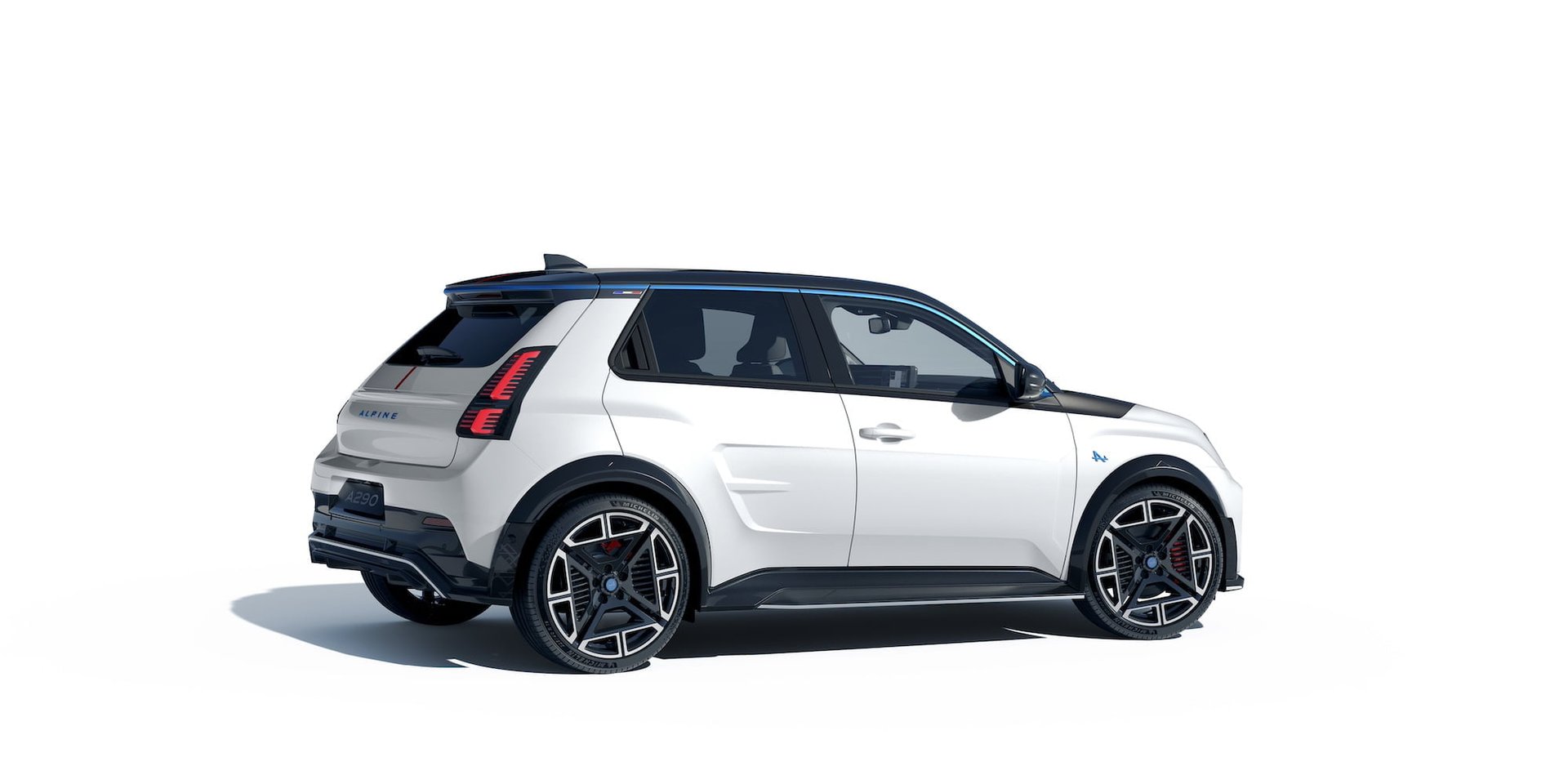
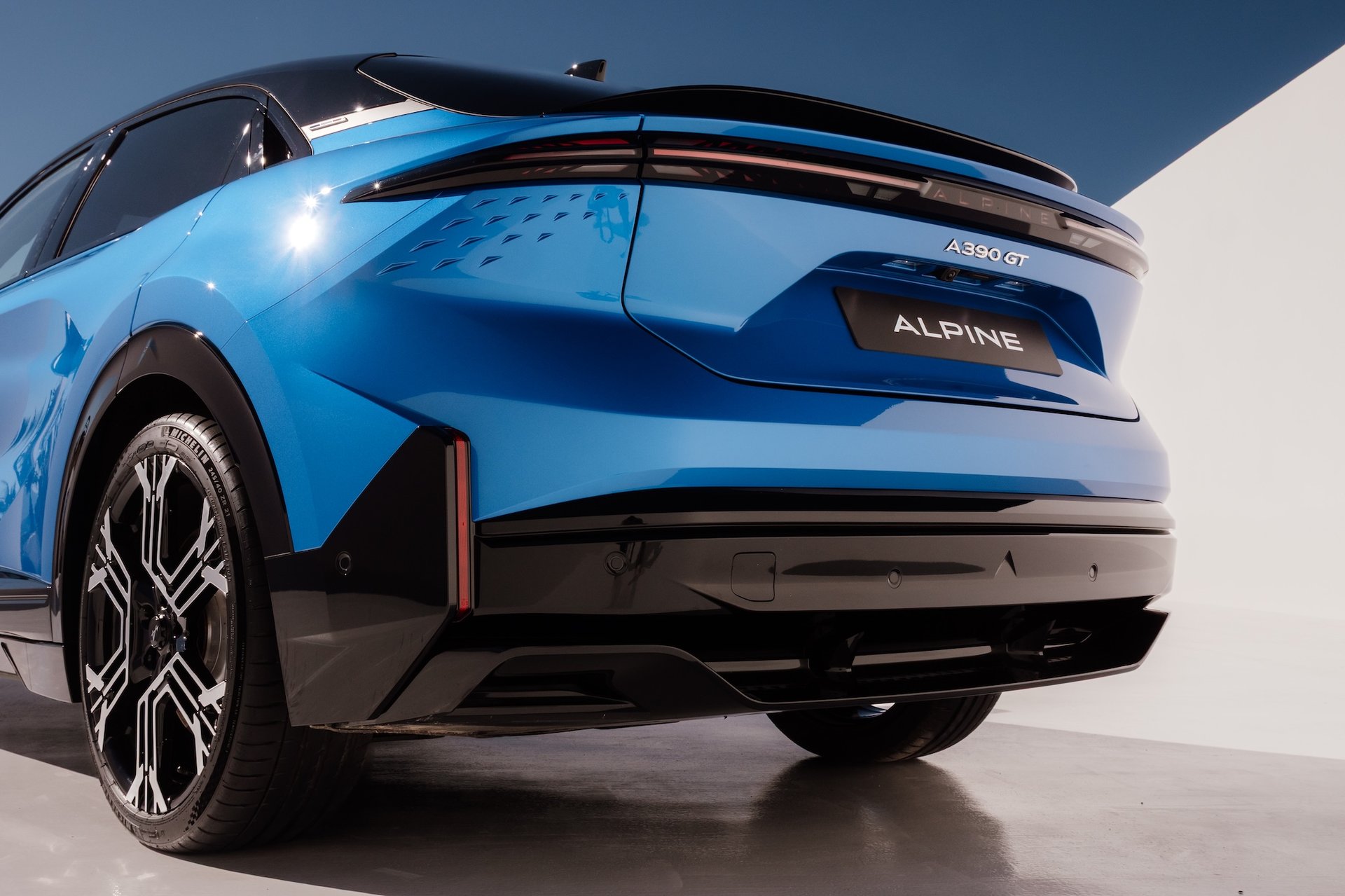
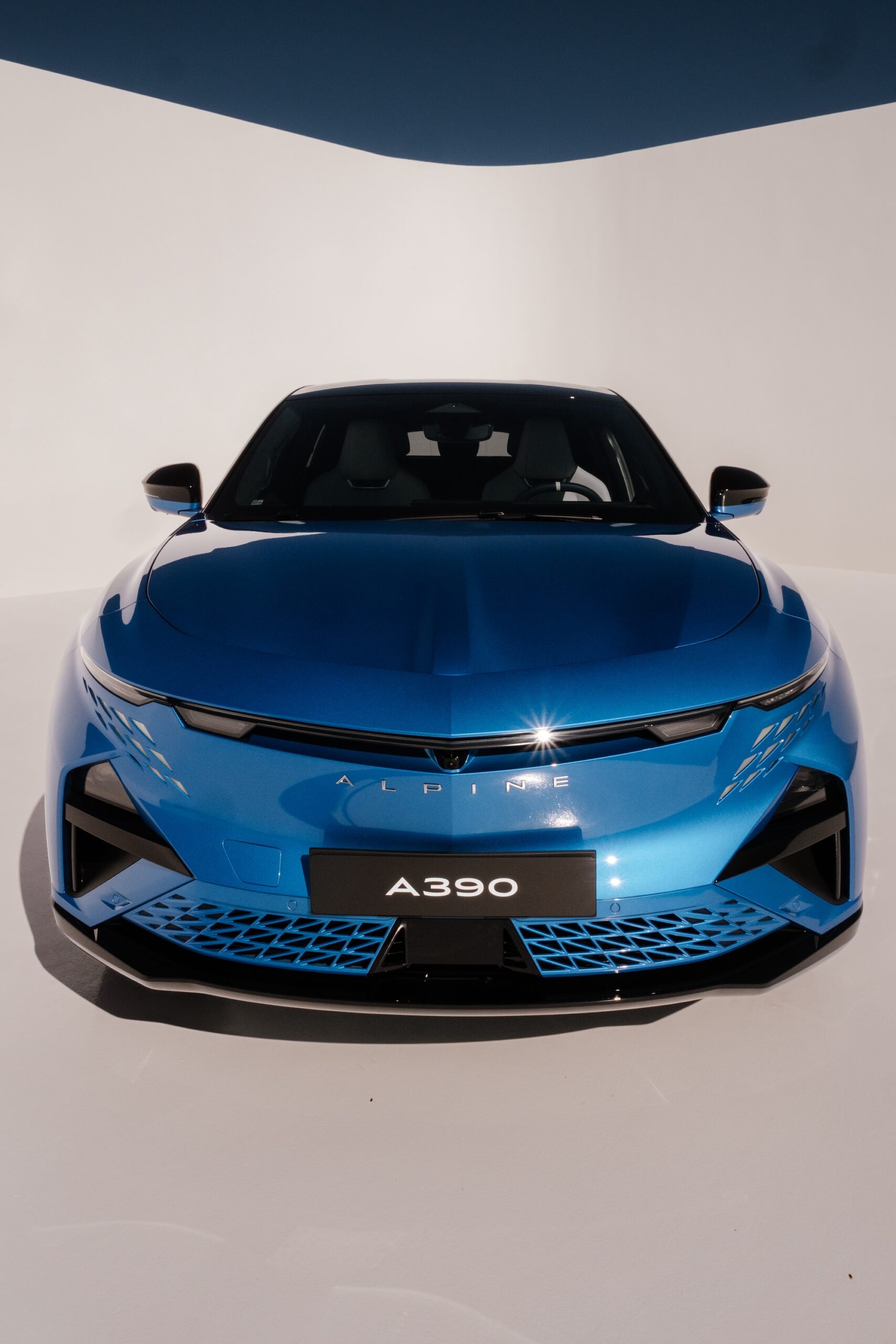
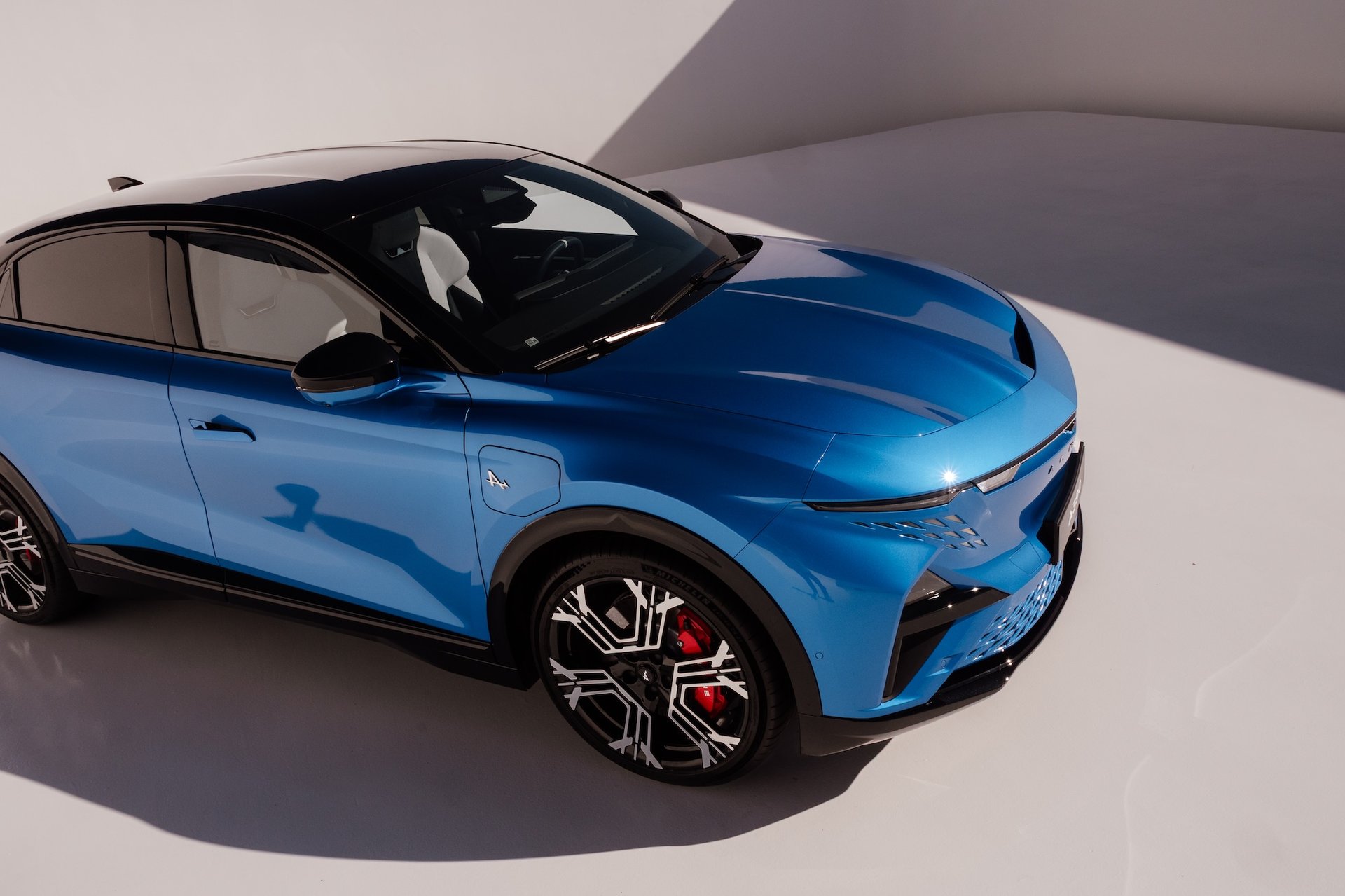
Cléon continues to supply engine expertise, deep into its shift towards electrification. Le Mans contributes chassis know-how, with ever-closer ties to Alpine Racing. Douai assembles batteries within the northern ElectriCity hub. And Dieppe, of course, handles final assembly — already responsible for the electric Alpine A390, and soon for the new A110. This entirely French supply network now underpins a global dealer footprint of more than 210 outlets, still expanding since 2025.
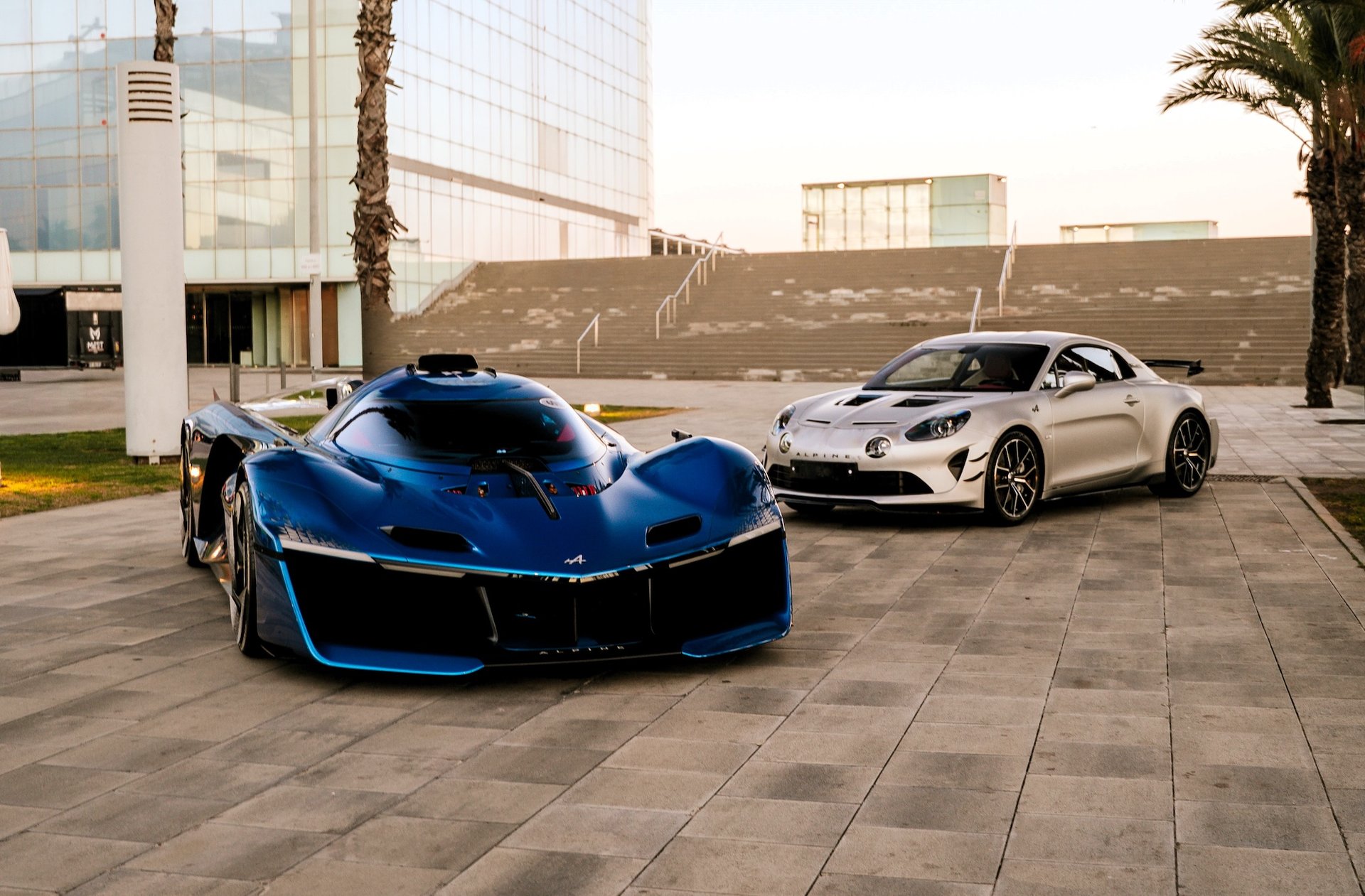
The Alpine Alpenglow, a concept that has since evolved into a running V6 hydrogen prototype developed using Formula 1 methodology, now serves as a genuine technology test bed. Synergies with the WEC endurance programme’s A424 Hypercar, and with the F1 team — even if that squad now runs a Mercedes power unit — feed directly into the road-car projects.
Weight-saving, battery thermal management, aerodynamics: Alpine no longer hides its intention to push motorsport expertise down into the production A110, a philosophy that hasn’t changed since the brand’s earliest days in competition.
What Dieppe is about to write next
The end of the Alpine A110’s second generation isn’t a farewell, then. It’s more of a hinge, carefully staged, between two eras of the same story. On one side, an R 70 that closes sixty years of combustion-engined A110s with real flair.
On the other, an APP platform that aims to rewrite the rules for the electric sports car without abandoning the lightness and driving pleasure the brand was built on. In between sits a Normandy factory that has never stopped turning, hiring, investing — carried by the same spirit that, on a particular day back on 5 November 2012, allowed a handful of determined people, backed by a fan association founded ten years earlier in Martin-Église, to bring back to life a myth that almost nobody, at the time, believed could be saved.
At some point, we’ll have to bring ourselves to talk about this A110 in the past tense. Not yet. Not entirely. But the moment calls for it, if only out of respect for everything it gave us across nine years. How many mountain passes taken a touch too quickly on a Sunday morning, how many daft grins after switching off the engine at the end of a drive that never quite felt long enough? There are cars you simply own, and then there are the rarer ones you live in. The A110 unmistakably belonged to the second group — a coupé as light as a promise kept, one that never needed to shout to be noticed.
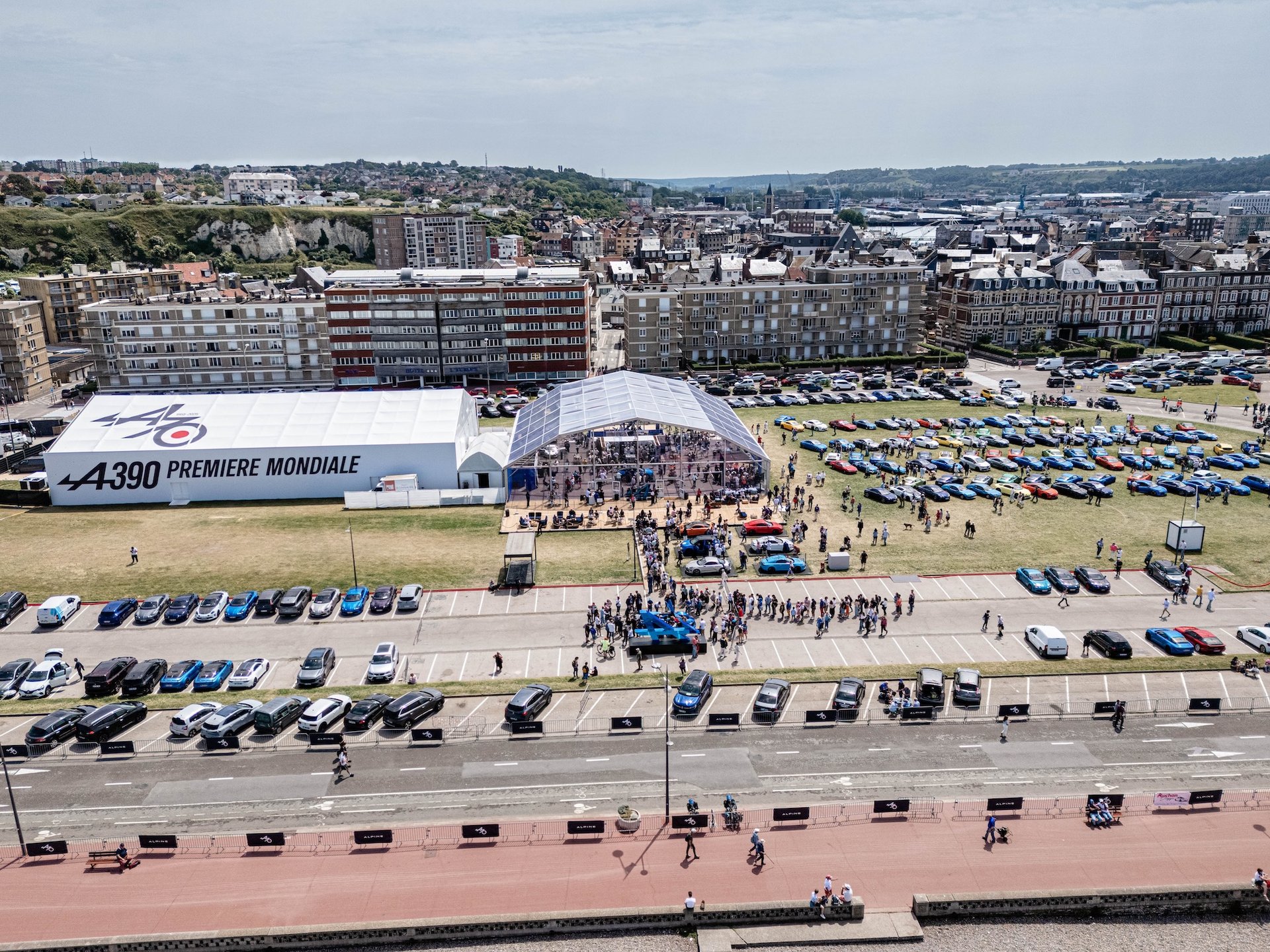
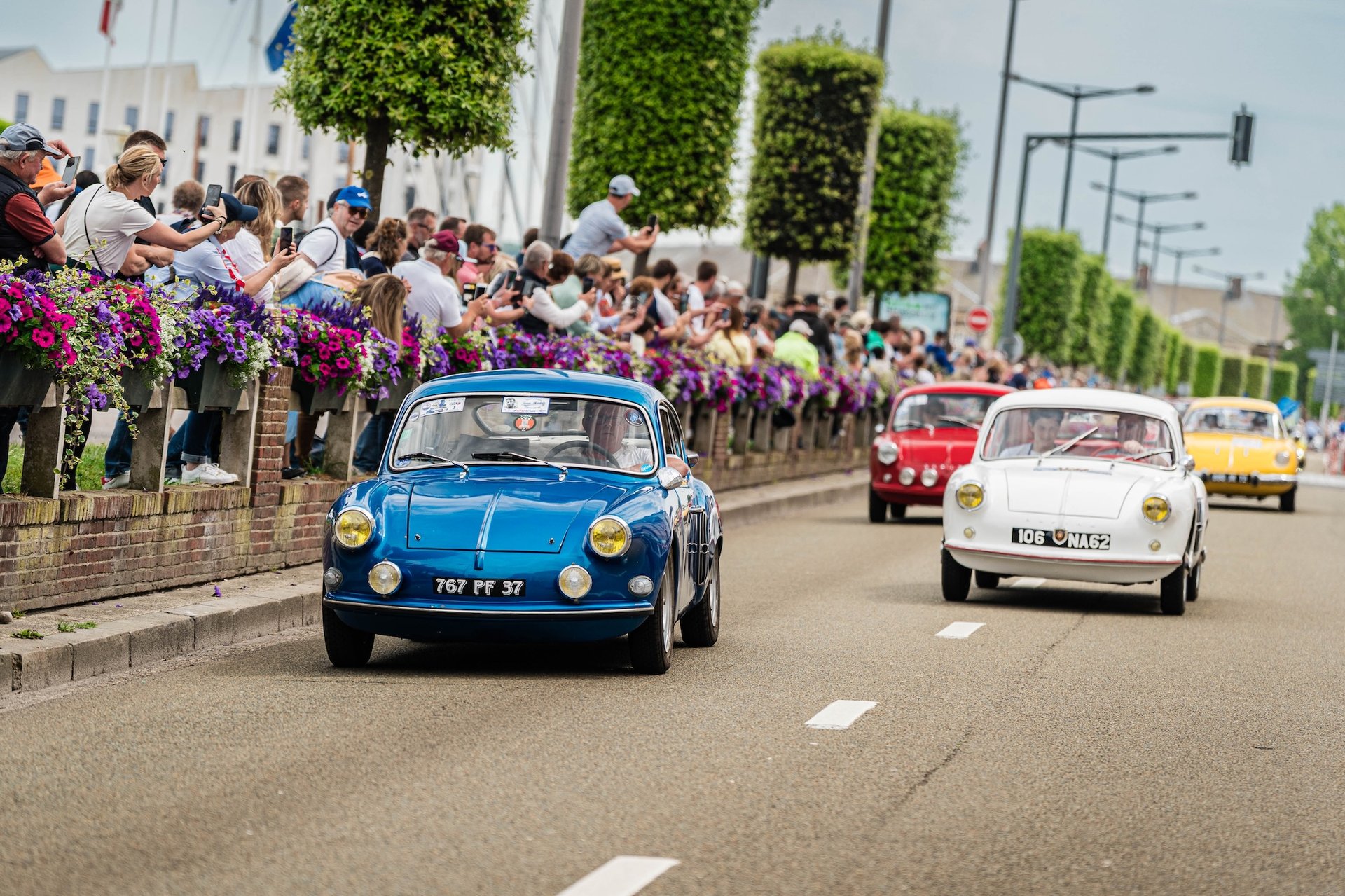
It reconciled an entire generation with the idea that a French sports car could hold its own against the best from Germany or Britain, and it did so without ever betraying what made it special in the first place: that slightly old-fashioned habit of putting enjoyment ahead of numbers on a spec sheet. On track-day car parks and at city traffic lights alike, it drew the same reaction from passers-by — the head that turns, the question aimed at the owner with a mix of curiosity and barely-hidden admiration.
Few modern cars can claim to have sparked quite so many unprompted smiles from complete strangers. So thank you, simply. Thank you for hours behind the wheel unlike any other, for memories no spec sheet will ever quite capture, and for carrying, with an almost effortless elegance, the flag of a French motorsport heritage some had feared was fading away. The page turning at Dieppe erases none of that. If anything, it’s the finest tribute the car could have asked for.
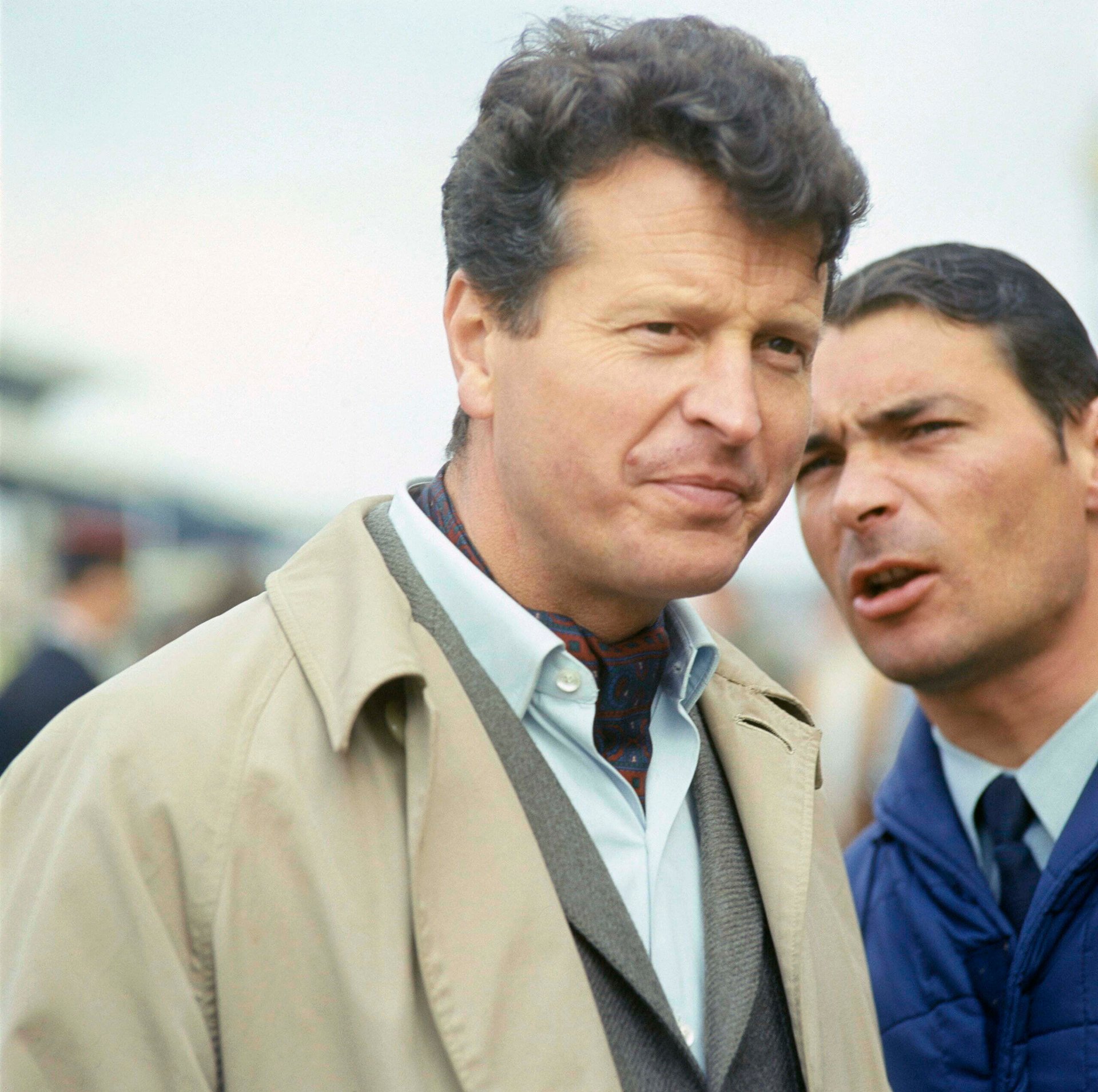
So, thank you. Thank you to Jean Rédélé, who had the sheer stubbornness to believe a garage in Dieppe could one day rival the biggest names in the motoring world. Thank you to Alpine, for keeping that promise across two generations without ever betraying it.
Thank you to the AAA and its earliest, most devoted members, who kept the flame burning through the twenty years when almost nobody else still believed.
And thank you to Dieppe — to its workshops, its hands, its families who have passed the trade down through three generations — without whom none of this would ever have existed at all.
Source: Alpine Cars