🇫🇷 Cet article est également disponible en français : Lire en français
Alpine had never sold as many cars as it did in 2026. Nor had it ever lost so much in a single year: the A110, endurance racing, Viry-Châtillon, then control of its engineering, purchasing and human resources. Renault sees this year as proof that Alpine should be a brand rather than a carmaker. We believe it has drawn the wrong conclusion.
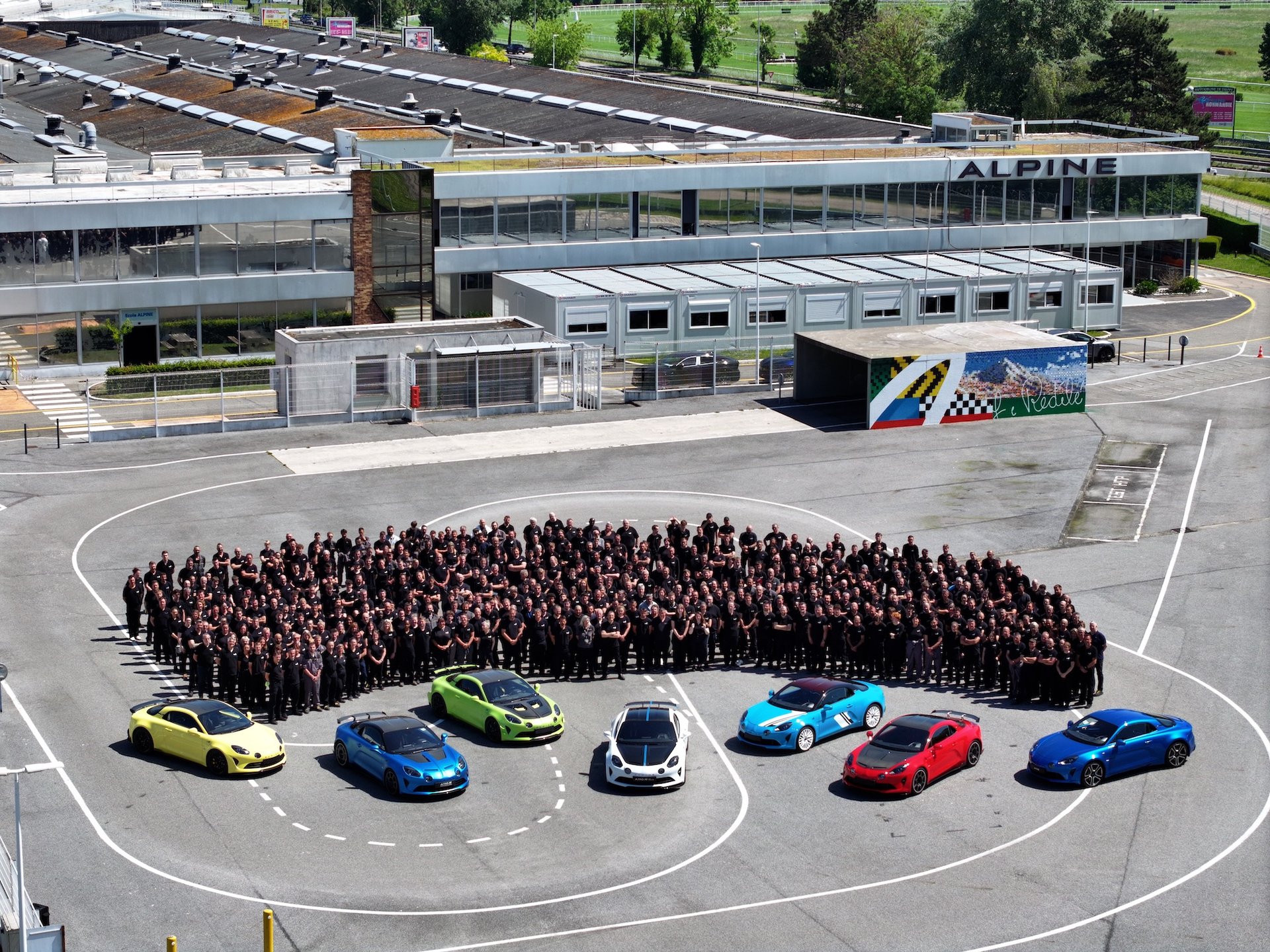
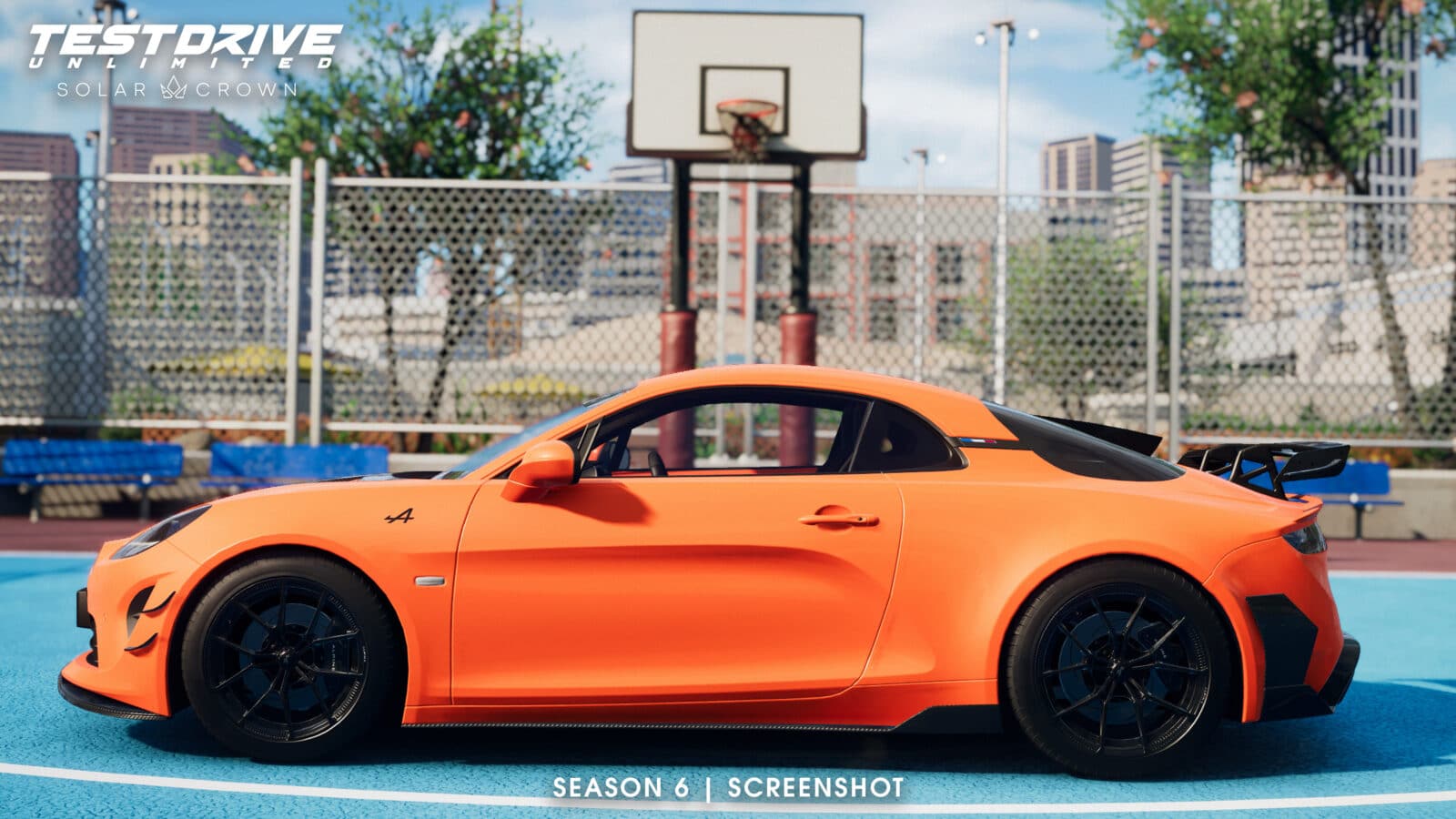
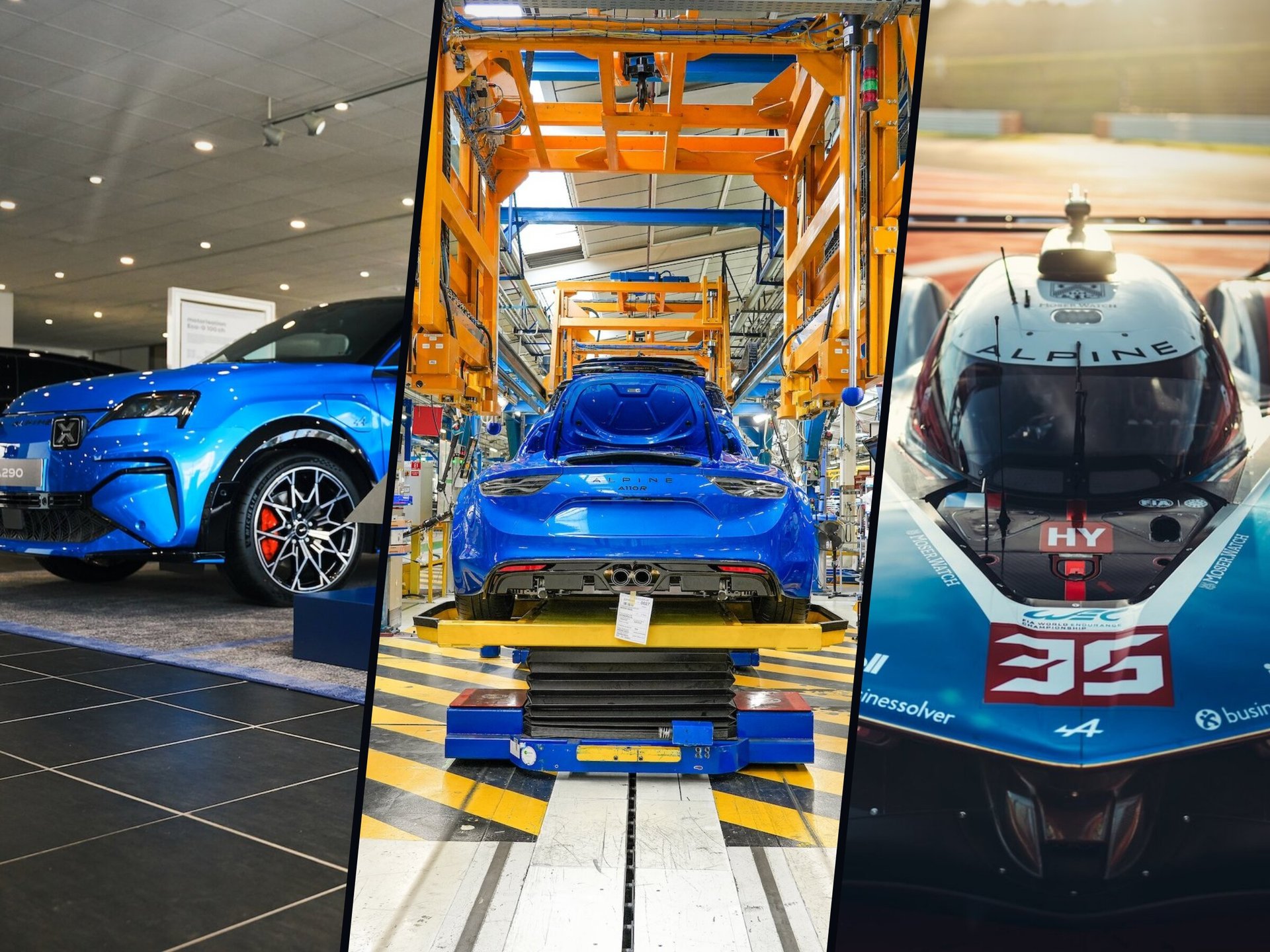
On 1 July 2026, an A110 R 70 in Bleu Alpine rolled off the production line at Dieppe. Nobody watched it leave without a pang of sadness: this was the last second-generation berlinette, the 28,701st built since 2017. There was no successor waiting in the wings, and there will not be one until late 2027.
At that very moment, Alpine was enjoying the strongest first-half sales in its modern history.
That disconnect captures the entire year. Alpine gained everything it had been asked to gain: customers, a wider dealer network, greater recognition. It lost what it thought it had secured in 2021: the right to make its own decisions. The plan presented to the central works council on 12 November, bringing Alpine Cars’ engineering, purchasing and human resources under Renault Group, is the culmination of that process. We examined the proposal, the people behind it and the reasons for it in Renault takes back control of Alpine: the end of its autonomy? That article covered the decision. This one takes stock of the year that led to it, and sets out where we stand.
The question is no longer whether Alpine is doing well. In the market, it is doing better than ever. The question is what Renault takes from this year, and whether it has reached the right conclusion.
What Alpine gained: a stronger market presence
First, the figures, because they are beyond dispute: 12,269 registrations in the first nine months, up 65.6%. By September, Alpine had already surpassed its total for the whole of 2025.
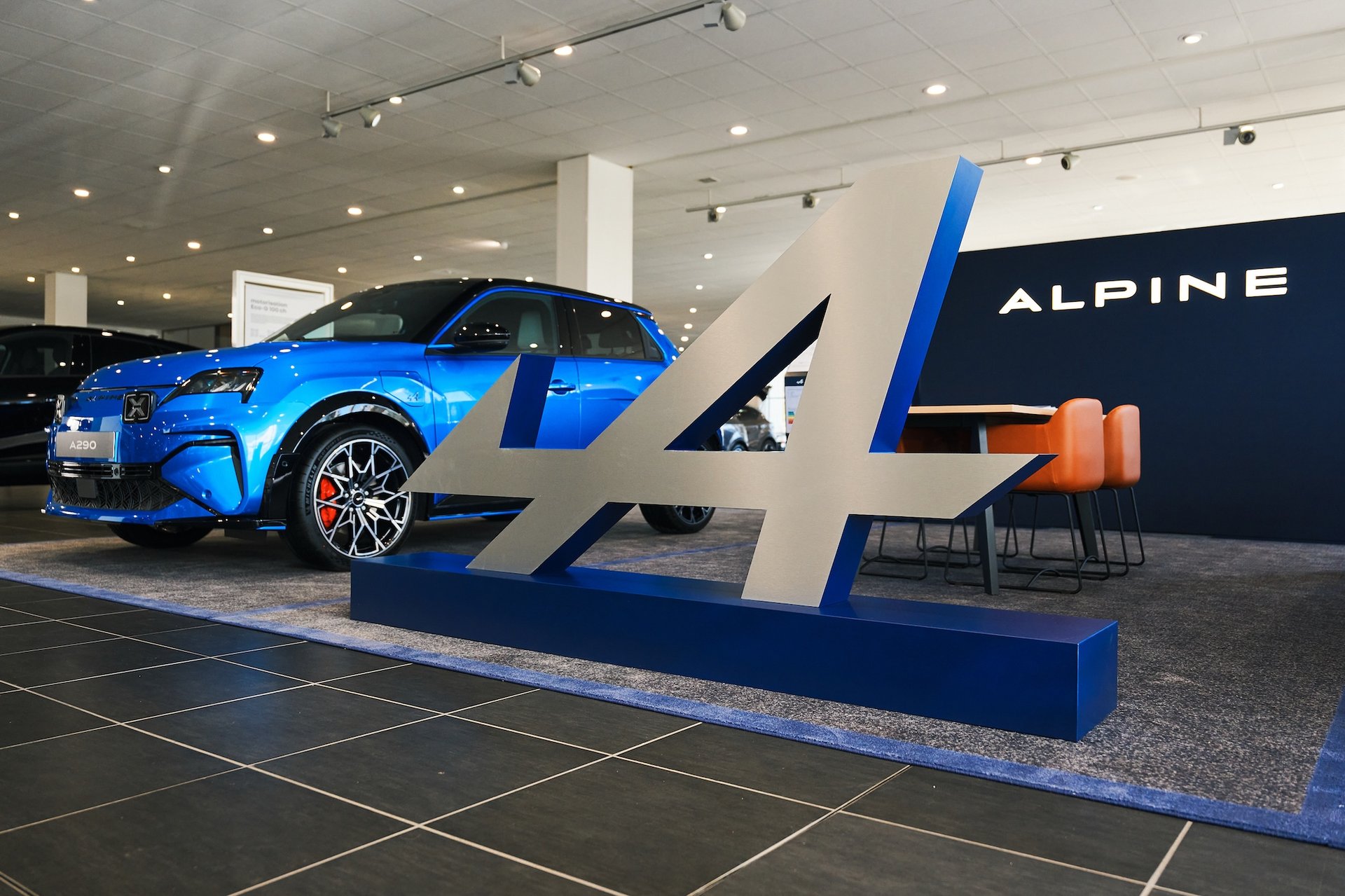
The network now comprises 210 sales outlets across 25 countries, including 42 in France. The A290 has just arrived in Japan. None of this suggests a brand in trouble.
The car driving that growth is the A290:
- 8,618 registrations in nine months;
- seven out of every ten Alpines sold;
- more than 10,000 orders in Europe;
- almost 80% of buyers new to both Alpine and Renault.
The Renault 5-based supermini has done exactly what the Alpine Revolution plan asked of it: bring the brand into the lives of people who would never previously have given it a second glance.
This is where the misunderstanding begins. The A290 is the most Renault-like Alpine in the range, and the group has taken its success to mean that sharing resources is enough.
What Alpine lost: control
The other side of the ledger reads like a list of retreats. We covered each one separately; taken together, they reveal a clear direction of travel:
- 12 February 2026. Renault announces the A424’s withdrawal from the World Endurance Championship at the end of the season. The decision comes before the season has even begun.
- March 2026. The FutuREady plan freezes Alpine’s international expansion. North America slips down the agenda and the Australian launch is put on hold. In the group’s account of its future, Alpine gets just three lines, with no mention of motorsport.
- 1 July 2026. Production of the petrol-powered A110 ends, with no successor due before late 2027.
- 22 October 2026. An agreement is reached to sell Alpine Racing SAS, based at Viry-Châtillon, to Belgium’s Dumarey group, with around 150 employees. The site was supposed to become ‘Hypertech Alpine’; in the meantime, 108 employees have left under a voluntary departure scheme.
- 12 November 2026. A proposal would bring Alpine Cars’ engineering, purchasing and HR functions under Renault Group. According to L’argus, Alpine would report to Fabrice Cambolive’s ‘Growth and Brand’ division.
- 17 November 2026. Renault considers cutting 81 jobs at Dieppe, with no recruitment planned, citing ‘the commercial success of the A390, which has yet to materialise’.
Each of these decisions can be defended in isolation. Together, they tell the story of nine months in which Alpine has lost its endurance programme, its high-tech centre, its defining model and control of its own engineering. The brand remains. The carmaker is fading away.
The wrong lesson
François Provost’s reasoning is not absurd. It comes down to a single rule, applied across the group: an autonomous business must deliver more value than it costs in added complexity. Otherwise, it is brought back into the fold.
Our disagreement is with the lesson Renault has drawn from the year. For the group, the A290 proves that sharing resources works. The A390 shows where that approach reaches its limits.
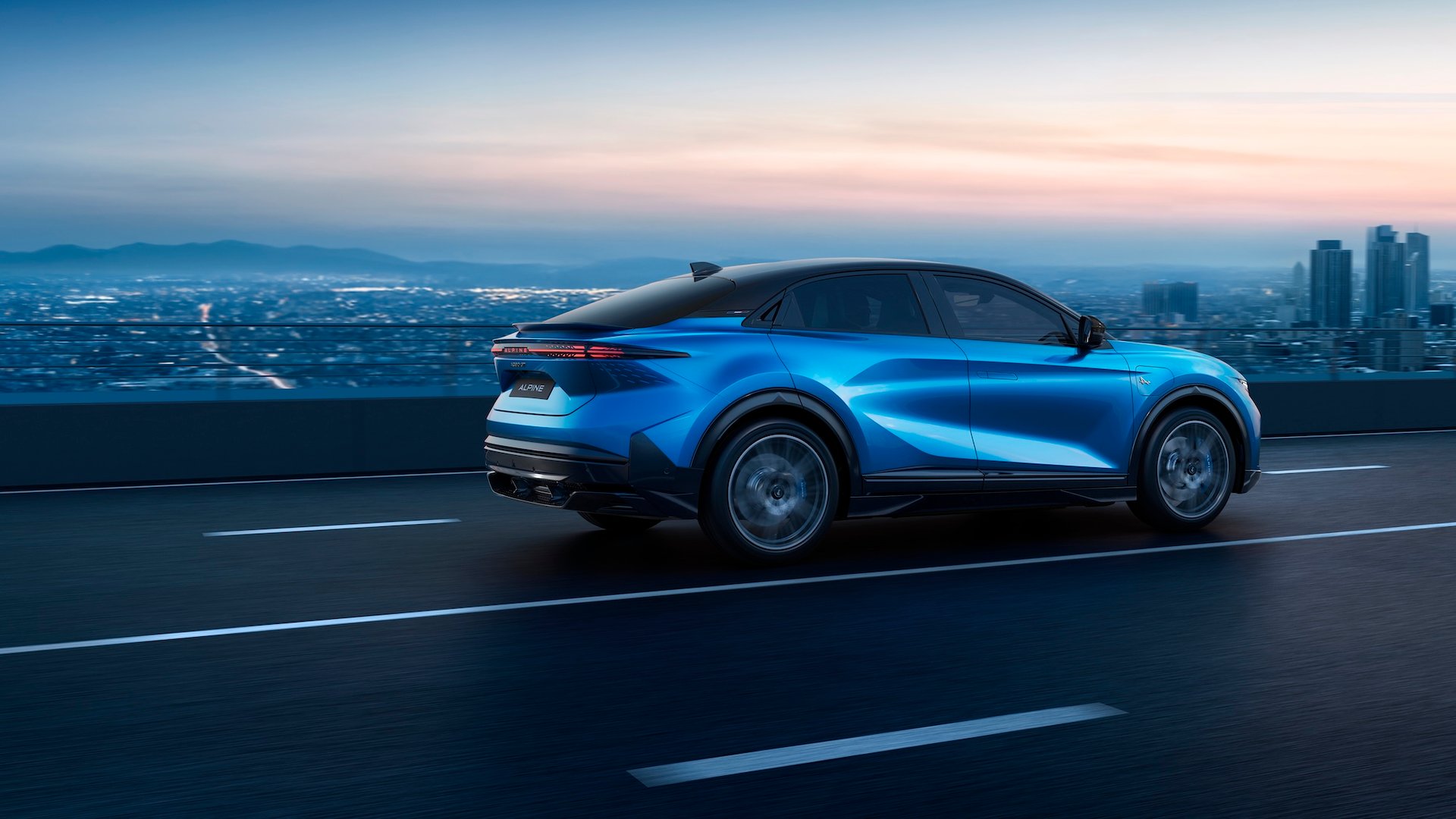
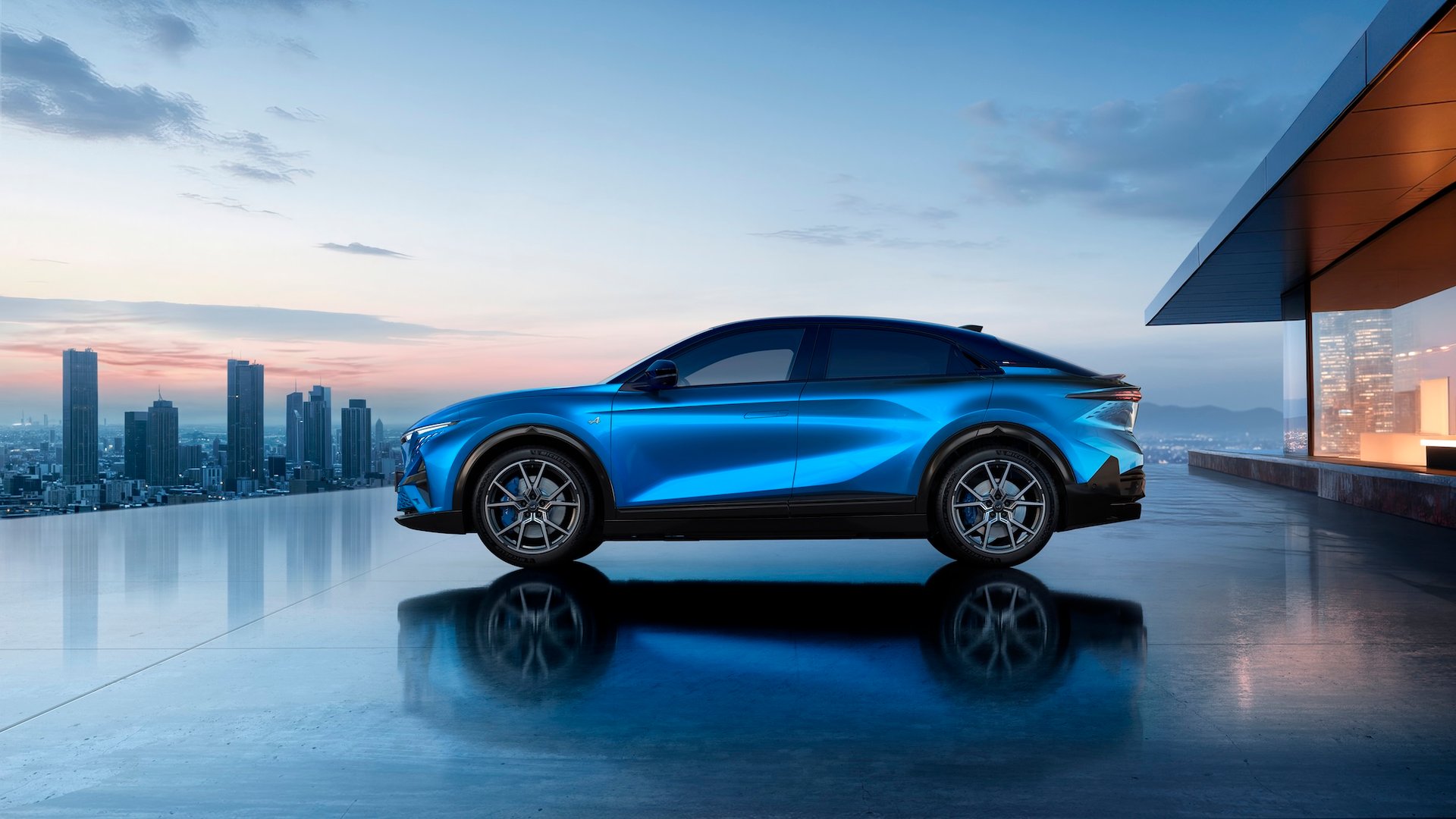
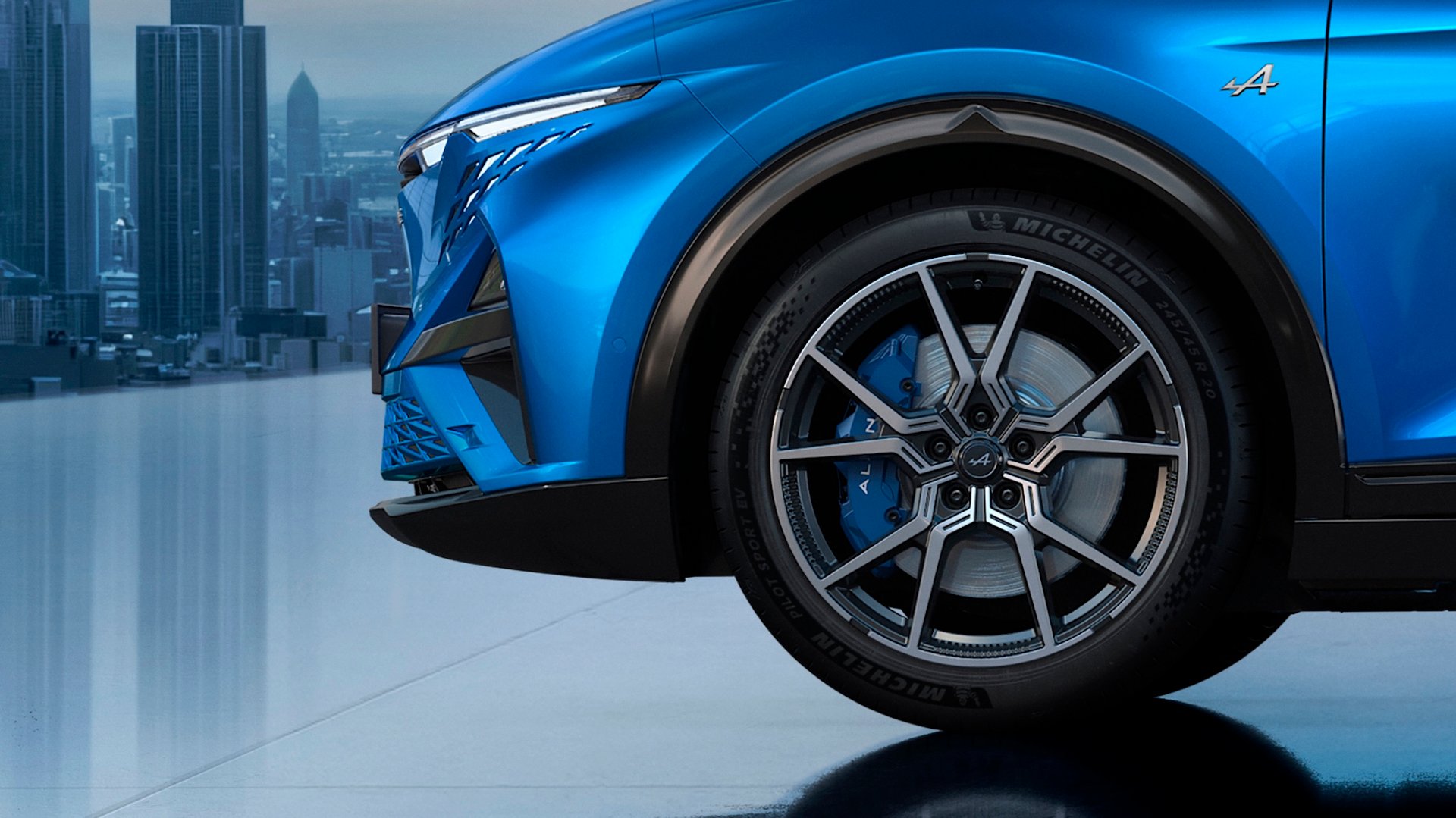
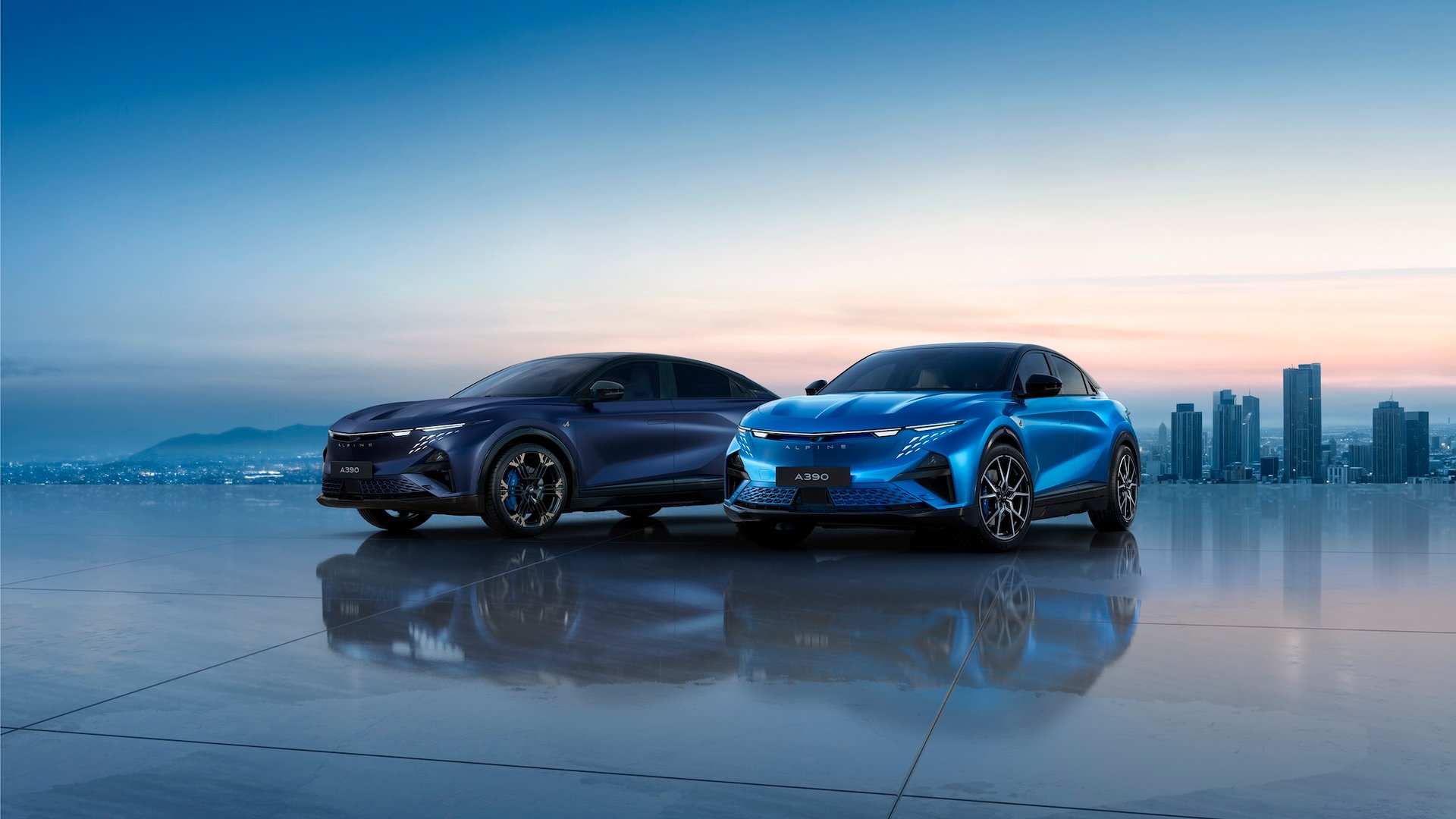
The A390, or the limits of a shared platform. Sales volumes remain well below expectations, to the point that Dieppe has cut the production rate twice. Its chassis is not the problem. Our road tests praised the precision of its steering and the work done by its twin-motor rear axle. We also found a GTS that ‘turns its weight into poise’. That is Alpine’s contribution to the car, and it delivers.
The price, monthly lease payments and the residual values of a young brand explain part of the shortfall. But that price is harder to justify when the A390’s shared underpinnings make themselves felt:
- Charging. The GT uses a 400 V architecture and an LG battery, with charging capped at 150 kW in a class where some rivals exceed 250 kW.
- Weight. The car weighs more than two tonnes, with a quoted figure of 2,124 kg for the GT.
- The cabin. We found it a long way from ‘a truly premium interior’. Some plastics ‘lack a quality feel’, while certain details betray ‘the thinking behind a shared platform’.
At €67,500 for the GT, the A390 takes on the electric Porsche Macan, BMW iX3, Lotus Eletre and Tesla Model Y Performance. At this level, those compromises carry a cost. The A390 is not a bad car. It combines excellent Alpine chassis development with underpinnings that were not up to either its asking price or its competition.
The successes bear Alpine’s own signature.
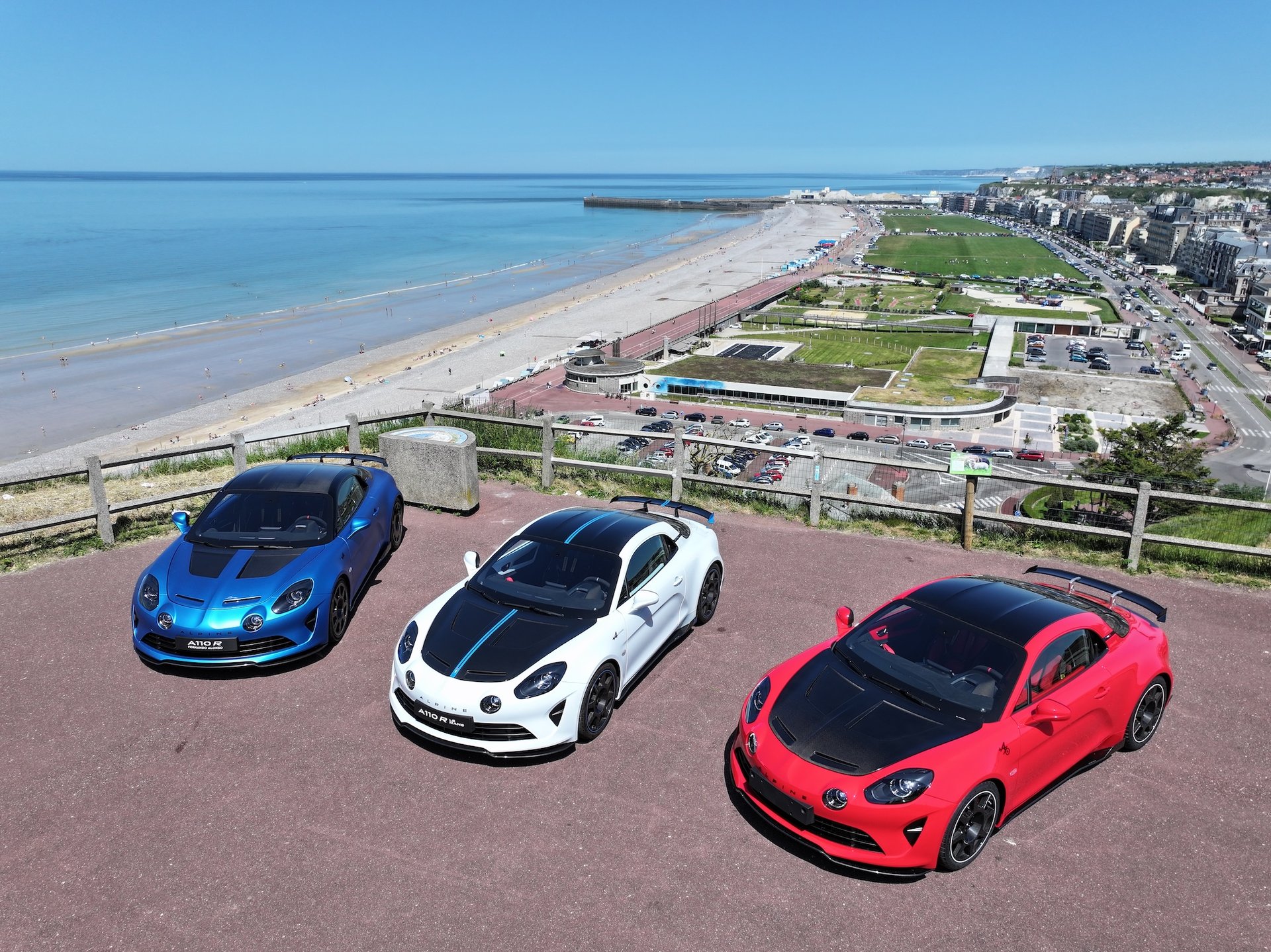
- The A110. It kept selling right to the end. It still held 62% of its European segment in the first quarter and was voted a ‘Best Car’ by Auto Motor und Sport for the eighth time. Buyers snapped up its final editions at supercar prices: 110 A110 R Ultimes starting at €260,000, and 15 ‘La Bleue’ editions at €330,000, all sold. That value rests on a bespoke aluminium platform and years of development by people who knew exactly what they were trying to achieve.
- The A424. It was never more competitive than in its final year. More on that below.
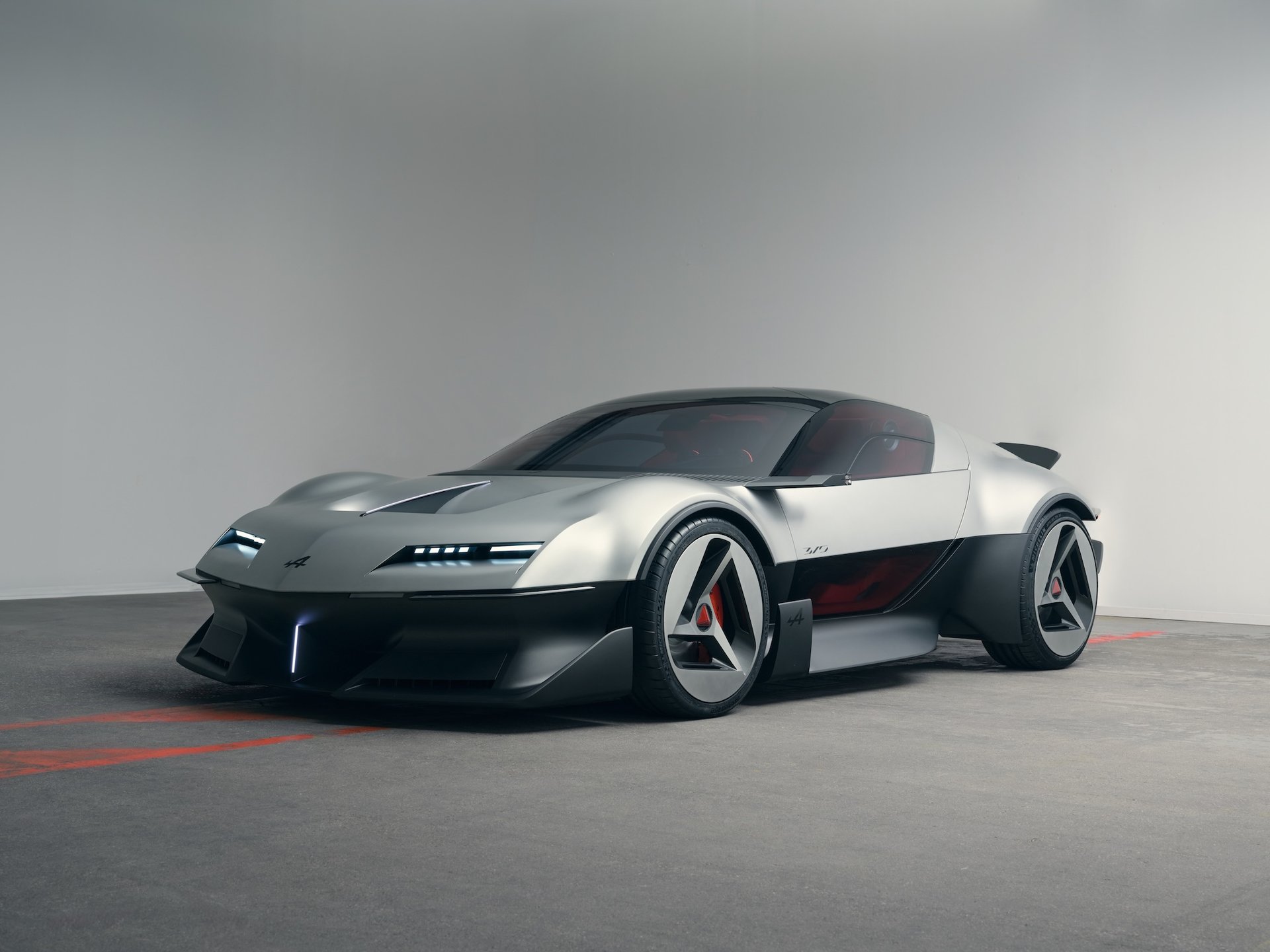
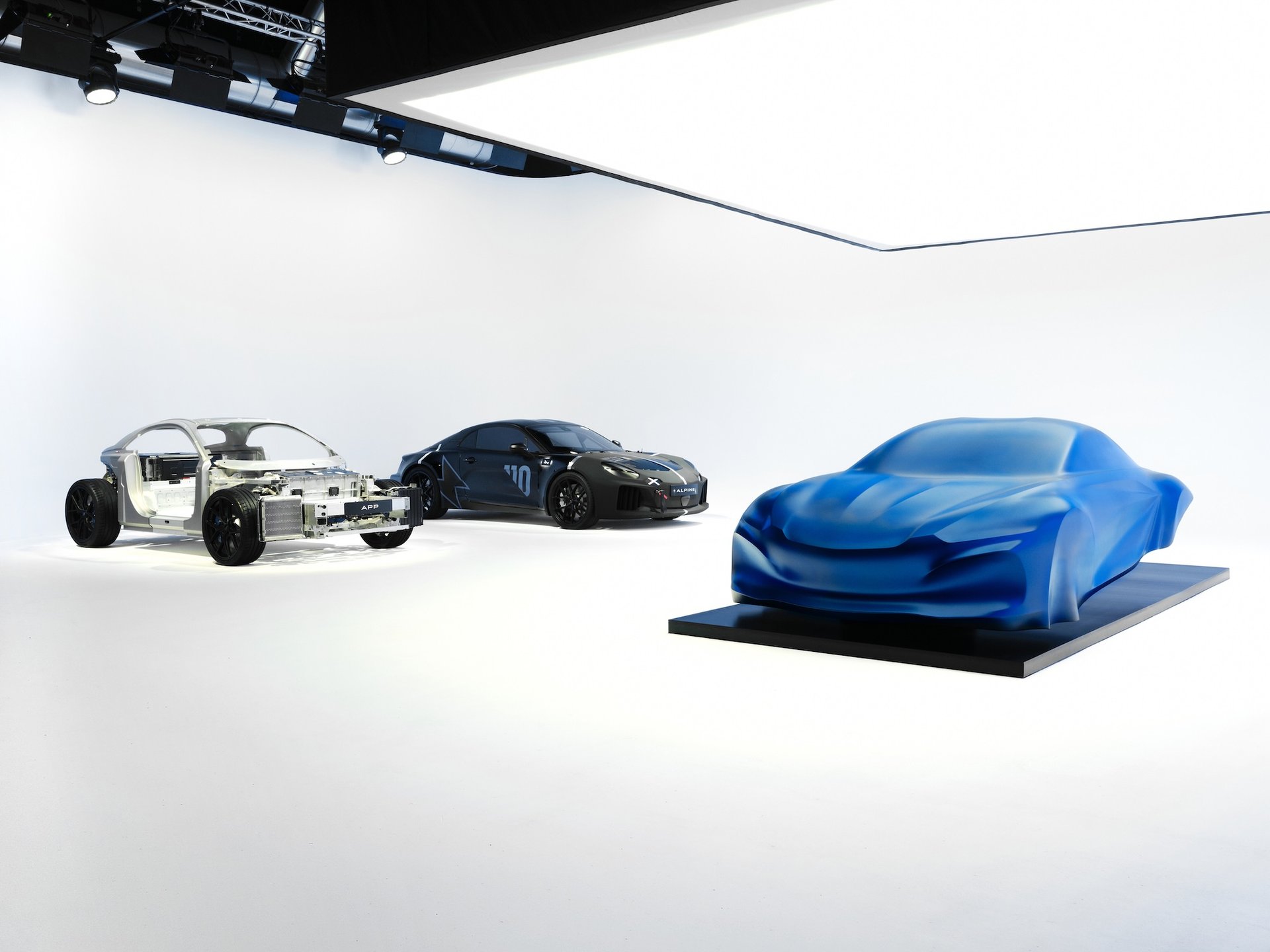
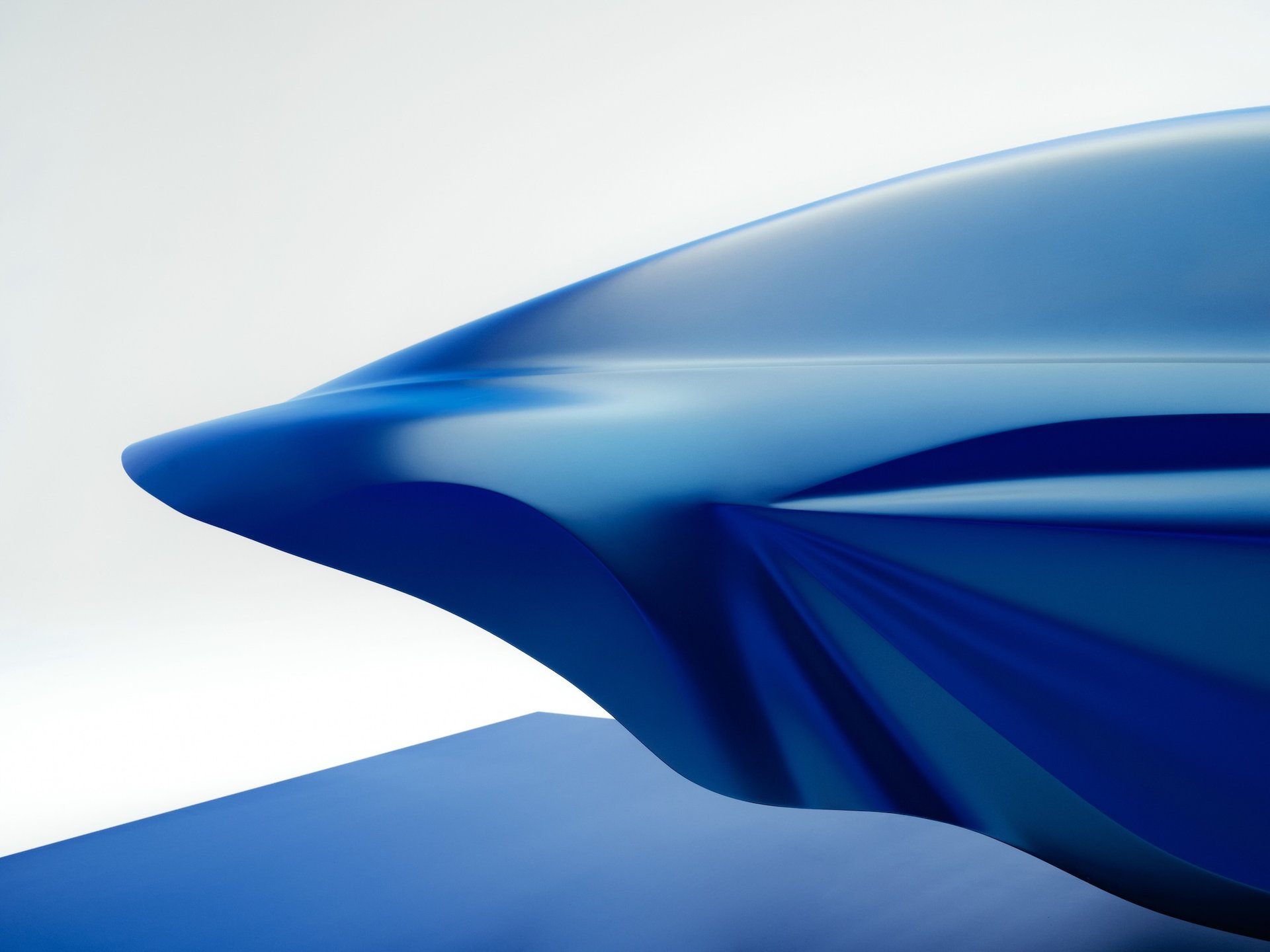
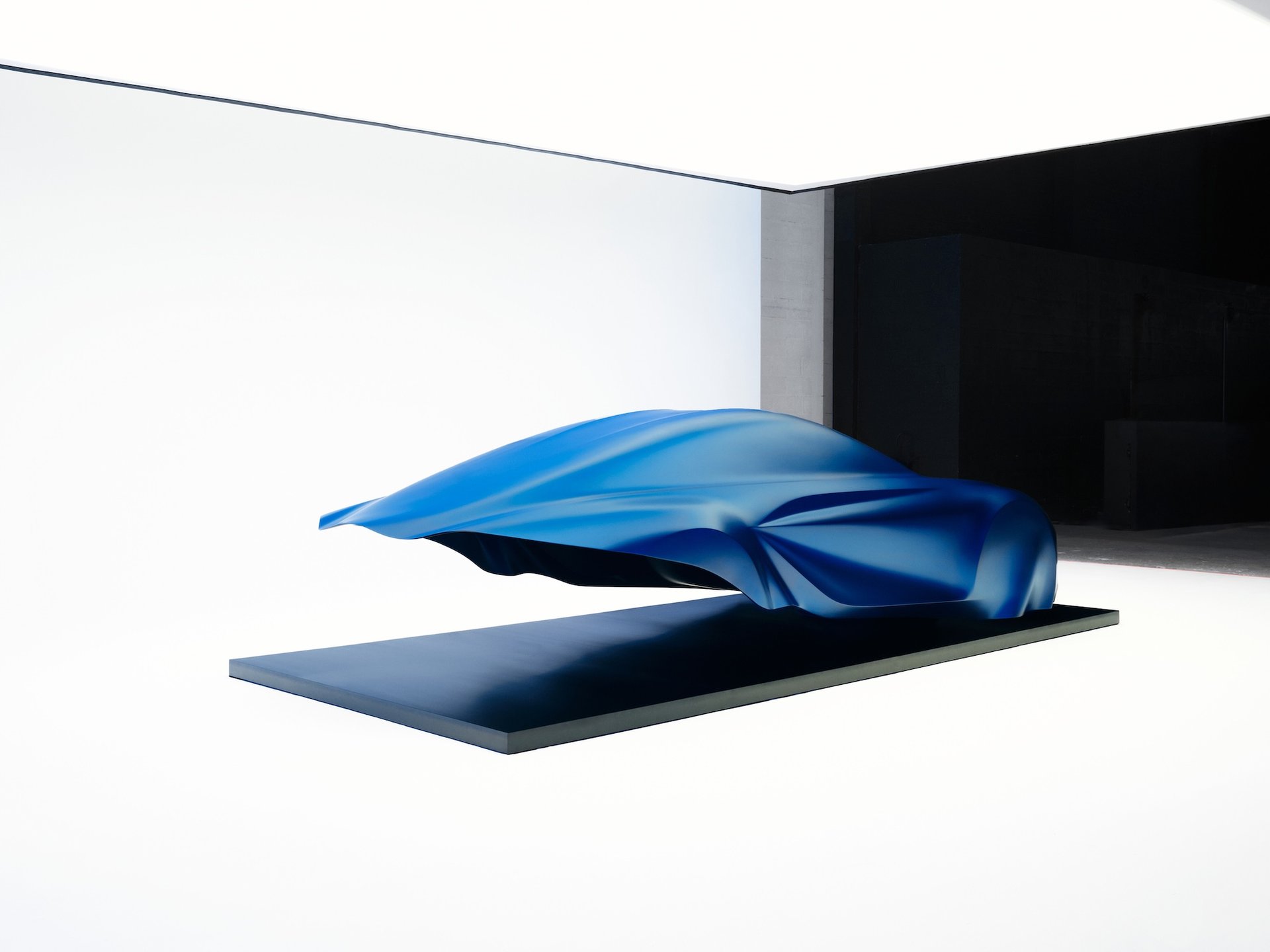
- The APP. The platform for the next A110, the first to be entirely Alpine’s own, takes the opposite approach to the A390: it was designed for the berlinette, rather than adapted from existing underpinnings. It is even engineered to accommodate an internal combustion engine.
The lesson of 2026 is therefore twofold. Sharing works when the segment and the price make it acceptable, as they do with the A290. It reaches its limits when an Alpine must compete, at the same price, with rivals engineered without compromise. That is precisely the territory the next A110 will occupy.
Renault is taking back control of Alpine’s engineering just as the brand prepares its first dedicated platform. In doing so, it risks repeating the A390 experience rather than the A290’s. That, in our view, is where it has drawn the wrong conclusion.
Porsche shares a great deal with the Volkswagen Group, but Weissach decides what happens to the 911. That is the crucial distinction: sharing resources does not mean surrendering the final say.
Jean Rédélé’s Alpine has lived under Renault’s authority before: Renault took control in 1973, and Alpine production at Dieppe ended in 1995. The revival in 2017 and the creation of the Business Unit in 2021 were meant to prevent history from repeating itself. Nothing says it has to. That is precisely why the final say over the A110 matters so much.
Motorsport: two programmes, two different futures
Motorsport tells the story of the same year, with rather more emotion.
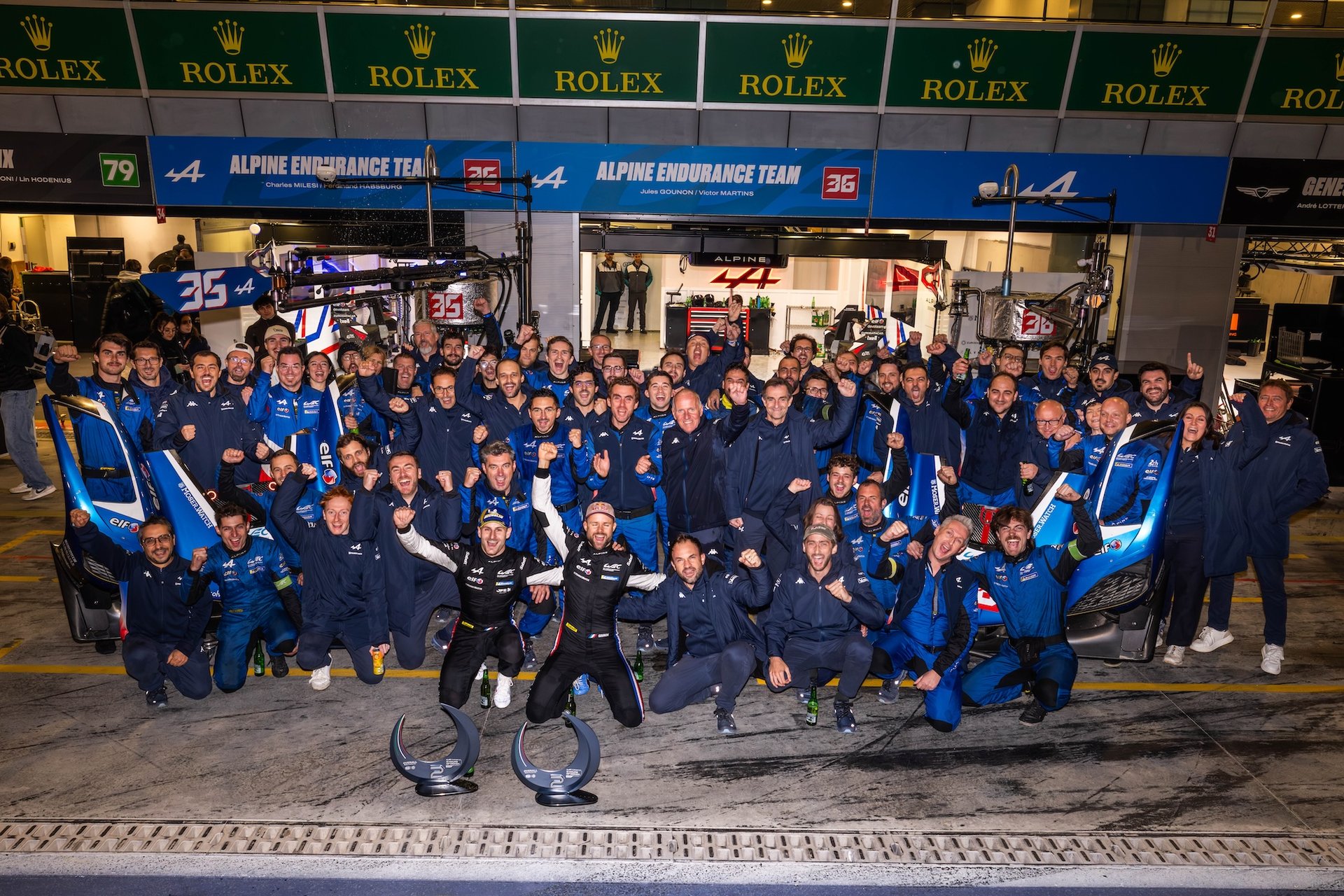
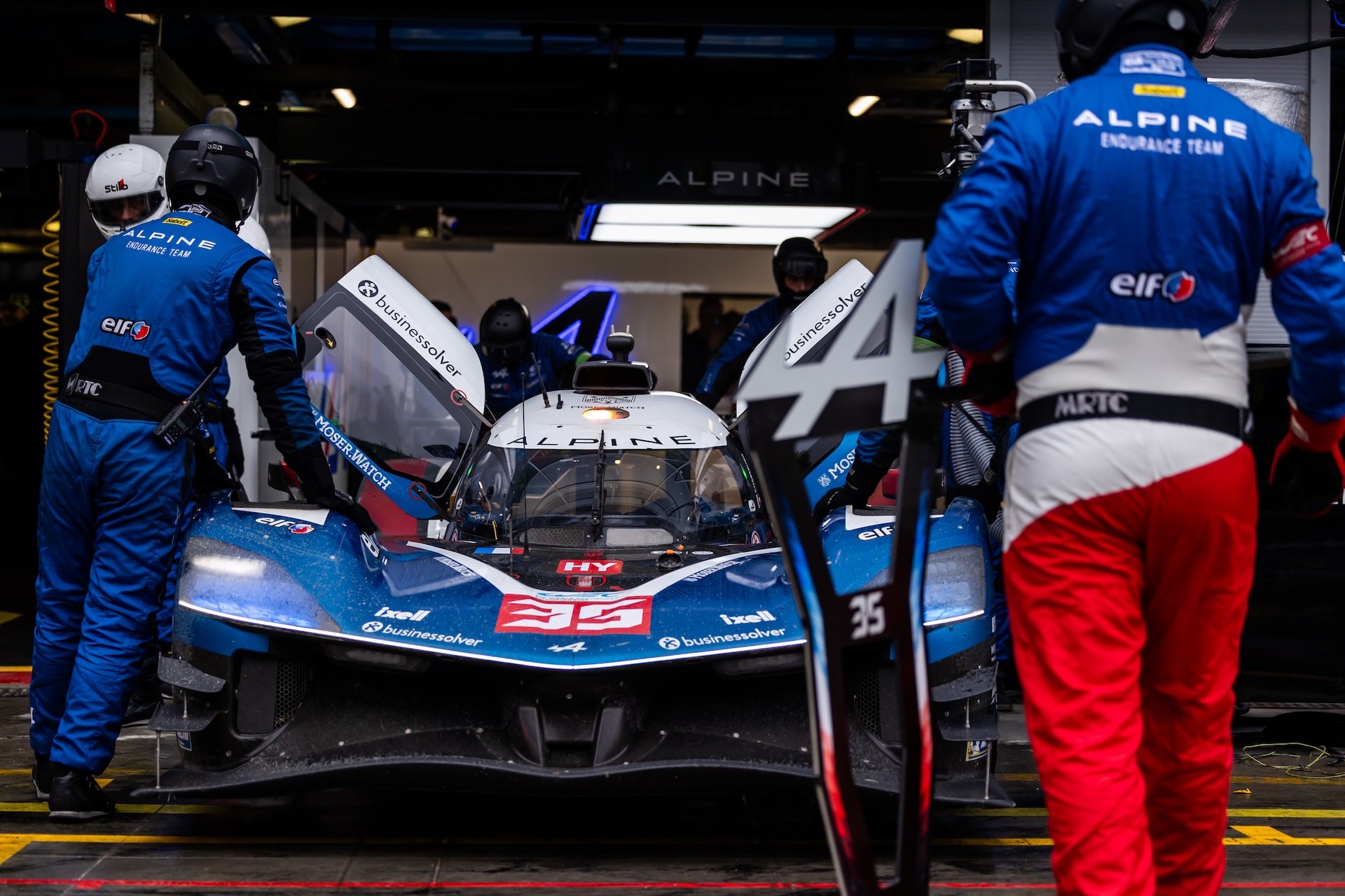
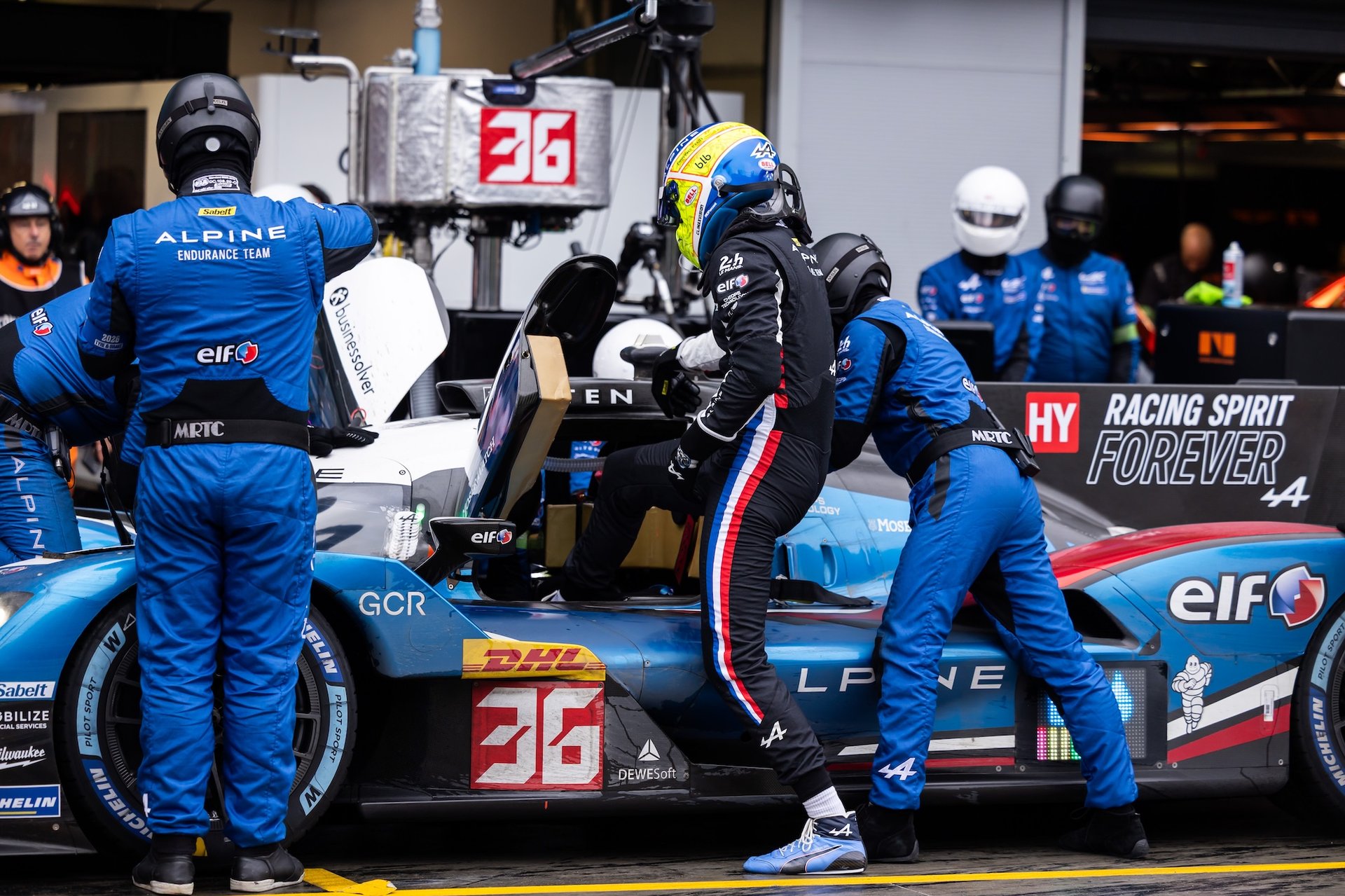
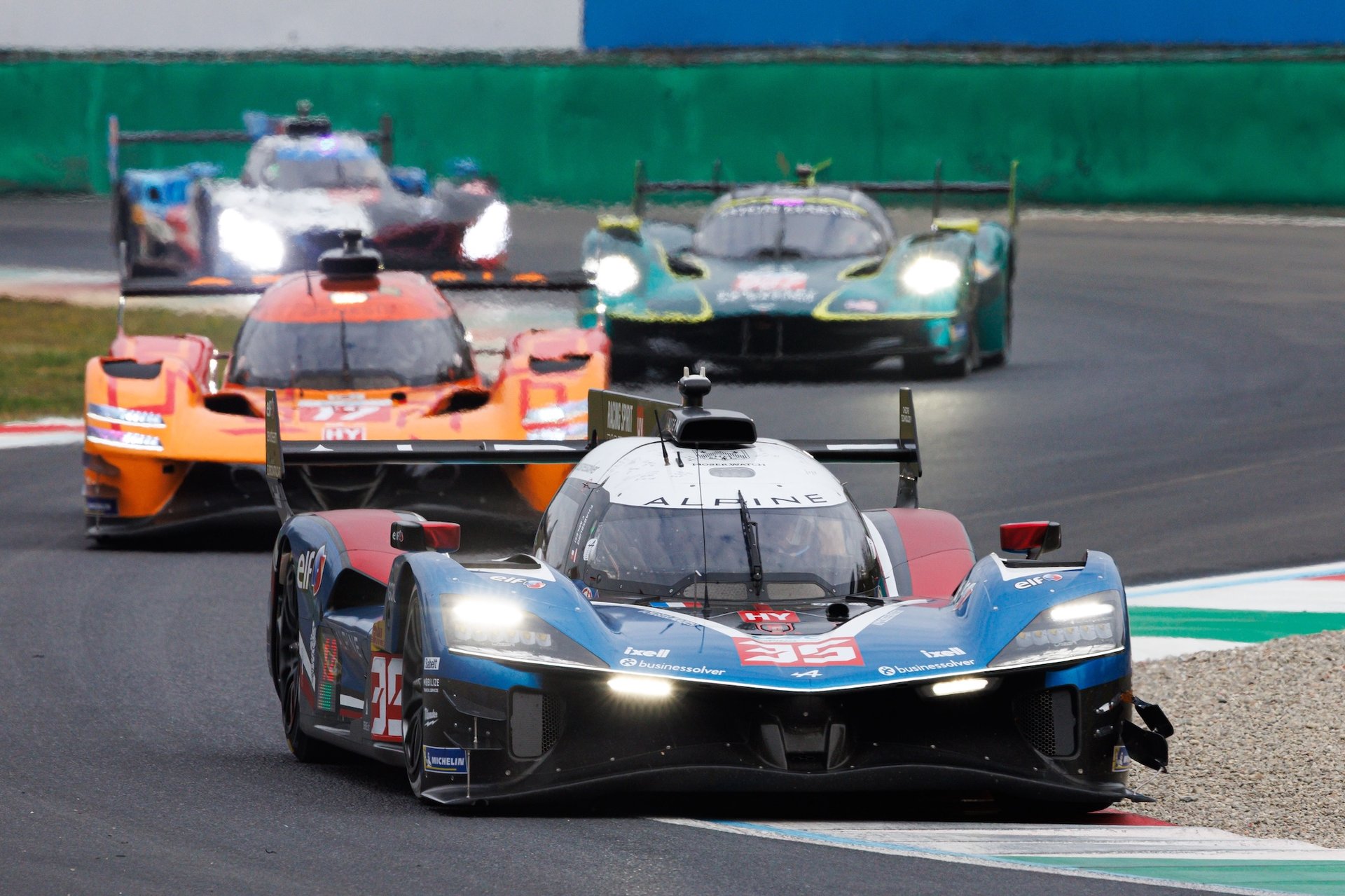
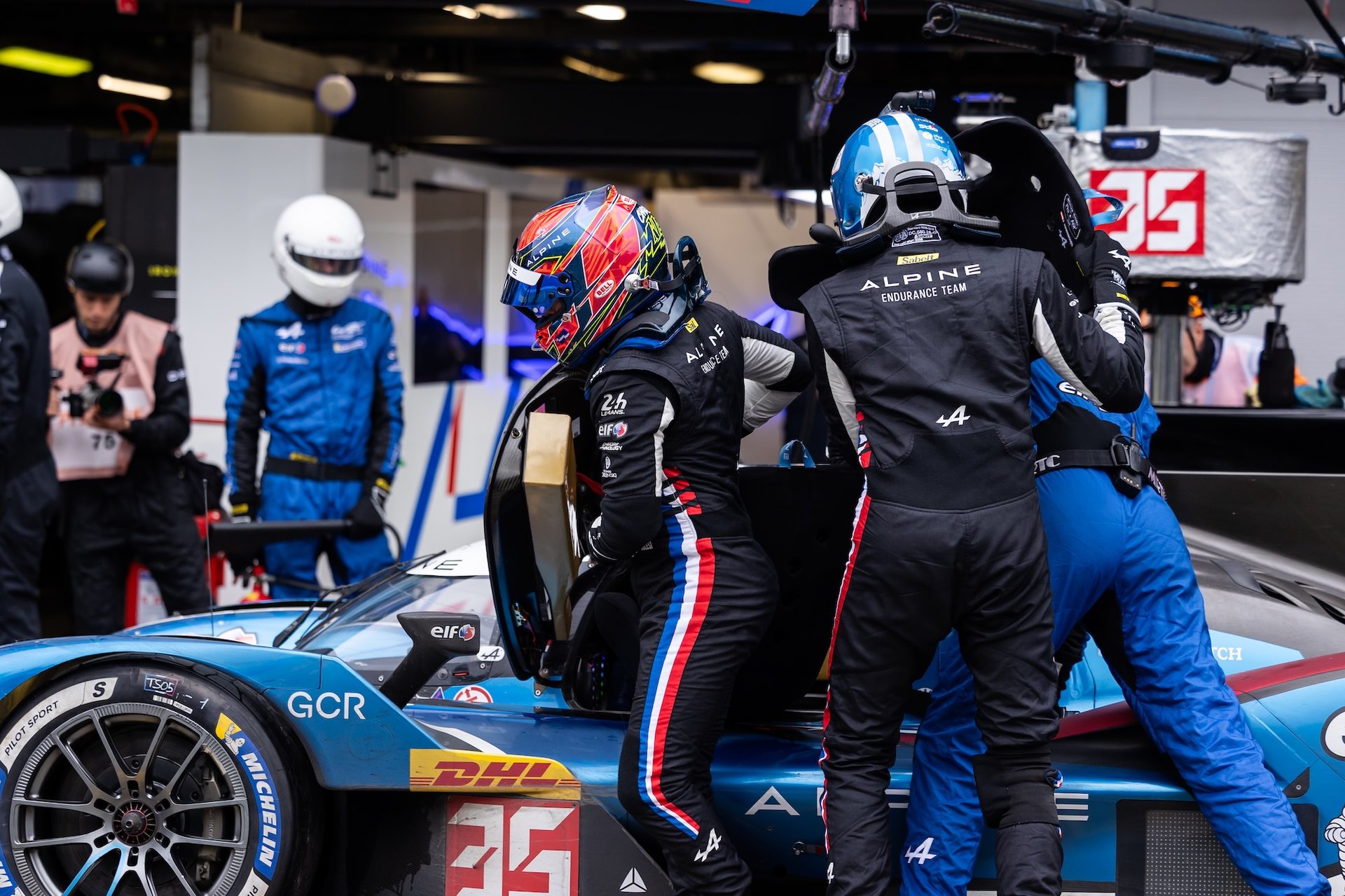
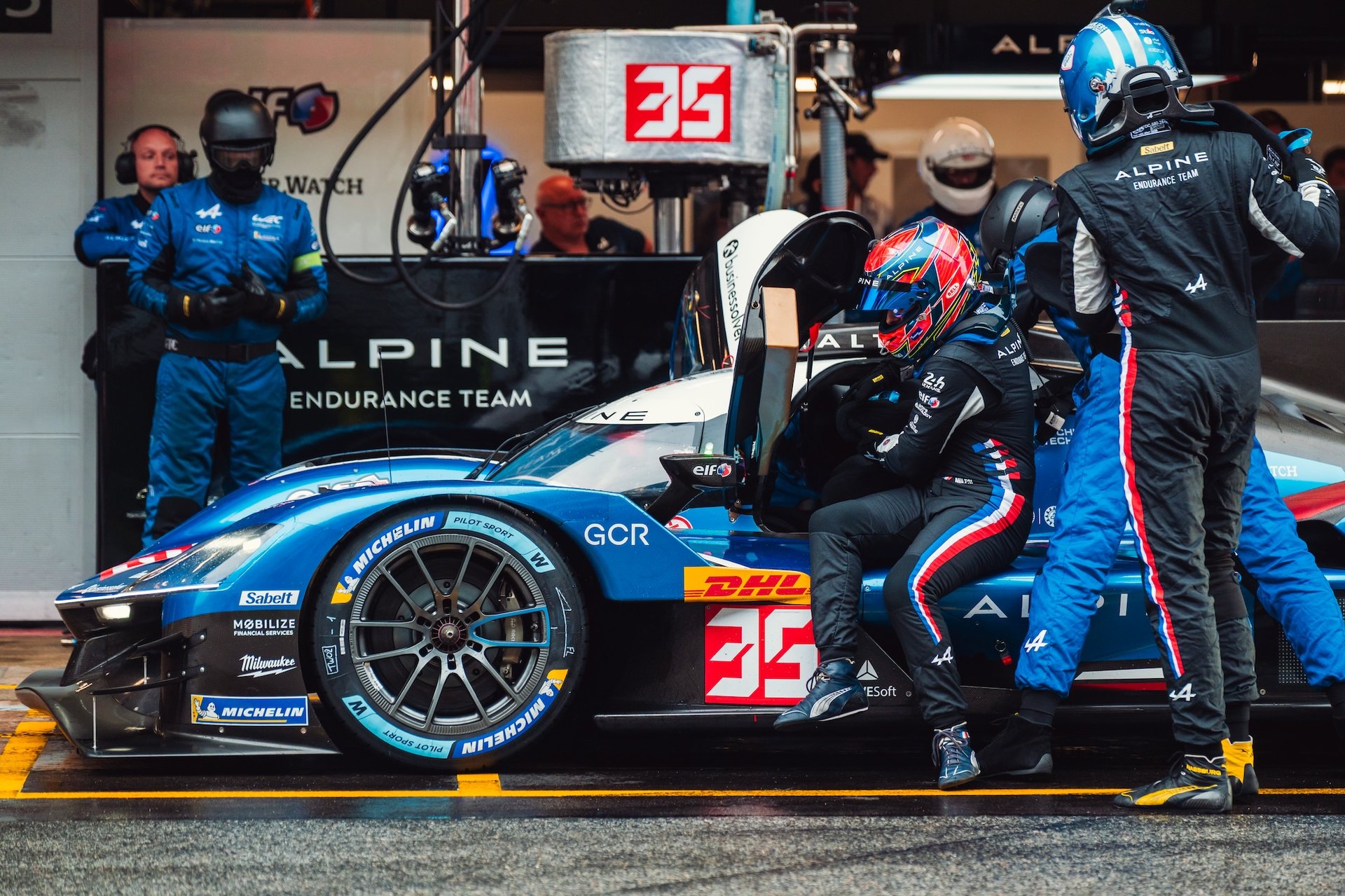
The A424’s best season was its last. The programme’s closure had been announced in February. That did not stop the teams at Viry and Signatech from delivering their strongest season:
- third place at Austin;
- the programme’s first pole position at Fuji, followed by second place, 0.591 seconds behind the Toyota;
- second place at Monza in its final race, 5.6 seconds behind the Cadillac.
Alpine finishes fifth in the Hypercar manufacturers’ championship on 122 points. Across three seasons, the A424 leaves a record of seven podiums, one victory and one pole position. The partnership with Signatech, which began in 2013, ends with 13 wins and two LMP2 world titles. ‘This chapter is closing sooner than we would have wished,’ said Axel Plasse. The teams, at least, have bowed out on a high.
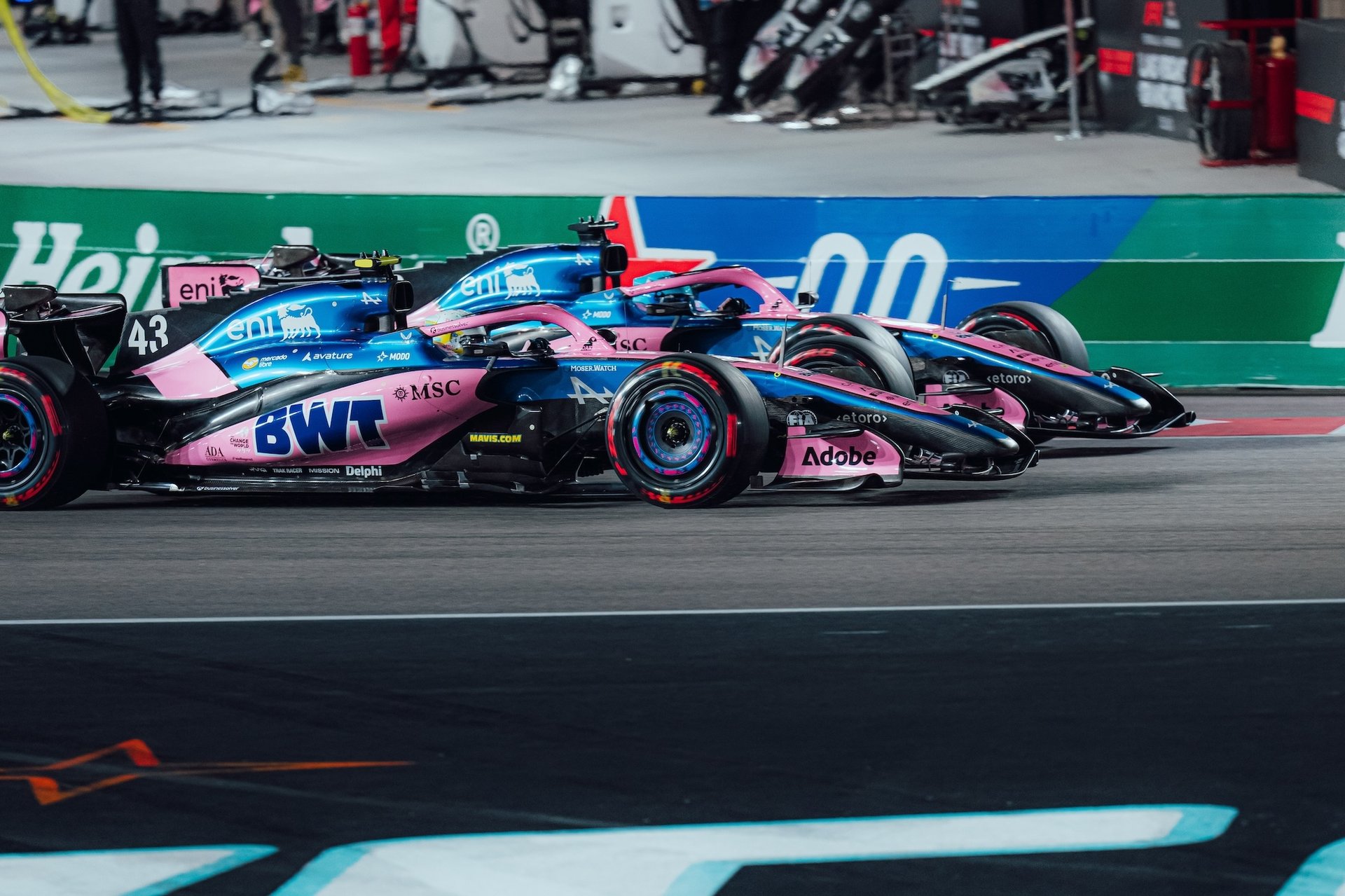
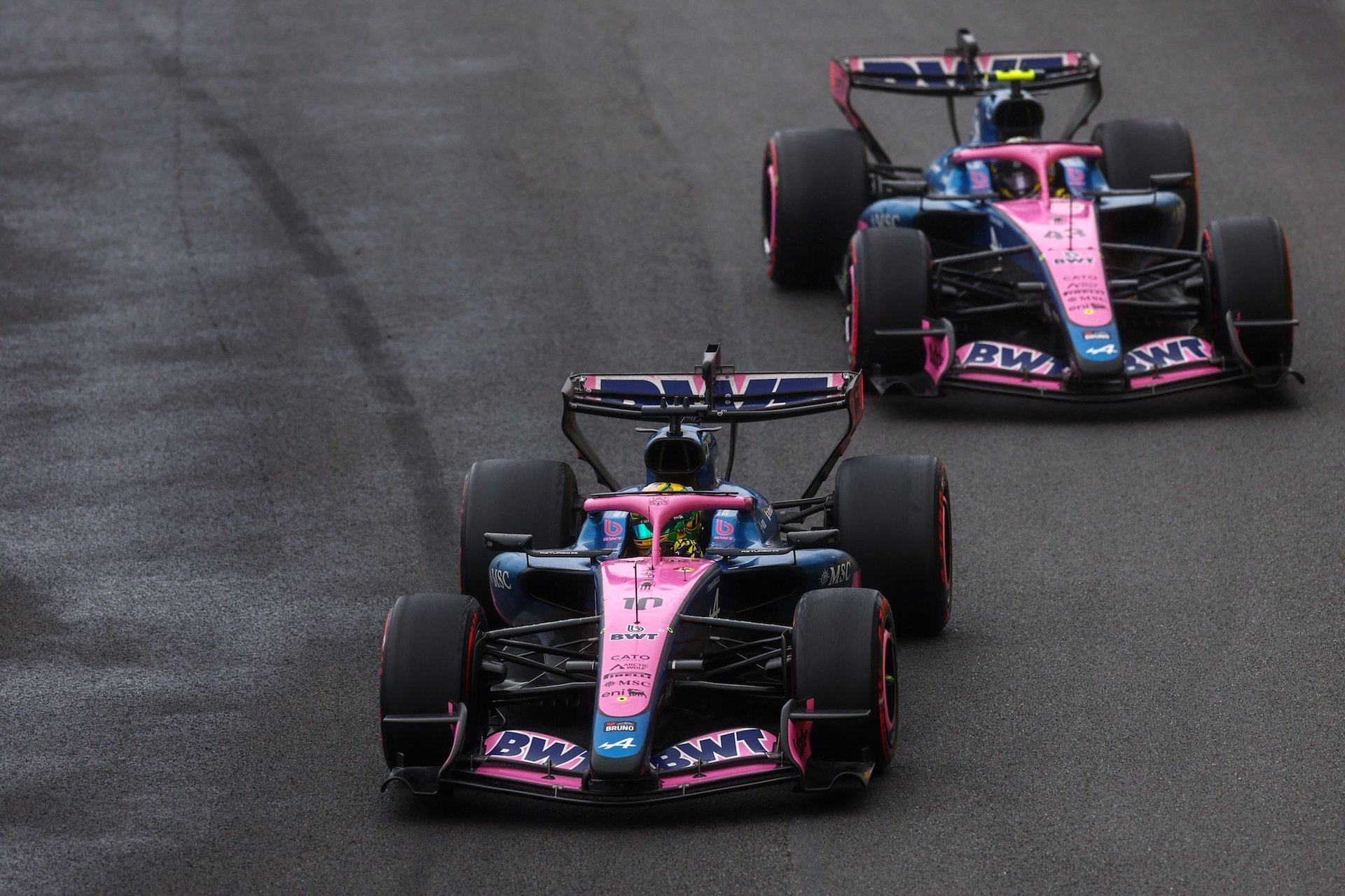
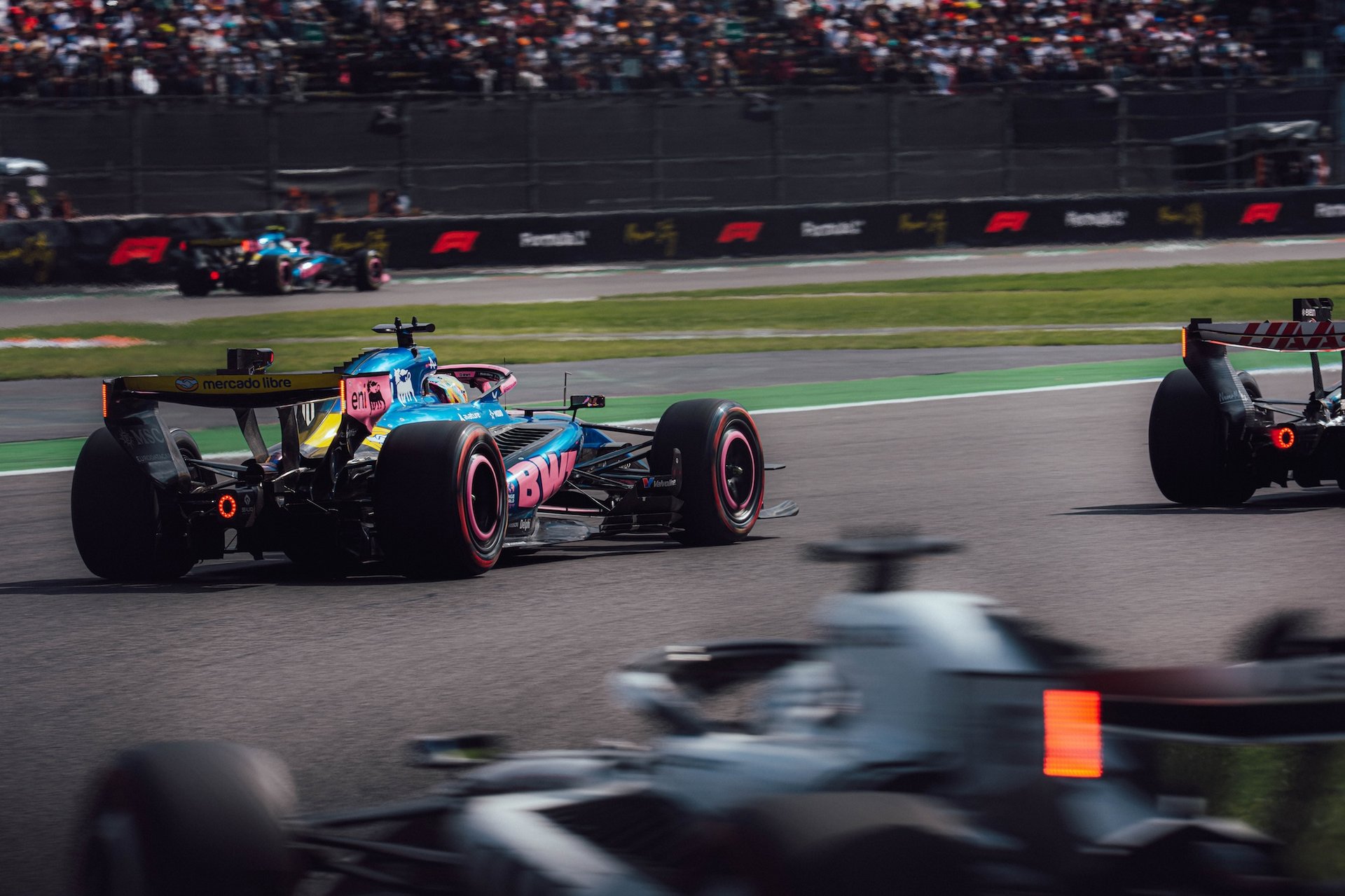
Formula 1 has taken a step forward. In 2025, the Enstone team finished tenth and last, with 22 points. With Mercedes power, it has returned to the midfield:
- fifth in the championship in the spring;
- sixth for Colapinto in Canada, the best result of his career;
- third on the road for Gasly at Monaco, a podium subsequently lost on appeal;
- Gasly’s first career pole position at Monza.
The second half of the season has been harder, with just one point from the last six races. Ahead of Las Vegas, the team sits sixth on 69 points, still well short of Renault’s ambitions for it. For 2027, it will have Gucci as title partner, an unchanged driver line-up and Mike Elliott heading its technical operation. It goes into the season with a rare degree of stability.
The contrast between the two programmes raises questions, without diminishing anyone’s achievements. The one being wound down finished at its strongest. The one continuing still has to fulfil its promise. Renault has chosen the global exposure that only F1 can offer. That is a defensible decision, and it makes it all the more important for the F1 team to meet its targets in 2027.
Customer racing, meanwhile, is a reminder that Alpine knows how to win without vast resources. This year, the A110 GT4+ secured its first FFSA GT Pro-Am drivers’ title, while the Alpine Elf Cup Series completed its ninth season.
The Les Alpinistes verdict on 2026
- The pleasant surprise: the A290. 8,618 registrations in nine months, with eight out of ten buyers coming from other brands. It has transformed the scale of Alpine’s business.
- The work in progress: the A390. An Alpine-developed chassis on shared underpinnings that fall short of both the asking price and the competition.
- The moment: Fuji, 27 September. The A424’s first pole position and second place, six tenths short of victory, seven months after its withdrawal was announced.
- The regret: the end of the A424. It bows out just as it was finally fighting for podiums.
- The title: FFSA GT, Pro-Am drivers. A first for the A110 GT4+, with Jousset and Servol.
- The number: 7. The number of A390s built each day at Dieppe this autumn, down from 30 at the outset.
- The quote: ‘Alpine’s DNA is not Formula 1, it is the A110.’ François Provost said it. We could not agree more. What remains is to act on it.
What we expect from 2027
Our investigation into Renault’s tightening grip ended with open questions. Questions are no longer enough: this is what we expect from Renault.
- Keep the A110 in Alpine’s hands. Shared purchasing, software and batteries: fair enough. But weight, chassis, driving position and development must remain the responsibility of a clearly defined Alpine team, with a boss who has the final say. If the A110 is Alpine’s DNA, it cannot become just another project within a wider engineering department.
- Set a date, and stick to it. Late 2027 is now the stated target, with the car to be revealed in stages throughout the year. Those teasers will be welcome. Another delay, after the slip from 2026, would not be.
- Give Dieppe the work it needs. With A390 production at seven cars a day and the A110 still some way off, the factory is going through a lull. The 81 jobs at risk deserve more than silence and uncertainty: a publicly available production plan to bridge the gap until the berlinette arrives.
- Improve the A390, rather than abandon it. The areas that need attention are clear: charging, weight, interior quality and price. An update during its production life could address some of them, and Alpine’s expertise will make the difference.
- Leave the door open to endurance racing. The A424 is homologated until at least 2029. Whether through a return in 2028, an LMP2 entry or a partner, Alpine must not allow thirteen years of endurance racing expertise to disperse.
The last second-generation A110 left Dieppe on 1 July. The next will tell us whether Alpine is still a carmaker, or merely a name on a bonnet.
Source: Alpine Cars